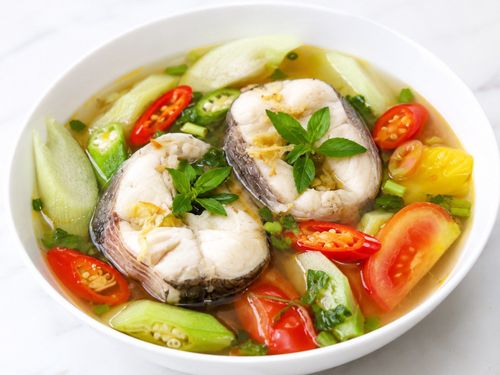
14 Healthy Vietnamese Dishes For A Balanced Meal
Published: Sep 15, 2026 by CHIN-SU
Updated: Sep 21, 2026 by CHIN-SU
Healthy Vietnamese food includes fresh, flavorful dishes built with garden herbs, crisp vegetables, poached or grilled proteins, rice, noodles, and carefully seasoned sauces. Examples include fresh spring rolls (gỏi cuốn), aromatic phở, chicken and cabbage salad (gỏi gà), poached chicken (gà luộc), steamed fish (cá hấp), and garlic water spinach (rau muống xào tỏi).
Many traditional Vietnamese meals use water, steam, and direct heat through simmering, steaming, poaching, and grilling, although stir-frying and deep-frying also form part of the cuisine. Vegetables, rice, fish, tofu, and fruit historically formed the core of the rural Vietnamese diet, while meat usually played a smaller supporting role. That traditional structure still influences family meals, but individual dishes and modern eating patterns vary.
In this guide, CHIN-SU walks you through fourteen healthy Vietnamese dishes, their usual ingredients, what contributes to their balance, and how to adjust portions and condiments when dining out or cooking at home. For a broader look at the country's culinary traditions, explore our guide to Vietnamese cuisine.
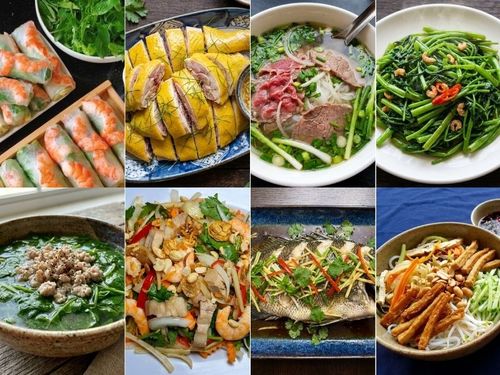
Table Of Contents
- Is Vietnamese Food Healthy?
- Gỏi Cuốn (Fresh Spring Rolls)
- Phở
- Gỏi Gà (Chicken and Cabbage Salad)
- Gà Luộc (Poached Chicken)
- Cá Hấp (Steamed Fish)
- Tôm Rang (Pan-Seared Shrimp)
- Rau Muống Xào Tỏi (Garlic Water Spinach)
- Canh Rau (Everyday Vegetable Soup)
- Đậu Hũ Sốt Cà (Tofu in Tomato Sauce)
- Gỏi Ngó Sen (Lotus Root Salad)
- Thịt Nướng (Grilled Pork or Chicken)
- Cháo (Rice Porridge)
- Dưa Chua (Pickled Vegetables)
- Bún Chay (Vegetarian Noodle Bowl)
- What Do These Dishes Have in Common?
- Why Vietnamese Meals Come With So Many Vegetables
- What Makes Vietnamese Food Less Healthy?
- How to Order a Balanced Vietnamese Meal
Is Vietnamese Food Healthy?
Yes. Vietnamese food supports a healthy eating pattern when meals combine vegetables and herbs, fish, chicken, shrimp, tofu, or lean pork with a portion of rice or noodles suited to the diner’s energy needs. Steaming, simmering, poaching, and grilling also allow many traditional dishes to use less added fat than breaded or deep-fried foods.
This balance appears clearly in a traditional Vietnamese family meal. Rice is commonly served with a vegetable soup, boiled or stir-fried greens, and a fish, meat, egg, or tofu dish. Meals such as cá hấp with rice and vegetables, phở gà with fresh herbs, and gỏi cuốn filled with shrimp, lettuce, herbs, and rice vermicelli provide carbohydrates, protein, and plant foods within the same meal.
The nutritional profile still changes according to the ingredients, cooking method, toppings, and serving size:
| Vietnamese Dish | Nutritional Strengths | What To Watch |
| Phở gà | Provides chicken, rice noodles, broth, and fresh herbs | A large noodle portion, salty broth, hoisin sauce, and added fish sauce increase carbohydrate, sugar, and sodium intake |
| Gỏi cuốn | Combines lettuce, herbs, shrimp or tofu, and a small amount of rice vermicelli | Hoisin, peanut, or fish-based dipping sauces can contain substantial sodium and added sugar |
| Rice with grilled fish, vegetables, and soup | Creates a balanced meal with starch, protein, vegetables, and fluid | Sweet marinades, fish sauce, and oversized rice portions change the overall balance |
| Bún riêu | Contains tomatoes, herbs, tofu, crab, pork, or other proteins depending on the recipe | Fried tofu, pork sausage, processed toppings, and seasoned broth add fat and sodium |
| Bánh mì | Includes bread, protein, cucumber, pickled vegetables, and herbs | Pâté, processed meat, mayonnaise, and seasoning sauces increase saturated fat and sodium |
Sodium deserves the most attention in broths and dipping sauces. Vietnam’s WHO and Ministry of Health STEPS 2021 survey recorded an average salt intake of 8.1 g per person per day, compared with the WHO recommendation of less than 5 g of salt, equivalent to 2,000 mg of sodium, per day. The same survey found that 78.2% of respondents always or often added salt or salty sauce before or during eating.
A healthier Vietnamese meal therefore emphasizes steamed, poached, or grilled dishes; includes vegetables and herbs; and uses fish sauce, soy sauce, broth, and dipping sauces in controlled amounts. Diners can also taste the food before adding condiments, choose fresh rolls more often than fried rolls, and balance a noodle or rice dish with extra vegetables and an appropriate protein serving.
Gỏi Cuốn (Fresh Spring Rolls)
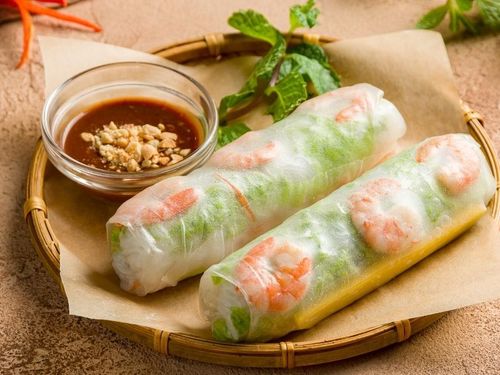
Fresh spring rolls (gỏi cuốn) are soft rice-paper rolls filled with rice vermicelli, crisp lettuce, aromatic herbs, and a protein such as poached shrimp, sliced pork, or tofu. The traditional shrimp-and-pork version uses boiled ingredients and fresh vegetables, while the assembled roll is served fresh instead of fried.
Each roll brings together several contrasting textures and flavors. The hydrated rice paper has a delicate chew, the vermicelli remains soft, the lettuce adds crunch, and mint, Thai basil, or cilantro provides a fresh aroma. Shrimp contributes a mild sweetness, while sliced pork gives the roll a more savory flavor. Fried Vietnamese spring rolls, known as chả giò in southern Vietnam and nem rán in northern Vietnam, offer a crispier alternative covered in our guide to Vietnamese appetizers.
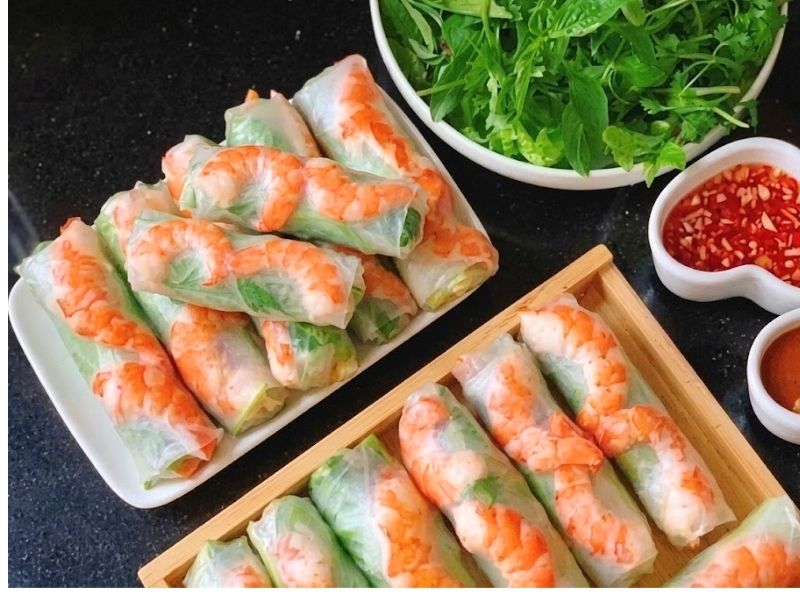
The calorie content changes with the roll’s size and the amount of vermicelli, meat, shrimp, tofu, and vegetables used. As a reference, the USDA FoodData Central FNDDS entry for a fresh rice-paper roll lists approximately 80 calories, 4 g of protein, 1.3 g of fiber, and 280 mg of sodium for one 71 g (2.5 oz) roll containing meat or shrimp and vegetables. Restaurant and homemade rolls often differ from this standardized serving.
The dipping sauce completes the flavor and changes the nutritional profile. Peanut and hoisin-based sauces usually add more calories because they contain peanuts, sweeteners, and other concentrated ingredients. Vietnamese nước chấm contains less fat but still contributes sodium and added sugar through fish sauce and the sweet-and-sour dressing.
Keep the sauce on the side, dip one end of the roll instead of coating the entire surface, and add more lettuce, cucumber, bean sprouts, or herbs when preparing the filling. If you want to make the dish at home, our recipe for fresh spring rolls explains how to prepare the ingredients, soften the rice paper, and roll each serving securely.
Phở
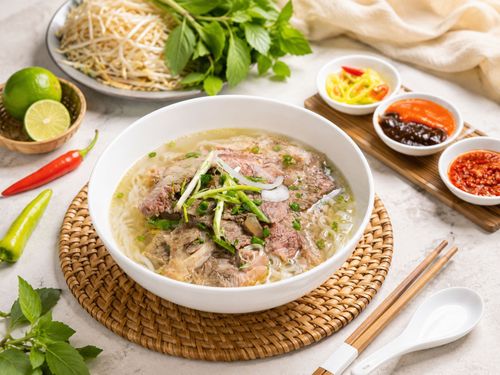
Phở is a Vietnamese noodle soup made with flat rice noodles and beef or chicken served in an aromatic broth commonly prepared with bones, charred ginger, onions, and whole spices. Thai basil, culantro, lime, chilies, and bean sprouts often accompany southern-style phở, while northern-style bowls usually include fewer garnishes.
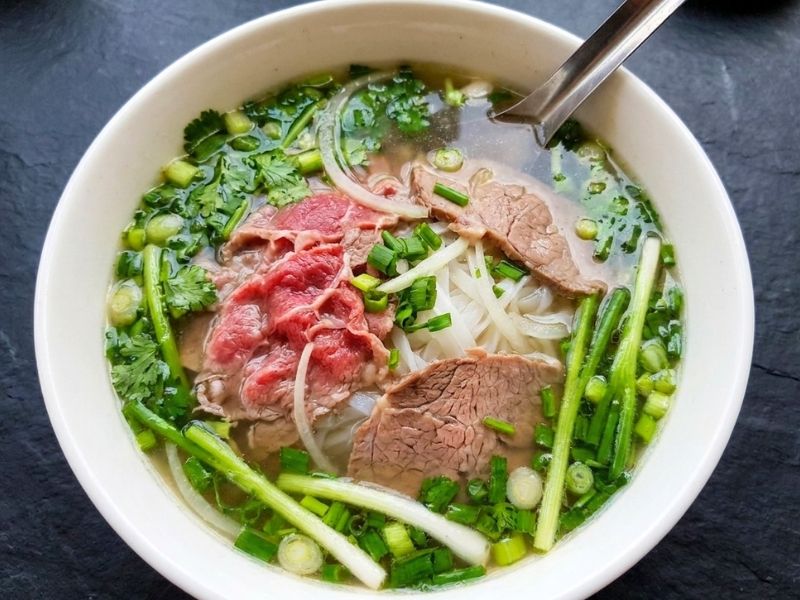
The broth develops its flavor through extended simmering and careful seasoning. Beef versions often include star anise, cinnamon, and cloves, while chicken versions use a lighter poultry base. Skimming removes foam and improves the broth’s clarity without removing all its natural fat.
Sodium is an important consideration in a restaurant bowl. USDA FoodData Central, FDC ID 2707124 lists 365 mg of sodium per 100 g for phở soup with meat. One 245 g (8.6 oz) cup therefore provides approximately 894 mg, while two cups provide approximately 1,789 mg. The FDA lists 2,300 mg as the Daily Value for sodium and recommends that adults remain below this amount each day.
To balance your bowl, choose a suitable portion of noodles and meat, add the available vegetables and herbs, and leave some broth to reduce sodium intake. You can also request extra bean sprouts in place of part of the noodles when substitutions are available. For a deeper look into broth-making, visit our guide to Vietnamese soups, or try our homestyle beef phở recipe.
Gỏi Gà (Chicken and Cabbage Salad)
Chicken and cabbage salad (gỏi gà) is a vibrant tossed salad of tender shredded poached chicken, finely sliced cabbage, crunchy carrots, onions, and fragrant Vietnamese coriander (rau răm), tossed in a sweet-tart lime and fish sauce dressing. It offers a completely different eating experience from heavy mayonnaise-based Western slaws.
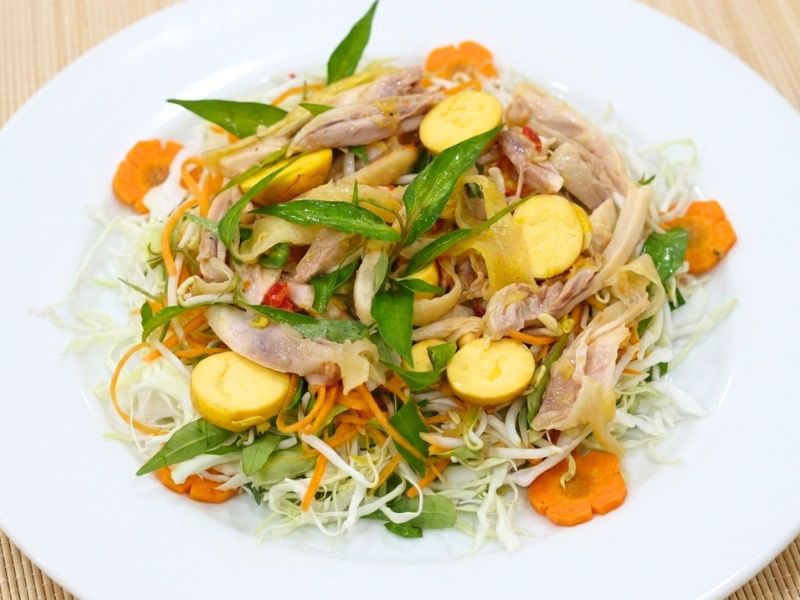
The standout feature here is the refreshing crunch. Finely shredded cabbage and crisp vegetables make up most of the platter, while juicy poached chicken provides clean, satisfying protein. The dressing uses a base of citrus juice, garlic, chili, and fish sauce with zero added oil, keeping the entire dish crisp and light.
Because the salad is tossed together fresh, the flavor relies on the harmony of sweet, sour, salty, and spicy notes in the dressing. The dressing does contain a bit of sugar to balance the tart lime juice and savory fish sauce. If you prefer to manage the sweetness, ask the restaurant to serve the dressing on the side so you can drizzle it over the greens to your taste.
Gà Luộc (Poached Chicken)
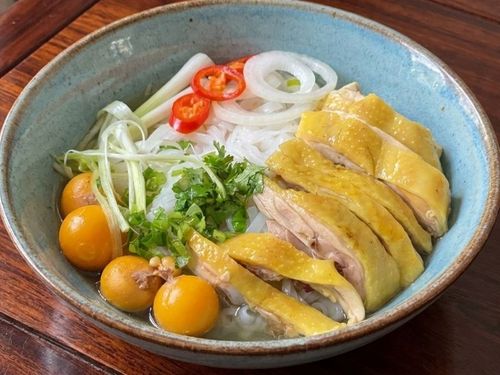
Poached chicken (gà luộc) is a classic Vietnamese dish in which a whole chicken is gently simmered, chopped into bone-in pieces, and served with a lime-salt or ginger-fish-sauce condiment. Ginger and scallions commonly perfume the cooking liquid, while some cooks add turmeric for a deeper yellow color. The dish often appears at holiday celebrations, ancestral anniversaries, and family meals.
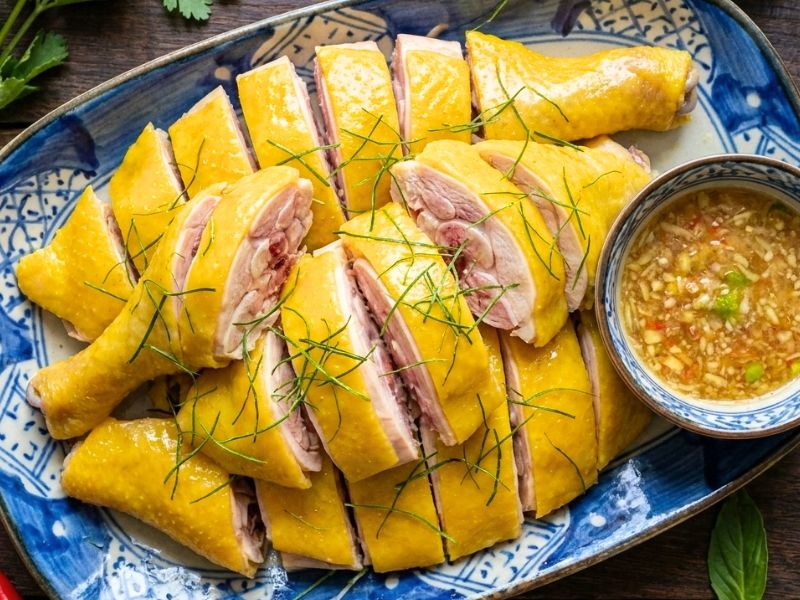
Poaching requires no frying oil and keeps the meat tender and moist. The chicken’s natural fat remains concentrated beneath the skin, so removing the skin lowers the amount of fat consumed.
Serve gà luộc with sea salt mixed with cracked pepper, sliced chili, and fresh lime juice. Pair it with steamed rice, boiled greens, and a light soup for a varied family meal.
Cá Hấp (Steamed Fish)
Steamed fish (cá hấp) consists of a whole fish or fillets gently cooked with aromatics such as ginger and scallions, while dill, mushrooms, chilies, fish sauce, or soy sauce appear in some versions. Steaming requires little added fat, although some recipes finish the fish with hot oil or sesame oil.
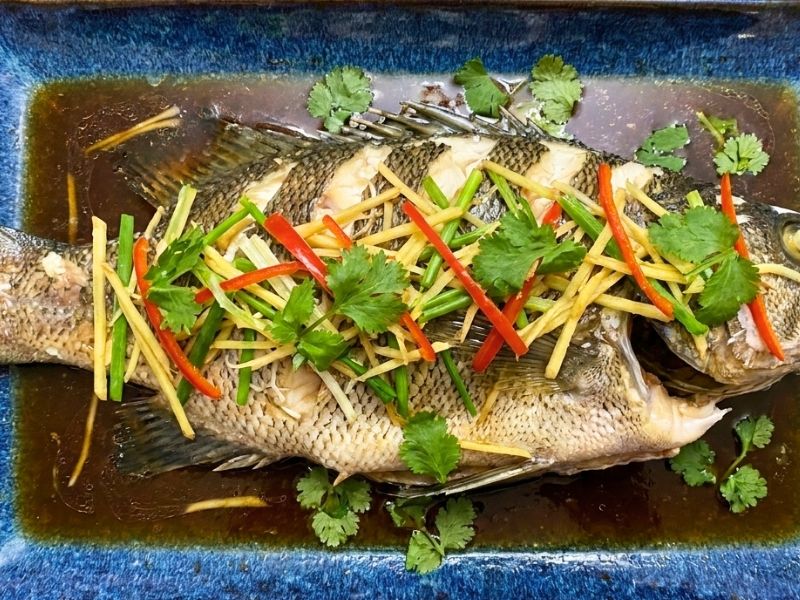
Ginger, scallions, and other aromatics give the fish a clean, fragrant flavor, while the fish supplies protein. Fat and omega-3 content varies by species, with oily fish such as salmon and mackerel providing more EPA and DHA than many lean white fish. For a richer contrast, our Vietnamese braised catfish shows how black pepper and braising create a deeper, caramelized flavor.
The seasoned sauce contributes much of the sodium. Spoon a moderate amount over your portion and pair the fish with steamed rice and seasonal vegetables.
Tôm Rang (Pan-Seared Shrimp)
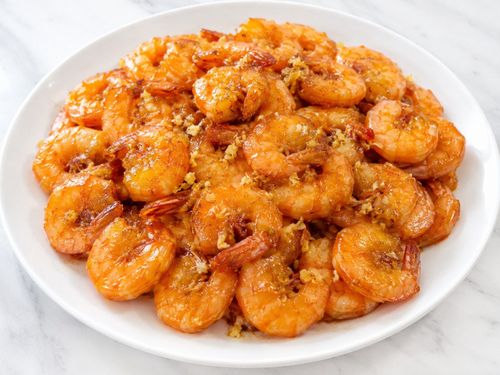
Pan-seared shrimp (tôm rang) are fresh whole shrimp quickly tossed in a hot skillet with crushed garlic, cracked black pepper, and a splash of fish sauce until their shells turn vibrant orange and lightly crisp. This is a beloved staple of the everyday home dinner table rather than a fancy banquet dish.
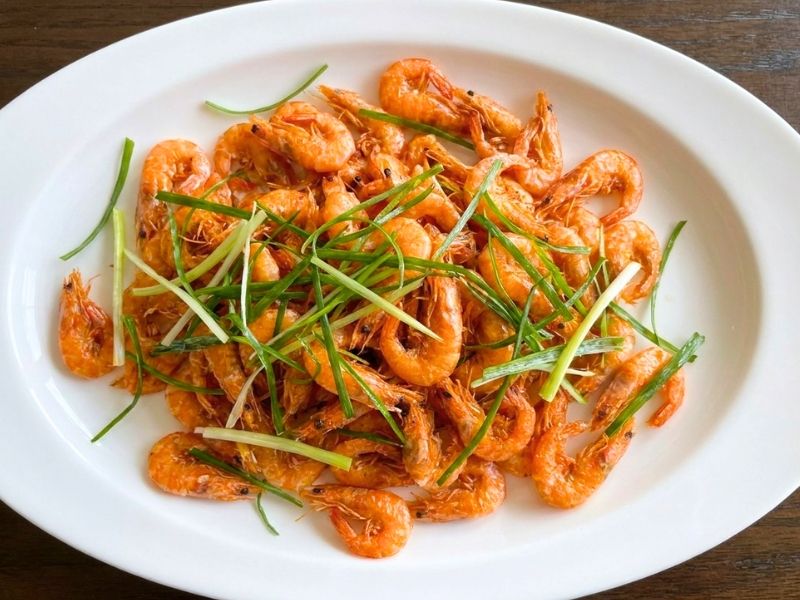
The cooking method is fast and direct. As the shrimp hit the hot pan, they quickly release their own sweet juices, meaning the cook needs barely a teaspoon of oil to prevent sticking. Garlic and caramelized fish sauce form a savory glaze that clings to the shells, packing an intense umami punch into every bite.
Because tôm rang is intensely seasoned, it is meant to be shared family-style. Diners enjoy a few savory shrimp alongside a bowl of steamed rice, a serving of boiled greens, and a bowl of light vegetable soup. That shared table setting naturally keeps protein portions balanced and prevents overeating.
Rau Muống Xào Tỏi (Garlic Water Spinach)
Garlic water spinach (rau muống xào tỏi) is water spinach flash-cooked over intense heat in a hot wok with crushed garlic and a light splash of fish sauce, leaving the hollow stems crunchy and the tender leaves wilted in minutes. It is easily the most popular vegetable dish ordered across Vietnam, loved from bustling street stalls to formal family dinners.
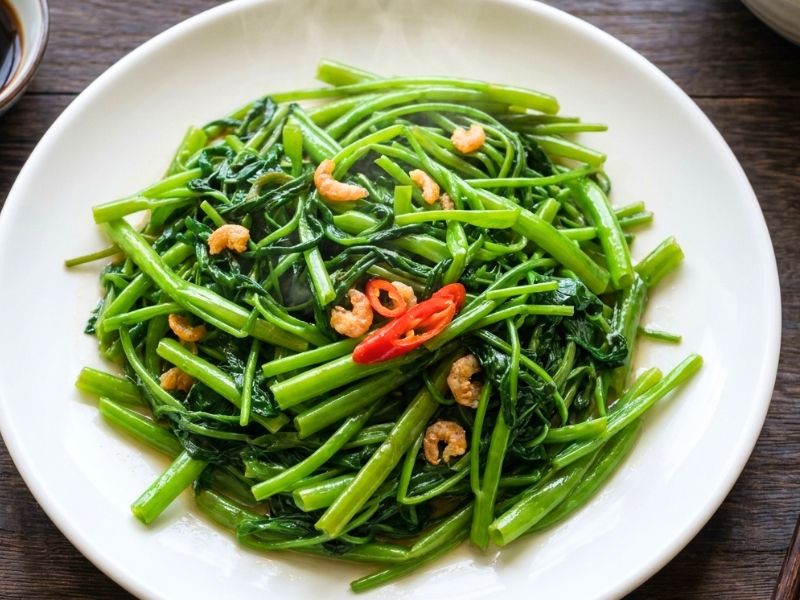
The magic comes from the rapid wok sear. Golden, fragrant garlic and savory fish sauce give the greens an irresistible aroma, turning simple vegetables into the star of the table. You get a satisfying contrast between the crisp, hollow stems and the silky, tender leaves.
From a nutritional standpoint, water spinach is an impressive powerhouse. Per 100 grams, raw water spinach contains just 19 calories, 2.6 g of protein, 2.1 g of dietary fiber, 55 mg of vitamin C, 315 µg of vitamin A as RAE, 1.67 mg of iron, and 312 mg of potassium (USDA FoodData Central). One cup chopped equals about 56 grams, so a shared portion delivers a rich supply of vitamins and minerals for very few calories.
Cooking oil and fish sauce are the main variables here. Restaurant kitchens tend to use more oil to achieve a glossy finish than home cooks do. You can easily ask for your greens stir-fried with light oil, or order them simply boiled with a squeeze of fresh lime (rau muống luộc), an equally authentic home style that uses no oil at all.
Canh Rau (Everyday Vegetable Soup)
Everyday vegetable soup (canh rau) is a light, clear homestyle soup made by quickly simmering seasonal greens like mustard greens, Malabar spinach, or sweet leaf with a hint of minced pork or dried shrimp for savory depth. The greens stay bright green and tender-crisp, while the broth remains clear and refreshing.
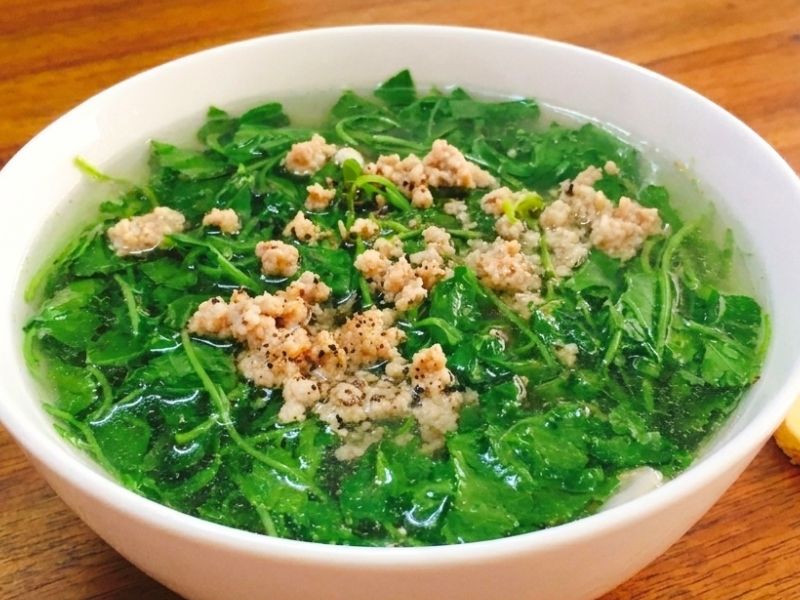
Unlike rich Western cream soups, canh is designed to hydrate, nourish, and cleanse the palate. The small amount of minced meat or dried shrimp is there purely to lend sweetness and savory nuance to the water, rather than serving as a heavy protein course. It adds a generous volume of cooked vegetables and warm liquid to your meal with virtually no added calories or fat.
At a Vietnamese table, canh does not arrive as an appetizer course. The bowl sits directly in the center of the table with the other dishes, and you ladle a few spoonfuls over your rice or sip it between bites of meat. For a sunny southern variation featuring pineapple, tomatoes, and tamarind, our sweet and sour canh chua showcases how fruit acidity creates the same refreshing lightness.
When cooking at home, keep the seasoning light. Bouillon powder and fish sauce give the broth its savory backbone, so season with a gentle hand and let the natural sweetness of the fresh greens shine through.
Đậu Hũ Sốt Cà (Tofu in Tomato Sauce)
Tofu in tomato sauce (đậu hũ sốt cà) features golden squares of tofu gently simmered in a luscious sauce of ripe tomatoes, chopped scallions, and garlic, seasoned with savory fish sauce or fermented soy sauce. It is a cherished comfort dish rooted deeply in Vietnamese home kitchens and the country's rich Buddhist vegetarian tradition.
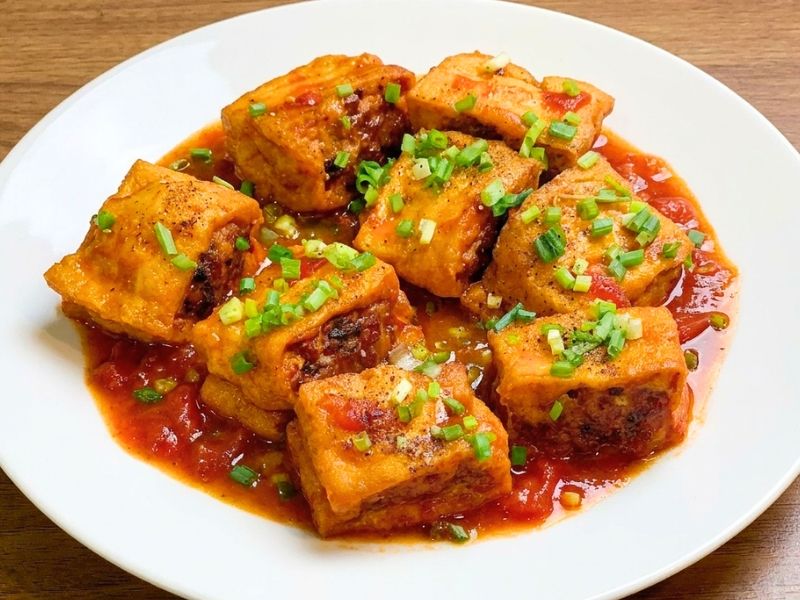
As the fresh tomatoes simmer, they break down into a naturally rich, velvety sauce that clings to the tofu. The sauce gains body from the cooked tomato pulp itself, requiring no cream, butter, or cornstarch thickeners. It provides wholesome, satisfying plant protein that feels filling and hearty without relying on meat.
One detail determines whether the dish is strictly vegetarian: the seasoning. In everyday family homes, cooks often use fish sauce for depth, while vegetarian eateries (quán chay) season it exclusively with soy sauce. If you follow a plant-based diet, simply ask the kitchen to prepare yours with soy sauce.
To keep the dish light, choose tofu that has been lightly pan-seared or baked until golden, rather than commercially prepared puffed tofu that has been through a commercial deep fryer. Simmered in ripe tomatoes, pan-seared tofu absorbs all the bright, tangy flavor while keeping added oils to a minimum.
Gỏi Ngó Sen (Lotus Root Salad)
Lotus root salad (gỏi ngó sen) is a celebratory Vietnamese salad made of crisp young lotus stems tossed with poached shrimp, lean pork, julienned carrots, fresh mint, and toasted peanuts in a zesty sweet-and-sour lime dressing. Because the tender lotus stems are served fresh and raw, they offer an exceptionally crisp, juicy snap with every bite.
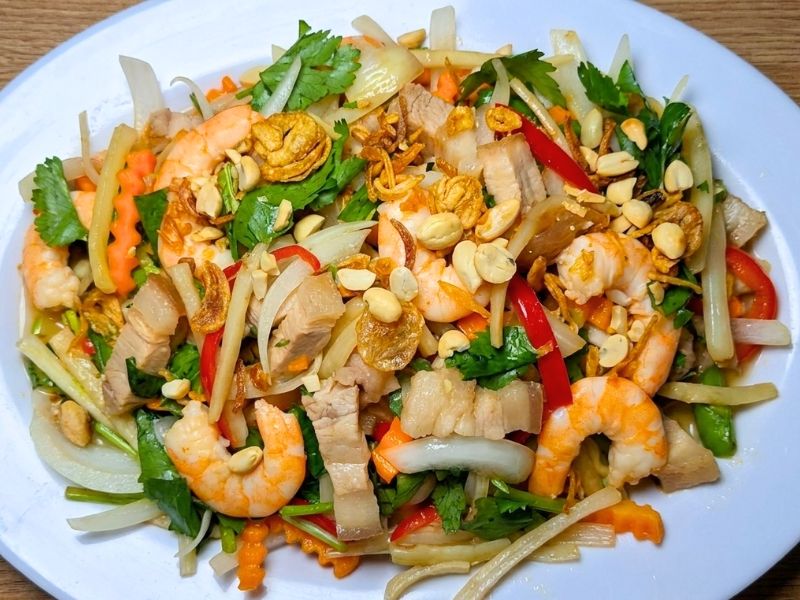
Aside from the poached shrimp and pork, which are cooked in water beforehand, nothing in this salad sees heat. Tender lotus stems are naturally mild, juicy, and low in calories, acting like little sponges that absorb the bright lime, garlic, and chili dressing. You get a generous mountain of fresh, raw vegetables, while roasted peanuts add a pleasant nutty crunch and healthy unsaturated fats.
The crushed peanuts and the sweet-sour dressing are where calories and sugar concentrate. Restaurants often garnish salads generously with peanuts, which taste wonderful but can add up. The best way to enjoy gỏi ngó sen is to share the platter across the table, savoring its cooling crunch as a refreshing counterpart to warmer dishes.
Thịt Nướng (Grilled Pork or Chicken)
Grilled meat (thịt nướng) consists of thinly sliced pork shoulder or chicken marinated in crushed lemongrass, garlic, shallots, fish sauce, and a touch of caramel sugar, then grilled over hot charcoal until delightfully smoky and caramelized at the edges. The fragrant smoke rising from outdoor grills is one of the most recognizable and mouthwatering aromas in Vietnam.
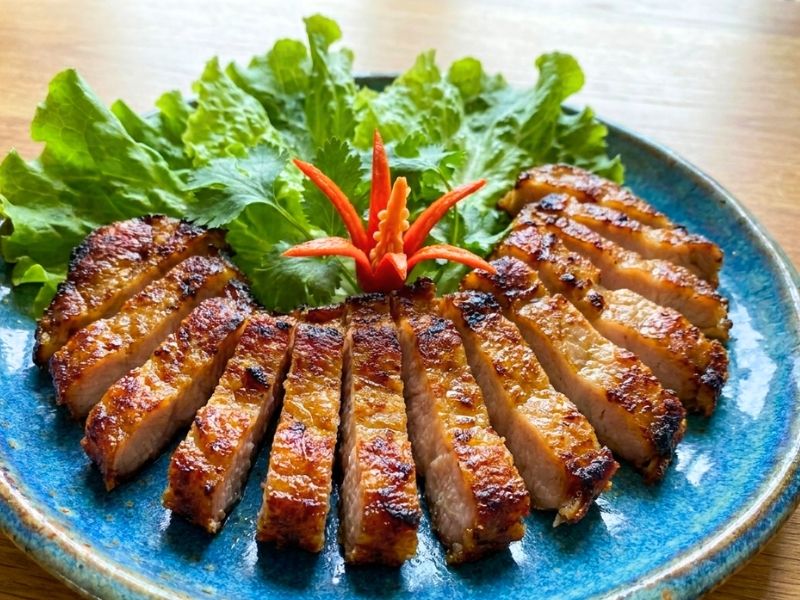
Grilling over open charcoal gives this dish a major advantage: as the meat sears over direct fire, excess fat renders and drips away into the coals, leaving you with tender, flavorful protein without any greasy pan-frying oil. The intense marinade of fresh lemongrass and garlic permeates the meat, delivering bold flavor without needing thick, sugary glazes or heavy batters.
The key to keeping this meal balanced lies in what you eat alongside it. While pork belly is popular for its richness, lean pork shoulder or chicken provides plenty of protein with far less saturated fat. Rather than eating large portions of grilled meat over plain white rice, pair it with rice vermicelli, crisp cucumber slices, pickled daikon, and a mountain of fresh herbs, just as served in a classic vermicelli noodle bowl.
Cháo (Rice Porridge)
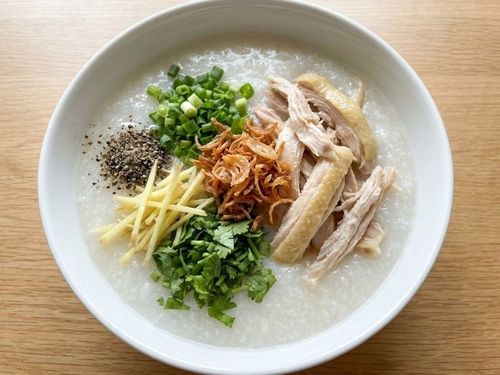
Rice porridge (cháo) is a soothing, comforting dish made by slowly simmering rice in plenty of flavorful broth until the grains burst and soften into a warm, silky soup, topped with shredded poached chicken or flaky fish, julienned ginger, and green onions. Known to many travelers as congee, it is Vietnam's quintessential feel-good comfort food.
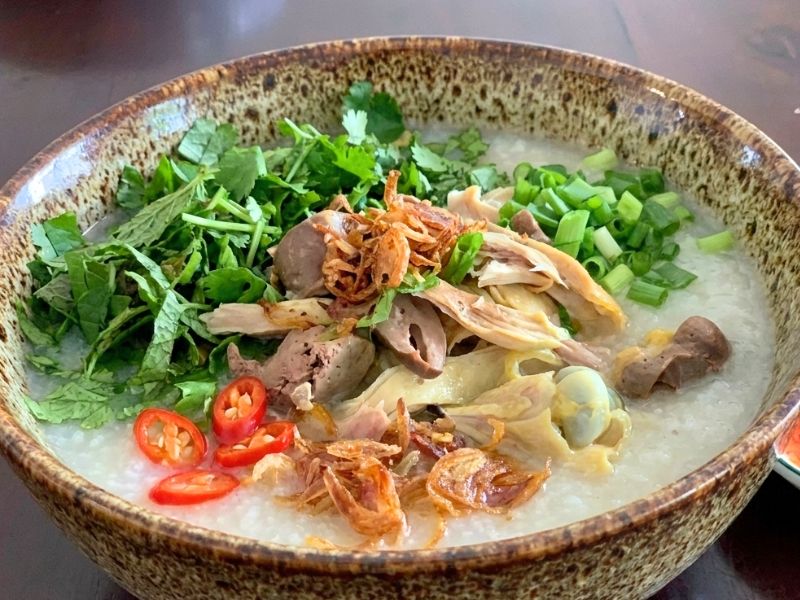
The secret to why cháo feels so gentle on the body is its high liquid-to-rice ratio. Because the rice grains expand dramatically in the simmering broth, a generous, satisfying bowl actually contains far fewer rice grains than a standard portion of steamed white rice. You feel warmly full and nourished on a relatively modest amount of starch, making it naturally easy to digest.
How you garnish your bowl makes all the difference. Traditional street stalls often serve cháo with crispy fried dough sticks (quẩy) or rich offal (cháo lòng), which turn the bowl into a much heavier indulgence. For a wholesome meal, choose shredded chicken breast or fresh fish, garnish generously with fresh ginger and scallions, and skip the fried dough. Porridge is also a comforting morning ritual, which you can read more about in our guide to Vietnamese breakfast foods.
Dưa Chua (Pickled Vegetables)
Pickled vegetables (dưa chua) are crunchy mustard greens, daikon radish, carrots, or bean sprouts quickly pickled in rice vinegar with a pinch of sugar, or naturally fermented in a light salt-and-water brine. A small, colorful dish of these tangy pickles sits beside almost every rich braise or roasted dish in a Vietnamese home.
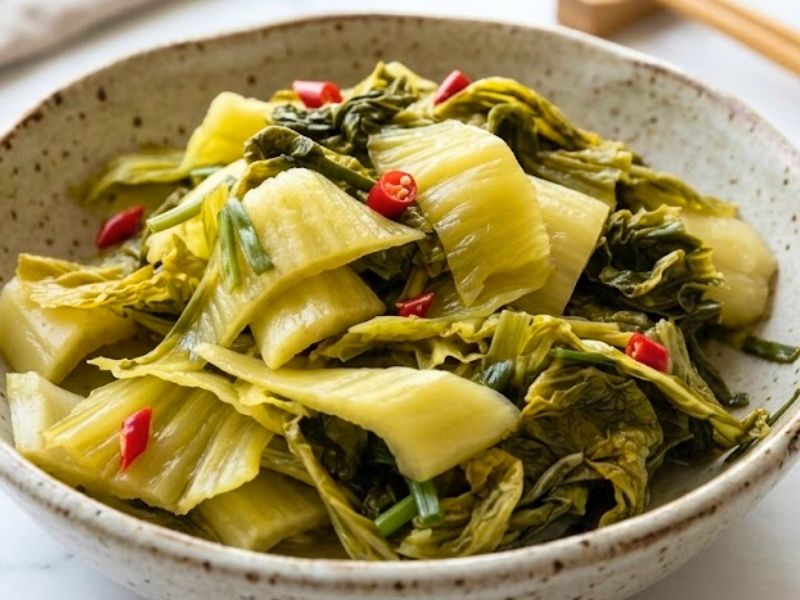
Pickles are never meant to be a full plate on their own; instead, they serve as an essential culinary reset button. Their bright, zesty acidity and crisp crunch cut through the richness of caramelized pork belly, fried fish, or grilled skewers, refreshing your palate between bites. Naturally fermented versions also provide beneficial lactic acid bacteria that aid digestion.
Because salt and a touch of sugar are used in the pickling brine, you only need a few chopsticks' worth per meal to get all the flavor benefit. Enjoy them exactly as intended, as a bright condiment that lifts the entire table. If you'd like to try making them at home, our Vietnamese pickled vegetables recipe covers both the quick vinegar method and the traditional salt-fermented style.
Bún Chay (Vegetarian Noodle Bowl)
A vegetarian noodle bowl (bún chay) is a colorful, room-temperature dish of tender rice vermicelli topped with crisp cucumbers, shredded lettuce, fresh mint, pickled carrots, and pan-seared tofu or sautéed mushrooms, dressed with a sweet-tangy vegetarian dipping sauce. It is served dry rather than swimming in soup, allowing every fresh ingredient to shine. This dry format is one example of the diversity found in Vietnamese noodle dishes.
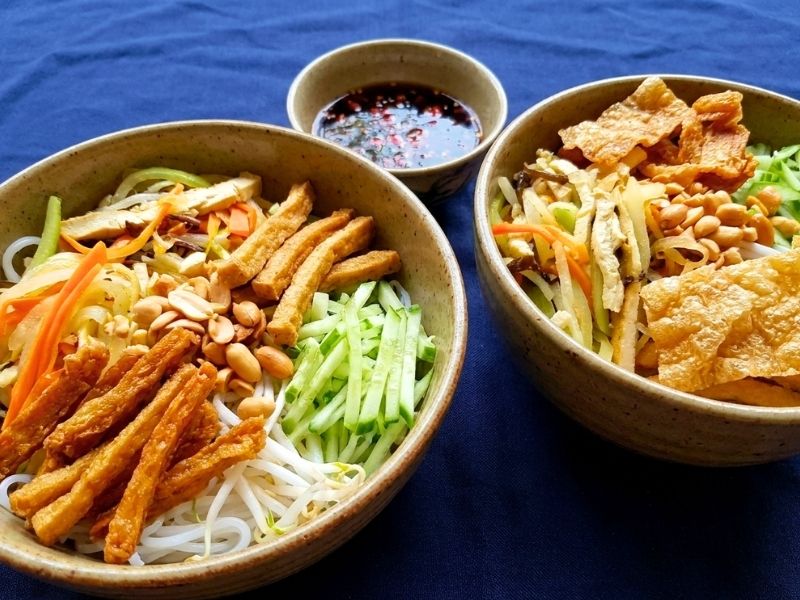
When the bowl arrives, you can see the wholesome composition right away. Soft vermicelli noodles form a modest base at the bottom, while a rainbow of crisp greens, fragrant herbs, and golden tofu fills the upper half of the bowl. Fresh vegetables outweigh the noodles by a wide margin, giving you plenty of hydrating crunch and plant-based protein with very little fat.
Because the seasoned dressing comes in a small saucer on the side, you have total control over how much you use. Pour it in gradually as you toss the noodles and greens together, rather than emptying the whole cup at once. Opt for pan-seared tofu or fragrant sautéed mushrooms rather than commercially deep-fried tofu puffs, and feel free to ask the restaurant for an extra handful of fresh herbs.
What Do These Dishes Have in Common?
These fourteen dishes share a unified culinary philosophy rather than being fourteen isolated choices, and once you recognize that pattern, ordering healthy Vietnamese food becomes second nature. Four key habits define almost every dish on the menu:
- Fresh vegetables and herbs arrive built into the meal. They are not an optional side dish you have to order extra; fresh greens, bean sprouts, and herbs are fundamentally part of how the dish is presented and enjoyed.
- Cooking methods default to water, steam, and direct fire. Simmering, steaming, gentle poaching, grilling, and wrapping dominate the Vietnamese repertoire, keeping heavy deep-frying as a rare exception rather than the standard rule.
- Complex flavor comes from fresh aromatics, citrus, and fish sauce rather than added fat. Lemongrass, fresh ginger, garlic, shallots, and lime juice create vibrant, craveable depth, meaning dishes feel deeply satisfying without relying on heavy cream, butter, or oil.
- The small bowl of dipping sauce is where both salt and sugar concentrate. Because sweetness and salt live in the condiment bowl beside your plate, one simple mindful habit (dipping lightly rather than pouring) manages both simultaneously.
Once you keep these four pillars in mind, you stop worrying about finding a "diet" option and feel confident enjoying whatever sounds delicious.
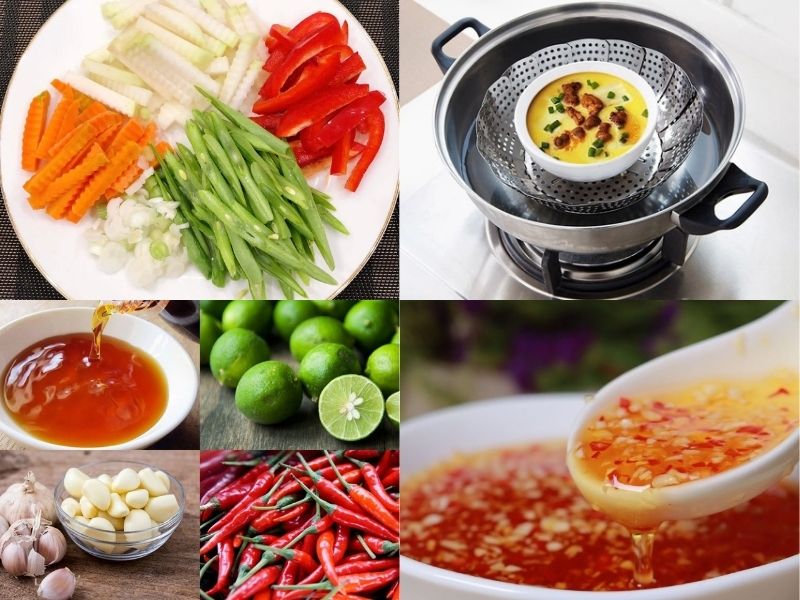
Why Vietnamese Meals Come With So Many Vegetables
Vietnamese meals come with an abundance of vegetables because fresh herbs and greens are essential culinary components of the dish itself, rather than decorative garnishes. If a restaurant took away the herb platter, the meal would literally be incomplete.
Consider the generous basket of fresh herbs (rổ rau sống) served alongside grilled pork patties (bún chả), sizzling pancakes (bánh xèo), or fresh spring rolls. Diners do not eat them as an appetizer salad; you tear the crisp lettuce leaves, pluck fragrant sprigs of Thai basil and perilla, and bundle each bite together in your hands. The cooling herbs balance the warm, savory meat, delivering a burst of freshness in every single mouthful.
The traditional home rice table (mâm cơm gia đình) follows that exact same communal rhythm. Steamed rice, a savory main dish, a steaming bowl of clear vegetable soup (canh), a platter of boiled or stir-fried greens, and a shared dipping sauce all arrive together. You enjoy fresh greens continuously throughout the meal. Historically, fresh vegetables, rice, river fish, tofu, and tropical fruits formed the wholesome backbone of rural Vietnamese daily life, keeping meat as a flavorful accent.
Noodle soups like phở and bún bò hand that same balance over to you. The bowl arrives steaming hot, accompanied by a fresh side plate piled high with bean sprouts, culantro, fresh mint, lime, and chilies. You decide exactly how many handfuls of crisp greens and aromatic leaves to submerge in your broth, personalizing every bite.
What Makes Vietnamese Food Less Healthy?
A Vietnamese meal becomes less balanced when it contains excessive sodium, added sugar, cooking oil, fatty meat, refined starch, or an oversized portion. Broths, cooking seasonings, and dipping sauces are common sources, while fried foods and sweetened beverages also affect the meal’s nutritional profile.
A bowl of phở, for example, changes with its noodle portion, meat cut, broth volume, and added condiments. Leaving part of the broth reduces sodium intake, while choosing fewer noodles or a leaner cut adjusts carbohydrates or fat.
USDA FoodData Central, FDC ID 174531 lists 7,851 mg of sodium per 100 g for generic ready-to-serve fish sauce. One 18 g tablespoon provides approximately 1,413 mg. The current label for CHIN-SU Premium Vietnamese Fish Sauce lists 1,445 mg per 15 ml tablespoon, equal to 63% of the FDA Daily Value of less than 2,300 mg. Individual intake depends on the amount used, dilution, and number of servings.
Added sugar commonly appears in three places:
- Dipping sauces: Nước chấm combines fish sauce, water, lime juice or vinegar, sugar, garlic, and chili in ratios that vary by recipe.
- Braises and marinades: Sugar creates nước màu and balances salty or acidic seasonings.
- Sweetened beverages: Condensed milk, syrups, and toppings add sugar to Vietnamese coffee, milk tea, and fruit drinks.
| Where | Main Variables | Practical Adjustment |
| Broth | Sodium, fat, and serving volume | Taste first and leave part of the broth |
| Cooking seasonings | Fish sauce, salt, bouillon, sugar, and oil | Pair with plainly cooked vegetables |
| Dipping sauce | Sodium, sugar, and dilution | Dip instead of pour |
| Rice, noodles, and bread | Serving size | Choose a portion suited to the meal |
| Meat and cooking fat | Cut, skin, frying method, and oil | Choose leaner cuts and limit fried portions |
Fish sauce provides concentrated umami, so a small amount distributes flavor throughout a dish. Measure CHIN-SU Fish Sauce by the teaspoon; our guide on how to use fish sauce explains how to season different dishes.
How to Order a Balanced Vietnamese Meal
To order a balanced Vietnamese meal at a restaurant, recreate the harmony of a traditional family dinner: choose one lean protein, one dedicated vegetable dish, a mindful portion of rice or noodles, and dip your food lightly rather than pouring sauce over your bowl. Ordering this way lets you enjoy authentic, mouthwatering flavors without feeling restricted.
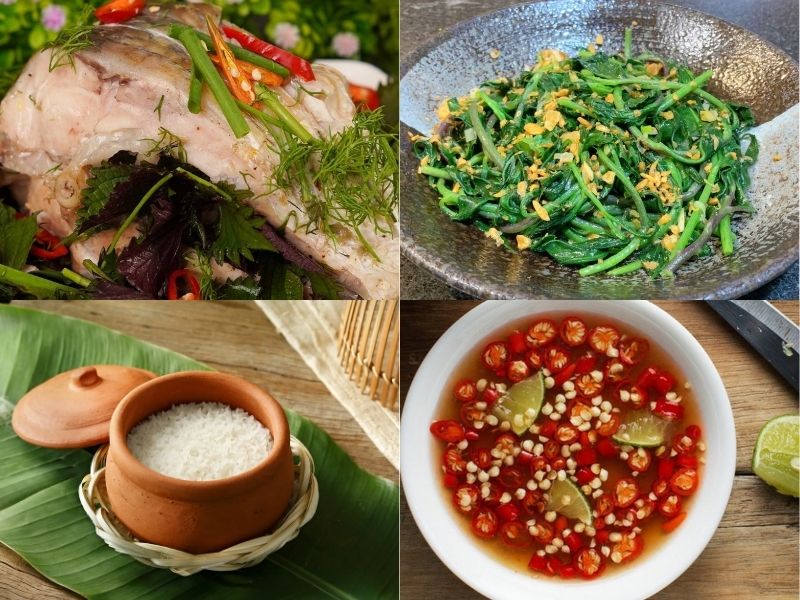
Five practical adjustments make dining out effortless:
- Order a vegetable dish for the table. Garlic water spinach, boiled seasonal greens, a vegetable soup, or a lightly dressed salad adds variety and fiber.
- Dip lightly instead of pouring. This reduces the amount of sodium and sugar consumed from sauces without assuming that the rest of the dish is unseasoned.
- Check the complete preparation. Words such as steamed (hấp), poached (luộc), or grilled (nướng) describe the main cooking method, but marinades, finishing oils, fatty cuts, and charring still affect the result.
- Choose a deliberate starch portion. Rice, rice vermicelli, phở noodles, and bánh mì baguettes all contribute carbohydrate. Compare the actual portion instead of assuming one form always contains the most.
- Limit high-sodium broth when appropriate. Eat the noodles, meat, and herbs, then leave part of the broth if you need to reduce sodium.
You never need to banish any dish from your rotation. What matters most is the natural balance on your plate and how often you eat, and enjoying a crispy spring roll or a sizzling crêpe fits comfortably into a wholesome lifestyle.
Vietnamese culinary culture offers a wonderful, time-tested foundation centered on fresh herbs, wholesome vegetables, and light cooking methods that honor natural flavors. The two elements worth watching, sodium and sugar, both concentrate in places you can easily customize right at your table. Try ordering one of these balanced dishes at your next meal out, or recreate the magic in your own kitchen. And if you want to bring authentic seasoning depth to your cooking without adding extra fat, grab a bottle of CHIN-SU Fish Sauce and see how far a single teaspoon takes your meal. Which dish are you excited to try first?
Frequently Asked Questions
The lowest calorie Vietnamese dishes are typically fresh tossed salads, boiled greens with lime, and clear vegetable soups (canh), all of which consist mostly of water, fiber, and herbs. Fresh salad rolls (gỏi cuốn) are another fantastic lightweight choice, averaging just 100 to 150 calories per roll. Overall calories always depend on portion size and whether you choose light dipping sauces over heavy peanut dips.
The healthiest pho option is chicken phở (phở gà) or a bowl of lean beef eye round (phở tái), ordered with an extra plate of fresh bean sprouts and herbs, and enjoyed without drinking all the broth. Because most of the sodium resides in the broth rather than the noodles or lean meat, leaving part of the broth behind is the single most effective way to keep your bowl light. Our chicken pho recipe shows how this lighter broth-based option is prepared at home.
Yes, Vietnamese food can work exceptionally well for weight loss because traditional dishes center on fiber-rich vegetables, aromatic herbs, and lean proteins that keep you full on relatively few calories. The main factors that influence your results are the portion of rice or noodles you eat and how generously you dip into sweetened sauces.
Vietnamese food is not naturally low carb by default, since steamed rice, rice vermicelli, and rice paper form the foundation of most daily meals. However, you can easily adapt many dishes to a low-carb lifestyle by ordering grilled meats, poached chicken, and fresh salads wrapped in crisp lettuce leaves and herbs instead of noodles or rice.

CHIN-SU KITCHEN TEAM
CHIN-SU Kitchen Team are the creative experts behind the delicious recipes featuring CHIN-SU sauces. With years of experience and a passion for flavor, our team carefully selects recipes from a variety of trusted chefs and bloggers, bringing together the best culinary insights to present you with the most suitable and exciting dishes. Every recipe is chosen to inspire you to create meals that are not only tasty but also easy to prepare, enhancing your dining experience. Join us as we explore a wide range of sauces and flavors, and elevate every meal with the perfect recipe for your table!
User Reviews
Featured Articles
Hanoi Food: 15 Traditional Dishes and Why They Taste Different
Saigon Food: 16 Traditional Dishes and Why They Taste Different
Hue Food: 14 Traditional Dishes From Vietnam’s Old Imperial Capital
Vietnamese Breakfast Foods: 15 Dishes Locals Eat in the Morning and Why
SUBSCRIBE TO GET
MORE INFO
Want the latest and greatest recipes, updates, and more from us,
straight to your inbox? Subscribe and get our NEWS!