Vietnamese Food: Traditional Dishes, Flavors, and Eating Culture
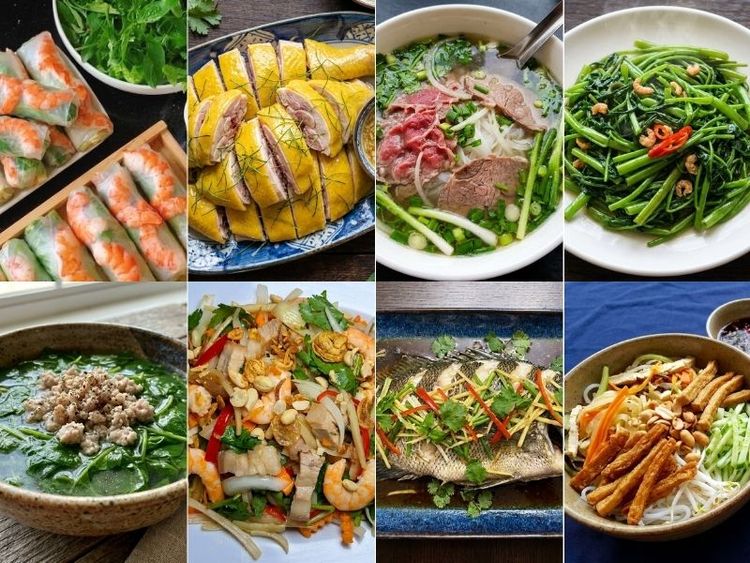
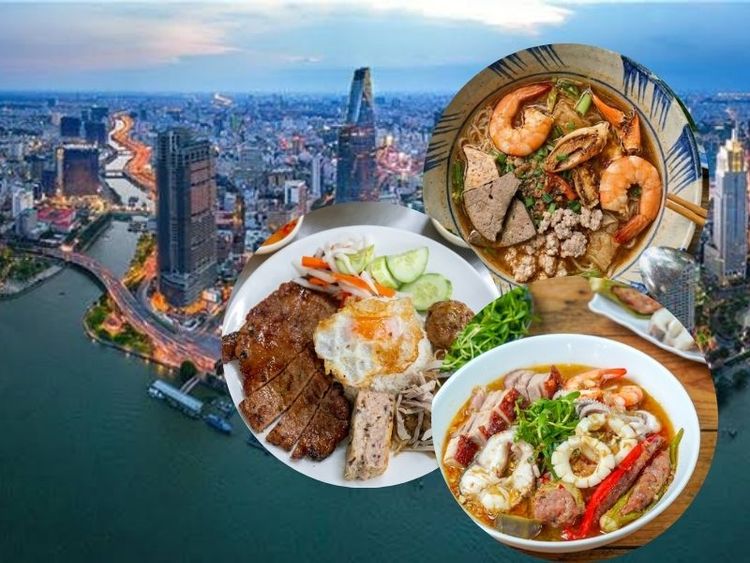
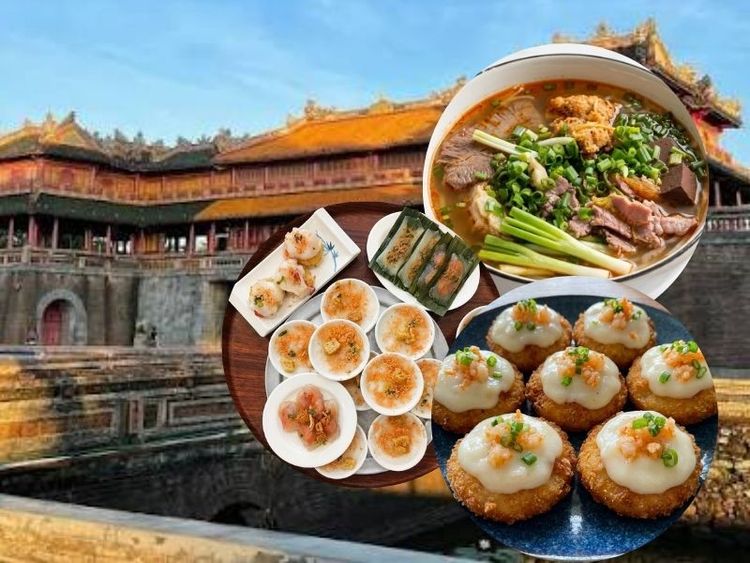
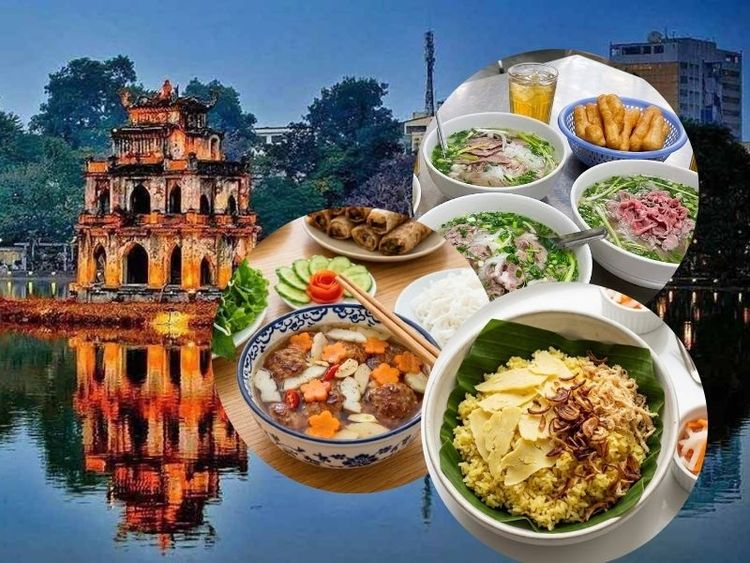
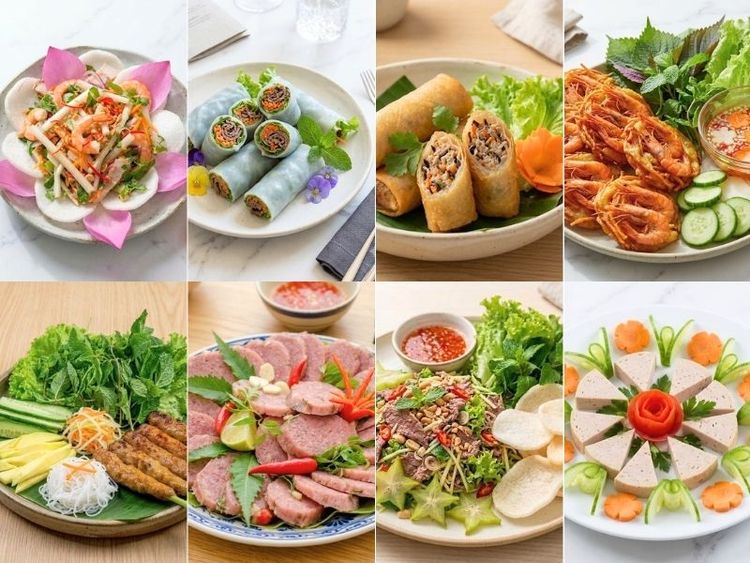
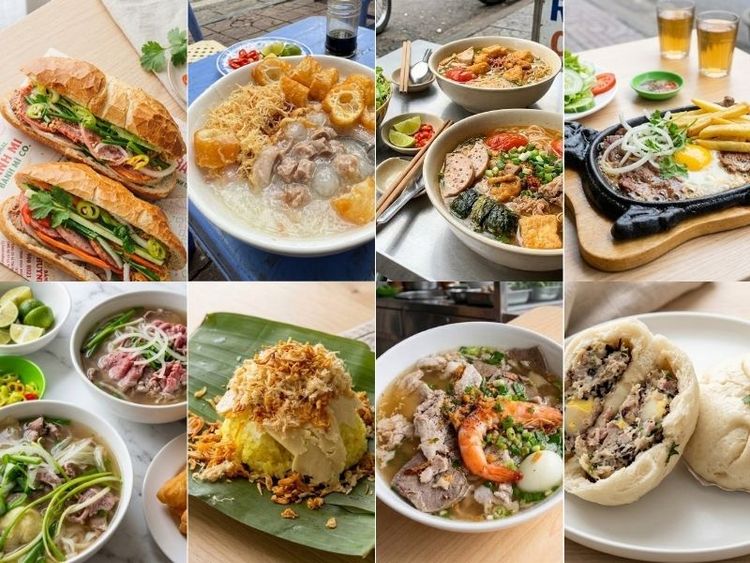
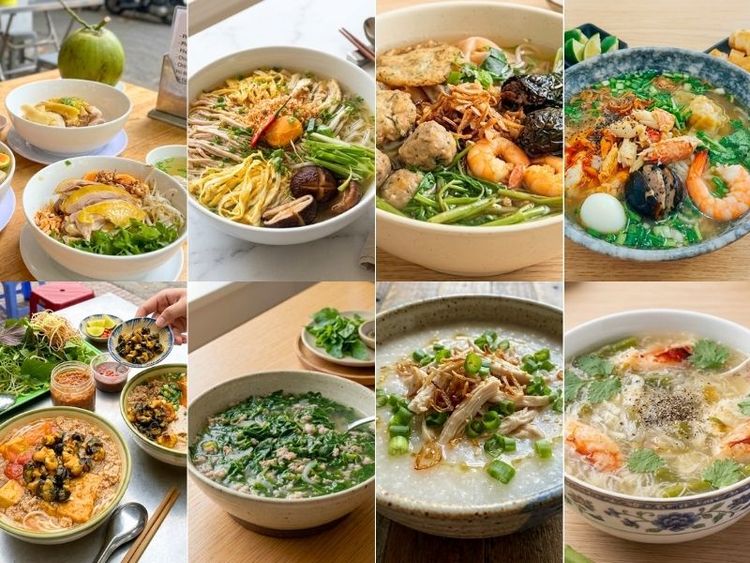
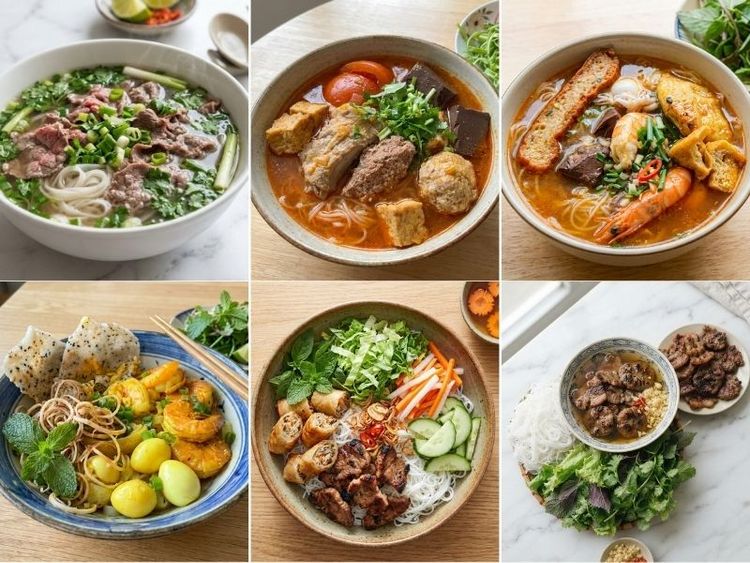
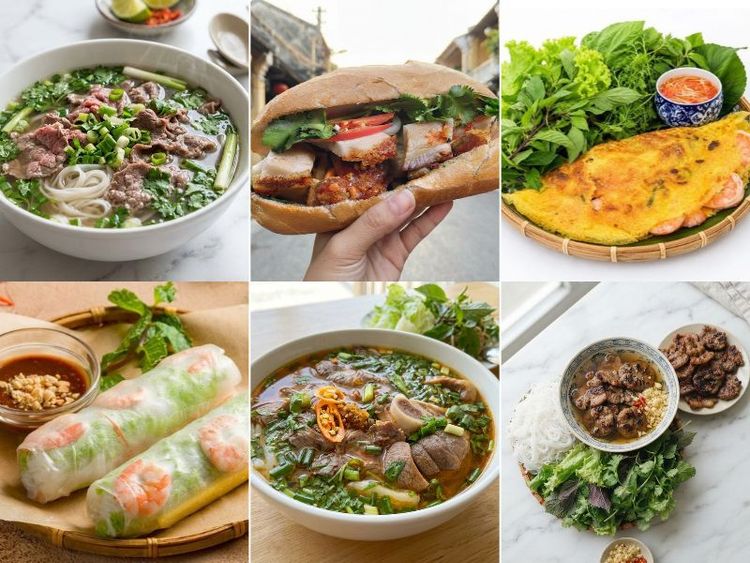
Vietnamese cuisine brings together dishes shaped by rice, fresh herbs, vegetables, seafood, meat, light broths, and fermented seasonings, with fish sauce (nước mắm) providing a defining source of savory depth. Rather than focusing on one dominant flavor, Vietnamese cooking balances salty, sweet, sour, bitter, spicy, and umami elements to create harmony between ingredients. From phở and cơm tấm to bánh xèo, different dishes follow the same approach of combining flavors and textures in balance.These shared principles vary across Vietnam’s three major regions. Northern Vietnamese cuisine often features lighter seasoning and balanced flavors, central Vietnamese cuisine is known for bolder spices and complex preparations, while southern Vietnamese cuisine commonly uses sweeter flavors, tropical ingredients, and fresh herbs. Local ingredients, climate, and traditions shape these differences, creating distinct regional expressions of the same cuisine.In this article, CHIN-SU will let you discover the traditional dishes, ingredients, flavors, cooking methods, and dining customs that define Vietnamese cuisine. It covers familiar foods such as phở, bánh mì, bún bò Huế, bánh xèo, and cơm tấm, while explaining the connections behind them: the role of rice, herbs, fermented sauces, cooking techniques, and the way Vietnamese people share meals.