Hot Sauce Guide
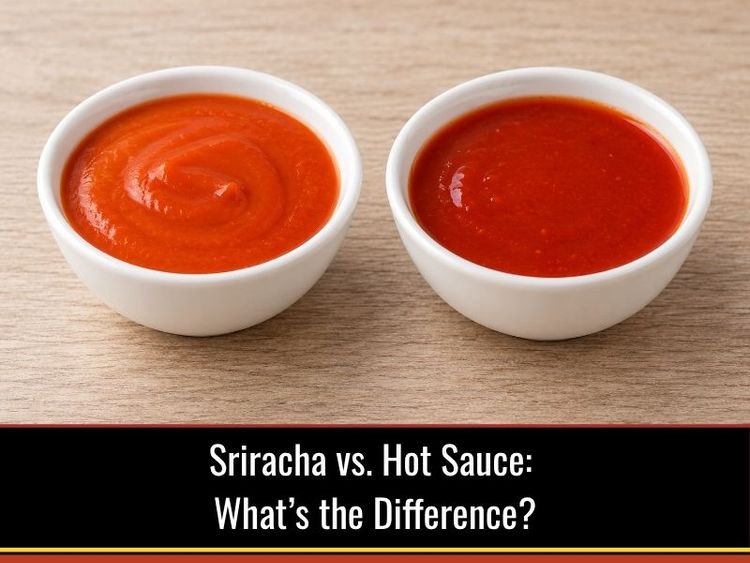
Sriracha vs. Hot Sauce: Key Differences, Heat & Uses
Sriracha is a specific type of hot sauce with a distinct flavor profile, while hot sauce refers to a broader category of chili-based sauces with different ingredients, textures, and heat levels. Sriracha commonly combines chili peppers, garlic, sugar, and vinegar to create a spicy, sweet, tangy, and savory balance.The practical difference between hot sauce and Sriracha becomes clearest when Sriracha is compared with a thin, vinegar-forward hot pepper sauce rather than the entire hot sauce category. The main differences involve ingredient balance, flavor, consistency, acidity, sweetness, and culinary use.Understanding these differences helps you choose the right sauce for topping, dipping, cooking, marinades, and recipe substitutions.