What to Eat With Hot Sauce: Best Foods and Which Sauce to Use?
Published: Oct 15, 2026 by CHIN-SU
Updated: Oct 15, 2026 by CHIN-SU
Hot sauce pairs well with eggs, pizza, tacos, chicken wings, burgers, and noodles, adding heat and tang to rich, savory, or mild foods. The right match depends on more than spice level: acidity, sweetness, garlic, and consistency all influence how a sauce complements your meal. A vinegar-forward sauce brings a sharp contrast to crispy fried chicken, while a thicker, garlicky chili sauce works well on pizza, bánh mì, and fried rice.
In this article, CHIN-SU will help you find familiar and unexpected things to eat with hot sauce, from American comfort food and Vietnamese noodle soups to vegetarian meals, snacks, fruit, and vanilla ice cream. Each section explains which sauce styles suit the food and how to serve them. A comparison table near the end helps you match the sauce in your kitchen to your next meal.

Table Of Contents
- Eggs and Breakfast Foods
- Pizza
- Tacos and Burritos
- Chicken Wings and Fried Chicken
- Burgers and Sandwiches
- Steak and Other Beef Dishes
- Shrimp and Seafood
- Pasta
- Phở and Vietnamese Noodle Soups
- Bánh Mì and Vietnamese Street Snacks
- Fried Rice and Ramen
- Gyros
- Shawarma and Falafel
- What Snacks Go Well With Hot Sauce?
- What Vegetarian Foods Go Well With Hot Sauce?
- What Unexpected Foods Work With Hot Sauce?
How Do You Match a Hot Sauce to the Food?
Eggs and Breakfast Foods
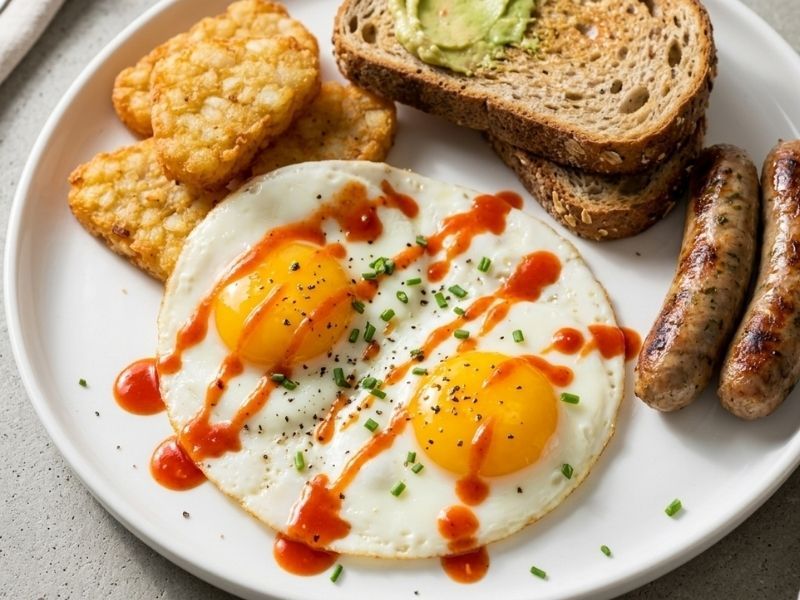
Vinegar-forward and garlic-forward hot sauces complement scrambled eggs, fried eggs, boiled eggs, and omelets. Tangy sauces contrast with the richness of the yolk, while garlicky varieties add a savory note to a mild egg dish.
Add the sauce after cooking to control the amount in each bite. A light drizzle works on a soft scramble, while a few drops in the center of a fried egg spread through the yolk when you cut into it.
Breakfast burritos, egg sandwiches, and hash browns also suit tangy chili sauces. On avocado toast, a thin drizzle adds acidity and heat to the creamy avocado; keep the amount small enough that the bread stays crisp.
Pizza
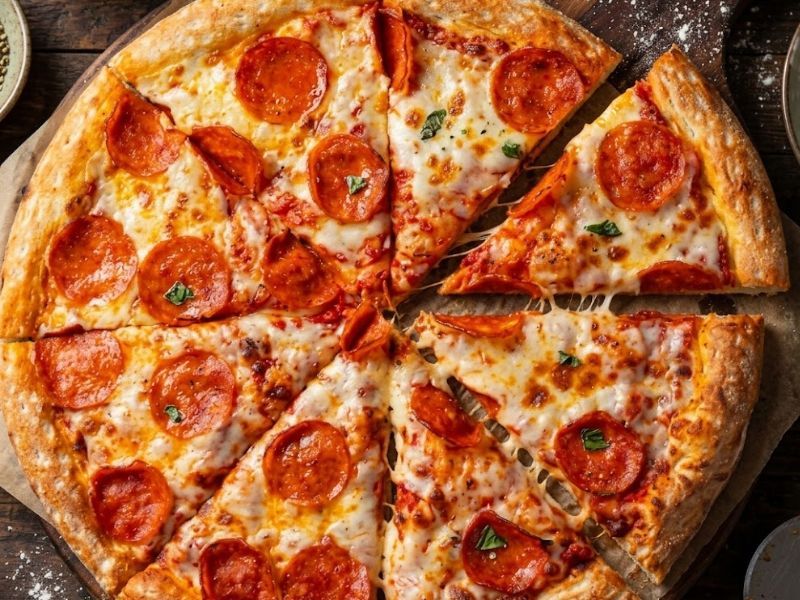
The right hot sauce for pizza depends on the toppings: garlic-forward sauces complement cheese, while tangy varieties contrast with rich meats. A thicker chili sauce stays on the slice more easily than a thin, watery one, especially on pizza topped with mozzarella, pepperoni, or sausage.
Add hot sauce after baking for a distinct finishing kick. Mixing it into the tomato sauce before baking gives the pizza a more integrated chili flavor instead.
CHIN-SU Hot Sauce Original adds chili-garlic flavor and mild heat to cheese or pepperoni pizza. For a sweeter alternative to hot sauce, try chili-infused honey with salty meat toppings; hot honey is a separate condiment with a stronger emphasis on sweetness. The best-known example is the Hellboy pie at Paulie Gee's in Brooklyn, which pairs hot soppressata with Mike's Hot Honey.
Tacos and Burritos
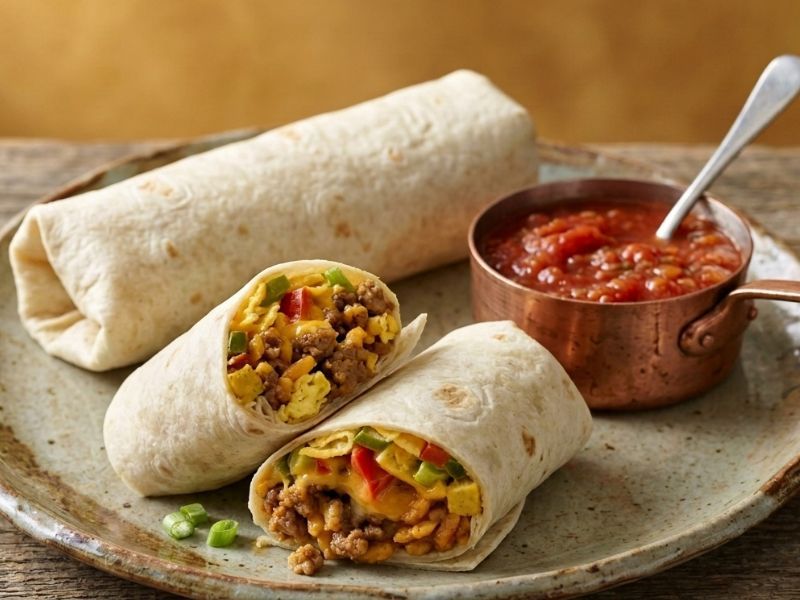
The filling provides a useful starting point for choosing hot sauce for tacos: smoky sauces suit grilled meat, while bright green sauces complement fish and vegetable fillings. Chipotle-style sauce reinforces the smoky flavor of grilled beef or chicken. Jalapeño or tomatillo-based sauce adds fresh, tangy contrast to lighter toppings.
Fruit-forward chili sauces offer a sweeter option for rich pork fillings such as carnitas. Add a small amount first, especially when the taco already contains pineapple, pickled onions, or a sweet glaze.
For burritos, spread the sauce over the filling before wrapping so it reaches more than one bite. Thicker sauces also work as toppings for quesadillas and nachos, where they cling to the surface rather than pooling underneath.
Chicken Wings and Fried Chicken
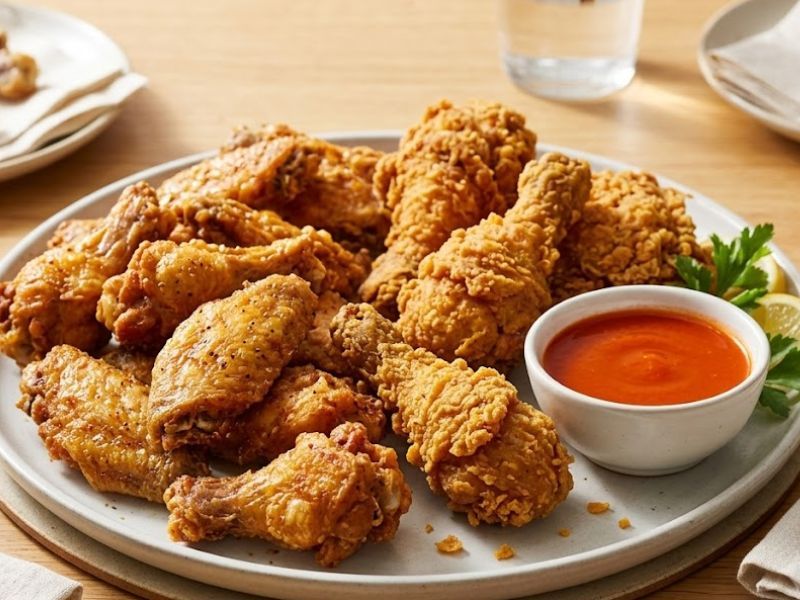
Cayenne-and-vinegar hot sauce is a classic choice for wings, especially when mixed with butter to make Buffalo-style sauce. The butter adds richness and helps the sauce coat the wings. Frank's RedHot Original is a familiar option for this style.
Toss cooked wings with the sauce just before serving. For a sweeter glaze, combine hot sauce with a little honey or brown sugar and add it near the end of cooking to limit scorching.
Fried chicken, tenders, and nuggets also pair with tangy hot sauces. The acidity contrasts with the rich fried coating; serve the sauce on the side when you want to preserve the crust's crispness.
Burgers and Sandwiches
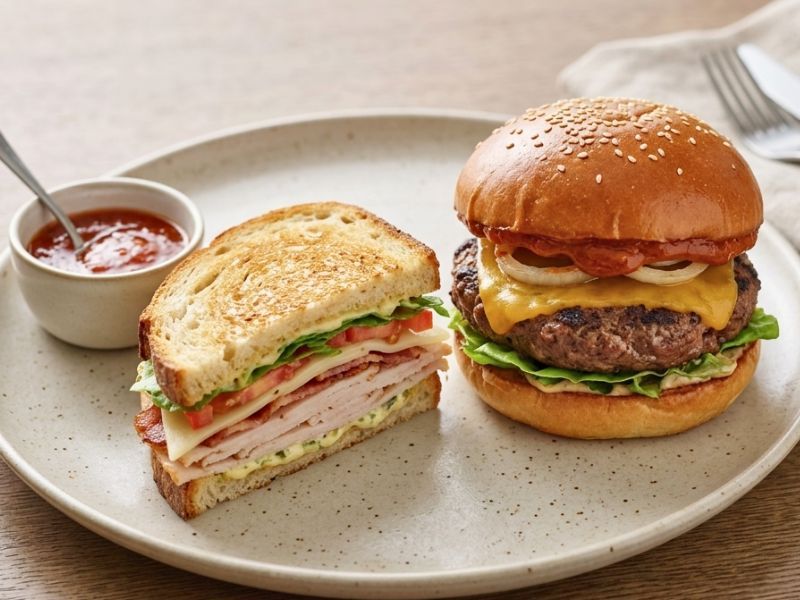
Choose a smoky chipotle hot sauce for burgers made with grilled beef, or a garlic chili sauce for chicken, mushroom, and bean patties. A slightly sweet sauce also pairs with salty bacon or sharp cheese.
Mix hot sauce into mayonnaise, ketchup, or mustard before spreading it on the bread. This distributes the heat and keeps a thin sauce from soaking directly into the bun.
Choose a tangy cayenne or dill pickle hot sauce for hot dogs and deli sandwiches. Its acidity contrasts with the salty meat. Use less when the sandwich already contains mustard, pickles, and other sharp condiments.
Steak and Other Beef Dishes
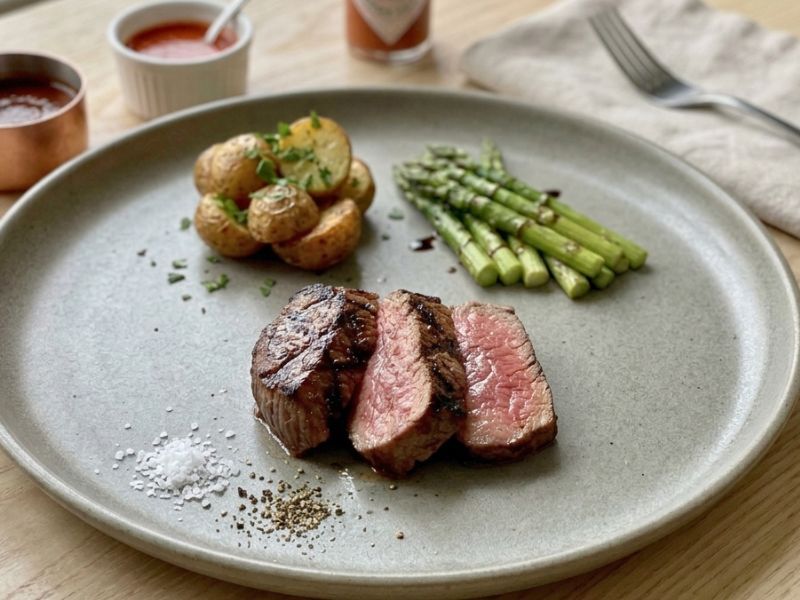
The right hot sauce for steak depends on the cut: tangy sauces contrast with a fatty ribeye, while milder sauces complement lean filet mignon. A smoky sauce also complements the char from searing or grilling.
Serve hot sauce on the side so each person controls the amount. For chili, beef stew, or a braise, stir in a little near the end, then taste before adding more salt or vinegar.
Hot sauce also adds tangy heat to meatloaf glaze. Mix a small amount into the meat mixture if you want chili flavor throughout the loaf, rather than only on its surface.
Shrimp and Seafood
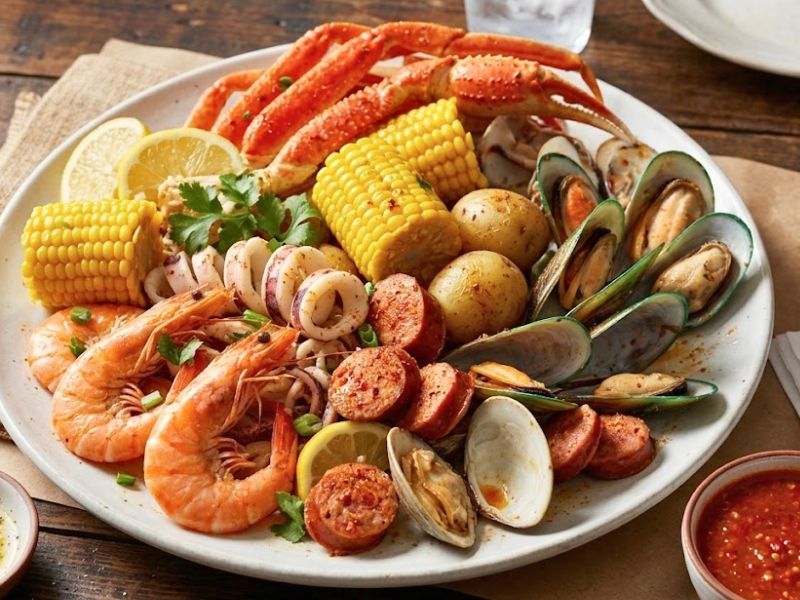
A light, tangy hot sauce for shrimp adds acidity without overwhelming its delicate flavor. For chilled shrimp, stir it into a ketchup-and-horseradish cocktail sauce. For fried shrimp, mix Sriracha with mayonnaise for a creamy garlic-chili dip.
A sweet-hot shrimp dip is another option: combine mayonnaise, Thai sweet chili sauce, and a little Sriracha. The sweet chili sauce provides sweetness, while the Sriracha adds more chili and garlic flavor.
Use a light hand with oysters and delicate white fish so the sauce does not dominate. Salmon suits a stronger smoky or citrus-forward sauce, while tangy Louisiana-style sauces complement fried fish and fish sandwiches.
Pasta
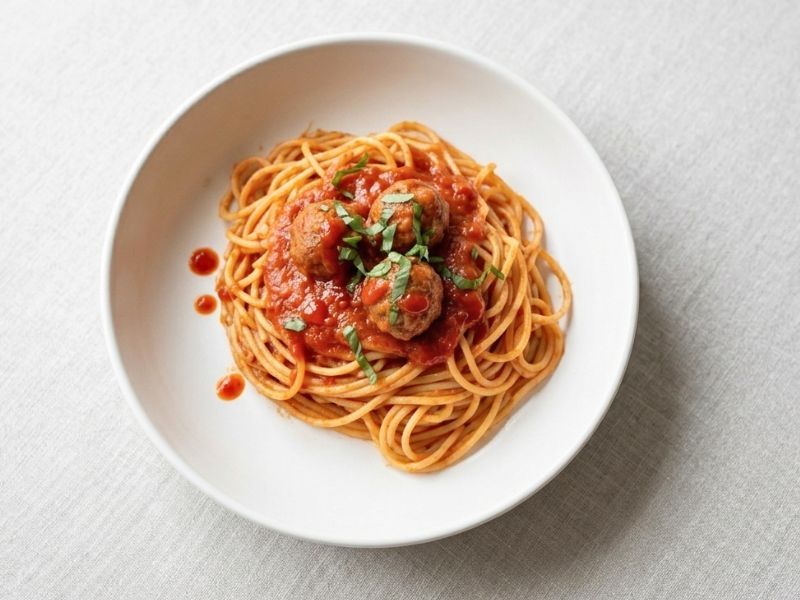
Choose a garlic-forward hot sauce for pasta with tomato sauce, or a tangy variety for creamy dishes. Stir a small amount into the sauce for spaghetti, penne, or meatballs, then taste for changes in sweetness, saltiness, and acidity.
Sriracha gives tomato sauce a garlicky, slightly sweet character. A less sweet chili-garlic sauce suits a pasta sauce that already contains sweet tomatoes or caramelized onions.
For Alfredo, macaroni and cheese, or cheese-filled baked pasta, add a few drops at the table. Starting with one forkful helps you judge the pairing before seasoning the whole serving.
Phở and Vietnamese Noodle Soups
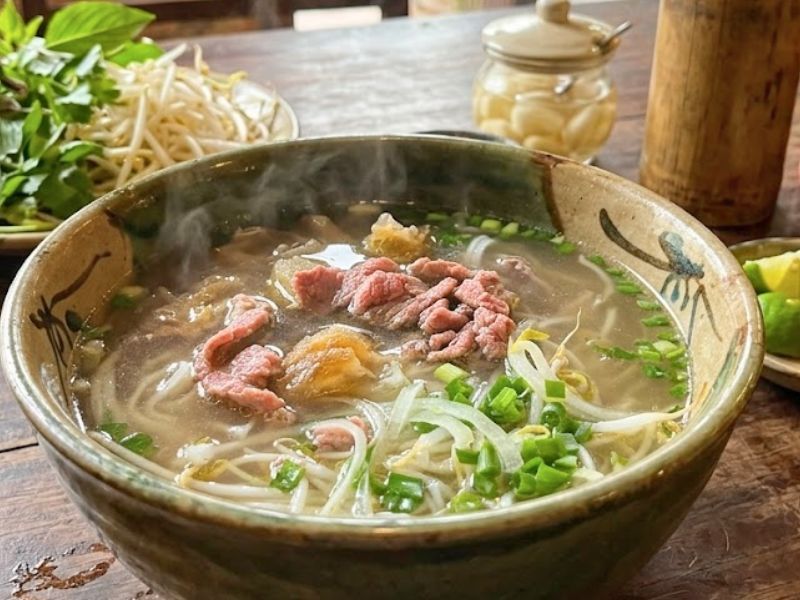
Sriracha is a familiar hot sauce served with phở, either as a dip for the meat or as a seasoning added gradually to the broth. Serving styles vary: southern-style phở often comes with hoisin, chili sauce, herbs, and bean sprouts, while northern-style servings tend to have fewer accompaniments.
CHIN-SU Sriracha Hot Sauce for Phở is designed for broth-based dishes. Start with 1 teaspoon (5 ml) per bowl, taste, and add more if you want a stronger chili flavor.
- Beef phở and chicken phở: You can serve chili sauce separately for dipping the meat when you prefer to keep the broth's original flavor.
- Hủ tiếu: Chili-garlic sauce adds heat and tang to the noodles, broth, or accompanying meat and seafood. It also pairs with beef balls in versions that include them.
- Bún bò Huế: Chili oil or Vietnamese sa tế adds another layer of heat. Bottled chili sauce offers a tangier alternative when that is the flavor you want.
Bánh Mì and Vietnamese Street Snacks
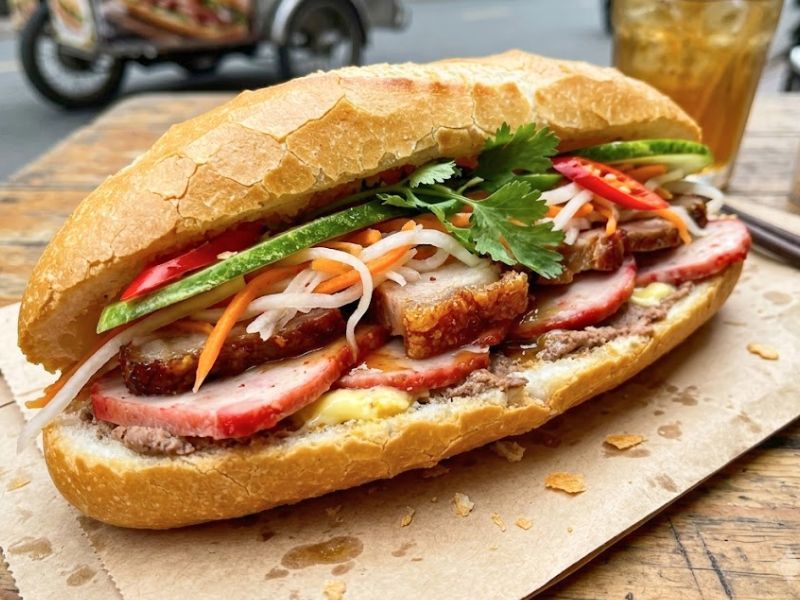
Chili sauce complements bánh mì by adding heat and tang alongside savory fillings, creamy spreads, and pickled vegetables. Spread a thin layer inside the bread or squeeze it over the filling before closing the sandwich.
CHIN-SU Hot Sauce Original suits this combination with its chili-garlic flavor and mild heat. Adjust the amount to account for fresh chilies, pickles, and other condiments already in the sandwich.
Vietnamese street snacks also offer plenty of dipping options: fried fish balls (cá viên chiên), beef balls (bò viên chiên), tofu, sausages, and fish cakes. Serve chili sauce alongside grilled squid or chicken, or drizzle it over bắp xào, the savory corn snack often made with butter and dried shrimp.
Fried Rice and Ramen
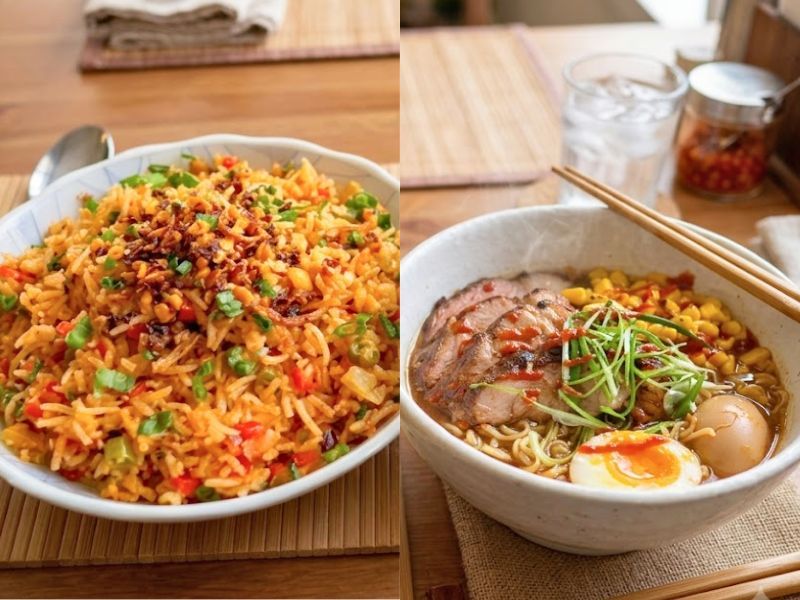
Sriracha adds garlic, tang, and a little sweetness to fried rice and noodles, while chili oil adds pepper heat and an oily finish. Choose between them according to the flavor and texture you want; the two condiments are not interchangeable in every dish.
For fried rice, drizzle Sriracha over the finished serving or stir it through briefly at the end of cooking. This lets you adjust the heat without masking the rice, egg, vegetables, and other seasonings.
For ramen, add a small amount to the broth and taste before adding more. Sriracha changes the broth's acidity and sweetness as well as its heat, while chili oil adds a layer of seasoned oil on the surface.
Garlic noodles also pair well with a little chili sauce. Toss it through near the end of cooking so it coats the noodles without exposing the sauce's sugars to prolonged high heat.
Gyros
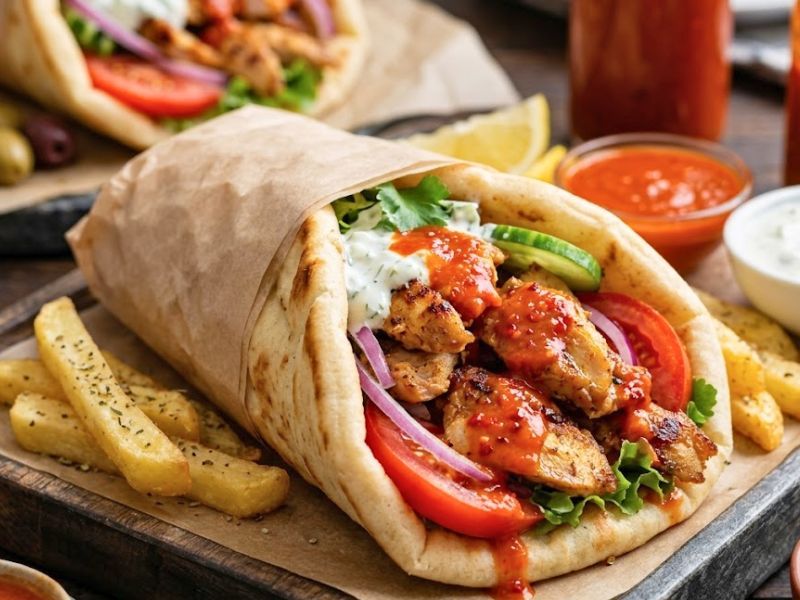
A garlicky or tangy hot sauce for gyros complements the meat and adds contrast to cool tzatziki. Drizzle the sauce over the filling before wrapping, or mix a small amount into a separate portion of tzatziki.
Keep the tzatziki for a cool, tangy contrast, and add hot sauce gradually to suit your heat preference. A thicker sauce is easier to contain inside the wrap, while a thin sauce works as a light finishing drizzle.
Shawarma and Falafel
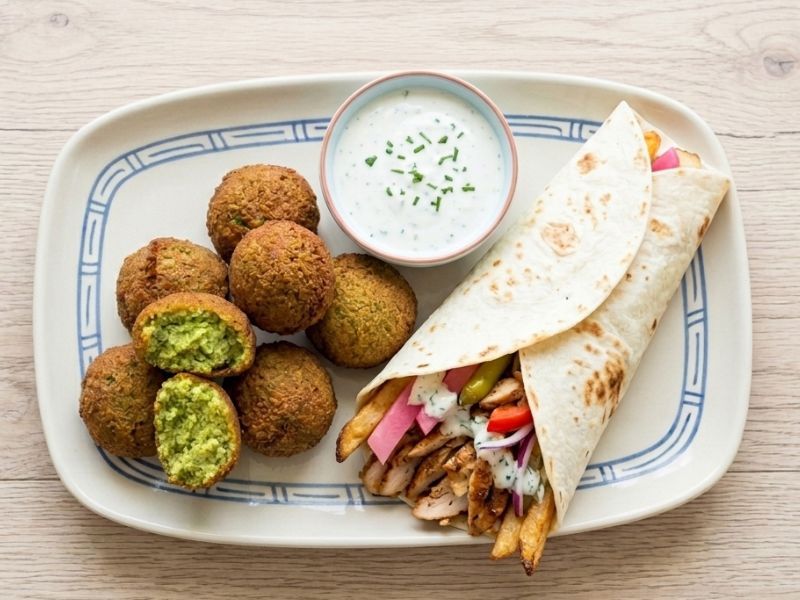
Zhug is a fresh, herb-forward hot sauce for shawarma and falafel, especially alongside tahini or garlic sauce. A red chili-garlic sauce gives a different, less herbal finish.
Accompaniments vary by regional style and restaurant. Keep the existing garlic sauce, tahini sauce, or pickles in mind before adding another salty or acidic condiment.
For shawarma, spread hot sauce over the sliced meat before wrapping. For falafel, spoon a little into the pita or serve it as a separate dip so the crisp exterior stays intact until you eat it.
What Snacks Go Well With Hot Sauce?
The best snacks for hot sauce are salty, starchy, or cheesy foods that balance pepper heat. Fries, mac and cheese, popcorn, and chips or pretzels are the classic favorites.
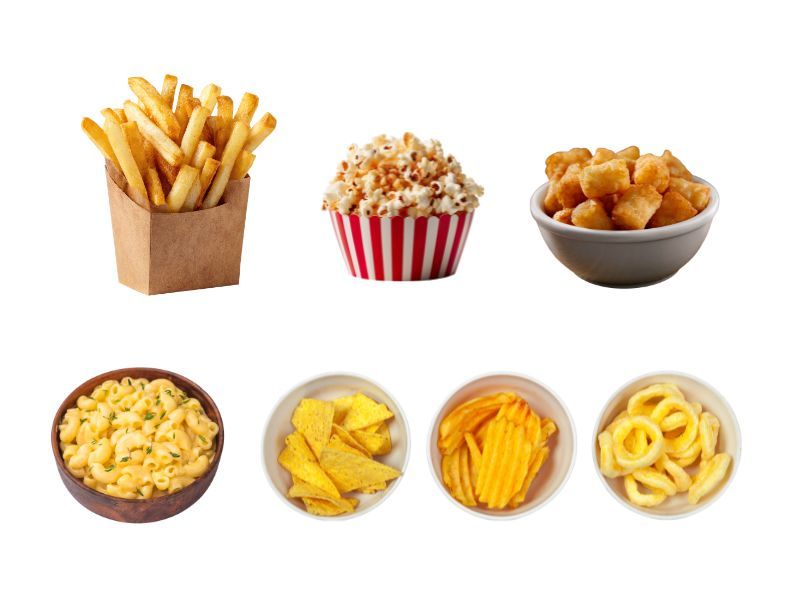
- French fries and tater tots: A tangy cayenne sauce cuts through the oil and potato starch. Stirred into ketchup or mayonnaise, it makes an instant spicy fry dip.
- Mac and cheese: The creamy cheese sauce cushions sharp pepper heat, so mac and cheese can handle a habanero or Louisiana-style sauce.
- Popcorn: Drizzle lightly with a mild-to-medium sauce like Frank's RedHot, adding just enough drops to coat kernels without making them soggy, or toss with nutritional yeast.
- Chips, crackers, and pretzels: Spoon a thicker chili-garlic sauce over tortilla chips. You can also stir hot sauce into sour cream, ranch, or warm queso dip for pretzels and crackers.
What Vegetarian Foods Go Well With Hot Sauce?
Roasted vegetables, tofu, hummus, bean dips, and grain bowls pair with hot sauce because their mild or earthy flavors leave room for chili, garlic, and acidity. Choose a sauce that complements the dish's existing seasoning:
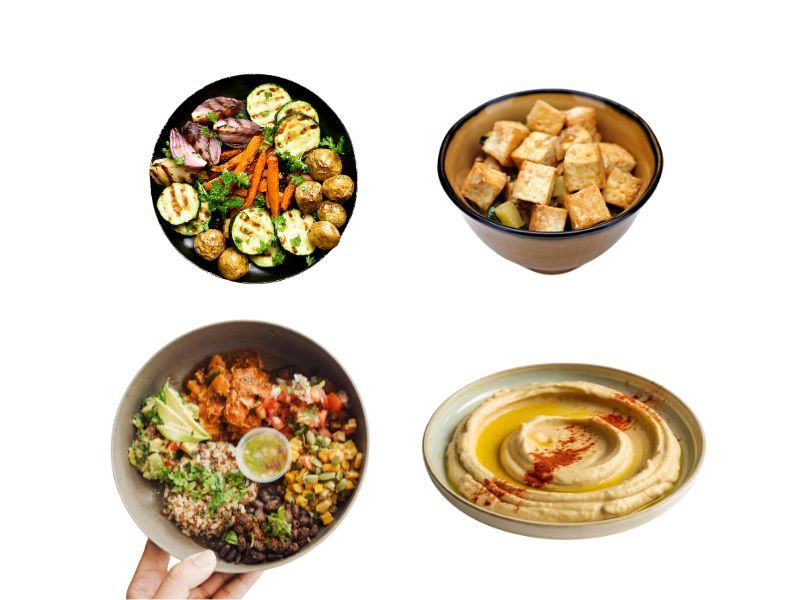
- Roasted vegetables: Toss cauliflower, Brussels sprouts, broccoli, or sweet potatoes with a little tangy hot sauce after roasting. A sweeter chili sauce is another option when you want a glaze.
- Tofu: Pat firm tofu dry and pan-fry or air-fry it until golden. Add hot sauce near the end of cooking, or serve it separately as a dip.
- Hummus and bean dips: Swirl in garlic chili sauce, zhug, or harissa for a different pepper flavor. Start with a small amount so the sauce complements the chickpeas or beans.
- Grain bowls: Drizzle jalapeño or tomatillo-based sauce over quinoa, brown rice, farro, and roasted vegetables. A creamy hot sauce dressing also helps distribute the flavor across the bowl.
What Unexpected Foods Work With Hot Sauce?
Hot sauce also works on sweet, creamy, and fresh foods, where its salt and acid create contrast.
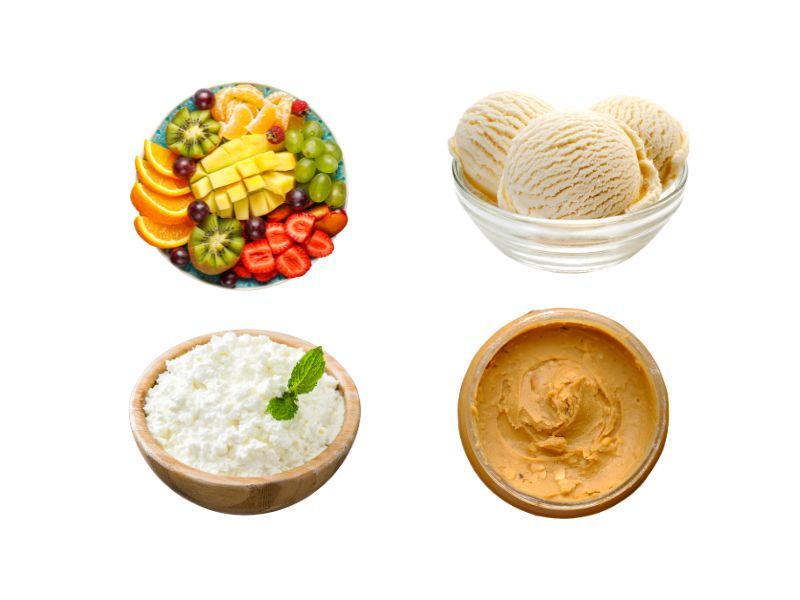
- Fresh fruit: Try a sharp, salty sauce with watermelon, mango, or pineapple. A mild fruity sauce offers a gentler option for crisp apple slices.
- Vanilla ice cream: Test a few drops of mild, fruit-forward hot sauce on one spoonful. Hot honey offers a sweeter alternative, although it is a different condiment.
- Cottage cheese: Stir a tangy hot sauce into plain cottage cheese, then serve it with crackers, cucumber, or toast. A thicker sauce stays on top more easily if you prefer a drizzle.
- Peanut butter: Add a little Sriracha or fruity chili sauce to peanut butter toast. The creamy, nutty spread contrasts with the chili heat and tang.
How Do You Match a Hot Sauce to the Food?
Match hot sauce to food by considering its dominant flavor, heat level, and consistency. Tangy sauces contrast with rich fried foods, smoky sauces complement grilled meat, and garlic-forward sauces suit pizza, pasta, and noodles.
A thin sauce spreads easily through broth or a dressing. A thicker sauce works better as a dip, a sandwich spread, or a topping that needs to stay in place.
| Sauce Style | Main Flavor | Foods to Pair It With |
| Vinegar-forward hot sauce | Tangy, peppery, and salty | Eggs, fried chicken, oysters, fries, and sandwiches |
| Buffalo-style sauce | Tangy and buttery | Chicken wings, cauliflower bites, and chicken sandwiches |
| Sriracha | Garlicky and slightly sweet | Phở, ramen, fried rice, eggs, and tofu |
| Vietnamese chili sauce, such as CHIN-SU Original | Chili-garlic flavor with sweetness | Bánh mì, fried snacks, pizza, wings, and noodles |
| Chipotle-style hot sauce | Smoky and earthy | Burgers, steak, grilled chicken, beef tacos, and chili |
| Fruit-forward hot sauce | Fruity, sweet, and peppery | Pork, grilled chicken, fish tacos, and sweet potatoes |
| Jalapeño or tomatillo-based sauce | Fresh and tangy, with heat that varies | Fish tacos, eggs, avocado toast, and grain bowls |
| Garlic hot sauce | Savory and garlic-forward | Eggs, burgers, pizza, pasta, and stir-fries |
| Truffle hot sauce | Earthy and savory | Fries, eggs, mac and cheese, burgers, and buttery pasta |
| Zhug | Fresh, herbal, and peppery | Shawarma, falafel, hummus, and grain bowls |
| Harissa | Earthy and spiced | Roasted vegetables, chickpeas, grilled meat, and couscous |
Sauce styles often overlap: one bottle can sit in two rows, as Sriracha is garlic-forward and many Vietnamese chili sauces share a Sriracha-style base. Read the first ingredients when you choose a hot sauce. Everyday bottles are mild on the Scoville scale. Frank's RedHot is about 450 SHU, while Huy Fong Sriracha runs 1,000 to 2,500 SHU. Tabasco Original reaches 2,500 to 5,000 SHU, and CHIN-SU Hot Sauce Original sits at 1,500 to 2,000 SHU. Flavor balance, not extreme heat, decides the match.
To get the most from hot sauce, start with everyday favorites like eggs, pizza, burgers, and wings. Then move on to fragrant noodle soups and vegetable bowls, and use the style table to match your bottle to the dish. Which food in your kitchen do you never eat without hot sauce? Let us know your favorite table match!
References
- Nolden, A. A., Lenart, G., & Hayes, J. E. (2019). Putting out the fire – Efficacy of common beverages in reducing oral burn from capsaicin. Physiology & Behavior, 208, 112557. https://doi.org/10.1016/j.physbeh.2019.05.018
Frequently Asked Questions
Yes, hot sauce adds chili heat and tang to pizza, especially slices topped with cheese, pepperoni, or sausage. Drizzle it on after baking and start with a small amount so the sauce complements the toppings.
Truffle hot sauce pairs well with fries, scrambled eggs, mac and cheese, burgers, and buttery pasta. These foods provide a relatively simple base for its earthy aroma. Add a small amount at the table so you can judge the truffle flavor as well as the heat.
Frank's RedHot Original pairs with chicken wings, fried chicken, eggs, popcorn, and creamy dips. Its cayenne-and-vinegar flavor also works in Buffalo-style sauce and spicy mayonnaise. Specify Original when following a recipe, because other Frank's products have different flavors and formulations.
Garlic hot sauce complements eggs, burgers, pizza, pasta, stir-fries, and noodle soups. Use it as a topping for a distinct garlic-chili flavor, or stir it into a marinade or cooking sauce. Check its sweetness before adding it to an already sweet glaze.
CHIN-SU Hot Sauce Original pairs with bánh mì, pizza, chicken wings, fried snacks, and noodles. Its mild chili-garlic flavor suits dipping and drizzling. CHIN-SU Sriracha Hot Sauce for Phở is another option for phở and other broth-based dishes.
You can mix hot sauce with mayonnaise, ketchup, mustard, ranch, Greek yogurt, or barbecue sauce to make a spicy dip or spread. Add it gradually because the mixture changes in saltiness, sweetness, and acidity as well as heat. For a dressing, whisk hot sauce with oil and vinegar or citrus juice to taste.
Chicken nuggets, tenders, fries, fried spring rolls, tofu, and fish balls all suit direct dipping. Thicker sauces cling more easily to the food. Mix the sauce with mayonnaise, sour cream, or plain yogurt when you want a milder, creamier dip for vegetables, crackers, or fried snacks.

CHIN-SU KITCHEN TEAM
CHIN-SU Kitchen Team are the creative experts behind the delicious recipes featuring CHIN-SU sauces. With years of experience and a passion for flavor, our team carefully selects recipes from a variety of trusted chefs and bloggers, bringing together the best culinary insights to present you with the most suitable and exciting dishes. Every recipe is chosen to inspire you to create meals that are not only tasty but also easy to prepare, enhancing your dining experience. Join us as we explore a wide range of sauces and flavors, and elevate every meal with the perfect recipe for your table!
User Reviews
Featured Articles
Can You Have Hot Sauce on the Carnivore Diet?
Does Hot Sauce Expire? All Things You Need to Know
How to Preserve Hot Sauce: 4 Methods to Try
Is Hot Sauce Gluten Free?
9 Health Benefits of Hot Sauce: Physical, Nutritional, and Metabolic
SUBSCRIBE TO GET
MORE INFO
Want the latest and greatest recipes, updates, and more from us,
straight to your inbox? Subscribe and get our NEWS!