9 Health Benefits of Hot Sauce: Physical, Nutritional, and Metabolic
Published: Jun 18, 2026 by CHIN-SU
Updated: Jul 10, 2026 by CHIN-SU
Hot sauce is a condiment made from chili peppers, vinegar, and salt, and the compound behind nearly all of its documented health benefits is capsaicin - an alkaloid that activates TRPV1 receptors throughout the body. Chili peppers rank among the most studied foods for health effects over the past three decades. The reason is capsaicin's interaction with TRPV1 receptors, which triggers responses across nearly every major body system: immune, cardiovascular, nervous, digestive, and metabolic. Whether you call it chili sauce, pepper sauce, or a hot pepper condiment, the spicy condiment's active ingredient doing the work stays the same.
Less than 1 calorie per serving with zero fat and zero sugar - hot sauce is one of the leanest condiments you'll find.
In this article, we will covers 9 documented health benefits of hot sauce: reducing inflammation, providing antioxidant protection, supporting weight loss, potentially inhibiting cancer cell growth, promoting heart health, relieving pain, regulating blood sugar, supporting digestive health, and clearing congestion.
Table Of Contents
- Reduces Inflammation
- Delivers Antioxidant Protection
- Supports Weight Loss
- May Help Prevent Cancer
- Protects Heart Health
- Relieves Pain
- Regulates Blood Sugar
- Supports Digestive Health
- Clears Congestion
How Much Hot Sauce Should You Eat Per Day?
Are There Any Downsides to Hot Sauce?
Reduces Inflammation
Capaicin suppresses TNF-α and IL-6 in human macrophages by inhibiting the NF-κB signaling pathway in a time- and dose-dependent manner (Tang et al., 2015, International Immunopharmacology). NF-κB acts as a central regulator of inflammatory gene transcription across immune cells (Guo et al., 2024, Signal Transduction and Targeted Therapy), and its inhibition by capsaicin is among the most-studied anti-inflammatory mechanisms in chili pepper research.
Here's the distinction that matters for your health. Acute inflammation is short-term and protective. A cut healing, a fever-fighting infection. That's your immune system doing its job. Chronic inflammation is different. It's low-grade, persistent, and linked to heart disease, arthritis, obesity, and metabolic disorders over time (Guo et al., 2024). Capsaicin targets the chronic type.

At the receptor level, capsaicin binds to TRPV1 receptors on pain-sensing neurons, triggers an initial calcium influx, and then induces lasting desensitization, in which those neurons stop firing (Fischer et al., 2020, Frontiers in Physiology). This desensitization also blocks neuropeptide release from peripheral nerve endings, reducing neurogenic inflammation (Dray, 1992, Life Sciences). Worth correcting a common misconception: a hotter sauce doesn't mean stronger anti-inflammatory action. At low concentrations, capsaicin selectively desensitizes TRPV1 without impairing other nerve functions. Above 10 µM, it loses TRPV1 selectivity and starts affecting unrelated targets (Fischer et al., 2020).
In a mouse model of H. pylori infection, 5 mg/kg body weight of capsaicin over 40 days lowered serum IL-6, TNF-α, and NF-κB phosphorylation in gastric tissue (Saha et al., 2022, Pathogens). One honest note: most research uses isolated capsaicin at doses higher than those in a standard 1 tsp (5 mL) serving. The biological mechanism is well documented in cell and animal studies. The dietary dose-response in humans still needs more data.
Delivers Antioxidant Protection
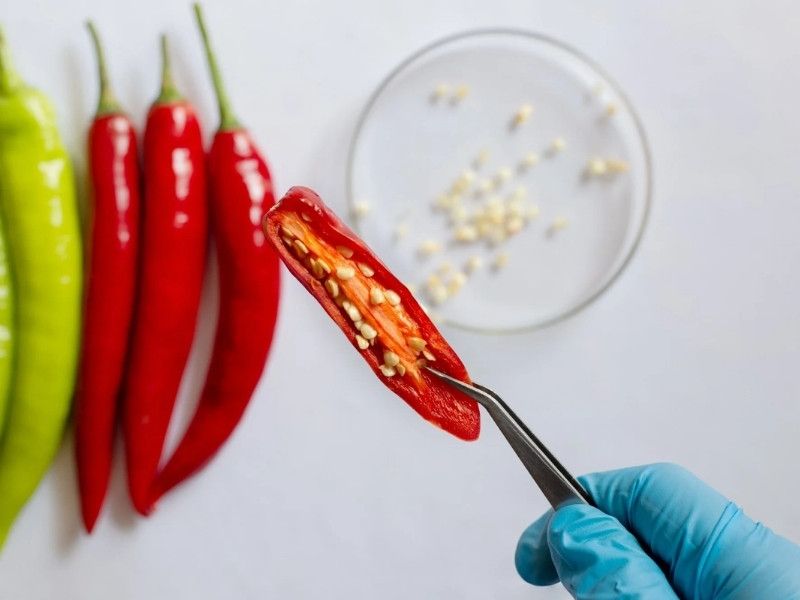
Chili peppers pack three antioxidant classes into one ingredient: vitamin C, carotenoids like beta-carotene and capsanthin, and capsaicin itself (Jayan et al., 2025, Food Production, Processing and Nutrition). Each donates electrons to free radicals, the unstable molecules your body produces during normal metabolism that damage cell membranes, proteins, and DNA when left unchecked (Chandimali et al., 2025, Cell Death Discovery). That cumulative damage is oxidative stress, and it plays a documented role in aging, cancer, and cardiovascular disease.
Capsaicin's phenolic benzene ring structure is what gives it radical-scavenging power. The methoxyl and hydroxyl groups at the ortho position interact with DPPH and hydroxyl radicals, neutralizing them through electron donation (Zhang et al., 2024, Molecular Medicine Reports). Capsaicin also prevents reactive oxygen species from depleting glutathione, blocks LDL peroxidation in humans, and reverses cholesterol-induced suppression of three antioxidant enzymes: glutathione reductase, glutathione transferase, and superoxide dismutase (Zhang et al., 2024). In certain assay conditions, capsaicin's antioxidant activity has exceeded that of vitamin E (Zhang et al., 2024; Jayan et al., 2025).
That's not just lab data. Adults who received capsaicin supplementation for 4 weeks showed lower serum levels of lipoprotein oxidation, a direct marker of reduced oxidative stress (Zhang et al., 2024). Carotenoids from chili peppers add another layer. Capsanthin scavenges free radicals with a slower degradation rate than other carotenoids, meaning its protective effect lasts longer (Villa-Rivera & Ochoa-Alejo, 2020, Molecules).
One processing note worth knowing: chili peppers dried or grilled at moderate temperatures preserve more natural phenolics and carotenoids than those exposed to prolonged high heat or heavy pasteurization (Jayan et al., 2025; Villa-Rivera & Ochoa-Alejo, 2020).
Supports Weight Loss
Capsaicin works on weight management through two pathways: thermogenesis and appetite regulation. Two separate meta-analyses of human studies have confirmed both effects.
Capsaicin and its analogs increase fat oxidation across multiple human trials (Ludy, Moore & Mattes, 2012, Chemical Senses). The mechanism begins with TRPV1 activation in brown adipose tissue, which triggers your body to burn more calories for heat rather than store them as fat (Baskaran et al., 2016, British Journal of Pharmacology). In a separate systematic review of 8 studies with 191 participants, capsaicinoid intake before a meal reduced calorie consumption by about 74 kcal per meal on average (Whiting et al., 2014, Appetite). That result should be read with some caution, though, because variability across those studies was high.

The appetite side of things gets interesting. Capsaicin activates TRPV1-like receptors on POMC neurons in the arcuate nucleus, the brain region that regulates hunger. That activation triggers the release of appetite-suppressing signals and reduces food intake at later meals (Jeong et al., 2018, PLOS Biology). Capsaicin also reshapes gut bacteria composition, increasing beneficial strains like Akkermansia while boosting short-chain fatty acid production, both of which influence appetite through the gut-brain axis (Gong et al., 2023, Food Science & Nutrition; Szallasi, 2022, Pharmaceuticals).
One honest note: some studies have found no measurable effect on energy expenditure or fat oxidation (Ludy et al., 2012). Two large epidemiological surveys also found no significant difference in BMI between regular chili eaters and non-eaters (Szallasi, 2022). The evidence leans in a positive direction, but it's not unanimous.
Here's the practical takeaway. A few dashes of hot sauce won't melt body fat on their own. Capacin is a supportive element in a caloric deficit and an active lifestyle. Think of it as a condiment upgrade, not a weight loss supplement.
May Help Prevent Cancer
Lab and animal studies show capsaicin may slow tumor growth by triggering apoptosis in cancer cells (Clark & Lee, 2016, Anticancer Research; Chapa-Oliver & Mejía-Teniente, 2016, Molecules). Apoptosis is your body's built-in mechanism for eliminating damaged or abnormal cells. Tumor cells bypass this process and keep multiplying. Capsaicin appears to override that resistance in controlled settings.
The mechanism operates through three pathways: capsaicin drives calcium buildup within cancer cells, generates reactive oxygen species that overwhelm the cell's defenses, and disrupts mitochondrial membrane potential, thereby collapsing the cell's energy supply (Díaz-Laviada & Rodríguez-Henche, 2014, Progress in Drug Research). Researchers have observed these effects across colon, pancreatic, prostate, breast, and lung cancer cell lines, while normal cells remained unharmed.
One caveat worth noting: dose matters. Some studies have found that low concentrations of capsaicin can promote cancer cell migration in certain colorectal cell models, whereas higher concentrations trigger cell death (Clark & Lee, 2016). The relationship between capsaicin and cancer is not simple.
No human clinical trials on capsaicin for cancer prevention exist yet (Díaz-Laviada & Rodríguez-Henche, 2014). The lab data points in a promising direction, but "may help" is the honest framing here.
The antioxidant properties from the previous section tie in directly. By neutralizing free radicals and reducing oxidative DNA damage, capsaicin's radical-scavenging activity addresses one of the upstream triggers of abnormal cell mutation (Chandimali et al., 2025).
Protects Heart Health
A study of 487,375 adults in China, tracked over 7.2 years, found that people who ate spicy food 6 to 7 days per week had a 14% lower risk of all-cause mortality. The strongest protective associations appeared for cardiovascular and respiratory deaths (Lv et al., 2015, BMJ). That remains one of the largest human studies linking spicy food intake to longevity.
How does capsaicin work on your cardiovascular system? It activates TRPV1 receptors on blood vessel walls. This triggers the release of two substances: calcitonin gene-related peptide (CGRP) and nitric oxide. Both relax arterial walls and reduce blood pressure. In hypertensive rats, capsaicin treatment lowered mean arterial pressure from 165 to 147 mmHg and cut coronary vascular resistance by 36% (Torres-Narváez et al., 2019, International Journal of Environmental Research and Public Health; Castrejón-Téllez et al., 2022, Molecules).
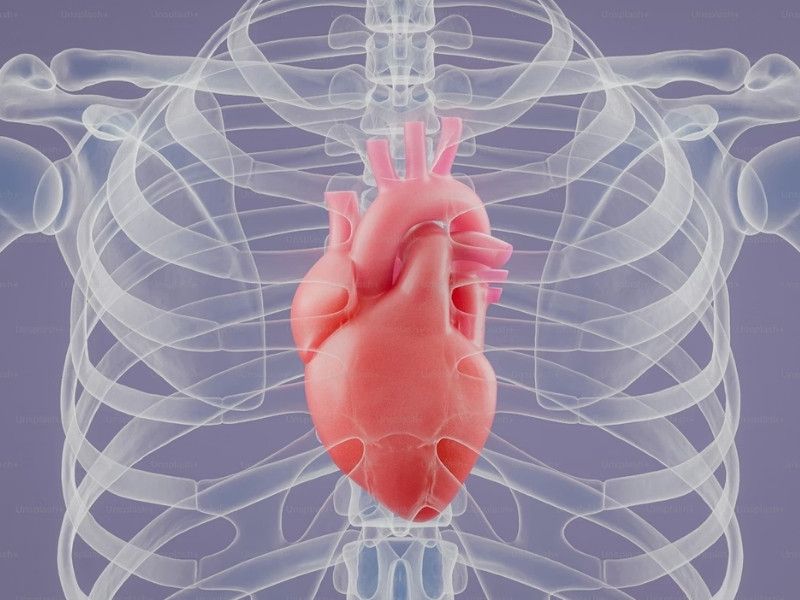
Capsaicin also protects LDL cholesterol from oxidation. Oxidized LDL is the form that sticks to artery walls and builds into plaque, driving atherosclerosis. A 4-week human study showed that regular chili consumption increased serum lipoprotein resistance to oxidation (Fattori et al., 2016, Molecules). Garlic, a common hot sauce ingredient, adds its own blood pressure benefit through allicin. A meta-analysis of 17 trials found garlic supplements reduced systolic blood pressure by 3.75 mmHg on average (Wang et al., 2015, Journal of Clinical Hypertension).
Two caveats here. The Lv et al. study is observational, so it shows association, not a proven cause. And capsaicin's effect on blood platelets cuts both ways: some studies show inhibition of clotting, others show promotion, depending on dose and context (Fattori et al., 2016). So, the cardiovascular picture is real but not one-sided.
Relieves Pain
Capsaicin reduces pain through a process scientists call defunctionalization. When capsaicin hits TRPV1 receptors on nerve fibers, it fires them up with a calcium rush. Then those receptors go quiet. They enter a long refractory state and stop responding to pain signals for an extended period (Frias & Merighi, 2016, Molecules; Anand & Bley, 2011, British Journal of Anaesthesia).
That sequence explains why your mouth burns at the first bite, then calms down after repeated exposure. At the nerve level, capsaicin triggers calcium influx and glutamate release at sensory synapses, followed by a gradual loss of nerve fiber sensitivity. The nerve terminals temporarily retract, lose membrane potential, and stop transporting pain signals (Medvedeva et al., 2008, Journal of Neuroscience; Fattori et al., 2016).

This mechanism has clinical backing. The FDA approved an 8% capsaicin dermal patch (Qutenza, 179 mg total dose) for neuropathic pain from postherpetic neuralgia and diabetic peripheral neuropathy of the feet (Qutenza Prescribing Information, 2020). Topical capsaicin is also registered for the treatment of rheumatoid arthritis pain in multiple pharmacopeias (Frias & Merighi, 2016).
One distinction worth knowing: that an FDA-approved patch delivers concentrated capsaicin directly to skin nerve fibers. Hot sauce delivers far lower doses through the digestive system. The pain-relief pathway is the same, but dietary capsaicin may support comfort rather than treat clinical pain conditions (Abdel-Salam & Mózsik, 2023, Neurochemical Research).
Regulates Blood Sugar
Capsaicin activates TRPV1 receptors in pancreatic beta cells, liver tissue, and intestinal L-cells. That activation improves insulin sensitivity and lowers fasting blood glucose. In streptozotocin-induced diabetic rats, capsaicin raised insulin levels from 14.9 mIU/L to 22.4 mIU/L, a 50% increase. Liver glycogen storage jumped by 66%, and blood glucose dropped by 18.4% over 4 weeks (Zhang et al., 2017, Journal of Agricultural and Food Chemistry).
Here's the mechanism behind those numbers. TRPV1 activation in liver tissue upregulates glucokinase and GLUT2 expression. That shift inhibits gluconeogenesis (the liver making new glucose) and promotes glycogen synthesis (storing glucose for later). Blood sugar drops through metabolic reprogramming, not just increased insulin output (Zhang et al., 2021, Frontiers in Nutrition). In the gut, capsaicin triggers GLP-1 release from intestinal cells through calcium-dependent TRPV1 signaling. GLP-1 then boosts insulin secretion and improves glucose tolerance. This effect was present in normal mice but absent in TRPV1-knockout mice, confirming the pathway is TRPV1-dependent (Wang et al., 2012, Diabetes). Capsaicin also activates AMPK through CAMKK2 in muscle cells, increasing glucose oxidation independent of insulin signaling (Vahidi Ferdowsi et al., 2021, Cells).

Population data from a cohort of 487,375 adults showed that daily spicy food consumers had a 14% lower risk of death, with inverse associations for diabetes-related mortality (Sun et al., 2016, Nutrients). The animal and cellular mechanisms are well-documented. Human clinical trials on dose-response remain limited.
Hot sauce is not a diabetes treatment. It is one dietary element within a broader blood sugar management plan. People with diabetes should not adjust medication based on spice intake alone. Always consult a healthcare provider first.
Supports Digestive Health
Capsaicin at moderate doses triggers gastroprotective mechanisms in the stomach lining. It activates cyclooxygenase-1 and releases calcitonin gene-related peptide (CGRP), a neuropeptide that increases gastric mucosal blood flow and stimulates mucus and bicarbonate secretion (Satyanarayana, 2006, Critical Reviews in Food Science and Nutrition; Mózsik et al., 2005, World Journal of Gastroenterology).
Here's something that might change how you think about spicy food. At low-to-moderate doses, capsaicin does not irritate your stomach. It protects it. Capsaicin stimulates mucus production in the gastric lining and increases the absorptive surface of the small intestine by lengthening and thickening microvilli (Zhang et al., 2024). That means better nutrient uptake, not damage.
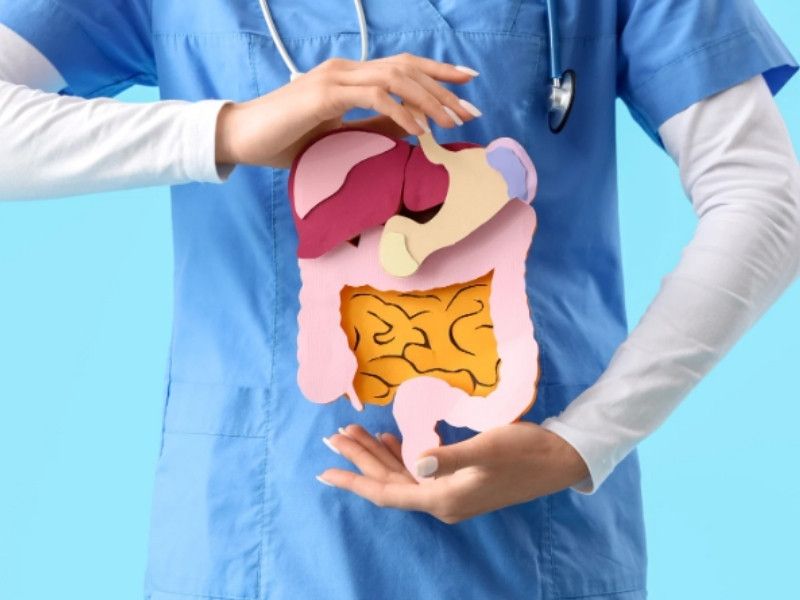
The acetic acid in vinegar-based hot sauces supports gut health, too. An 8-week study in mice showed that Shanxi-aged vinegar increased beneficial Akkermansia bacteria, lowered the Firmicutes-to-Bacteroidetes ratio, and reduced pro-inflammatory markers such as IL-1β, TNF-α, and IFN-γ in both serum and colon tissue (Xia et al., 2024, Current Research in Food Science). Fermented hot sauces also contribute live lactobacillus cultures for probiotic support.
But here's the flip side. Prolonged exposure to high doses of capsaicin can harm the GI tract. Excessive TRPV1 activation triggers substance P release, which drives gastrointestinal inflammation (Tluli et al., 2025, Receptors). TRPV1 expression is elevated in IBS patients and correlates with pain severity. People with GERD, active peptic ulcers, or diarrhea-dominant IBS should limit their intake. The benefit is real at moderate doses. So is the risk at high ones.
Clears Congestion
Capsaicin activates TRPV1 receptors on sensory neurons in the nasal lining. This triggers the release of substance P, a neuropeptide that floods the nasal passages with watery secretions. Those secretions thin out thick, stuck mucus and flush it from blocked airways (Petersson et al., 1989, British Journal of Pharmacology; Van Gerven et al., 2014, Journal of Allergy and Clinical Immunology).
You know that runny nose you get after biting into something spicy? That's TRPV1 doing its job. Capacitance essentially turns on a faucet in your nasal passages, washing congestion away. The acute flush is temporary, but what happens next is where it gets interesting. Repeated exposure to therapeutic doses of capsaicin causes "defunctionalization" of overactive nerve endings. A Cochrane systematic review of four randomized controlled trials (302 patients total) found intranasal capsaicin improved overall nasal symptoms for up to 36 weeks after a single treatment course in people with non-allergic (idiopathic) rhinitis (Gevorgyan et al., 2015, Cochrane Database of Systematic Reviews). Patients with idiopathic rhinitis also showed higher baseline TRPV1 expression and substance P levels than healthy controls, both of which dropped after capsaicin treatment (Van Gerven et al., 2014).

One thing to keep straight: capsaicin does not kill viruses or bacteria. It works on the physical symptom of congestion through neurogenic pathways, not antimicrobial action. The clinical evidence supports its use in non-allergic rhinitis, not for colds or allergic rhinitis. If your stuffy nose is idiopathic and corticosteroid sprays haven't helped, capsaicin-based nasal products may offer real relief.
How Much Hot Sauce Should You Eat Per Day?
1-2 teaspoons (5-10 mL) per meal is a reasonable daily amount for most adults. That range delivers roughly 2 to 6 mg of capsaicin, the amount dietitian Jim White, RD, considers generally safe for daily intake. It's enough to tap into capsaicin's metabolic and digestive benefits while keeping sodium in check.
Here's the math. At 1 to 2 tsp per meal and 2 to 3 meals with hot sauce daily, total sodium from hot sauce ranges from 248 to 744 mg, roughly 10 to 32% of the 2,300 mg daily limit recommended by US, Canadian, and UK guidelines. The rest of your daily sodium budget comes from other foods. If you're salt-sensitive or managing hypertension, stay at the lower end.
Start with 1 tsp if you're new to spicy food. Capsaicin tolerance builds over days. The body adapts. What burns on day one becomes comfortable by day seven. As team dietitian Tara Collingwood, RDN, puts it: "There's no set standard as to how much hot sauce is too much, so use it within reason."
Is It Safe to Eat Hot Sauce Every Day?
Yes, eating hot sauce daily is safe for most people at standard serving sizes of 1-2 teaspoons per meal. The main variable is sodium - track your total daily intake across all foods, not just hot sauce. If you have GERD, gastric ulcers, or capsaicin sensitivity, monitor symptoms and reduce frequency if discomfort occurs.
Is Sriracha Good for You?
Sriracha provides capsaicin benefits similar to standard hot sauce, but it contains more sugar - about 1 gram per teaspoon - and slightly more calories. The garlic base adds allicin, which supports blood pressure. Check the label: sugar content varies across brands. Some list sugar as the second ingredient; others keep it low.
Is Buffalo Sauce the Same as Hot Sauce?
No. Buffalo sauce is hot sauce mixed with butter or margarine, adding fat and calories that plain hot sauce doesn't contain. 1 tablespoon of buffalo sauce has roughly 10-15 calories and 1 gram of fat, compared to about 1.5 calories and 0 grams of fat in a tablespoon of standard hot sauce. You still get capsaicin, but the nutritional profile shifts.
Is Tabasco Good for You?
Tabasco is one of the lowest-calorie and lowest-sodium hot sauces available, made from three ingredients: aged cayenne peppers, distilled vinegar, and salt. 35 mg of sodium per teaspoon puts it lower than most other hot pepper condiment brands. The 3-year barrel-aging process concentrates capsaicin, while the vinegar base keeps the formula clean.
Are There Any Downsides to Hot Sauce?
Hot sauce is safe for most people at normal serving sizes, but overconsumption - particularly of high-sodium brands - can cause acid reflux, stomach irritation, and elevated sodium intake that may affect blood pressure.
High doses of capsaicin can overwhelm the stomach's protective mechanisms. If you have GERD or active ulcers, you'll feel it more quickly because capsaicin activates the same TRPV1 receptors that are already sensitized in inflamed tissue.
Let's put sodium in context. 124 mg per tsp, according to USDA FoodData Central. 2,300 mg is the recommended daily limit. At 1-2 tsp per meal, hot sauce contributes about 5-10% of your daily sodium budget. A single slice of bread has about 150 mg of sodium. Hot sauce isn't the primary sodium driver in most diets - processed foods are. Capsaicin tolerance builds with regular use, too: frequent consumers report fewer side effects over time.
Many of these risks can be reduced by choosing a hot sauce with a heat level, ingredient list, and sodium content that match your needs and eating habits.
What Happens If You Eat Too Much Hot Sauce?
Go overboard, and you may deal with acid reflux, stomach cramps, diarrhea, or even vomiting. At high doses, capsaicin overwhelms the stomach's protective mechanisms and triggers the release of substance P, which can drive GI inflammation. The burning on the way out? That's real, too. Capsaicin isn't fully broken down during digestion and activates TRPV1 receptors in the lower GI tract. These effects are temporary and resolve once capsaicin clears your system. The bigger long-term concern is sodium accumulation from heavy use of high-sodium brands.
Nine benefits. One condiment. The research behind capsaicin is real - from anti-inflammatory pathways and antioxidant defense to metabolic, cardiovascular, analgesic, blood sugar, digestive, and decongestant effects. The doses in most studies are higher than what a teaspoon delivers, but the direction of evidence is consistent. Hot sauce does more than add heat - it adds something measurable to the way your body works. See how CHIN-SU Chili Sauce fits your kitchen at chinsu.com.
Frequently Asked Questions
Most hot sauces are naturally gluten free because they are typically made with chili peppers, vinegar, salt, and spices. However, some brands may add ingredients such as soy sauce, malt vinegar, flavorings, or thickeners that can contain gluten. If you have celiac disease or gluten sensitivity, always check the ingredient label and look for a certified gluten-free label before buying.
Yes, most hot sauces are keto-friendly. Traditional hot sauce is usually low in carbohydrates and contains little to no sugar, making it suitable for a keto diet. However, some sweet or specialty hot sauces may include added sugar, honey, fruit, or syrups, which can increase the carb count. Choose hot sauces with zero or very low sugar for the best keto-friendly option.
To choose the right hot sauce, start by checking the heat level, flavor profile, and ingredient list. Mild sauces are great for everyday use, while extra-hot sauces are better for people who enjoy intense heat. Look for natural ingredients, low sugar, and no unnecessary additives. You should also consider how you plan to use it. Vinegar-based hot sauces work well with tacos, eggs, and fried foods, while smoky or fruity sauces pair well with grilled meats, wings, and marinades.

CHIN-SU KITCHEN TEAM
CHIN-SU Kitchen Team are the creative experts behind the delicious recipes featuring CHIN-SU sauces. With years of experience and a passion for flavor, our team carefully selects recipes from a variety of trusted chefs and bloggers, bringing together the best culinary insights to present you with the most suitable and exciting dishes. Every recipe is chosen to inspire you to create meals that are not only tasty but also easy to prepare, enhancing your dining experience. Join us as we explore a wide range of sauces and flavors, and elevate every meal with the perfect recipe for your table!
User Reviews
Featured Articles
SUBSCRIBE TO GET
MORE INFO
Want the latest and greatest recipes, updates, and more from us,
straight to your inbox? Subscribe and get our NEWS!