Fish Sauce vs Oyster Sauce: Differences, Cooking Uses, and Substitution Tips
Published: Jun 16, 2026 by CHIN-SU
Updated: Jun 18, 2026 by CHIN-SU
Fish sauce and oyster sauce are not the same thing. They come from different seafood, taste different, look different, and play different roles in cooking. Fish sauce is a thin, salty liquid made from fermented anchovies and sea salt. Oyster sauce is a thick, sweet-salty glaze made from caramelized oyster extract, sugar, and cornstarch. Both bottles sit in nearly every Asian kitchen, but reaching for the wrong one at the wrong time can push a dish sideways.
In this guide, CHIN-SU will walk you through the full fish sauce vs oyster sauce comparison: how they differ in ingredients, taste, and texture; whether you can swap one for the other; which dishes call for fish sauce and which call for oyster sauce; and practical substitution tips when your pantry comes up short. You'll also find answers to the most common questions home cooks ask, from sodium content to vegetarian alternatives. Once you understand what sets these two sauces apart, you'll use both with confidence.
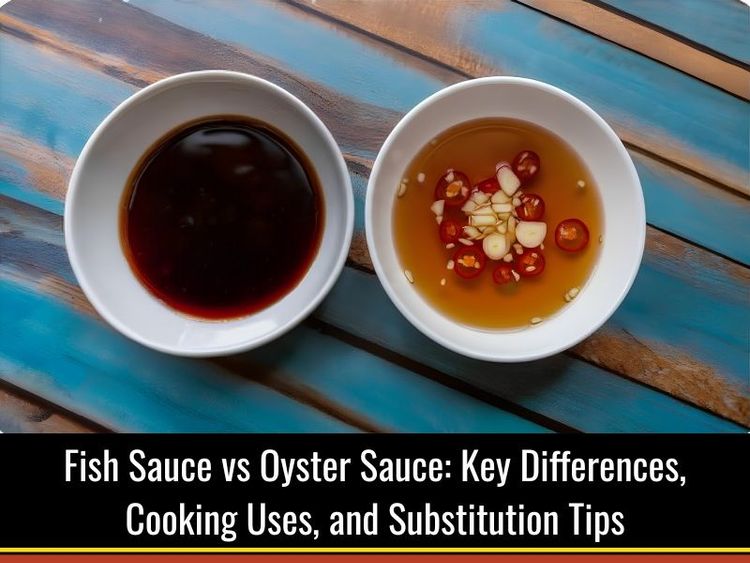
Table Of Contents
- What Are the Differences Between Fish Sauce and Oyster Sauce?
Are Fish Sauce and Oyster Sauce Interchangeable?
What Are the Differences Between Fish Sauce and Oyster Sauce?
The biggest differences between fish sauce and oyster sauce come down to five things: ingredients, taste, thickness, color, and aroma.
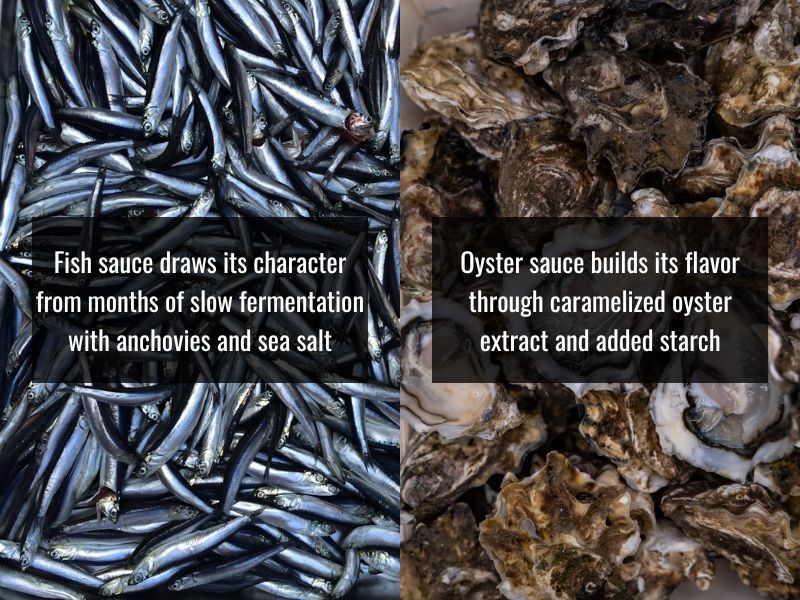
Fish sauce draws its character from months of slow fermentation with anchovies and sea salt. Oyster sauce builds its flavor through caramelized oyster extract and added starch. That single production difference drives every contrast you notice between the two bottles.
| Attribute | Fish Sauce | Oyster Sauce |
| Main ingredient | Fermented anchovies + sea salt | Caramelized oyster extract + sugar + cornstarch |
| Taste | Salty, savory, strong umami, slightly funky | Sweet, salty, mild umami, earthy |
| Texture | Thin and watery (like soy sauce) | Thick and syrupy (like ketchup) |
| Color | Clear, amber to reddish-brown | Opaque, dark brown to near-black |
| Aroma | Strong, pungent, fishy | Mild, savory, subtle |
| Common uses | Dipping sauce, soup seasoning, braising, marinades | Stir-fried vegetables, beef stir-fry, glazes, stir-fry dishes |
Which one packs more sodium? Fish sauce, and it's not close. 1 tbsp of fish sauce carries about 1,410 mg of sodium, while the same serving of oyster sauce sits around 491 mg (United States Department of Agriculture - USDA FoodData Central). That puts fish sauce at roughly 3 times the sodium load. If you're watching your salt, oyster sauce gives you umami at a lower cost.
Both sauces deliver umami, but they work in opposite directions. Fish sauce dissolves into liquids and seasons from the inside out. Oyster sauce coats surfaces and builds a glossy, sweet glaze. The simplest way to think about it: fish sauce is what you stir into a broth, and oyster sauce is what you drizzle over a stir-fry.
Are Fish Sauce and Oyster Sauce Interchangeable?
No. Fish sauce and oyster sauce are not interchangeable because they fill two different roles in a dish. Fish sauce works as a liquid seasoning salt: thin, salty, and pungent with fermented funk. Oyster sauce works as a finishing glaze: thick, sweet-salty, and glossy. Swapping one for the other shifts the flavor, texture, and balance of whatever you're cooking.
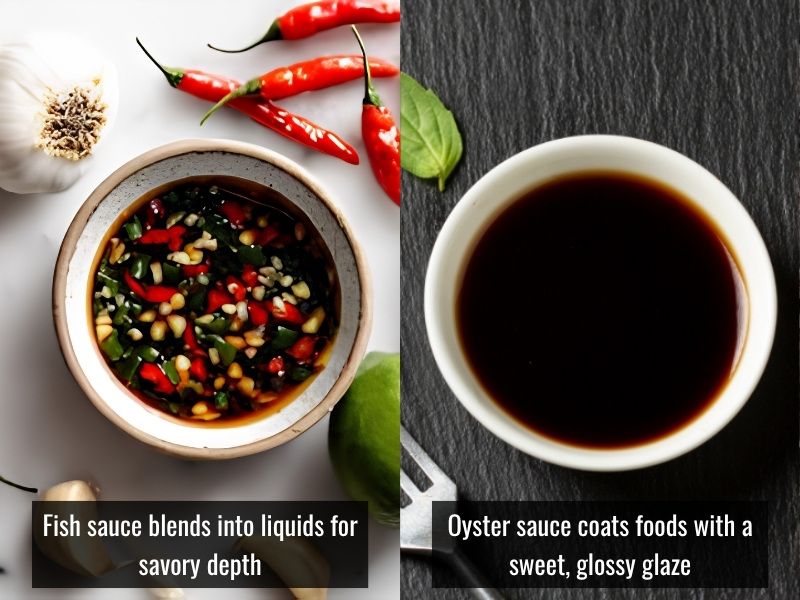
The difference shows up fast in practice. Fish sauce dissolves into liquids like soups, broths, and marinades, adding invisible salinity. Oyster sauce clings to surfaces in stir-fries, vegetables, and noodles, creating a shiny coat. Pour oyster sauce into broth; it clouds the liquid and sweetens it. Splash fish sauce onto a stir-fry as a glaze, and it runs right off. Vietnamese home cooks follow a practical rule here: when marinating with oyster sauce, skip the fish sauce, or the dish turns too salty. So when does each sauce work best?
When to Use Fish Sauce
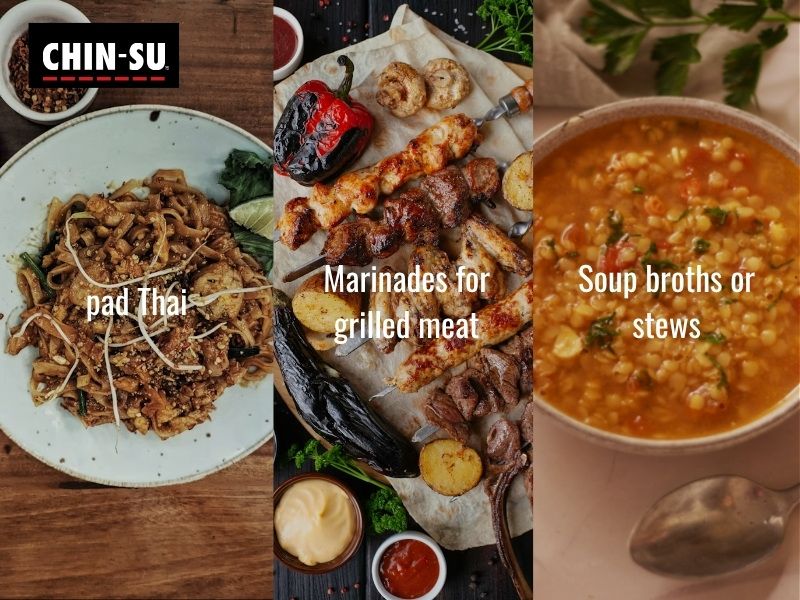
Fish sauce works best in dishes that need invisible salinity and deep savory flavor without added thickness. Reach for it when a recipe calls for salt and umami but not sweetness or body. Vietnamese cooks call it nước mắm and build nước chấm (a dipping mix of fish sauce, lime juice, sugar, garlic, and chili) around it as the salty anchor. Thai cooks know it as nam pla, a core seasoning in curries and pad Thai that disappears into the liquid, seasoning every bite. It doubles as a tenderizer in marinades for grilled meat, salting and softening protein at the same time. Stir a spoonful into soup broths or stews, and it adds depth without clouding the liquid. The quickest trick: skip the salt shaker and add a few drops to fried rice or scrambled eggs. The flavor shifts from flat to full in seconds.
Want to learn more about fish sauce? Read our guide, What Is Fish Sauce? Taste, Uses, and How to Choose.
When to Use Oyster Sauce
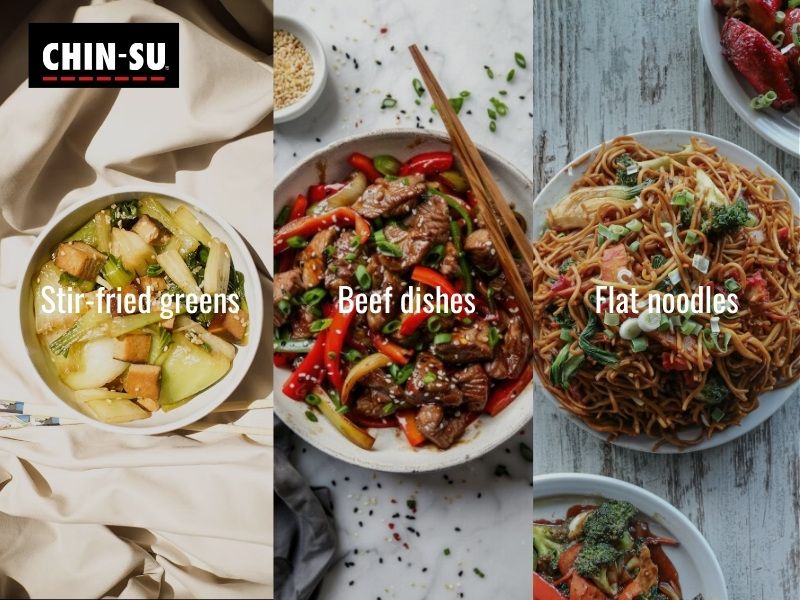
Oyster sauce works best when you want a glossy, sweet-salty coating on stir-fried dishes. Reach for it any time a recipe needs body, sweetness, and a shiny finish. Cantonese wok cooking has relied on it since 1888, and the logic hasn't changed: oyster sauce coats meat and vegetables in one even layer of savory flavor. Toss it with stir-fried greens like bok choy or Chinese broccoli, and it tones down the bitterness while adding a rich glaze. Beef dishes like shaking Beef (bò lúc lắc) and beef with broccoli depend on it for that sticky, caramelized surface. It also coats flat noodles evenly in dishes like pad see ew and chow mein. One timing rule worth keeping: add oyster sauce in the last 30 seconds of cooking so it glazes the food rather than scorches on the wok.
Fish sauce and oyster sauce belong in the same pantry, not the same spoon. They come from different ingredients and fill different roles: fish sauce dissolves into liquids as an invisible seasoning salt, while oyster sauce coats surfaces with a glossy, sweet finish. Keep both bottles on hand and let the dish decide which one you reach for. If you're looking for a fish sauce made from fresh East Sea anchovies, explore CHIN-SU's fish sauce collection and put the fish sauce vs oyster sauce difference to work in your kitchen.
Frequently Asked Questions
Neither sauce is inherently healthy or unhealthy. It comes down to serving size. Both are low-calorie (6.3 cal per tbsp for fish sauce, 9.18 cal per tbsp for oyster sauce), but sodium is where they differ. Fish sauce has about 1,410 mg per tablespoon. Oyster sauce sits around 491 mg, nearly 3 times less. The American Heart Association (AHA) recommends no more than 2,300 mg per day. Oyster sauce is lower in sodium but higher in sugar. In typical cooking amounts, neither is a concern.
Fish sauce delivers more concentrated umami. Months of anchovy fermentation produce high levels of free glutamic acid, and Vietnamese nước mắm alone reaches 10,080 mg of total amino acids per 100g. Oyster sauce also carries umami, but it's milder and balanced by added sugar. For pure savory intensity, fish sauce wins.
Fish sauce smells stronger because fermentation creates volatile compounds that hit your nose before your tongue. Anchovies ferment with sea salt for 6 to 18 months, and during that time, proteins break down into amino acids, releasing pungent volatile amines (the compounds behind the smell). The smell is intense straight from the bottle. The good news: it fades during cooking, leaving clean umami in the finished dish.
No. Traditional oyster sauce contains oyster extract, so it is not vegetarian. Fish sauce is also off the table since it comes from fermented fish. Alternatives exist for both: mushroom-based vegetarian oyster sauce is widely available at Asian grocery stores, and soy sauce with a pinch of sugar works as a quick swap at home.
Traditional oyster sauce, yes. Budget commercial versions, not always. Authentic oyster sauce starts with real oysters simmered until the liquid reduces into a thick concentrate. Some commercial products cut costs by using minimal oyster extract and filling the rest with sugar, salt, cornstarch, and flavoring. A quick label check helps: if "sugar" or "cornstarch" appears before "oyster extractives" on the ingredient list, the oyster content is minimal.
The closest substitute depends on what you need the fish sauce to do. For saltiness and umami, soy sauce with a squeeze of lime juice is the most accessible pantry swap. For fermented depth, try Worcestershire sauce in small amounts (it contains anchovies). If you want a milder, slightly sweet alternative with lower sodium, coconut aminos fits the bill.

CHIN-SU KITCHEN TEAM
CHIN-SU Kitchen Team are the creative experts behind the delicious recipes featuring CHIN-SU sauces. With years of experience and a passion for flavor, our team carefully selects recipes from a variety of trusted chefs and bloggers, bringing together the best culinary insights to present you with the most suitable and exciting dishes. Every recipe is chosen to inspire you to create meals that are not only tasty but also easy to prepare, enhancing your dining experience. Join us as we explore a wide range of sauces and flavors, and elevate every meal with the perfect recipe for your table!
User Reviews
Featured Articles
What Is Fish Sauce? Taste, Uses, and How to Choose
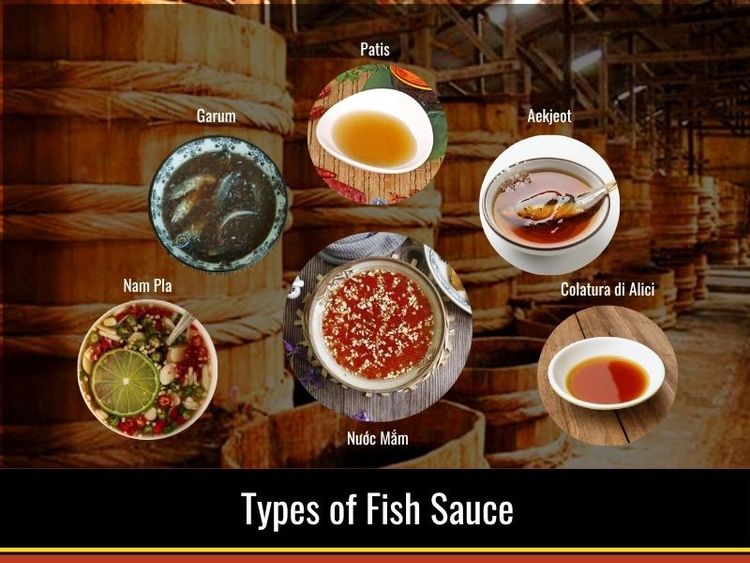
Types of Fish Sauce: A Regional Guide to the World's Most Misunderstood Condiment
What Is Fish Sauce Made Of?
Fish Sauce Benefits: Nutrition, Health, and How to Use It Right
Does Fish Sauce Have Gluten?
SUBSCRIBE TO GET
MORE INFO
Want the latest and greatest recipes, updates, and more from us,
straight to your inbox? Subscribe and get our NEWS!