Types of Fish Sauce: A Regional Guide to the World's Most Misunderstood Condiment
Published: Jun 18, 2026 by CHIN-SU
Updated: Sep 22, 2026 by CHIN-SU
Every bottle on the shelf looks roughly the same: amber liquid, salty, unmistakably pungent. But crack open a 60°N Phú Quốc nước mắm next to a standard Thai nam pla, and you'll realize they're as different. One carries months of concentrated anchovy depth. The other dissolves fast with a sharp, clean brine. They don't behave the same way in a pan, and they shouldn't be treated like they're interchangeable.
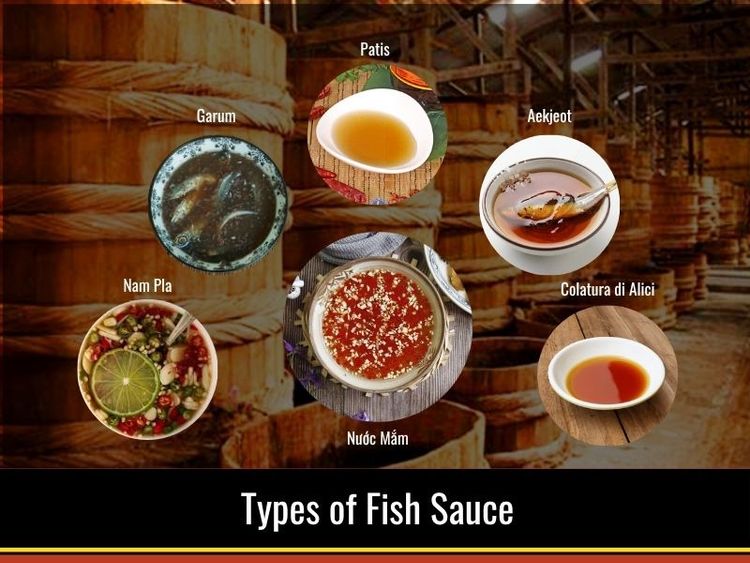
Three variables create that gap: fish species, fermentation length, and region of origin. Those factors produce over a dozen distinct condiments across Asia, Europe, and the Mediterranean, and each country has its own name for fish sauce, from Vietnamese nước mắm and Thai nam pla to Filipino patis and Korean Aekjeot. In this guide, CHIN-SU will help you break down 6 regional fish sauce types, an ingredient-based classification that most guides skip entirely, and a how-to-choose table that matches each type to a specific dish.
Nước Mắm (Vietnamese Fish Sauce)
Nước mắm is the only fish sauce that carries a European Union (EU) Protected Designation of Origin (PDO), granted to Phú Quốc production and placing it in the same protected class as Champagne and Parmigiano-Reggiano. The sauce is made from black anchovies and sea salt, fermented 6 to 18 months in wooden barrels or cement vats. 95% of Vietnamese households keep a bottle in the kitchen, and it remains the international benchmark for premium fermented fish condiments.
There are two regions that define production. The first one is Phú Quốc, an island off southwest Vietnam, which sources its anchovies from the Gulf of Thailand. Another is Phan Thiết, along the central coast, which holds a 300-year fish sauce heritage dating back to the Champa kingdom. Vietnam's Industrial Property Department registered the Phú Quốc trademark in 2001. What makes Phú Quốc fish sauce different is that the anchovies are caught the same day and go straight into salt at a 3:1 fish-to-salt ratio, with zero additives. That immediate salting locks in a freshness mainland production rarely matches. CHIN-SU offers its own expression of this regional variety through CHIN-SU Phú Quốc Fish Sauce.
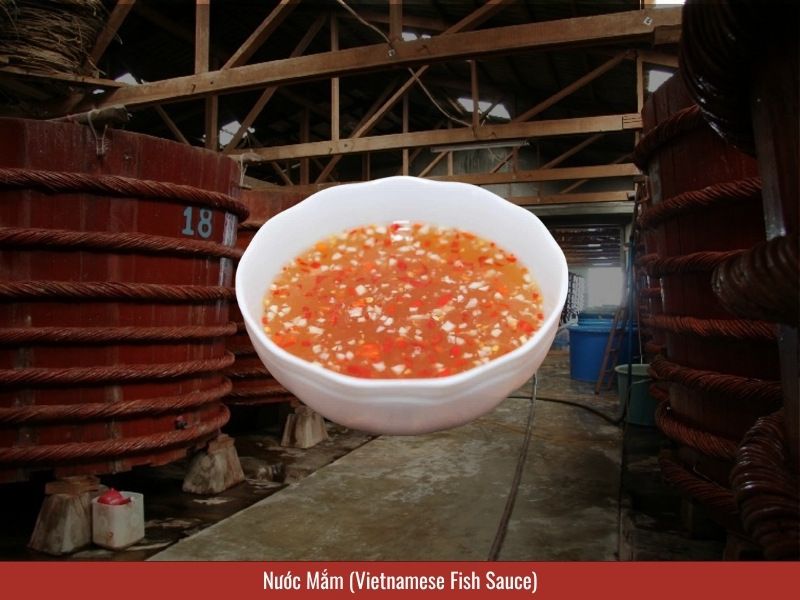
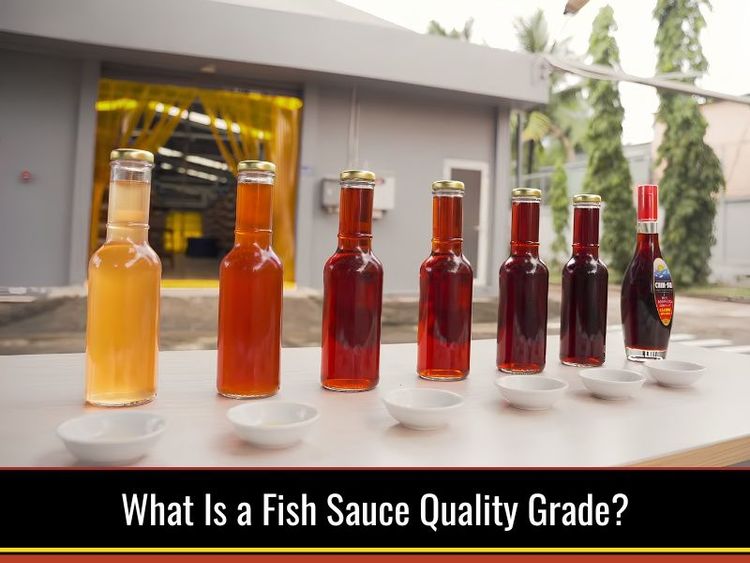
Vietnamese fish sauce’s quality comes down to one number: °N, the nitrogen degree. This measurement reflects nitrogen content per liter, which maps directly to protein concentration and umami depth. Fish sauce at 30°N suits everyday cooking, delivering solid umami at a friendly price. One with 40°N brings richer flavor and noticeable sweetness, delivering 4 grams of protein per tablespoon (about 15 ml). 60°N fish sauce and above enter premium dipping sauce territory, the grade reserved for nuoc cham and high-end table use. The °N number is the single most reliable indicator on any Vietnamese fish sauce label. Lower grades in the 20-25°N range still work well for cooking, since protein is less heat-sensitive at those concentrations.
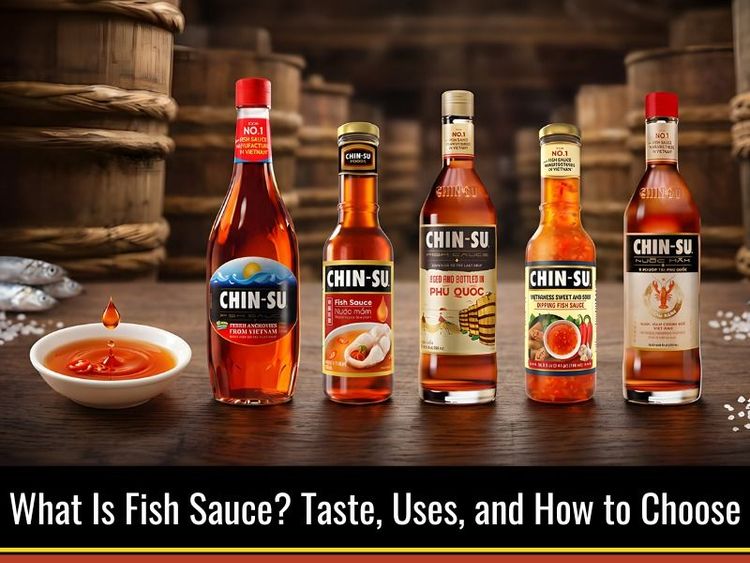
High-grade nước mắm pours with a transparent, golden-amber color. Chan Tiu-Ming, writing for Michelin, notes that these top-tier sauces deliver intense umami and are best used as dipping sauces. CHIN-SU Fish Sauce draws on this Vietnamese anchovy tradition and is available in Anchovy, Phú Quốc, Salmon, Lobster, and Sweet & Sour varieties at chinsu.com.
Nam Pla (Thai Fish Sauce)
Nam pla (นํ้าปลา) is the most widely sold fish sauce in the United States, and the only major variety made from a mix of small ocean fish rather than exclusively anchovies. The sauce ferments for 9 to 12 months in clay jars or stainless steel vats. Extraction grading mirrors the Vietnamese system: the first draw is premium; the second draw adds salt water and re-ferments for 3 to 4 months to produce cooking-grade; and the third draw sits at the bottom of the quality ladder. A survey of 2,312 classic Thai cookbook recipes found nam pla in 1,265 of them, making it the single most used seasoning in Thai cuisine.
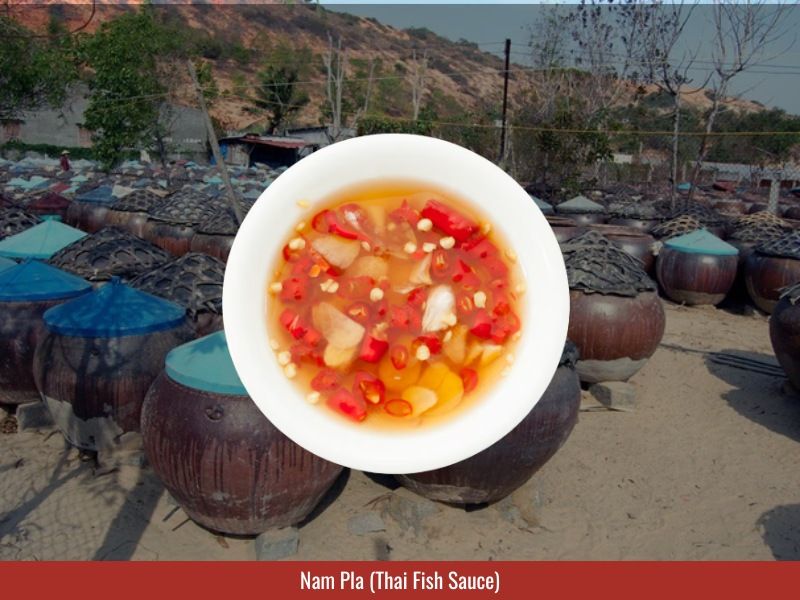
Nam pla tastes saltier and sharper than nước mắm because it has a higher sodium chloride concentration, at 25 to 30%. The color pours lighter. It lacks the lingering depth and faint sweetness that a Vietnamese first press delivers. You can substitute Thai fish sauce for Vietnamese fish sauce, but reduce the amount by 10-15% since nam pla contains more salt per drop. In a stir-fry, the difference fades during cooking. In a dipping sauce, you will notice it.
Patis (Filipino Fish Sauce)
Patis is the only major fish sauce used both as a cooking ingredient and as a table condiment, a dual role that Vietnamese nước mắm and Thai nam pla rarely fill. It is made from round scad (a small mackerel) and fermented into a pale yellow, high-salt liquid. Patis is also a byproduct of making bagoong (fermented shrimp paste), skimmed off the top of the fermenting batch as a liquid rather than pressed from whole fish. Grading follows brand rather than extraction or fermentation time, and production stays less standardized than in Vietnam or Thailand.
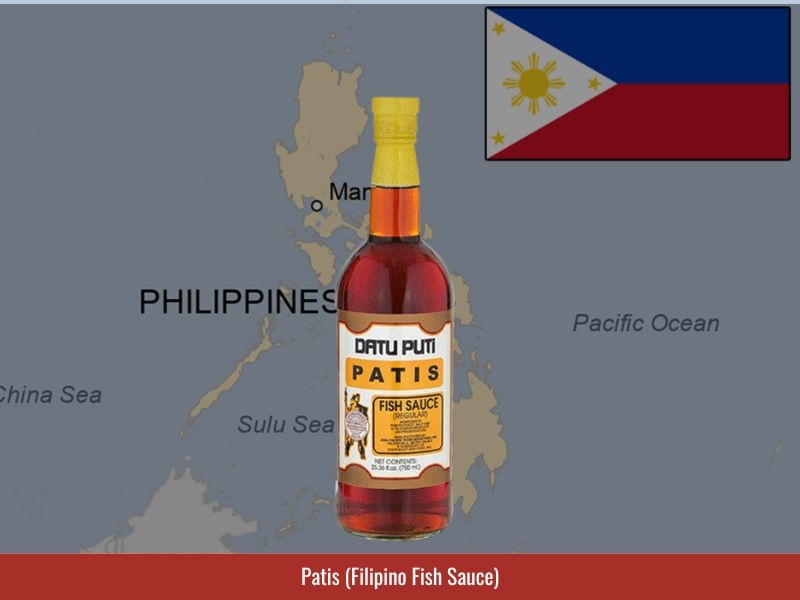
What do you eat patis with? Filipinos mix it with calamansi, a native citrus, as a dipping sauce for steamed fish or boiled pork belly. It shows up in sinigang (sour soup), arroz caldo (rice porridge), and on the dinner table as a straight salt replacement. The calamansi-patis combination is to Filipino home cooking what nuoc cham is to Vietnamese.
Aekjeot (Korean Fish Sauce)
Aekjeot (액젓) is the most versatile fish sauce in construction, with 3 distinct varieties made from different protein sources: myeolchi-aekjeot (anchovy), kkanari-aekjeot (sand lance), and saeujeot (shrimp). That range sets it apart from Southeast Asian fish sauces like nước mắm and nam pla, which rely almost exclusively on anchovies. Each variety suits different dishes, and good aekjeot delivers a salty, umami-rich, and slightly sweet flavor, making it a practical substitute for soy sauce, dashi, or plain salt. The sauce ferments 12 to 24 months, but a lower fish-to-salt ratio than Vietnamese or Thai versions produces a heavier, more concentrated result.
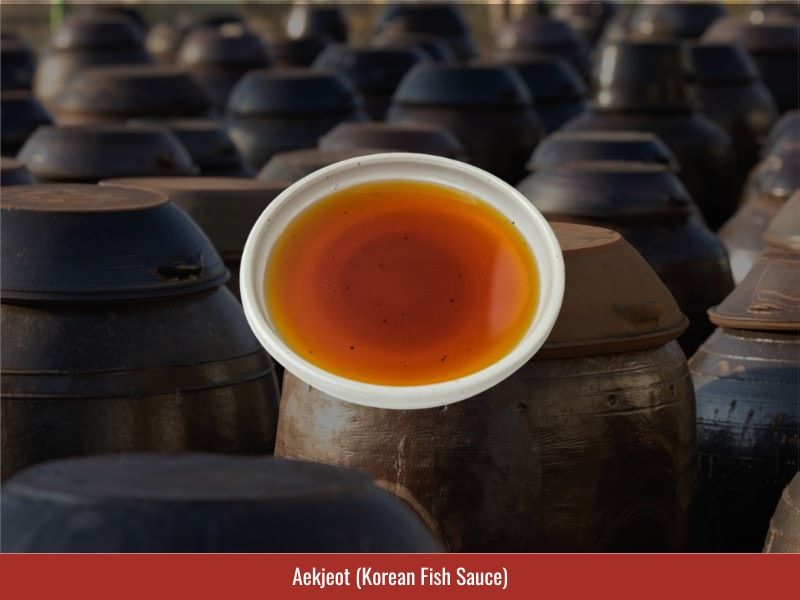
Aekjeot is a staple ingredient in kimchi, lending the dish its signature salty depth. That concentration holds up through weeks of co-fermentation alongside cabbage, gochugaru, and garlic without getting lost. Korean fish sauce is not interchangeable with Vietnamese or Thai as a direct 1-to-1 swap. 1 tablespoon of aekjeot will make the dish noticeably saltier. Reduce the amount, and it works, but treat it as its own ingredient rather than a stand-in.
Colatura di Alici (Italian Fish Sauce)
Colatura di alici is the most direct living descendant of ancient Roman garum, and the only fish sauce still fermented in chestnut-wood barrels. It is made from anchovies in the village of Cetara on the Amalfi Coast, fermented from spring to Christmas, roughly 7 to 8 months. The color runs a deep amber, more pungent than Southeast Asian fish sauces. And here is where it really differs: colatura is drizzled raw over pasta, such as spaghetti alle vongole or pasta aglio olio, as a finishing sauce rather than cooked into the dish. That raw-finishing tradition gives it a role that no Asian fish sauce typically fills.

How is colatura di alici different from Asian fish sauce? It has a higher protein content, ferments in wood rather than in cement or ceramic, and serves as a raw condiment rather than a cooking ingredient. The chestnut barrel imparts a subtle tannic note that steel or cement vats simply cannot replicate. When buying, look for the Denominazione di Origine Protetta (DOP) label, which guarantees production from Cetara. Much of the colatura sold outside Italy lacks the depth of a DOP-certified bottle.
Garum (Ancient Roman Fish Sauce)
Garum is the common ancestor of every modern fish sauce, and the only variety with archaeological evidence preserved intact for over 2,000 years. It was one of the most widely used condiments in the ancient world, made from small fish fermented with salt and herbs such as dill, coriander, and fennel. Traces of garum production stretch from Tunisia to France across the Mediterranean. At Pompeii, archaeologists found 6 sealed clay basins still containing remnants of garum during excavations. Scientists have since recreated a recipe from those findings, and the fermentation took roughly 1 week, far shorter than the 12 to 24 months that modern Asian fish sauces require.
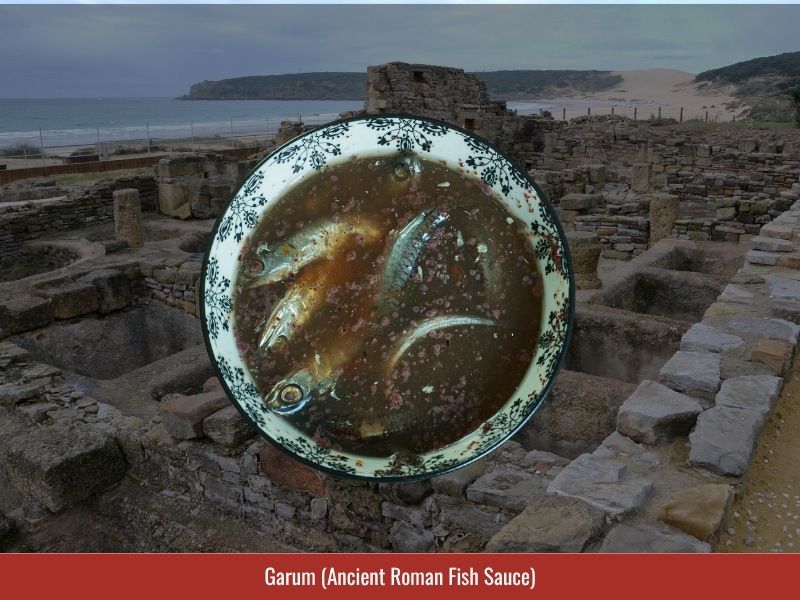
Is garum making a comeback? Yes. Chefs like René Redzepi at Noma have revived garum-style fermentation using unconventional protein sources: beef, grasshopper, and even rose petals. These modern garums are not traditional fish sauce, but they follow the same fermentation principles that Roman producers developed 2 millennia ago. If you have ever wondered why nước mắm, nam pla, and colatura share a similar production logic, garum is the reason.
Fish Sauce by Ingredient: Anchovy, Salmon, and Beyond
Beyond regional classification, fish sauce can also be grouped by the species used in fermentation. The choice of fish directly affects how much glutamate the process yields, and glutamate sets the ceiling for umami intensity, color, and price in the finished bottle.
- Anchovy fish sauce is the standard across Vietnamese, Thai, and Italian traditions. Anchovy produces the highest glutamate concentration of any commonly used fish species, resulting in a deep amber color and intense umami. Fermentation runs 6 to 18 months, and this is the type sitting in the vast majority of bottles on store shelves. CHIN-SU premium anchovy fish sauce follows the Vietnamese expression of this style and suits soups, marinades, stir-fries, and braised dishes.
- Salmon fish sauce is milder, with a lighter pink-amber hue and roughly 40 to 60% less umami intensity than anchovy. It works well as an entry point for home cooks who find traditional fish sauce too strong, or for Western recipes where a subtle, savory background note matters more than a pronounced fermented flavor. CHIN-SU salmon fish sauce suits home cooks seeking subtler umami in marinades, stir-fries, and Western dishes.
- Specialty types (Lobster, Shrimp) involve shorter fermentation periods and carry a distinct sweetness from crustacean proteins. CHIN-SU lobster fish sauce represents this seafood-forward category. These tend to serve as dipping sauces rather than cooking ingredients, and they pair well with seafood dishes where the sauce complements rather than dominates.
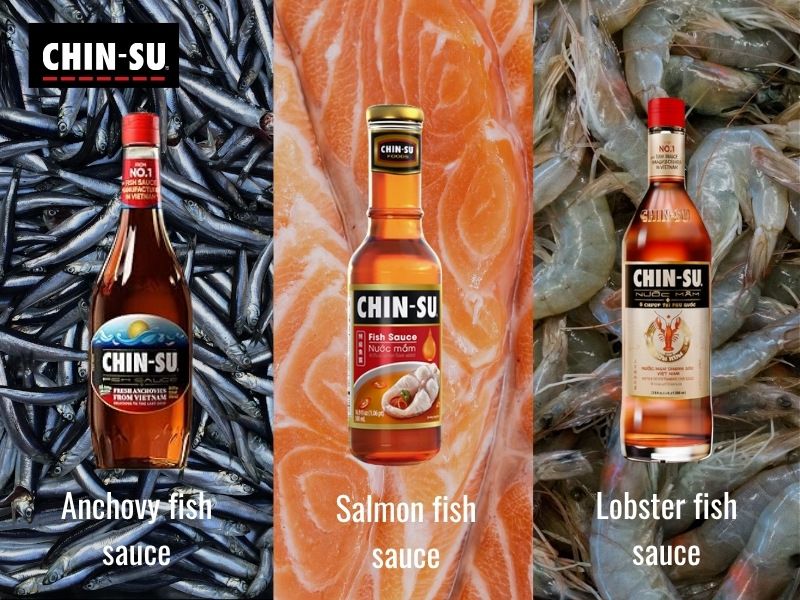
The fish species determines the glutamate level, which in turn sets the umami depth in the finished product. CHIN-SU produces all 3 categories: Anchovy, Salmon, Lobster, and Phú Quốc varieties, each available at chinsu.com.
How to Choose the Right Fish Sauce
Choosing fish sauce comes down to 3 factors: what you are making (cooking vs dipping), which cuisine you are working with (Vietnamese, Thai, Korean, Italian), and how much salt the recipe can handle. The table below matches 6 common use cases to the right type.
| Use Case | Best Type | Why | Notes |
| Phở, bún bò Huế, Asian Food | Vietnamese anchovy 40°N+ | Depth and traditional flavor | Dip or finish, not cook at high heat |
| Pad Thai, Thai stir-fry | Nam pla | Quick-dissolving, brine-forward | Saltier, so adjust quantity down slightly |
| Kimchi making | Korean aekjeot (myeolchi) | Intensity survives kimchi fermentation | Too concentrated for direct cooking |
| Nuoc cham dipping sauce | Vietnamese Phú Quốc 60°N | Sweetness and clarity | Premium grade matters here |
| Western pasta, roasted vegetables | Colatura di alici | Raw finish, not heat-applied | Look for DOP label |
| Marinades, fried rice, everyday cooking | Salmon or mild anchovy | Accessible umami, less pungent | Good entry point for fish sauce newcomers |
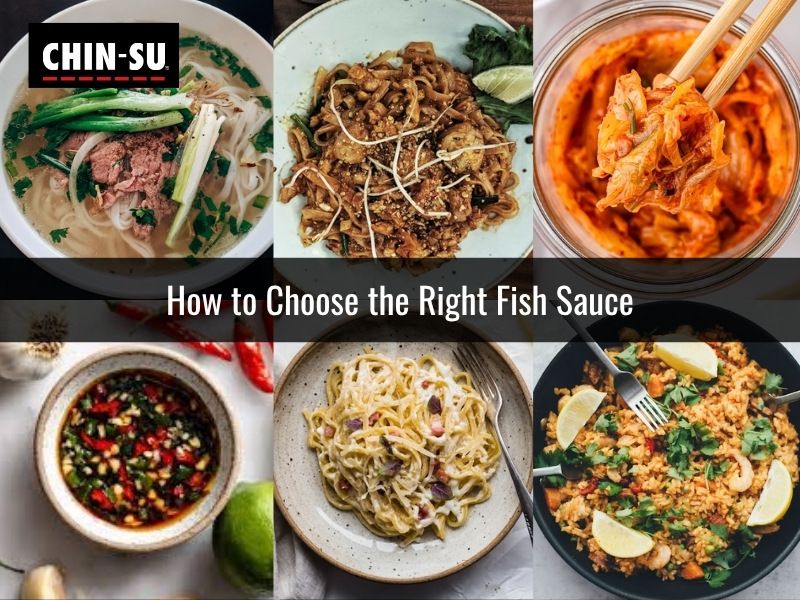
Can you use any fish sauce in any recipe? Technically, yes. Vietnamese fish sauce in a Thai recipe produces a rounder flavor. Thai fish sauce in a Vietnamese recipe gives a saltier, sharper result. This table is a starting point, not a rulebook.
Choosing the right fish sauce is not only about flavor, aroma, and regional style. If you want to understand what traditionally fermented fish sauce can add to your diet, explore the key fish sauce health benefits in our detailed guide.
Every fish sauce in this guide fills a different role in the kitchen: nước mắm brings fermented depth graded by °N, nam pla delivers quick-dissolving salt for Thai stir-fries, patis doubles as a Filipino table condiment, aekjeot powers kimchi fermentation with 3 distinct varieties, colatura finishes Italian pasta raw, and garum connects them all back 2,000 years to ancient Rome. The fish species and the region shape the flavor, so choosing the right bottle really comes down to what you are cooking and how you plan to use it. If you’re interested in Vietnamese nước mắm, explore the CHIN-SU fish sauce collection, including Anchovy, Phú Quốc, Salmon, Lobster, and Sweet & Sour varieties.
Frequently Asked Questions
Yes. Vegan fish sauce is typically made from fermented mushrooms, seaweed, or soybeans, and it replicates the salty-umami flavor profile without any fish. Several brands are available on Amazon and at specialty grocery stores. The flavor comes close in cooked dishes where fish sauce is one of many ingredients, but it falls short in dipping sauces where the sauce is the star.
Straight from the bottle, yes. The smell and taste are distinctly fermented and fishy. But when you cook it into a dish, the volatile compounds that cause that aroma evaporate, leaving behind a rounded savory depth that most people cannot identify as fish. If a dish tastes too fishy, you have likely added too much or added it too late in the cooking process.
Fish sauce has an extremely long shelf life because of its high salt content. An unopened bottle stored in a cool, dark place can last for years past the printed date. Once opened, it stays at peak quality for about 12 months. Over time, it darkens and gets saltier as it oxidizes, similar to how wine changes after the cork comes out. Refrigerating after opening slows this process.
No. Fish sauce is a thin, amber liquid made from fermented fish and salt. Oyster sauce is a thick, dark brown sauce made from oyster extract, sugar, and soy sauce. Fish sauce adds salty umami depth. Oyster sauce adds a sweet-savory glaze. They serve different purposes in cooking and are not interchangeable.

CHIN-SU KITCHEN TEAM
CHIN-SU Kitchen Team are the creative experts behind the delicious recipes featuring CHIN-SU sauces. With years of experience and a passion for flavor, our team carefully selects recipes from a variety of trusted chefs and bloggers, bringing together the best culinary insights to present you with the most suitable and exciting dishes. Every recipe is chosen to inspire you to create meals that are not only tasty but also easy to prepare, enhancing your dining experience. Join us as we explore a wide range of sauces and flavors, and elevate every meal with the perfect recipe for your table!
User Reviews
Featured Articles
Does Fish Sauce Expire? Shelf Life and Storage
Does Fish Sauce Have Gluten?
What Is a Fish Sauce Quality Grade?
How To Use Fish Sauce In Cooking: Asian And Non-Asian Dishes
What Is Fish Sauce? Taste, Uses, and How to Choose
SUBSCRIBE TO GET
MORE INFO
Want the latest and greatest recipes, updates, and more from us,
straight to your inbox? Subscribe and get our NEWS!