Saigon Food: 16 Traditional Dishes and Why They Taste Different
Published: Sep 14, 2026 by CHIN-SU
Updated: Sep 21, 2026 by CHIN-SU
Waking up early in Saigon means stepping straight into a vibrant symphony of sights, sounds, and enticing food aromas. You catch the sweet, smoky scent of pork chops sizzling over sidewalk charcoals, the crackle of a fresh baguette re-crisping above hot embers, and fragrant steam billowing from deep cauldrons of simmering pork-bone broth. While official maps label the metropolis Ho Chi Minh City, locals affectionately call it Saigon, and you hear both names traded effortlessly in everyday conversation.
Southern cooking carries a bright, sun-drenched spirit that tastes noticeably sweeter and more vibrant than northern fare. Cooks reach generously for fresh coconut water and rich palm sugar to round out their braises, pile every table high with crisp leafy greens, and let bold, lively flavors lead the way.
What makes Saigon's dining scene truly unforgettable is the remarkable tapestry of people who made this city their home. Over generations, Teochew Chinese merchants arrived with noodle carts, Khmer neighbors crossed from the fertile Mekong Delta, and over a million northern families traveled south following the 1954 Partition of Vietnam. Each group brought heirloom recipes, adapting flavors and meal times to the tropical southern climate so that morning comfort foods became dishes enjoyed around the clock.
In this guide, CHIN-SU walks you through fifteen iconic southern dishes, from smoky broken rice plates and crispy bánh mì to fragrant Teochew noodle soups, savory fermented fish broths, giant sizzling crepes, and icy coconut desserts: what goes into each one, when locals sit down to enjoy them, and how each wave of arrivals shaped the southern table.
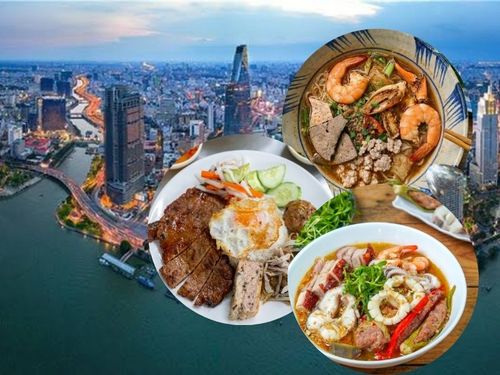
Table Of Contents
- Cơm Tấm (Broken Rice With Grilled Pork)
- Bánh Mì (The Saigon Sandwich)
- Bò Kho (Beef and Carrot Stew)
- Hủ Tiếu (Teochew Rice Noodles)
- Hủ Tiếu Nam Vang (Phnom Penh-Style Noodles)
- Bún Mắm (Fermented Fish Noodle Soup)
- Bún Thịt Nướng (Grilled Pork Over Cold Noodles)
- Cơm Gà (Hainanese-Style Chicken Rice)
- Bò Né (Sizzling Beef and Eggs)
- Bánh Xèo (Mekong-Style Sizzling Crepe)
- Bột Chiên (Pan-Fried Rice Flour Cakes)
- Canh Chua (Sour Tamarind Soup)
- Cá Kho Tộ (Caramelized Catfish in a Clay Pot)
- Cơm Chay (Vegetarian Rice Plates)
- Chè (Sweet Soups and Puddings)
- Xôi Ngọt (Sweet Sticky Rice)
- What Ties These Dishes Together?
- Why Saigon Food Looks Like This: A City Built From Arrivals
- Why Southern Vietnamese Food Tastes Sweeter
Cơm Tấm (Broken Rice With Grilled Pork)
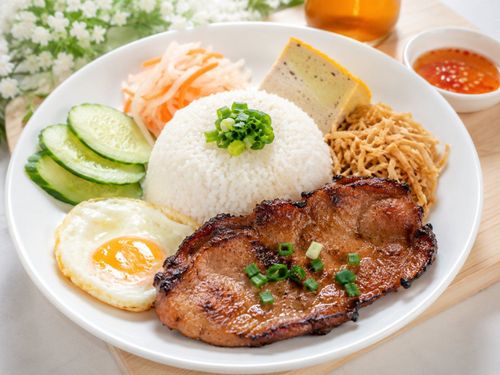
Cơm tấm is a quintessential southern rice plate featuring fractured broken rice grains served with a charcoal-grilled pork chop, shredded pork skin, and a steamed egg meatloaf. The name explains its humble origins: "cơm" means cooked rice and "tấm" refers to the fractured rice grains that snap off during milling, once cast aside as imperfect grain.
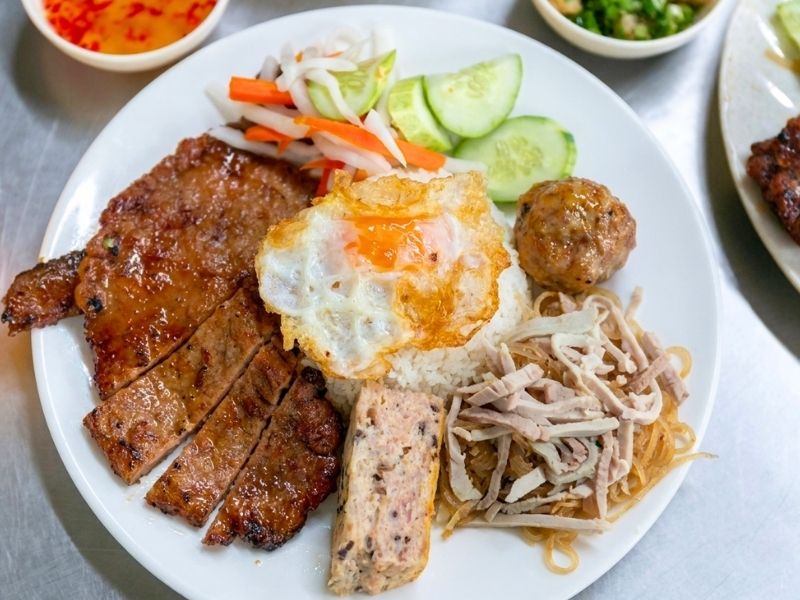
Mekong Delta farmers first cooked these broken grains at home after difficult harvests left them too little whole rice to sell. Following Vietnam's rapid urbanization during the early twentieth century, cơm tấm journeyed from rural farm kitchens into Saigon, quickly becoming the city's favorite comfort food.
What makes broken rice so delightful to eat is its unique texture. Because the fractured grains are smaller and less dense than whole jasmine rice, they cook up loose and fluffy, soaking up savory pan juices and seasoning sauces like a sponge. Resting atop the rice are four classic components: a tender pork chop (sườn nướng) marinated in lemongrass, garlic, and honey before grilling over smoky charcoal; delicate ribbons of boiled pork skin (bì) tossed in nutty roasted rice powder; a slice of savory steamed egg meatloaf (chả trứng); and a rich fried egg.
Every plate arrives garnished with crisp cucumber, pickled vegetables, and a warm drizzle of scallion oil (mỡ hành). Unlike most Vietnamese dishes where mixed fish sauce sits in a small bowl for delicate dipping, here you spoon the sweet, garlicky sauce generously over the hot pork and loose rice, using a fork and spoon to mix every contrasting texture into each bite. Once morning fuel for manual laborers, Saigon locals now enjoy cơm tấm morning, noon, and late into the night. Our com tam recipe shows how to recreate this iconic Saigon rice plate with grilled pork, broken rice, and traditional toppings.
Bánh Mì (The Saigon Sandwich)
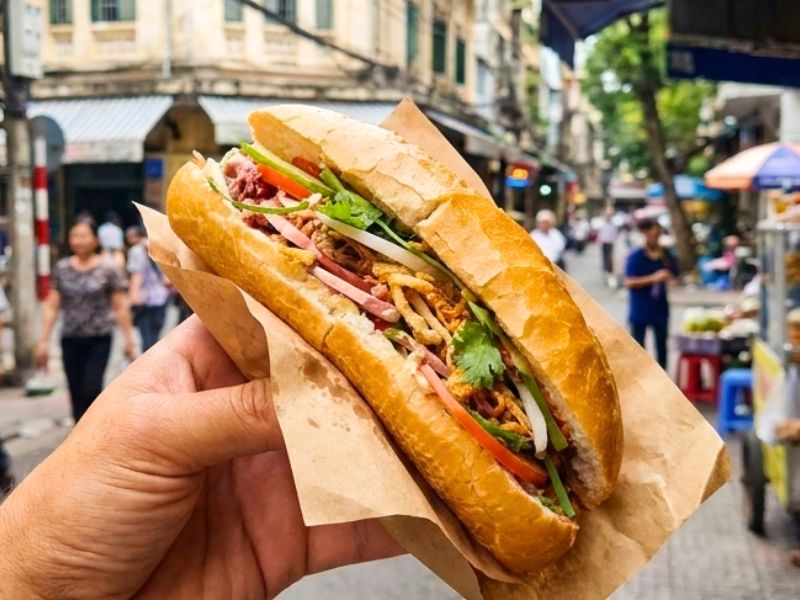
Bánh mì is Vietnam's world-famous sandwich built on an airy, thin-crusted baguette, packed with savory meats, rich pâté, pickled vegetables, and fresh herbs. While the French introduced baguettes to Indochina in the nineteenth century, the vibrant street sandwich the world celebrates today was born on Saigon's bustling streets in the 1950s.
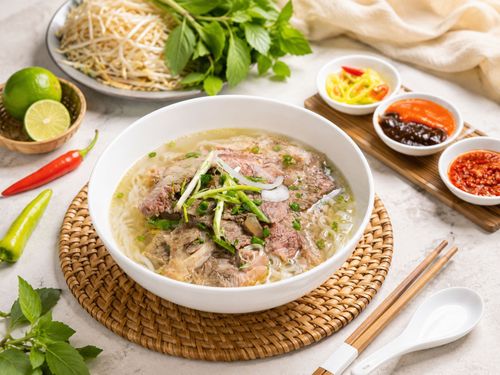
The 1954 Partition of Vietnam sent more than a million northern migrants southward, setting off an extraordinary culinary revolution across Saigon. Iconic northern staples like Beef pho made the journey south on that same migratory wave. Among those arrivals were Lê Minh Ngọc and Nguyễn Thị Tịnh, who opened a humble District 3 bakery named Hòa Mã. In 1958, they pioneered the idea of slicing open a single-serving baguette, slathering it with rich pâté and mayonnaise, and stuffing it with meats and herbs so busy workers could grab a quick, affordable meal on the go. Locals nicknamed this style "bánh mì Sài Gòn," establishing a sandwich culture that soon conquered the globe.
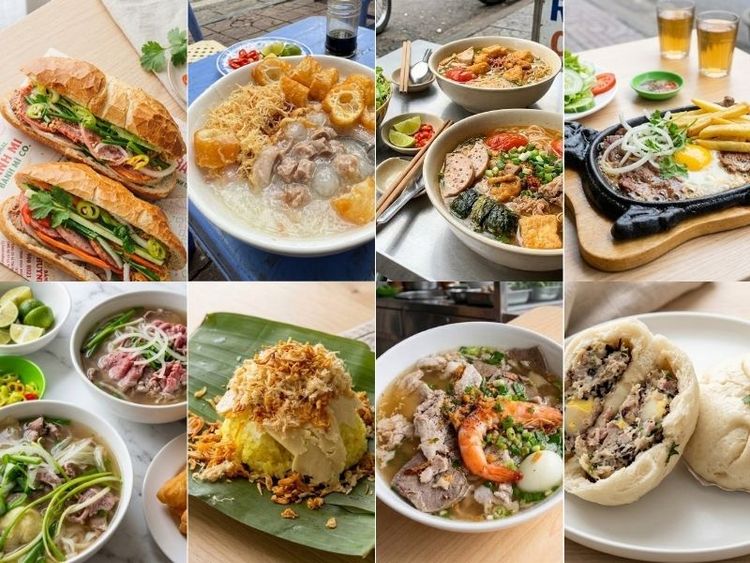
Bakers in Saigon adapted French baking techniques to the tropical climate, using rice flour to create a paper-thin crust that shatters with a bite, giving way to a light, cloud-like crumb. Vendors slice the warm bread lengthwise, spread creamy liver pâté and homemade mayonnaise, and pack it with sliced Vietnamese pork sausage (chả lụa), cold cuts, and savory meats. Crisp spears of fresh cucumber, tangy pickled carrot and daikon radish (đồ chua), fresh cilantro, and fiery bird's-eye chili provide a burst of freshness that balances the rich meats.
Bánh mì represents the beating heart of Vietnamese street food. Vendors working in the classic morning tradition open from six to eleven in the morning, serving commuters who pull their motorbikes up to the curb or sit on low plastic stools tucked along alleyways. A light dash of seasoned soy sauce ties the fillings together, delivering an unforgettable balance of warm crunch, savory richness, and bright herbal snap in every bite.
Bò Kho (Beef and Carrot Stew)
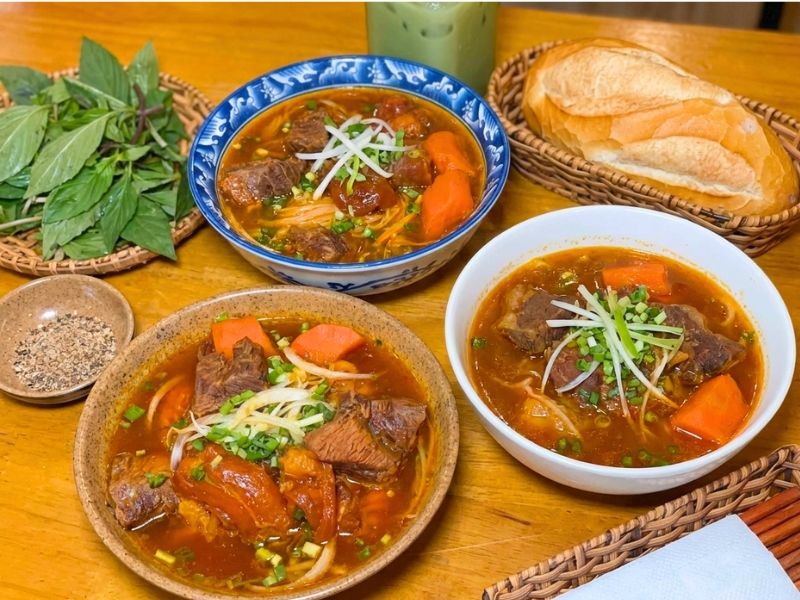
Bò kho is a deeply aromatic southern Vietnamese stew featuring tender beef chunks and sweet carrots simmered in a tomato base, perfumed with lemongrass, star anise, and cinnamon. It is usually enjoyed with a warm, crusty baguette for dipping or ladled generously over noodles.
This comforting bowl stands as one of the finest examples of Saigon's multicultural heritage. Vietnamese cooks traditionally used water buffalo for farm labor and rarely consumed beef before French colonization introduced beef dishes, along with garden vegetables like carrots and tomatoes. Southern cooks quickly embraced these ingredients, marrying them with the warming aromatic spices of Chinese trade and the vibrant herbal pantry of the south.
Cooks marinate generous cubes of beef shank or flank in a fragrant paste of minced lemongrass, garlic, shallots, ginger, Chinese five-spice, star anise, and cinnamon. The beef sears in hot oil before simmering slowly with crushed tomatoes, sweet carrots, and fresh coconut water until the meat is fork-tender and the sauce reduces to a rich, mahogany-hued gravy. The first spoonful greets your palate with the natural sweetness of carrots and tomatoes, followed by warming spices and the citrus perfume of bruised lemongrass.
Locals savor bò kho as a hearty breakfast or a comforting rainy-day lunch. Diners tear off warm pieces of crusty bánh mì to plunge straight into the savory gravy, or order the stew spooned over silky hủ tiếu rice noodles or springy egg noodles. A side saucer of salt, cracked black pepper, fresh chili, and calamansi juice sits ready for dipping the tender beef chunks, while fresh sprigs of Thai basil and culantro add a bright, herbal contrast.
Hủ Tiếu (Teochew Rice Noodles)
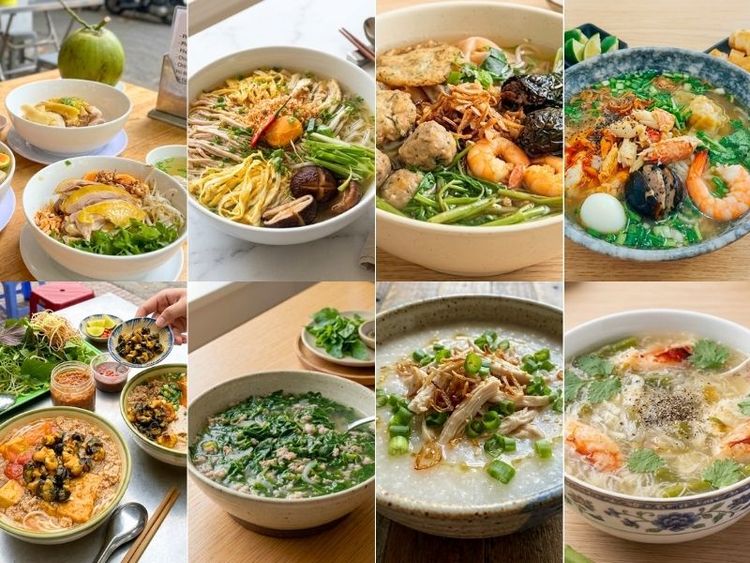
Hủ tiếu is a versatile southern noodle dish brought to Vietnam by Teochew Chinese immigrants, celebrated for its clear, naturally sweet pork-bone broth and wide variety of noodles. Diners can enjoy it as a comforting hot soup or order it dry with a bowl of piping-hot broth on the side.
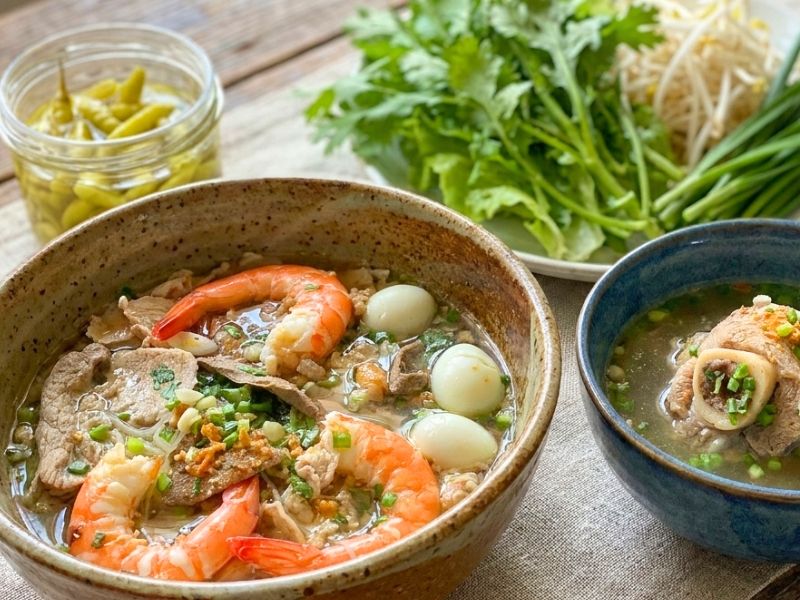
Teochew merchants hailing from Guangdong province carried this noodle dish with them as they settled throughout the Mekong Delta and Saigon. By the 1960s, hủ tiếu had woven itself deeply into southern dining, keeping its original name from the Teochew dialect kway teow (粿條). While northern phở centers on flat rice ribbons and warming spices, hủ tiếu highlights the clean, delicate sweetness of pork bones and fresh seafood.
What sets hủ tiếu apart is the versatility of its noodles. Diners can choose between soft, tender fresh rice noodles, springy yellow egg noodles (mì), or Saigon's prized tapioca-rice noodles (hủ tiếu dai), sun-dried to create a wonderfully chewy, translucent bite. The broth simmers slowly for hours with pork neck bones, dried shrimp, dried squid, and daikon radish, yielding a shimmering golden broth that tastes clean, savory, and naturally sweet. Resting atop the noodles is an abundance of toppings: tender sliced pork loin, poached shrimp, delicate pork liver, garlic chives, and fragrant golden fried garlic.
Saigon residents love starting their day with hủ tiếu, gathering at open-air sidewalk stalls before the morning work rush. You can order your bowl as a traditional soup (hủ tiếu nước), or choose the beloved dry version (hủ tiếu khô), where the noodles are tossed directly in a savory-sweet reduction of soy sauce, oyster sauce, and shallot oil, served alongside hot pork broth to sip between bites. Among the diverse spectrum of Vietnamese noodle dishes, hủ tiếu remains a shining testament to the city's welcoming Chinese heritage.
Hủ Tiếu Nam Vang (Phnom Penh-Style Noodles)
Hủ tiếu Nam Vang is a Cambodian-influenced variation of Teochew noodle soup, famously named after Phnom Penh and renowned for its lavish combination of pork and seafood toppings. "Nam Vang" is the historic Vietnamese name for Phnom Penh, reflecting the cross-border journey that transformed this bowl into one of Saigon's most celebrated street dishes.
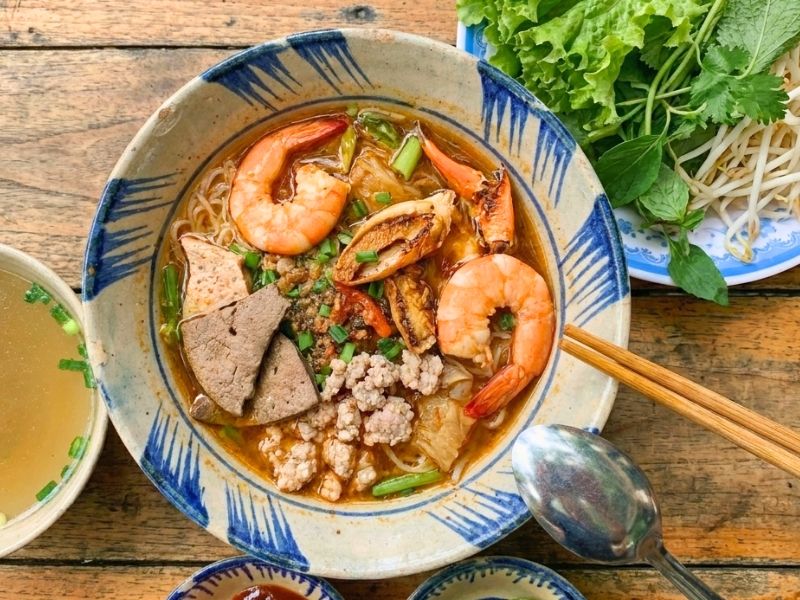
The bowl traces its lineage back to Chinese and Khmer vendors who perfected kuyteav at the bustling Old Market in Phnom Penh. During the mid-twentieth century, repatriating Vietnamese families and Cambodian immigrants brought the recipe across the border into Saigon. Rather than disguising its international origin, cooks proudly painted "Hủ Tiếu Nam Vang" across their storefronts, and the hearty, flavor-packed bowl quickly became an essential feature of southern city life.
Compared to classic hủ tiếu, a bowl of Nam Vang is far more decadently loaded. The broth starts with pork leg bones simmered gently with toasted dried squid, rock sugar, and charred shallots, delivering a remarkably light, sweet, and pure taste. What truly captivates diners is the sheer variety of toppings crowded into the bowl: seasoned minced pork that disperses across the broth with every stir, whole poached freshwater prawns, sliced pork heart and liver, and tender quail eggs.
Most locals prefer ordering Hủ Tiếu Nam Vang dry (khô). The vendor blanches chewy tapioca noodles, tosses them in a glossy house sauce of dark soy, garlic oil, and vinegar, and crowns them with golden fried shallots and pork cracklings. You are handed a separate steaming bowl of pork-and-squid broth along with a vibrant platter of Chinese celery leaves, fresh bean sprouts, lime wedges, and pickled garlic chilies. Plunging the fresh herbs into the broth while alternating between savory noodles and crunchy aromatics creates an exciting eating ritual locals look forward to every morning.
Bún Mắm (Fermented Fish Noodle Soup)
Bún mắm is a bold, deeply flavorful noodle soup from the Mekong Delta built on a broth of fermented freshwater fish, packed with fresh seafood, roasted pork, and crisp river vegetables. Food lovers celebrate it as the most aromatic and unapologetically savory soup in all of southern Vietnam. Bún mắm is also one of the most distinctive examples of Vietnamese soups shaped by regional ingredients.
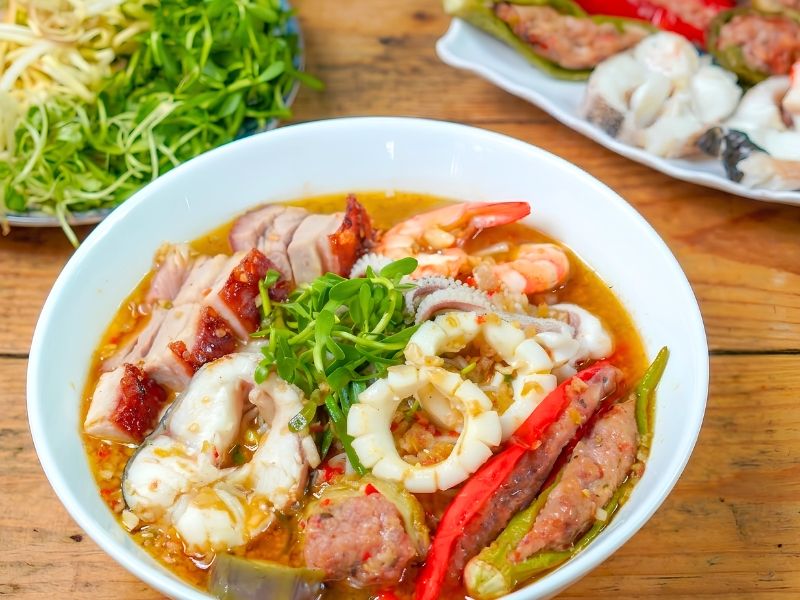
Delta cooks brought this treasured recipe into Saigon as rural families migrated toward the city, bringing the soulful flavors of the southern wetlands straight to urban alleyways. While northern and central soups rely on gentle bone simmers, bún mắm takes its daring personality from mắm cá linh or mắm cá sặc, fermented freshwater fish cured in salt and toasted rice powder. Simmering the fermented fish with lemongrass stalks, garlic, and fresh chili extracts a rich, umami-dense essence, which is strained into a fragrant pork stock to create a dark, deeply comforting broth that tastes surprisingly round, sweet, and complex.
The bold, intoxicating aroma of bún mắm hits you long before the steaming bowl lands on your table, carrying an intense, earthy scent that signals serious culinary depth. Submerged in the hot broth are thick, slippery round rice vermicelli noodles (bún), succulent whole prawns, tender squid rings, fish cakes, and crispy-skinned roasted pork belly (heo quay). Thick wedges of purple eggplant are poached directly in the broth, turning meltingly soft and soaking up the savory seafood nectar like little sponges.
What brings the entire bowl into perfect harmony is the immense platter of wild water greens and fresh herbs served alongside. You receive a mountain of crisp water spinach, shredded banana flower, aromatic herbs, and water lily stems, which you plunge by the handful into the steaming soup. The cool, watery crunch of the greens tempers the broth's deep, savory warmth. Fermented fish is still fish, so no version of bún mắm is vegetarian. A small side saucer of lime juice, fresh chili, and tamarind-sweetened fish sauce completes an unforgettable, hearty meal that captures the wild abundance of the southern river country.
Bún Thịt Nướng (Grilled Pork Over Cold Noodles)
Bún thịt nướng is a refreshing, room-temperature noodle bowl with smoky lemongrass-grilled pork served over cool rice vermicelli, fresh herbs, pickled vegetables, and crunchy peanuts. Instead of swimming in hot broth, this dish is tossed with a sweet and tangy fish sauce dressing, making it the perfect midday comfort meal in Saigon's tropical climate.
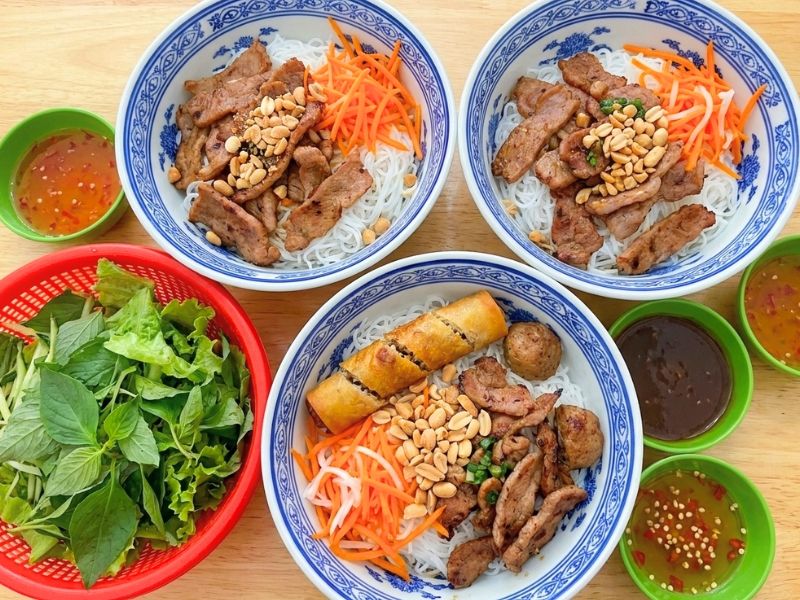
In a city that stays warm and sunny throughout the year, locals frequently turn to cold noodle bowls to stay cool and energized. Southern cooks are famous for their generous use of sugar, and bún thịt nướng showcases this culinary flair with mouthwatering precision. Cooks slice pork shoulder into thin ribbons, marinate them in a rich mixture of bruised lemongrass, garlic, shallots, fish sauce, black pepper, and honey or sugar, then grill them over glowing charcoal until the edges caramelize and turn delightfully crispy.
At the base of your bowl rests a generous swirl of cool, snow-white rice vermicelli. Piled neatly above the noodles is a vibrant garden of crisp shredded lettuce, fresh mint, perilla, fragrant Thai basil, and crunchy bean sprouts. The sizzling hot grilled pork is laid across the top, often joined by a golden, crispy fried spring roll (chả giò) snipped into bite-sized rounds with kitchen shears. A spoonful of warm scallion oil and a shower of crushed roasted peanuts crown the creation, adding a nutty richness and irresistible crunch.
The magic of bún thịt nướng happens when you dress the bowl. Pour a generous ladle of sweet, tangy nước mắm pha (spiked with lime juice, sugar, minced garlic, and red chili) over the contents, pick up your chopsticks, and toss everything together from the bottom up. Every cool strand of vermicelli becomes coated in the savory dressing, creating a wonderful contrast against the warm, smoky pork, crunchy pickles, and fragrant greens. If you want to master this delightful combination at home, our bun thit nuong recipe breaks down each step.
Cơm Gà (Hainanese-Style Chicken Rice)
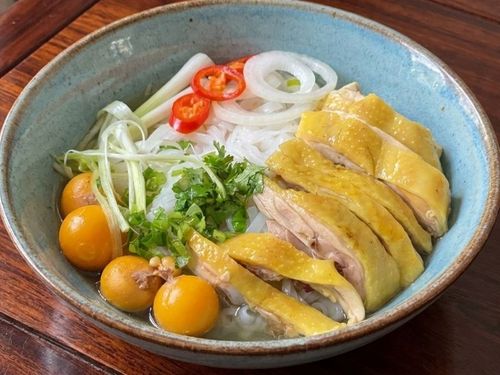
Cơm gà is a savory chicken rice plate featuring poached or crispy fried chicken served over fragrant rice cooked directly in rich chicken stock and fat. The dish traveled to southern Vietnam with Hainanese Chinese migrants, becoming a beloved staple across Saigon well before 1975.
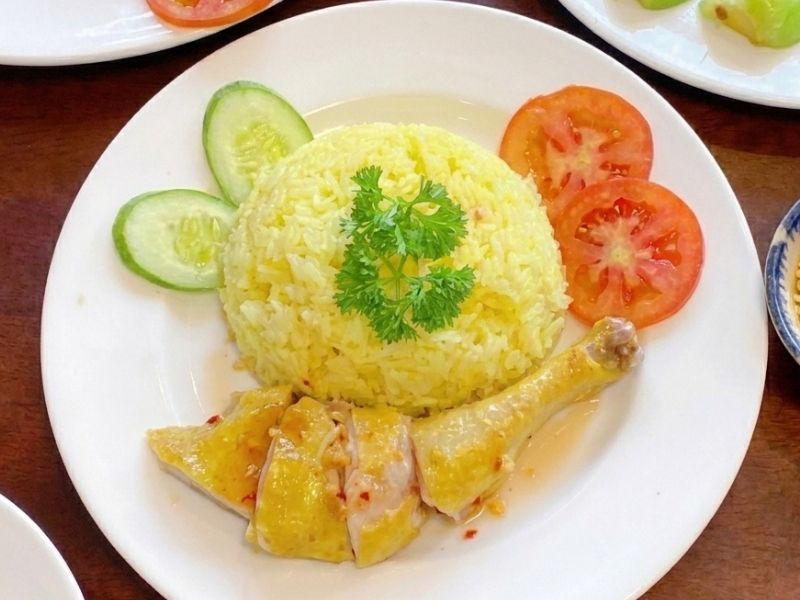
Hainanese cooks sailing through Southeast Asia brought their traditional poached chicken rice into ports throughout the region, but southern Vietnamese kitchens quickly gave the dish a distinct local personality. In Saigon, cơm gà evolved into two equally celebrated styles: silky, tender poached chicken tossed with fresh herbs, and the wildly popular cơm gà xối mỡ, where chicken quarters are fried under cascading streams of hot rendered poultry fat until the skin crackles like glass.
What makes this plate exceptional is the rice itself. Rather than steaming plain white grains, cooks sauté jasmine rice in rendered chicken fat, minced garlic, and fresh ginger until translucent, then simmer the grains in the poaching broth. Often lightly tinted with turmeric or tomato paste, the rice emerges golden, glossy, and deeply savory, packing immense flavor into every kernel. The tender chicken is served alongside fresh cucumber slices, ripe tomatoes, and pungent Vietnamese coriander (rau răm), which adds an earthy, peppery brightness that cuts through the poultry's richness.
Every plate of cơm gà comes with an invigorating dipping sauce made from crushed ginger, bird's-eye chili, garlic, sugar, and aged fish sauce, plus a small side bowl of hot, clear chicken broth garnished with scallions. You drizzle the zesty ginger sauce over the chicken, spoon up the rich golden rice, and sip the comforting broth between bites. It offers a deeply satisfying lunch or dinner that highlights the enduring Chinese influence woven seamlessly into southern home-style cooking. Our Vietnamese chicken and rice guide explores this comforting rice-and-chicken tradition in more detail.
Bò Né (Sizzling Beef and Eggs)
Bò né is a sizzling breakfast plate featuring marinated beef steak and a fried egg cooked on a smoking cast-iron platter, served alongside a warm, crusty baguette for dipping. You hear and smell this dish long before it reaches your table, and its name captures the lively experience: né means "to dodge" or "duck," warning diners to lean back as sputtering butter and hot meat juices crackle off the iron.
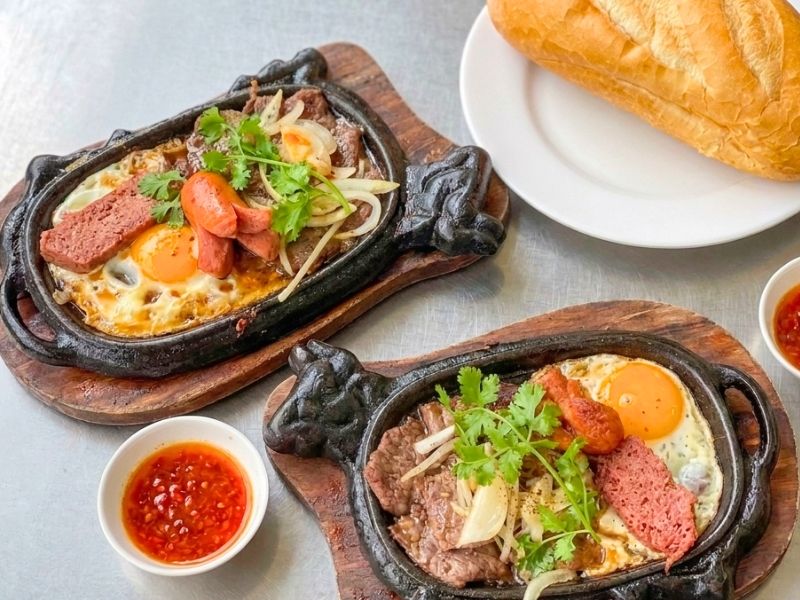
This modern urban shophouse dish, rather than a heritage one, was born from Saigon's energetic street culture, where French colonial breakfast habits met the fast-paced demands of city life. In bustling morning eateries across the city, cooks set heavy cow-shaped cast-iron skillets directly over roaring gas flames, heating them until they radiate intense heat before throwing in the ingredients right before your eyes.
The cook drops a generous pat of butter onto the screaming-hot iron, followed by thinly sliced marinated beef tenderloin, a whole raw egg, a scoop of rich liver pâté, a tender pork meatball (xíu mại), and sliced sweet onions. The entire dish finishes cooking right at your table: the edges of the beef sear quickly while the center stays juicy and tender, the egg white bubbles into golden frills while the yolk remains luxuriously runny, and the onions caramelize in the hot butter.
You will never find rice served with bò né. Instead, diners break apart a warm, crusty bánh mì by hand and use the bread to swipe up every drop of the rich, buttery pan juices, dragging each piece through the velvety egg yolk, savory pâté, and peppery meat drippings. Accompanied by a small side plate of crisp cucumber, sliced tomato, and pickled vegetables to refresh your palate, bò né offers an indulgent, high-energy weekend brunch that Saigon food lovers adore. Its sizzling beef, egg, and bread combination also makes it a memorable example of Vietnamese breakfast foods.
Bánh Xèo (Mekong-Style Sizzling Crepe)
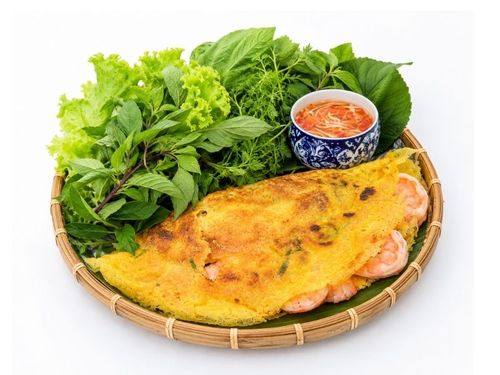
Bánh xèo is a giant, golden rice-flour crepe fried in a hot skillet until the edges turn lacy and crisp, folded over a savory filling of pork belly, shrimp, and bean sprouts. Its playful name mimics the loud sizzling sound, xèo, that thin batter makes the instant it hits a smoking-hot oiled pan.
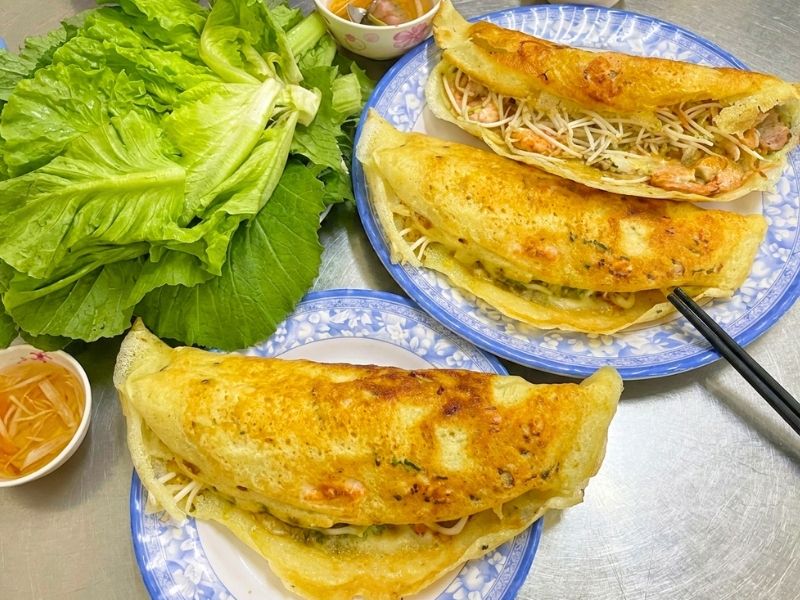
While central Vietnamese cooks make small, thick pancakes cooked in cast-iron molds, the Mekong Delta version popular throughout Saigon is an impressive spectacle, stretching nearly twelve inches across like a golden, sunlit disc. Southern cooks whisk coconut milk and golden turmeric powder directly into the rice-flour batter, giving the crepe a warm tropical richness and a radiant sunny hue. The dish is so beloved across the southern borders that Cambodian cooks prepare a near-identical crepe known as banh chao.
To prepare the crepe, the cook swirls a ladle of thin batter across a wide, curved wok, allowing it to coat the hot surface in a paper-thin layer. Sliced pork belly, sweet wild shrimp, and crisp bean sprouts are scattered across the center, and the pan is covered briefly to steam the fillings before uncovering to let the rim crisp into a delicate, shatteringly crunchy lace. Beside the sizzling crepe comes a bountiful platter of fresh greens: crisp mustard greens (cải bẹ xanh), leafy lettuce, fresh mint, perilla, and Vietnamese balm.
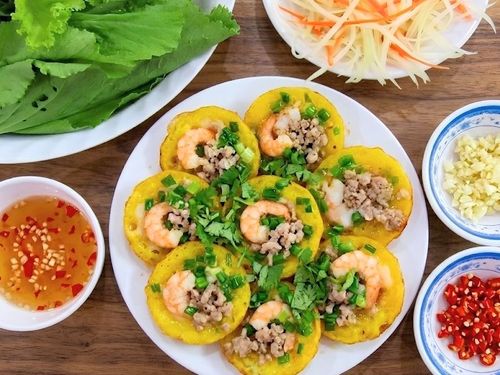
Eating bánh xèo is a delightful, hands-on communal feast. You tear off a golden, crunchy section of the crepe with your fingers, wrap it tightly inside a large mustard leaf with fresh herbs, and dunk the bundle generously into sweet, garlicky nước chấm studded with pickled carrots. The contrast between the warm, coconut-rich crunch and the cool, peppery herbal wrap is pure joy. If you want to recreate this spectacular crispy crepe at home, our banh xeo recipe guides you through every step, while its smaller mini-crepe cousin, banh khot, offers a bite-sized treat with the same delightful flavor profile.
Bột Chiên (Pan-Fried Rice Flour Cakes)
Bột chiên is a beloved street food snack made of steamed rice-flour cubes pan-fried on a flat griddle until blisteringly crisp, bound together with beaten egg and topped with scallions. Served with a tangle of crunchy pickled green papaya and a sweet soy dipping sauce, it remains one of Saigon's ultimate comfort foods.
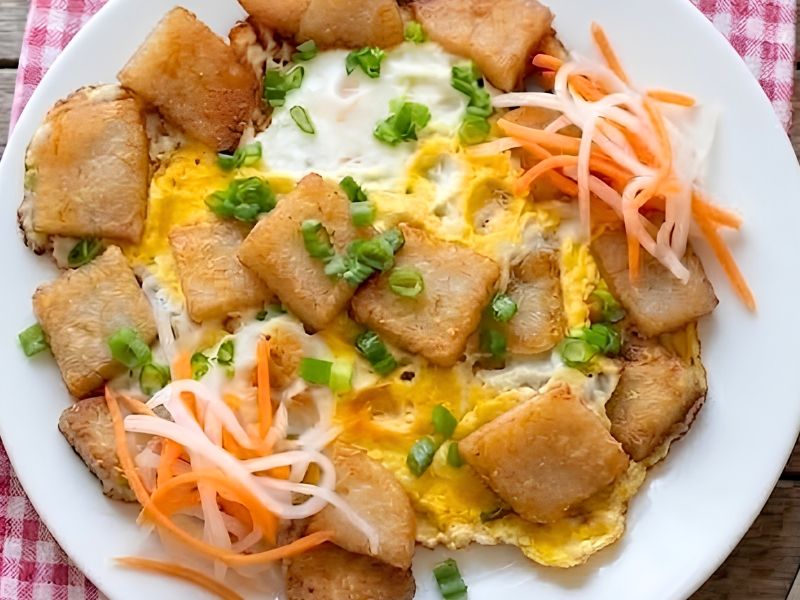
Teochew Chinese immigrants who settled in Saigon's historic Chợ Lớn Chinatown in District 5 introduced this dish. As night falls, street vendors fire up massive circular griddles on sidewalk corners, clattering heavy metal spatulas with rhythmic theatricality as they crisp batches of dough for hungry crowds of students and late-night strollers. It is also one of the rare southern street dishes seasoned with dark soy sauce rather than fish sauce, reflecting its Chinese origins.
The dish starts with a firm batter of rice flour and tapioca starch, steamed into dense slabs and cut into squat, bite-sized cubes. The vendor fries these cubes in lard or oil over high heat, tossing them continuously until the outsides develop a deeply crackly, golden crust while the interiors stay chewy and tender. Once the cakes are browned, the cook cracks one or two eggs directly over the sizzling cubes, scattering chopped scallions on top so the egg cooks into a rich, golden blanket binding the crispy cakes together.
Bột chiên must be eaten immediately while piping hot from the griddle. Diners use chopsticks to pull apart the crispy, eggy clusters, pairing each mouthful with a generous pinch of shredded green papaya (đu đủ chua) and drizzling everything with a sweet, tangy sauce made from seasoned dark soy sauce, rice vinegar, and a spoonful of chili sambal. The crunchy, tart green papaya cuts through the rich fried cakes, creating an irresistible street-food ritual locals have enjoyed for generations.
Canh Chua (Sour Tamarind Soup)
Canh chua is a vibrant, sweet-and-sour tamarind soup from the Mekong Delta, brimming with tender river fish, pineapple chunks, ripe tomatoes, and spongy aquatic vegetables. It is the quintessential centerpiece of everyday southern family dinners, savored communally alongside a pot of steamed rice.
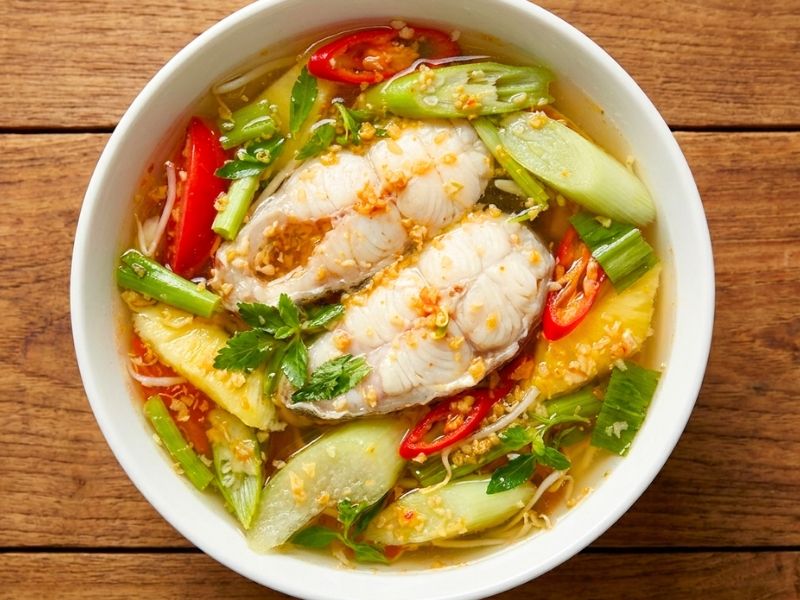
Born in the fertile waterways of the Mekong Delta, canh chua perfectly showcases the natural bounty of southern Vietnam's rivers and orchards. The soup's signature tartness comes from ripe tamarind pulp, which home cooks dissolve in a ladle of hot water, then strain the sour nectar into the simmering pot. Unlike the delicate, restrained soups of northern Vietnam, canh chua delivers a bold, layered flavor profile where sour tamarind, sweet pineapple, and savory fish broth balance each other in vibrant harmony.
Into the simmering broth go thick steaks of sweet freshwater fish (such as snakehead, catfish, or river prawns), juicy tomato wedges, pineapple chunks, crunchy bean sprouts, tender okra (đậu bắp), and stems of giant elephant ears (dọc mùng). These spongy stems absorb the fragrant broth like little reservoirs, releasing a burst of tangy soup with every chew. The soup is finished with a fragrant shower of rice paddy herb (ngò om), thorny coriander (ngò gai), fresh chili slices, and golden fried garlic, filling the kitchen with an enticing citrusy aroma.
Canh chua is the soulful soup that every southern family gathers around after a long working day. It is never served as an isolated starter; rather, it sits in the middle of the table alongside steamed white rice and a rich, savory braise. Diners spoon the tangy broth over their bowls of rice, lift out tender flakes of fish to dip into small saucers of pure fish sauce with chili, and savor the soothing warmth. To experience this heartwarming family classic in your own home, follow our detailed canh chua recipe for the traditional delta method.
Cá Kho Tộ (Caramelized Catfish in a Clay Pot)
Cá kho tộ is an iconic southern comfort dish of freshwater catfish slowly braised in an unglazed clay pot with caramelized sugar, fish sauce, and black pepper until the sauce thickens into a glossy, savory glaze. It is the inseparable partner to canh chua, forming the ultimate duo of southern home cooking.
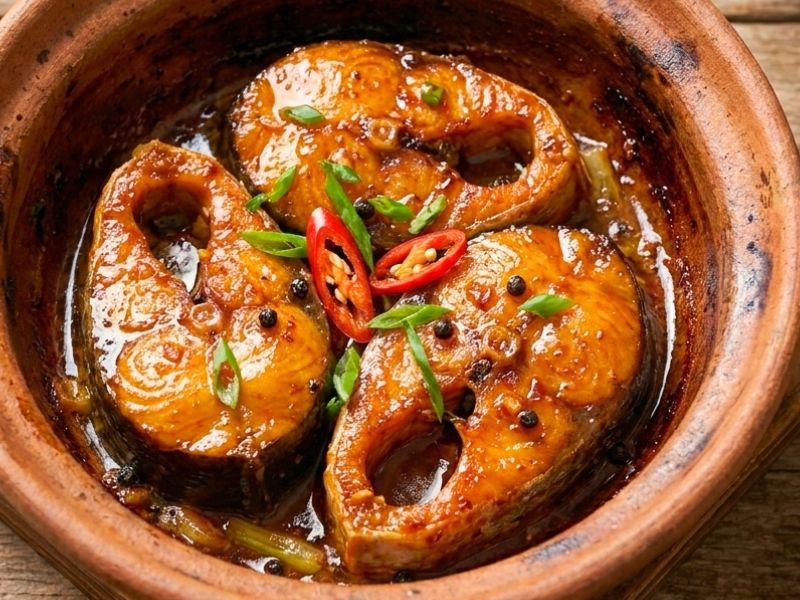
The word "tộ" refers to the traditional unglazed earthen clay pot used to cook and serve the dish, prized for its ability to retain gentle, even heat and simmer the fish without scorching. Catfish thrives in the muddy riverbeds of the Mekong Delta, providing firm, fatty steaks that stand up beautifully to long braising. Southern cooks are masters of nước màu (caramel sauce), carefully melting sugar until it reaches a dark amber froth that infuses the braising liquid with bittersweet depth and gives the fish its stunning mahogany sheen.
Arrange thick catfish steaks in the clay pot with the dark caramel, aged fish sauce, minced shallots, crushed garlic, fiery bird's-eye chilies, and a splash of fresh coconut water. As the pot simmers gently over low heat, the cooking liquid reduces and thickens, transforming into a rich, glossy gravy that clings to the fish. The catfish remains wonderfully firm and succulent, absorbing an intense balance of salty, sweet, and umami flavors, finished with a heavy dusting of fragrant cracked black pepper.
The clay pot is carried straight from the stove to the dining table, still vigorously bubbling and perfuming the air with savory aromas. Because cá kho tộ is intensely seasoned, eat it with plenty of hot steamed jasmine rice. Diners flake off tender morsels of fish, spoon the sticky, caramelized reduction generously over their rice, and take refreshing sips of canh chua to balance the rich savoriness. Our ca kho to recipe walks you through the step-by-step technique to master this comforting southern classic at home.
Cơm Chay (Vegetarian Rice Plates)
Cơm chay refers to colorful, plant-based rice plates featuring an array of meat-free braises, stir-fries, and soups, served at dedicated vegetarian eateries that fill with diners on the lunar calendar's holy days. In Saigon, vegetarian eating is a cherished community tradition deeply woven into local Buddhist life.
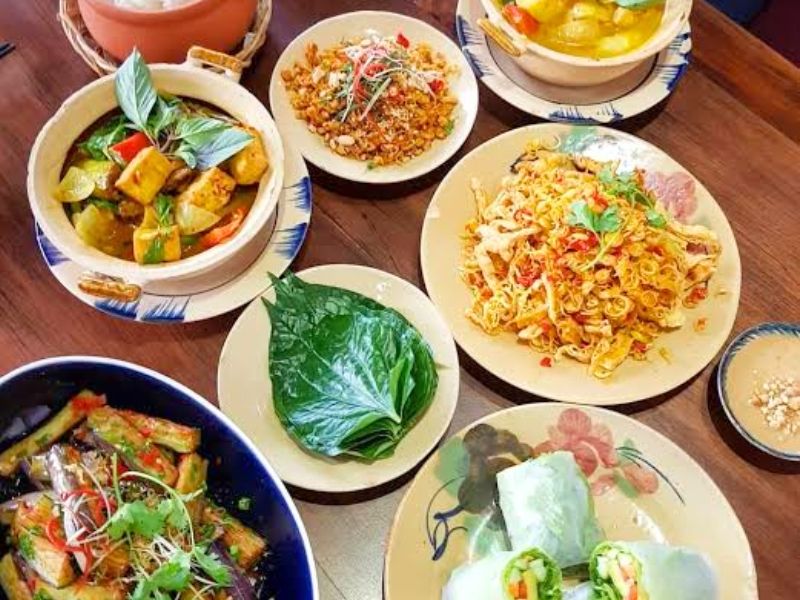
Twice a month, during the full moon (the fifteenth day of the lunar month) and the new moon (the first day), millions of Saigon residents practice ăn chay to cultivate peace, compassion, and spiritual clarity. On these days, neighborhood quán cơm chay buzz with lively energy as office workers, students, and families pack sidewalk tables to enjoy vibrant, nourishing plant-based meals that are just as flavorful and satisfying as meat-based dishes.
A typical cơm chay plate resembles a miniature banquet of contrasting tastes and textures. You receive a generous mound of steamed rice surrounded by five or six freshly prepared dishes: braised tofu simmered with wood ear mushrooms and black pepper, crunchy morning glory stir-fried with garlic, vegetarian egg meatloaf made from mung beans, sweet-and-sour gluten braises, and a small bowl of soothing vegetable broth. Southern cooks skillfully utilize mushrooms, fermented soy, and roasted aromatics to create deep, savory umami flavors without relying on animal products.
One important detail to keep in mind when ordering: traditional fish sauce contains fish, so a dish is only truly meat-free when the kitchen seasons it with a soy-based or vegetarian alternative. Vegetarian and vegan are also not the same word, and a plate that satisfies the first will not always satisfy the second, as some dishes may contain eggs or dairy. You can easily build delicious plant-based dipping sauces at home using CHIN-SU soy sauce mixed with fresh lime juice, chili, and minced garlic. Cơm chay represents the gentle, compassionate side of Saigon's dining culture, offering a comforting meal that leaves diners feeling light and refreshed.
Chè (Sweet Soups and Puddings)
Chè is an expansive category of traditional Vietnamese sweet soups, puddings, and chilled dessert drinks made from beans, jellies, tapioca pearls, tropical fruit, and luscious coconut milk. In Saigon, chè is a beloved mid-afternoon refresher, ladled into tall glasses and mounded with crushed ice to beat the southern heat.
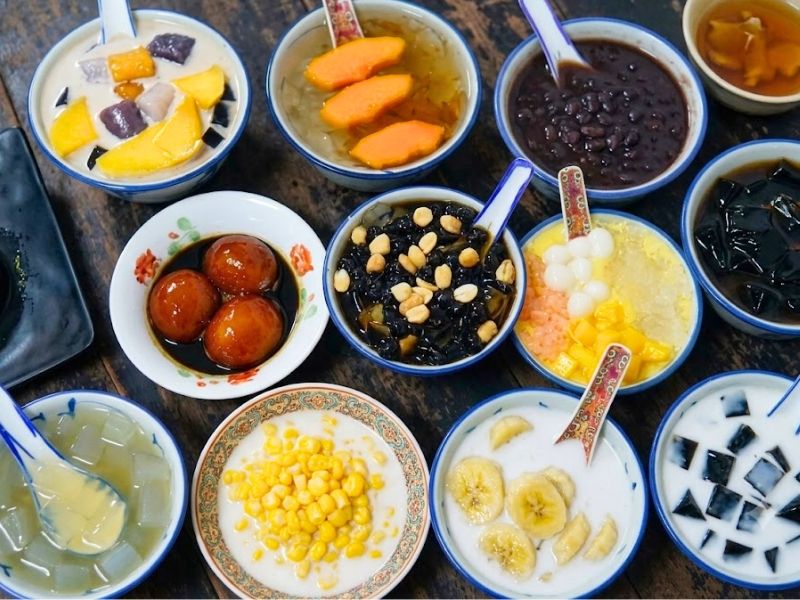
Unlike Western dining where desserts conclude a formal dinner, in Vietnam sweet treats are enjoyed as standalone snacks during the late afternoon or as a breezy evening gathering with friends. As temperatures peak around three or four in the afternoon, colorful chè carts and neighborhood dessert shops come alive, with customers pulling up low plastic stools. Glass display cases showcase dozens of colorful bowls filled with sweet beans, jewel-like jellies, and creamy coconut sauces, letting customers customize their own sweet bowls.
Southern chè is famous for its generous embrace of rich, freshly pressed coconut milk and crushed ice. Behind the counter, you will find an enticing playground of textures: velvety sweetened mung beans, creamy black-eyed peas, soft taro cubes, chewy tapioca pearls, fragrant pandan jelly strands, and tropical lotus seeds. A beloved southern specialty is chè chuối nướng, where sweet ripe bananas are wrapped in sticky rice, grilled over hot coals until smoky and caramelized, and smothered in warm coconut sauce and toasted sesame seeds.
When you order a glass of chè, the vendor scoops your chosen ingredients into a glass, drizzles in fragrant sugar syrup and thick coconut cream, and tops it with a snowy peak of finely shaved ice. Using a long spoon, you churn the ice into the rich pudding, hearing the refreshing clink of ice shards against the glass. The first bite delivers a cooling rush of creamy sweetness, balancing smooth beans against chewy tapioca pearls in an addictive afternoon indulgence that defines southern street life.
Xôi Ngọt (Sweet Sticky Rice)
Xôi ngọt is steamed sweet glutinous rice infused with rich coconut milk and natural plant aromatics, wrapped in fresh banana leaves as an affordable, portable morning breakfast. It stands apart from everyday meals because it is crafted from glutinous rice rather than the long-grain rice found in other dishes on this list.
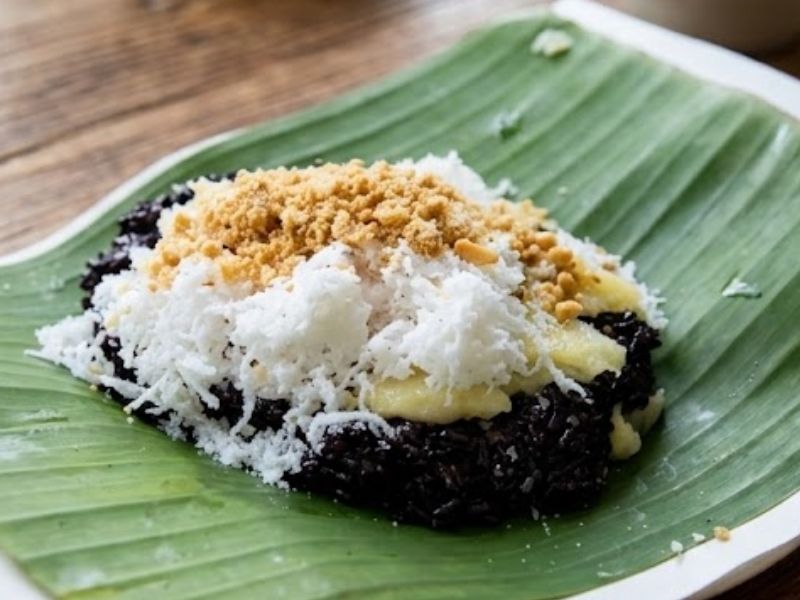
In the early morning hours before Saigon's traffic reaches its peak, vendors set up small steaming carts on sidewalk corners, keeping heavy bamboo steamers warm under clean cloth towels. Commuters on motorbikes pull over for thirty seconds to grab a warm packet wrapped neatly in a banana leaf or butcher paper. It is the ultimate grab-and-go morning comfort food, fueling students and workers with long-lasting energy for the day ahead.
Southern sweet sticky rice is celebrated for its dazzling natural colors and gentle tropical sweetness. Cooks tint the rice using nature's own palette: deep sunset orange from spiny bitter melon (gấc), brilliant emerald green from steeped pandan leaves (lá dứa), or sunny yellow from steamed mung beans (xôi vò). Glutinous rice contains no wheat, though its English names ("sticky rice", sometimes "sweet rice") lead plenty of shoppers to assume it is a different grain altogether. It helps to remember that glutinous rice is simply a rice, containing high levels of amylopectin that give the steamed grains their signature chewy, satisfying texture.
Top the warm sticky rice with a generous spoonful of freshly grated coconut flesh, crushed roasted peanuts, and a pinch of roasted sesame salt (muối mè). The savory nuttiness of the sesame salt cuts through the gentle sweetness of the rice and coconut milk, creating an addictive sweet-and-salty harmony. You peel back the fragrant banana leaf wrapping and eat the warm rice with your fingers or a small wooden spoon while strolling to work, savoring a timeless breakfast tradition that remains unchanged across generations.
What Ties These Dishes Together?
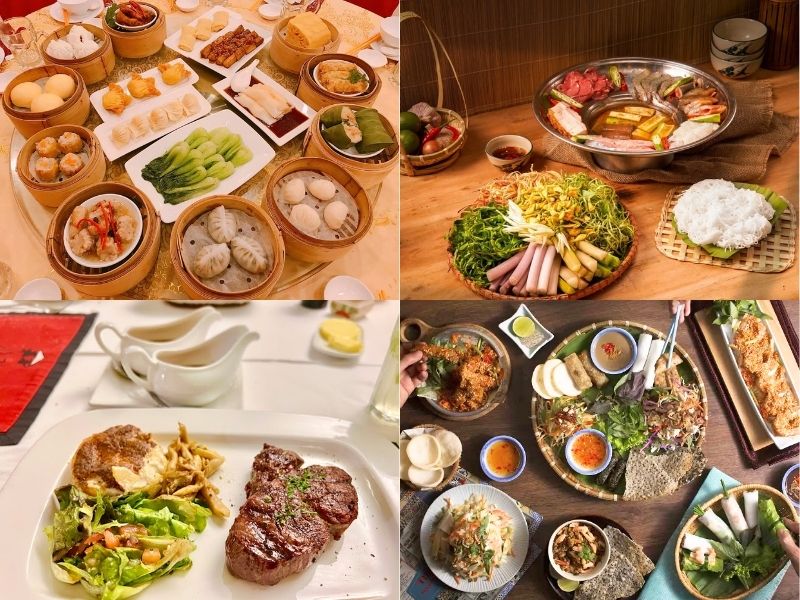
The fifteen dishes above come from at least four different culinary traditions, and that multicultural blend is Saigon's deliberate pattern rather than an accident. Saigon assembled its food the way it assembled its population: welcoming every arrival with open arms, adopting new recipes with enthusiasm, and keeping their original identities proudly intact.
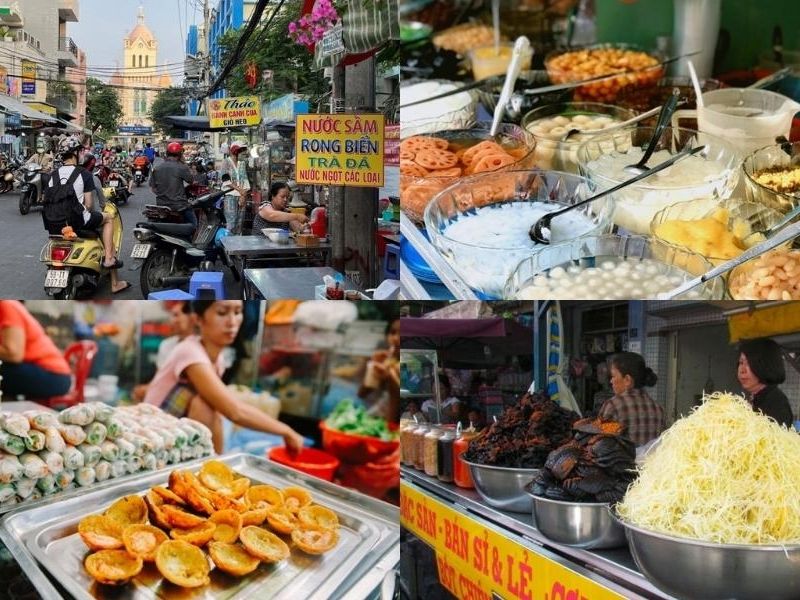
When you sit down to eat in Saigon, you can trace the history of southern migration directly on the menu. You order a Teochew noodle bowl under its borrowed dialect name (hủ tiếu), enjoy a second bowl named after Phnom Penh, and grab a breakfast sandwich whose lineage traces directly to a family bakery established in 1958. Next comes a rich beef stew born from French colonial trade, paired beside a wild, pungent delta fish soup that owes nothing to any foreign kitchen. Refreshing drinks like iced milk coffee (cà phê sữa đá), freshly pressed sugarcane juice (nước mía), and iced green tea (trà đá) belong to this same convivial street culture, keeping diners cool under the southern sun.
What unites this dazzling variety into a cohesive culinary identity is the generous spirit of the south. Southern cooks embrace abundant fresh produce, balance rich savory profiles with palm sugar and coconut water, and serve almost everything with armfuls of fresh herbs. Whether you are eating on a plastic stool tucked into a narrow residential alley or sharing a family dinner around a home table, Saigon dining is about sharing, flexibility, and the pure pleasure of delicious food.
Why Saigon Food Looks Like This: A City Built From Arrivals
Saigon food looks the way it does because the city grew by absorbing waves of migrants, each bringing their own heirloom kitchens, cooking techniques, and ingredients. Rather than blending into a uniform melting pot, Chinese, Khmer, French, and northern Vietnamese cooks all left distinct culinary signatures that locals still celebrate under their own names:
- The Chinese Noodle Tradition: Teochew immigrants from Guangdong province carried noodle-making techniques into the city and the surrounding delta, establishing Chợ Lớn as a vibrant gastronomic center. By the 1960s, hủ tiếu had become an indispensable morning street staple across southern Vietnam.
- The Khmer and Delta Connection: Cross-border exchange between the Mekong Delta and Cambodia shaped several southern favorites. Hủ tiếu Nam Vang draws inspiration from Phnom Penh-style kuyteav, while the giant, golden bánh xèo shares close kinship with Cambodia's banh chao. The surrounding delta country absorbed cooking methods from Khmer, Cham, and Chinese settlers, creating a rich regional repertoire centered on wild river fish and tropical herbs.
- French Colonial Ingredients: Before the late nineteenth century, Vietnamese cooks rarely ate beef, and everyday garden vegetables like carrots and tomatoes were virtually unknown. Southern cooks embraced these novel ingredients, combining them with local braising methods and Chinese five-spice to invent bò kho, while adapting the French baguette into the light, crackly bánh mì roll.
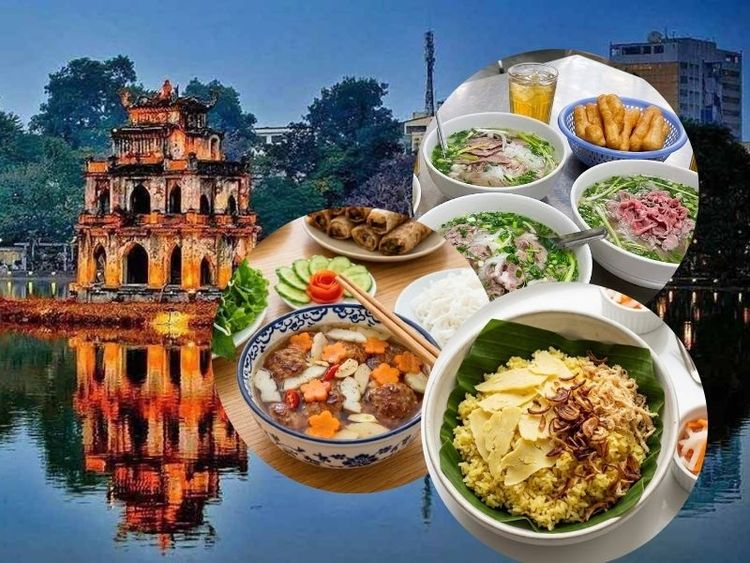
- The 1954 Northern Migration: Following the Partition of Vietnam, more than a million northerners moved south, permanently transforming Saigon's culinary landscape. Beloved northern classics like Beef pho took deep root across the city, while northern baker Lê Minh Ngọc and his wife Nguyễn Thị Tịnh founded Hòa Mã in 1958, giving birth to the iconic Saigon-style meat sandwich.
When a dish arrived in Saigon, southern cooks welcomed it, adapted its seasonings to local tastes, and made it an enduring part of Vietnamese cuisine.
Why Southern Vietnamese Food Tastes Sweeter
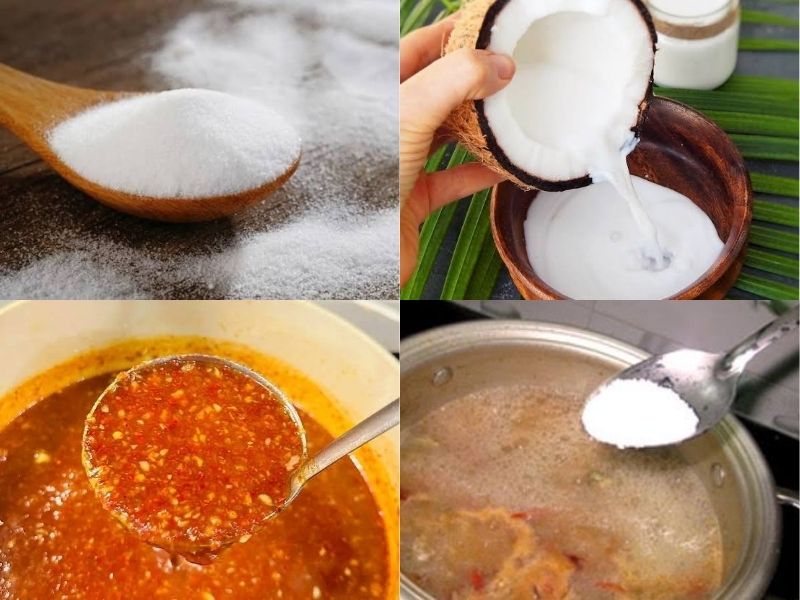
Southern Vietnamese food tastes sweeter than northern cooking because the Mekong Delta's sunny climate and fertile soil produce an incredible abundance of sugarcane, coconut groves, and ripe produce. Southern cooks naturally reflect this agricultural wealth by seasoning their savory dishes with palm sugar, caramelized sugar sauces, and coconut water.
Several distinct factors explain why sweetness plays such a central role in southern cooking and how it shapes the dining experience:
- Agricultural Abundance: Year-round tropical warmth and nutrient-rich alluvial soils create optimal conditions for farming across southern Vietnam. Southern cooks have easy access to palm sugar, sugarcane, and fresh coconut milk, using them far more liberally than kitchens in the cooler north or mountainous center.
- A Functional Flavor Balancer: Sweetness in southern food is not designed to turn dinner into a dessert. Instead, it functions as a savory balancing agent that softens intense saltiness, mellows sharp tamarind acid, and rounds out pungent fermented fish sauces (mắm).
- Diverse Culinary Applications: You encounter this gentle sweetness throughout the menu: in the caramelized lemongrass marinade of bún thịt nướng, the dark bittersweet glaze of cá kho tộ, the aromatic tomato base of bò kho, and the rich coconut milk enriching both bánh xèo and chè.
- The Global Southern Imprint: Because a large proportion of Vietnamese restaurants in the United States and abroad were founded by families from southern Vietnam, this bright, sweet, herb-filled profile is what most international diners recognize as authentic Vietnamese food. When you taste a dish seasoned with coconut water or caramelized palm sugar, you are tasting the true culinary signature of the fertile south.
In contrast, northern cooking is known for its understated restraint and delicate balance, while central dishes are famous for fiery chili heat. That describes a difference, not a ranking, reflecting each region's unique geography and local larder. To see how northern and central kitchens balance their flavors, our guides to Hanoi food and Hue food explore each regional tradition in vivid detail.
From the first crackle of a warm bánh mì crust at a sidewalk stall to an icy glass of chè enjoyed during the afternoon heat, Saigon's food scene tells the vibrant story of everyone who journeyed here and built a home. Every dish reflects an extraordinary cross-cultural adventure, woven together by the southern pantry of palm sugar, coconut milk, and armfuls of fresh green herbs.
Almost every southern dish comes alive through its dipping sauce or its slow, caramelized braise, and that magic begins with a quality fish sauce. If you are ready to bring the generous, sun-drenched flavors of Saigon into your own kitchen, grab a bottle of CHIN-SU fish sauce, start with the dish you love ordering most, and let your southern culinary journey unfold.
Frequently Asked Questions
Saigon is celebrated for vibrant southern Vietnamese cuisine, featuring iconic dishes like smoky cơm tấm, crispy bánh mì sandwiches, and comforting hủ tiếu noodle bowls. The city's food profile runs sweeter and features a much larger garden of fresh herbs than other regions, reflecting its multicultural history of Chinese, Khmer, French, and northern influences.
There is no single "Saigon noodle," but the bowl most intimately tied to the city is hủ tiếu. Cooks serve hủ tiếu using soft rice noodles, chewy tapioca noodles, or springy egg noodles, offered either swimming in hot pork-and-seafood broth or tossed dry with a savory sauce and broth on the side.
Saigon food is southern Vietnamese food, which forms one of the country's three major culinary traditions alongside northern and central cooking. Because many overseas Vietnamese communities originated from the south, international diners often assume southern cooking represents the entire nation. In reality, northern cooks favor subtle, savory broths, while central kitchens specialize in fiery chilies and royal banquet dishes.
Generally no. Southern cooking leans savory-sweet and aromatic rather than spicy. Central Vietnam is the region renowned for intense chili heat. In Saigon, cooks keep broths mild and set out fresh sliced bird's-eye chilies, chili saté, and bottled sauces on the table so you can customize your own heat level. If you love a fiery kick, adding a squeeze of CHIN-SU chili sauce at the table brings an exciting burst of garlic and chili heat to any bowl.
Saigon cooking is sweeter, bolder, and packed with fresh herbs and coconut milk, while Hanoi food is more understated, delicate, and focused on clean, savory broths. Northern cooks season with cracked black pepper and garlic vinegar, whereas southern cooks reach for palm sugar, fresh lime, and sweet dipping sauces.

CHIN-SU KITCHEN TEAM
CHIN-SU Kitchen Team are the creative experts behind the delicious recipes featuring CHIN-SU sauces. With years of experience and a passion for flavor, our team carefully selects recipes from a variety of trusted chefs and bloggers, bringing together the best culinary insights to present you with the most suitable and exciting dishes. Every recipe is chosen to inspire you to create meals that are not only tasty but also easy to prepare, enhancing your dining experience. Join us as we explore a wide range of sauces and flavors, and elevate every meal with the perfect recipe for your table!
User Reviews
Featured Articles
17 Vietnamese Soups to Know, From Phở to Everyday Canh
Hanoi Food: 15 Traditional Dishes and Why They Taste Different
Vietnamese Breakfast Foods: 15 Dishes Locals Eat in the Morning and Why
Vietnamese Appetizers: 17 Small Bites From Across Vietnam
Hue Food: 14 Traditional Dishes From Vietnam’s Old Imperial Capital
SUBSCRIBE TO GET
MORE INFO
Want the latest and greatest recipes, updates, and more from us,
straight to your inbox? Subscribe and get our NEWS!