Banh Khot Recipe - Vietnamese Savory Mini Coconut Pancakes
Published: Aug 20, 2026 by CHIN-SU
Updated: Sep 8, 2026 by CHIN-SU
Tested by CHIN-SU Kitchen Team
Banh khot (bánh khọt) is a Vietnamese mini savory pancake made from a rice flour and coconut milk batter, cooked in individual wells of a molded pan until the edges become crisp and the center stays soft. Each small pancake is topped with shrimp or other savory toppings, then wrapped with fresh herbs and greens before being dipped into nước chấm.
Most closely associated with Vung Tau, a coastal city in southern Vietnam, banh khot is commonly enjoyed as a shared snack or light meal. Unlike banh xeo, which creates one large folded pancake, banh khot produces many small pancakes that diners wrap individually with lettuce, herbs, and vegetables.
In this article, CHIN-SU shares the banh khot recipe to make at home, techniques for getting crisp edges without restaurant-style equipment, and how Vietnamese diners serve these mini pancakes. The recipe takes about 1 hour 30 minutes, including 45 minutes of active preparation and cooking, and makes 30 to 35 small pancakes serving 4 to 6 people.
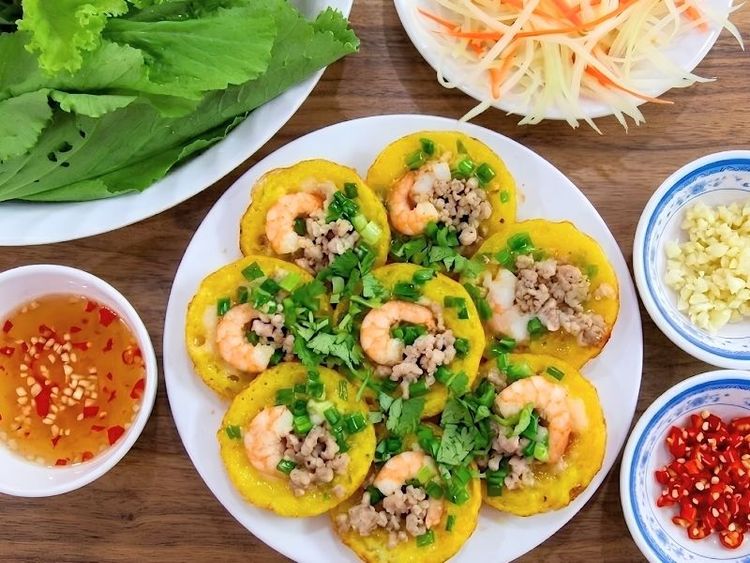
Table Of Contents
What Is Banh Khot?
Banh khot is a Vietnamese savory mini pancake made from a rice flour and coconut milk batter, fried in individual wells of a molded pan until the edges become crisp and the center remains soft. Each pancake is commonly topped with shrimp, then wrapped with lettuce and herbs and eaten with a sweet-and-sour fish sauce dipping sauce.
The dish is often compared with other Vietnamese molded-pan rice cakes, but it has its own identity. Banh xeo uses a large skillet to create one thin folded pancake, while banh khot creates multiple small pancakes with a crisp outer edge and a softer center.
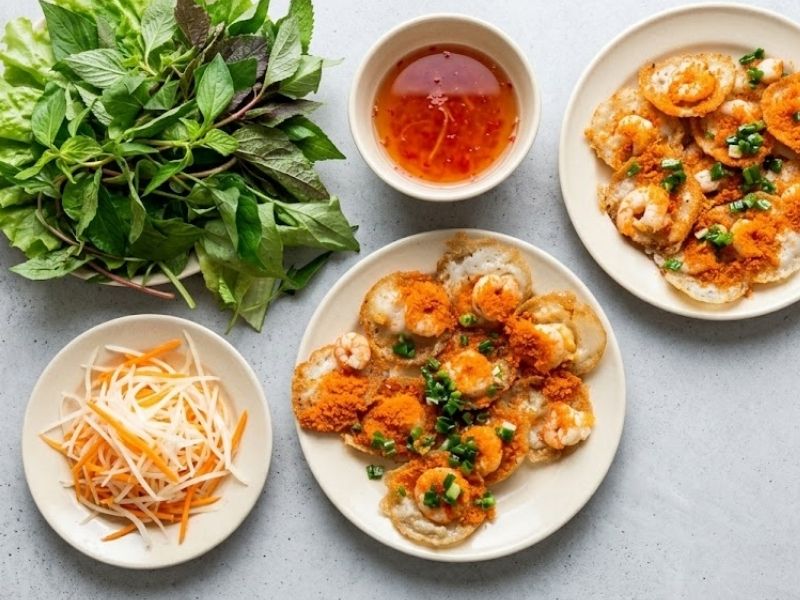
Banh khot is also related to banh can, a small molded rice cake found in south-central Vietnam and the Central Highlands. Both dishes use individual round molds, but banh can typically use a simpler rice batter and often includes egg toppings, while banh khot is known for its richer coconut-based batter and fried crisp texture.
The origin of banh khot is not fully documented. The dish is strongly associated with Vung Tau today, although similar small molded rice cakes exist across southern and south-central Vietnam. Vung Tau-style banh khot is especially recognized for shrimp toppings, crisp edges, and the large herb platter served alongside.
In Vietnamese, the name bánh khọt is often associated with the sizzling sound and cooking action when batter enters the hot mold. English speakers usually pronounce banh khot close to “bahn kot.”
In the United States, banh khot commonly appears on Vietnamese restaurant menus as Vietnamese mini pancakes or mini savory pancakes. The flavor comes from the contrast between the crisp fried edge, soft coconut batter, savory shrimp, fresh herbs, and sweet-sour nước chấm.
Why You'll Love Banh Khot?
You’ll love this banh khot recipe because each small pancake combines crisp edges, a soft center, savory toppings, and fresh herbs in one bite.
- Crisp edge, soft middle. The molded pan creates direct contact between the batter and hot oil, allowing the outside to crisp while the coconut-based batter inside stays tender.
- Separate toppings create layered flavor. Shrimp, pork, batter, herbs, and dipping sauce each contribute a different element instead of blending into one filling.
- The serving style makes it social. Banh khot is prepared in batches and wrapped individually with greens and herbs, turning the meal into a shared experience.
What Pan Do You Need For Banh Khot?
Banh khot requires a molded pan with small round wells that allows the rice batter to develop its signature crisp edges while keeping the center soft and tender. The pan shape controls the thickness, heat distribution, and final texture of each pancake, making the cookware an important part of achieving restaurant-style results at home.
Traditional-style banh khot pans are commonly made from cast iron because the material retains heat well and creates consistent browning around each well. A dedicated banh khot pan usually has round wells around 1.5 inches (3.8 cm) in diameter, providing enough space for the batter, shrimp topping, and coconut-rich center without making the pancake too thick.
For home cooks in the United States, several pan options can work:
- Cast iron banh khot pan: The closest option to traditional cooking. It holds heat steadily, helps create crisp fried edges, and releases the pancakes well when properly preheated and oiled.
- Aebleskiver pan: A practical alternative because it also uses individual round wells and provides similar heat retention for molded pancakes.
- Takoyaki pan: Can work as a substitute, but many takoyaki wells are smaller. This can create smaller pancakes with less room for shrimp, toppings, and the soft coconut batter center.
A gas stove is not required. Banh khot can be cooked on electric stoves, including electric coil and glass-top surfaces. Electric stoves respond more slowly to temperature changes, so preheat the pan gradually and maintain steady medium heat instead of frequently adjusting the temperature.
For home cooks in the United States, banh khot pans are available through Asian grocery stores, Vietnamese kitchen supply shops, and online marketplaces such as Amazon. Search terms like “banh khot pan” or “Vietnamese mini pancake pan” can help find suitable options. When choosing a pan, prioritize the well size and material because heat retention and mold dimensions have a direct impact on the crispness and shape of the finished pancakes.
Banh Khot Ingredients
This banh khot recipe comes together from four component groups: the batter, the shrimp and pork toppings, the dipping sauce, and the herb platter served alongside.
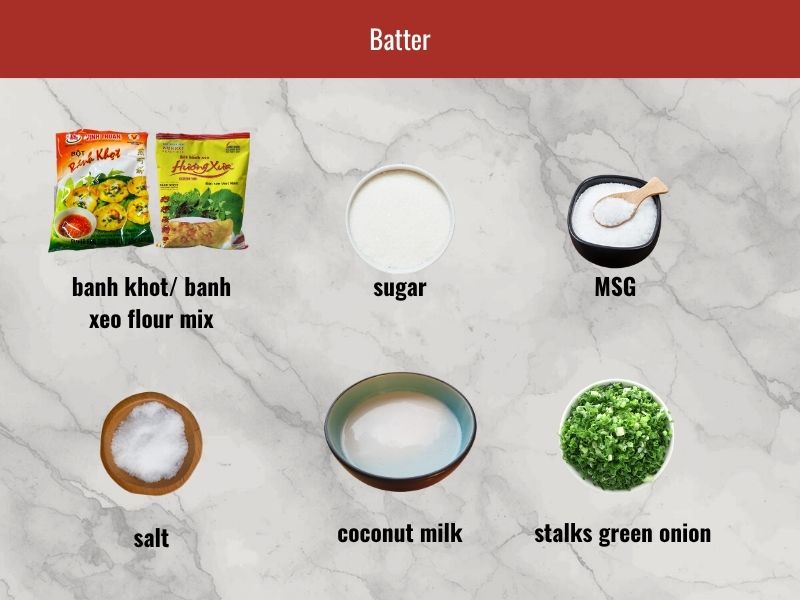
Batter
- 1 lb 1.6 oz (500 g) banh khot or banh xeo flour mix (bột bánh khọt / bột bánh xèo). Many packaged mixes already contain a rice flour blend and turmeric, so check the label before adding extra coloring or seasoning. Different brands may vary slightly in their flour and starch ratios.
- 1 tsp sugar. Sugar balances the savory toppings and rounds out the flavor of the batter.
- 1 tsp MSG (bột ngọt), optional. MSG can add savory depth to the batter, but it is not required for the pancake structure or texture.
- 1/2 tsp salt. Salt seasons the batter and prevents the pancakes from tasting flat beneath the toppings.
- 4 1/4 cups (1 L) coconut milk. This recipe uses coconut milk as the main liquid source, creating a richer batter with a mild coconut aroma. Other regional recipes may use different liquid ratios, so coconut milk is a style choice rather than a universal requirement.
- 2 stalks of green onion (hành lá), thinly sliced. Green onion adds freshness and distributes aroma throughout the pancakes.
Shrimp and Pork Filling
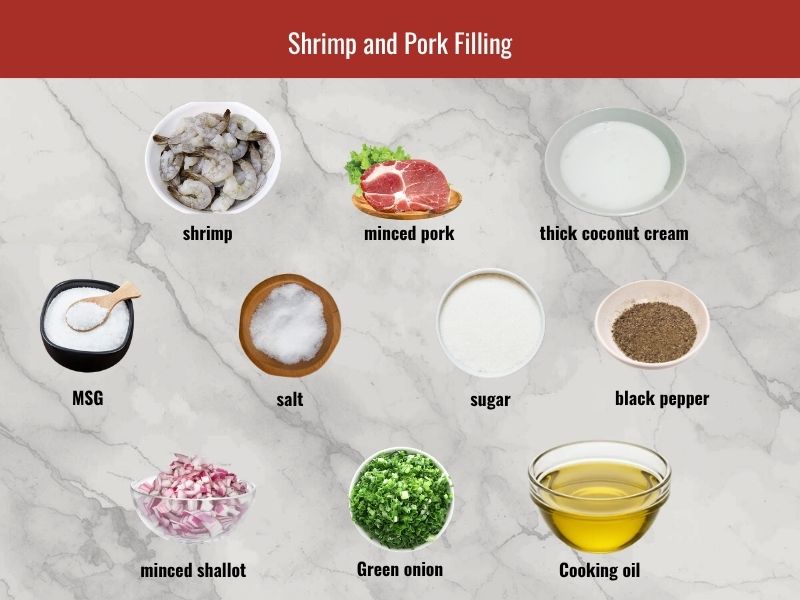
- 8.8 oz (250 g) peeled small shrimp (tôm). Small shrimp fit neatly inside the molds and cook evenly with the batter. Start with approximately 1.1 lb (500 g) whole shrimp if purchasing unpeeled shrimp.
- 7 oz (200 g) minced pork (thịt nạc dăm). Minced pork adds savory richness and texture to balance the shrimp topping.
- 1 cup (250 ml) thick coconut cream (nước cốt dừa đậm đặc). Thick coconut cream adds richness to the shrimp mixture and can create a softer texture, but the amount varies between recipes. It is not required in every regional version of bánh khọt.
- 1 tsp MSG, 1/3 tsp salt, 3 tsp sugar, and 1/2 tsp black pepper. These season the shrimp mixture and create a balanced savory-sweet flavor.
- 1 tbsp minced shallot (hành tím). Shallot adds aroma to the pork topping.
- Green onion (hành lá), sliced, for the topping mixture. Additional green onion adds freshness and color.
- Cooking oil or lard, for frying. Oil creates the crisp edge around each pancake, while lard can add a richer traditional-style flavor.
Dipping Sauce (Nước Mắm Chua Ngọt)
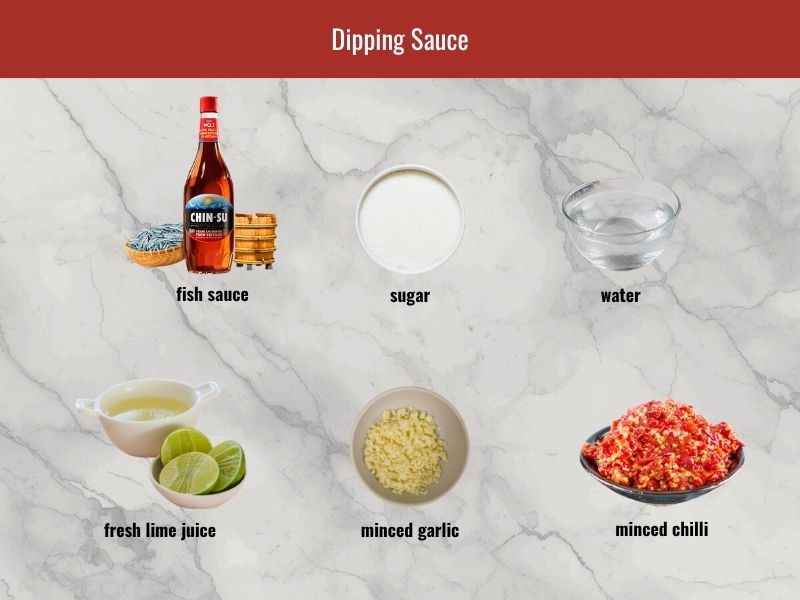
The dipping sauce balances the richness of the coconut batter and fried edges with salty, sweet, sour, and spicy flavors.
- 2/3 cup (150 ml) fish sauce (nước mắm).
- 1 1/3 cups (280 g) sugar.
- 3/4 cup (200 ml) water.
- 2 tbsp fresh lime juice.
- 1 tbsp minced garlic and 1 tbsp minced chili.
Fish sauce brands vary in fermentation, aroma, and saltiness, so adjust the final dipping sauce by taste rather than relying only on a fixed ratio.
Herbs and Greens for Wrapping
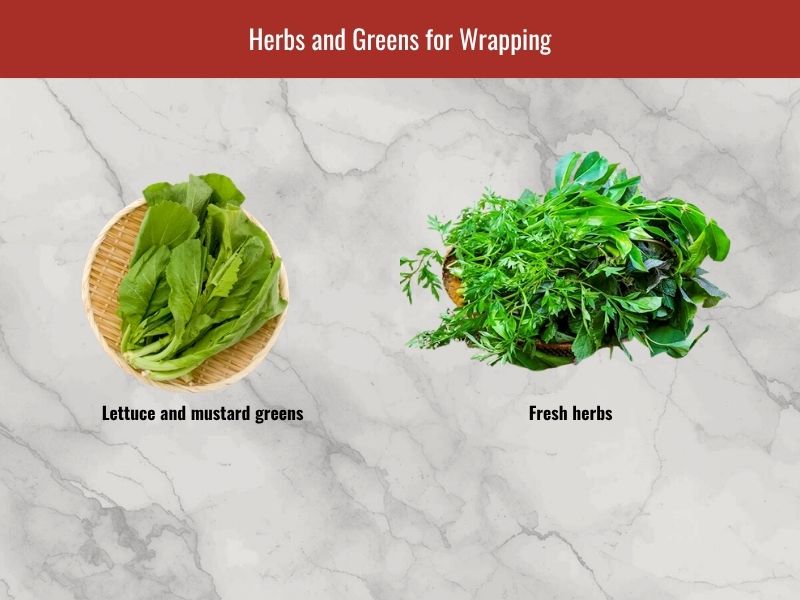
The herb platter is part of the dish rather than a simple garnish. Fresh greens balance the crisp pancake and rich coconut flavor.
- Lettuce and mustard greens (cải bẹ xanh). These leaves provide the base for wrapping each pancake.
- Fresh herbs such as fish mint (diếp cá), Thai basil (rau quế), and mixed soft herbs (rau thơm). Herb combinations vary by region and household preference.
- Mekong Delta-style additions such as lá cách, young mango leaf, or young crape myrtle shoots (đọt bằng lăng), optional. These leaves add bitter, herbal, and aromatic notes where available.
How to Make Banh Khot Step by Step?
Making banh khot takes about 1 hour 30 minutes, including batter resting time and preparation of the toppings and dipping sauce. The process follows seven stages: preparing the batter, seasoning the toppings, making the sauce, heating the pan, cooking the pancakes, and serving them with fresh herbs.
Step 1: Mix the Batter and Let It Rest
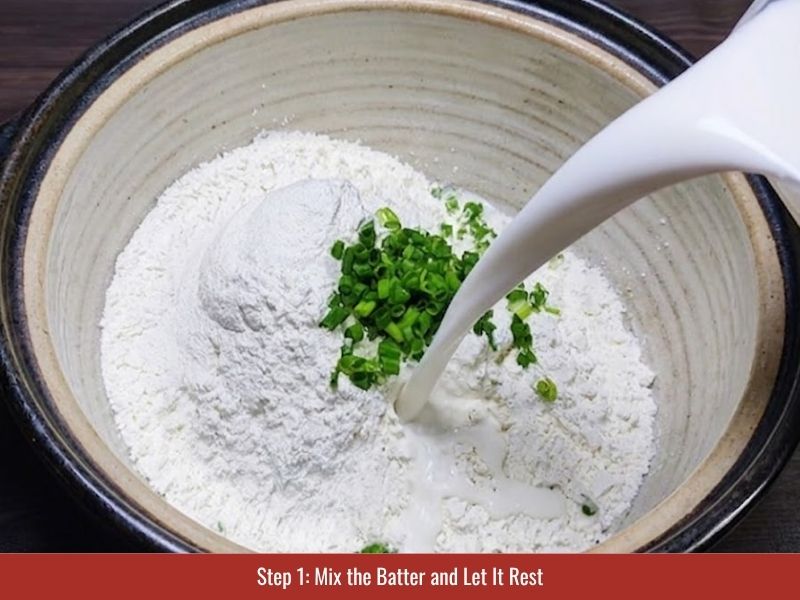
Combine the banh khot flour mix, 1 tsp sugar, 1 tsp MSG (optional), and 1/2 tsp salt in a large bowl.
Add 4 1/4 cups (1 L) coconut milk gradually while whisking until the batter becomes smooth and free of lumps. Stir in the sliced green onion.
Let the batter rest while preparing the remaining ingredients. Resting allows the flour and starch to hydrate evenly and creates a more consistent texture when the batter is cooked.
Stir the batter again before each batch because rice flour and starch naturally settle at the bottom.
Step 2: Season the Shrimp
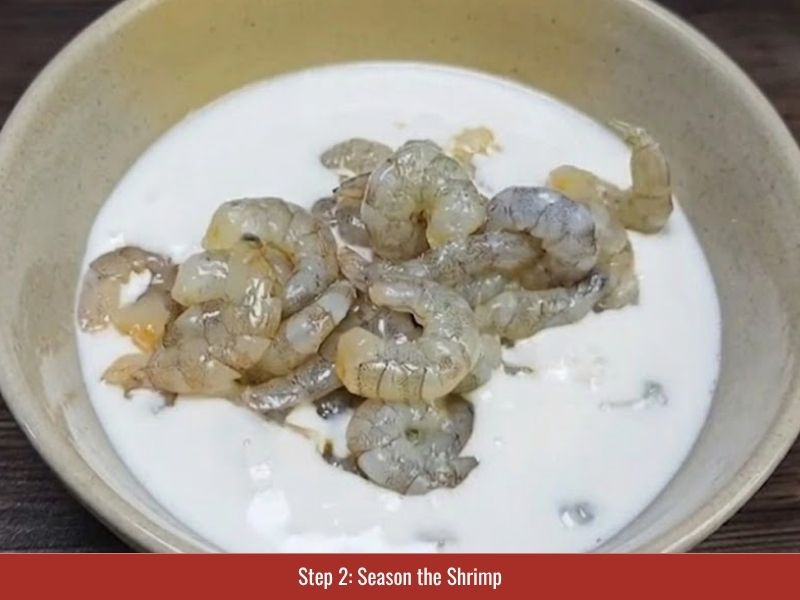
Pat the 8.8 oz (250 g) peeled shrimp dry before seasoning.
Combine the shrimp with 1 cup (250 ml) thick coconut cream, 1 tsp MSG (optional), 1/3 tsp salt, 3 tsp sugar, 1/2 tsp black pepper, and sliced green onion.
Mix until the shrimp are evenly coated, then set aside while preparing the pork.
The shrimp cooks directly in the mold, so removing excess moisture helps prevent water from softening the crisp edge of the pancake.
Step 3: Stir-Fry the Pork
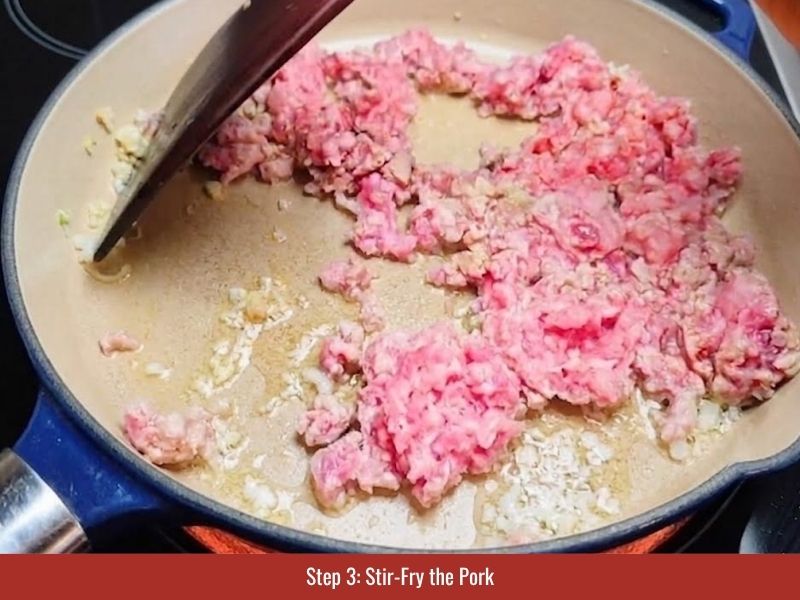
Heat a small amount of oil in a pan.
Add 1 tbsp minced shallot and cook until fragrant. Add 7 oz (200 g) minced pork and break it apart continuously while cooking until the meat separates and no large clumps remain.
Cooked minced pork creates a more even topping and prevents uneven moisture inside the pancake.
Step 4: Make the Dipping Sauce
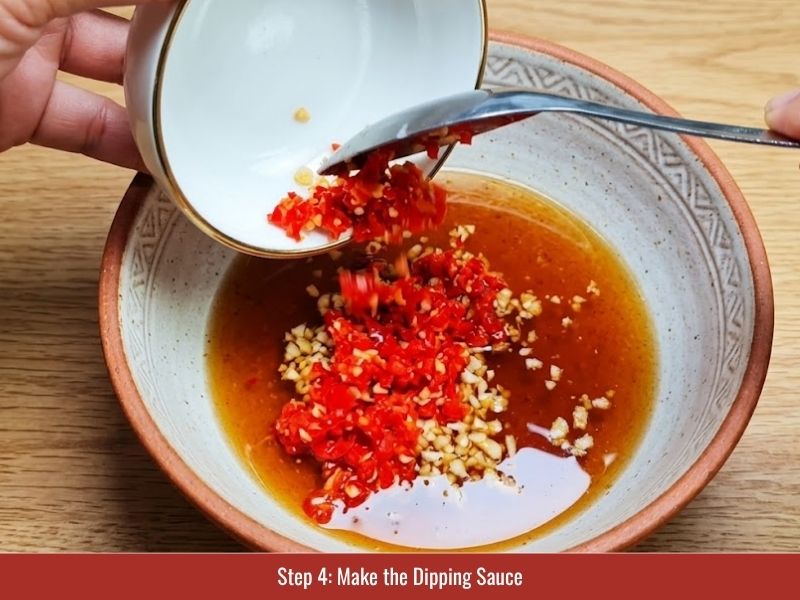
Combine 2/3 cup (150 ml) fish sauce, 1 1/3 cups (280 g) sugar, 3/4 cup (200 ml) water, and 2 tbsp fresh lime juice.
Add minced garlic and chili, then stir until the sugar dissolves completely.
Let the sauce rest for 30 minutes to 1 hour before serving. This allows the flavors from the fish sauce, lime, garlic, and chili to blend together.
Adjust the final balance based on taste because fish sauce brands vary in saltiness and aroma. You can try CHIN-SU fish sauce here for its clean anchovy base and balanced salt.
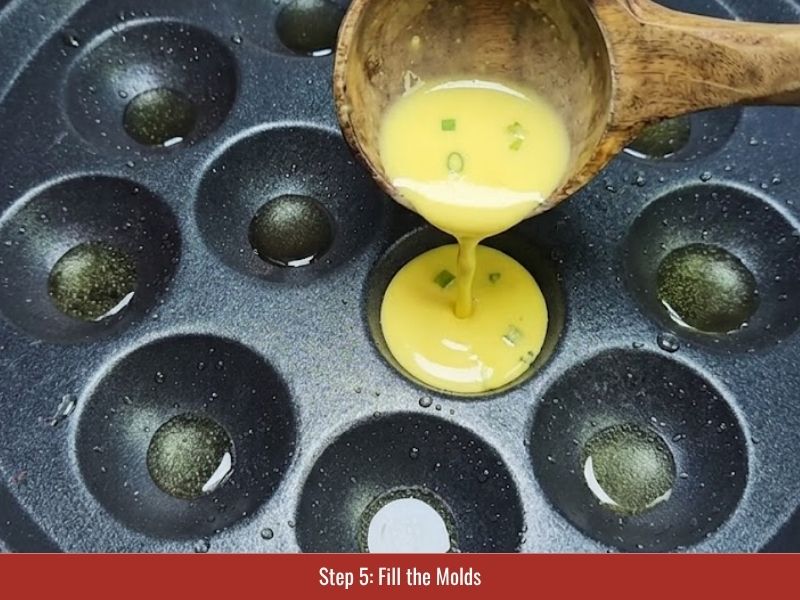
Step 5: Fill The Banh Khot Molds
Heat the banh khot pan over medium heat and add a small amount of oil to each well.
Stir the batter before pouring because the flour settles during resting.
Pour a thin layer of batter into each well, then add one shrimp, a small amount of thick coconut cream if using, and a spoonful of stir-fried pork.
Do not overfill the molds. Too much topping or batter prevents the edges from becoming crisp and creates a thicker pancake with a softer exterior.
The Vietnamese technique of đổ bánh khọt focuses on controlling batter amount, heat, and oil so each well develops a crisp outer edge while the center remains tender.
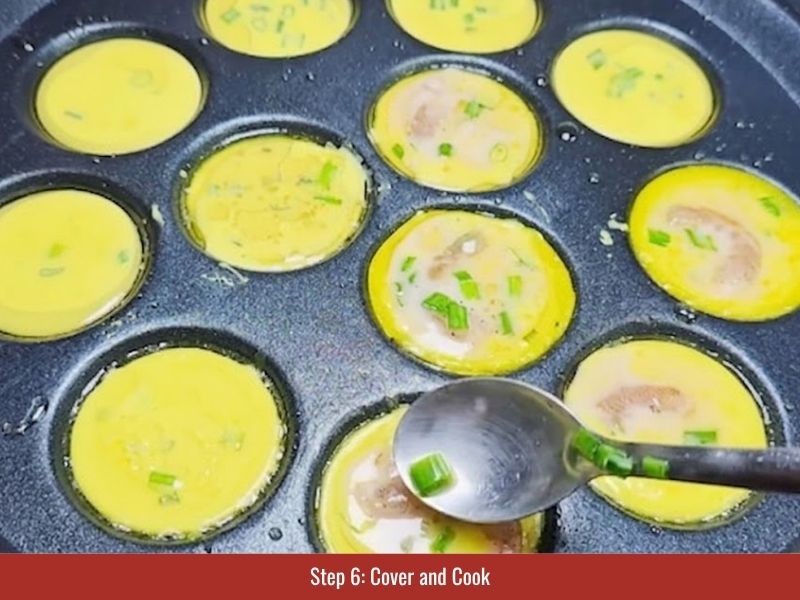
Step 6: Cover and Cook
Cover the pan and cook over medium-low heat until the batter sets and the shrimp becomes firm and opaque.
Cooking time depends on the material and thickness of the pan. Cast iron molds retain heat differently from lighter nonstick pans, so adjust the heat based on how quickly the edges brown. The pancakes are ready when the edges become golden and release slightly from the mold.
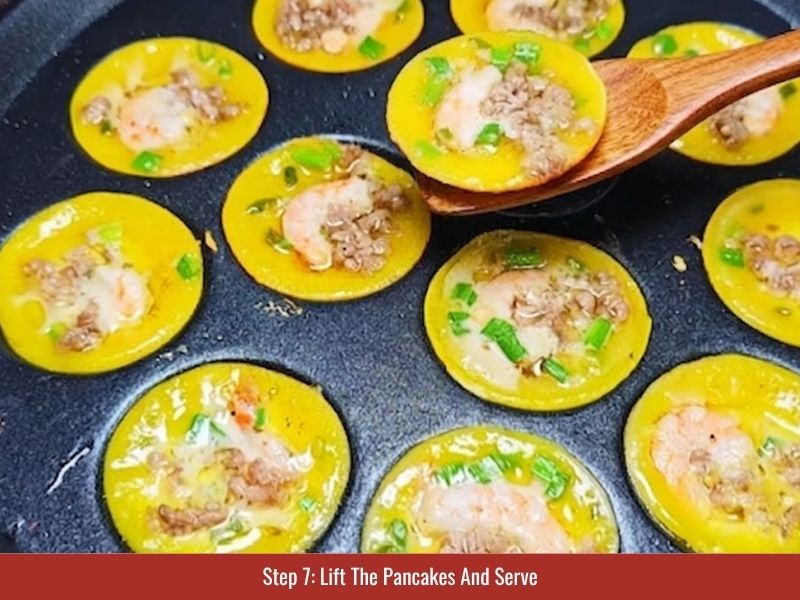
Step 7: Lift The Pancakes And Serve
Remove finished pancakes from the molds as they become ready.
Avoid stacking them directly because trapped steam softens the crisp edges. Place them in a single layer while finishing the remaining batter.
Serve the pancakes hot with lettuce, mustard greens, fresh herbs, nước chấm, and other vegetables for wrapping.
How to Serve Banh Khot?
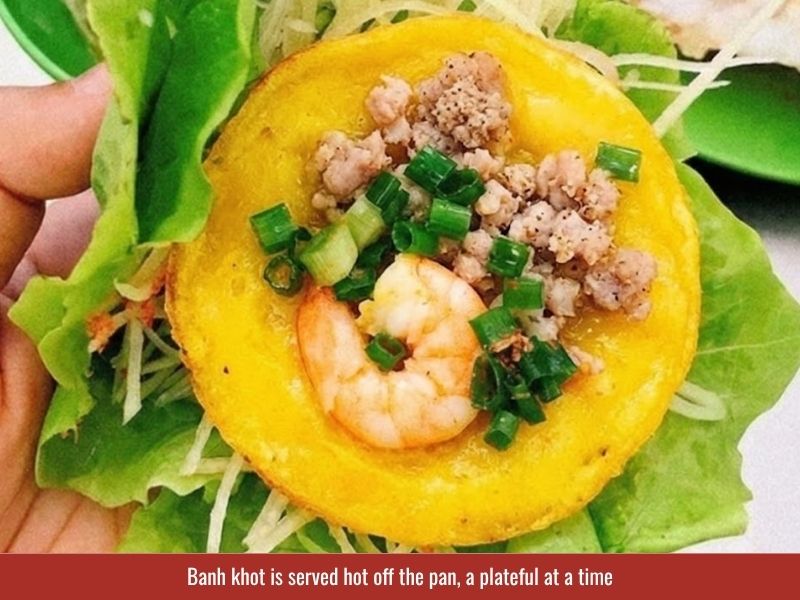
Banh khot is served hot with a platter of fresh leaves, herbs, vegetables, and nước chấm so each person can wrap their own pancake and adjust the balance of flavors. The wrapping process is part of the eating experience, combining the crisp pancake, fresh greens, savory topping, and sweet-sour dipping sauce in every bite.
A typical serving setup includes:
- Banh khot pancakes, served immediately after cooking while the edges remain crisp.
- Lettuce and mustard greens, used as the outer wrap for each pancake.
- Fresh herbs, such as fish mint (diếp cá), Thai basil (rau quế), and other local herbs depending on availability.
- Fresh vegetables and pickles, such as shredded carrot and daikon, when served.
- Nước chấm, used for dipping each wrapped bite.
The usual eating method is to place one pancake inside a leaf, add herbs and vegetables, wrap everything together, and dip it into the sauce. The amount of greens is not just a garnish choice; the herbs provide freshness and bitterness that balance the fried edge and coconut-rich batter.
Tips for the Best Banh Khot
These techniques help create banh khot with crisp edges, a tender center, and balanced toppings.
- Keep the batter consistent before every pour. Rice flour and starch settle naturally, so stir the batter before adding it to the molds. This helps each pancake develop the same texture.
- Control moisture from the toppings. Pat shrimp dry before cooking and avoid excess liquid in the molds. Too much moisture prevents the edges from becoming crisp.
- Preheat the pan before pouring batter. A properly heated pan creates crisp edges and prevents the batter from absorbing too much oil. Maintain steady medium heat so the edges brown without overcooking the center.
- Oil each mold and wait for natural release. Proper oiling prevents sticking and helps create the fried edge. Let the pancake set before lifting to avoid tearing the soft center.
- Do not overfill the wells. Too much batter or topping creates a thicker pancake and reduces the contrast between the crisp edge and soft center.
- Adjust heat based on your pan material. Cast iron, nonstick, and other molded pans retain heat differently, so adjust the temperature based on how quickly the pancakes brown and release.
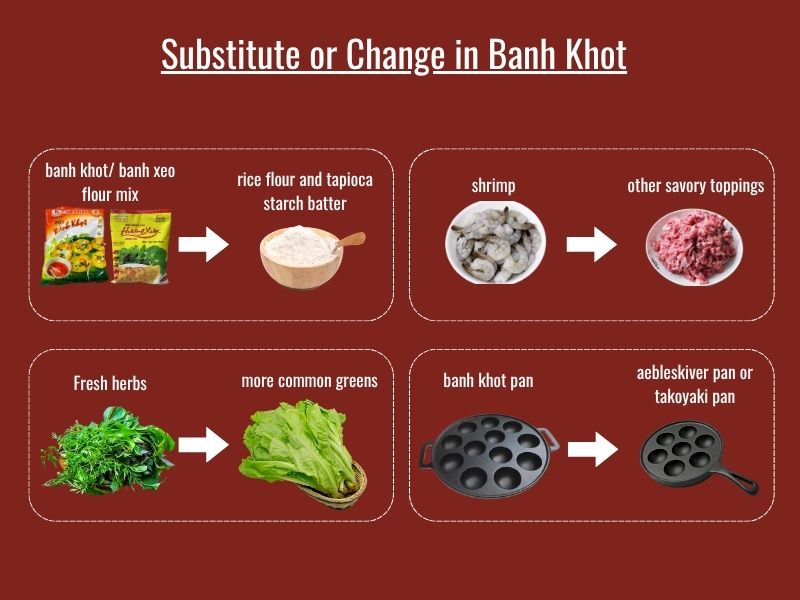
What Can You Substitute or Change in Banh Khot?
These substitutions help adapt banh khot ingredients and equipment based on availability while preserving the main characteristics of the dish: crisp edges, soft rice batter, savory toppings, and fresh herbs.
- Banh khot flour mix can be replaced with a homemade rice flour and tapioca starch batter. A homemade mixture gives more control over the ingredients, but the ratio may require adjustment because packaged mixes vary in their flour and starch composition.
- Coconut cream can be reduced or omitted if unavailable. The pancakes will still work, but the center will be lighter and less rich because coconut cream contributes additional fat and coconut flavor.
- Shrimp can be replaced with other savory toppings. Options such as mushrooms, minced vegetables, or additional pork create different flavor profiles while keeping the molded pancake structure.
- Fish mint and other Vietnamese herbs can be replaced with more common greens. Lettuce, mint, basil, and cilantro provide freshness, although the flavor will differ from traditional herb combinations.
- A dedicated banh khot pan can be replaced with an aebleskiver pan or takoyaki pan when necessary. These alternatives reproduce the individual round molds, but the final size, heat distribution, and crispness may differ depending on the material and well dimensions.
Make these substitutions when needed, but keeping the original ingredients provides the closest flavor to the Vung Tau-style banh khot experience.
How to Store Banh Khot?
Banh khot is best eaten shortly after cooking because the crisp edges soften as moisture moves through the pancake. Storage is mainly useful for leftover pancakes or preparing batter ahead.
Store cooked banh khot in an airtight container in the refrigerator for up to 3 days. Reheat the pancakes in an air fryer, toaster oven, or skillet to restore some of the crisp texture. Avoid microwaving when crispness matters because steam softens the edges.
Store leftover batter in a covered container in the refrigerator for 1–2 days. Stir thoroughly before cooking because rice flour and starch settle during storage. Adjust the consistency with a small amount of liquid if the batter becomes thicker after resting.
Keep herbs, greens, and dipping sauce separate from cooked pancakes. Fresh wrapping ingredients lose texture faster than the pancakes themselves, so prepare them close to serving time.
Have you made banh khot at home yet, or are you still tracking down a pan? Tell us how it goes in the comments, along with any questions or tweaks you tried, and leave a star rating so other home cooks can find the recipe. If you post a photo, tag it with #CHINSU so we can see your pancakes. And if you're curious how a different fish sauce changes your dipping sauce, grab a bottle of CHIN-SU fish sauce at chinsu.com and give it a try.
Frequently Asked Questions
Banh khot and banh xeo use related rice-based batters, but they differ in size and cooking method. Banh khot is a small pancake cooked in individual molds, while banh xeo is a larger thin pancake cooked in a skillet and folded around its filling.
Banh khot and banh can both use molded pans, but their batter and toppings are different. Banh khot commonly uses coconut-based batter and develops a crisp fried edge, while banh can usually uses a simpler rice batter and often includes egg toppings.
Banh khot is strongly associated with Vung Tau, but its exact origin is not fully documented. Similar molded rice cakes appear in other parts of southern and south-central Vietnam, so Vung Tau is best understood as a major regional identity for the dish rather than the only possible origin.
Banh khot usually lacks crispness when there is too much moisture, insufficient oil, low heat, or too much batter in the molds. Control topping moisture, heat the pan properly, and avoid overfilling the wells.
Banh khot sticks when the molds are not hot enough, the surface lacks oil, or the pancake has not cooked long enough to release naturally. Allow the edges to brown before lifting the pancake.
Yes. An aebleskiver pan or takoyaki pan can work because both provide individual wells. A flat skillet cannot reproduce the shape because the molded wells are what create the small pancake structure.
Yes. Coconut milk creates a lighter batter, while coconut cream produces a richer flavor and texture. Adjust the liquid ratio because different coconut products contain different amounts of fat and water.
Banh Khot (Vietnamese Mini Savory Pancakes) Recipe
1. Ingredient
Batter
- 1 lb 1.6 oz (500 g) banh khot or banh xeo flour mix.
- 1 teaspoon sugar.
- 1 teaspoon MSG (optional).
- 1/2 teaspoon salt.
- 4 1/4 cups (1 L) coconut milk.
- 2 stalks green onion, thinly sliced.
Shrimp and Pork Topping
- 8.8 oz (250 g) peeled small shrimp.
- 7 oz (200 g) minced pork.
- 1 cup (250 ml) thick coconut cream.
- 1 teaspoon MSG (optional).
- 1/3 teaspoon salt.
- 3 teaspoons sugar.
- 1/2 teaspoon black pepper.
- 1 tablespoon minced shallot.
- Green onion, sliced.
- Cooking oil or lard, for frying.
Dipping Sauce (Nước Mắm Chua Ngọt)
- 2/3 cup (150 ml) fish sauce.
- 1 1/3 cups (280 g) sugar.
- 3/4 cup (200 ml) water.
- 2 tablespoons fresh lime juice.
- 1 tablespoon minced garlic.
- 1 tablespoon minced chili.
Herbs and Greens
- Lettuce.
- Mustard greens (cải bẹ xanh).
- Fresh herbs such as fish mint (diếp cá), Thai basil (rau quế), and mixed soft herbs.
- Optional regional herbs such as lá cách, young mango leaf, or young crape myrtle shoots.
2. Instructions
- Step 1: Mix the Batter and Rest. Combine banh khot flour mix, sugar, MSG, and salt. Gradually add coconut milk while whisking until smooth, then stir in sliced green onion. Let the batter rest and stir again before cooking.
- Step 2: Season the Shrimp. Pat shrimp dry, then combine with thick coconut cream, MSG, salt, sugar, black pepper, and green onion. Mix until evenly coated and set aside.
- Step 3: Stir-Fry the Pork. Heat oil in a pan, cook minced shallot until fragrant, then add minced pork and cook until the meat separates and no large clumps remain.
- Step 4: Make the Dipping Sauce. Combine fish sauce, sugar, water, lime juice, garlic, and chili. Stir until the sugar dissolves, then let the sauce rest for 30 minutes to 1 hour so the flavors combine.
- Step 5: Fill the Banh Khot Molds. Heat the banh khot pan over medium heat and add oil to each mold. Stir the batter, pour a thin layer into each well, then add shrimp, coconut cream if using, and stir-fried pork.
- Step 6: Cover and Cook. Cover the pan and cook over medium-low heat until the batter sets, shrimp becomes opaque, and the edges become golden and crisp.
- Step 7: Lift and Serve. Remove finished pancakes carefully and place them in a single layer. Serve hot with lettuce, mustard greens, herbs, and nước chấm.
3. Storage: Store cooked banh khot in an airtight container in the refrigerator for up to 3 days. Reheat with an air fryer, toaster oven, or skillet to restore some crispness. Store leftover batter separately for 1–2 days and stir well before cooking. Keep herbs, greens, and dipping sauce separate.
4. Yield: Multiple servings of mini pancakes
5. Serving Style: Vung Tau-style Vietnamese mini savory pancakes with shrimp, pork, fresh herbs, and sweet-sour fish sauce dipping sauce

CHIN-SU KITCHEN TEAM
CHIN-SU Kitchen Team are the creative experts behind the delicious recipes featuring CHIN-SU sauces. With years of experience and a passion for flavor, our team carefully selects recipes from a variety of trusted chefs and bloggers, bringing together the best culinary insights to present you with the most suitable and exciting dishes. Every recipe is chosen to inspire you to create meals that are not only tasty but also easy to prepare, enhancing your dining experience. Join us as we explore a wide range of sauces and flavors, and elevate every meal with the perfect recipe for your table!
User Reviews
Featured Articles
SUBSCRIBE TO GET
MORE INFO
Want the latest and greatest recipes, updates, and more from us,
straight to your inbox? Subscribe and get our NEWS!