Banh Uot Recipe - Vietnamese Steamed Rice Sheets Made in a Skillet
Published: Aug 20, 2026 by CHIN-SU
Updated: Sep 8, 2026 by CHIN-SU
Tested by CHIN-SU Kitchen Team
Banh uot (bánh ướt) is a Vietnamese dish made from thin steamed rice sheets served without filling, then topped with ingredients such as fried shallots, Vietnamese pork sausage, fresh herbs, and vegetables. Unlike filled rice rolls, bánh ướt has a mild flavor and soft, slightly chewy texture that allows the toppings and dipping sauce to define each bite.
Bánh ướt is commonly enjoyed as a breakfast dish, although many Vietnamese families also serve it as a light meal throughout the day. The batter is often prepared in advance, then the rice sheets are cooked fresh and served with toppings such as chả lụa, cucumber, bean sprouts, herbs, and nước chấm.
This recipe adapts the traditional method for a home kitchen without a cloth steamer. After resting the batter overnight, you can cook and assemble one batch in about 30–40 minutes, serving around 4 people with Vietnamese pork sausage, fresh vegetables, herbs, and dipping sauce. CHIN-SU shares how to prepare the batter, cook thin rice sheets in a skillet, prevent the sheets from sticking together, and serve bánh ướt in a Vietnamese style.
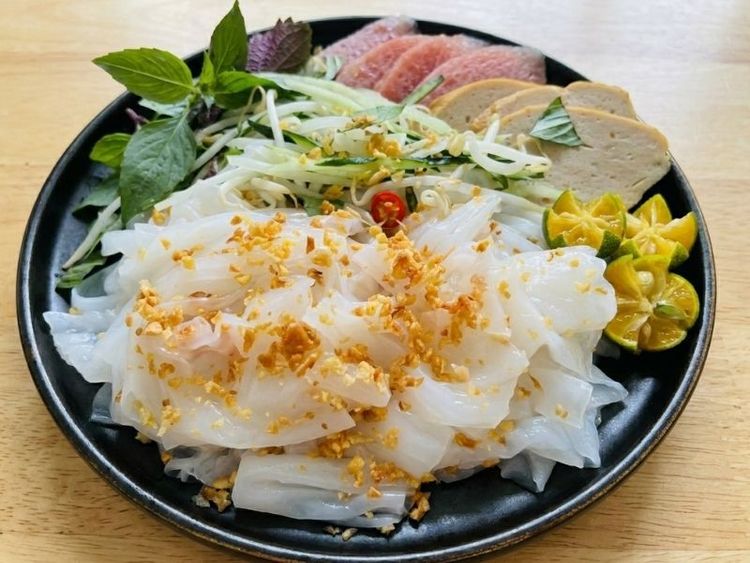
Table Of Contents
- What Is Banh Uot?
- What Is the Difference Between Banh Uot and Banh Cuon?
- Why You'll Love Banh Uot?
- Banh Uot Ingredients
How to Make Banh Uot Step by Step?
- Step 1: Combine the Dry Ingredients
- Step 2: Stir In the Shallot Oil
- Step 3: Add the Warm Water and Rest the Batter
- Step 4: Prep the Shallots
- Step 5: Fry the Shallots Low and Slow
- Step 6: Drain the Shallots and Keep the Oil
- Step 7: Reduce the Sugar Syrup
- Step 8: Mix the Dipping Sauce
- Step 9: Set Up the Pan and the Flame
- Step 10: Pour the Batter and Listen
- Step 11: Cover and Cook Until the Sheet Puffs
- Step 12: Lift the Sheets and Stack Them
- How to Serve Banh Uot?
- Tips for the Best Banh Uot
- What Can You Substitute or Change in Banh Uot?
- How to Store Banh Uot?
What Is Banh Uot?
Banh uot is a Vietnamese steamed rice sheet dish made from a rice flour and tapioca starch batter that is spread into thin sheets and served without filling. The finished sheets are soft, slightly chewy, and usually topped with fried shallots, Vietnamese pork sausage, herbs, vegetables, and nước chấm.
The name bánh ướt literally means “wet cake,” referring to the moist texture of the freshly steamed rice sheets. English speakers usually pronounce bánh ướt close to “bahn oo-uht.”
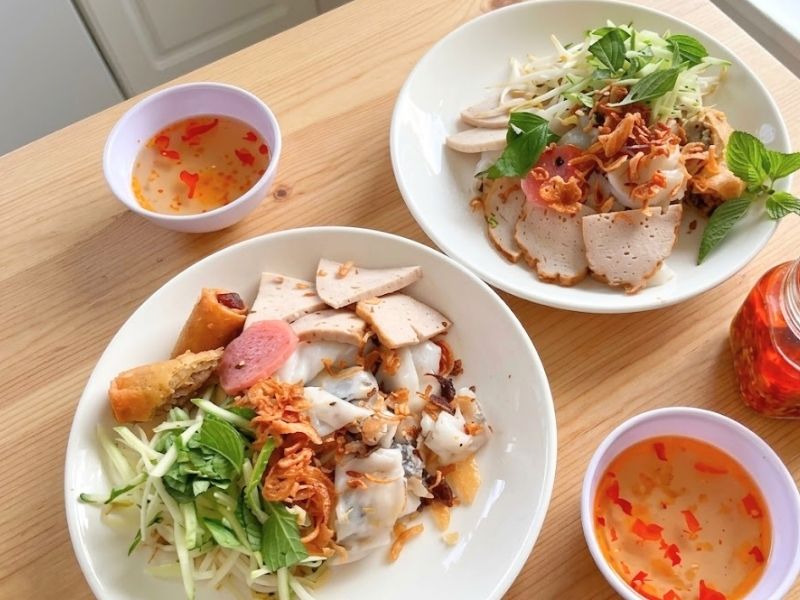
Bánh ướt is closely related to bánh cuốn, but the main difference is the filling. Bánh ướt is typically served as plain rice sheets with toppings, while bánh cuốn commonly contains a filled roll.
In Vietnamese restaurants in the United States, bánh ướt often appears alongside bánh cuốn on menus, and pre-made rice sheets may also be available in refrigerated sections of Vietnamese and Asian grocery stores. On its own, the sheet has a mild savory flavor and soft texture, making it a base that carries the flavors of toppings and dipping sauce.
What Is the Difference Between Banh Uot and Banh Cuon?
The main difference between banh uot and banh cuon is the filling: banh uot is served as plain steamed rice sheets, while banh cuon wraps a savory filling inside the same type of thin rice sheet. Both dishes use a similar rice flour and starch batter, but they differ in preparation, shape, and serving style.
| Attribute | Banh Uot | Banh Cuon |
| Filling | Served without filling. | Commonly filled with seasoned ground pork, wood ear mushrooms, and shallots. |
| Shape | Flat sheets that are layered, folded, or cut into pieces. | Thin sheets rolled around the filling. |
| Batter | Uses rice flour and starch batter. | Uses a similar rice flour and starch batter. |
| Preparation | Faster to prepare because there is no separate filling stage. | Requires preparing, seasoning, and cooking the filling before rolling. |
| Serving style | Often topped with chả lụa, fried shallots, herbs, vegetables, and nước chấm. | Usually served as filled rolls with toppings and dipping sauce. |
Although the two dishes are usually distinguished by whether the rice sheet contains a filling, the boundary is not absolute. In Northern Vietnam, bánh cuốn Thanh Trì is traditionally served as plain steamed rice sheets rather than filled rolls, showing that regional traditions can use the same rice sheet in different ways.
Bánh ướt and bánh cuốn are therefore best understood as two related Vietnamese dishes built from similar steamed rice batter techniques, with different approaches to filling and serving.
Why You'll Love Banh Uot?
You’ll love this banh uot recipe because it brings soft, separate rice sheets to a home kitchen without requiring a traditional cloth steamer.
- No special equipment required. A nonstick skillet and lid replace the traditional steaming setup, making it easier to prepare thin rice sheets at home.
- The batter works ahead of time. Resting the batter overnight improves the sheet texture and lets you focus on cooking fresh sheets in the morning.
- The sheets stay easy to separate. Proper batter consistency and cooking technique help prevent the sheets from sticking together into a single block.
- You can customize every plate. Because banh uot is served without filling, the same rice sheets can be paired with chả lụa, herbs, vegetables, fried shallots, and nước chấm in different combinations.
Banh Uot Ingredients
This banh uot recipe has four component groups: the rice batter, fried shallots and shallot oil, dipping sauce, and fresh toppings served at the table.
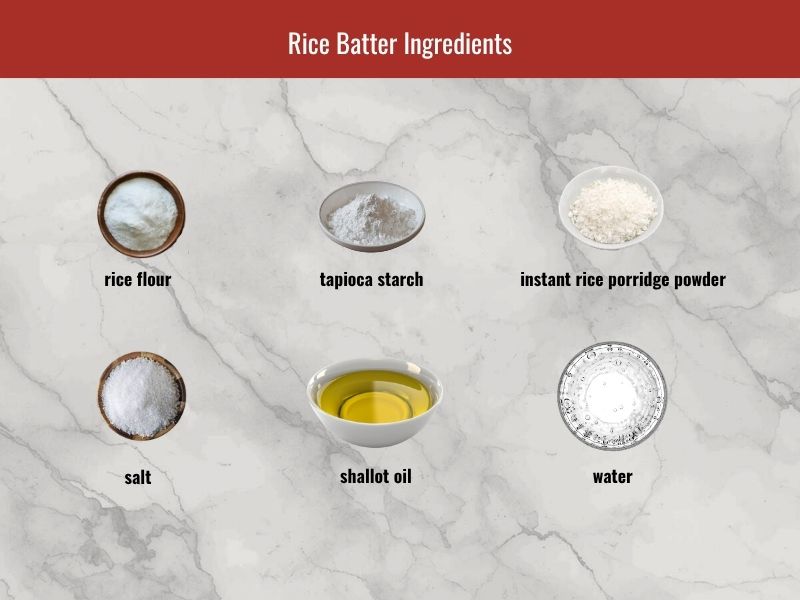
Rice Batter
- 14 oz (400 g) rice flour (bột gạo). Rice flour creates the main structure of the sheet and gives bánh ướt its soft texture. Wet-milled rice flour creates a softer sheet, but regular dry rice flour also works.
- 7 oz (200 g) tapioca starch (bột năng). Tapioca starch adds elasticity and helps the rice sheets stretch without tearing.
- 1 tbsp (4 g) instant rice porridge powder (bột cháo gói). Instant rice porridge powder helps reduce sticking and makes the cooked sheets easier to separate.
- 1/2 tsp (3 g) salt. Salt seasons the batter and balances the toppings.
- 1 tbsp (10 g) shallot oil or neutral cooking oil. Oil reduces sticking during cooking and adds additional aroma.
- 27 fl oz (800 ml) room-temperature water and 27 fl oz (800 ml) warm water at 160–195°F (70–90°C). The batter uses two water stages: room-temperature water dissolves the flour, while warm water adjusts the final consistency.
Fried Shallots and Shallot Oil
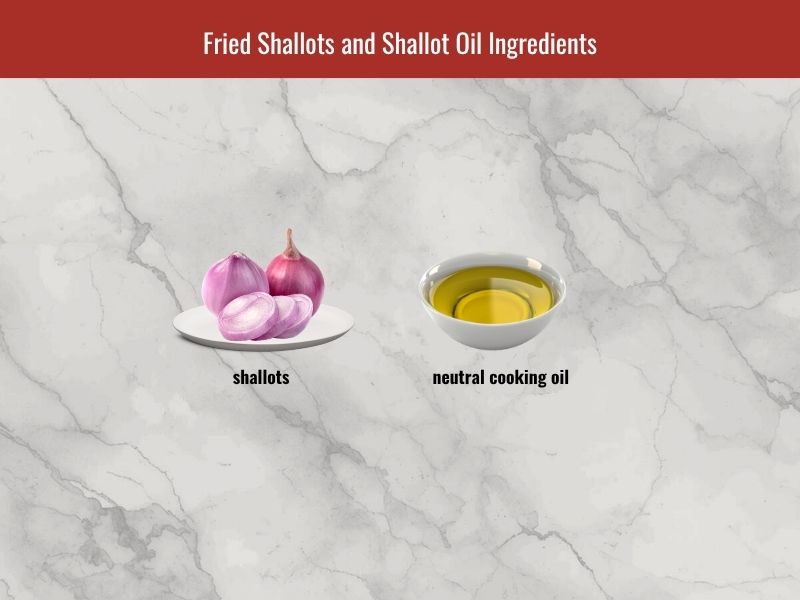
- 3.5 oz (100 g) shallots (hành tím), peeled and finely minced. Fried shallots provide the signature crispy topping for bánh ướt.
- 3.5 oz (100 g) neutral cooking oil. The oil is used to fry the shallots and becomes the shallot oil added to the batter and finished dish.
Dipping Sauce (Nước Chấm)
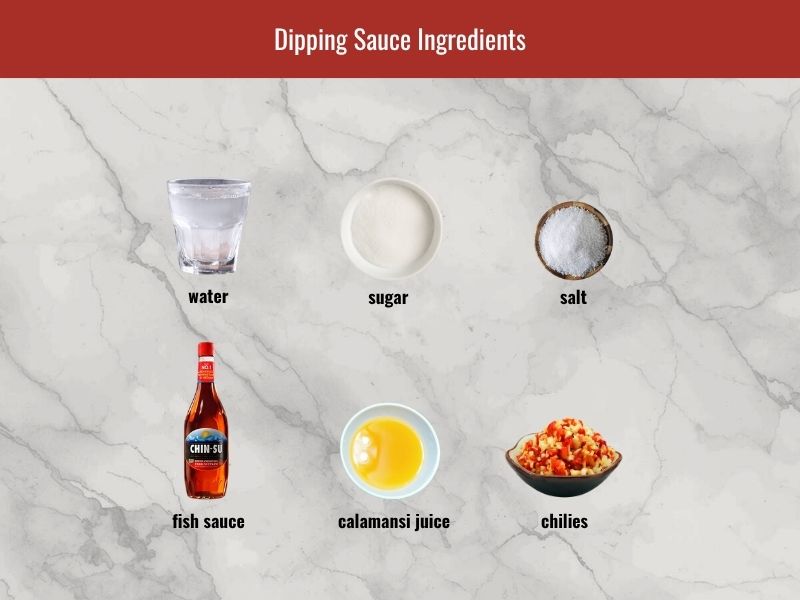
- 1 cup (250 ml) water. Water creates the base of the dipping sauce.
- 2 tbsp (35 g) sugar. Sugar balances the salty and sour flavors.
- 1/4 tsp (1 g) salt. Salt enhances the overall flavor of the sauce.
- 1 tbsp (20 g) fish sauce (nước mắm). Fish sauce provides the savory foundation of the dipping sauce.
- 1 tsp (5 g) calamansi juice (nước cốt tắc) or fresh lime juice. Citrus juice adds acidity and freshness.
- Minced chili, to taste. Chili adds heat and aroma.
Toppings and Vegetables
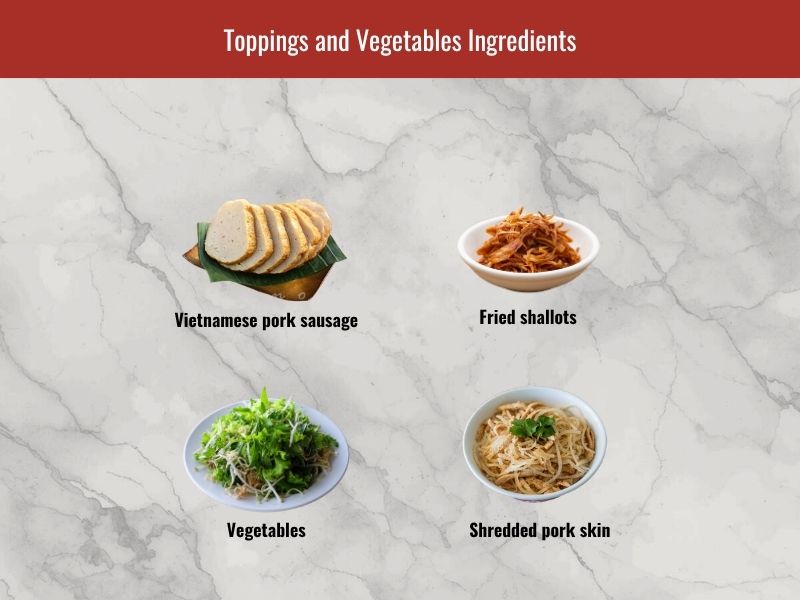
The toppings provide most of the flavor because the rice sheets themselves are mild.
- 1 roll Vietnamese pork sausage (chả lụa), sliced. Chả lụa is the classic protein served with bánh ướt.
- Fried shallots, from the batch above. Fried shallots add crunch and aroma when added just before serving.
- Bean sprouts, sliced cucumber, shredded lettuce, and fresh herbs such as mint, Vietnamese coriander, and cilantro. Fresh vegetables and herbs balance the soft rice sheets and add texture.
- Shredded pork skin (bì heo) or dried shrimp, optional. Some versions add these ingredients for additional texture and flavor.
How to Make Banh Uot Step by Step?
The batter rests overnight, then the cooking process takes about 30–40 minutes the next morning. The recipe follows four stages: preparing the batter, making the fried shallots and dipping sauce, cooking the rice sheets, and assembling the final plate.
Step 1: Combine the Dry Ingredients
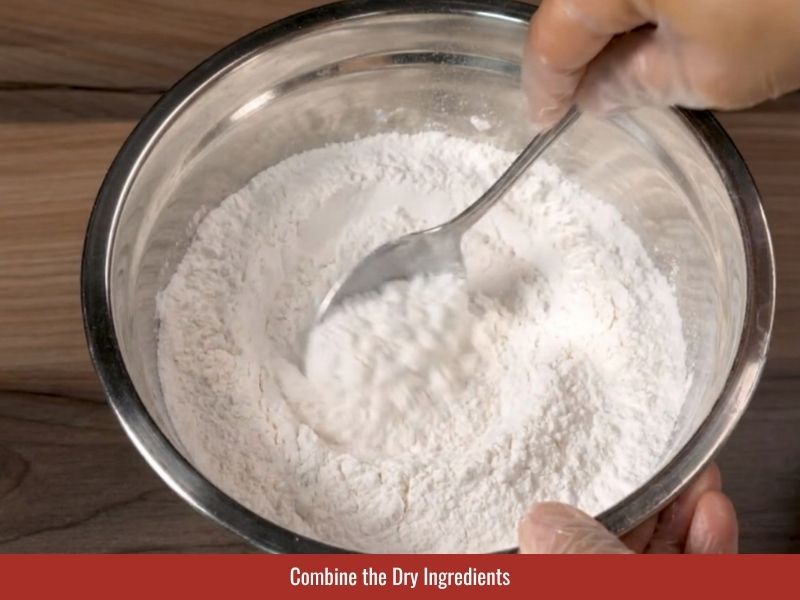
Whisk 7 oz (200 g) tapioca starch, 14 oz (400 g) rice flour, 1 tbsp (4 g) instant rice porridge powder, and 1/2 tsp (3 g) salt together in a large bowl.
Add part of the 27 fl oz (800 ml) room-temperature water first and whisk into a smooth paste. Adding all the water at once makes the flour harder to dissolve evenly and can create lumps.
Step 2: Stir In the Shallot Oil
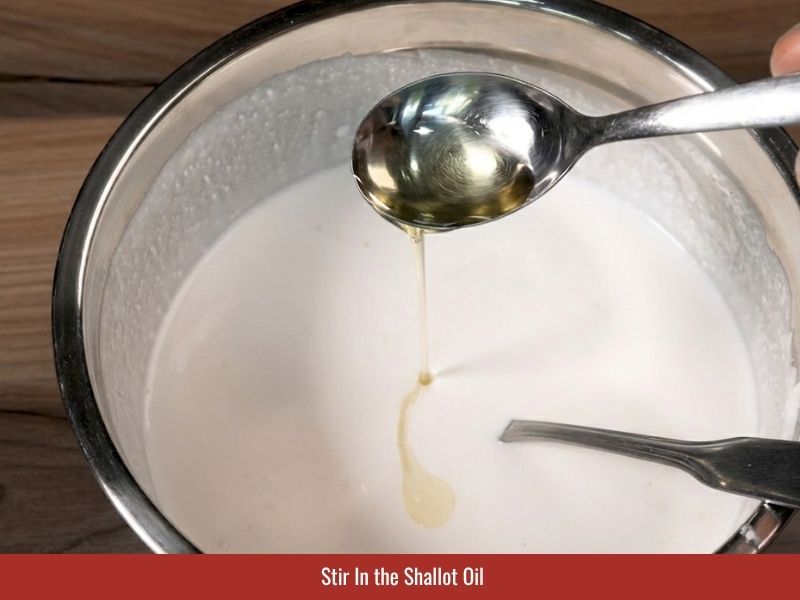
Stir in 1 tbsp (10 g) shallot oil while the batter is still thick, then mix until the oil is fully incorporated.
Adding the oil before the batter becomes thin helps it distribute evenly and reduces sticking during cooking.
Step 3: Add the Warm Water and Rest the Batter
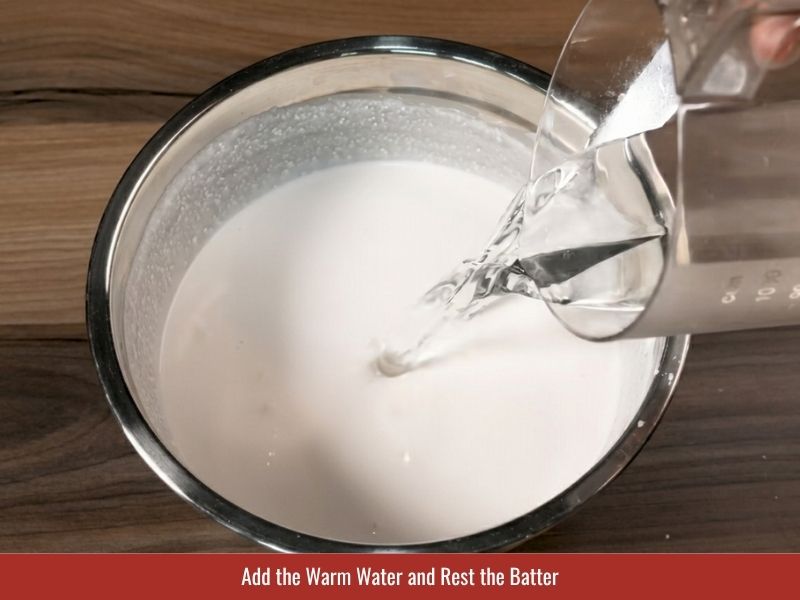
Add the remaining room-temperature water, followed by 27 fl oz (800 ml) warm water at 160–195°F (70–90°C). Whisk until the batter is smooth, then strain once to remove any remaining lumps.
Rest the batter in the refrigerator overnight for softer and chewier rice sheets. Stir well before cooking because the flour settles during resting.
Step 4: Prep the Shallots
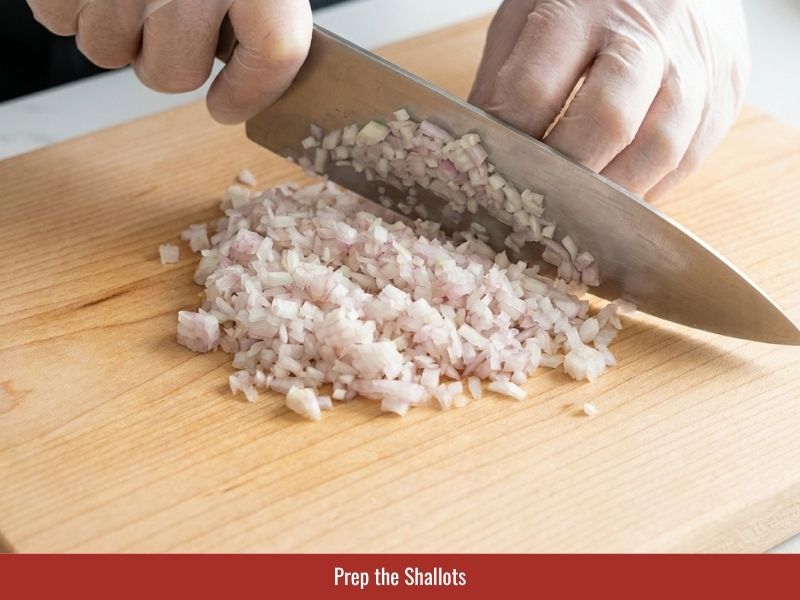
Peel and finely mince 3.5 oz (100 g) shallots.
Rinse the shallots briefly and drain well before frying. Removing excess surface moisture helps prevent splattering in the oil.
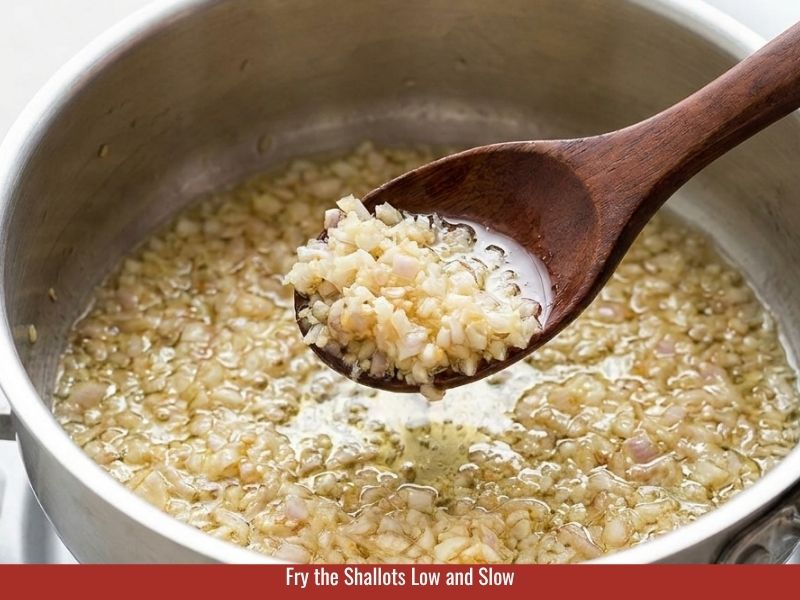
Step 5: Fry the Shallots Low and Slow
Heat 3.5 oz (100 g) oil until it is warm rather than hot, then add the shallots. This Vietnamese technique is commonly called phi hành, which refers to frying shallots slowly until they become aromatic and crisp.
Use a chopstick to check the oil temperature: small, slow bubbles around the chopstick indicate the oil is ready. The shallots should fry gently rather than rise aggressively, because oil that is too hot can darken them quickly and create bitterness.
Avoid stirring at the beginning. Wait until the shallots start floating, then gently move them from the edges occasionally so they cook evenly without spending too long in the oil.
Step 6: Drain the Shallots and Keep the Oil
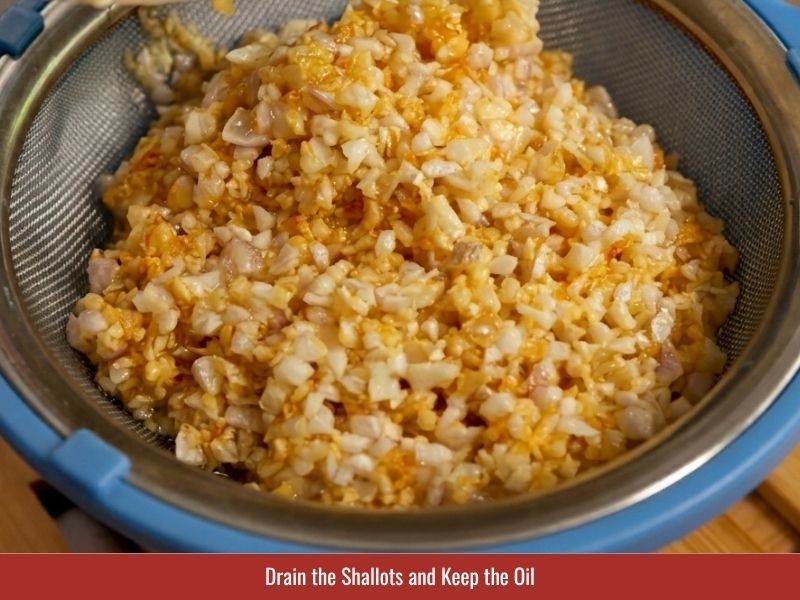
Once the edges start to color, stir continuously so they brown evenly, and lift them out while they are still light golden. They keep cooking in their own heat, so pull them at deep gold and you get bitter shallots on your plate. Drain them in a sieve and save the oil. That oil is your shallot oil, and you will use it in the batter, on the tray, and over the sheets.
Step 7: Reduce the Sugar Syrup
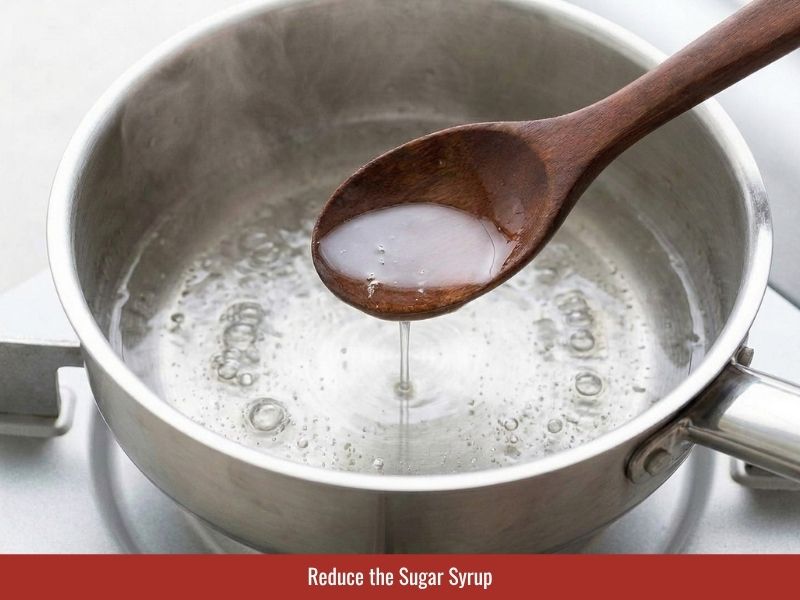
Simmer 1 cup (250 ml) water with 2 tbsp (35 g) sugar and 1/4 tsp (1 g) salt for about 10 minutes, until it thickens slightly and reduces to roughly half. Cooking the sugar down first is what makes your finished sauce clear and fragrant rather than flatly sweet.
Step 8: Mix the Dipping Sauce
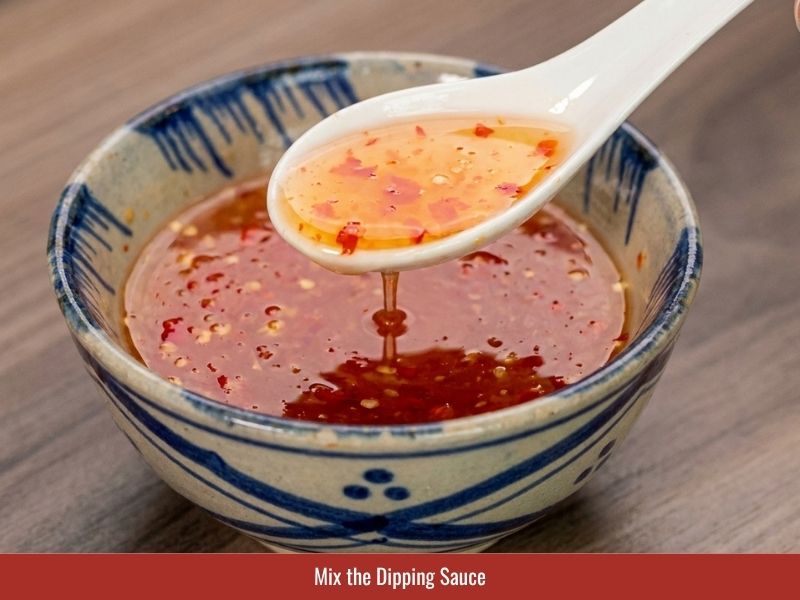
Pour the syrup out and top it back up with plain water if it has reduced past half a cup, then stir in 1 tbsp (20 g) fish sauce and 1 tsp (5 g) calamansi or lime juice, plus minced chili to taste.
The fish sauce you pick shapes the whole dipping sauce, so you can try CHIN-SU fish sauce here for its clean anchovy base and balanced salt.
Step 9: Set Up the Pan and the Flame
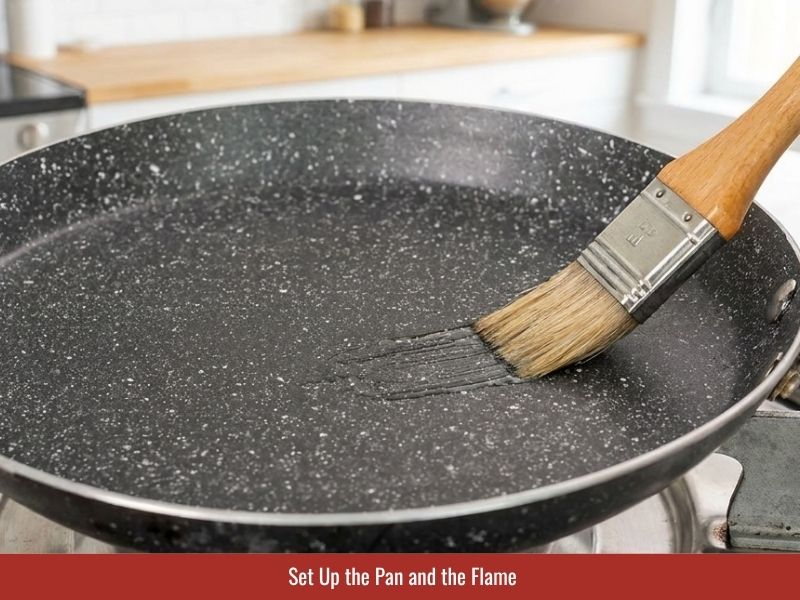
Use a nonstick skillet with low sides, which makes lifting your finished sheet out far easier than a deep pan does.
Set the burner to a steady low-medium and mark the knob position, then leave it alone for the rest of the session. Keeping your flame identical sheet to sheet is what stops some sheets from scorching while others come out pale. Brush the pan with a little oil, cover it, and let it heat up.
Step 10: Pour the Batter and Listen
Stir the batter before every pour because the flour settles quickly.
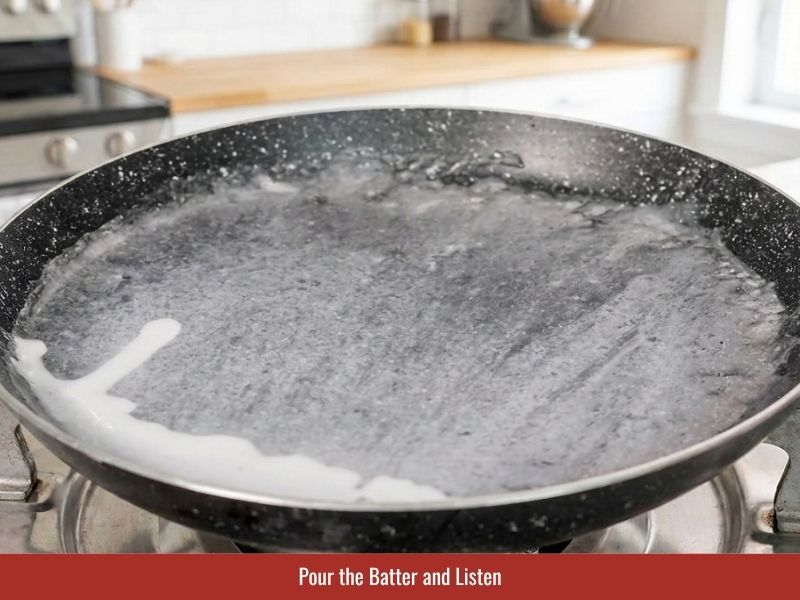
Pour a thin layer of batter into the pan and rotate it immediately to spread evenly across the surface. This technique follows the Vietnamese method of tráng bánh, which focuses on spreading a very thin batter layer before steaming it under a lid.
The batter should create a light sizzle when it touches the heated surface. A gentle sizzle indicates that the pan is ready, while a loud sound usually means the heat is too high.
Step 11: Cover and Cook Until the Sheet Puffs
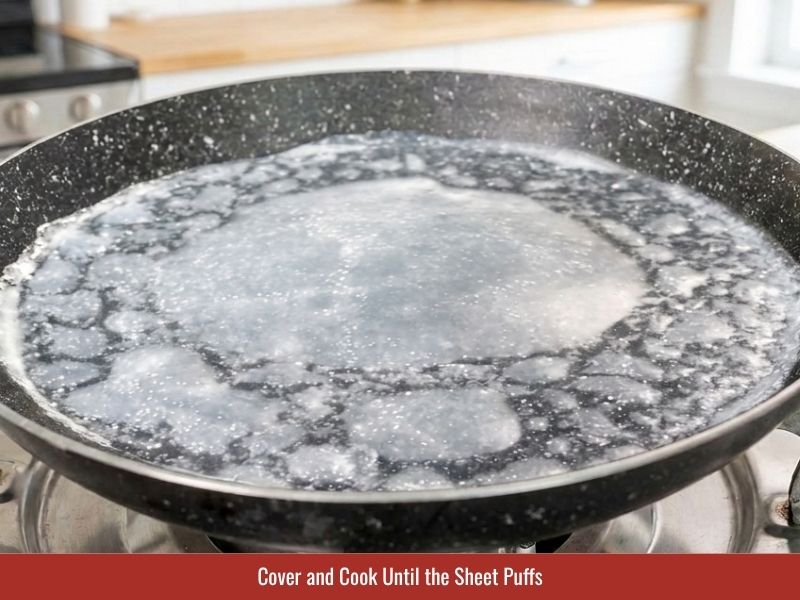
Cover the pan and cook until the rice sheet becomes translucent and slightly puffs, usually within less than a minute.
A heat-retaining lid helps the steam cook the surface evenly while preventing the sheet from drying and cracking.
Step 12: Lift the Sheets and Stack Them
Brush a tray lightly with shallot oil before transferring the first sheet.
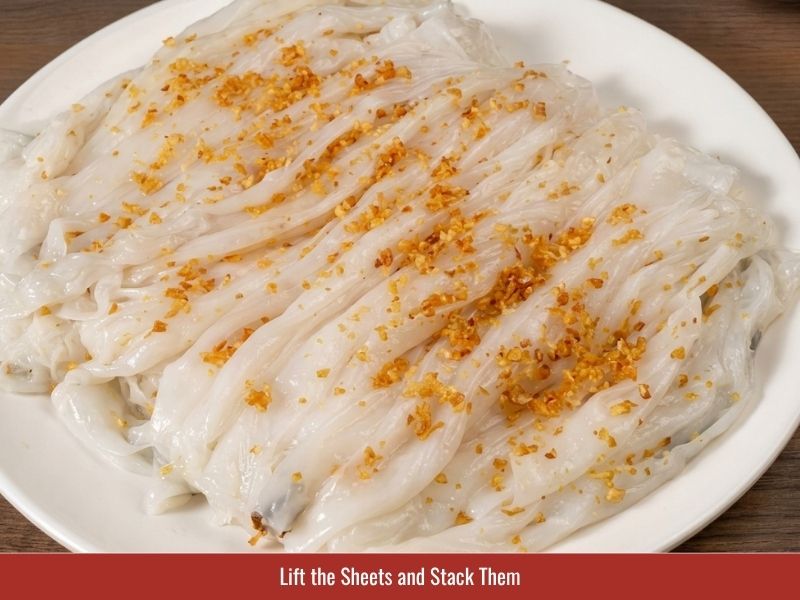
Lift each cooked sheet onto the tray and continue until all batter is used. Allow the sheets to cool slightly before adding fried shallots.
The sheets may appear stuck together while stacked, but they should separate easily when properly prepared. The combination of rested batter, shallot oil, and an oiled surface helps prevent the sheets from fusing.
How to Serve Banh Uot?
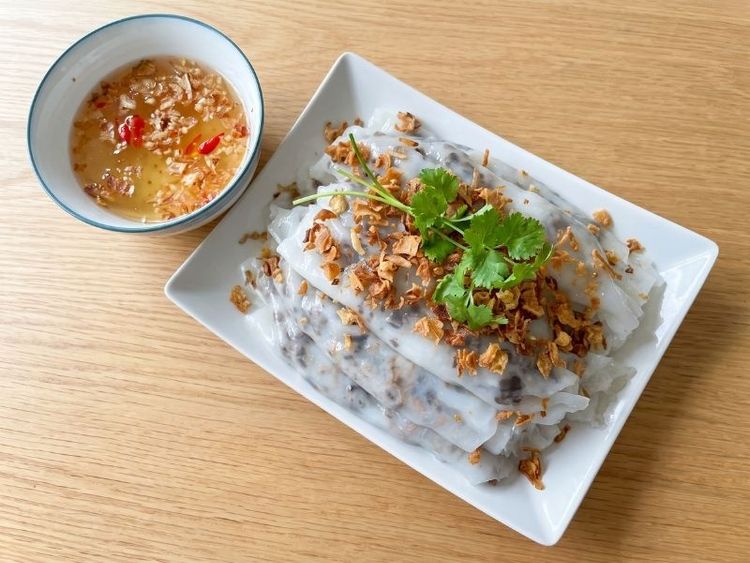
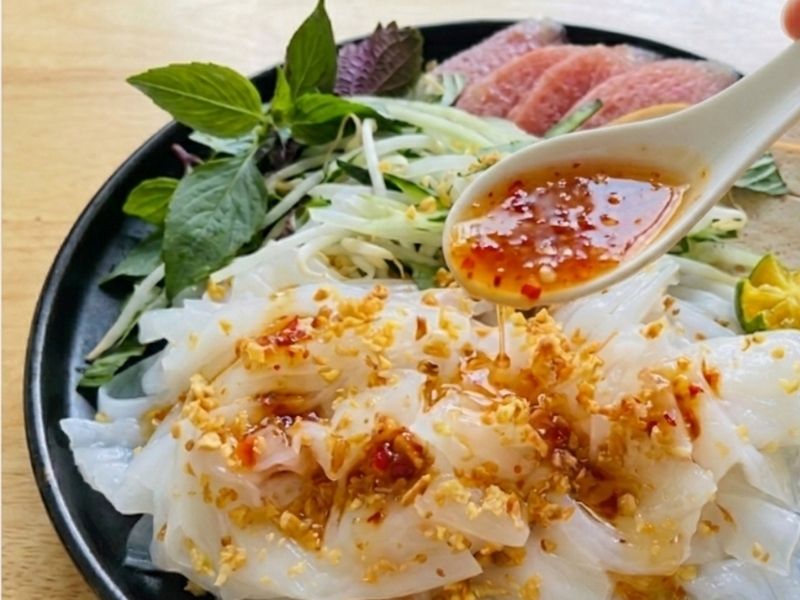
Banh uot is served as a plate of plain rice sheets with toppings arranged around it, allowing each person to add their preferred combination and season each bite with chopsticks. The toppings complete the mild rice sheets, and a typical serving includes:
- The rice sheets, served folded or cut into wide strips.
- Sliced Vietnamese pork sausage (chả lụa), placed over or alongside the sheets.
- Fried shallots, added at the end to preserve their crisp texture.
- Bean sprouts, cucumber, and shredded lettuce, providing freshness and crunch.
- Dipping sauce (nước chấm), either poured over the plate or served separately for dipping.
Some versions also include shredded pork skin (bì heo) or dried shrimp for additional texture and savory flavor.
Banh uot is especially associated with breakfast in Vietnam. Many people enjoy it at market stalls or small local eateries as a light meal before starting the day.
Beyond the standard breakfast plate, Vietnamese families also serve banh uot with braised and stewed dishes, including chicken stew (gà nấu xáo), braised pork with galangal (giả cầy), and beef stew (bò kho). These pairings turn the mild rice sheets into a more substantial meal. The amount of nước chấm is personal, with some people pouring it over the sheets and others dipping each piece individually.
Tips for the Best Banh Uot
These five techniques help create soft, flexible rice sheets that separate easily instead of sticking together.
- Rest the batter overnight. An overnight rest improves the sheet texture and creates a softer, chewier bite. Stir the batter before each pour because the starch settles during resting.
- Keep the heat consistent. Set the flame once and maintain the same temperature throughout cooking. Stable heat creates more even sheets across the batch.
- Use the sound of the batter as a guide. A light sizzle means the pan is ready. A loud sizzle indicates excessive heat, while no sound means the pan needs more time to warm up.
- Use a heat-retaining lid. A heavy lid helps maintain steam and prevents the rice sheet surface from drying out and cracking before it sets.
- Add fried shallots after the sheets cool slightly. Hot sheets soften fried shallots quickly, while slightly cooled sheets help preserve their crisp texture.
What Can You Substitute or Change in Banh Uot?
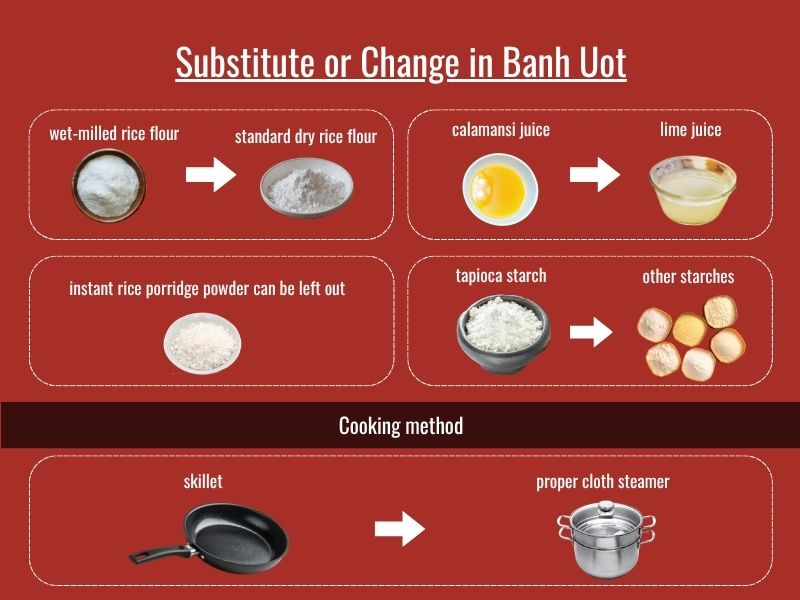
These substitutions help you adapt bánh ướt ingredients and equipment based on what is available while keeping the soft, flexible texture of the rice sheets.
- Wet-milled rice flour (bột gạo lọc) can be replaced with standard dry rice flour. Dry rice flour creates a slightly firmer sheet with less aroma, but it works well when the batter consistency is adjusted properly.
- Tapioca starch can be replaced with other starches, but the texture will change. Tapioca starch provides the elasticity that helps bánh ướt sheets stretch without tearing. Alternatives such as cornstarch may create a softer but less flexible sheet.
- Instant rice porridge powder (bột cháo gói) can be omitted. Without it, the sheets may stick more easily, so use enough oil on the tray and handle the sheets carefully while warm.
- Calamansi juice (nước cốt tắc) can be replaced with fresh lime juice. Lime provides a sharper acidity, while calamansi adds a more floral citrus aroma.
- A cloth steamer can replace the skillet method. Traditional bánh ướt is made by steaming the batter on a cloth stretched over boiling water. This method creates thin sheets similar to those served in Vietnamese shops but requires more equipment and practice.
How to Store Banh Uot?
Banh uot is best enjoyed fresh, but the batter and toppings can be prepared ahead and stored separately to preserve texture. Keeping the rice sheets away from moist ingredients helps maintain their soft, flexible texture while preventing toppings from losing their original quality.
The rice flour batter can be stored in an airtight container in the refrigerator for up to 3 days. Before cooking, stir the batter thoroughly because rice flour and starch naturally settle during storage. Add a small amount of water if the mixture becomes thicker than the original consistency.
Cooked banh uot is best served on the same day because refrigeration makes the rice sheets firmer and less elastic. If reheating is needed, warm the sheets gently with steam or moisture until they soften again, but avoid excessive heat because it can make the texture dry and chewy.
Store the toppings and dipping sauce separately until serving. This keeps ingredients such as fried shallots, Vietnamese pork sausage, fresh herbs, and nước chấm at their intended texture and prevents excess moisture from affecting the delicate rice sheets.
Have you made banh uot at home yet, or is the stack-sticking problem the thing that has been stopping you? Drop your questions, tweaks, and results in the comments, and if the recipe worked for you, a quick star rating helps other home cooks find it. Share a photo of your plate on social media with #CHINSU, since we read every one of them. Want to see how it changes your nước chấm? Grab a bottle of CHIN-SU fish sauce at chinsu.com and give it a try.
Frequently Asked Questions
Banh uot is usually translated as Vietnamese steamed rice sheets or Vietnamese steamed rice crepes. The name literally refers to a moist rice-based sheet, describing the soft texture of the dish.
English speakers usually pronounce banh uot close to “bahn oo-uht.” The pronunciation is only an approximation because Vietnamese tones cannot be fully represented through English spelling.
Banh uot is served as plain steamed rice sheets, while banh cuon wraps a savory filling inside the rice sheet. Both dishes use similar rice flour and starch batter techniques but differ in preparation and serving style.
Banh uot sheets stick together when there is not enough oil between layers, excessive surface moisture, or improper handling after cooking. Brush the tray with shallot oil before stacking and separate the sheets carefully once they cool slightly.
Banh uot sheets usually tear when the batter lacks elasticity, the sheet is too thin, or it is removed before fully setting. Adjust the tapioca starch ratio, maintain consistent heat, and wait until the sheet is cooked before lifting.
Yes, you can make banh uot without a traditional steamer by using a nonstick skillet and lid. The skillet method is convenient for home cooking, although traditional cloth steaming produces thinner sheets.
Banh uot is a steamed rice sheet, not a noodle. The texture is closer to a soft rice crepe or wrapper than a strand-based noodle.
Yes, banh uot can be made vegetarian because the rice sheets themselves contain no animal ingredients. Replace chả lụa with plant-based toppings and use a vegetarian dipping sauce instead of fish sauce.
Freezing is possible, but fresh preparation provides the best texture. The delicate rice sheets may become less soft and flexible after freezing and thawing.
Banh Uot (Vietnamese Steamed Rice Sheets) Recipe
1. Ingredient
Rice Batter
- 14 oz (400 g) rice flour.
- 7 oz (200 g) tapioca starch.
- 1 tablespoon (4 g) instant rice porridge powder.
- 1/2 teaspoon (3 g) salt.
- 1 tablespoon (10 g) shallot oil or neutral cooking oil.
- 27 fl oz (800 ml) room-temperature water.
- 27 fl oz (800 ml) warm water at 160–195°F (70–90°C).
Fried Shallots and Shallot Oil
- 3.5 oz (100 g) shallots, peeled and finely minced.
- 3.5 oz (100 g) neutral cooking oil.
Dipping Sauce (Nước Chấm)
- 1 cup (250 ml) water.
- 2 tablespoons (35 g) sugar.
- 1/4 teaspoon (1 g) salt.
- 1 tablespoon (20 g) fish sauce.
- 1 teaspoon (5 g) calamansi juice or fresh lime juice.
- Minced chili, to taste.
Toppings and Vegetables
- 1 roll Vietnamese pork sausage (chả lụa), sliced.
- Fried shallots from the prepared batch.
- Bean sprouts.
- Sliced cucumber.
- Shredded lettuce.
- Fresh herbs such as mint, Vietnamese coriander, and cilantro.
- Shredded pork skin (bì heo) or dried shrimp (optional).
2. Instructions
- Step 1: Combine the Dry Ingredients. Whisk rice flour, tapioca starch, instant rice porridge powder, and salt together. Add part of the room-temperature water and mix into a smooth paste before adding the remaining liquid.
- Step 2: Stir in the Shallot Oil. Add shallot oil while the batter is still thick and mix until the oil is fully incorporated.
- Step 3: Add Warm Water and Rest the Batter. Add remaining room-temperature water and warm water gradually. Whisk until smooth, strain the batter, and refrigerate overnight. Stir well before cooking because the flour settles during resting.
- Step 4: Prep the Shallots. Peel and finely mince shallots. Drain them well after rinsing to reduce oil splattering during frying.
- Step 5: Fry the Shallots Slowly. Heat neutral oil until warm, add shallots, and fry gently until aromatic and crisp. Avoid high heat because shallots can darken quickly and become bitter.
- Step 6: Drain Shallots and Keep the Oil. Remove shallots while they are light golden and drain them. Reserve the oil as shallot oil for cooking and finishing the rice sheets.
- Step 7: Prepare the Sugar Syrup. Simmer water, sugar, and salt for about 10 minutes until slightly reduced and concentrated.
- Step 8: Mix the Dipping Sauce. Add fish sauce, calamansi or lime juice, and minced chili to the syrup. Adjust sweetness, acidity, and saltiness to taste.
- Step 9: Heat the Pan. Use a low-sided nonstick skillet. Brush lightly with shallot oil and maintain a consistent low-medium heat throughout cooking.
- Step 10: Pour and Spread the Batter. Stir the batter before each sheet. Pour a thin layer into the pan and rotate quickly to spread evenly across the surface.
- Step 11: Cover and Cook the Sheet. Cover the pan and cook until the rice sheet becomes translucent and slightly puffy, usually within less than 1 minute.
- Step 12: Lift and Stack the Sheets. Brush a tray with shallot oil, transfer each cooked sheet carefully, and continue until all batter is used. Allow sheets to cool slightly before adding fried shallots.
3. Storage: Store rice batter in an airtight container in the refrigerator for up to 3 days. Stir well before cooking because starch settles during storage. Cooked bánh ướt is best eaten the same day, but leftovers can be gently reheated with steam or moisture. Store toppings and dipping sauce separately to preserve texture.
4. Yield: Multiple servings of steamed rice sheets
5. Serving Style: Vietnamese steamed rice sheets served with chả lụa, fried shallots, fresh herbs, vegetables, and nước chấm

CHIN-SU KITCHEN TEAM
CHIN-SU Kitchen Team are the creative experts behind the delicious recipes featuring CHIN-SU sauces. With years of experience and a passion for flavor, our team carefully selects recipes from a variety of trusted chefs and bloggers, bringing together the best culinary insights to present you with the most suitable and exciting dishes. Every recipe is chosen to inspire you to create meals that are not only tasty but also easy to prepare, enhancing your dining experience. Join us as we explore a wide range of sauces and flavors, and elevate every meal with the perfect recipe for your table!
User Reviews
Featured Articles
SUBSCRIBE TO GET
MORE INFO
Want the latest and greatest recipes, updates, and more from us,
straight to your inbox? Subscribe and get our NEWS!