Chao Tom Recipe: Vietnamese Shrimp on Sugarcane
By CHIN-SU Kitchen Team
Updated Oct 1, 2026
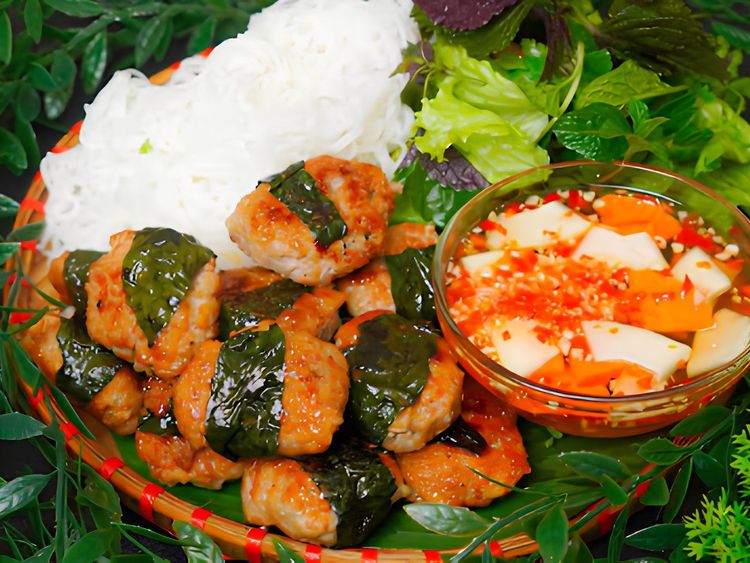
Tested in the CHIN-SU kitchenChao tom (chạo tôm) is a Huế-origin Vietnamese appetizer made by wrapping a seasoned shrimp-and-pork paste around sugarcane, then steaming and pan-frying or grilling it until springy and golden. Once associated with Huế banquet and royal-kitchen traditions, the dish is now served at weddings, holiday meals, restaurant platters, and family gatherings, often with bánh hỏi, lettuce, Vietnamese herbs, and dipping sauce. The sugarcane functions as a sturdy skewer and provides a light sweetness, while the cold-pounded paste and giò sống create the characteristic elastic bite.
Whether you grew up eating chao tom at Vietnamese celebrations or want to recreate Vietnamese sugarcane shrimp at home, this recipe explains how to prepare the paste, keep it cold, shape it around the cane, and cook it safely without losing its springy texture. In this article, CHIN-SU shares the chao tom recipe to make at home, techniques for a firm and juicy shrimp paste, and the ways Vietnamese diners serve and eat it. The recipe takes about 2 hours 30 minutes, including 30 minutes of preparation, 10 to 15 minutes of cooking, and 2 hours of chilling, and it makes 8 to 10 skewers.
30 min
Prep time
15 min
Cook time
2 hr 30 min
Total time
What Is Chao Tom?
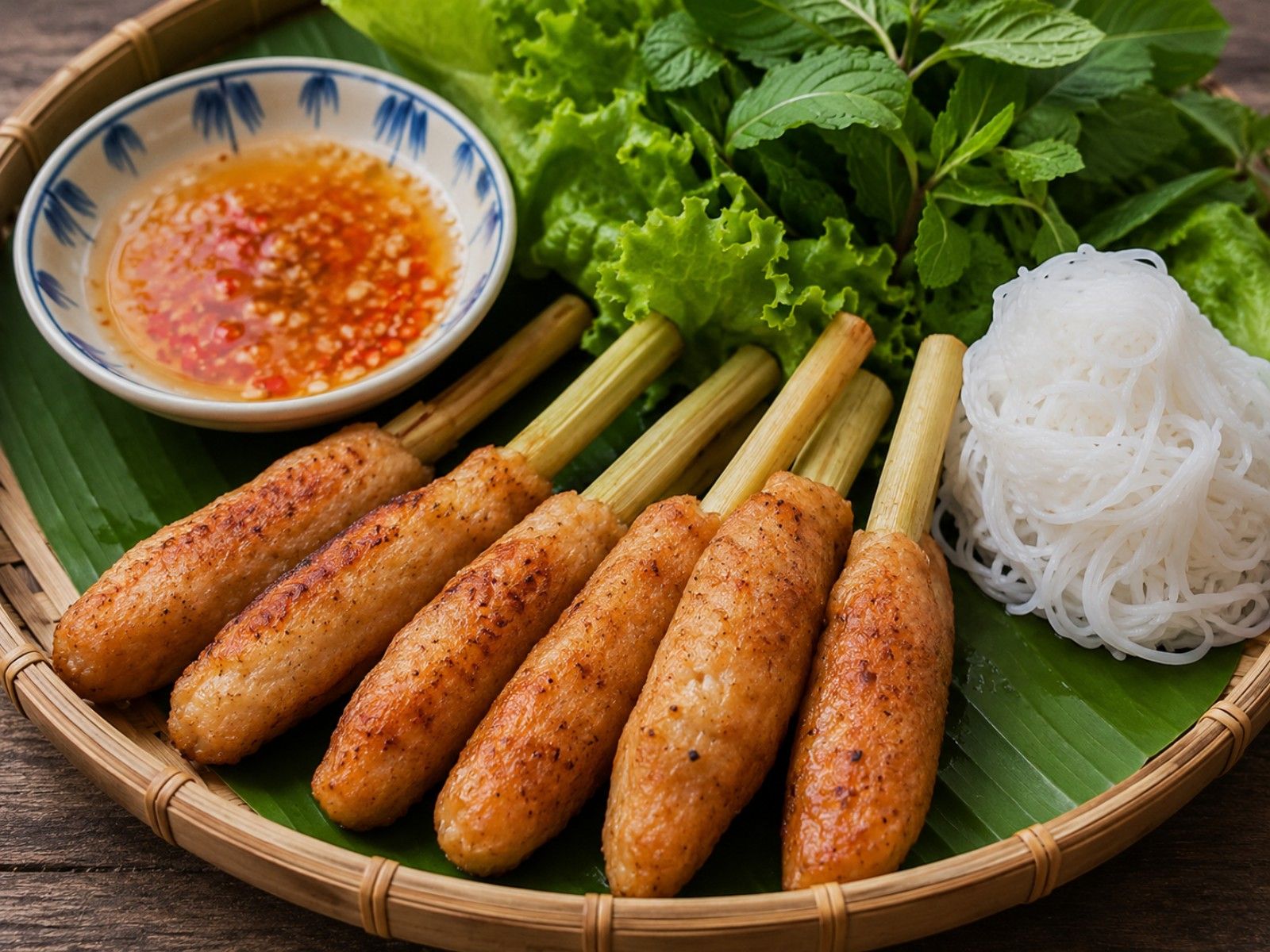
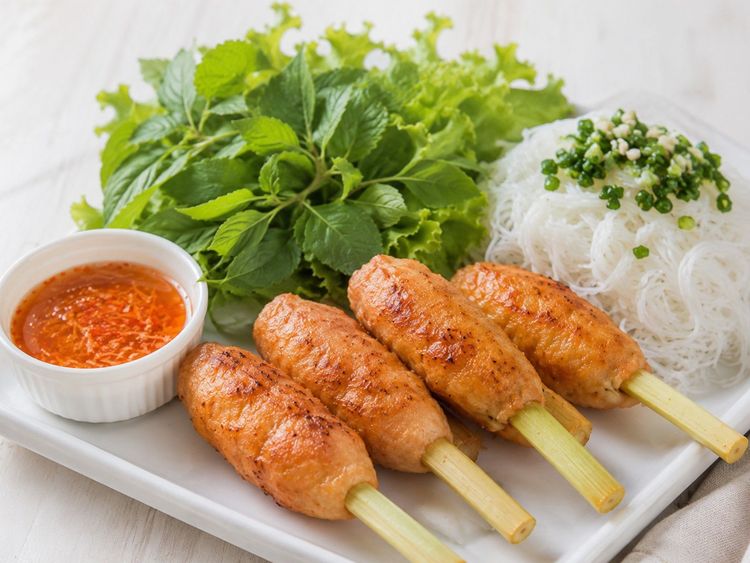
Chao tom (chạo tôm), often called Vietnamese sugarcane shrimp, is made by wrapping a seasoned shrimp mixture around pieces of fresh sugarcane. The mixture usually combines ground raw shrimp with giò sống, garlic, scallions, fish sauce, and seasonings. The shaped skewers are often steamed first to set the paste, then grilled, pan-fried, or deep-fried until lightly browned.
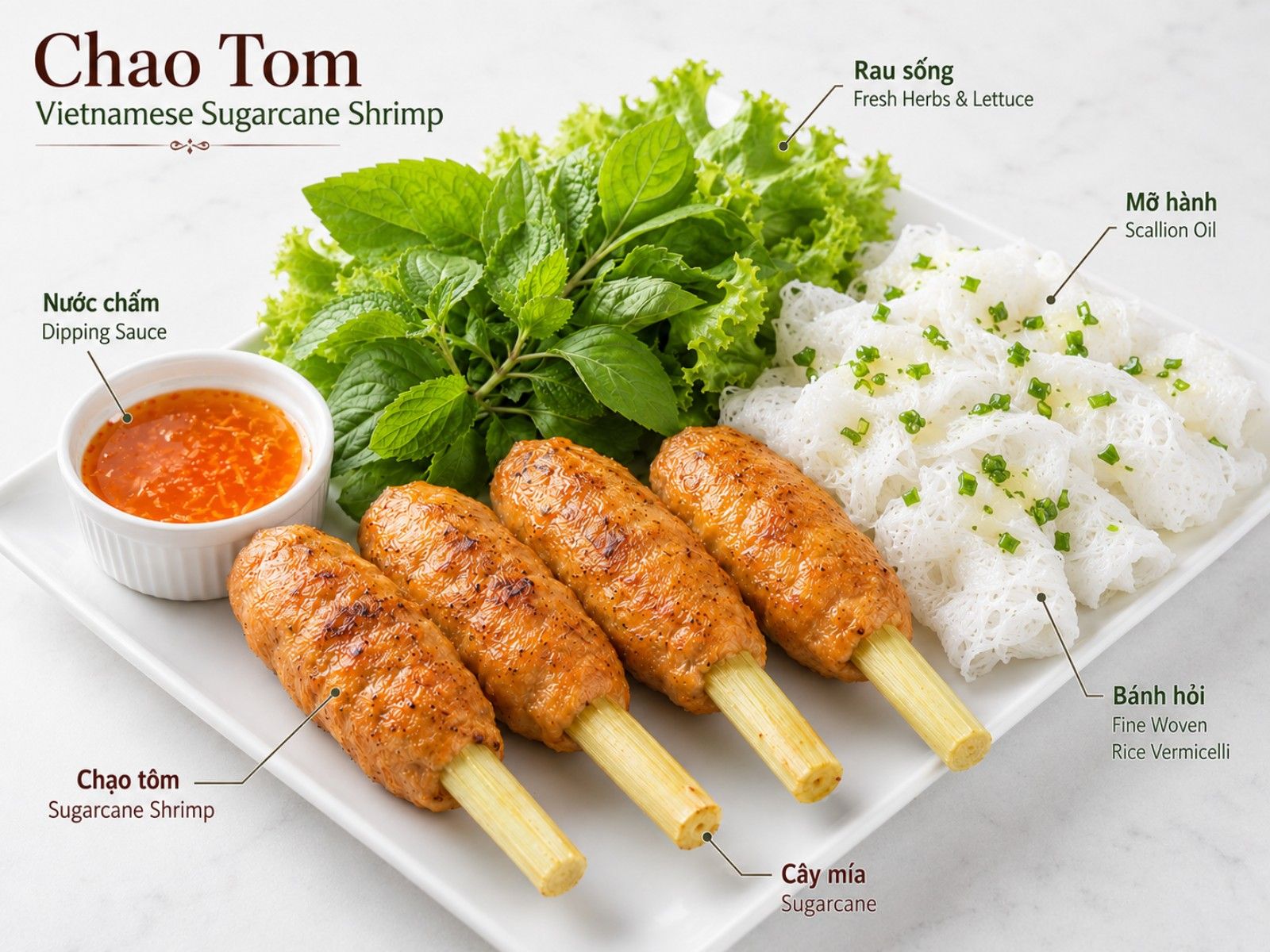
The sugarcane serves as both a skewer and a source of mild sweetness. Chạo tôm is typically served hot with nước chấm and may be accompanied by lettuce, fresh herbs, rice paper, rice vermicelli, or bánh hỏi. Finely processing the shrimp and giò sống gives the cooked paste its characteristic firm, springy texture.
The Vietnamese spelling helps distinguish the dish from unrelated foods. “Chạo” refers to a pounded meat or seafood preparation, while “cháo” means rice porridge and “chao” can refer to fermented tofu. English speakers can pronounce chạo tôm approximately as “chow tom,” though the Vietnamese tones separate these words.
The English term “shrimp paste” can also cause confusion. In this recipe, it refers to a fresh mixture of raw ground shrimp, pork paste, aromatics, and seasonings. It is not mắm tôm, the strongly flavored condiment made by fermenting shrimp or krill with salt.
Chạo tôm is closely associated with Huế and the refined culinary traditions of Central Vietnam, where it is served at restaurants, banquets, and special occasions. Today, it also appears as a packaged, ready-to-cook food in major Vietnamese supermarkets. Current Saigon Co.op and Bách Hóa Xanh listings include versions made with shrimp, sugarcane, fish, and pork, showing how the dish has also moved into convenience-oriented home cooking.
In the United States, chạo tôm commonly appears on Vietnamese restaurant menus under names such as “sugarcane shrimp” or “shrimp on sugarcane.” The finished dish combines savory shrimp, gentle sweetness from the sugarcane, and a springy texture that contrasts with fresh herbs and tangy nước chấm.
Why You'll Love Chao Tom
Chạo tôm stands out for its springy shrimp texture, delicate sweetness from sugarcane, and versatility as an appetizer, rice paper filling, or noodle accompaniment.
- Springy, savory texture: Finely processed shrimp and giò sống give chạo tôm its characteristic firm, springy bite while keeping the center tender. The sugarcane adds a mild sweetness and aroma, while nước chấm brings acidity, saltiness, and extra depth.
- Several ways to serve it: Chạo tôm works as a hot appetizer, wrapped in rice paper with lettuce and fresh herbs, or served with rice vermicelli or bánh hỏi. The crisp vegetables and tangy dipping sauce balance the richness of the shrimp mixture.
- Easy to prepare in stages: Most of the active work involves processing the shrimp mixture and shaping it around the sugarcane. The skewers can then be chilled for 2 hours before steaming and finishing on the grill, in a skillet, or in hot oil.
Chao Tom Ingredients
This chao tom consists of 2 main parts: the shrimp paste and the dipping sauce.
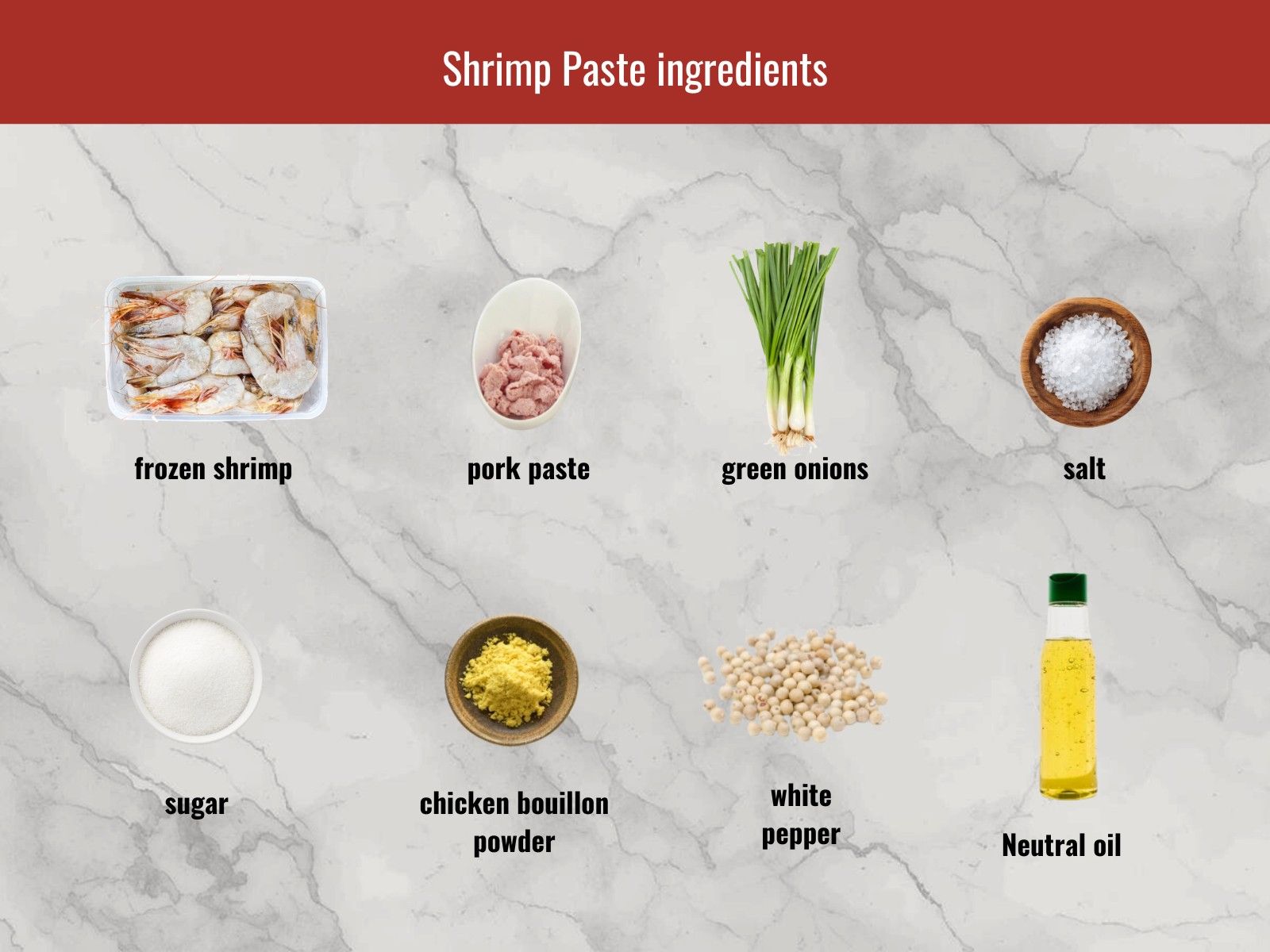
Shrimp Paste:
- 1 lb 10 oz (750 g) frozen shrimp, which leaves you with about 1 lb 6 oz (620 g) after you peel them. Any size works out fine since you will pound the shrimp into a paste anyway, though fresh shrimp gives you the best bounce.
- 2.5 oz (75 g) pork paste (giò sống), which adds chew and richness so the mixture does not turn out dry. You can easily find it in the freezer section at Vietnamese grocery stores.
- 3 white parts of green onions, minced fine for aroma, adding a few flecks of color throughout the paste.
- 2/3 tsp salt to season the paste properly.
- 1 tsp sugar to round out the savory edge.
- 1 tsp chicken bouillon powder to build up a deeper savory base.
- 1/2 tsp white pepper, which keeps the color of the paste clean while adding a gentle warmth.
- Neutral oil for greasing your hands and pan-frying, such as vegetable, canola, or avocado oil.
Skewers:
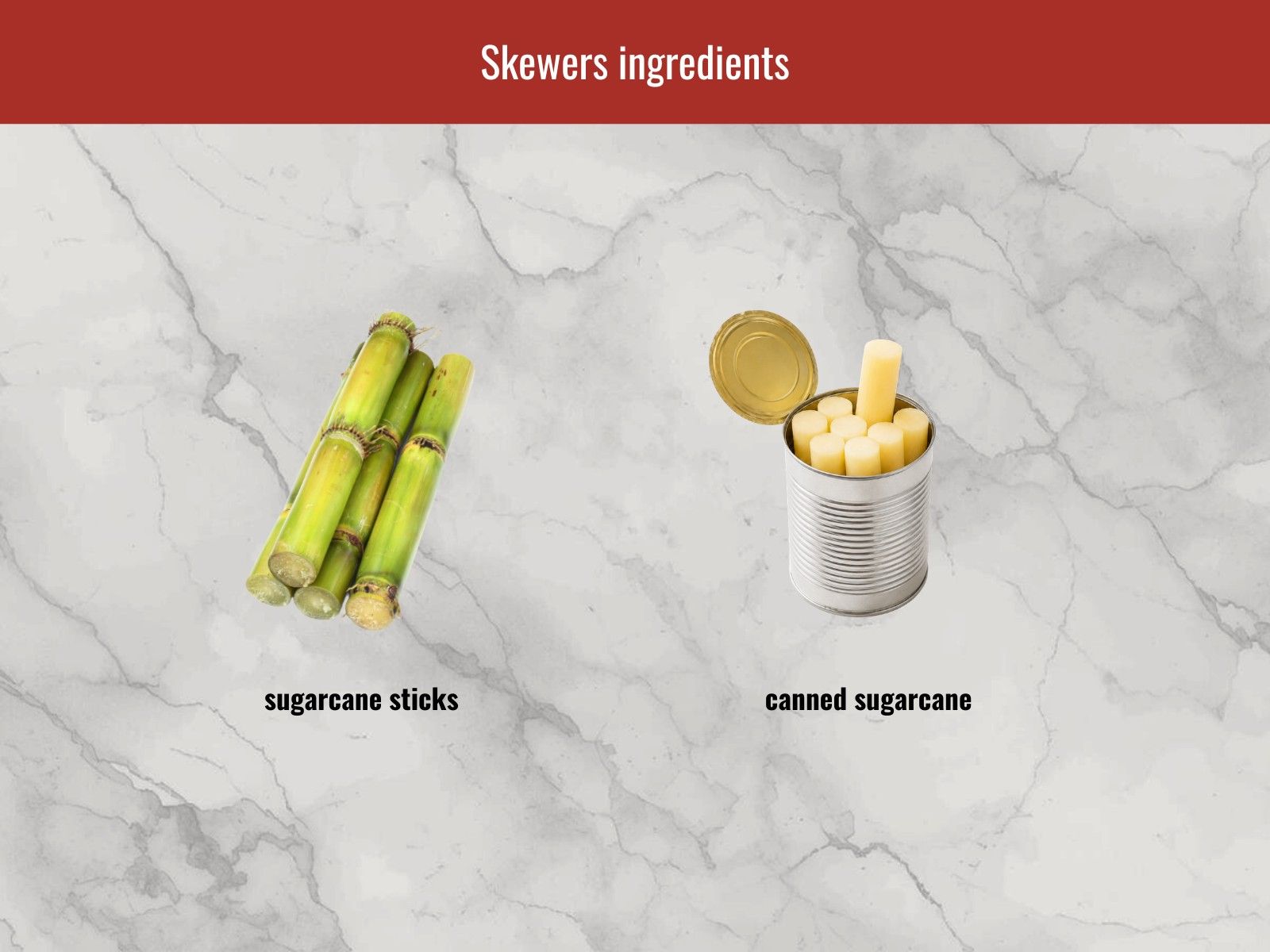
- 8 to 10 sugarcane sticks, about 5 to 6 inches (12 to 15 cm) long. Fresh or canned sugarcane can be used. If the pieces are thick, cut them lengthwise into quarters. Drain canned sugarcane and pat it dry before shaping the shrimp mixture around it.
- If sugarcane is unavailable, use 8 to 10 lemongrass stalks. Trim them to the sturdy white-to-pale section and cut them to the same length. Lemongrass adds a citrus aroma, but it is a substitute rather than the traditional skewer for chạo tôm.
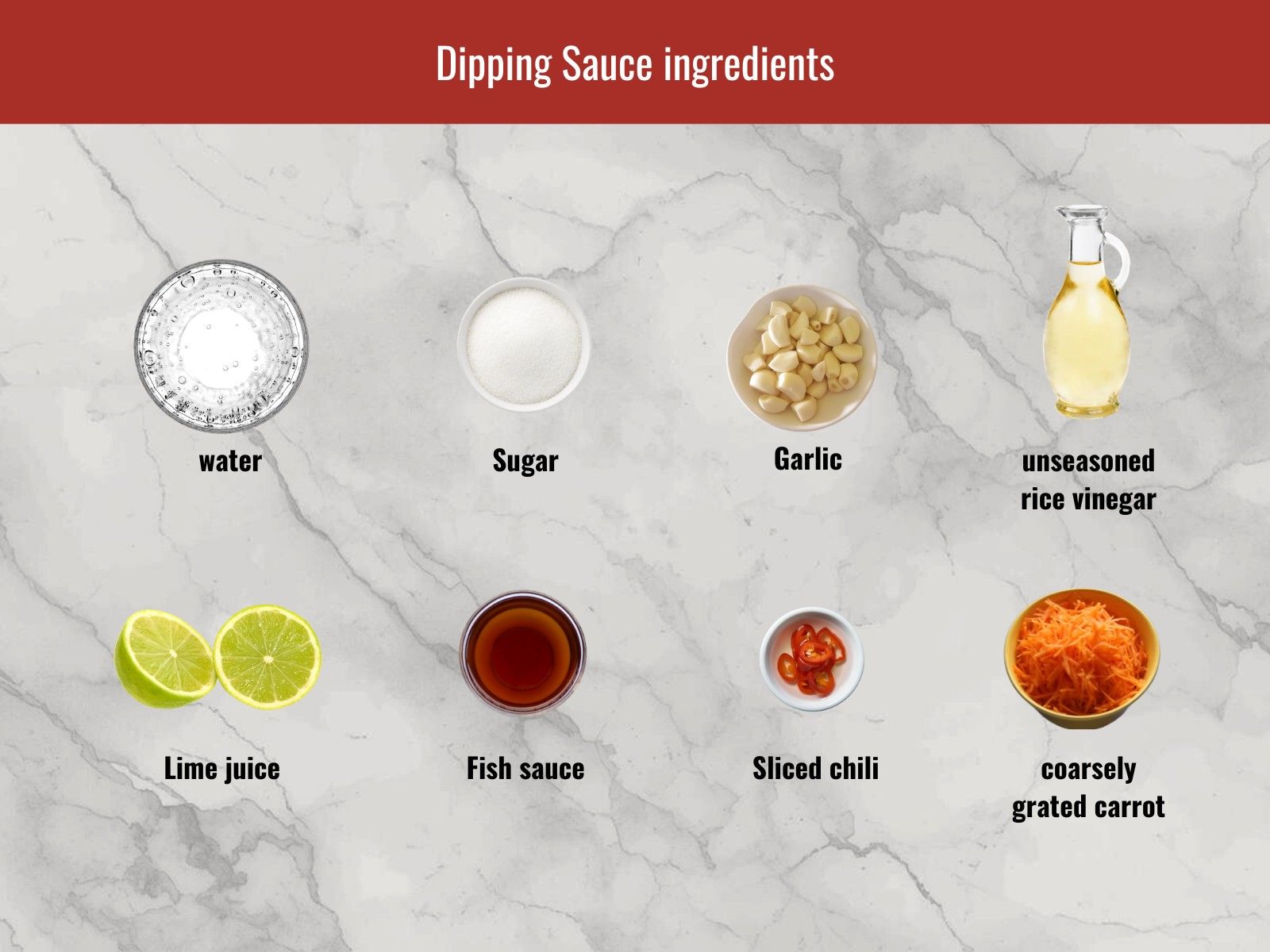
Dipping Sauce (Nước Chấm):
- 3 to 4 tablespoons fresh lime juice (from about 2 limes), which sets up the tangy base of the sauce.
- 2 to 2.5 tablespoons sugar (or agave or honey) to balance out the sour and salty notes.
- 1/2 cup lukewarm water to thin out the base so it is easy to dip into.
- A splash of unseasoned rice vinegar, if needed, to cut through any bitterness from the lime.
- 3 to 4 tablespoons fish sauce, which brings out the salt and umami. The quality of this 1 ingredient makes a huge difference in the whole sauce. You can try CHIN-SU fish sauce for this recipe.
- 1 large garlic clove, minced (optional), for a bit of pungency.
- 1 to 2 Thai chilis, thinly sliced, or 2 to 3 tsp chili-garlic sauce (optional) to mix in and adjust the heat level.
- 1/4 cup coarsely grated carrot (optional) for extra color, a slight crunch, and a touch of sweetness.
How to Make Chao Tom Step by Step
Making chao tom takes 9 steps and about 2 hours 30 minutes. Allow approximately 30 minutes for preparation, 10 to 15 minutes for steaming and frying, and 2 hours for the shrimp paste to chill.
Step 1: Thaw and Dry the Shrimp
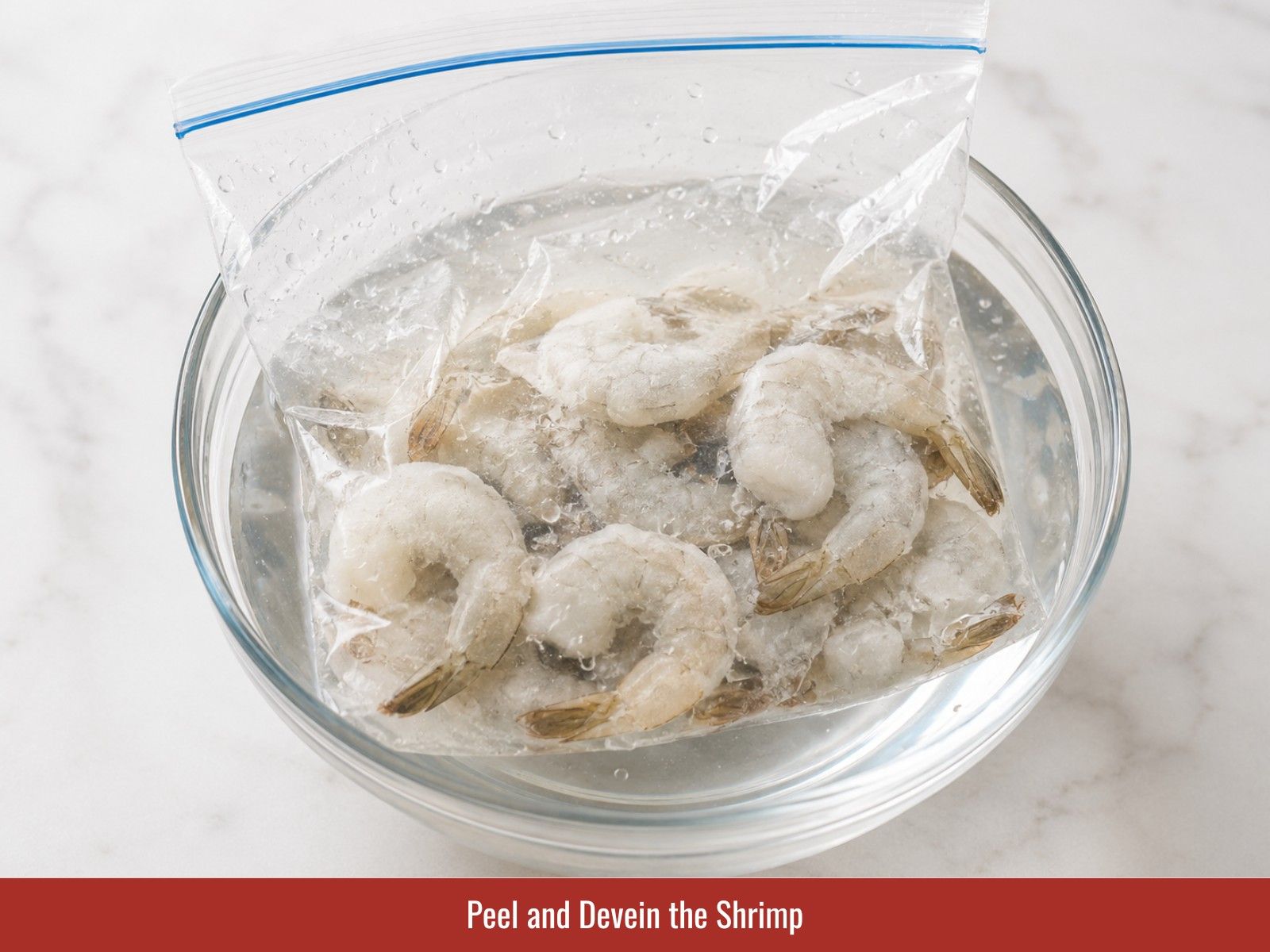
Thaw the shrimp overnight in the refrigerator. For a quicker option, place the frozen shrimp in a sealed plastic bag and submerge it in cold water, then prepare it immediately after thawing.
Peel the shrimp, remove the dark vein along the back, and pat it completely dry with paper towels. Excess moisture can prevent the mixture from developing a firm, springy texture.
Step 2: Pound and Quết the Shrimp
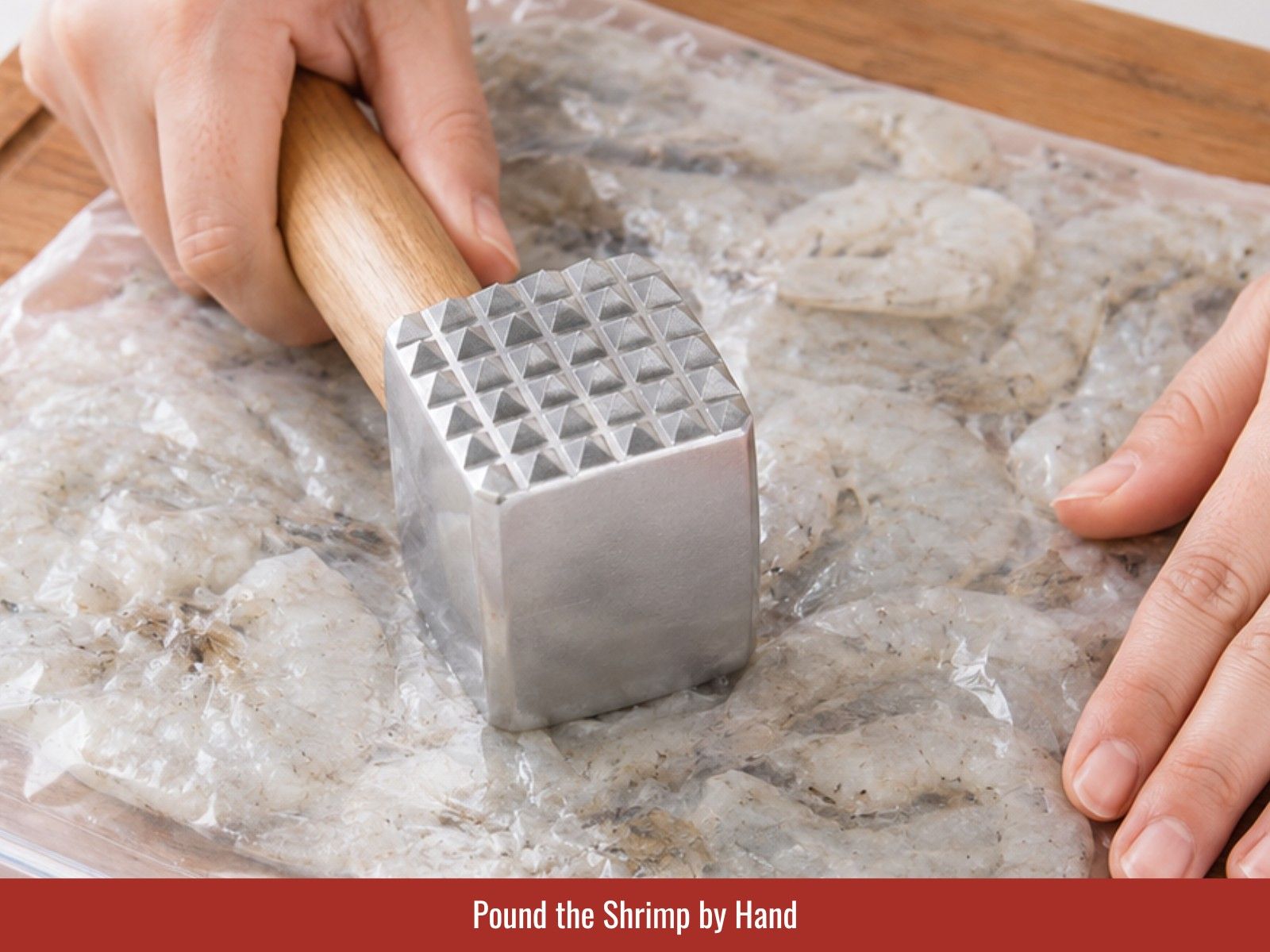
Place 3 or 4 cold shrimp at a time in a heavy-duty zip-top bag or mortar. Pound them with a meat mallet, rolling pin, or pestle until they form a coarse, tacky paste.
Vietnamese cooks call this pounding and beating process “quết”. The mechanical action breaks down the shrimp muscle, while salt helps release myofibrillar proteins that make the mixture sticky and allow it to set into a springy gel during cooking. A food processor also works, but use short pulses and keep the mixture cold so the motor does not warm the paste.
Step 3: Mix the Shrimp Paste with Pork and Seasonings
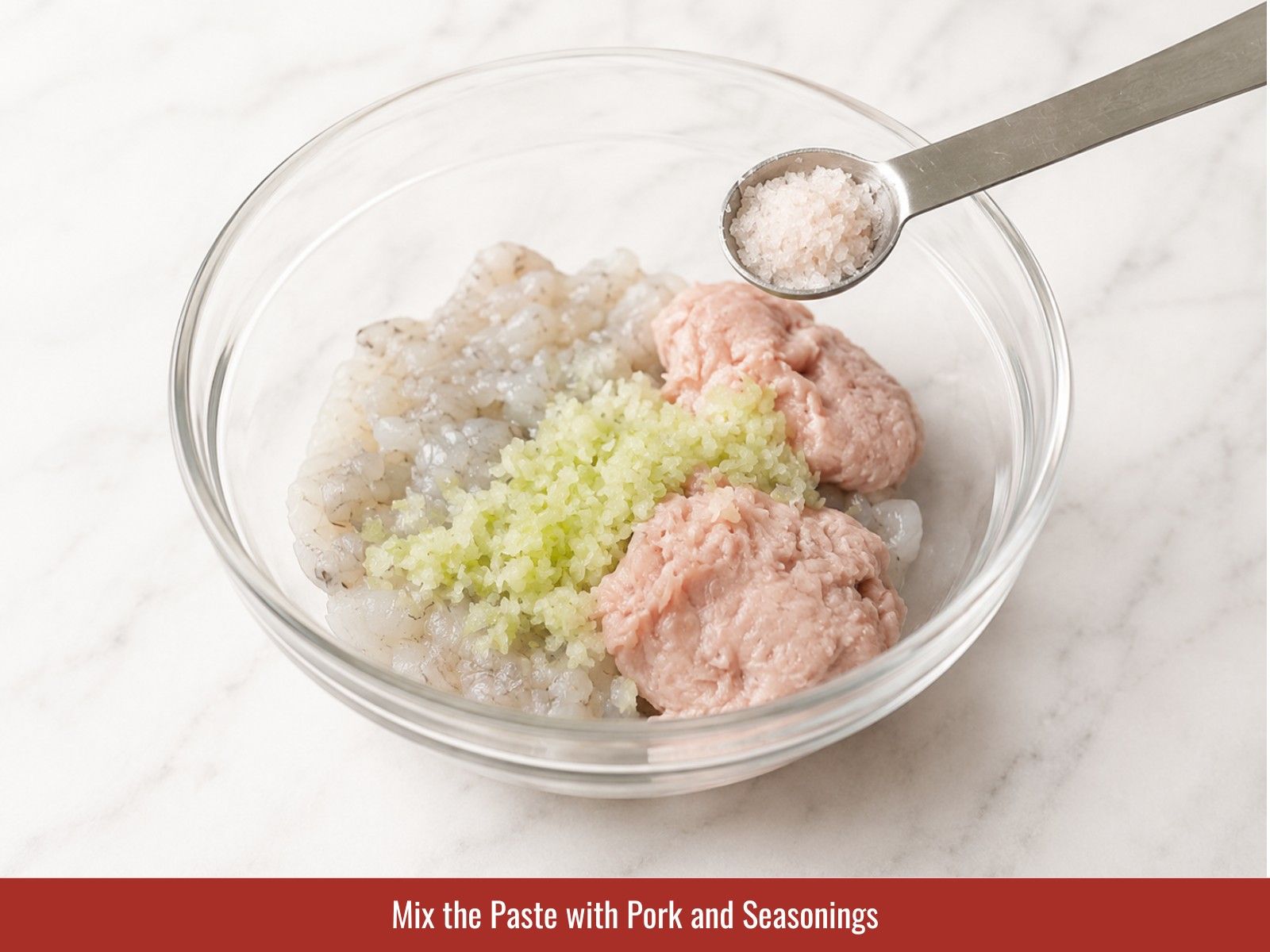
Transfer the pounded shrimp to a chilled bowl. Add the giò sống, scallion whites, salt, sugar, optional chicken bouillon, and white pepper.
Continue quết or mixing until the paste looks glossy and tacky, holds together as one mass, and clings to the side of the bowl instead of crumbling. A spoonful should hold its shape rather than flow. If the mixture becomes warm, refrigerate it for 10 to 15 minutes before continuing.
Cook a teaspoon-sized portion in a skillet or microwave until fully cooked, then taste and adjust the seasoning before shaping the skewers. A food processor can be used instead, but work in short pulses to keep the mixture cold and avoid a softer finished texture.
Step 4: Chill the Mixture
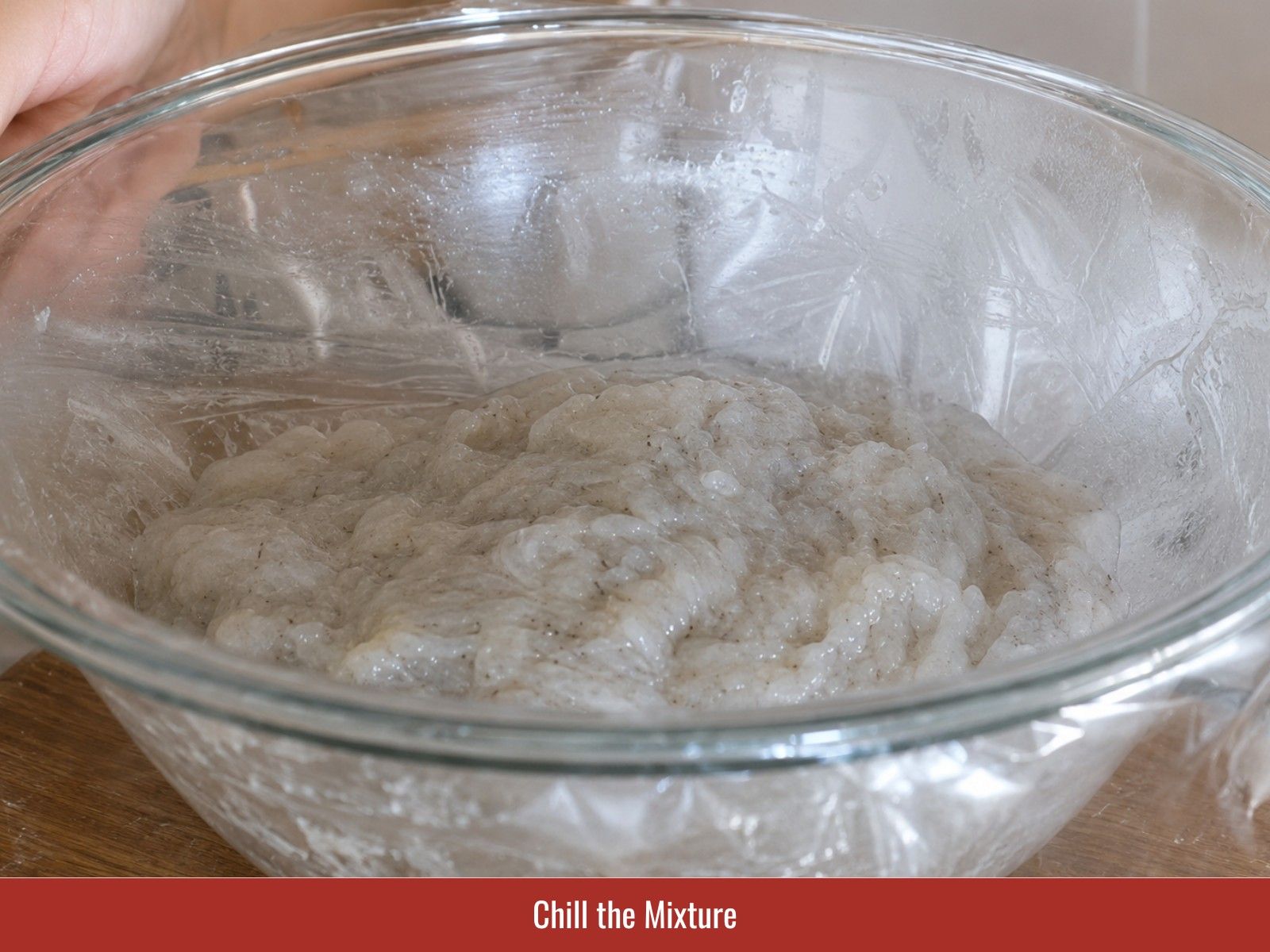
Cover the bowl and refrigerate the shrimp paste for at least 2 hours. Chilling firms the mixture, making it easier to shape around the sugarcane and helping it stay in place during cooking. Browning and surface texture develop during the final cooking stage.
Step 5: Prepare the Sugarcane Skewers
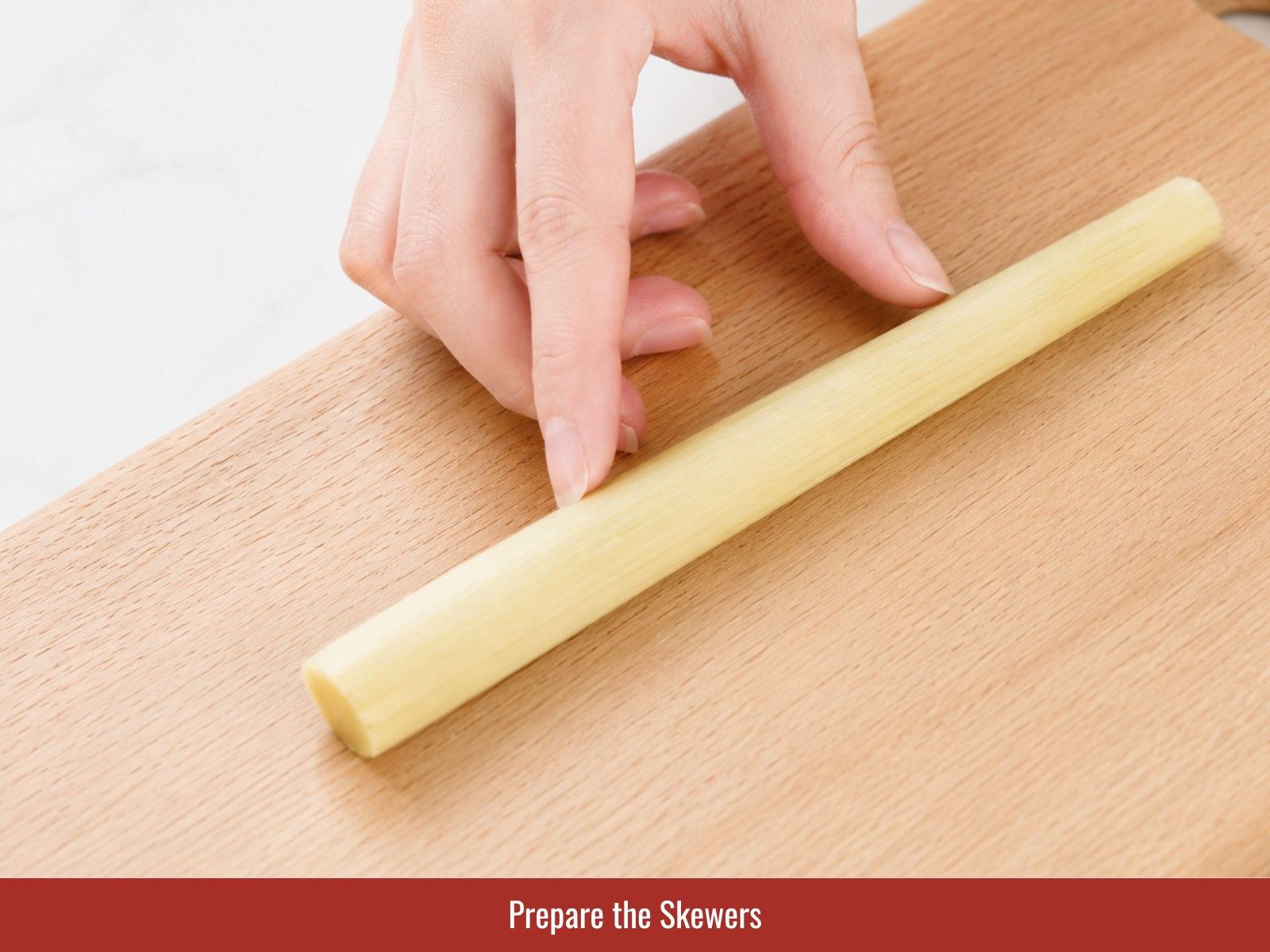
Cut peeled sugarcane into sticks about 5 to 6 inches (12 to 15 cm) long. Split thick pieces lengthwise until each skewer is about 1/2 inch (1.3 cm) wide.
For canned sugarcane, drain and pat the pieces dry before use. Quarter thicker sections lengthwise so the shrimp layer does not become too thick. This recipe makes 8 to 10 skewers.
Step 6: Shape the Chao Tom
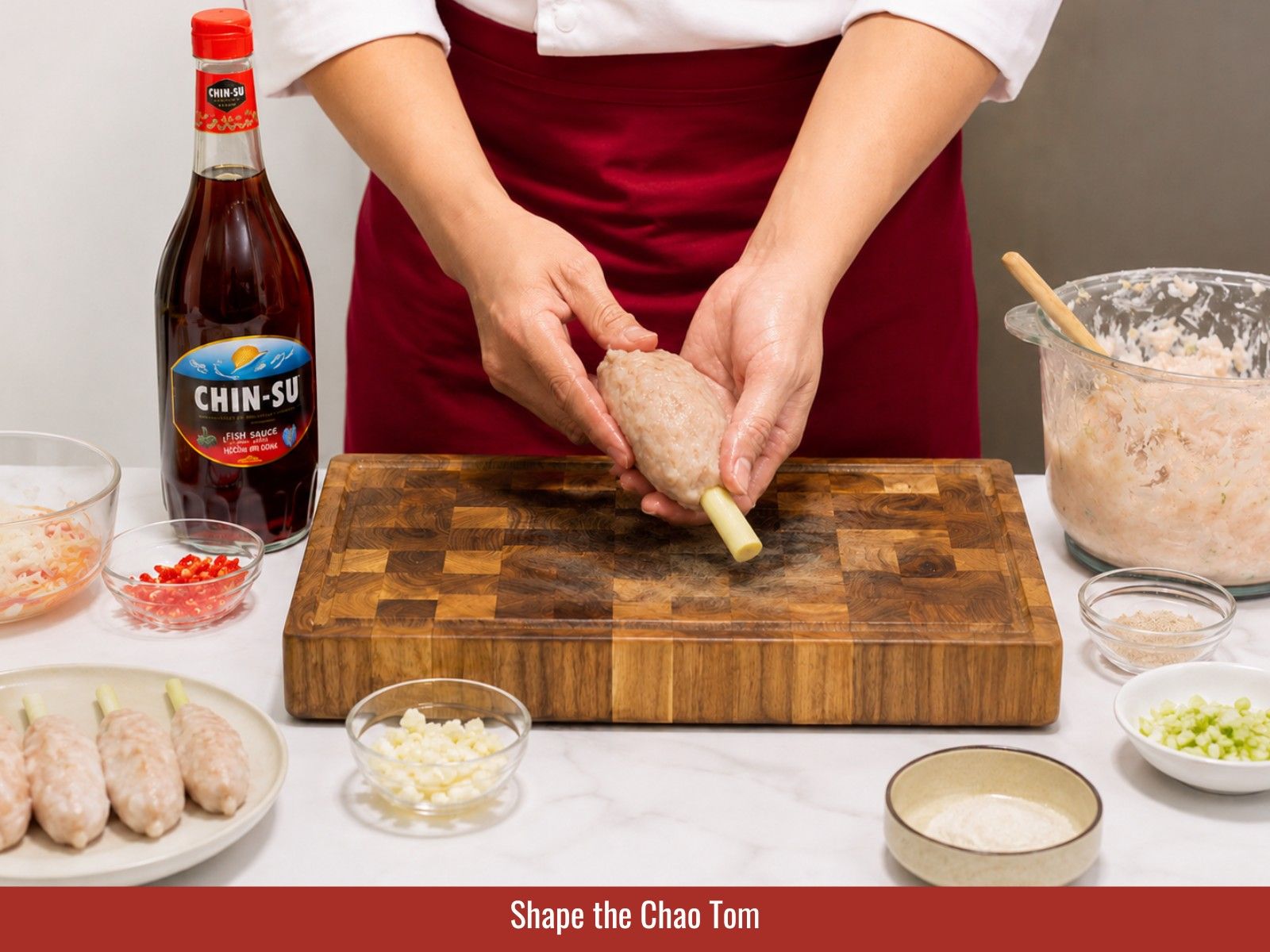
Lightly coat your hands or food-safe gloves with neutral oil. Divide the cold paste into 8 to 10 portions.
Flatten one portion in your palm, place a sugarcane stick in the center, and mold the paste around the middle of the cane. Leave both ends exposed and smooth the surface to an even thickness.
Avoid using too much oil on your hands. A thin coating prevents sticking, while excess oil can make the paste slide off the sugarcane.
Step 7: Steam the Skewers
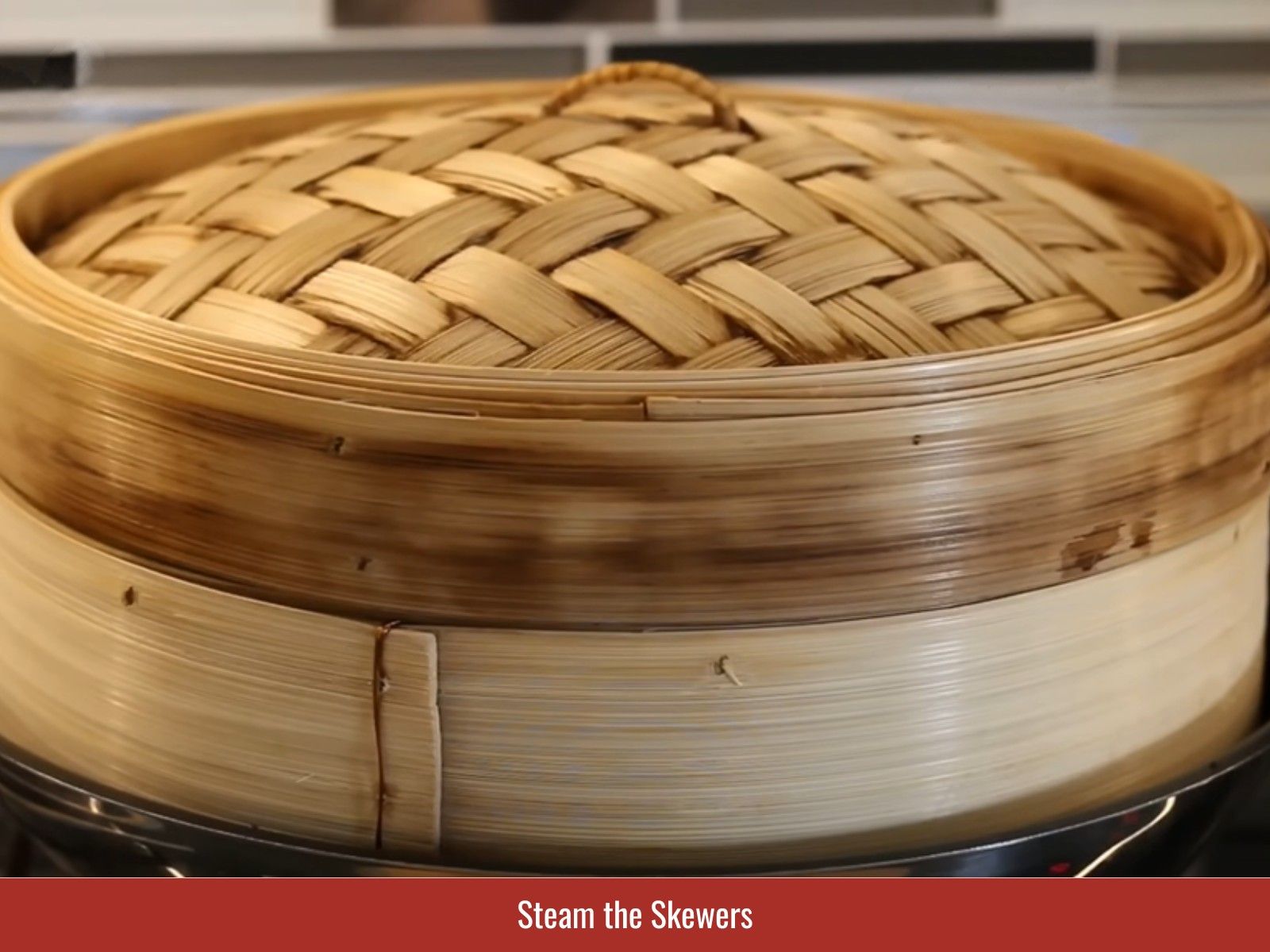
Line a steamer basket with parchment paper. Once the water boils, arrange the skewers in a single layer and steam them for 5 minutes. Steaming sets the paste so it holds its shape during frying instead of deflating or wrinkling.
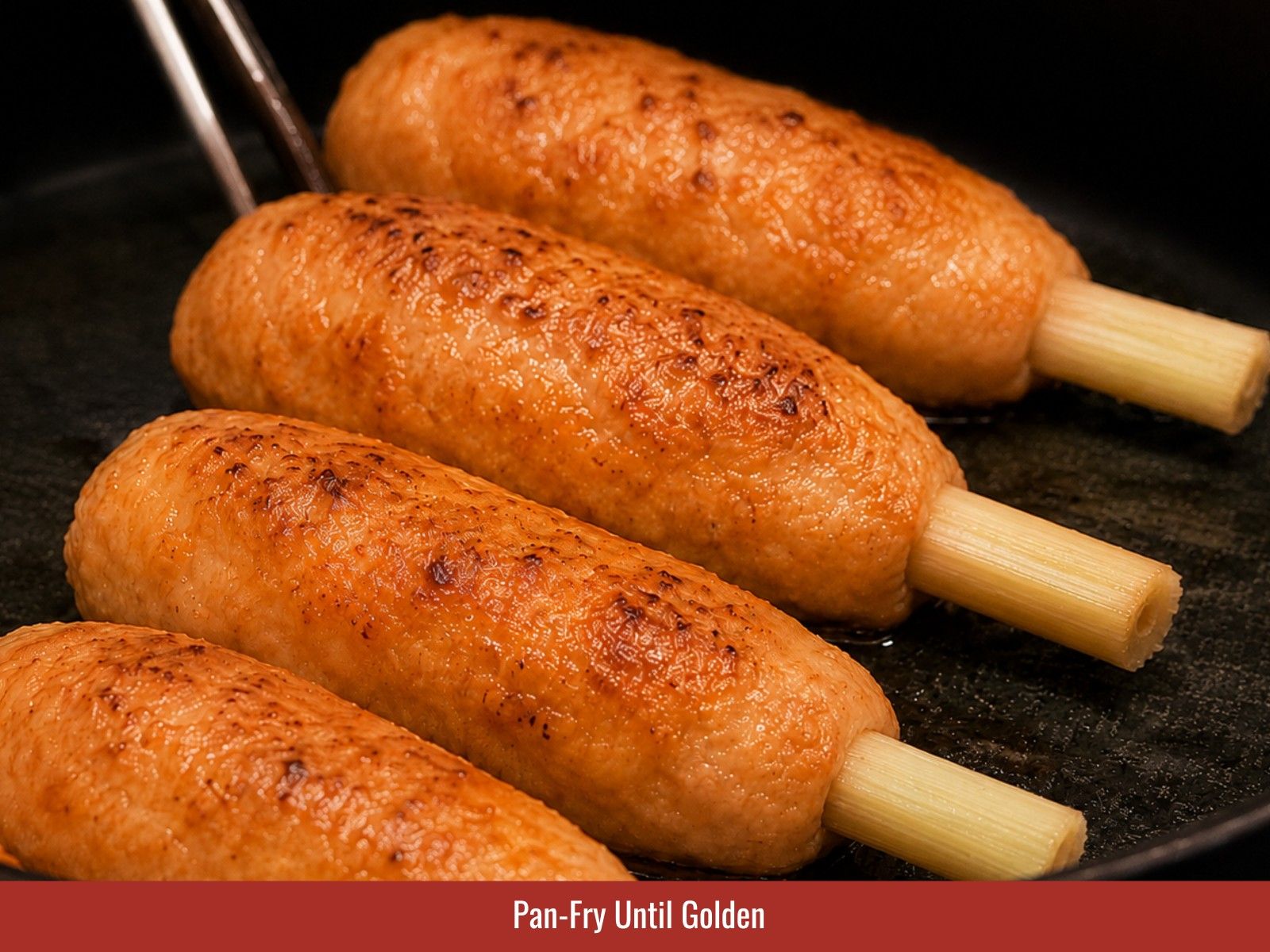
Step 8: Pan-Fry Until Golden
Heat enough neutral oil in a skillet to reach about one-third of the way up the skewers. Working in batches, fry them over medium heat for about 1 to 2 minutes per side, turning until evenly golden. Cooking time may vary, so confirm that the center of the shrimp and pork mixture reaches 160°F (71°C). Transfer the skewers to a wire rack or paper towel-lined plate to drain.
Step 9: Mix the Dipping Sauce
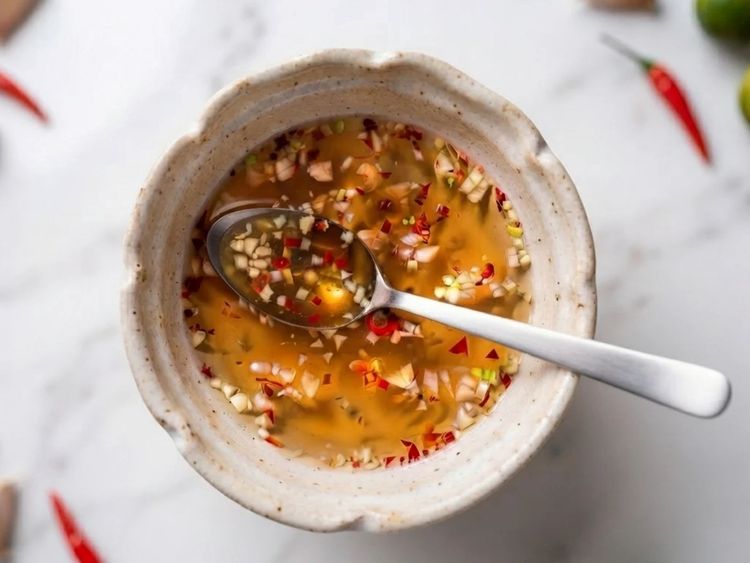
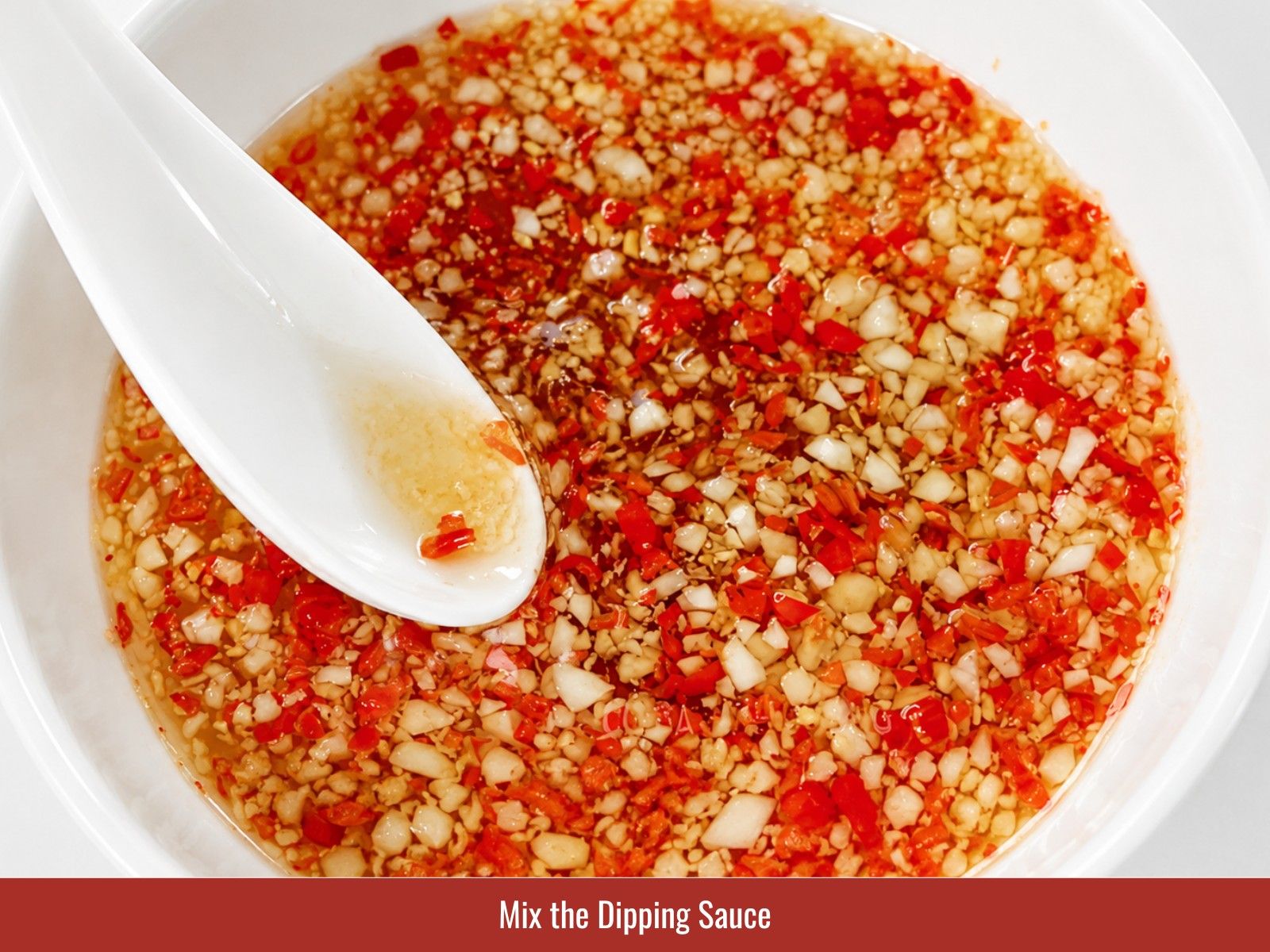
Stir together 3 to 4 tablespoons lime juice, 2 to 2.5 tablespoons sugar, and 1/2 cup lukewarm water until the sugar dissolves. Add 3 tablespoons fish sauce, then taste and adjust with more fish sauce if needed.
Fish sauce provides the salty, savory base of the nước chấm. The °N value on the label indicates total nitrogen concentration rather than saltiness. Since the sauce is served uncooked, the fish sauce remains noticeable after dilution, so adjust the water, lime juice, or sugar to suit the product used. Here we use CHIN-SU premium anchovy fish sauce, whose clean anchovy base and balanced salt give a rounder dipping sauce with little adjustment.
Once the base is balanced, stir in the minced garlic, sliced Thai chili, and grated carrot. Serve in individual dipping bowls or a shared bowl.
For more guidance on balancing sweetness, acidity, saltiness, and dilution, see our complete Vietnamese nước chấm recipe.
How to Serve Chao Tom
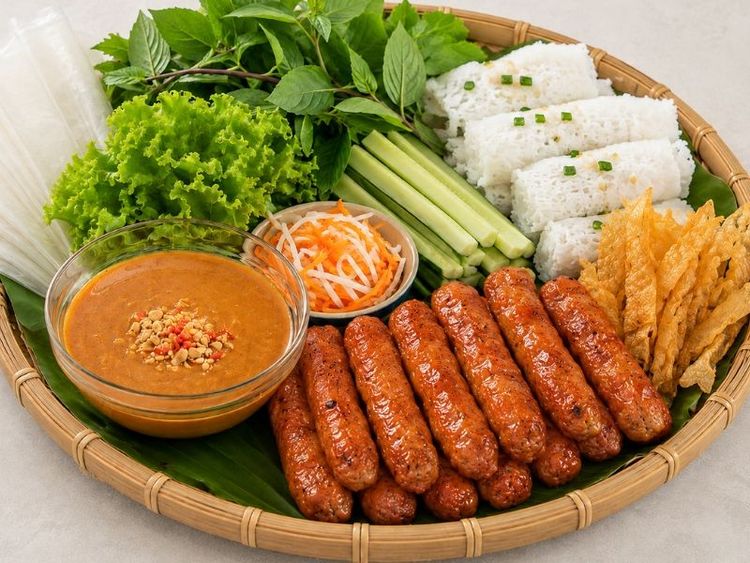
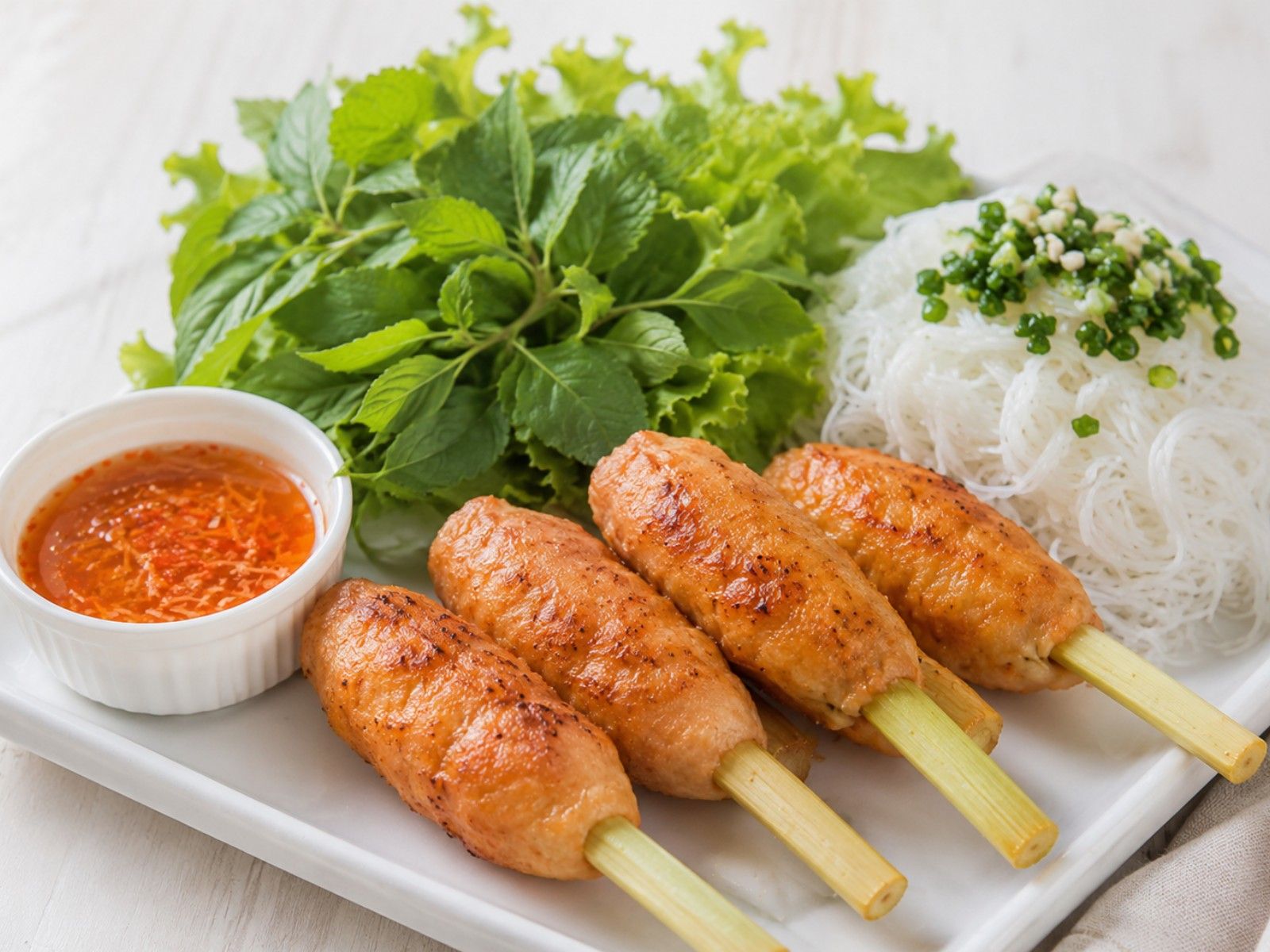
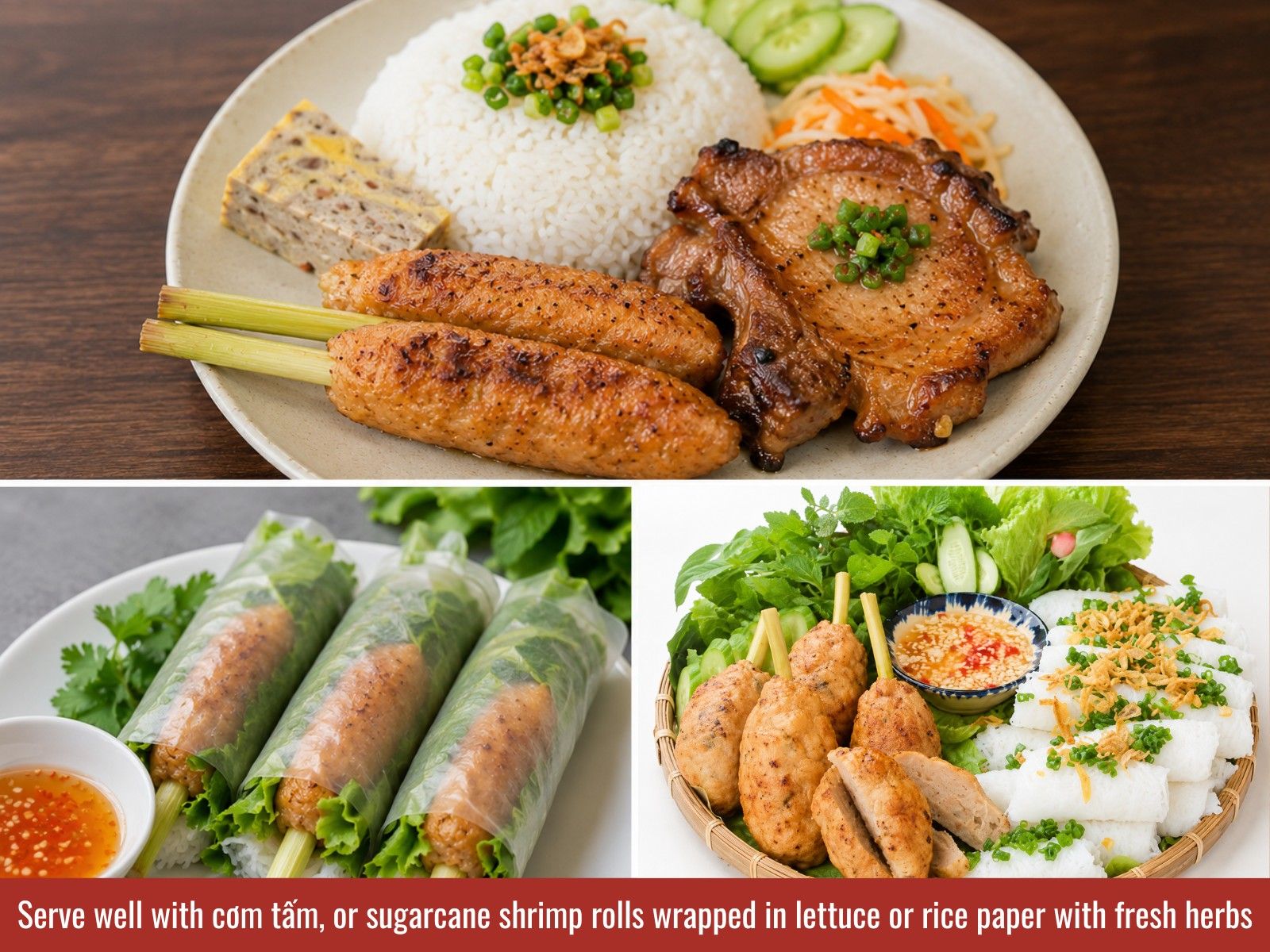
Serve chao tom hot or warm, leaving the ends of the sugarcane exposed so the skewers are easy to hold. It can be served on its own as an appetizer or arranged on a shared platter with bánh hỏi, lettuce, cucumber, mint, Thai basil, rice paper, and scallion oil or garlic chive oil.
To eat, slide the shrimp paste off the sugarcane and place it in lettuce or softened rice paper. Add a small portion of bánh hỏi, cucumber, and fresh herbs, then roll or fold everything together and dip it in nước chấm. After removing the shrimp paste, chew the sugarcane to release its juice, then discard the dry, woody fibers.
Chạo tôm can also be:
- Served on its own as a hot appetizer
- Added to a bánh hỏi or rice paper roll platter
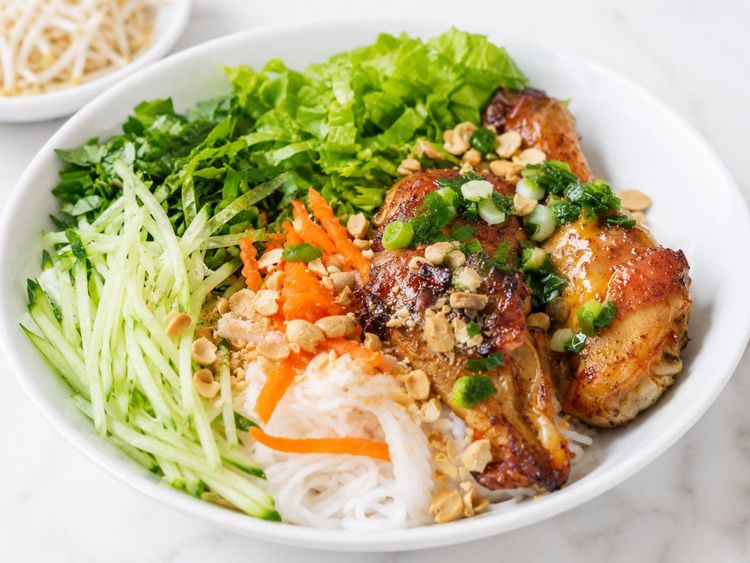
- Used as a topping for a bún thịt nướng bowl
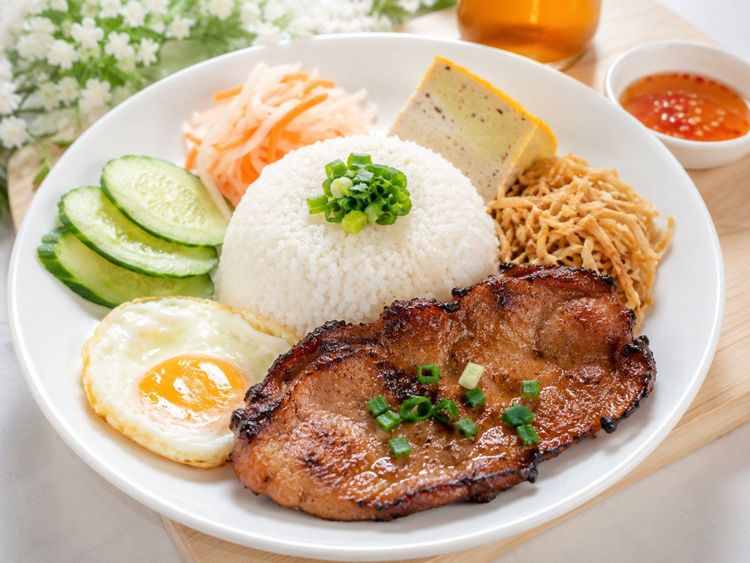
- Served as part of a cơm tấm plate
- Paired with CHIN-SU Vietnamese Original Hot Sauce as an optional table condiment
For a larger meal, place the chạo tôm, noodles, rice paper, vegetables, herbs, and sauces in separate dishes so everyone can assemble their own portions.
Some Huế-style versions are served with a thicker nước lèo instead of a light nước chấm. Depending on the recipe, the sauce may include soybean paste or broth, peanuts, sesame, and liver, with bánh đa, herbs, starfruit, fig, and thinly sliced green banana served alongside. This is a regional serving style rather than the only way to enjoy chạo tôm.
Tips for the Best Chao Tom
You can apply these 5 tips to make all the difference between good chao tom and great chao tom.
- Pat the shrimp bone-dry before pounding, since any leftover water makes the paste crumbly rather than springy.
- Pound by hand for maximum bounce, though a food processor saves time if you do not mind a slightly softer texture.
- Chill the paste for at least 2 hours so it firms up and sticks to the skewer without sliding off during steaming.
- Steam the skewers before frying to help set and stabilize the shrimp paste, making it easier to handle and less likely to lose its shape during frying.
- Keep the oil at medium heat, because high heat browns the outside before the center warms through.
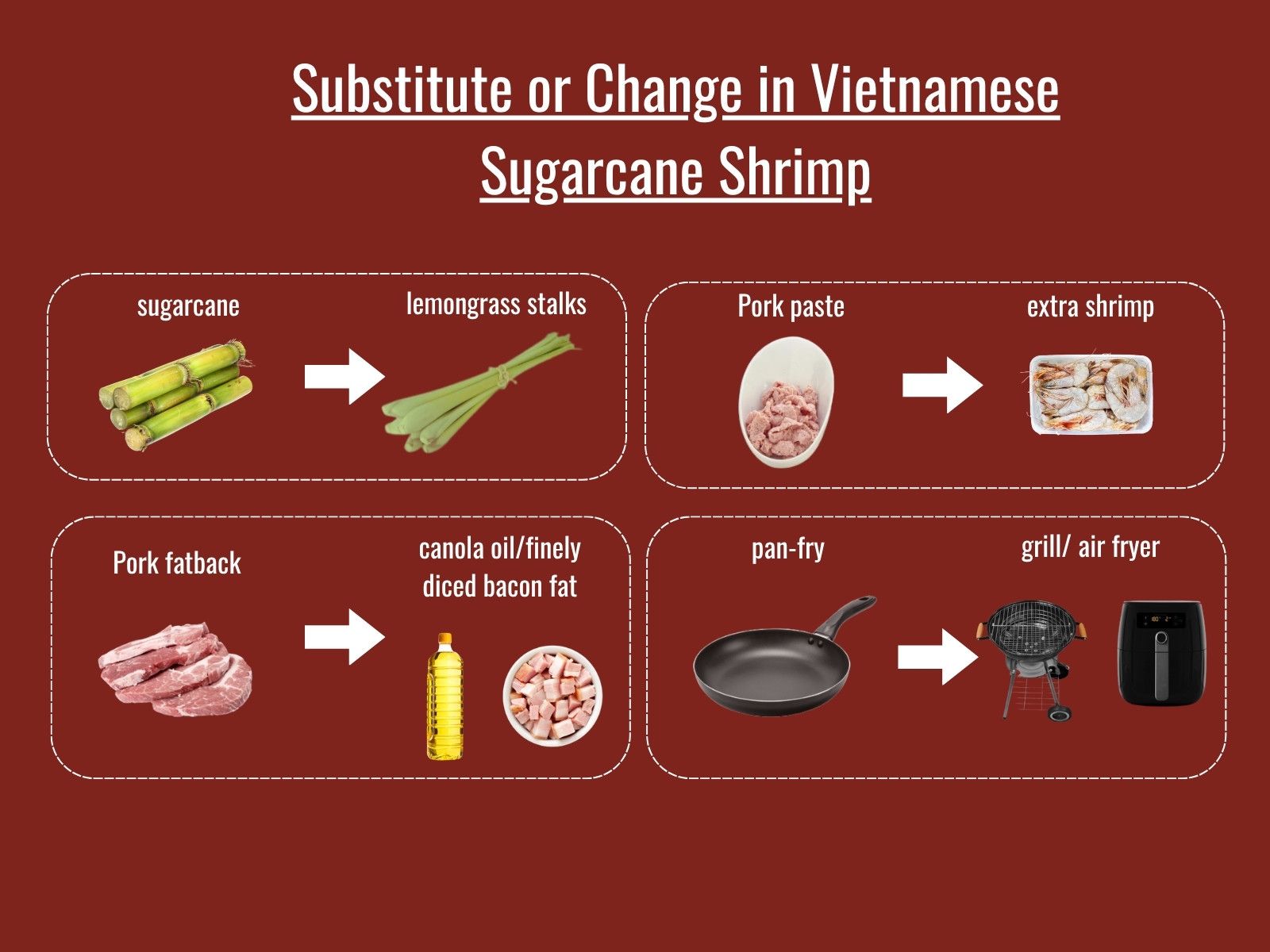
What Can You Substitute or Change in Vietnamese Sugarcane Shrimp?
These 5 substitutions help you make chao tom using US grocery store ingredients without sacrificing the dish's core flavor.
- Use lemongrass stalks instead of sugarcane. Lemongrass adds a citrusy aroma that sugarcane lacks, though you lose the chewable, sweet juice at the end. Fresh or canned sugarcane (mía) is available at most Asian grocery stores, so look for the canned kind in the fruit aisle.
- Use extra shrimp instead of pork paste. Swap out the pork paste for 2 oz more shrimp. The texture turns out slightly drier without the pork fat, which makes this a good option for anyone who does not eat pork.
- Use 1 tablespoon canola oil or finely diced bacon fat instead of pork fatback. You lose the clean pork richness but still add enough moisture to the paste.
- Grill instead of pan-fry. Use medium heat for 5 minutes, turning the skewers often. The grill gives off a charcoal-smoky edge, though the paste can stick, so oil the grates well.
- Use an air fryer instead of the skillet. Set it to 380°F (190°C) for 8 minutes, flipping the skewers halfway through. This uses the least oil and yields the crispiest exterior, but you miss out on some of the sugarcane's sweetness because air-drying reduces it.
Make these swaps when you need to, but the closer you stay to the original ingredients, the closer you get to the traditional Hue flavor.
Have you tried making chao tom at home yet, or are you still hunting down lemongrass and sugarcane? Drop your questions, tweaks, or results in the comments below. Curious whether CHIN-SU fish sauce goes with your chao tom nước chấm? Grab a bottle at chinsu.com and give it a try.
Explore more Vietnamese recipes and find your next dish to try.
Frequently Asked Questions
Yes, you can definitely make chao tom ahead of time. Just prepare the shrimp paste up to 24 hours in advance and store it, covered, in the fridge, then shape and cook the skewers just before serving for the best texture.
The most common reason is an under-pounded paste, or a paste that has warmed up before shaping. Well-pounded shrimp develop sticky myosin protein that clings to the skewer, so remember to lightly oil your hands and make sure the paste is cold before shaping.
No, you do not swallow the sugarcane. Simply slide the shrimp paste off, eat it up with fresh herbs and dipping sauce, then chew on the cane to enjoy its sweet juice and spit out the woody fiber.
No. The chao tom mixture is fresh raw shrimp pounded with seasonings and optional pork paste. Mắm tôm is a fermented shrimp or krill condiment with a strong aroma and salty flavor.
Yes. Lemongrass, metal skewers, or soaked bamboo skewers can hold the shrimp mixture. You can also shape it into patties or balls, although the result loses the sugarcane flavor and the characteristic way of eating the dish.
A serving of 2 pan-fried chạo tôm skewers contains approximately 170 to 215 calories, excluding the dipping sauce. The exact amount depends on whether the recipe makes 8 or 10 skewers and how much oil the shrimp mixture absorbs during frying. If the batch makes 9 skewers, 2 skewers contain about 190 calories. Serving them with 1 to 2 tablespoons of nước chấm adds approximately 10 to 25 calories.
Not in this recipe. Some versions use egg white as an additional binder, but the cold shrimp, giò sống, salt, and thorough quết already create a cohesive paste here. Adding an unmeasured whole egg can make the mixture too loose, so do not add one unless you are following a formula developed for it.
Did you make this recipe?
We love seeing it. Tag
@chinsu.usa
on Instagram, or leave a rating below — it helps other cooks find the recipe.
Pin this for later
Save this recipe to your board and keep it ready for your next cooking inspiration.
Save to Pinterest
CHIN-SU KITCHEN TEAM
CHIN-SU Kitchen Team are the creative experts behind the delicious recipes featuring CHIN-SU sauces. With years of experience and a passion for flavor, our team carefully selects recipes from a variety of trusted chefs and bloggers, bringing together the best culinary insights to present you with the most suitable and exciting dishes. Every recipe is chosen to inspire you to create meals that are not only tasty but also easy to prepare, enhancing your dining experience. Join us as we explore a wide range of sauces and flavors, and elevate every meal with the perfect recipe for your table!
User Reviews
Featured Articles
Com Tam Recipe: A Delicious Vietnamese Broken Rice Dish
Nước Chấm Recipe - Vietnamese Dipping Fish Sauce
Nem Nuong Recipe: Vietnamese Grilled Pork Sausage
Nem Chua Recipe - Vietnamese Fermented Pork/Beef
SUBSCRIBE TO GET
MORE INFO
Want the latest and greatest recipes, updates, and more from us,
straight to your inbox? Subscribe and get our NEWS!