Nước Chấm Recipe - Vietnamese Dipping Fish Sauce
By CHIN-SU Kitchen Team
Updated Oct 22, 2026
Tested in the CHIN-SU kitchenVietnamese dipping fish sauce (nước chấm) is made by combining and balancing fish sauce with water, sugar, lime juice, garlic, and chili to create a sweet, sour, salty, and savory condiment served with traditional Vietnamese dishes. Unlike plain fish sauce (nước mắm), which is a fermented seasoning ingredient, nước chấm is a prepared dipping sauce where fish sauce is combined with other ingredients to create a balanced flavor. As a common pantry staple in many Vietnamese homes, families serve it in small bowls alongside spring rolls, grilled meats, and rice dishes, using it for dipping, drizzling, or mixing with noodle dishes.
This Vietnamese fish sauce dipping sauce relies on a delicate balance of salty, sweet, and sour flavors, and each household adjusts that balance slightly to suit their palate.
Whether you grew up with a jar of nước chấm in your kitchen or are discovering Vietnamese flavors for the first time, this recipe brings the familiar balance of flavors to your table in just 5 minutes. In this article, CHIN-SU shares a nước chấm recipe with an easy-to-remember ratio, the key ingredients behind its flavor, and the Vietnamese dishes commonly served with this dipping sauce.
5 min
Prep time
0 min
Cook time
5 min
Total time
8 servings
Servings
6
Ingredients
4
Steps
What Is Nước Chấm (Vietnamese Dipping Fish Sauce)?
Nước chấm (nước mắm pha or nước mắm chua ngọt in some contexts) is a Vietnamese dipping sauce that uses fish sauce as its base ingredient. The sauce combines fish sauce with water, sugar, lime/citrus juice, garlic, and chili to create a balanced flavor for serving with Vietnamese dishes. To help you say it in Vietnamese, the name sounds close to "nook cham" or "n'm chum." The word "nước" rhymes with "look" but with a very soft "n," and "chấm" sounds like "chum" with a slightly rising tone.
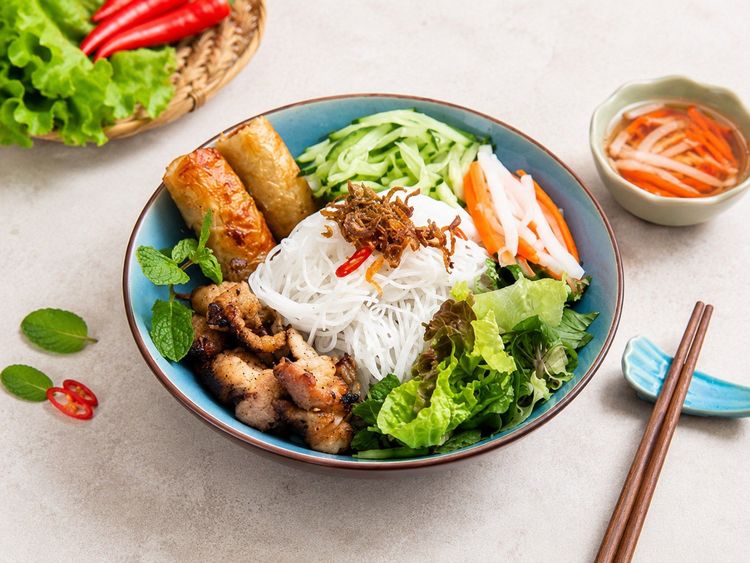
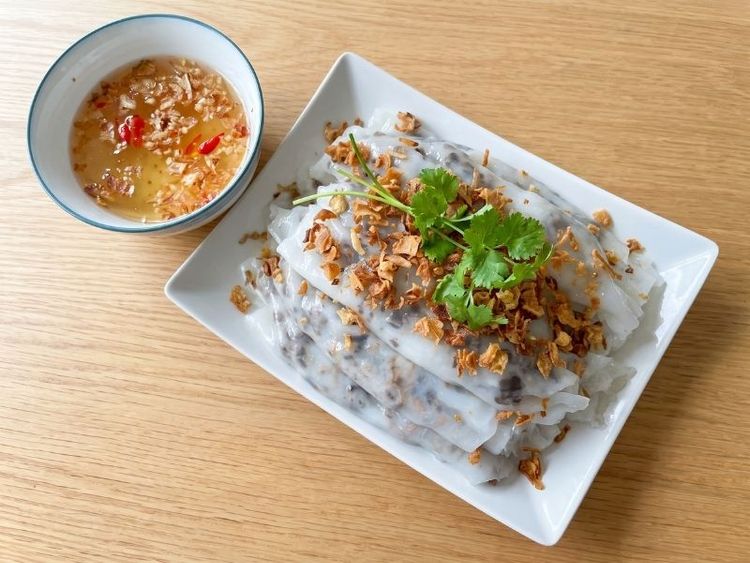
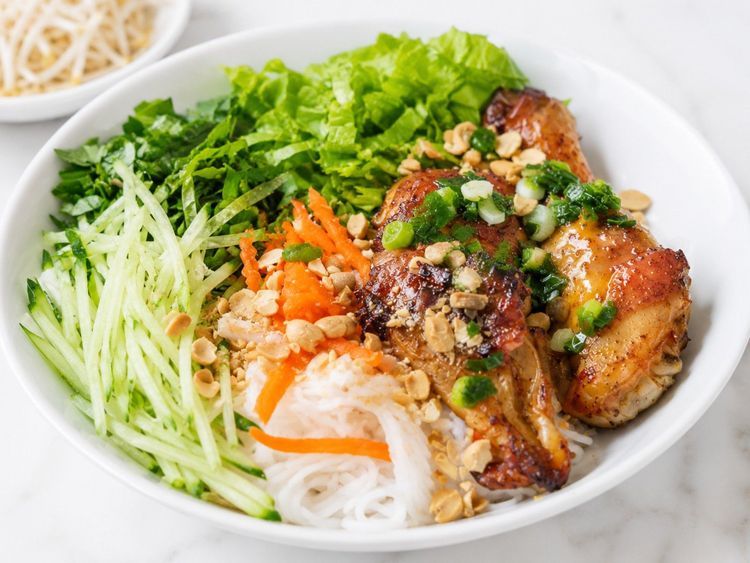
In Vietnamese cuisine, nước chấm is a common table condiment served alongside many dishes, including chả giò, gỏi cuốn, bánh xèo, bánh cuốn, and bún thịt nướng. Rather than acting as a simple side sauce, it creates a flavor bridge that connects salty, sweet, sour, and savory elements across different meals.

Is Nước Chấm The Same As Fish Sauce?
No. Nước chấm and fish sauce (nước mắm) are closely related but represent two different types of Vietnamese condiments. Fish sauce is a fermented seasoning made from fish and salt, while nước chấm is a prepared dipping sauce that uses fish sauce as its base ingredient and adds other flavors to create a balanced table sauce.
If you are not Vietnamese, confusion is common because native speakers often shorten "nước mắm pha" to just "nước mắm," even though one is a savory foundation for cooking and the other is a finished table sauce.
| Attribute | Nước chấm (Vietnamese Dipping Fish Sauce) | Fish Sauce |
| Definition | A prepared Vietnamese dipping sauce | A fermented seasoning ingredient |
| Made from | Fish sauce, water, sugar, lime juice, garlic, and chili | Fish and salt fermentation |
| Flavor profile | Balanced salty, sweet, sour, and savory flavors | Concentrated salty umami flavor |
| Main use | Dipping finished dishes and adding flavor at the table | Seasoning food during cooking or serving as a sauce base |
Nước Chấm Ingredients
This nước chấm recipe needs 6 ingredients, and most of them are already in a Vietnamese American pantry.
- 4 tablespoons (about 75g) fish sauce. Here we use CHIN-SU fish sauce as the savory base, since a better-quality fish sauce makes a noticeably better-tasting sauce.
- 4 tablespoons (60g) sugar balances the saltiness of the fish sauce and gives the sauce its signature sweetness.
- 8 tablespoons (120g) water. Keep in mind that about half the volume of this sauce is water. So if you’re trying to conserve ingredients, or just not make so much that wouldn’t get used, know that the volume of water you start with, will be half of what you end up with in the final sauce.
- 1 tablespoon fresh lime juice. It adds the sour note that rounds out the sweet and salty sides. Always use fresh lime juice and avoid bottled versions in squeeze bottles, as they tend to taste muted and lack the bright, aromatic citrus oil that gives fresh lime its distinctive flavor.
- 1 tablespoon minced garlic.
- ½ tablespoon minced celestial chili pepper (ớt chỉ thiên), seeds removed, brings the heat.
These ingredients are very easy to find in major supermarkets or Asian grocery stores in the USA.


How to Make Nước Chấm Step by Step?
Making Nước chấm takes about 5 minutes from start to finish. The process follows a simple sequence of combining and balancing ingredients to achieve the right sweet, salty, and sour profile, then finishing with optional aromatics like garlic and chili.
Step 1: Dissolve the Sugar
Start by combining 4 tablespoons of sugar with 8 tablespoons of water in a small bowl. Then stir until no grains remain. Stirring until the water is clear ensures that the sweetness is evenly distributed, preventing any grainy surprises at the bottom of your dipping bowl.
We recommend using hot water for part of the liquid because it helps the sugar crystals dissolve completely. In case you use cold water alone, it will take longer for the sugar to dissolve and make it harder for you to adjust and balance the flavor as you go.


Step 2: Add Fresh Lime Juice
Add 1 tablespoon of fresh lime juice to the sweetened water mixture and stir well. Fresh lime juice adds acidity and brightness, helping balance the salty flavor of fish sauce and creating the characteristic sweet-and-sour profile of nước chấm. For the best flavor, use fresh limes instead of bottled lime juice because fresh citrus provides a brighter aroma and a more vibrant flavor from its natural citrus compounds.

Step 3: Add Fish Sauce
Add 4 tablespoons of fish sauce and stir until it combines with the sweet and sour mixture. Fish sauce provides the savory umami foundation of nước chấm, while the sugar, water, and lime juice balance its intensity.

Step 4: Finish with Garlic and Chili
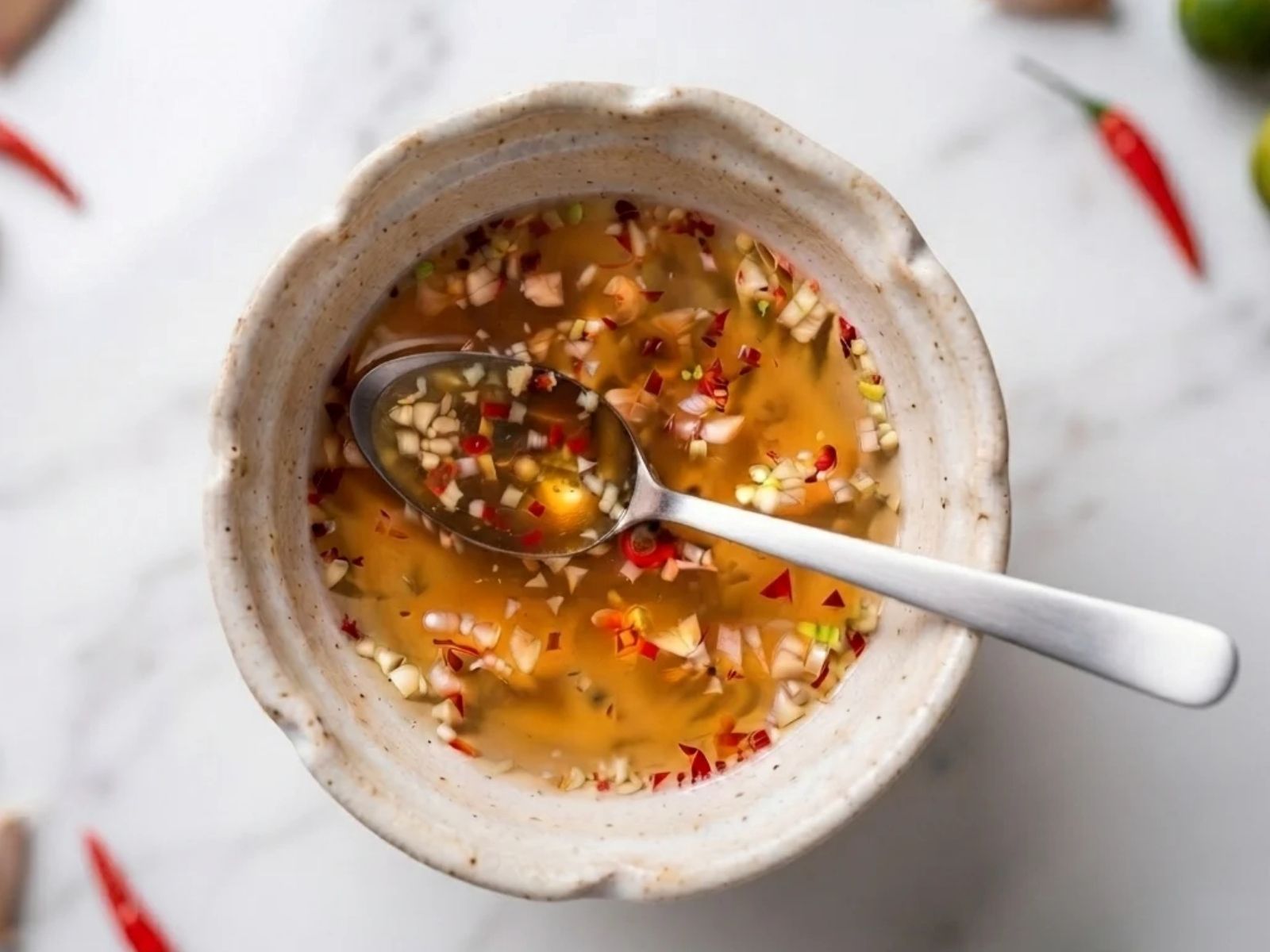
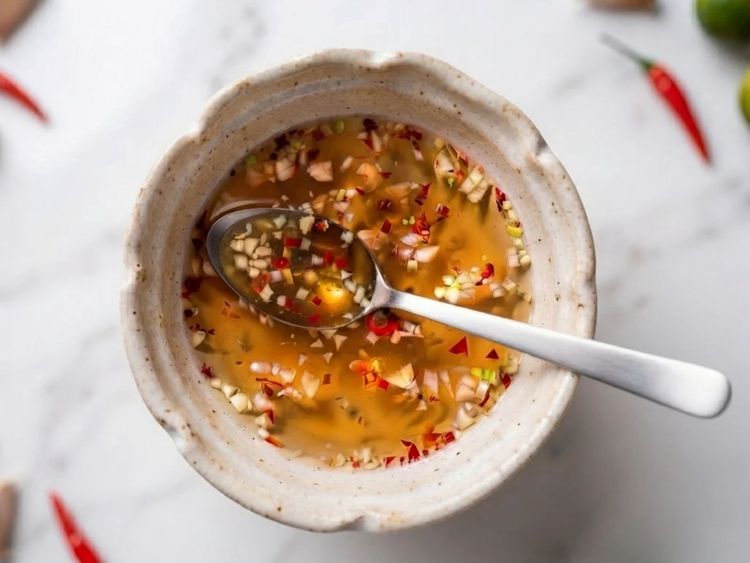
Add 1 tablespoon of minced garlic and ½ tablespoon of sliced chili, then stir gently before serving. Adding these ingredients at the end helps preserve their aroma and allows you to adjust the heat level based on your preference. When the sauce is properly balanced, the garlic and chili pieces often float on the surface.
This happens because the liquid density is perfectly adjusted. This floating effect is a classic visual cue in Vietnamese kitchens, showing that your authentic Vietnamese dipping sauce is balanced and ready to be enjoyed.


How To Adjust Nước Chấm Flavor?
You can adjust nước chấm flavor by changing the balance between fish sauce, sugar, lime juice, and water. Small adjustments help control the four main flavor elements: saltiness, sweetness, acidity, and dilution.
Because fish sauce brands vary in saltiness and intensity, you should need small adjustments to achieve the flavor balance you prefer.
What Vietnamese Dishes Are Served With Nước Chấm?
Nước chấm is served with many Vietnamese savory dishes, where it works as a dipping sauce, finishing sauce, or dressing that adds balance to each bite.
Common dishes served with nước chấm include:
- Bún thịt nướng (grilled pork with rice vermicelli)
- Cơm tấm
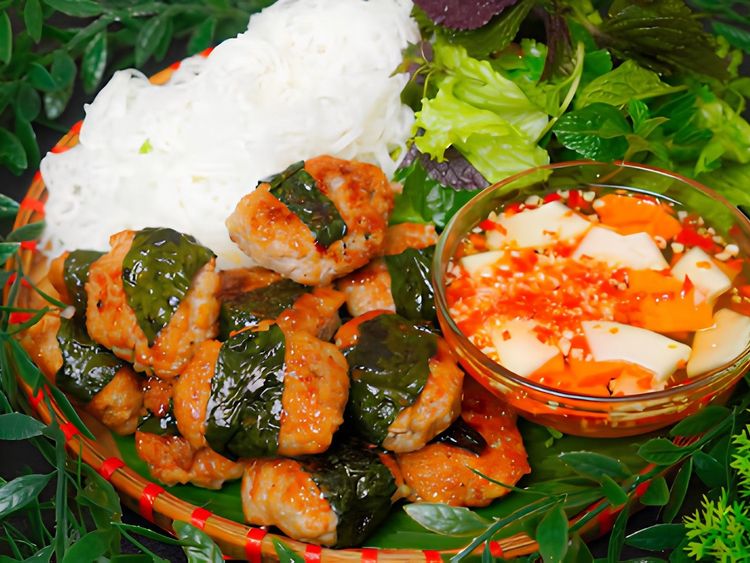
- Bún chả Hà Nội
- Nem nướng
- Bánh xèo (savory Vietnamese crepes)
- Bánh bèo (steamed rice cakes)
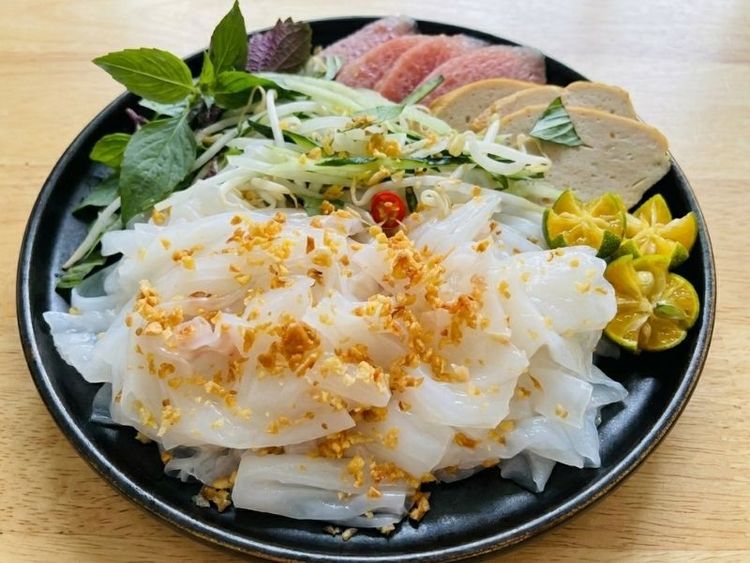
- Bánh ướt (rolled rice sheets), banh hoi (woven rice noodles)
- Bánh cuốn (rolled rice sheets with pork and mushroom filling)
- Sườn nướng (grilled pork ribs)

For fresh rolls, fried rolls, and salads, nước chấm is commonly used as a dipping sauce or dressing for:
- Bì cuốn
- Spring or summer rolls
- Chả giò (egg rolls)
- Gỏi gà (Dressing for chicken salad)
- Gỏi xoài (Green mango salad with shrimp)

Bún chả Hà Nội and nem nướng both rely on the same base sauce, with only slight adjustments depending on the dish to better match its flavor profile.
What Can You Substitute or Change in Nước Chấm Recipe?
Nước chấm adapts easily for dietary needs or ingredient availability.
- For a vegan or vegetarian version, vegan fish sauce (nước mắm chay) replaces regular fish sauce in the same amount. Vegan fish sauce is typically soy-, mushroom-, or pineapple-based, and its flavor is slightly different from fish-based fish sauce, so taste and adjust the sugar and lime as needed.
- Swap celestial chili pepper (ớt chỉ thiên) by horn chili or Thai chili pepper
- Swap white or rice wine vinegar for lime juice. The vinegar swap works at about 1 tablespoon of vinegar for every 2 tablespoons of lime juice, then adjusted to taste. Vietnamese restaurants making large batches often make this swap, since vinegar costs less and skips the step of juicing fresh limes. Some restaurants skip the garlic entirely for the same reason.
Fun fact: when making dipping fish sauce in Vietnam, cooks sometimes add fruit ingredients to enhance aroma and create a naturally richer, slightly thicker sweetness, such as coconut water or pineapple. For example the nước mắm used in cơm tấm often incorporates pineapple in its preparation. If you have traveled in Vietnam and tried this dish, that subtle fruit-based twist in the sauce may come as a pleasant surprise.
Once you have mastered this core Nước chấm recipe, you can start exploring variations such as:
- Vietnamese ginger dipping fish sauce for snails
- Creamy nước chấm
- Tamarind Fish Sauce
- Lemongrass Chili Fish Sauce
How To Choose Fish Sauce For Nước Chấm?
The fish sauce you choose determines the depth, aroma, and overall balance of nước chấm. For a traditional Vietnamese-style dipping sauce, select a fermented fish sauce with a clean flavor, balanced saltiness, and enough umami intensity to support the other ingredients. When choosing fish sauce for nước chấm, consider these factors:
- Choose traditional fermented fish sauce (nước mắm nguyên chất). Select a fish sauce made through natural fermentation rather than a sauce mainly enhanced with added flavors. A traditional fermented fish sauce provides the savory foundation that defines the taste of nước chấm.
- Look for a higher protein/nitrogen content (độ đạm). Fish sauce with a protein content of around 30°N to 40°N+ provides a richer umami base and enough flavor intensity to balance ingredients such as sugar, lime juice, garlic, and chili.
- Choose a balanced flavor profile. The fish sauce should provide savory depth without overpowering the sweetness, acidity, and aroma added during the nước chấm preparation process.
- Consider the origin and fermentation style. Vietnamese fish sauce from traditional producing regions, such as Phú Quốc, is known for its long-standing fermentation tradition and distinctive savory character.
For a Vietnamese-style nước chấm recipe, you can use CHIN-SU Premium Anchovy Fish Sauce or CHIN-SU Phu Quoc Fish Sauce. Both options provide a savory fish sauce base that works well with the sweet, sour, and aromatic ingredients used to create a balanced dipping sauce. All CHIN-SU fish sauce products are widely available at Asian supermarkets including 99 Ranch Market, T&T, H Mart, JONS, Thuan Phat, as well as online via Amazon and Weee!.
A splash of CHIN-SU Premium Anchovy Fish Sauce adds rich umami and savory depth to your sweet and sour fish sauce. Pair it with lime, sugar, garlic, and chili for a balanced Vietnamese dipping sauce.
Shop Try CHIN-SU Fish Sauce for Your Recipe
CHIN-SU Premium Anchovy Fish Sauce
Are there any ready-to-use Vietnamese dipping fish sauces?
Yes. CHIN-SU offers a ready-to-use product named “CHIN-SU Vietnamese Sweet and Sour Dipping Fish Sauce” It is a pre-balanced Vietnamese dipping sauce made from barrel-aged fish sauce, blended with chili and garlic to deliver an authentic Nước chấm flavor without any additional mixing or preparation.
At a typical serving of 2 tablespoons (30 ml / 1 fl oz), it provides a full sweet, sour, and savory balance similar to homemade nước chấm. You can pour it directly over spring rolls, fresh rolls, noodle salads, or grilled meats.
Short on prep time? Try CHIN-SU Vietnamese Sweet and Sour Dipping Fish Sauce for a ready-to-use nước chấm with balanced sweet, sour, savory, garlic, and chili flavors.
Shop CHIN-SU Vietnamese Sweet and Sour Dipping Fish Sauce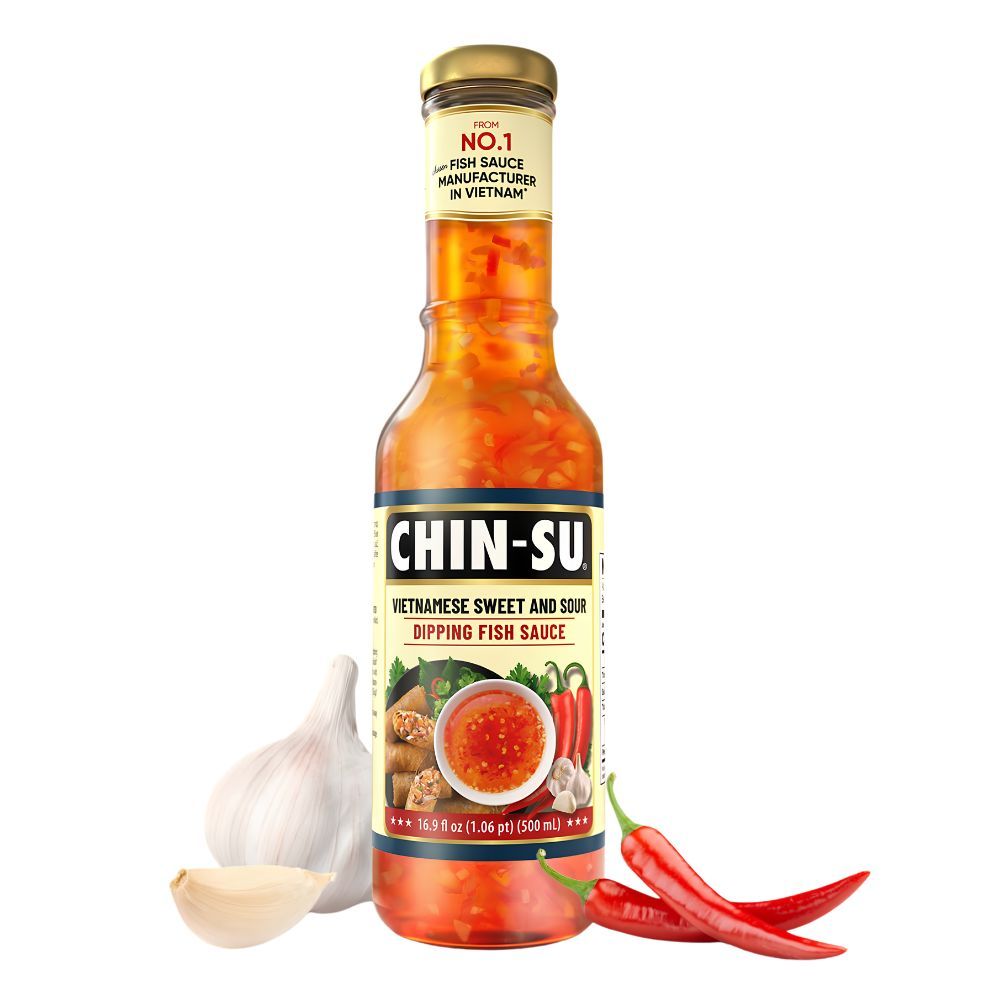
Vietnamese Sweet and Sour Dipping Fish Sauce

Alternatively, if you prefer to make your own sauce, you can use CHIN-SU fish sauce varieties such as Premium Anchovy Fish Sauce, Phu Quoc Fish Sauce, or Lobster Fish Sauce. All CHIN-SU fish sauce products are widely available at Asian supermarkets including 99 Ranch Market, T&T, H Mart, JONS, Thuan Phat, as well as online via Amazon and Weee!.

How to Store Nước Chấm?
Nước chấm keeps for about 3 days at room temperature or up to 5 days in the refrigerator when stored in an airtight glass jar. To maintain the fresh zing of citrus, we recommend making it fresh or using it as soon as possible.
Over time, you may notice signs of spoilage or unintended fermentation such as bubbles or a yeasty smell. The vibrant color may darken slightly and the bright citrus scent will turn into a muted aroma. If it fails the sniff test or develops an off-flavor, it is time to toss it and stir up a fresh batch.
If you want a quicker setup for daily use while still keeping ingredients fresh, you can prepare a premixed fish sauce base in advance. This base includes pre-measured fish sauce, water, and sugar. When it’s time to eat, simply scoop some into a dipping bowl, then add lime juice, and optionally garlic and chilies.
Nước chấm takes 5 minutes, 6 ingredients, and one easy-to-remember ratio to make at home, no special trip to a Vietnamese restaurant required. Once the base sauce feels familiar, it's easy to nudge the salt, sugar, or lime to match whatever it's served with that day, whether that's spring rolls, grilled pork, or a bowl of vermicelli. CHIN-SU fish sauce makes a steady base for this recipe and for the other Vietnamese dipping sauces in your kitchen. Find CHIN-SU fish sauce and chili sauce at chinsu.com or at Asian grocers and Amazon near you.
Nước Chấm Recipe
Nước chấm is Vietnam's everyday dipping sauce, served in small bowls alongside spring rolls, grilled meats, and rice plates. It balances salty fish sauce, sugar, lime juice, and water, finished with floating minced garlic and chili.
Prep time
5 min
Cook time
0 min
Total time
5 min
Recipe type
Sauce
Cuisine
Vietnamese
Method
No-Cook
Servings
8 servings
Calories
35 kcal/serving (2 tbsp)
Ingredients
Instructions
- 1Step 1: Dissolve the Sugar. Stir 4 tablespoons sugar into 8 tablespoons water, using hot water for part of the liquid, until no grains remain and the water is clear.
- 2Step 2: Add the Lime Juice. Stir in 1 tablespoon fresh lime juice until the sweetened water turns slightly cloudy.
- 3Step 3: Stir in the Fish Sauce. Add 4 tablespoons fish sauce and stir to combine.
- 4Step 4: Finish with Garlic and Chili. Top with 1 tablespoon minced garlic and ½ tablespoon minced chili, then stir once more. The garlic and chili should float when the sauce is balanced.
Video
Notes
Storage: Keep in an airtight glass jar for about 3 days at room temperature or up to 5 days in the refrigerator.
Make-Ahead: Premix the fish sauce, water, and sugar as a base, then add lime juice, garlic, and chili just before serving.
Pairings: Serve with chả giò, spring or summer rolls, bánh xèo, bún thịt nướng, bún chả, cơm tấm, and grilled pork.
Nutrition · Per 2 tbsp (30 ml) Serving
Calories
35 kcal
Carbohydrates
8.4 g
Sugar
7.9 g
Protein
0.6 g
Fat
0.0 g
Sodium
736 mg
Potassium
35 mg
Vitamin C
2 mg
Nutrition is calculated per 2-tablespoon serving, based on the finished sauce yield.
Frequently Asked Questions
Only if you want it to be. The chili in nước chấm is optional, and removing the seeds or leaving the chili out entirely keeps the sauce mild. Adding more minced chili turns up the heat without changing the sauce's basic balance.
A 2-tablespoon serving of nước chấm has roughly 35 calories, most of it from the sugar and fish sauce. The exact count shifts slightly depending on the brand of fish sauce and sugar used, though most published nước chấm recipes land somewhere between 20 and 40 calories per serving.
The 6 ingredients in this recipe are naturally gluten-free: fish sauce, sugar, water, lime juice, garlic, and chili contain no wheat, barley, or rye. That said, gluten-free status depends on the specific fish sauce brand used, since some brands may include additives. Check the label before buying, and look for a bottle with no wheat-derived ingredients listed.
Standard nước chấm is not keto-friendly because of the sugar. This recipe uses 4 tablespoons of sugar per batch, which adds up to roughly 60g of carbohydrates - well above the 20 to 50g daily carb limit a ketogenic diet allows (StatPearls, NCBI). A single 2-tablespoon serving delivers around 6 to 7g of carbs, so the sauce adds up fast if you use it generously. To make a keto version, swap the sugar for the same amount of a keto-friendly sweetener like erythritol or monk fruit and adjust to taste.
Did you make this recipe?
We love seeing it. Tag
@chinsu.usa
on Instagram, or leave a rating below — it helps other cooks find the recipe.
Pin this for later
Save this recipe to your board and keep it ready for your next cooking inspiration.
Save to Pinterest
CHIN-SU KITCHEN TEAM
CHIN-SU Kitchen Team are the creative experts behind the delicious recipes featuring CHIN-SU sauces. With years of experience and a passion for flavor, our team carefully selects recipes from a variety of trusted chefs and bloggers, bringing together the best culinary insights to present you with the most suitable and exciting dishes. Every recipe is chosen to inspire you to create meals that are not only tasty but also easy to prepare, enhancing your dining experience. Join us as we explore a wide range of sauces and flavors, and elevate every meal with the perfect recipe for your table!
User Reviews
Featured Articles
Bún Thịt Nướng - Vietnamese Vermicelli Bowl Recipe
Does Fish Sauce Need to Be Refrigerated?
Does Fish Sauce Expire? Shelf Life and Storage
Bun Cha Hanoi Recipe
SUBSCRIBE TO GET
MORE INFO
Want the latest and greatest recipes, updates, and more from us,
straight to your inbox? Subscribe and get our NEWS!