Banh Cuon Recipe - Vietnamese Steamed Rice Rolls Made in a Skillet
Published: Aug 20, 2026 by CHIN-SU
Updated: Sep 8, 2026 by CHIN-SU
Tested by CHIN-SU Kitchen Team
Banh cuon (bánh cuốn) is a Vietnamese dish made from thin steamed rice sheets rolled around a savory filling of seasoned ground pork, wood ear mushroom, and shallot. The sheets are created from a rice flour and tapioca starch batter, then served with fried shallots, Vietnamese pork sausage, fresh herbs, and nước chấm.
In Vietnam, banh cuon is especially popular for breakfast, with small shops often steaming and serving the rolls fresh throughout the morning. Families also enjoy it as a light lunch or dinner because the soft rice sheets, savory filling, herbs, and dipping sauce create a balanced combination of textures and flavors.
In this article, CHIN-SU shares the banh cuon recipe to make at home, a skillet method that works without traditional steaming equipment, and techniques that keep the rice sheets soft and flexible. The batter rests for 1 hour, and the cooking process takes about 30–40 minutes after preparation. One batch serves 4 people generously.
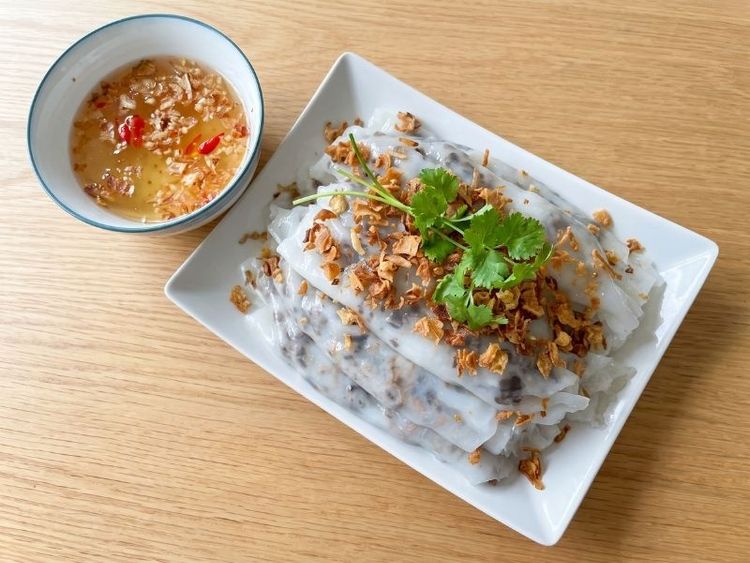
Table Of Contents
- What Is Banh Cuon?
- Why You'll Love Banh Cuon?
- Banh Cuon Ingredients
How to Make Banh Cuon Step by Step?
- Step 1: Mix the Rice Batter
- Step 2: Rest the Batter and Add Shallot Oil
- Step 3: Fry the Shallots
- Step 4: Strain the Shallots and Keep the Oil
- Step 5: Cook the Pork and Aromatics
- Step 6: Season and Finish the Filling
- Step 7: Mix the Dipping Sauce
- Step 8: Prepare The Rolling Surface
- Step 9: Pour The Batter And Spread The Sheet
- Step 10: Cover, Cook, and Lift the Sheet
- Step 11: Fill and Roll
- Step 12: Watch the Heat Between Sheets
- How to Serve Banh Cuon?
- Tips for the Best Banh Cuon
- What Can You Substitute or Change in Banh Cuon?
- How to Store Banh Cuon?
What Is Banh Cuon?
Banh cuon is a Vietnamese dish made from thin steamed rice sheets rolled around a filling of seasoned ground pork, wood ear mushroom, and shallot. The sheets are made from a rice flour and tapioca starch batter, then topped with fried shallots and served with Vietnamese pork sausage and fish sauce dipping sauce.
The name bánh cuốn refers to the rolling technique used to prepare the dish. The word cuốn means “rolled” or “wrapped,” describing how the thin rice sheet surrounds the savory filling.
Banh cuon is strongly associated with Northern Vietnamese cuisine, especially styles such as bánh cuốn nóng and bánh cuốn Thanh Trì. However, regional versions differ in both preparation and serving style. Thanh Trì-style bánh cuốn is traditionally known for plain steamed sheets served with toppings, showing that not every version of bánh cuốn must contain a filled roll.
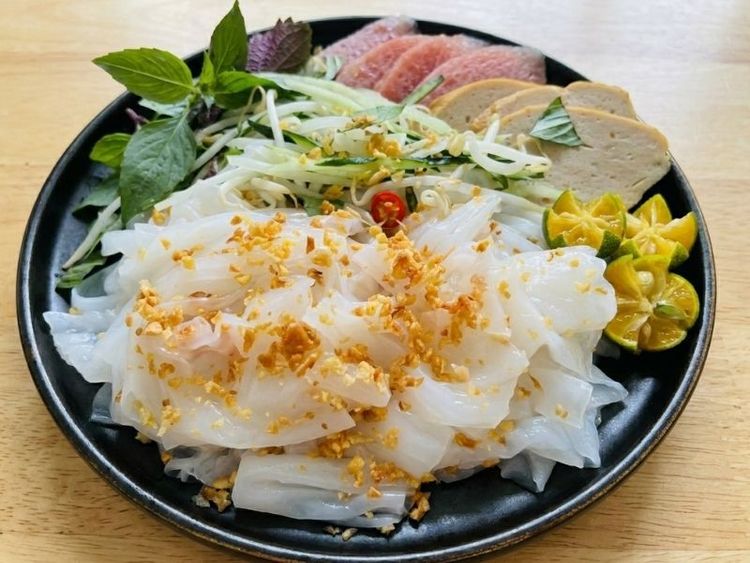
Bánh cuốn and bánh ướt share similar steamed rice-sheet techniques, but they are usually distinguished by preparation and serving style. Bánh cuốn commonly refers to filled steamed rice rolls, while bánh ướt usually refers to plain steamed rice sheets served with toppings. Regional traditions create some overlap, so the distinction is based on common usage rather than a strict rule.
In the United States, banh cuon appears on Vietnamese restaurant menus and is also sold by the tray at Vietnamese delis and grocery stores as a breakfast or light meal. The finished sheet has a mild flavor, soft texture, and slight chew, allowing the pork filling, herbs, and dipping sauce to define each bite.
Why You'll Love Banh Cuon?
You’ll love this banh cuon recipe because it brings soft, flexible rice rolls to a home kitchen without requiring traditional steaming equipment.
- No special equipment required. A nonstick skillet with a lid replaces the traditional cloth steaming setup, allowing you to make thin rice sheets without buying specialized equipment.
- The batter rest improves the texture. Resting the batter for 1 hour allows the rice flour and tapioca starch to hydrate, creating softer and more flexible sheets.
- The recipe fits a home cooking schedule. While the batter rests, you can prepare the fried shallots, pork filling, and nước chấm, so the final cooking stage focuses only on pouring and rolling the sheets.
- The final plate combines multiple textures. Soft rice sheets, savory pork filling, crispy fried shallots, fresh herbs, Vietnamese pork sausage, and dipping sauce create the balance that defines bánh cuốn.
Banh Cuon Ingredients
This banh cuon recipe comes together from five component groups: the rice batter, the pork and mushroom filling, the fried shallots and their oil, the dipping sauce, and the toppings served alongside.
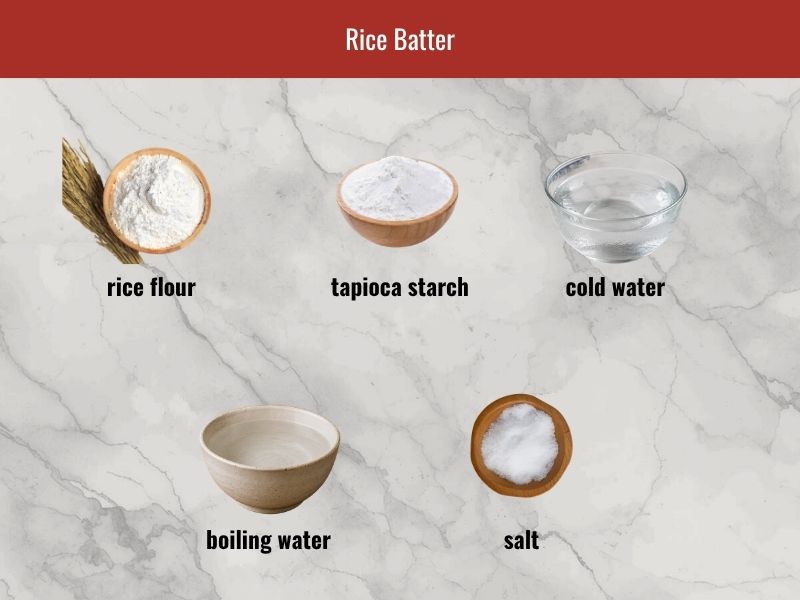
Rice Batter
- 8.8 oz (250 g) rice flour (bột gạo). Rice flour creates the main structure of the sheet and gives bánh cuốn its soft texture.
- 5.3 oz (150 g) tapioca starch (bột năng). Tapioca starch provides elasticity and helps the rice sheet stretch without tearing. Too much tapioca starch can make the sheet overly chewy, so the balance between rice flour and starch controls the final texture.
- 17 fl oz (500 ml) cold water, plus 17 fl oz (500 ml) boiling water. The batter uses two water stages, with cold water first to dissolve the flour and boiling water to improve flexibility. Adding part of the water hot is one home-kitchen technique used to create softer sheets and reduce tearing.
- 1/2 tsp salt. Salt seasons the batter and balances the savory filling and toppings.
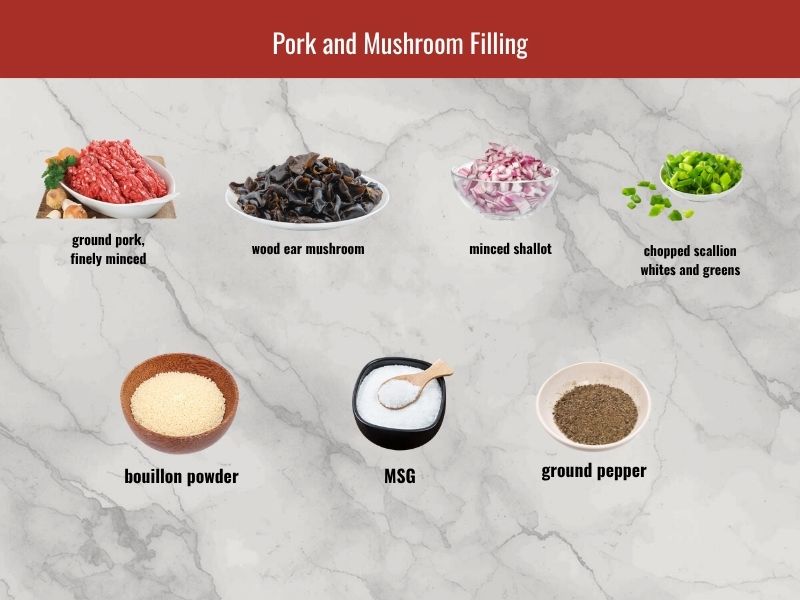
Pork and Mushroom Filling
- 10.5 oz (300 g) ground pork, finely minced. Finely minced pork creates a looser filling that distributes more evenly inside the rice roll instead of forming large chunks.
- 1.2 oz (35 g) dried wood ear mushroom (nấm mèo), soaked and finely chopped. Wood ear mushroom adds a crunchy texture that contrasts with the soft pork filling. Use the measurement consistently as either dry weight or rehydrated weight to avoid changing the filling ratio.
- 1/2 shallot (hành tím), minced, plus scallion whites and greens (hành lá), chopped. Shallot and scallion whites add aroma during cooking, while the green parts provide freshness.
- 2 tsp bouillon powder (hạt nêm), 1 tsp sugar, 1/4 tsp MSG, and a pinch of ground pepper. These seasonings create the savory, slightly peppery flavor typical of the filling.
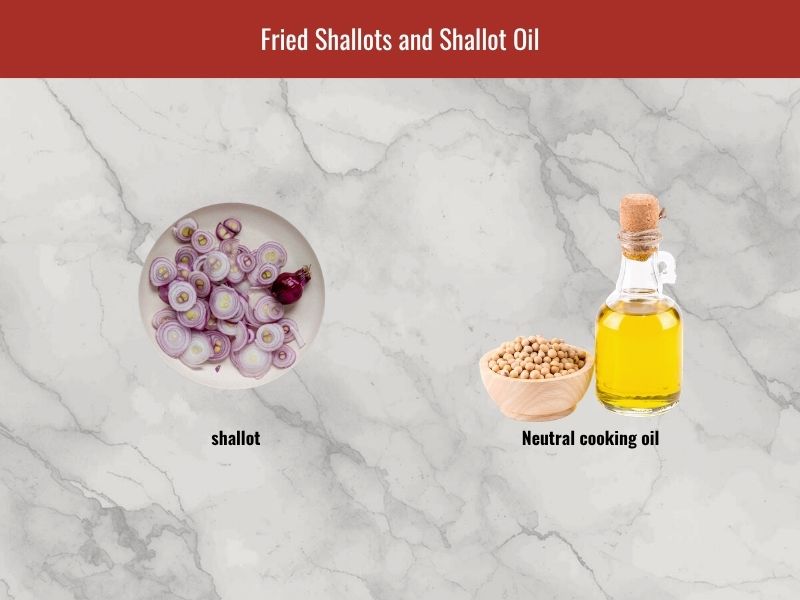
Fried Shallots and Shallot Oil
- 3.5 oz (100 g) shallots (hành tím), peeled and thinly sliced. Fried shallots create the crisp topping that finishes the plate. This Vietnamese technique is commonly called phi hành, referring to frying shallots until aromatic and crisp.
- Neutral cooking oil, enough to cover the shallots. Enough oil allows the shallots to fry evenly and creates shallot oil that can be used for the batter, rolling surface, and finished dish.
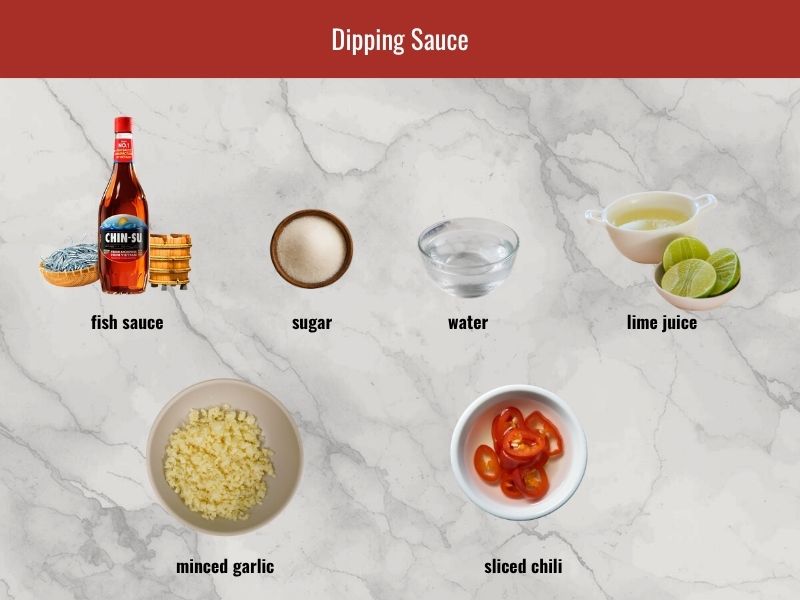
Dipping Sauce (Nước Chấm)
The sauce is a sweet-and-sour fish sauce dip that balances the mild rice sheets and savory filling.
- Fish sauce (nước mắm). Fish sauce provides the savory foundation of the dipping sauce.
- Sugar. Sugar balances the saltiness and acidity.
- Water. Water adjusts the strength of the sauce.
- Fresh lime juice. Lime adds acidity and freshness.
- Minced garlic and sliced chili, to taste. Garlic and chili add aroma and optional heat.
CHIN-SU fish sauce can be used as the fish sauce base for the nước chấm. Taste the final sauce after mixing because different fish sauces vary in saltiness and aroma.
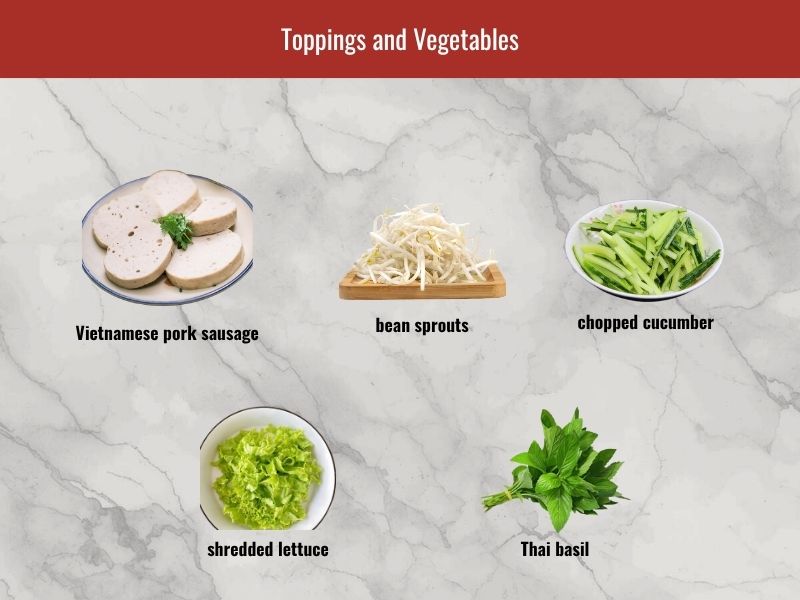
Toppings and Vegetables
The toppings turn the soft rice rolls into a complete meal, adding freshness, crunch, and additional flavor.
- Vietnamese pork sausage (chả lụa), sliced into bite-size pieces. Chả lụa is the classic protein served alongside bánh cuốn.
- Bean sprouts (giá), blanched. Bean sprouts add freshness and light crunch.
- Chopped cucumber, shredded lettuce, and fresh herbs such as Thai basil (húng quế). These vegetables balance the soft rice sheets and add aroma.
How to Make Banh Cuon Step by Step?
The batter rests for 1 hour, and the shallots, filling, and nước chấm can be prepared during that time. After the preparation is complete, cooking the rice sheets takes about 30–40 minutes. The process follows twelve steps.
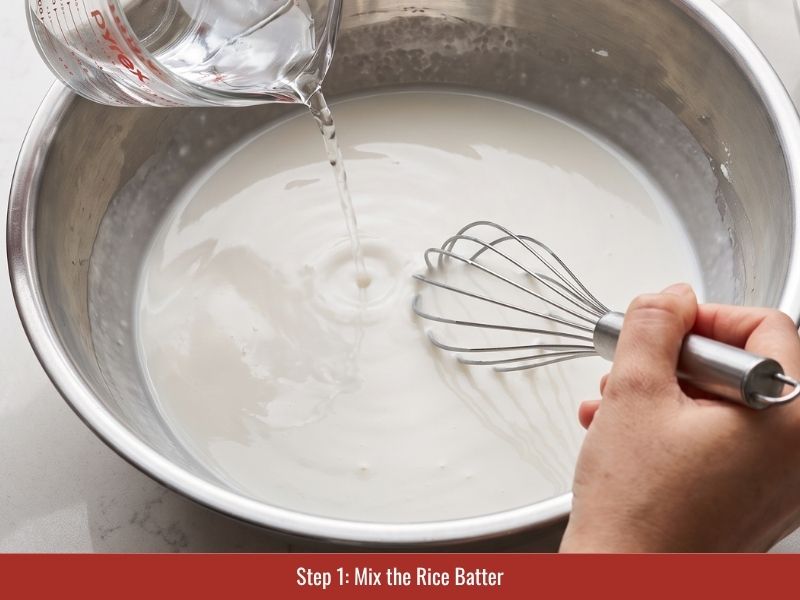
Step 1: Mix the Rice Batter
Combine 8.8 oz (250 g) rice flour and 5.3 oz (150 g) tapioca starch in a large bowl.
Add 17 fl oz (500 ml) cold water and stir until the batter becomes smooth. Then add 17 fl oz (500 ml) boiling water gradually while mixing until the consistency is even.
Adding part of the water hot is a home-kitchen technique that can improve flexibility and reduce tearing. The batter should remain thin enough to spread into a delicate sheet.
Add 1/2 tsp salt, mix well, and let the batter rest for 1 hour.
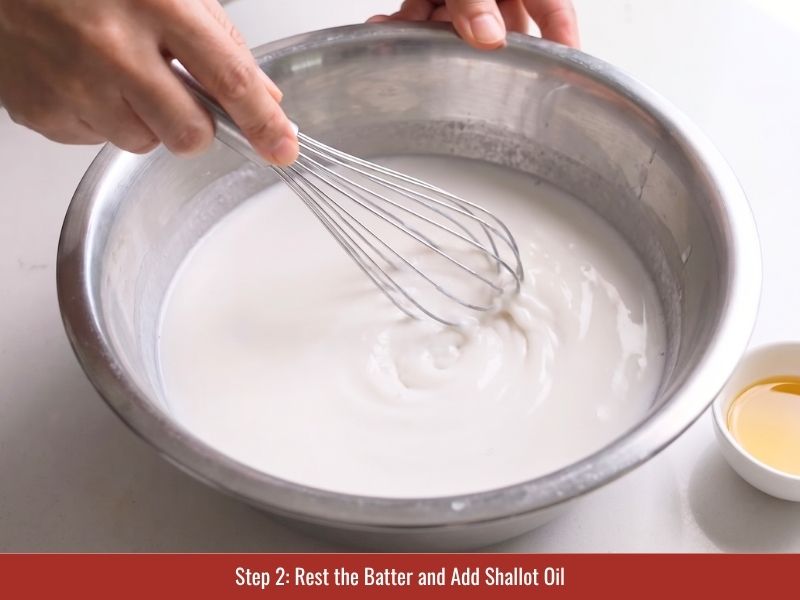
Step 2: Rest the Batter and Add Shallot Oil
Allowing the batter to rest gives the rice flour and tapioca starch time to fully hydrate.
After resting, stir in 1 tbsp shallot oil until evenly combined. The batter naturally separates as it sits, so stir before every sheet to keep the flour and starch distributed evenly.
Pre-mixed bánh cuốn flour blends can also be used when a ready-made option is preferred.
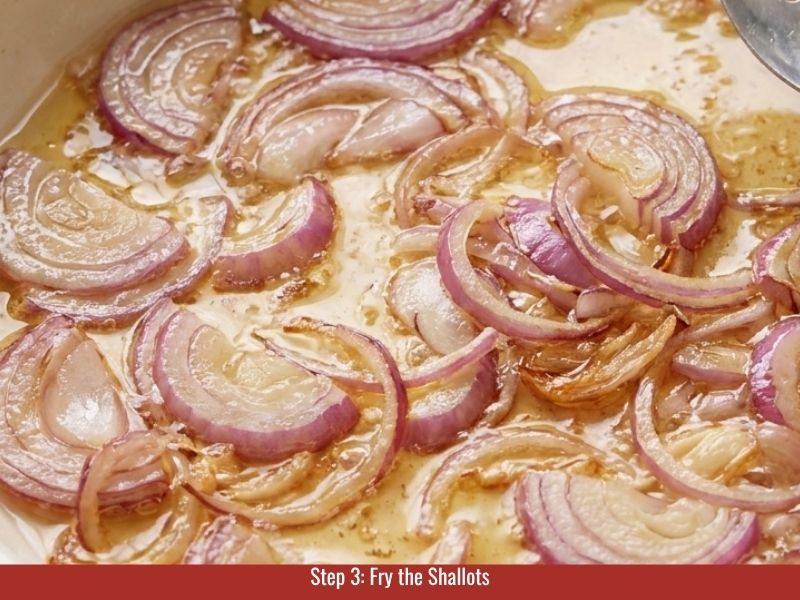
Step 3: Fry the Shallots
Slice 3.5 oz (100 g) shallots thinly, then fry them in enough neutral oil to cover the shallots.
Cook over medium-low heat until the shallots become golden and aromatic. Remove them before they become dark because they continue browning after being removed from the oil.
Reserve the fried shallots for topping and keep the shallot oil for later steps.
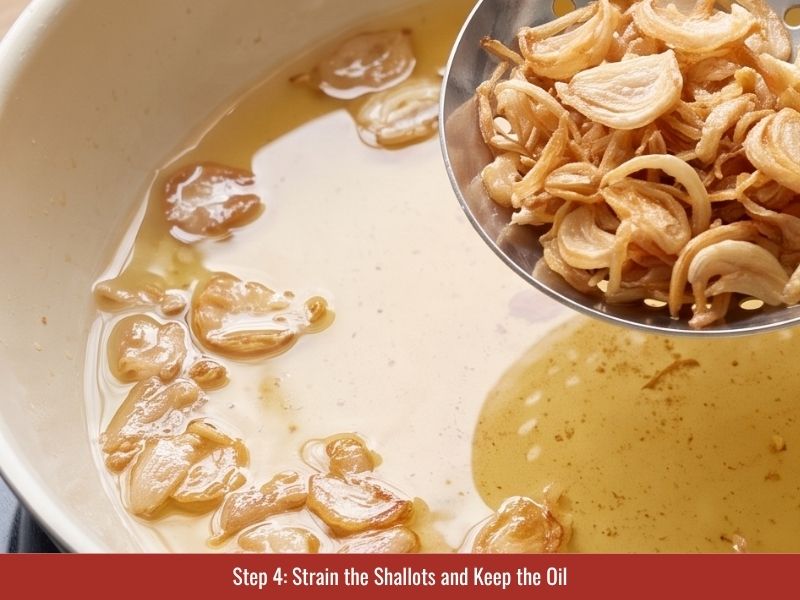
Step 4: Strain the Shallots and Keep the Oil
Transfer the fried shallots through a strainer and allow the oil to drain completely.
Reserve the shallot oil for: mixing into the batter, brushing the rolling surface, finishing the cooked rice sheets.
The fried shallots are used both inside the filling and as the final topping.
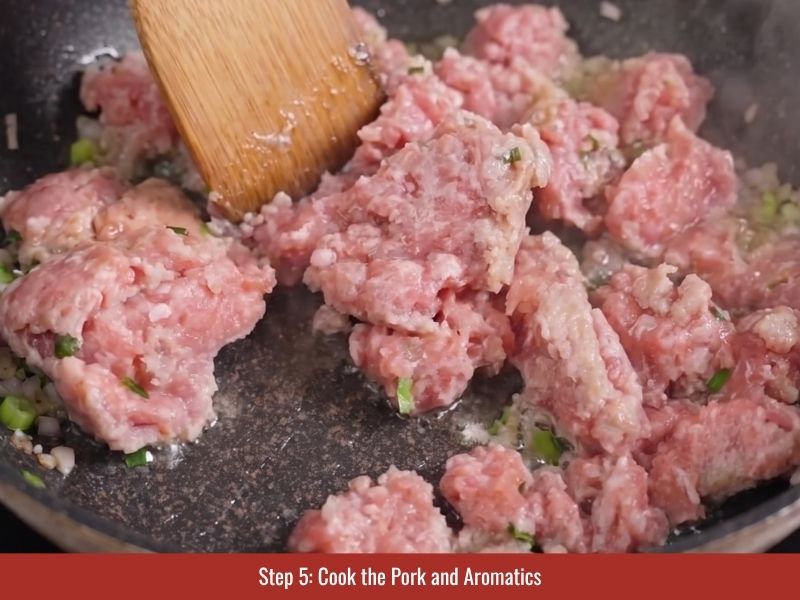
Step 5: Cook the Pork and Aromatics
Heat 2 tbsp oil in a pan.
Add the minced shallot and scallion whites, then cook until fragrant. Add 10.5 oz (300 g) finely minced ground pork and break it apart continuously while cooking.
Keeping the pork loose creates a filling that rolls more easily and distributes evenly inside the rice sheet.
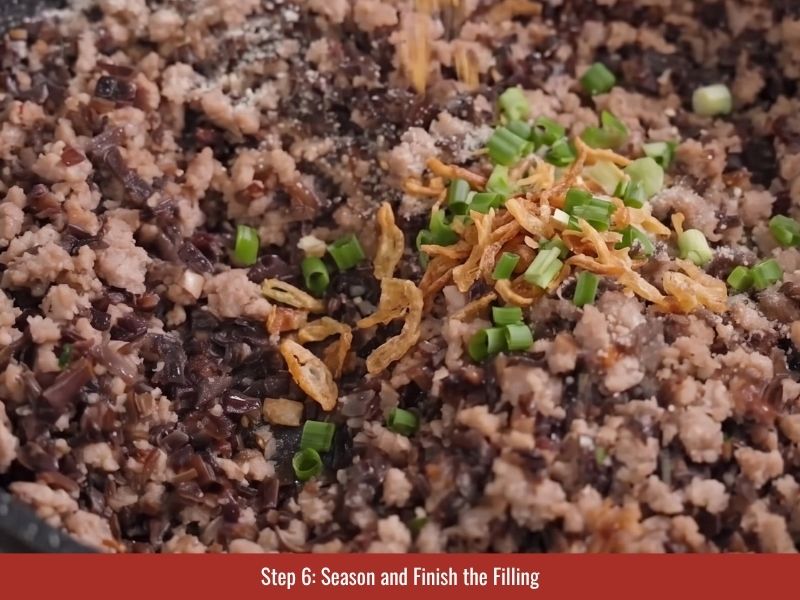
Step 6: Season and Finish the Filling
Stir in the chopped wood ear mushroom, then season with 2 tsp bouillon powder, 1 tsp sugar, 1/4 tsp MSG, and a pinch of ground pepper, and keep cooking until the mushroom is done. Add the chopped scallion greens and 1 tbsp fried shallots from Step 4, stir once, and take the pan off the heat. Those fried shallots go into your filling as well as on top, which is easy to miss and worth doing.
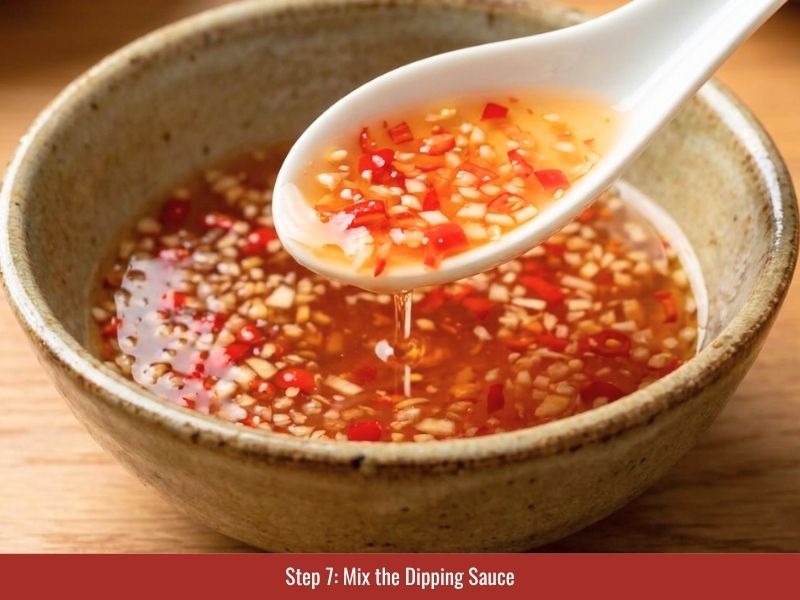
Step 7: Mix the Dipping Sauce
Combine fish sauce, sugar, water, fresh lime juice, minced garlic, and sliced chili to prepare the nước chấm.
The sauce should balance salty, sweet, sour, and lightly spicy flavors without overpowering the soft rice sheets and pork filling.
CHIN-SU fish sauce can be used as the fish sauce base for the dipping sauce. Taste after mixing because different fish sauces vary in saltiness and aroma.
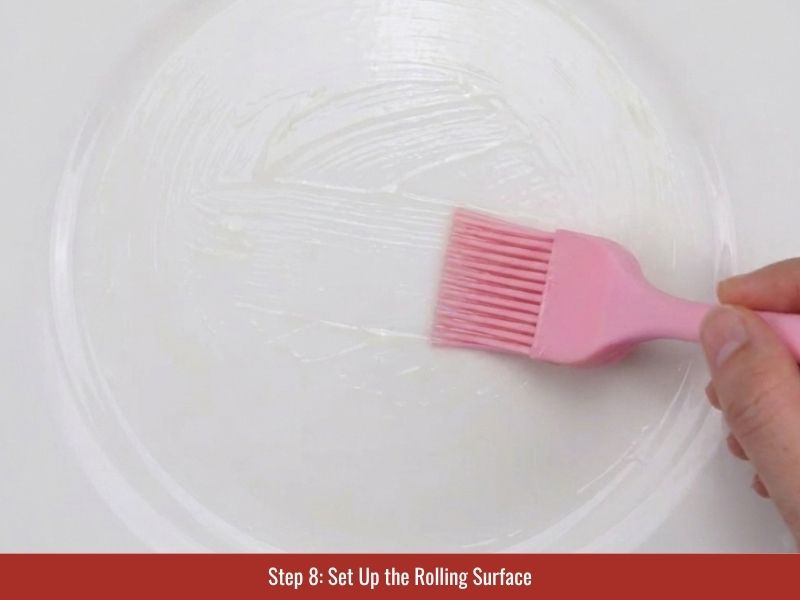
Step 8: Prepare The Rolling Surface
Prepare a flat working surface for the cooked sheets.
Use an oiled surface such as food wrap, a lightly greased tray, or a plate brushed with shallot oil. This prevents the thin rice sheets from sticking when they are lifted and rolled.
Prepare a flat chopstick or offset spatula for lifting the sheets.
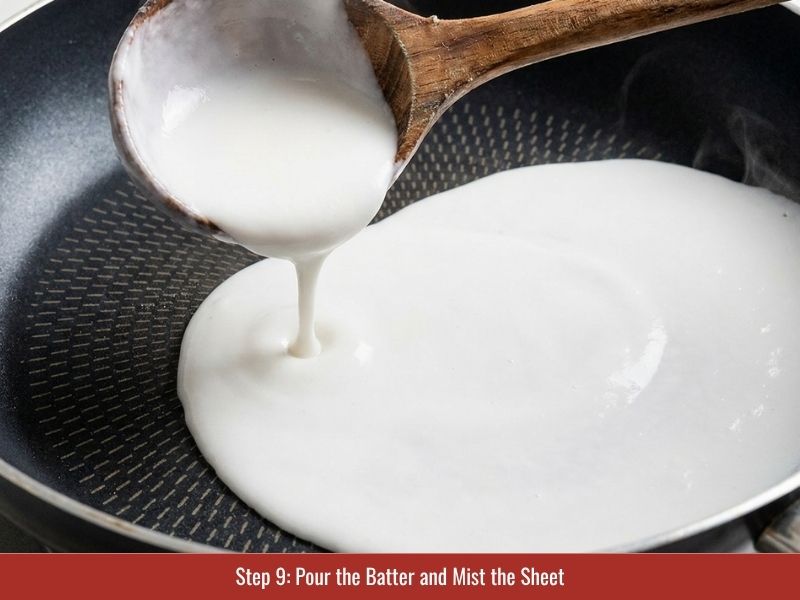
Step 9: Pour The Batter And Spread The Sheet
Set a flat nonstick skillet over low to medium heat and maintain a consistent temperature throughout cooking.
This technique follows the Vietnamese method of tráng bánh, which means spreading a thin layer of batter to create delicate rice sheets before steaming.
Stir the batter before each pour. Add a thin layer to the pan, then rotate the skillet quickly so the batter spreads evenly across the surface.
The sheet should be thin enough that the pan surface is slightly visible through the batter.
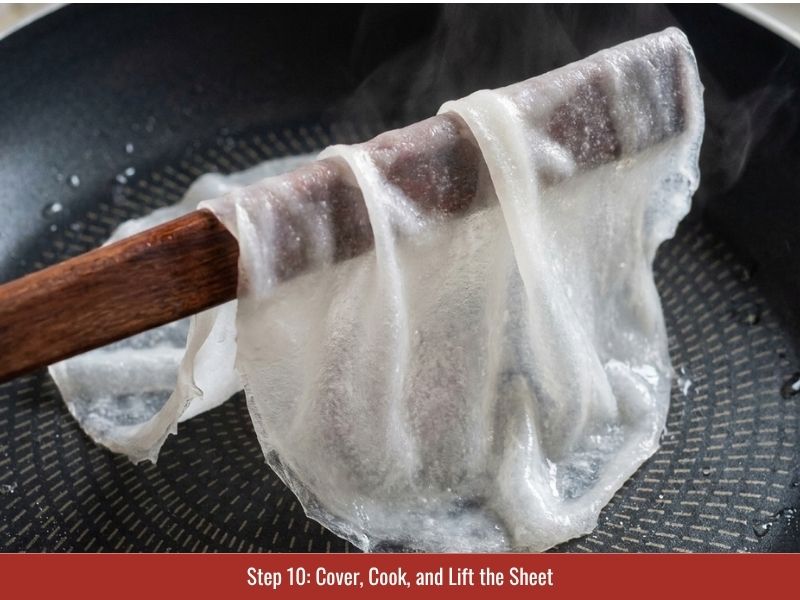
Step 10: Cover, Cook, and Lift the Sheet
Cover the pan and cook for about 30 seconds.
The sheet is ready when the surface changes from cloudy to translucent and sets without looking wet.
Lift the sheet carefully using a water-dipped chopstick or spatula, then transfer it onto the oiled surface.
The first few sheets usually require practice, but the movement becomes easier after several attempts.
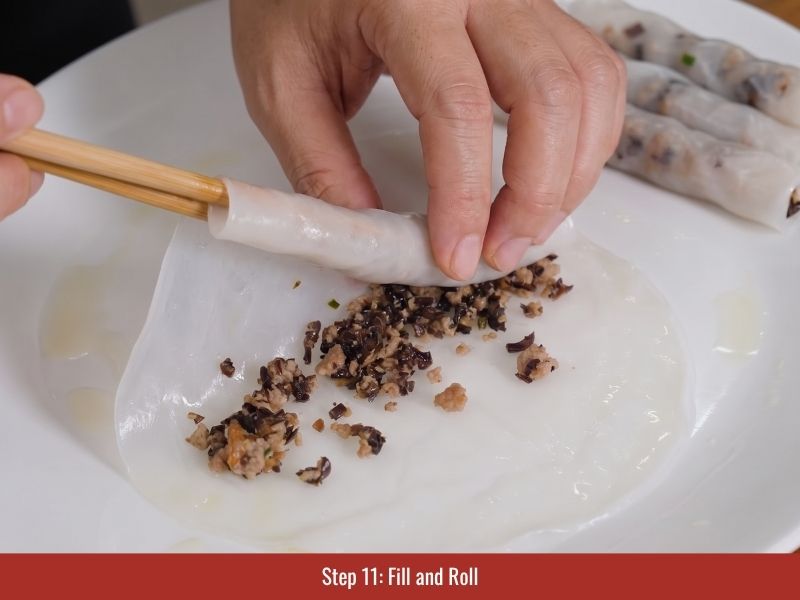
Step 11: Fill and Roll
Place the cooked sheet on the oiled surface.
Add a small line of pork filling across the lower section of the sheet, then roll it gently into a compact cylinder.
Avoid adding too much filling because excess weight can tear the delicate rice sheet.
Repeat the process until all batter and filling are used.
Step 12: Watch the Heat Between Sheets
Maintain consistent heat throughout the cooking process.
A pan that is too hot can create holes or dry edges, while insufficient heat can produce thicker and less flexible sheets. Adjust the temperature based on your pan material and stove because different surfaces transfer heat differently.
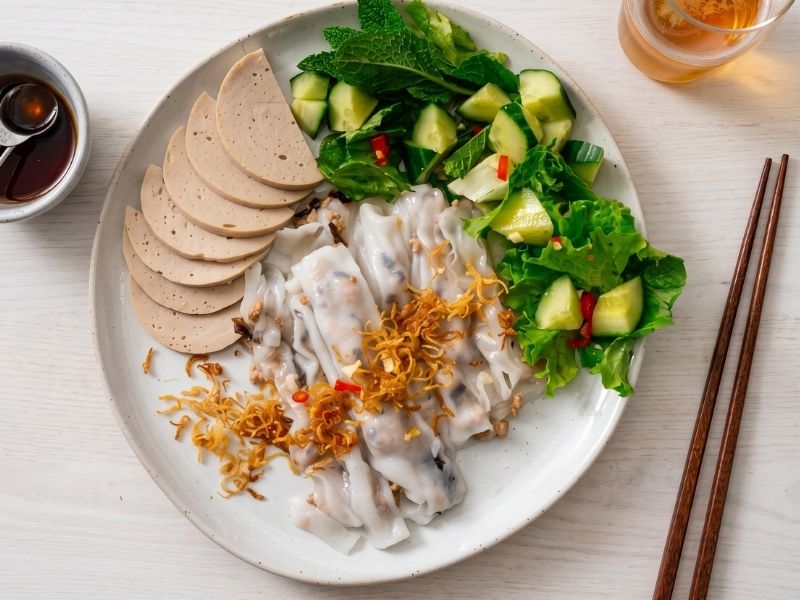
Serve the finished bánh cuốn while warm with fried shallots, chả lụa, fresh vegetables, and nước chấm.

How to Serve Banh Cuon?
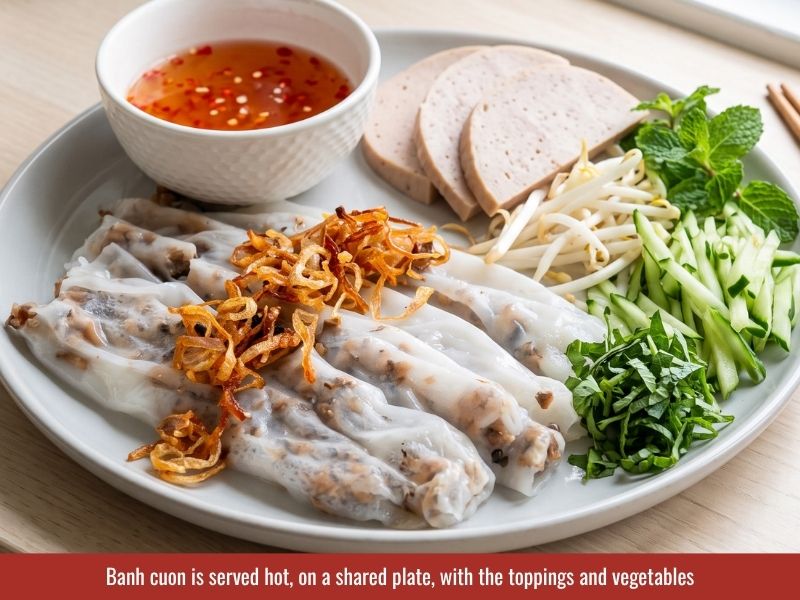
Banh cuon is served hot with the rolls, toppings, and dipping sauce arranged together so each person can combine the flavors in every bite. Unlike dishes prepared entirely in advance, bánh cuốn is traditionally enjoyed soon after steaming because the rice sheets are at their softest and most delicate when fresh.
A typical serving includes:
- Warm bánh cuốn rolls, served immediately after cooking and topped with fried shallots.
- Vietnamese pork sausage (chả lụa), sliced into bite-size pieces and eaten alongside the rolls.
- Blanched bean sprouts, cucumber, lettuce, and fresh herbs, which add freshness and texture.
- A bowl of nước chấm, served for dipping and seasoning each bite.
Bánh cuốn is usually eaten with chopsticks by combining a piece of rice roll, sliced chả lụa, herbs, and dipping sauce together. The combination creates a balance between soft rice sheets, savory filling, fresh vegetables, and the salty-sweet flavor of nước chấm.
Bánh cuốn is especially associated with breakfast in Vietnam, although it is also enjoyed as a light lunch or family meal. In Northern Vietnam, styles such as bánh cuốn nóng and bánh cuốn Thanh Trì reflect different serving traditions, while restaurants and households across Vietnam adapt toppings based on local preferences.
Tips for the Best Banh Cuon
These five techniques make the biggest difference between soft, flexible bánh cuốn and rice sheets that tear, stick, or become too thick.
- Stir the batter before every sheet. Rice flour and tapioca starch settle quickly, so an unstirred batter produces uneven sheets with different thicknesses.
- Keep the batter consistency stable. The batter should remain thin enough to spread across the pan but not so diluted that the sheet becomes fragile.
- Take the fried shallots off the heat at the right moment. Shallots continue browning after removal from the oil, so taking them out when golden prevents bitterness.
- Keep the rice sheets thin. Thin sheets create the soft, delicate texture that defines bánh cuốn. Return excess batter to the bowl after swirling the pan if too much collects on the surface.
- Maintain consistent heat. A pan that is too hot creates holes and dry edges, while a pan that is too cool produces thicker sheets that are harder to lift and roll.
What Can You Substitute or Change in Banh Cuon?
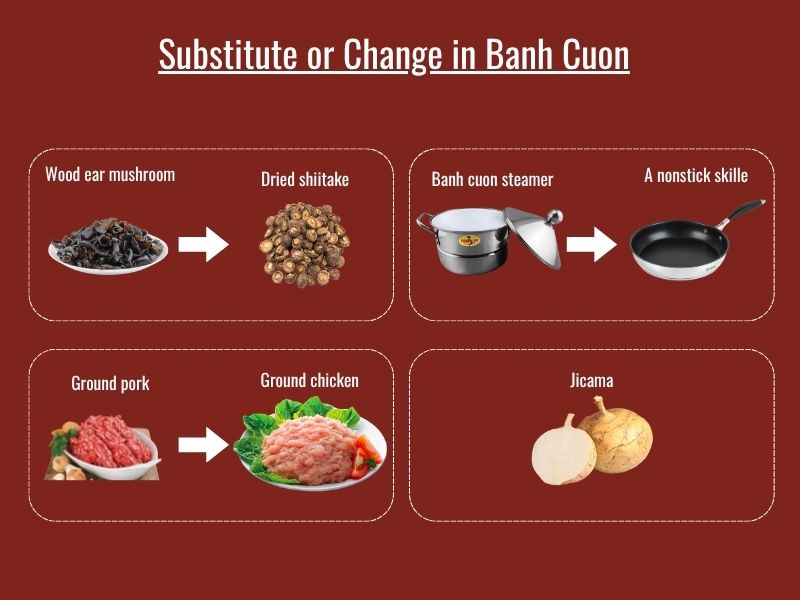
These substitutions help adapt bánh cuốn ingredients and equipment based on availability while keeping the essential characteristics of soft rice sheets, savory filling, and nước chấm.
- Wood ear mushroom (nấm mèo) can be replaced with dried shiitake mushrooms. Shiitake provides a deeper earthy aroma and softer texture, while wood ear mushroom creates the signature crunchy contrast inside the pork filling.
- A nonstick skillet can replace a traditional bánh cuốn steamer. A skillet allows home cooks to prepare thin rice sheets without specialized equipment, although traditional cloth steaming methods used in shops can produce thinner and more delicate sheets.
- Ground pork can be replaced with ground chicken or ground turkey. These alternatives maintain the filling structure but create a leaner result. Adding a small amount of shallot oil can help restore some richness.
- Jicama (củ đậu) can be added as a filling variation. Jicama adds moisture and a light crunch, creating a different texture while keeping the savory filling balanced.
Make these changes when needed, but staying closer to the original ingredients provides a flavor profile closer to traditional Northern Vietnamese bánh cuốn.
How to Store Banh Cuon?
Banh cuon is best enjoyed fresh, but the batter, cooked rolls, and toppings can be prepared or stored separately when needed. Keeping each component apart helps preserve the soft rice sheets, fresh ingredients, and crisp fried shallots.
If you have leftover batter, store it in a covered container in the refrigerator for up to 2 days. Stir thoroughly before cooking because rice flour and tapioca starch settle during storage. The batter may thicken slightly after resting longer, so adjust with a small amount of water until it returns to a thin, pourable consistency.
Store cooked bánh cuốn in an airtight container in the refrigerator for about 1–2 days. The rice sheets naturally become firmer after chilling, so reheat them gently with steam, a covered pan with a small amount of moisture, or a microwave until they soften again.
Keep the filling, Vietnamese pork sausage (chả lụa), fresh vegetables, herbs, and nước chấm separate from the cooked rice sheets. Assemble the plate after reheating so the herbs remain fresh and the fried shallots maintain their crisp texture.
For the best result, prepare the batter and filling ahead, but cook and assemble the rice sheets close to serving time. Freshly made bánh cuốn has the soft, delicate texture that refrigeration cannot fully preserve.
Have you made banh cuon in a skillet before, or has the steamer been the thing standing in the way? Drop your questions, tweaks, and results in the comments, and if the recipe worked for you, a quick star rating helps other home cooks find it. Share a photo of your plate on social media with #CHINSU, since we read every one. Curious how a different fish sauce changes your nước chấm? Grab a bottle of CHIN-SU fish sauce at chinsu.com and give it a try.
Frequently Asked Questions
Banh cuon is made from a rice flour and tapioca starch batter steamed into thin sheets, then rolled around a filling of seasoned ground pork, wood ear mushroom, and shallot. Rice flour provides the structure, while tapioca starch adds the elasticity needed for flexible sheets.
Banh cuon is commonly translated as Vietnamese steamed rice rolls. The name refers to the rolled preparation style, although English menus may also describe it as steamed rice rolls or rice noodle rolls.
English speakers usually pronounce banh cuon close to “bahn kwuhn.” This approximation helps English speakers say the dish name, although Vietnamese tones cannot be fully represented through English spelling.
Banh cuon usually refers to steamed rice sheets rolled around a filling, while banh uot usually refers to plain steamed rice sheets served with toppings. Both use similar rice flour and starch techniques, but regional traditions create some overlap between the two dishes.
Banh cuon tears when the sheet lacks enough flexibility, the batter consistency is unstable, the pan is too hot, or the sheet is lifted before it fully sets. Keep the batter well mixed, maintain stable heat, and use an oiled lifting tool or surface.
Yes, you can make banh cuon without a traditional steamer by using a nonstick skillet method. Traditional shops often use cloth steaming equipment because it allows very thin and delicate sheets, but the skillet approach works well for home kitchens.
Yes, banh cuon can be made vegetarian because the rice sheets themselves contain no animal ingredients. Replace the pork filling with options such as mushrooms, tofu, or vegetables, and use a vegetarian dipping sauce instead of fish sauce.
Freezing is possible but not ideal because the delicate rice sheets can change texture after thawing. Fresh preparation gives the softest and most flexible result.
Banh Cuon (Vietnamese Steamed Rice Rolls) Recipe
1. Ingredient
Rice Batter
- 8.8 oz (250 g) rice flour.
- 5.3 oz (150 g) tapioca starch.
- 17 fl oz (500 ml) cold water.
- 17 fl oz (500 ml) boiling water.
- 1/2 teaspoon salt.
Pork and Mushroom Filling
- 10.5 oz (300 g) ground pork.
- 1.2 oz (35 g) dried wood ear mushrooms, soaked and finely chopped.
- 1/2 shallot, minced.
- Scallion whites and greens, chopped.
- 2 teaspoons bouillon powder.
- 1 teaspoon sugar.
- 1/4 teaspoon MSG.
- Ground pepper, to taste.
Fried Shallots and Shallot Oil
- 3.5 oz (100 g) shallots, thinly sliced.
- Neutral cooking oil, enough to cover shallots.
Dipping Sauce (Nước Chấm)
- Fish sauce.
- Sugar.
- Water.
- Fresh lime juice.
- Minced garlic.
- Sliced chili, to taste.
Toppings and Vegetables
- Vietnamese pork sausage (chả lụa), sliced.
- Blanched bean sprouts.
- Chopped cucumber.
- Shredded lettuce.
- Fresh herbs such as Thai basil.
2. Instructions
- Step 1: Mix the Rice Batter. Combine rice flour and tapioca starch in a large bowl. Add cold water and mix until smooth, then gradually add boiling water while stirring. Add salt and let the batter rest for 1 hour.
- Step 2: Rest the Batter and Add Shallot Oil. After resting, stir in shallot oil until evenly combined. Stir the batter before every sheet because the flour and starch settle during resting.
- Step 3: Fry the Shallots. Slice shallots thinly and fry them in enough neutral oil over medium-low heat until golden and aromatic. Remove before they become dark and reserve the shallot oil.
- Step 4: Strain the Shallots and Keep the Oil. Drain fried shallots completely and save the oil for mixing into the batter, brushing the rolling surface, and finishing the cooked sheets.
- Step 5: Cook the Pork and Aromatics. Heat oil in a pan, cook minced shallot and scallion whites until fragrant, then add ground pork and break it apart while cooking.
- Step 6: Season and Finish the Filling. Add chopped wood ear mushrooms, bouillon powder, sugar, MSG, and pepper. Continue cooking until done, then add scallion greens and fried shallots before removing from heat.
- Step 7: Mix the Dipping Sauce. Combine fish sauce, sugar, water, lime juice, garlic, and chili. Adjust the balance of salty, sweet, sour, and spicy flavors.
- Step 8: Prepare the Rolling Surface. Brush a tray or flat surface with shallot oil to prevent the rice sheets from sticking. Prepare a chopstick or spatula for lifting sheets.
- Step 9: Pour the Batter and Spread the Sheet. Stir the batter before each pour. Add a thin layer to a low-medium heated nonstick skillet and rotate quickly to spread evenly.
- Step 10: Cover, Cook, and Lift the Sheet. Cover the skillet for about 30 seconds until the sheet becomes translucent and set. Lift carefully and transfer onto the oiled surface.
- Step 11: Fill and Roll. Add a small line of pork filling across the rice sheet, then roll gently into a compact cylinder. Avoid adding too much filling to prevent tearing.
- Step 12: Control Heat Between Sheets. Maintain consistent heat throughout cooking. Adjust the temperature as needed to prevent holes, dry edges, or thick sheets.
3. Storage: Store leftover batter in a covered container in the refrigerator for up to 2 days. Stir well before cooking and adjust with water if needed. Store cooked bánh cuốn in an airtight container for 1–2 days and reheat gently with steam or moisture. Keep filling, chả lụa, herbs, fried shallots, and nước chấm separately.
4. Yield: Multiple servings of steamed rice rolls
5. Serving Style: Northern Vietnamese steamed rice rolls filled with pork and wood ear mushrooms, served with chả lụa, fried shallots, herbs, and nước chấm

CHIN-SU KITCHEN TEAM
CHIN-SU Kitchen Team are the creative experts behind the delicious recipes featuring CHIN-SU sauces. With years of experience and a passion for flavor, our team carefully selects recipes from a variety of trusted chefs and bloggers, bringing together the best culinary insights to present you with the most suitable and exciting dishes. Every recipe is chosen to inspire you to create meals that are not only tasty but also easy to prepare, enhancing your dining experience. Join us as we explore a wide range of sauces and flavors, and elevate every meal with the perfect recipe for your table!
User Reviews
Featured Articles
SUBSCRIBE TO GET
MORE INFO
Want the latest and greatest recipes, updates, and more from us,
straight to your inbox? Subscribe and get our NEWS!