Nem Chua Recipe - Vietnamese Fermented Pork/Beef
Published: Aug 20, 2026 by CHIN-SU
Updated: Sep 8, 2026 by CHIN-SU
Tested by CHIN-SU Kitchen Team
Nem chua is a Vietnamese fermented meat preparation made from finely ground lean meat, cooked pork skin, garlic, chili, sugar, and seasoning before being wrapped and left to develop its characteristic sour flavor. Traditional nem chua is eaten without additional cooking after fermentation and is known for its firm texture, mild acidity, garlicky aroma, and chili heat.
In Vietnam, nem chua appears in several contexts: as a snack, alongside drinks in nhậu gatherings, as part of Tết food trays, inside bánh mì, and as a regional specialty from places known for their own versions. The combination of fermented meat, pork skin, garlic, and chili creates a texture and flavor profile that is different from cooked sausages or regular cold cuts.
In this article, CHIN-SU shares the nem chua recipe to make at home, the role of the seasoning mix during fermentation, how to handle the ingredients carefully, and how Vietnamese diners serve this fermented specialty. The recipe takes about 4 days, with approximately 90 minutes of hands-on preparation, followed by chilling, wrapping, and fermentation.
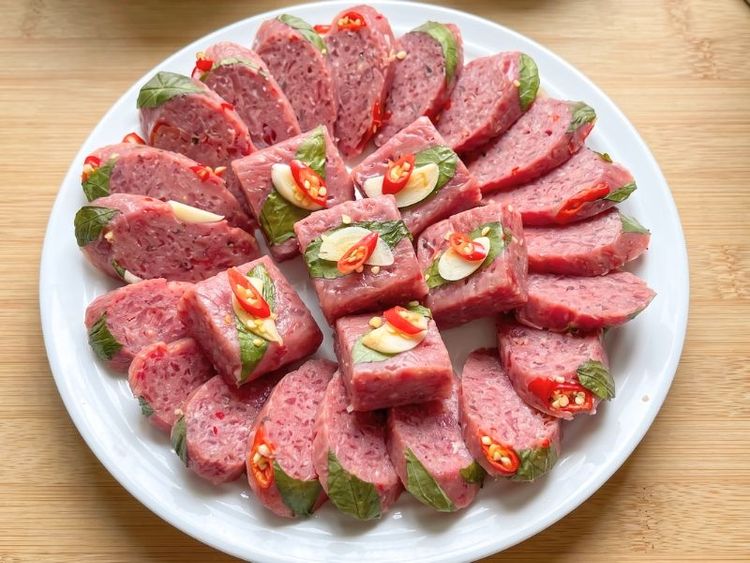
Table Of Contents
What Is Nem Chua?
Nem chua is a Vietnamese fermented meat specialty made from finely ground meat, cooked pork skin, garlic, chili, sugar, and seasoning, then wrapped and fermented until it develops a firm texture and a characteristic sour flavor. Traditional nem chua is eaten cold without additional cooking after fermentation, although cooked variations such as nem chua rán and nem chua nướng also exist.
The name reflects the defining feature of the dish. “Nem” refers to Vietnamese seasoned meat preparations, while “chua” means sour, describing the acidity developed during fermentation. Although the English translation often appears as Vietnamese fermented pork sausage, traditional nem chua is usually made with pork, while beef versions are modern adaptations found in some recipes.
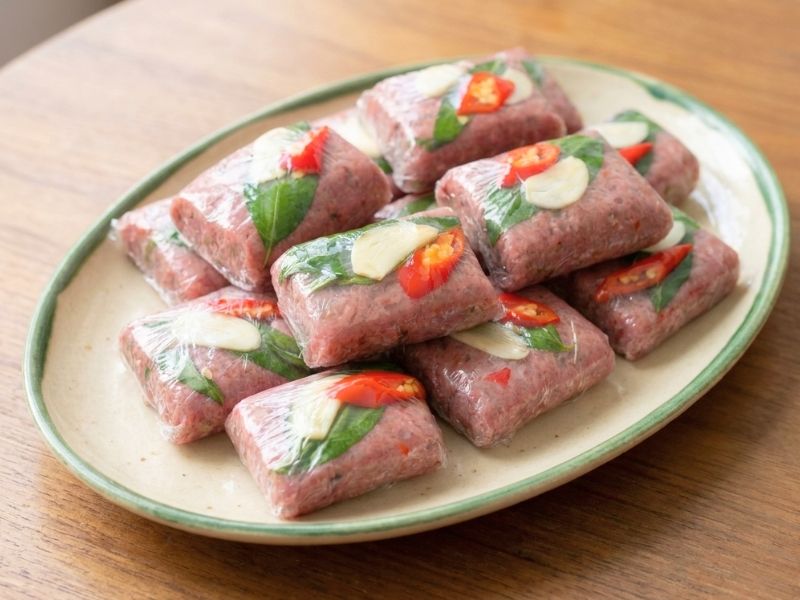
Nem chua has strong regional identities across Vietnam. It is especially associated with Thanh Hóa Province, while other areas have developed their own recognized styles, including Lai Vung nem chua from Đồng Tháp and Huế-style nem chua. These versions can differ in seasoning, shape, wrapping style, and serving traditions.
Regional differences are reflected in how the product is presented and enjoyed. Thanh Hóa nem chua is known for its wrapped cylindrical or square forms, while Lai Vung nem chua is widely recognized as a southern specialty often purchased as a gift or regional product.
In Vietnam and overseas Vietnamese communities, nem chua is commonly eaten as a snack, part of nhậu gatherings, included on Tết food trays, or served in bánh mì. In the United States, it is commonly found at Vietnamese grocery stores, bánh mì shops, and restaurants, usually sold as small wrapped logs or squares served cold with garlic, chili, and herbs.
Is Nem Chua Safe to Eat Raw?
Nem chua is traditionally eaten without cooking after fermentation, but home preparation requires careful handling because the recipe uses raw meat. The safety of fermented meat depends on multiple factors, including the curing mix, salt balance, fermentation conditions, acidity development, and hygiene practices.
The seasoning packet used in nem chua recipes is designed specifically for this style of fermented meat and should be used according to the manufacturer's instructions. It contributes to the characteristic texture, flavor development, and fermentation process, but it does not replace proper food handling.
For a safer preparation process:
- Use fresh meat from a trusted source.
- Keep equipment and surfaces clean.
- Maintain proper refrigeration before fermentation.
- Follow the seasoning mix ratio and fermentation instructions.
- Do not consume nem chua with abnormal odors, slimy texture, mold, or other signs of spoilage.
Traditional nem chua is usually made with pork, while this recipe uses beef as an alternative. Beef avoids some pork-specific parasite concerns, but it still carries microbial risks because the meat is not cooked. Raw or lightly cured meat products may not be suitable for everyone, including people who avoid uncooked animal products or those with higher food safety concerns.
Why You'll Love Nem Chua?
You’ll love this nem chua recipe because most of the process is waiting time, allowing fermentation to create the sour flavor and firm texture with only a short preparation period.
- A traditional Vietnamese fermented specialty. Nem chua combines sour fermentation, garlic, chili, and pork skin texture into a unique snack that is different from cooked sausages.
- Most of the timeline is hands-off. The main work happens during grinding, seasoning, mixing, and wrapping, while fermentation develops over several days.
- You can control the final flavor. Fermentation time influences sourness, allowing you to choose a milder or stronger flavor before moving the nem chua into refrigeration.
Nem Chua Ingredients
This nem chua recipe comes together from three component groups: the meat and pork skin, the seasonings and fermentation mix, and the garlic, chili, and herbs used inside and around the finished product.
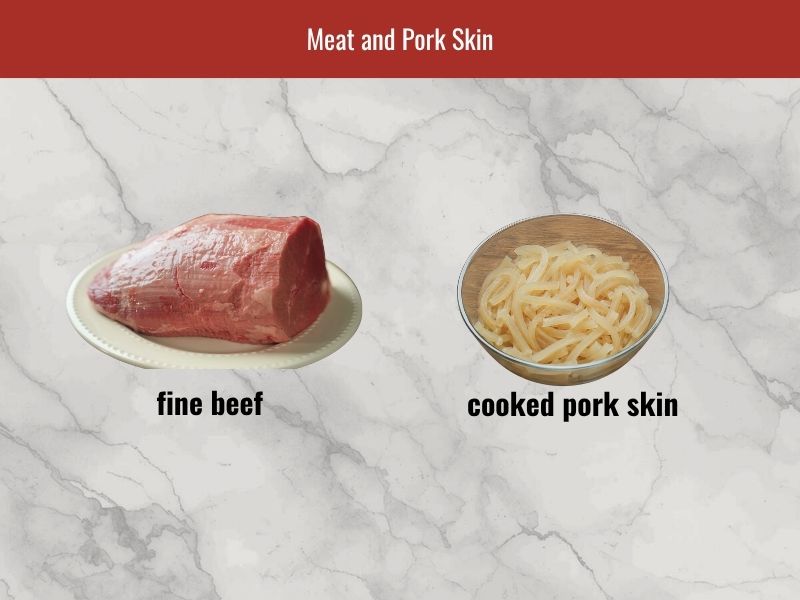
Meat and Pork Skin
- 2 lb 10 oz (1.2 kg) lean beef or pork, ground fine. Lean meat provides the main structure of nem chua. Traditional versions usually use pork, while beef is a common adaptation in modern recipes.
- 1 lb 1.6 oz (500 g) cooked pork skin (bì heo), thinly sliced. Pork skin creates the firm, springy texture associated with nem chua. It is commonly sold frozen and pre-sliced at Vietnamese and Asian grocery stores.
For beef versions, lean cuts such as the eye of round or top round work well because they contain less fat. For pork versions, lean cuts are preferred because excess fat can affect the texture and storage quality during fermentation.
Seasonings
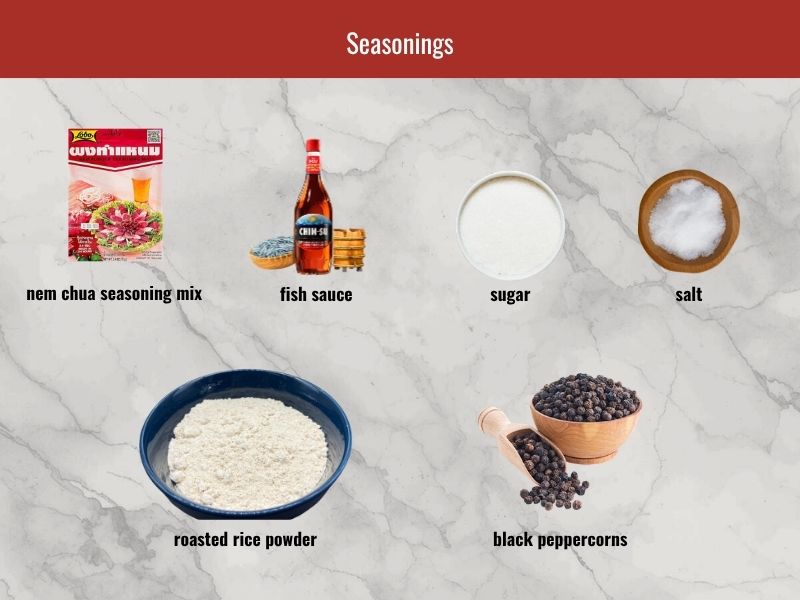
- 2 packets nem chua seasoning mix (gia vị làm nem chua), approximately 2.5 oz (70 g) each. This seasoning mix is designed specifically for nem chua and provides the ingredients needed for the characteristic fermentation process. Follow the package ratio because different brands may use different formulations.
- 1.8 oz (50 g) fish sauce (nước mắm), about 3 tbsp. Fish sauce adds salty depth and fermented aroma to the meat mixture.
- 3.5 oz (100 g) sugar and 1 tsp (6 g) salt. Sugar contributes to the flavor balance and supports the fermentation process, while salt affects seasoning and texture.
- 2 tbsp roasted rice powder (thính gạo). Roasted rice powder adds a toasted aroma and is a common ingredient in Vietnamese fermented meat preparations.
- 1 tbsp black peppercorns (tiêu hạt), toasted and coarsely crushed. Pepper provides aroma and small bursts of heat throughout the finished nem chua.
The smaller sachet included in some nem chua seasoning kits contains additional curing ingredients. Always follow the instructions provided with the specific seasoning mix because formulations vary between products.
Garlic, Chili, and Herbs
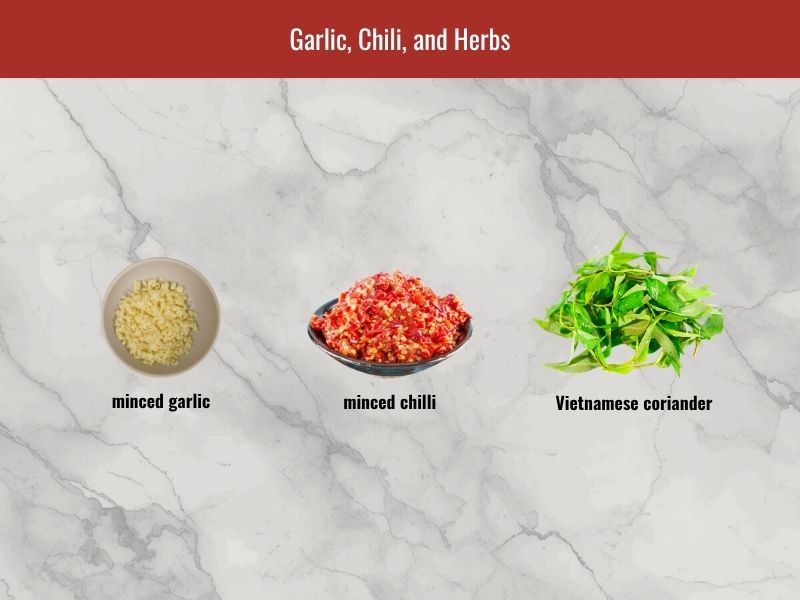
- 1 oz (30 g) garlic, minced, plus 1.4 oz (40 g) sliced garlic for the outside. Garlic is used both inside the meat mixture and as a surface garnish that contributes aroma with every bite.
- 0.3 oz (8 g) bird’s eye chili (ớt), minced, plus extra sliced chili for wrapping. Chili adds heat and can be adjusted based on preference.
- Vietnamese coriander (rau răm). Rau răm is traditionally eaten with nem chua because its peppery, herbal aroma balances the richness of the fermented meat. Young guava leaves or đinh lăng (Ming aralia) can be used as regional alternatives.
How to Make Nem Chua Step by Step?
Making nem chua takes about 4 days, with approximately 90 minutes of active preparation followed by wrapping and fermentation. The process follows five stages: preparing the meat and pork skin, preparing the aromatics and wrappers, mixing the fermented meat mixture, shaping the nem chua, and allowing fermentation to develop.
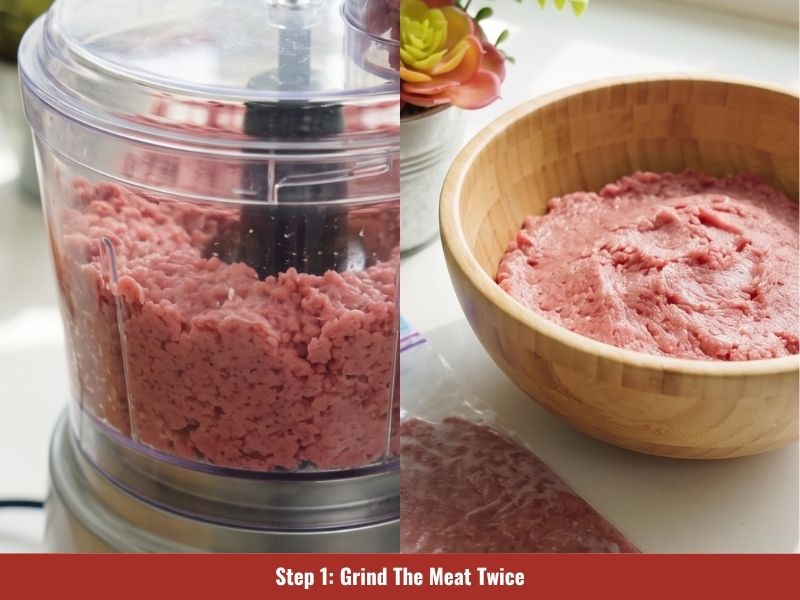
Step 1: Grind The Meat Twice
Use 2 lb 10 oz (1.2 kg) lean beef or pork as the meat base. Do not rinse the meat. Blot it dry with paper towels instead, then trim away visible fat.
Cut the meat into small pieces and grind it twice in a food processor until it becomes completely smooth. This fine texture creates the dense and even structure associated with nem chua.
Spread the ground meat flat in a zip-top bag and freeze it for 1 to 1½ hours, until it becomes firm and slightly icy but not frozen solid. Keeping the meat cold helps prevent the mixture from becoming too soft while you work.
Step 2: Rinse And Chill The Pork Skin
Prepare 1 lb 1.6 oz (500 g) cooked pork skin (bì heo).
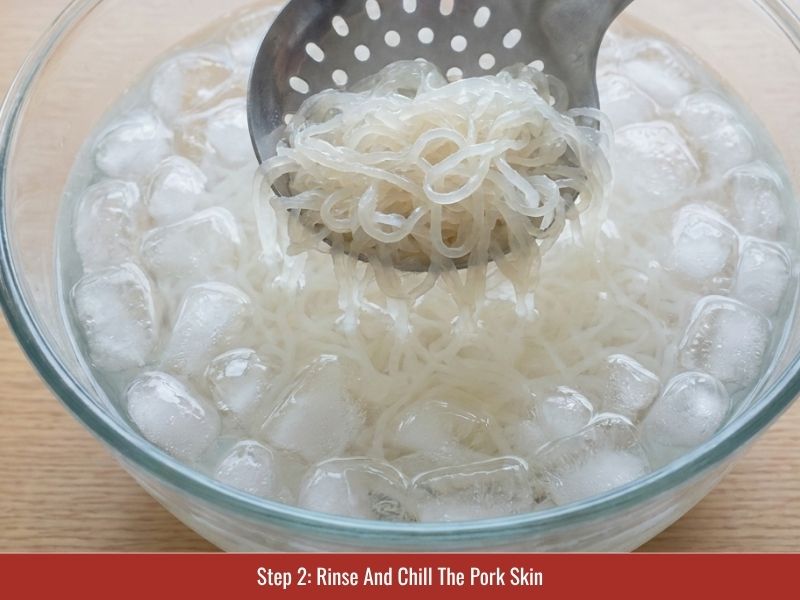
Thaw the pork skin in the refrigerator until it becomes soft enough to handle. Soak it for 10 minutes in water with ½ tbsp salt and 2 tbsp white wine or vinegar, then rinse until the water runs clear.
Rinse it again in just-boiled water removed from the heat with another 2 tbsp white wine, swirl for about 30 seconds, then transfer it into ice water so the texture firms up.
The pork skin is already cooked, so this step focuses on cleaning and firming the texture rather than cooking it further. Drain thoroughly, blot dry, and chill for 1–2 hours before slicing.
Step 3: Prepare The Wrappers And Aromatics
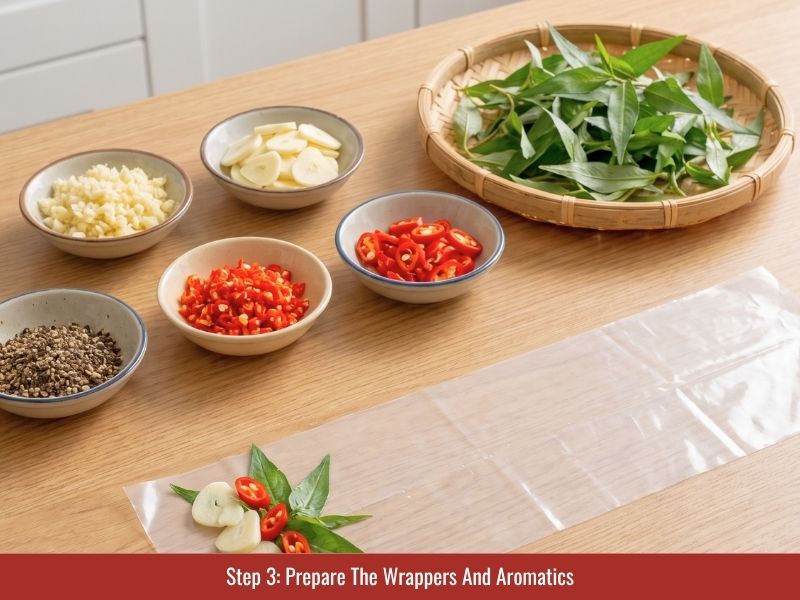
Prepare the aromatics before mixing the meat.
Mince 1 oz (30 g) garlic and the seeded bird’s eye chili for the meat mixture. Slice the remaining 1.4 oz (40 g) garlic thinly for the outside of the nem chua.
Wash and dry the Vietnamese coriander (rau răm), then remove the leaves from the stems. Toast 1 tbsp black peppercorns until fragrant and crush them coarsely.
Cut the wrapping sheets into approximately 16-inch (40 cm) pieces and arrange the sliced garlic, chili, and coriander leaves before shaping the nem chua. Preparing the garnishes first helps them remain attached to the surface when the wrapper is removed.
Step 4: Season And Beat The Meat
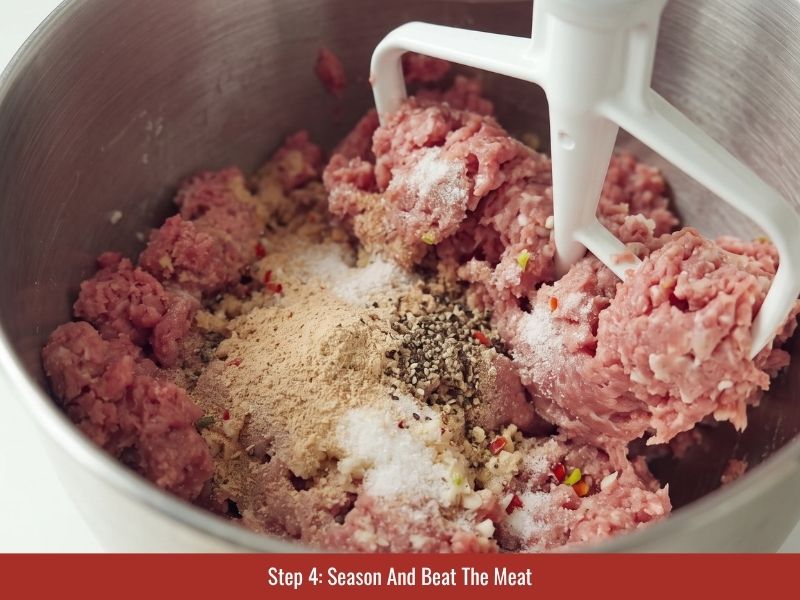
Break the semi-frozen 2 lb 10 oz (1.2 kg) ground meat into the mixer bowl and mix on low speed until it loosens.
Add 1.8 oz (50 g) fish sauce, 3.5 oz (100 g) sugar, 1 tsp (6 g) salt, 2 tbsp roasted rice powder (thính gạo), 1 tbsp crushed black peppercorns, 1 oz (30 g) minced garlic, and 0.3 oz (8 g) minced bird’s eye chili.
Continue beating until the mixture becomes sticky and elastic. CHIN-SU fish sauce can be used in this seasoning stage to add savory depth and fermented aroma.
Nem chua is different from giò sống, the emulsified raw meat paste used for Vietnamese sausage. The goal is a dense, cohesive texture that holds together while maintaining the characteristic firmness of fermented meat, not a light or aerated sausage texture.
Step 5: Mix In The Pork Skin
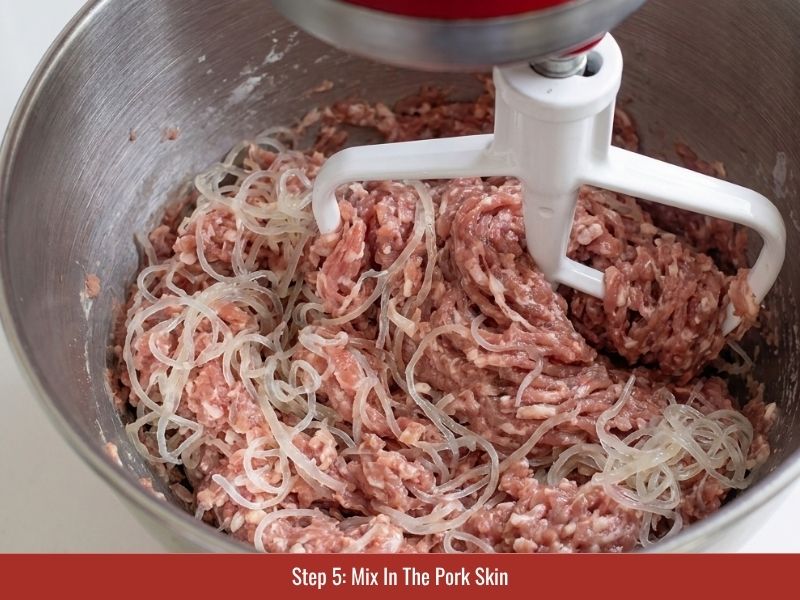
Cut the chilled 1 lb 1.6 oz (500 g) pork skin into 1¼–1½ inch (3–4 cm) strips.
Add the pork skin gradually and mix on low speed for 2–3 minutes, just until it is evenly distributed throughout the meat mixture.
Keep the mixing speed low because the pork skin should remain visible as thin strands inside the finished nem chua. These strands create the firm, chewy texture that defines the dish.
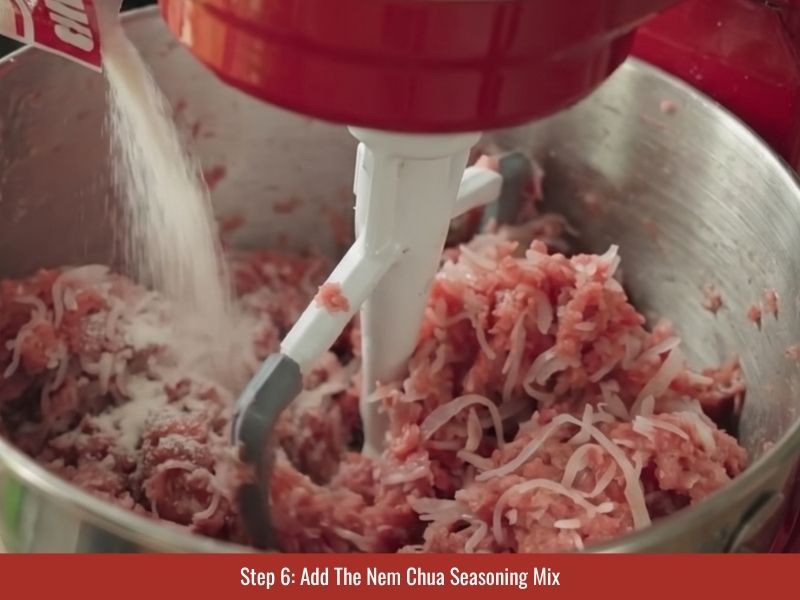
Step 6: Add The Nem Chua Seasoning Mix
Add 2 packets of nem chua seasoning mix (approximately 2.5 oz / 70 g each) according to the package instructions.
If the seasoning kit includes separate packets, follow the manufacturer’s recommended order because different brands may use different formulations.
Mix until the seasoning is evenly distributed throughout the meat mixture. The seasoning mix works together with fermentation to develop the characteristic sour flavor and firm texture of nem chua.
Step 7: Wrap The Nem Chua Within 20 Minutes
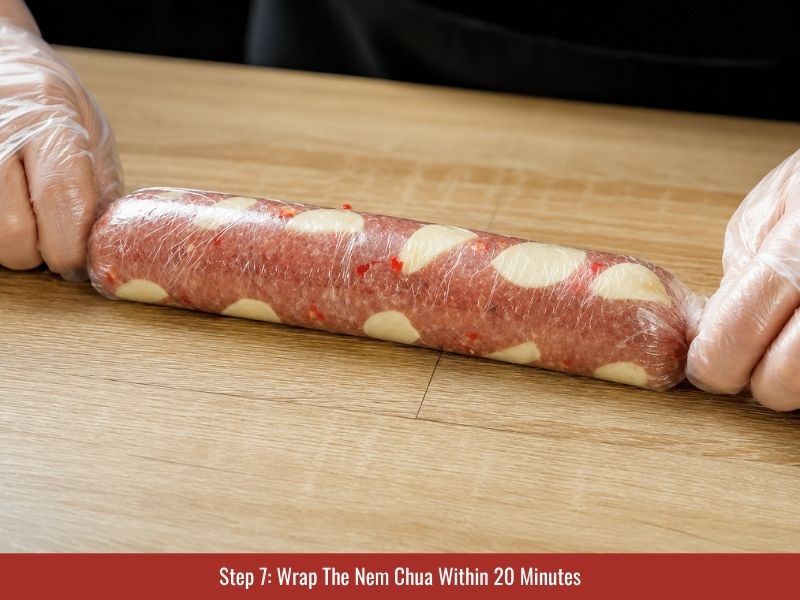
Spoon the meat mixture onto the prepared wrappers, spread it over the garlic, chili, and Vietnamese coriander, then add another layer of sliced garlic and chili on top.
Roll the nem chua tightly while pressing gently to remove excess air, then twist both ends closed.
For leftover mixture, press it into a zip-top bag at about ¾ inch (2 cm) thickness and flatten evenly so the nem sets firmly.
Finish wrapping within 15–20 minutes because the mixture becomes firmer and harder to shape as it sits.
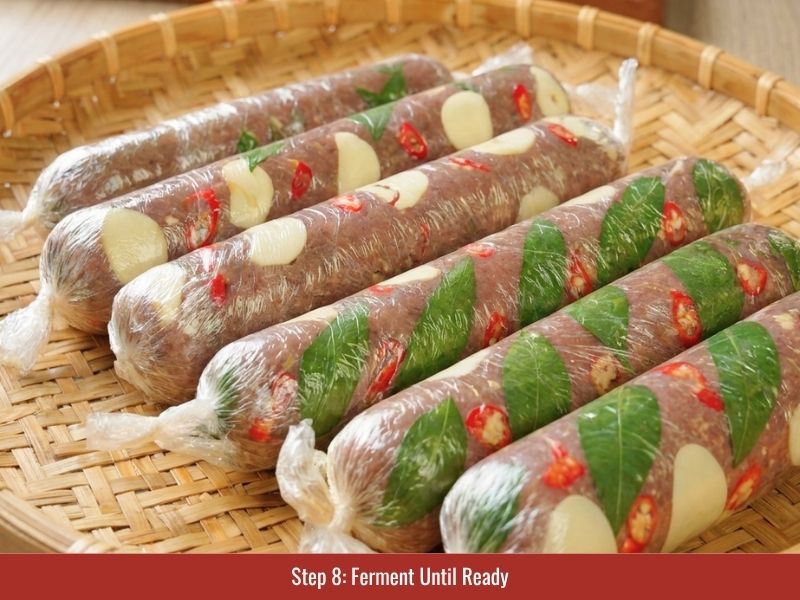
Step 8: Ferment Until Ready
Keep the wrapped nem chua in the fermentation environment recommended by the seasoning kit instructions.
The fermentation time depends on room temperature, portion size, ingredient temperature, and the specific seasoning mix used. Warmer conditions generally speed up fermentation, while cooler environments slow the process.
The nem chua is ready when it develops a firm texture, pleasant sour aroma, and the desired balance of sourness, saltiness, garlic, and chili.
Once the fermentation reaches the preferred stage, move the nem chua to the refrigerator to slow further fermentation.
What To Eat With Nem Chua?
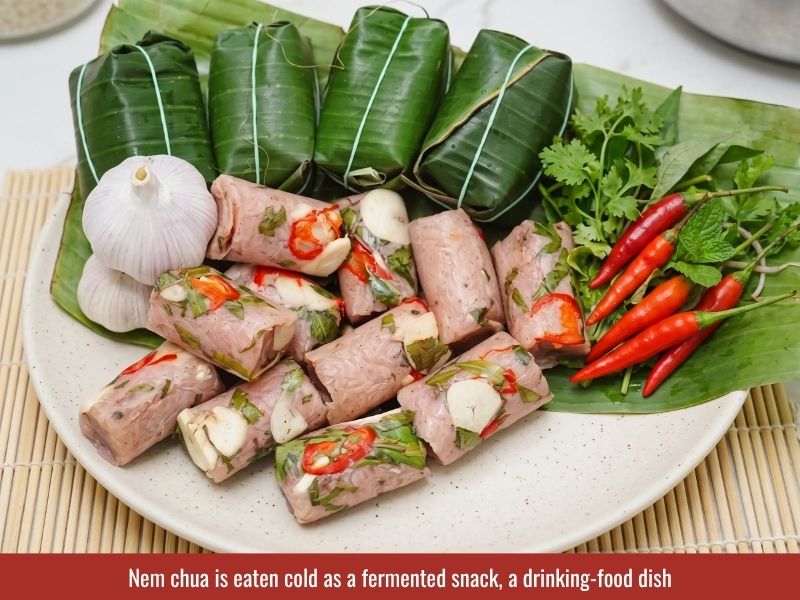
Nem chua is eaten cold as a fermented snack, a drinking-food dish, and a festive cold cut that is usually served with its garlic, chili, and herb garnishes. The toppings are not only decorative; they are part of the intended flavor balance, combining sour meat, spicy chili, fresh herbs, and aromatic garlic in one bite.
Common ways to enjoy nem chua include:
- With cold beer and nhậu gatherings. Nem chua is a popular choice for Vietnamese drinking-food spreads because its sour, salty, garlicky flavor pairs well with beer and other small shared dishes.
- Inside bánh mì. Nem chua can be used as a cold-cut style filling in bánh mì, where the sour flavor balances richer ingredients and fresh vegetables.
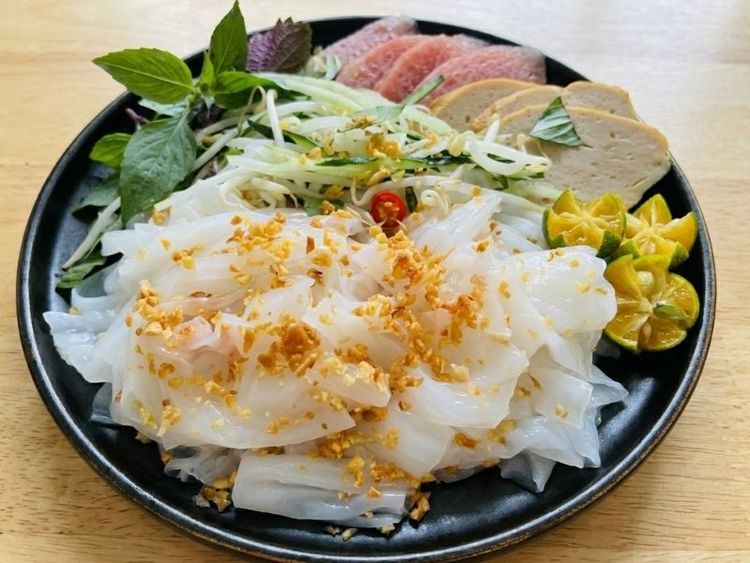
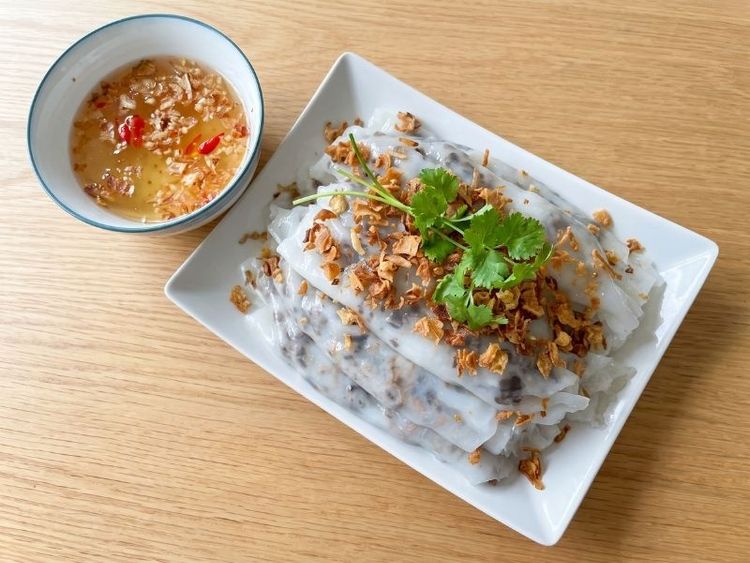
- With rice or bánh ướt. Some households serve nem chua alongside steamed rice or soft rice sheets as part of a larger meal, adding a fermented and spicy element to otherwise mild dishes.
- On Tết food trays. Nem chua is commonly included among festive foods during Tết, often appearing alongside other cured meats and cold cuts. Its bright color, compact shape, and ability to be prepared ahead make it suitable for holiday serving.
The garnish is not decoration. You eat the garlic sliver, the chili, and the coriander leaf with the nem in the same bite. That is why they are pressed into the surface rather than served on the side, and why the wrapping method in Step 7 matters. For Tết gifts, people add a layer of banana leaf and tie it with string. Take it out of the refrigerator and eat it as is, since nem chua is never reheated and warming it would undo the firm, springy texture the ferment gave it.
Tips for the Best Nem Chua
These five techniques help create nem chua with a firm texture, balanced sourness, and consistent fermentation results.
- Keep moisture under control. Dry meat and pork skin create a firmer final texture. Excess water can weaken the seasoning balance and make the finished nem chua softer.
- Use fresh, lean meat. Freshness affects both texture and quality. Lean meat provides the structure needed for a firm fermented product, while excess fat can affect the final result.
- Do not over-process the mixture. Nem chua should have a dense, cohesive texture rather than the smooth, airy texture of giò sống. Mix until the meat binds together without creating an emulsified sausage texture.
- Prepare the wrapping area before mixing the final batch. The meat mixture becomes harder to shape as it sits, so having wrappers, garlic, chili, and herbs ready makes the wrapping process more consistent.
- Follow the seasoning packet ratio carefully. Nem chua seasoning kits are formulated specifically for this preparation. Changing the ratio can affect flavor, texture, and fermentation behavior.
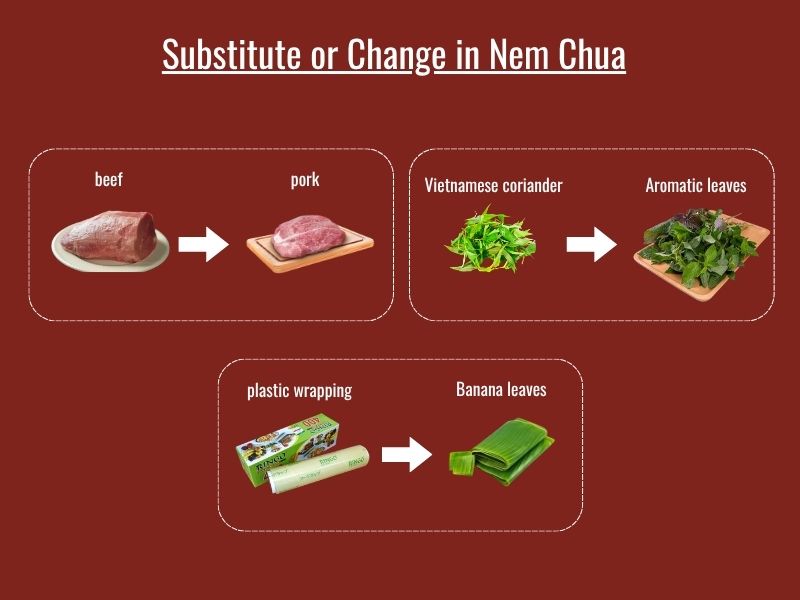
What Can You Substitute or Change in Nem Chua?
These substitutions help adapt nem chua based on ingredient availability while keeping the main characteristics of the dish: fermented meat flavor, firm texture, garlic aroma, and sourness.
- Pork can replace beef for a more traditional style. Traditional nem chua is commonly made with pork, while beef versions are a modern adaptation. Pork creates a different flavor profile but follows the same fermentation concept.
- Pork skin can be reduced or omitted. The recipe can still be made without pork skin, but the finished texture will lose the chewy strands that many people associate with authentic nem chua.
- Vietnamese coriander (rau răm) can be replaced with other aromatic leaves. Young guava leaf, đinh lăng (Ming aralia), or basil can provide herbal notes, although the flavor will not be identical.
- Chili can be adjusted based on preference. Some versions keep the chili mainly on the outside, while others mix it directly into the meat. Reducing chili changes the heat level but not the fermentation process.
- Banana leaves can replace plastic wrapping. Banana leaves are the traditional wrapper and add a subtle aroma. Plastic wrap is a practical home alternative because it is easier to handle and seal.
Make these changes when needed, but keeping the traditional combination of meat, pork skin, garlic, chili, and seasoning mix provides the closest result to Vietnamese-style nem chua.
How to Store Nem Chua?
Store fermented nem chua in the refrigerator once it reaches the preferred sourness to slow further fermentation and preserve the texture.
After fermentation is complete, keep the nem chua wrapped and refrigerated. Proper storage helps maintain the firm texture and prevents the sour flavor from continuing to intensify too quickly.
Nem chua can generally be kept refrigerated for about 1 week, depending on the fermentation stage, seasoning mix used, wrapping method, and handling conditions.
For longer storage, nem chua can be frozen, although the texture of the garlic, chili, and herbs may change after thawing. Freeze only the portions you do not plan to eat soon, then thaw them slowly in the refrigerator before serving.
Do not reheat nem chua. Traditional nem chua is eaten cold, and heating changes the firm fermented texture that defines the dish.
Is this your first batch, or did you grow up with nem chua at Tết and you are finally making your own? Drop your questions, your changes, and how long you let yours go in the comments, and if the recipe worked for you, a quick star rating helps other home cooks find it. Share a photo of your finished nem on social media with #CHINSU, since we love seeing them. Want to see what a good bottle does in the mix? Grab CHIN-SU fish sauce at chinsu.com and give it a try.
Frequently Asked Questions
Nem chua is traditionally eaten without cooking after fermentation, but homemade preparation requires careful handling because it uses raw meat. Follow the seasoning mix instructions, use fresh ingredients, maintain clean equipment, and avoid eating any batch with abnormal odors, slimy texture, mold, or other signs of spoilage.
The fermentation process contributes to the characteristic flavor and texture of nem chua, but it does not replace proper food handling practices.Traditional nem chua is usually fermented outside the refrigerator before being chilled once it reaches the desired flavor and texture. The fermentation time depends on room temperature, portion size, ingredient temperature, and the specific seasoning mix used.
Refrigerator-based methods may slow fermentation and create a milder flavor profile. Follow the instructions provided with the seasoning kit because different products may use different formulations.Nem chua usually takes several days to develop its sour flavor and firm texture. Warmer conditions generally speed up fermentation, while cooler environments slow the process.
The finished nem chua should develop a firm texture, pleasant sour aroma, and balanced flavor from fermentation, garlic, chili, and seasoning.Nem chua may not turn pink immediately because the color develops during the fermentation and curing process. Early in the process, the meat mixture can appear greyish or dull before the final color develops.
If the nem chua remains unchanged after the expected fermentation period, check factors such as the seasoning mix condition, fermentation environment, and ingredient handling.
Do not consume the batch if it develops unusual odors, sliminess, mold, or other signs of spoilage.Nem chua may not become sour when fermentation is slow, the environment is too cold, the seasoning ratio is incorrect, or the fermentation time is insufficient.
Allow the process more time according to the seasoning kit instructions and monitor changes in aroma, texture, and flavor.Nem chua can become soft when there is excess moisture, incorrect meat-to-pork-skin ratios, insufficient mixing, or inconsistent fermentation conditions.
Dry ingredients properly, maintain the recommended ratios, and mix until the meat develops a cohesive texture.It is not recommended for beginners to make nem chua without a dedicated seasoning mix. Commercial nem chua kits are formulated specifically for this style of fermented meat preparation and provide a consistent ingredient ratio.
Nem chua tastes sour, slightly salty, lightly sweet, garlicky, and spicy, with a firm springy texture from fermented meat and pork skin.
The garlic, chili, and Vietnamese coriander served with nem chua create additional aroma and contrast. The overall experience is closer to a fermented meat snack than a cooked sausage.Nem chua and salami are both fermented meat products, but they come from different culinary traditions.
Nem chua uses Vietnamese ingredients such as pork skin, garlic, chili, roasted rice powder, and seasoning mixes, creating a sour and springy texture. Salami relies on different curing methods and flavor profiles.English speakers usually pronounce nem chua close to “nem choo-uh.” Vietnamese tones cannot be fully represented through English spelling, so this pronunciation is only an approximation.
Nem Chua Recipe
1. Ingredient
Meat and Pork Skin
- 2 lb 10 oz (1.2 kg) lean beef or pork, ground fine.
- 1 lb 1.6 oz (500 g) cooked pork skin (bì heo), thinly sliced.
Seasonings
- 2 packets nem chua seasoning mix (gia vị làm nem chua), approximately 2.5 oz (70 g) each.
- 1.8 oz (50 g) fish sauce.
- 3.5 oz (100 g) sugar.
- 1 teaspoon (6 g) salt.
- 2 tablespoons roasted rice powder (thính gạo).
- 1 tablespoon black peppercorns, toasted and coarsely crushed.
Garlic, Chili, and Herbs
- 1 oz (30 g) garlic, minced.
- 1.4 oz (40 g) garlic, sliced for wrapping.
- 0.3 oz (8 g) bird’s eye chili, minced.
- Extra sliced chili for wrapping.
- Vietnamese coriander (rau răm).
2. Instructions
- Step 1: Grind the Meat Twice. Use lean beef or pork, remove visible fat, cut into small pieces, and grind twice until smooth. Spread the ground meat flat and freeze for 1–1.5 hours until firm but not frozen solid.
- Step 2: Prepare the Pork Skin. Thaw cooked pork skin, soak with salt and white wine or vinegar, rinse thoroughly, then blanch briefly with hot water and white wine. Transfer to ice water, drain, and chill for 1–2 hours before slicing.
- Step 3: Prepare the Wrappers and Aromatics. Mince garlic and bird’s eye chili for the meat mixture. Slice remaining garlic for the outside, prepare Vietnamese coriander, and toast black peppercorns until fragrant before crushing.
- Step 4: Season and Beat the Meat. Mix chilled ground meat with fish sauce, sugar, salt, roasted rice powder, crushed pepper, minced garlic, and chili. Continue mixing until the mixture becomes sticky and elastic.
- Step 5: Mix in the Pork Skin. Cut chilled pork skin into 1¼–1½ inch (3–4 cm) strips. Add gradually and mix on low speed for 2–3 minutes until evenly distributed.
- Step 6: Add the Nem Chua Seasoning Mix. Add the seasoning mix according to the package instructions. Mix until the curing ingredients are evenly incorporated throughout the meat mixture.
- Step 7: Wrap the Nem Chua. Place the meat mixture onto wrappers with garlic, chili, and Vietnamese coriander. Roll tightly while pressing out excess air, then twist both ends closed. Complete wrapping within 15–20 minutes.
- Step 8: Ferment Until Ready. Keep wrapped nem chua in the fermentation environment recommended by the seasoning mix instructions. Ferment until the product develops a firm texture, pleasant sour aroma, and preferred sourness, then refrigerate to slow fermentation.
3. Storage: Store fermented nem chua wrapped and refrigerated after reaching the desired sourness. It can generally be kept for about 1 week depending on fermentation stage, seasoning mix, wrapping, and handling conditions. Freeze portions for longer storage if needed, but texture of garlic, chili, and herbs may change after thawing. Do not reheat nem chua.
4. Yield: Multiple wrapped portions of fermented meat
5. Serving Style: Vietnamese fermented meat snack served cold with garlic, chili, Vietnamese coriander, beer, bánh mì, rice dishes, or Tết food trays

CHIN-SU KITCHEN TEAM
CHIN-SU Kitchen Team are the creative experts behind the delicious recipes featuring CHIN-SU sauces. With years of experience and a passion for flavor, our team carefully selects recipes from a variety of trusted chefs and bloggers, bringing together the best culinary insights to present you with the most suitable and exciting dishes. Every recipe is chosen to inspire you to create meals that are not only tasty but also easy to prepare, enhancing your dining experience. Join us as we explore a wide range of sauces and flavors, and elevate every meal with the perfect recipe for your table!
User Reviews
Featured Articles
SUBSCRIBE TO GET
MORE INFO
Want the latest and greatest recipes, updates, and more from us,
straight to your inbox? Subscribe and get our NEWS!