Canh Chua Recipe: Vietnamese Sour Soup
Published: Jul 23, 2026 by CHIN-SU
Updated: Jul 27, 2026 by CHIN-SU
Tested by CHIN-SU Kitchen Team
Canh chua is a Southern Vietnamese sour soup made with fish, tamarind, pineapple, tomatoes, okra, elephant ear stems, bean sprouts, and fresh herbs. It fills the canh role in a Vietnamese family meal: a light, shared soup served with steamed rice and a more concentrated savory dish such as cá kho tộ. The broth balances tamarind acidity, pineapple sweetness, fish sauce, freshwater fish, and the distinctive aromas of rice paddy herb and culantro.
Whether you grew up eating canh chua or want to explore Vietnamese home cooking beyond phở, this recipe explains how to balance the sweet-sour broth, keep the fish intact, and preserve the vegetables’ texture. In this article, CHIN-SU shares the canh chua recipe to make at home, tips for selecting the fish and souring agent, and how Southern Vietnamese families serve it. The recipe takes about 40 minutes, including 15 minutes of preparation and 25 minutes of cooking, and makes 4 servings.
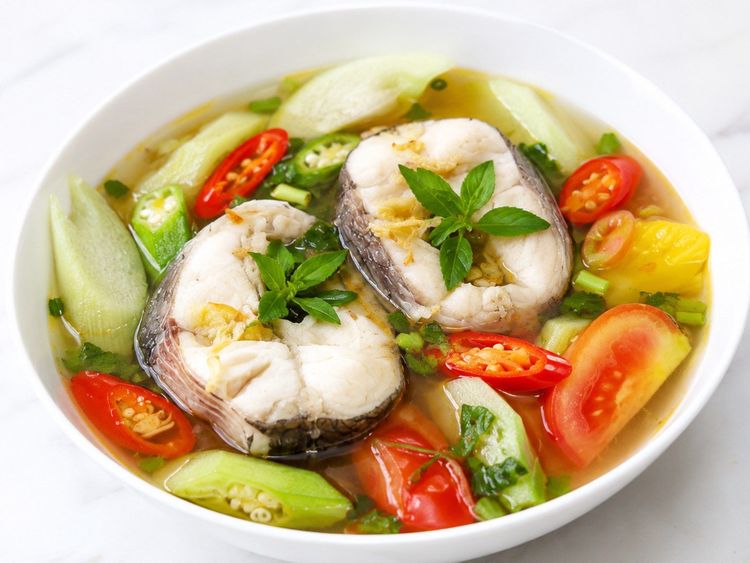
Table Of Contents
What Is Canh Chua?
Canh chua is a Southern Vietnamese sour soup commonly made with fish in a tangy, lightly sweet broth. The name literally means “sour soup”: canh refers to a broth-based dish served as part of a rice meal, while chua means “sour.” English speakers can pronounce canh chua approximately as “gahn joo-ah.”
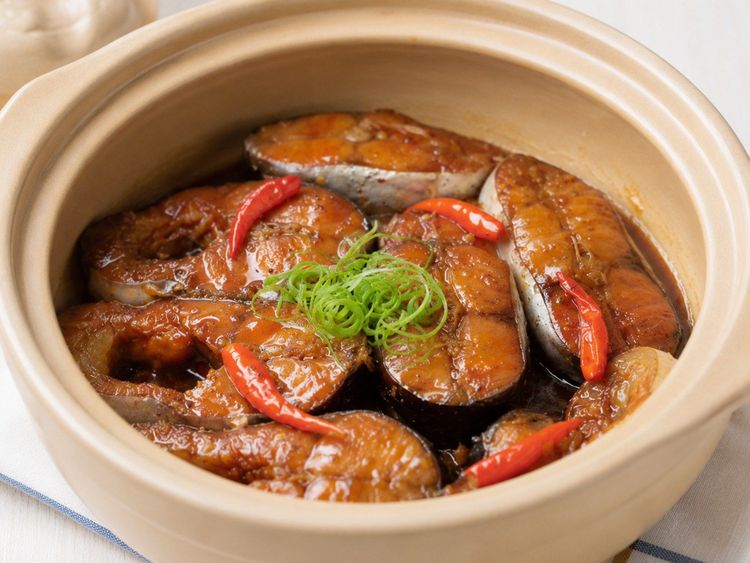
Unlike phở and other self-contained noodle soups, canh chua is usually served in a shared bowl alongside steamed rice, vegetables, and a savory món mặn. It pairs especially well with concentrated dishes such as cá kho tộ because the light, acidic broth balances their salty-sweet flavor.
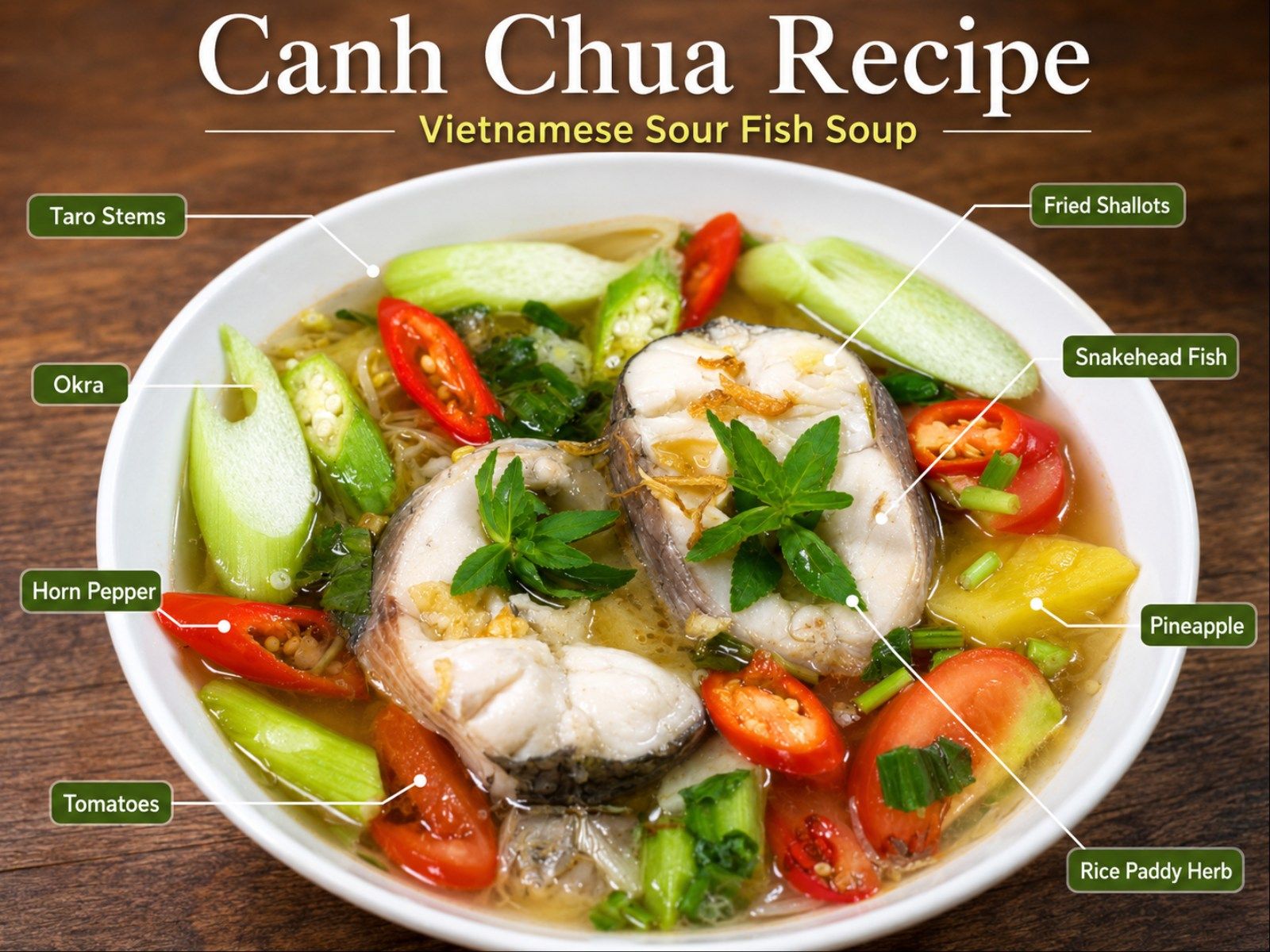
The familiar Southern fish version combines tamarind with pineapple, tomatoes, okra, bean sprouts, elephant ear stems, rice paddy herb, and culantro. Snakehead fish and catfish are common choices, though shrimp, salmon, barramundi, carp, eel, chicken, tofu, and mixed seafood may also be used.
Canh chua is closely associated with the Mekong Delta, where the protein, vegetables, and source of acidity change with the season and local ingredients. Tamarind is the most recognizable souring agent, but some cooks use bần fruit, sour mango, starfruit, mẻ, lá giang, or lime. Water lilies, sesbania flowers, water spinach, and banana blossom may also appear in regional versions.
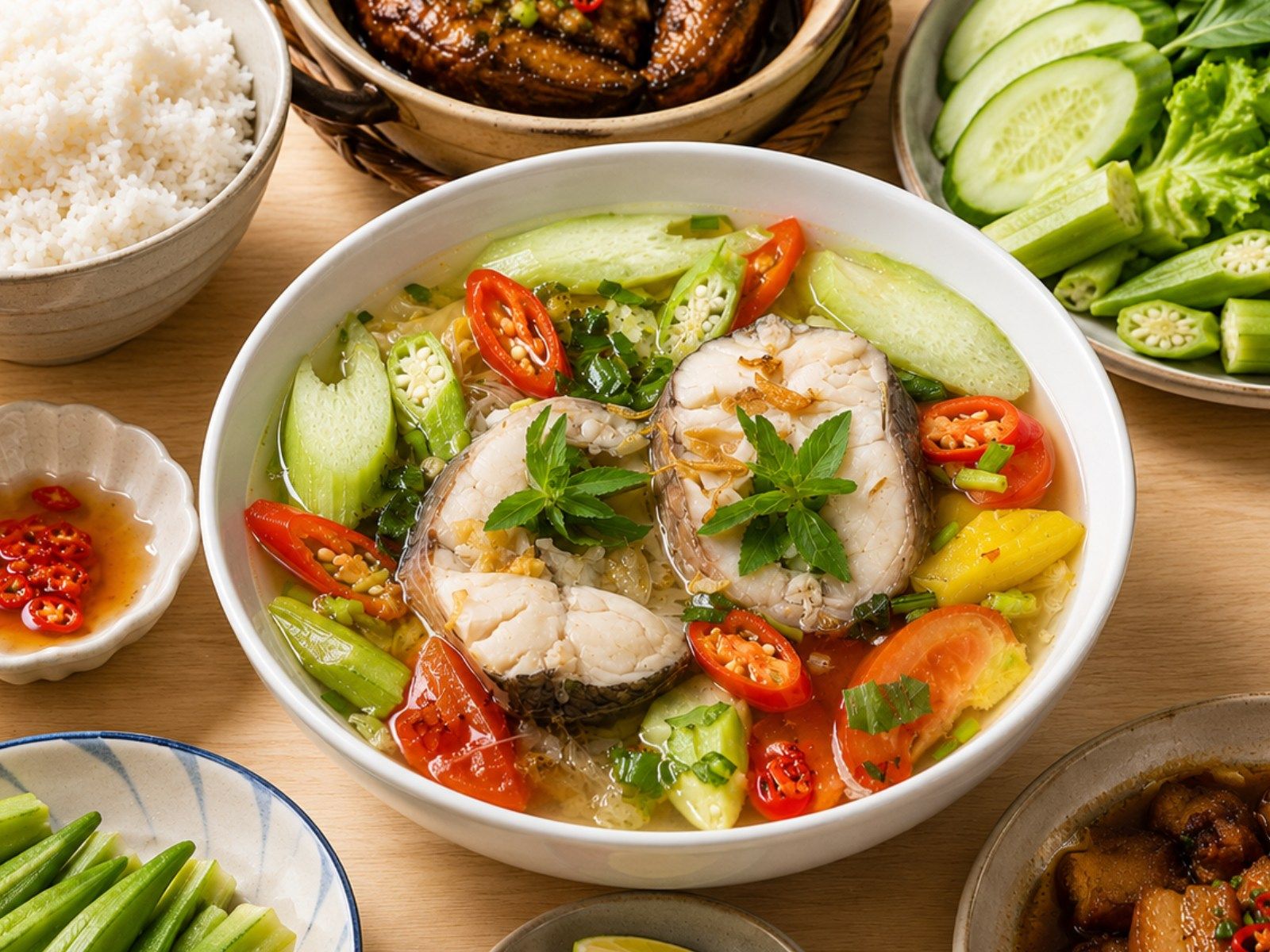
Rather than following one fixed ingredient list, canh chua is defined by its balance of sour, sweet, savory, herbal, and mildly peppery flavors. It remains a familiar part of contemporary Southern Vietnamese home cooking rather than only a historical regional dish.
In the United States, canh chua appears on Vietnamese restaurant menus as “Vietnamese sour soup,” “sweet-and-sour soup,” or “tamarind soup.” Restaurants serve both individual and family-style portions with different proteins and vegetables. Menu examples range from about $15 to $45, depending on the serving size and protein, though these prices do not represent a national average.
Why You'll Love Canh Chua
You’ll absolutely love this canh chua recipe because you can make it all in one pot, giving you a perfect mix of sour, sweet, and savory in every spoonful with almost no effort.
- The broth has a structured balance. Tamarind supplies the primary acidity, pineapple and sugar soften it, and fish sauce provides savory depth without turning the soup into a salty dipping sauce.
- The vegetables retain distinct textures. Okra remains tender, taro stems absorb the broth, tomatoes hold their shape, and bean sprouts stay crisp because each ingredient enters the pot at a different time.
- The fish stays in whole pieces. Thick steaks, optional searing, gentle simmering, and minimal stirring reduce breakage.
- It completes a Vietnamese family meal. Serve it with rice and cá kho tộ, tôm rim, braised ribs, or another concentrated món mặn.
- It takes about 40 minutes. The preparation is mostly cutting vegetables, extracting tamarind, and briefly marinating the fish.
Canh Chua Ingredients
This canh chua comes together by breaking down your grocery list into 3 main groups: your protein, your fresh veggies, and your basic seasonings. The amounts listed below will easily make 4 generous servings.
Protein
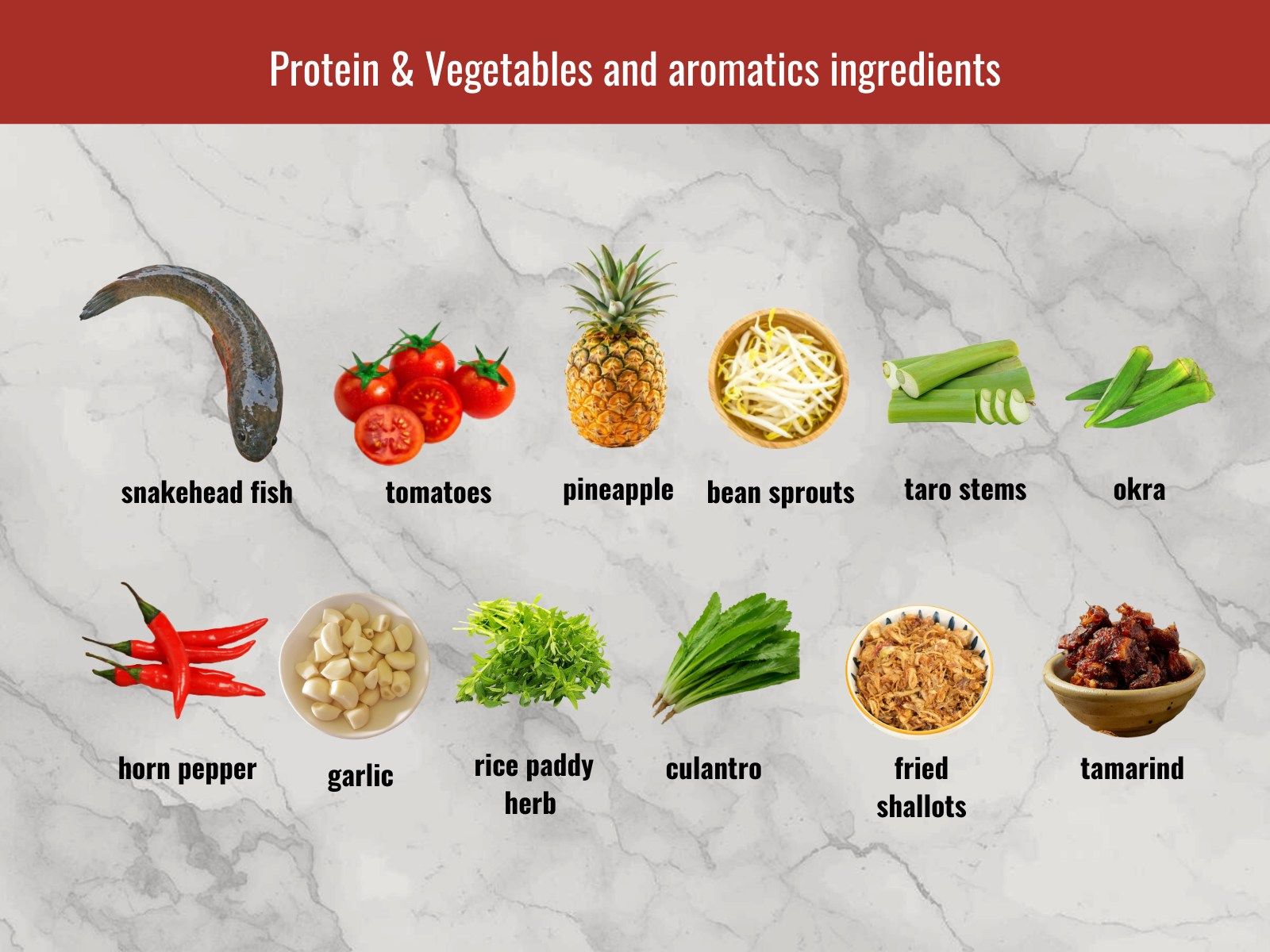
- 1.1 lbs (500g) snakehead fish (cá lóc), which you should clean well and cut into thick steaks. Choosing snakehead fish is the traditional way to go in Southern Vietnam because its firm, sweet meat holds up perfectly in the boiling broth.
Vegetables and aromatics
- 7 oz (200g) tomatoes, chopped into wedges, which give the soup a nice mild tartness and a bright color.
- 7 oz (200 g) fresh pineapple, cut into bite-size pieces, to add some natural sweetness that balances out the sour base.
- 5.3 oz (150g) okra, cut diagonally, to give the soup a cool texture and a bit of body.
- 3.5 oz (100g) bean sprouts, which you throw in at the very end to keep that fresh, crunchy bite.
- 2.5 oz (70g) taro stems (bạc hà), peeled and sliced up. These work like a sponge and soak up all that delicious broth.
- Half a horn pepper (ớt sừng), sliced thin. Feel free to swap this out for bird's-eye chili if you want to dial up the heat.
- 6 cloves garlic, minced, which you will divide up between frying and marinating your fish.
- A small bunch of rice paddy herb (rau om), which is 1 of the essential signature herbs for finishing the dish.
- A small bunch of culantro (ngò gai), which is the other key herb you need to bring out a sharp, fresh aroma.
- A small handful of fried shallots (hành phi), to sprinkle on top for a nice little crunch before serving.
- 1 to 1.5 oz (30 to 40 g) seedless tamarind pulp, soaked in hot water and strained, or the tested equivalent of tamarind concentrate.
- 1 to 2 tsp kumquat or lime juice, optional, for adjusting the finished broth.
- Fried shallots, optional
Seasonings
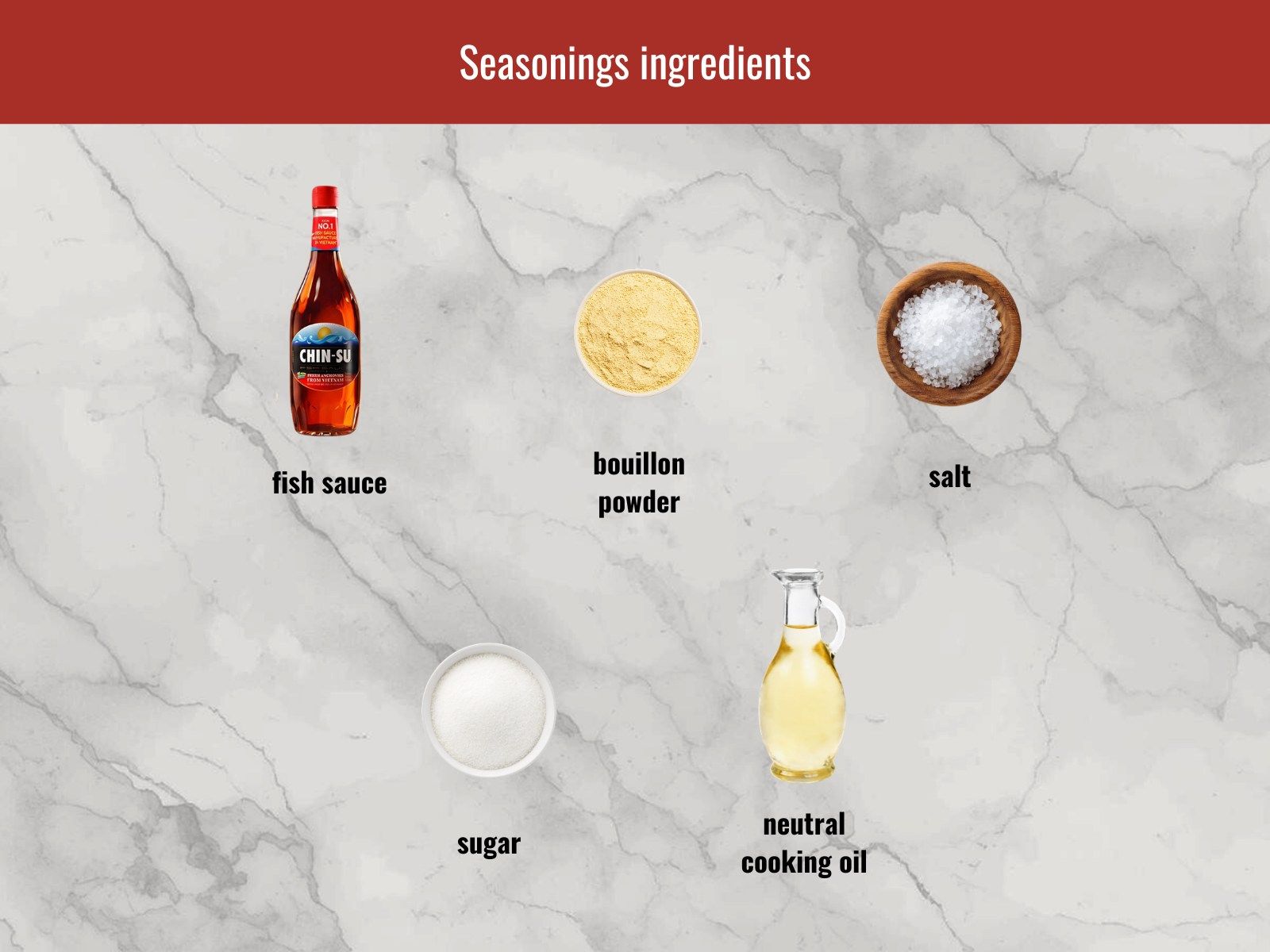
- About 2.5 tbsp fish sauce, which you will pour in stages between your marinade and the soup broth. You can try out CHIN-SU fish sauce to really nail the flavor for this recipe.
- 1/2 tbsp salt, 2 tbsp sugar, and 1/3 tbsp bouillon powder to round out the taste.
- Neutral cooking oil to pan-fry your aromatics.
Nice to have: You can also throw in some betel leaves (lá lốt), leek greens, regular cilantro, and a tiny pinch of white pepper to finish off your bowl perfectly.
How to Make Canh Chua Step by Step
Making canh chua takes 9 main steps and about 40 minutes, including 15 minutes of preparation and 25 minutes of cooking.
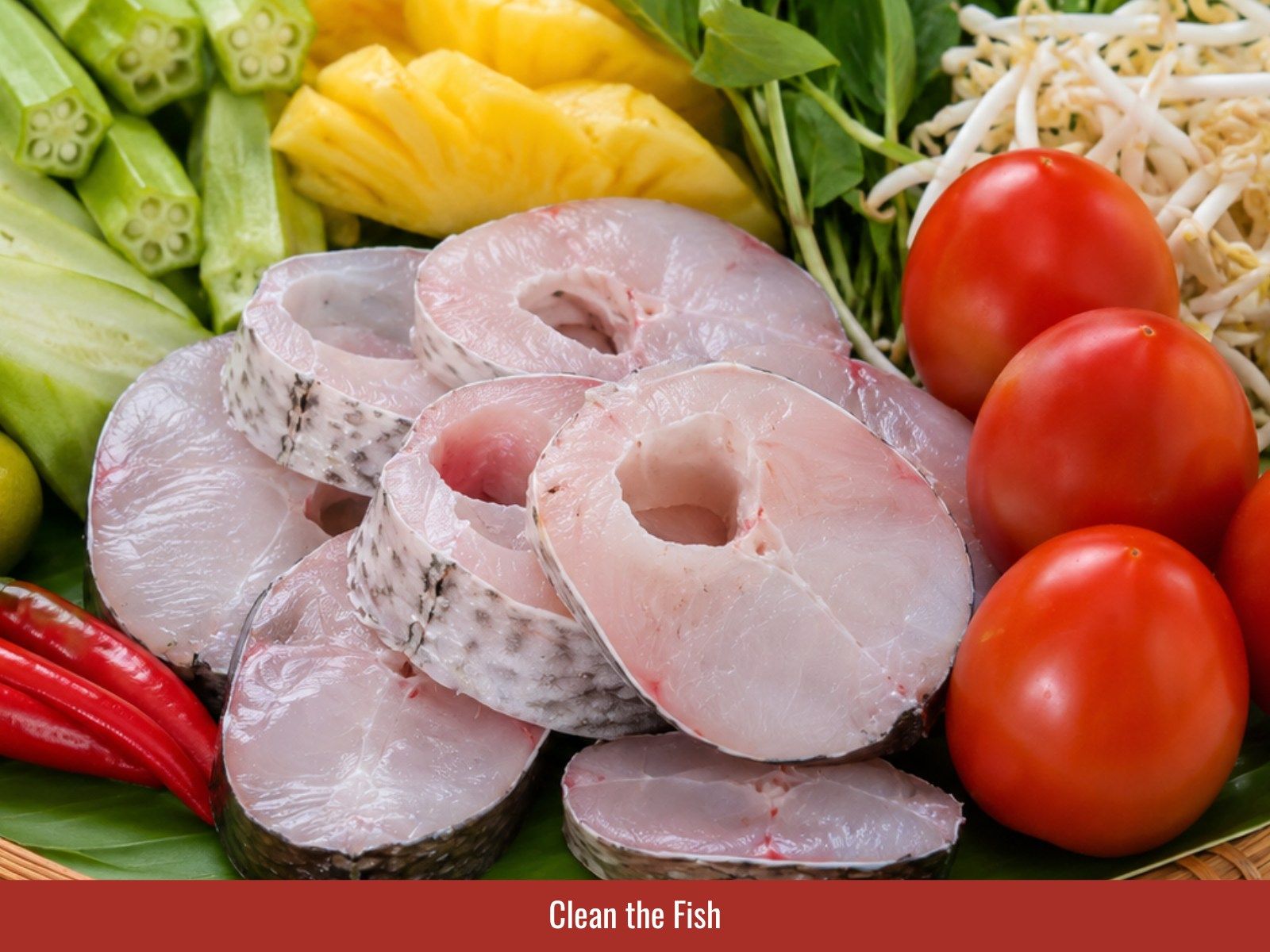
Step 1: Clean the Fish
Cleaning the fish with salt and citrus removes the muddy, fishy odor that freshwater fish carry. Wash the snakehead fish (cá lóc), scrape off the scales, and rinse out every trace of blood. Rub it with salt and a little lime or kumquat juice, then rinse twice under clean water and drain. Cut into large steaks rather than thin slices so the pieces stay whole in the broth. If the smell lingers, soak the fish in rice-rinsing water for 15 to 20 minutes.
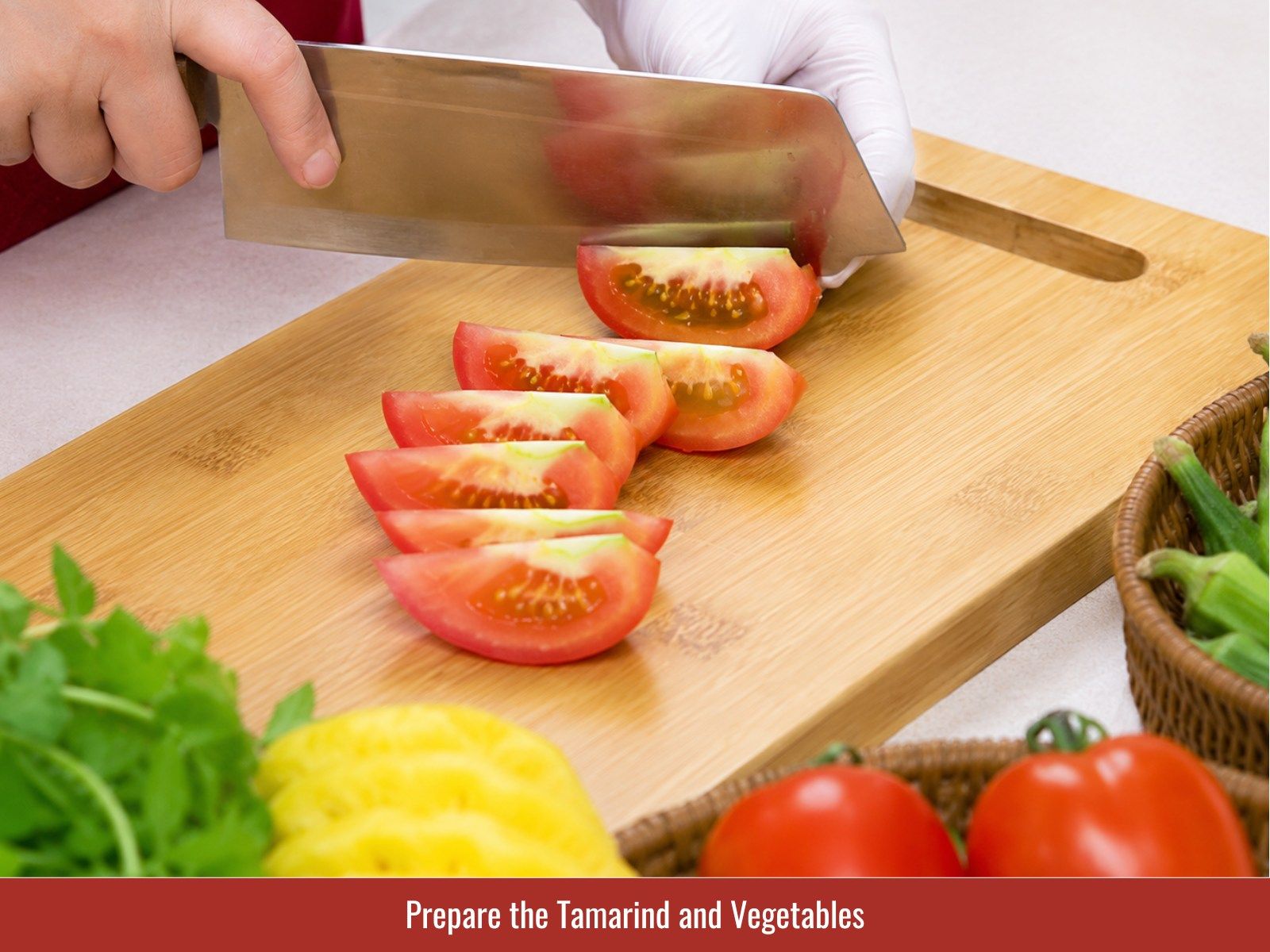
Step 2: Prepare the Tamarind and Vegetables
Soak the tamarind pulp in hot water until softened, then mash it to release the flavor. Strain the liquid and discard the seeds and fibers.
Cut the pineapple and tomatoes into bite-size pieces, and slice the okra diagonally. Peel away the fibrous outer layer of the taro stems, then slice them. Rinse the bean sprouts under cool running water and drain well.
Keep the rice paddy herb and culantro separate, as they will be added after cooking. Peel and mince the garlic.
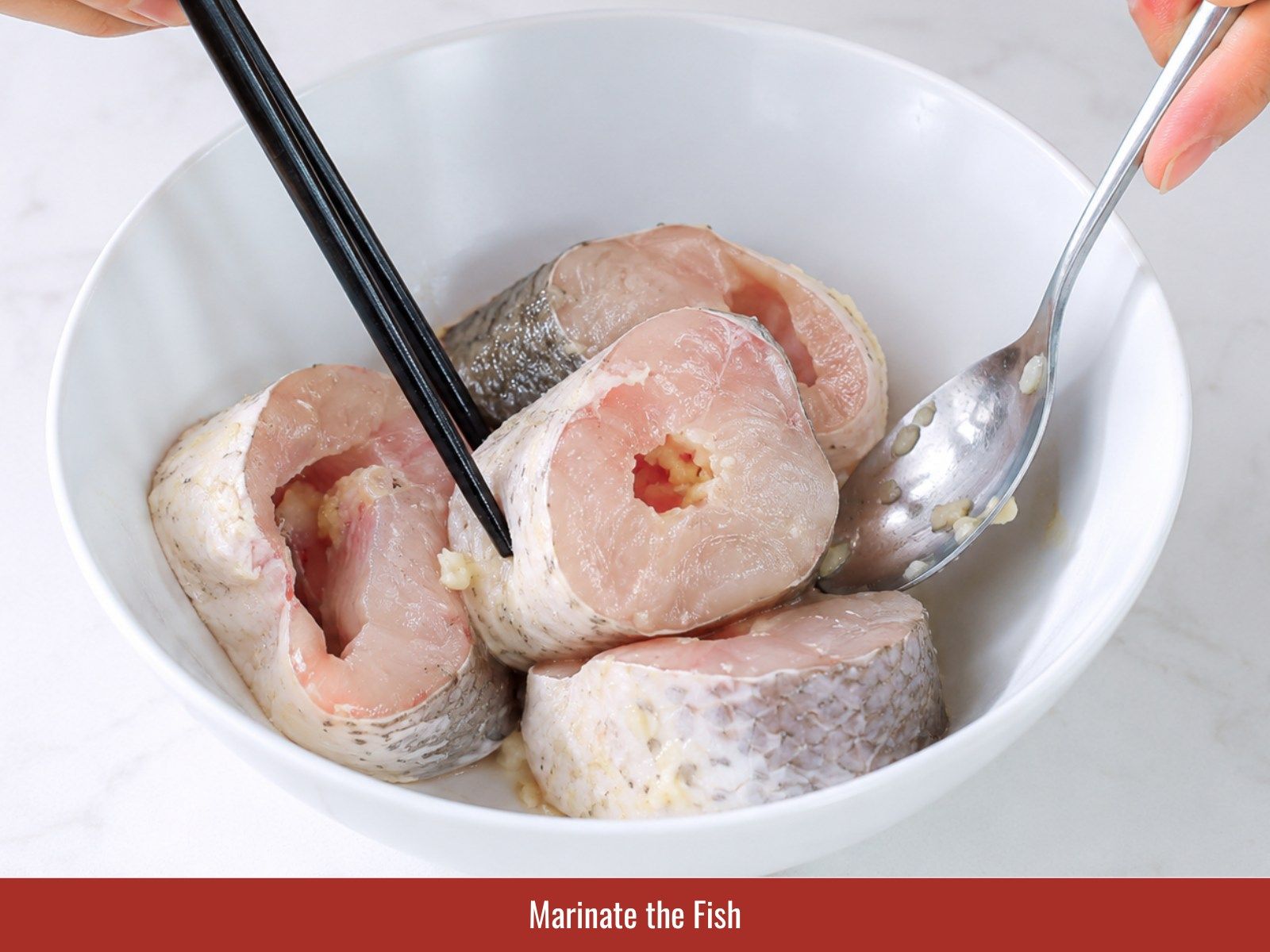
Step 3: Marinate the Fish
A quick 10-minute marinate with fish sauce, bouillon, and garlic gives the fish a savory base before it hits the pan. Toss the fish steaks with 1/3 tbsp bouillon powder, 1/2 tbsp fish sauce, and 1 teaspoon minced garlic until every piece is coated. Let it sit for 10 minutes.
Step 4: Fry the Garlic
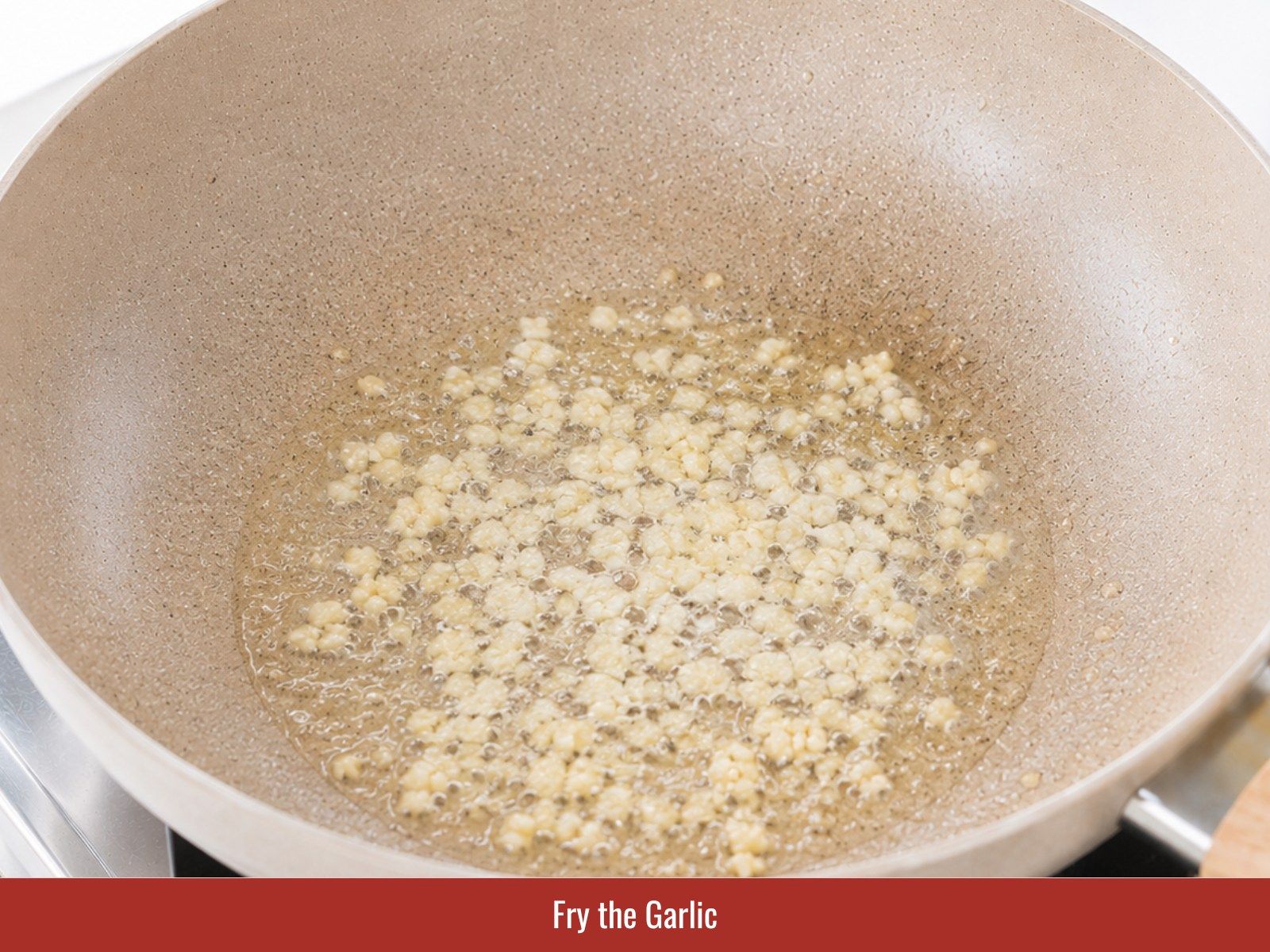
Golden fried garlic works as both a flavor base and a finishing garnish. Heat a non-stick pan over low heat with a little oil, then add 1 teaspoon of minced garlic. Fry it until golden, tossing now and then, and scoop it out for later. Keep that garlic oil in the pan. Low heat matters here, since garlic burns fast and turns bitter.
Step 5: Sear the Fish
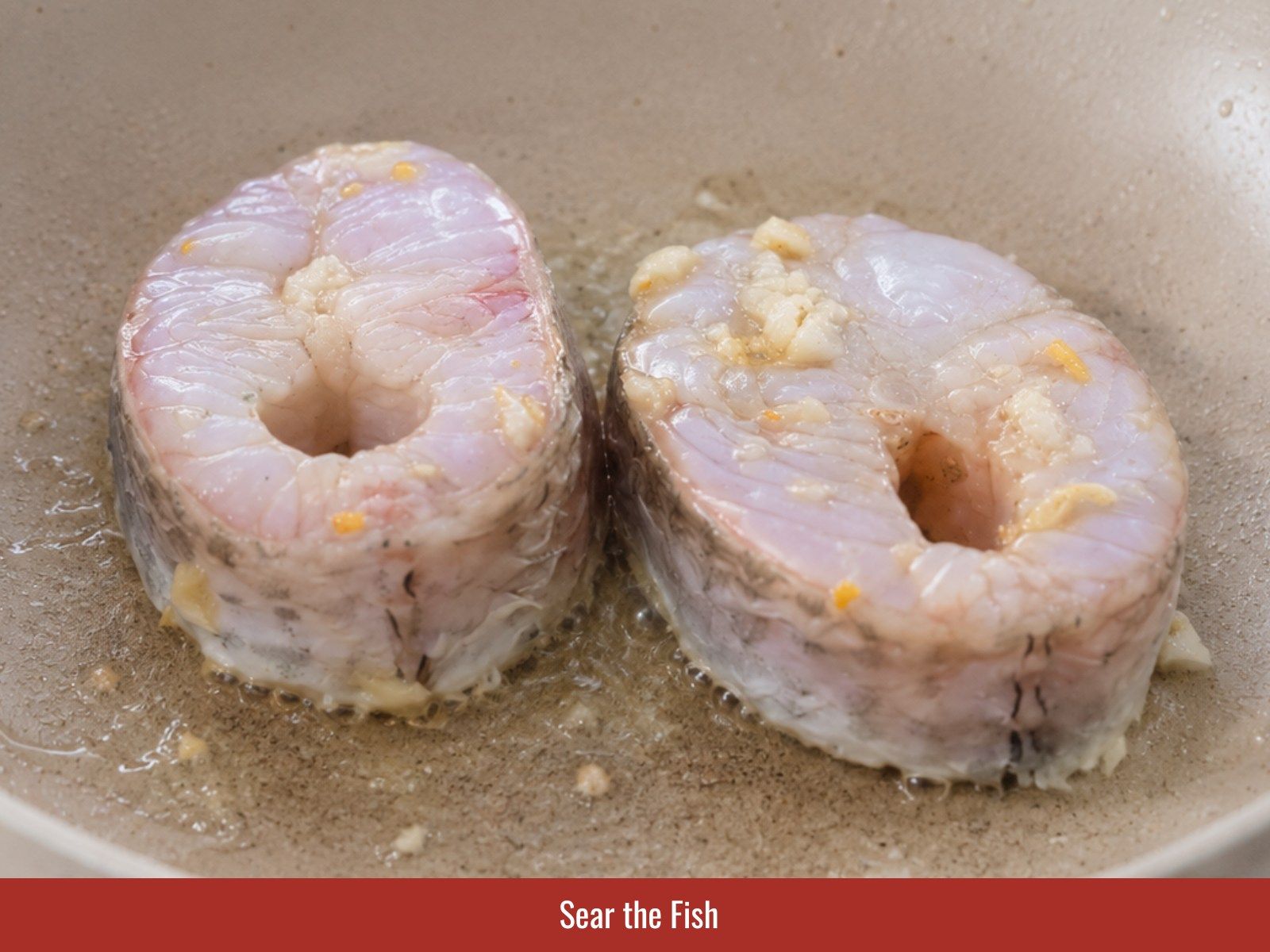
Give the fish a quick sear to firm it up so it does not fall apart in the broth and picks up a nice toasted aroma. Using the same pan with your garlic oil, sear the marinated steaks on both sides until they just set, keeping them a bit rare in the middle. Put them aside for now. Searing freshwater fish really tones down its earthy taste and gives the meat a sweet, toasty flavor.
Step 6: Build the Broth
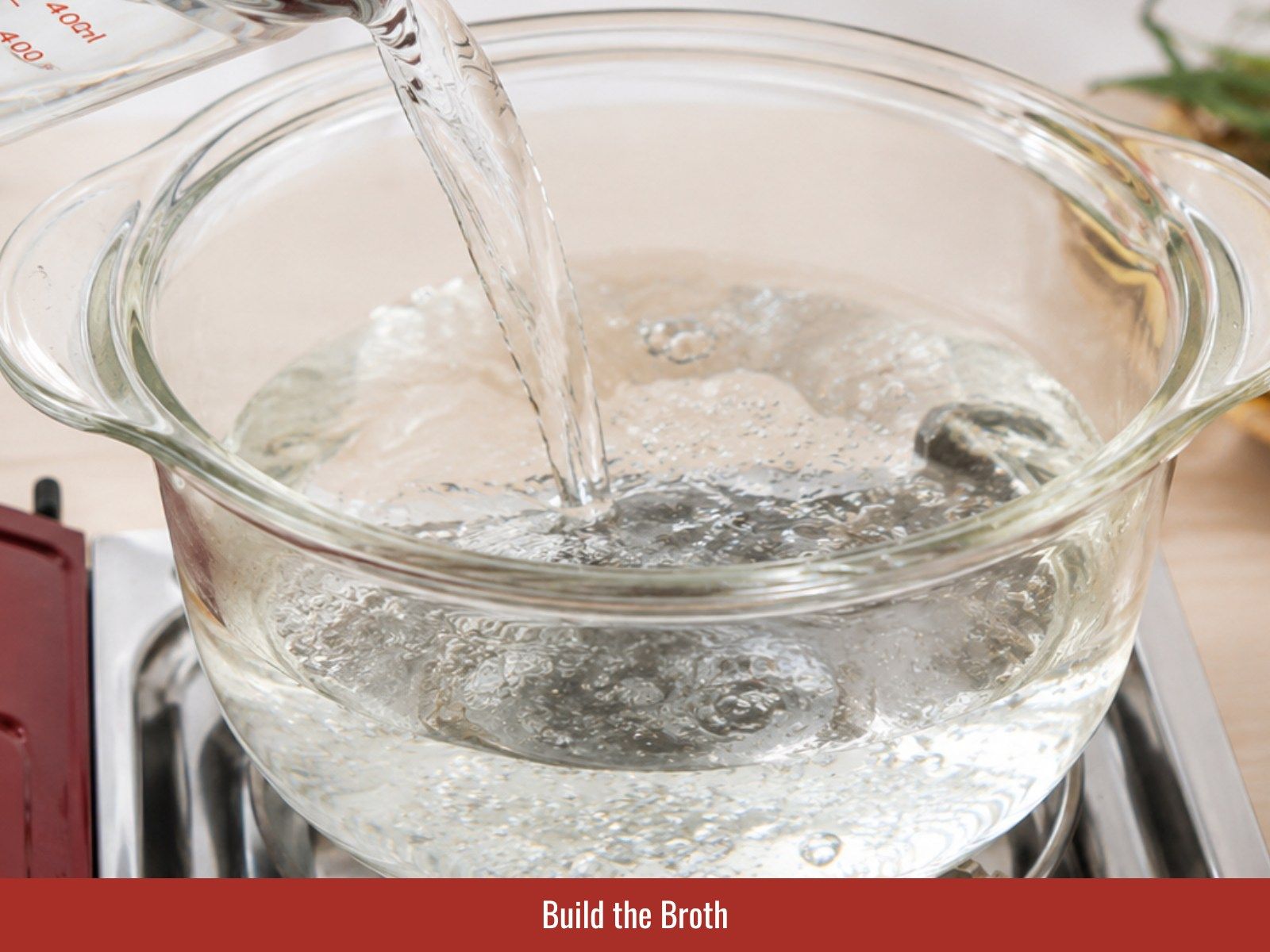
Your broth starts out as basic seasoned water, and the flavor builds up naturally as the fish and veggies cook in it. Pour 5 cups (1.2 L) of water straight into a pot. Stir in 1/2 tbsp salt, 1/2 tbsp sugar, and 1/2 tbsp fish sauce, then heat it up over medium heat.
Step 7: Simmer the Fish
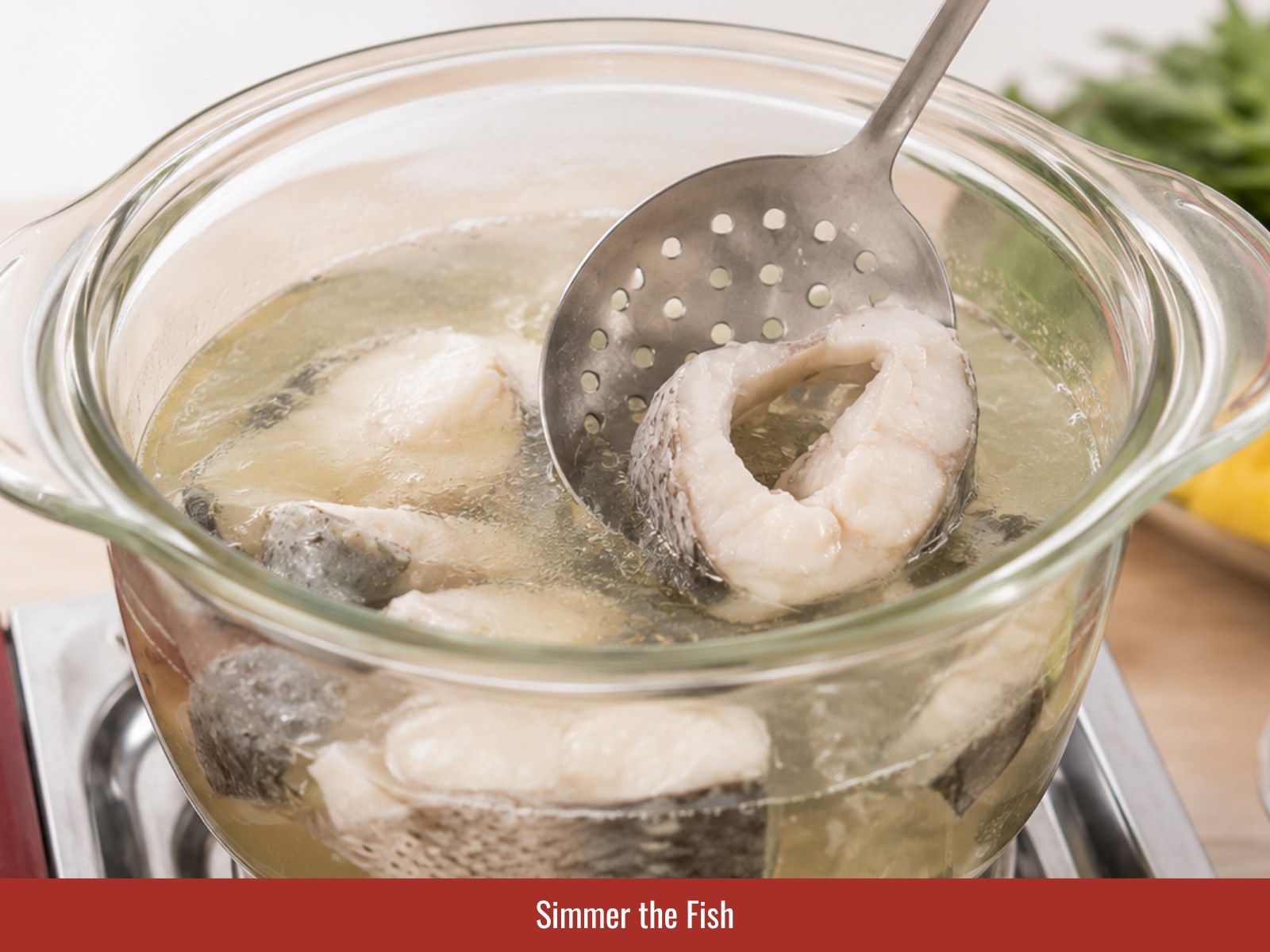
Putting the fish into warm, rather than boiling, water keeps the meat intact and stops it from breaking into pieces. Once the water gets to around 140°F (60°C), slide your seared fish right in. Bring the water to a boil, then lower the heat to a gentle simmer for about 5 minutes, scooping off any foam that floats up. Take the fish out and set it aside. That 60°C starting point is the real secret: the pieces cook slowly as the water heats up, so they stay perfectly whole.
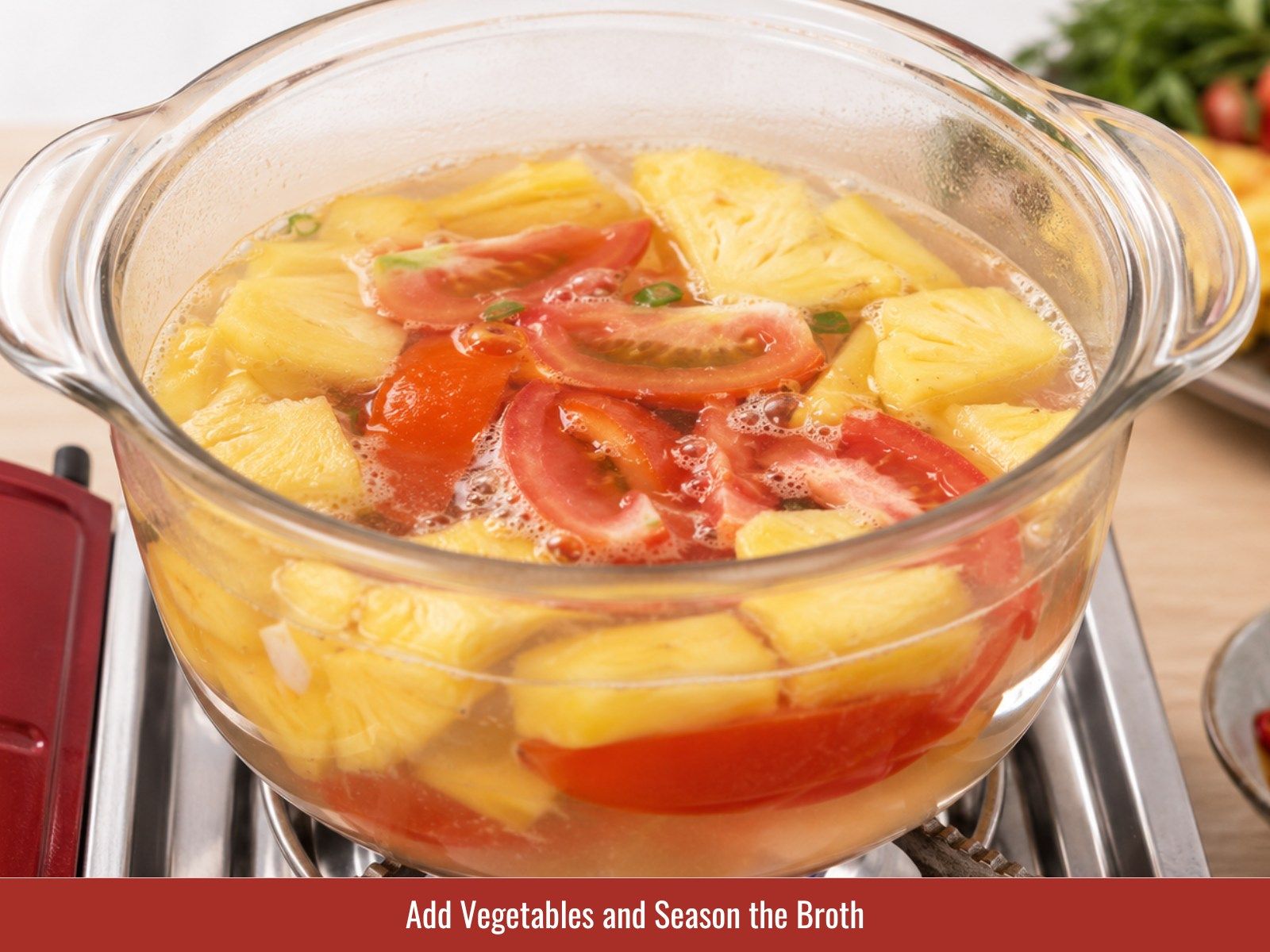
Step 8: Add Vegetables and Season the Broth
Add the vegetables in stages according to their cooking time. First, add the pineapple, tomatoes, and okra. Reduce the heat to a gentle simmer, then stir in 1.5 tbsp sugar, 1 tbsp fish sauce, and the strained tamarind liquid. Taste and adjust the sweet-sour balance as needed.
When the broth returns to a simmer, add the elephant ear stems, bean sprouts, and the remaining ½ tbsp fish sauce. Fish sauce provides the savory seasoning that balances the tamarind and pineapple, and CHIN-SU fish sauce can be used here. For more acidity, add kumquat juice gradually; if the broth becomes too sharp, balance it with a small pinch of sugar.
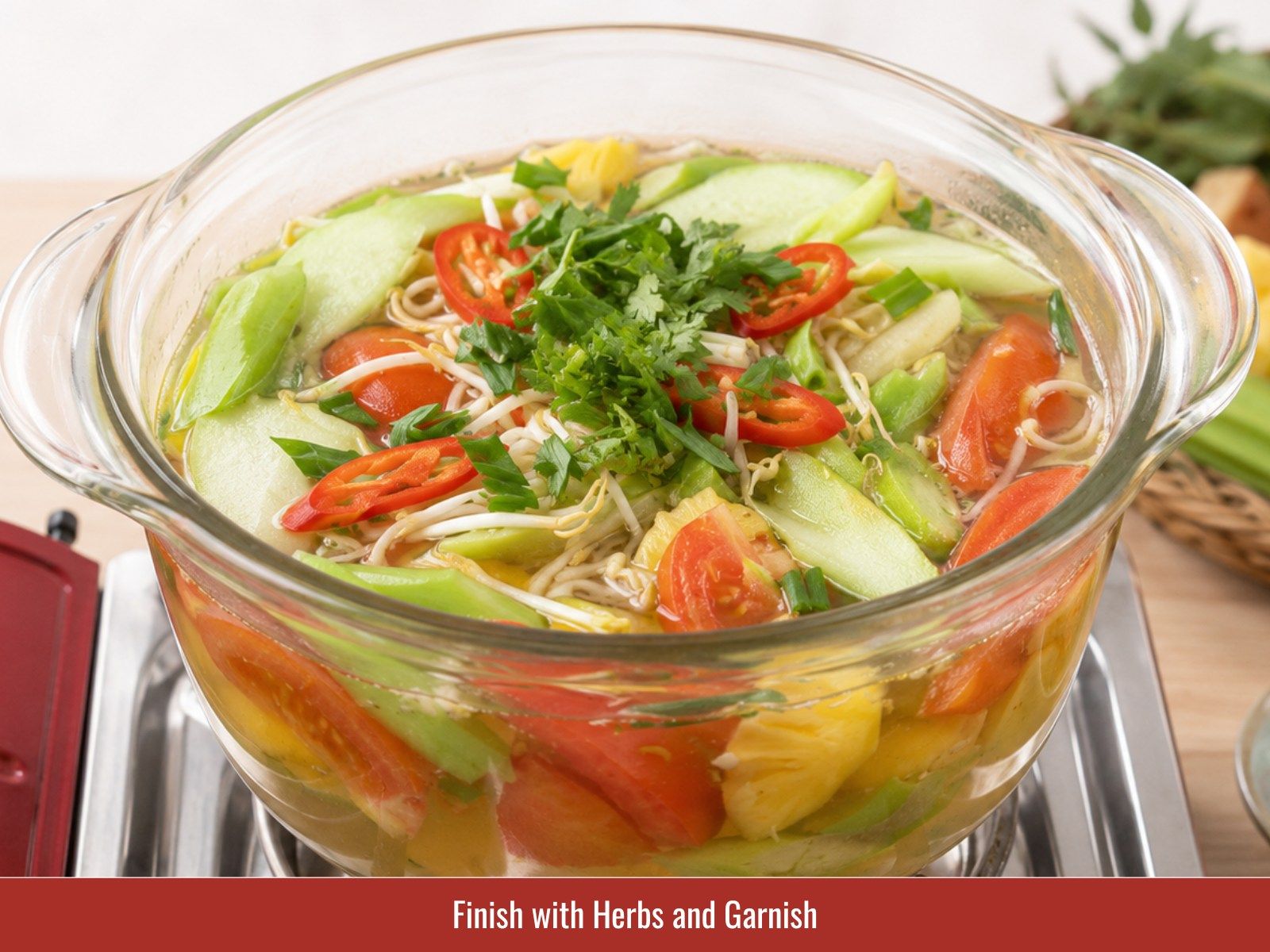
Step 9: Finish with Herbs and Garnish
Toss your fresh herbs in right before you serve the dish, so the residual heat brings out their aroma without wilting them. Stir in your chopped culantro (ngò gai) and rice paddy herb (rau om), slide the cooked fish back into the pot, and scatter your fried garlic right on top. Turn off the burner. Ladle the soup into bowls and finish it off with fried shallots and a pinch of white pepper.
How to Serve Canh Chua
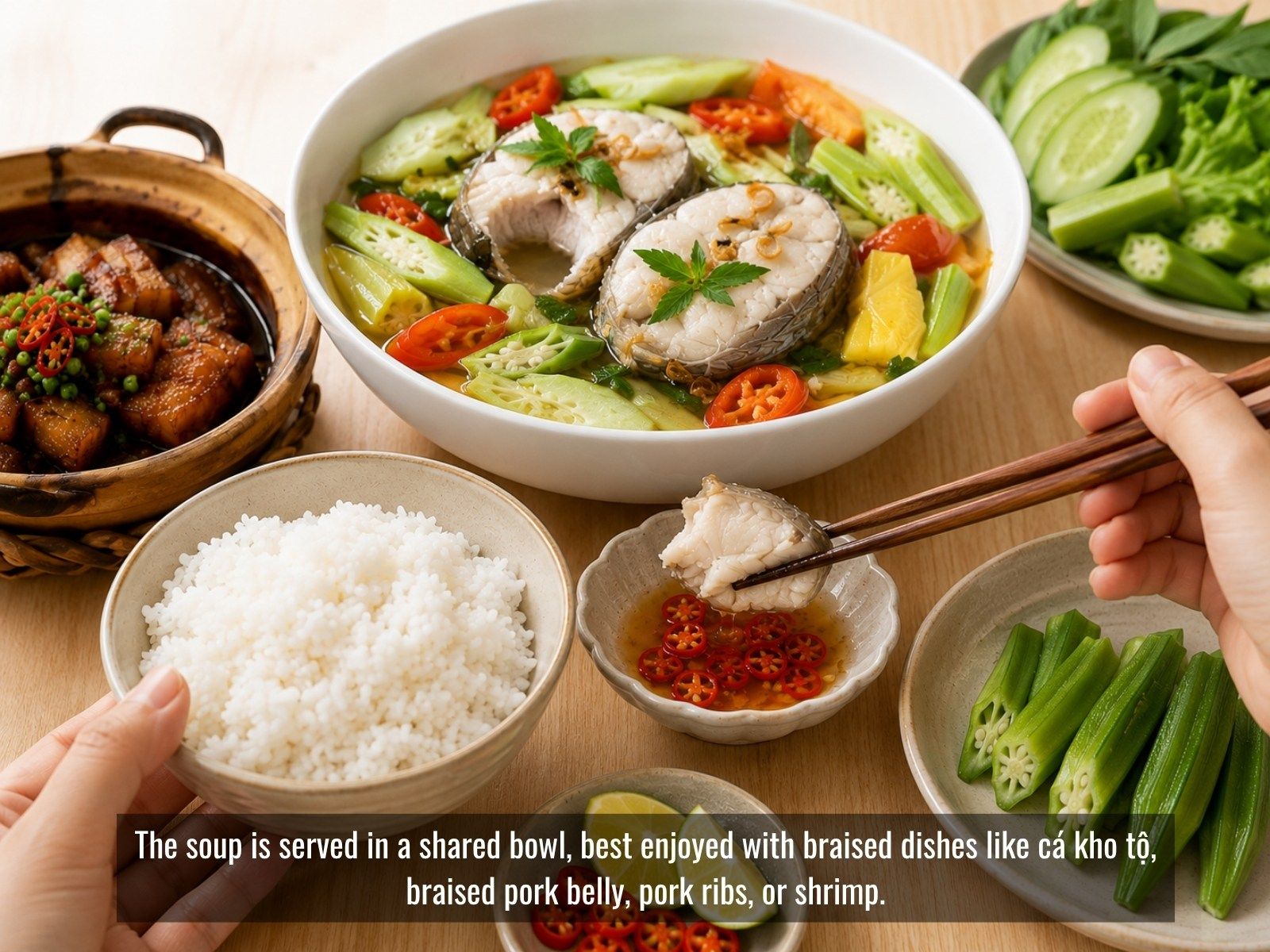
Canh chua is usually served family-style as part of a Southern Vietnamese rice meal. Place the soup in a large shared bowl or pot at the center of the table, with steamed rice and several side dishes arranged around it. Diners can ladle the broth and vegetables into their own bowls, then use chopsticks to take pieces of fish. A typical spread includes:
- A rich món kho on the side: The salty-sweet intensity of a braised dish creates a natural contrast with the light, tangy canh chua broth. Cá kho tộ is a classic pairing, but thịt ba chỉ kho tiêu, sườn non kho mặn, tôm rim, or braised tofu also work well.
In some Mekong Delta households, the center steaks of a whole fish are reserved for cá kho, while the head and tail are used for canh chua. This allows one fish to provide both the savory main dish and the soup for the same meal.
- Rice or rice vermicelli: Steamed jasmine rice is the most common starch. Spoon the broth over the rice or alternate between bites of rice, fish, and vegetables. Rice vermicelli can also be served when a lighter noodle-based meal is preferred.
- Fresh and boiled vegetables: Cucumber, boiled okra, leafy greens, or other seasonal vegetables can be placed on the table to add freshness and balance the richer braised dishes.
- Condiments for individual seasoning: Serve fish sauce with sliced chili in a small dipping bowl for the fish rather than pouring it into the shared soup. Lime or kumquat wedges can be added for more acidity, while fresh chili provides direct heat.
CHIN-SU Vietnamese Hot Sauce can also be served on the side for an extra layer of roasted chili and garlic flavor. Add it to individual bowls or use it as a dipping condiment so the original sweet-and-sour balance of the shared pot remains unchanged.
Tips for the Best Canh Chua
Here are 8 useful tips that will help you make a huge difference between just a good canh chua and a truly great one.
- Balance the sourness first. Add the tamarind liquid gradually, follow with sugar, then finish with fish sauce or salt. This order makes the sweet-sour balance easier to control.
- Keep the broth at a gentle simmer. Avoid a rolling boil, which can break delicate fish steaks apart. The liquid should move gently around the fish.
- Sear the fish briefly if desired. A quick sear firms the surface and adds light browning, but it is optional. Avoid overcooking the fish before it enters the broth.
- Add vegetables according to cooking time. Add firmer ingredients such as okra and elephant ear stems before delicate tomatoes, bean sprouts, and pineapple so each keeps the right texture.
- Avoid excessive stirring. Move the broth gently with a ladle instead of repeatedly turning the fish. Thick, evenly cut steaks are easier to handle than thin fillets.
- Finish with rau nêm. Add rice paddy herb and culantro after turning off the heat so their aroma stays fresh and pronounced.
- Taste again before serving. Tamarind acidity, pineapple sweetness, and fish-sauce saltiness vary. The finished broth should taste distinctly sour, gently sweet, and lightly savory.
- Always skim off the white foam. The foam that rises to the top during the simmer carries unwanted impurities. Keep skimming it off to end up with a perfectly clear broth.
What Can You Substitute or Change in Vietnamese Sour Soup?
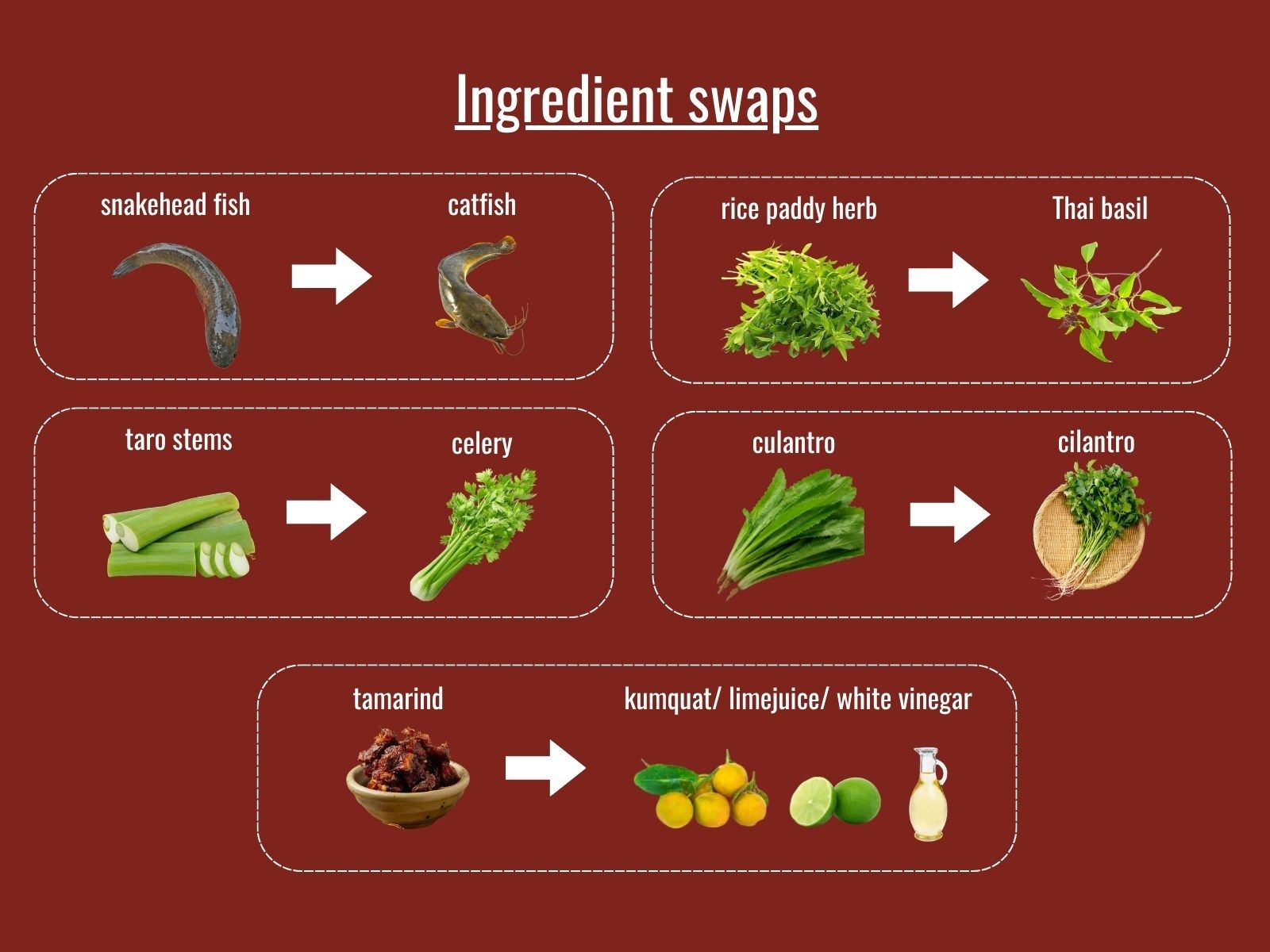
These eight ingredient swaps help you pull off a great canh chua with basic US grocery store items without losing the soul of the dish.
Ingredient swaps
- Go for catfish instead of snakehead fish (cá lóc): Catfish matches the original option perfectly when it comes to sweetness and firmness. You can also use salmon, barramundi, or red tilapia, though salmon is a bit fattier and stronger, so make sure to blanch it quickly first to reduce the fishy smell.
- Pick up celery stalks if you cannot find taro stems (bạc hà): Celery gives you a very similar crunch, though it will not soak up the broth as readily as a sponge. If you really want the real deal, you can usually track down taro stems at local Asian grocery stores.
- Try Thai basil as a substitute for rice paddy herb (rau om): Thai basil keeps that fresh, herbal vibe going, even if you lose a bit of its signature citrusy note. Lemon basil is another great option that works exactly the same way.
- Swap in regular cilantro for culantro (ngò gai): Cilantro has a much milder aroma, but it definitely still gets the job done.
Souring agent alternatives
- Lime or kumquat juice can replace tamarind when needed. Add 1 to 2 tbsp near the end of cooking, then taste and adjust gradually to preserve the fresh citrus aroma.
- White vinegar is a last-resort substitute. Start with about 1 tbsp and add more only if needed. It provides acidity but lacks the fruity depth of tamarind.
Feel free to make these changes when you are in a pinch, but sticking as close as possible to the original list is your best bet for that authentic Southern Vietnamese flavor.
How to Store Vietnamese Sour Soup
Canh chua is definitely best eaten fresh right out of the pot, so you should only store it if you happen to end up with leftovers. First, make sure to let the broth cool down completely to room temperature, and then get it into the fridge within 2 hours max. It is a good idea to transfer the soup into a glass or food-grade plastic container with a tight lid, because the acid from the tamarind and tomatoes can actually react with a metal pot over time. You can count on it to keep well for about 2 to 3 days in the refrigerator. Just do not put it in the freezer, since freezing completely ruins the fish's texture.
The cooked veggies will naturally go quite soft overnight, so it is always a better choice to add fresh ones when you are ready to reheat them, and you should definitely prep your herbs fresh every single time. To reheat the soup, simply bring the broth to a rolling boil, drop in your fresh-cut vegetables for just 2 to 3 minutes, and then slide your fish back in at the very end so it warms through without breaking apart.
Have you tried making canh chua at home yet, or are you still trying to track down those taro stems at the Asian grocery store? Drop your questions, quick swaps, or cooking results in the comments below. If this recipe worked out for you, leaving a quick star rating really helps other home cooks find it, and you can always share a photo of your finished bowl on social media with #CHINSU, since we love to read every single one. Curious about how CHIN-SU fish sauce or chili sauce pairs with your homemade canh chua? Grab a bottle over at chinsu.com and give it a try.
Frequently Asked Questions
Canh chua and sinigang are both popular sour soups from Southeast Asia, but they differ completely when it comes to their souring agents and herbs. Canh chua comes from Vietnam and leans on tamarind, kumquat, or lime, before finishing off with rice paddy herb and culantro. On the other hand, sinigang is a Filipino dish that draws on a wider range of sour fruits like guava, calamansi, and green mango, and it usually includes water spinach (kangkong) and long green peppers. They are close cousins, not identical twins.
Yes, you can absolutely make canh chua without any tamarind. Fresh kumquat juice, lime juice, or just a higher amount of tomatoes and pineapple can carry that signature sour note perfectly; in fact, this recipe uses kumquat as its main souring agent. Tamarind definitely gives you the most complex sourness, lime runs a bit sharper, and kumquat tastes milder and more fragrant. Even if you skip them all, the tomato and pineapple will bring a much gentler tartness on their own.
Snakehead fish (cá lóc) and catfish are by far the best choices for canh chua, and both are the traditional go-to options in Southern Vietnam. They are freshwater fish with firm, sweet meat that holds up perfectly without breaking apart in the broth. If you are shopping in the US, catfish steaks or fillets are definitely the easiest to find. Salmon works too but has a much stronger flavor, so make sure to blanch it first. Barramundi, red tilapia, and basa also do the job well. Just stay away from delicate white fish like sole or flounder, since they will completely fall apart.
Yes, canh chua is incredibly healthy for you. Canh chua can be a nutritious, relatively light soup because it combines fish with tomatoes, pineapple, okra, bean sprouts, and other vegetables in a water-based broth. The fish provides protein, while the vegetables contribute fiber and a range of vitamins and minerals.
However, the nutritional profile depends on the fish species, serving size, added sugar, cooking oil, fish sauce, and salt. Salmon produces a fattier soup than snakehead or lean white fish, while generous fish sauce can raise the sodium level. Calculate calories and nutrients from the exact tested recipe rather than assigning one standard value to every bowl.
Yes, you can easily turn canh chua into a vegetarian dish. Just skip the fish, use a nice vegetable broth, and add some tofu or mushrooms for your protein, then swap out the regular fish sauce for a vegetarian version or soy sauce with a tiny pinch of salt. This vegetarian version (canh chua chay) follows the exact same steps, since the tamarind broth and veggies carry most of the flavor anyway. It is actually a super popular choice for Vietnamese families on Buddhist vegetarian days.
The broth may contain too much tamarind extract or another souring ingredient. Add hot water a few tablespoons at a time, then rebalance with a small amount of sugar and fish sauce. Adjust gradually so the soup remains bright and refreshing rather than becoming overly sweet or salty.
Too much sugar, ripe pineapple, or sweetened tamarind concentrate can make the broth overly sweet. Add more unsweetened tamarind extract, or finish with a small amount of lime or kumquat juice after turning off the heat. Do not use extra fish sauce as the main correction because it increases saltiness rather than acidity.
Use thick, evenly cut fish steaks and keep the broth at a gentle simmer rather than a rolling boil. Avoid vigorous stirring or repeatedly turning the fish. Briefly searing the steaks before simmering can help firm the surface, but the most important steps are gentle heat and minimal handling.
Canh chua recipe
1. Ingredient
Protein
- 1.1 lb (500 g) snakehead fish (cá lóc), cleaned and cut into thick steaks.
Vegetables and Aromatics
- 7 oz (200 g) tomatoes, chopped into wedges.
- 7 oz (200 g) fresh pineapple, cut into bite-size pieces.
- 5.3 oz (150 g) okra, cut diagonally.
- 3.5 oz (100 g) bean sprouts.
- 2.5 oz (70 g) taro stems (bạc hà), peeled and sliced.
- ½ horn pepper (ớt sừng), sliced thin or substitute with bird's-eye chili.
- 6 cloves garlic, minced.
- Small bunch rice paddy herb (rau om).
- Small bunch culantro (ngò gai).
- Small handful fried shallots (hành phi).
Seasonings
- About 2.5 tablespoons fish sauce.
- ½ tablespoon salt.
- 2 tablespoons sugar.
- 1/3 tablespoon bouillon powder.
- Neutral cooking oil for frying.
Optional Add-ins
- Betel leaves (lá lốt), leek greens, regular cilantro, pinch of white pepper.
2. Instructions
- Step 1: Clean the Fish. Rub with salt and citrus; rinse and drain. Cut into thick steaks. Soak in rice-rinsing water 15–20 minutes if fishy.
- Step 2: Prepare Tamarind and Vegetables. Soak tamarind pulp in hot water, strain. Cut pineapple, tomatoes, okra, taro stems, and rinse bean sprouts. Prepare rice paddy herb and culantro; mince garlic.
- Step 3: Marinate the Fish. Coat fish steaks with ½ tbsp fish sauce, 1/3 tbsp bouillon powder, and 1 tsp garlic for 10 minutes.
- Step 4: Fry the Garlic. Heat oil, fry 1 tsp garlic until golden, reserve. Keep remaining garlic in pan.
- Step 5: Sear the Fish. Quick sear on both sides in garlic oil to firm the surface; remove and set aside.
- Step 6: Build the Broth. Add 5 cups (1.2 L) water to pan, stir in ½ tbsp salt, ½ tbsp sugar, ½ tbsp fish sauce, and strained tamarind liquid.
- Step 7: Simmer the Fish. Add fish to warm water (~140°F / 60°C), bring to boil, then simmer 5 minutes, skimming foam. Remove fish.
- Step 8: Add Vegetables and Season Broth. Add pineapple, tomatoes, okra; simmer gently. Stir in sugar, fish sauce, tamarind liquid. Add elephant ear stems, bean sprouts, remaining fish sauce. Adjust acidity with kumquat juice or sugar.
- Step 9: Finish with Herbs and Garnish. Add rice paddy herb, culantro, return fish to pot, scatter fried garlic, and sprinkle fried shallots and white pepper. Turn off heat and serve.
3. Storage: Cool broth completely, store in airtight container in fridge within 2 hours. Keep for 2–3 days. Reheat gently; add water if sauce thickens. Add fresh vegetables and herbs before serving.
4. Yield: 4 servings
5. Serving Style: Southern Vietnamese sour soup with fish, pineapple, okra, taro stems, bean sprouts, herbs, and optional fried shallots

CHIN-SU KITCHEN TEAM
CHIN-SU Kitchen Team are the creative experts behind the delicious recipes featuring CHIN-SU sauces. With years of experience and a passion for flavor, our team carefully selects recipes from a variety of trusted chefs and bloggers, bringing together the best culinary insights to present you with the most suitable and exciting dishes. Every recipe is chosen to inspire you to create meals that are not only tasty but also easy to prepare, enhancing your dining experience. Join us as we explore a wide range of sauces and flavors, and elevate every meal with the perfect recipe for your table!
User Reviews
Featured Articles
How To Make Hot Honey Sauce at Home
How To Make Buffalo Hot Sauce at Home
Vinegar-Based Hot Sauce Recipe: How to Make It at Home
Smoked Hot Sauce Recipe: How to Make It With Fresh Jalapeños
How To Make Creamy Hot Sauce at Home?
SUBSCRIBE TO GET
MORE INFO
Want the latest and greatest recipes, updates, and more from us,
straight to your inbox? Subscribe and get our NEWS!