Vietnamese Catfish Recipe | Caramelized Catfish in Clay Pot
Published: Jul 19, 2026 by CHIN-SU
Updated: Jul 19, 2026 by CHIN-SU
Tested by CHIN-SU Kitchen Team
Vietnamese catfish (cá kho tộ) is a Southern Vietnamese dish of fish steaks braised with fish sauce, Vietnamese caramel sauce, coconut water, shallots, garlic, and black pepper. It fills the món mặn role in a Vietnamese family meal: a concentrated savory dish shared with steamed rice, vegetables, pickles, and a light soup such as canh chua. This version uses bone-in channel catfish steaks, which remain firm enough for braising and provide more structure than thin fillets.
Whether you grew up eating cá kho tộ or want to explore Vietnamese home cooking beyond restaurant dishes, this recipe explains how to keep the fish intact, balance the sweet-savory sauce, and reduce the braising liquid without making it overly salty. In this article, CHIN-SU shares the Vietnamese catfish recipe to make at home, tips for a glossy kho sauce, and how Vietnamese families serve it as part of a complete rice meal. The recipe takes about 50 minutes, including 20 minutes of preparation and 30 minutes of cooking, and makes 4 servings.
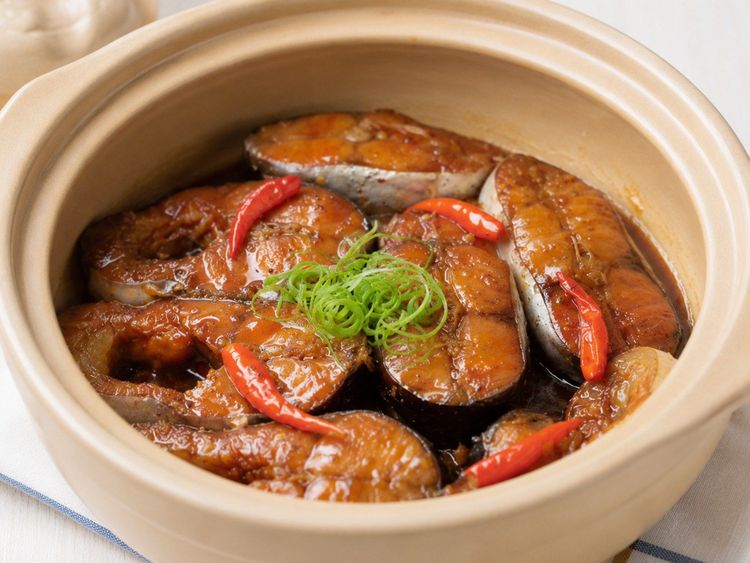
Table Of Contents
- What Is Vietnamese Catfish (Cá Kho Tộ)?
- Why You'll Love This Vietnamese Catfish
- Vietnamese Catfish Ingredients
How to Make Vietnamese Catfish Step by Step
- What To Eat With Vietnamese Catfish
- Tips for the Best Vietnamese Catfish
- What Can You Substitute or Change in Vietnamese Caramelized Catfish?
- How to Store Vietnamese Caramelized Catfish
What Is Vietnamese Catfish (Cá Kho Tộ)?
Vietnamese caramelized catfish, or cá kho tộ, is a Southern Vietnamese braised-fish dish strongly associated with the Mekong Delta. Thick fish steaks simmer gently in a concentrated sauce made with Vietnamese caramel sauce, fish sauce, sugar, aromatics, and coconut water. The finished sauce is dark, glossy, and savory-sweet rather than thin like soup. English speakers can pronounce cá kho tộ approximately as “kah kaw toh”. Cá means “fish,” kho refers to braising food until the seasoned liquid reduces and clings to it, and tộ is the small clay pot traditionally used for cooking or serving the dish.
Although English recipes often call it Vietnamese caramelized catfish, cá kho tộ is not limited to one fish species. Vietnamese cooks also use snakehead fish, goby, gourami, barramundi, and other firm fish. This version uses channel catfish, a readily available choice in the United States.
Each seasoning has a different role. Nước màu gives the fish its dark amber color and subtle bittersweet depth, fish sauce provides the savory seasoning, and coconut water adds moisture and mild sweetness. The fish sauce itself is not caramelized.
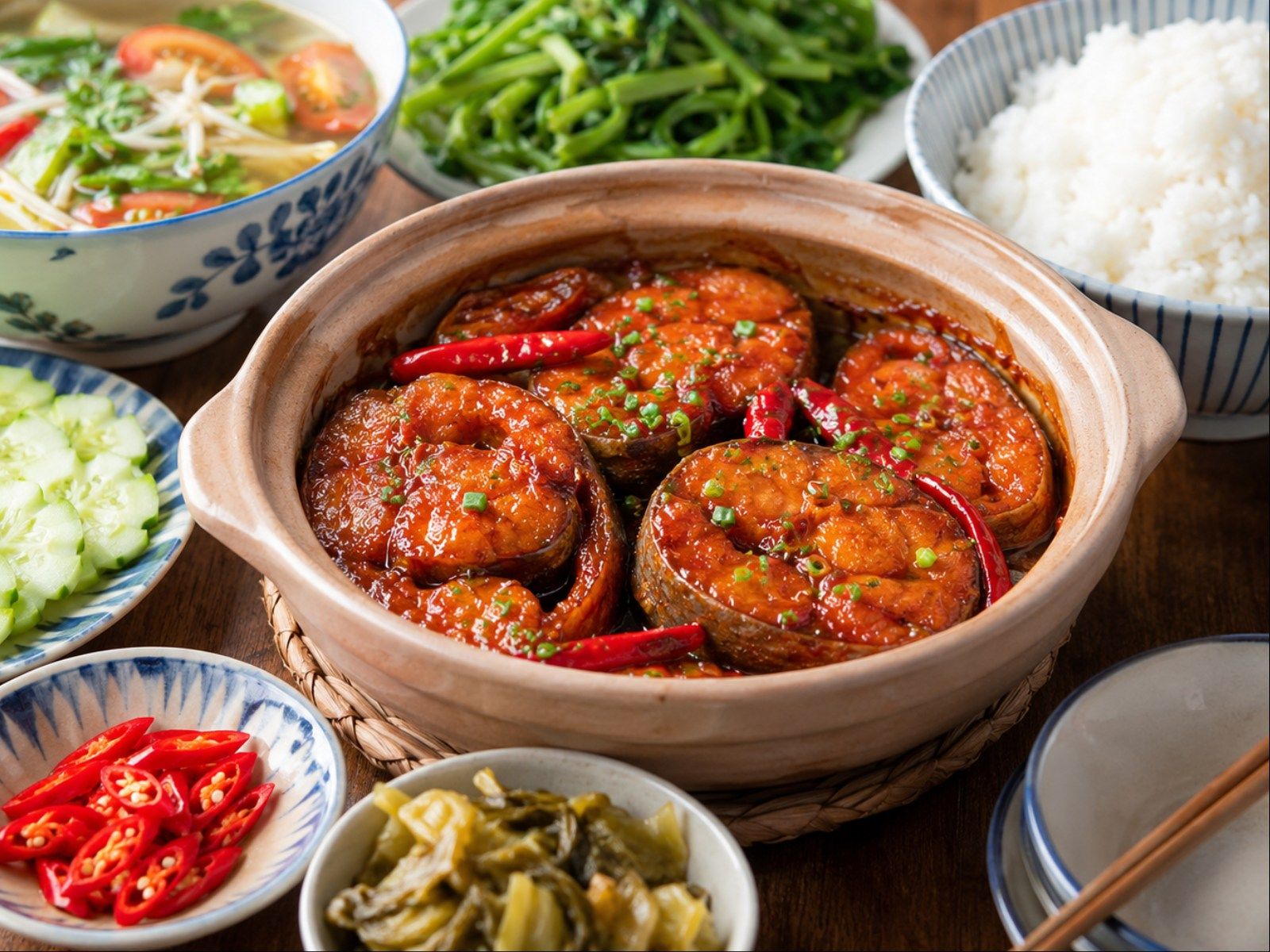
Cá kho tộ is commonly served as the món mặn in a Vietnamese family rice meal, often alongside steamed rice, vegetables, and canh chua. Its concentrated sauce makes it especially hao cơm, meaning it encourages diners to eat more rice.
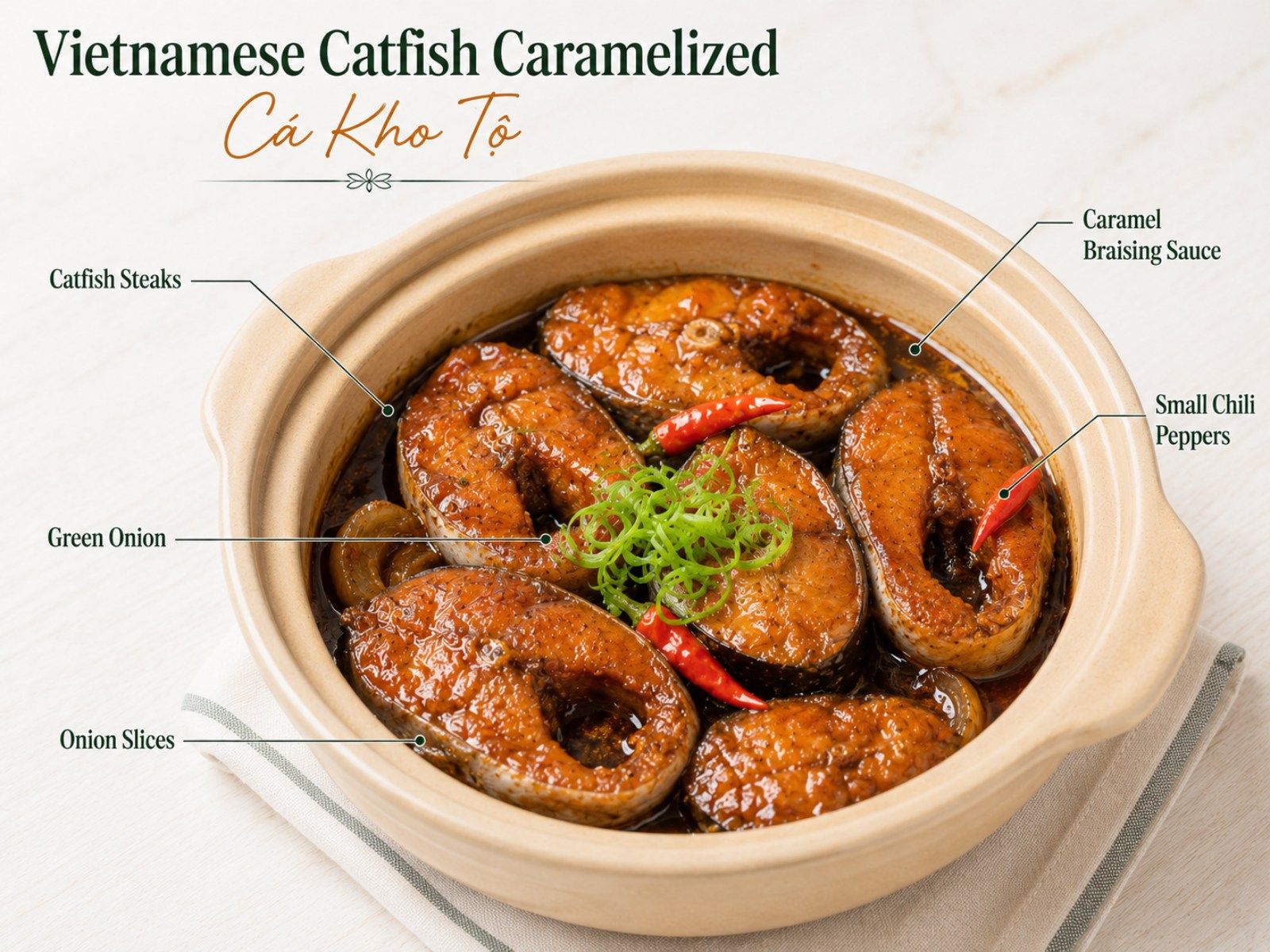
Why You'll Love This Vietnamese Catfish
The braised sauce alone will make you want to cook a second pot of rice.
- Big flavor, heat your way. The caramel and fish sauce glaze hits that perfect salty, sweet, and peppery balance in every single bite, and you can easily control the heat yourself: just leave the chilies whole for a gentle warmth, or chop them open for a sharper kick.
- Works with almost any firm fish. Catfish, basa, snakehead, and even salmon all work perfectly with this braising sauce, so you can easily whip it up with whatever fresh catch your local market has that day.
- The sauce remains glossy but spoonable. The liquid reduces enough to coat the fish and rice without becoming a sticky, overly salty glaze.
- Mostly hands-off cooking. Most of the 50 minutes is spent just letting it simmer quietly on the stove, so the sauce builds deep flavor on its own while you easily prep your rice and side dishes.
Vietnamese Catfish Ingredients
This Vietnamese catfish comes together from 4 groups of ingredients: the fish marination, the braising sauce, the aromatics, and the clay pot lining. US measurements come first, with metric in parentheses.
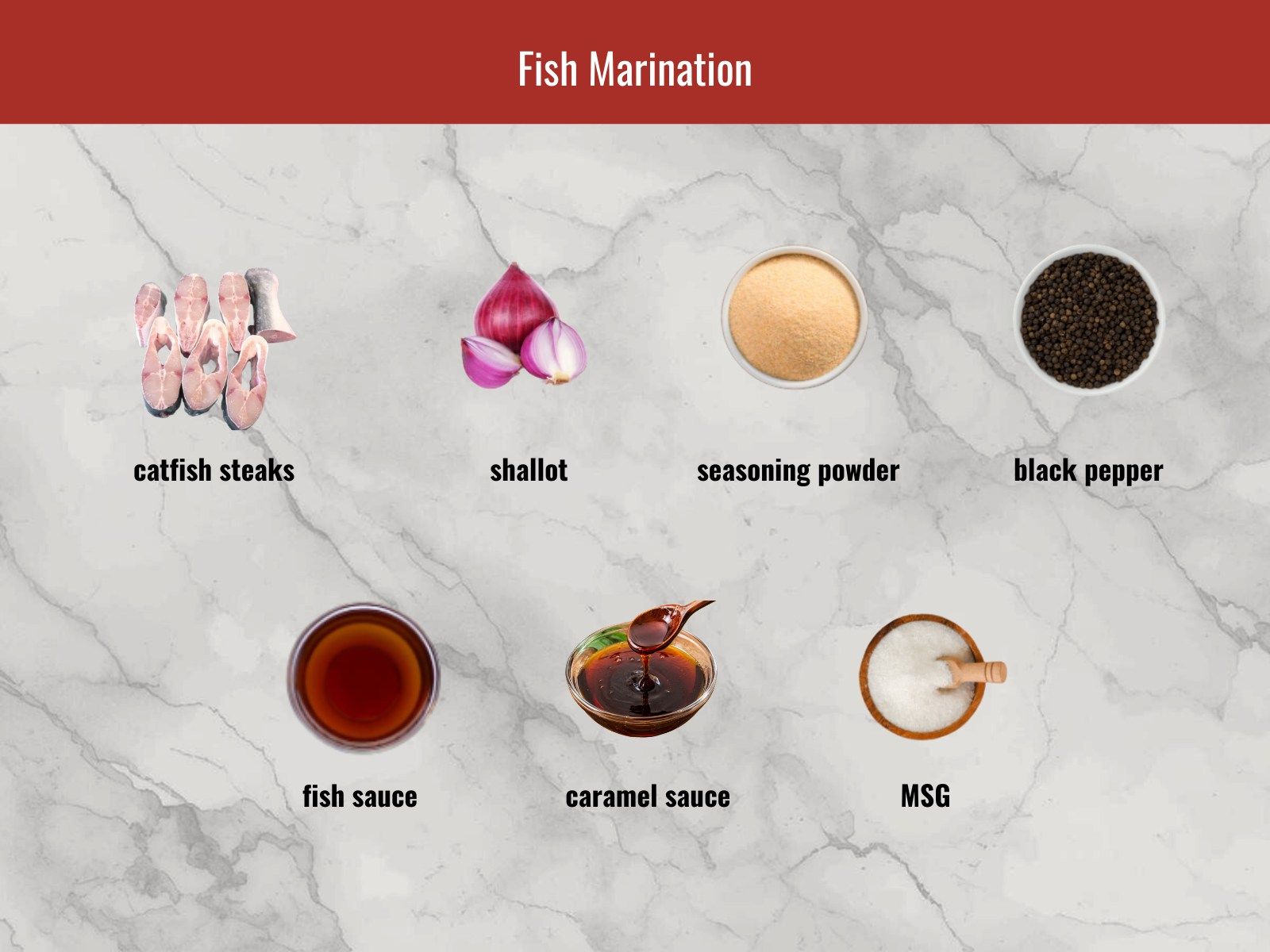
Fish Marinated
- 2 lb (900 g) bone-in channel catfish steaks, about 1 inch (2.5 cm) thick. Bone-in steaks hold together better than thin fillets and provide a traditional round cross-section. Ask the fish counter for catfish steaks of even thickness so they finish cooking at approximately the same time. Fresh fish should smell mild rather than sour, rancid, strongly fishy, or ammonia-like. Color alone does not prove freshness; check the smell, firmness, storage temperature, and packaging condition.
- 1½ tbsp fish sauce. Fish sauce drives the savory base of the marinade.
- ½ tbsp minced shallot. Minced shallot builds the flavor base in the marinade.
- 2 tsp seasoning powder (bột nêm), or 1 tsp salt. Seasoning powder seasons the fish before it hits the pot.
- ⅓ tsp black pepper. Black pepper adds a warm, deep heat.
- ½ tbsp caramel sauce (nước màu đường). Caramel sauce gives the fish color and a bitter-sweet note.
- A pinch of MSG (optional). MSG rounds out the seasoning.
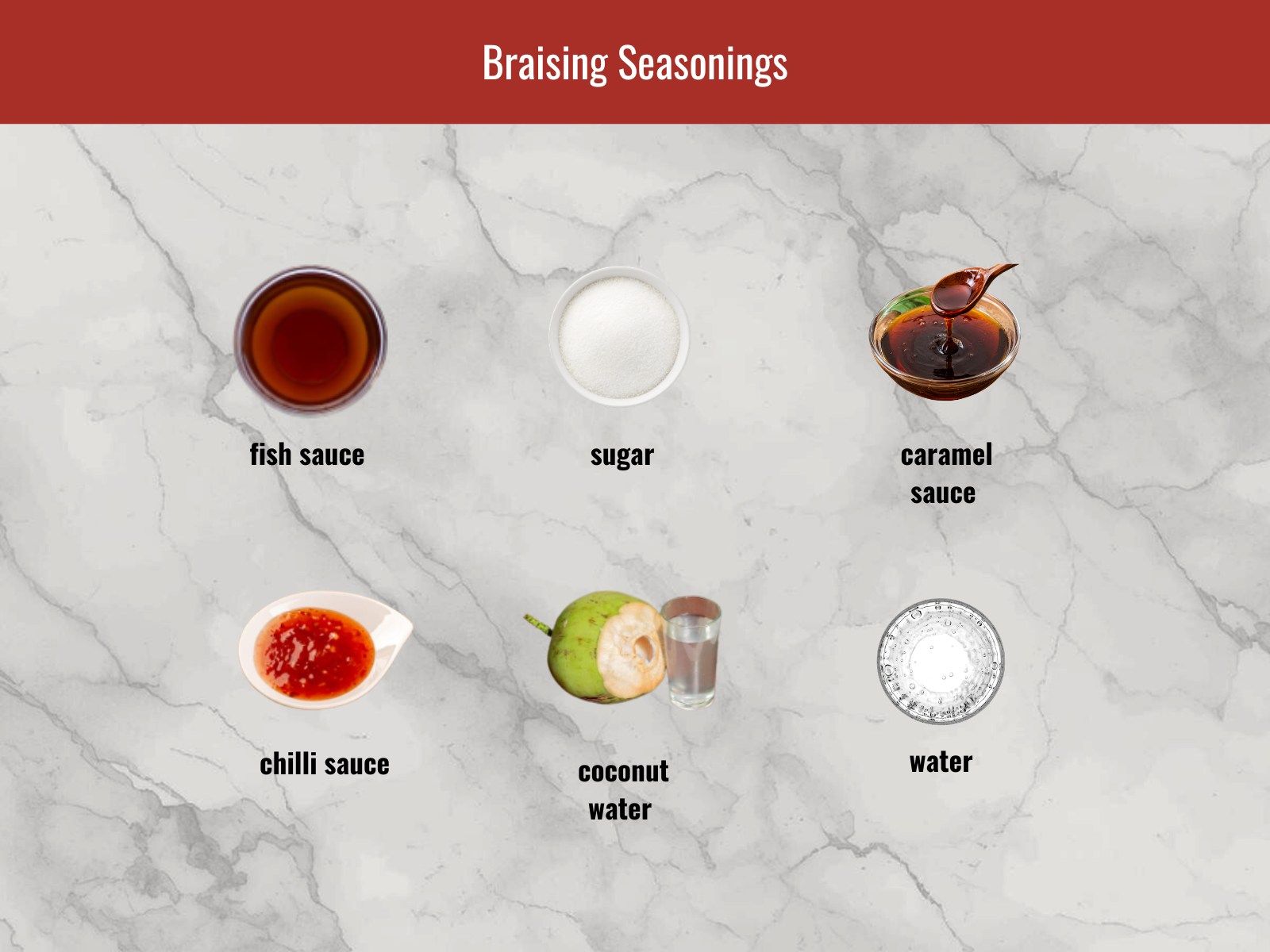
Braising Sauce
- 2 tbsp fish sauce.
- ½ tbsp caramel sauce (nước màu đường). Caramel sauce deepens the color and adds a bittersweet edge.
- ½ tbsp chili sauce (tương ớt). Chili sauce adds color and a gentle heat.
- 1 tbsp sugar. Sugar balances the salt in the fish sauce.
- 3/4 cup (180 ml) coconut water. Coconut water brings a natural sweetness to the braise.
- 1/2 cup (120 ml) water. Water thins the sauce to the right braising level.
A quick note on Vietnamese caramel sauce (nước màu): This dark amber, slightly bittersweet cooking sauce is made from caramelized sugar and water, not the sweet caramel used for desserts. Store-bought versions may vary in color and concentration, so start with a small amount and adjust as needed. If nước màu is unavailable, make a simple homemade version by cooking sugar until amber, then carefully adding hot water.
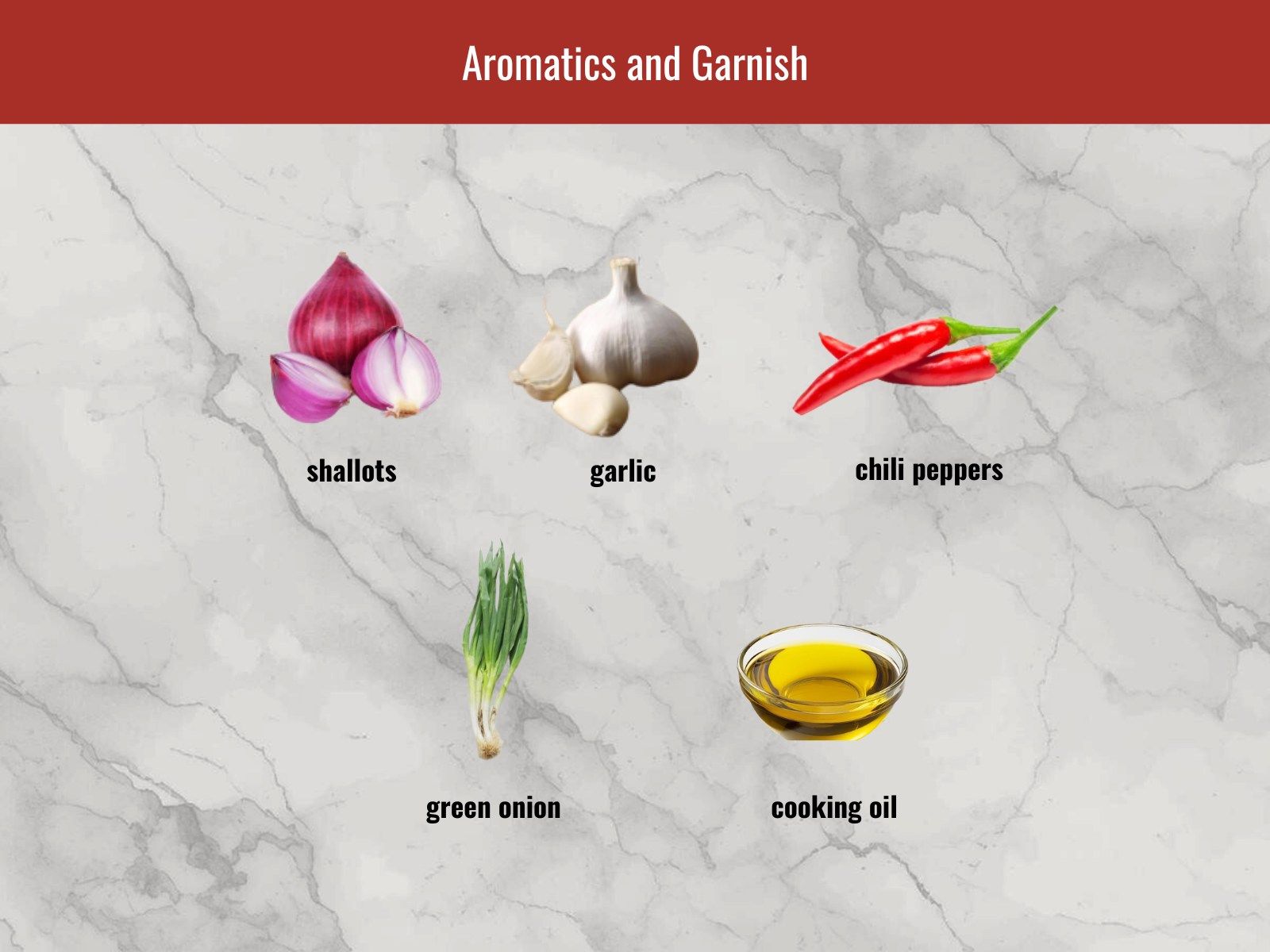
Aromatics and Garnish
- 3 shallots (about 25 g), minced. Minced shallots form the aromatic base.
- 4 garlic cloves (about 15 g), minced. Garlic rounds out the aromatics.
- 4 green onion stalks. Cut the whites into sections for braising, and slice the greens for garnish.
- 5 small chili peppers. Smash them whole for aroma, or slice them for more heat.
- 2 tbsp neutral cooking oil.
- Additional ground black pepper, for finishing.
Optional Clay Pot Lining
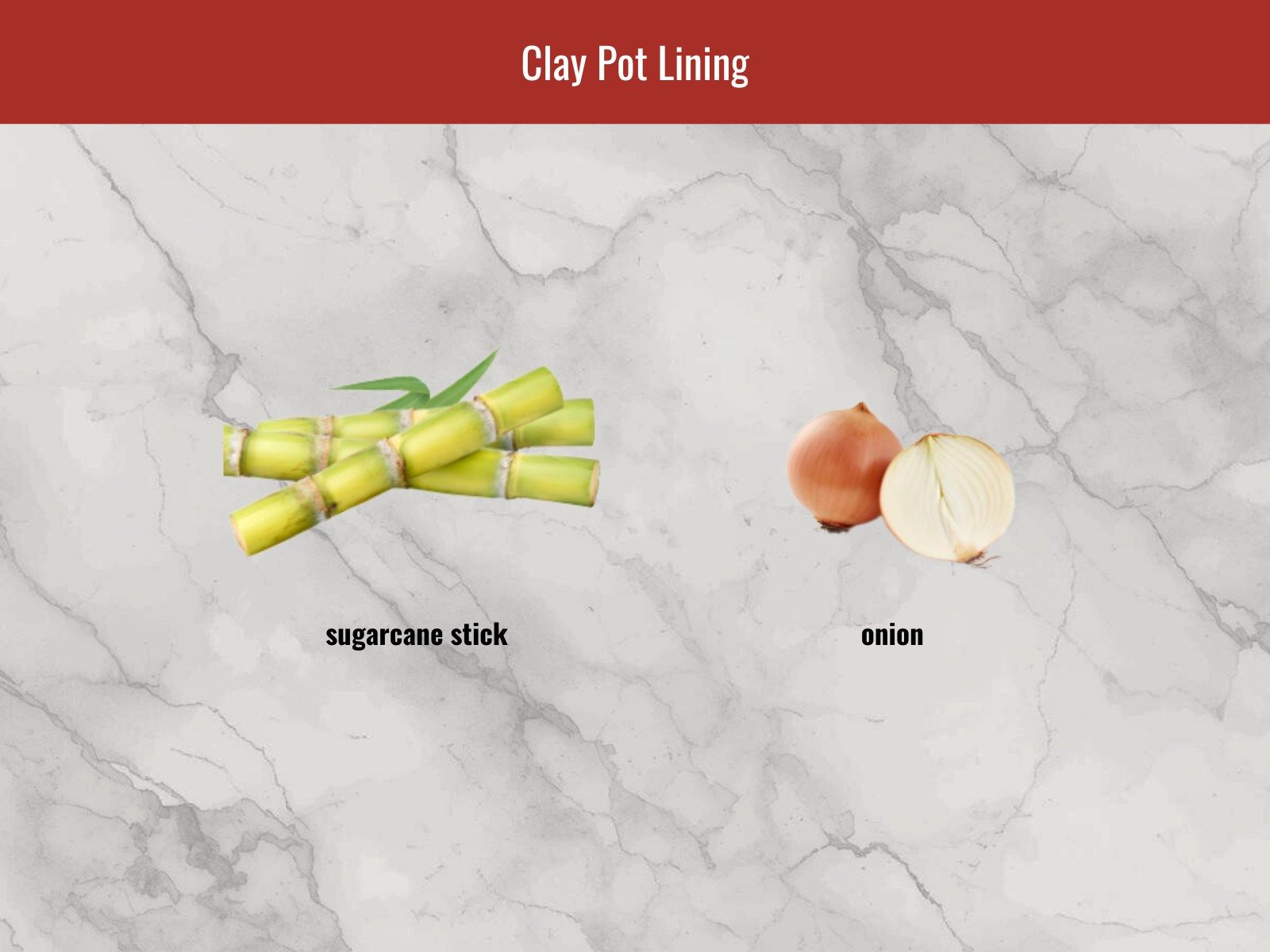
2 small sugarcane sticks, split into thin strips. The sugarcane strips line the bottom of the pot, keeping the fish from sticking. You can also use ½ yellow onion, sliced 1 cm (½ in) thick, in their place.
How to Make Vietnamese Catfish Step by Step
Making Vietnamese catfish takes 10 main steps and about 50 minutes, including 20 minutes of preparation and 30 minutes of cooking.
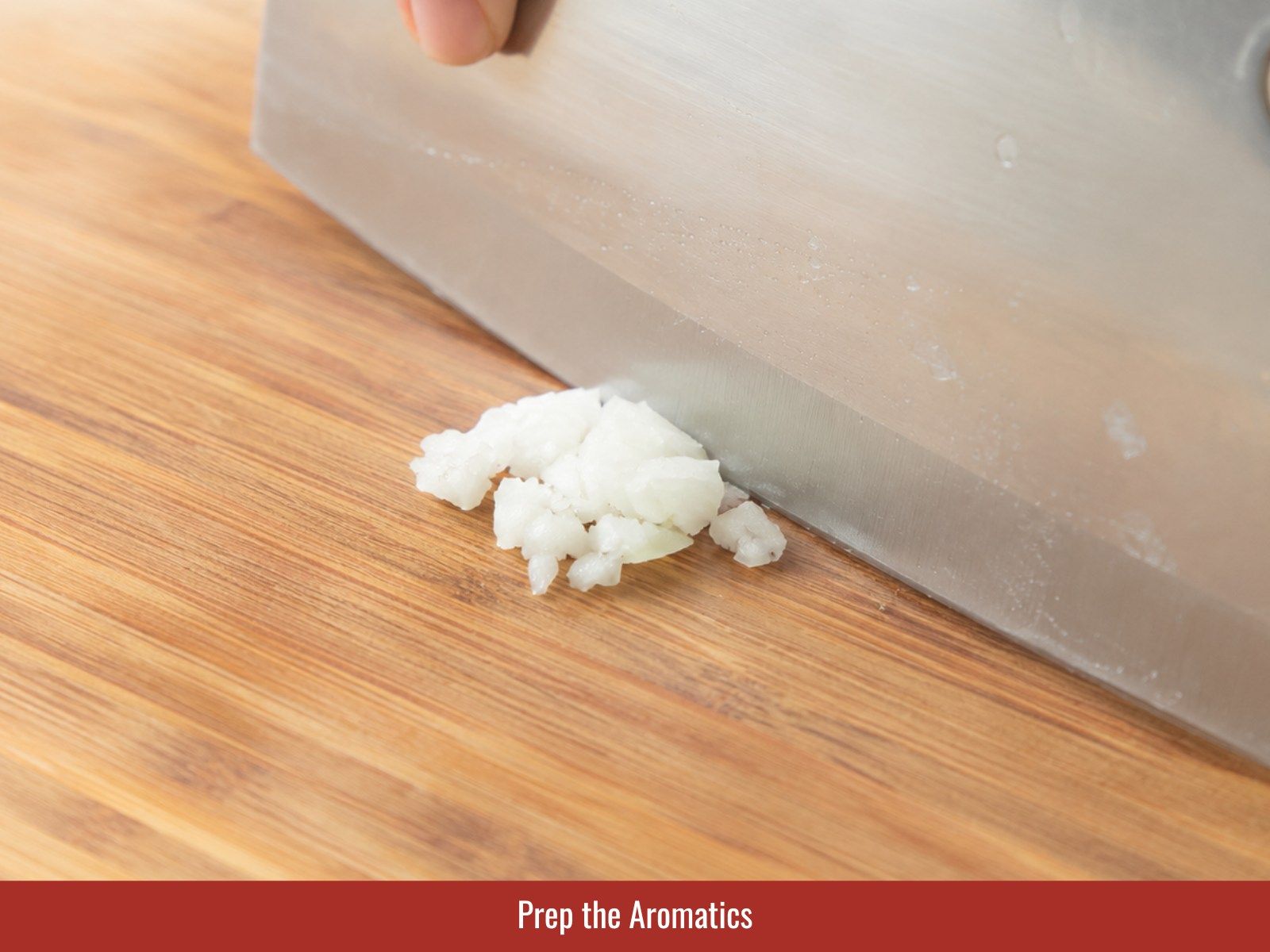
Step 1: Prep the Aromatics
Mince 3 shallots and 4 garlic cloves. Cut the green onion whites into 1-inch (2.5 cm) sections, and thinly slice the greens for garnish. Smash 5 chilies with the flat side of a knife so they release their aroma into the braise.
Step 2: Clean and Deodorize the Catfish
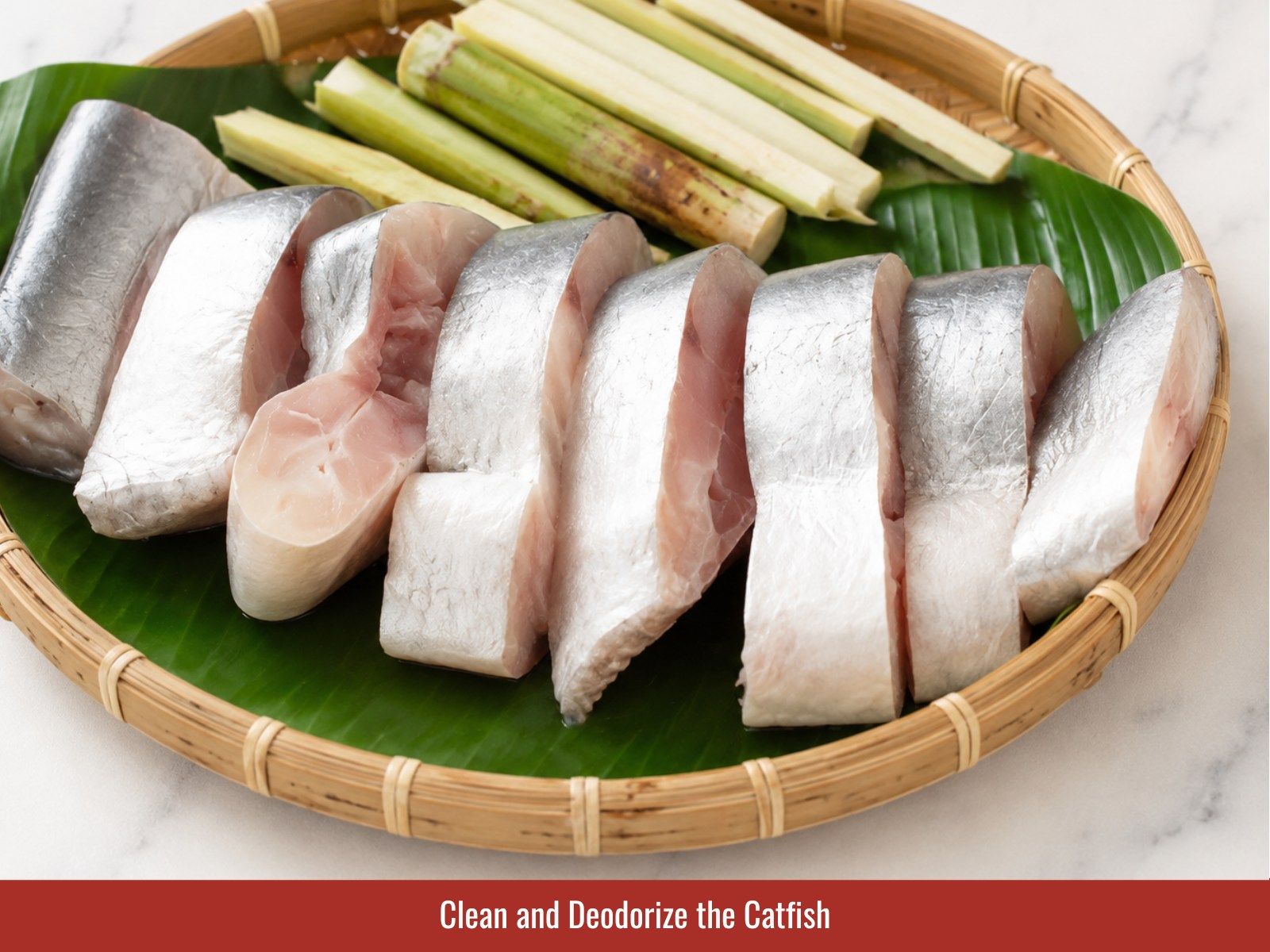
Rinse the catfish steaks in diluted salt water, then rinse them again with diluted lime juice or brewed tea to clear out the fishy smell. This lime and tea wash is a Southern Vietnamese trick for freshwater fish, as it neutralizes muddy odors without altering the flavor. Drain the fish and pat it dry.
Step 3: Marinate the Catfish
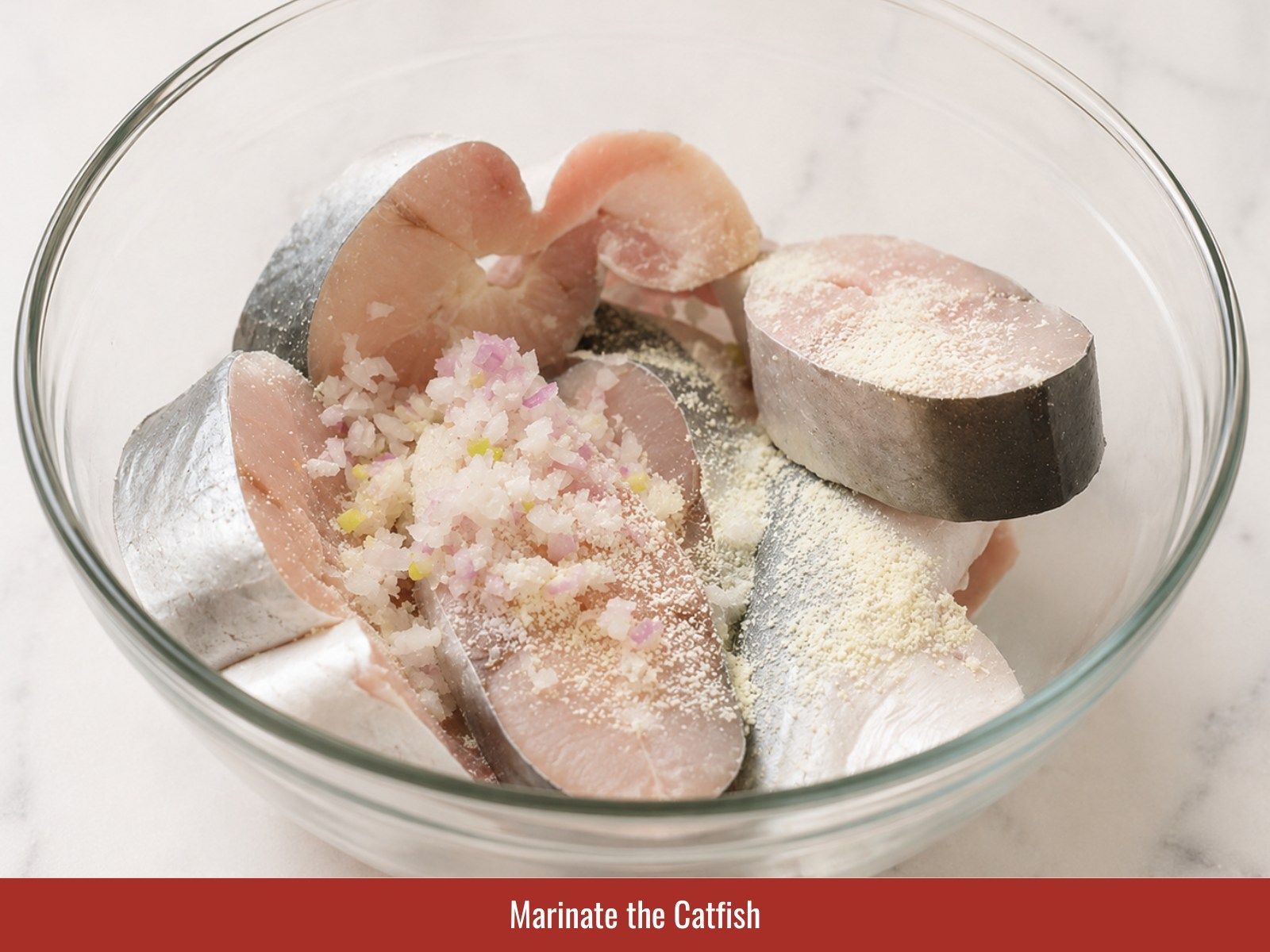
Combine the fish steaks with ½ tbsp minced shallot, 2 tsp seasoning powder, ⅓ tsp pepper, 1½ tbsp fish sauce, ½ tbsp caramel sauce, and a pinch of MSG. Turn the steaks gently until each piece is coated. No minimum marinate time is needed here, so you can go straight to searing.
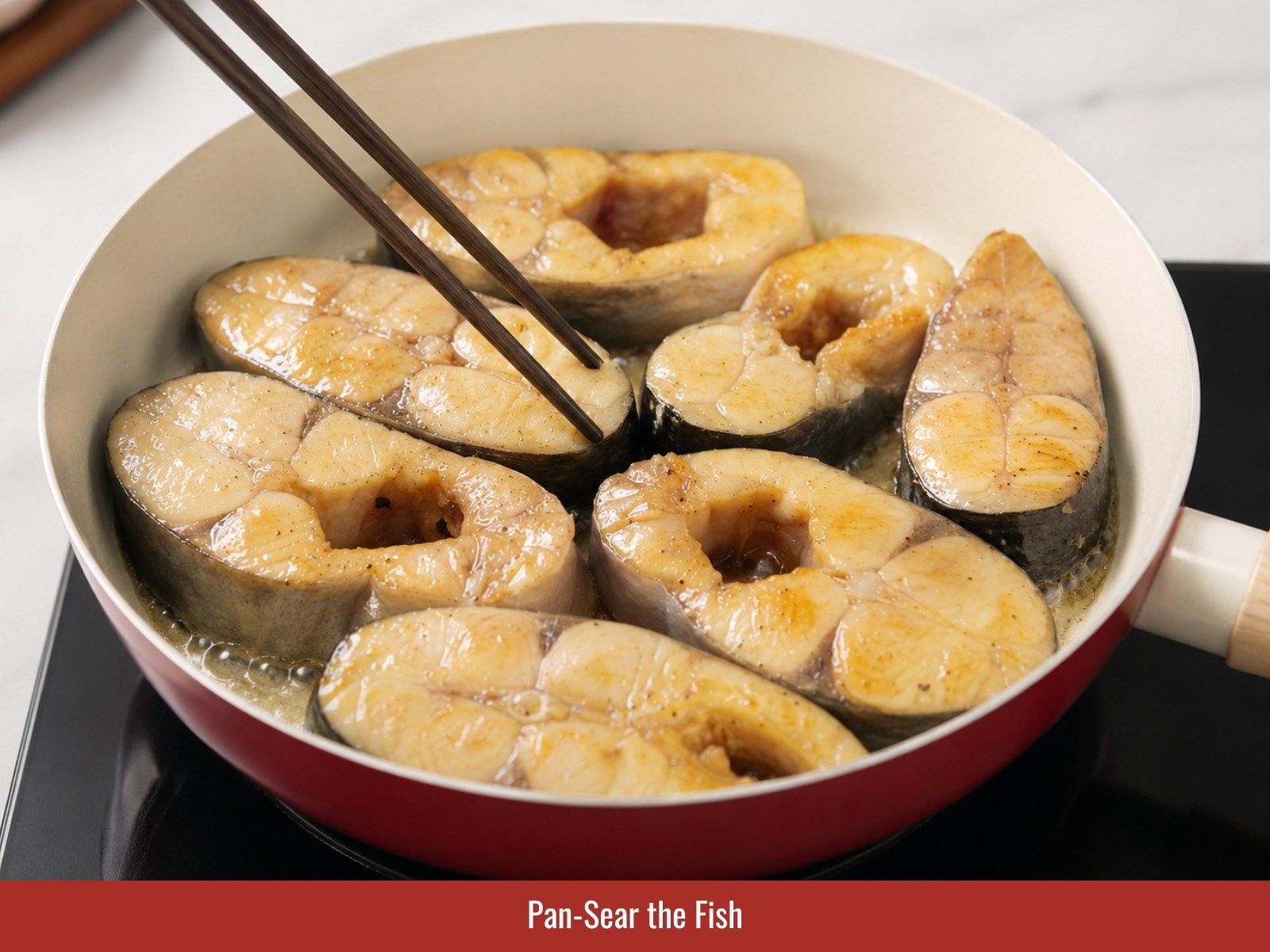
Step 4: Pan-Sear the Fish
Heat 2 tablespoons of oil in a wide skillet over medium heat. Add the steaks in one layer and sear for about 1 minute per side, just until the surface firms and releases from the pan. The fish should not be cooked through at this stage.
Searing helps the exterior hold together during braising, then transfer the steaks to a clean plate.
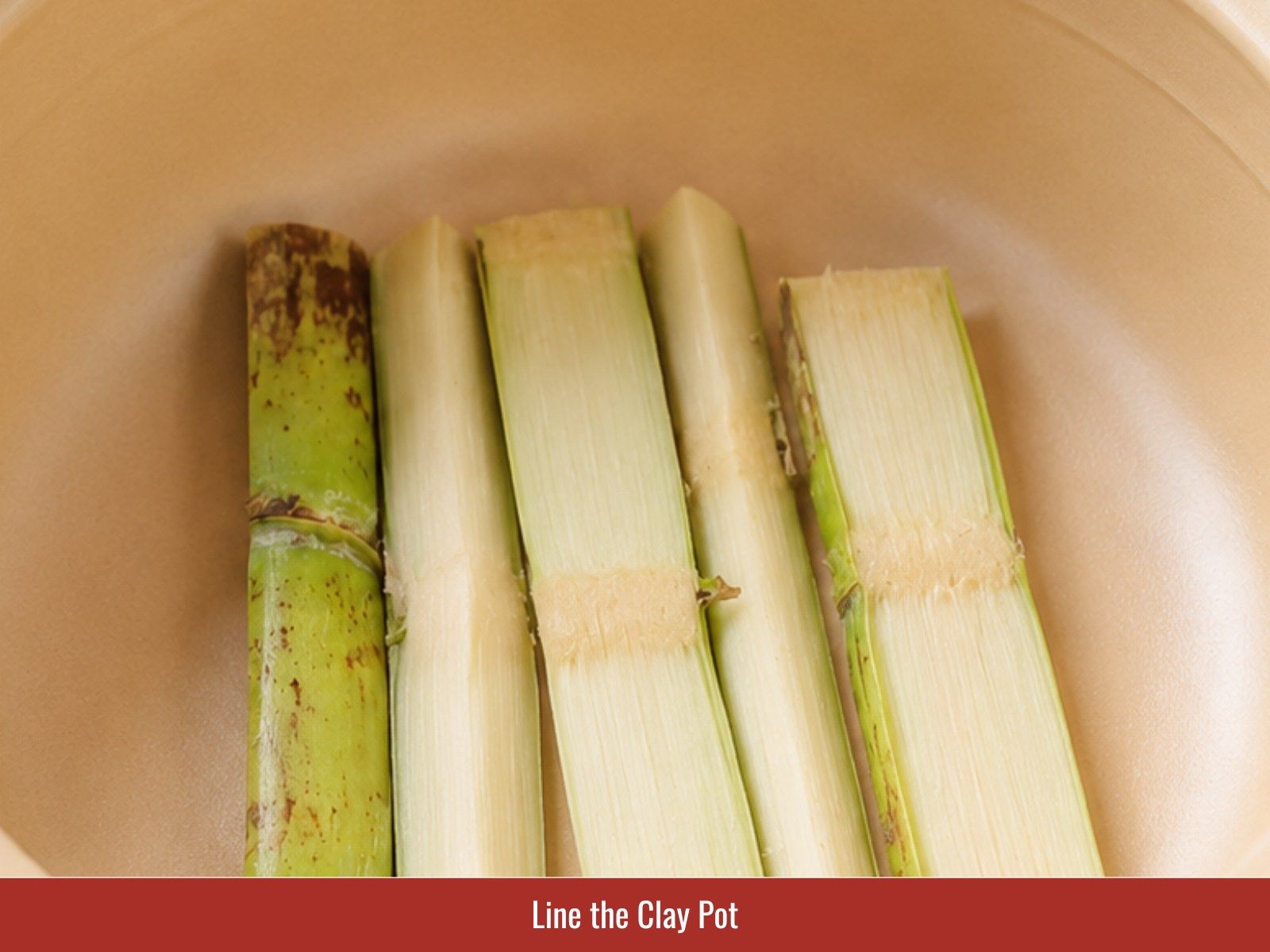
Step 5: Line the Clay Pot
Cut 2 sugarcane sticks into sections that fit the bottom of the pot, split them into thin strips, and lay an even layer across the base of the clay pot. The sugarcane keeps the fish skin from sticking to the hot clay. If you do not have sugarcane, line the pot with thick-sliced yellow onion instead, which adds fragrance and does the same job. A regular heavy-bottomed pot works fine if you do not own a clay pot.
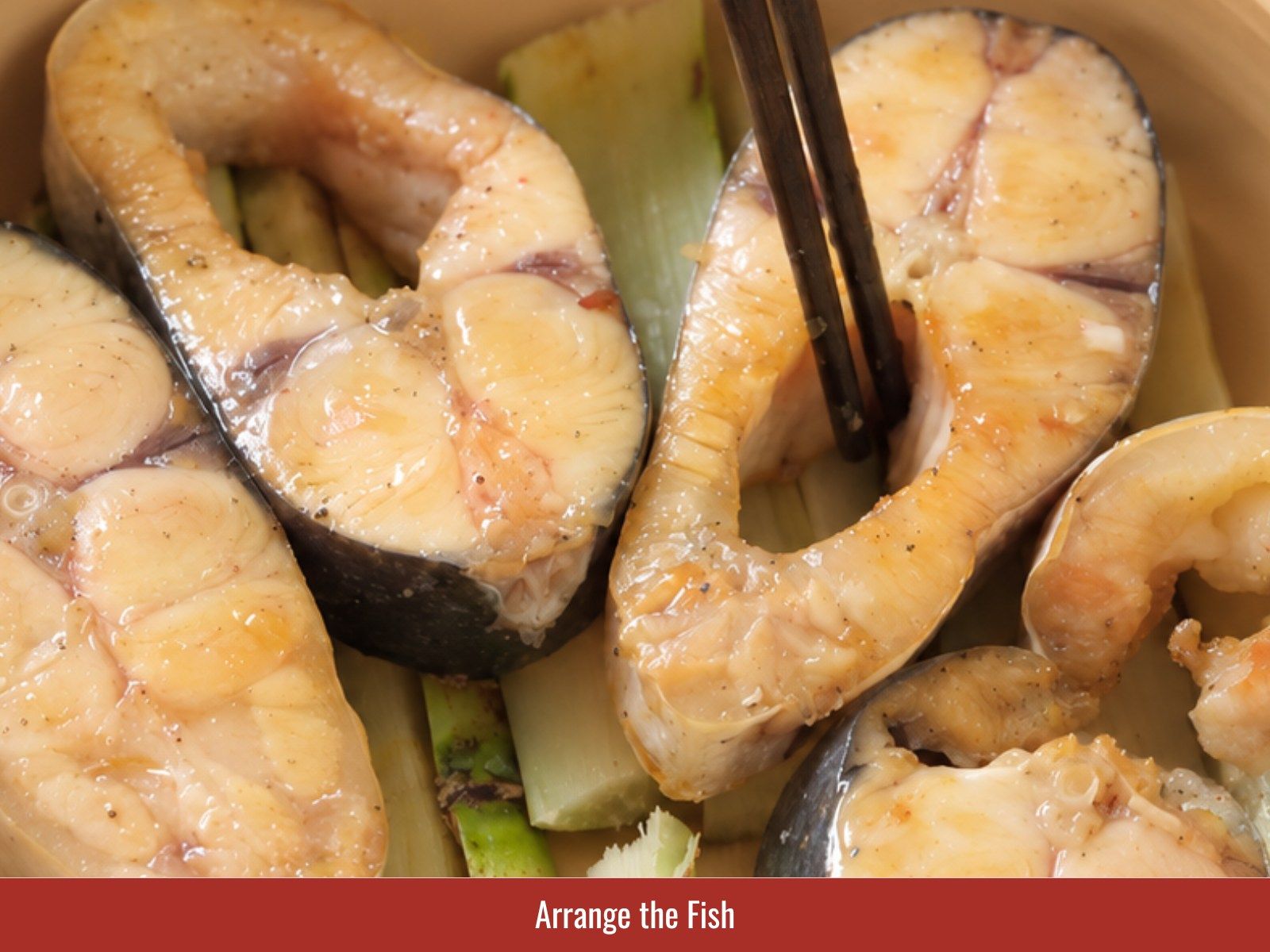
Step 6: Arrange the Fish
Place the seared fish steaks over the sugarcane lining in a single layer. Do not stack the pieces, as this can lead to uneven cooking and make them harder to turn. Use a wider pot or divide the recipe between two pots if needed.
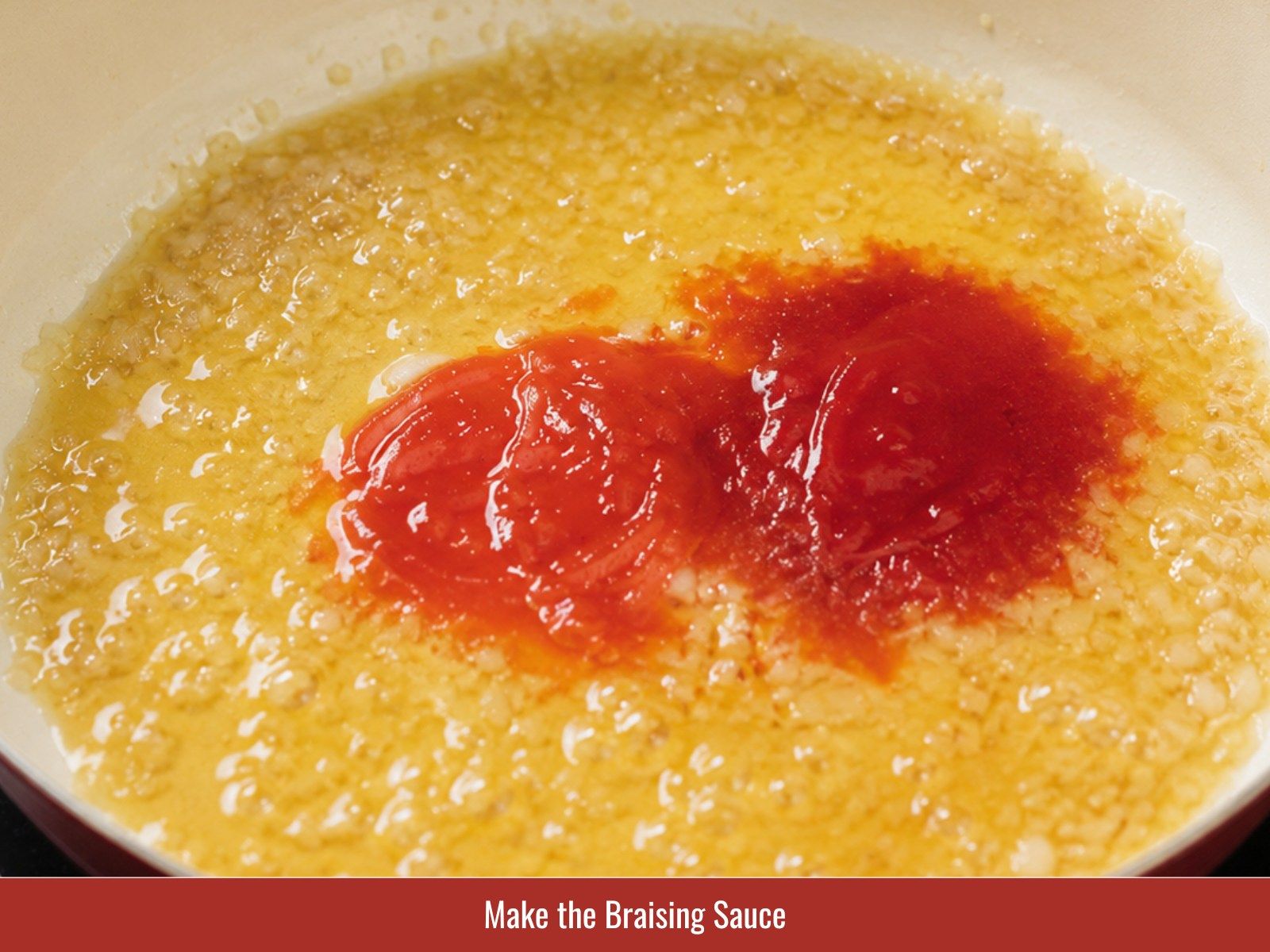
Step 7: Make the Braising Sauce
In the same skillet you just used for searing, heat 1 tbsp of oil and sauté the remaining minced shallot and garlic until fragrant. Add 2 tbsp fish sauce, ½ tbsp caramel sauce, ½ tbsp chili sauce, 1 tbsp sugar, 3/4 cup (180 ml) coconut water, and 1/2 cup (120 ml) water. Stir it all up, bring it to a boil, then pour in any leftover marinade. A good fish sauce really sets the tone for the whole dish, so you can reach for CHIN-SU fish sauce here for its clean anchovy base and balanced salt. Making the sauce in the pan first lets the aromatics really bloom in the oil and spreads the flavor evenly, instead of just pouring raw sauce straight over the fish.
Step 8: Braise the Catfish
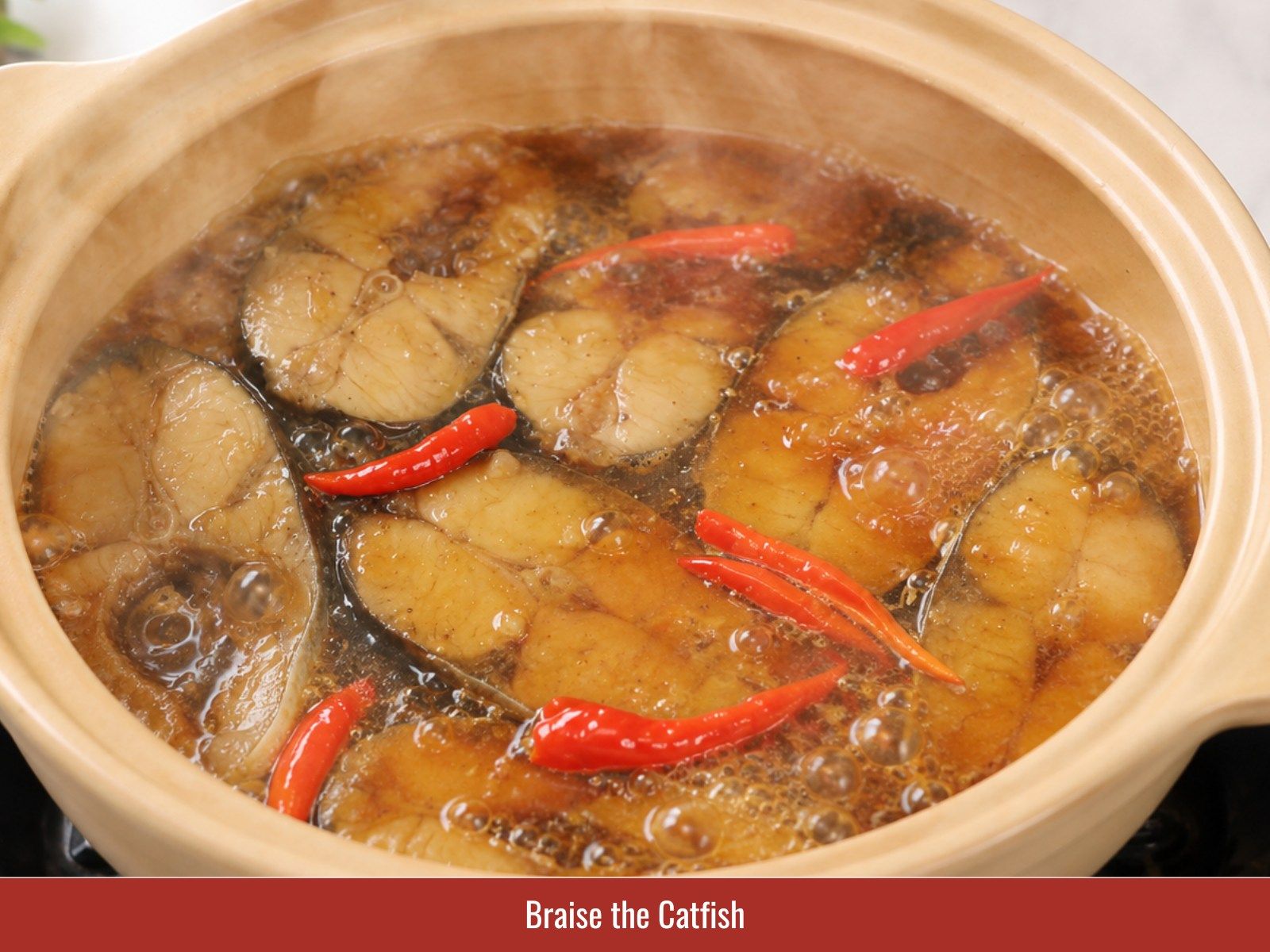
Pour the sauce over the fish until it almost covers the steaks, then add the smashed chilies. Bring the liquid to a gentle simmer over medium heat, reduce the heat to low, and cover.
Vietnamese cooks call this slow, quiet simmer “kho liu riu”. The liquid should move gently around the fish without reaching a rolling boil. Braise for 10 minutes.
Step 9: Flip and Continue Braising
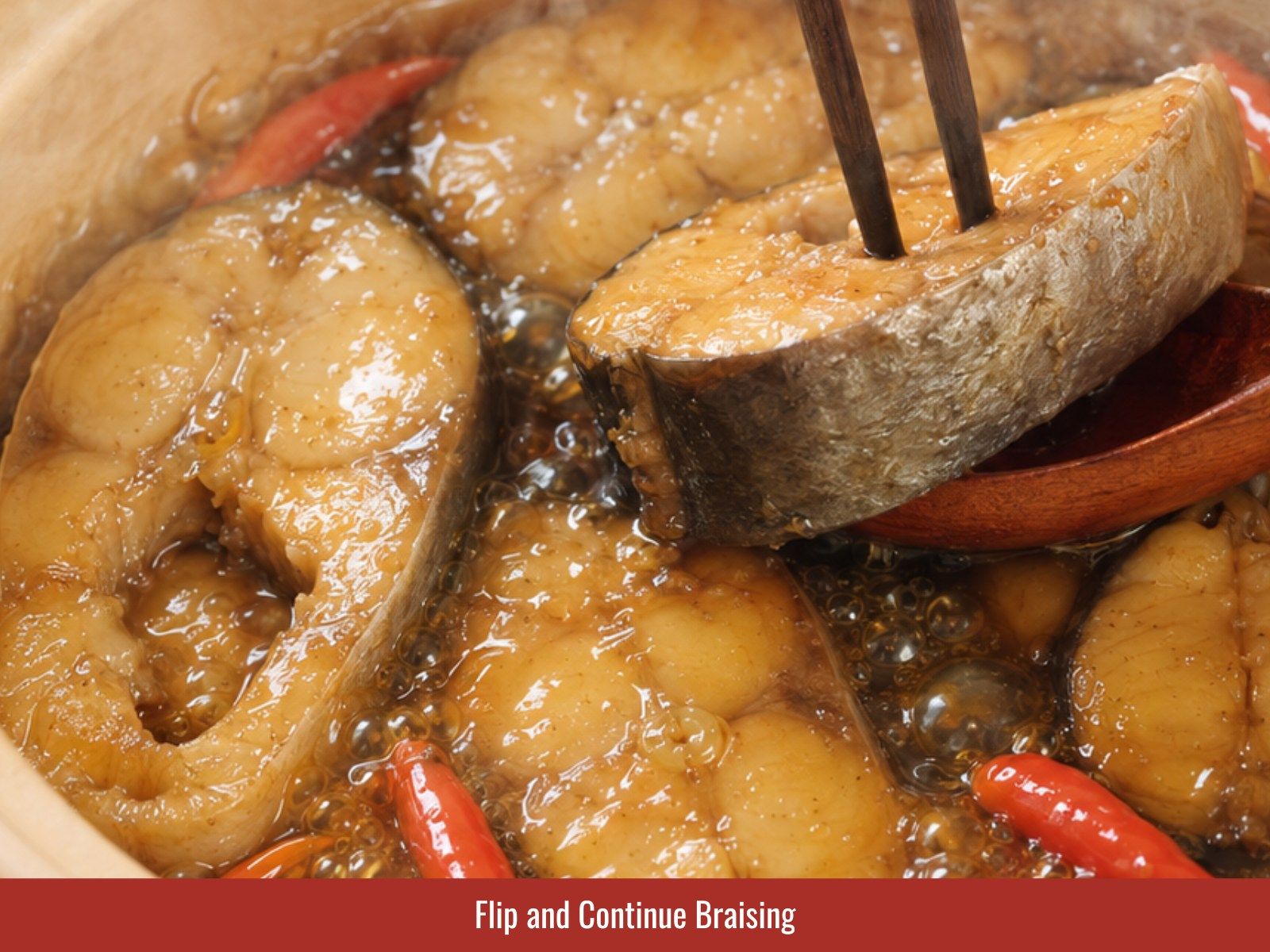
Remove the lid, gently flip each fish steak once, and add the scallion-white sections. Continue braising uncovered over low heat so the sauce gradually reduces and concentrates.
Spoon the braising liquid over the fish occasionally, a technique called “rưới nước kho”, rather than turning the steaks repeatedly. Stop when the sauce is glossy and still loose enough to spoon over rice.
Step 10: Finish and Garnish
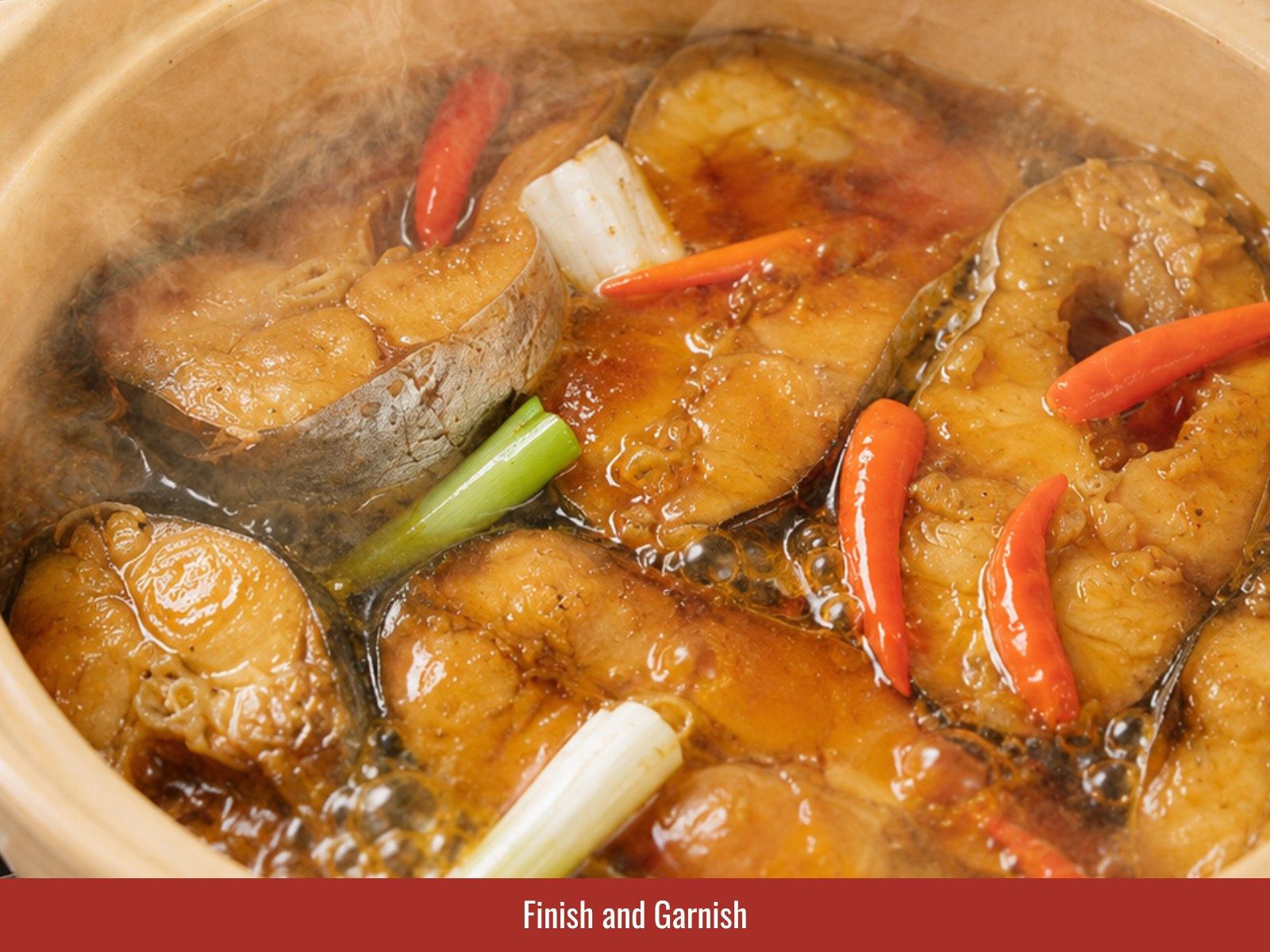
Braise for 30 minutes total from the moment it hits a boil until the sauce reduces to about half its original volume and looks slightly thick and glossy. Turn off the heat, then scatter the sliced green onions and a pinch of black pepper right on top. The sauce will keep thickening as it cools down, so stop braising while it is still a little runny; if you really want a thicker glaze, just give it 5 more minutes.
What To Eat With Vietnamese Catfish
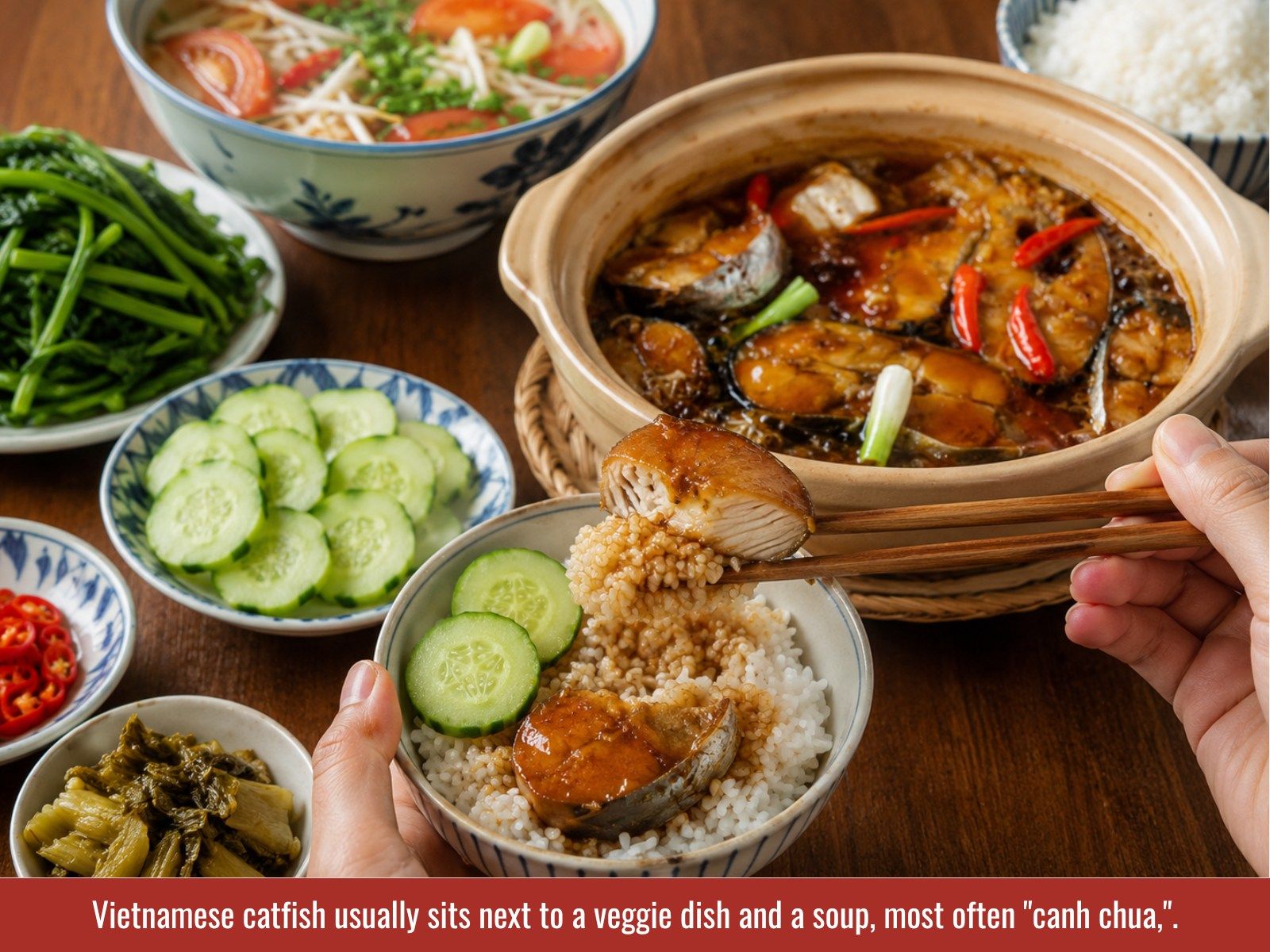
Serve cá kho tộ as the món mặn in a Vietnamese family meal, with the fish placed in a shared dish and each diner given an individual bowl of steamed rice. Spoon a small amount of the concentrated kho sauce over the rice, then alternate bites of fish with vegetables, pickles, cucumber, or soup.
Good accompaniments include:
- Steamed jasmine rice
- Boiled okra, water spinach, or leafy greens
- Sliced cucumber
- Pickled mustard greens
- Fresh or sliced chili
- Canh chua
Cá kho tộ and canh chua are a familiar Mekong Delta pairing. The braised fish provides concentrated savory-sweet flavor, while the tamarind-based soup adds acidity, vegetables, and broth. Some families use the thick center steaks for the kho pot and the head and tail for the soup, allowing one whole fish to provide both the món mặn and canh.
For extra heat, serve CHIN-SU Original Vietnamese Hot Sauce at the table, where its chili and garlic flavor complements the sweet-savory braising sauce.
Tips for the Best Vietnamese Catfish
These 4 small choices really make the difference between a good Vietnamese catfish and a great one.
- Cut the fish evenly. Use steaks about 1 inch (2.5 cm) thick so they cook at a similar rate and hold together during braising. Thinner pieces need less cooking time.
- Keep the fish in one layer. Use a wide pot that holds every steak without stacking. This reduces the need for turning and helps prevent the fish from breaking.
- Sear the fish briefly. Cook each side for about 1 minute before braising to firm the surface and help the steaks retain their shape. Searing does not seal moisture inside the fish.
- Maintain a gentle simmer. Vietnamese cooks call this kho liu riu. The liquid should move quietly around the fish rather than boil vigorously, which can break the steaks and reduce the sauce too quickly.
- Baste instead of repeatedly flipping. Tilt the pot or spoon the braising liquid over the fish, a technique called rưới nước kho. Turn each steak only when needed.
- Use coconut water for the braising liquid. It adds mild sweetness without the creamy texture of coconut milk. Plain water also works, though the final flavor will be less sweet.
- Stop while the sauce is still spoonable. The sauce continues to thicken as it cools. Taste and adjust the seasoning only after it has reduced to its final volume.
- Try kho hai lửa. For a firmer texture and more concentrated flavor, let the pot cool after the first braise, then reheat it gently before serving.
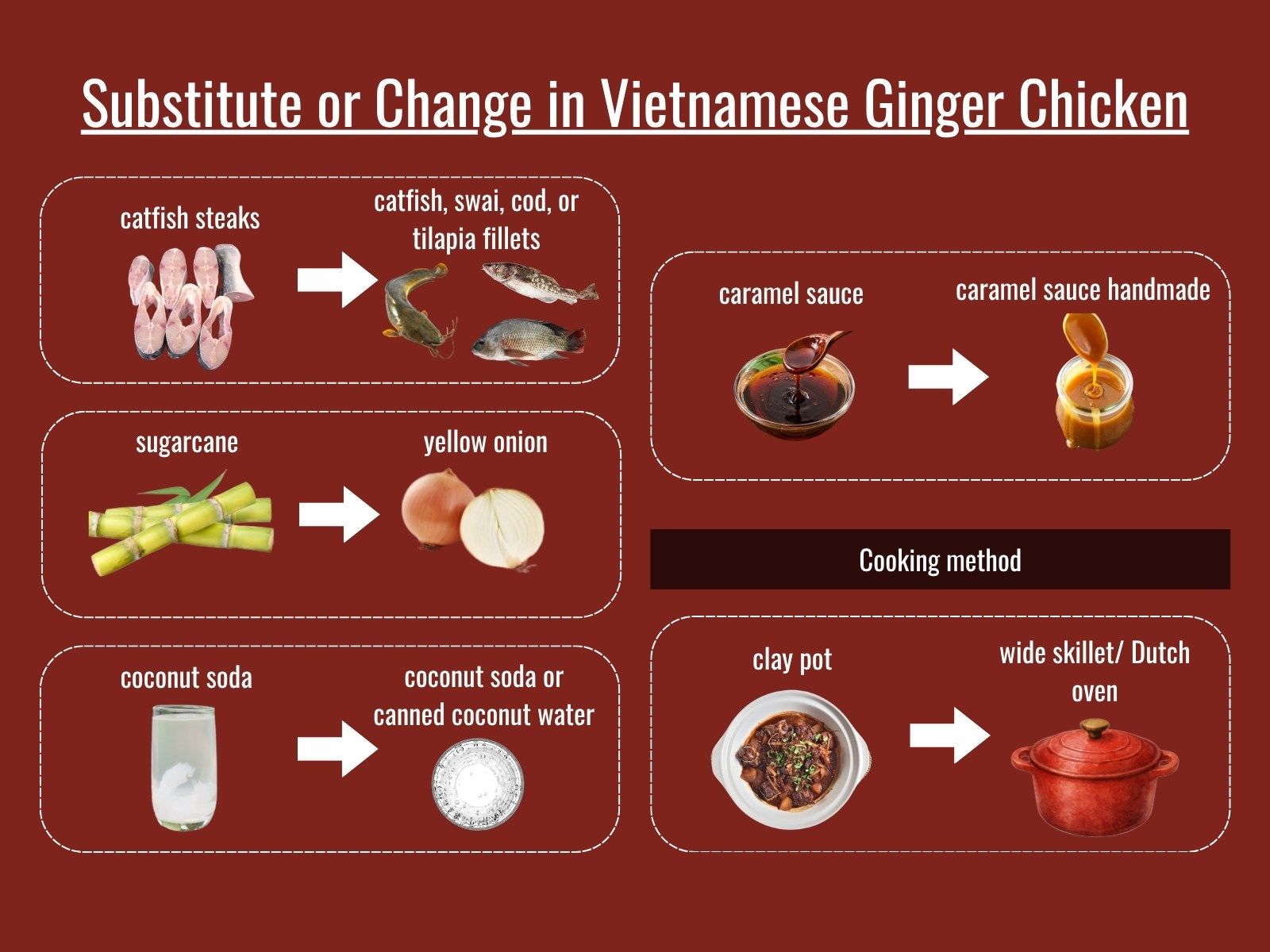
What Can You Substitute or Change in Vietnamese Caramelized Catfish?
These substitutions help you make Vietnamese caramelized catfish with US grocery store ingredients without losing the dish's core flavor.
Ingredient swaps
- Basa or Swai for Channel Catfish. Basa and swai can stand in for channel catfish, but they are different species and must be sold under their own names in the United States. Use thick fillets or steaks and shorten the cooking time because boneless fillets break apart more easily.
- Coco Rico coconut soda or canned coconut water can replace fresh coconut water. Coconut soda runs sweeter, so cut back on the sugar by ½ tbsp to keep everything in balance.
- Homemade Vietnamese caramel sauce is the closest substitute for bottled nước màu. Cook sugar until it reaches a dark amber color, then carefully add hot water to create a slightly bittersweet cooking sauce.
- Thick-sliced yellow onion replaces the sugarcane lining, or you can skip the lining entirely and just use a nonstick pan. Either way, you will miss out on the subtle sweetness the sugarcane adds to the braise.
Cooking method
- A heavy-bottomed saucepan, cast iron skillet, or Dutch oven works perfectly in place of a clay pot. The clay pot holds heat better and cooks everything more evenly, though the flavor difference is pretty minor.
You can swap things out whenever you need to, but the closer you stay to the original ingredients, the closer you get to that authentic Southern Vietnamese flavor.
How to Store Vietnamese Caramelized Catfish
Transfer the fish and sauce to a shallow airtight container and refrigerate within 2 hours of cooking. Use the leftovers within 3 days for the best seafood quality.
Reheat only the portion needed over low heat until hot throughout. Add 1 to 2 tablespoons of water or coconut water if the sauce has become too concentrated. Avoid repeated reheating, as the fish can become dry and break apart.
The cooked fish can be frozen when necessary, though its texture may become softer after thawing. Thaw it overnight in the refrigerator before reheating.
Have you tried making this dish at home yet? Drop your questions or results in the comments below, since a quick star rating helps other home cooks find this recipe. Tag your finished Vietnamese catfish with #CHINSU on social media so we can see how it turned out. And if you are curious whether CHIN-SU chili sauce pairs with your braised fish, grab a bottle at chinsu.com and give it a try.
Frequently Asked Questions
No. Cá bông lau and basa belong to the broader pangasius group, but they are different fish. Cá bông lau is Pangasius krempfi, while basa is Pangasius bocourti.
Yes. Bone-in channel catfish steaks hold together well during braising and match the common US market meaning of “catfish.” Their flavor and fat content differ from Vietnamese pangasius species, but the same kho method works.
Yes. Choose thick basa or swai portions and check them earlier because boneless fillets may cook faster than bone-in catfish steaks. In the United States, these fish are sold under names such as basa, swai, tra, or striped pangasius rather than simply “catfish.”
Yes. Thaw frozen fish overnight in the refrigerator or place it in a sealed bag and submerge it in cold water. Pat the fish thoroughly dry before marinating so excess moisture does not dilute the seasoning or cause oil to splatter during searing.
No. A Dutch oven, heavy saucepan, or deep skillet also works. A clay pot retains heat and provides the traditional presentation, but a wide, heavy pot that holds the fish in one layer is more important for even cooking.
No. The °N value refers to total nitrogen concentration rather than saltiness. Use the recipe quantity as a starting point, then adjust the finished sauce only after it has reduced.
The sauce may contain too much fish sauce or may have reduced for too long. Remove the fish, add hot water or coconut water 1 tablespoon at a time, and return the fish once the sauce is balanced. Avoid reducing it back to the same concentrated volume.
The fish may have released extra moisture, or the pot may be too narrow for efficient evaporation. Once the fish reaches 145°F (63°C), transfer it to a plate and reduce the sauce separately. Return the steaks briefly to coat them before serving.
Use evenly cut steaks about 1 inch (2.5 cm) thick, pat them dry, sear them briefly, and arrange them in one layer. Avoid repeated flipping. Tilt the pot or spoon the braising liquid over the exposed surfaces instead.
Serve cá kho tộ with steamed jasmine rice and lighter accompaniments such as boiled vegetables, sliced cucumber, pickled mustard greens, or canh chua. The concentrated kho sauce is spooned sparingly over rice, while the vegetables and soup balance its salty-sweet flavor.
Vietnamese Caramelized Catfish
1. Ingredient
Fish Marination
- 2 lb (900 g) bone-in channel catfish steaks, about 1 inch (2.5 cm) thick.
- 1½ tablespoons fish sauce.
- ½ tablespoon minced shallot.
- 2 teaspoons seasoning powder (or 1 teaspoon salt).
- 1/3 teaspoon black pepper.
- ½ tablespoon caramel sauce (nước màu đường).
- Pinch of MSG (optional).
Braising Sauce
- 2 tablespoons fish sauce.
- ½ tablespoon caramel sauce.
- ½ tablespoon chili sauce (tương ớt).
- 1 tablespoon sugar.
- 3/4 cup (180 ml) coconut water.
- 1/2 cup (120 ml) water.
Aromatics and Garnish
- 3 shallots (about 25 g), minced.
- 4 garlic cloves (about 15 g), minced.
- 4 green onion stalks.
- 5 small chili peppers.
- 2 tablespoons neutral cooking oil.
- Additional ground black pepper for finishing.
Optional Clay Pot Lining
- 2 small sugarcane sticks, split into thin strips (or ½ yellow onion, sliced 1 cm / ½ in thick).
2. Instructions
- Step 1: Prep Aromatics. Mince shallots and garlic. Slice green onion whites into 1-inch (2.5 cm) sections; slice greens for garnish. Smash chilies.
- Step 2: Clean and Deodorize the Catfish. Rinse steaks in diluted salt water, then rinse with lime juice or brewed tea. Drain and pat dry.
- Step 3: Marinate the Catfish. Combine steaks with shallot, seasoning powder, black pepper, fish sauce, caramel sauce, and pinch of MSG. Coat evenly.
- Step 4: Pan-Sear the Fish. Heat 2 tablespoons oil; sear steaks 1 minute per side, until surface firms. Remove from pan.
- Step 5: Line the Clay Pot. Place sugarcane strips (or onion slices) at bottom of pot.
- Step 6: Arrange Fish. Lay seared fish steaks over sugarcane lining.
- Step 7: Make Braising Sauce. Heat 1 tablespoon oil, sauté remaining shallot and garlic until fragrant. Add fish sauce, caramel sauce, chili sauce, sugar, coconut water, and water; bring to boil.
- Step 8: Braise the Catfish. Pour sauce over fish, add smashed chilies. Simmer gently over medium-low heat for 10 minutes.
- Step 9: Flip and Continue Braising. Flip fish once; add green onion whites; simmer uncovered until sauce reduces to glossy consistency. Spoon braising liquid over fish occasionally.
- Step 10: Finish and Garnish. Braise 30 minutes total. Scatter green onion greens and black pepper on top. Serve hot.
3. Storage: Store in airtight container in fridge within 2 hours of cooking. Consume within 3 days. Reheat gently, adding 1–2 tablespoons water or coconut water if sauce thickens. Can freeze for short-term use, thaw overnight in fridge.
4. Yield: 4 servings
5. Serving Style: Southern Vietnamese caramelized catfish with glossy sweet-savory braising sauce, served with steamed rice, vegetables, and optional garnishes

CHIN-SU KITCHEN TEAM
CHIN-SU Kitchen Team are the creative experts behind the delicious recipes featuring CHIN-SU sauces. With years of experience and a passion for flavor, our team carefully selects recipes from a variety of trusted chefs and bloggers, bringing together the best culinary insights to present you with the most suitable and exciting dishes. Every recipe is chosen to inspire you to create meals that are not only tasty but also easy to prepare, enhancing your dining experience. Join us as we explore a wide range of sauces and flavors, and elevate every meal with the perfect recipe for your table!
User Reviews
Featured Articles
How To Make Hot Honey Sauce at Home
How To Make Buffalo Hot Sauce at Home
Vinegar-Based Hot Sauce Recipe: How to Make It at Home
Smoked Hot Sauce Recipe: How to Make It With Fresh Jalapeños
How To Make Creamy Hot Sauce at Home?
SUBSCRIBE TO GET
MORE INFO
Want the latest and greatest recipes, updates, and more from us,
straight to your inbox? Subscribe and get our NEWS!