Hot Sauce Recipe: How to Make with Any Chili Pepper
Published: Jun 23, 2026 by CHIN-SU
Updated: Jul 31, 2026 by CHIN-SU
Tested by CHIN-SU Kitchen Team
A great homemade hot sauce just hits way better than anything you can grab off a store shelf. You get that real pepper heat, a nice sharp bite, and a deep flavor that only comes from using fresh, whole ingredients. Since this is a non-fermented recipe, you can skip waiting around for weeks and still get a bright, spicy sauce in under 1 hour. A lot more people are making their own sauce at home these days because it is super easy, it is cheap to make, and you get to call the shots on everything from how spicy it is to how thick it turns out.
CHIN-SU has chosen this reference recipe to share as a simple and reliable starting point for anyone making hot sauce at home for the first time. You only need 6 ingredients and about 30 to 40 minutes to whip up around 2 cups (480ml) of hot sauce, ready to use that same day. It goes perfectly with scrambled eggs, grilled chicken wings, banh mi, pho, fried rice, and burgers. Just follow the steps below, and you will have a homemade sauce packed with a clean, sharp heat that store-bought bottles just can't beat.
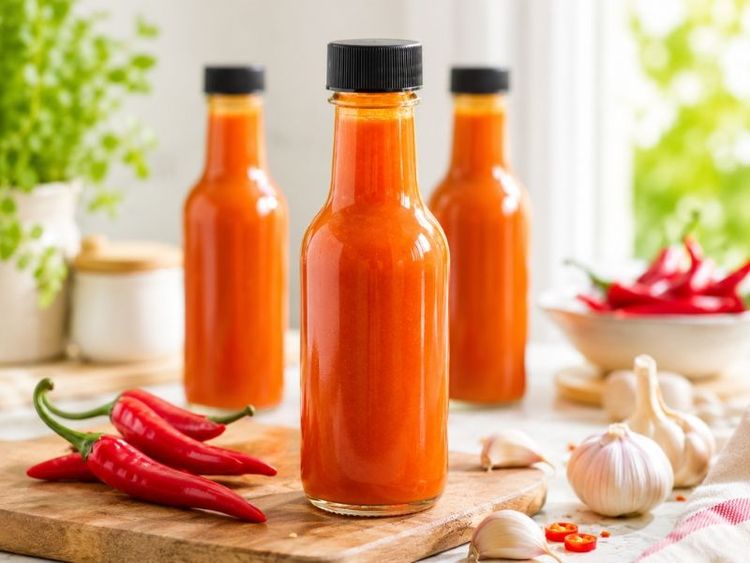
Table Of Contents
- Why You'll Love This Hot Sauce Recipe
- What Is a Hot Sauce Recipe Made Of?
How To Make Hot Sauce Step-By-Step
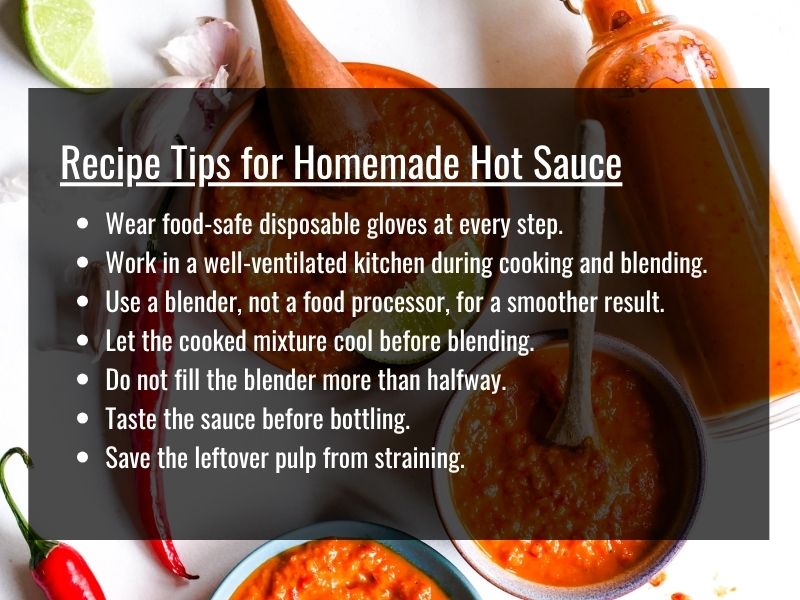
- Homemade Hot Sauce Recipe Tips
- What Can You Substitute or Change in Hot Sauce Recipe?
- Which Chili Peppers Work Best for Homemade Hot Sauce?
- How To Adjust the Heat Level
- What To Eat With Your Hot Sauce
- How To Store Homemade Hot Sauce
Why You'll Love This Hot Sauce Recipe
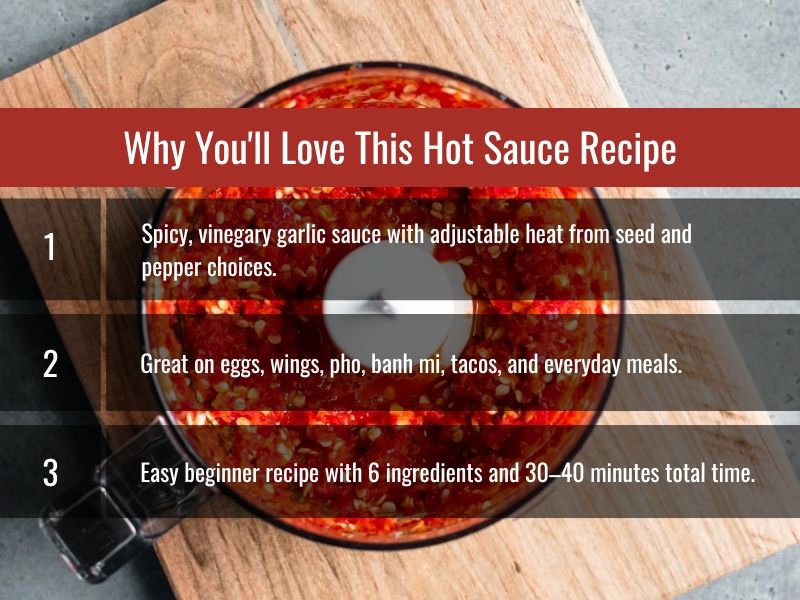
There are 3 main reasons why this homemade hot sauce is totally worth making from scratch: you get to call the shots on the flavor, it goes great with almost anything, and the whole thing takes under 40 minutes from start to finish.
- Every batch gives you a nice spicy kick, a sharp bite of vinegar, and a smooth hint of garlic. If you want to tone it down, just take out the seeds and the white parts inside the peppers before you cook them. Looking for more of a burn? Swap out the cayenne for habanero and leave the whole pepper exactly as it is.
- You only need 6 ingredients and about 30 to 40 minutes, and you are all set. If you have never made your own sauce before, this is a really great place to start.
- You can try it on grilled chicken wings, pho, banh mi, or tacos. It hits the spot for breakfast, lunch, dinner, or even just a quick snack.
What Is a Hot Sauce Recipe Made Of?
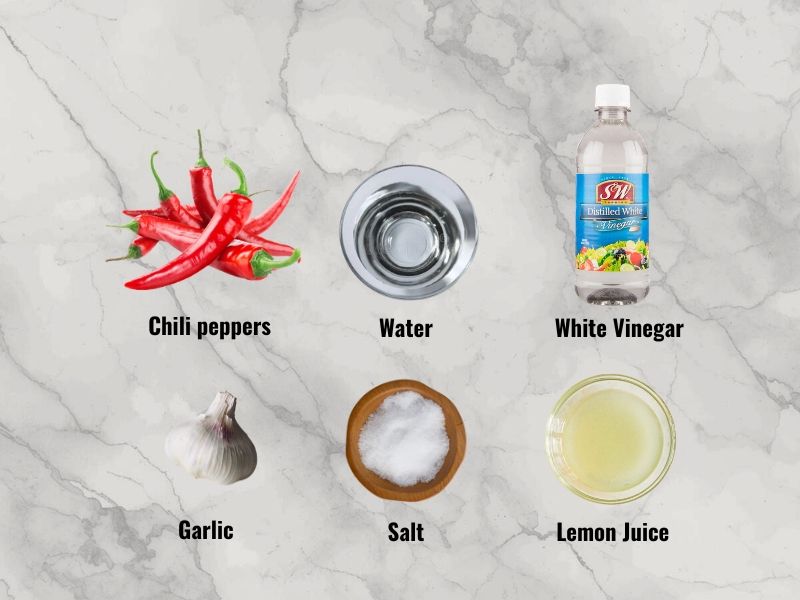
To make this homemade hot sauce, you’ll need 6 basic ingredients: fresh chili peppers, white vinegar, water, garlic cloves, salt, and lemon juice.
- 10 oz (280g) of fresh chili peppers. You can use whatever fresh peppers you have on hand to get the heat and flavor you're looking for. This can range from jalapeños at 2,500 SHU to ghost peppers at over 1,000,000 SHU.
- 1 cup (240ml) of white vinegar. It gives the sauce that classic, sharp tang you find in Louisiana-style sauces. It also lowers the pH below 4.6, which helps keep the sauce fresh longer.
- ½ cup (120ml) of water. You’ll need this to thin out the pepper mix while it cooks so you can get the consistency just right.
- 4 cloves of garlic. Garlic adds a bit of depth and a nice, mild kick that balances out the sourness from the vinegar.
- 1 tsp (5g) of salt.
- Juice of ½ lemon (about 1 fl oz / 30ml). A squeeze of lemon juice adds a bright touch and helps push the pH even lower.
In the end, you’ll yield about 2 cups (480ml) of hot sauce after you blend it all up and strain it.
How To Make Hot Sauce Step-By-Step
Once your ingredients are ready, follow these simple steps to turn them into a bold, homemade hot sauce.
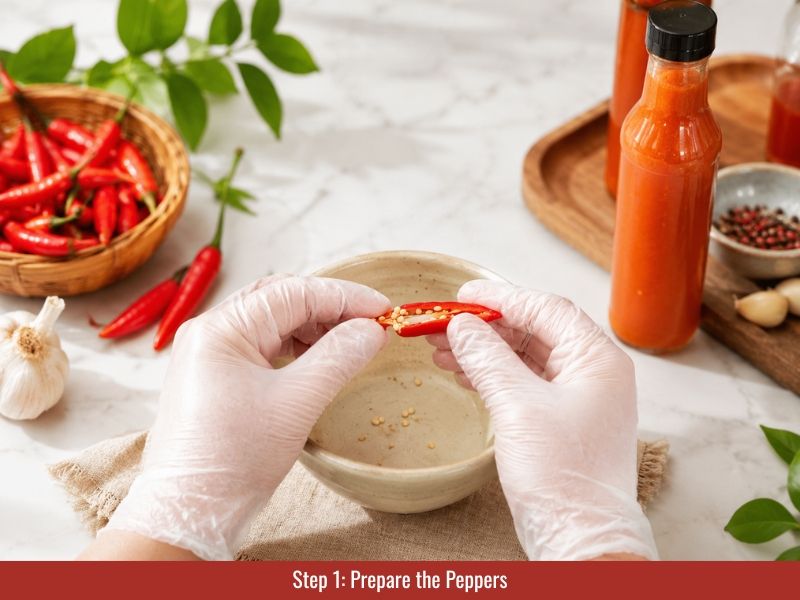
Step 1: Prepare the Peppers
Make sure to put on food-safe gloves before handling any chili peppers. The spicy oil from the peppers gets right on your bare hands and will definitely burn your eyes or skin if you touch them. Just cut off the stems and leave the seeds right where they are. The seeds hold a ton of heat, so taking them out will make your sauce a lot less spicy.
Don't bother scooping out the seeds unless you want a milder hot sauce. If you do want to tone it down, just slice the peppers open and scrape out the seeds and the white parts inside before you toss them into the pot.
Step 2: Cook the Ingredients
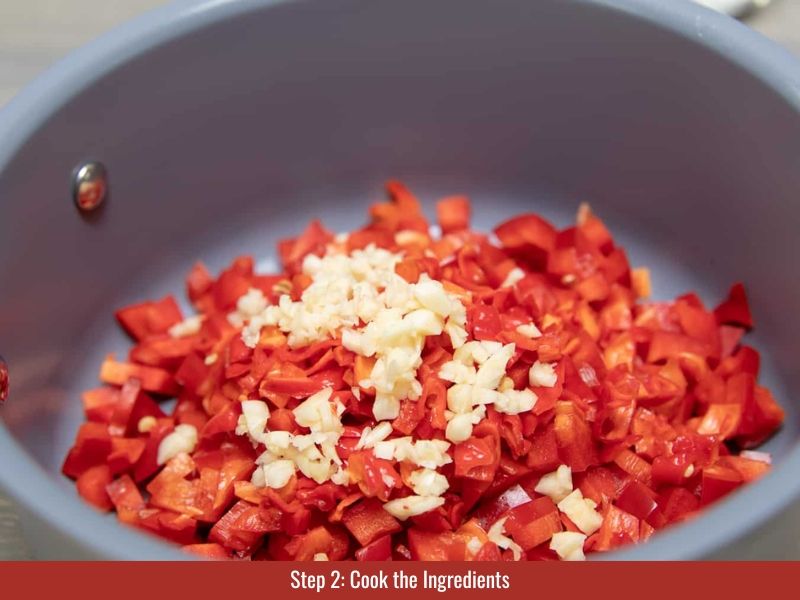
Toss 10 oz (280g) of your prepped chili peppers, 1 cup (240ml) of white vinegar, 1/2 cup (120ml) of water, 4 garlic cloves, 1 tsp (5g) of salt, and 1 fl oz (30ml) of lemon juice right into a large pot and give it a good stir. Turn the heat to medium-high and let the whole thing come to a full boil.
Once it is boiling, turn the heat down to a simmer and let it cook for 20 to 30 minutes. Just stir it every now and then until the peppers get nice and soft and the liquid cooks down a little bit.
Make sure you leave the pot lid off the whole time. This lets just enough water evaporate to really pack in the flavor, but it keeps the mix from getting too thick, so you can still blend it smoothly later.
Step 3: Blend the Sauce
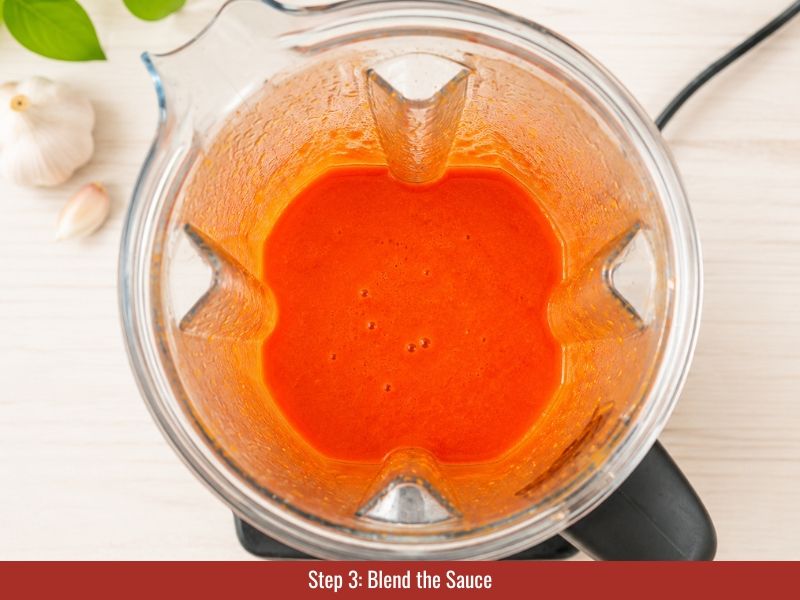
Pour the entire cooked pepper mix, liquid and solids, right into your blender. Run it on high speed for about 2 to 3 minutes until the sauce is completely smooth. You will definitely want to use a blender instead of a food processor here.
It gives you a much better texture and prevents hot liquid from leaking everywhere. Just let the mix cool down for at least 5 minutes first. Also, grab a folded towel and hold the lid down tight so the hot steam does not blow the top off while blending.
Step 4: Strain the Sauce
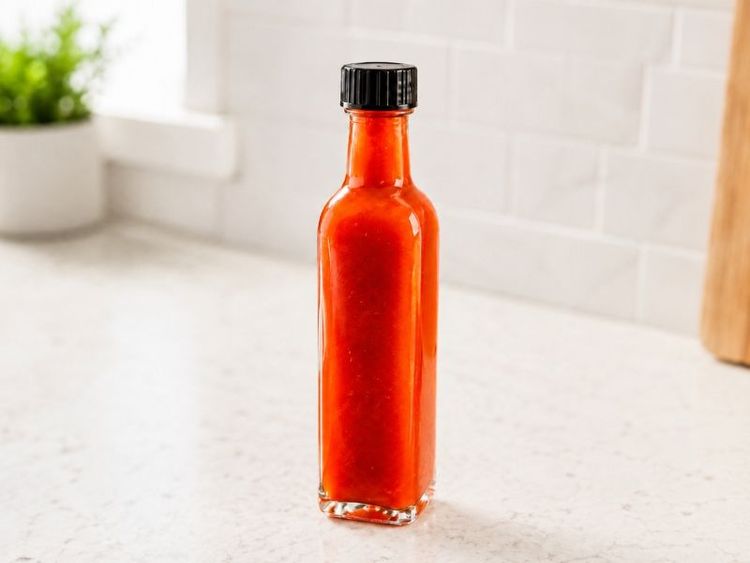
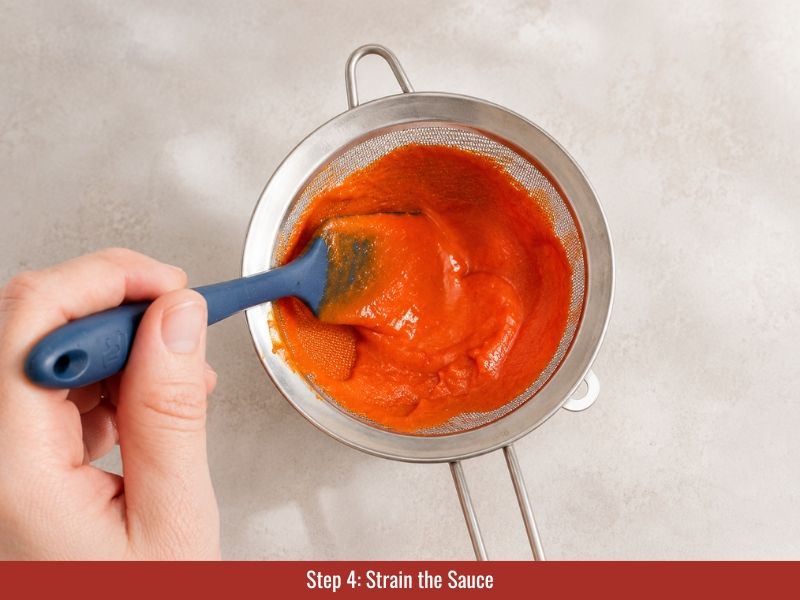
Pour the blended sauce through a fine mesh strainer set right over a bowl. Press it through with a silicone spatula to separate the smooth liquid from the seeds and pulp.
Straining gives you a smooth texture that pours easily, much like store-bought sauces such as Tabasco or Frank's RedHot. Skip this step if you want a thicker sauce, since keeping the pulp adds body and a stronger pepper flavor.
Step 5: Bottle the Sauce
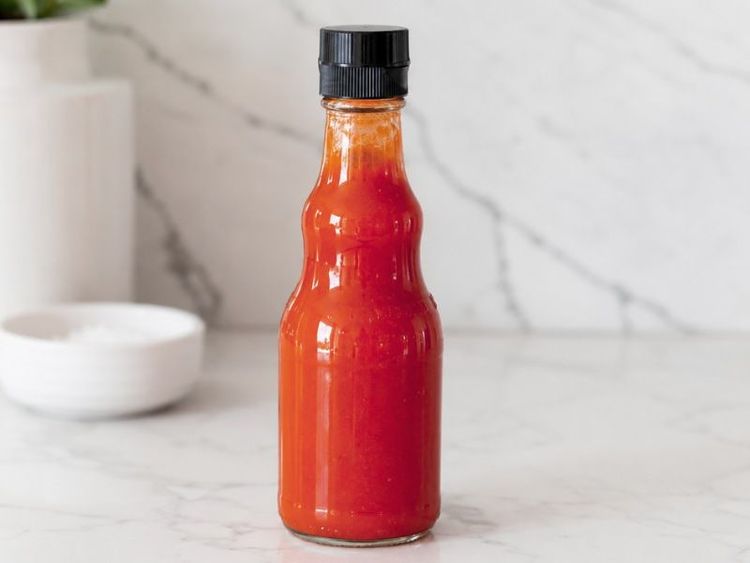
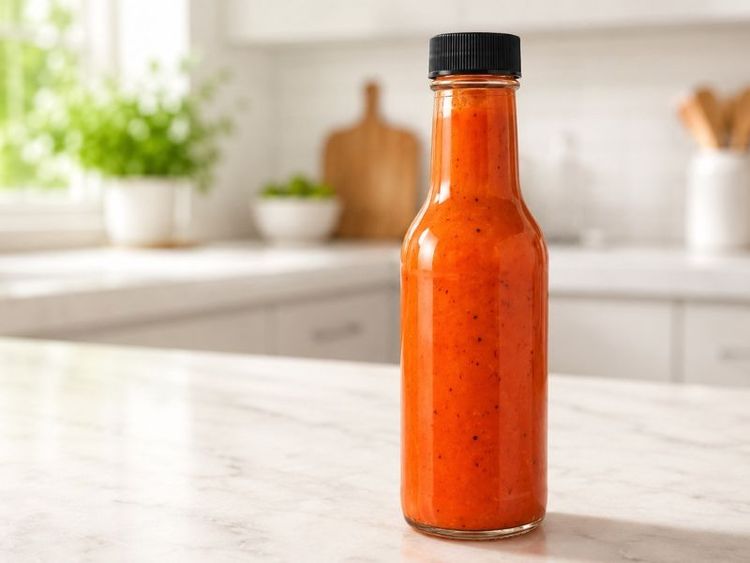
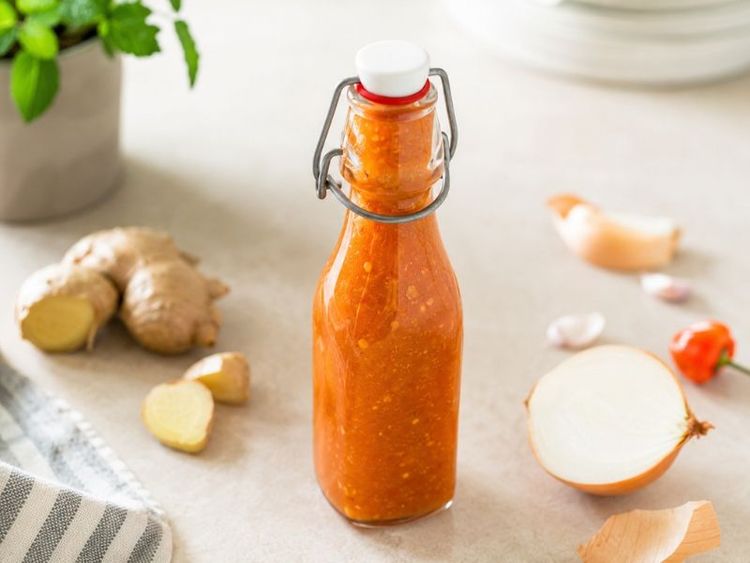
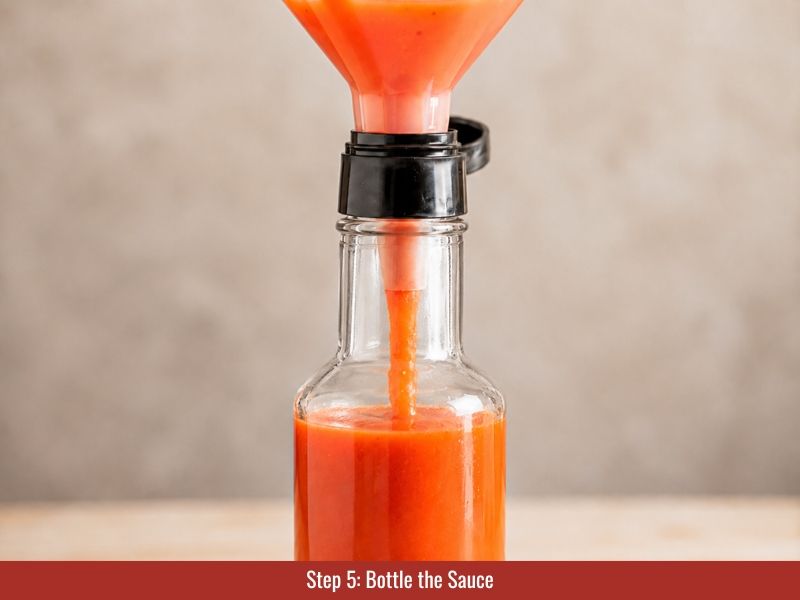
Pour the strained hot sauce through a funnel into a clean, airtight glass bottle or jar so you can fill it without making a mess all over the rim. Seal it tight, then put the date on the bottle so you can keep track of how long it's been sitting in your fridge.
Pop the sealed bottle right into the refrigerator. As long as it is kept nice and cold, your sauce will stay fresh and good to go for 1 to 2 months.
Homemade Hot Sauce Recipe Tips
Here are 7 handy tips to help you get the best flavor, heat, and shelf life out of your homemade hot sauce:
- Always wear food-safe disposable gloves at every step. The spicy pepper oil sticks to your skin and can easily get into your eyes, nose, or mouth, even after you wash your hands.
- Make sure your kitchen has good airflow while you cook and blend. The steam and spicy particles flying around during both steps can really irritate your eyes and throat fast.
- Stick with a blender instead of a food processor for a smoother sauce. A blender seals up tight and spins faster, giving you a much better texture than an open food processor bowl.
- Let the hot mix cool down for at least 5 minutes before you start blending. If you blend boiling liquid, the steam pressure builds up and can literally blow the lid right off.
- Never fill your blender more than halfway when dealing with hot liquids. If it is too full, you run a huge risk of making a mess or popping the lid off.
- Give the sauce a taste right after you strain it, but before you bottle it up. This is the absolute best time to tweak the salt, sourness, or spice levels since adding things is still super easy.
- Do not throw away that leftover pulp. Spread it out in a dehydrator at 125°F (52°C) for 8 to 10 hours, and you will have an awesome dry seasoning that is great on grilled meats, rice, or eggs.
What Can You Substitute or Change in Hot Sauce Recipe?
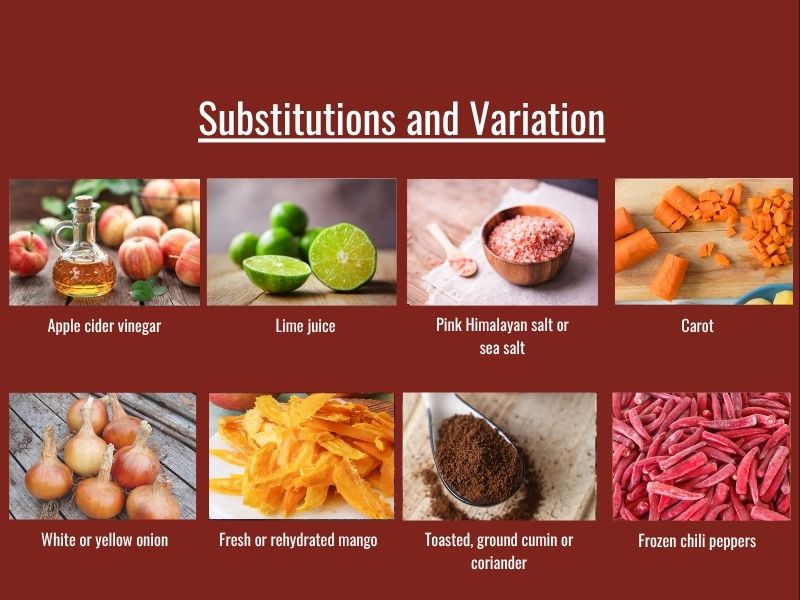
This recipe also gives you 8 easy ingredient swaps so you can tweak the sauce to suit how spicy you want it, your diet, or whatever you happen to have on hand.
- Apple cider vinegar instead of white vinegar. It adds a nice fruity touch that mellows the sourness without changing the sauce's spice.
- Lime juice instead of lemon juice. A squeeze of lime gives it a slightly more floral flavor and a smoother, less sharp finish.
- Pink Himalayan salt or sea salt instead of kosher salt. Just use a little less if your sea salt is finely ground, since fine grains pack way tighter in a teaspoon than coarse ones do.
- 1 medium carrot (about 2 oz / 60g), chopped up and tossed into the pot while it cooks. A carrot adds natural sweetness and thickens the sauce a bit without adding any extra sugar.
- 1 small white or yellow onion thrown in with the peppers right at the start. Onion really builds up a deep savory flavor before everything cooks down together.
- Fresh or dried mango, blended right into the sauce after you strain it, using about 4 oz (120g) per batch. Mango gives you that awesome sweet-and-spicy combo that tastes great on grilled fish or chicken.
- 1/2 tsp of toasted, ground cumin or coriander stirred into the finished sauce. Either one of these spices adds a nice earthy flavor without making the sauce any hotter.
- Frozen chili peppers instead of fresh ones, as long as they do not have any freezer burn. Freezer-burned peppers will make your sauce taste kind of weird, so just check each one before you toss it in.
Which Chili Peppers Work Best for Homemade Hot Sauce?
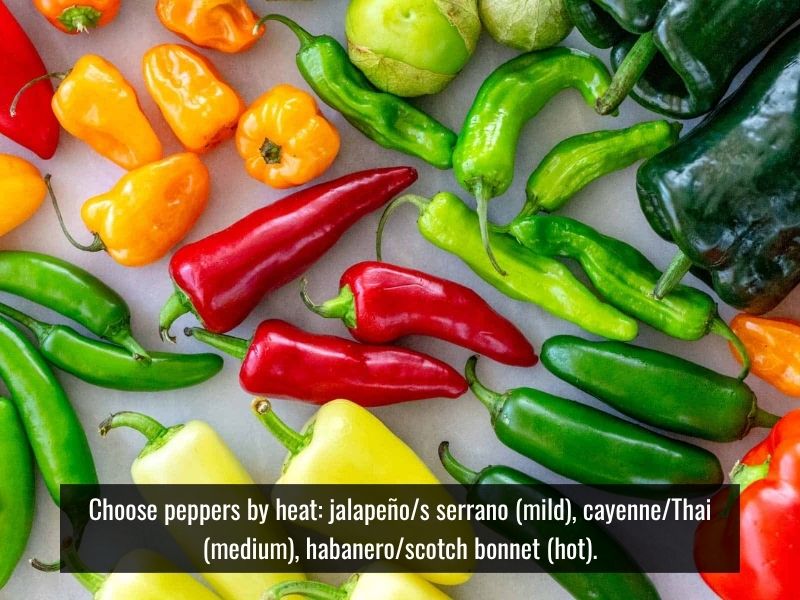
Chili peppers come in a wide range of heat levels, so the best choice depends on how spicy you want your homemade hot sauce to be.
- For a mild-to-medium sauce, grab jalapeños or serranos, which range from 2,500 to 23,000 SHU.
- If you want a medium to hot heat, go for cayenne or Thai chilies at 30,000 to 100,000 SHU.
- If you are looking for an extreme burn, habaneros or scotch bonnets will get you there at 100,000 to 350,000 SHU.
Here is a quick breakdown of the 7 most common pepper options and what they bring to the table:
| Chili Pepper | Scoville Range (SHU) | Flavor Profile | Best For |
| Jalapeño | 2,500 to 8,000 | Bright and grassy | Everyday mild sauce |
| Cherry Bomb | 2,500 to 5,000 | Mild and sweet | Blended base sauces |
| Serrano | 10,000 to 23,000 | Sharp, clean bite | Stepping up from jalapeño |
| Cayenne | 30,000 to 50,000 | Neutral and versatile | All-around medium hot sauce |
| Thai Chili (Bird's Eye) | 50,000 to 100,000 | Sharp and direct burn | Concentrated heat sauces |
| Habanero | 100,000 to 350,000 | Fruity and floral | Blending with milder peppers |
| Scotch Bonnet | 100,000 to 350,000 | Fruity and a bit sweet | Caribbean and West African sauces |
Peppers that are thick and fleshy, like cherry bombs or jalapeños, will give you a much thicker sauce. Thinner peppers like cayenne or Thai chilies will leave you with a sauce that is more watery and easy to pour. If your batch turns out too thick, just stir in water or vinegar 1 tbsp (15ml) at a time until it looks right. And hey, if you want that same awesome pepper flavor without doing any prep work, CHIN-SU hot sauce gives it to you, ready to go right out of the bottle..
How To Adjust the Heat Level
You can easily adjust the heat of your homemade hot sauce by choosing the right peppers and deciding how much of the inside to keep. Most of a chili’s heat comes from capsaicin, which is concentrated in the white, spongy membrane that holds the seeds, rather than in the seeds themselves.
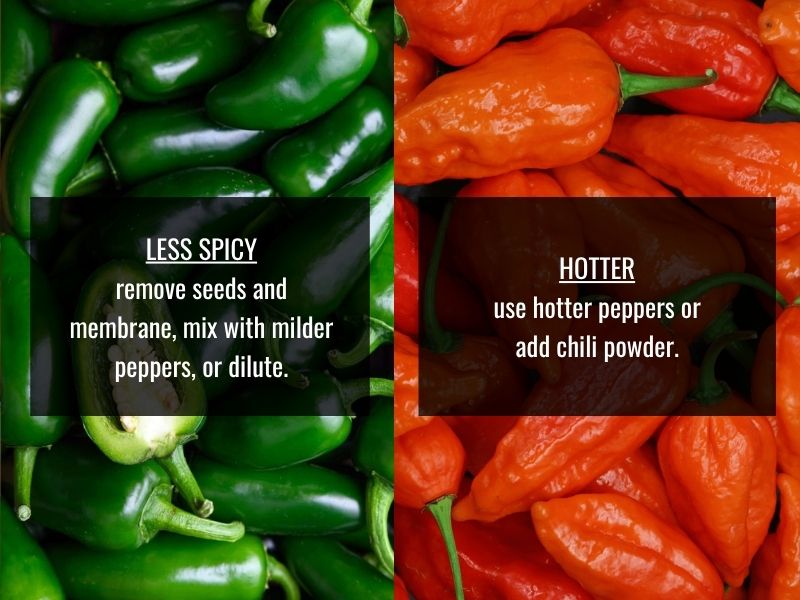
For a milder sauce, remove both the seeds and white membrane before cooking, or blend hotter peppers with milder ones. You can also soften the heat of the finished sauce by mixing in cooked vegetables.
For medium heat, use peppers like cayenne and leave some of the insides intact. For a much hotter sauce, choose habaneros, ghost peppers, or other high-heat varieties and keep the membranes in.
If the finished sauce still is not spicy enough, stir in a small amount of chili powder or ghost pepper powder until it reaches the heat level you want.
What To Eat With Your Hot Sauce
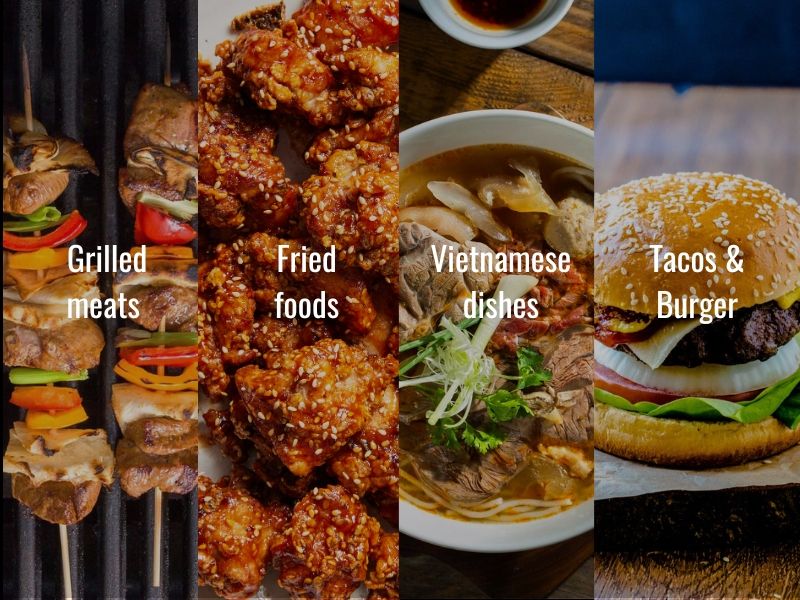
Homemade hot sauce is awesome on eggs, grilled meats, fried foods, rice, sandwiches, and soups. You definitely have to try it on scrambled eggs, grilled wings, pho, banh mi, fried rice, tacos, and burgers.
You can also mix it right into other sauces. Stir it into mayo for a quick, spicy aioli, mix it 1:1 with butter for Buffalo sauce, or whisk it into salad dressing.
In Vietnamese cooking, it is the perfect table dip for pho, fried and grilled dishes like fried spring rolls (cha gio), grilled pork skewers (thit nuong), and fried tofu (dau hu chien). A dab on crispy fried chicken or charcoal-grilled meats brings out the smoky, caramelized flavor underneath.
For all these meals, CHIN-SU hot sauce gives you that same fresh pepper kick straight from the bottle.
Discover CHIN-SU hot sauce products:
How To Store Homemade Hot Sauce
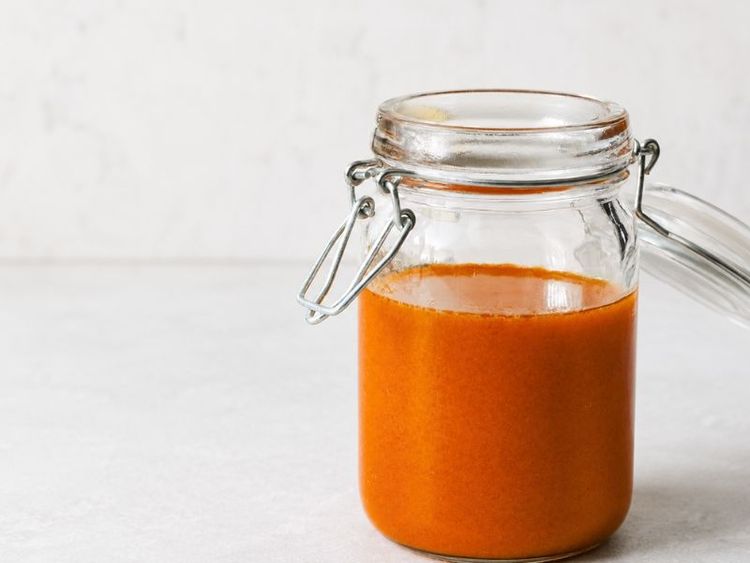
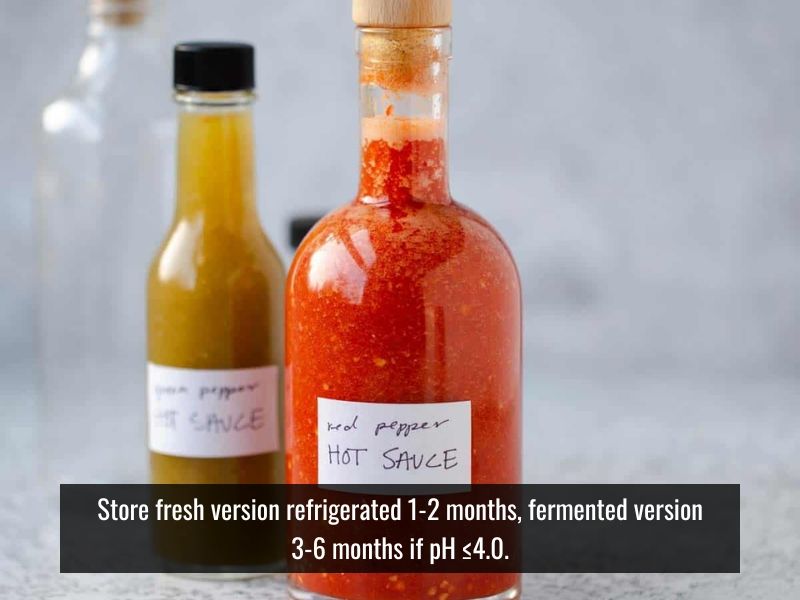
Keep your homemade hot sauce in a sealed glass jar in the fridge. A fresh batch lasts 1 to 2 months, while fermented hot sauce lasts 3 to 6 months. See how long does hot sauce last for a broader comparison across different types of sauce.
Glass is best because it will not absorb odors or react with the acid like plastic can. Without preservatives, homemade sauce must stay refrigerated. See do you have to refrigerate hot sauce to understand how ingredients and acidity affect storage requirements.
For safe storage, the pH should remain below 4.6, although 4.0 or lower is ideal. If the reading is above 4.0, add a little more vinegar and test it again before storing.
You can also freeze the sauce in ice cube trays, then transfer the cubes to a freezer bag for up to 6 months. It may become slightly thinner after thawing. If the sauce thickens in the fridge, stir in water or vinegar, 1 teaspoon (5 ml) at a time, until it pours smoothly again.
Which part of this recipe are you trying first, the classic base or one of the variations? Please share your questions in the comments below. No question is too small, and every one will be read. If this recipe works for you, a quick star rating helps other home cooks find it faster. Share your results on social media with #CHINSU and tag us; we read every post. Ready to skip the scratch prep and go straight to the flavor? Grab CHIN-SU hot sauce at chinsu.com.
Frequently Asked Questions
Yes, you can totally make this hot sauce without dates. Just swap in 1/4 cup (60ml) of dried cranberries or chop up 1 small carrot instead. They both add a nice sweetness and help thicken the sauce. Just keep in mind that you might lose a little bit of that deep, fruity flavor the dates bring.
You do not actually have to cook homemade hot sauce, but doing it is a really good idea. Boiling it for 15 minutes makes it much safer to keep in the fridge for a long time. Plus, cooking removes the harsh, bitter bite of raw garlic and gives your finished sauce a much richer color.
How spicy this sauce gets really depends on the exact peppers you use. If you throw in 10 standard fresh hot chilies, each about 30,000 to 50,000 SHU, your batch will end up medium-hot. That is pretty much like your average store-bought cayenne sauce, coming in right around 15,000 to 25,000 SHU per serving.
Yes, dried chili peppers work great for making hot sauce. You just need to soak them in warm water for 20 to 30 minutes before blending them up. Just know that your finished sauce will have a much deeper, smokier taste and a slightly darker color compared to using fresh ones.
Your homemade hot sauce separates in the jar simply because the oil, water, and pepper chunks all have different weights, and there is nothing artificial holding them together. This is totally normal. Just give the bottle a quick 3- to 5-second shake before you use it. It will mix right back up perfectly without changing the flavor or shelf life.
Homemade Hot Sauce Recipe
Ingredient
- 10 oz (280 g) fresh chili peppers
- 1 cup (240 ml) white vinegar
- ½ cup (120 ml) water
- 4 garlic cloves
- 1 teaspoon (5 g) salt
- Juice of ½ lemon, about 1 fl oz / 30 ml
Instructions
- Step 1: Prep the peppers. Wear gloves, remove stems, and keep or remove the seeds depending on your preferred heat level.
- Step 2: Cook the sauce. Add peppers, vinegar, water, garlic, salt, and lemon juice to a pot. Bring to a boil, then simmer uncovered for 20 to 30 minutes.
- Step 3: Blend. Let the mixture cool for 5 minutes, then blend on high for 2 to 3 minutes until smooth.
- Step 4: Strain. Pour through a fine-mesh strainer for a smooth sauce, or skip this step for a thicker texture.
- Step 5: Bottle. Pour into a clean airtight glass bottle or jar, seal, date, and refrigerate.
Nutrition: Estimated per 1 tablespoon / 15 ml serving. Calories: 3 to 5 calories. Fat: 0g. Carbs: 1g. Protein: 0g.
Storage: Keep your homemade hot sauce in a sealed glass jar or bottle in the fridge. It will stay fresh for 1 to 2 months. For best safety, keep the pH below 4.6, ideally 4.0 or lower. If the sauce gets too thick in the fridge, stir in water or vinegar 1 teaspoon (5 ml) at a time until it pours smoothly again.

CHIN-SU KITCHEN TEAM
CHIN-SU Kitchen Team are the creative experts behind the delicious recipes featuring CHIN-SU sauces. With years of experience and a passion for flavor, our team carefully selects recipes from a variety of trusted chefs and bloggers, bringing together the best culinary insights to present you with the most suitable and exciting dishes. Every recipe is chosen to inspire you to create meals that are not only tasty but also easy to prepare, enhancing your dining experience. Join us as we explore a wide range of sauces and flavors, and elevate every meal with the perfect recipe for your table!
User Reviews
Featured Articles
Cayenne Pepper Hot Sauce Recipe: Easy Homemade Sauce
Fresno Hot Sauce Recipe: How to Make It at Home
Ghost Pepper Hot Sauce Recipe: How to Make It at Home
SUBSCRIBE TO GET
MORE INFO
Want the latest and greatest recipes, updates, and more from us,
straight to your inbox? Subscribe and get our NEWS!