Smoked Hot Sauce Recipe: How to Make It With Fresh Jalapeños
By CHIN-SU Kitchen Team
Updated Oct 9, 2026
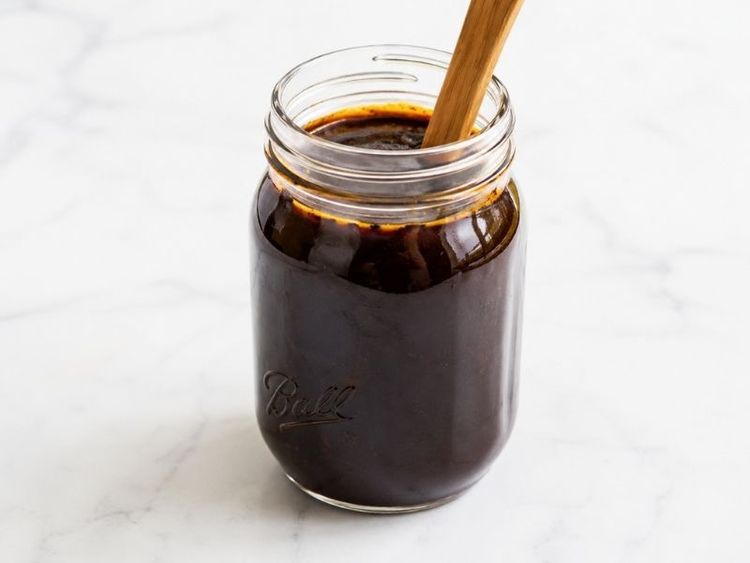
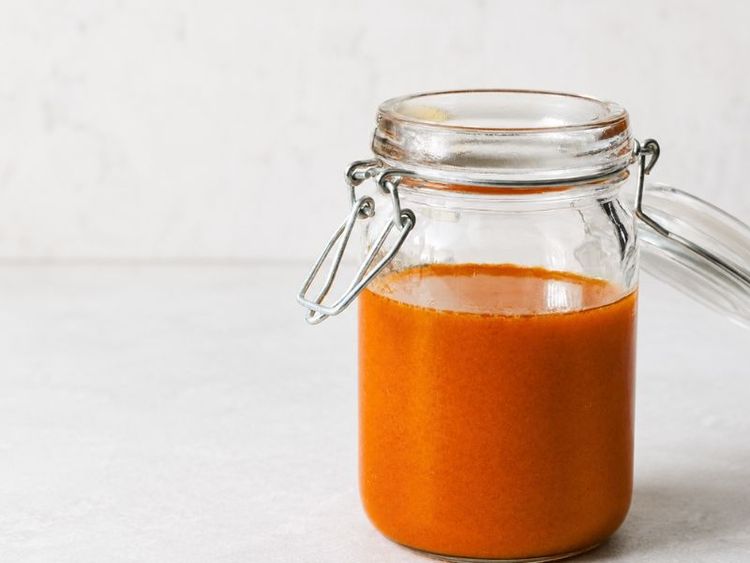
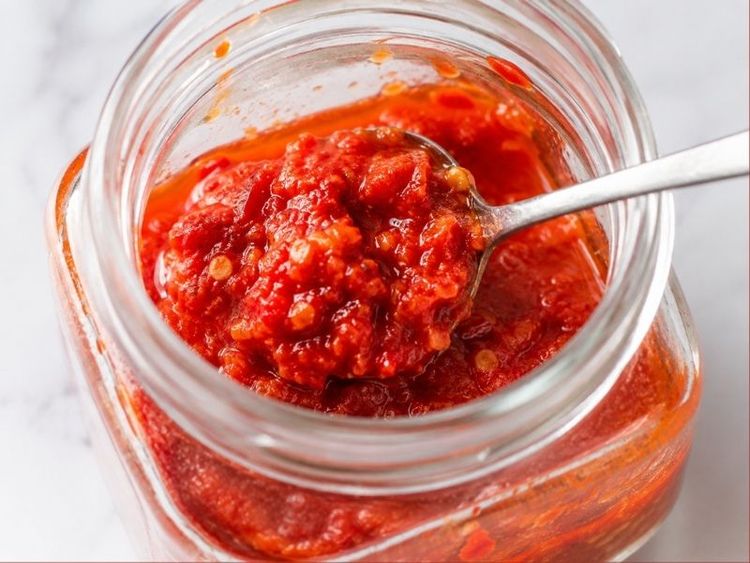
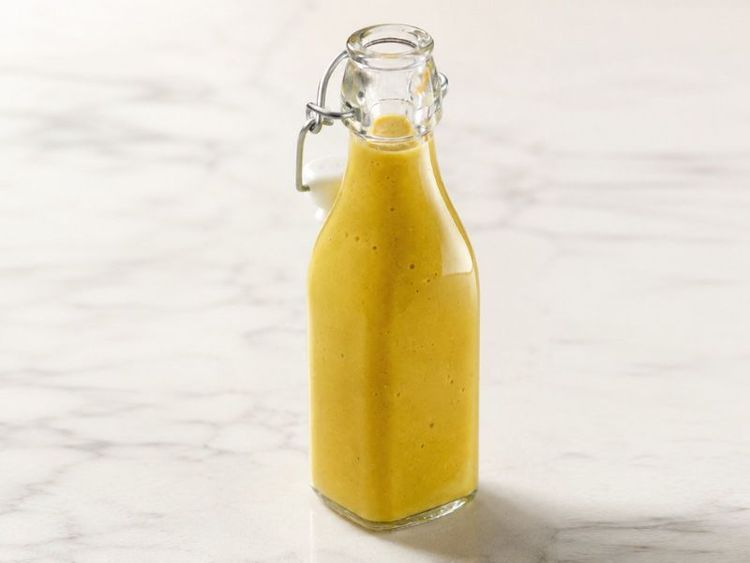
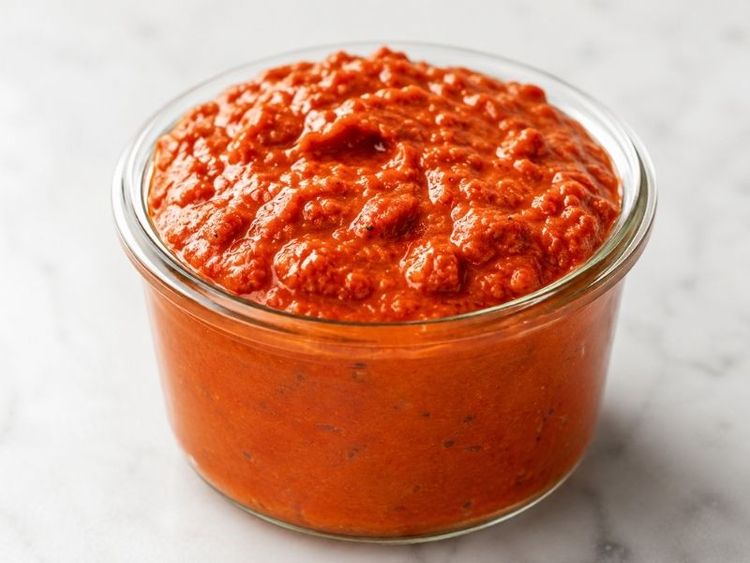
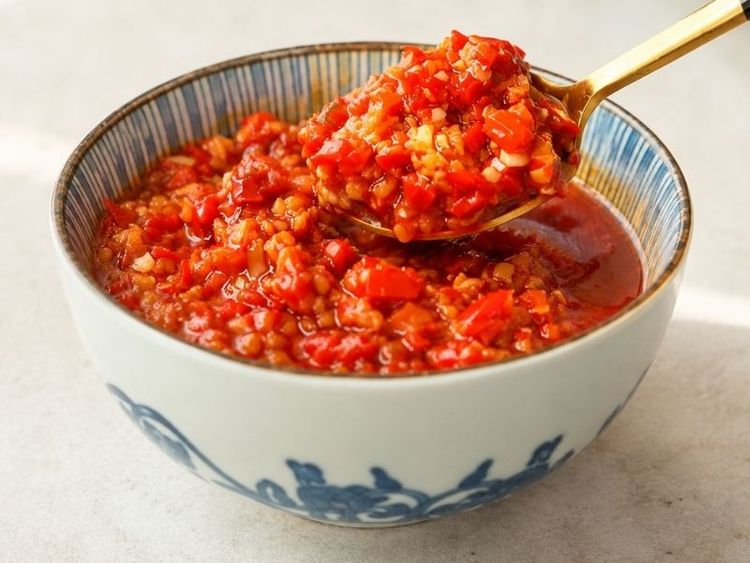
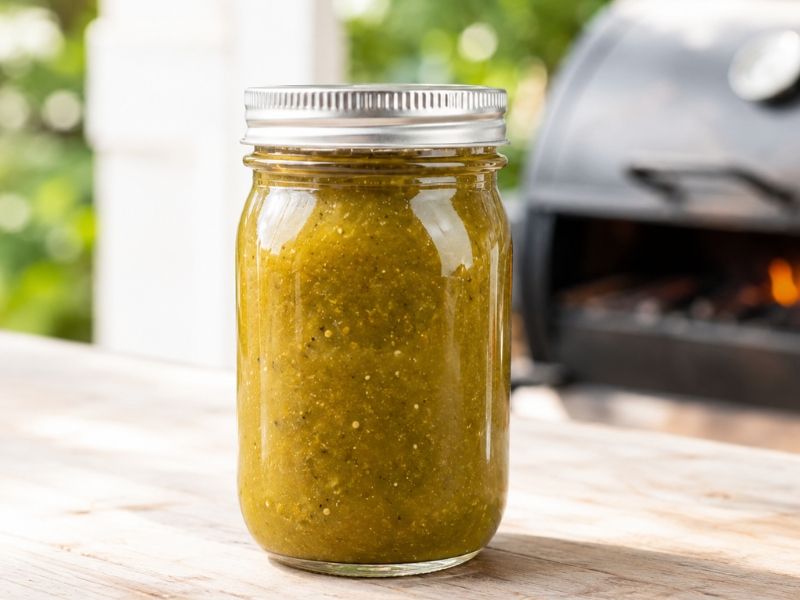
Tested in the CHIN-SU kitchenThis smoked hot sauce recipe combines wood-smoked jalapeños, green apple, garlic, and green bell pepper with white vinegar for a smoky, tangy sauce with mild-to-medium heat. Slow smoking softens the produce and develops deeper roasted flavors, while the green apple adds tartness and enough body to keep the sauce from tasting like straight vinegar.
The recipe takes about 3¼ hours, including roughly 30 minutes of active work and 2½–3 hours in the smoker. One batch makes approximately 3 cups (710 ml) of unstrained sauce.
Serve it with smoked brisket, grilled pork, fried chicken, eggs, tacos, bánh mì, burgers, or other savory dishes.
30 min
Prep time
2 hr 30 min
Cook time
3 hr
Total time
48 servings
Servings
10
Ingredients
6
Steps
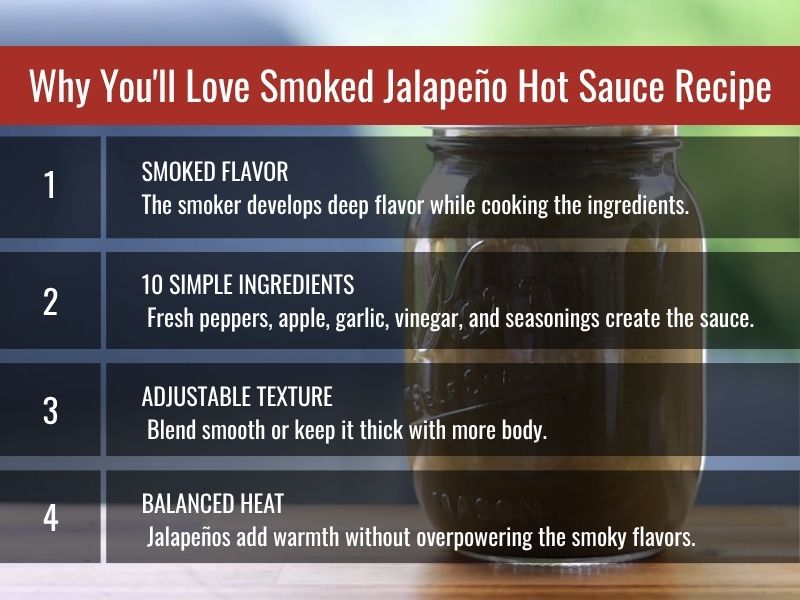
Why You'll Love This Smoked Jalapeño Hot Sauce Recipe
This recipe gives you deep wood-smoke flavor with relatively little hands-on work and lets you control the final consistency during blending.
- The smoker does most of the cooking. Once the produce is prepared and seasoned, you mainly need to maintain the smoker until everything becomes tender.
- It uses 10 straightforward ingredients. Fresh peppers, apple, garlic, vinegar, oil, and basic seasonings make the complete sauce.
- The consistency is easy to adjust. Keep it unstrained for more body or pass it through a sieve for a finer table sauce.
- The heat stays approachable. Jalapeños provide enough warmth to notice without overwhelming the smoked vegetables and garlic.
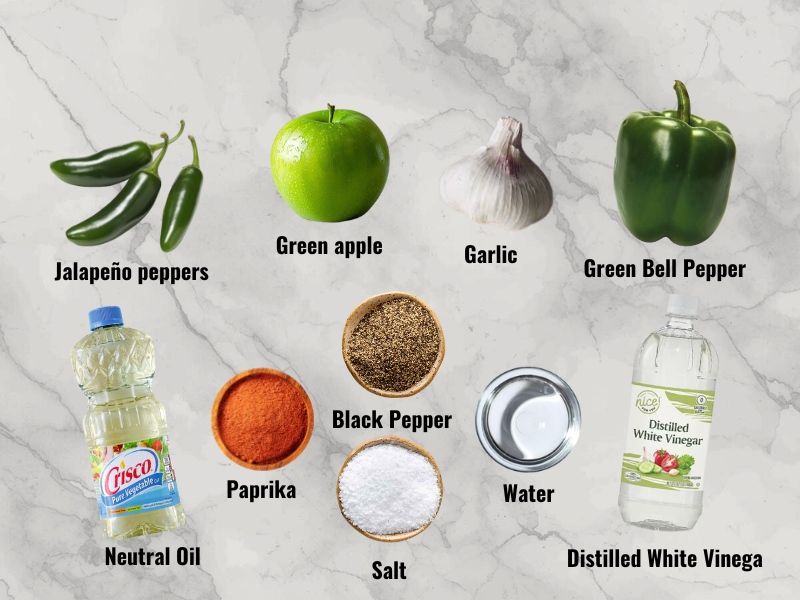
Smoked Jalapeño Hot Sauce Ingredients
You need 10 ingredients to make this smoked jalapeño hot sauce, including measured vinegar and water for a consistent batch.
- 10 fresh jalapeños, about 5 oz (140 g). These provide the main pepper flavor and mild-to-medium heat. A typical jalapeño weighs about 14 g.
- 1 medium green apple, about 6 oz (170–180 g). Apple adds tartness and natural pectin, which gives the chilled sauce more body.
- 1 whole head of garlic. Smoking softens its sharpness and develops a sweeter, deeper savory flavor.
- 1 medium green bell pepper, about 4 oz (120 g). Bell pepper adds volume and fresh pepper flavor without much extra heat.
- 3/4 cup (180 ml) distilled white vinegar. This provides the sauce's bright, clean acidity.
- 3/4 cup (180 ml) water. Add it during blending to reach a smooth, pourable consistency.
- 1 tablespoon neutral oil. Canola or avocado oil works well for coating the produce before smoking.
- 1 teaspoon paprika. Add it during blending for mild earthy flavor and color.
- 1 teaspoon salt. Season both the smoked vegetables and finished sauce.
- 1 teaspoon black pepper. Adds a gentle background spice.
Handling tip: Wear food-safe gloves while cutting the jalapeños and wash your hands, knife, and cutting board thoroughly afterward.
How To Make Smoked Jalapeño Hot Sauce in 6 Steps
Make smoked jalapeño hot sauce in six steps, from preparing the produce to blending and bottling the finished sauce. Allow about 3¼ hours total, including around 30 minutes of active preparation and finishing plus 2½–3 hours of smoking.
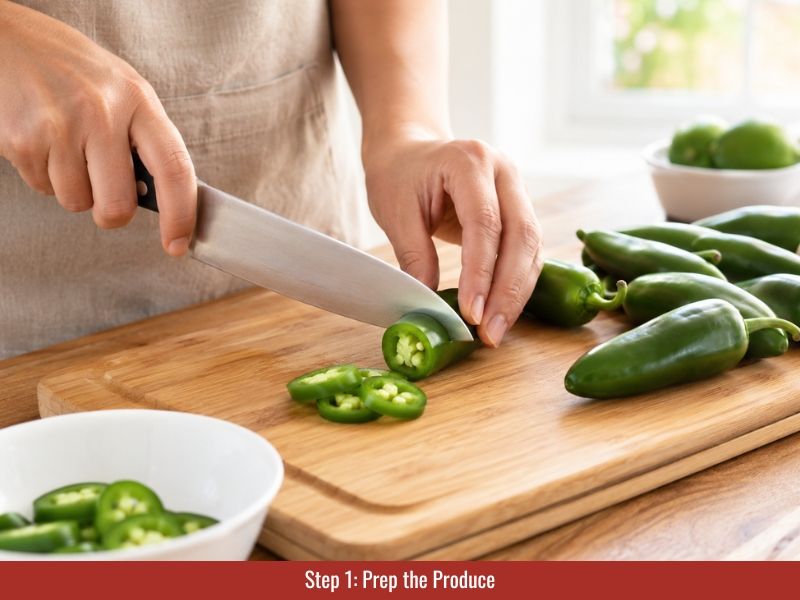
Step 1: Prep the Produce
Rinse and dry the 10 jalapeños, green apple, and green bell pepper. Use firm produce without soft, moldy, or heavily damaged areas.
Remove the stems from the jalapeños and cut them into pieces about 1 inch (2.5 cm) across. Leave the pale inner placental tissue attached for more heat, or remove some of it for a milder batch.
Core the apple and cut it into similarly sized pieces, keeping the skin on. Remove the stem and central seed cluster from the bell pepper, then cut it into large pieces.
Separate and peel the garlic cloves.
Step 2: Season and Coat
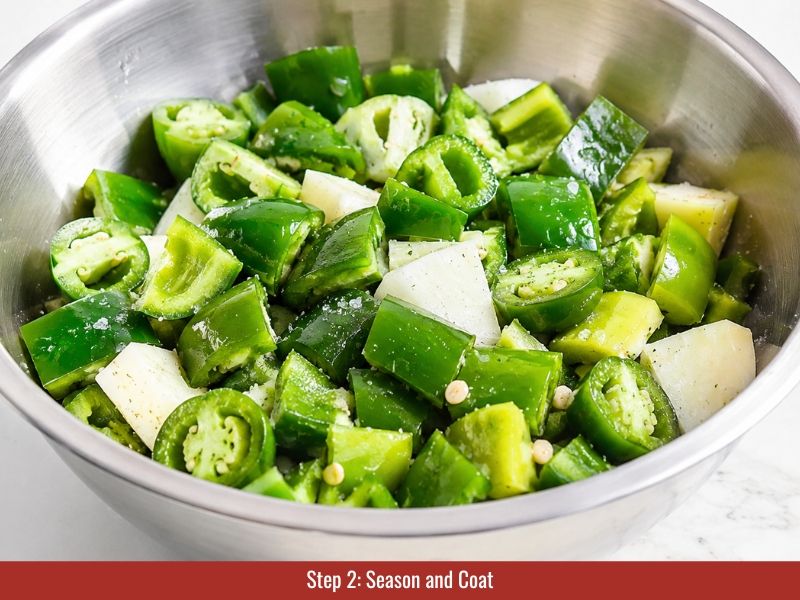
Place the jalapeños, apple, bell pepper, and garlic in a large bowl.
Add 1 tablespoon neutral oil, 1 teaspoon salt, and 1 teaspoon black pepper. Toss gently until the produce is lightly coated.
Keep the 1 teaspoon paprika for the blending step.
Step 3: Preheat the Smoker
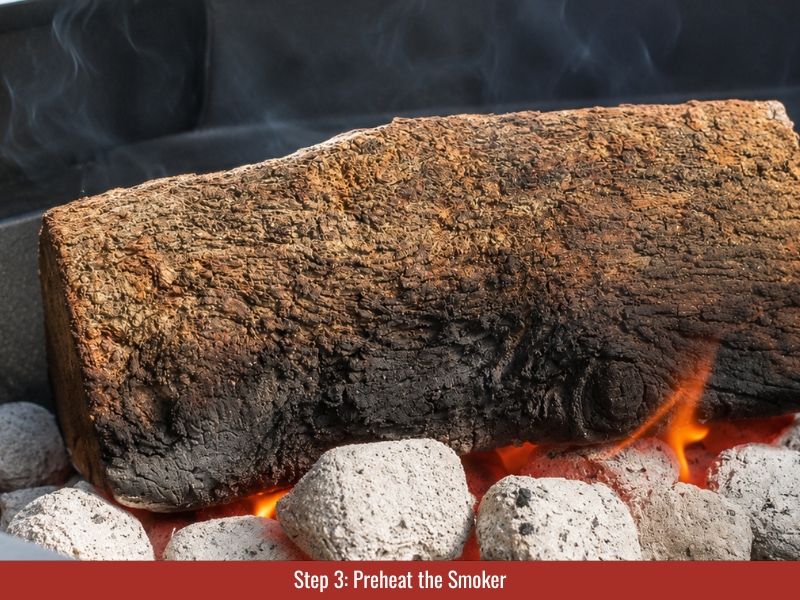
Preheat the smoker to 250–275°F (121–135°C).
Place the vegetables in a perforated smoker pan so heat and smoke can circulate around them. If you use an offset smoker, wait for clean, thin smoke before loading the pan.
Smoker temperatures naturally fluctuate depending on the equipment. Pellet and electric smokers usually hold a selected temperature more steadily, while offset and charcoal smokers require more fire management.
Step 4: Smoke Until Soft
Place the pan in the smoker and maintain approximately 250–275°F (121–135°C).
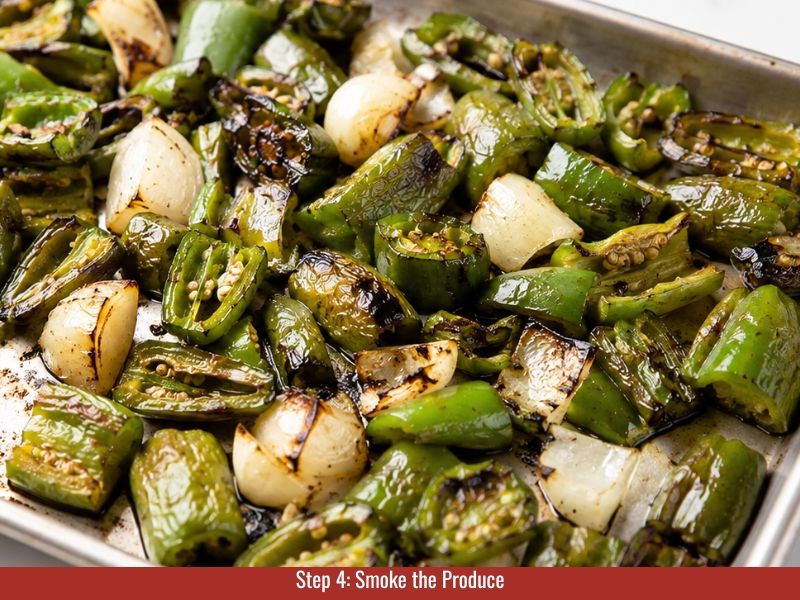
Smoke the produce until the jalapeños, apple, bell pepper, and garlic are completely tender and collapse easily under light pressure. This usually takes about 2½–3 hours, although the vegetables may finish sooner or later depending on the smoker, piece size, and heat distribution.
Rotate the pan halfway through if one side of your smoker runs hotter. With an offset smoker, add wood as needed to maintain clean smoke and steady heat.
Step 5: Blend the Sauce
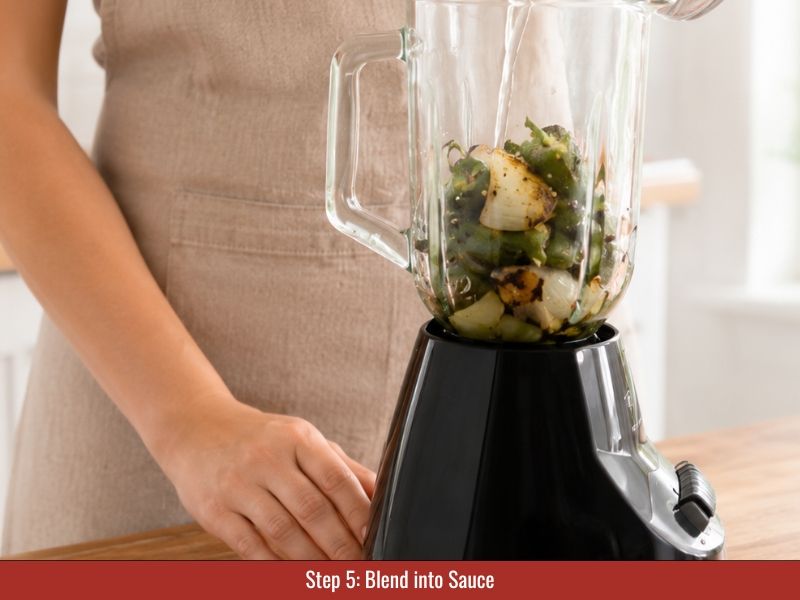
Transfer the warm smoked vegetables to a blender.
Add 3/4 cup (180 ml) distilled white vinegar, 1 teaspoon paprika, and 1/2 cup (120 ml) water. Blend on high until smooth.
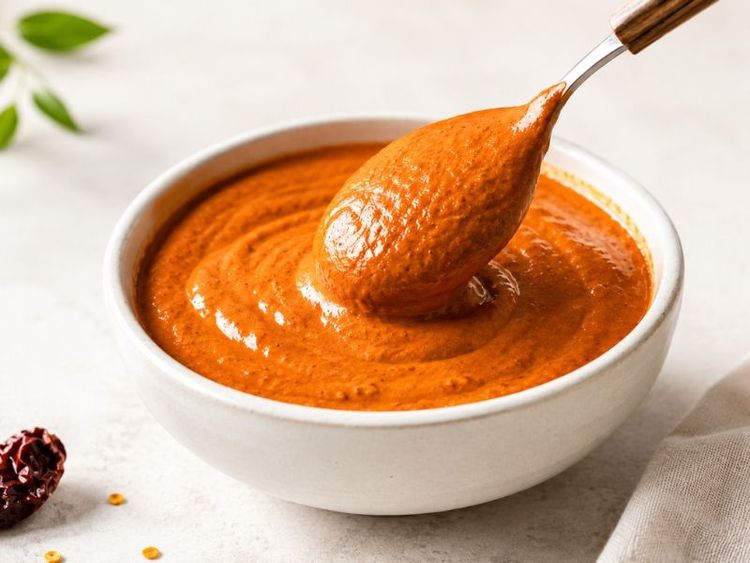
Add the remaining 1/4 cup (60 ml) water gradually until the sauce reaches a slightly loose, pourable consistency. The green apple contains natural pectin, so the sauce thickens after chilling.
For a finer table sauce, pass the mixture through a fine-mesh sieve. Straining removes some of the apple and pepper solids and produces a thinner sauce with a lower final yield.
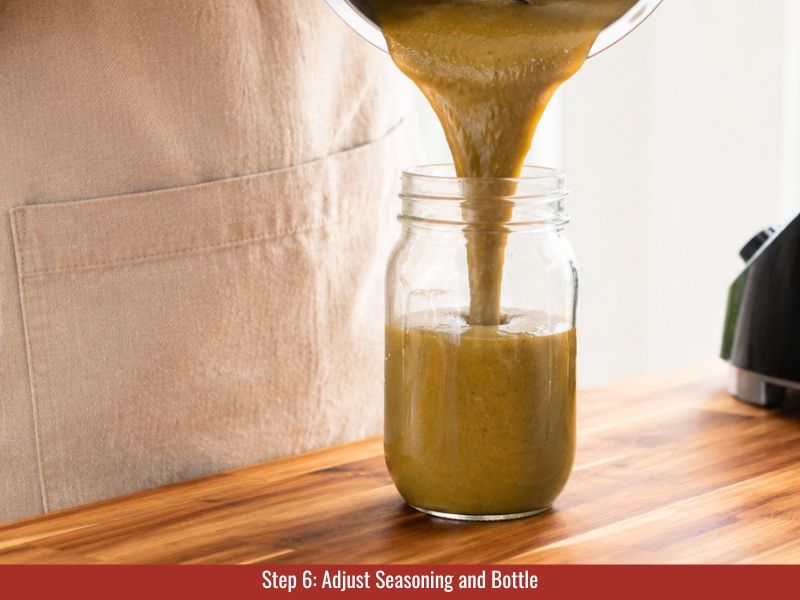
Step 6: Adjust Seasoning and Bottle
Taste the sauce and adjust the salt, vinegar, or water in small amounts if needed.
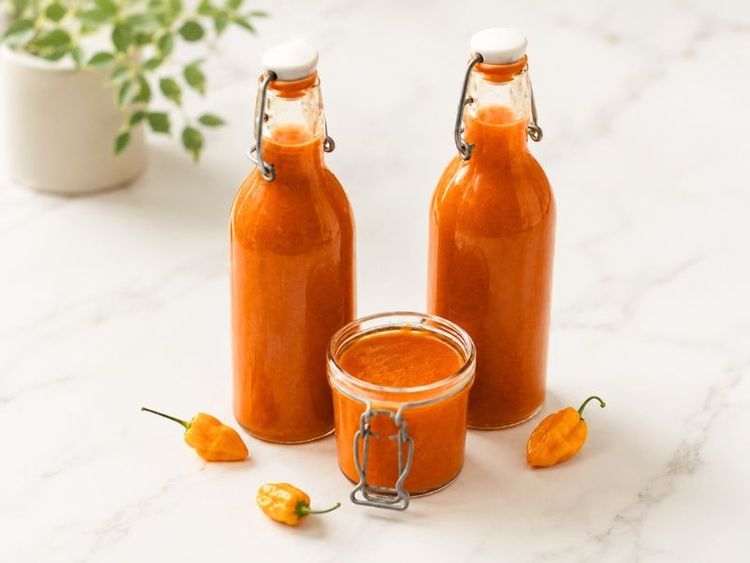
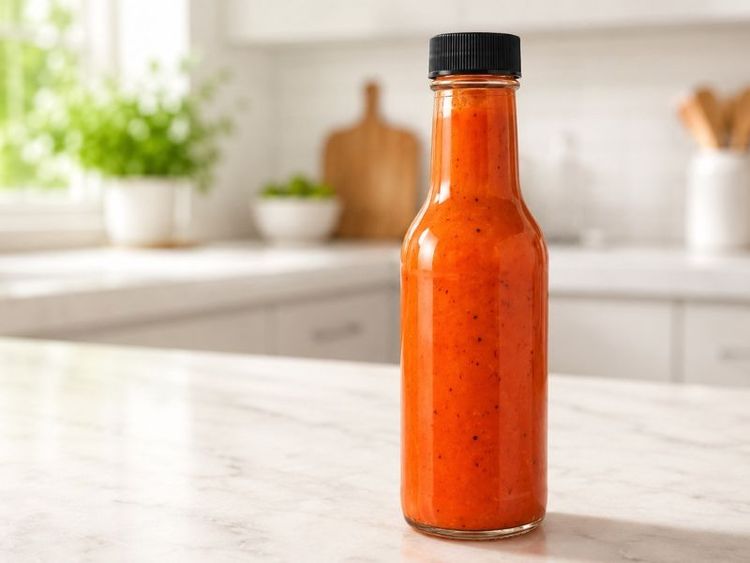
Transfer the finished sauce through a funnel into clean glass bottles or airtight jars. One unstrained batch makes approximately 3 cups (710 ml).
Let the containers cool, then refrigerate them. Chill the sauce for a few hours before making any final consistency adjustment because it becomes thicker as the apple pectin sets.
How To Adjust Smoked Jalapeño Hot Sauce Consistency
Adjust the sauce after chilling because its texture becomes thicker in the refrigerator.
If the chilled sauce is too thick, stir or blend in 1 tablespoon of water at a time until it pours the way you want. Use white vinegar for part of the adjustment when you also want a sharper tang.
If you want a smoother, thinner sauce, strain it through a fine-mesh sieve. Lightly press the mixture through rather than forcing all of the pulp into the finished sauce.
For a thicker sauce with more pepper and apple body, leave it unstrained.
What Can You Substitute or Change in Smoked Hot Sauce?
A few simple substitutions can change the pepper or vinegar character while keeping the same smoking method.
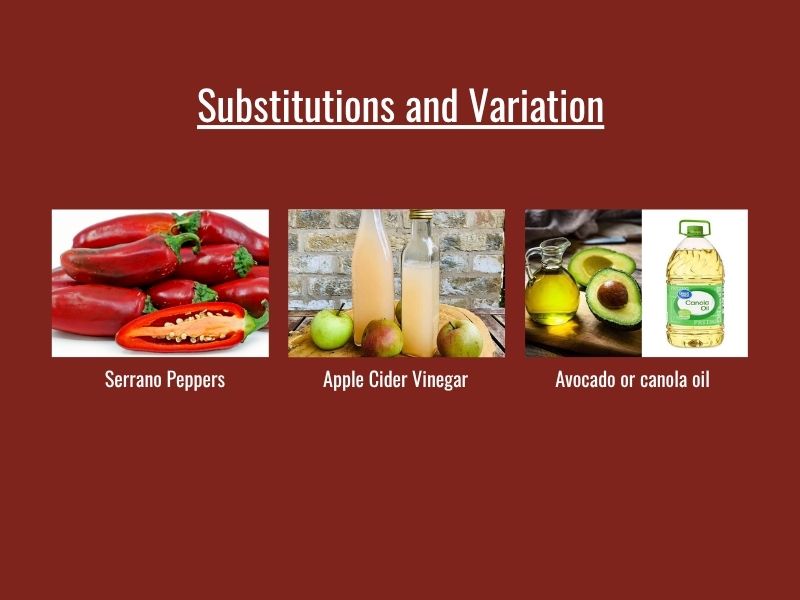
- Use ripe red jalapeños. They produce a sweeter, riper pepper flavor and a warmer red color.
- Use apple cider vinegar. Replace the white vinegar 1:1 for a softer, fruitier acidic finish.
- Use avocado or canola oil. Either neutral oil works well for coating the produce before smoking.
If you want to explore another roasted pepper sauce style with a fruity flavor profile, you can refer to a Fresno pepper hot sauce recipe for another approach to highlighting fresh peppers.
What To Eat With Smoked Jalapeño Hot Sauce
Smoked jalapeño hot sauce pairs especially well with smoked meats, grilled foods, eggs, tacos, sandwiches, and fried dishes.
- Drizzle it over smoked brisket or grilled pork chops.
- Add it to scrambled eggs or breakfast burritos.
- Spoon it onto tacos, bánh mì, or burgers.
- Serve it with fried chicken or roasted potatoes.
- Mix it into mayonnaise for a smoky sandwich spread.
- Stir a small amount into mac and cheese or rice dishes.
For everyday meals when you want a ready-to-use sauce, CHIN-SU Hot Sauce also works well with noodles, fried foods, grilled meats, and other savory dishes.

How To Store Homemade Smoked Jalapeño Sauce
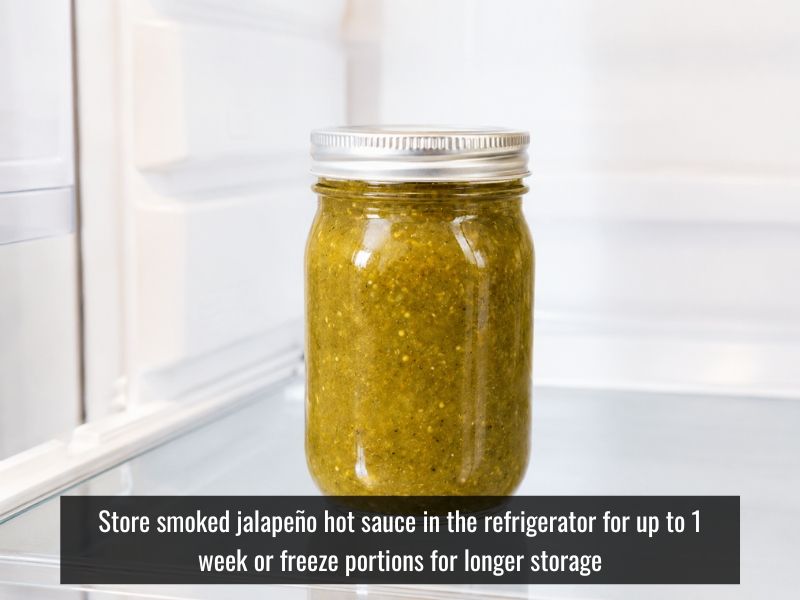
Store smoked jalapeño hot sauce in a clean airtight bottle or jar in the refrigerator at 40°F (4°C) or below and use it within one week.
Keep the sauce refrigerated between uses. For more information about refrigerated hot sauce storage, see should hot sauce be refrigerated. Homemade pepper and salsa-style mixtures that are not preserved with a research-tested canning process can be refrigerated for up to one week.
For longer storage, freeze the sauce in small freezer-safe portions at 0°F (-18°C) or below for up to 1 year. Thaw it overnight in the refrigerator, then stir or shake well before serving. Freezing may soften the vegetable solids slightly.
For pantry storage, use a research-tested pepper sauce canning recipe with specified ingredient ratios and processing instructions. For broader information about storage time and spoilage, see can hot sauce expire.
Have you tried this smoked jalapeño hot sauce yet, or are you still deciding which wood to start with? Drop your questions, tweaks, or "I did it!" moments in the comments below. No question is too small, and every batch is worth talking about. If this recipe worked for you, a quick star rating goes a long way toward helping other home cooks find it. Share your finished bottles on social media with #CHINSU and tag us — we read every single one. Ready to skip the smoker for a night? CHIN-SU chili sauce is right there waiting at chinsu.com.
Smoked Jalapeño Hot Sauce Recipe
Smoked jalapeño hot sauce is a smoky, tangy sauce with mild-to-medium heat, made by slow-smoking fresh produce until soft. Jalapeños, green apple, garlic, and green bell pepper are blended with white vinegar, water, and paprika for a pourable sauce.
Prep time
30 min
Cook time
2 hr 30 min
Total time
3 hr
Recipe type
Sauce
Cuisine
American
Method
Smoking and Blending
Servings
48 servings
Calories
8 kcal/serving (1 tbsp)
Ingredients
Instructions
- 1Step 1: Prep the Produce. Rinse and dry the jalapeños, apple, and bell pepper. Stem the jalapeños and cut into 1-inch (2.5 cm) pieces, core the apple with the skin on, seed the bell pepper into large pieces, and peel the garlic cloves.
- 2Step 2: Season and Coat. Toss the produce in a large bowl with 1 tbsp neutral oil, 1 tsp salt, and 1 tsp black pepper. Set aside the paprika for blending.
- 3Step 3: Preheat the Smoker. Preheat the smoker to 250–275°F (121–135°C) and place the vegetables in a perforated smoker pan. With an offset smoker, wait for clean, thin smoke.
- 4Step 4: Smoke Until Soft. Smoke at 250–275°F (121–135°C) for about 2½–3 hours, until everything collapses easily under light pressure. Rotate the pan halfway if one side runs hotter.
- 5Step 5: Blend the Sauce. Blend the warm vegetables with ¾ cup (180 ml) vinegar, 1 tsp paprika, and ½ cup (120 ml) water until smooth, then add the remaining ¼ cup (60 ml) water gradually. Strain through a fine-mesh sieve for a thinner sauce.
- 6Step 6: Adjust Seasoning and Bottle. Adjust salt, vinegar, or water to taste, funnel into clean glass bottles, cool, and refrigerate. Chill a few hours before final consistency changes, as the apple pectin thickens it.
Notes
Storage: Refrigerate in an airtight bottle at 40°F (4°C) or below and use within one week, or freeze in small portions at 0°F (-18°C) for up to 1 year and thaw overnight in the fridge.
Texture: If the chilled sauce is too thick, blend in 1 tbsp water or vinegar at a time; leave it unstrained for more body.
Substitutions: Use ripe red jalapeños for a sweeter, redder sauce, or apple cider vinegar 1:1 for a softer finish. Without a smoker, broil or grill the produce until charred.
Nutrition · Per 1 tbsp (15 ml) Serving
Calories
8 kcal
Carbohydrates
1.1 g
Sugar
0.5 g
Protein
0.1 g
Fat
0.3 g
Sodium
49 mg
Potassium
20 mg
Vitamin C
5 mg
Nutrition is calculated per tablespoon of the unstrained sauce.
Frequently Asked Questions
Smoked hot sauce uses wood-fire smoking to build a layered, complex flavor that regular hot sauce simply cannot replicate through vinegar and salt alone. Regular hot sauce in the Louisiana or Tabasco style uses aged, fermented, or raw cayenne peppers blended directly with vinegar, resulting in a heat range of 30,000–50,000 SHU. Smoked jalapeño hot sauce sits at a much friendlier 5,000–8,000 SHU, which makes it the easier, more versatile choice for everyday meals.
Yes, you absolutely can! Broil the jalapeños, apple, and bell pepper, skin-side up, on a baking sheet for 4 to 6 minutes, until the skins blister and char, or place them directly on a gas or charcoal grill grate over high heat. You won't get that deep wood-smoke flavor, but the roasted, charred depth you do get is still miles ahead of a raw-blended sauce.
The green apple is doing that. It contains natural pectin, a carbohydrate that gels as it cools, and that's completely normal for this recipe. To loosen it back up, stir in water, a little extra white distilled vinegar, or both. Start with 1 tablespoon at a time, adding more as needed until it reaches the consistency you want. No reheating needed at all.
Every piece should be completely soft and collapse under light pressure. At 250–275°F (121–135°C), that point occurs around the 2.5-3-hour mark. The skin will darken and pull slightly away from the flesh, and the apple pieces will feel fully tender all the way through, not just soft on the outside. If anything still feels firm, give it another 15 to 20 minutes before checking again.
No, it doesn't. Smoking does not reduce the capsaicin content of jalapeños in any measurable way, so the actual heat level of the finished sauce stays roughly the same as it would from raw jalapeños processed with the same ingredients. The smoke flavor, the apple's natural sweetness, and the bell pepper's volume do soften the perception of heat slightly, but the real Scoville count per serving does not change.
Fruit woods, apple wood and cherry wood in particular, are your best friends here. Their mild, sweet smoke complements the jalapeño's natural flavor rather than fighting it. Hickory and mesquite both work, but they produce a heavier smoke that can easily overpower the fresh, grassy notes in a green jalapeño sauce. Save those stronger woods for red pepper or BBQ-style smoked sauce recipes where bold smoke is part of the whole point.
Use a research-tested pepper-sauce or salsa canning recipe when you want shelf-stable jars.
The ingredient ratios, acidity, consistency, jar size, and processing time all affect a safe canning process. Follow the tested formula exactly rather than applying a canning time to this smoked recipe.
Did you make this recipe?
We love seeing it. Tag
@chinsu.usa
on Instagram, or leave a rating below — it helps other cooks find the recipe.
Pin this for later
Save this recipe to your board and keep it ready for your next cooking inspiration.
Save to Pinterest
CHIN-SU KITCHEN TEAM
CHIN-SU Kitchen Team are the creative experts behind the delicious recipes featuring CHIN-SU sauces. With years of experience and a passion for flavor, our team carefully selects recipes from a variety of trusted chefs and bloggers, bringing together the best culinary insights to present you with the most suitable and exciting dishes. Every recipe is chosen to inspire you to create meals that are not only tasty but also easy to prepare, enhancing your dining experience. Join us as we explore a wide range of sauces and flavors, and elevate every meal with the perfect recipe for your table!
User Reviews
Featured Articles
SUBSCRIBE TO GET
MORE INFO
Want the latest and greatest recipes, updates, and more from us,
straight to your inbox? Subscribe and get our NEWS!