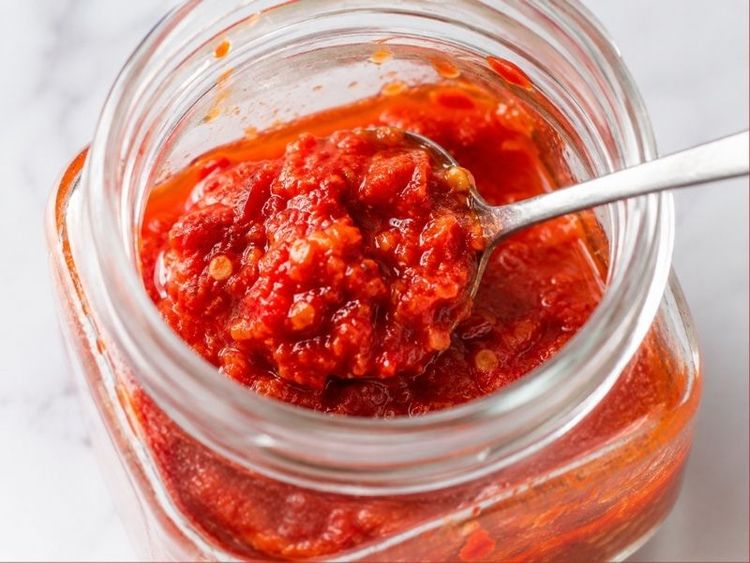
Cayenne Pepper Hot Sauce Recipe: Easy Homemade Sauce
Published: Jun 28, 2026 by CHIN-SU
Updated: Aug 25, 2026 by CHIN-SU
Tested by CHIN-SU Kitchen Team
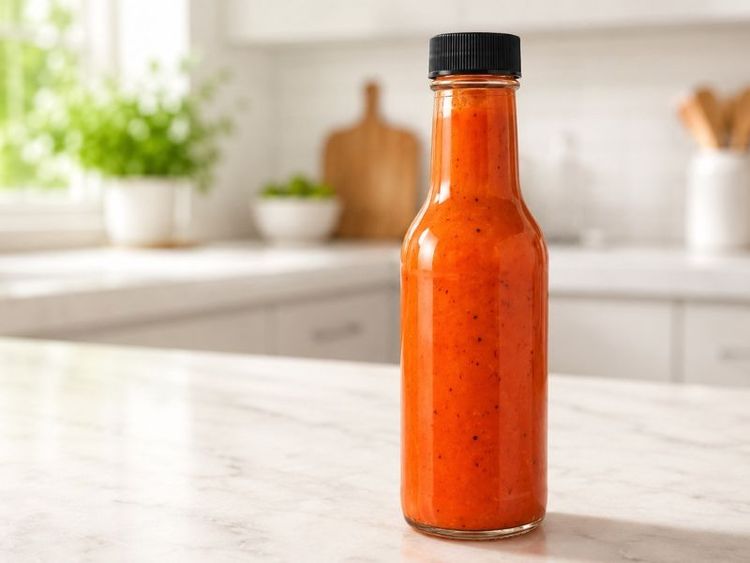
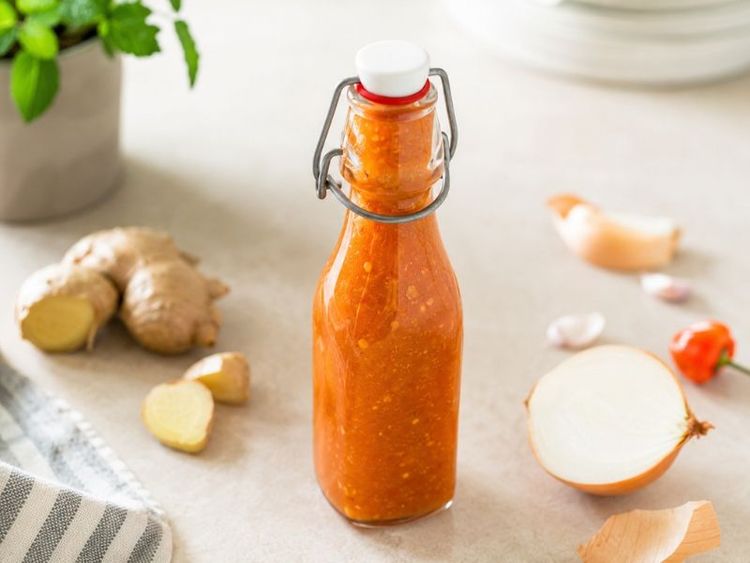
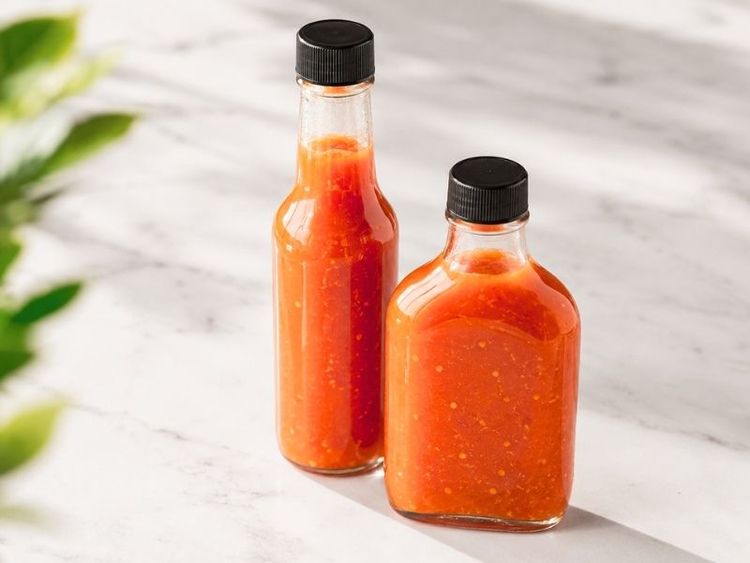
This cayenne pepper hot sauce recipe combines fresh red cayenne peppers, white vinegar, garlic, salt, and garlic powder for a bright, tangy sauce with clean, lingering heat. The sauce cooks down twice—once before blending and again afterward—to concentrate the cayenne flavor and create a smooth consistency without added thickeners.
Allow about 1 hour from prep to finished sauce, plus an overnight rest in the refrigerator. One batch makes approximately 1/2 cup (120 ml), or 8 tablespoons, enough to fill one 4 fl oz (118 ml) hot sauce bottle.
Serve it with fried chicken, eggs, burgers, fish tacos, grilled meats, or noodles whenever you want a sharp vinegar tang and concentrated cayenne heat.
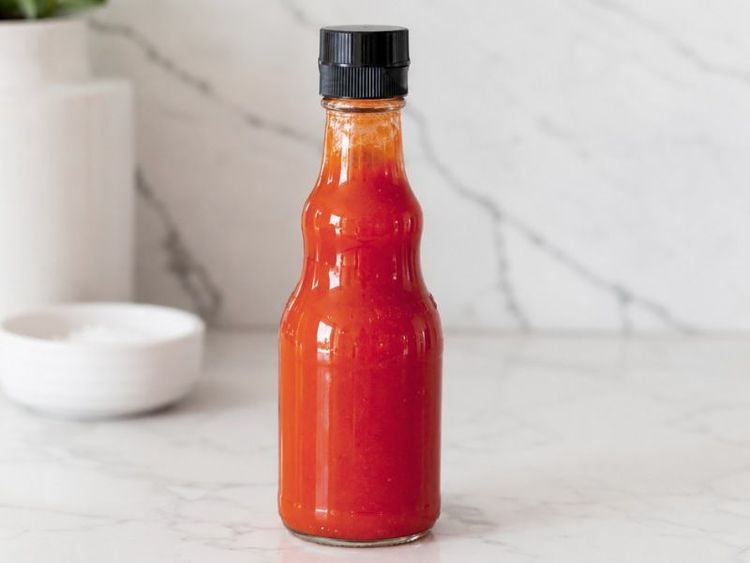
Table Of Contents
- What Does Cayenne Pepper Hot Sauce Taste Like?
- Why You'll Love This Cayenne Pepper Hot Sauce Recipe
- Cayenne Pepper Hot Sauce Ingredients
- What Can You Substitute or Change in Cayenne Pepper Hot Sauce?
How To Adjust the Cayenne Pepper Hot Sauce's Heat Level
- What To Eat with Cayenne Pepper Hot Sauce
- How To Store Cayenne Pepper Hot Sauce
What Does Cayenne Pepper Hot Sauce Taste Like?
Cayenne pepper hot sauce tastes bright, tangy, garlicky, and distinctly spicy, with a clean vinegar-forward finish. The heat develops quickly and lingers, while the garlic gives the sauce enough savory depth to keep the vinegar from dominating.
Fresh cayenne peppers typically measure 30,000–50,000 Scoville Heat Units (SHU), placing them well above jalapeños and below habaneros.
The flavor comes from three main elements:
- Fresh cayenne peppers provide sharp, clean heat.
- White vinegar gives the sauce its bright acidic bite.
- Fresh garlic and garlic powder add savory depth throughout the sauce.
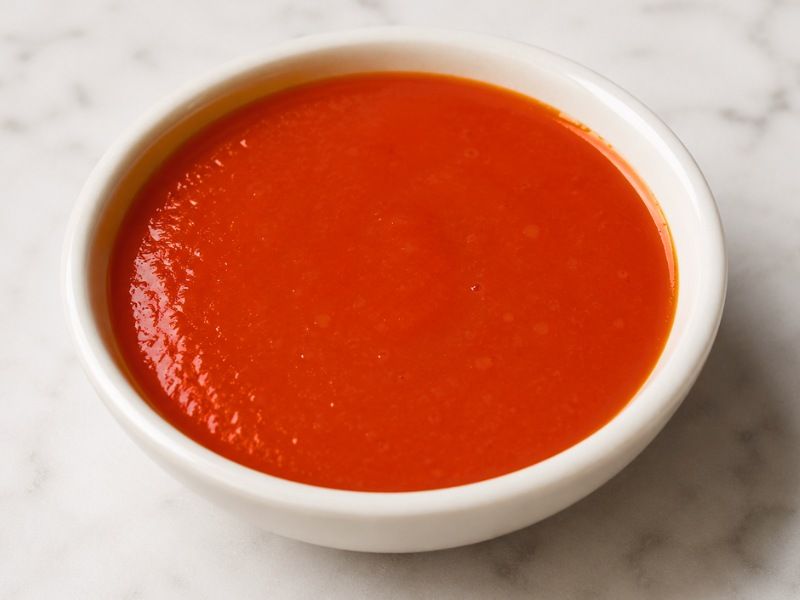
The two-stage reduction also concentrates the pepper and garlic flavors. After the second simmer, the sauce becomes thicker, smoother, and more cohesive than a simple blended pepper-and-vinegar mixture.
Why You'll Love This Cayenne Pepper Hot Sauce Recipe
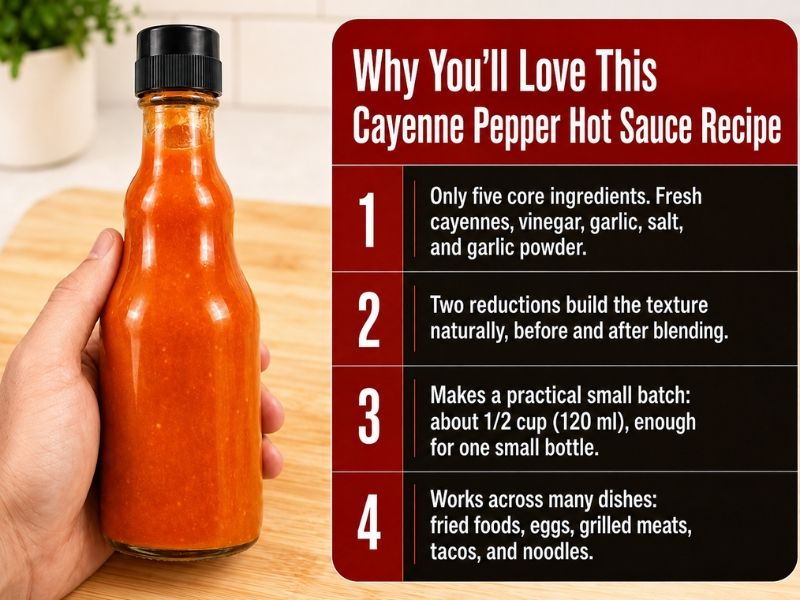
This recipe uses only five ingredients, requires no special equipment, and gives you direct control over the final thickness and heat.
- Only five core ingredients. Fresh cayennes, vinegar, garlic, salt, and garlic powder make up the entire sauce.
- The two reductions build the texture naturally. Cooking the sauce before and after blending gives it a body without starches or gums.
- It makes a practical small batch. About 1/2 cup (120 ml) fits neatly into one small hot sauce bottle.
- The sauce works across many dishes. Use it on fried foods, eggs, grilled meats, tacos, or noodles.
Cayenne Pepper Hot Sauce Ingredients
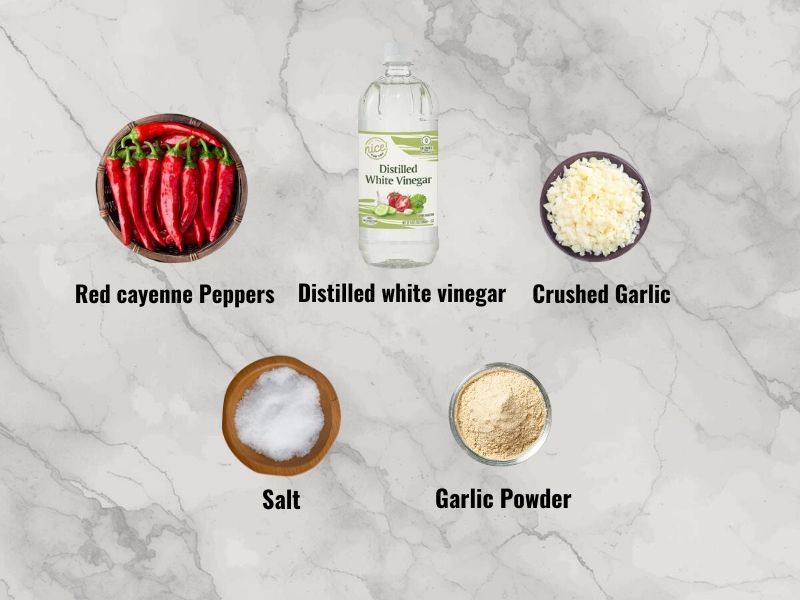
You only need five ingredients to make one small batch of cayenne pepper hot sauce. The original recipe is built around fresh cayenne peppers, vinegar, garlic, salt, and garlic powder.
- 20 fresh red cayenne peppers, about 2 oz (55–60 g). These provide the sauce's heat, red color, and fresh chile flavor.
- 1 1/2 cups (360 ml) distilled white vinegar. This provides the liquid for cooking and the characteristic clean tang.
- 2 teaspoons crushed garlic, about 2 cloves. Fresh garlic adds savory depth.
- 1 teaspoon salt. Salt brings the cayenne, vinegar, and garlic together.
- 1/2 teaspoon garlic powder. This distributes an additional layer of garlic flavor throughout the sauce.
Handling tip: Wear disposable gloves while trimming cayenne peppers and wash your knife, cutting board, and hands thoroughly afterward. Hot-pepper oils can strongly irritate skin and eyes.
How To Make Cayenne Pepper Hot Sauce Step by Step
Make cayenne pepper hot sauce in six steps, from preparing the peppers to refrigerating the finished sauce overnight. The recipe takes about 1 hour total, including around 5 minutes of prep, 45–50 minutes of cooking and blending, plus cooling time before bottling.
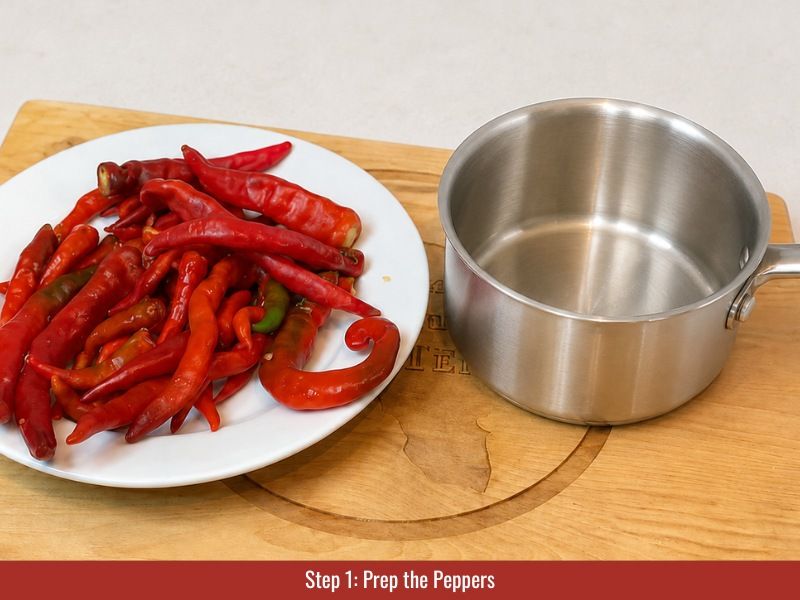
Step 1: Prep the Cayenne Peppers
Put on food-safe gloves, then remove the stems and tips from 20 fresh cayenne peppers.
Rinse the peppers and pat them dry. Leave the peppers intact inside for their full natural heat, or split them and remove some of the pale inner placental tissue for a milder sauce.
This step takes about 5 minutes.
Step 2: Simmer and Complete the First Reduction
Place the prepared cayenne peppers in a medium saucepan with:
- 1 1/2 cups (360 ml) white vinegar
- 2 teaspoons crushed garlic
- 1 teaspoon salt
- 1/2 teaspoon garlic powder
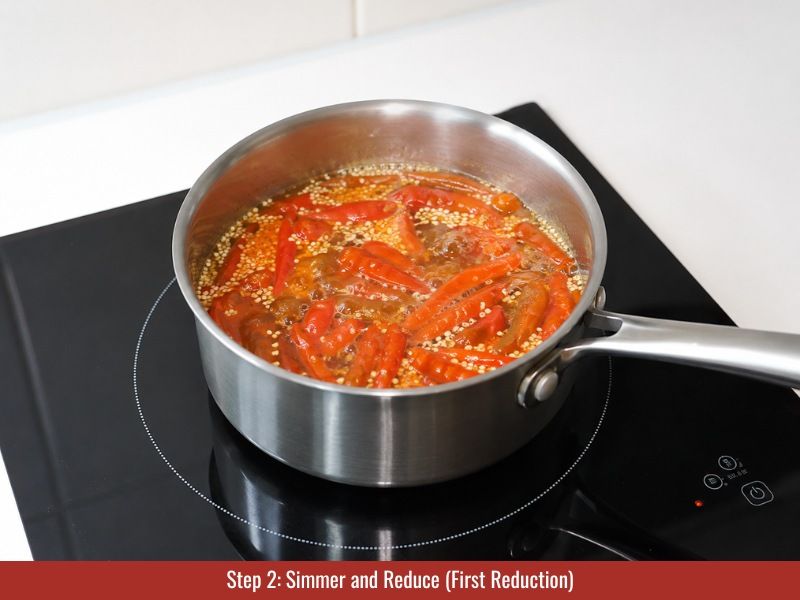
Bring the mixture to a boil over high heat, then lower the heat to maintain a steady simmer.
Cook for 20–25 minutes, stirring occasionally, until the peppers are tender and the liquid has reduced by approximately half.
Keep the exhaust fan running or open a nearby window while the peppers cook. Heated cayenne can produce irritating pepper vapors.
Step 3: Cool Slightly and Blend Until Smooth
Remove the saucepan from the heat and let the mixture cool for 5–10 minutes.
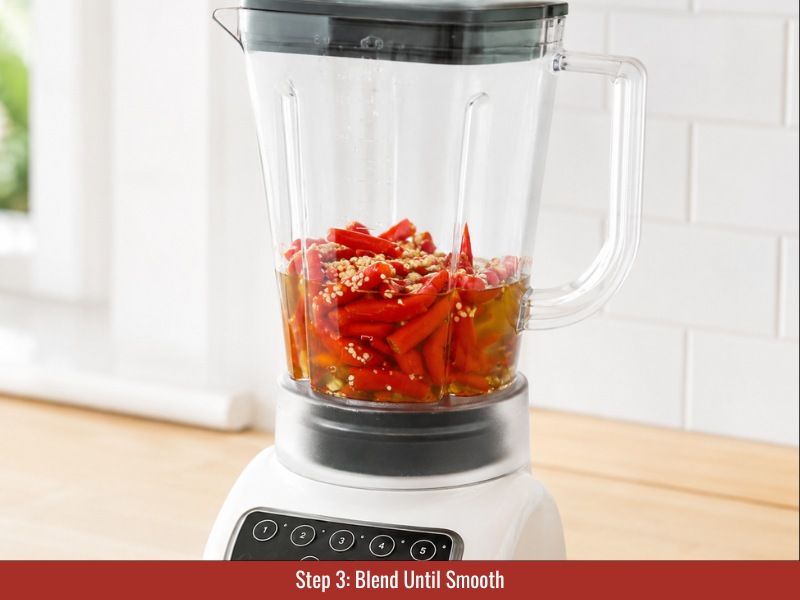
Transfer the peppers, garlic, and remaining cooking liquid to a blender. Start at low speed, then increase to high and blend for 1–2 minutes, until the sauce is completely smooth.
Cooling briefly before blending makes hot liquid easier and safer to process, particularly in a blender with a sealed lid.
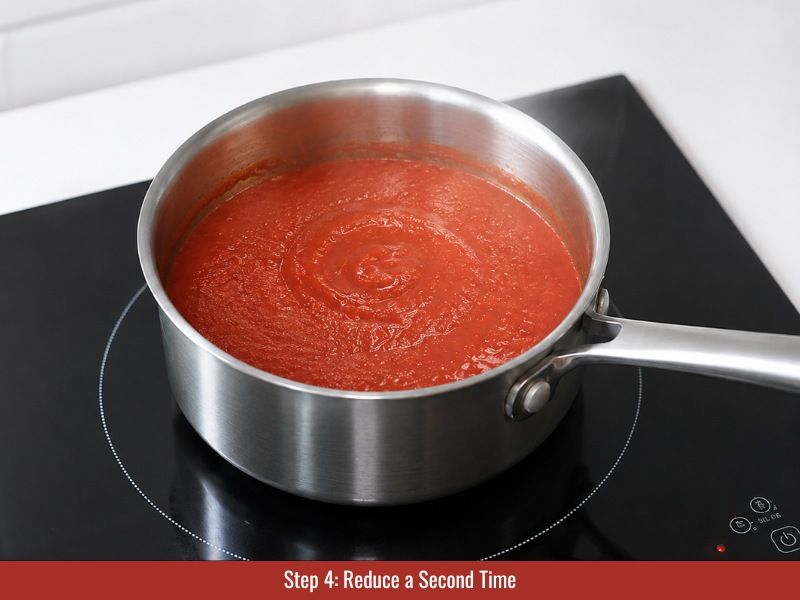
Step 4: Reduce the Sauce a Second Time
Pour the blended sauce back into the saucepan and return it to medium heat.
Simmer for about 15 minutes, stirring regularly, until the sauce reduces by roughly half again and reaches your preferred consistency. This second reduction concentrates the cayenne and vinegar while giving the sauce more body.
For a thicker sauce, simmer a few minutes longer. For a more pourable sauce, stop once it runs easily from a spoon. If it becomes too thick, blend in 1 teaspoon of white vinegar at a time until the texture loosens.
For an even finer sauce, strain it through a fine-mesh sieve after cooking. Keep in mind that straining removes some pepper solids and slightly reduces the final yield.
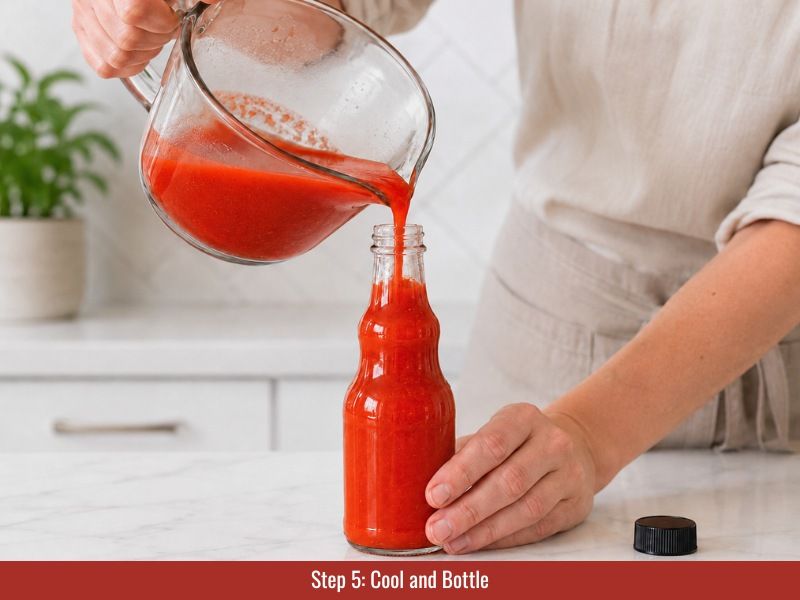
Step 5: Cool and Bottle
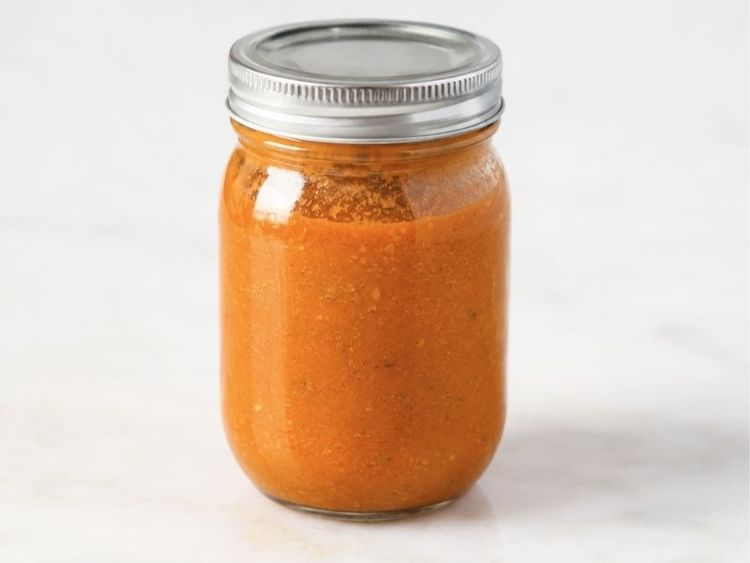
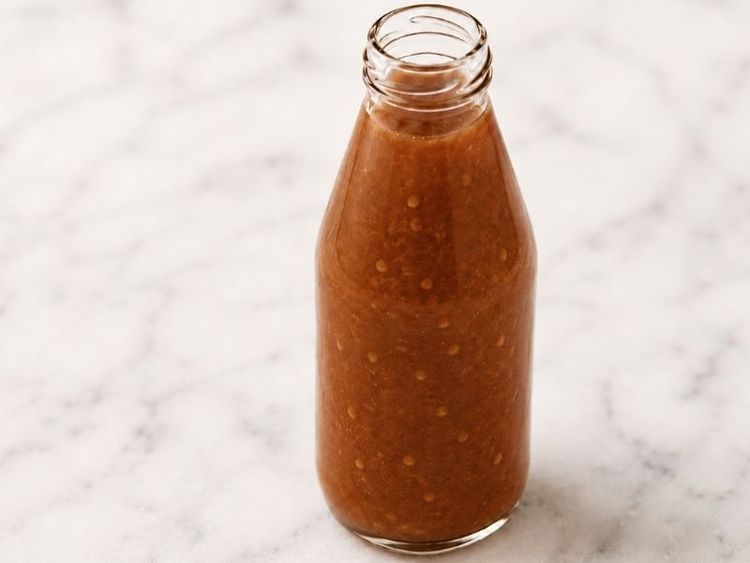
Remove the saucepan from the heat and let the sauce cool before transferring it to a clean glass bottle or airtight jar.
One batch makes approximately 1/2 cup (120 ml) of finished cayenne pepper hot sauce. The exact yield may vary slightly depending on pepper size and how far you reduce the sauce in Step 4.
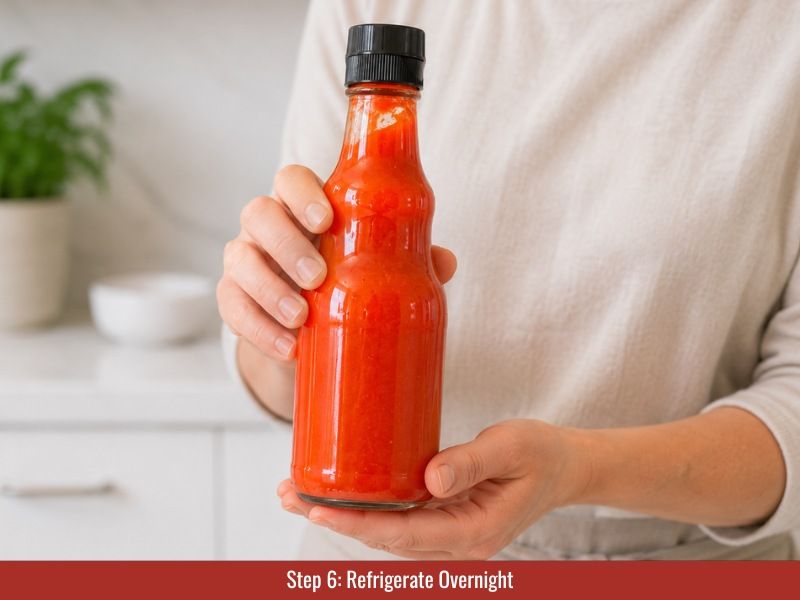
Step 6: Refrigerate Overnight
Seal the cooled bottle and refrigerate it overnight.
This resting period gives the cayenne, garlic, vinegar, and salt time to settle into a more even flavor before serving.
Shake the bottle before the first use if you notice slight separation.
What Can You Substitute or Change in Cayenne Pepper Hot Sauce?
You can make a few simple substitutions while keeping the basic fresh-cayenne and vinegar structure of the sauce.
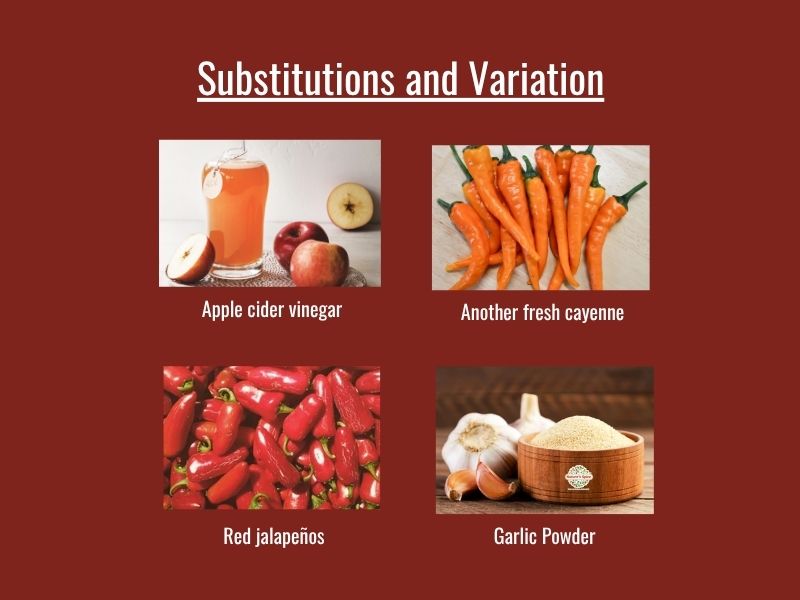
- Use apple cider vinegar instead of white vinegar. It produces a softer, fruitier acidic flavor.
- Use another fresh cayenne cultivar. Red, orange, or yellow cayennes change the color and may change the heat while following the same cooking method.
- Use red jalapeños for part of the cayenne. They lower the overall heat and add a slightly greener, fuller pepper flavor.
- Adjust the garlic. Add another fresh clove when you want a stronger savory note.
Keep liquid substitutions simple because vinegar plays a central role in both the flavor and structure of this particular sauce.
How To Adjust the Cayenne Pepper Hot Sauce's Heat Level
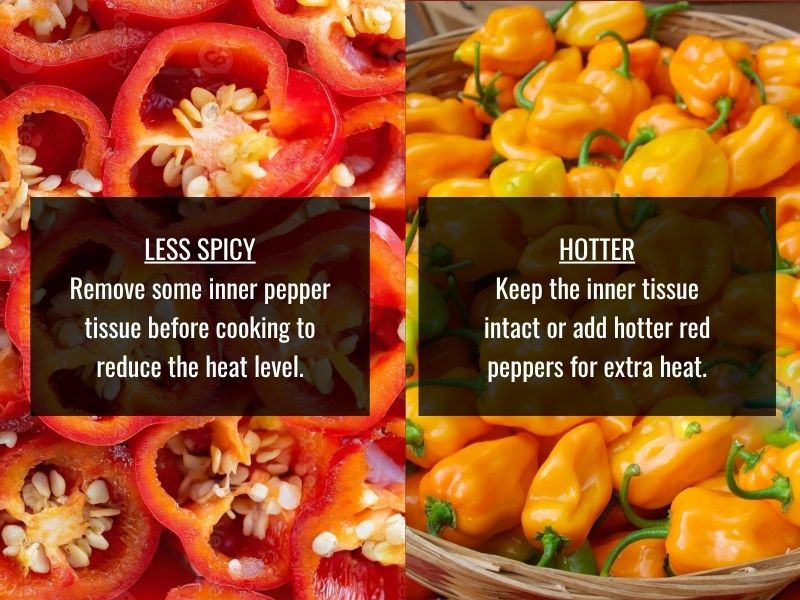
For a milder sauce, remove some of the pale inner placental tissue before cooking; for more heat, leave it attached or combine the cayennes with a hotter chile.
Capsaicinoids are produced mainly in glands associated with the pepper's placental tissue. Seeds can carry capsaicinoids because they sit in contact with this area.
For a milder batch, split several cayenne peppers lengthwise and scrape away some of the pale inner tissue before Step 2.
For more heat, keep the inner tissue intact or replace a small portion of the cayennes with a hotter red pepper.
What If the Finished Cayenne Hot Sauce Is Too Hot?
Dilute a portion of the finished sauce with additional vinegar or combine it with a milder pepper sauce.
Start with 1 teaspoon of white vinegar at a time, stir or blend thoroughly, then taste again. This keeps the adjustment controlled without making the entire batch unnecessarily thin.
Another option is to keep the sauce concentrated and simply use less per serving.
What To Eat with Cayenne Pepper Hot Sauce
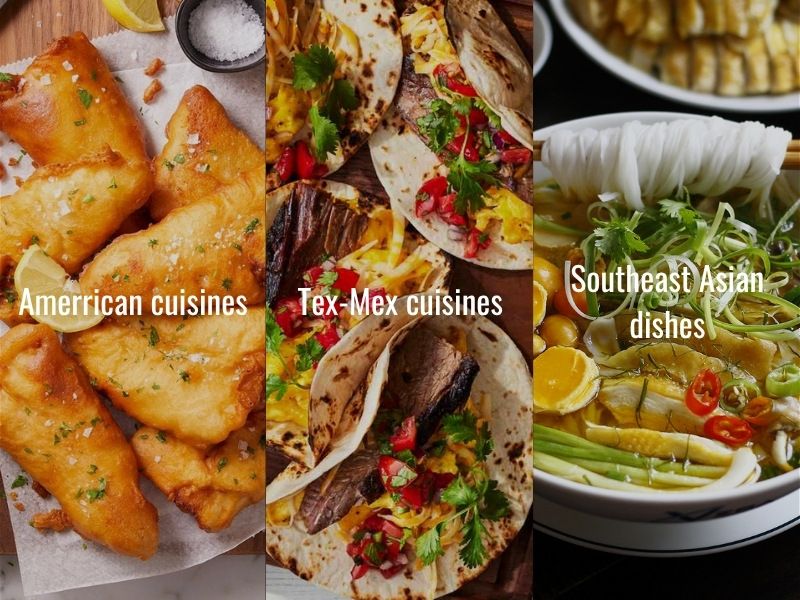
Cayenne pepper hot sauce works especially well with fried foods, eggs, grilled meats, tacos, burgers, and noodles.
- Drizzle it over fried chicken or wings for sharp cayenne heat.
- Add a few drops to scrambled or fried eggs at breakfast.
- Spoon it onto burgers, hot dogs, or fish tacos.
- Use it with grilled chicken, pork, fish, or shrimp.
- Stir a small amount into pho, bún bò, or instant noodles.
For a ready-to-use option, CHIN-SU Hot Chili Sauce also works well with noodles, fried foods, grilled meats, and other savory dishes.
How To Store Cayenne Pepper Hot Sauce
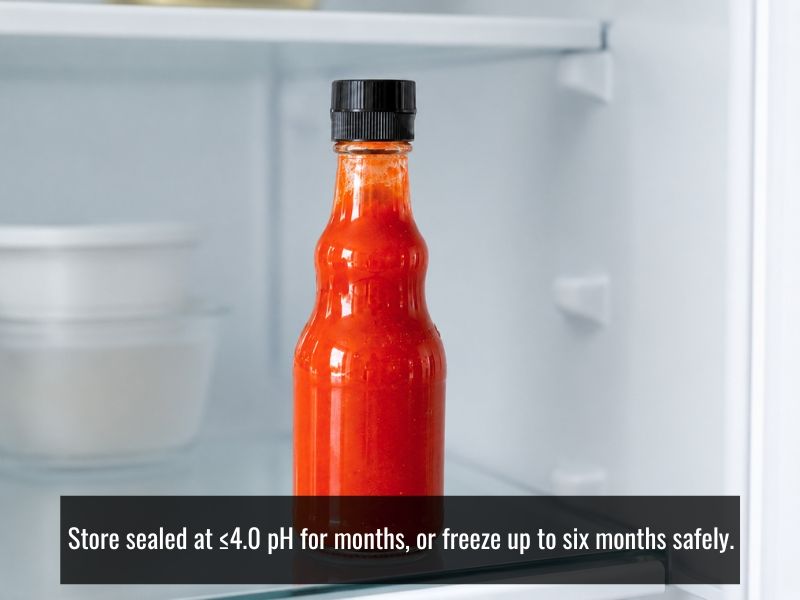
Store homemade cayenne pepper hot sauce in a clean sealed bottle or jar in the refrigerator at 40°F (4°C) or below and use it within one week.
Keep the sauce refrigerated between uses. For more information about cold storage, see does hot sauce need to be refrigerated. University of Minnesota Extension recommends refrigeration for up to one week for homemade pepper- or salsa-style mixtures that are not being preserved with a research-tested canning process.
For longer storage, freeze the cooled sauce in small freezer-safe containers or ice cube trays. Keep it at 0°F (-18°C) or below for up to 1 year, then thaw the amount you need overnight in the refrigerator. Stir or shake before serving if slight separation occurs.
For pantry storage, follow a research-tested cayenne pepper sauce canning recipe with its specified ingredients, jar size, headspace, and processing time. The National Center for Home Food Preservation provides a tested cayenne pepper sauce process for home canning.
For broader storage and spoilage guidance, see does hot sauce expire.
So, how did your first batch of cayenne pepper hot sauce turn out, my friends? Drop any questions or tweaks in the comments below; no question is too small. If this recipe earned a spot in your fridge, leave a star rating so other home cooks know it's worth the cayenne. Please share your bottles on social with #CHINSU; we read every one. Ready to round out your hot sauce shelf? Grab a bottle of CHIN-SU Chili Sauce at https://chinsu.com.
Enjoy more hot sauce recipes:
Frequently Asked Questions
Yeah, powder totally works! Mix 2 to 3 tablespoons of it with 1/2 cup (118 ml) white vinegar, 2 garlic cloves, and 1 teaspoon salt. Simmer 5 minutes, then blend. It turns out thinner and less fresh, but still hits that same 30,000 to 50,000 SHU heat.
Yep! Dried peppers make a richer, earthier sauce. Soak 2 oz (56 g) of dried cayenne in hot water for 20 to 30 minutes to soften. Drain them, then add to your pot with vinegar, garlic, and salt. Dump the soaking water so your sauce isn't bitter.
Both use cayenne peppers and vinegar, so they taste pretty similar. Frank's uses aged peppers for a deeper, smoother heat. This recipe uses fresh peppers for a brighter, sharper kick. Frank's is milder at about 450 SHU, while homemade hits around 1,000 to 5,000 SHU.
You totally can using a standard water bath! Just make sure the pH is 4.6 or lower before filling your clean jars. If it's high, add some vinegar. Leave 1/4 inch (6 mm) of space at the top, boil for 10 minutes, and it keeps for 1 year.
Both use a vinegar base but are totally different. Cayenne sauce uses peppers hitting 30,000 to 50,000 SHU, giving a sharp, thin, unsweetened kick. CHIN-SU Sriracha blends grilled bird's-eye chilies and fermented garlic for a thicker sauce with perfectly balanced spicy, salty, sweet, and savory flavors.
Use 20 medium fresh cayenne peppers, approximately 2 oz (55–60 g), for this batch.
Weight makes scaling easier when your cayennes are noticeably larger or smaller. For a double batch, use approximately 4 oz (110–120 g) of fresh peppers and double the remaining ingredients.Yes. Green cayenne peppers make a hotter-tasting, more vegetal sauce with a greener color.
Use the same cooking method and vinegar ratio. The flavor will be fresher and less ripe-sweet than sauce made from fully red cayennes.
Cayenne Pepper Hot Sauce Recipe
Ingredient
- 20 fresh red cayenne peppers, about 2 oz (55–60 g).
- 1½ cups (360 ml) distilled white vinegar.
- 2 teaspoons crushed garlic, about 2 cloves.
- 1 teaspoon salt.
- ½ teaspoon garlic powder.
Instructions
- Step 1: Prep the Cayenne Peppers. Wear food-safe gloves, remove stems and tips from the cayenne peppers, then rinse and pat them dry. Keep the inner pepper tissue intact for maximum heat or remove some for a milder sauce.
- Step 2: Simmer and Complete the First Reduction. Add cayenne peppers, white vinegar, crushed garlic, salt, and garlic powder to a saucepan. Bring the mixture to a boil, then reduce heat and simmer for 20–25 minutes until the peppers soften and the liquid reduces by approximately half.
- Step 3: Cool Slightly and Blend Until Smooth. Remove the saucepan from heat and let the mixture cool for 5–10 minutes. Transfer the peppers, garlic, and remaining liquid to a blender, then blend for 1–2 minutes until completely smooth.
- Step 4: Reduce the Sauce a Second Time. Return the blended sauce to the saucepan and simmer for about 15 minutes, stirring regularly until the sauce reduces by roughly half and reaches the preferred consistency. Add 1 teaspoon of white vinegar at a time if the sauce becomes too thick.
- Step 5: Cool and Bottle. Remove the sauce from heat and allow it to cool before transferring it into a clean glass bottle or airtight jar. One batch produces about ½ cup (120 ml) depending on reduction level.
- Step 6: Refrigerate Overnight. Seal the bottle and refrigerate overnight to allow the cayenne, garlic, vinegar, and salt flavors to settle before serving.
Storage: Store homemade cayenne pepper hot sauce in a clean sealed bottle or jar in the refrigerator at 40°F (4°C) or below. Use within 1 week. For longer storage, freeze the cooled sauce in freezer-safe containers or ice cube trays and keep at 0°F (-18°C) or below for up to 1 year.
Yield: About ½ cup (120 ml)
Serving Style: Vinegar-forward cayenne hot sauce for fried foods, eggs, burgers, tacos, grilled meats, seafood, pho, bún bò, and noodles

CHIN-SU KITCHEN TEAM
CHIN-SU Kitchen Team are the creative experts behind the delicious recipes featuring CHIN-SU sauces. With years of experience and a passion for flavor, our team carefully selects recipes from a variety of trusted chefs and bloggers, bringing together the best culinary insights to present you with the most suitable and exciting dishes. Every recipe is chosen to inspire you to create meals that are not only tasty but also easy to prepare, enhancing your dining experience. Join us as we explore a wide range of sauces and flavors, and elevate every meal with the perfect recipe for your table!
User Reviews
Featured Articles
SUBSCRIBE TO GET
MORE INFO
Want the latest and greatest recipes, updates, and more from us,
straight to your inbox? Subscribe and get our NEWS!