Scotch Bonnet Hot Sauce Recipe: How to Make It At Home
Published: Jun 28, 2026 by CHIN-SU
Updated: Aug 26, 2026 by CHIN-SU
Tested by CHIN-SU Kitchen Team
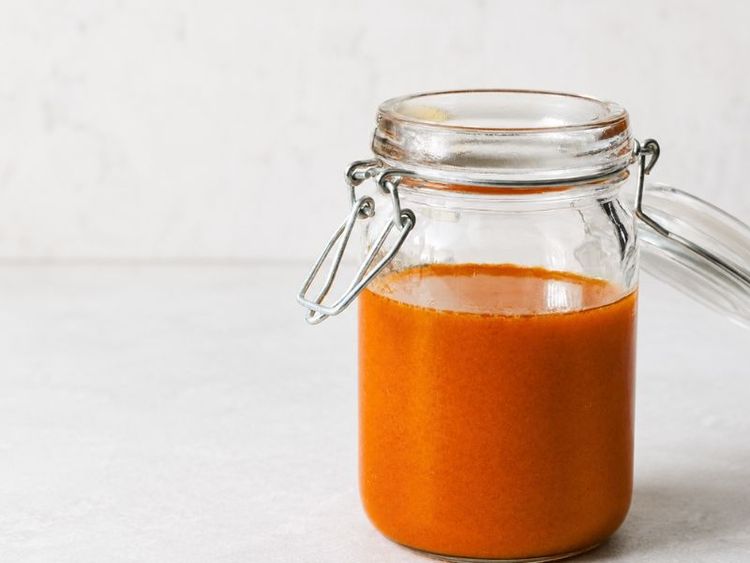
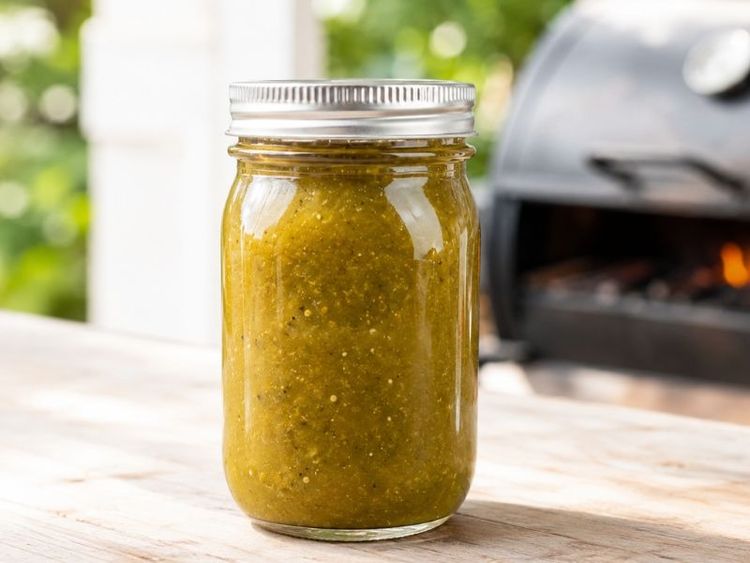
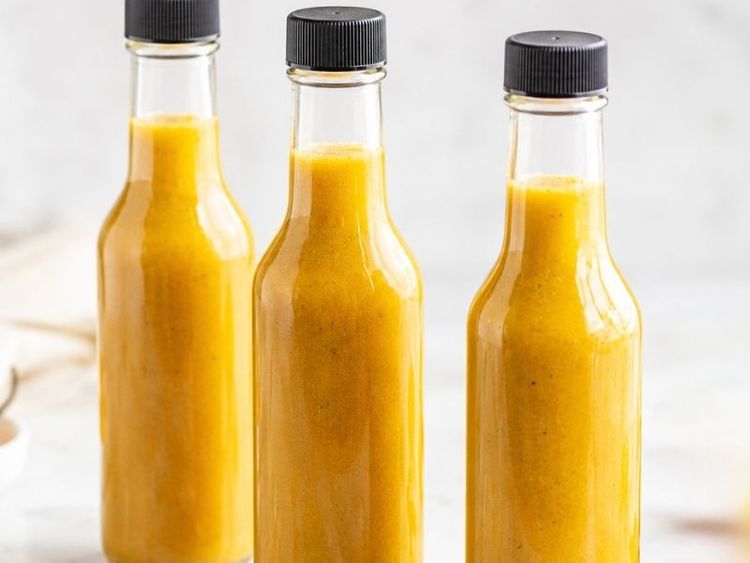
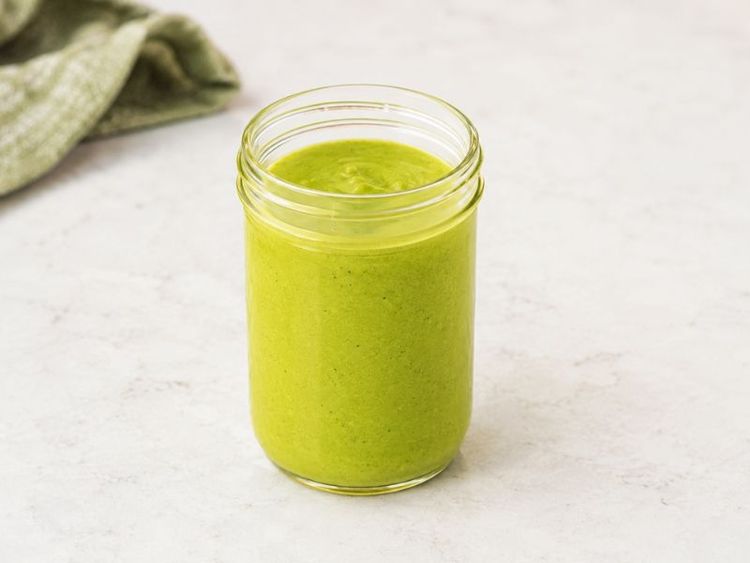
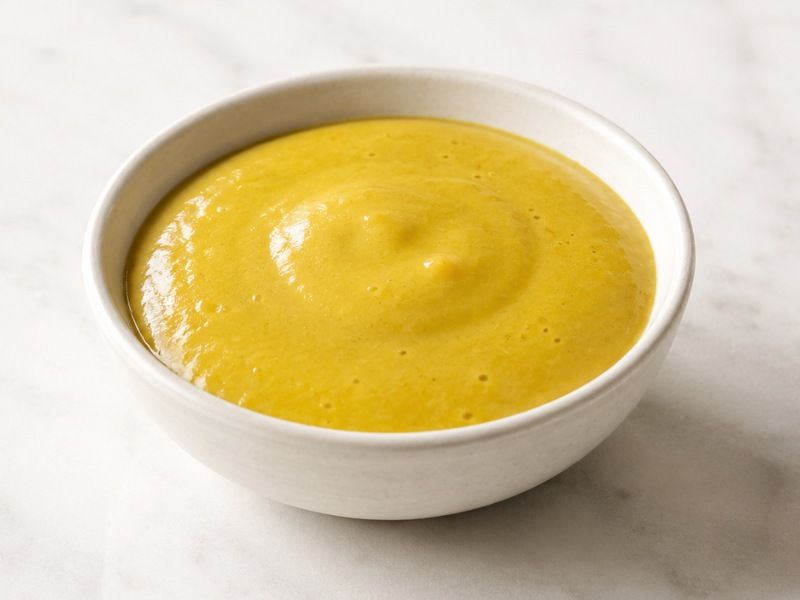
This Scotch bonnet hot sauce recipe makes a thick, fruity pepper sauce with fresh Scotch bonnets, jalapeños, onion, garlic, vinegar, and a touch of sugar. The peppers cook until completely tender before being cooled and blended, giving the finished sauce a smooth texture with intense heat, natural fruitiness, and a tangy finish.
The recipe takes about 45 minutes and makes 2 pints (946 ml), or 32 servings of approximately 2 tablespoons (30 ml) each. Each serving contains about 8 calories.
Serve it with jerk chicken, grilled meats, rice and peas, fried chicken, eggs, soups, or stews.
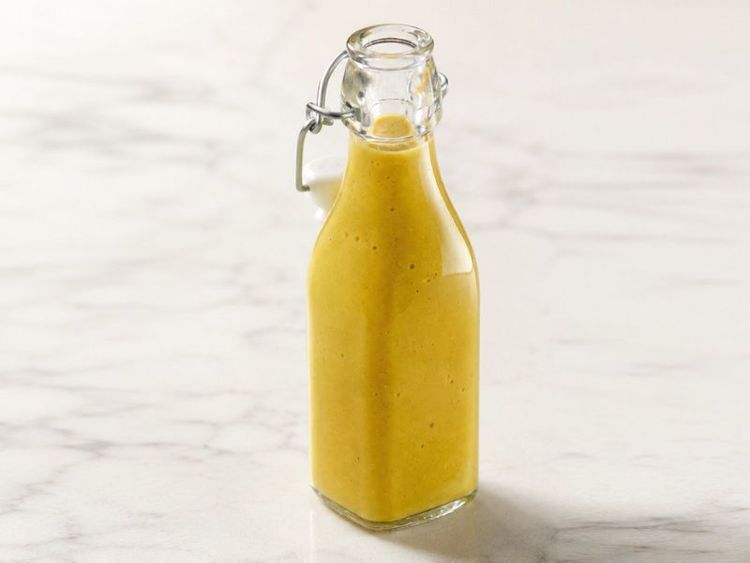
Table Of Contents
- What Does Scotch Bonnet Hot Sauce Taste Like
- Scotch Bonnet Hot Sauce Ingredients
How To Make Scotch Bonnet Hot Sauce Step by Step
How To Adjust the Scotch Bonnet Hot Sauce's Heat Level
- What To Eat with Scotch Bonnet Hot Sauce
- How To Store Scotch Bonnet Hot Sauce
What Does Scotch Bonnet Hot Sauce Taste Like
Scotch bonnet hot sauce tastes intensely spicy, fruity, slightly sweet, tangy, and savory. Scotch bonnet peppers bring the dominant fruit-forward heat, while jalapeños add fresh green-pepper body.
Onion and garlic build the savory base, white vinegar adds acidity, and 2 tablespoons of sugar round out the pepper heat without turning the sauce into a sweet condiment.
Scotch bonnet peppers typically range from 100,000 to 350,000 Scoville Heat Units (SHU), while jalapeños usually fall between about 2,500 and 10,000 SHU. Those values describe the peppers themselves; the finished sauce also contains water, aromatics, vinegar, and sugar, so its heat is distributed through a much larger volume.
Individual Scotch bonnets also vary naturally in pungency, so one batch may taste hotter than another even when you use the same number of peppers.
Scotch Bonnet Hot Sauce Ingredients
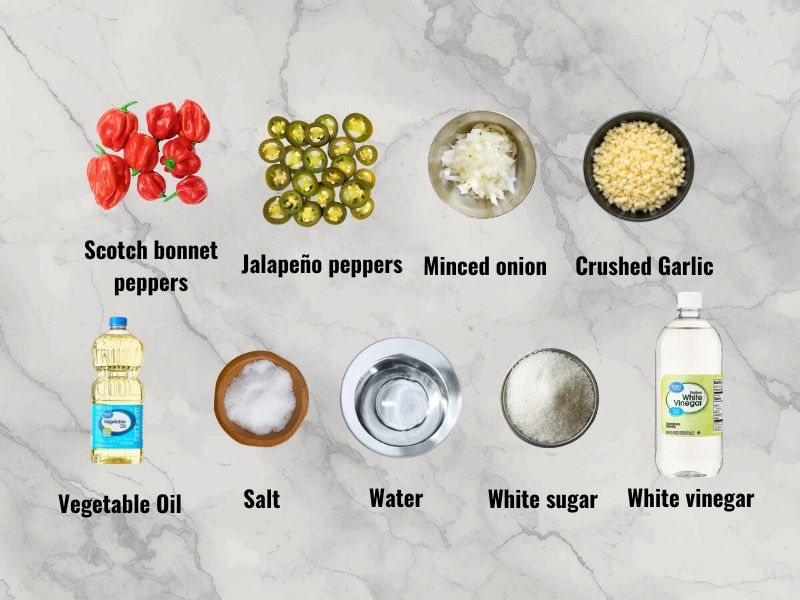
You need nine ingredients to make one full batch of Scotch bonnet pepper sauce. The formula produces 2 pints (946 ml) of finished sauce.
- 18 fresh Scotch bonnet peppers, sliced and seeded. These provide the sauce's intense heat and distinctive fruity flavor.
- 6 fresh jalapeño peppers, sliced. Jalapeños add fresh pepper flavor and extra body.
- ½ cup (80 g) minced onion. Onion gives the sauce a mild savory sweetness.
- 6 garlic cloves, crushed. Garlic adds depth behind the peppers.
- 1 teaspoon vegetable oil. This is enough to start cooking the peppers and aromatics.
- ¾ teaspoon salt. Salt brings the pepper, garlic, onion, and vinegar flavors together.
- 2 cups (473 ml) water. Water softens the peppers during cooking and provides the main liquid volume.
- ¼ cup (60 ml) distilled white vinegar. Vinegar gives the finished sauce a clean tangy edge.
- 2 tablespoons white sugar. Sugar rounds out the acidity and strong pepper heat.
Choose firm Scotch bonnets without mold, bruising, or soft areas. Wear disposable gloves while slicing them and avoid touching your face or eyes. UF/IFAS identifies Scotch bonnet peppers at 100,000–350,000 SHU, so careful handling is important even before cooking.
How To Make Scotch Bonnet Hot Sauce Step by Step
Make Scotch bonnet hot sauce in five steps, from preparing the peppers to refrigerating the finished sauce. Allow 20 minutes of prep and 25 minutes of cooking, for a total time of about 45 minutes.
Step 1: Prepare the Peppers and Aromatics
Put on food-safe gloves.
Slice 18 Scotch bonnet peppers in half and remove the seeds. Slice the 6 jalapeños, mince ½ cup (80 g) onion, and crush 6 garlic cloves.
Most capsaicinoids are concentrated around the pale placental tissue inside hot peppers. If you want to retain more of the Scotch bonnet's natural heat, leave more of this inner tissue attached.
Keep the kitchen well ventilated from this point onward. Cutting and cooking a large quantity of Scotch bonnets can expose you to capsaicin through your hands, eyes, and respiratory tract.
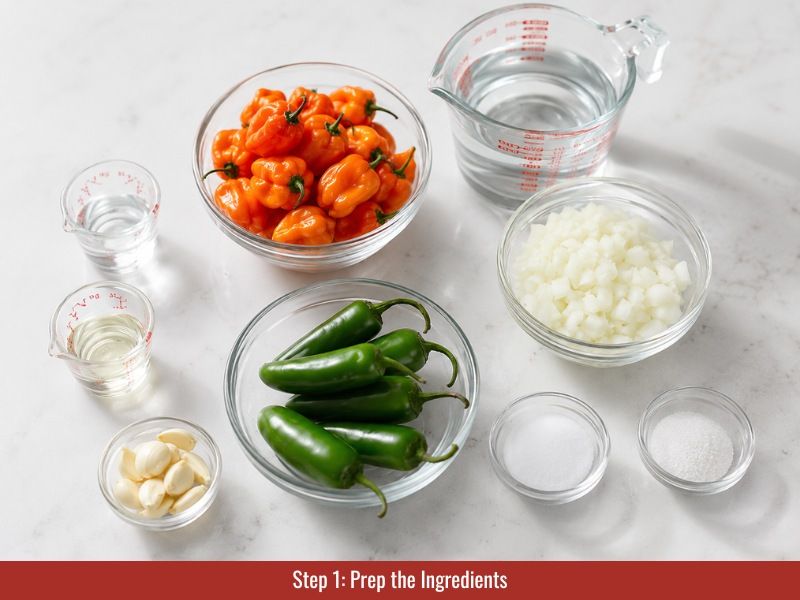
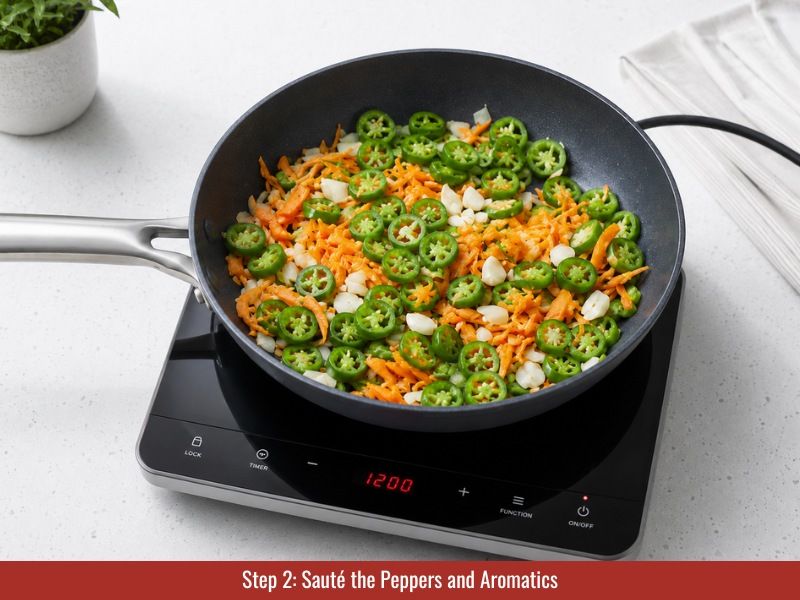
Step 2: Cook the Peppers, Onion, and Garlic
Add the Scotch bonnet peppers, jalapeños, onion, garlic, 1 teaspoon vegetable oil, and ¾ teaspoon salt to a large saucepan over medium-high heat.
Cook for 5 minutes, stirring frequently.
The vegetables should begin to soften and become fragrant. Keep the exhaust hood running or open nearby windows, and avoid leaning directly over the saucepan while stirring.
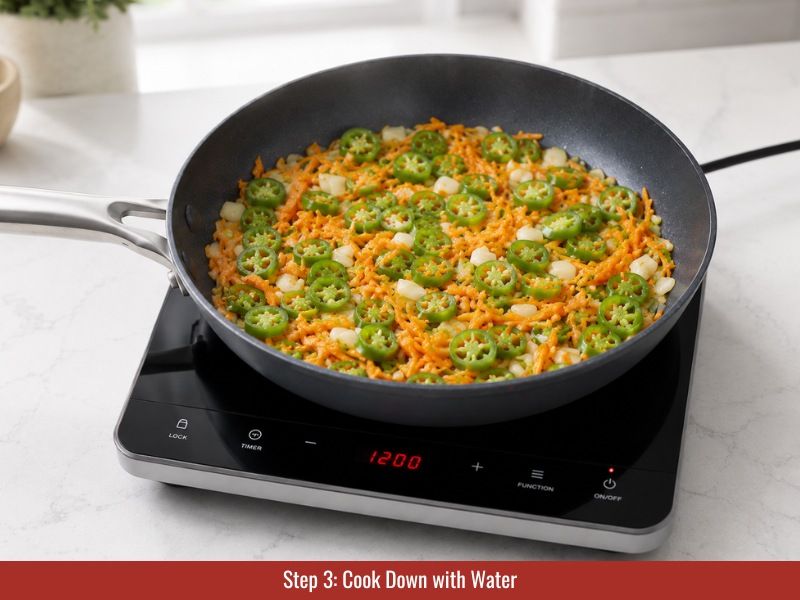
Step 3: Add Water and Cook Until Soft
Pour in 2 cups (473 ml) water and stir well.
Continue cooking for about 20 minutes, stirring regularly, until the Scotch bonnets, jalapeños, onion, and garlic are completely soft.
Use texture as the endpoint. The peppers should crush easily against the side of the saucepan with a spoon.
Remove the saucepan from the heat and let the mixture cool completely to room temperature before blending.
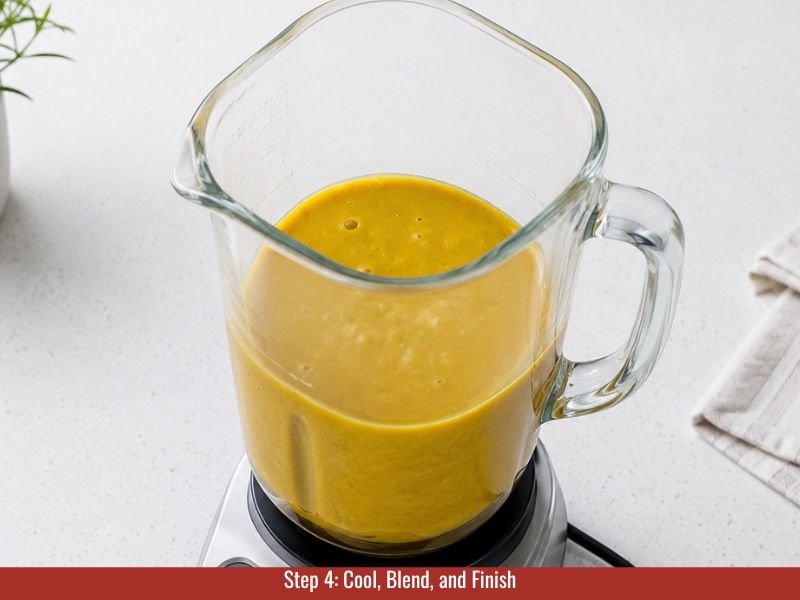
Step 4: Blend With Vinegar and Sugar
Transfer the cooled pepper mixture and its cooking liquid to a blender.
Blend until completely smooth.
Add ¼ cup (60 ml) distilled white vinegar and 2 tablespoons white sugar, then blend again until evenly incorporated.
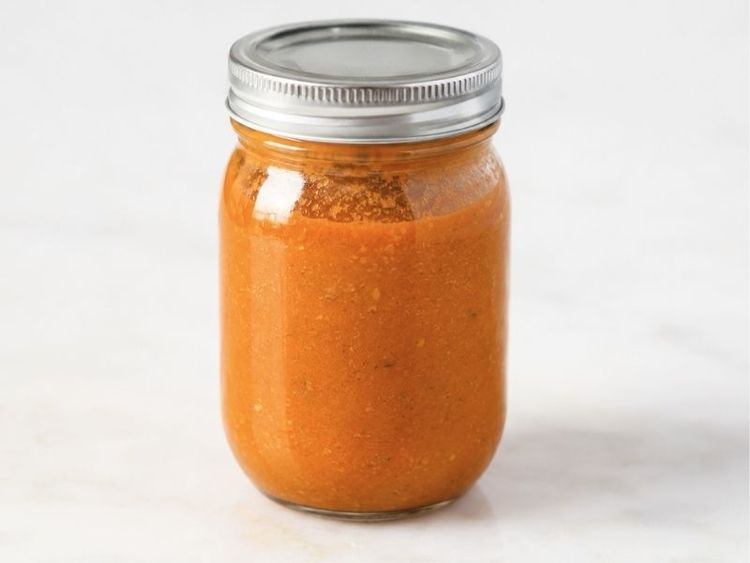
The finished sauce should be thick but smooth enough to spoon or pour from a bottle.
If the sauce is too thick, blend in water 1 tablespoon at a time until it reaches the consistency you prefer.
If the sauce becomes too thin, return it to a saucepan and warm it gently while stirring until some excess water evaporates and the texture thickens.
Step 5: Transfer and Refrigerate
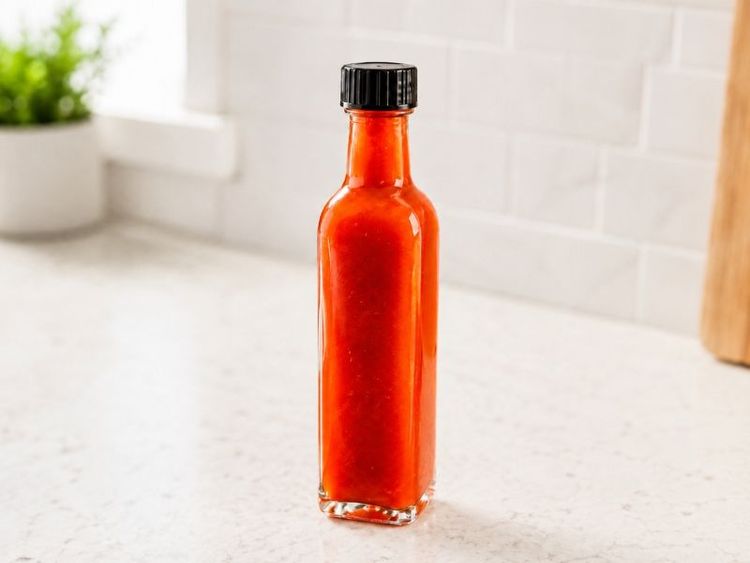
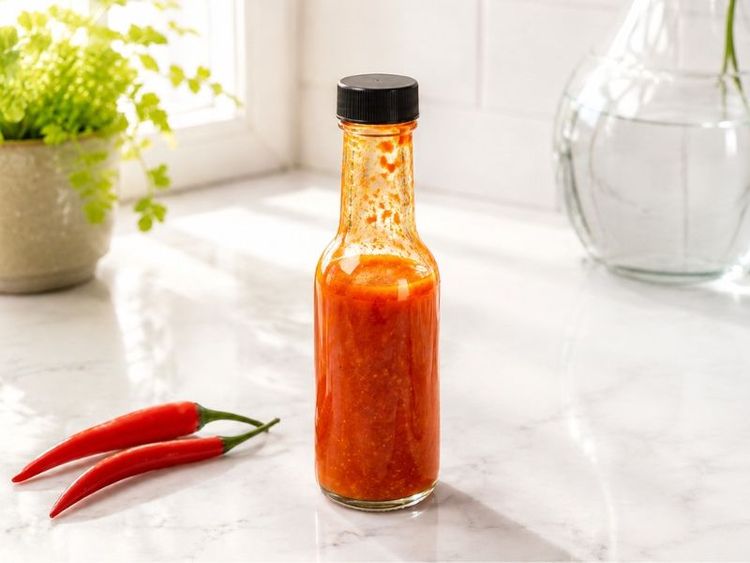
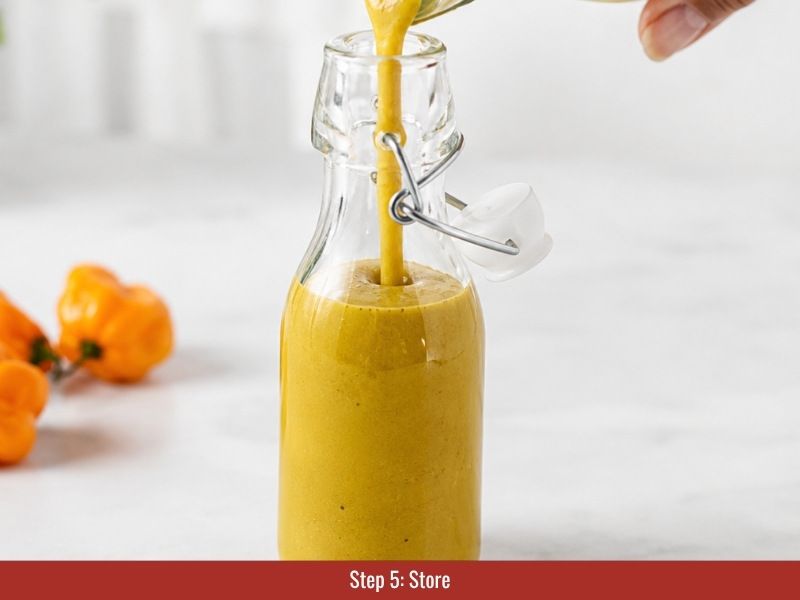
Pour the finished sauce into clean glass bottles or airtight jars.
One full batch makes 2 pints (946 ml) of Scotch bonnet hot sauce. Divided into 32 servings, each serving is approximately 2 tablespoons (30 ml).
Seal the containers and refrigerate them once the sauce has cooled.
How To Adjust the Scotch Bonnet Hot Sauce's Heat Level
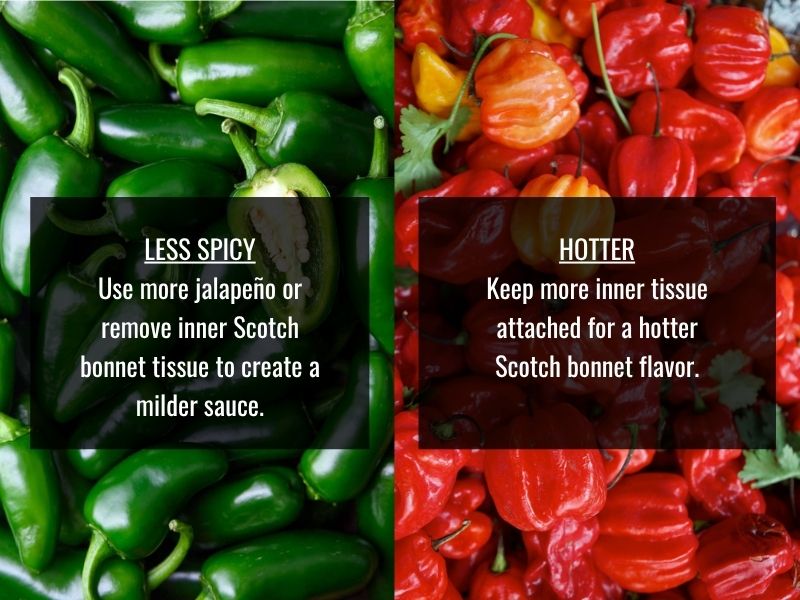
Adjust the heat by changing how much of the Scotch bonnet's pale inner placental tissue goes into the saucepan or by using more of the milder jalapeño component.
Removing more of the inner tissue before cooking produces a milder batch while preserving the Scotch bonnet's fruity pepper flavor. Leaving more attached gives you a hotter sauce.
Habaneros also work when Scotch bonnets are difficult to find. Both peppers commonly fall within a similar broad heat range, although Scotch bonnets have their own distinctive fruity character.
For a milder pepper sauce, use more jalapeño and less Scotch bonnet while keeping the remaining ingredients unchanged. Use peppers with similar ripe colors when possible if you want the finished sauce to retain a consistent orange-red appearance.
What If the Finished Scotch Bonnet Sauce Is Too Hot?
Dilute a small portion first so you can adjust the heat without changing the entire batch.
Blend part of the sauce with a little additional cooked jalapeño, onion, or water. Add the extra ingredient gradually, taste, then adjust the salt and vinegar if needed.
You can also keep the original sauce concentrated and use a smaller amount per serving. Scotch bonnet sauce is strong enough that a small spoonful can season an entire dish.
What To Eat with Scotch Bonnet Hot Sauce
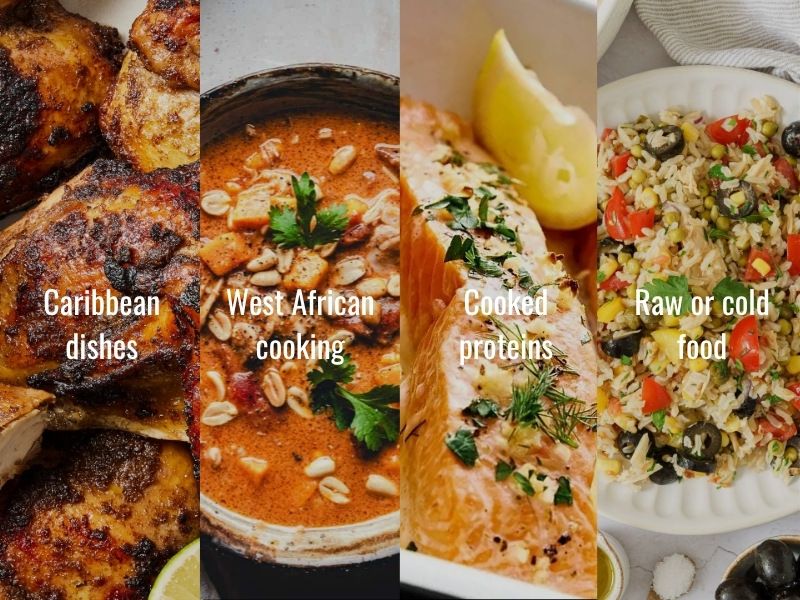
Scotch bonnet pepper sauce works especially well with grilled meats, fried foods, rice dishes, eggs, soups, and stews.
Jerk-style chicken, grilled pork, fried chicken, rice and peas, oxtail, and hearty stews all handle its fruity heat well. A small spoonful also works with scrambled eggs, tacos, roasted vegetables, or rice bowls.
Start with a small amount, especially with foods that already contain fresh chile peppers.
For everyday dishes where you want a ready-to-use option, CHIN-SU Hot Sauce also pairs well with fried foods, grilled meats, rice, and noodles.
How To Store Scotch Bonnet Hot Sauce
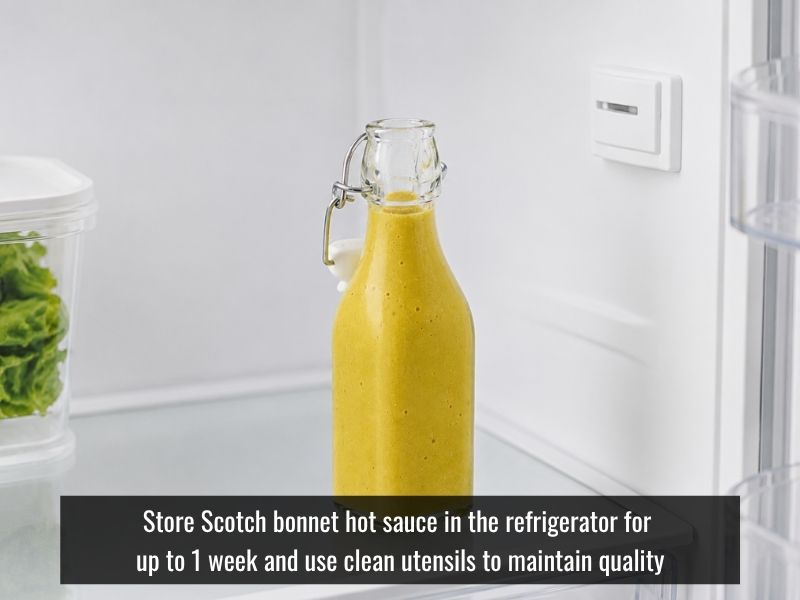
Keep homemade Scotch bonnet hot sauce in a clean, sealed container in the refrigerator at 40°F (4°C) or below.
Use a clean utensil each time you serve the sauce and return the container to the refrigerator promptly. For a homemade pepper sauce that is not being processed with a research-tested preservation method, using it within one week provides a conservative refrigerated storage window.
Discard the sauce if you notice mold, an unusual odor, gas production, or unexpected discoloration.
For more information about refrigerated hot sauce storage, see does hot sauce need to be refrigerated. For broader guidance on spoilage and storage quality, see does hot sauce expire.
Have you made your first batch of Scotch bonnet hot sauce yet, or are you still gathering the peppers? Drop your questions, tweaks, or heat-level wins in the comments, and no question is too small. If the recipe worked, a quick star rating helps other home cooks find it. Share your finished bottles on social media with #CHINSU and tag us, and we read every single one. Ready to skip the stove for a night? CHIN-SU chili sauce is waiting at chinsu.com.
Enjoy more hot sauce recipe:
Frequently Asked Questions
They are basically close cousins. Traditional Jamaican pepper sauce is actually made with scotch bonnets as the main ingredient, so the difference really just comes down to what people call it in different regions.
Just toss 1 cup (128 g) of chopped carrots into the saucepan during Step 2, right along with your peppers, onion, and garlic. Then, just cook and blend it exactly like the recipe says. The carrots will mellow out the spice a bit and add a nice touch of sweetness.
They are actually the exact same thing, just spelled differently depending on where you are. People in the UK and the Caribbean spell it "chilli," while folks in the US usually say "chili" or just call it "hot sauce."
Your homemade sauce will stay good for about 2 weeks in the fridge. Just make sure to give the bottle a good shake before you use it.
Yes. Habaneros are the closest practical substitute when fresh Scotch bonnets are unavailable.
Both typically fall within a high heat range, but their flavors are not identical. Scotch bonnets are strongly associated with Caribbean cooking and have a distinctive fruity character.
Yes. Increasing the proportion of jalapeños produces a milder sauce while keeping a fresh chile flavor.
Keep the onion, garlic, water, vinegar, sugar, oil, and salt unchanged, then adjust the Scotch bonnet-to-jalapeño balance according to the heat you want.
Yes. Halve every ingredient to keep the same recipe proportions.
Use 9 Scotch bonnets, 3 jalapeños, ¼ cup onion, 3 garlic cloves, ½ teaspoon vegetable oil, about ⅜ teaspoon salt, 1 cup water, 2 tablespoons vinegar, and 1 tablespoon sugar.
A half batch makes approximately 1 pint (473 ml).
For shelf-stable canning, use a research-tested pepper-sauce recipe with specified ingredient quantities and processing instructions.
The National Center for Home Food Preservation publishes tested hot pepper sauce formulas with defined vinegar levels, jar sizes, headspace, and boiling-water processing times. Follow one of those complete formulas when preparing sauce for pantry storage.
This recipe makes an intensely hot sauce, but the finished batch does not have one fixed Scoville rating.
Fresh Scotch bonnet peppers typically range from 100,000 to 350,000 SHU, while jalapeños are much milder. The final sauce also contains water, onion, garlic, vinegar, and sugar, and individual peppers naturally vary in pungency.
Scotch Bonnet Hot Sauce Recipe
Ingredient
- 18 fresh Scotch bonnet peppers, sliced and seeded.
- 6 fresh jalapeño peppers, sliced.
- ½ cup (80 g) minced onion.
- 6 garlic cloves, crushed.
- 1 teaspoon vegetable oil.
- ¾ teaspoon salt.
- 2 cups (473 ml) water.
- ¼ cup (60 ml) distilled white vinegar.
- 2 tablespoons white sugar.
Instructions
- Step 1: Prepare the Peppers and Aromatics. Wear food-safe gloves. Slice Scotch bonnet peppers in half and remove seeds, slice jalapeños, mince onion, and crush garlic cloves. Keep some inner pepper tissue attached if you want more heat.
- Step 2: Cook the Peppers, Onion, and Garlic. Add Scotch bonnet peppers, jalapeños, onion, garlic, vegetable oil, and salt to a large saucepan over medium-high heat. Cook for 5 minutes, stirring frequently, until the vegetables begin to soften and release aroma.
- Step 3: Add Water and Cook Until Soft. Pour in 2 cups (473 ml) water and continue cooking for about 20 minutes until the peppers, onion, and garlic become completely soft and can be easily crushed with a spoon. Allow the mixture to cool completely to room temperature before blending.
- Step 4: Blend With Vinegar and Sugar. Transfer the cooled pepper mixture and cooking liquid to a blender. Blend until smooth, then add distilled white vinegar and sugar. Blend again until evenly incorporated. Add water gradually if the sauce needs thinning.
- Step 5: Transfer and Refrigerate. Pour the finished sauce into clean glass bottles or airtight jars. Allow the sauce to cool, seal the containers, and refrigerate. One batch produces 2 pints (946 ml), approximately 32 servings at 2 tablespoons (30 ml) each.
Storage: Keep homemade Scotch bonnet hot sauce in a clean sealed container in the refrigerator at 40°F (4°C) or below. Use a clean utensil each time and return the container to refrigeration promptly. For this homemade sauce without a research-tested preservation process, use within 1 week. Discard if mold, unusual odor, gas production, or unexpected discoloration appears.
Yield: 2 pints (946 ml), about 32 servings
Serving Style: Fruity, high-heat Scotch bonnet sauce for grilled meats, fried foods, rice dishes, eggs, soups, stews, tacos, and roasted vegetables

CHIN-SU KITCHEN TEAM
CHIN-SU Kitchen Team are the creative experts behind the delicious recipes featuring CHIN-SU sauces. With years of experience and a passion for flavor, our team carefully selects recipes from a variety of trusted chefs and bloggers, bringing together the best culinary insights to present you with the most suitable and exciting dishes. Every recipe is chosen to inspire you to create meals that are not only tasty but also easy to prepare, enhancing your dining experience. Join us as we explore a wide range of sauces and flavors, and elevate every meal with the perfect recipe for your table!
User Reviews
Featured Articles
SUBSCRIBE TO GET
MORE INFO
Want the latest and greatest recipes, updates, and more from us,
straight to your inbox? Subscribe and get our NEWS!