Homemade Tabasco Sauce Recipe: How To Make Tabasco-Style Hot Sauce
Published: Jun 29, 2026 by CHIN-SU
Updated: Aug 24, 2026 by CHIN-SU
Tested by CHIN-SU Kitchen Team
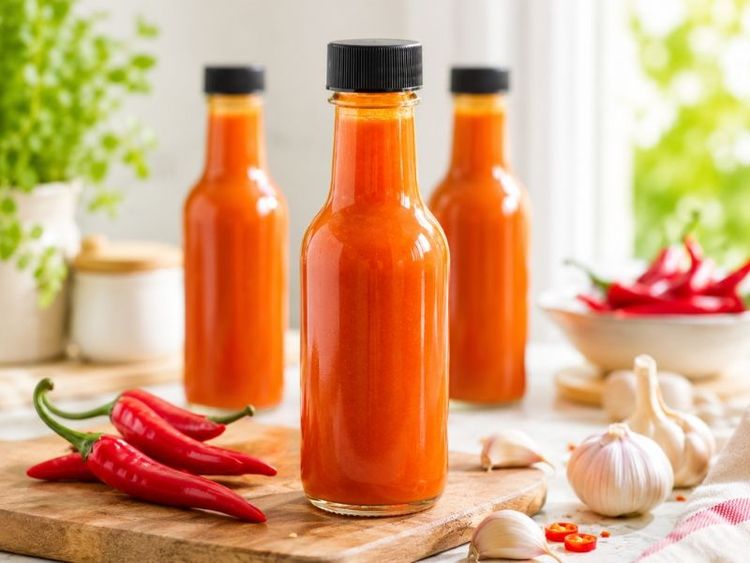
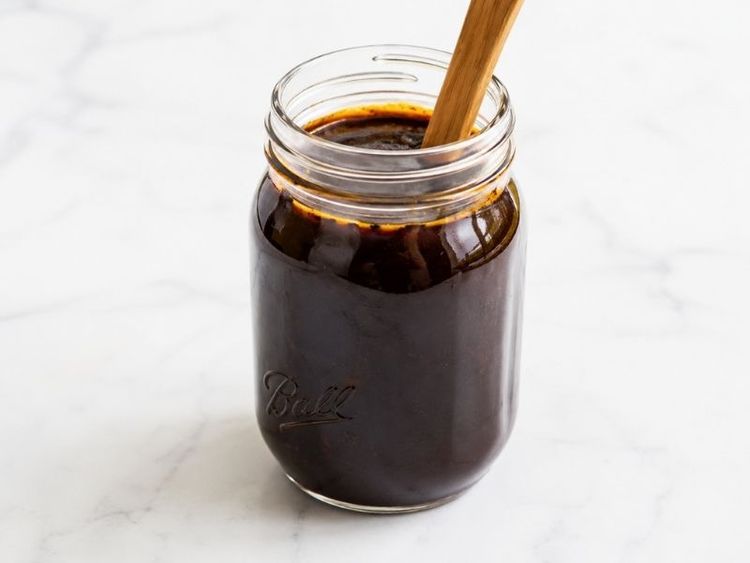
This homemade Tabasco sauce recipe uses fresh red Tabasco peppers, a 3% salt brine, and distilled white vinegar to create a thin, tangy hot sauce with bright acidity, clean chile heat, and mild fermented depth. The peppers ferment for 14–30 days before being blended with vinegar, giving the sauce a rounder flavor than a same-day cooked version.
One batch uses 17.6 oz (500 g) Tabasco peppers and yields about 32–40 fl oz (950 ml–1.2 L), depending on the amount of brine added and how much pulp is removed during straining. If you want to make Tabasco-style sauce without fermenting, the guide also includes a 30–45 minute non-fermented version with a fresher pepper flavor and sharper vinegar bite.
Below, CHIN-SU shows how to make Tabasco sauce step by step, including the brine ratio, fermentation and pH check, vinegar blending, heat adjustment, straining, serving, and refrigerated storage.
Table Of Contents
- What Does Homemade Tabasco Sauce Taste Like?
- Why This Tabasco Hot Sauce Recipe Works
Homemade Tabasco Sauce Ingredients
How To Make Tabasco Sauce Step By Step
- Step 1: Prepare The Tabasco Peppers
- Step 2: Make A 3% Salt Brine
- Step 3: Ferment The Peppers For 14–30 Days
- Step 4: Check The Fermentation
- Step 5: Drain The Peppers And Reserve The Brine
- Step 6: Blend The Peppers With Vinegar
- Step 7: Adjust The Flavor And Consistency
- Step 8: Simmer The Sauce For 15–20 Minutes, If Desired
- Step 9: Strain And Bottle The Homemade Tabasco Sauce
How Do You Make Tabasco Sauce Without Fermenting?
- Fermented Vs. Non-Fermented Tabasco Sauce
- Can You Make This Tabasco Pepper Sauce Recipe With Other Peppers?
- How Do You Adjust The Heat Of Homemade Tabasco Sauce?
- What To Eat With Homemade Tabasco Sauce
- How To Store Homemade Tabasco Sauce
What Does Homemade Tabasco Sauce Taste Like?
Homemade Tabasco sauce has a sharp vinegar acidity first, followed by the fruity, grassy flavor of ripe red Tabasco peppers and a clean chile heat that lingers briefly after swallowing. Fermenting the peppers for 14–30 days adds a mild lactic sourness and rounds off some of the fresh pepper's raw, green edge, while distilled white vinegar supplies the brighter, more immediate acidic bite.
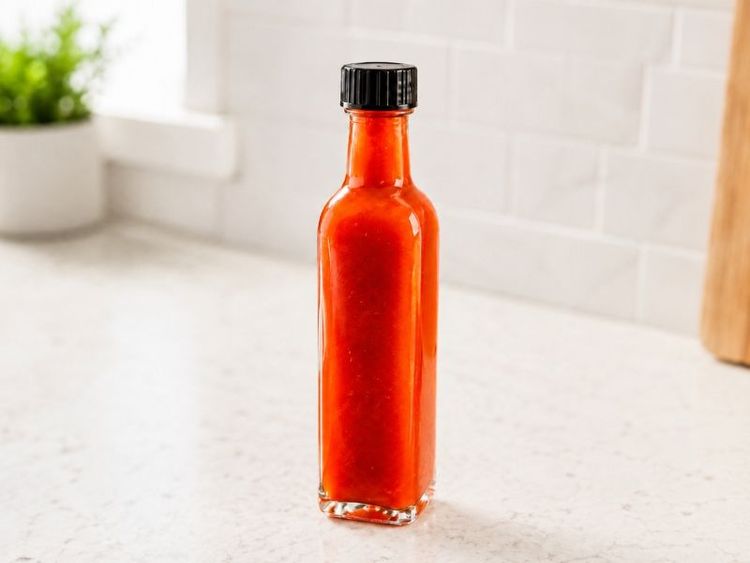
The sauce has a thin, free-flowing consistency rather than the thick, clingy texture of blended chili sauces. After straining, it pours easily in drops or small splashes; keeping a little fine pepper pulp makes it slightly fuller without turning it into a paste.
The exact heat changes with the peppers used. Riper peppers and batches that retain more of the pale inner membrane usually taste hotter, while adding more vinegar or reserved brine spreads the same pepper heat through a larger volume of sauce and makes each spoonful taste less intense.
Why This Tabasco Hot Sauce Recipe Works
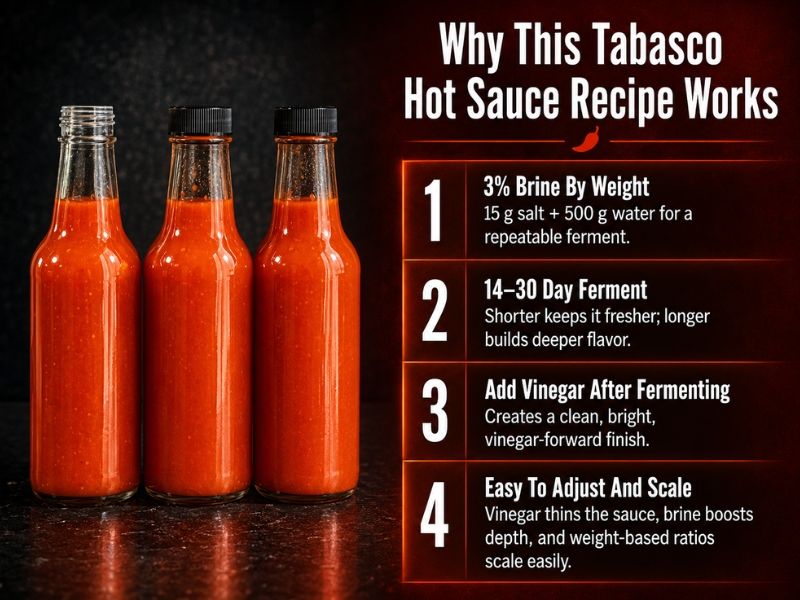
This Tabasco hot sauce recipe works because it separates fermentation from final acidification: the peppers first ferment in a measured salt brine, then vinegar is added after fermentation to create the final flavor and texture.
- A 3% wet brine is easy to measure and reproduce: 0.53 oz (15 g) salt is dissolved in 17.6 oz (500 g) water.
- A 14–30 day fermentation develops deeper pepper flavor: shorter fermentation retains more fresh-pepper character, while longer fermentation produces more pronounced fermented notes.
- Vinegar is added after fermentation: this keeps the fermentation stage separate from the final vinegar-forward flavor adjustment.
- The finished consistency remains adjustable: vinegar makes the sauce sharper and thinner, while reserved fermentation brine reinforces fermented flavor.
This method also makes the recipe easier to scale because water, salt, peppers, and vinegar are measured by weight rather than by pepper count or volume measurements.
Homemade Tabasco Sauce Ingredients
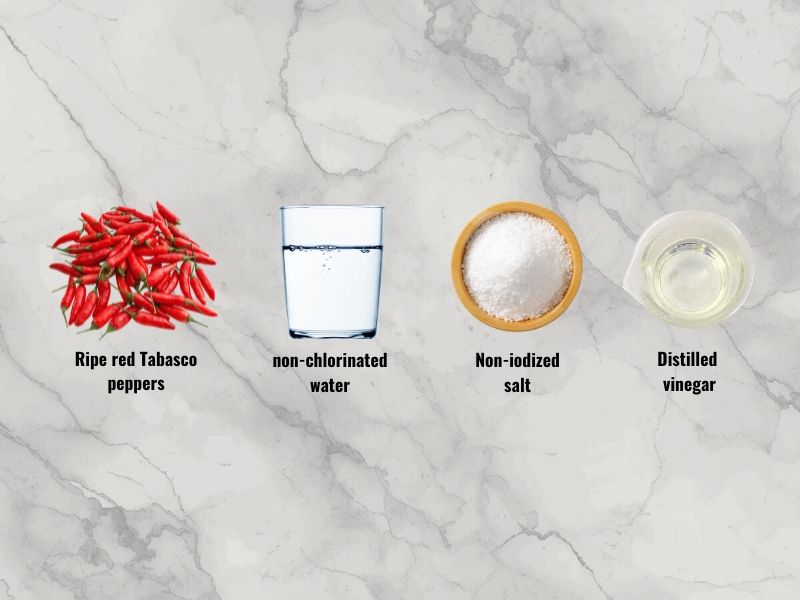
You need four core ingredients for the fermented version of this homemade Tabasco sauce recipe:
- 17.6 oz (500 g) ripe red Tabasco peppers: Use fully ripe peppers for the red color, chile aroma, and heat associated with a Tabasco pepper sauce recipe. Ripe red Jalapeños are the easiest milder substitute.
- 17.6 oz (500 g) non-chlorinated water: Use filtered, distilled, or another suitable non-chlorinated water for the fermentation brine.
- 0.53 oz (15 g) non-iodized salt: This creates a 3% brine based on water weight because 500 g × 3% = 15 g. Pickling salt, canning salt, or another non-iodized salt works well.
- 26.4 oz (750 g) distilled white vinegar: This equals approximately 150% of the original pepper weight and gives the finished sauce its bright, clean acidity.
You will also need a fermentation jar, fermentation weight, airlock or fermentation lid, kitchen scale, blender, fine-mesh sieve, clean bottles, and a saucepan if you choose to cook the finished sauce.
How To Scale This Tabasco Sauce Recipe
Scale this recipe with two fixed ratios: 3 g salt per 100 g water for the fermentation brine, and 150 g vinegar per 100 g fresh peppers for the finished sauce. Weigh the peppers after removing the stems and damaged parts.
| Fresh Tabasco Peppers | Water | Non-Iodized Salt | Distilled White Vinegar |
| 3.5 oz (100 g) | 3.5 oz (100 g) | 0.11 oz (3 g) | 5.3 oz (150 g) |
| 8.8 oz (250 g) | 8.8 oz (250 g) | 0.26 oz (7.5 g) | 13.2 oz (375 g) |
| 17.6 oz (500 g) | 17.6 oz (500 g) | 0.53 oz (15 g) | 26.4 oz (750 g) |
| 2.2 lb (1 kg) | 2.2 lb (1 kg) | 1.06 oz (30 g) | 3.3 lb (1.5 kg) |
The listed water amount is a practical starting point. If the peppers are not fully submerged, make an extra 3% brine at the same 3 g salt per 100 g water ratio instead of adding plain water.
The 150% vinegar ratio applies to this Tabasco-style sauce, where the goal is a thin texture and pronounced vinegar bite. It is a flavor formula for this recipe, not a universal preservation ratio for every homemade hot sauce.
How To Make Tabasco Sauce Step By Step
Making homemade Tabasco sauce takes 9 steps, with about 30–45 minutes of active preparation plus 14–30 days of fermentation. Most of the total time is hands-off while the peppers ferment, while the remaining work focuses on preparing, blending, adjusting, and bottling the sauce.
Step 1: Prepare The Tabasco Peppers
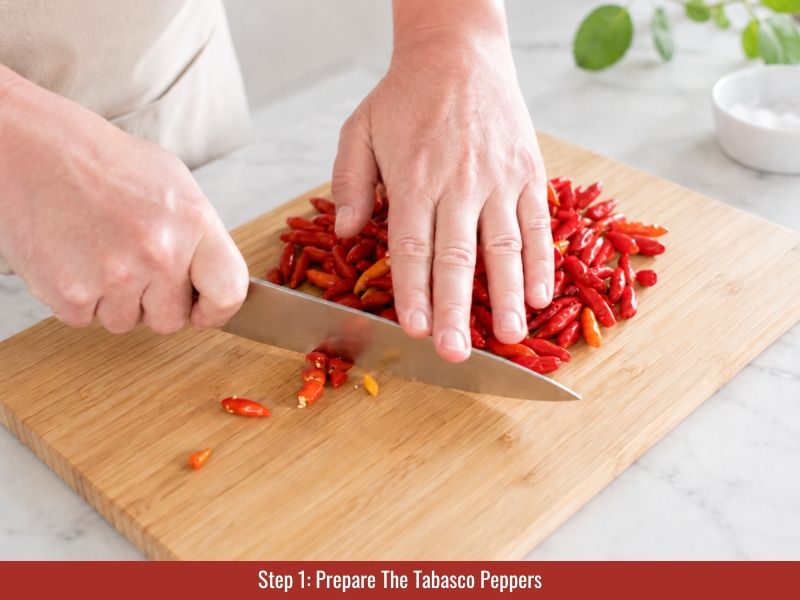
Choose fully ripe red Tabasco peppers with firm skins and no mold, soft spots, or damaged flesh. Remove the stems, rinse the peppers, and cut them in half so you can inspect the inside before placing them in the fermentation jar.
Keep the seeds unless you want a cleaner texture after blending. Wear food-safe gloves while handling the peppers because capsaicin can remain on your hands and irritate your eyes or skin.
Step 2: Make A 3% Salt Brine
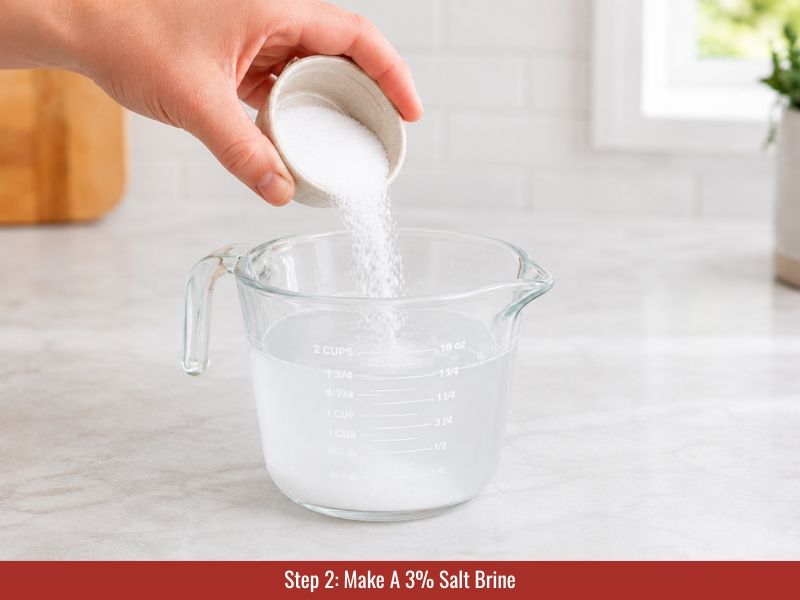
Dissolve 0.53 oz (15 g) non-iodized salt in 17.6 oz (500 g) non-chlorinated water. Stir until no salt crystals remain.
The brine concentration is calculated from the water weight: 500 g water × 3% = 15 g salt
If you need more liquid to cover the peppers, mix additional brine at the same ratio of 3 g salt per 100 g water instead of topping up with plain water.
Step 3: Ferment The Peppers For 14–30 Days
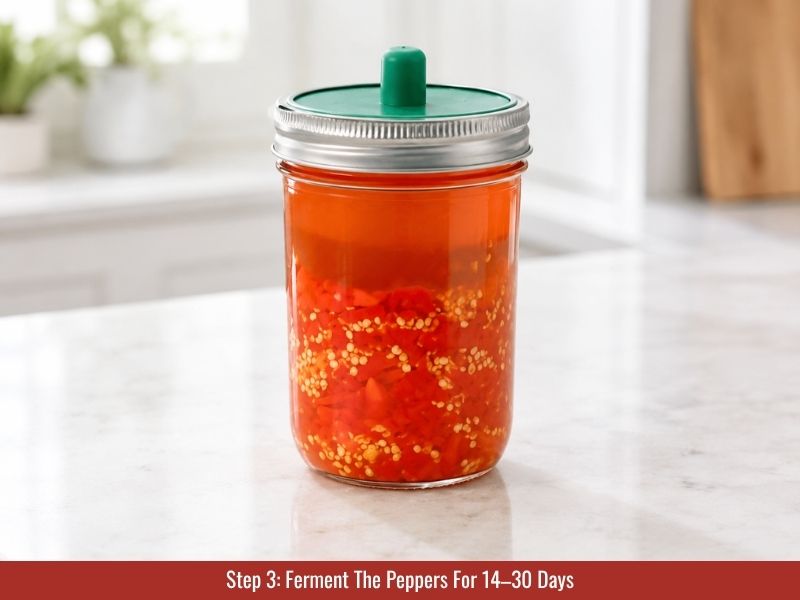
Pack the peppers into a clean fermentation jar and pour in enough 3% brine to keep them completely submerged. Place a fermentation weight on top, seal the jar with an airlock or fermentation lid, and keep it away from direct sunlight at 65–75°F (18–24°C).
Ferment for 14–30 days. Around 14 days, the peppers still taste brighter and fruitier with mild sourness; by 21–30 days, the fresh pepper edge softens and the fermented aroma becomes more pronounced. Bubbles and cloudy brine are common during active fermentation, although bubbling usually slows later in the process.
For this recipe, start checking the flavor around day 14 and continue until the peppers have the balance of fresh chile flavor, sourness, and fermented aroma you prefer.
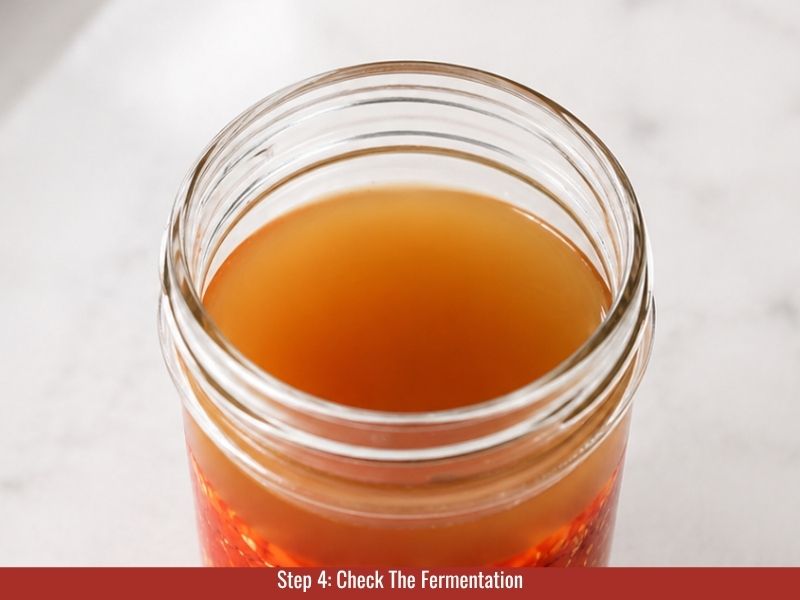
Step 4: Check The Fermentation
After the fermentation period, check the peppers before draining the brine. A healthy ferment should have softened peppers, cloudy brine, and a clean sour aroma, while bubbling usually becomes less active than during the first several days.
Measure the brine with a calibrated food pH meter. The pH should reach 4.6 or lower before moving to the next step; if it remains above 4.6, continue fermenting and check again after another 1–2 days.
Discard the batch if you see fuzzy mold, smell a rotten or putrid odor, or notice other clear signs of spoilage.
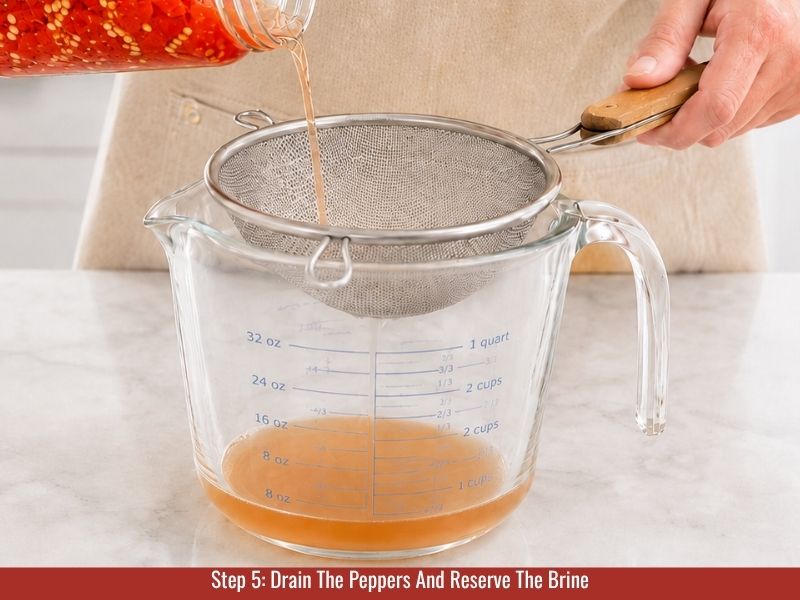
Step 5: Drain The Peppers And Reserve The Brine
Drain the fermented peppers and keep at least 4 fl oz (120 ml) of the brine for later adjustment. Let excess liquid drip off before transferring the peppers to the blender.
Do not add all the brine back into the sauce. Too much can make the finished sauce noticeably saltier and weaken the clean vinegar bite.
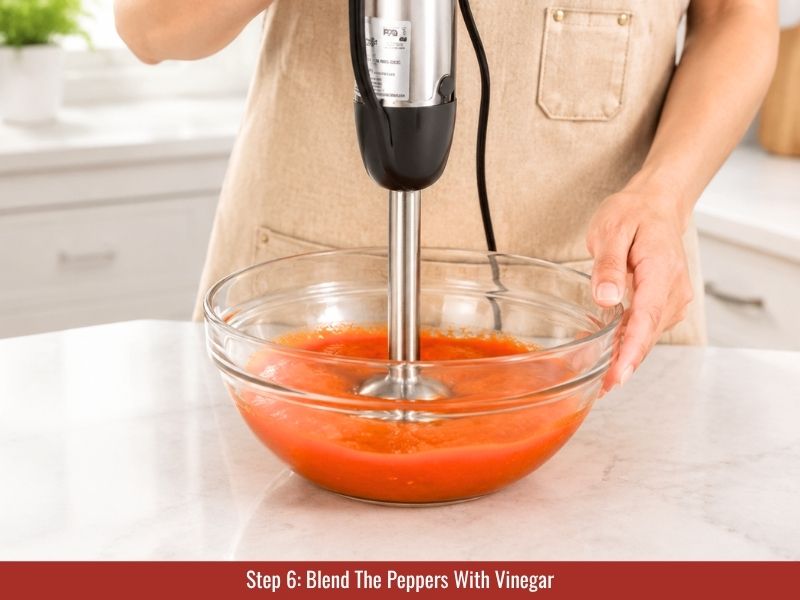
Step 6: Blend The Peppers With Vinegar
Add the drained peppers and 21 oz (600 g) distilled white vinegar to a blender and blend until no large pepper pieces remain. Then add the remaining vinegar gradually, up to the full 26.4 oz (750 g).
Adding vinegar in stages lets you stop once the sauce has the sharp acidity and thin consistency you want instead of committing to the full amount immediately.
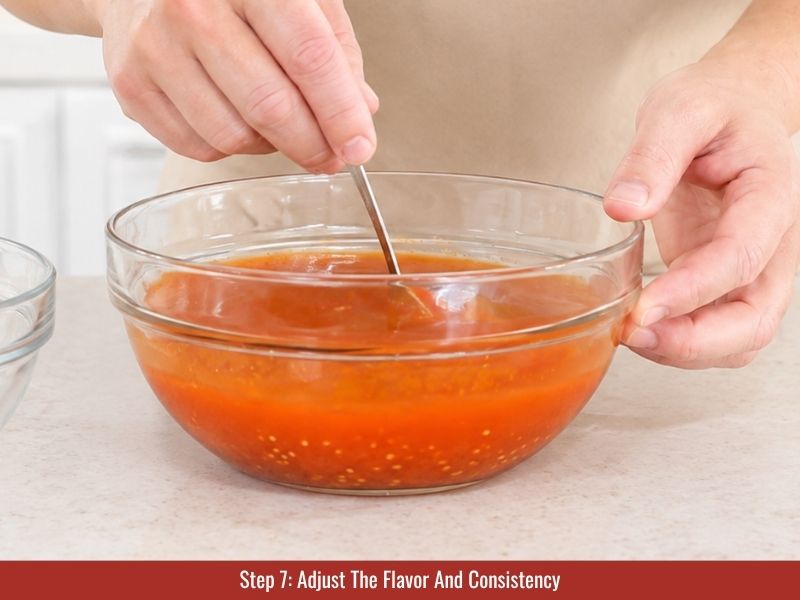
Step 7: Adjust The Flavor And Consistency
Taste the sauce after blending. If it is too thick, add vinegar in small amounts; if the acidity is already strong enough, use 1 tbsp (15 ml) reserved brine at a time to loosen it without making the vinegar flavor sharper.
If the sauce tastes too harsh immediately after blending, let it rest before adjusting again. The vinegar bite becomes less separate once it has had time to mix with the fermented pepper pulp.
Step 8: Simmer The Sauce For 15–20 Minutes, If Desired
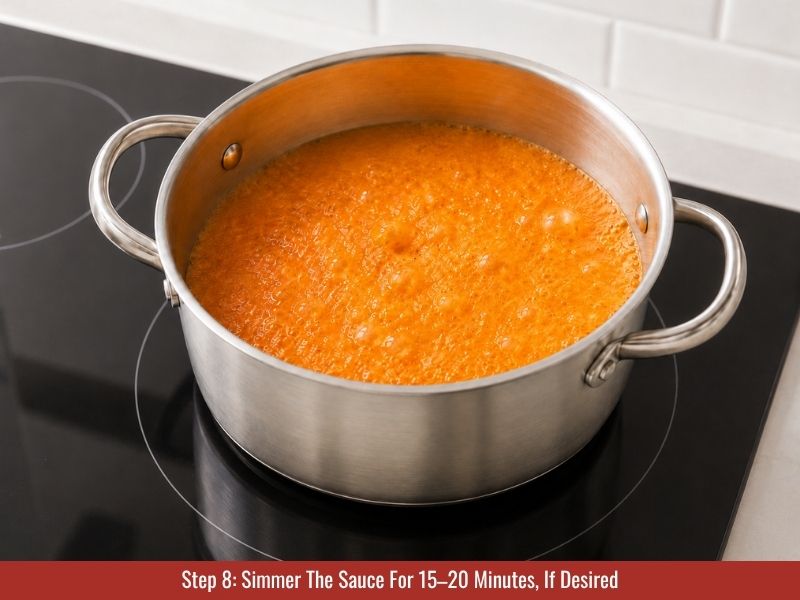
For a fresher fermented flavor, skip cooking and move directly to straining. For a smoother, more integrated flavor, simmer the blended sauce gently for 15–20 minutes, stirring occasionally.
Keep the heat low enough to avoid a hard boil and ventilate the kitchen while cooking. Heating stops active fermentation and reduces further gas production in the bottle, but it does not make the sauce automatically safe for room-temperature storage.
Step 9: Strain And Bottle The Homemade Tabasco Sauce
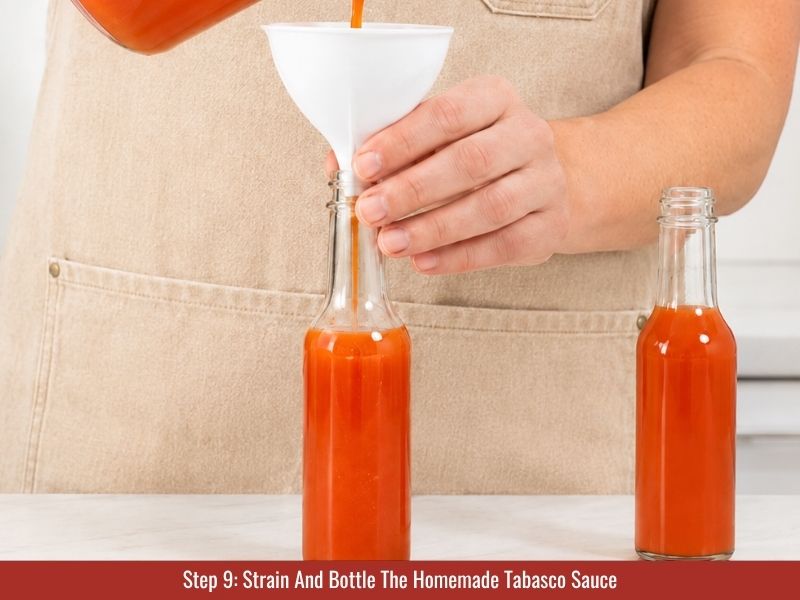
Pour the sauce through a fine-mesh sieve for a thinner, smoother texture. Press lightly if you want a cleaner sauce, or press more firmly to push some fine pepper pulp through and give the sauce slightly more body.
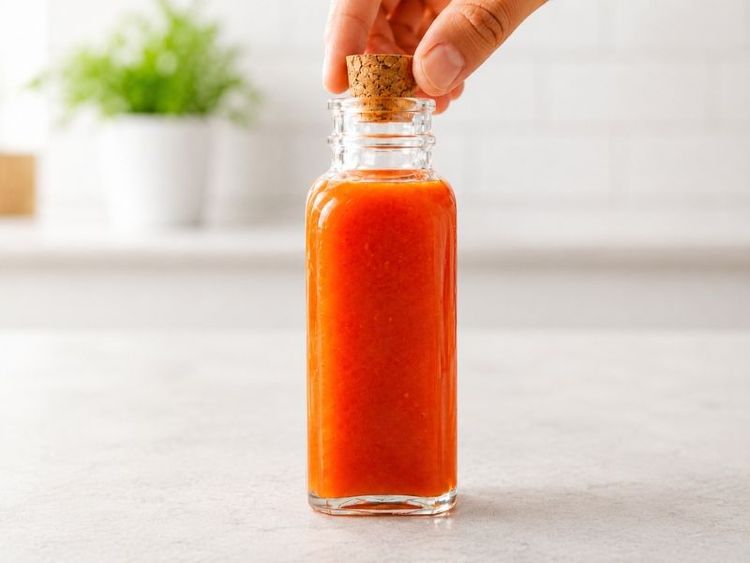
Transfer the finished sauce to clean bottles or jars and refrigerate. A batch made from 17.6 oz (500 g) peppers yields about 32–40 fl oz (950 ml–1.2 L) depending on how much brine you add, whether you simmer the sauce, and how much pulp you remove.
How Do You Make Tabasco Sauce Without Fermenting?
Make non-fermented Tabasco sauce by simmering fresh peppers with vinegar and salt, then blending and straining the mixture. It takes about 30–45 minutes and tastes brighter, sharper, and more like fresh chile than the fermented version.
Non-Fermented Tabasco Sauce Ingredients
Use:
- 17.6 oz (500 g) fresh ripe Tabasco peppers
- 26.4 oz (750 g) distilled white vinegar
- 0.53 oz (15 g) non-iodized salt
Unlike the fermented recipe, this version uses no water or fermentation brine. The salt equals 3% of the pepper weight, while the vinegar equals 150% of the pepper weight.
Step 1: Cook The Peppers
Remove the stems, discard damaged peppers, and roughly chop the remaining peppers. Add them to a saucepan with 13.2 oz (375 g) vinegar and 0.53 oz (15 g) salt, then simmer gently for 15–20 minutes until the peppers soften and lose most of their raw crunch.
Keep the heat low and ventilate the kitchen to avoid concentrated chile and vinegar vapors.
Step 2: Blend With The Remaining Vinegar
Transfer the cooked peppers and liquid to a heat-safe blender and blend until smooth. Gradually add the remaining 13.2 oz (375 g) vinegar until the sauce becomes thin enough to pour easily from a hot sauce bottle.
Adding the vinegar in two stages keeps enough liquid in the pan for cooking while giving you better control over the final acidity and consistency.
Step 3: Strain, Bottle, And Refrigerate
Strain the sauce through a fine-mesh sieve to remove seeds, skins, and coarse pulp. Transfer the cooled sauce to clean bottles or jars and refrigerate.
The finished sauce has a sharper vinegar bite, brighter red-pepper flavor, and less rounded acidity than the fermented version because it does not develop lactic sourness during fermentation.
Fermented Vs. Non-Fermented Tabasco Sauce
The fermented version tastes deeper and rounder, while the non-fermented version tastes brighter and sharper and can be made the same day.
| Attribute | Fermented Version | Non-Fermented Version |
| Total time | 14–30 days | 30–45 minutes |
| Process | Ferment in 3% brine, then blend with vinegar | Simmer with vinegar, then blend |
| Pepper flavor | Softer, rounder, less raw | Fresher and more direct |
| Acidity | Lactic sourness plus vinegar bite | Sharp vinegar acidity |
| Aroma | Noticeable fermented notes | Fresh cooked-pepper aroma |
| Texture | Thin and smooth after straining | Thin and smooth after straining |
| Best for | More complex Tabasco-style flavor | Quick homemade hot sauce |
Choose the fermented version when flavor depth matters most. Choose the non-fermented version when you want a fresh, vinegar-forward Tabasco-style sauce without waiting for fermentation.
Can You Make This Tabasco Pepper Sauce Recipe With Other Peppers?
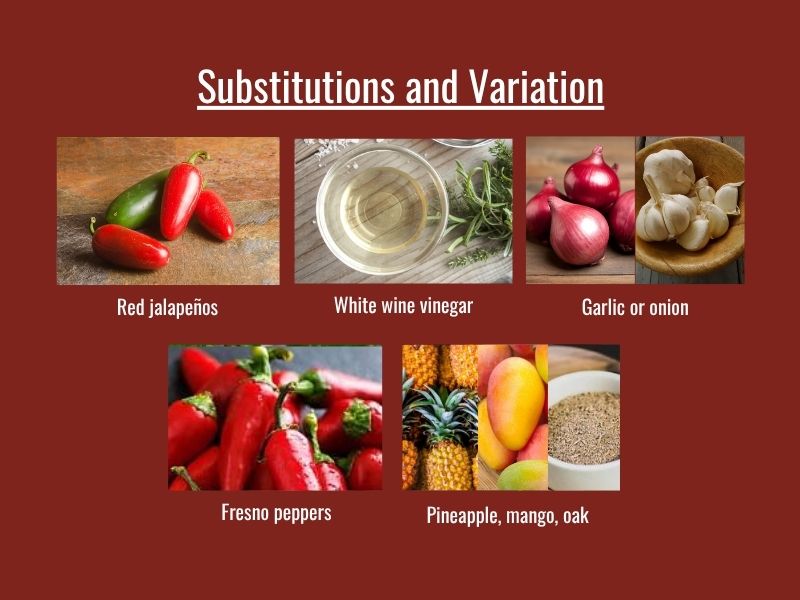
Yes. Replace Tabasco peppers with other ripe red chiles while keeping the total pepper weight at 17.6 oz (500 g), but expect the heat and aroma to change. Red Jalapeños give a milder, fuller chile flavor; Fresno peppers add moderate heat with a slightly fruity note; Cayenne peppers make the sauce noticeably hotter and sharper.
You can also mix peppers while keeping the total at 500 g. For example, combining Tabasco peppers with red Jalapeños lowers the heat without diluting the pepper flavor with extra vinegar.
Distilled white vinegar gives the cleanest, sharpest acidity. White wine vinegar tastes softer, while apple cider vinegar adds a fruitier note that moves the sauce farther from the classic Tabasco-style profile.
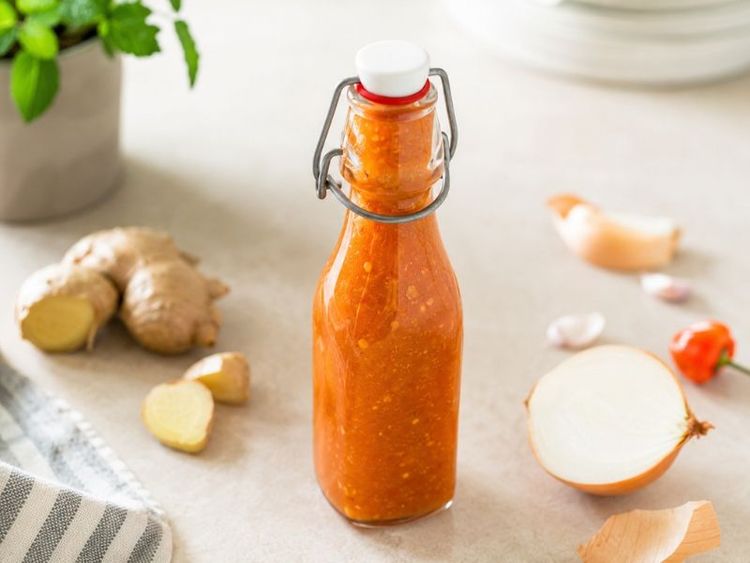
Garlic, onion, mango, pineapple, herbs, or oak can also be added, but they change the simple pepper-salt-vinegar profile and should be treated as recipe variations rather than direct substitutions.
How Do You Adjust The Heat Of Homemade Tabasco Sauce?
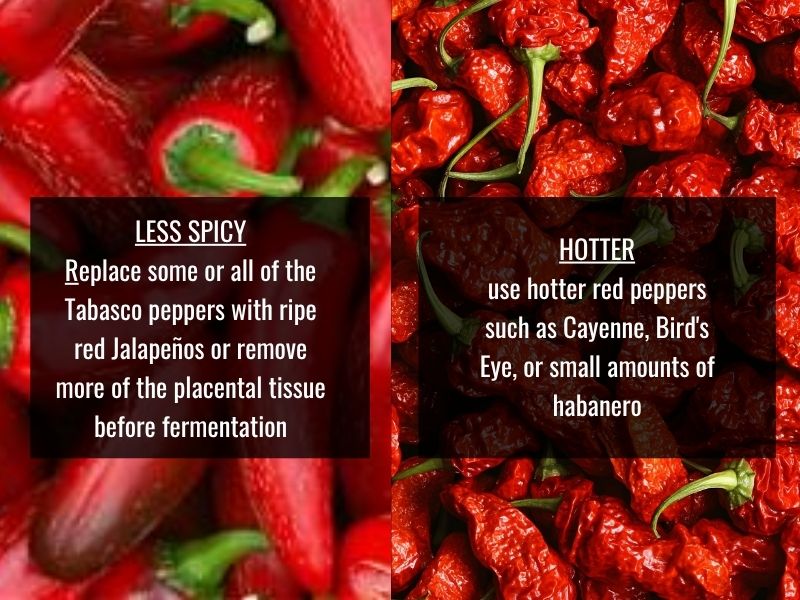
Adjust the heat primarily by changing the pepper variety and the amount of pale inner pepper tissue retained. For a milder sauce, replace some or all of the Tabasco peppers with ripe red Jalapeños or remove more of the placental tissue before fermentation.
For a hotter sauce, use hotter red peppers such as Cayenne, Bird's Eye, or small amounts of habanero. Add hotter peppers gradually because Scoville heat varies substantially between pepper varieties and individual fruits.
You can also reduce the perceived heat per spoonful by adding more vinegar, but this changes both the acidity and the pepper-to-vinegar balance of the recipe.
What To Eat With Homemade Tabasco Sauce
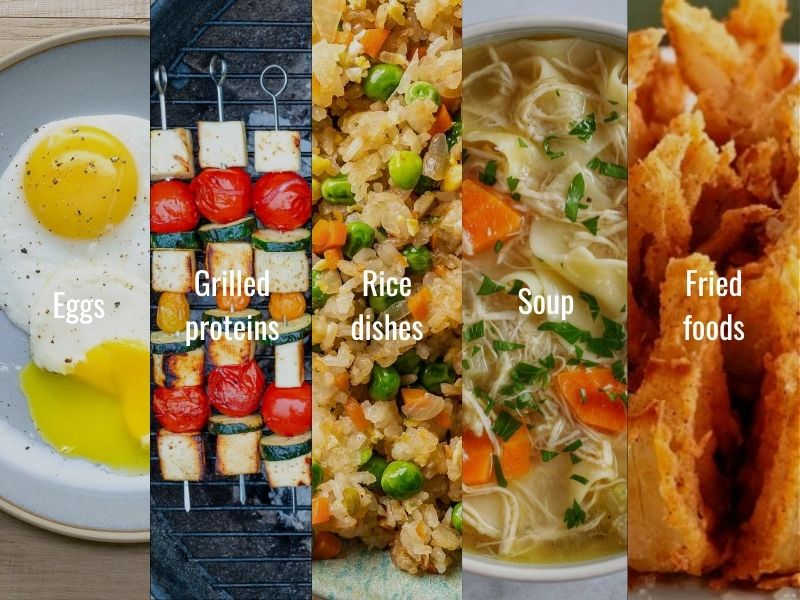
Homemade Tabasco sauce pairs best with rich, fried, or savory foods where its vinegar acidity can cut through fat while a few drops add chile heat. Its thin texture works especially well as a finishing sauce because it spreads quickly without coating the food like a thick chili sauce.
Use it on scrambled eggs, omelets, pizza, burgers, fried chicken, tacos, burritos, and roasted potatoes. It also works with oysters, shrimp, grilled fish, rice bowls, fried rice, and noodles, where the sharp acidity can brighten otherwise rich or salty flavors.
For soups and broths, start with a few drops and taste before adding more because the vinegar can become noticeable quickly. If you prefer a thicker sauce with more sweetness and body, CHIN-SU Hot Sauce provides a different profile from this thin, vinegar-forward homemade sauce.
How To Store Homemade Tabasco Sauce
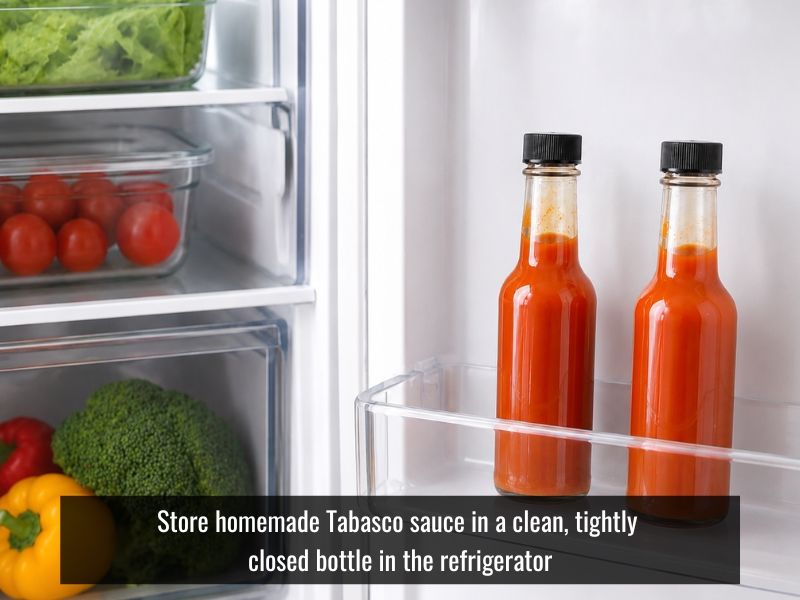
Store homemade Tabasco sauce in a clean, tightly closed bottle in the refrigerator. Refrigeration is the safest default for both the fermented and non-fermented versions because this recipe does not use a validated commercial canning or hot-fill process.
If you skip the optional simmering step, refrigeration is especially important because live fermentation can continue slowly after bottling and produce gas. Cooking for 15–20 minutes stops active fermentation, but cooking, vinegar, or a low pH reading alone does not make this homemade recipe shelf-stable at room temperature.
For more detail on refrigerated storage, see do you have to refrigerate hot sauce. If you are deciding whether an older bottle is still usable, see how long does hot sauce last after expiration date.
How did your first batch of homemade tabasco hot sauce turn out, my friends? Drop your questions or tweaks in the comments below, no question is too small. If this recipe earned a spot in your kitchen, leave a star rating so other home cooks know what to expect. Share your bottled results on social with #CHINSU, we read every one. Ready to round it out with a Vietnamese classic? Grab CHIN-SU Chili Sauce at chinsu.com.
Enjoy more hot sauce recipe:
Frequently Asked Questions
Commercial Tabasco Original Red Sauce is commonly listed at approximately 2,500–5,000 Scoville Heat Units, while homemade Tabasco sauce has no fixed SHU. The final heat depends on the peppers, their ripeness, the amount of inner pepper tissue, and the degree of dilution with vinegar or brine.
Yes, Tabasco is a hot sauce because it is a pepper-based condiment made around the combination of chile peppers, salt, fermentation, and vinegar. Homemade Tabasco-style recipes reproduce that broad flavor structure without reproducing the manufacturer's proprietary production process.
Yes, commercial Tabasco sauce is made from fermented pepper mash. This homemade version also uses fermentation, but it ferments fresh peppers under a 3% wet brine for 14–30 days before blending them with vinegar.
The fermented version takes approximately 14–30 days plus 30–45 minutes of active preparation, while the non-fermented version takes about 30–45 minutes total. Most of the fermented recipe's total time is passive fermentation.
Distilled white vinegar is the best choice for a clean Tabasco-style flavor because it adds acidity without contributing strong fruit, malt, or wine notes. White wine vinegar creates softer acidity, while apple cider vinegar adds a fruitier character.
Yes. Simmer 17.6 oz (500 g) fresh peppers with 26.4 oz (750 g) distilled white vinegar and 0.53 oz (15 g) salt, then blend and strain the mixture. This method takes approximately 30–45 minutes and produces a fresher, more direct pepper flavor.
Yes, but green Tabasco peppers produce a different sauce with a greener color, more vegetal aroma, and less ripe-pepper character. Use fully ripe red peppers when you want the classic appearance and flavor profile of a red Tabasco-style hot sauce.
Yes, but dried peppers require a different formulation. Drying removes much of the pepper's water, so the hydration, salt, and vinegar measurements in this fresh-pepper recipe cannot be transferred directly.
Yes, frozen Tabasco peppers can be used for homemade hot sauce, although freezing softens their texture. Fresh peppers are easier to work with in this fermented recipe, while previously frozen peppers work particularly well for the cooked non-fermented version.
Adding vinegar before fermentation changes the fermentation environment and creates a different acidified-pepper process. This recipe therefore ferments the peppers in salt brine first and adds vinegar only after the fermentation stage is complete.
Dilute an overly spicy batch gradually with additional vinegar or combine it with a milder batch. For future batches, substitute some Tabasco peppers with ripe red Jalapeños or remove more of the pale inner pepper tissue before fermentation.
Add vinegar in small increments until the sauce reaches a thin, pourable consistency. If you want to preserve more fermented flavor, add reserved fermentation brine in 1 tbsp (15 ml) increments instead.
Allow the freshly blended sauce to rest before changing the formula, then add the remaining vinegar more gradually when making future batches. Starting with approximately 600 g vinegar and incorporating the final 150 g in stages gives you more control over acidity than adding the full amount immediately.
The base recipe contains no gluten-containing grain ingredients because it uses only peppers, water, salt, and distilled vinegar. Check labels separately if you add flavored vinegar, seasoning blends, or other ingredients.
Yes, but each addition changes the recipe from a simple Tabasco-style pepper sauce into a different hot sauce formulation. Garlic and onion add savory depth, mango and pineapple add sweetness, and food-grade oak can introduce woody aromas.
Homemade Tabasco Sauce Recipe
Ingredient
Fermented Tabasco Sauce
- 17.6 oz (500 g) ripe red Tabasco peppers.
- 17.6 oz (500 g) non-chlorinated water.
- 0.53 oz (15 g) non-iodized salt.
- 26.4 oz (750 g) distilled white vinegar.
Equipment
- Fermentation jar.
- Fermentation weight.
- Airlock or fermentation lid.
- Kitchen scale.
- Blender.
- Fine-mesh sieve.
- Clean bottles or jars.
Instructions
- Step 1: Prepare the Tabasco Peppers. Choose ripe red Tabasco peppers without mold, soft spots, or damaged areas. Remove stems, rinse the peppers, and cut them in half if needed for inspection. Keep seeds for more heat or remove some inner tissue for a milder sauce.
- Step 2: Make a 3% Salt Brine. Dissolve 0.53 oz (15 g) non-iodized salt into 17.6 oz (500 g) non-chlorinated water. Stir until the salt fully dissolves. Use the same 3% ratio if additional brine is needed to keep the peppers submerged.
- Step 3: Ferment the Peppers for 14–30 Days. Place peppers into a clean fermentation jar and cover completely with 3% brine. Add a fermentation weight, seal with an airlock, and ferment at 65–75°F (18–24°C) away from direct sunlight. Check the flavor from day 14 and continue until the desired balance of fresh pepper flavor, sourness, and fermented aroma develops.
- Step 4: Check the Fermentation. Check for softened peppers, cloudy brine, and a clean sour aroma. Measure pH with a calibrated food pH meter and confirm it reaches 4.6 or lower before continuing. Discard the batch if mold, rotten odors, or other spoilage signs appear.
- Step 5: Drain the Peppers and Reserve Brine. Drain the fermented peppers and reserve at least 4 fl oz (120 ml) of brine for later adjustment. Allow excess liquid to drain before blending.
- Step 6: Blend the Peppers with Vinegar. Blend fermented peppers with 21 oz (600 g) distilled white vinegar until smooth. Add the remaining vinegar gradually until the sauce reaches the preferred acidity and thin consistency.
- Step 7: Adjust Flavor and Consistency. Taste the sauce and adjust gradually. Add more vinegar for sharper acidity and thinner texture, or add reserved fermentation brine in small amounts to loosen the sauce while maintaining fermented flavor.
- Step 8: Simmer the Sauce (Optional). Simmer the blended sauce gently for 15–20 minutes if a smoother, more integrated flavor is preferred. Keep the heat low and avoid a hard boil.
- Step 9: Strain and Bottle the Sauce. Strain the sauce through a fine-mesh sieve for a thinner texture. Transfer into clean bottles or jars and refrigerate. A batch using 17.6 oz (500 g) peppers produces approximately 32–40 fl oz (950 ml–1.2 L) depending on straining and adjustment.
Storage: Store homemade Tabasco sauce in a clean sealed bottle or jar in the refrigerator. Refrigeration is recommended for both fermented and non-fermented versions because this recipe does not use a validated commercial shelf-stable process. The sauce can continue slow fermentation if not simmered before bottling.
Yield: 32–40 fl oz (950 ml–1.2 L)
Serving Style: Thin, vinegar-forward fermented hot sauce for eggs, pizza, burgers, fried foods, seafood, rice bowls, noodles, and grilled dishes

CHIN-SU KITCHEN TEAM
CHIN-SU Kitchen Team are the creative experts behind the delicious recipes featuring CHIN-SU sauces. With years of experience and a passion for flavor, our team carefully selects recipes from a variety of trusted chefs and bloggers, bringing together the best culinary insights to present you with the most suitable and exciting dishes. Every recipe is chosen to inspire you to create meals that are not only tasty but also easy to prepare, enhancing your dining experience. Join us as we explore a wide range of sauces and flavors, and elevate every meal with the perfect recipe for your table!
User Reviews
Featured Articles
Hot Sauce Recipe: How to Make with Any Chili Pepper
Ghost Pepper Hot Sauce Recipe: How to Make It at Home
How To Make Fermented Hot Sauce at Home From Scratch
SUBSCRIBE TO GET
MORE INFO
Want the latest and greatest recipes, updates, and more from us,
straight to your inbox? Subscribe and get our NEWS!