Vinegar-Based Hot Sauce Recipe: How to Make It at Home
By CHIN-SU Kitchen Team
Updated Aug 25, 2026
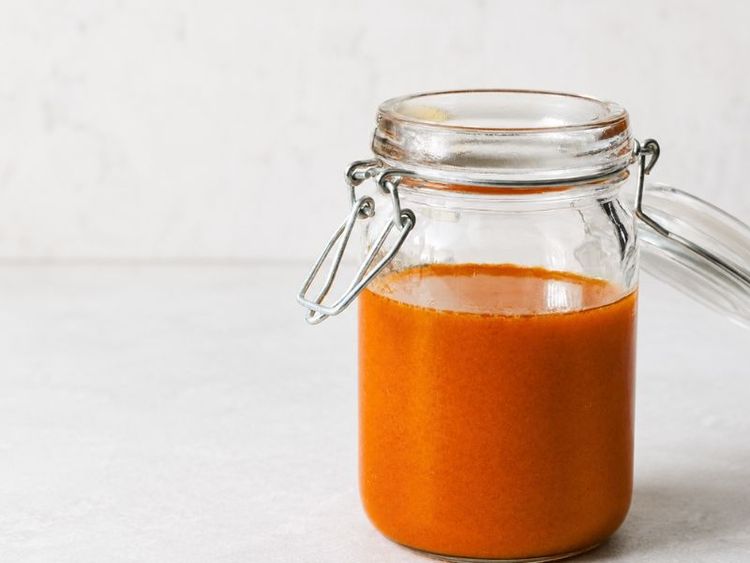
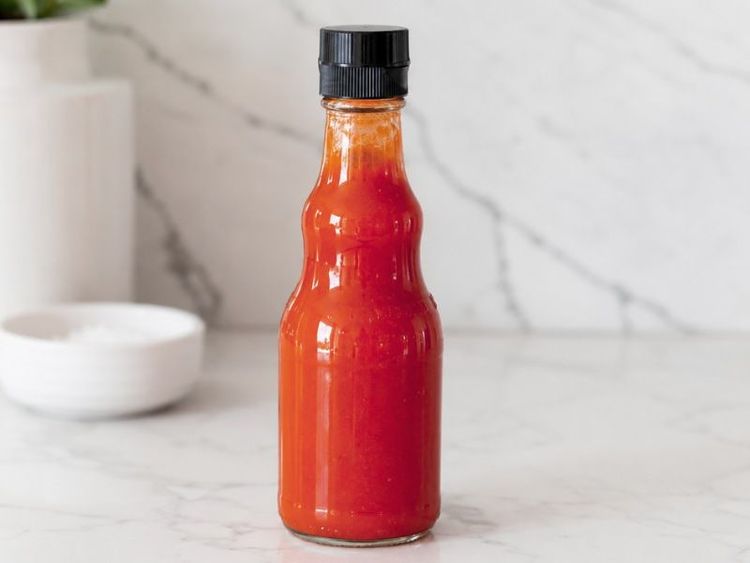
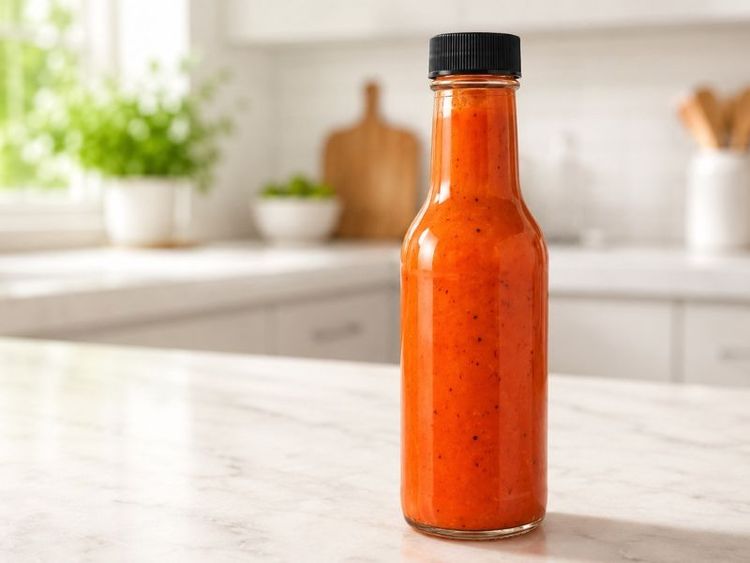
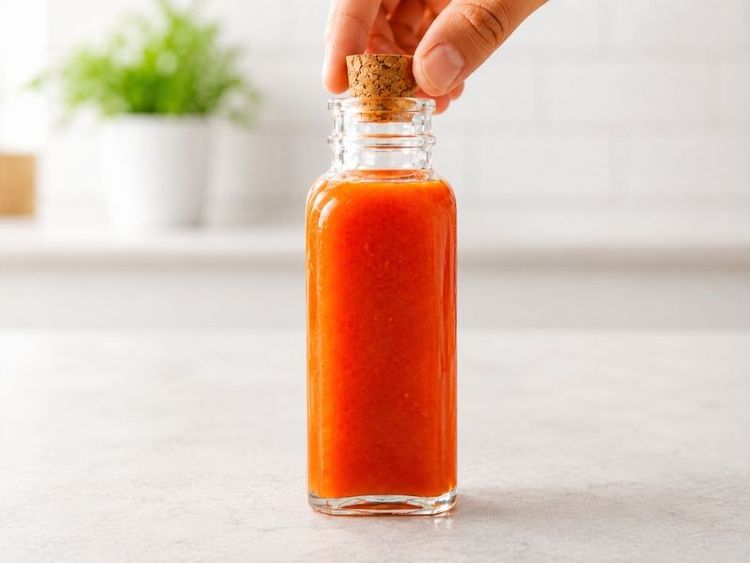
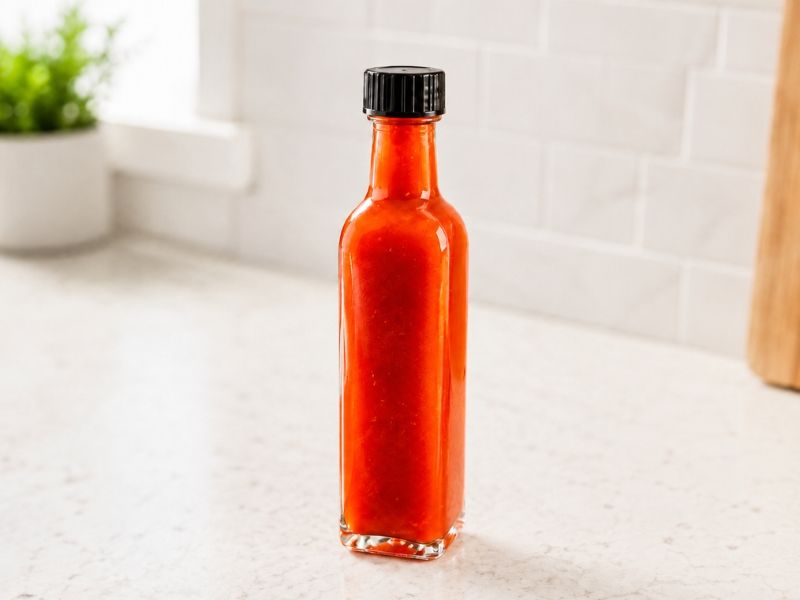
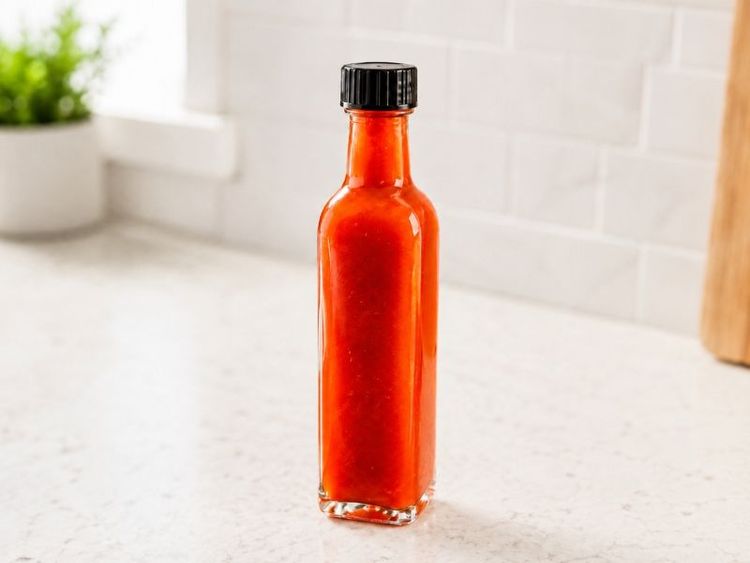
Tested in the CHIN-SU kitchenVinegar-based hot sauce is a thin, tangy chile sauce made with fresh hot peppers, distilled white vinegar, salt, and a small amount of vegetables for body and balance. This recipe combines red hot peppers with bell pepper, carrot, onion, and garlic for a bright sauce with clean acidity, savory depth, and layered heat.
The recipe takes about 40 minutes, including approximately 15 minutes of prep and 25 minutes of cooking and finishing. One batch makes about 1½ cups (360 ml) of filtered hot sauce.
Serve it with fried eggs, grilled pork, fried chicken, roasted meats, rice, bánh mì, spring rolls, or other savory dishes that pair well with sharp acidity.
15 min
Prep time
25 min
Cook time
40 min
Total time
Vinegar-Based Hot Sauce Ingredients
You need seven ingredients to make this vinegar-based hot sauce, with the hot peppers measured by weight for a consistent batch. The core recipe uses hot peppers, red bell pepper, carrot, onion, garlic, vinegar, and salt.
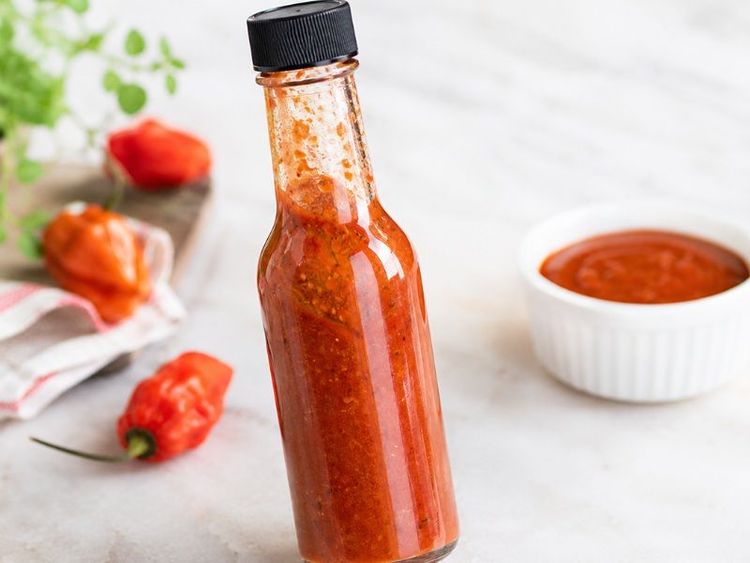
- 3 oz (85 g) ripe red hot peppers. Use a mix of red jalapeños, cayenne peppers, and Scotch bonnets for layered heat.
- 1 medium red bell pepper, about 5 oz (140 g). Bell pepper adds body, color, and mild sweetness.
- ½ medium carrot, about 1 oz (30 g). Carrot adds subtle sweetness and helps round out the acidity.
- ½ medium onion, about 2 oz (55 g). Onion builds a savory, slightly sweet base.
- 3 garlic cloves. Garlic adds depth behind the peppers and vinegar.
- 1 cup (240 ml) distilled white vinegar, 5% acidity. Vinegar forms the liquid base and gives the sauce its clean, sharp tang.
- 12 g kosher or pickling salt. Measuring by weight keeps the seasoning consistent across different salt crystal sizes.
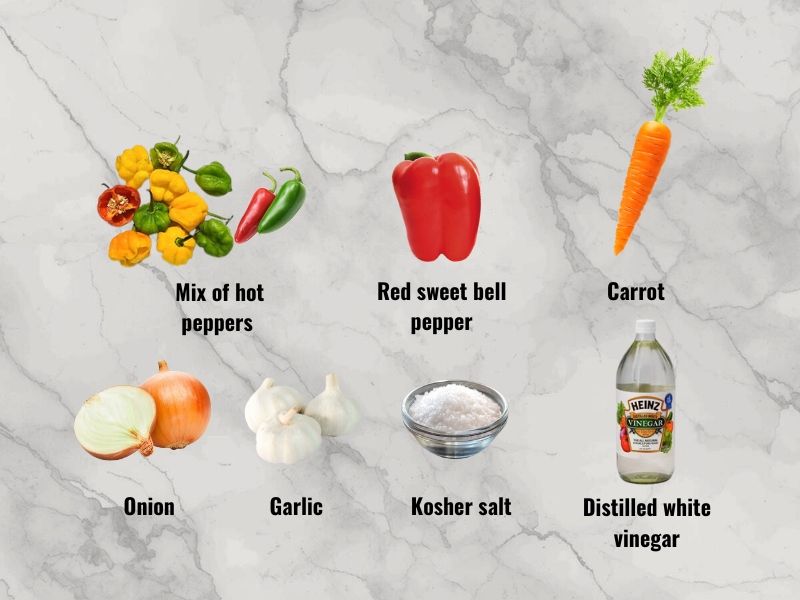
Use peppers from the same color family if you want a brighter finished sauce. Red jalapeños, red cayennes, and ripe Scotch bonnets blend into a warm red-orange color, while mixed red and green peppers produce a darker result.
Wear food-safe gloves while handling hot peppers and wash your knife, cutting board, and hands thoroughly afterwards.
What Vinegar Is Best for Hot Sauce?
Distilled white vinegar with 5% acidity gives vinegar-based hot sauce its cleanest, sharpest flavor. Its neutral profile keeps the peppers, garlic, onion, and vegetables easy to taste.
Apple cider vinegar also works when you want a softer, fruitier acidity. Choose vinegar labeled 5% acidity and expect the sauce to have a slightly darker color and more pronounced vinegar flavor.
If the finished sauce tastes sharper than you prefer, blend in a small amount of honey, agave, or sugar, starting with 1 teaspoon and tasting before adding more. This softens the acidic edge while keeping vinegar as the main flavor base.
How To Make Vinegar-Based Hot Sauce
Make vinegar-based hot sauce in four steps: dissolve the salt, cook the peppers and vegetables until tender, blend everything smooth, then filter and bottle the sauce. Allow about 40 minutes total, including 15 minutes of preparation and approximately 25 minutes of cooking and finishing.
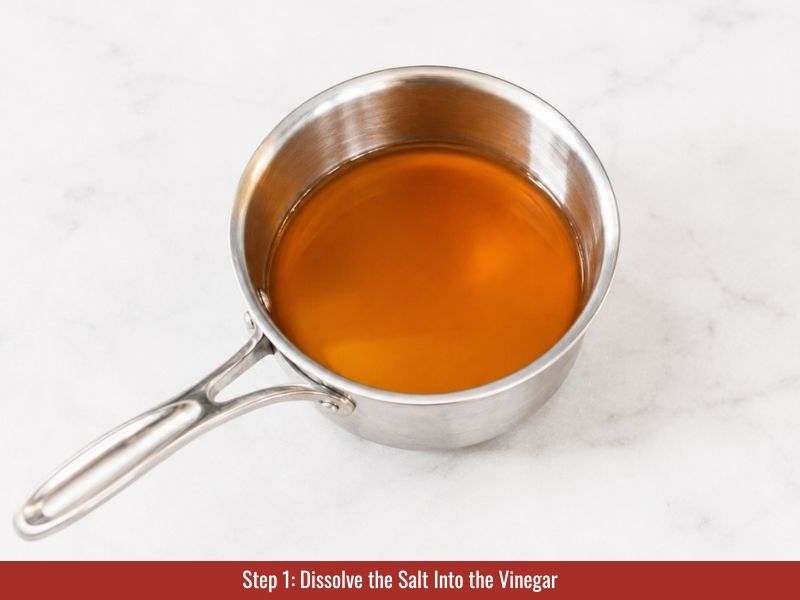
Step 1: Dissolve the Salt in the Vinegar
Pour 1 cup (240 ml) distilled white vinegar into a medium saucepan.
Add 12 g salt and stir until completely dissolved.
This gives you an evenly seasoned liquid base before the peppers and vegetables begin cooking.
Step 2: Cook the Peppers and Vegetables
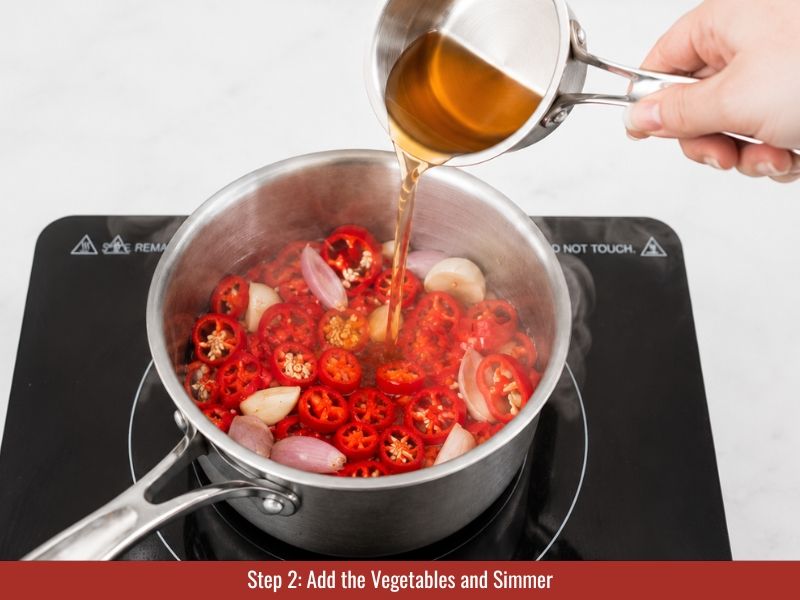
Cut the 3 oz (85 g) hot peppers, red bell pepper, carrot, and onion into pieces about ½–1 inch (1.3–2.5 cm) across. Add them to the saucepan along with the 3 garlic cloves.
Bring the mixture to a gentle boil over medium-high heat, then reduce the heat and cover the saucepan.
Cook until the peppers, carrot, onion, and garlic are completely tender and easy to crush with a spoon. Stir occasionally so everything cooks evenly.
Keep the exhaust fan running or open a nearby window while the sauce cooks. Lift the lid away from your face when checking the vegetables because hot vinegar and chile vapors can irritate your eyes and throat.
Step 3: Blend the Mixture
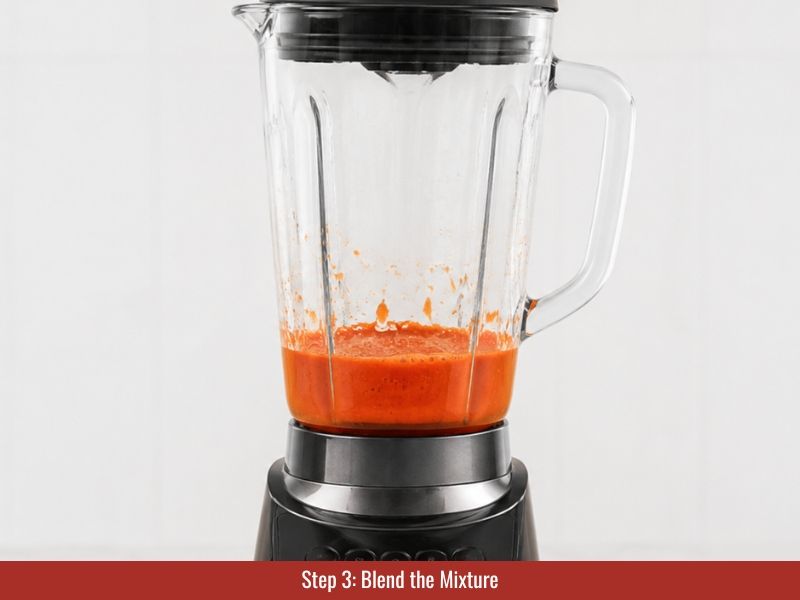
Remove the saucepan from the heat and let the mixture settle for a few minutes.
Carefully transfer the vegetables and cooking liquid to a blender. Start on low speed, then gradually increase the speed and blend until the sauce is completely smooth and no large pepper or vegetable pieces remain.
For a fuller-bodied hot sauce, the blended mixture can move directly to bottling once it reaches the texture you want.
Step 4: Filter and Bottle
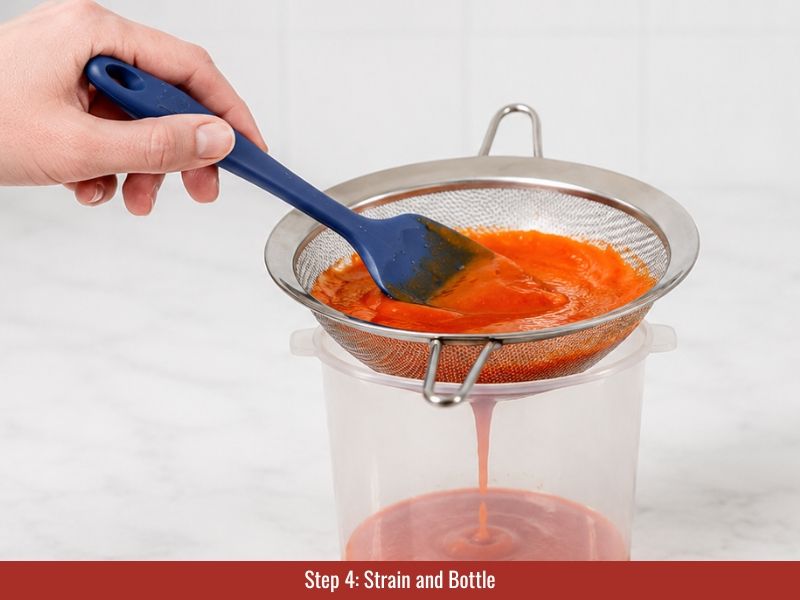
For a thin, clean table-sauce texture, place a fine-mesh strainer over a bowl and line it with a coffee filter.
Pour the blended sauce into the filter in batches. Let the liquid drain naturally, gently moving the surface with a silicone spatula if the flow slows. The coffee filter captures fine pepper fibers, seeds, and vegetable pulp that would otherwise make the sauce thicker.
For a sauce with more body, use the fine-mesh strainer without the coffee filter and press some of the fine pulp through.
The coffee-filtered batch makes approximately 1½ cups (360 ml) of finished sauce.
Transfer the cooled sauce to clean glass bottles or airtight jars and refrigerate.
Save the strained pulp for cooking. Small amounts work well in chili, marinades, scrambled eggs, soups, braised meat, or spicy rice dishes.
How To Adjust Vinegar-Based Hot Sauce Consistency
Control the final consistency through blending and filtering.
For a thin, pourable sauce, blend thoroughly and use the coffee-filter method. This produces the cleanest texture for shaking or drizzling from a hot sauce bottle.
For a slightly thicker sauce, use only a fine-mesh sieve so more fine pepper and vegetable solids remain in the liquid.
For a full-bodied sauce, keep the blended pulp in the finished mixture.
If refrigerated sauce thickens, shake the bottle first. Add 1 teaspoon of distilled white vinegar at a time if it still needs loosening, then shake again before adding more.
What Can You Change in Vinegar-Based Hot Sauce?
Small adjustments to the peppers, vinegar, sweetness, and spices let you change the flavor while keeping the sauce vinegar-forward.
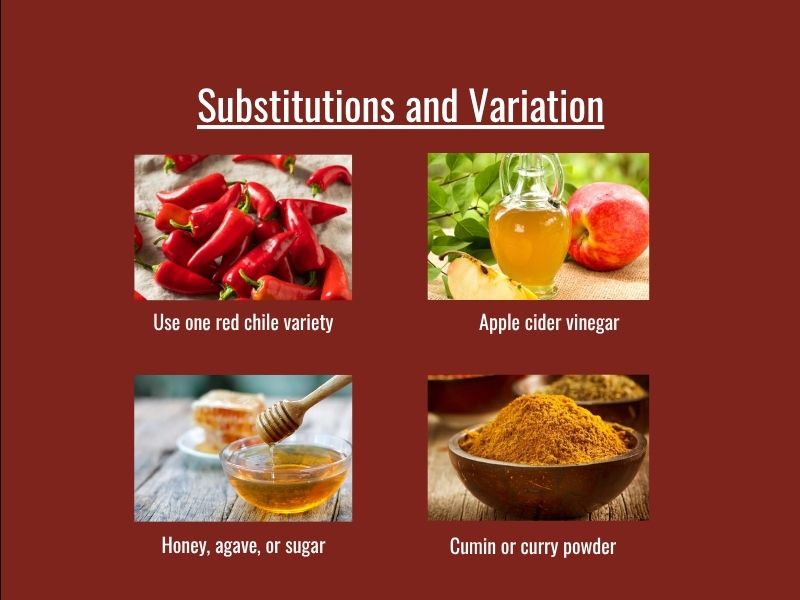
- Use one red chile variety. Red jalapeños create a milder batch, cayennes add sharper heat, and Scotch bonnets add stronger fruity heat.
- Use apple cider vinegar. It gives the sauce a rounder, fruitier acidic flavor.
- Add a little sweetness. Honey, agave, or sugar can soften a particularly sharp batch; begin with 1 teaspoon.
- Add a small amount of dry spice. A pinch of cumin or curry powder adds warmth and works especially well when the sauce is served with grilled or roasted foods.
Make flavor additions gradually and taste between each adjustment so the vinegar and pepper remain the main characteristics of the sauce.
What To Eat With Vinegar-Based Hot Sauce
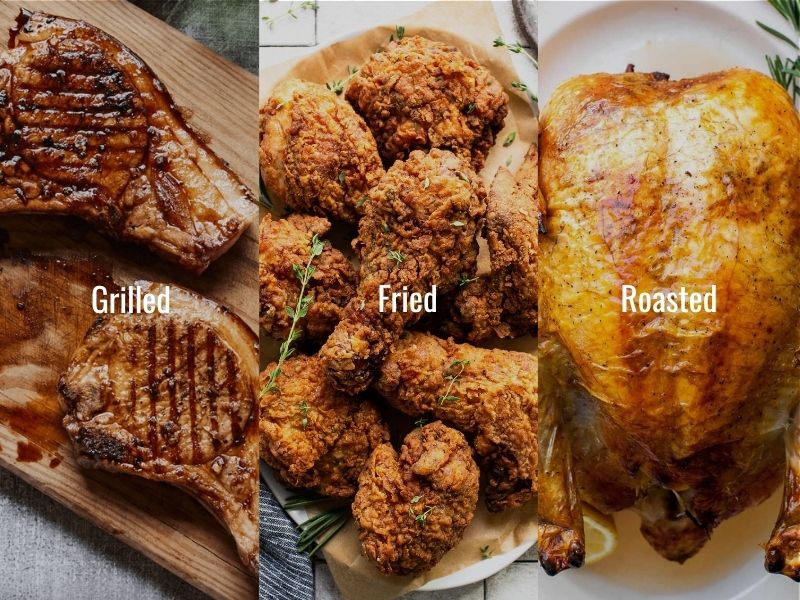
Vinegar-based hot sauce pairs especially well with fried, grilled, and roasted foods because its sharp acidity cuts through rich flavors.
Try it with:
- Fried eggs or breakfast sandwiches.
- Grilled pork chops or pulled pork.
- Fried chicken and wings.
- Roast chicken or grilled beef.
- Steamed rice, phở, or noodle dishes.
- Bánh mì and fresh spring rolls.
You can also mix 1 part hot sauce with 3 parts mayonnaise for a quick spicy sandwich spread.
For a ready-to-use option, CHIN-SU Hot Sauce works well with noodles, fried foods, grilled meats, rice dishes, and other savory meals.
How To Store Homemade Vinegar-Based Hot Sauce
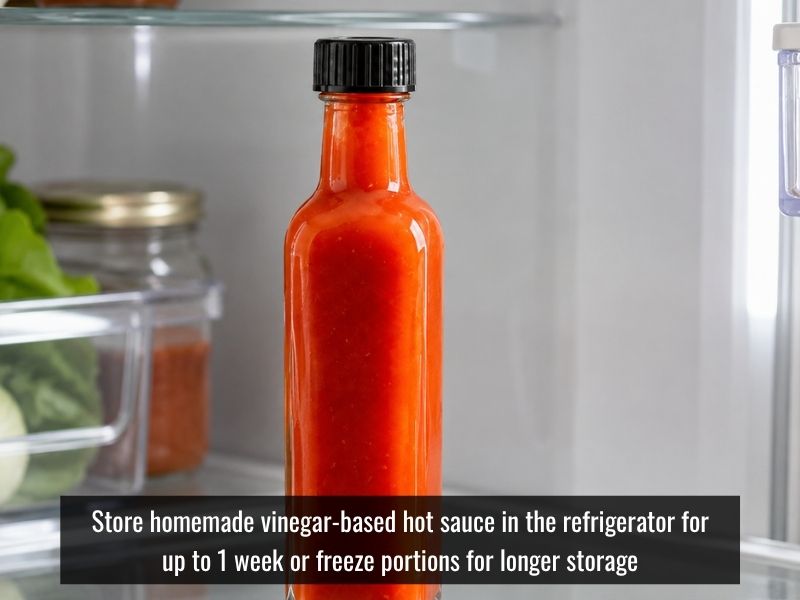
Store homemade vinegar-based hot sauce in a clean, sealed glass bottle or jar in the refrigerator at 40°F (4°C) or below and use it within one week.
Keep the sauce refrigerated between uses. For more information about cold storage and hot sauce, see how long does hot sauce last unrefrigerated.
A customized homemade pepper sauce is best handled as a refrigerated product unless it follows a research-tested preservation process. Home-preservation guidance recommends refrigeration for homemade formulas that have not been validated for shelf-stable canning.
For longer storage, freeze the sauce in small freezer-safe portions and thaw what you need in the refrigerator. Shake or stir after thawing if the pepper solids separate slightly.
For shelf-stable pantry storage, follow a research-tested hot sauce canning recipe with its specified ingredient quantities, jar size, headspace, and processing time. For broader information about sauce quality and spoilage, see how long does hot sauce last.
Which part of this recipe are you trying first? The base batch, a color-matched single-pepper version, or one of the vinegar swaps? Drop your questions in the comments below; no question is too small, and everyone gets a read. If this recipe works for you, a quick star rating helps other home cooks find it faster. Share your results on social media with #CHINSU and tag us; we read every post. Ready to skip the prep and go straight to the flavor? Grab CHIN-SU hot sauce at chinsu.com.
Frequently Asked Questions
Vinegar-based sauces use vinegar as the main liquid, making them thin, tart, and shelf-stable at a pH of 3.8 or lower. Regular hot sauces use water or tomato paste. They are much thicker, hit you with heat first, and usually need to stay right in the fridge.
You can totally use a food processor. Just stop a few times to scrape the sides down, and run it a bit longer. It might not get perfectly smooth, but pouring it through a fine strainer catches the extra pulp and leaves you with a great, pourable sauce.
Homemade sauce is sharper because it uses way more vinegar compared to the solid ingredients. Store-bought brands add water and stabilizers to mellow things out. A homemade batch usually hits a super acidic pH between 3.0 and 3.5, while store-bought bottles sit around 3.8 to 4.2.
Scotch bonnets and habaneros make the hottest sauce, packing 100,000 to 350,000 Scoville units. Keep the seeds and skip the bell pepper for maximum heat. For a nice, medium, everyday sauce, just use cayenne peppers, which range from 30,000 to 50,000 Scoville units.
They are similar in that both are thin sauces made with peppers, vinegar, and salt. However, Tabasco ages its peppers in oak barrels for up to 3 years before adding vinegar. Making it at home skips that long fermentation, giving you a brighter, fresher pepper flavor in way less time.
You can cut the vinegar to 1/2 cup per 10 oz of veggies, but it has to stay in the fridge. Less vinegar ruins the shelf stability. To mellow out the sourness while keeping it safe for the pantry, just add carrots, bell pepper, or a little honey.
Yes. Using one chile variety gives the sauce a cleaner, more distinct pepper flavor.
Red jalapeños make a milder sauce, cayenne peppers provide sharper medium heat, and Scotch bonnets create a hotter, fruitier version. Keep the total fresh pepper weight at 3 oz (85 g) so the rest of the recipe remains balanced.Keep the 1 cup (240 ml) vinegar in the base recipe and balance excessive sharpness with a small amount of sweetness.
After blending, add 1 teaspoon of honey, agave, or sugar, taste, and increase only if needed. This softens the acidic edge without making the sauce noticeably thicker.Too much retained pepper and vegetable pulp usually creates a thicker sauce.
For a thinner texture, filter the blended sauce through a coffee filter. If the refrigerated sauce still needs loosening, add 1 teaspoon of distilled white vinegar at a time, shake well, and check the consistency again.
Yes. Halve every ingredient to maintain the same pepper-to-vinegar ratio.
Use 1.5 oz (43 g) hot peppers, 1/2 red bell pepper, 1/4 carrot, 1/4 onion, 1–2 garlic cloves, 1/2 cup (120 ml) vinegar, and 6 g salt. The smaller batch makes approximately 3/4 cup (180 ml) of filtered sauce.
Did you make this recipe?
We love seeing it. Tag
@chinsu.usa
on Instagram, or leave a rating below — it helps other cooks find the recipe.
Pin this for later
Save this recipe to your board and keep it ready for your next cooking inspiration.
Save to Pinterest
CHIN-SU KITCHEN TEAM
CHIN-SU Kitchen Team are the creative experts behind the delicious recipes featuring CHIN-SU sauces. With years of experience and a passion for flavor, our team carefully selects recipes from a variety of trusted chefs and bloggers, bringing together the best culinary insights to present you with the most suitable and exciting dishes. Every recipe is chosen to inspire you to create meals that are not only tasty but also easy to prepare, enhancing your dining experience. Join us as we explore a wide range of sauces and flavors, and elevate every meal with the perfect recipe for your table!
User Reviews
Featured Articles
How To Make Buffalo Hot Sauce at Home
Cayenne Pepper Hot Sauce Recipe: Easy Homemade Sauce
Jamaican Hot Sauce Recipe: Authentic Scotch Bonnet Pepper Sauce From Scratch
Trinidad Scorpion Hot Sauce Recipe: How to Make It at Home
SUBSCRIBE TO GET
MORE INFO
Want the latest and greatest recipes, updates, and more from us,
straight to your inbox? Subscribe and get our NEWS!