Pepperoncini Hot Sauce Recipe: How to Make It at Home
Published: Jul 1, 2026 by CHIN-SU
Updated: Aug 25, 2026 by CHIN-SU
Tested by CHIN-SU Kitchen Team
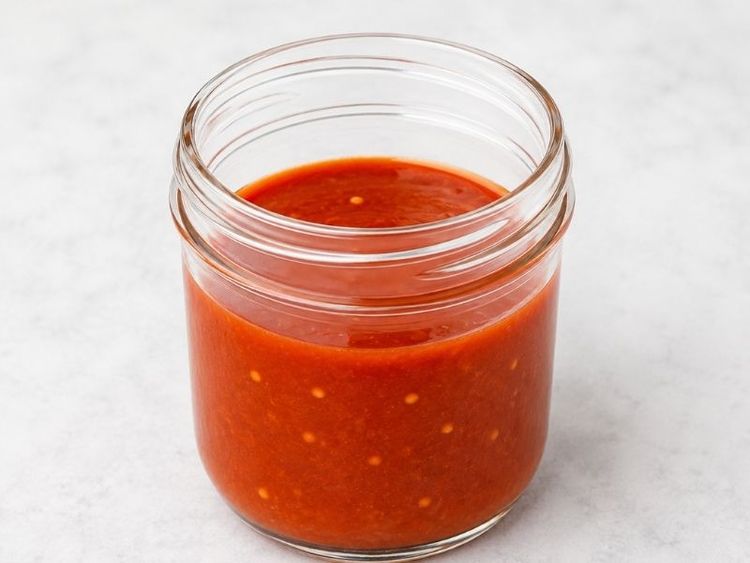
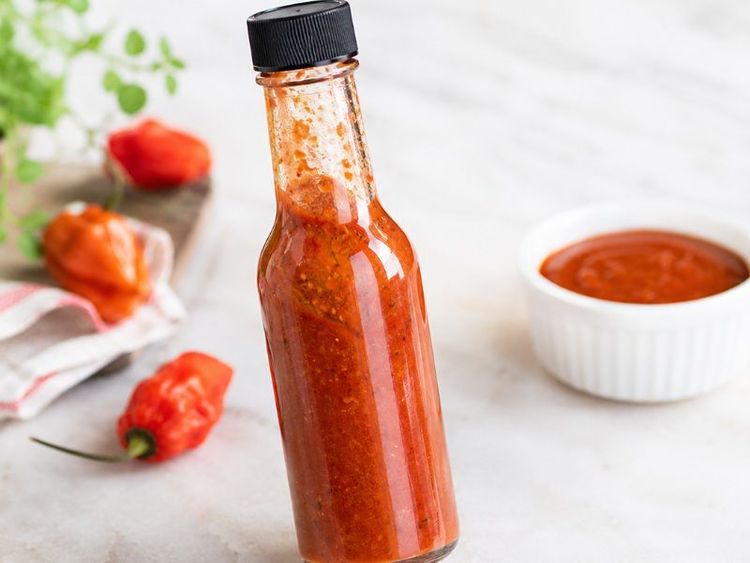
Pepperoncini hot sauce is a mild, tangy fermented sauce made with fresh pepperoncini, onion, garlic, salt, and apple cider vinegar. Pepperoncini peppers range from about 100 to 500 Scoville Heat Units (SHU), so the sauce brings gentle warmth rather than the stronger burn of jalapeño or cayenne.
Fermenting the peppers, onion, and garlic for 7–14 days develops a deeper sour and savory flavor before everything is blended with apple cider vinegar. The recipe takes about 15 minutes of active preparation and makes roughly 1 quart (950 ml), or about 32 two-tablespoon servings.
Serve it with grilled chicken, fried eggs, pizza, sandwiches, roasted vegetables, or anywhere you want a mild fermented-pepper tang.
Table Of Contents
- What Does Pepperoncini Hot Sauce Taste Like?
- Why You'll Love This Pepperoncini Hot Sauce Recipe
- Pepperoncini Hot Sauce Ingredients
How To Make Pepperoncini Hot Sauce Step by Step
- What Can You Substitute or Change in Pepperoncini Hot Sauce?
- How To Adjust the Pepperoncini Hot Sauce's Heat Level
- What To Eat with Pepperoncini Hot Sauce
- How To Store Pepperoncini Hot Sauce
What Does Pepperoncini Hot Sauce Taste Like?
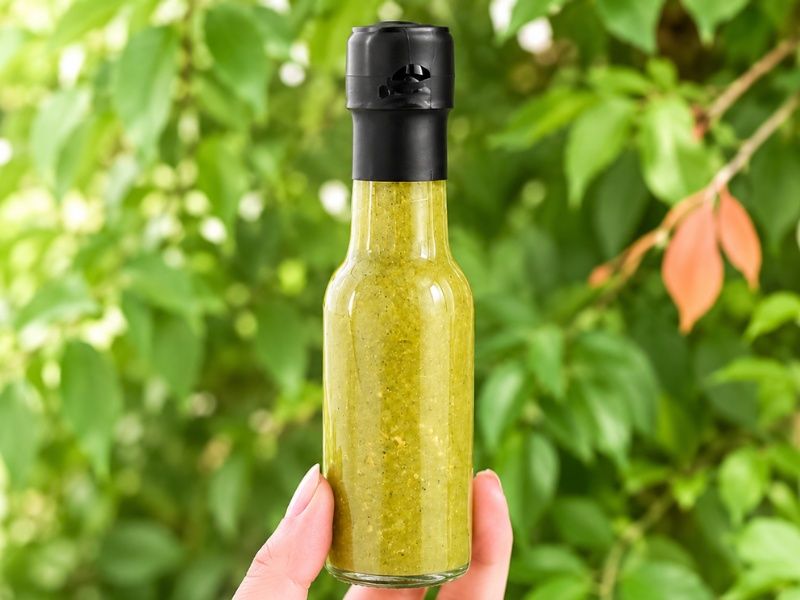
Pepperoncini hot sauce tastes mild, tangy, slightly sweet, and savory, with the deeper sourness that develops during fermentation.
Fresh pepperoncini are naturally mild at about 100–500 SHU, with a sweet, tangy pepper flavor. Fermentation adds acidity and savory depth as lactic-acid bacteria work on the natural sugars in the vegetables.
The finished sauce is noticeably gentler than jalapeño-based hot sauce, so the pepper flavor remains easy to taste. Onion adds mild sweetness, garlic provides savory depth, and the apple cider vinegar added after fermentation gives the blended sauce a brighter final tang.
Why You'll Love This Pepperoncini Hot Sauce Recipe
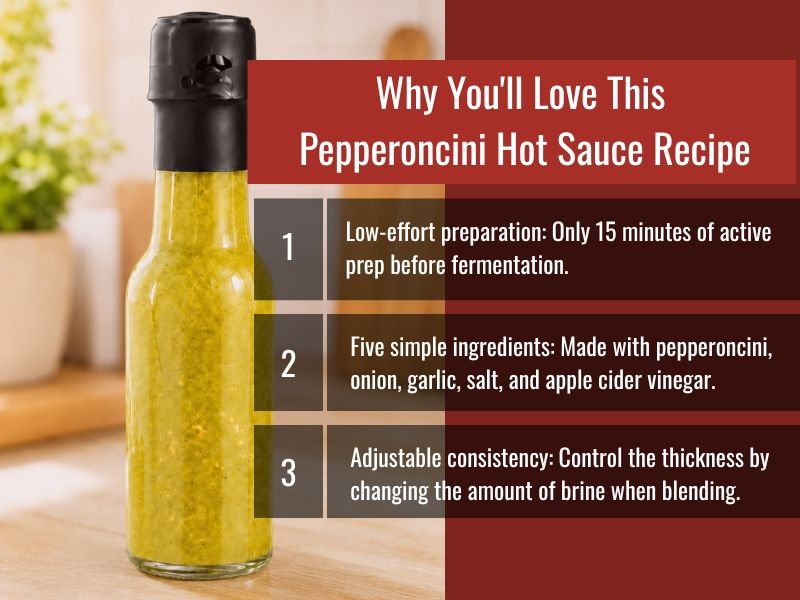
This recipe requires little active work, uses only five core ingredients, and lets you control the final consistency when you blend it.
- Only about 15 minutes of hands-on prep. Once the jar is packed, the peppers ferment on their own for 7–14 days.
- Five simple ingredients. Fresh pepperoncini, onion, garlic, salt, and apple cider vinegar create the full sauce.
- Easy to adjust at blending. Use less brine for a thicker sauce or add more gradually for a thinner, squeeze-bottle consistency.
Pepperoncini Hot Sauce Ingredients
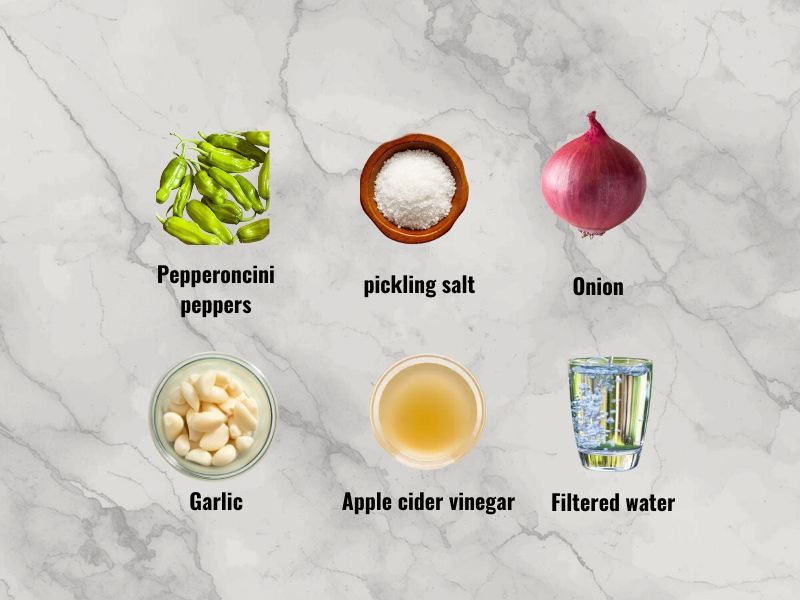
You need five core ingredients to make one batch of fermented pepperoncini hot sauce, plus filtered water for the brine.
- 1 quart (32 fl oz / 950 ml) fresh pepperoncini peppers. These provide the sauce's mild heat and tangy pepper flavor.
- 2 tablespoons pickling salt or plain non-iodized kosher or sea salt. Salt creates the brine environment needed during fermentation.
- 1 small onion, sliced. Onion adds sweetness and body.
- 4–6 whole garlic cloves. Garlic develops a deeper savory character as it ferments.
- 1 tablespoon (15 ml) raw apple cider vinegar. Add this after fermentation, when blending the sauce, for a brighter acidic finish.
- Filtered water, as needed. Use enough to keep the peppers, onion, and garlic completely submerged during fermentation.
Salt plays an important role in fermented vegetables, so use the full amount called for in the recipe. Pickling or canning salt is especially suitable because it dissolves cleanly in brine.
How To Make Pepperoncini Hot Sauce Step by Step
Making pepperoncini hot sauce takes six simple steps, with about 15 minutes of active work followed by 7–14 days of fermentation.
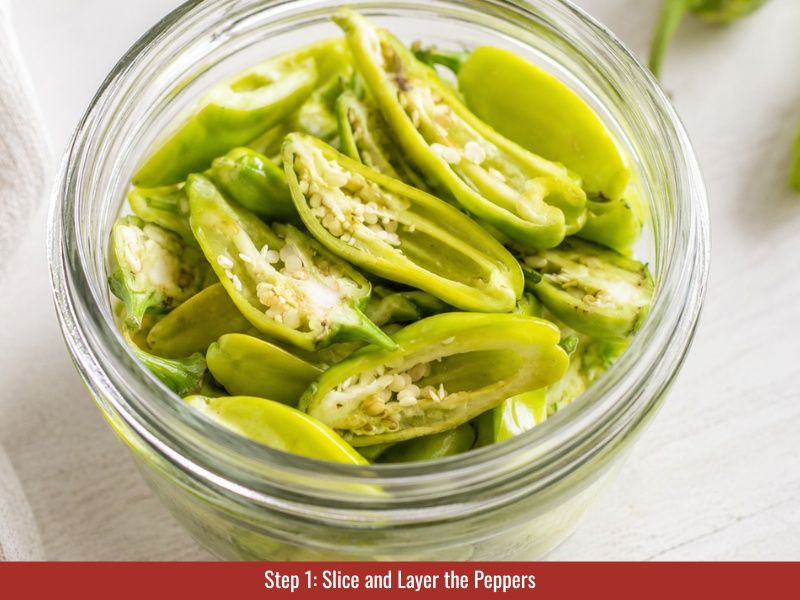
Step 1: Slice and Layer the Peppers
Cut each fresh pepperoncini in half lengthwise. Remove some of the pale inner tissue if you want a milder sauce, or leave the peppers intact inside for their full natural heat.
Layer the halved peppers, sliced onion, and whole garlic cloves in a clean 1-quart Mason jar, distributing the vegetables evenly as you fill it.
Wash the jar, fermentation weight, knife, and other equipment thoroughly before you begin.
Step 2: Build the Brine
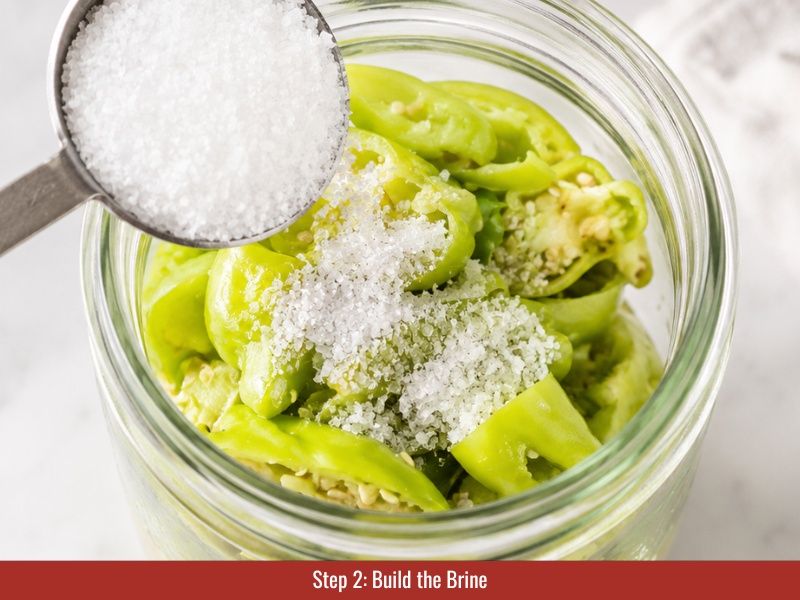
Add 2 tablespoons of salt to the filled jar, then pour in filtered water until the peppers, onion, and garlic are completely covered.
Cover the jar and shake or stir until the salt dissolves throughout the water. The brine should fully surround the vegetables rather than leaving pieces exposed above the liquid.
Filtered or unchlorinated water is preferable for fermentation because high chlorine levels can interfere with the microorganisms involved in the process.
Step 3: Weigh Down and Cover
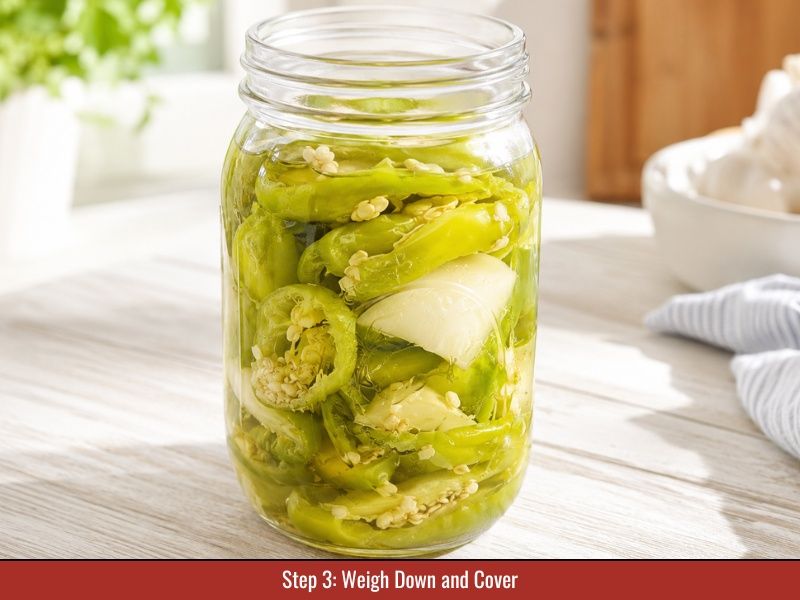
Place a fermentation weight over the vegetables so they remain fully submerged beneath the brine.
Cover the jar with a clean cloth or cheesecloth secured with a rubber band, or use a fermentation lid or airlock that allows gas to escape.
Keeping the vegetables submerged and using clean fermentation equipment are two of the most important controls against surface mold and spoilage. The National Center for Home Food Preservation also recommends keeping fermenting vegetables under the brine and starting with thoroughly cleaned containers and weights.
Step 4: Ferment for 7–14 Days
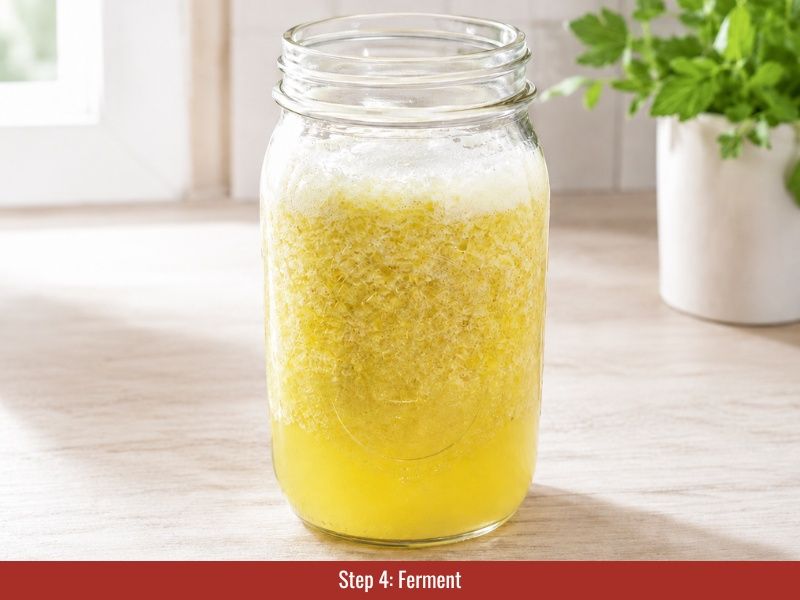
Place the jar in a dark spot at room temperature and ferment for 7–14 days.
Check the jar daily to make sure the vegetables remain submerged. During an active ferment, you may see bubbles, cloudy brine, softer peppers, and the pepperoncini changing from bright green to a duller olive color.
Taste after about 7 days. Continue toward 14 days if you want a stronger fermented tang. The original recipe uses a 1–2 week fermentation window.
If fuzzy mold develops on the vegetables or surface, discard the batch.
Step 5: Blend the Sauce
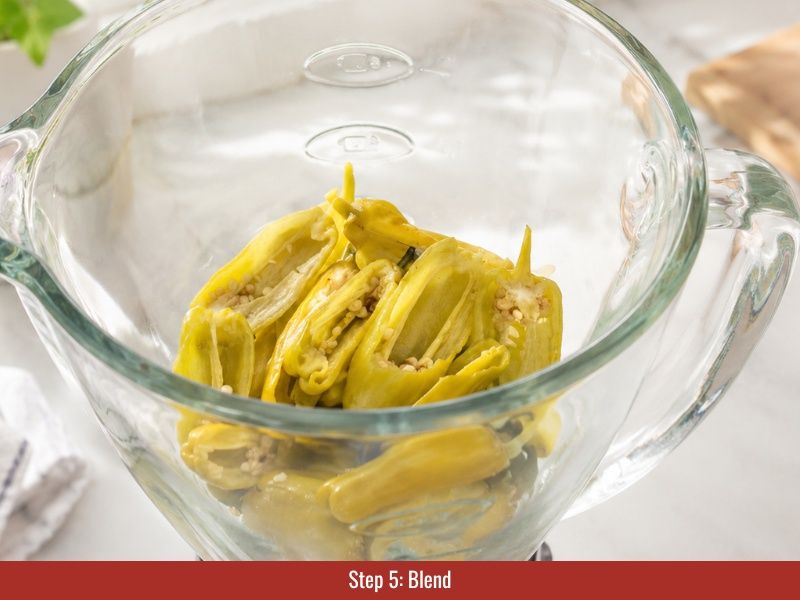
Once the peppers have fermented to your liking, strain the vegetables while reserving the brine.
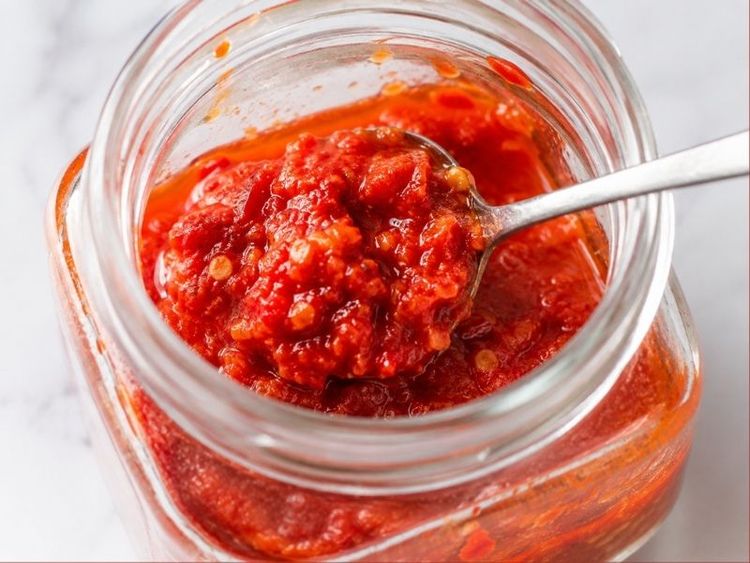
Transfer the fermented pepperoncini, onion, and garlic to a blender. Add 1 tablespoon (15 ml) raw apple cider vinegar at this stage, then start with part of the reserved brine and blend until smooth.
Add more brine gradually according to the consistency you want:
- For a thicker sauce: Use less brine and stop once the sauce is smooth and spoonable.
- For a thinner sauce: Add more reserved brine a little at a time until it pours easily.
- If the brine tastes quite salty: Start with less of it. The brine affects both the sauce's saltiness and its thickness, so taste before adding more.
If the finished sauce is slightly too salty, blend in a small amount of filtered water or additional apple cider vinegar, 1 tablespoon at a time, until the flavor is balanced.
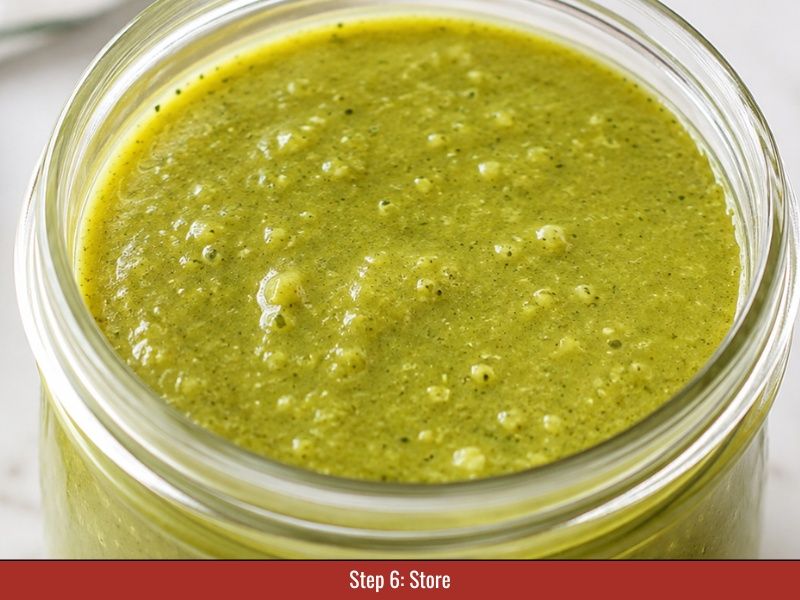
Step 6: Store
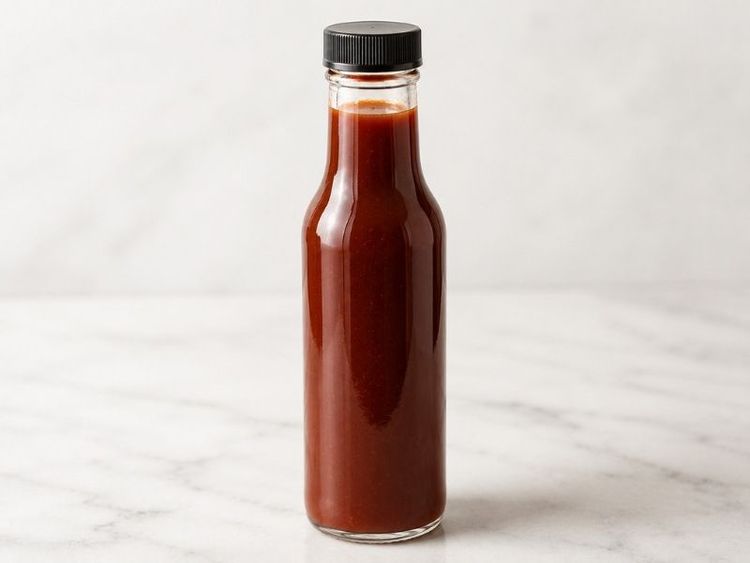
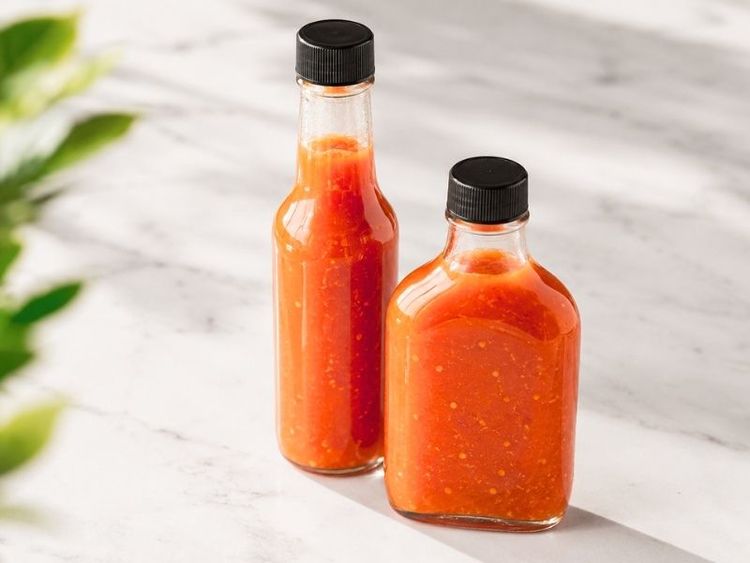
Pour the finished sauce into a clean jar, glass bottle, or squeeze bottle with a lid and refrigerate it immediately.
The sauce is ready to use as soon as it is blended, although the flavors will continue to settle once chilled.
What Can You Substitute or Change in Pepperoncini Hot Sauce?
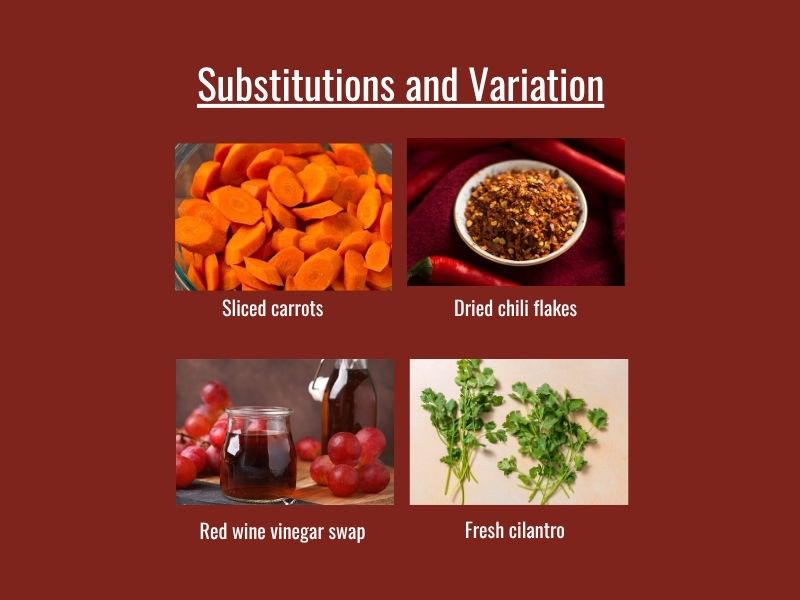
You can make a few simple adjustments without changing the basic fermented pepperoncini recipe.
- Add thinly sliced carrots before fermentation. They add mild sweetness, extra body, and a slightly different color.
- Add dried chili flakes for more heat. Mix them into the jar with the pepperoncini before fermentation.
- Use red wine vinegar instead of apple cider vinegar. Add the same amount after fermentation for a sharper vinegar flavor.
- Blend in fresh cilantro. Add a handful at the blending stage for a fresher herbal finish.
A quick sauce made from jarred pepperoncini follows a different process because the peppers are already pickled, so it works better as a separate non-fermented recipe.
How To Adjust the Pepperoncini Hot Sauce's Heat Level
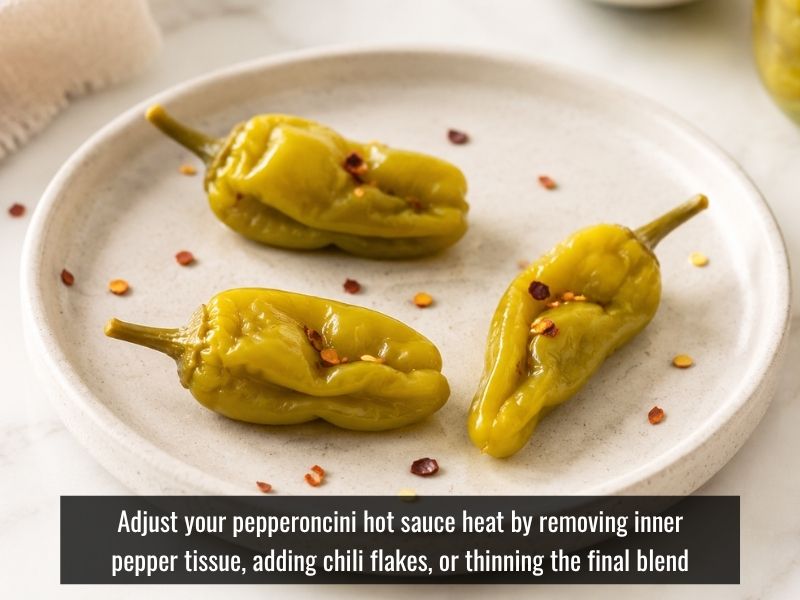
For a milder sauce, remove some of the pale inner placental tissue before fermentation; for more heat, add dried chili flakes.
Capsaicin is concentrated mainly around the pepper's inner placental tissue. Removing some of this tissue reduces the amount that goes into the ferment.
For more heat, leave the peppers intact inside or add about 1 tablespoon of dried chili flakes when filling the jar.
If the sauce is already blended and tastes hotter than you want, thin a small portion with a little apple cider vinegar or filtered water and use that milder portion for serving.
What To Eat with Pepperoncini Hot Sauce
Pepperoncini hot sauce works well with grilled meats, sandwiches, pizza, eggs, roasted vegetables, burgers, and noodles.
- Drizzle it over fried eggs for a mild fermented tang.
- Spoon it onto grilled chicken or pork as a finishing sauce.
- Add it to pizza or sandwiches in place of sliced pickled peppers.
- Serve it with burgers, hot dogs, or fried chicken.
- Use it over roasted vegetables for acidity without overwhelming heat.
- Toss a little into rice or noodles for a mild savory kick.
For a ready-to-use option when you do not have a fermented batch on hand, CHIN-SU Hot Sauce also works well with noodles, fried foods, grilled meats, and other savory dishes.

How To Store Pepperoncini Hot Sauce
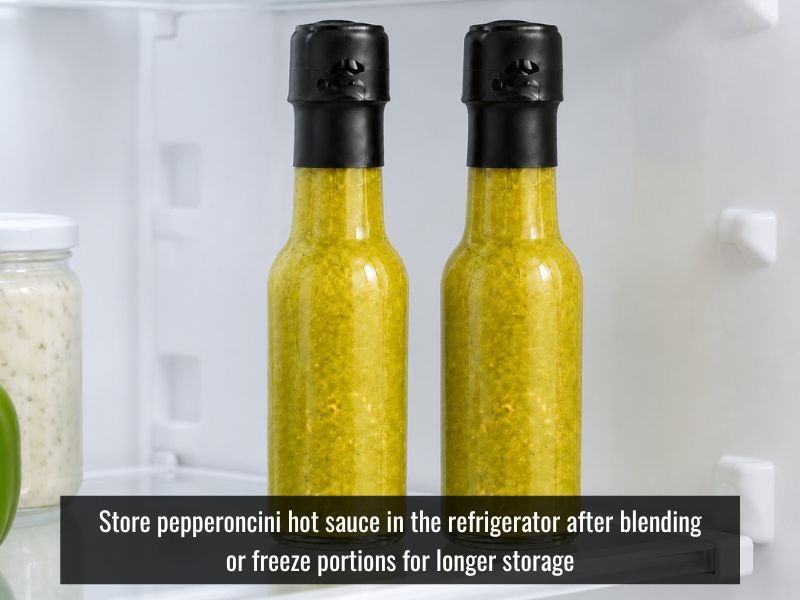
Keep pepperoncini hot sauce in a clean, sealed container in the refrigerator after blending.
Refrigeration slows further fermentation and keeps the sauce chilled between uses. For more information about refrigerated hot sauce storage, see how long does hot sauce last in the fridge.
For longer storage, freeze the sauce in small airtight portions or ice cube trays. Thaw only what you need in the refrigerator, then shake or stir the sauce before serving if the liquid and pepper solids separate slightly.
For broader guidance on storage quality and signs of spoilage, see can hot sauce expire.
Have you tried making Pepperoncini hot sauce before, or is this your first ferment? Drop your questions or notes in the comments below, since no question is too small for a first batch. A quick star rating helps other home cooks find this recipe when they need it. Share your finished bottles on social media with #CHINSU and tag us, because we read every one. Ready to skip the 14-day wait tonight? CHIN-SU chili sauce is waiting at chinsu.com.
Enjoy more hot sauce recipe:
Frequently Asked Questions
Add the apple cider vinegar after the peppers have finished fermenting, when you transfer the fermented vegetables to the blender.
For this recipe, the peppers, onion, garlic, salt, and water make up the fermentation stage. The 1 tablespoon (15 ml) of raw apple cider vinegar goes into the finished sauce during blending.
Pepperoncini sauce is any mix made with these peppers, like mild dressings or cooking liquids. Pepperoncini hot sauce is specifically made to bring the heat. It is usually fermented or blended so the peppers really stand out. You use hot sauce to finish a meal, while regular pepperoncini sauce gets used while cooking.
The amount of fermentation brine used during blending has the biggest effect on the finished sauce's saltiness.
Reserve the brine first and add it gradually rather than automatically blending in the full jar. Start with less if the brine already tastes strongly salty, then add more only as needed for consistency.
Yes, but jarred pepperoncini work best in a separate quick sauce rather than this fermented recipe.
Jarred peppers are already preserved in an acidic liquid, so they do not follow the same 7–14 day fermentation process. Blend them with their pickling liquid, garlic, vinegar, herbs, or other seasonings according to the quick-sauce recipe you are using.
Mezzetta hot sauce is a store brand with a big vinegar kick. It uses golden Greek peppers for a mild, tangy taste. It hits the same 100 to 500 SHU range as homemade but relies on plain vinegar instead of fermenting. Mezzetta gives you reliable heat, but homemade fermented batches pack much deeper flavor.
Mediterranean pepperoncini hot sauce is a specific style of condiment, mostly known from Mezzetta's hot sauce line. It mixes golden Greek pepperoncinis with garlic and vinegar for a mild, bright flavor that blends perfectly with oil. You can easily make a homemade version that tastes just as good using regular grocery store peppers.
Peperoncini and pepperoncini are exactly the same pepper. Spelling it with 1 "r" comes from its Italian roots, while using 2 "r"s is just standard American English. You will see both names on store labels, recipes, and online searches for this pale green, mild pepper.
Pepperoncini and banana peppers are closely related, but they are not the same thing. Both are super mild, ranging from 100 to 500 SHU, compared to 0 to 500 SHU. But pepperoncinis have wrinkly skin and a sharper, sour bite. If you swap them out, your sauce just will not be as tangy.
Pepperoncini commonly become softer and shift from bright green toward a duller olive color as they ferment.
You may also see bubbles and cloudy brine during active fermentation. Keep the peppers submerged throughout the process and check the jar daily.
Pepperoncini hot sauce recipe
Ingredient
- 1 quart (32 fl oz / 950 ml) fresh pepperoncini peppers.
- 2 tablespoons pickling salt or plain non-iodized kosher or sea salt.
- 1 small onion, sliced.
- 4–6 whole garlic cloves.
- 1 tablespoon (15 ml) raw apple cider vinegar.
- Filtered water, as needed to fully submerge vegetables during fermentation.
Instructions
- Step 1: Slice and Layer the Peppers. Cut fresh pepperoncini peppers in half lengthwise. Remove some inner tissue for a milder sauce or keep it intact for more heat. Layer peppers, sliced onion, and whole garlic cloves into a clean 1-quart Mason jar.
- Step 2: Build the Brine. Add 2 tablespoons salt to the jar, then pour filtered water over the vegetables until they are completely submerged. Stir or shake until the salt dissolves throughout the brine.
- Step 3: Weigh Down and Cover. Place a fermentation weight over the vegetables to keep them below the brine surface. Cover with a clean cloth, cheesecloth, or fermentation lid that allows gas to escape.
- Step 4: Ferment for 7–14 Days. Keep the jar in a dark place at room temperature for 7–14 days. Check daily that the vegetables remain submerged. Taste after 7 days and continue fermenting longer for a stronger fermented flavor.
- Step 5: Blend the Sauce. Strain the fermented peppers, onion, and garlic while reserving the brine. Add the fermented vegetables to a blender with 1 tablespoon (15 ml) raw apple cider vinegar and blend until smooth. Add reserved brine gradually until the desired consistency is reached.
- Step 6: Store the Sauce. Transfer the finished sauce into a clean jar, glass bottle, or squeeze bottle. Refrigerate immediately after blending to slow further fermentation.
Storage: Store pepperoncini hot sauce in a clean sealed container in the refrigerator. Refrigeration slows fermentation and preserves the sauce quality. For longer storage, freeze in small airtight portions or ice cube trays, then thaw in the refrigerator before serving.
Fermentation Time: 7–14 days
Yield: Depends on pepper volume and amount of brine added during blending
Serving Style: Mild fermented hot sauce for grilled meats, sandwiches, pizza, eggs, burgers, roasted vegetables, rice, and noodles

CHIN-SU KITCHEN TEAM
CHIN-SU Kitchen Team are the creative experts behind the delicious recipes featuring CHIN-SU sauces. With years of experience and a passion for flavor, our team carefully selects recipes from a variety of trusted chefs and bloggers, bringing together the best culinary insights to present you with the most suitable and exciting dishes. Every recipe is chosen to inspire you to create meals that are not only tasty but also easy to prepare, enhancing your dining experience. Join us as we explore a wide range of sauces and flavors, and elevate every meal with the perfect recipe for your table!
User Reviews
Featured Articles
Japanese Hot Sauce Recipe: Authentic Recipe With Chili Oil and Sambal
Korean Hot Sauce Recipe: Authentic Gochujang Sauce With Fermented Chili Paste
Lebanese Hot Sauce Recipe: Authentic Shatta With Fermented Chili Peppers
Louisiana Hot Sauce Recipe: Authentic Recipe With Cayenne Peppers
SUBSCRIBE TO GET
MORE INFO
Want the latest and greatest recipes, updates, and more from us,
straight to your inbox? Subscribe and get our NEWS!