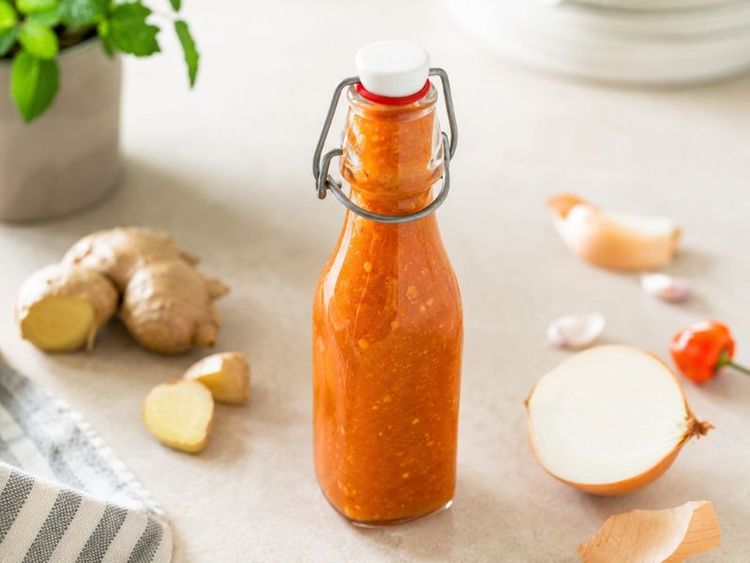
Lebanese Hot Sauce Recipe: Authentic Shatta With Fermented Chili Peppers
Published: Jul 9, 2026 by CHIN-SU
Updated: Jul 31, 2026 by CHIN-SU
Tested by CHIN-SU Kitchen Team
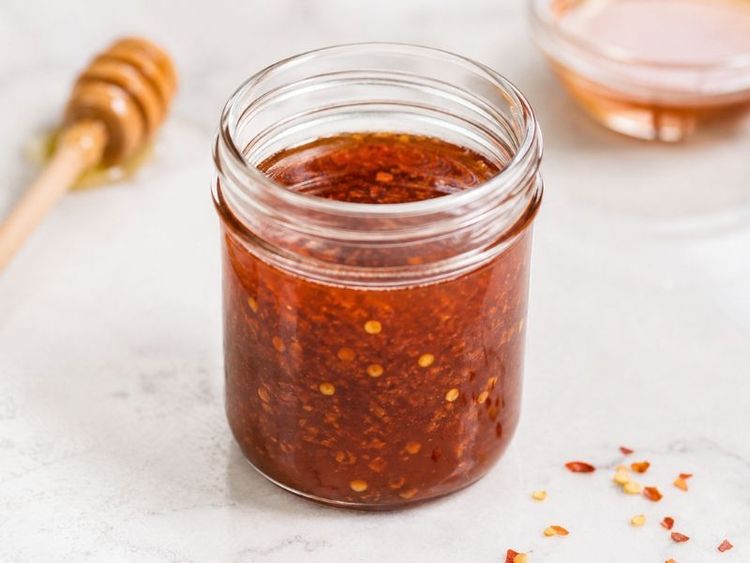
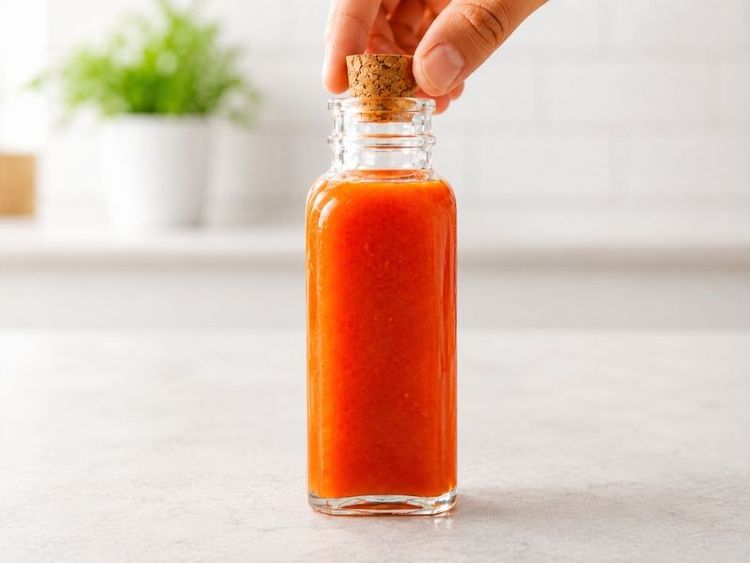
Most hot sauces just burn your mouth. Shatta, a fermented chili paste from Lebanon, is totally different. Letting it sit and ferment for 3 days gives it a sour, tangy flavor under all that heat. You cannot get that same taste by just blending fresh chilies. The sauce brings the heat, mellows out, and sticks around. That awesome flavor is exactly why more people prefer to make fermented sauces at home rather than buy them at the store.
Making it is much easier than you might think. We tried many ways to make Shatta, but CHIN-SU picked this recipe because it calls for only 4 ingredients. You just need a glass jar and a blender. You will get about 1 to 1.25 cups (240 to 300 ml) of sauce. It takes 3 days of waiting and only 20 minutes of real work. Try putting it on shawarma wraps, fried eggs, grilled kebabs, hummus, or roasted veggies. Follow the steps below for a tangy chili flavor you simply cannot find anywhere else.
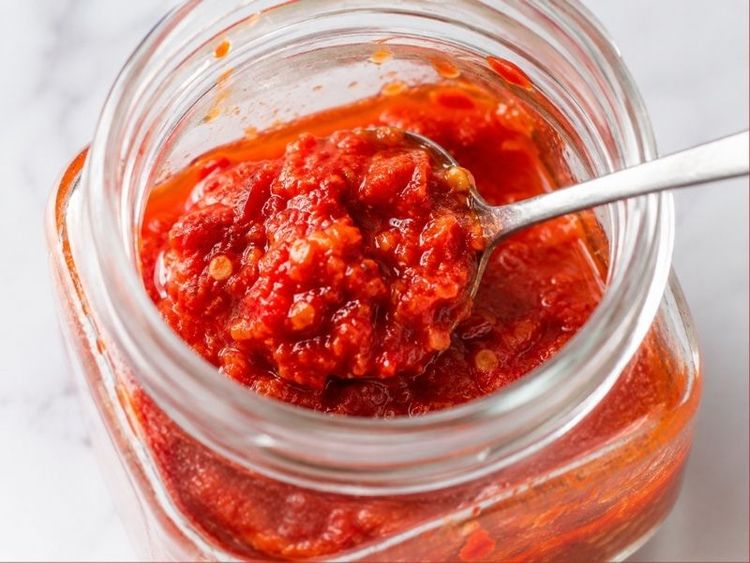
Table Of Contents
- What Is Lebanese Hot Sauce?
- Why You'll Love This Shatta Hot Sauce Recipe
- Lebanese Hot Sauce Ingredients
What Are the Variations of Lebanese Hot Sauce?
- What to Eat With Shatta Hot Sauce?
- How Do Lebanese Locals Use This Hot Sauce?
- How Long Does Homemade Lebanese Hot Sauce Last?
- Lebanese Hot Sauce vs. Harissa vs. Zhoug
What Is Lebanese Hot Sauce?
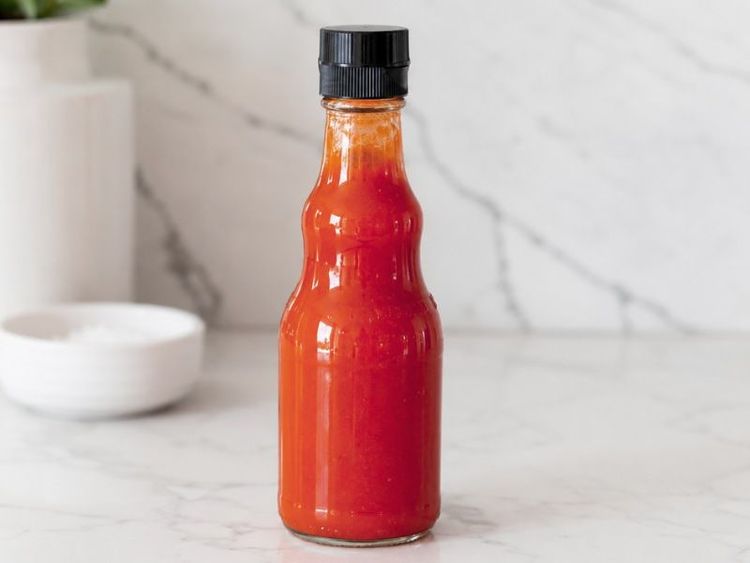
Lebanese hot sauce, commonly called shatta, is a must-have for Middle Eastern food. It stands out from regular hot sauces because it relies on simple ingredients: fresh red or green chili peppers, sea salt, olive oil, and cider vinegar.
This tradition comes from the Levant. For generations, families in Lebanon, Palestine, Syria, and Jordan have been crushing fresh peppers with salt and letting them sit out to ferment.
What makes shatta special is that you do not just cook it or blend it raw, as with salsa. Instead, you let it ferment for 3 days. This process brings out a deep, tangy flavor and helps the sauce keep for much longer.
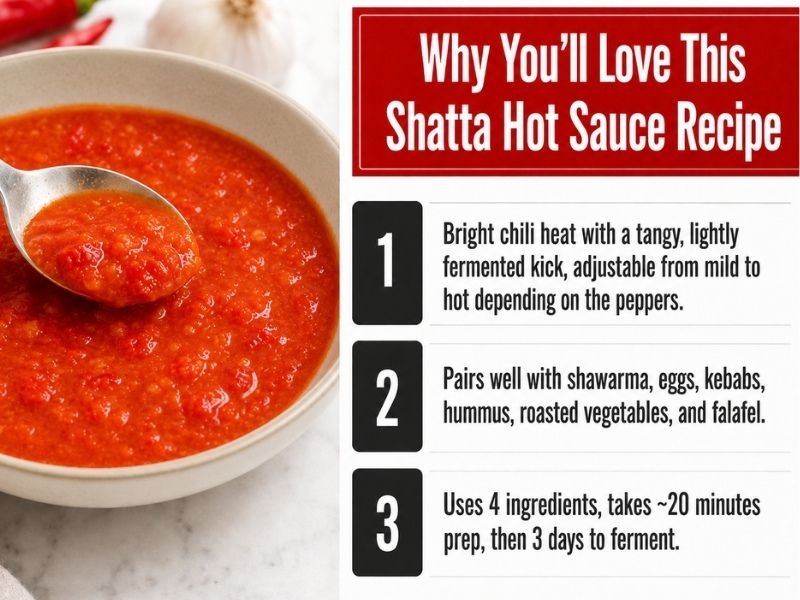
Why You'll Love This Shatta Hot Sauce Recipe
This recipe offers a fermented flavor you cannot find in stores. Here are 3 reasons to make it:
- It mixes spicy heat with a sour kick. You can change how hot it is. Use bell peppers to keep it mild, or habaneros if you want it really spicy.
- I love eating it with shawarma, fried eggs, kebabs, hummus, and roasted veggies. Try it on falafel for extra flavor.
- You only need 4 ingredients and 3 days of waiting. The prep takes about 20 minutes, so anyone can pull this off.
Lebanese Hot Sauce Ingredients
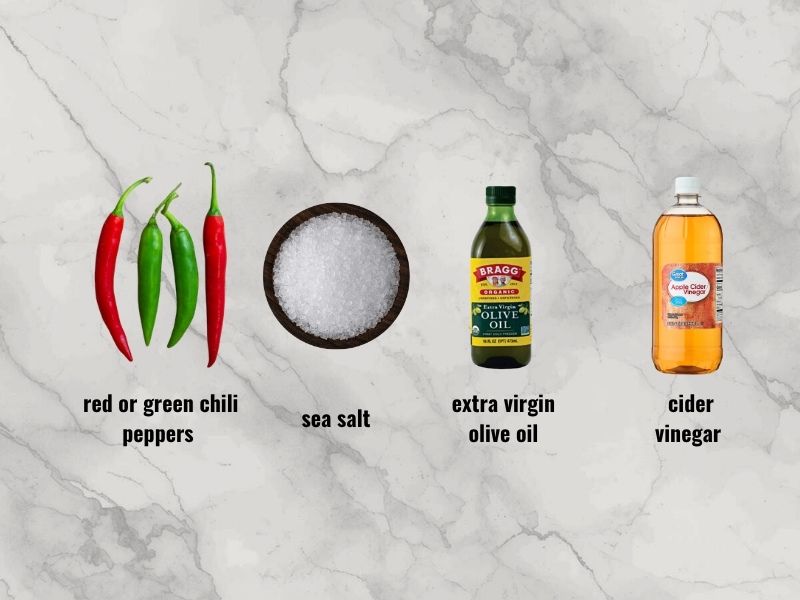
You only need 4 ingredients to make a batch of homemade shatta. Every single item has a special job to do for the fermentation and the final taste.
- 300 g (about 10.5 oz) of red or green chili peppers. Fresh peppers bring the main heat and give the sauce its color. Stick to just one color per batch so it looks nice and clean.
- 9 g (about 1.5 tsp) of sea salt. Salt pulls the water right out of the peppers. This creates the salty liquid you need to get the fermentation going.
- 2 tbsp of extra virgin olive oil. Olive oil adds a smooth, rich flavor and helps keep your finished sauce fresh longer.
- 1 tbsp of cider vinegar. Cider vinegar gives it a little sweetness and a sour kick that perfectly complements the fermented flavor.
All of this together makes about 1 to 1.25 cups (240 to 300 ml) of ready-to-eat shatta sauce.
How To Make Lebanese Hot Sauce Step by Step
This shatta recipe comes together in 6 simple steps. It takes about 20 minutes of prep time, followed by 3 days of fermentation to develop its signature tangy flavor. No cooking is required. The fermentation process creates the depth and complexity that makes this sauce unique.
Step 1: Chop the Chili Peppers
Go ahead and slice 300 g (10.5 oz) of chili peppers into thin rings. Leave the seeds in if you want maximum heat, or scoop them out for a milder taste. Just throw away the stems. 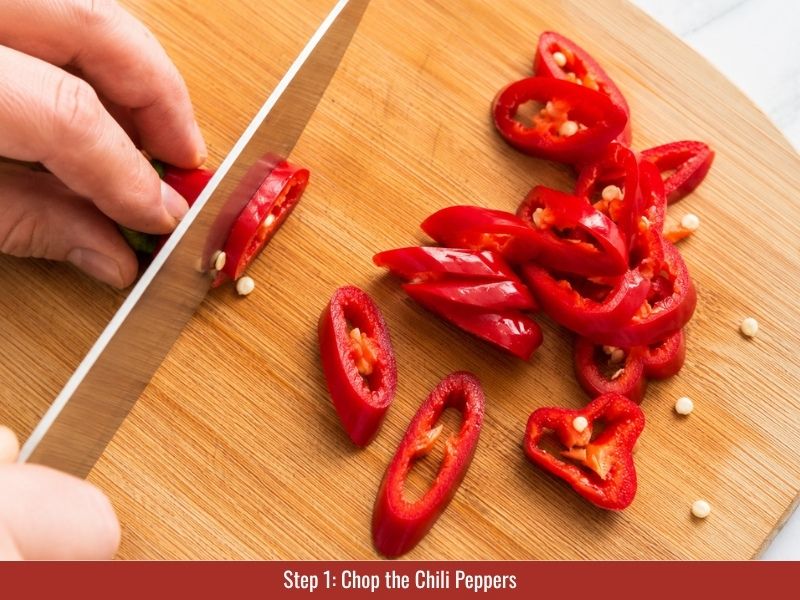
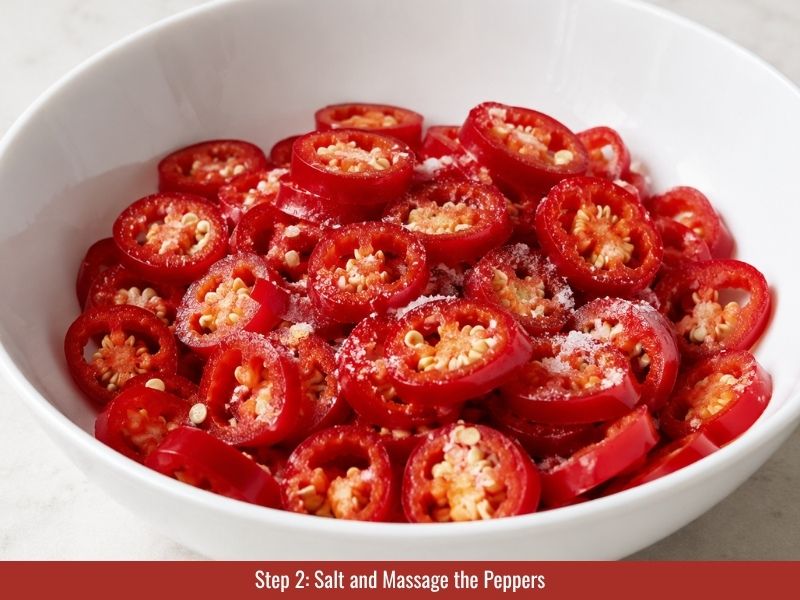
Step 2: Salt and Massage the Peppers
Put the sliced peppers into a bowl and mix in 9 g (1.5 tsp) of sea salt. Rub the salt right into the peppers with your hands until they are fully covered and start letting out their juices. Make sure to put on some gloves so the peppers do not burn your skin.
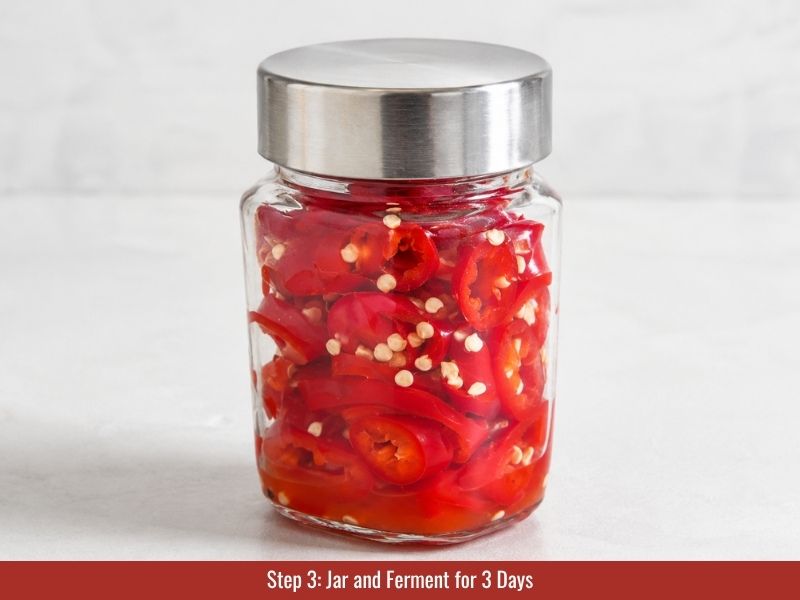
Step 3: Jar and Ferment for 3 Days
Transfer all the salted peppers and their juices into a clean glass jar. Put the lid on tight and leave the jar out on your kitchen counter in a cool spot for 3 days. Just remember to open and close the jar once a day to let out any built-up gas.
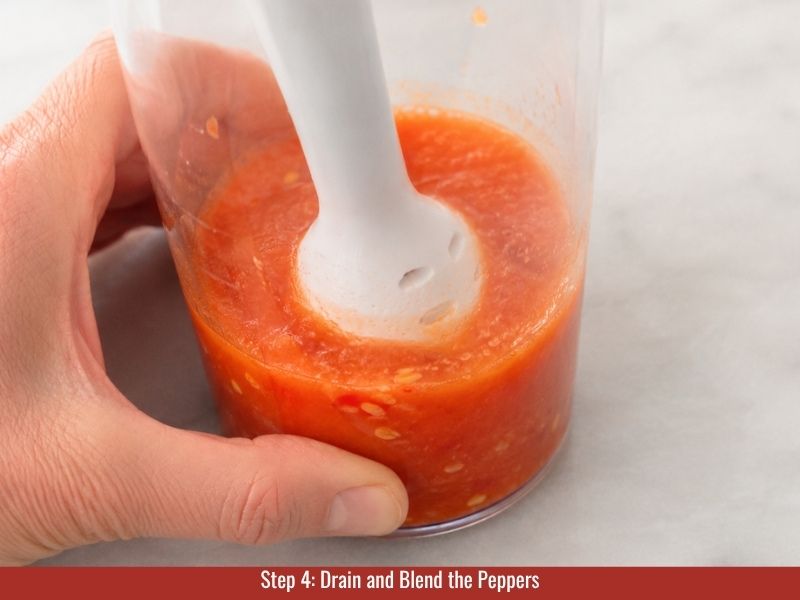
Step 4: Drain and Blend the Peppers
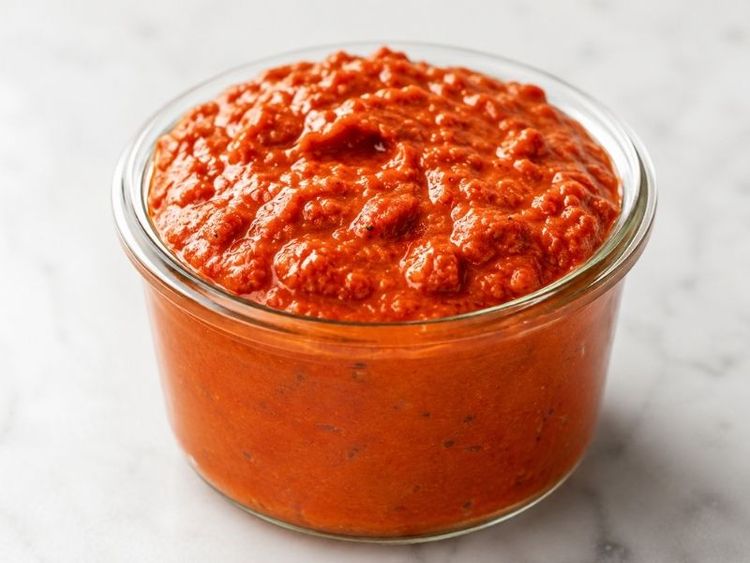
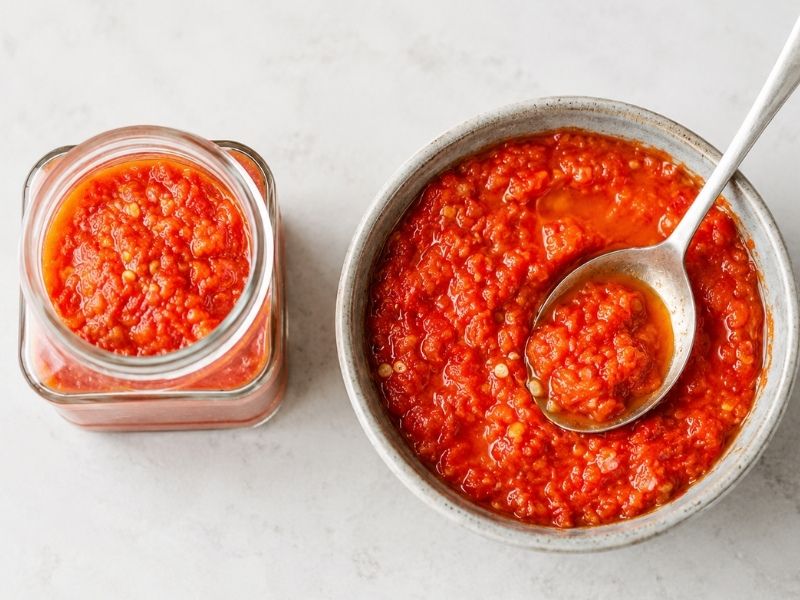
When the 3 days are up, pour out a little bit of the liquid, but hold on to about half of it. Dump the peppers into a blender or a food processor. Give it a few quick pulses until it turns into a nice, chunky paste.
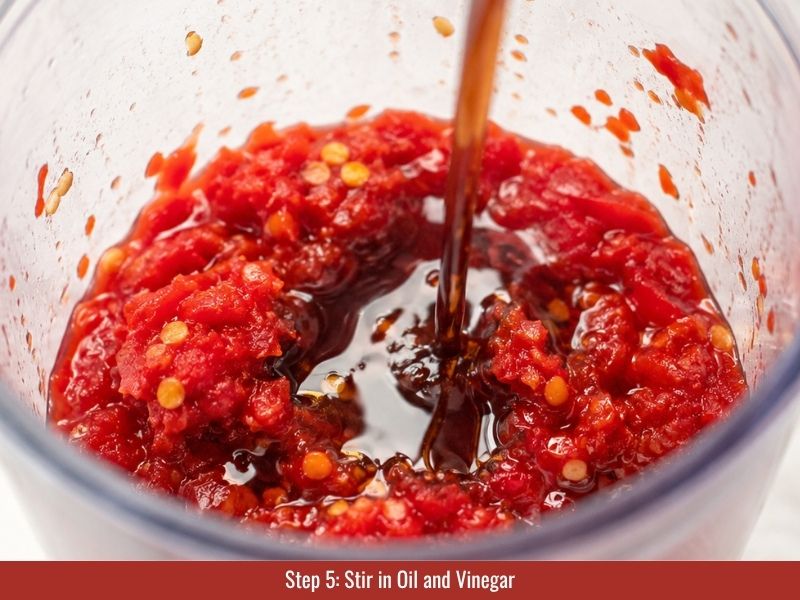
Step 5: Stir in Oil and Vinegar
Add 2 tbsp of extra-virgin olive oil and 1 tbsp of cider vinegar to the blended peppers. Stir it all together until it is perfectly mixed. After that, just put the sauce right back into your glass jar.
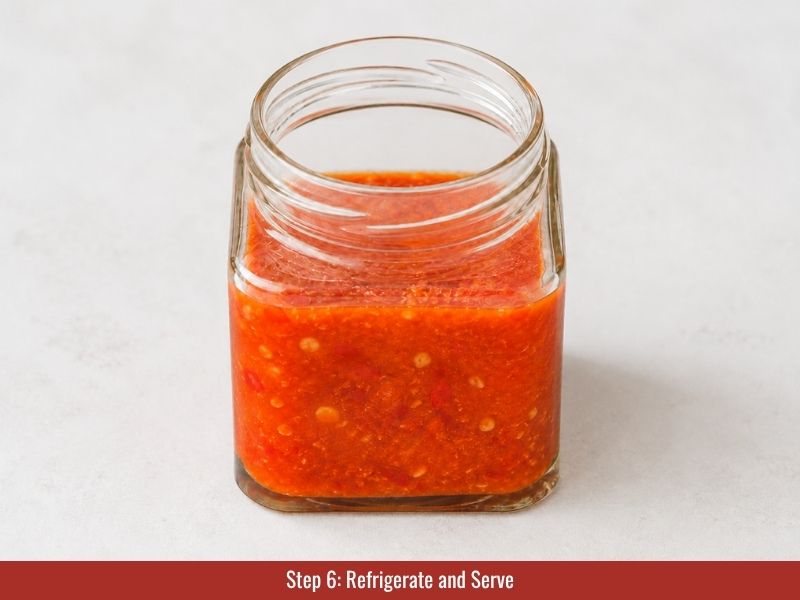
Step 6: Refrigerate and Serve
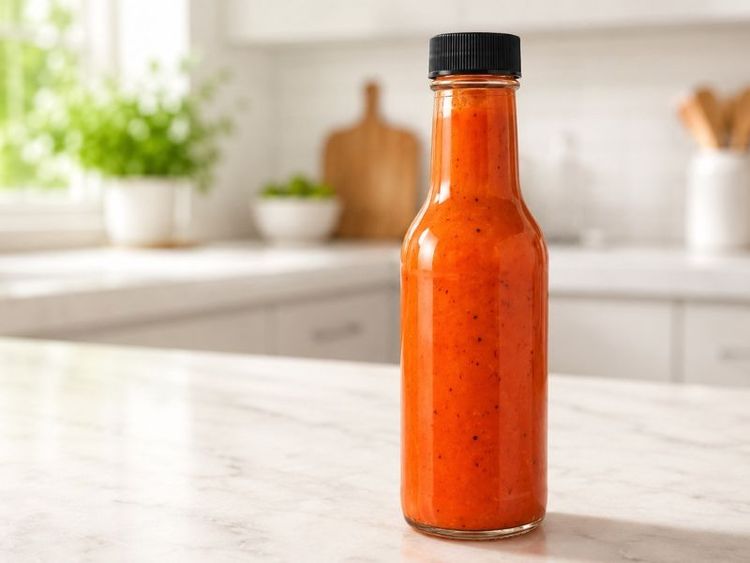
Put the lid on tight and stick the jar in the fridge. You can serve it out of small bowls alongside grilled meats, kebabs, fried eggs, labneh, or hummus. Shatta also goes really well in sandwiches and wraps, or even as a salad dressing.
What Are the Variations of Lebanese Hot Sauce?
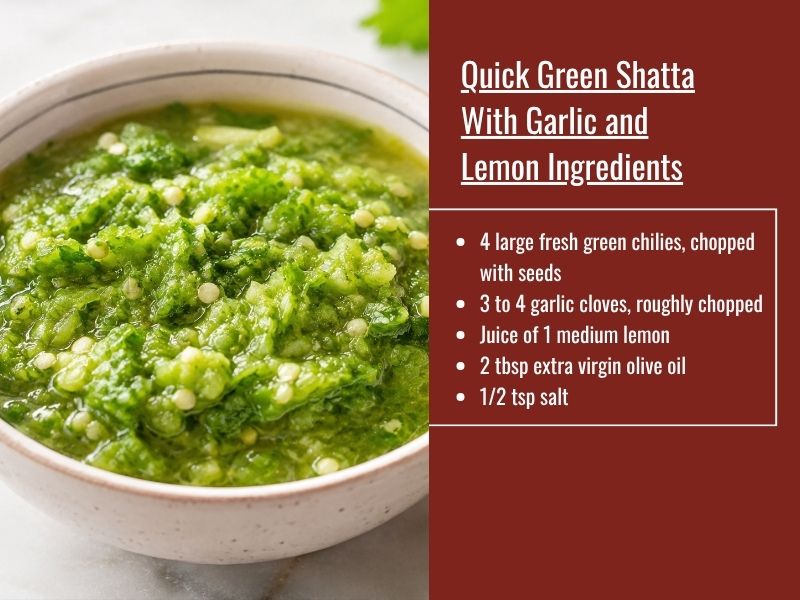
Quick Green Shatta With Garlic and Lemon (Mild to Medium)
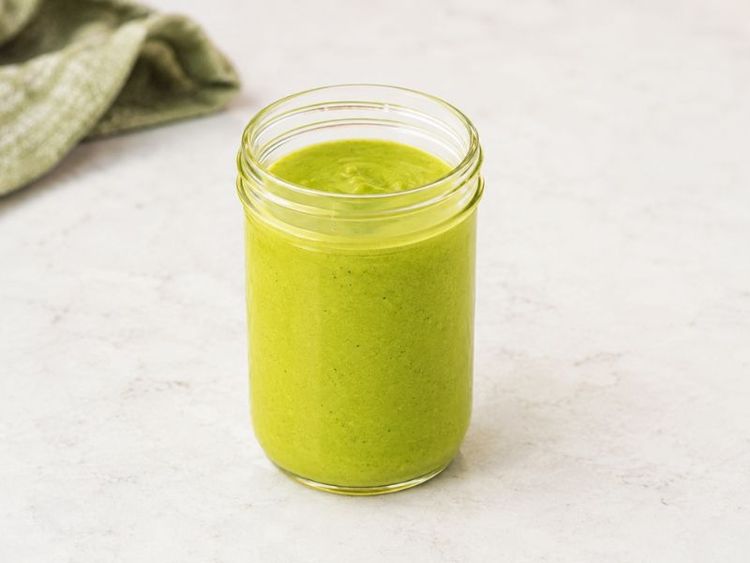
Quick green shatta skips the waiting. Just blend fresh green chilies, garlic, lemon, oil, and salt. It is the fastest way to whip up a great sauce for dinner.
You need 5 ingredients:
- 4 large chopped green chilies, keep the seeds in.
- 3 to 4 garlic cloves, roughly chopped up.
- The juice squeezed from 1 medium lemon.
- 2 tbsp of extra virgin olive oil.
- 1/2 tsp of salt.
This recipe has 2 steps:
- Mash the chilies, salt, and garlic together, or just pulse them in a food processor until they form a nice, chunky paste.
- Move the paste into a bowl. Next, stir in the lemon juice and olive oil until everything is fully combined.
This fast recipe makes about 1 cup (240 ml) and only takes 5 minutes. It stays good in the fridge for 3 to 5 days, or you can just freeze it in small portions for later.
Fermented Red Shatta With Apple Cider Vinegar (Medium to Hot)
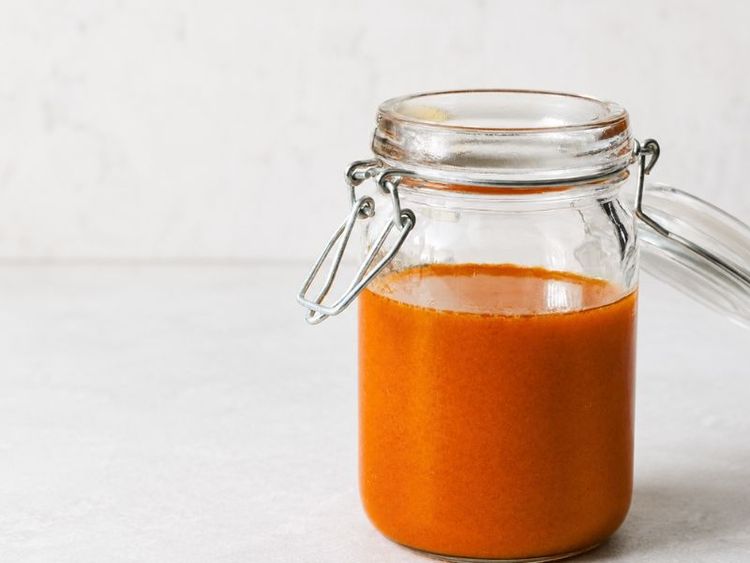
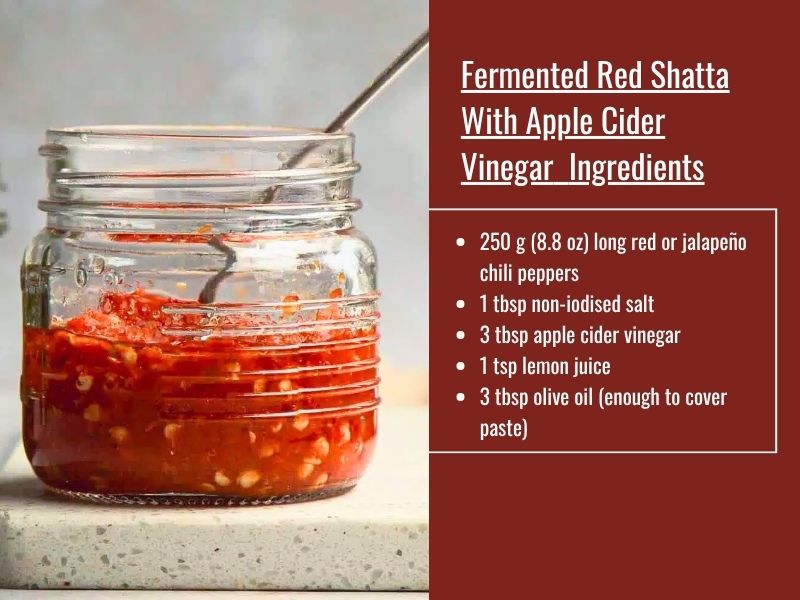
Fermented red shatta sits with salt to build flavor. We finish it with apple cider vinegar and lemon juice for a sharp, sour taste that beats the quick version.
You need 5 ingredients:
- 250 g (8.8 oz) of red or jalapeño peppers.
- 1 tbsp of plain salt without iodine.
- 3 tbsp of apple cider vinegar.
- 1 tsp of fresh lemon juice.
- 3 tbsp of olive oil to cover the paste.
This recipe has 4 steps:
- Slice your peppers, mix in salt, and put them in a clean jar. Let them ferment for 3 days on the counter or 7 days in the fridge.
- When the fermentation is done, pour the chili peppers into a colander to drain out the extra liquid.
- Put the drained peppers in a food processor with the apple cider vinegar and lemon juice. Blend it all up until you get the texture you like.
- Scoop the paste back into your jar. Pour the olive oil right over the top so the sauce is completely covered.
This recipe makes about 1.25 cups (300 ml). It stays good in the fridge for up to 6 months as long as the oil covers it. Please check on it after 3 months.
What to Eat With Shatta Hot Sauce?
You should try shatta with grilled meat, fried eggs, dips, sandwiches, and roasted veggies. Its spicy, sour taste cuts right through heavy foods and really brings out the flavor in milder dishes.
- Shawarma wraps and big plates of kebabs.
- Fried eggs or eggs poached in water.
- Classic dips like hummus and creamy labneh.
- Warm falafel sandwiches wrapped in pita bread.
- Fresh vegetables roasted or grilled.
- Mixed with olive oil and lemon to make a salad dressing.
You can also stir shatta right into some mayonnaise for a spicy sandwich spread. It also works well when mixed into your favorite vinaigrette to give your salad a fiery kick.
If you are eating Vietnamese foods like bánh mì, spring rolls, or phở, grab a bottle of CHIN-SU Vietnamese Hot Sauce. It gives you a great mix of sweet and spicy heat that you can easily squeeze right on top.

How Do Lebanese Locals Use This Hot Sauce?
In Lebanon, people rely on shatta at almost every meal. They spoon it right onto their food or set it out in a small bowl for dipping.
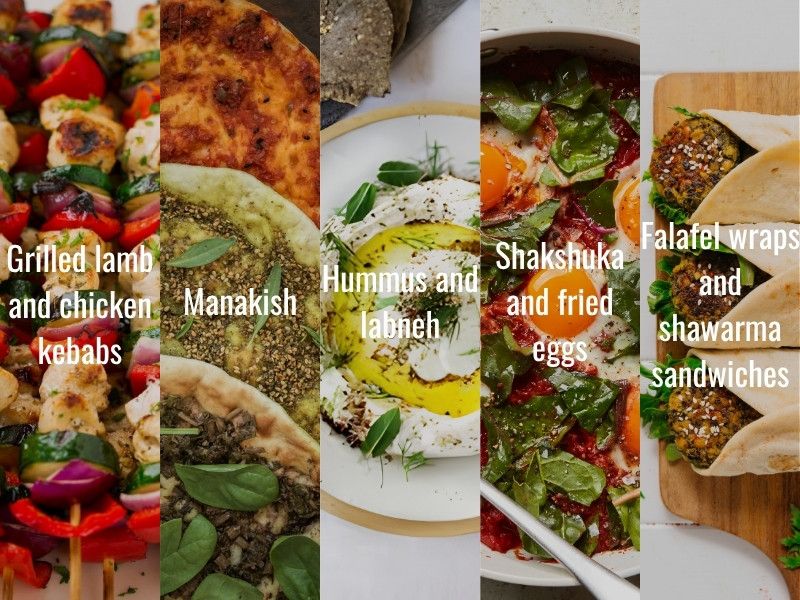
Try it with these 5 traditional staples:
- Grilled lamb and chicken kebabs. The sauce really cuts through the smoky taste.
- Flatbread topped with cheese or spices, with a drizzle of shatta on top.
- Hummus and labneh. The spicy heat perfectly balances out those creamy dips.
- Fried eggs and shakshuka. The sour sauce brightens up the rich egg yolks.
- Falafel wraps and shawarma sandwiches. It adds a ton of extra flavor.
Shatta also mixes well with everyday foods. You can easily put it on tacos, pizza, grain bowls, or cooked fish.
Stick to the red fermented shatta for spicy meals like kebabs. If you want something for lighter dishes like salads or wraps, the quick green version gives a fresher taste.
How Long Does Homemade Lebanese Hot Sauce Last?
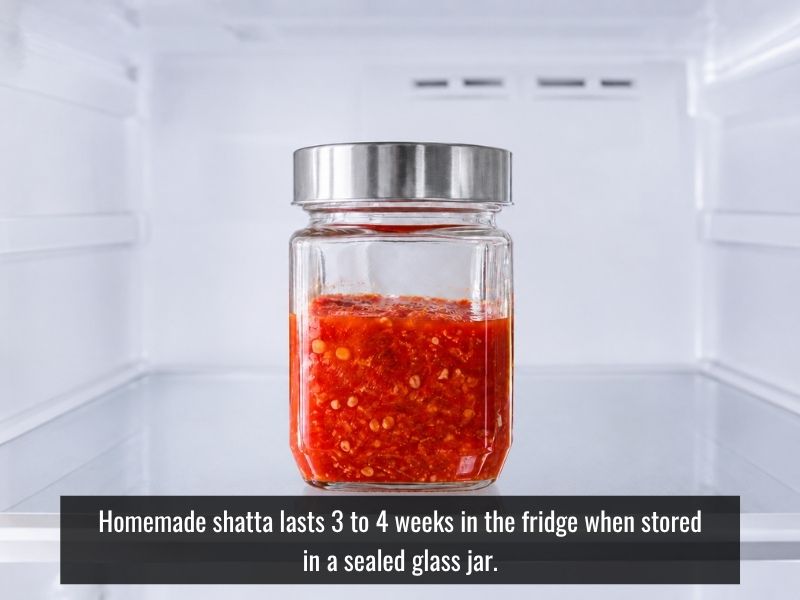
Homemade shatta stays fresh for 3 to 4 weeks in the fridge when stored in a sealed glass jar. Adding a thin layer of olive oil on top can extend its shelf life to about 6 weeks. A version made with more vinegar and fully covered with oil may last up to 6 months. Check it after 3 months, and discard it if you notice an unpleasant smell or dark mold. See how long does hot sauce last for a broader comparison across different sauce types.
You can also freeze shatta in ice cube trays for up to 6 months and thaw only what you need overnight in the fridge. Vinegar and fermentation provide the acidity that helps preserve it.
Fruit-based and less acidic, unfermented sauces spoil much faster, often within 5 to 7 days. See do you have to refrigerate hot sauce to understand why ingredients, acidity, and preparation methods change storage requirements.
Always use glass jars for storage. Metal can react with the acid, while plastic may retain odors and affect the flavor.
Lebanese Hot Sauce vs. Harissa vs. Zhoug
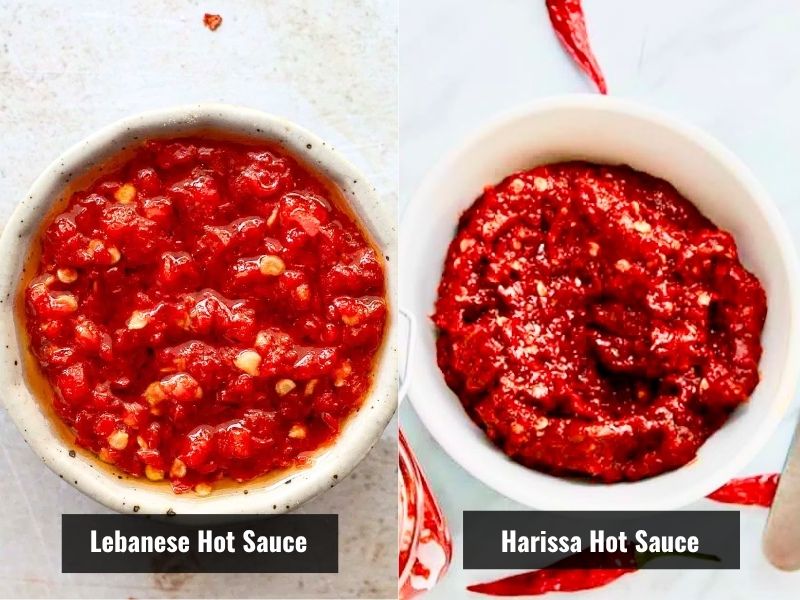
Let's look at the differences. Lebanese shatta is a raw chili paste that ferments for a few days. Harissa, from North Africa, uses roasted and cooked peppers. Zhoug is a fresh mix of herbs and chilies from Yemen. Because they rely on different peppers and prep methods, they turn out with completely different tastes and textures.
Shatta gives you a sour, fermented kick. Harissa brings a warm, smoky flavor. Zhoug is super fresh and herby. The right choice really comes down to what food you are eating and the taste you want.
Here is a side-by-side comparison:
| Feature | Shatta (Lebanese) | Harissa (North African) | Zhoug (Yemeni) |
| Primary Chili Peppers | Red or green fresh chilies (cayenne, jalapeño, Fresno) | Roasted red peppers (baklouti, serrano) | Green serrano or jalapeño peppers |
| Heat Level | Medium to hot (adjustable) | Mild to medium | Medium to hot |
| Color | Bright red or green | Deep red | Bright green |
| Flavor | Tangy, fermented, sharp | Smoky, earthy, warm | Herbaceous, bright, garlicky |
| Texture | Chunky paste | Smooth paste | Chunky, coarse paste |
| Key Ingredients Besides Chilies | Sea salt, olive oil, cider vinegar | Garlic, coriander, caraway, olive oil | Cilantro, parsley, garlic, cumin, lemon |
| Preparation Method | Raw fermentation (3 days) then blended | Roasted, then blended with spices | Fresh blended, no cooking |
Have you tried making shatta at home yet, or are you still picking your peppers? Drop your questions, tweaks, or results in the comments below. No question is too small, and every batch teaches you something new. If this recipe worked for you, a quick star rating helps other home cooks find it too. Share your finished jar on social media with #CHINSUHotSauce and tag us. We read every single one. Ready to add a quick chili kick without the wait? CHIN-SU Chili Sauce is right there at chinsu.com.
Enjoy more hot sauce recipe:
- Mediterranean hot sauce recipe
- Vinegar based hot sauce
- Fermented hot sauce recipe
- Fresno hot sauce
- Serrano hot sauce
- Jalapeno hot sauce
- Thai chili hot sauce
- Pepperoncini hot sauce
- Smoked hot sauce
- Habanero hot sauce
- Chipotle hot sauce
- Mexican hot sauce recipe
- Tabasco hot sauce
- Caribbean hot sauce recipe
- Datil pepper hot sauce
Frequently Asked Questions
Yes, you can skip fermenting and just blend the fresh peppers with salt, oil, and vinegar right away. It will taste sharper, but misses out on that deep, sour flavor. If you go this route, keep it in the fridge and finish it within 5 to 7 days.
The best pepper comes down to how spicy you want it. Cayenne and Fresno peppers give you a medium heat. Jalapeños keep things mild. If you want it super hot, go for habanero or serrano peppers. You can also mix in bell peppers to cool it down.
No. Shatta is a raw, fermented chili paste from the Middle East made with fresh peppers, salt, oil, and vinegar. Harissa is from North Africa and is made with roasted peppers, garlic, and spices. They are completely different in how you make them and how they taste.
Yes, shatta makes an awesome marinade for chicken, lamb, or grilled veggies. If your sauce is almost past its prime, using it as a marinade is a smart way to use it up. It adds a great spicy flavor to your meat right before you cook it.
Mold shows up if your jar was dirty, the peppers peeked out of the liquid, or it sat in the hot sun. Always use clean glass jars, pack the peppers tightly, and keep everything in a cool, dark spot for that 3-day fermenting process.
Lebanese Hot Sauce (Shatta) Recipe
Ingredient
- 10.5 oz (300 g) fresh red or green chili peppers.
- 1.5 teaspoons (9 g) sea salt.
- 2 tablespoons extra virgin olive oil.
- 1 tablespoon cider vinegar.
Instructions
- Step 1: Chop the Chili Peppers. Slice the fresh chili peppers into thin rings and remove the stems. Keep the seeds for maximum heat or remove them for a milder sauce.
- Step 2: Salt and Massage the Peppers. Add sea salt to the sliced peppers and mix thoroughly. Wear gloves and massage the salt into the peppers until they begin releasing their natural juices.
- Step 3: Jar and Ferment. Transfer the salted peppers and released liquid into a clean glass jar. Seal tightly and leave at room temperature in a cool area for 3 days. Open and close the jar once daily to release built-up fermentation gases.
- Step 4: Drain and Blend the Peppers. After fermentation, drain some liquid while keeping about half of it. Transfer peppers to a blender or food processor and pulse until a chunky paste forms.
- Step 5: Add Oil and Vinegar. Mix in extra virgin olive oil and cider vinegar until fully combined. Return the sauce to the glass jar.
- Step 6: Refrigerate and Serve. Seal the jar and refrigerate. Serve with grilled meats, kebabs, eggs, hummus, sandwiches, wraps, or roasted vegetables.
Storage: Store Lebanese shatta in a sealed glass jar in the refrigerator. It lasts about 3 to 4 weeks. Adding a layer of olive oil on top extends storage to around 6 weeks. A properly fermented version with enough vinegar and a full oil cover can last up to 6 months. Check for mold, unusual smells, or spoilage before use. You can also freeze it for up to 6 months in small portions.
Yield: About 1 to 1.25 cups (240 to 300 ml)
Serving Style: Tangy, fermented Lebanese chili paste for meats, dips, sandwiches, and roasted foods

CHIN-SU KITCHEN TEAM
CHIN-SU Kitchen Team are the creative experts behind the delicious recipes featuring CHIN-SU sauces. With years of experience and a passion for flavor, our team carefully selects recipes from a variety of trusted chefs and bloggers, bringing together the best culinary insights to present you with the most suitable and exciting dishes. Every recipe is chosen to inspire you to create meals that are not only tasty but also easy to prepare, enhancing your dining experience. Join us as we explore a wide range of sauces and flavors, and elevate every meal with the perfect recipe for your table!
User Reviews
Featured Articles
SUBSCRIBE TO GET
MORE INFO
Want the latest and greatest recipes, updates, and more from us,
straight to your inbox? Subscribe and get our NEWS!