Thai Chili Hot Sauce Recipe: How to Make It at Home
Published: Jul 1, 2026 by CHIN-SU
Updated: Jul 31, 2026 by CHIN-SU
Tested by CHIN-SU Kitchen Team
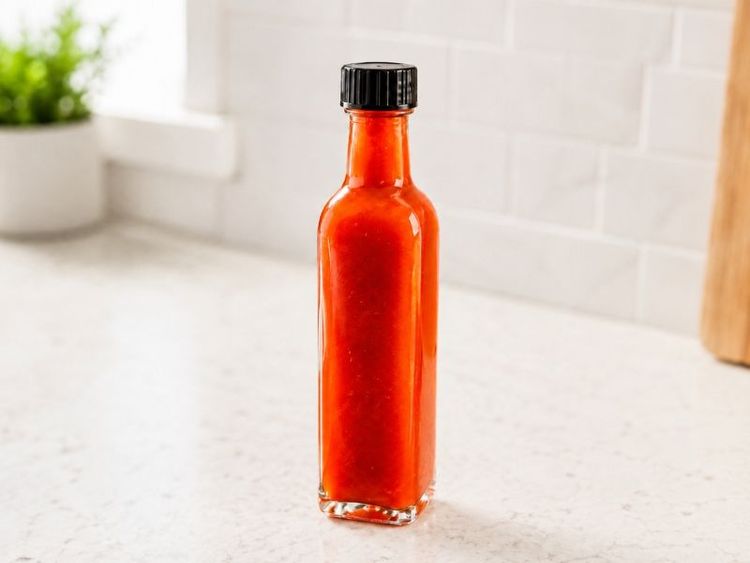
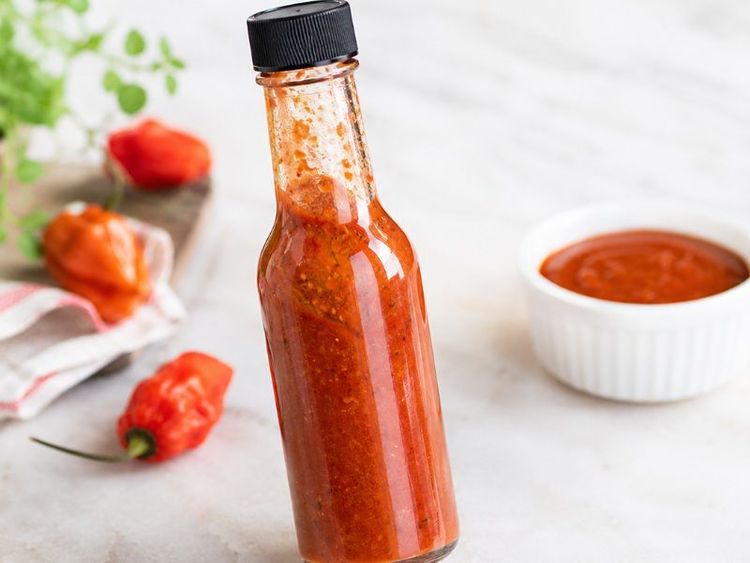
Thai chili hot sauce is a smooth, thin sauce made from fresh Thai peppers. It packs a sharper, cleaner punch than sriracha, which relies on fermented paste. The secret is roasting the peppers before blending them. This brings out a mild smokiness that balances the bright heat of the chilies in a way raw peppers just cannot match. Roasting also makes the sauce super versatile, fitting right in with Asian dishes, grilled meats, and even pizza. People love making it at home because it delivers a fresher heat than store-bought options.
You can whip this up in under 1 hour using just a blender and a food mill. CHIN-SU picked this recipe because it nails the right mix of heat and tang, using roasted peppers, garlic, and 2 types of vinegar. One batch makes 20 fl oz (about 590 ml) in exactly 50 minutes. It goes perfectly with noodles, grilled chicken, fried rice, pizza, and spring rolls. Follow the steps below to make it yourself!
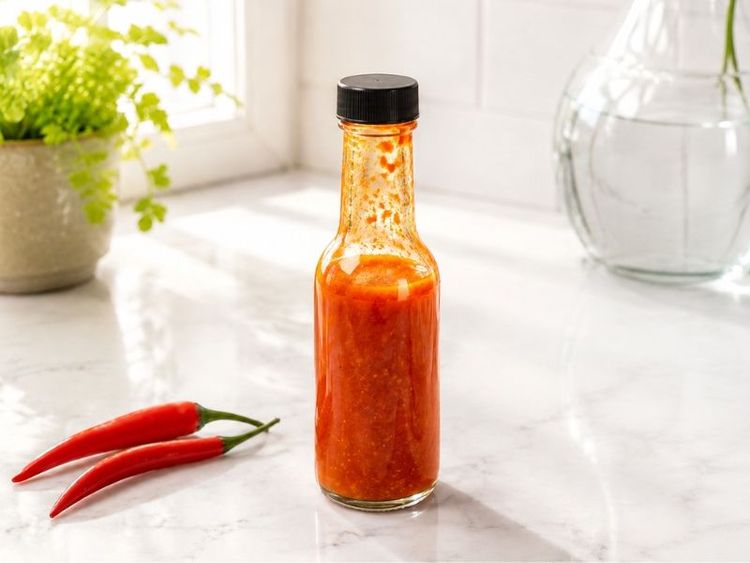
Table Of Contents
- What Does Thai Chili Hot Sauce Taste Like?
- Why You'll Love This Thai Chili Hot Sauce Recipe
- Thai Chili Hot Sauce Ingredients
How To Make Thai Chili Hot Sauce Step by Step
- What Can You Substitute or Change in Thai Chili Hot Sauce?
- How To Adjust the Thai Chili Hot Sauce's Heat Level
- What To Eat with Thai Chili Hot Sauce
- How To Store Thai Chili Hot Sauce
What Does Thai Chili Hot Sauce Taste Like?
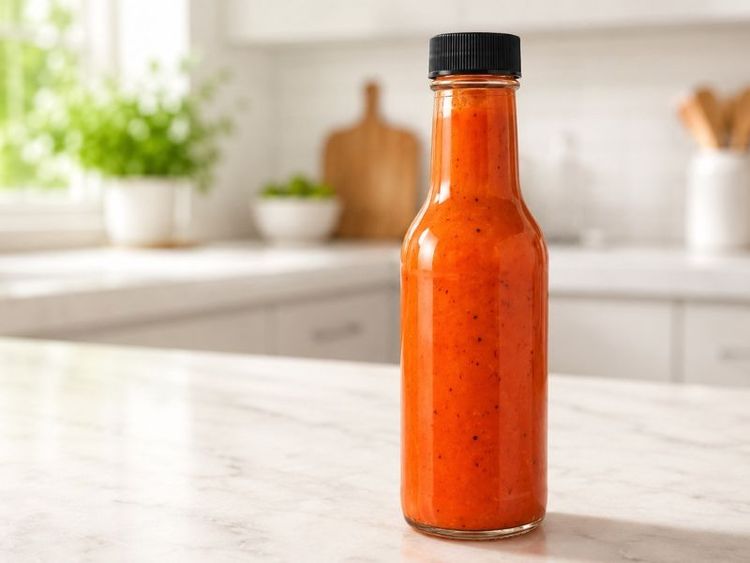
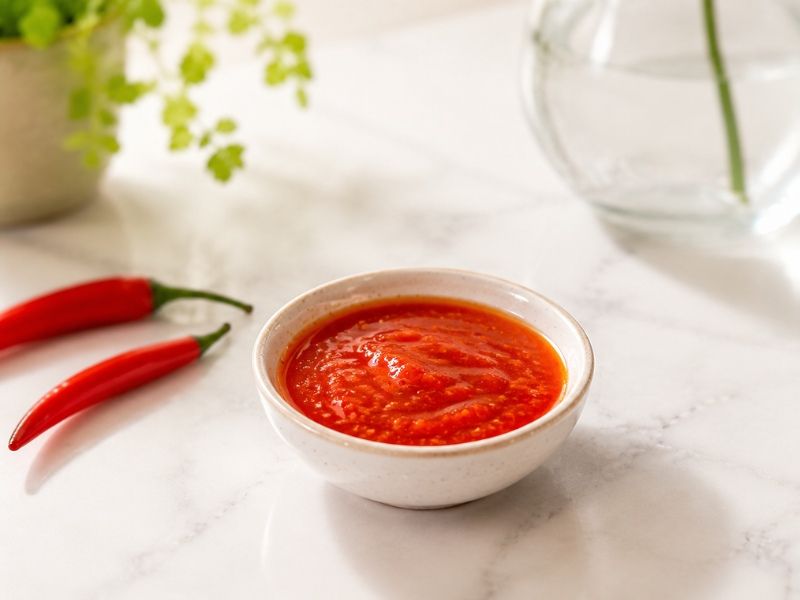
Thai chili hot sauce gives you a sharp, clean heat. It is pretty thin, with a little smokiness from roasted peppers and a nice tang from rice and white vinegar. That tang is brighter and way less sweet than sriracha. Thai peppers hit between 50,000 and 100,000 Scoville Heat Units (SHU), sitting right in the medium-hot range. For comparison, jalapeños are around 2,500 to 8,000 SHU, while habaneros range from 100,000 to 350,000 SHU. The spice hits you fast and leaves just as quickly. It does not hang around like the slow burn of a fermented sauce.
The flavor really shifts depending on what sweetener you use. Brown sugar adds a deep molasses vibe that smooths out the sharp vinegar. Honey brings a softer, floral sweetness that goes perfectly with extra garlic. If you use white sugar, it keeps the heat super clean and lets the pure pepper flavor stand out right at the front of every single bite.
Why You'll Love This Thai Chili Hot Sauce Recipe
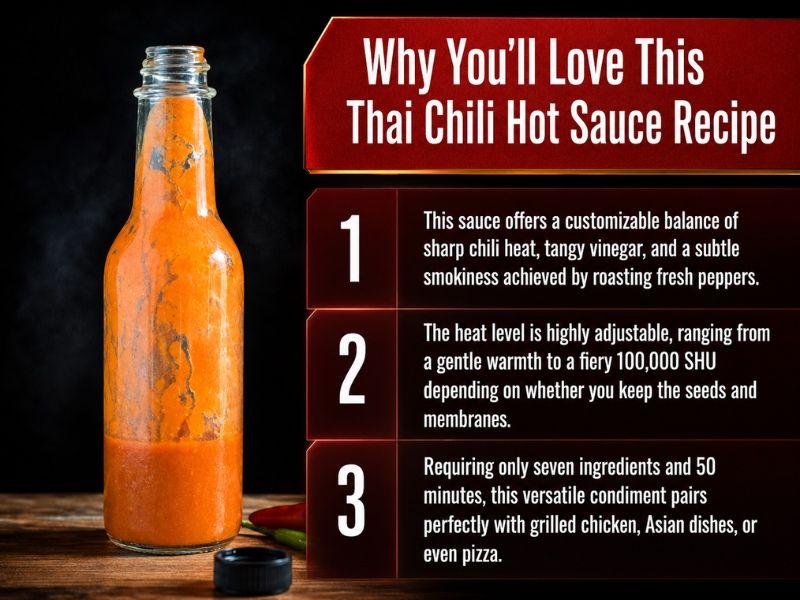
Here are 3 reasons this Thai chili hot sauce will definitely earn a permanent spot in your kitchen.
- It perfectly balances sharp heat, tangy vinegar, and a nice mild smokiness you get from roasting the fresh peppers. You can easily adjust the spice, too. Just scoop out the seeds and white parts for a milder kick, or leave them right in to hit that full 50,000 to 100,000 SHU range that Thai peppers pack.
- My absolute favorite thing to put it on is grilled chicken, but you should definitely try it on spring rolls, noodles, fried rice, and even pizza. The clean heat just works perfectly with all of them.
- You only need 7 ingredients, and the whole thing takes exactly 50 minutes from start to finish. Try making 1 batch and see how fast it disappears from your table!
Thai Chili Hot Sauce Ingredients
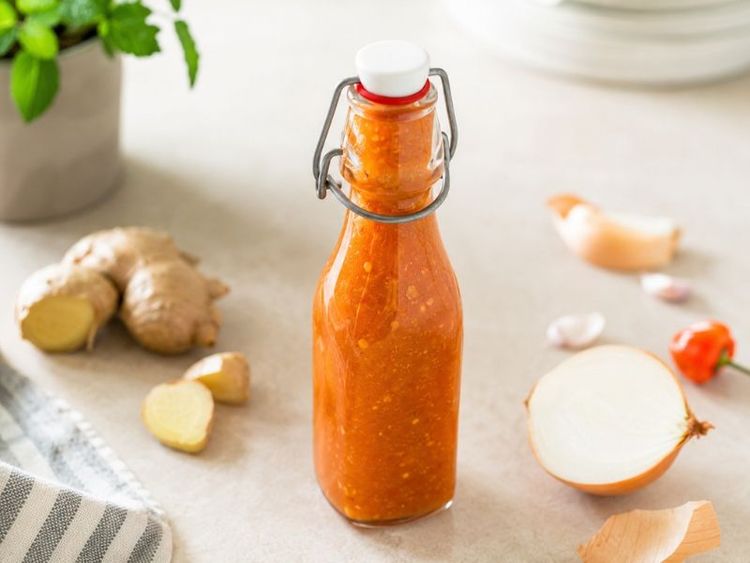
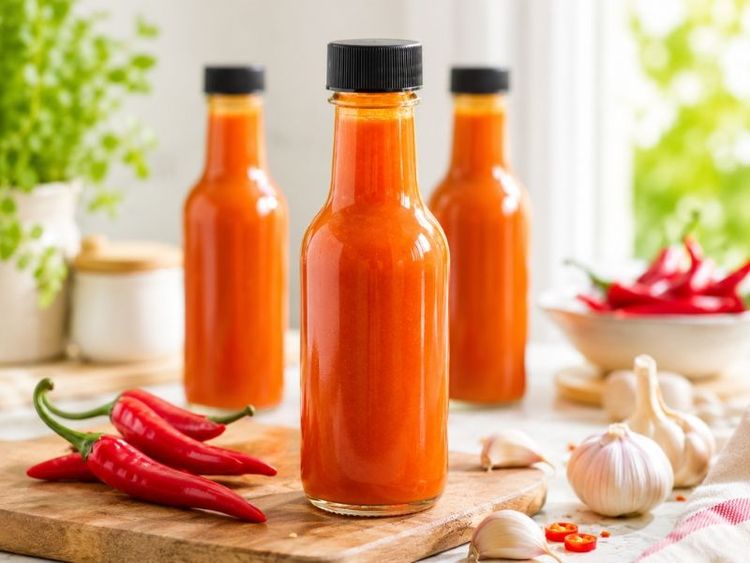
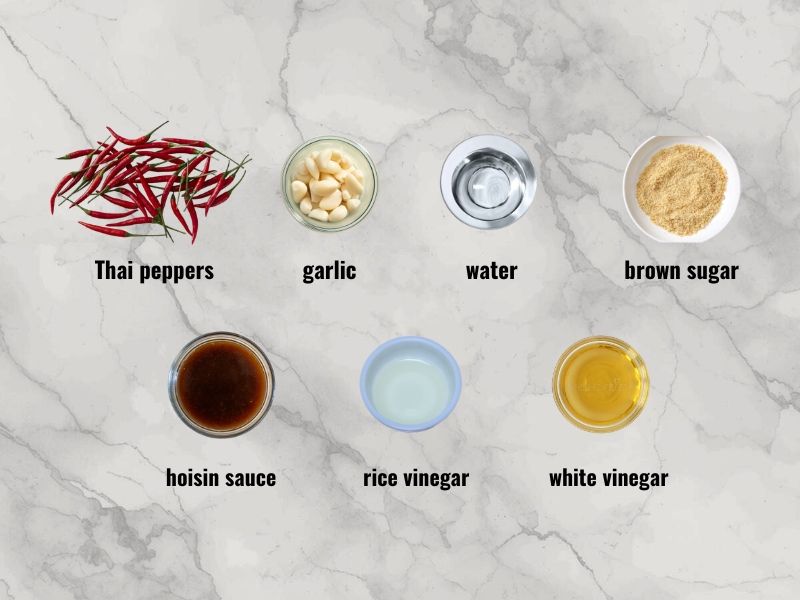
To make this Thai chili hot sauce, you only need 7 ingredients. Fresh Thai peppers, garlic, water, brown sugar, hoisin sauce, rice vinegar, and white vinegar do all the heavy lifting here.
- 16 oz (about 453g) Thai peppers. These give you the heat and create the main flavor base for your sauce.
- 4 cloves of garlic. Garlic adds that savory depth and really holds all the flavors together.
- 3/4 cup (180 ml) water. A little water helps blend everything and lets you control exactly how thick the sauce gets.
- 4 tablespoons of brown sugar. This balances out the sour vinegar and smooths over the sharp chili bite.
- 1 teaspoon of hoisin sauce. Hoisin drops in a nice hint of umami that makes the whole sauce taste richer.
- 1 cup (240 ml) rice vinegar. This softens the acid and brings in a mild, slightly sweet tang.
- 1 cup (240 ml) white vinegar. This drops the pH down so your sauce stays safe and perfectly shelf-stable.
All together, this makes 1 batch of sauce, which gives you about 20 fl oz (590 ml).
How To Make Thai Chili Hot Sauce Step by Step
Making Thai chili hot sauce is simple and only requires 7 easy steps from roasting to bottling. The full process takes about 50 minutes, including around 20 minutes of prep time and 30 minutes of cooking time.
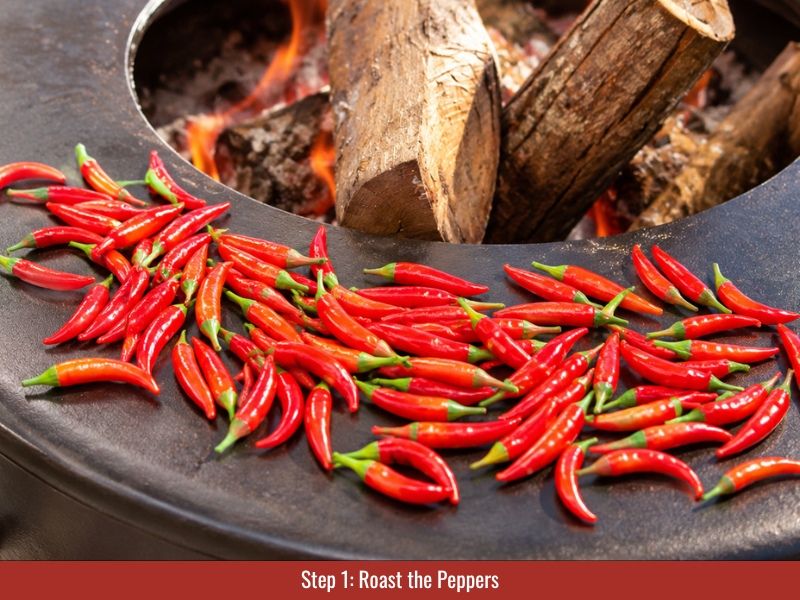
Step 1: Roast the Peppers
Toss the 16 oz (453g) of Thai peppers into an oven preheated to 450°F (232°C) and let them roast until the skins start getting nice and charred.
Those dark spots are exactly what you are looking for. They mean the natural sugars on the outside are cooking down into those awesome smoky flavors that give the sauce all its deep taste.
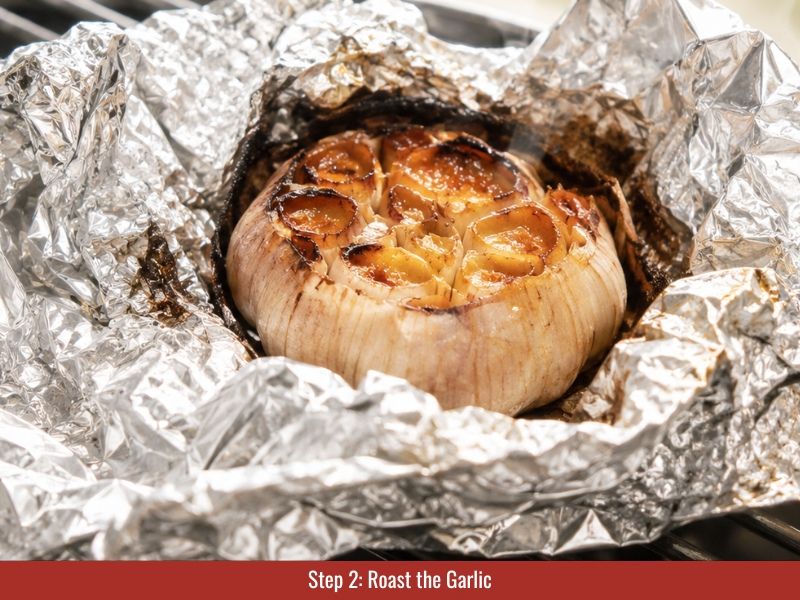
Step 2: Roast the Garlic
Roast the 4 cloves of garlic in the same oven until they get completely soft all the way through. Cooking the garlic down takes away that harsh, raw bite so it blends into your sauce perfectly. That way, you will not end up with any random, strong pockets of garlic flavor in your finished bottle.
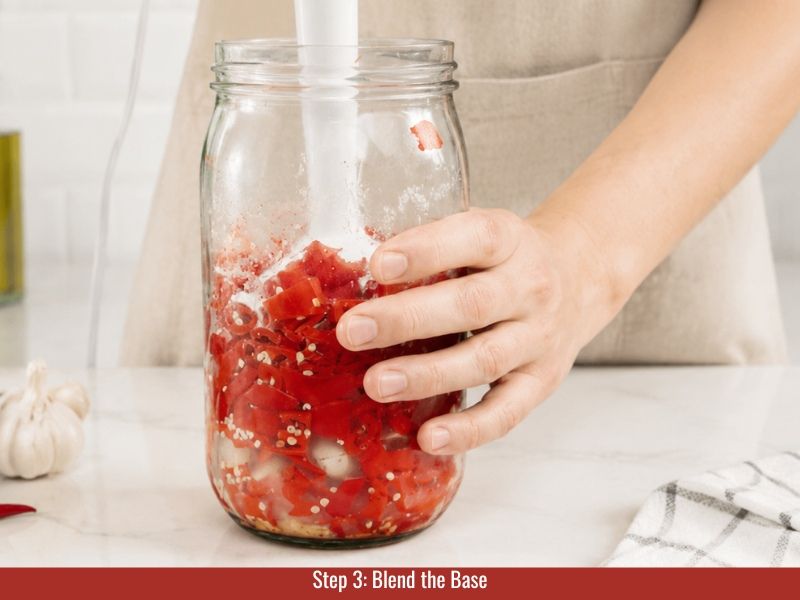
Step 3: Blend the Base
Toss the 3/4 cup (180 ml) of water, 4 tablespoons of brown sugar, 1 teaspoon of hoisin, your roasted garlic, and the roasted peppers into a blender. Blend it all up until the mixture gets super smooth.
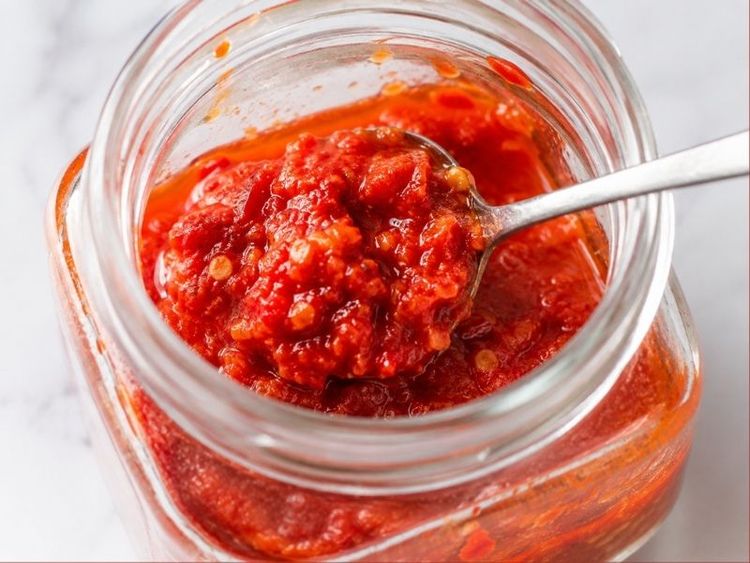
Just keep it running until you do not see any leftover bits of pepper skin or garlic chunks. Getting that nice, thin, smooth texture is exactly what makes this sauce stand out from those chunkier chili pastes.
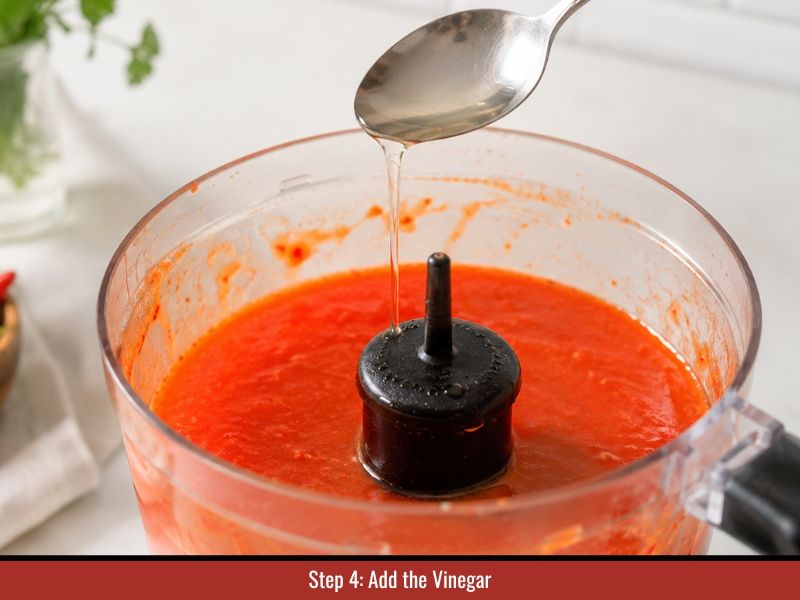
Step 4: Add the Vinegar
Pour 1 cup (240 ml) of rice vinegar and 1 cup (240 ml) of white vinegar right into the blender and give it another spin to mix it completely. Adding the vinegar now, instead of at the beginning, helps mix it evenly without messing up that smooth base you just made.
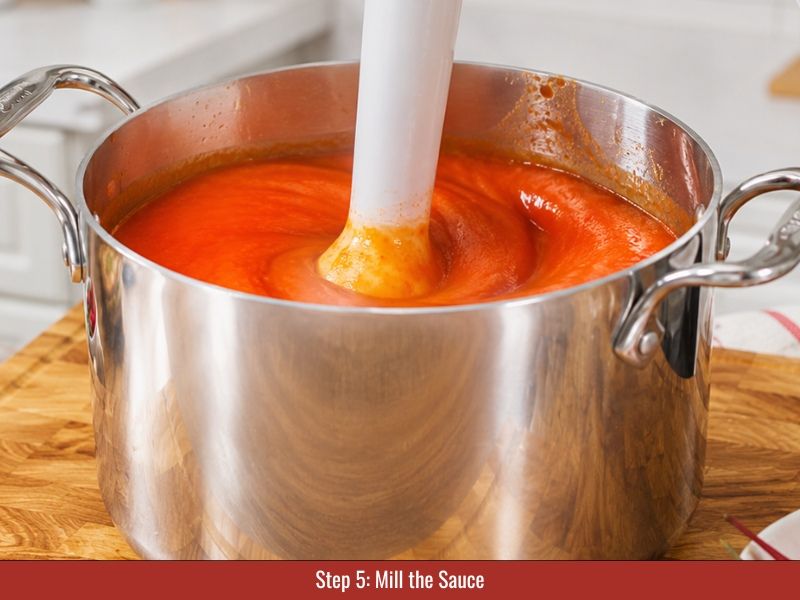
Step 5: Mill the Sauce
Run the mixture through a food mill on its finest setting, then pour the strained sauce straight into a saucepan. The food mill catches any leftover bits of skin or seeds. This gives the sauce its final smooth texture so it pours easily right before you heat it up.
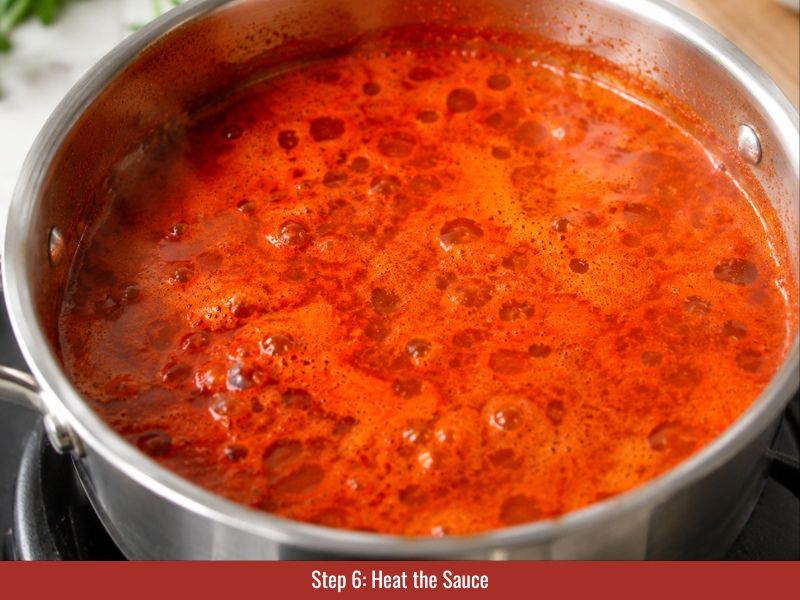
Step 6: Heat the Sauce
Heat the milled sauce in your saucepan until it hits at least 180°F (82°C). Getting it up to this temperature pasteurizes the sauce, so it is totally safe to sit on your shelf. If it does not get hot enough, you run the risk of bacteria growing in your bottle later on.
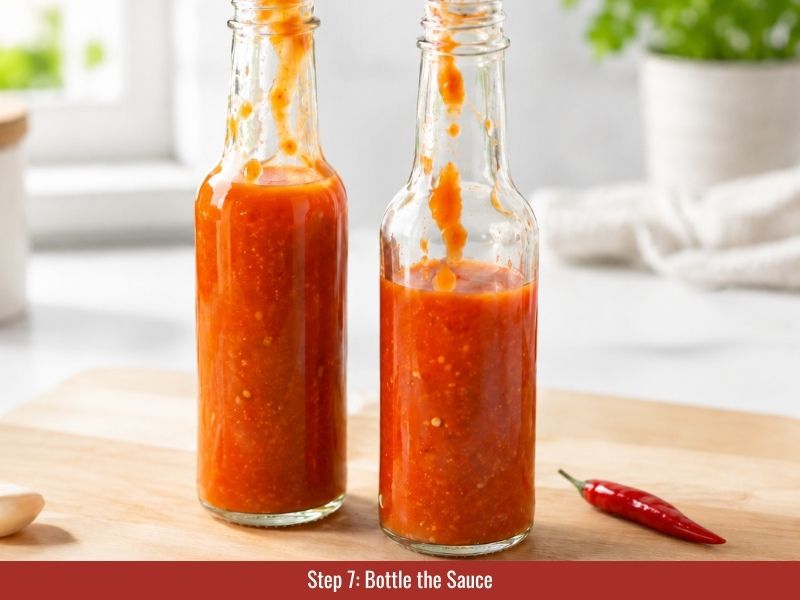
Step 7: Bottle the Sauce
Pour the sauce right into sanitized bottles while it is still above 180°F (82°C). Screw on some clean caps, then flip the bottles upside down for at least 5 minutes to sanitize the inside of the lids.
Bottling it this hot and flipping it uses the heat of the sauce itself to kill any bacteria left inside the cap. This completely preserves your sauce without you having to mess with a separate water bath.
What Can You Substitute or Change in Thai Chili Hot Sauce?
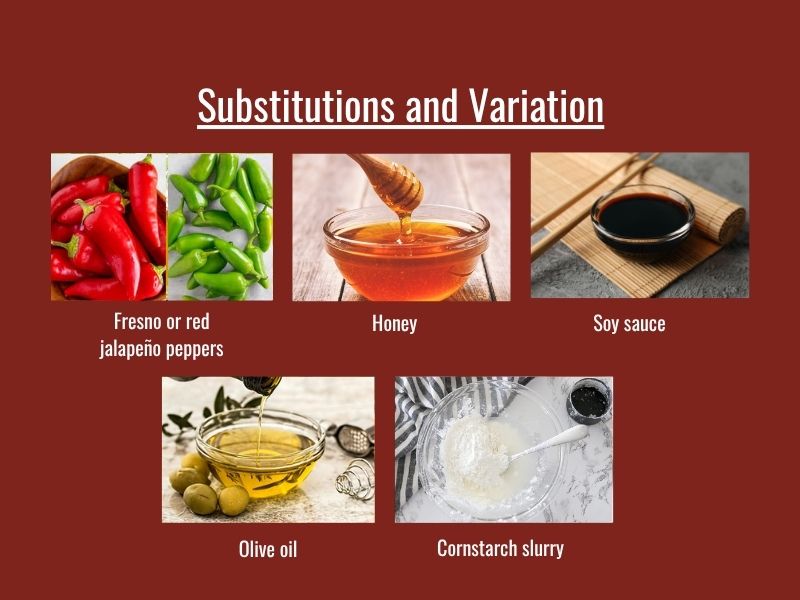
Here are 5 easy swaps you can make if you want to change up the flavor, heat, or texture of your Thai chili hot sauce.
- Fresno or red jalapeño peppers instead of Thai peppers. These drop the spice level down from the 50,000 to 100,000 SHU range to a much friendlier 2,500 to 10,000 SHU. They also give you a sweeter, fruitier sauce that is perfect if you like things milder.
- Honey instead of brown sugar. Honey changes the sweetness from a deep molasses vibe to something lighter and more floral. Start with 2 tablespoons and add more if you need to, since different honeys taste stronger than others.
- 1/2 teaspoon of soy sauce instead of hoisin. Soy sauce takes away that sweet fermented taste and swaps it for a cleaner, saltier umami flavor. It keeps the sauce tasting sharp and feeling lighter in your mouth.
- A drizzle of olive oil over your roasted garlic right before you blend it. This softens up the garlic and adds a nice, subtle richness that balances out the sharp bite from using 2 vinegars.
- A cornstarch slurry (2 tablespoons of cornstarch mixed with 2 tablespoons of water) is whisked in while you heat the sauce. This gives you that thicker, glossier texture you usually see in Thai sweet chili sauce.
How To Adjust the Thai Chili Hot Sauce's Heat Level
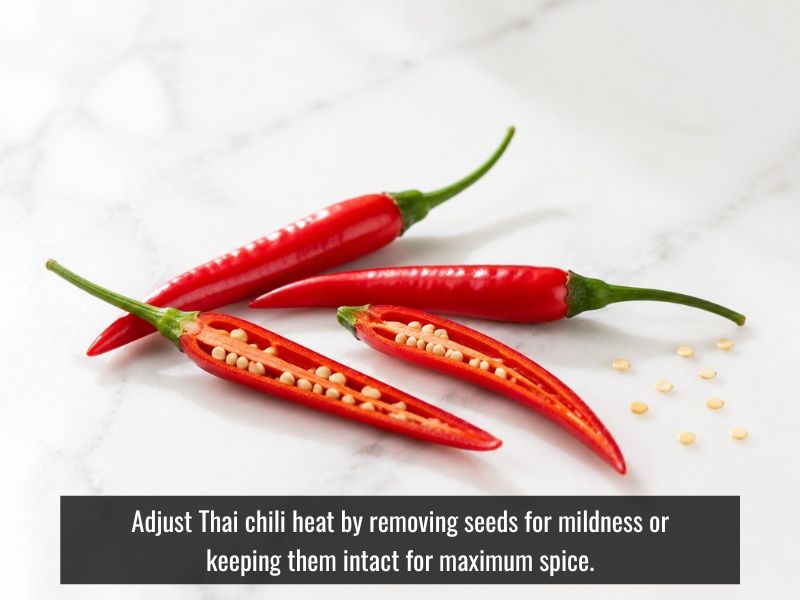
Want your sauce less spicy? Just use fewer peppers or scoop out the seeds and the white parts inside. Want it hotter? Toss in more peppers or leave all the seeds right where they are. The real heat comes from capsaicin, which lives in that white membrane holding the seeds, not the seeds themselves. Scraping all that out drops the heat by 30 to 50 percent.
For a mild batch, just use 8 oz (227g) of peppers and scoop out all the seeds. For medium heat, go with the full 16 oz (453g), but still take the seeds out. If you want the full kick, use the whole 16 oz (453g) and leave everything intact. Looking for maximum fire? Swap out a few of your Thai peppers for bird's eye chilies. Those pack a massive punch, hitting up to 225,000 SHU!
What To Eat with Thai Chili Hot Sauce
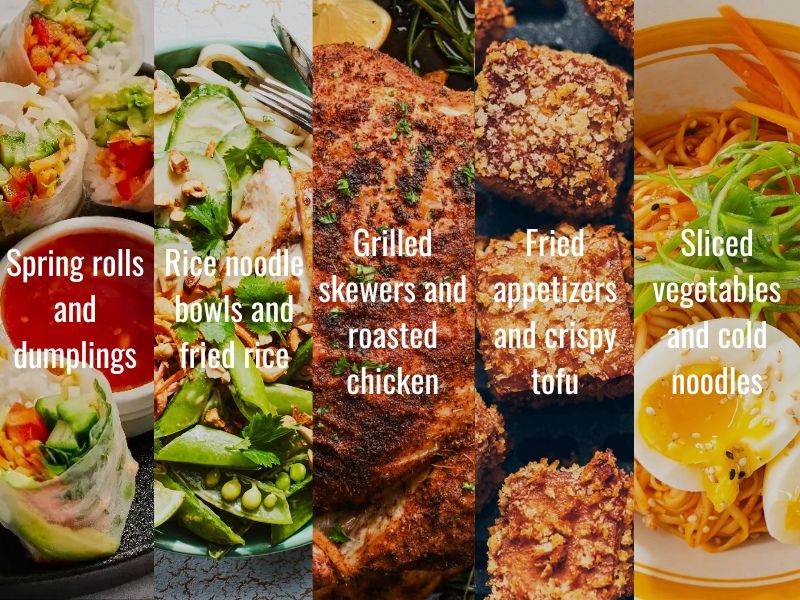
Thai chili hot sauce is amazing on Asian food, grilled meats, fried snacks, and pizza. Its sharp tang easily cuts through heavy or starchy meals.
- Spring rolls and dumplings. The vinegar matches the fresh flavors perfectly.
- Rice noodle bowls and fried rice. A drizzle adds a nice kick without feeling heavy.
- Grilled skewers and roasted chicken. The spice cuts right through the rich fat.
- Fried appetizers and crispy tofu. The tang perfectly balances the greasy crunch.
- Sliced veggies and cold noodles. It works great as the main dressing for lighter foods.
CHIN-SU Hot Sauce is awesome to keep on the table, too. It brings a smooth, balanced heat if you want classic chili flavor without the roasted notes. Put a bottle out so your friends can pick their favorite!
How To Store Thai Chili Hot Sauce
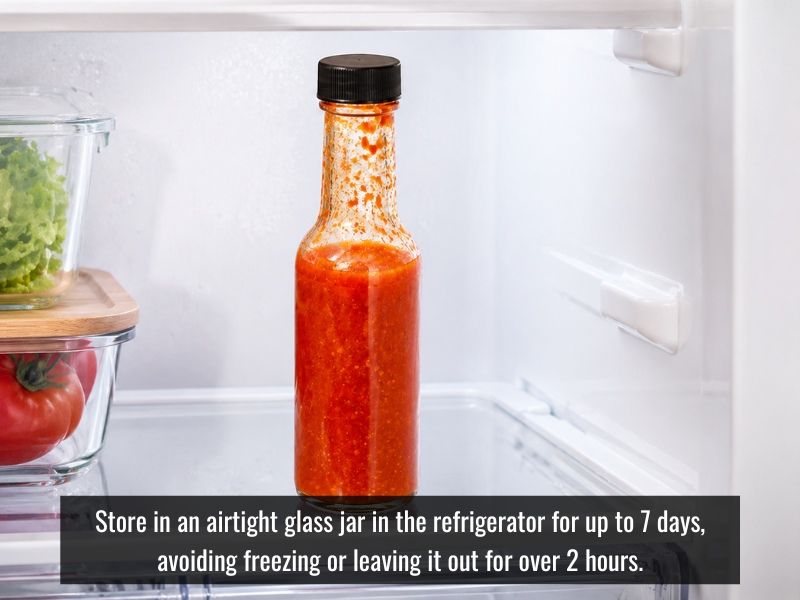
Your homemade Thai chili hot sauce can last up to 6 months at room temperature when bottled correctly. Once opened, keep it in the fridge and use it within a few weeks. See does hot sauce expire for a broader comparison of shelf life across different sauce types and storage methods.
Keep the pH below 4.0 to ensure the sauce remains safe. Check it with a pH meter or test strips immediately before bottling, and stir in a little white vinegar if the reading is too high.
If you use less vinegar than the recipe calls for, the sauce will not be shelf-stable. Refrigerate it and use it within 2 to 4 weeks. Read does hot sauce need to be refrigerated to understand why this lower-acid version must stay chilled.
You can also freeze the sauce for up to 12 months. Pour it into ice cube trays, freeze the portions, then transfer them to a freezer bag. Thaw the sauce overnight in the fridge or place the sealed bag in cold water for 30 minutes. Do not microwave it because uneven heating can damage the texture and affect the acidity.
Have you made this Thai chili hot sauce yet, or are you still picking out your peppers? Drop your questions, tweaks, or results in the comments below. No question is too small, and every batch teaches you something new. If this recipe worked for you, a quick star rating helps other home cooks find it. Share your finished bottles on social media with #CHINSUHotSauce and tag us. We read every single one. Ready to skip the roasting for a night? CHIN-SU Chili Sauce is right there waiting at chinsu.com.
Enjoy more hot sauce recipe:
Frequently Asked Questions
Thai chili sauce comes straight from Thailand. The sweet, sticky version you see everywhere started as a dip for grilled chicken and got huge in the 1980s and 1990s. This roasted recipe is much closer to the sharp, less sweet sauce real Thai home cooks make.
You sure can! Just soak your peppers in a 2 to 3 percent saltwater brine for 5 to 7 days at room temperature before blending. This naturally builds deep flavor without any added vinegar. It just takes a whole week instead of exactly 50 minutes.
Thai chili hot sauce and sriracha are related but not the same. Sriracha uses a fermented chili paste base and contains a higher sugar content, which gives it a thicker body and a sweeter heat. Thai chili hot sauce made from roasted fresh peppers is thinner, more acidic, and delivers a sharper heat with less sweetness.
You totally can! Just blend it on high for a bit longer, then press it through a fine-mesh strainer or cheesecloth. It might not be perfectly smooth like a food mill gets it, but the taste and thickness will still be spot on if you strain it well.
You absolutely can! Just blend the mixture on high for a little longer, then push it through a fine-mesh strainer or cheesecloth. It might be slightly less smooth than using a mill, but the taste and thickness will stay super close to the original if you strain it well.
Thai Chili Hot Sauce Recipe
Ingredient
- 16 oz (453 g) of Thai chili peppers.
- 4 cloves of garlic, roasted.
- 3/4 cup (180 ml) of water.
- 4 tablespoons (50 g) of brown sugar.
- 1 teaspoon (5 ml) of hoisin sauce.
- 1 cup (240 ml) of rice vinegar.
- 1 cup (240 ml) of white vinegar.
Instructions
- Step 1: Roast the Peppers. Roast the Thai chili peppers in an oven preheated to 450°F (232°C) until the skins are lightly charred. This develops a smoky, slightly sweet flavor in the peppers.
- Step 2: Roast the Garlic. Roast the garlic cloves until soft and caramelized inside. This removes the raw sharpness and creates a smoother base flavor for the sauce.
- Step 3: Blend the Base. Add roasted peppers, roasted garlic, water, brown sugar, and hoisin sauce into a blender. Blend until completely smooth with no visible chunks.
- Step 4: Add Vinegars. Pour in rice vinegar and white vinegar, then blend again until fully combined and uniform in texture.
- Step 5: Mill the Sauce. Run the mixture through a food mill to remove skins and seeds, then transfer the smooth liquid into a saucepan.
- Step 6: Heat the Sauce. Heat the sauce until it reaches at least 180°F (82°C) to fully pasteurize it and make it shelf-stable.
- Step 7: Bottle the Sauce. While still above 180°F (82°C), pour the sauce into sterilized bottles. Immediately seal them and flip upside down for 5 minutes to sanitize the lids.
Storage: Keep Thai chili hot sauce in sealed bottles at room temperature if properly pasteurized. It remains stable due to its acidity and vinegar content. Once opened, refrigerate for best quality and use within a few weeks. For long-term storage, keep in a cool, dark place away from sunlight.
Yield: About 20 fl oz (590 ml) per batch
Serving Style: Thin, pourable sauce with clean heat and tangy finish

CHIN-SU KITCHEN TEAM
CHIN-SU Kitchen Team are the creative experts behind the delicious recipes featuring CHIN-SU sauces. With years of experience and a passion for flavor, our team carefully selects recipes from a variety of trusted chefs and bloggers, bringing together the best culinary insights to present you with the most suitable and exciting dishes. Every recipe is chosen to inspire you to create meals that are not only tasty but also easy to prepare, enhancing your dining experience. Join us as we explore a wide range of sauces and flavors, and elevate every meal with the perfect recipe for your table!
User Reviews
Featured Articles
SUBSCRIBE TO GET
MORE INFO
Want the latest and greatest recipes, updates, and more from us,
straight to your inbox? Subscribe and get our NEWS!