Korean Hot Sauce Recipe: Authentic Gochujang Sauce With Fermented Chili Paste
Published: Jul 10, 2026 by CHIN-SU
Updated: Jul 31, 2026 by CHIN-SU
Tested by CHIN-SU Kitchen Team
Most hot sauces just burn your mouth, and that is it. Gochujang sauce stands out from the crowd. Because it uses a fermented chili paste base, it brings out a deep mix of spicy, salty, and sweet flavors that standard vinegar sauces simply cannot beat. The slow aging process makes the heat really smooth, so it goes perfectly with grilled meat, noodles, and rice bowls. It makes total sense that people are starting to keep a tub of it in their fridge right next to their sriracha.
The best part? You do not need any fancy equipment or special skills to make this at home. Of all the recipes out there, CHIN-SU picked this one because it is foolproof. You just need a bowl and a whisk to get it right on your first try. Take 5 basic ingredients, spend 5 minutes, and you will whip up about 180 ml of sauce. Pour it over rice, mix it into stir fries, or use it as a dip for chicken. Check out the steps below and see what this paste can do for your food.
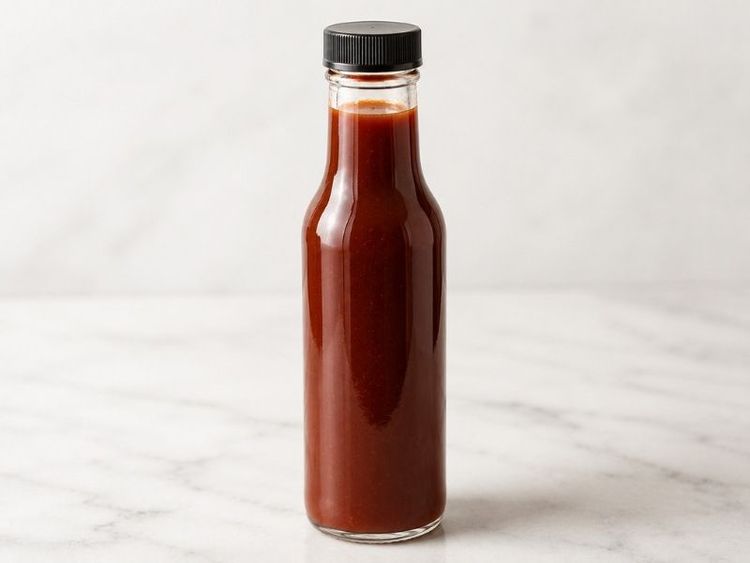
Table Of Contents
- What Is Korean Hot Sauce?
- Why You'll Love This Gochujang Hot Sauce Recipe
- Korean Hot Sauce Ingredients
How To Make Korean Hot Sauce Step by Step
What Are The Variations of Korean Hot Sauce?
- What to Eat with Gochujang Hot Sauce?
- How Do Korean Locals Use This Hot Sauce?
- How Long Does Homemade Korean Hot Sauce Last?
- Korean Hot Sauce vs. Sriracha
What Is Korean Hot Sauce?
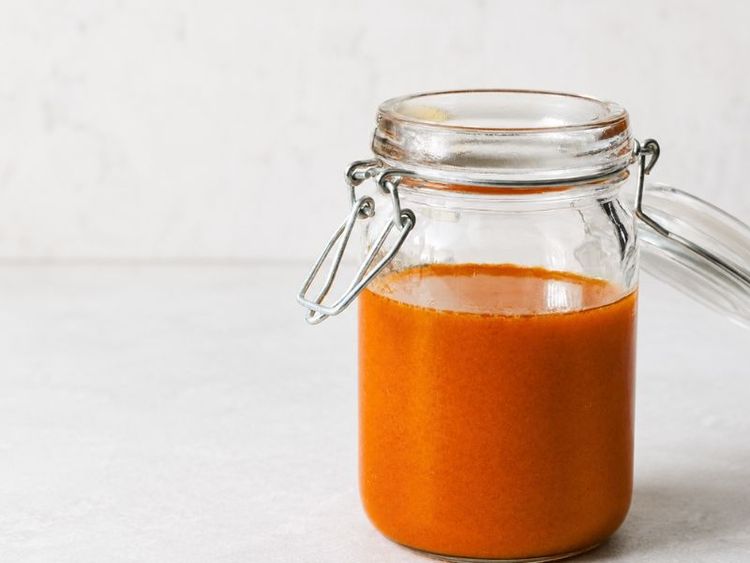
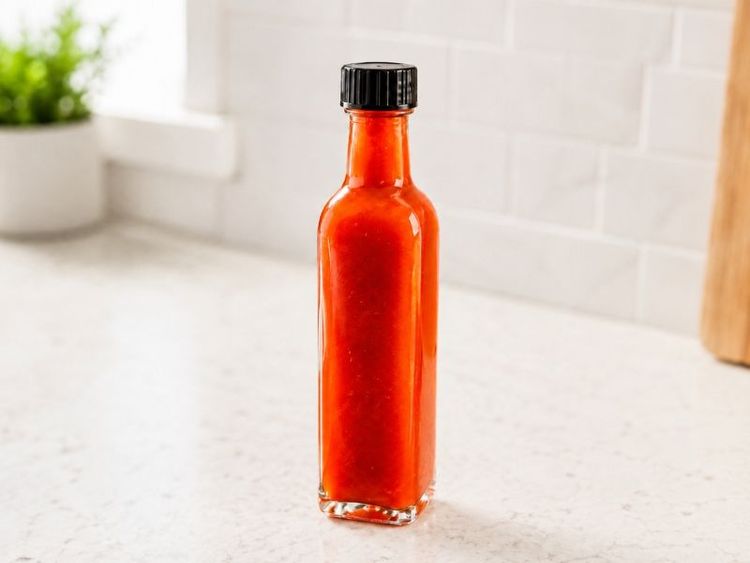
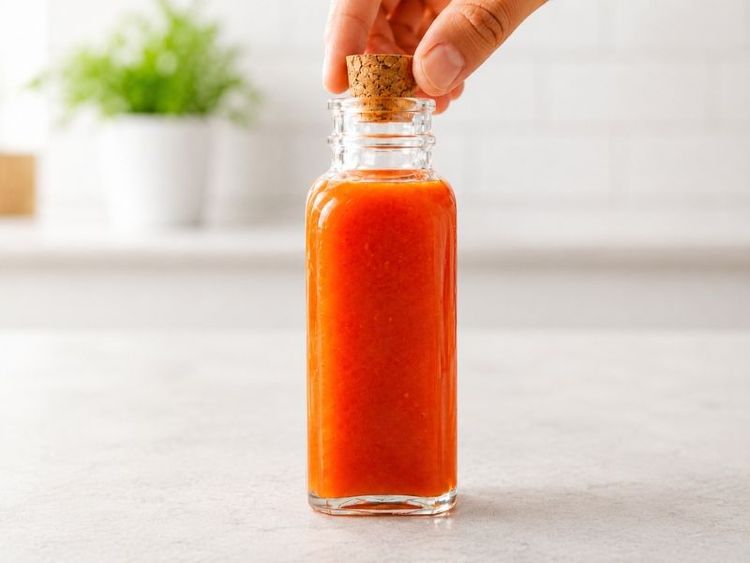
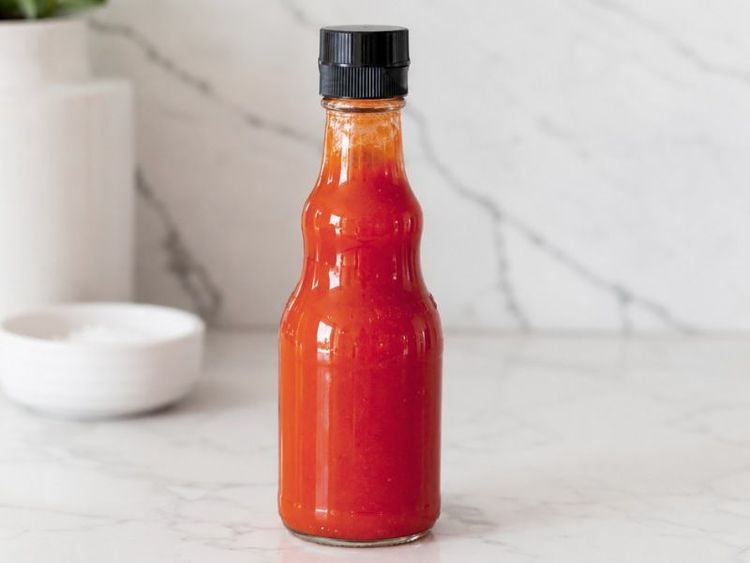
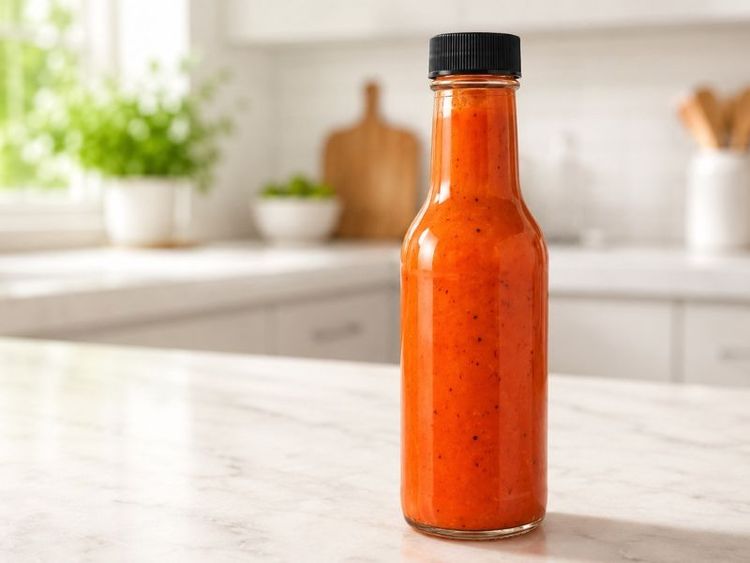
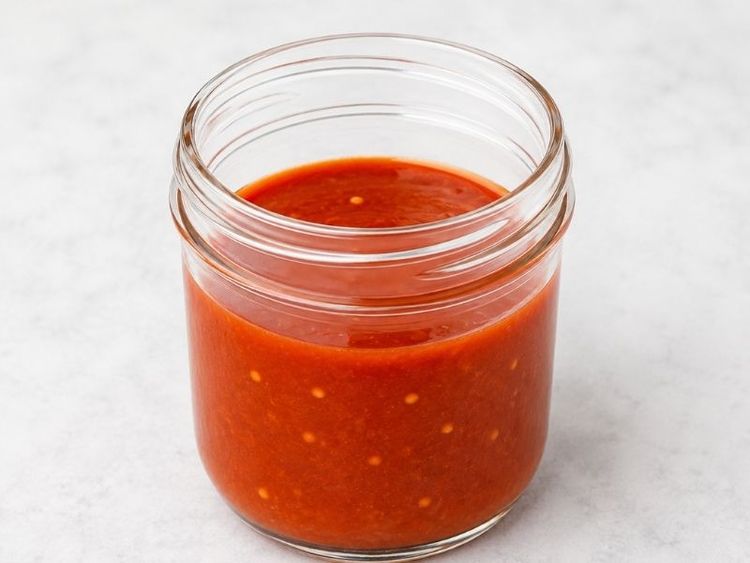
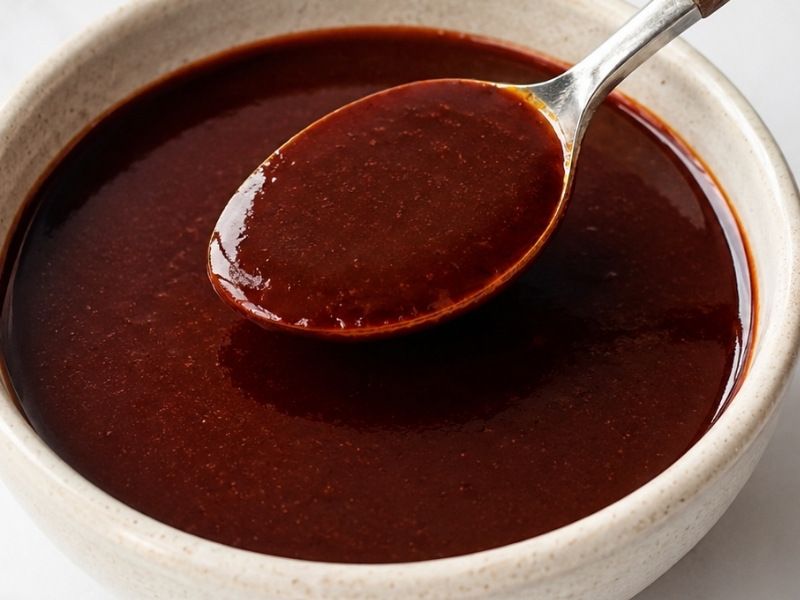
Korean hot sauce, or gochujang sauce, starts with a fermented chili paste. You just mix gochujang with sesame oil, rice vinegar, soy sauce, and a little sugar or honey. This gives you a great balance of spicy, salty, nutty, sour, and sweet flavors.
This sauce comes from Korea, where people have used gochujang since the early 15th century as medicine and an everyday kitchen staple. The paste itself is made from fermented soybeans, sticky rice, and Korean red pepper powder. Unlike regular salsa made from raw peppers or tomatoes, this sauce uses a fermented base. That aging process creates a rich, savory flavor and a thick texture you can easily scoop with a spoon.
Why You'll Love This Gochujang Hot Sauce Recipe
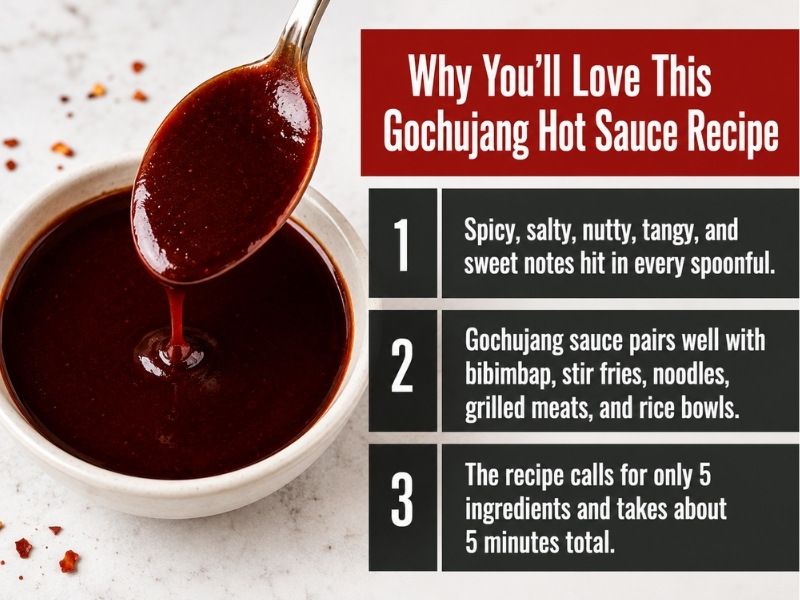
Putting together this hot sauce at home is a smart choice. It brings out great Korean flavors in under 5 minutes with just 5 ingredients. Here are 3 reasons to go for it:
- It mixes spicy, salty, nutty, sour, and sweet tastes. You can easily turn the heat up or down by changing the amount of paste.
- It pairs beautifully with noodles, grilled meats, and rice bowls. It also works great as a quick dip.
- You only need 5 ingredients, 5 minutes, a bowl, and a whisk. Try it once, and you will keep a fresh batch every week.
Korean Hot Sauce Ingredients
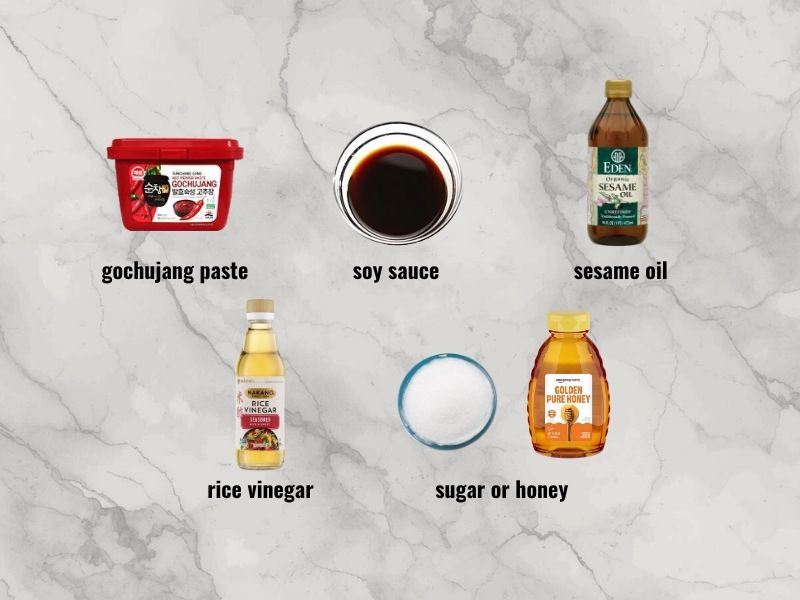
You just need 5 ingredients to whip up some Korean gochujang hot sauce.
- 1/4 cup of gochujang paste. This fermented chili base brings the heat, gives it a deep, savory flavor, and adds the classic red-orange color.
- 1/4 cup of soy sauce. The salty taste really rounds out the sweetness of the gochujang.
- 2 tablespoons of sesame oil. That nutty smell and smooth texture help cut right through the sharpness of the chili paste.
- 1 tablespoon of rice vinegar. A little sourness perfectly balances out the rich oil and soy sauce.
- 1 tablespoon of sugar or honey. A touch of sweetness cools down the spice and ties everything together.
Since this recipe starts with chili paste, you can easily mix in CHIN-SU Chili Sauce for a Southeast Asian twist. It brings in notes of grilled bird's eye chilies and fermented garlic, adding a fresh layer to the classic sauce. Just swap out half of the gochujang for CHIN-SU for a spicier, garlic-heavy version.
Putting all this together makes about 12 tablespoons (or 180 ml) of sauce. That is plenty for 4 to 6 servings.
How To Make Korean Hot Sauce Step by Step
Making gochujang hot sauce at home takes just 3 simple steps and about 5 minutes total. Simply combine the ingredients, adjust the flavor to your liking, and enjoy a quick no-cook sauce with bold Korean flavor.
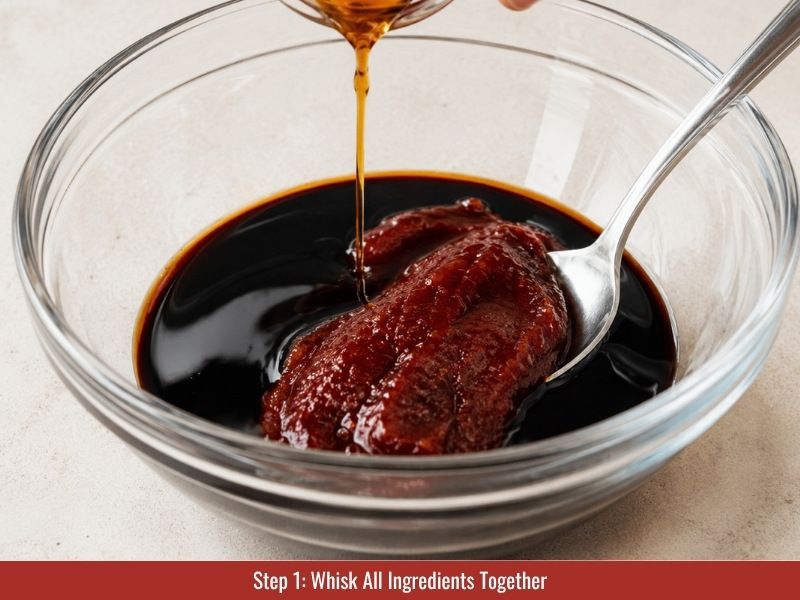
Step 1: Whisk All Ingredients Together
Grab a small bowl and toss in 1/4 cup of gochujang paste, 1/4 cup of soy sauce, 2 tablespoons of sesame oil, 1 tablespoon of rice vinegar, and 1 tablespoon of sugar or honey.
Just mix it all up until it's completely smooth, and you don't see any clumps of paste left over.
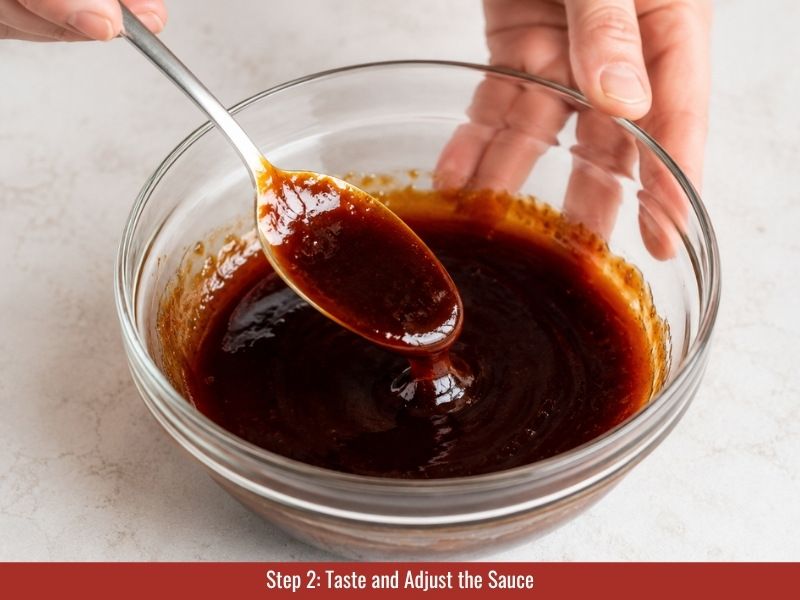
Step 2: Taste and Adjust the Sauce
Grab a clean spoon and taste the sauce. If you want it thicker and spicier, just mix in more gochujang. On the other hand, if it feels too thick, you can easily thin it out with a little extra rice vinegar or sesame oil. It all depends on how you like it.
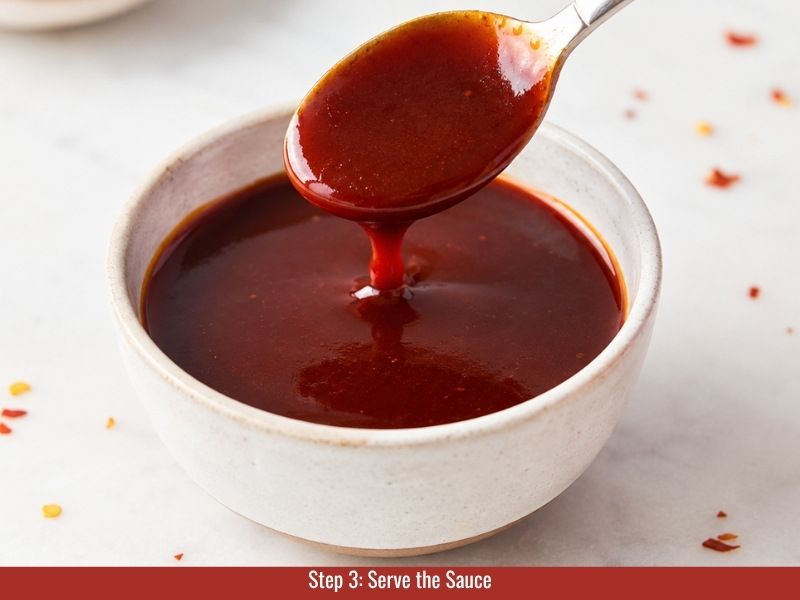
Step 3: Serve the Sauce
Spoon your fresh sauce right over bibimbap, noodles, stir-fries, or rice bowls. It also works out perfectly as a quick dip for grilled meats, shrimp, or roasted veggies.
What Are The Variations of Korean Hot Sauce?
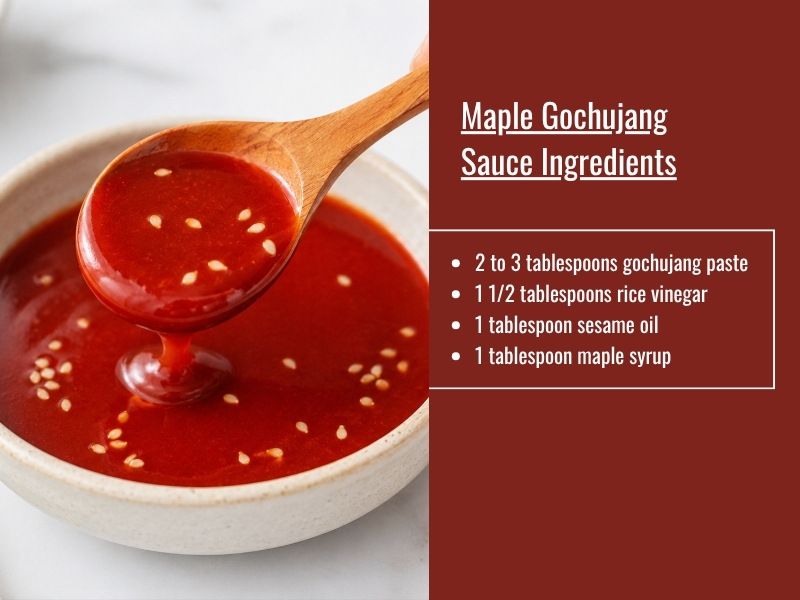
Maple Gochujang Sauce (Mild)
You can whip up this maple gochujang sauce by mixing just 4 ingredients together: gochujang paste, rice vinegar, sesame oil, and maple syrup.
This version calls for 4 ingredients:
- 2 to 3 tablespoons of gochujang paste.
- 1.5 tablespoons of rice vinegar.
- 1 tablespoon of sesame oil.
- 1 tablespoon of maple syrup.
This sauce requires 2 steps:
- Whisk the paste, vinegar, oil, and syrup in a bowl until smooth. Use less paste for a mild sauce, or add more to turn up the heat.
- Spoon it right over your bibimbap bowls or use it to dress up any veggie rice bowl.
This recipe makes 4 servings and takes 5 minutes. The maple syrup brings a natural sweetness that beats regular white sugar. Keep it in an airtight container in the fridge, and it stays good for up to 1 week.
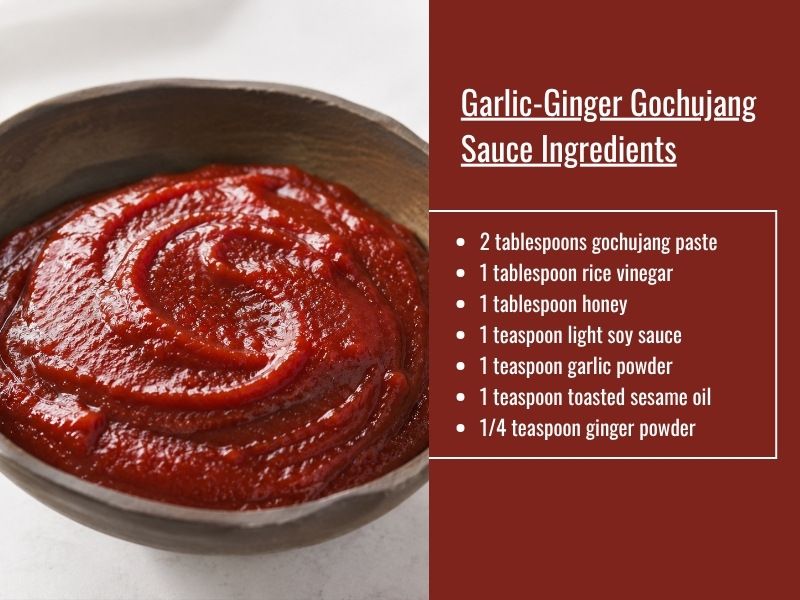
Garlic-Ginger Gochujang Sauce (Medium)
To make this garlic-ginger gochujang sauce, whisk together 7 ingredients: gochujang paste, rice vinegar, honey, soy sauce, garlic powder, sesame oil, and ginger powder.
This version uses 7 ingredients:
- 2 tablespoons of gochujang paste.
- 1 tablespoon of rice vinegar.
- 1 tablespoon of honey.
- 1 teaspoon of light soy sauce.
- 1 teaspoon of garlic powder.
- 1 teaspoon of toasted sesame oil.
- 1/4 teaspoon of ginger powder.
This sauce takes 2 easy steps:
- Combine all 7 ingredients in a bowl. Whisk them together until the mix is completely smooth.
- Serve it with bibimbap or your favorite meal. Keep it in an airtight container in the fridge for up to 1 week.
This recipe makes about 4 oz (120 ml) of sauce in just 5 minutes. The garlic and ginger powders add a warm, savory flavor you will not find in the basic version.
What to Eat with Gochujang Hot Sauce?
Gochujang hot sauce goes perfectly with rice, noodles, grilled meat, stir-fries, and roasted veggies. Its mix of sweet, spicy, and savory flavors brings out the best in almost any protein or carb you cook up.
- Classic bibimbap or any Korean mixed rice bowl.
- Quick stir-fries made with beef, pork, or shrimp.
- A hot bowl of spicy ramen or Korean noodles.
- Beef bulgogi or Korean BBQ short ribs are called galbi.
- A side of roasted veggies or sweet potato fries.
- Your favorite veggie burgers or everyday lunch sandwiches.
- A tasty dip for dumplings, shrimp, or fried chicken.
You can easily mix this sauce into other dressings. Try blending it with mayo for a spicy dip, stirring it into chicken marinades, or whisking it with extra rice vinegar and sesame oil for a fresh salad dressing.
For Vietnamese dishes, CHIN-SU Hot Sauce is a fantastic ready-made swap giving a similar sweet and spicy kick. Squeeze it over pho or banh mi for instant flavor without any prep.

How Do Korean Locals Use This Hot Sauce?
Locals in Korea rely on this hot sauce for cooking and eating. They mix it in while making meals or just spoon it on top at the table.
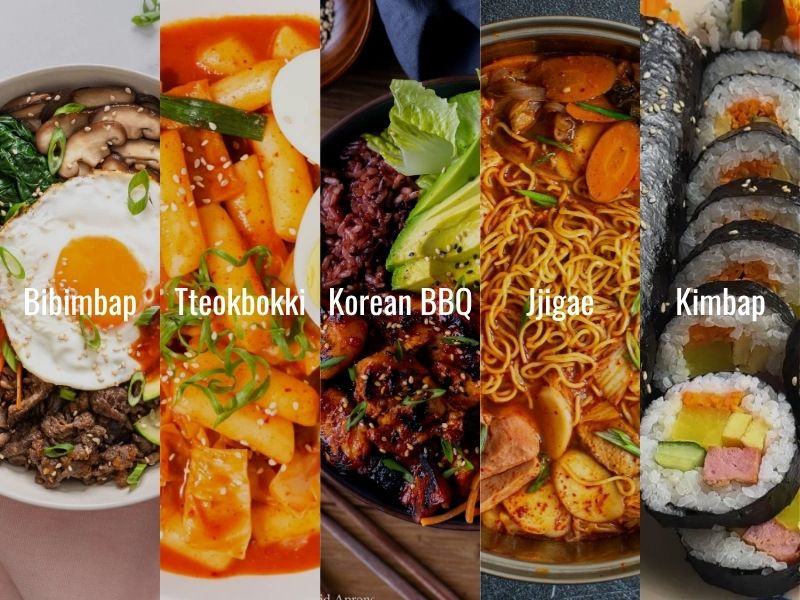
Families in Korea usually pair this sauce with these 5 classic dishes:
- Bibimbap, where you stir the sauce right into your hot rice bowl before eating.
- Tteokbokki, or spicy rice cakes, uses this paste as its main seasoning.
- Korean BBQ, like bulgogi and galbi, where it acts as a side dip.
- Jjigae, a Korean stew that gets extra heat and body from a quick spoonful.
- Kimbap, where it works perfectly as a dipping sauce on the side.
You can try it on non-Korean food too. It tastes amazing on tacos, burgers, avocado toast, deviled eggs, roasted potatoes, and even salmon rice bowls.
The basic 5-ingredient recipe is perfect for bibimbap and stir-fries. The maple version suits grain bowls and roasted veggies. Finally, the garlic-ginger mix goes really well with grilled meats and Korean BBQ.
How Long Does Homemade Korean Hot Sauce Last?
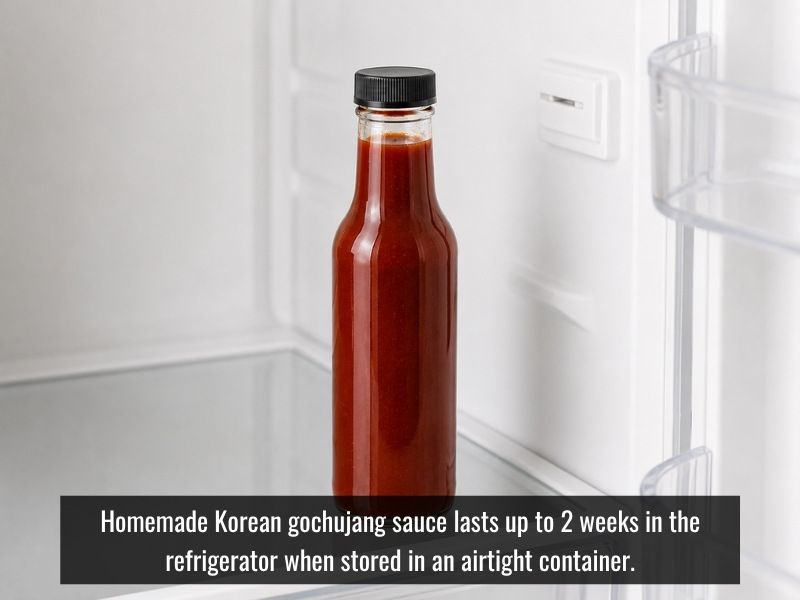
Homemade gochujang sauce stays fresh in the fridge for up to 2 weeks when stored in an airtight container. Rice vinegar lowers the pH, while the salt in soy sauce also helps slow spoilage. Even with these ingredients, the sauce must remain chilled after opening. See does hot sauce need to be refrigerated after opening to understand how acidity and ingredients affect storage requirements.
You can also freeze the sauce in small portions for up to 3 months, then thaw only what you need in the fridge.
If you add fruit or use fresh garlic instead of powder, the answer to how long is hot sauce good for changes because the extra moisture and sugar shorten its shelf life. Discard the sauce if it develops an unusual smell, visible mold, or unexpected bubbling.
Korean Hot Sauce vs. Sriracha
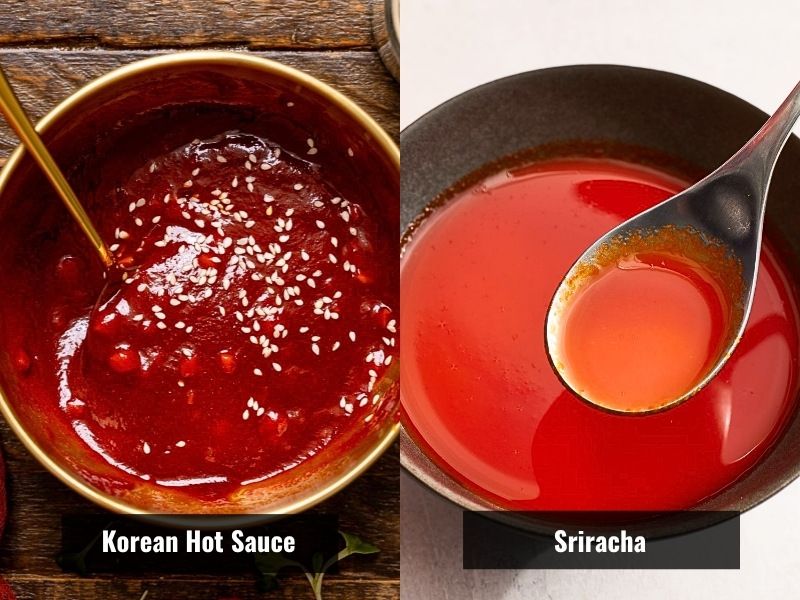
Korean gochujang sauce and sriracha are actually pretty different when you look at what is inside them. Gochujang sauce is a thick, fermented chili paste made from red pepper powder and soybeans, giving it a deep, savory flavor. Sriracha is made with fresh jalapenos and vinegar, so it has a much thinner texture and a sharper heat.
Gochujang sauce is perfect for rice or BBQ because it is thick enough to stick to your food. On the other hand, sriracha is much better for things like soup or eggs, where you just want a quick, pourable sauce.
Here is how the two sauces compare side by side:
| Feature | Korean Hot Sauce (Gochujang) | Sriracha | CHIN-SU Chili Sauce |
| Primary Chili Peppers | Korean dried red pepper (gochugaru) | Jalapeño | Bird's eye chili (charcoal-grilled) |
| Heat Level | Mild to hot (depends on gochujang grade) | Mild (1,000 - 2,500 SHU) | Medium (comparable to sriracha) |
| Color | Deep red-brown | Red-orange | Bright red-orange |
| Flavor | Sweet, spicy, fermented umami | Garlicky, slightly sweet | Smoky, garlicky, sweet-spicy |
| Texture | Thick, paste-like | Smooth, thick paste | Smooth, pourable |
| Key Ingredients Besides Chilies | Glutinous rice, fermented soybeans, salt | Garlic, sugar, vinegar | Fermented garlic, sugar, salt |
| Preparation Method | Fermented paste whisked with oil, vinegar, and sweetener | Fermented and processed | Charcoal-grilled chilies blended with fermented garlic |
Have you tried this gochujang hot sauce yet, or are you planning your first batch this weekend? Drop your questions, recipe tweaks, or results in the comments below. No question is too small, and every batch is worth talking about. If this recipe worked for you, a quick star rating helps other home cooks find it too. Share your finished sauce on social media with #CHINSUHotSauce and tag us. We read everyone. Ready to try a Southeast Asian twist on your next meal? Pick up CHIN-SU Chili Sauce at chinsu.com.
Enjoy more hot sauce recipe:
- Fermented hot sauce recipe
- Thai chili hot sauce
- Vinegar based hot sauce
- Creamy hot sauce
- Fresno hot sauce
- Jalapeno hot sauce
- Serrano hot sauce
- Habanero hot sauce
- Smoked hot sauce
- Chipotle hot sauce
- Tabasco hot sauce
- Pepperoncini hot sauce
- Ghost pepper hot sauce
- Carolina reaper hot sauce
- Chocolate habanero hot sauce
- Trinidad scorpion hot sauce
- Datil pepper hot sauce
Frequently Asked Questions
Gochujang sauce and gochujang paste are actually 2 different things. The paste is that thick, fermented chili base you buy in tubs. The sauce is what you get when you thin out the paste by mixing it with sesame oil, rice vinegar, soy sauce, and a little sugar.
The heat level goes from mild to really hot, depending on the exact paste you start with. Most tubs at the store tell you how spicy they are. If it is too hot, just mix in a bit more sesame oil or soy sauce to cool things down.
You can absolutely use this sauce to marinate chicken, pork, beef, or tofu. The sugar in the paste gives your food a great caramelized crust when you grill or roast it. Plus, the fermented soybeans actually help make the meat super tender.
If you run out, try mixing red pepper flakes, miso paste, and a little sugar for a sweet-and-spicy flavor. Nothing else tastes exactly like it, though. Its unique flavor comes from a very specific mix of fermented rice, soybeans, and Korean chili powder.
Regular gochujang sauce is usually not gluten-free because the paste is fermented with wheat or barley. However, some brands sell special versions made entirely with rice flour. If you are trying to avoid gluten, always read the label before you buy.
Korean Hot Sauce Recipe
Ingredient
- 1/4 cup gochujang paste.
- 1/4 cup (60 ml) soy sauce.
- 2 tablespoons (30 ml) sesame oil.
- 1 tablespoon (15 ml) rice vinegar.
- 1 tablespoon sugar or honey.
Instructions
- Step 1: Whisk All Ingredients Together. In a small bowl, combine gochujang paste, soy sauce, sesame oil, rice vinegar, and sugar or honey. Whisk until smooth with no clumps.
- Step 2: Taste and Adjust. Taste the sauce and adjust sweetness or thickness by adding more sugar, honey, or rice vinegar if desired.
- Step 3: Serve. Spoon the sauce over bibimbap, noodles, stir-fries, grilled meats, or use as a quick dipping sauce.
Storage: Store in a clean, airtight container in the fridge for up to 2 weeks. Freezing is possible for up to 3 months; thaw in the fridge overnight before using.
Yield: About 12 tablespoons (180 ml), 4–6 servings
Serving Style: Thick, sweet-spicy Korean-style sauce for rice bowls, stir-fries, and dipping

CHIN-SU KITCHEN TEAM
CHIN-SU Kitchen Team are the creative experts behind the delicious recipes featuring CHIN-SU sauces. With years of experience and a passion for flavor, our team carefully selects recipes from a variety of trusted chefs and bloggers, bringing together the best culinary insights to present you with the most suitable and exciting dishes. Every recipe is chosen to inspire you to create meals that are not only tasty but also easy to prepare, enhancing your dining experience. Join us as we explore a wide range of sauces and flavors, and elevate every meal with the perfect recipe for your table!
User Reviews
Featured Articles
SUBSCRIBE TO GET
MORE INFO
Want the latest and greatest recipes, updates, and more from us,
straight to your inbox? Subscribe and get our NEWS!