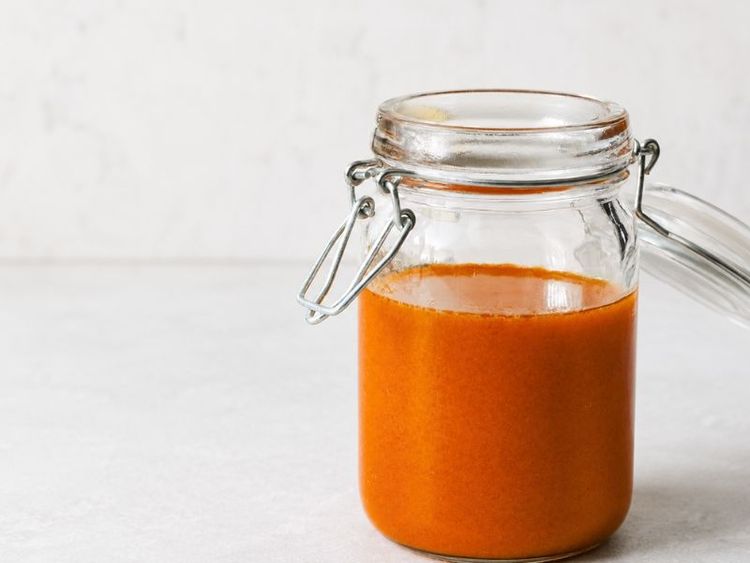
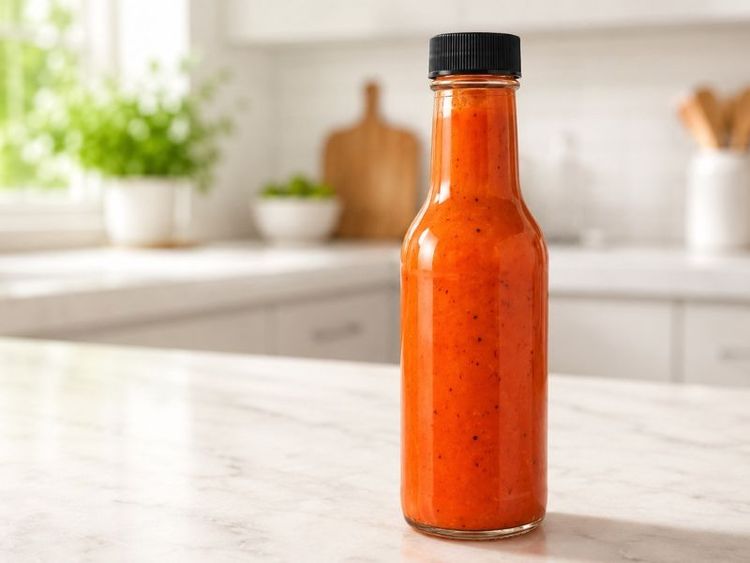
Japanese Hot Sauce Recipe: Authentic Recipe With Chili Oil and Sambal
Published: Jul 9, 2026 by CHIN-SU
Updated: Jul 31, 2026 by CHIN-SU
Tested by CHIN-SU Kitchen Team
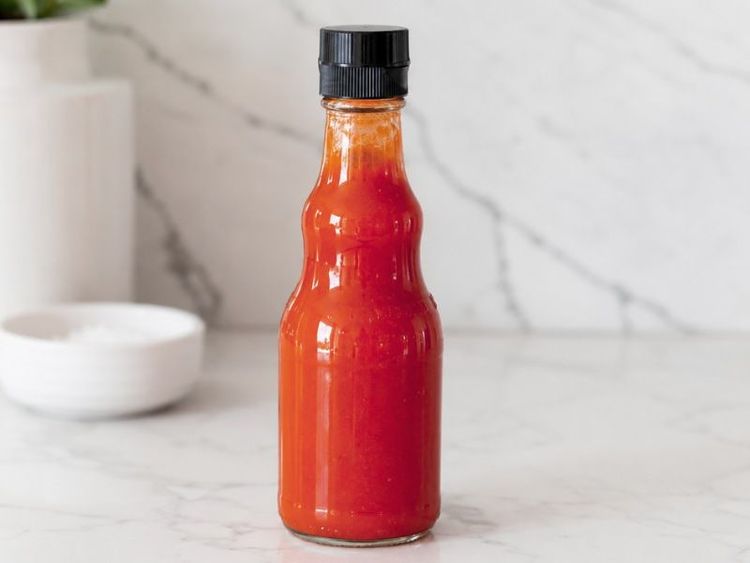
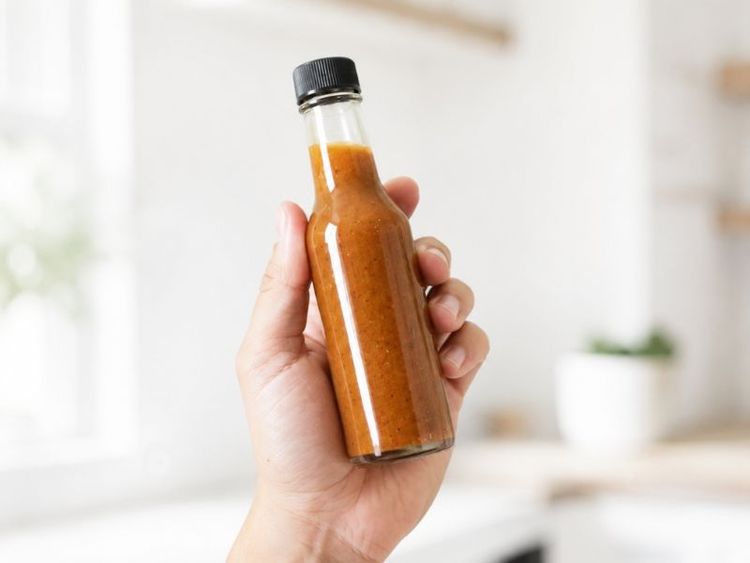
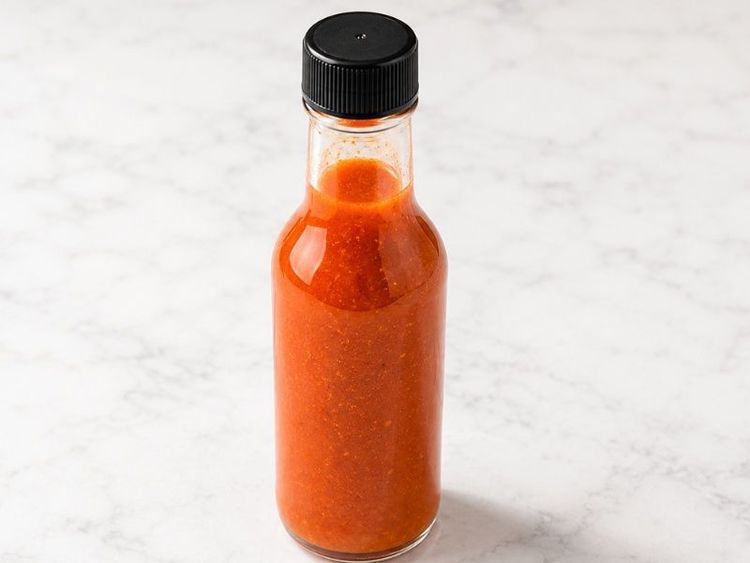
A lot of hot sauces just burn your mouth with vinegar, and that is it. Japanese spicy sauce is totally different. It mixes chili oil, chili paste, and sriracha into a single sauce, where the heat sneaks up on you step by step instead of hitting you all at once. That smooth texture and toasted sesame flavor are exactly why so many people are making Japanese-style sauces at home these days.
The best part? You can put this together in under 1 minute, and you do not even need to cook anything. CHIN-SU picked out this Japanese spicy sauce recipe because it calls for only 3 ingredients, each in equal amounts. That means you will get it right the very first time you try it. You will end up with about 1 cup (240 ml) of sauce. It goes perfectly with hibachi shrimp, fried rice, grilled pork, ramen, and chicken katsu. Just follow the steps below to find out what real, layered spice tastes like compared to a basic hot sauce.
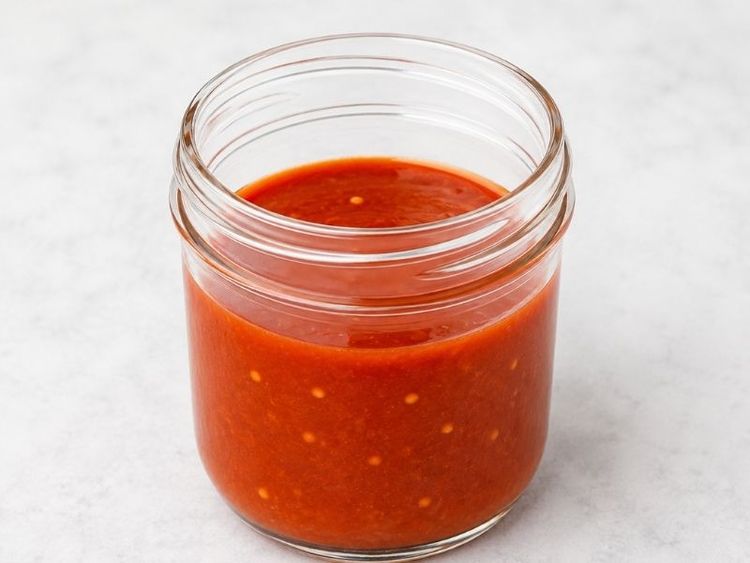
Table Of Contents
- What Is Japanese Hot Sauce?
- Why You'll Love This Japanese Spicy Sauce Recipe
- Japanese Hot Sauce Ingredients
How To Make Japanese Hot Sauce Step by Step
What Are The Variations of Japanese Hot Sauce?
- What to Eat with Japanese Spicy Sauce?
- How Do Japanese Locals Use This Hot Sauce?
- How Long Does Homemade Japanese Hot Sauce Last?
- Japanese Hot Sauce vs. Sriracha
What Is Japanese Hot Sauce?
Japanese hot sauce covers a lot of ground. It includes everything from chili oil to the spicy sauces you get at hibachi places. What sets them apart from Western hot sauces is their flavor. Instead of relying on plain vinegar and basic pepper heat, they use ingredients like sesame oil, rice vinegar, garlic, ginger, and fermented chili paste.
Spicy flavors in Japan go way back to the Edo period. Back then, a 7-spice blend caught on fast in noodle shops and street stalls. The best part is that Japanese hot sauce is not just a side dip. You can mix it right into stir-fries while cooking, or pour it over your food just before eating.
Why You'll Love This Japanese Spicy Sauce Recipe
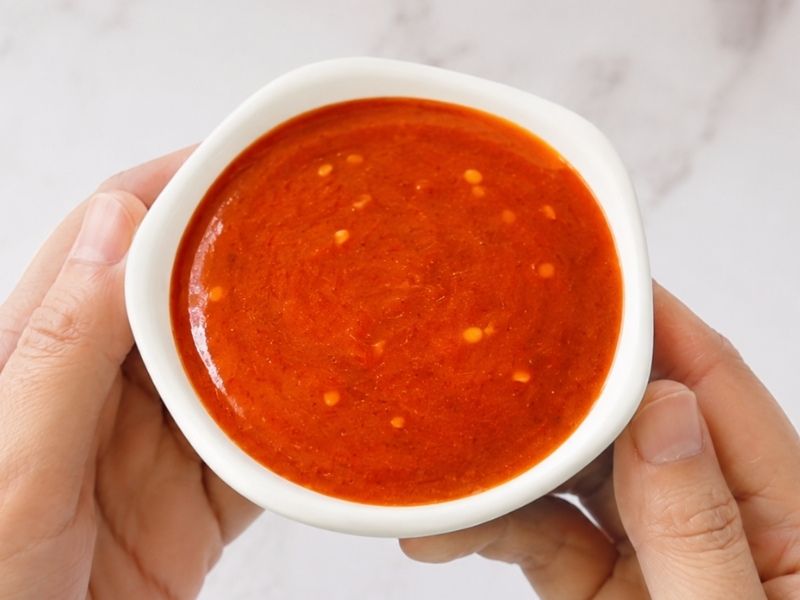
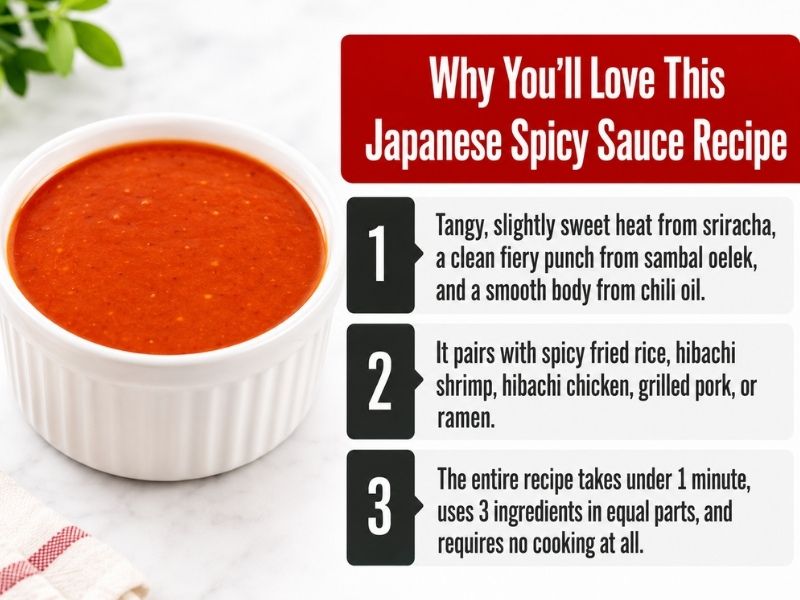
You should definitely make this Japanese spicy sauce at home. It packs amazing flavor in under 1 minute, using just 3 ingredients and no cooking. Here are 3 reasons to give it a try.
- It mixes sweet sriracha, spicy sambal, and smooth chili oil. You can easily turn up the heat with more sambal or cool it down with extra oil.
- It goes perfectly with fried rice, shrimp, chicken, pork, or ramen. Throw some on tacos or eggs for a fast meal.
- It takes under 1 minute to whip up. Just mix 3 equal parts together.
Japanese Hot Sauce Ingredients
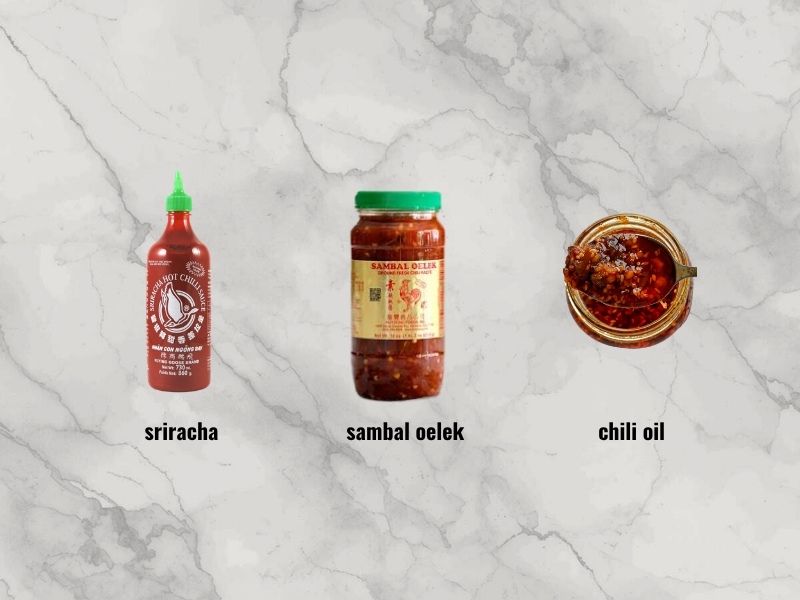
You only need 3 ingredients in a 1:1:1 ratio to put together this Japanese spicy sauce: sriracha, sambal oelek, and chili oil.
- 1 part sriracha. This Thai-style hot sauce is made from jalapeño peppers, vinegar, garlic, sugar, and salt. It makes up the tangy, slightly sweet base of your sauce. You can easily substitute CHIN-SU Chili Sauce for sriracha here. CHIN-SU gives you a great mix of grilled bird's eye chili and fermented garlic. It brings out a deeper flavor without that fake sweetness you get from some other sriracha brands.
- 1 part sambal oelek. This is a chunky Indonesian chili paste with hardly any vinegar and no sugar. It gives you a pure, fiery kick without messing up the overall taste with extra sourness or sweetness.
- 1 part chili oil. The Japanese kind relies on sesame oil instead of plain vegetable or soybean oil. It brings the whole sauce together and helps cool down the spicy heat from the other 2 ingredients.
If you mix equal parts of each ingredient, like 1/3 cup of each, you will end up with about 1 cup (240 ml) of finished spicy sauce.
How To Make Japanese Hot Sauce Step by Step
Making this Japanese spicy sauce takes just 3 simple steps and is ready in under 1 minute. With equal parts sriracha, sambal oelek, and chili oil, you only need to mix everything together until well combined. No cooking is required.
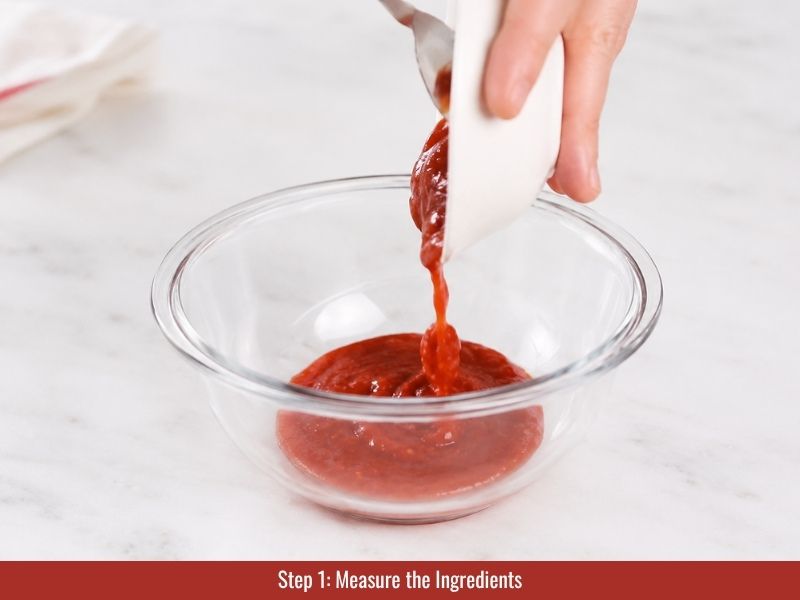
Step 1: Measure the Ingredients
Grab a mixing bowl and put in 1 part sriracha, 1 part sambal oelek, and 1 part chili oil. If you want a richer flavor with roasted chili and garlic, go ahead and use CHIN-SU Sriracha instead.
You can measure it out with whatever you have handy, like tablespoons or cups. Just make sure to keep the amounts equal for all 3 ingredients, depending on how much sauce you want to whip up.
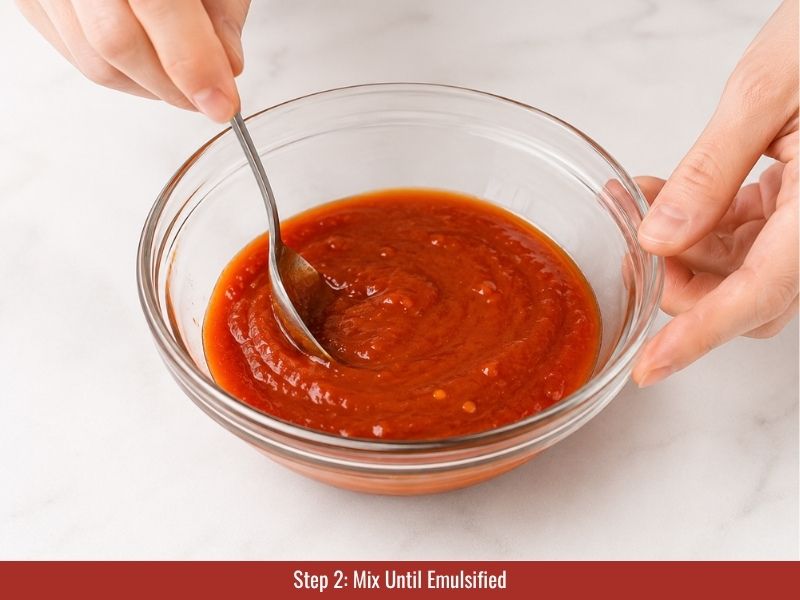
Step 2: Mix Until Emulsified
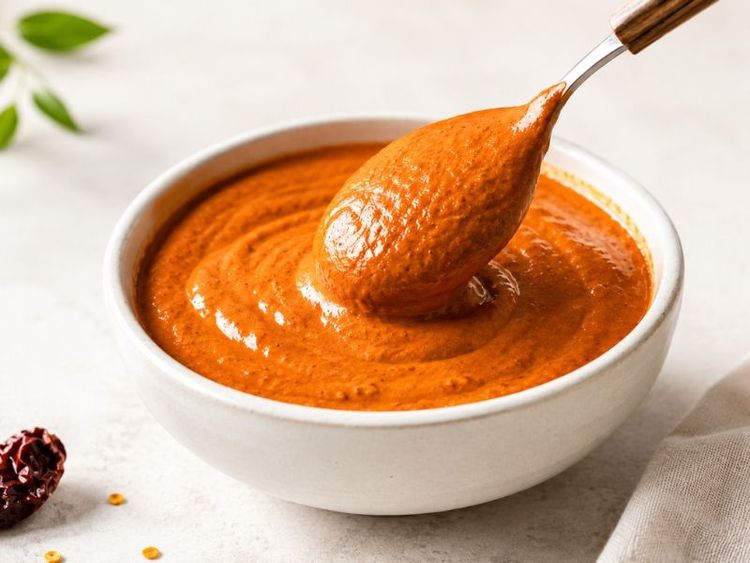
Stir the 3 ingredients together until the chili oil is fully incorporated into the sauce. You want the whole mixture to look the exact same all the way through, with no oil floating on top.
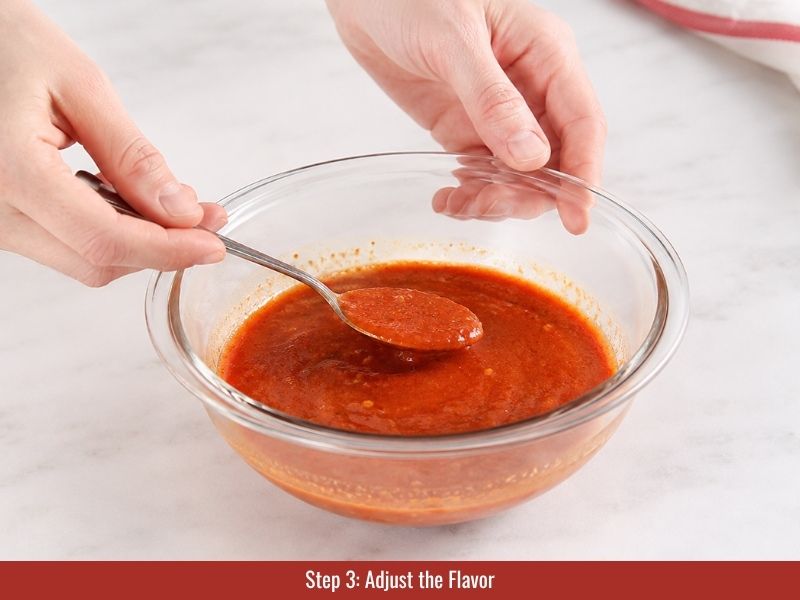
Step 3: Adjust the Flavor
Give the sauce a quick taste and tweak it just how you like it. Use less sambal oelek if it is a bit too spicy; add extra sriracha or CHIN-SU Sriracha for a sweeter, tangier flavor, or mix in more chili oil to tame the heat.
What Are The Variations of Japanese Hot Sauce?
Tonkatsu Sauce (Mild)
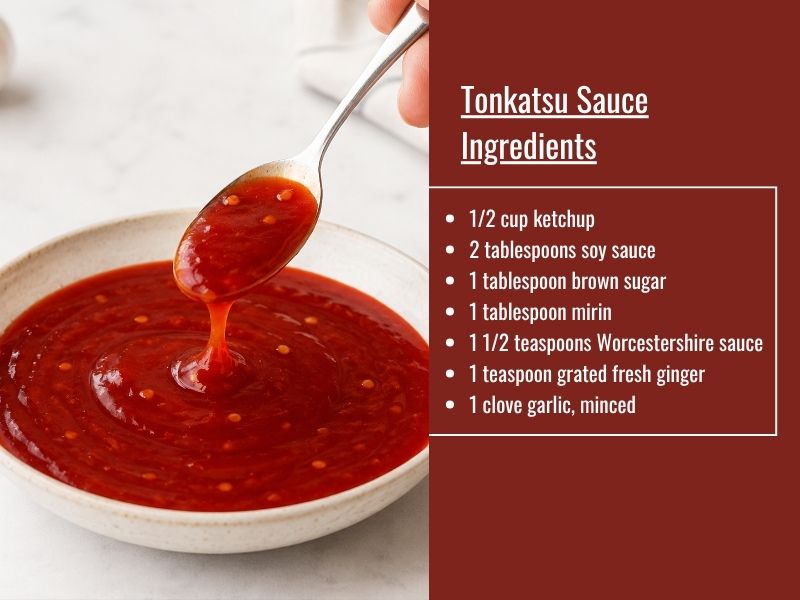
Tonkatsu sauce is a sweet and tangy Japanese brown sauce. You just mix 7 simple ingredients together in a bowl, and you do not even need to cook anything.
You will need these 7 ingredients:
- 1/2 cup of ketchup
- 2 tablespoons of soy sauce
- 1 tablespoon of brown sugar
- 1 tablespoon of mirin
- 1 1/2 teaspoons of Worcestershire sauce
- 1 teaspoon of freshly grated ginger
- 1 clove of minced garlic
Just follow these 2 easy steps:
- Toss the ketchup, soy sauce, brown sugar, mirin, Worcestershire sauce, ginger, and garlic right into a bowl.
- Keep stirring everything until the sauce is completely smooth and all the sugar has fully dissolved.
This makes about 1 cup (240 ml) of sauce and takes a total of 15 minutes. It actually tastes way better after sitting in the fridge overnight, so making it a day ahead is a smart idea.
Garlic Chili Hot Sauce (Hot)
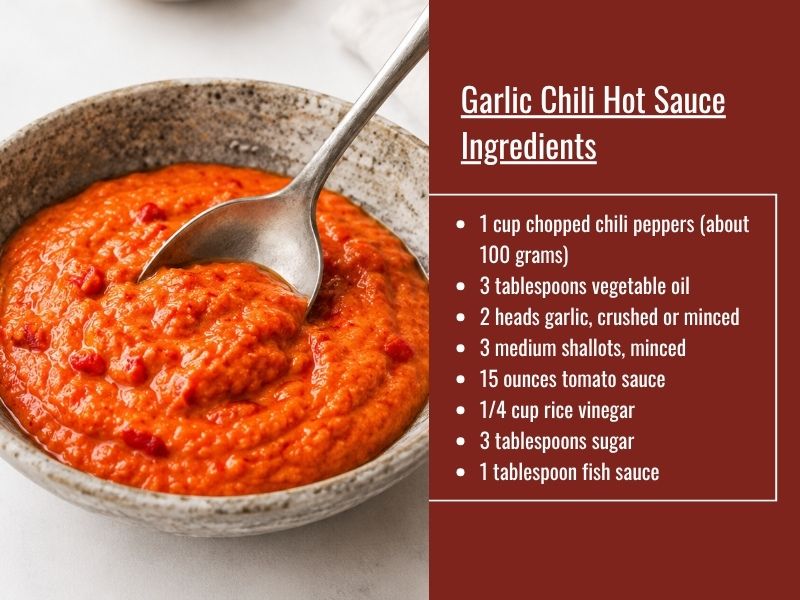
Garlic chili hot sauce is a blended sauce cooked with fresh chili peppers, fried garlic, shallots, and tomato sauce. You only need 8 ingredients total to make it.
You need 8 ingredients to make garlic chili hot sauce:
- 1 cup of chopped chili peppers.
- 3 tablespoons of vegetable oil.
- 2 heads of minced or crushed garlic.
- 3 medium shallots, minced.
- 15 ounces of tomato sauce.
- 1/4 cup of rice vinegar.
- 3 tablespoons of sugar.
- 1 tablespoon of fish sauce.
The recipe follows 4 steps:
- Wash, stem, and chop up the chili peppers. Make sure to put on rubber gloves first so you do not burn your hands!
- Heat oil in a pan. Cook the garlic and shallots on medium heat for about 1 minute until they are light brown and crispy, but do not burn them.
- Stir in the tomato sauce and peppers, and bring it to a simmer. Next, add the fish sauce, vinegar, and sugar. Let it simmer for about 5 minutes.
- Let the sauce cool down completely. Pour it into a blender and blend until smooth. You can add more sugar, vinegar, or water to get the taste just right.
This recipe makes about 1 cup (240 ml) of sauce and takes 20 minutes from start to finish. That is 10 minutes for prep and 10 for cooking. Each serving has around 55 calories.
What to Eat with Japanese Spicy Sauce?
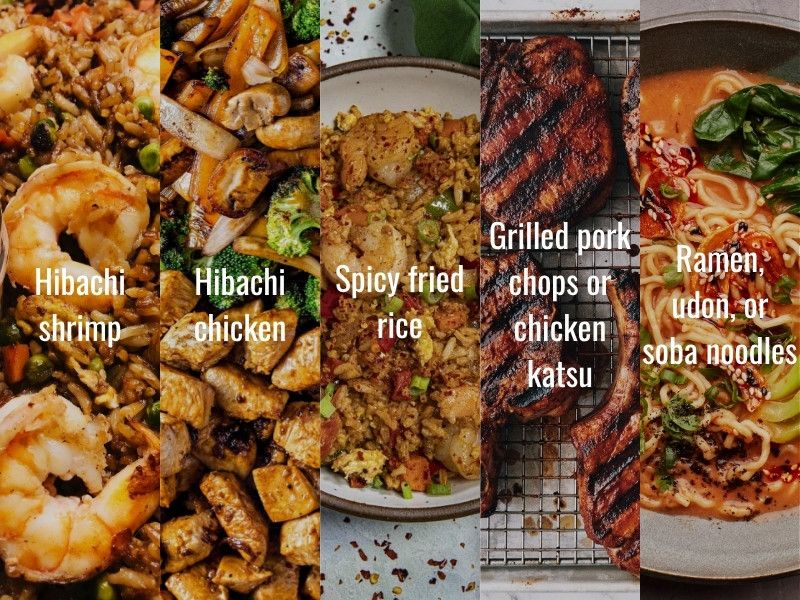
Japanese spicy sauce goes great with grilled meat, fried rice, noodles, and fried snacks. Its balanced heat brings out the best in rich and savory foods without taking over.
- Hibachi shrimp mixed with garlic butter and lemon.
- Hibachi chicken topped with melted butter and lemon juice.
- Spicy fried rice, stirred right in at the end.
- Use it as a dip for grilled pork or katsu.
- Spice up your bowls of ramen, udon, or soba noodles.
You can also mix it up with mayo for a spicy dip, stir it into meat marinades, or pour it on pizza and burgers for a fun flavor twist.
If you want great flavor without cooking, try CHIN-SU Hot Sauce. It mixes grilled chili and fermented garlic for a sweet-and-spicy kick. It is perfect for hibachi, pho, or fried rice. Grab a bottle at chinsu.com.
How Do Japanese Locals Use This Hot Sauce?
People in Japan usually put hot sauce on their food at the table instead of cooking with it. Here are 5 traditional dishes that go great with it:
- Drizzle some chili oil on yakitori, which are grilled chicken skewers, for extra heat.
- Stir a spoonful of spicy paste or chili oil right into your ramen broth.
- Dip gyoza dumplings in a mix of soy sauce, rice vinegar, and chili oil.
- Pair katsu fried cutlets with tonkatsu sauce or try a spicy mayo instead.
- Top takoyaki octopus balls with a drizzle of spicy sauce and some Japanese mayo.
You can totally use this on other foods, too. Try it on tacos, fried eggs, grilled cheese, or wings. The flavor goes well with almost any fried food.
Here is how to use the 3 recipes: put spicy sauce on hibachi and fried rice, use tonkatsu sauce for fried cutlets, and add garlic chili sauce to soups and stir-fries for a deeper heat.

How Long Does Homemade Japanese Hot Sauce Last?
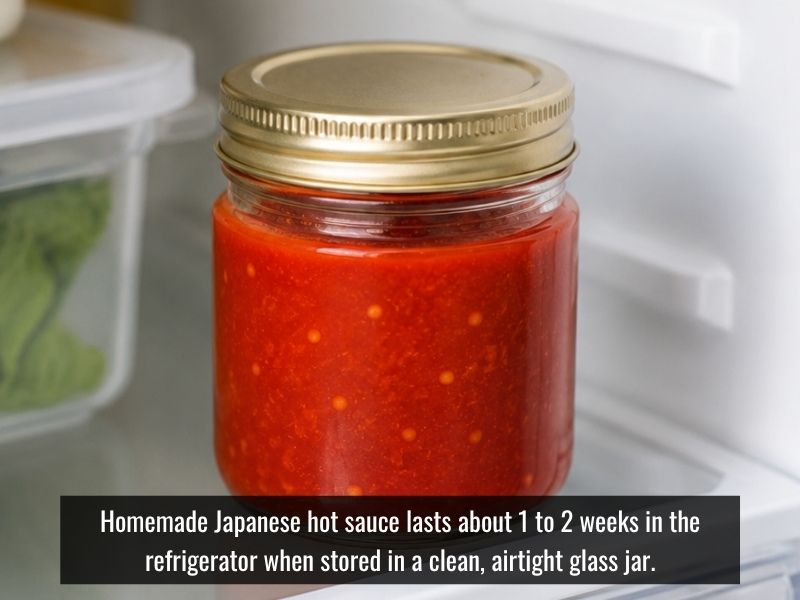
Homemade Japanese hot sauce keeps for 1 to 2 weeks in the fridge when stored in a clean, airtight glass jar. Sauces containing more vinegar and reaching a pH below 3.5 may last longer because the acidity inhibits bacterial growth. To understand why sauces with fresh ingredients and lower acidity need cold storage, see does hot sauce need to be refrigerated.
You can also freeze the sauce in small portions for up to 3 months. Thaw it overnight in the fridge, then stir well before using because the oil may separate.
Adding a little more vinegar can extend the refrigerated shelf life without significantly changing the flavor. Sweet or fruity sauces, such as tonkatsu sauce, spoil faster than vinegar-rich or chili oil sauces after opening. For shelf-life differences across these varieties, see how long does hot sauce last under different storage conditions.
Keep the finished sauce at a pH of 3.5 or lower and return it to the fridge immediately after each use.
Japanese Hot Sauce vs. Sriracha
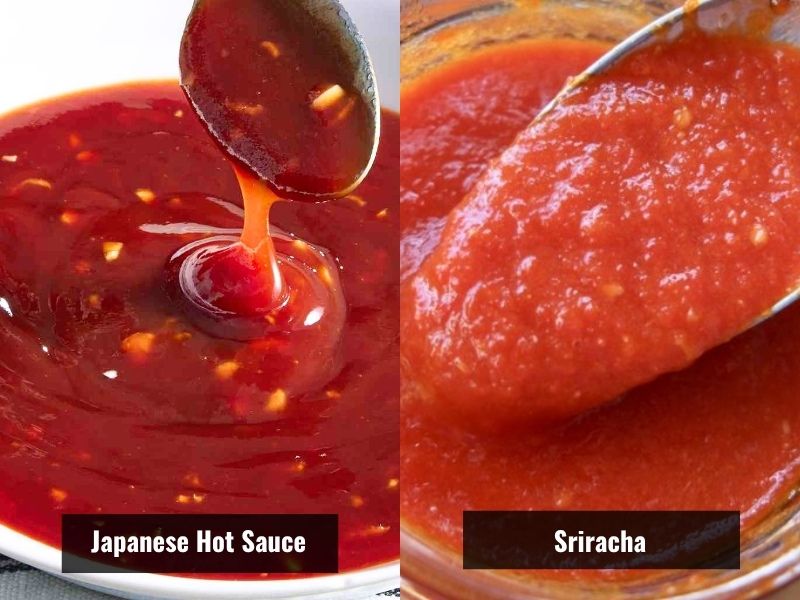
Japanese hot sauce stands out from sriracha because of its ingredients, how it brings the heat, and how you use it. Sauces like rayu depend on sesame oil and mix chili paste with chili oil for a deep spice. Meanwhile, sriracha relies on plain vinegar and gets its heat from 1 single pepper.
Sriracha has a sweet, tangy, and garlicky flavor that goes well with almost anything. Japanese sauces bring a cleaner, oil-based heat. They are made to bring out the flavors in hibachi and ramen without taking over the meal.
Here is a quick look at how Japanese spicy sauce, sriracha, and tonkatsu sauce compare side by side:
| Feature | Japanese Spicy Sauce (Hibachi) | Sriracha | Tonkatsu Sauce |
| Primary Chili Peppers | Jalapeño (via sriracha) + mixed chilies (via sambal) | Jalapeño | None (no chili peppers) |
| Heat Level | Medium (adjustable) | Mild (1,000 - 2,500 SHU) | No heat |
| Color | Deep red-orange | Red-orange | Dark brown |
| Flavor | Tangy, spicy, oily, smoky | Garlicky, slightly sweet | Sweet, savory, tangy |
| Texture | Smooth with optional crunchy bits | Smooth, thick paste | Smooth liquid |
| Key Ingredients Besides Chilies | Sesame oil, sambal oelek | Garlic, sugar, vinegar | Ketchup, soy sauce, Worcestershire, mirin |
| Preparation Method | No-cook, mix and stir | Fermented and processed | No-cook, mix and stir |
Have you tried this Japanese spicy sauce on your hibachi nights yet, or do you have a favorite dish you'd pair it with? Drop your questions, swaps, or results in the comments below — no question is too small. If this recipe worked for you, a quick star rating helps other home cooks find it when they're searching for the same thing. Share your finished sauce on social media with #CHINSUHotSauce and tag us — we read every one. Ready to skip the mixing bowl and grab something ready to go? CHIN-SU Chili Sauce is waiting for you at chinsu.com.
Enjoy more hot sauce recipe:
- Fermented hot sauce recipe
- Thai chili hot sauce
- Vinegar based hot sauce
- Creamy hot sauce
- Fresno hot sauce
- Jalapeno hot sauce
- Serrano hot sauce
- Habanero hot sauce
- Smoked hot sauce
- Chipotle hot sauce
- Tabasco hot sauce
- Pepperoncini hot sauce
- Ghost pepper hot sauce
- Carolina reaper hot sauce
- Chocolate habanero hot sauce
Frequently Asked Questions
Yes, you can go with any brand you want. The original recipe calls for 1 specific brand: S&B Foods La-Yu. But Chinese brands like Lee Kum Kee or even homemade chili oil work perfectly fine. You will not notice a difference in the taste.
The best way to mix things up is to swap out some plain oil for 1 crunchy garlic version. You can try S&B Foods Crunchy Garlic or Lao Gan Ma Chili Crisp. That extra crunch really breaks up the smooth texture.
Not at all. Sriracha comes from Thailand and uses 2 main things: jalapeño peppers and vinegar. Japanese hot sauces are completely different. They include chili oil, citrus chili paste, and blended hibachi sauces that mix sriracha with sambal oelek and chili oil.
Benihana spicy sauce delivers a moderate amount of heat. The sambal oelek brings most of the fire. If it is too hot, just cut back on the sambal or mix in a little more chili oil to tone it down exactly how you like it.
You can totally swap out sambal oelek for 1 of these options: gochujang (Korean chili paste) or red pepper flakes blended with water. The taste will change a bit because gochujang adds a sweeter flavor that regular sambal oelek lacks.
Japanese hot sauce Recipe
Ingredient
- 1/3 cup (80 ml) sriracha.
- 1/3 cup (80 ml) sambal oelek.
- 1/3 cup (80 ml) chili oil (preferably sesame-based Japanese chili oil).
Instructions
- Step 1: Measure the Ingredients. Add equal parts sriracha, sambal oelek, and chili oil into a mixing bowl. Keep the 1:1:1 ratio to maintain the balance between sweetness, heat, and oiliness.
- Step 2: Mix Until Emulsified. Stir the three ingredients together until the chili oil is fully incorporated and the sauce has an even texture with no visible oil separation.
- Step 3: Adjust the Flavor. Taste the sauce and adjust based on preference. Add more sambal oelek for extra heat, more sriracha for sweetness and tang, or more chili oil to mellow the spice.
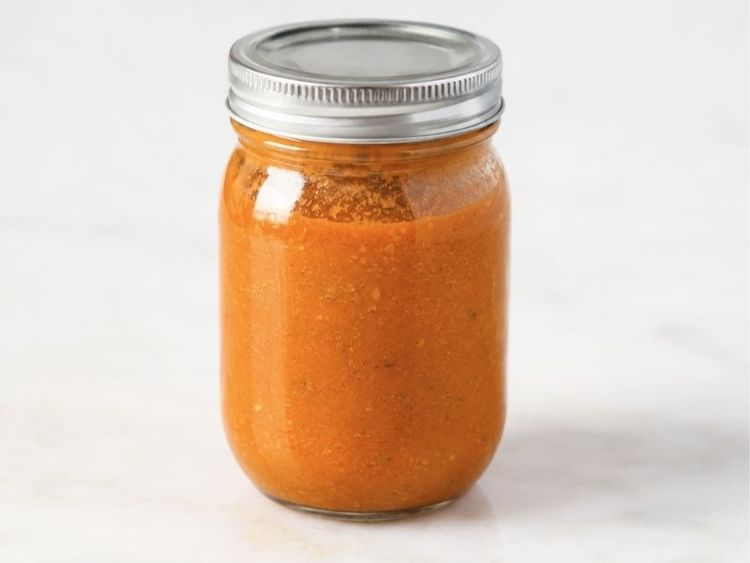
- Step 4: Serve or Store. Transfer the finished sauce into a clean airtight glass jar. Use immediately or refrigerate for later use.
Storage: Store Japanese spicy sauce in a sealed glass jar in the refrigerator. It lasts about 1 to 2 weeks when stored properly. Sauces with lower pH (around 3.5 or below) may last longer because acidity slows bacterial growth. The sauce can also be frozen in small portions for up to 3 months. Thaw in the refrigerator overnight and stir well before using because the oil may separate.
Yield: About 1 cup (240 ml)
Serving Style: Spicy, tangy, oil-based Japanese-style chili sauce for ramen, fried rice, grilled meats, dumplings, and hibachi dishes

CHIN-SU KITCHEN TEAM
CHIN-SU Kitchen Team are the creative experts behind the delicious recipes featuring CHIN-SU sauces. With years of experience and a passion for flavor, our team carefully selects recipes from a variety of trusted chefs and bloggers, bringing together the best culinary insights to present you with the most suitable and exciting dishes. Every recipe is chosen to inspire you to create meals that are not only tasty but also easy to prepare, enhancing your dining experience. Join us as we explore a wide range of sauces and flavors, and elevate every meal with the perfect recipe for your table!
User Reviews
Featured Articles
SUBSCRIBE TO GET
MORE INFO
Want the latest and greatest recipes, updates, and more from us,
straight to your inbox? Subscribe and get our NEWS!