Does Fish Sauce Need to Be Refrigerated?
Published: Jun 18, 2026 by CHIN-SU
Updated: Sep 25, 2026 by CHIN-SU
Fish sauce, a condiment made from fermented fish and salt, does not need to be refrigerated. The high salt content and months of fermentation keep it shelf-stable for years without any safety concerns.
Whether you should refrigerate depends on two things: the type of sauce and how often you reach for it. Pure fish sauce handles the pantry with ease. Artisanal brands, pre-mixed dipping sauces (nước mắm pha sẵn), and bottles you only use once a month do better in the fridge. An unopened bottle lasts 2 to 3 years. An opened one holds 12 months or more with cold storage.
The real question isn't safety. It's how long you want peak flavor to last. This guide covers the science behind that stability, when refrigeration actually helps, how long each type of fish sauce lasts, what normal aging looks like, and the storage habits that keep every bottle at its best.
Table Of Contents
Does Fish Sauce Need to Be Refrigerated?
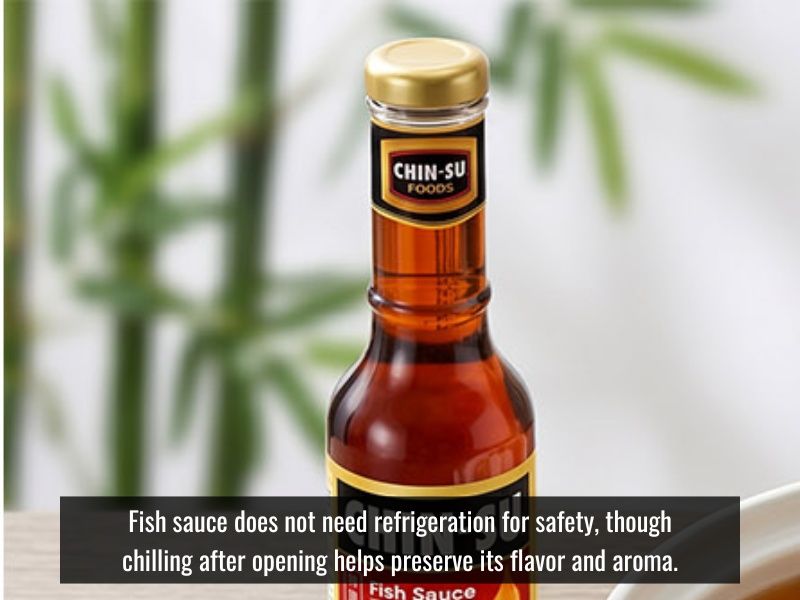
No, fish sauce does not need to be refrigerated. The salt concentration in fish sauce runs at 200 g/L or higher, per the Codex Alimentarius standard CXS 302-2011. That salt level binds available water so tightly that bacteria have almost no moisture left to grow in. The fermentation process, which takes 6 to 18 months before bottling, breaks down fish proteins into amino acids and peptides that naturally resist spoilage. So, an unopened bottle can be stored at room temperature for 2 to 3 years without compromising safety. Refrigeration after opening helps preserve the original flavor and aroma, but it is a quality choice, not a safety requirement.
So what exactly gives fish sauce this kind of stability?
Why Fish Sauce Stays Safe Without a Fridge?
There are three natural preservation factors that work together to keep fish sauce shelf-stable at room temperature: salt concentration, low water activity, and fermentation acids. Think of it as a triple barrier, and each layer reinforces the others.
Salt does the first heavy lifting. At 200 g/L or higher, the salt in fish sauce directly binds to water molecules via osmotic pressure, pulling moisture away from any bacteria that try to grow. Food scientists call the remaining "free water" in a food its water activity. Fish sauce sits well below the 0.85 water activity threshold where most pathogens stop multiplying. Cynthia James at the Cornell Food Venture Center puts it plainly: the water in fish sauce is so tightly bound to salt that pathogens have almost nothing left to work with.

Fermentation builds the second wall. Over 6 to 18 months of fermentation, naturally occurring lactic acid and other organic acids steadily lower the pH. Bacteria generally stop reproducing once the pH drops below 4.5. By the time the sauce reaches your bottle, the fish proteins have already broken down into amino acids, which is where that deep umami comes from, and the acid environment seals the door against spoilage. The proteins that bacteria would normally feed on simply no longer exist in a form they can use.
When You Should Refrigerate Fish Sauce?
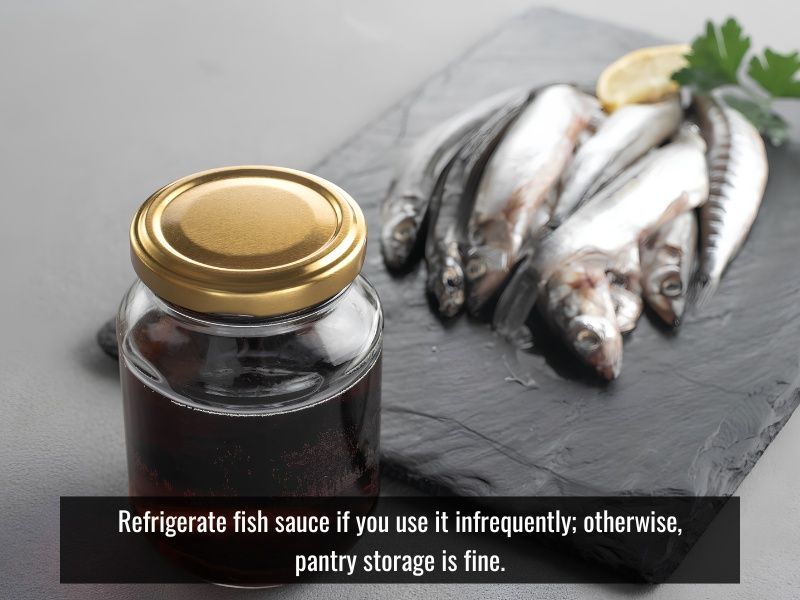
Fish sauce stays safe without a fridge, but refrigeration helps in three specific situations: when the sauce is artisanal with no preservatives, when it is a pre-mixed dipping sauce, or when you use it less than once a week.
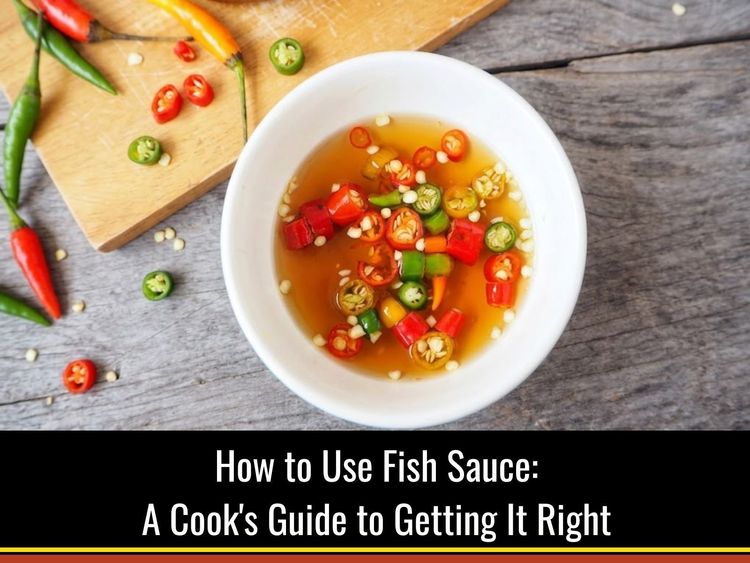
Pre-mixed dipping sauce (nước mắm pha sẵn) is a different story. Once you blend fish sauce with sugar, garlic, chili, and lime, the added fresh ingredients dilute the salt concentration and push the pH closer to neutral. That creates conditions where bacteria can actually grow. Store any mixed dipping sauce in a glass container in the fridge and plan to use it within about 1 month. This applies to homemade mixes and ready-to-use products like CHIN-SU Sweet & Sour Fish Sauce alike. After you open the cap, the fridge is the right call.
Infrequent use is the last trigger. If your bottle sits for months between pours, cold storage preserves the flavor and color better. Daily or weekly use? The pantry works. Monthly or less? Move it to the fridge.
How Long Does Fish Sauce Last?
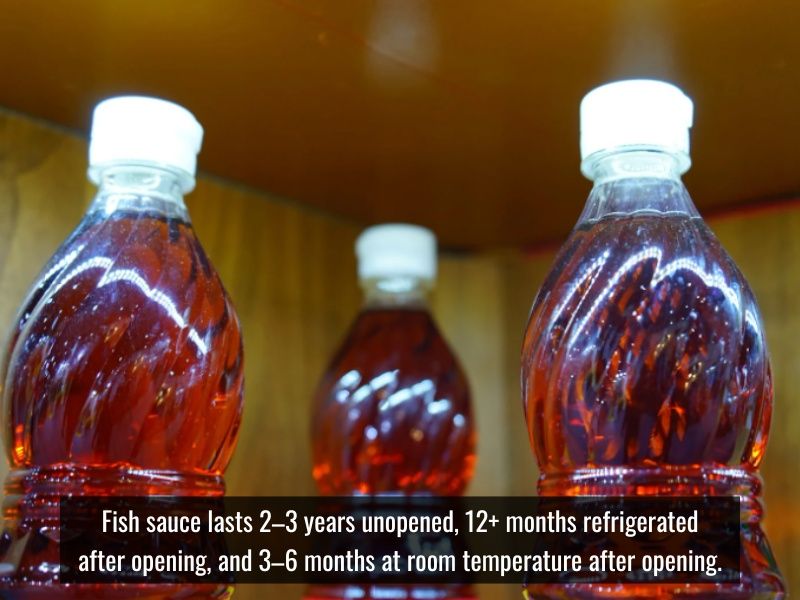
How long your fish sauce lasts depends on the type of sauce and where you keep it. An unopened bottle of pure fish sauce holds for 2 to 3 years in a cool, dark pantry. Once opened and refrigerated, that same bottle keeps its quality for 12 months or longer. Left at room temperature after opening, expect 3 to 6 months of peak flavor before the taste starts to fade.
The table below breaks shelf life down by sauce type, so you can find the line that matches what's in your kitchen right now.
| Fish Sauce Type | Unopened (Pantry) | Opened (Fridge) | Opened (Room Temp) |
| Pure/traditional (no preservatives) | 2–3 years | 12–18 months | 3–6 months |
| Commercial (with preservatives) | 3–4 years | up to 18 months | 6–12 months |
| Pre-mixed dipping sauce | Check label | ~1 month | Not recommended |
The printed date on your bottle is a quality guide, not a safety cutoff. Refrigeration matters most for bottles you don't reach for every week.
What Happens If You Leave Fish Sauce Out?
Leaving fish sauce at room temperature won't make it dangerous, but you may notice gradual changes over time. Slow flavor fading, color darkening, and occasional gas buildup are all normal signs of aging, not safety concerns.
The color shift comes first. Oxidation gradually pushes the sauce from light amber toward a deeper brown, and that process speeds up in warm kitchens. You might also spot salt crystals settling at the bottom of the bottle, which is completely natural in high-grade sauces. When those crystals sink, the top portion of the sauce loses some of its salt protection, and the exposed amino acids degrade faster, which darkens the liquid even more. A gentle shake redistributes the salt and evens things out. A small puff of gas when you crack the cap is also normal, just residual fermentation doing its thing, and slight sediment or cloudiness comes from protein precipitation over time. None of these affect safety.
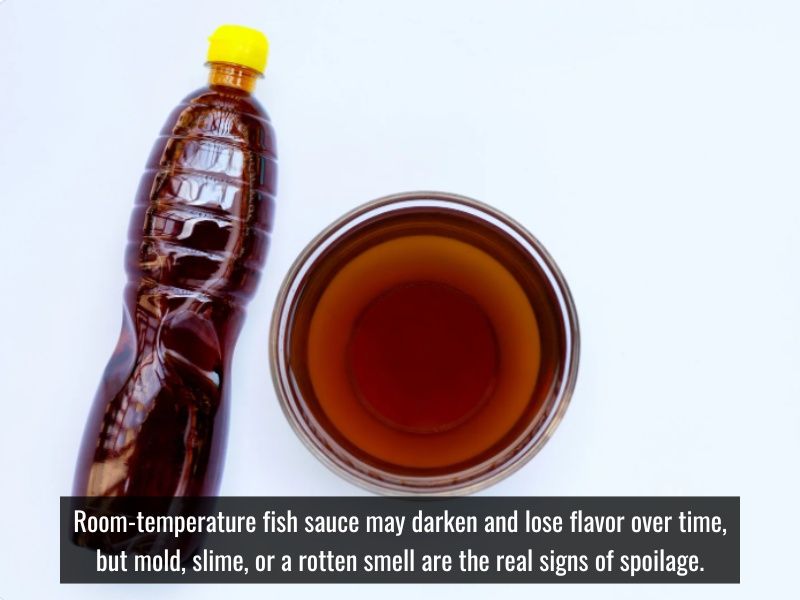
True spoilage in fish sauce is rare. How do you tell normal fishiness from an actual problem? Look for 3 clear warning signs: fuzzy mold growing on the surface, a slimy texture when you tilt the bottle, or a rotten smell that goes well beyond the usual strong aroma. A dark amber color, a pungent fishy scent, and a bit of sediment at the bottom are all part of the package. Those are signs of age, not signs of something gone wrong.
How to Store Fish Sauce the Right Way?
Good storage habits keep fish sauce at peak flavor whether you choose the pantry or the fridge. Keep the cap tight, store in a cool and dark place, and avoid cross-contamination. That covers most of what you need, but here are 5 specific practices worth following:
- Close the cap tight after every use. Wipe any drips from the cap threads before sealing. Dried fish sauce builds up fast on the rim and prevents a clean seal over time.
- Store in a cool, dark place away from heat from the stove and direct sunlight. A pantry shelf or kitchen cabinet works well. Heat and light both speed up oxidation.
- Choose glass over plastic for long-term storage. Glass is non-reactive and won't absorb the color or odor the way plastic can over months of contact.
- Never dip food directly into the bottle. Pour what you need into a separate dish. Introducing outside moisture or food particles breaks the stable environment inside the bottle.
- Keep pre-mixed dipping sauce in a glass container in the fridge and use it within about 1 month. The fresh ingredients lower its natural preservation, so treat it like any other perishable condiment.
Does Fish Sauce Storage Differ From Other Condiments?
Fish sauce is one of the most shelf-stable condiments in your kitchen, more so than oyster sauce but on par with soy sauce and vinegar-based hot sauce. All three of those fermented or acid-based sauces sit in the pantry without trouble. Soy sauce holds for a year or longer at room temperature thanks to a similar combination of salt and fermentation. Vinegar-based hot sauce stays pantry-safe for months to years because the acid does the preserving work. Oyster sauce is the outlier. It contains starch and sugar that support bacterial growth, so it needs to be refrigerated once you open the bottle.
Fish sauce does not need to be refrigerated for safety. Refrigeration preserves flavor quality, which matters most for artisanal and pre-mixed sauces. For everything else, a tight cap and a cool dark spot are all you need. CHIN-SU fish sauce, from fresh East Sea anchovies to ready-to-use dipping sauces, is available at select Asian grocery stores and online retailers. Keep the cap tight, find a cool dark spot, and your fish sauce will reward you with flavor for months to come.
Frequently Asked Questions
Fish sauce won't become unsafe at room temperature. Its salt content and fermentation keep it stable. Flavor does fade faster without refrigeration, typically after 3 to 6 months for opened bottles. If the taste has gone flat, use it for cooking rather than as a dipping sauce, and you'll still get plenty of that umami depth.
The date on a fish sauce bottle is a "best by" indicator for peak flavor, not an expiration date. The Food and Drug Administration (FDA) does not require dates on shelf-stable condiments. An unopened bottle often stays good for years past its printed date, so there's no need to toss it just because the label says so.
Not for safety. Refrigeration after opening preserves flavor and aroma longer: 12 months or more in the fridge versus 3 to 6 months in the pantry. Artisanal brands without preservatives and pre-mixed dipping sauces benefit the most from cold storage. For everyday commercial bottles, the pantry works fine.

CHIN-SU KITCHEN TEAM
CHIN-SU Kitchen Team are the creative experts behind the delicious recipes featuring CHIN-SU sauces. With years of experience and a passion for flavor, our team carefully selects recipes from a variety of trusted chefs and bloggers, bringing together the best culinary insights to present you with the most suitable and exciting dishes. Every recipe is chosen to inspire you to create meals that are not only tasty but also easy to prepare, enhancing your dining experience. Join us as we explore a wide range of sauces and flavors, and elevate every meal with the perfect recipe for your table!
User Reviews
Featured Articles
Does Fish Sauce Expire? Shelf Life and Storage
Does Fish Sauce Have Gluten?
What Is a Fish Sauce Quality Grade?
How To Use Fish Sauce In Cooking: Asian And Non-Asian Dishes
What Is Fish Sauce? Taste, Uses, and How to Choose
SUBSCRIBE TO GET
MORE INFO
Want the latest and greatest recipes, updates, and more from us,
straight to your inbox? Subscribe and get our NEWS!