Vietnamese Caramelized Shrimp Recipe | Tôm Rim Mặn Ngọt
Published: Jul 19, 2026 by CHIN-SU
Updated: Jul 19, 2026 by CHIN-SU
Tested by CHIN-SU Kitchen Team
Vietnamese caramelized shrimp (tôm rim mặn ngọt) is a home-style dish made by simmering shrimp with fish sauce, sugar, garlic, and chili until the liquid reduces to a glossy sweet-savory coating. It fills the món mặn role in a Vietnamese family meal, where the concentrated shrimp is shared with steamed rice, vegetables, and a light canh. This version keeps the shells on for texture and uses small shrimp so the glaze coats a larger surface area.
Whether you grew up eating tôm rim or want a quick introduction to Vietnamese home cooking, this recipe explains how to prepare the shrimp, control the sauce reduction, and avoid overcooking the meat. In this article, CHIN-SU shares the Vietnamese caramelized shrimp recipe to make at home, tips for a balanced fish sauce glaze, and how Vietnamese families serve it as part of a rice meal. The recipe takes about 30 minutes, and makes 2 to 3 servings, starting with a quick breakdown of what the dish is all about.
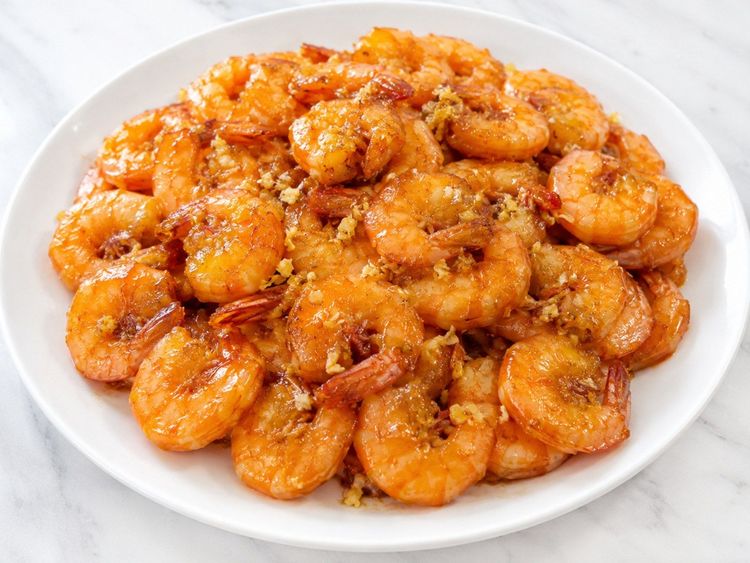
Table Of Contents
- What Is Vietnamese Caramelized Shrimp?
- Why You'll Love Vietnamese Caramelized Shrimp
- Vietnamese Caramelized Shrimp Ingredients
- What To Eat With Vietnamese Caramelized Shrimp
- Tips for the Best Vietnamese Caramelized Shrimp
- What Can You Substitute or Change in Vietnamese Caramelized Shrimp?
- How to Store Vietnamese Caramelized Shrimp
What Is Vietnamese Caramelized Shrimp?
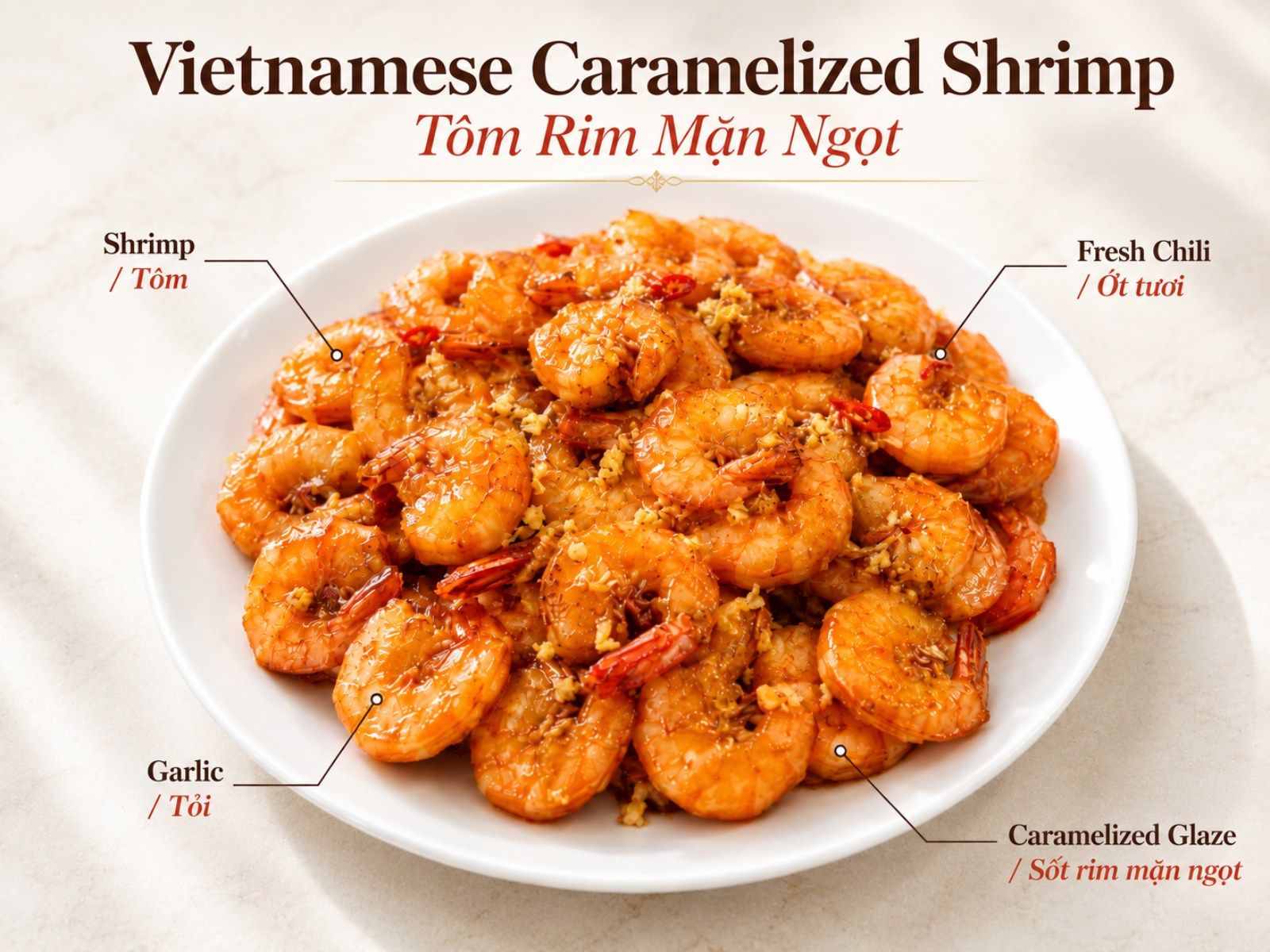
Vietnamese caramelized shrimp, or tôm rim mặn ngọt, is a home-style dish of shrimp simmered in a small amount of fish sauce, sugar, garlic, and seasonings until the liquid reduces to a glossy, savory-sweet coating. It is usually served hot as a món mặn with steamed rice. English speakers can pronounce the name approximately as “tohm rim mun ngwut.”
In Vietnamese, tôm means “shrimp,” mặn ngọt means “salty-sweet,” and rim describes cooking an ingredient in a small amount of seasoned liquid until the sauce concentrates and clings to it. Rim dishes usually contain less liquid than kho dishes, though the terms may overlap between regions and households.
The English name “caramelized shrimp” refers to the shrimp’s deep color and concentrated sweet-savory glaze. This recipe does not require making a separate caramel sauce. Instead, the sugar dissolves into the fish sauce mixture and becomes more concentrated as the liquid reduces. This differs from nước màu, which is made by cooking sugar until amber before adding liquid.
Tôm rim varies from one household to another. Some versions use coconut water or nước màu, while others include chili sauce, fresh chili, or tomato-based seasonings. These are recipe variations rather than required ingredients in every version.
Small, thin-shelled shrimp may be cooked and eaten with their shells for additional texture and flavor. However, the shells will not necessarily become crisp in a moist braise. Larger shrimp can be peeled before cooking or at the table.
Why You'll Love Vietnamese Caramelized Shrimp
You'll love this Vietnamese caramelized shrimp because its sweet-and-salty glaze will definitely make you reach for a second bowl of rice.
- Bold flavor, heat on your terms. The fish sauce caramel glaze gives you a perfect mix of salty, sweet, and savory all at once, and the chili adds a gentle warmth that you can easily turn up or just skip entirely.
- Pairs with almost anything. It goes great with jasmine rice, a hot bowl of Vietnamese soup (canh), or other simple sides to make a complete family meal (cơm nhà).
- Quick and hands-on. It only takes 9 steps, 1 single pan, and about 30 minutes from start to finish. The sauce does all the hard work for you, so you just need to keep the shrimp moving around.
Vietnamese Caramelized Shrimp Ingredients
This Vietnamese caramelized shrimp comes together from 13 ingredients across 3 main groups: the shrimp, the sauce and seasonings, and the aromatics.
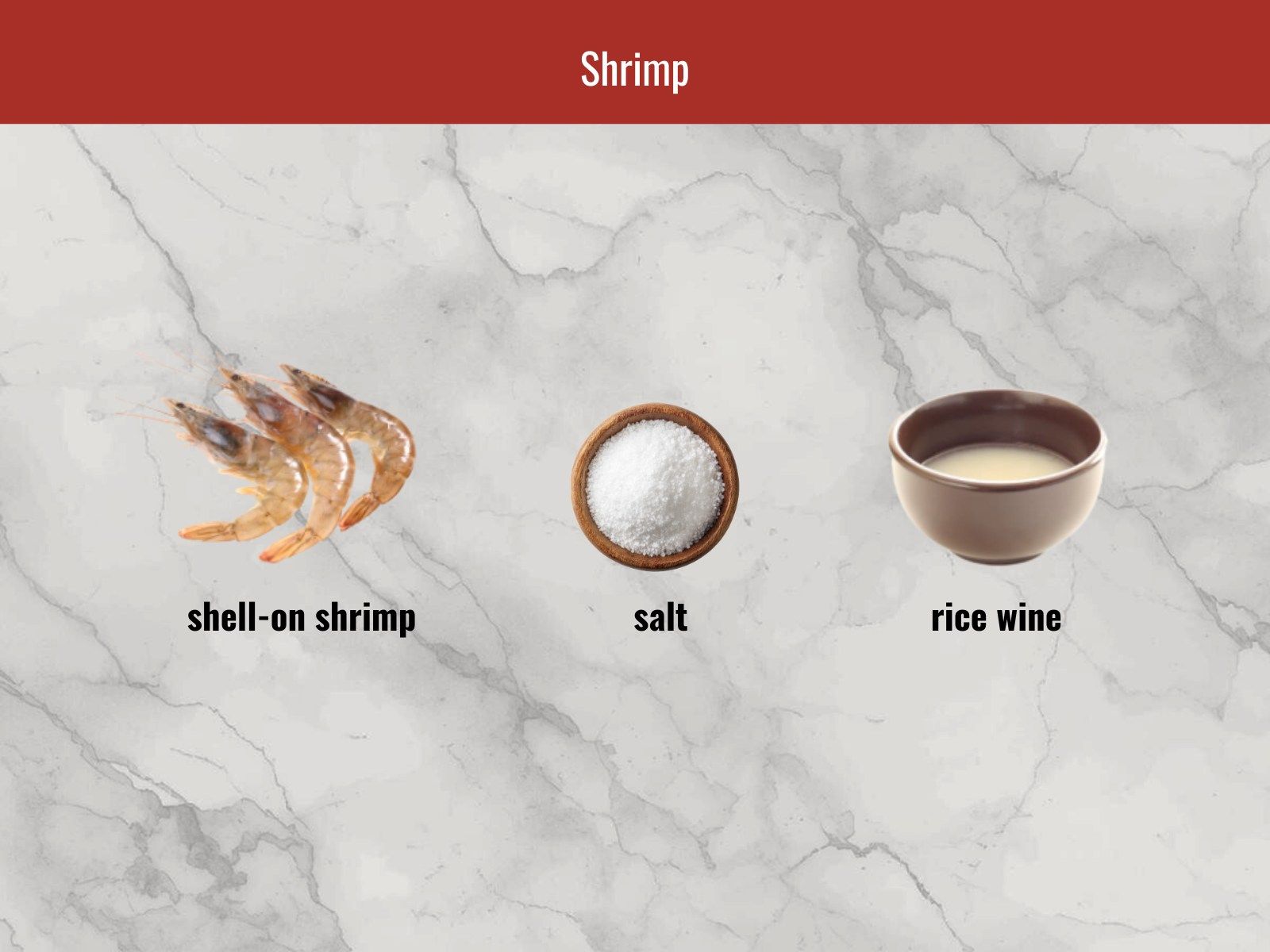
Shrimp
- 14 oz (400 g) shell-on shrimp (tôm đất or tôm bạc đất). We go with tôm đất or white leg shrimp instead of larger varieties, small enough that the shell crisps up under the caramel and the tail turns bright red-orange. In US sizing, that translates to a 51-60 or 41-50 count per pound. Pick out shrimp with clear shells, firm bodies, and legs clinging tightly to the body.
- 1 teaspoon salt. Salt helps clean the shrimp during the soak.
- 1½ tablespoons rice wine (rượu trắng). We rinse the shrimp in rice wine right after the salt soak, since it strips away the fishy smell far better than plain water.
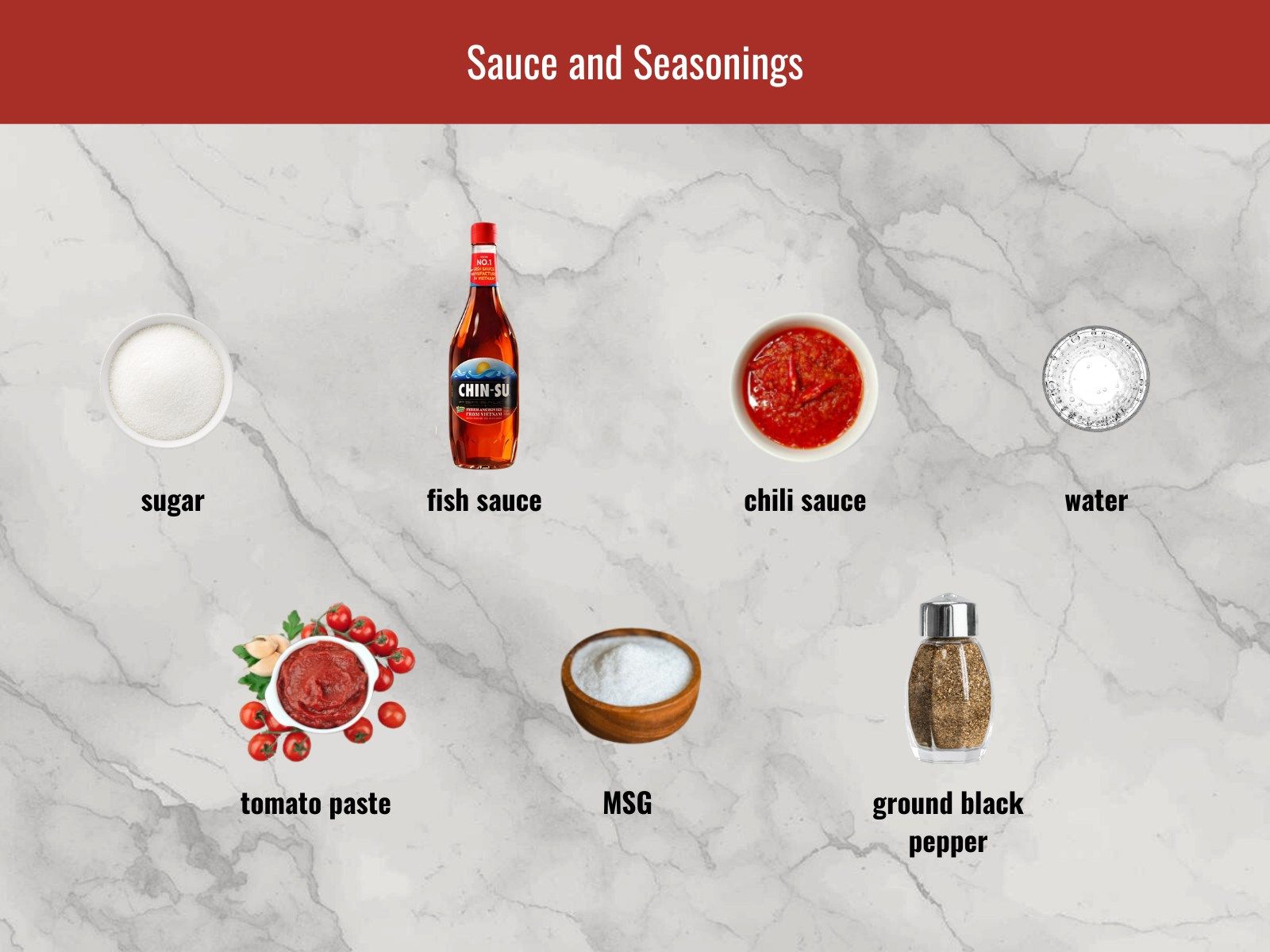
Sauce and Seasonings
- 1½ tablespoons sugar. Sugar caramelizes into the base for the glaze.
- 2 tablespoons fish sauce. Fish sauce serves as the savory backbone of the glaze. Here we use CHIN-SU fish sauce, whose clean anchovy base gives a rounder, more balanced caramel flavor without extra adjusting.
- ½ tablespoon chili sauce (tương ớt). Chili sauce adds a gentle heat and extra body to the mix.
- A small amount of tomato paste. Tomato paste adds rich color and a hint of sweetness.
- ½ teaspoon MSG (optional). MSG rounds out the savory umami flavor.
- A pinch of ground black pepper for a warm finish at the very end.
- 2 tablespoons water. Water loosens up the sauce for even mixing.
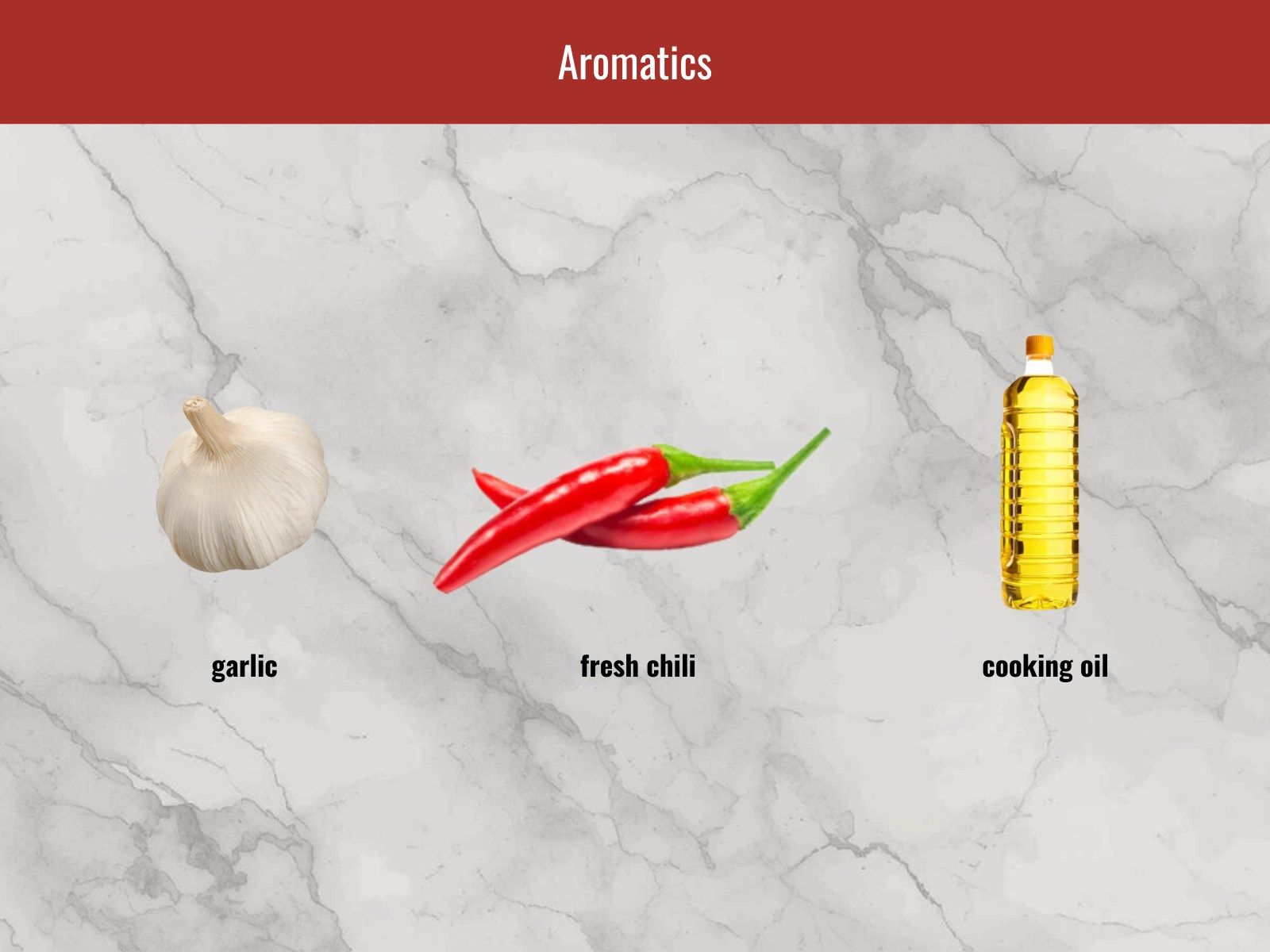
Aromatics
- Half a garlic bulb, crushed and roughly chopped. Half of the garlic is fried until crispy for topping, and the rest flavors the cooking oil.
- 1 fresh chili, sliced into rounds. Make sure to remove the seeds if you want less heat.
- 2 tablespoons of cooking oil for frying up the aromatics.
How to Make Vietnamese Caramelized Shrimp Step by Step
Making Vietnamese caramelized shrimp takes 9 main steps and about 30 minutes, including 10 minutes of preparation and 20 minutes of cooking.
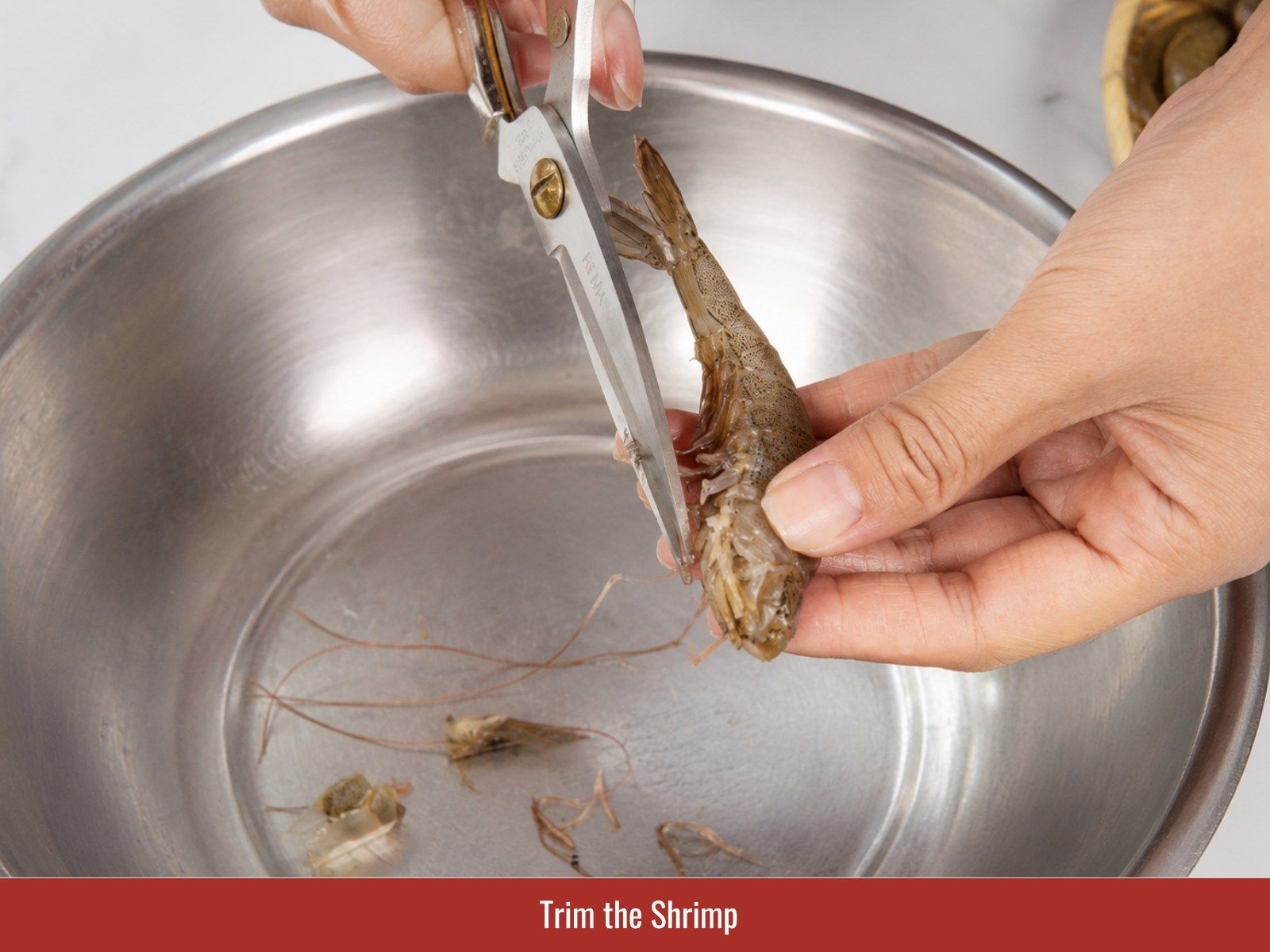
Step 1: Trim the Shrimp
Snip off the sharp tip of each shrimp head, about ¾ inch (2 cm), with kitchen scissors, then pull out the stomach sac inside, which leaves a fishy taste. Peel the hard shell off the head and cut away the long walking legs. Keep the short belly legs, body shell, and tail on for color.
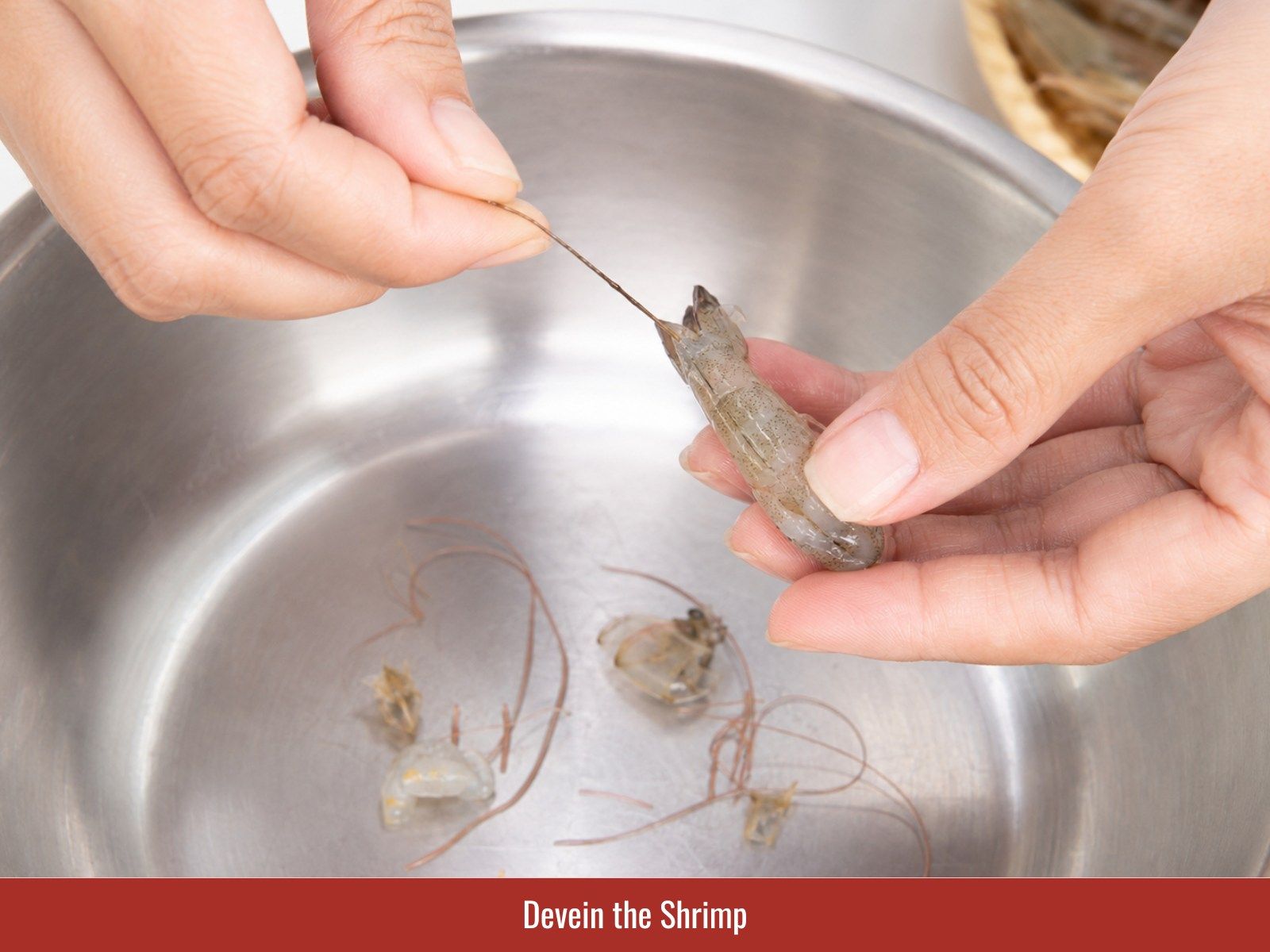
Step 2: Devein the Shrimp
Slide a toothpick between the 2nd and 3rd shell segments on the back, then hook the dark vein and pull it out gently in 1 piece. This works faster than cutting the shell open and keeps the shell whole for caramelizing. Some shrimp show no vein, which is normal, so just skip those.
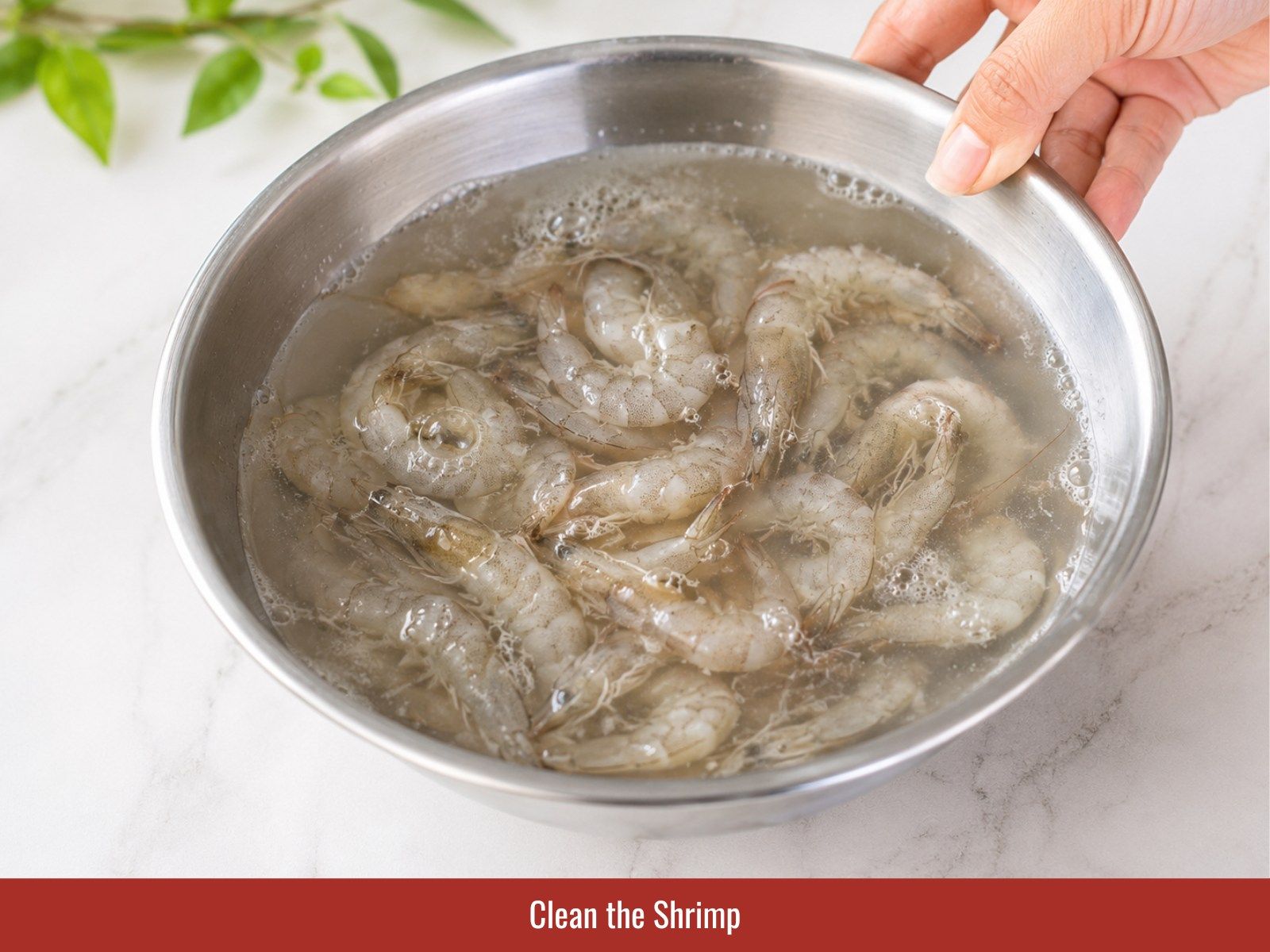
Step 3: Clean the Shrimp
Soak the trimmed shrimp in water with 1 teaspoon salt for 3 minutes to draw out impurities. Drain, then wash them in a 2nd bowl with 1½ tablespoons of rice wine, which clears the fishy smell. Rinse 1 or 2 times more with plain water and drain well.
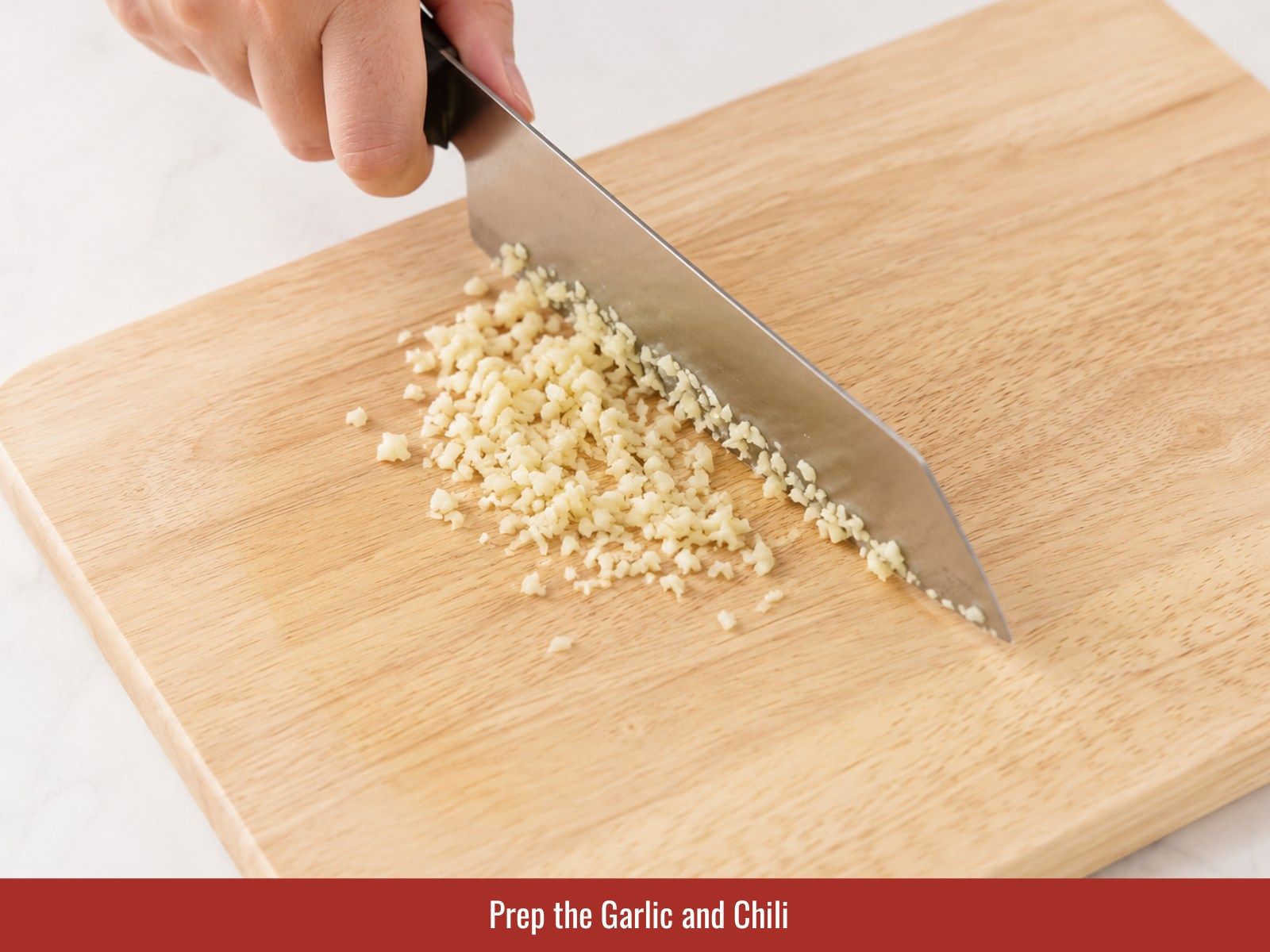
Step 4: Prep the Garlic and Chili
Crush half a garlic bulb with the flat of a knife, then chop it roughly. Slice the chili into thin rounds and tap them with the knife to knock some seeds loose, which lowers the heat while keeping the flavor. Set the garlic and chili on a plate.
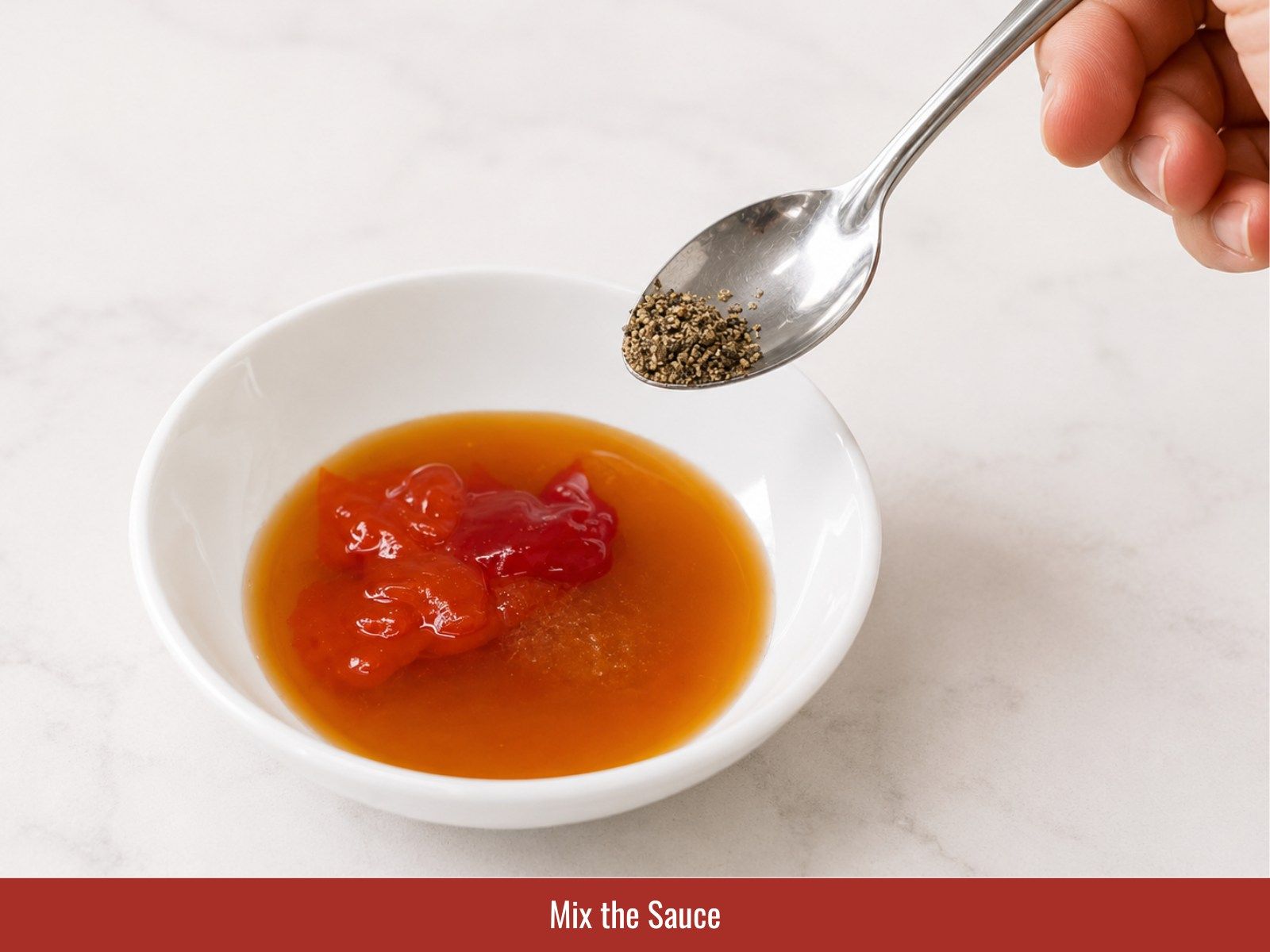
Step 5: Mix the Sauce
In a small bowl, combine 1½ tablespoons sugar, 2 tablespoons fish sauce, ½ tablespoon chili sauce, a small amount of tomato paste, ½ teaspoon MSG, a pinch of pepper, all the sliced chili, and 2 tablespoons water. Stir until evenly mixed, then set aside. The sugar does not need to dissolve completely because it will melt when the sauce is heated.
Fish sauce provides the savory base of the glaze. CHIN-SU fish sauce can be used here as a convenient option.
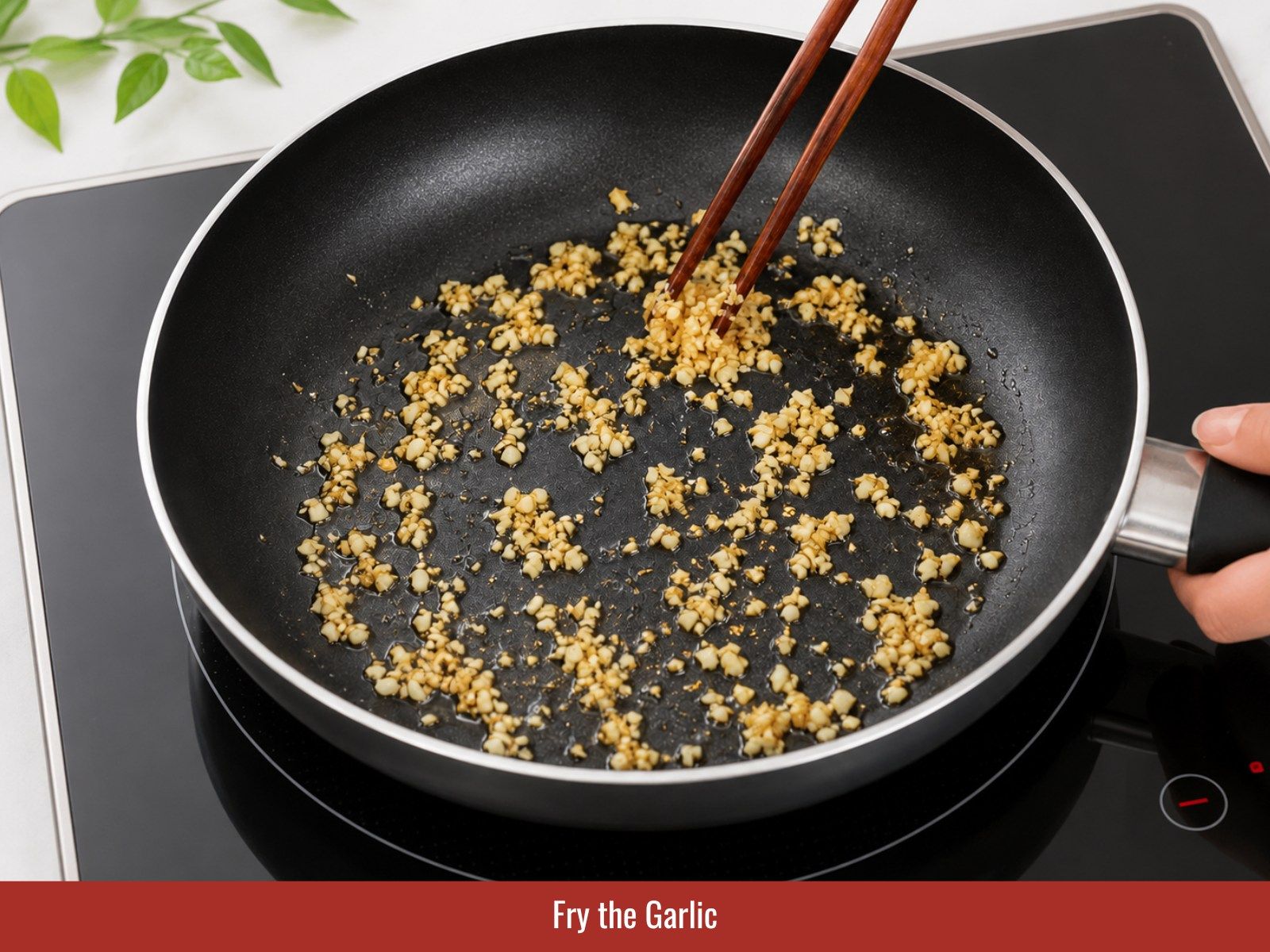
Step 6: Fry the Garlic
Heat 2 tablespoons of oil in a wok or skillet over medium heat. Add the chopped garlic and cook until pale gold and fragrant.
Vietnamese cooks call this technique “phi tỏi”, which means frying garlic in oil to release its aroma without letting it turn dark and bitter. Remove half of the garlic before it darkens and drain it on a paper towel for garnish. Leave the remaining garlic and oil in the pan.
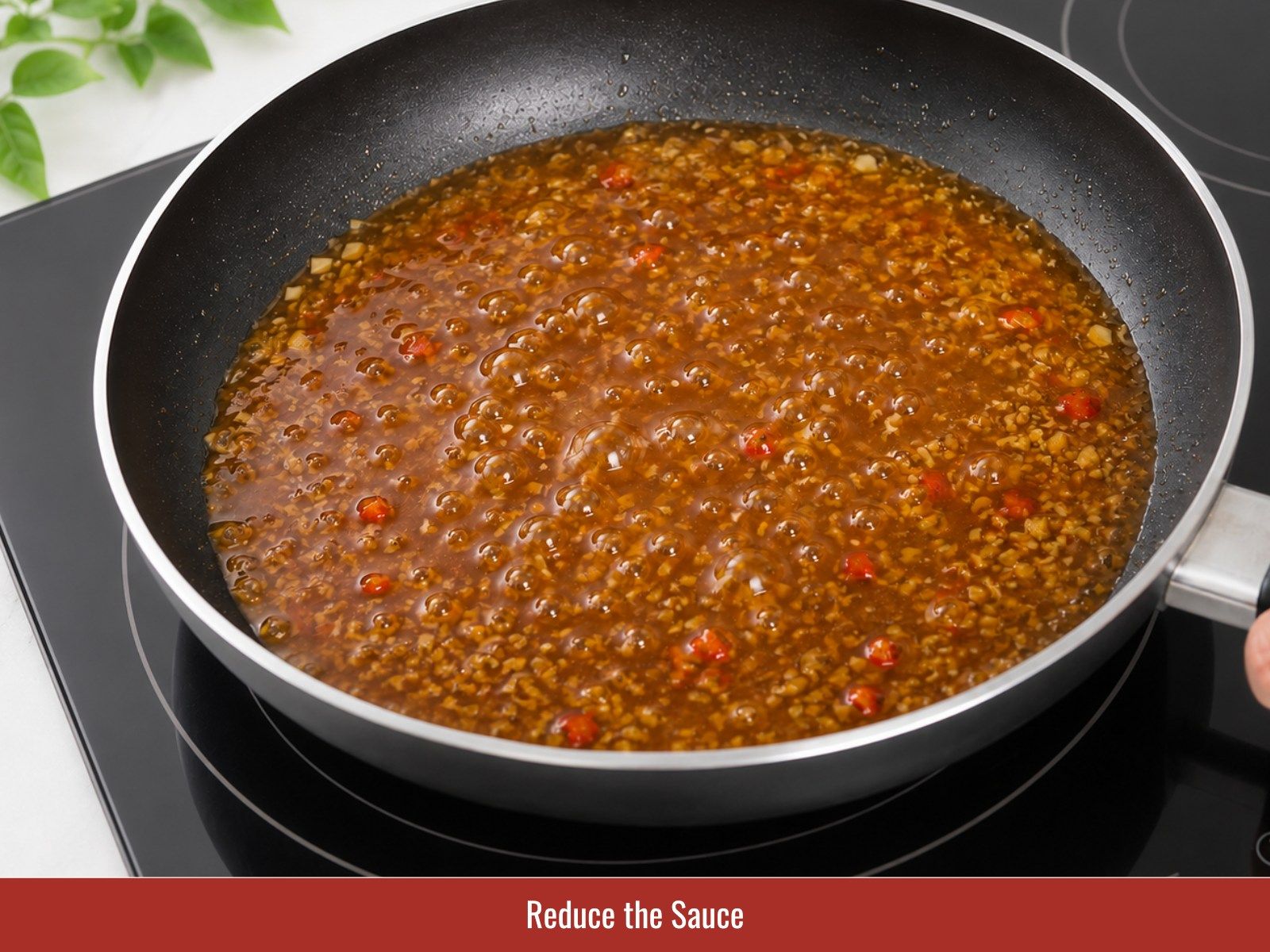
Step 7: Reduce the Sauce
Put the pan with the garlic oil back on medium heat, pour in the sauce, and bring it to a boil. Let it simmer for 1 to 2 minutes until the sauce thickens up and looks nice and glossy.
Do not reduce it to the final glaze consistency yet. You will know the sauce is ready when it begins to drip more slowly off a spoon, indicating it is thick enough to coat the shrimp.
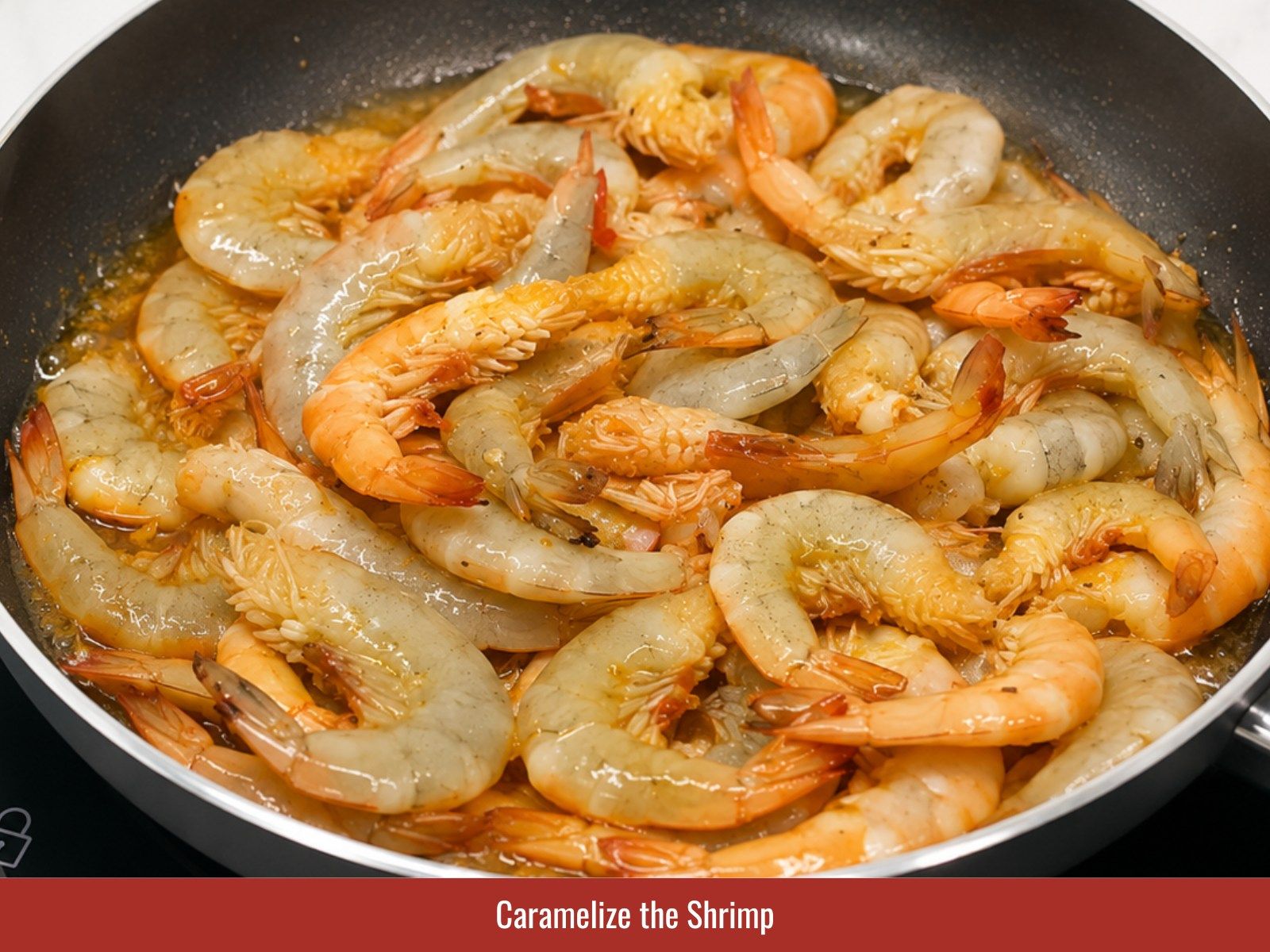
Step 8: Caramelize the Shrimp
Add the shrimp to the sauce and stir until evenly coated. Let the mixture return to a simmer, then cook over medium heat for about 6 minutes, stirring every 15 seconds so the sauce coats the shrimp without scorching.
This is the actual rim stage: the shrimp cooks while the shallow fish sauce liquid reduces and repeatedly coats its surface. During the final minute, toss the shrimp every 5 seconds until they turn opaque and red-orange and the sauce forms a glossy glaze.
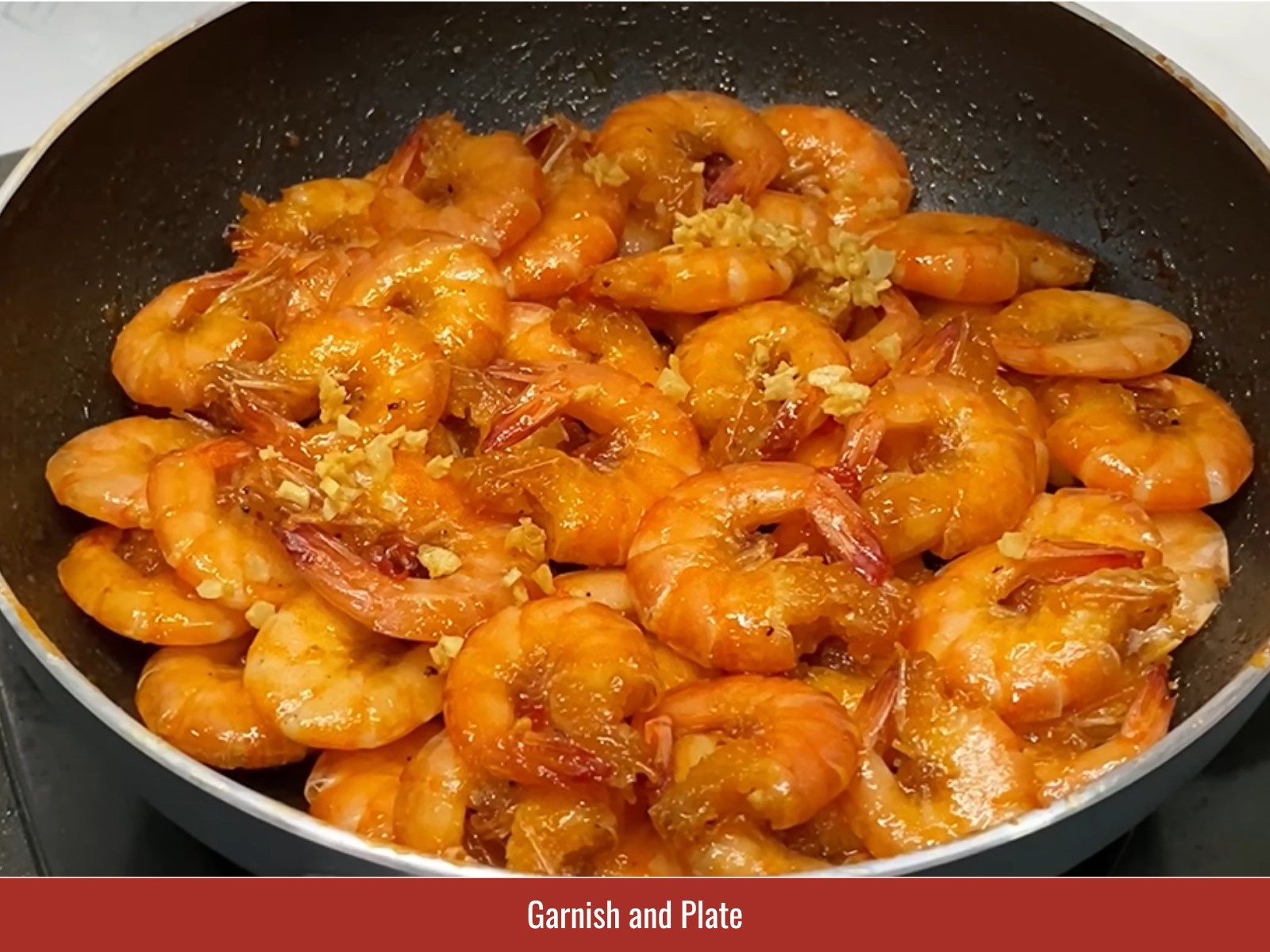
Step 9: Garnish and Plate
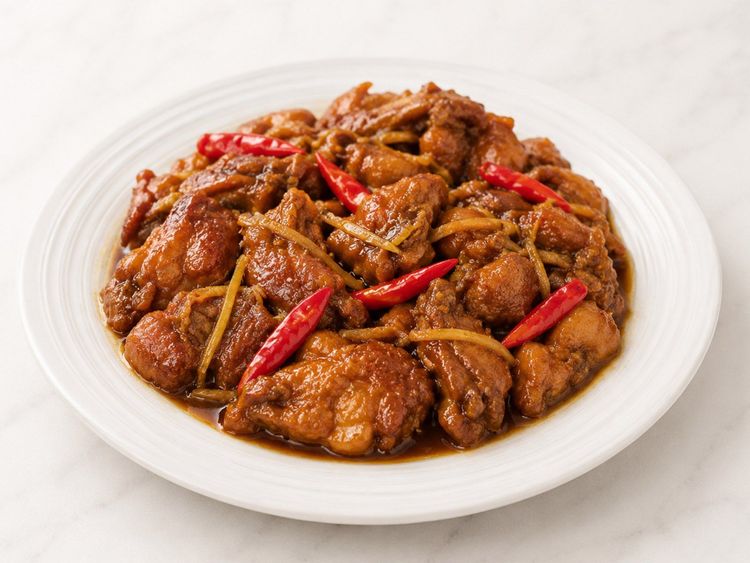
Scatter the reserved crispy garlic over the shrimp while they are still warm. Transfer everything onto a serving plate. The finished caramelized shrimp should have a deep red-orange color with a glossy, slightly sticky glaze.
What To Eat With Vietnamese Caramelized Shrimp
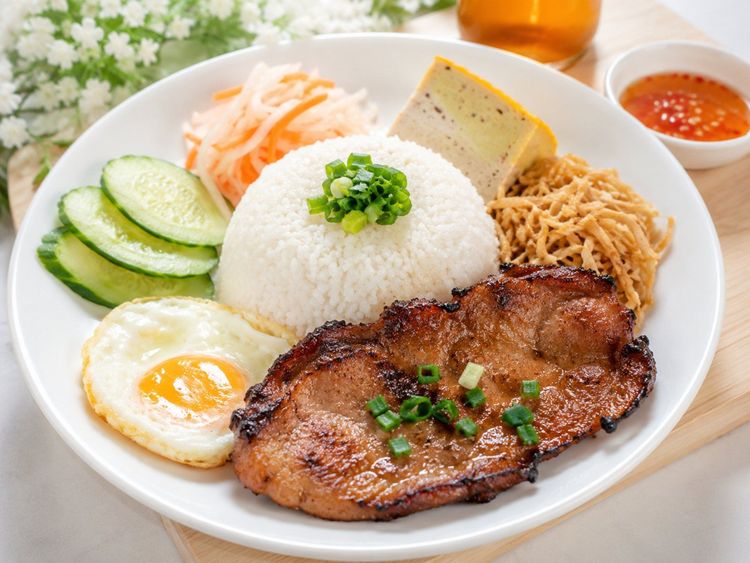
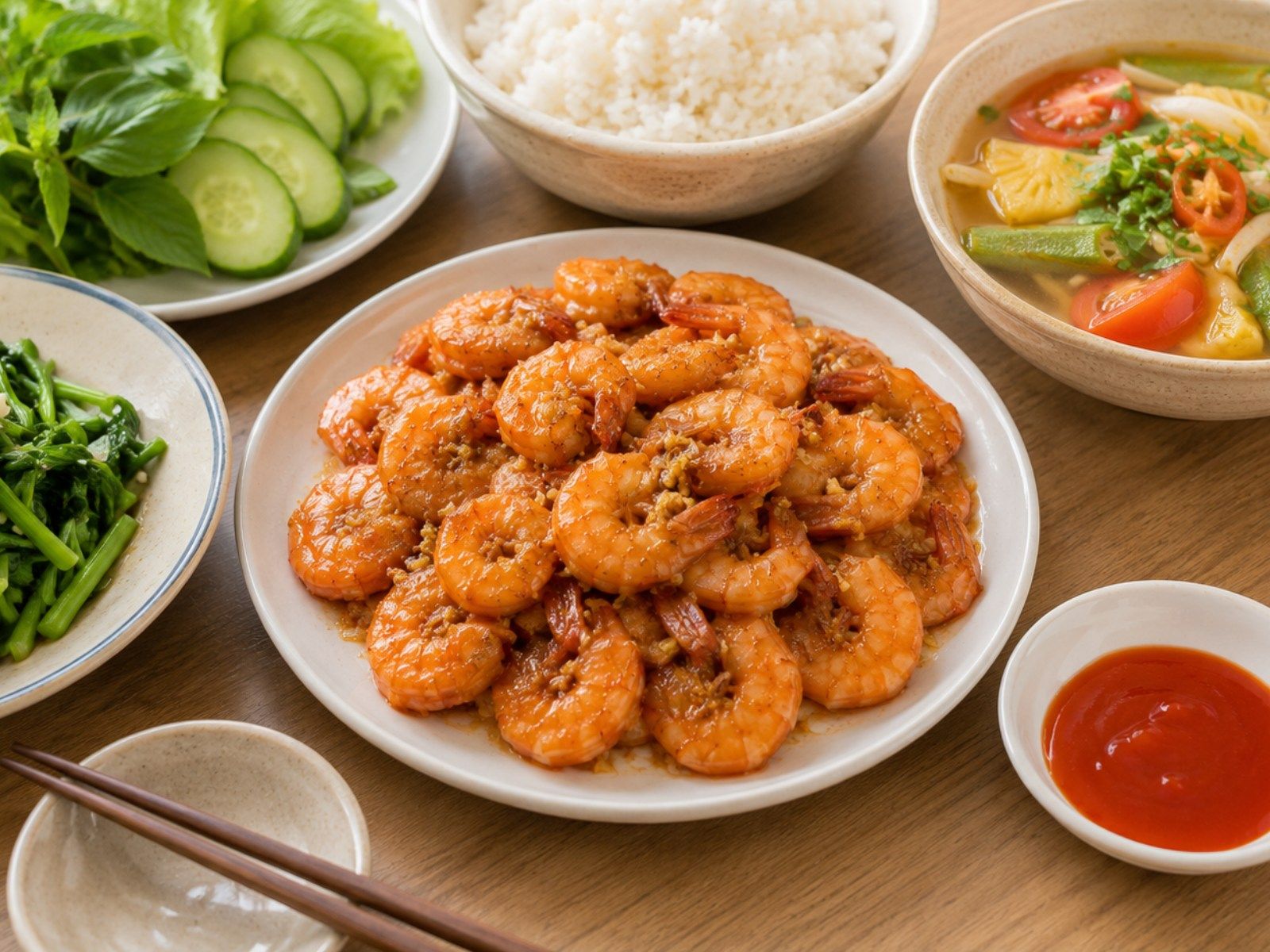
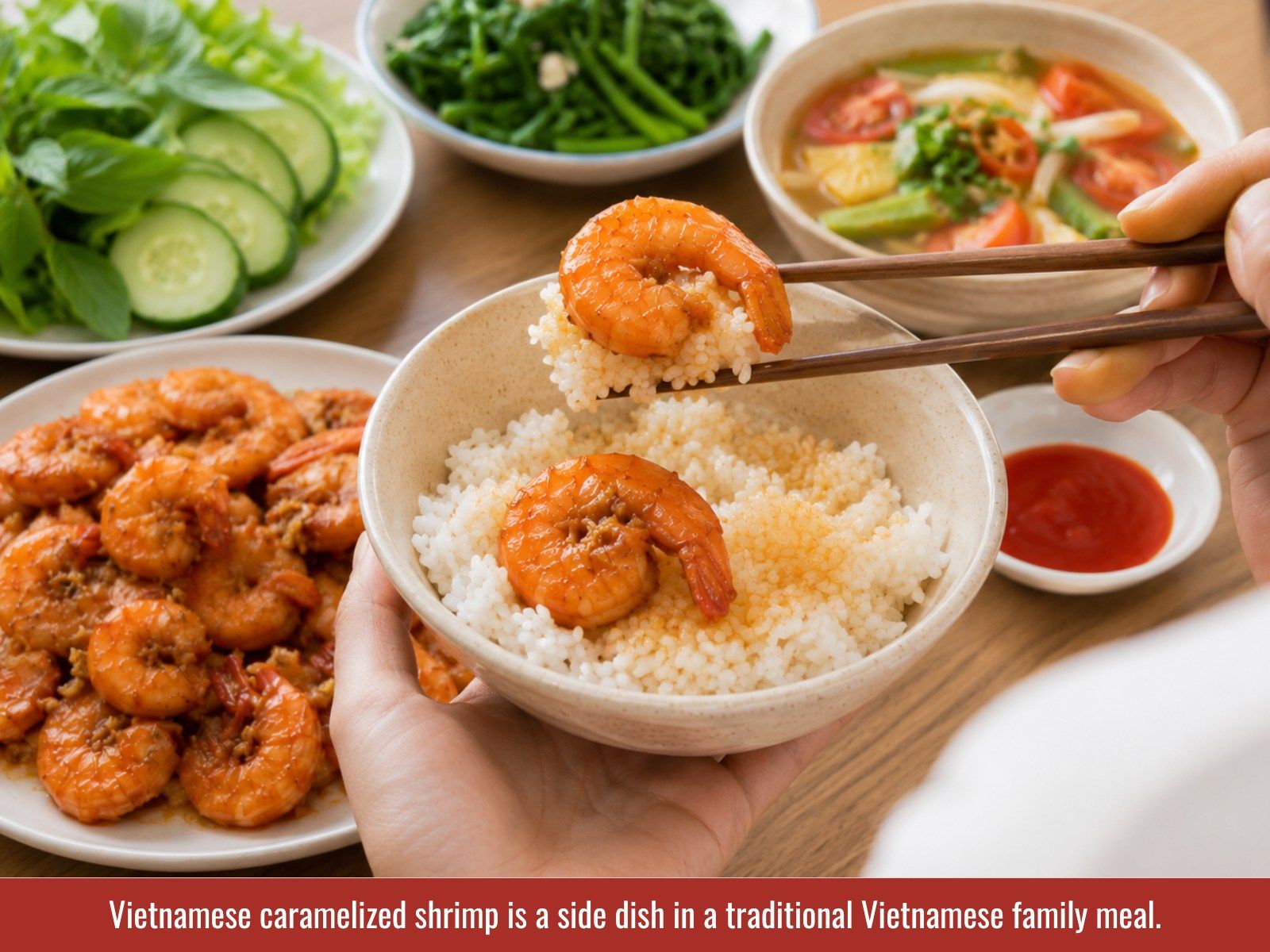
Vietnamese caramelized shrimp works best as a side dish in a traditional Vietnamese family meal rather than a stand-alone dinner. It fits perfectly into the "món mặn" (savory protein) slot for a classic cơm nhà (Vietnamese family meal), which typically comes together in a 4-part spread that features:
- Steamed jasmine rice (cơm) serves as the essential base of the whole meal.
- A vegetable dish (rau), like some sliced cucumber or fresh lettuce and herbs, keeps things fresh.
- A light soup (canh), such as tangy sour soup (canh chua) or simple vegetable soup (canh rau), balances the flavors.
- CHIN-SU hot sauce goes right on the side, because its roasted chili and garlic notes pair up beautifully with the sweet and salty glaze.
Vietnamese cooks often call a dish like this "hao cơm," which means it tastes so savory that you just keep reaching for more rice.
Tips for the Best Vietnamese Caramelized Shrimp
These 4 small choices separate good caramelized shrimp from truly great caramelized shrimp.
- Keep the shell on. They help the shrimp stay moist and give the glaze more surface to cling to. Remove thicker shells before serving if needed.
- Add the fish sauce while you mix the sauce, not at the end. Stirring it in early spreads the salt evenly through the glaze. Some cooks add it last for a lighter, surface-level saltiness, so try both ways and see which one you prefer.
- Use small shrimp, size 51-60. Smaller shrimp have more shell relative to their meat, so every single bite carries more caramelized crunch. Save your jumbo shrimp for dishes where the meat is the star.
- Reduce the sauce before the shrimp go in. A thick sauce cooks the shrimp quickly in a concentrated glaze, so the meat stays perfectly tender rather than stewing.
What Can You Substitute or Change in Vietnamese Caramelized Shrimp?
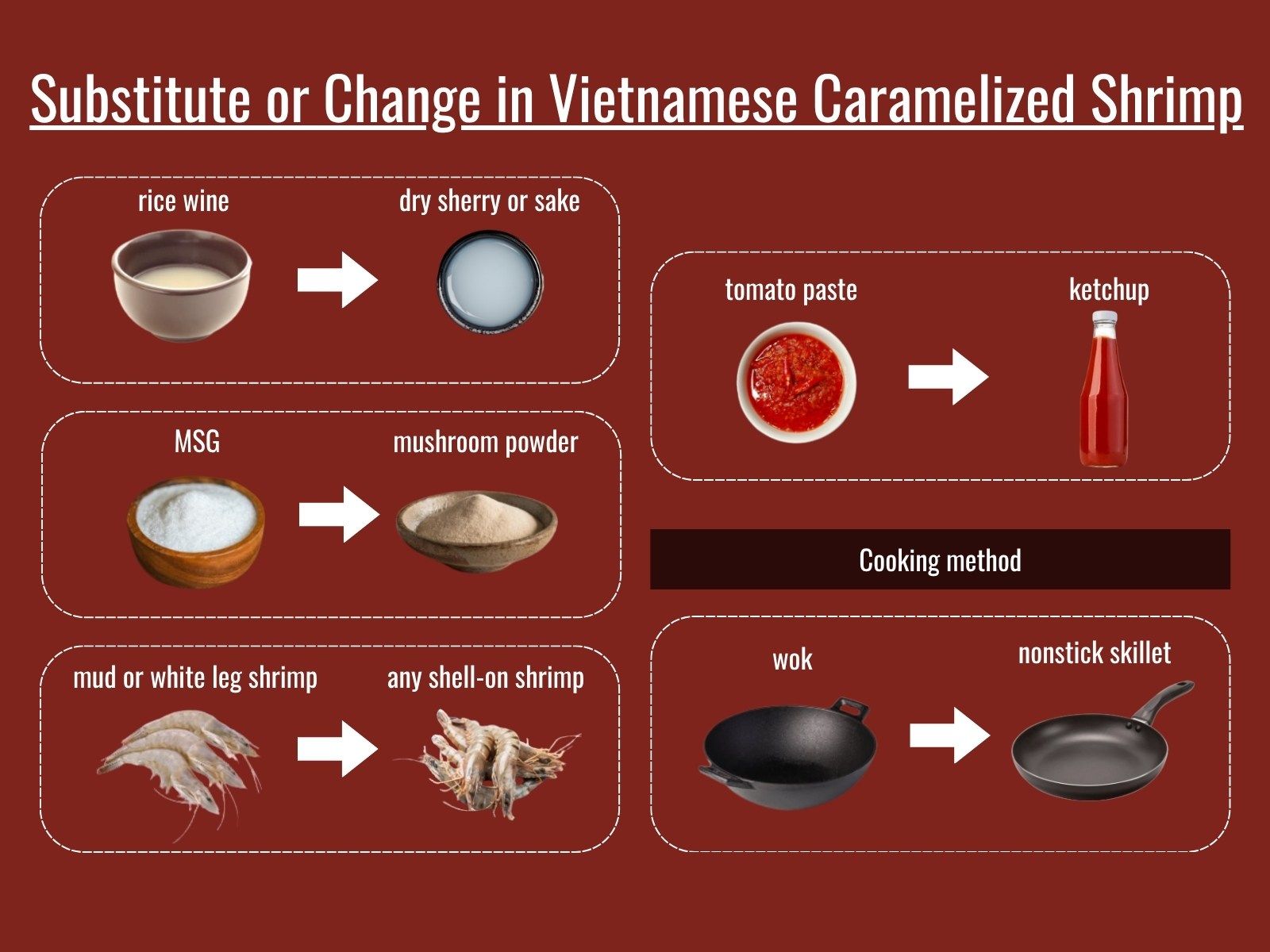
These substitutions help you make Vietnamese caramelized shrimp with US grocery store ingredients without losing the dish's core flavor.
Ingredient swaps
- Dry sherry or sake can replace rice wine. It loses the clean Vietnamese aroma but still removes the fishy smell.
- Mushroom powder can replace MSG. It is a common swap among Vietnamese American home cooks and gives a similar umami boost.
- Any shell-on shrimp can replace the mud or white leg shrimp, ideally size 51-60 or 41-50. Head-on shrimp is best if you can find it, since the head fat melts into the glaze, giving it a deeper orange color. Frozen shrimp works too, so thaw it fully and pat it dry first.
- Ketchup can stand in for tomato paste. It is slightly sweeter, so cut the sugar by ¼ teaspoon.
Cooking method
- A nonstick skillet can replace a wok. The caramelization is less dramatic, though the flavor stays the same.
You can swap freely as you need. Still, the closer you stay to the original ingredients, the closer you get to the authentic flavor.
How to Store Vietnamese Caramelized Shrimp
This caramelized shrimp reheats well, so a batch stored in the freezer saves time on busy nights. To store it, keep the shrimp in a sealed container in the fridge for up to 2 weeks, where the caramel glaze helps preserve the flavor. Reheat it on the stovetop, adding a splash of water if the sauce thickens too much. The meat firms up with each reheat, but the sweet and salty sauce keeps every single bite good.
Have you tried making tôm rim at home yet, or are you still picking out your shrimp? Drop your questions, tweaks, or results in the comments below. If this recipe worked out for you, leaving a quick star rating helps other home cooks find it. Make sure to share your finished caramelized shrimp on social media with #CHINSU, since we read every single one. And if you are curious whether CHIN-SU fish sauce belongs in your tôm rim, go ahead and grab a bottle at chinsu.com to give it a try.
Frequently Asked Questions
Yes, you can absolutely use frozen shrimp for tôm rim. Just make sure to thaw it out fully in the fridge or under cold running water, then pat it completely dry before you start cooking. Any extra moisture will end up steaming the shrimp instead of caramelizing it, which keeps the glaze from sticking.
Either option works. Keeping thin shells on helps the shrimp stay moist and gives the glaze more surface to cling to. For easier eating, peel the shrimp and leave the tails on if desired. Peeled shrimp may cook slightly faster, so check them early.
Tôm rim is shrimp that is braised longer, while tôm rang (stir-fried shrimp) is cooked up quickly. The braised version gives you a much thicker, stickier glaze, while the stir-fried version stays a bit drier and lighter. Both of them share a classic fish sauce and sugar base.
When divided into 3 servings, each serving contains approximately 240 calories, 28 g of protein, 10 g of carbohydrates, and 10 g of fat. If divided into 2 larger servings, each contains about 360 calories.
These estimates assume that all 2 tablespoons of cooking oil remain in the finished dish. The actual values vary depending on the edible shrimp weight, the amount of oil left in the pan, and the tomato or chili sauce used.
Yes. Remove the shrimp, add water to the sauce 1 tablespoon at a time, and taste again. Add a small pinch of sugar only if needed, then return the shrimp briefly to coat. Do not reduce the sauce back to its original volume.
The shrimp may have been wet, the pan may be too narrow, or the sauce may need more uncovered reduction. Remove fully cooked shrimp from the pan, reduce the sauce separately, then return the shrimp briefly to coat it.
Yes, when the shrimp is fully cooked but the sauce is still thin. Transfer the shrimp to a plate, reduce the sauce separately, then return the shrimp for 20 to 30 seconds. This prevents overcooking.
The heat was too high or the sauce was reduced too far before the shrimp was added. Keep the pan at medium heat and remove it once the glaze clings to the shells.
This recipe uses a mixed sauce rather than a separate marinade. Pour the measured sauce into the pan as directed. For variations that marinate raw shrimp, the marinade can be used only when it is brought to a full simmer before serving.
Insert a toothpick between the second and third shell segments along the back. Hook the dark vein, lift it gently, and pull it out in one piece. Skip any shrimp without a visible vein.
Yes, you can make tôm rim without sugar, but it really changes the dish, since sugar is what creates that classic caramel glaze. You can swap in honey or coconut aminos instead, which will still caramelize nicely in a hot pan, giving you a slightly different but still super tasty result.
Vietnamese Caramelized Shrimp Recipe
1. Ingredient
Shrimp
- 14 oz (400 g) shell-on shrimp (tôm đất or tôm bạc đất).
- 1 teaspoon salt.
- 1½ tablespoons rice wine (rượu trắng).
Sauce and Seasonings
- 1½ tablespoons sugar.
- 2 tablespoons fish sauce.
- ½ tablespoon chili sauce (tương ớt).
- Small amount of tomato paste.
- ½ teaspoon MSG (optional).
- Pinch of ground black pepper.
- 2 tablespoons water.
Aromatics
- Half a garlic bulb, crushed and roughly chopped.
- 1 fresh chili, sliced into rounds.
- 2 tablespoons cooking oil.
2. Instructions
- Step 1: Trim the Shrimp. Snip off the tips of shrimp heads and remove the stomach sac. Keep short belly legs, body shell, and tail on for color.
- Step 2: Devein the Shrimp. Remove the dark vein on the back of the shrimp.
- Step 3: Clean the Shrimp. Soak trimmed shrimp in water with salt for 3 minutes. Rinse with rice wine and drain.
- Step 4: Prep the Garlic and Chili. Crush and roughly chop garlic. Slice chili into rounds, removing seeds for milder heat.
- Step 5: Mix the Sauce. Combine sugar, fish sauce, chili sauce, tomato paste, MSG, black pepper, water, and sliced chili in a small bowl. Stir until evenly mixed.
- Step 6: Fry the Garlic. Heat oil in a pan over medium heat. Fry garlic until pale gold and fragrant. Remove half for garnish.
- Step 7: Reduce the Sauce. Pour sauce into garlic oil and bring to a boil. Simmer 1–2 minutes until thickened.
- Step 8: Caramelize the Shrimp. Add shrimp to the sauce, simmer 6 minutes, stirring frequently until shrimp turn opaque and coated in a glossy glaze.
- Step 9: Garnish and Plate. Scatter reserved crispy garlic over shrimp and serve hot.
3. Storage: Store in a sealed container in the fridge for up to 2 weeks. Reheat gently, adding a splash of water if the sauce thickens.
4.Yield: 4 servings
5.Serving Style: Vietnamese sweet-and-salty caramelized shrimp for steamed rice or family meals

CHIN-SU KITCHEN TEAM
CHIN-SU Kitchen Team are the creative experts behind the delicious recipes featuring CHIN-SU sauces. With years of experience and a passion for flavor, our team carefully selects recipes from a variety of trusted chefs and bloggers, bringing together the best culinary insights to present you with the most suitable and exciting dishes. Every recipe is chosen to inspire you to create meals that are not only tasty but also easy to prepare, enhancing your dining experience. Join us as we explore a wide range of sauces and flavors, and elevate every meal with the perfect recipe for your table!
User Reviews
Featured Articles
SUBSCRIBE TO GET
MORE INFO
Want the latest and greatest recipes, updates, and more from us,
straight to your inbox? Subscribe and get our NEWS!