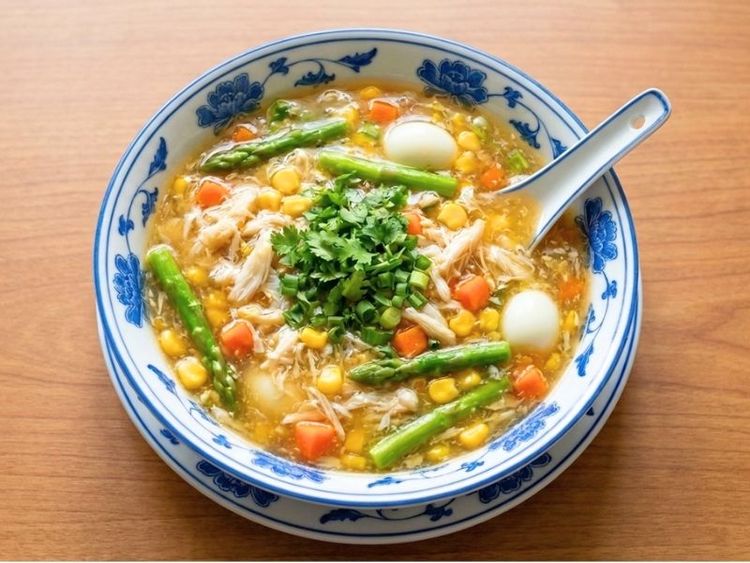
Sup Nui Suon Heo Recipe - Vietnamese Macaroni Soup With Pork Ribs
Published: Aug 20, 2026 by CHIN-SU
Updated: Sep 8, 2026 by CHIN-SU
Tested by CHIN-SU Kitchen Team
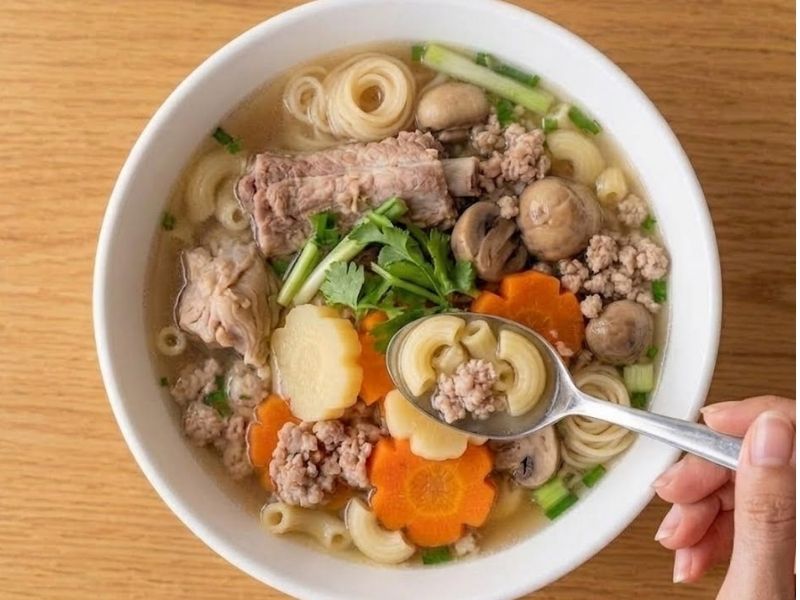
Sup nui (súp nui) is a Vietnamese macaroni soup made with clear pork rib broth, short pasta, tender meat, vegetables, and toppings such as ground pork and fresh herbs. The dish combines a Western-style pasta shape with Vietnamese soup techniques, creating a mild and comforting bowl that fits naturally into everyday meals.
In southern Vietnam, sup nui is commonly associated with breakfast shops, but families also enjoy it as a simple lunch or dinner. Its gentle broth, soft pasta texture, and tender ingredients make it a practical choice for casual meals and lighter eating occasions.
In this article, CHIN-SU shares the sup nui recipe to make at home, techniques for building a clear pork broth, and how Vietnamese families serve this macaroni soup. The recipe takes about 1 hour 30 minutes, including 30 minutes of active preparation, and serves 4 to 6 bowls.
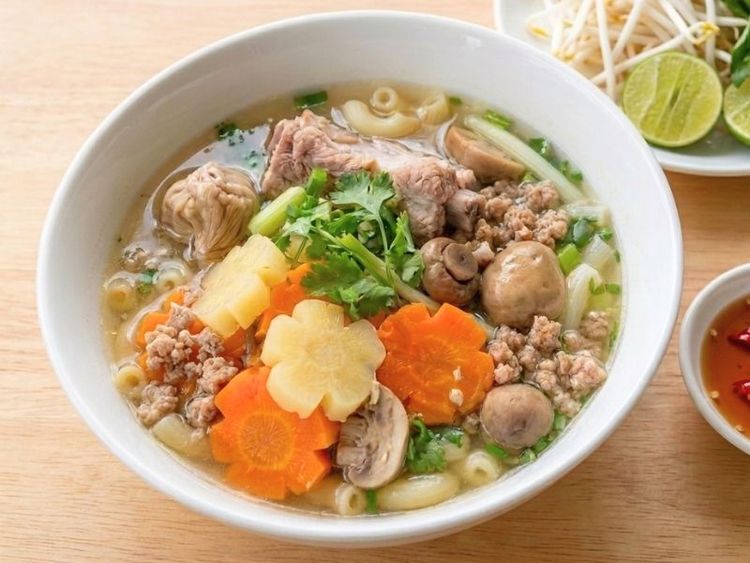
Table Of Contents
- What Is Sup Nui?
- Why You'll Love Sup Nui?
- Sup Nui Ingredients
How to Make Sup Nui Step by Step?
- Step 1: Prep the Aromatics and Vegetables
- Step 2: Soak the Macaroni
- Step 3: Parboil the Ribs
- Step 4: Simmer the Broth
- Step 5: Add the Dried Shrimp and Fried Shallots
- Step 6: Boil and Toss the Macaroni
- Step 7: Sauté the Ground Pork
- Step 8: Sauté the Mushrooms
- Step 9: Strain the Broth and Add Fresh Carrots
- Step 10: Season the Broth
- Step 11: Assemble the Bowl
- How to Serve Sup Nui?
- Tips for the Best Sup Nui
- What Can You Substitute or Change in Vietnamese Macaroni Soup?
- How to Store Sup Nui?
What Is Sup Nui?
Sup nui (súp nui) is a Vietnamese macaroni soup made with short pasta, pork ribs, vegetables, and a clear, lightly sweet broth. The dish is prepared by slowly simmering pork ribs and vegetables to create a gentle savory base, then serving the cooked macaroni with tender meat, vegetables, and hot broth.
The name comes from the pasta itself. “Nui” is the Vietnamese term for short pasta shapes such as elbows, shells, and spirals, and it is commonly linked to the French word “nouille,” meaning noodle. Unlike Vietnamese rice noodles, nui refers to pasta-style shapes that Vietnamese cooks adapted into local soups.
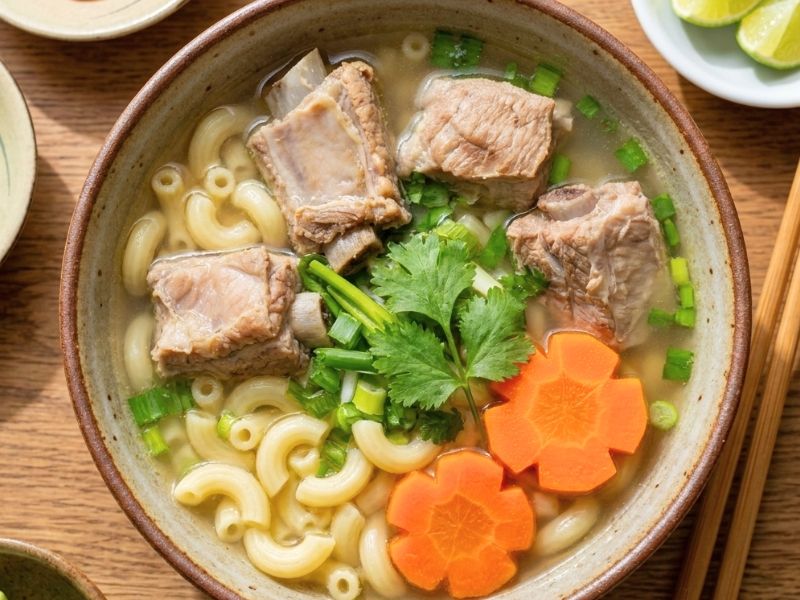
Pasta entered Vietnamese cuisine through French colonial influence, but the ingredient was transformed through Vietnamese cooking methods. Instead of using pasta with European sauces, Vietnamese cooks combined short pasta with familiar broth traditions, pork, vegetables, herbs, and seasonings to create a comforting everyday soup.
Sup nui is especially common in Southern Vietnam, including Ho Chi Minh City, where it is often served in home kitchens and breakfast shops. In the United States, the dish is usually described on English-language menus and recipes as Vietnamese macaroni soup, Vietnamese macaroni soup with pork ribs, or sup nui suon heo. It remains less internationally recognized than pho because it is closely associated with home-style Vietnamese cooking rather than restaurant dining.
The soup has a mild and comforting flavor profile. Pork ribs provide natural sweetness and savory depth, vegetables add freshness to the broth, and toppings such as black pepper, cilantro, green onions, or fried shallots add aroma before serving. The result is a simple Vietnamese comfort food that combines soft pasta with the familiar flavors of a slow-simmered pork soup.
Why You'll Love Sup Nui?
You’ll love this sup nui because it combines a clear Vietnamese broth with soft pasta and familiar ingredients in a simple, comforting bowl.
- A clean, gently sweet broth. Pork ribs, dried shrimp, and vegetables create a naturally sweet flavor without making the soup heavy.
- A family-friendly texture. Mild broth, soft pasta, and tender ingredients make sup nui approachable for children and people who prefer lighter meals.
- A practical one-pot meal. The broth simmers while the pasta, ground pork, and toppings are prepared separately, keeping the active cooking time manageable.
Sup Nui Ingredients
This sup nui recipe uses six main component groups: the pork and broth base, the ground pork topping, the macaroni, the vegetables and aromatics, the seasoning, and the fresh toppings added before serving.
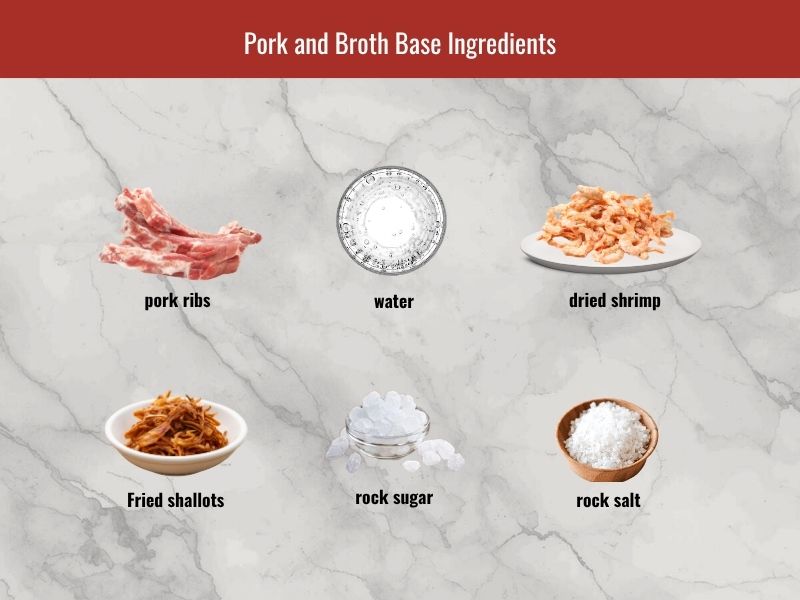
Pork and Broth Base
- 1½ lb (700 g) pork ribs (sườn non). Pork ribs create the foundation of the broth and provide tender meat for each bowl. The connective tissue in the ribs releases gelatin during simmering, giving the broth a fuller body while keeping the meat soft.
- 3 quarts (3 L) water. Water becomes the base of the soup, absorbing the sweetness and savory flavors released from the pork, vegetables, and aromatics during cooking.
- 1 oz (30 g) dried shrimp (tôm khô). Dried shrimp adds a deeper seafood aroma and savory sweetness to the broth. It is a common addition in some Vietnamese soup recipes, although quantities vary between households.
- 2 tbsp fried shallots (hành phi). Fried shallots add roasted onion aroma and a richer fragrance to the broth. Some are added during cooking, while extra shallots can be used as a topping.
- 1 tbsp (15 g) rock salt and 1½ oz (40 g) rock sugar (đường phèn). These season the broth during simmering. Rock sugar provides a gentle sweetness that balances the savory pork flavor.
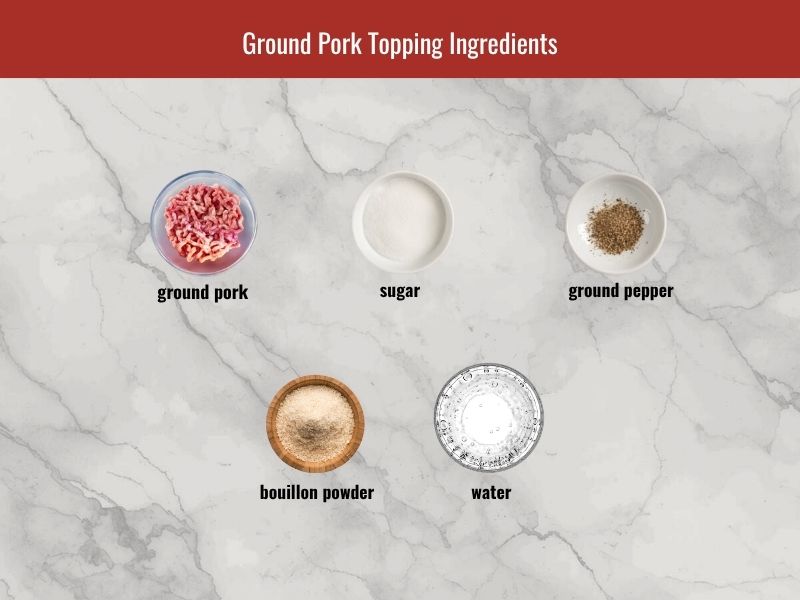
Ground Pork Topping
- 10½ oz (300 g) ground pork. Ground pork creates an additional savory element that contrasts with the rib meat. Pork with moderate fat content, such as shoulder, stays tender and flavorful after sautéing.
- 1 tsp bouillon powder, ½ tsp sugar, ⅓ tsp black pepper, and 2 tbsp water. These season the ground pork while the added water helps maintain moisture during cooking.
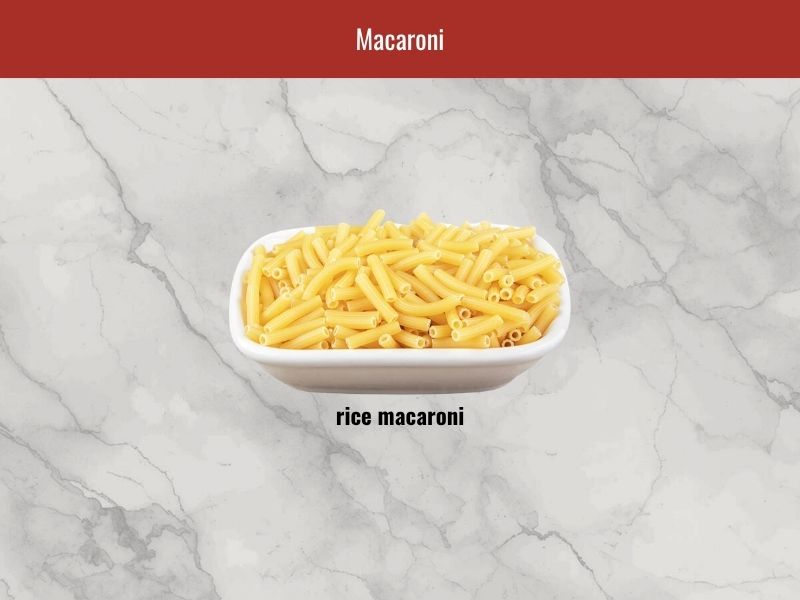
Macaroni
- 14 oz (400 g) rice macaroni (nui gạo). This recipe uses rice macaroni for a softer, lighter texture in the broth. Wheat macaroni is also commonly used in Vietnamese home-style sup nui and creates a slightly firmer pasta texture.
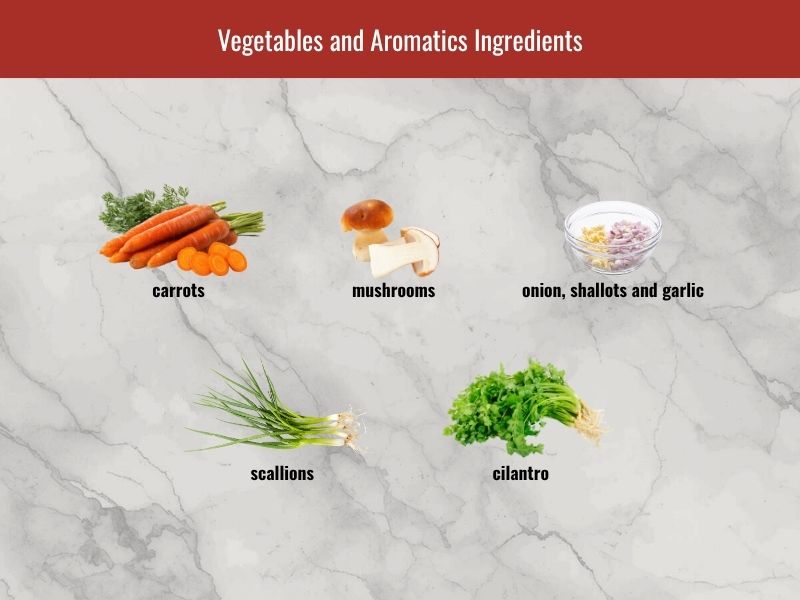
Vegetables and Aromatics
- 1 lb (500 g) carrots, divided. Carrots add natural sweetness to the broth and provide color and texture in the finished bowl.
- 7 oz (200 g) mushrooms, halved if large. Mushrooms add additional texture and savory depth. Button mushrooms work well, although other varieties can also be used.
- 5 oz (150 g) onion, 2¼ oz (65 g) shallots, and ½ oz (15 g) garlic. Onion and shallots build the aromatic foundation of the soup, while garlic and remaining shallots add fragrance to the sautéed ingredients.
- 3 stalks scallions and 4 sprigs cilantro (ngò rí). Scallion whites and cilantro roots add aroma during cooking, while the chopped greens finish each bowl with freshness.
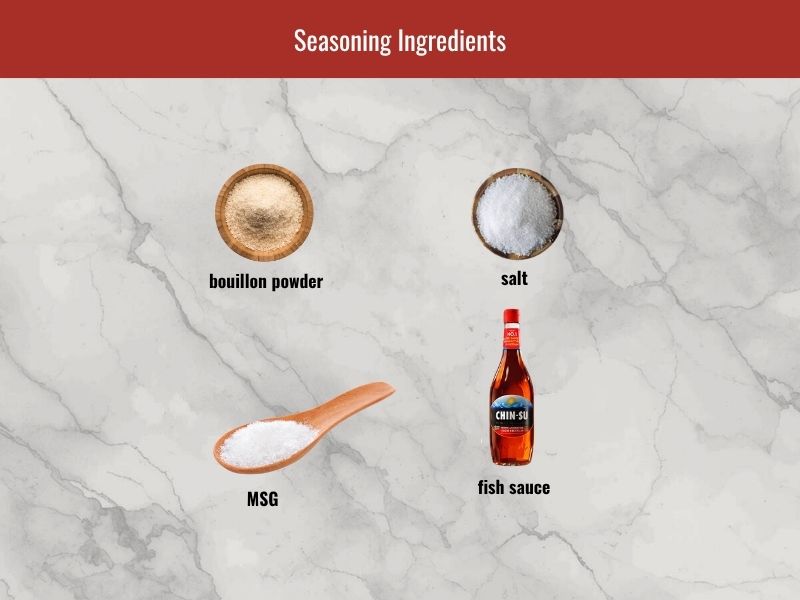
Seasoning
- 3 tbsp bouillon powder, 1 tsp salt, 1 tsp MSG, and ½ tbsp fish sauce. These season the finished broth after simmering. Fish sauce adds savory depth and fermented aroma, so adjust the amount according to taste.
To Serve
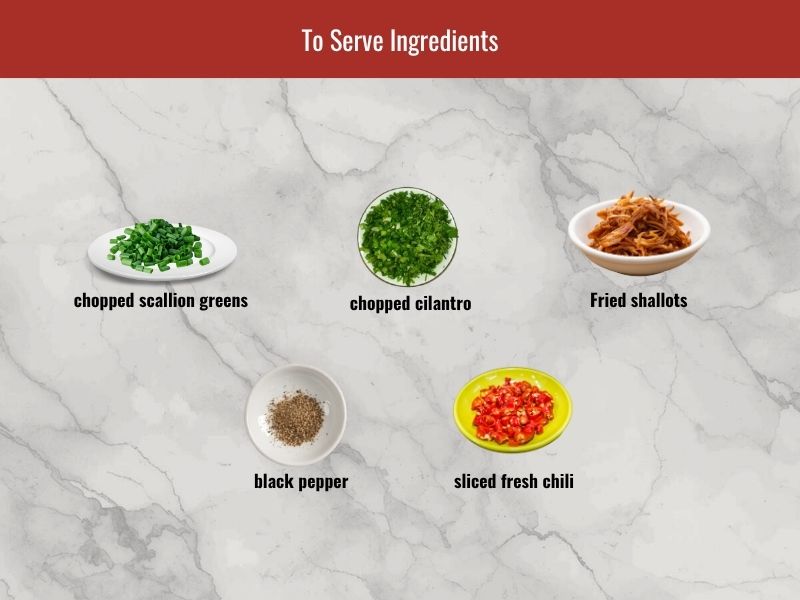
- Chopped scallion greens and cilantro, fried shallots, black pepper, and sliced fresh chili. These toppings are added after assembling the bowl to provide freshness, aroma, and optional heat.
How to Make Sup Nui Step by Step?
Making sup nui takes about 1 hour 30 minutes, including 30 minutes of preparation and 1 hour of simmering and cooking time. The recipe follows four main stages: preparing the ingredients, simmering the pork rib broth, cooking the macaroni and toppings, and assembling the finished bowls with hot broth and fresh garnishes.
Step 1: Prep the Aromatics and Vegetables
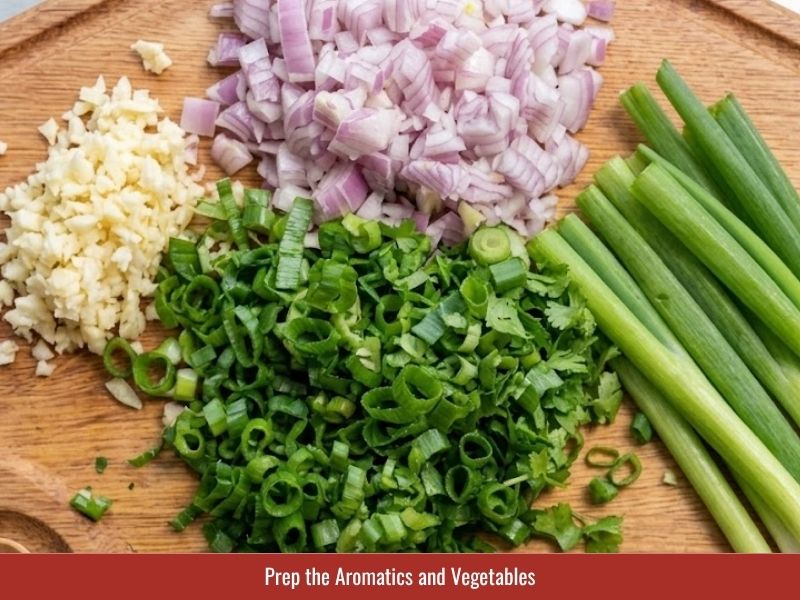
Halve the 5 oz (150 g) onion, reserve 1¾ oz (50 g) shallots whole for the broth, and mince the remaining ½ oz (15 g) shallots with ½ oz (15 g) garlic for the sautéed toppings.
Separate the herbs by part. Add cilantro roots and scallion whites during cooking to build aroma, then reserve the green parts for finishing each bowl.
Divide the carrots into two portions. Use 10½ oz (300 g) as broth aromatics during simmering, then prepare the remaining 7 oz (200 g) as a vegetable topping.
Step 2: Soak the Macaroni
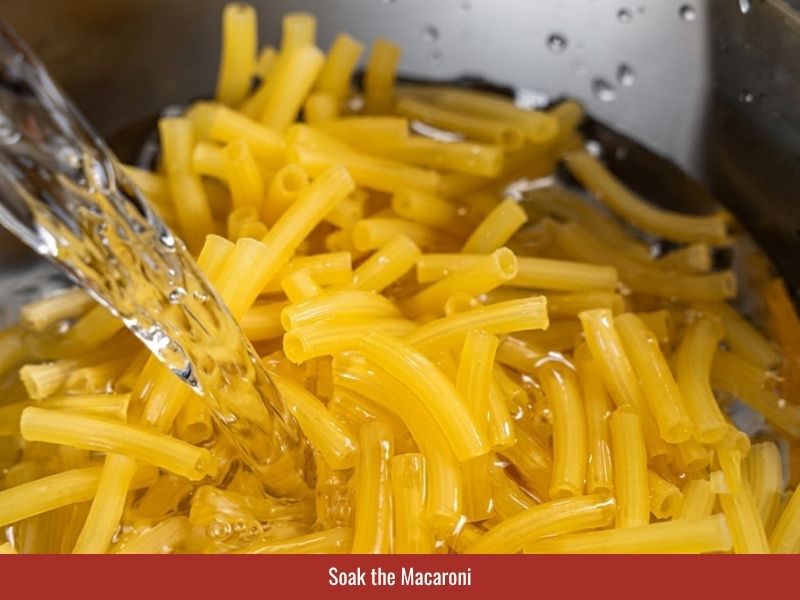
Cover the 14 oz (400 g) rice macaroni with water and soak for about 20 minutes before boiling.
Soaking helps the pasta cook more evenly. Cooking the macaroni separately also prevents it from absorbing too much broth and becoming overly soft when served.
Step 3: Parboil the Ribs
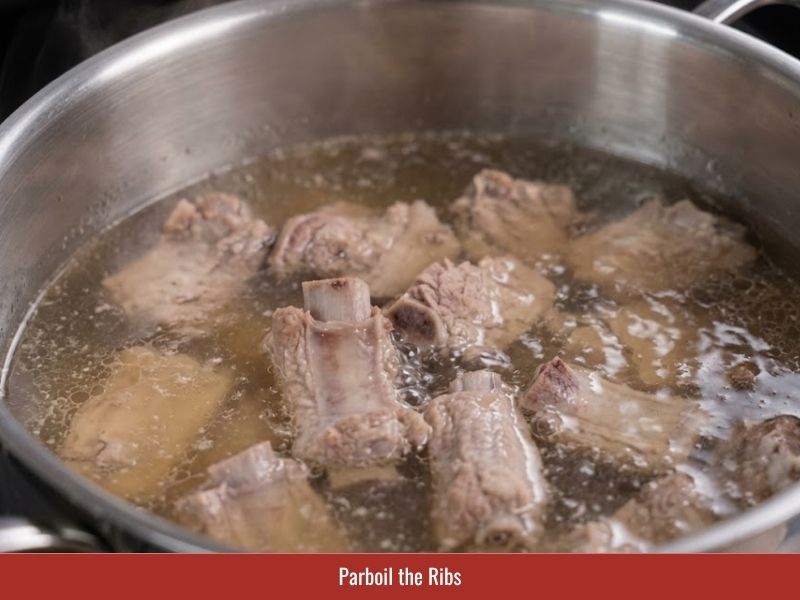
Clean the 1½ lb (700 g) pork ribs with salt and vinegar, then blanch them in boiling water with 1 tsp salt for about 2 minutes.
Remove the ribs, discard the blanching water, and rinse the ribs thoroughly before preparing the broth. This step removes surface impurities and helps create a cleaner, clearer soup.
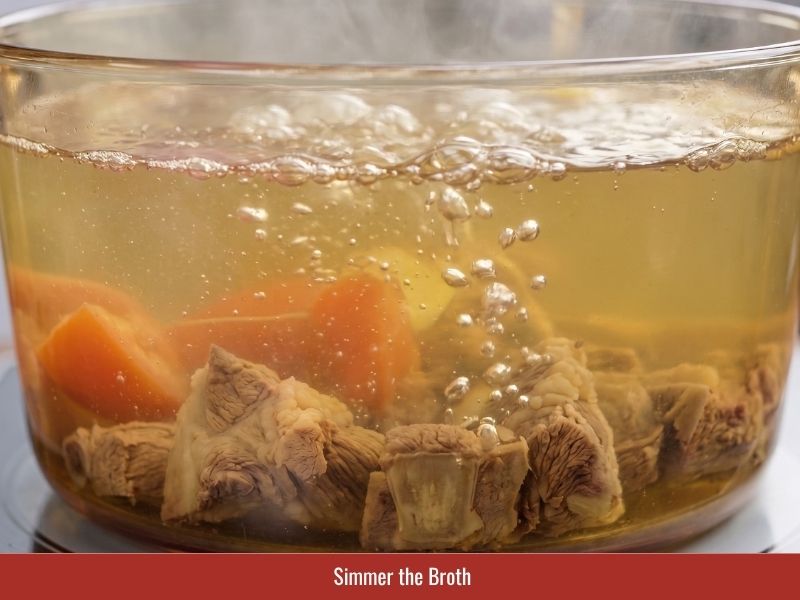
Step 4: Simmer the Broth
Place the rinsed ribs into a pot with 3 quarts (3 L) hot water, the whole carrot pieces, onion, whole shallots, and cilantro roots.
Add 1 tbsp (15 g) rock salt and 1½ oz (40 g) rock sugar, then bring the broth to a boil. Skim the foam during the first stage of cooking, then reduce the heat to maintain a gentle simmer.
Cook for about 1 hour until the ribs become tender and the broth develops a light sweetness from the pork and vegetables.
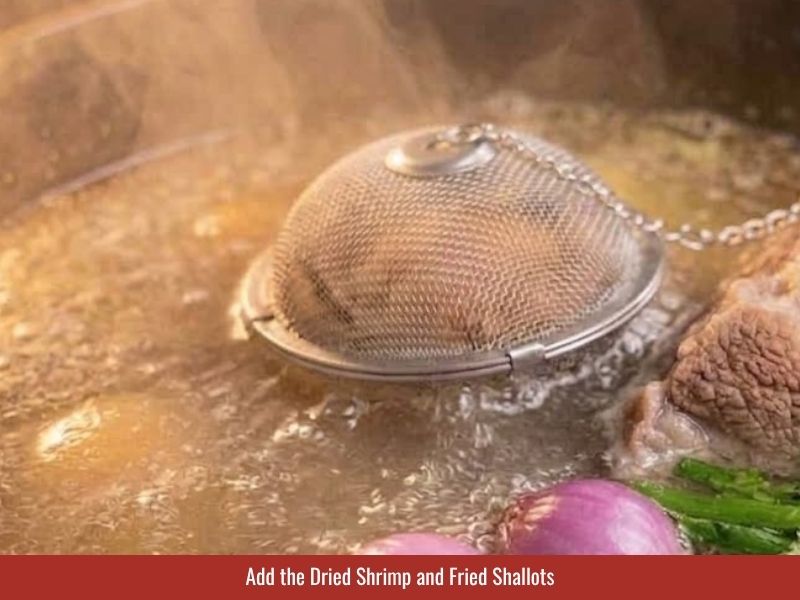
Step 5: Add the Dried Shrimp and Fried Shallots
Rinse 1 oz (30 g) dried shrimp and lightly toast them before adding them to the simmering broth.
Add 2 tbsp fried shallots during the simmering stage to enhance the aroma of the broth.
Dried shrimp and fried shallots add additional sweetness and fragrance to this version of sup nui. Place them in a mesh strainer or cloth bag if you want to remove them easily before serving.
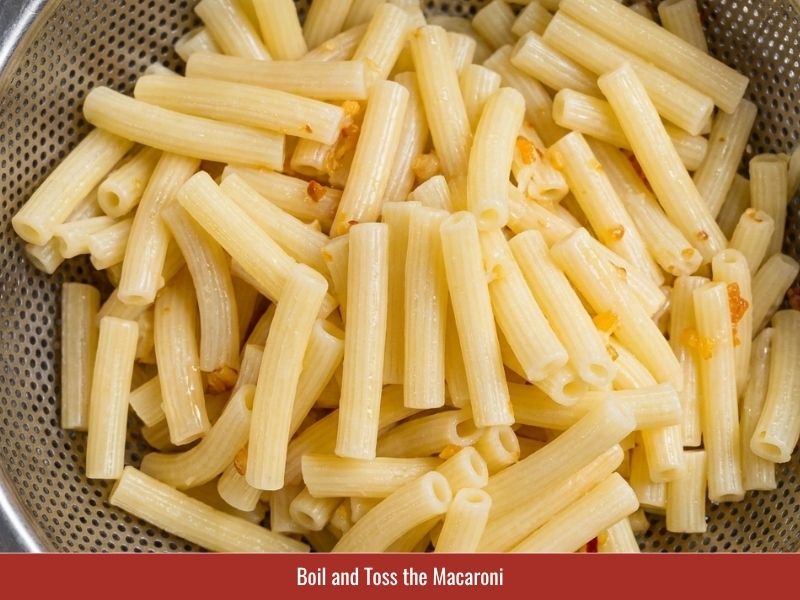
Step 6: Boil and Toss the Macaroni
Bring a separate pot of water to a boil with 1 tsp salt and 1 tbsp oil.
Cook the soaked macaroni for 8–10 minutes, depending on the brand and preferred texture. Transfer the cooked pasta into cold water, rinse, and drain thoroughly.
Toss the drained macaroni with a small amount of fried shallot oil to prevent sticking and add aroma. Keeping the pasta separate from the broth prevents it from continuing to absorb liquid and becoming overly soft.
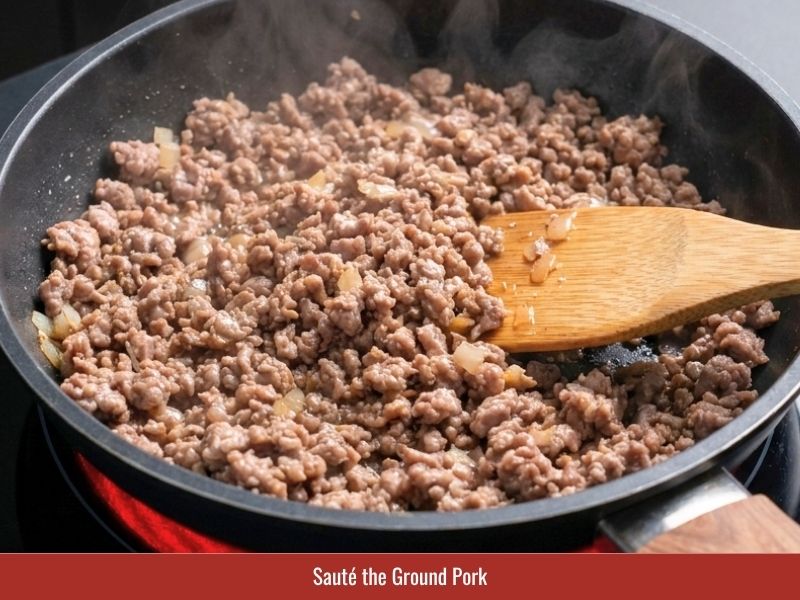
Step 7: Sauté the Ground Pork
Heat 1 tbsp oil, then cook the minced shallots and garlic until fragrant.
Add 10½ oz (300 g) ground pork and break it apart while cooking so it remains loose instead of forming large clumps.
Season with 1 tsp bouillon powder, ½ tsp sugar, ⅓ tsp black pepper, and 2 tbsp water. The added water helps the pork stay moist and allows the seasoning to distribute evenly.
Cook until the pork is fully seasoned, then set it aside for assembling the bowls.
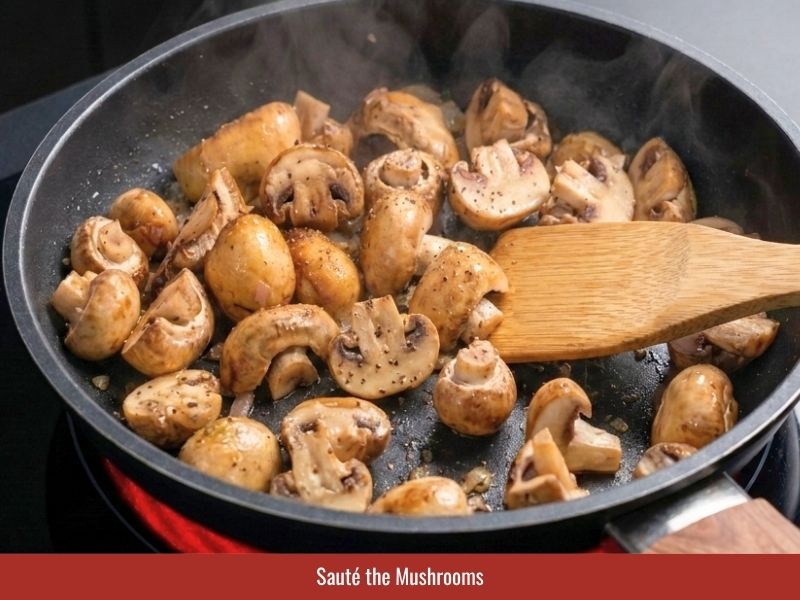
Step 8: Sauté the Mushrooms
Use the same pan to cook the 7 oz (200 g) mushrooms with a small amount of oil and the remaining minced aromatics.
Cook until the mushrooms become tender and fragrant.
This step adds another layer of savory flavor while keeping the mushrooms from releasing excess water directly into the broth.
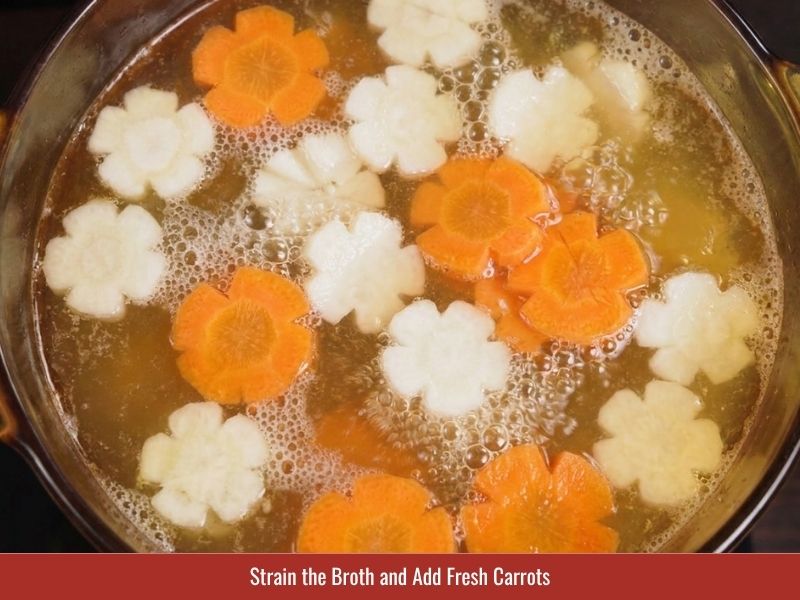
Step 9: Strain the Broth and Add Fresh Carrots
After the broth has simmered for about 1 hour, remove the cooked aromatics, used carrots, and dried shrimp.
Add the remaining 7 oz (200 g) carrots and simmer briefly until tender while maintaining their shape. Add additional water if needed to replace evaporation.
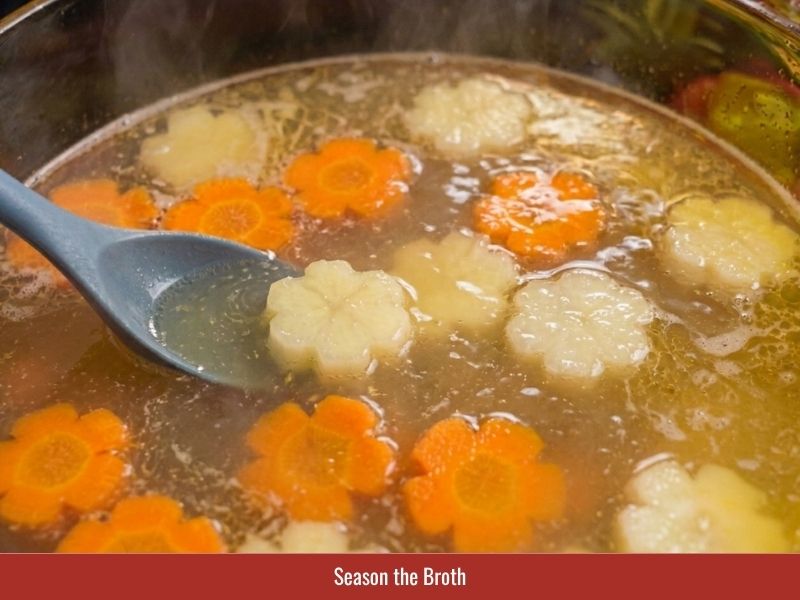
Step 10: Season the Broth
Season the finished broth with 3 tbsp bouillon powder, 1 tsp MSG, 1 tsp salt, and ½ tbsp fish sauce.
CHIN-SU fish sauce can be used during this final seasoning step to add savory depth and fermented aroma.
Taste the broth and adjust gradually because the final balance depends on the saltiness of the stock, ribs, and seasoning ingredients.
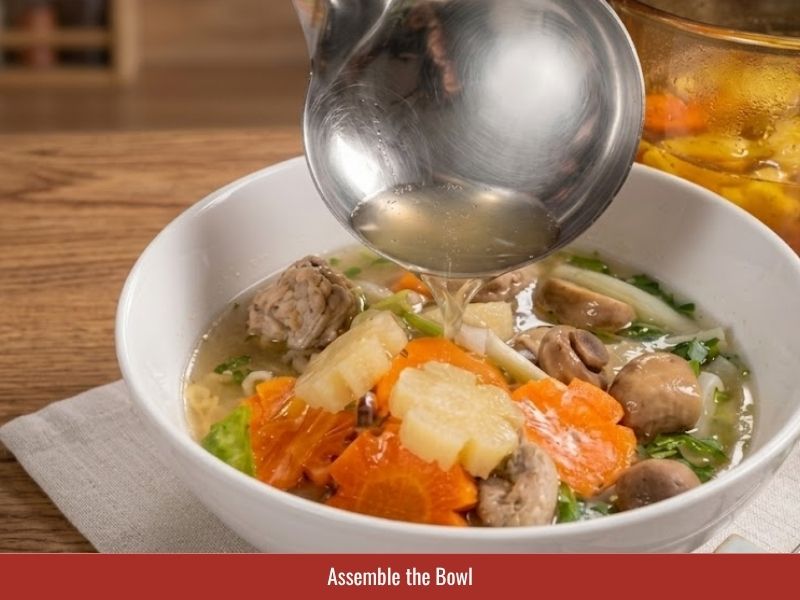
Step 11: Assemble the Bowl
Add the cooked macaroni to each bowl first.
Top with sautéed ground pork, rib pieces, carrots, chopped scallion greens, cilantro, fried shallots, and black pepper.
Pour the hot broth over the ingredients just before serving so the pasta warms through while maintaining its texture.
Add fresh chili according to preference for diners who enjoy extra heat.
How to Serve Sup Nui?
Sup nui is served in individual bowls, with the macaroni, broth, meat, and toppings assembled just before eating. Keeping the pasta separate until serving helps preserve its texture because macaroni continues absorbing liquid and becomes softer when left in hot broth for too long.
A typical serving includes:
- Pork ribs and ground pork, which provide the main savory elements of the bowl.
- Chopped scallion greens and cilantro, added at the end for freshness and aroma.
- Fried shallots, scattered on top for roasted onion fragrance and a light crunch.
- Black pepper and fresh chili, added according to personal preference for extra aroma and heat.
Unlike Vietnamese soups that are often served with a large plate of fresh herbs and vegetables on the side, sup nui focuses on a simpler bowl composition. The main elements are the clear pork broth, soft macaroni, tender meat, vegetables, and a few finishing toppings that complete the flavor.
If you want heat without cutting fresh chilies, you can try CHIN-SU hot sauce at the table, since its roasted chili and garlic notes work with the sweet pork broth rather than covering it.
Tips for the Best Sup Nui
These techniques help create sup nui with a clear pork broth, tender meat, and macaroni that keeps its texture when served.
- Do not skip the rib parboiling step. Briefly blanching the ribs removes surface proteins and impurities that can affect broth clarity. The longer simmer afterward develops the pork flavor and creates a sweeter, cleaner soup base.
- Keep the broth at a gentle simmer. Avoid aggressive boiling because strong agitation can disturb the fat and proteins in the broth, making the soup cloudy. A slower simmer helps maintain a lighter, clearer texture.
- Cook the macaroni separately from the broth. Macaroni continues absorbing liquid after cooking, so keeping it separate prevents it from becoming overly soft before serving.
- Toss the drained macaroni with fried shallot oil. A small amount of fried shallot oil prevents the pasta from sticking together while adding extra aroma before the hot broth is added.
- Use ground pork with some fat for the topping. Pork shoulder or other moderately fatty cuts stay more tender and moist after sautéing, while very lean pork can become dry and grainy.
- Season the broth after the main flavors develop. The ribs, vegetables, dried shrimp, and aromatics release flavor during simmering, so adjust the final seasoning after tasting the finished broth.
What Can You Substitute or Change in Vietnamese Macaroni Soup?
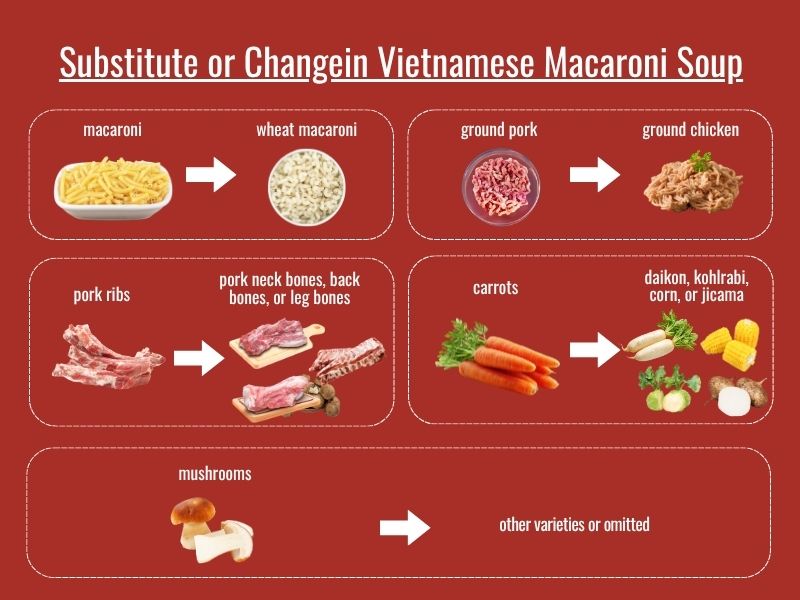
These substitutions help adapt sup nui based on ingredient availability while preserving the dish’s main characteristics: a clear pork broth, short pasta, tender meat, and gentle seasoning.
- Rice macaroni (nui gạo) can be replaced with wheat macaroni. Rice macaroni creates a softer, lighter texture, while wheat macaroni provides a firmer bite and is easier to find in many supermarkets. Both types are used in Vietnamese home-style versions of sup nui.
- Pork ribs can be replaced with other pork bones. Pork neck bones, back bones, or leg bones can still create a flavorful broth, although the finished soup will have less tender rib meat served in each bowl.
- Ground pork can be replaced with ground chicken. Chicken creates a lighter flavor profile because it has less fat and a different savory character compared with pork. The soup remains balanced but loses some of the richness from the original topping.
- Carrots can be replaced with daikon, kohlrabi, corn, or jicama. These vegetables add natural sweetness to the broth while changing the texture and flavor slightly.
- Mushrooms can be replaced with other varieties or omitted. Different mushrooms add varying levels of aroma and savory depth, but they are not essential to the structure of the soup.
The closer the substitutions stay to the original ingredients, the closer the final bowl will be to the traditional balance of sup nui: mild broth, soft pasta, tender meat, and gentle sweetness.
How to Store Sup Nui?
Store sup nui components separately to preserve the clear broth and prevent the macaroni from becoming overly soft. The broth, pasta, and toppings change texture at different rates during storage, so keeping them apart produces the best result when reheating.
Store the broth, cooked macaroni, and toppings in separate airtight containers in the refrigerator for 3–4 days. Avoid storing macaroni directly in the broth because the pasta continues absorbing liquid over time, causing it to become softer while making the broth thicker.
When reheating, warm the broth separately until hot, then combine it with the macaroni and toppings just before serving. Add a small amount of warm water or extra broth if the soup becomes too thick after refrigeration.
For longer storage, the broth can be frozen for up to 3 months. Freezing the complete assembled soup is not recommended because the macaroni and other ingredients may lose their original texture after thawing.
Did you grow up eating sup nui for breakfast, or are you making it for the first time for your own children? Either way, drop your questions, tweaks, or results in the comments below, and if this recipe worked for you, a quick star rating helps other home cooks find it. Share your finished bowl on social media with #CHINSU, since we read every one. Curious whether CHIN-SU chili sauce works with your sup nui? Grab a bottle at chinsu.com and try it.
Frequently Asked Questions
Nui refers to short pasta shapes used in Vietnamese cooking, including macaroni elbows, shells, and spirals. The word is commonly linked to the French nouille, meaning noodle, and Vietnamese cooks adapted the term to describe Western-style pasta used in local dishes.
No. Sup nui is commonly eaten for breakfast in Southern Vietnam, but it is also served as lunch, dinner, or a light meal at home. Its mild broth, soft pasta, and tender ingredients make it suitable for different occasions.
Sup nui broth becomes cloudy when surface proteins are not removed, the soup boils too aggressively, or fat and particles become mixed into the liquid. Blanching the ribs before simmering and maintaining gentle heat help create a clearer broth.
Yes. Wheat macaroni works well in sup nui and is widely available. Rice macaroni creates a softer, lighter texture, while wheat macaroni provides a firmer bite. Both types can be used depending on availability and personal preference.
Yes. Pork ribs can be replaced with other pork bones, chicken, or another broth base, but the flavor and texture will change. Pork ribs contribute both a savory broth foundation and tender meat served in the finished bowl.
Yes, but cooking macaroni separately gives better texture control. Pasta continues absorbing liquid after cooking, so adding it directly to the broth can make the soup thicker and the macaroni softer, especially when stored as leftovers.
Sup Nui (Vietnamese Macaroni Soup) Recipe
1. Ingredient
Pork and Broth Base
- 1½ lb (700 g) pork ribs.
- 3 quarts (3 L) water.
- 1 oz (30 g) dried shrimp.
- 2 tablespoons fried shallots.
- 1 tablespoon (15 g) rock salt.
- 1½ oz (40 g) rock sugar.
Ground Pork Topping
- 10½ oz (300 g) ground pork.
- 1 teaspoon bouillon powder.
- ½ teaspoon sugar.
- ⅓ teaspoon black pepper.
- 2 tablespoons water.
Macaroni
- 14 oz (400 g) rice macaroni (nui gạo) or wheat macaroni.
Vegetables and Aromatics
- 1 lb (500 g) carrots.
- 7 oz (200 g) mushrooms.
- 5 oz (150 g) onion.
- 2¼ oz (65 g) shallots.
- ½ oz (15 g) garlic.
- 3 stalks scallions.
- 4 sprigs cilantro.
Seasoning
- 3 tablespoons bouillon powder.
- 1 teaspoon salt.
- 1 teaspoon MSG.
- ½ tablespoon fish sauce.
Toppings
- Chopped scallion greens.
- Chopped cilantro.
- Fried shallots.
- Ground black pepper.
- Sliced fresh chili.
2. Instructions
- Step 1: Prep the Aromatics and Vegetables. Halve the onion, reserve whole shallots for the broth, and mince remaining shallots and garlic for sautéing. Separate scallion whites and greens, then divide carrots for broth cooking and final topping.
- Step 2: Soak the Macaroni. Cover rice macaroni with water and soak for about 20 minutes before boiling. This helps the pasta cook evenly and prevents it from becoming overly soft when added to the soup.
- Step 3: Parboil the Ribs. Clean pork ribs with salt and vinegar, then blanch in boiling water with salt for about 2 minutes. Remove, discard the water, and rinse the ribs thoroughly.
- Step 4: Simmer the Broth. Add rinsed ribs, hot water, whole carrots, onion, whole shallots, and cilantro roots to a pot. Season with rock salt and rock sugar, bring to a boil, then reduce to a gentle simmer for about 1 hour until the ribs become tender.
- Step 5: Add Dried Shrimp and Fried Shallots. Rinse dried shrimp and lightly toast if desired before adding them to the broth. Add fried shallots during simmering to enhance the aroma and savory sweetness.
- Step 6: Boil and Toss the Macaroni. Cook soaked macaroni in salted boiling water with oil for 8–10 minutes. Transfer to cold water, rinse, drain, and toss with fried shallot oil to prevent sticking.
- Step 7: Sauté the Ground Pork. Cook minced shallots and garlic until fragrant. Add ground pork and break it apart while cooking. Season with bouillon powder, sugar, black pepper, and water until the pork remains moist and flavorful.
- Step 8: Sauté the Mushrooms. Cook mushrooms with a small amount of oil and aromatics until tender and fragrant. Set aside for assembling the bowls.
- Step 9: Strain the Broth and Add Fresh Carrots. Remove cooked aromatics, carrots, and dried shrimp from the broth. Add remaining carrots and simmer briefly until tender while maintaining their shape.
- Step 10: Season the Broth. Add bouillon powder, MSG, salt, and fish sauce. Adjust seasoning gradually after tasting the finished broth.
- Step 11: Assemble the Bowl. Add cooked macaroni to bowls, then top with pork ribs, ground pork, mushrooms, carrots, scallion greens, cilantro, fried shallots, and black pepper. Pour hot broth over the ingredients before serving.
3. Storage: Store broth, cooked macaroni, and toppings separately in airtight containers. Refrigerate for 3–4 days. Avoid storing macaroni directly in broth because it continues absorbing liquid and becomes too soft. Freeze broth separately for up to 3 months.
4. Yield: Multiple servings
5. Serving Style: Vietnamese pork rib macaroni soup with clear broth, tender meat, vegetables, short pasta, fried shallots, and fresh herbs

CHIN-SU KITCHEN TEAM
CHIN-SU Kitchen Team are the creative experts behind the delicious recipes featuring CHIN-SU sauces. With years of experience and a passion for flavor, our team carefully selects recipes from a variety of trusted chefs and bloggers, bringing together the best culinary insights to present you with the most suitable and exciting dishes. Every recipe is chosen to inspire you to create meals that are not only tasty but also easy to prepare, enhancing your dining experience. Join us as we explore a wide range of sauces and flavors, and elevate every meal with the perfect recipe for your table!
User Reviews
Featured Articles
SUBSCRIBE TO GET
MORE INFO
Want the latest and greatest recipes, updates, and more from us,
straight to your inbox? Subscribe and get our NEWS!