Chao Ga (Vietnamese Chicken Rice Porridge) Recipe
Published: Aug 20, 2026 by CHIN-SU
Updated: Sep 8, 2026 by CHIN-SU
Tested by CHIN-SU Kitchen Team
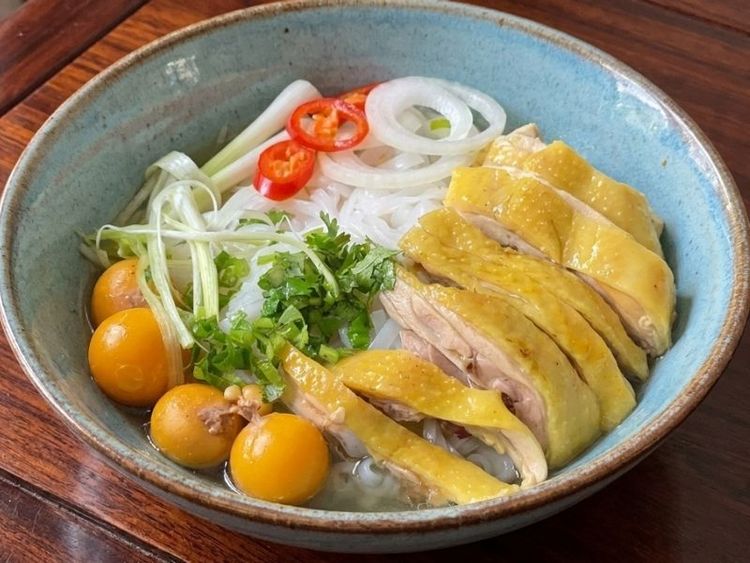
Chao ga (cháo gà) is a Vietnamese chicken rice porridge made by slowly cooking rice with chicken broth until the grains soften and bloom, then serving it with shredded chicken, green onion, fried shallots, and black pepper. The dish is known for its light texture, comforting flavor, and the balance between mild chicken broth, fragrant herbs, and sharp seasonings added at the table.
In Vietnam, chao ga is served as an everyday comfort food, a gentle meal when someone feels unwell, a breakfast option, or a simple dinner. CHIN-SU shares a homemade chao ga recipe with techniques for keeping the rice tender without becoming overly thick, along with traditional serving suggestions.
The recipe takes about 1 hour 30 minutes, including 30 minutes of preparation and 1 hour of cooking, and serves 6 to 8 people using one 4½ lb (2 kg) chicken. Serve it with Vietnamese coriander, fried shallots, a salt-pepper-lime dipping dish, and gỏi gà (Vietnamese chicken salad).
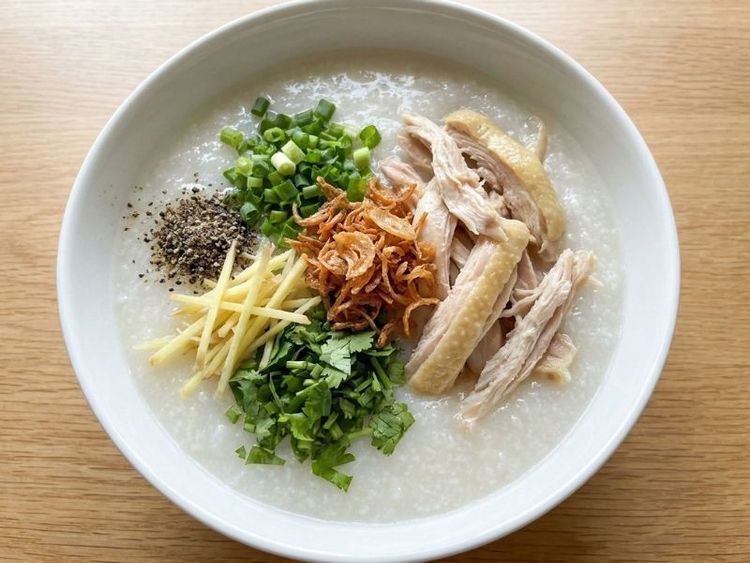
Table Of Contents
- What Is Chao Ga?
- Why You'll Love Chao Ga?
- Chao Ga Ingredients
How to Make Chao Ga Step by Step
- Step 1: Clean the Chicken
- Step 2: Start the Chicken in Warm Water
- Step 3: Simmer and Skim
- Step 4: Prep the Aromatics and Toppings
- Step 5: Render the Chicken Fat
- Step 6: Toast the Rice
- Step 7: Check and Rest the Chicken
- Step 8: Shred the Chicken and Return the Bones
- Step 9: Simmer the Porridge
- Step 10: Sauté the Mushrooms
- Step 11: Season the Pot
- Step 12: Check the Consistency
- Step 13: Finish and Ladle
- How to Serve Chao Ga?
- Tips for the Best Chao Ga
- What Can You Substitute or Change in Chao Ga?
- How to Store Chao Ga?
What Is Chao Ga?
Chao ga is a Vietnamese chicken rice porridge made by simmering rice in the broth from a whole cooked chicken until the grains soften and bloom, then serving it with shredded chicken, green onion, fried shallots, black pepper, and fresh herbs. Unlike plain rice porridge, chao ga develops its flavor from the chicken broth, tender meat, and aromatic toppings added before serving.
The name cháo gà describes the two main parts of the dish: cháo means rice porridge, while gà means chicken. English speakers usually pronounce chao ga close to “chow gah.”
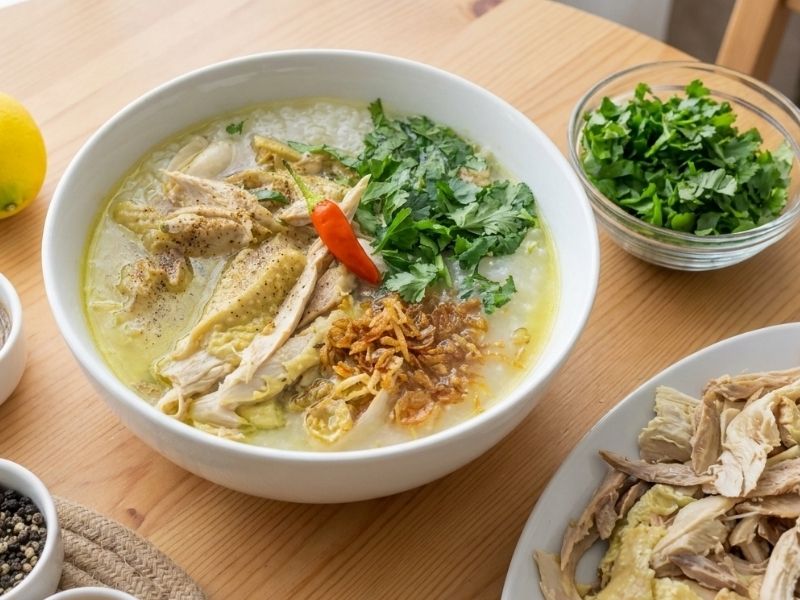
On Vietnamese restaurant menus in the United States, chao ga is often listed as Vietnamese chicken porridge or chicken congee. The term congee helps English-speaking diners understand that the dish belongs to the broader Asian rice porridge family, but Vietnamese chao ga has its own characteristics through its chicken-based broth, shredded meat, black pepper, fried shallots, and fresh herbs.
The texture of chao ga varies between households. Some versions are thinner with visible rice grains in a light broth, while others are cooked longer until the rice creates a thicker consistency. This recipe follows a lighter style where the grains become soft and bloomed while still maintaining some structure.
Why You'll Love Chao Ga?
You’ll love this chao ga recipe because the rice is toasted before simmering, creating a lighter texture where the grains soften and bloom without becoming overly thick.
- The rice develops the right porridge texture. Toasting the rice before cooking helps the grains hold their structure as they absorb the chicken broth, creating a bowl that is soft but not gluey.
- One chicken creates a complete meal. A single 4½ lb (2 kg) chicken provides the broth, shredded meat for the porridge, and enough chicken to prepare gỏi gà (Vietnamese chicken salad) on the side.
- The toppings bring balance to the mild broth. Black pepper, fried shallots, green onion, herbs, and lime add aroma, freshness, and contrast to the gentle flavor of the porridge.
- It is comforting and easy to serve. The soft texture makes chao ga suitable for breakfast, light meals, or times when you want a gentle dish that is easy to eat and reheat.
Chao Ga Ingredients
This chao ga recipe has four component groups: the chicken and broth base, the rice, the mushrooms and aromatics, and the toppings served at the table.
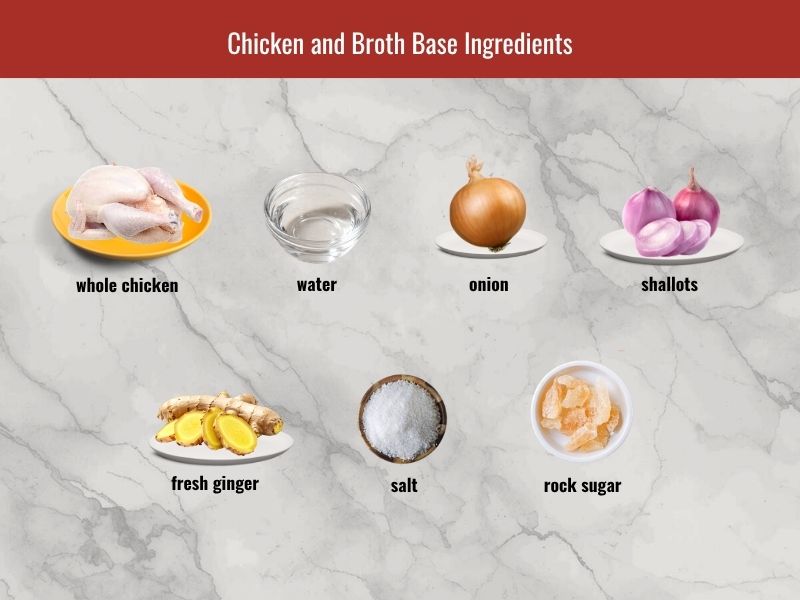
Chicken and Broth Base
- 1 whole chicken, about 4½ lb (2 kg). A whole chicken provides both the broth and shredded meat, creating the foundation of the porridge.
- 3 to 4 quarts (3 to 4 L) water. The water becomes the cooking broth, so use enough volume to extract flavor from the chicken without needing to dilute it later.
- 1 onion, about 10.6 oz (300 g). Onion adds sweetness and depth to the chicken broth.
- 4.2 oz (120 g) shallots, halved. Shallots add additional aroma to the poaching liquid.
- 0.2 oz (5 g) fresh ginger, thinly sliced. Ginger adds a clean fragrance that balances the richness of the chicken.
- 1.6 oz (23 g) salt. Salt season the broth and the rice cooked in it.
- 0.7 oz (20 g) rock sugar (đường phèn). Rock sugar adds a mild sweetness and smoother finish to the broth.
Rice
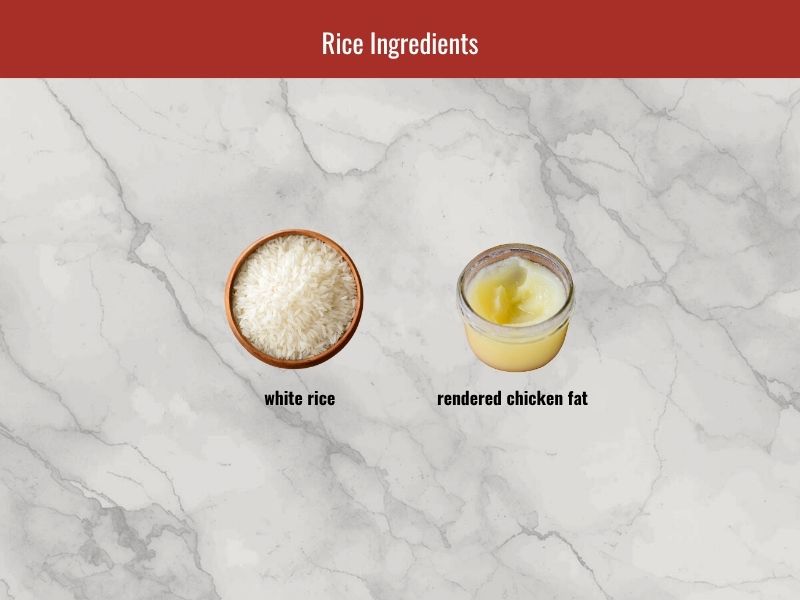
- 1½ cups (300 g) white rice, rinsed and drained. Jasmine rice works well because it softens during cooking while maintaining some grain structure.
- 2 tbsp rendered chicken fat. Chicken fat is used to toast the rice before simmering, adding aroma and helping create a lighter porridge texture.
Mushrooms and Aromatics
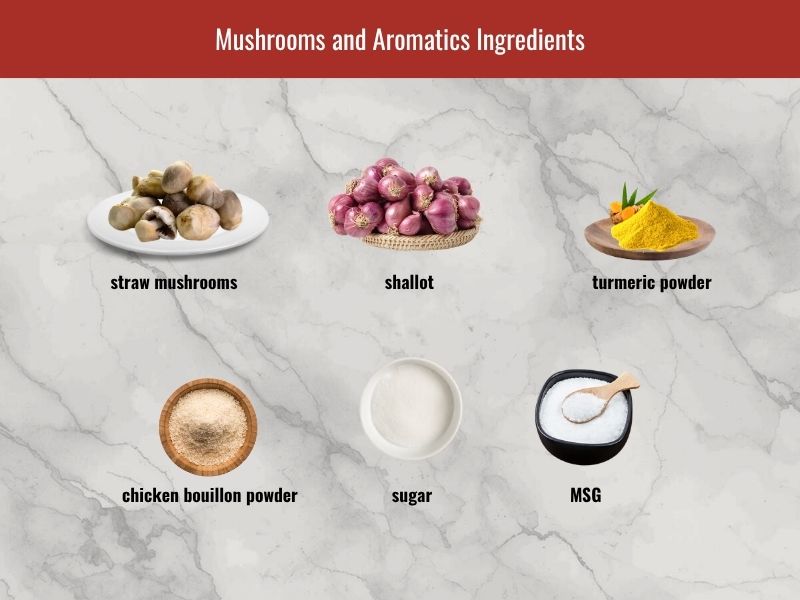
- 10.6 oz (300 g) fresh straw mushrooms or fresh shiitake mushrooms. Mushrooms add texture and are added later so they maintain their bite.
- 1 small shallot, minced, and 1 large shallot, thinly sliced. Minced shallots season the mushrooms, while sliced shallots can be fried for additional aroma.
- 0.1 oz (½ tsp) turmeric powder (bột nghệ). Turmeric adds color and enhances the appearance of the chicken.
- 0.4 oz (12 g) chicken bouillon powder, plus 1 tsp for the mushrooms. Bouillon adds savory depth to the final seasoning.
- 0.35 oz (10 g) sugar and 0.35 oz (10 g) MSG (bột ngọt), optional, for final seasoning. These ingredients enhance the overall savory balance after the rice has finished cooking.
Toppings and Table
The toppings are part of the chao ga experience rather than simple garnish.
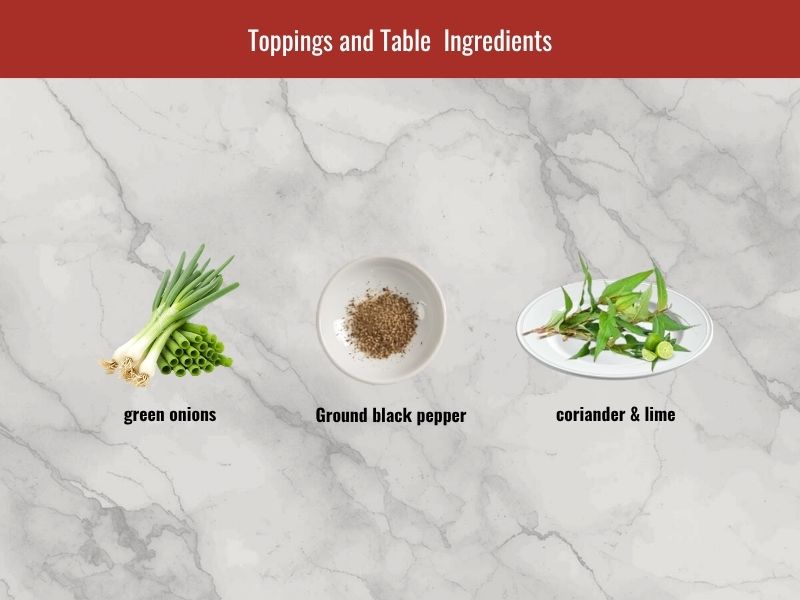
- 4 green onions, with white parts cut into lengths and green parts thinly sliced. The white parts add aroma during cooking, while the green tops provide freshness when serving.
- Ground black pepper, ½ cup fried shallots, and fresh cilantro. These toppings add aroma, texture, and contrast to the mild porridge.
- Vietnamese coriander (rau răm), 1 lime, salt, and pepper for serving. These ingredients create a traditional table-side combination that adds freshness and brightness to each bowl.
How to Make Chao Ga Step by Step
Making chao ga takes 13 main steps and about 1 hour 30 minutes, including 30 minutes of preparation and 1 hour of cooking. The process includes poaching the chicken, toasting the rice, simmering the porridge, shredding the meat, and finishing the bowl with seasonings and toppings.
Step 1: Clean the Chicken
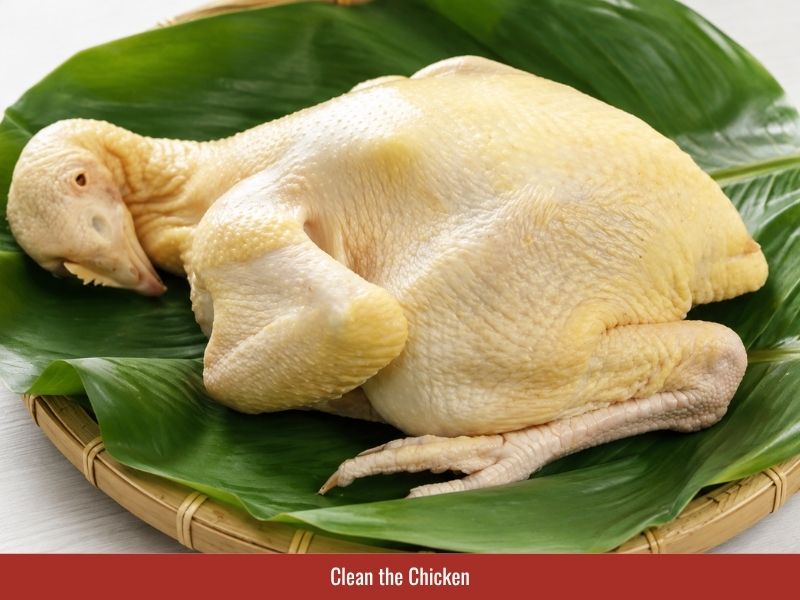
Rub the whole chicken inside and out with salt and a cut lime, then rinse it several times under running water until it is clean. Trim the toenails and pull the oil gland out of the tail, since that gland carries the strongest smell on the bird.
Trim the loose fat pads from the cavity and set them aside, because that fat becomes your cooking fat for the rice later on.
Step 2: Start the Chicken in Warm Water
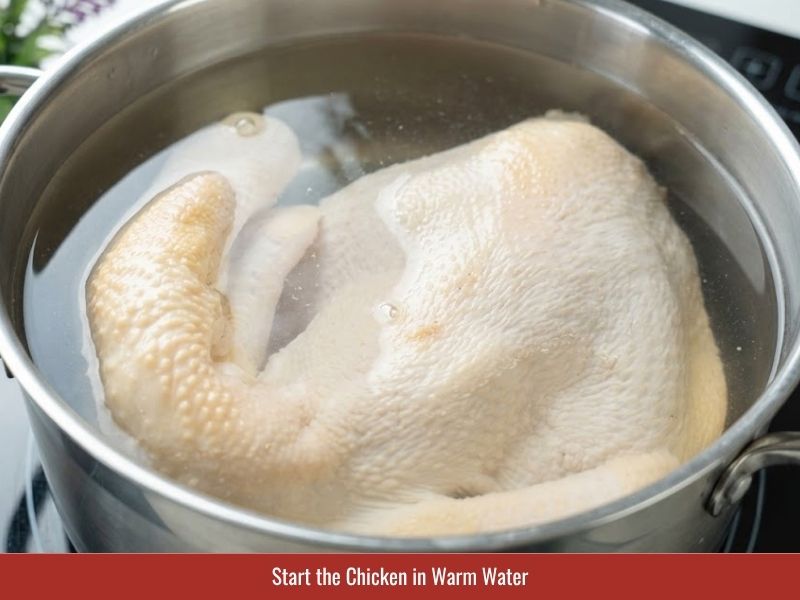
Heat 3 to 4 quarts of water until it is warm to the touch, around 120°F (50°C), warm enough to put your hand in rather than hot. Starting the bird at that temperature keeps the skin from splitting and stops the meat from tightening up.
Lower the chicken breast-down with its back facing up, so the thick thigh and breast meat stay submerged and cook through, and so the back is not pressed against the bottom of the pot where the skin tears.
Step 3: Simmer and Skim
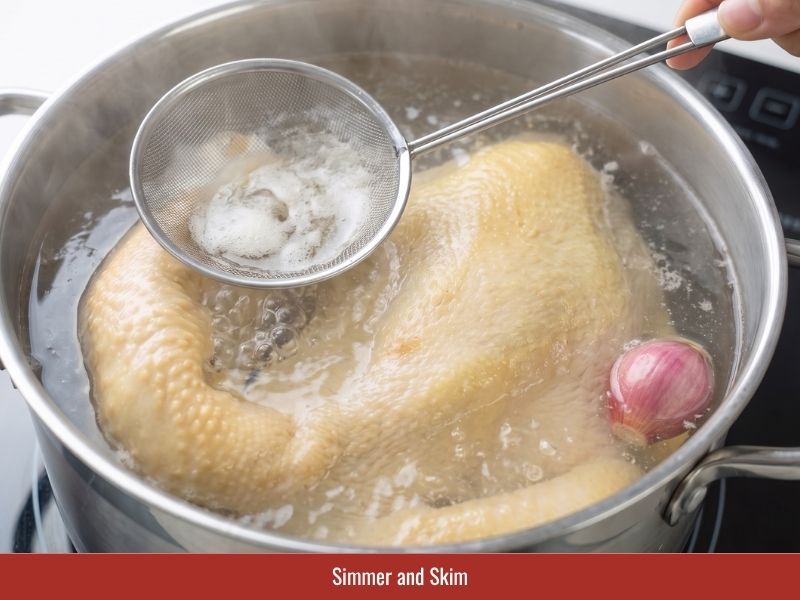
Add the onion, halved shallots, ginger, salt, and rock sugar to the pot.
Bring the water to a gentle simmer and skim away foam as it rises. Avoid a rapid boil because a gentle simmer keeps the broth clearer and the chicken more tender.
Cook until the chicken is fully cooked, then let it rest in the hot broth for about 15 minutes before removing.
Step 4: Prep the Aromatics and Toppings
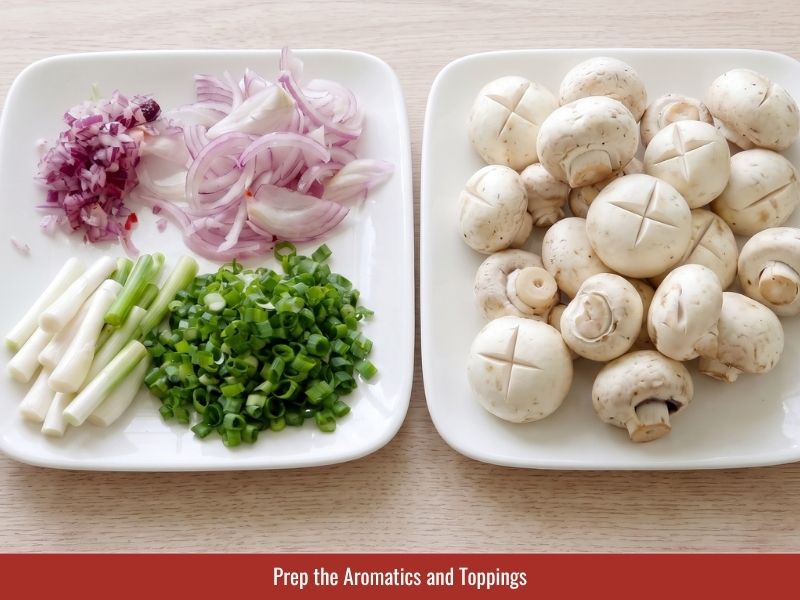
While the chicken poaches, mince the small shallot for the mushrooms and slice the large one thin for the rice. Cut the white parts of the green onion into lengths and slice the green parts thin, keeping the two separate.
Then score a cross in the top of each mushroom cap and halve the larger ones. That scored cross is doing more than looking pretty: it opens the cap so it takes up seasoning and cooks evenly in the short time it spends in the pan.
Step 5: Render the Chicken Fat
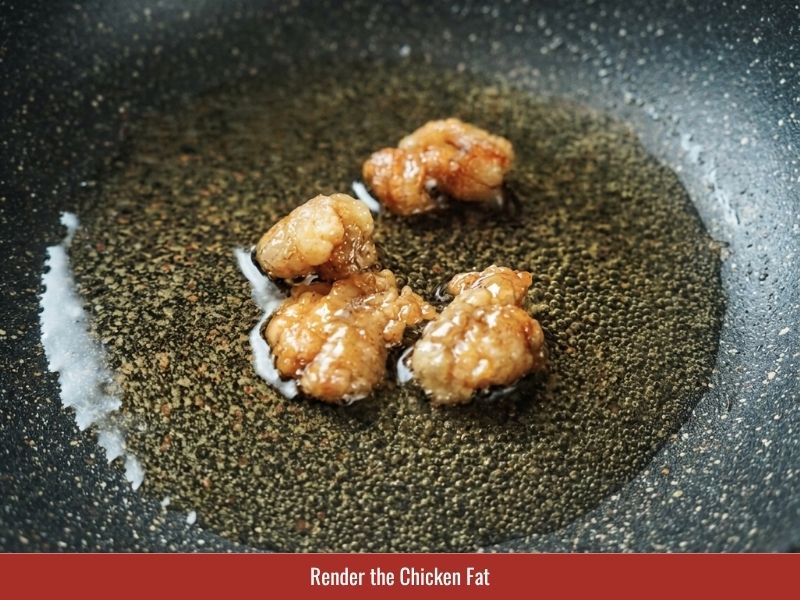
Render the trimmed fat pads in a dry pan over low heat until you have about 2 tablespoons of liquid fat, and plain cooking oil works in its place if you would rather use it.
Take out a spoonful, stir the ½ teaspoon of turmeric into it while it is still hot, and set that aside for the chicken skin.
Step 6: Toast the Rice
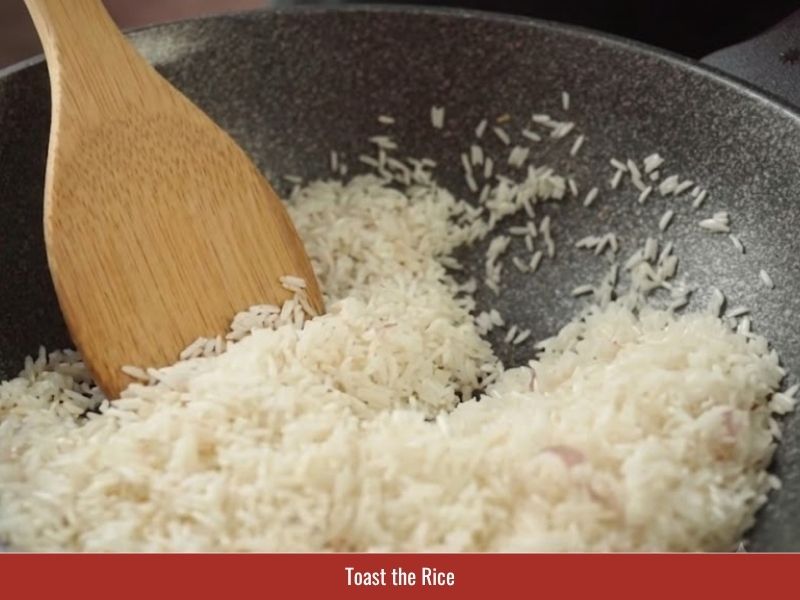
Fry the sliced shallot in the remaining chicken fat until fragrant, then add the rinsed and drained rice. Toast the rice over medium heat for about 6 minutes, stirring regularly, until the grains become firmer and slightly opaque.
This step helps the rice maintain its structure as it cooks. Toasting allows the grains to bloom gradually in the broth instead of breaking down too quickly and creating a heavy, overly thick porridge.
Step 7: Check and Rest the Chicken
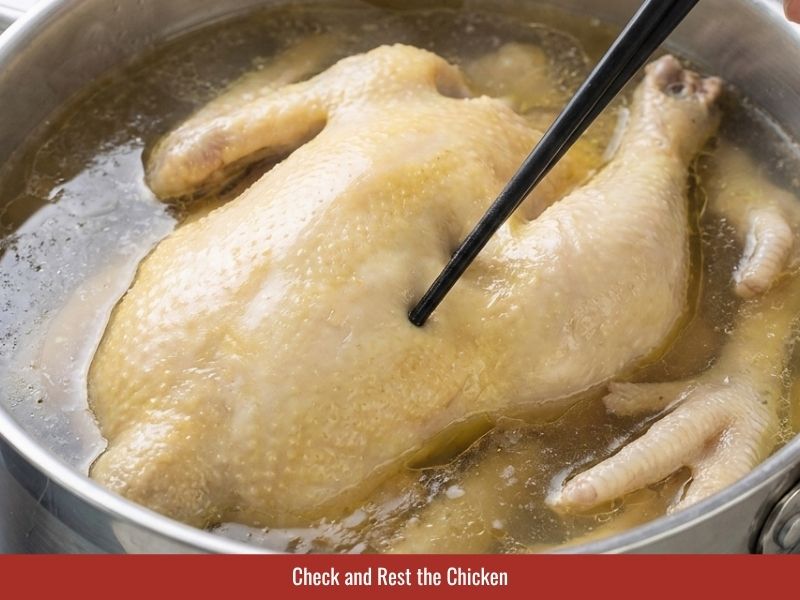
Check the chicken at around 17 minutes by piercing the thickest part of the thigh with a chopstick; clear juices mean it is done, and pink means it needs longer.
Cut the heat, cover the pot, and let the bird sit in the hot liquid for another 15 minutes so it cooks through to the bone.
Step 8: Shred the Chicken and Return the Bones
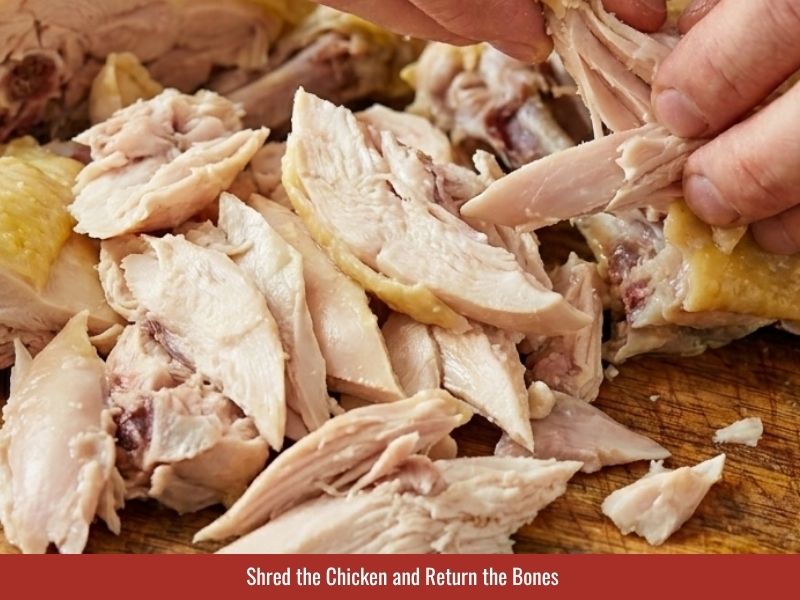
Transfer the chicken to a bowl of ice water briefly to tighten the skin and make it easier to handle. Remove the onion, shallots, and ginger from the broth.
Once cooled, shred the chicken by hand into bite-size pieces. Hand-shredding keeps the meat in tender strands rather than creating smaller chopped pieces.
Return the chicken carcass to the pot while the rice cooks. The bones continue adding depth and sweetness to the broth before being removed at the end.
Step 9: Simmer the Porridge
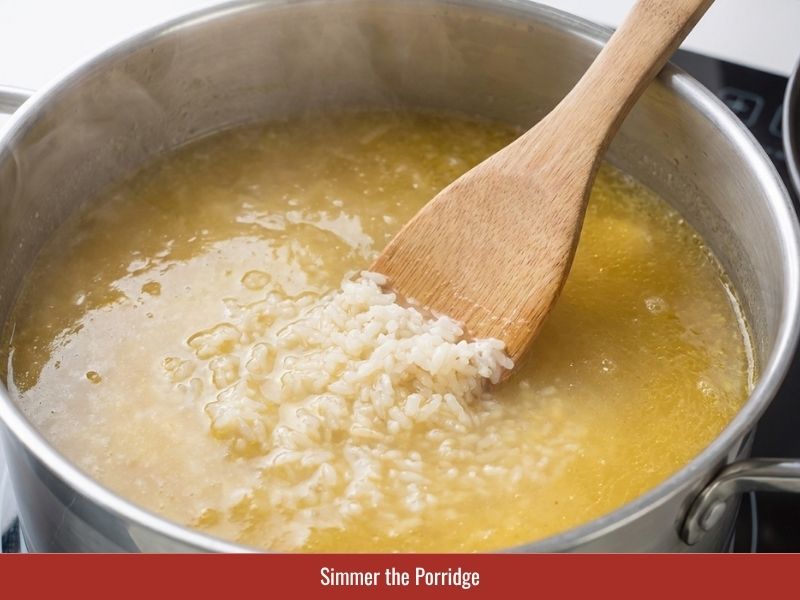
Add the toasted rice to the chicken broth and adjust the liquid level to about 4 qt (4 L) with chicken stock or water if needed. A smaller chicken may already provide enough broth.
Cook at a gentle simmer for 30 minutes, or until the rice grains have softened and bloomed open. Stir occasionally, especially during the first 10 minutes, because the rice can settle and stick to the bottom before the porridge thickens.
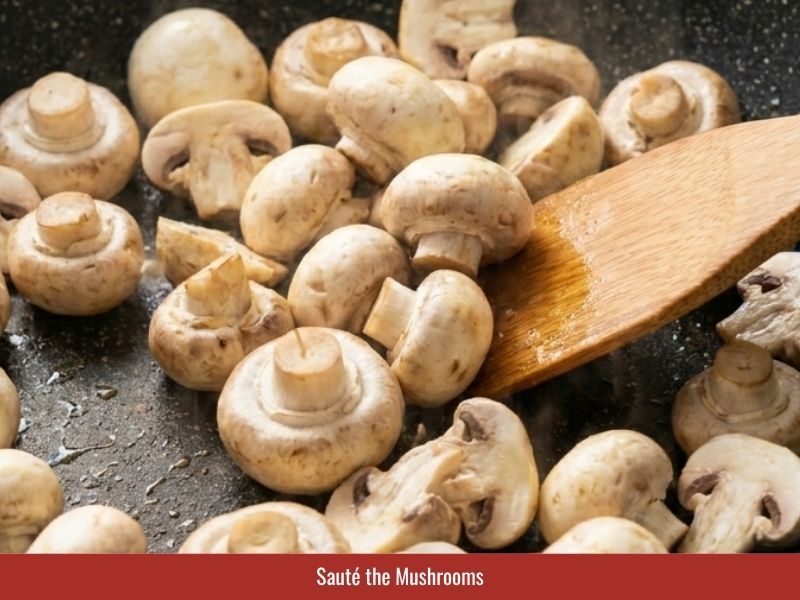
Step 10: Sauté the Mushrooms
Using the same pan, heat ½ tbsp oil and fry the minced shallot until fragrant.
Add the mushrooms, 1 tsp chicken bouillon powder, and 3 tbsp water. Cook briefly until the mushrooms absorb the seasoning, then remove from heat.
Step 11: Season the Pot
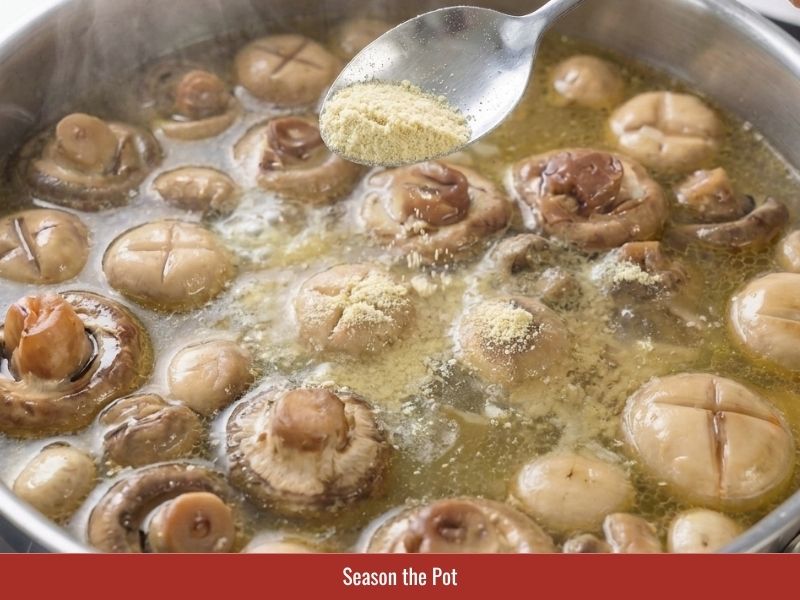
Remove the chicken carcass from the porridge and stir in the sautéed mushrooms.
Season the pot with 1 tbsp (12 g) chicken bouillon powder, 0.35 oz (10 g) sugar, and 0.35 oz (10 g) MSG (optional). Stir well, taste, and adjust the seasoning based on your preference.
Step 12: Check the Consistency
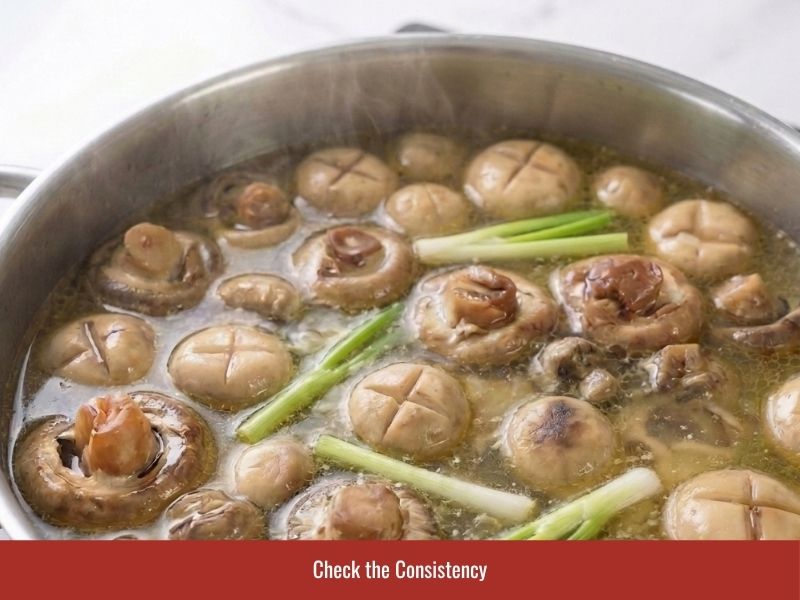
Check the consistency before serving. Chao ga should remain slightly loose because the rice continues absorbing liquid as it cools.
If you prefer a thicker porridge, adjust the rice-to-liquid ratio in future batches rather than cooking longer, as extended cooking can break the grains down further.
Step 13: Finish and Ladle
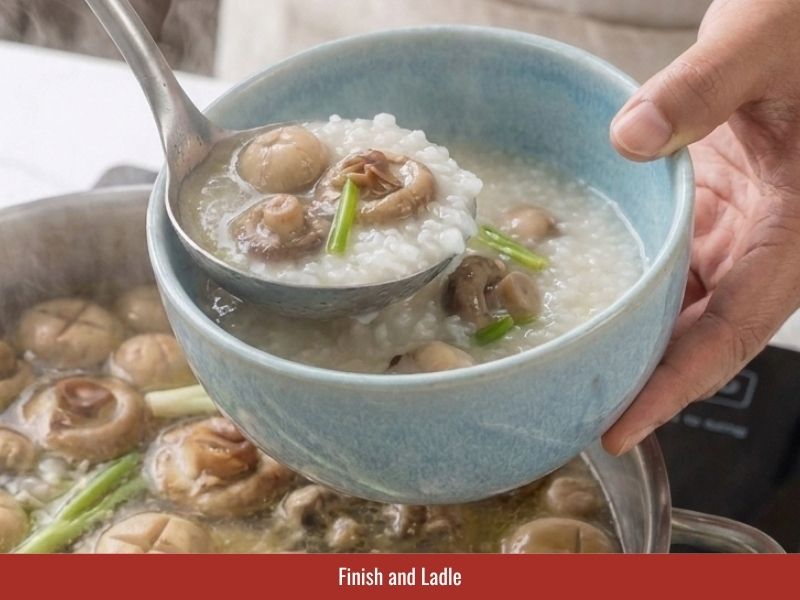
Add the white parts of the green onion and a small amount of black pepper, then turn off the heat.
Ladle the chao ga into bowls and finish with sliced green onion tops, freshly ground black pepper, fried shallots, Vietnamese coriander, and other table seasonings.
How to Serve Chao Ga?
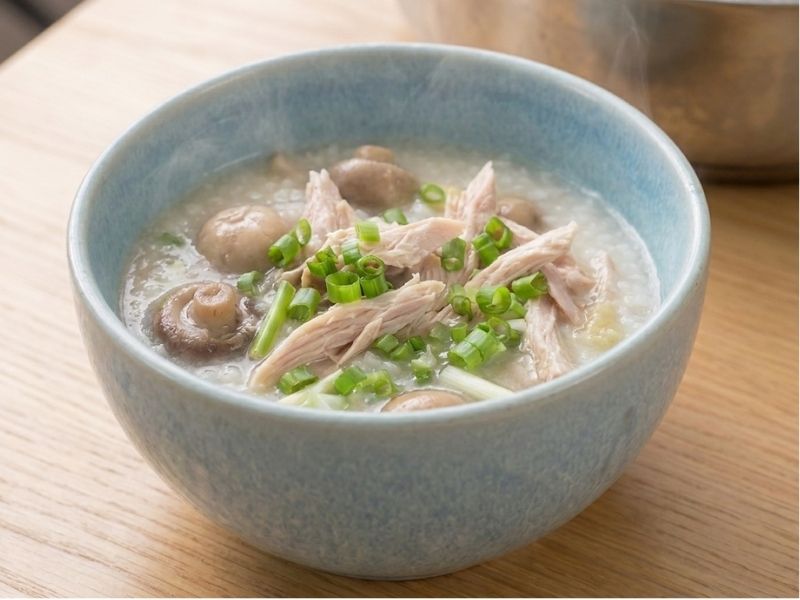
Serve chao ga hot with shredded chicken, green onion, black pepper, fried shallots, fresh herbs, and a small seasoning plate so each person can adjust the bowl to their preference. The porridge is intentionally mild, allowing the toppings and table seasonings to add aroma, freshness, and contrast.
A traditional serving style includes:
- Black pepper and green onion, added directly to the bowl before eating for aroma and freshness.
- Fried shallots, sprinkled on top for crunch and a deeper savory flavor.
- Vietnamese coriander (rau răm), served alongside the chicken and added between spoonfuls.
- Salt, pepper, and lime (muối tiêu chanh), mixed at the table for dipping the chicken.
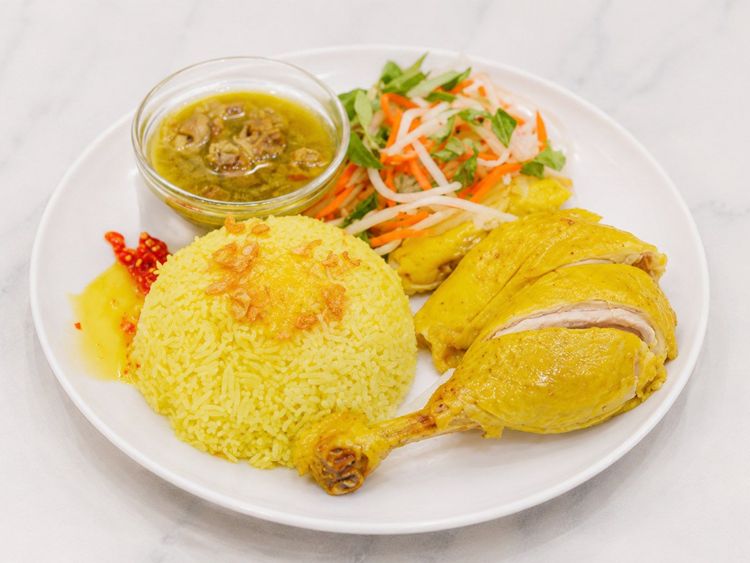
A common pairing is gỏi gà (Vietnamese chicken salad) made from the same poached chicken used for the porridge. Together, the meal combines warm and soft chao ga with a cool, crunchy salad, creating a balance of textures and flavors.
Some households also serve a small dish of fish sauce alongside the seasoning plate. CHIN-SU fish sauce can be used for this dipping sauce base, adding savory depth to the chicken.
Tips for the Best Chao Ga
These four techniques make the biggest difference between a light, fragrant chao ga and a heavy, overly thick porridge.
- Rinse and dry the rice before toasting. Rinsing removes excess surface starch, while drying the rice helps it toast properly instead of steaming in the pan. This creates grains that soften gradually without becoming gummy.
- Keep the broth at a gentle simmer. A hard boil can cloud the broth, tighten the chicken, and break down the rice too quickly. Gentle heat allows the grains to bloom while maintaining a lighter texture.
- Skim the foam early. Remove the foam that rises during the first 10 minutes of simmering to keep the broth cleaner and clearer.
- Add more rice instead of cooking longer. If you prefer a thicker chao ga, increase the rice amount in the next batch. Cooking beyond the ideal texture breaks down the grains and creates a heavier consistency.
What Can You Substitute or Change in Chao Ga?
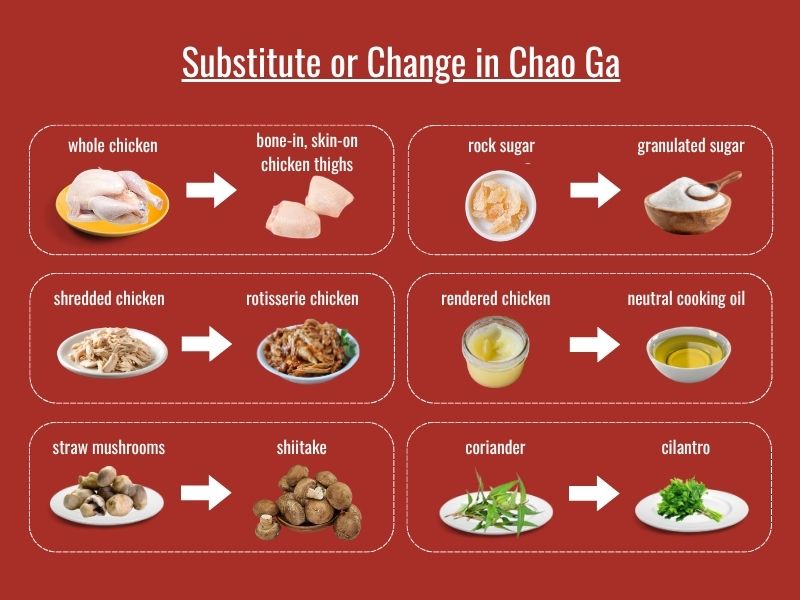
These are six substitutions that let you make chao ga with what a US grocery store carries, without losing what makes the pot taste right.
- Whole chicken can be replaced with bone-in, skin-on chicken thighs or drumsticks. The broth remains flavorful because the bones and skin still provide richness, although you lose the whole-bird presentation and the extra meat that can be used for gỏi gà.
- Whole chicken can also be replaced with rotisserie chicken for a faster version. Add the shredded chicken near the end instead of poaching a whole bird. The main difference is that the broth will rely more on stock rather than flavor extracted directly from the chicken.
- Rock sugar (đường phèn) can be replaced with granulated sugar. Use less at first and adjust gradually, because regular sugar dissolves faster and creates a more noticeable sweetness.
- Rendered chicken fat can be replaced with neutral cooking oil. The rice will still toast properly, but the porridge will lose some of the richness that chicken fat adds.
- Fresh straw mushrooms can be replaced with fresh shiitake or rehydrated dried shiitake mushrooms. Shiitake provides a stronger earthy aroma, while straw mushrooms create a milder mushroom flavor.
- Vietnamese coriander (rau răm) can be replaced with cilantro. Cilantro provides freshness, but the flavor will differ because rau răm has a more peppery and slightly bitter profile.
Make these swaps when you need to, but the closer you stay to the original ingredients, the closer you get to the Vietnamese flavor of the dish.
How to Store Chao Ga?
Store the chao ga porridge, shredded chicken, and toppings separately to preserve their texture and flavor. Chicken left sitting in hot porridge can become dry and stringy, while green onion, herbs, and fried shallots lose their freshness quickly.
Keep the porridge and shredded chicken in separate airtight containers. The porridge can be refrigerated for 3–4 days and freezes well when portioned without toppings.
Chao ga naturally thickens after cooling because the rice continues absorbing liquid. To reheat, warm the porridge over medium heat and add a small amount of water or broth while stirring until it returns to a looser consistency. Add the shredded chicken and fresh toppings after reheating.
Keep toppings such as fried shallots, herbs, lime, and pepper separate until serving to maintain their aroma and texture.
Is this the chao ga you grew up with, or is this your first pot? Tell us in the comments how yours turned out, and let us know if you changed anything along the way, since every family runs this one a little differently. A star rating helps other home cooks find the recipe when they need it, and you can share your bowl with us using #CHINSU.
One more thing before you go: your pot will thicken up overnight in the fridge, so stir in a splash of water when you reheat it, and the grains come right back. And if you want a dish of fish sauce on the table next to the salt and pepper, grab a bottle of CHIN-SU fish sauce at chinsu.com and give it a try.
Frequently Asked Questions
Chao ga means Vietnamese chicken rice porridge. The name combines two Vietnamese words: cháo means rice porridge, and gà means chicken. In English, it is often described as chicken congee because it belongs to the broader Asian rice porridge family.
English speakers commonly pronounce chao ga close to “chow gah.” This approximation helps English speakers say the dish name, although Vietnamese tones cannot be fully represented through English spelling.
Chao ga is a type of congee, but Vietnamese chao ga has its own cooking method and serving style. The Vietnamese version commonly uses chicken broth from a cooked chicken, shredded chicken, black pepper, fried shallots, herbs, and table seasonings such as salt, pepper, and lime.
Chao ga becomes gluey when the rice breaks down too much during cooking. Common causes include skipping the rice rinse, not toasting the rice before simmering, using too little liquid, or cooking beyond the point where the grains have bloomed.
Chao ga naturally thickens as it cools because the rice continues absorbing liquid. Add warm broth or water while reheating and stir until the porridge returns to your preferred consistency.
Yes, bone-in chicken thighs or drumsticks can replace a whole chicken. The broth remains flavorful because bones and skin still contribute richness, although the result has less chicken fat and fewer leftovers for dishes such as gỏi gà.
Yes, you can make chao ga in an Instant Pot, but the texture differs from the stovetop method. Pressure cooking is convenient, but it does not provide the same control over toasted rice texture and gradual chicken poaching.
Vietnamese coriander (rau răm), green onion, and cilantro are common toppings for chao ga. These herbs add freshness and contrast to the mild chicken broth.
Chao Ga (Vietnamese Chicken Rice Porridge) Recipe
1. Ingredient
Chicken and Broth Base
- 1 whole chicken, about 4½ lb (2 kg).
- 3 to 4 quarts (3 to 4 L) water.
- 1 onion, about 10.6 oz (300 g).
- 4.2 oz (120 g) shallots, halved.
- 0.2 oz (5 g) fresh ginger, thinly sliced.
- 1.6 oz (23 g) salt.
- 0.7 oz (20 g) rock sugar.
Rice
- 1½ cups (300 g) white rice, rinsed and drained.
- 2 tablespoons rendered chicken fat.
Mushrooms and Aromatics
- 10.6 oz (300 g) fresh straw mushrooms or fresh shiitake mushrooms.
- 1 small shallot, minced.
- 1 large shallot, thinly sliced.
- 0.1 oz (½ teaspoon) turmeric powder.
- 0.4 oz (12 g) chicken bouillon powder, plus 1 teaspoon for mushrooms.
- 0.35 oz (10 g) sugar.
- 0.35 oz (10 g) MSG (optional).
Toppings and Serving
- 4 green onions, white parts for cooking and green parts sliced for serving.
- Ground black pepper.
- ½ cup fried shallots.
- Fresh cilantro.
- Vietnamese coriander (rau răm).
- 1 lime.
- Salt and pepper for serving.
2. Instructions
- Step 1: Clean the Chicken. Rub the whole chicken inside and out with salt and lime, then rinse thoroughly. Trim excess cavity fat and reserve it for rendering later.
- Step 2: Start the Chicken in Warm Water. Heat 3 to 4 quarts (3 to 4 L) water to around 120°F (50°C). Lower the chicken into the pot with the breast down and back facing upward to help the meat cook evenly.
- Step 3: Simmer and Skim the Broth. Add onion, halved shallots, ginger, salt, and rock sugar. Bring to a gentle simmer, remove foam as it rises, and cook until the chicken is fully cooked. Rest the chicken in the hot broth for about 15 minutes before removing.
- Step 4: Prep Aromatics and Toppings. Mince the small shallot, slice the large shallot, separate green onion whites and greens, and prepare the mushrooms.
- Step 5: Render the Chicken Fat. Cook reserved chicken fat over low heat until melted. Reserve about 2 tablespoons of rendered fat for toasting the rice.
- Step 6: Toast the Rice. Fry sliced shallot in chicken fat until fragrant. Add rinsed rice and toast over medium heat for about 6 minutes until the grains become firmer and slightly opaque.
- Step 7: Rest the Chicken. Check the chicken for doneness, turn off the heat, cover the pot, and allow it to rest in the broth for another 15 minutes.
- Step 8: Shred the Chicken and Return the Bones. Transfer chicken briefly to ice water, remove the meat, and shred into bite-size pieces. Return the chicken carcass to the broth to continue extracting flavor.
- Step 9: Simmer the Porridge. Add toasted rice to the chicken broth and adjust liquid to about 4 quarts (4 L). Simmer gently for about 30 minutes until the rice softens and blooms. Stir occasionally to prevent sticking.
- Step 10: Sauté the Mushrooms. Heat ½ tablespoon oil, cook minced shallot until fragrant, then add mushrooms, chicken bouillon powder, and water. Cook briefly until seasoned.
- Step 11: Season the Porridge. Remove the chicken carcass and stir in sautéed mushrooms, chicken bouillon powder, sugar, and optional MSG. Adjust seasoning to taste.
- Step 12: Check the Consistency. Adjust the porridge texture before serving. Add water or broth if needed because the rice continues absorbing liquid as it cools.
- Step 13: Finish and Serve. Add green onion whites and black pepper, then ladle into bowls. Finish with shredded chicken, green onion tops, fried shallots, Vietnamese coriander, cilantro, lime, and additional seasonings.
3. Storage: Store chao ga porridge and shredded chicken separately in airtight containers. Refrigerate for 3–4 days. Freeze porridge without toppings for longer storage. Reheat with a small amount of water or broth until the original consistency returns.
4. Yield: About 6–8 servings
5. Serving Style: Vietnamese chicken rice porridge topped with shredded chicken, fried shallots, herbs, black pepper, and lime

CHIN-SU KITCHEN TEAM
CHIN-SU Kitchen Team are the creative experts behind the delicious recipes featuring CHIN-SU sauces. With years of experience and a passion for flavor, our team carefully selects recipes from a variety of trusted chefs and bloggers, bringing together the best culinary insights to present you with the most suitable and exciting dishes. Every recipe is chosen to inspire you to create meals that are not only tasty but also easy to prepare, enhancing your dining experience. Join us as we explore a wide range of sauces and flavors, and elevate every meal with the perfect recipe for your table!
User Reviews
Featured Articles
SUBSCRIBE TO GET
MORE INFO
Want the latest and greatest recipes, updates, and more from us,
straight to your inbox? Subscribe and get our NEWS!