How To Use Fish Sauce In Cooking: Asian And Non-Asian Dishes
Published: Aug 11, 2026 by CHIN-SU
Updated: Sep 17, 2026 by CHIN-SU
Fish sauce is a fermented liquid condiment made from fish and salt that you can use like salt to add deep umami, savory flavor, and seasoning balance to everyday dishes. To use fish sauce, add a small amount, mix it into the food, taste, and adjust the seasoning based on the other ingredients in the recipe.
Start with about 1 teaspoon of fish sauce for a dish serving four to six people, then increase gradually if you need more saltiness or umami. This guide covers 6 ways to use fish sauce in cooking, including soups, stir-fries, noodles, marinades, dipping sauces, and braised dishes, along with popular dishes that use fish sauce, how much to use, when to add it, and how to balance its fermented flavor in Asian and non-Asian recipes.
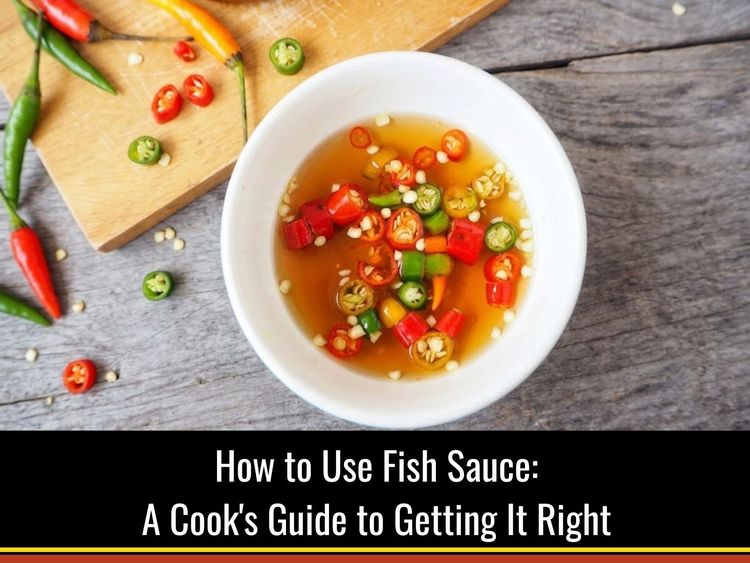
Table Of Contents
What Does Fish Sauce Add To Food?
Fish sauce adds saltiness, fermented umami, and savory depth to food. It can replace part of the salt in soups, stir-fries, marinades, sauces, and braises while contributing flavor compounds that plain salt does not provide.
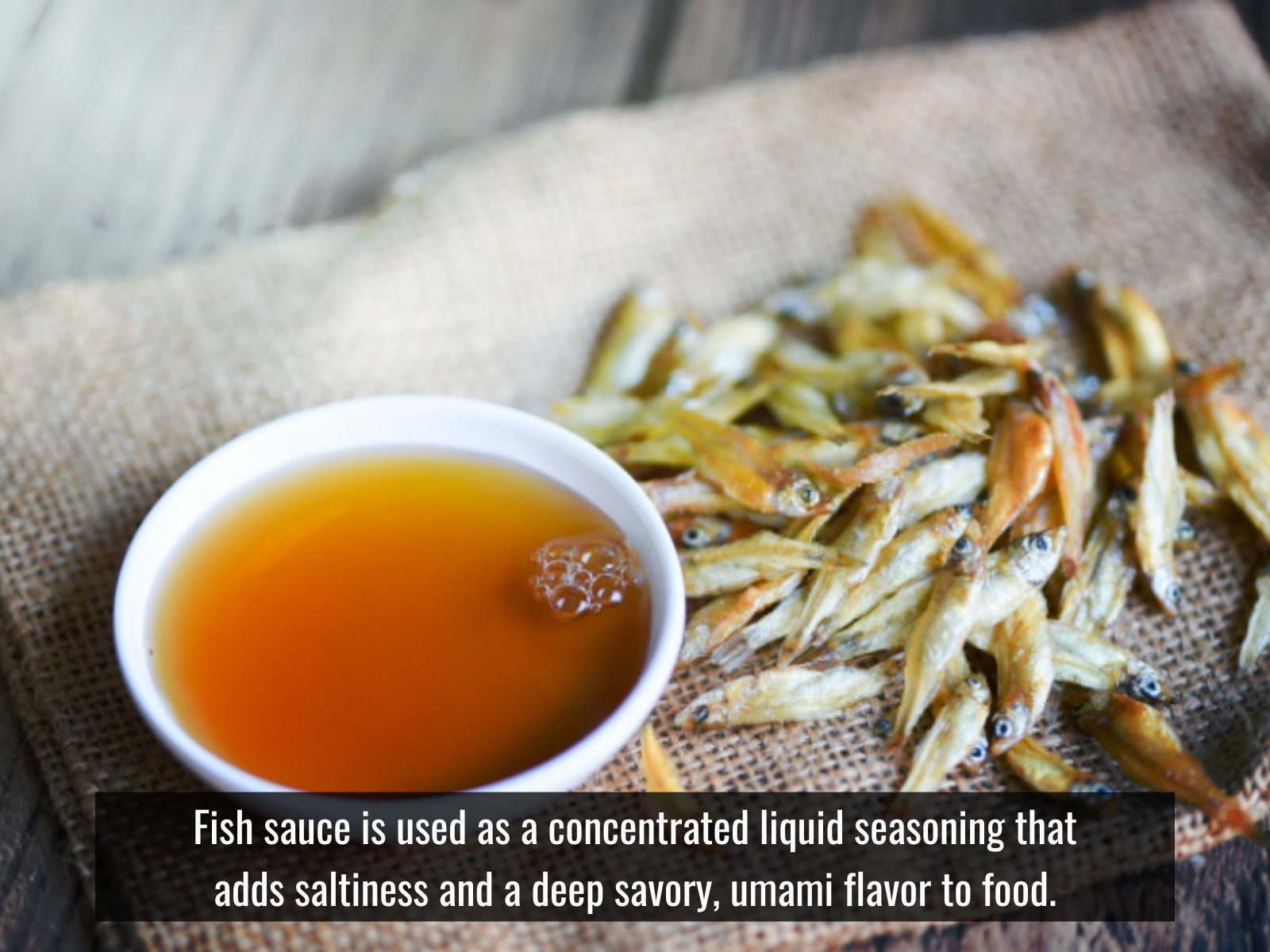
Fish sauce develops this characteristic flavor during fermentation, when salted fish proteins break down into amino compounds associated with umami. The resulting seasoning combines three main characteristics: saltiness for seasoning, fermented umami for depth, and a distinctive savory aroma.
In many recipes, fish sauce works similarly to anchovies or Worcestershire sauce because all three ingredients provide concentrated savory notes. This makes fish sauce useful beyond Asian cooking, where small amounts can enhance dishes such as tomato sauces, pasta sauces, stews, chili, and other savory recipes without making fish sauce the dominant flavor.
Fish sauce smells strong straight from the bottle, but its fermented aroma softens when mixed with other ingredients or incorporated into cooked dishes. In small amounts, it strengthens existing flavors rather than making fish sauce the dominant taste. This makes fish sauce useful across different stages of cooking. It can season soups, stir-fries, marinades, and braises during cooking, or remain uncooked in dipping sauces and dressings with ingredients such as garlic, chili, lime juice, sugar, and herbs.
6 Ways to Use Fish Sauce in Cooking
Fish sauce seasons soups and broths, enhances stir-fries and noodles, flavors marinades, creates dipping sauces, balances fresh salads, and adds depth to braised dishes. Its fermented flavor works across cooking methods, from everyday seasoning to a key component of sauces and dressings.
Using Fish Sauce In Soups And Broths
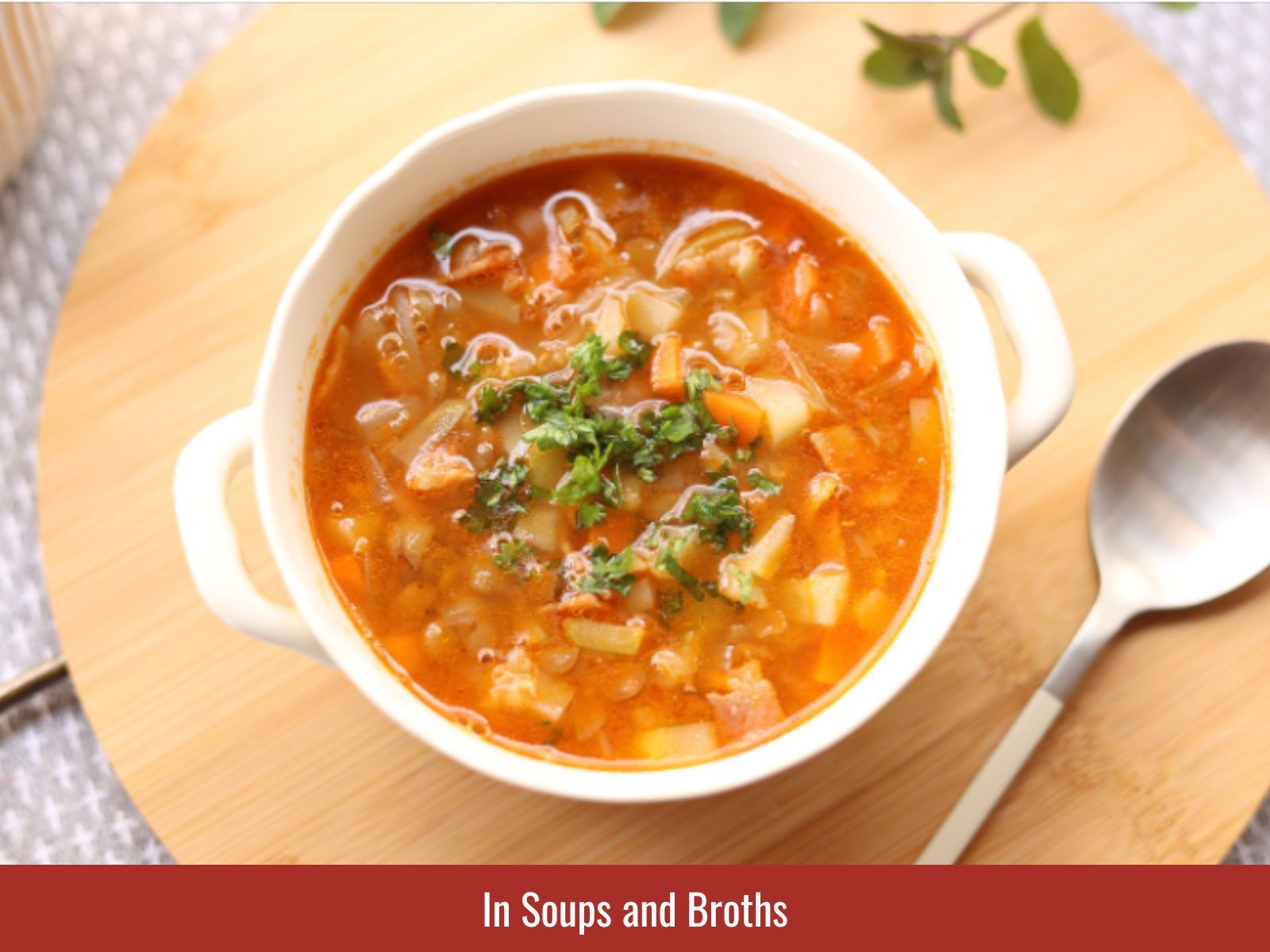
Fish sauce adds savory depth and fermented umami to soups and broths, helping combine flavors from ingredients such as meat, bones, vegetables, herbs, and spices. It works as a supporting seasoning that enhances the broth rather than replacing the ingredients that create its character.
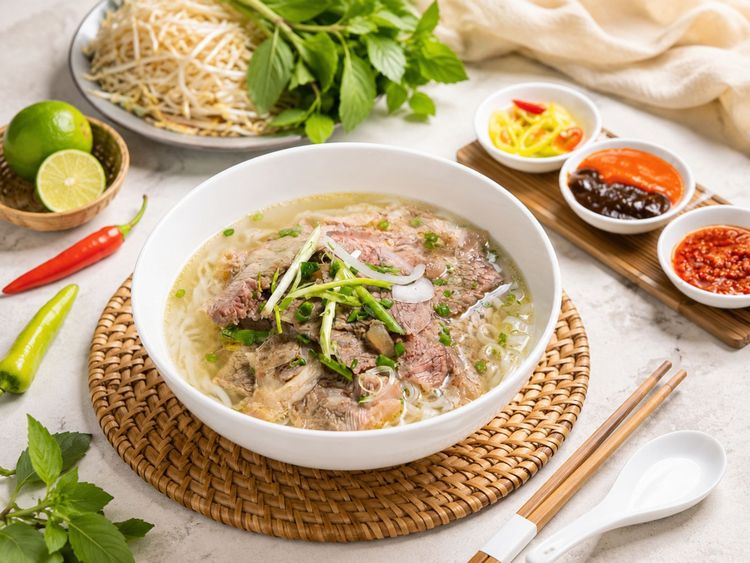
In Vietnamese cooking, fish sauce is commonly used in broths such as phở, where it complements flavors developed from bones, aromatics, and spices. A small amount helps bring out the broth’s natural sweetness and savory notes.
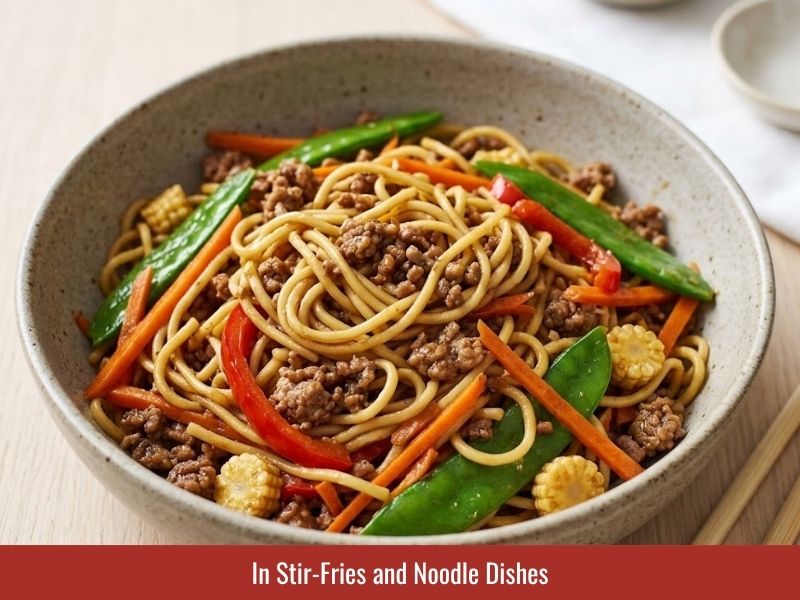
Using Fish Sauce In Stir-Fries And Noodle Dishes
Fish sauce enhances stir-fries and noodle dishes by adding saltiness and fermented umami that complement ingredients such as meat, seafood, vegetables, eggs, and aromatics. It works best in the seasoning sauce, helping combine the dish's flavors while letting the main ingredients stay noticeable.
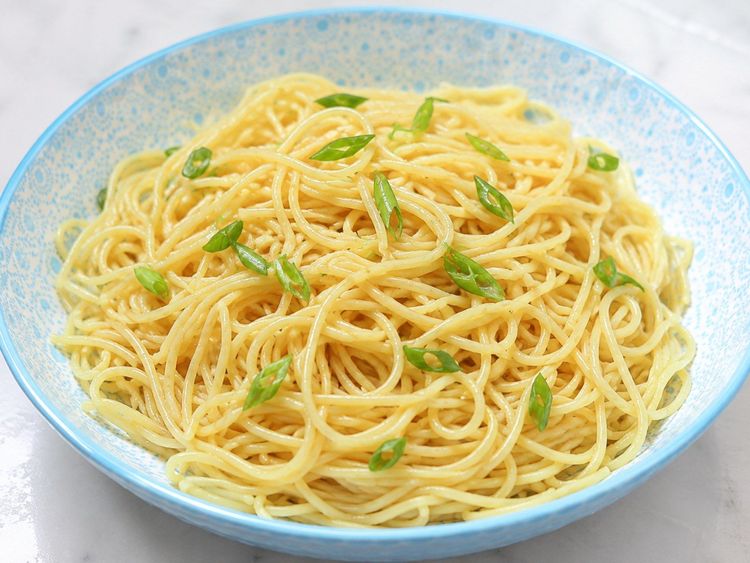
For stir-fries, start with 1–2 teaspoons of fish sauce for 2 servings, and add it near the end of cooking, after the ingredients are already cooked. Mix fish sauce with other seasonings such as garlic, sugar, soy sauce, or oyster sauce to create a balanced sauce that coats ingredients evenly. Fish sauce is commonly used in dishes such as fried rice, garlic noodles, stir-fried rice noodles, and Thai-style stir-fries.
Using Fish Sauce In Marinades
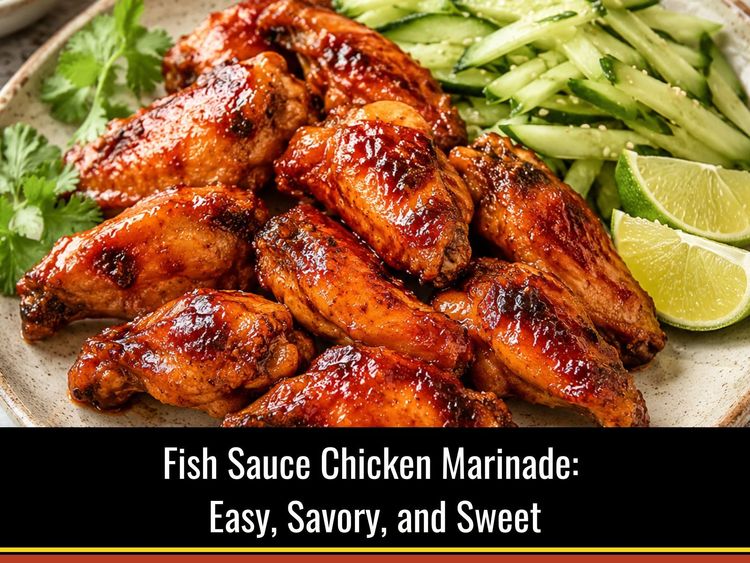
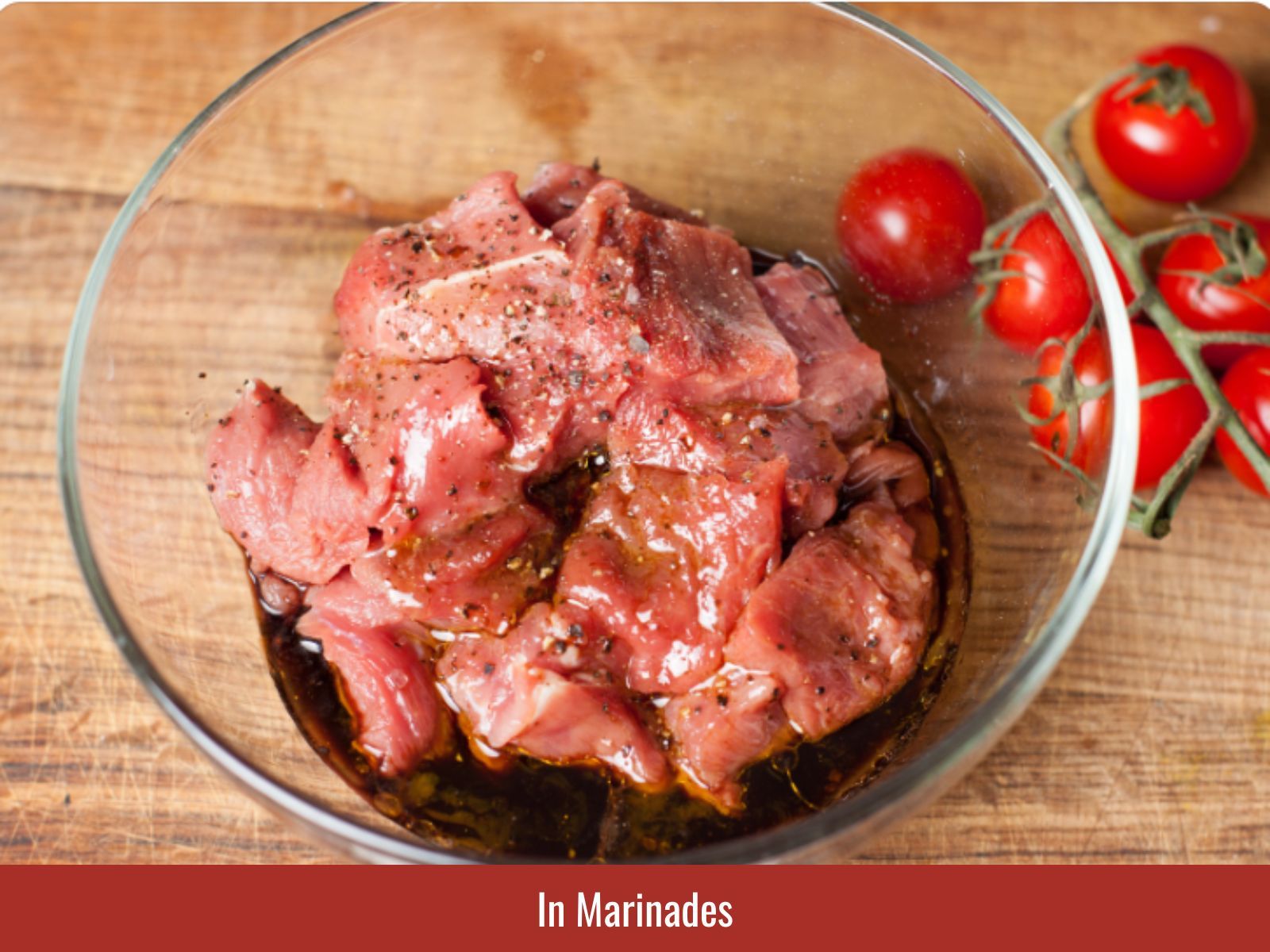
Fish sauce seasons marinades by adding saltiness and fermented umami to meat, seafood, and tofu before grilling, roasting, or pan-frying. For 1 lb (454 g) of protein, start with 1 tablespoon (15 mL) of fish sauce and adjust based on the other seasonings in the marinade.
A practical fish sauce marinade base includes:
- 1 tablespoon (15 mL) fish sauce.
- 1 tablespoon sugar or honey.
- 1–2 minced garlic cloves.
- Black pepper to taste.
You can add ingredients such as lemongrass, shallots, ginger, chili, or citrus to create different flavor profiles. Reduce fish sauce when the marinade already contains soy sauce, oyster sauce, salt, or other concentrated seasonings.
Using Fish Sauce In Dipping Sauces
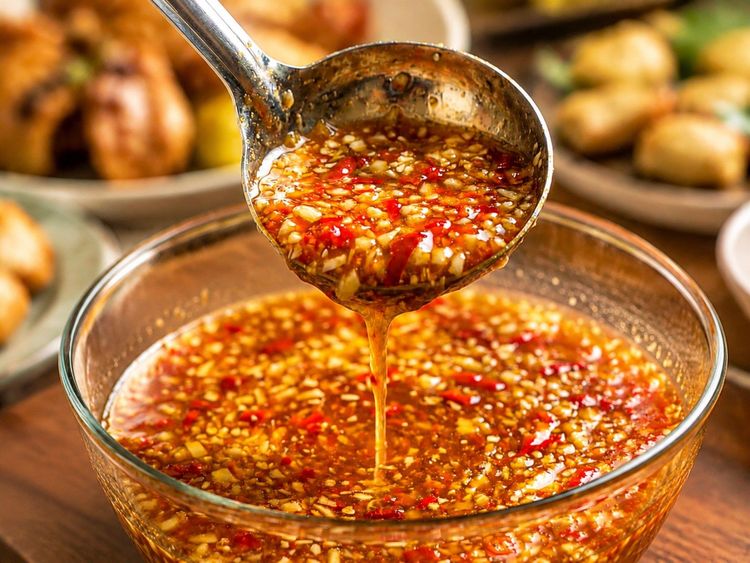
Fish sauce forms the savory base of dipping sauces when balanced with water, sugar, acid, garlic, and chili. Because these sauces are usually uncooked, the fermented aroma of fish sauce remains more noticeable than in cooked dishes.
Vietnamese nước chấm is a classic example that combines fish sauce with water, sugar, lime juice, garlic, and fresh chili. Adjust the concentration based on the food being served: lighter sauces suit fresh spring rolls and steamed dishes, while stronger versions pair well with grilled meats and vermicelli dishes. CHIN-SU’s nước chấm fish sauce recipe explains how these ingredients work together to create a balanced dipping sauce.

Using Fish Sauce In Salads And Dressings
Fish sauce adds a salty, savory foundation to fresh salads and dressings when combined with acidic, sweet, and aromatic ingredients. Its fermented flavor remains noticeable in uncooked dishes, so it is usually balanced with lime juice, vinegar, sugar, herbs, garlic, or chili.
Fish sauce-based dressings work well with Southeast Asian salads such as green papaya salad, cucumber salad, rice noodle salad, and grilled meat salad. Taste the dressing together with the vegetables, noodles, or protein because these ingredients affect the final balance of saltiness, acidity, and aroma.

Using Fish Sauce In Braised Dishes
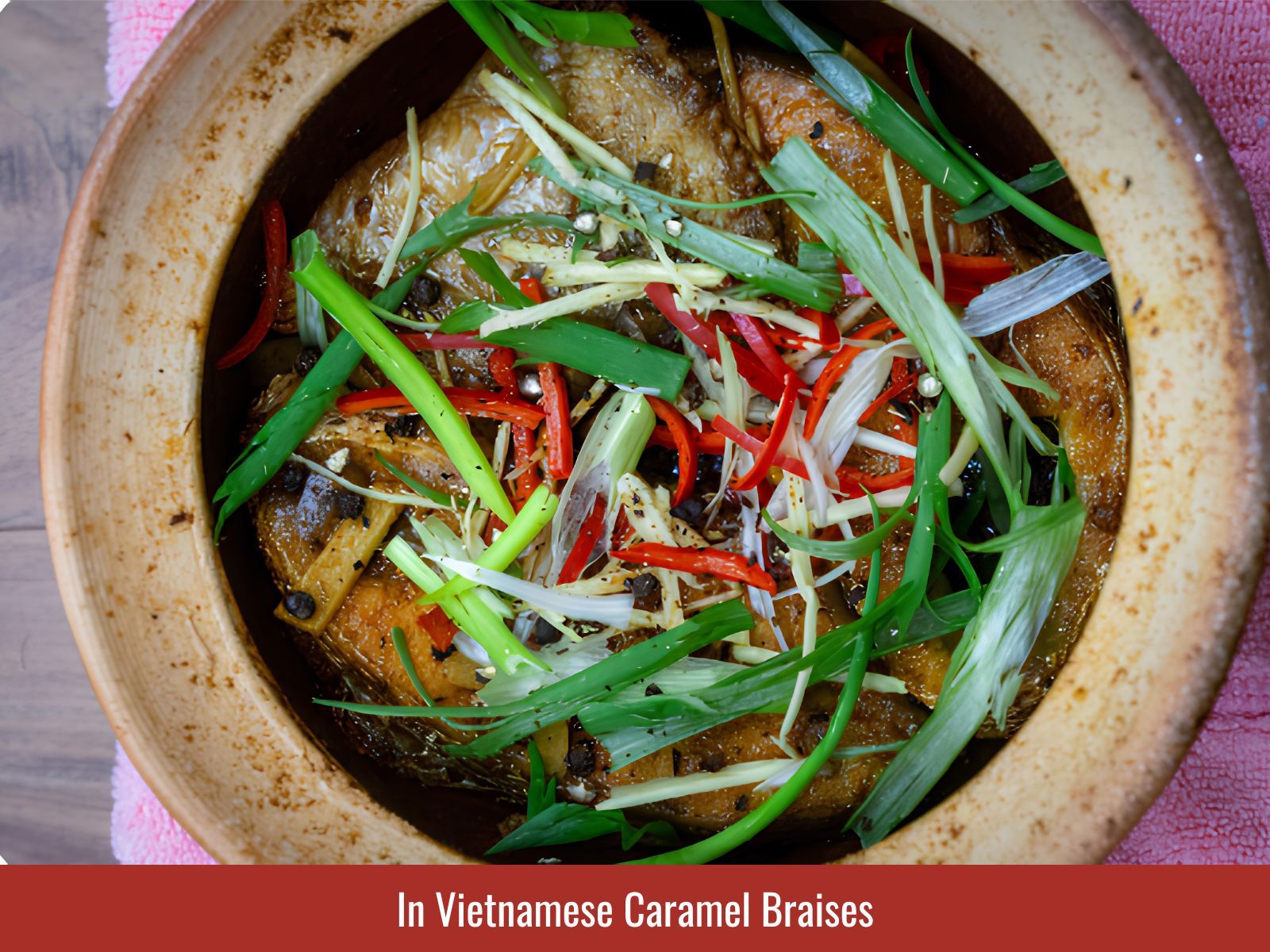
Fish sauce adds saltiness and fermented umami to braised dishes, where slow cooking allows its flavor to blend with caramelized sugar, aromatics, and meat or seafood. As the braising liquid reduces, fish sauce helps create a deeper savory sauce that coats the ingredients.
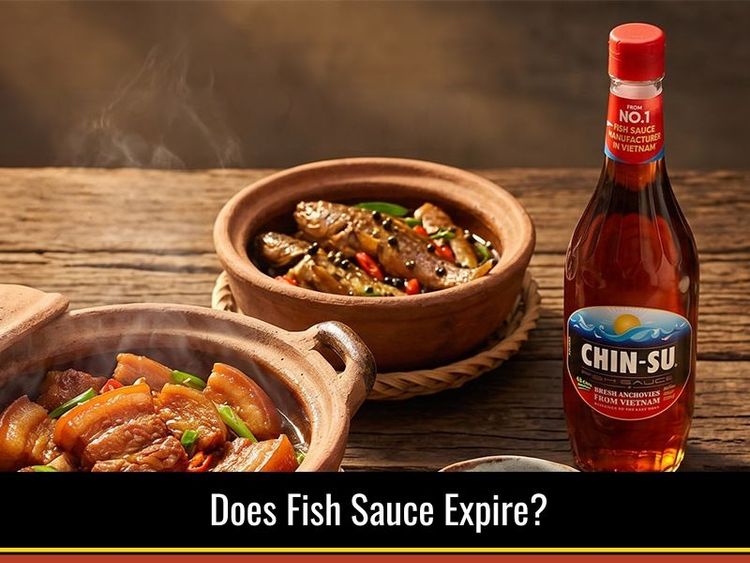
In Vietnamese cooking, fish sauce is essential in kho dishes, where fish, pork, or chicken is slowly simmered with caramel, garlic, shallots, ginger, chili, and other aromatics. Classic examples include caramelized catfish in a clay pot, braised pork, and braised chicken.
Add fish sauce during the braising process so it can combine with the cooking liquid and develop a richer flavor as the sauce reduces.
Popular Dishes Made With Fish Sauce
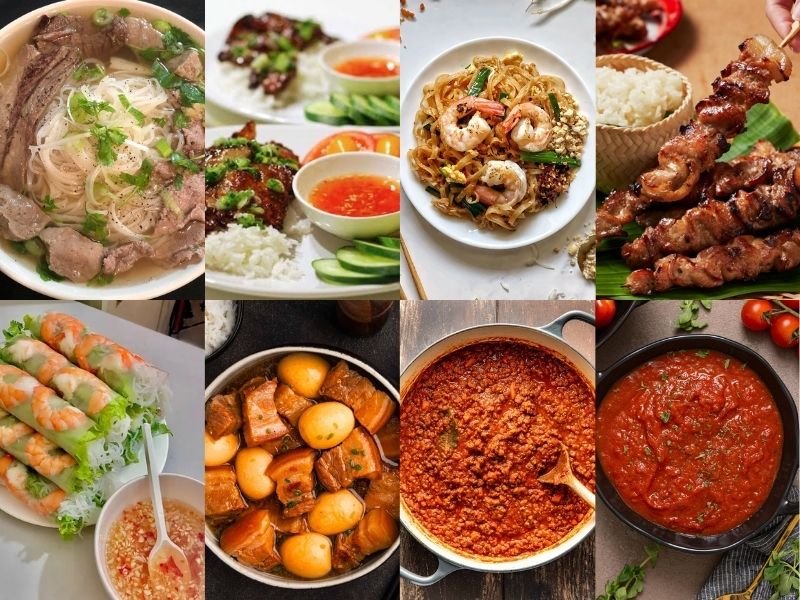
Fish sauce is used in many Vietnamese, Thai, and Southeast Asian dishes, adding saltiness, fermented umami, and savory depth to soups, noodles, rice dishes, grilled foods, sauces, and braises. Depending on the recipe, fish sauce can work as a seasoning base, a marinade ingredient, a dipping sauce component, or a finishing seasoning that balances other flavors.
Popular dishes that use fish sauce include:
- Vietnamese noodle soups and broths: Fish sauce seasons dishes such as phở, bún bò Huế, hủ tiếu, and bánh canh by adding savory depth to broths built from bones, meat, seafood, herbs, and aromatic spices. In these dishes, fish sauce supports the broth’s existing flavors rather than replacing them.
- Vietnamese rice dishes and noodle bowls: Dishes such as cơm tấm, bún chả, bún thịt nướng, and vermicelli bowls often pair fish sauce with grilled proteins, fresh herbs, vegetables, and rice noodles. People often use fish sauce in marinades or make nước chấm to balance salty, sweet, sour, and spicy flavors.
- Thai dishes with fish sauce: Fish sauce is a key seasoning in dishes such as Pad Thai, Tom Yum, Thai curries, larb, and Thai-style stir-fries. It balances ingredients such as coconut milk, lime juice, chili, herbs, and aromatics while adding fermented umami.
- Grilled and marinated dishes: Fish sauce-based marinades are commonly used for grilled pork, chicken, beef, shrimp, and seafood dishes. Ingredients such as garlic, lemongrass, ginger, chili, and sugar are often combined with fish sauce to create a savory marinade before grilling, roasting, or pan-frying.
- Fresh rolls, salads, and dipping dishes: Vietnamese dishes such as gỏi cuốn (fresh spring rolls), bánh xèo, chả giò, and bánh cuốn are often served with nước chấm, a dipping sauce made from fish sauce, water, sugar, lime juice, garlic, and chili.
- Braised and slow-cooked dishes: Fish sauce adds depth to dishes such as cá kho tộ, thịt kho, braised chicken, and other caramelized dishes. During slow cooking, fish sauce combines with caramelized sugar and aromatics to create a rich savory glaze.
- Western savory dishes: Fish sauce is also used in non-Asian recipes such as Bolognese sauce, tomato sauces, stews, Caesar-style dressings, and savory sauces because it provides a similar umami function to anchovies or Worcestershire sauce. A small amount enhances existing flavors without creating a dominant fish taste.
How Much Fish Sauce Should You Use?
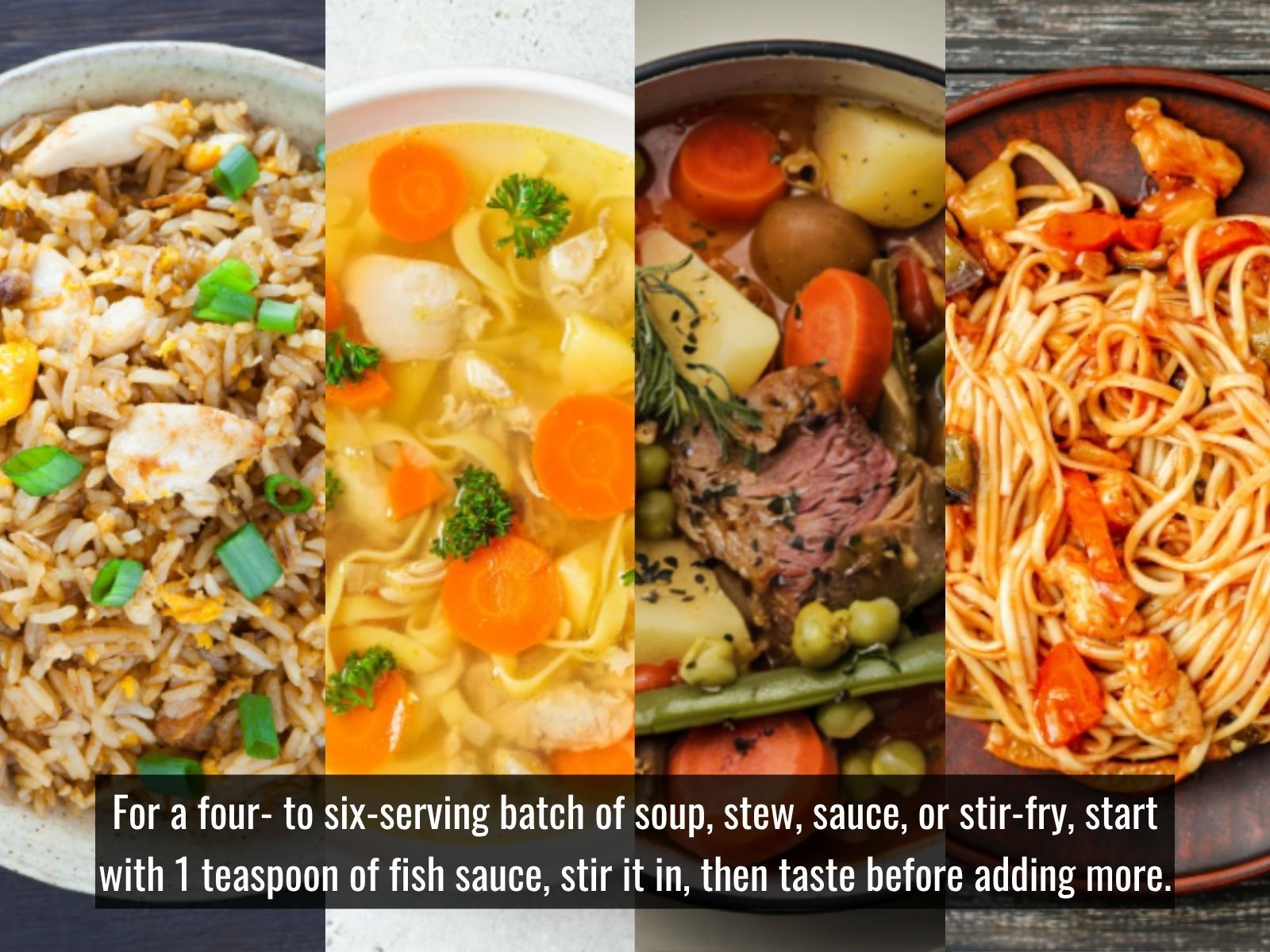
For a soup, stew, stir-fry, or sauce serving four to six people, start with 1 teaspoon of fish sauce, stir well, and taste before adding more. Fish sauce is concentrated, so even a small amount can add noticeable saltiness and umami.
The right amount depends on the product and the other seasonings in the recipe. Use less when the dish already contains soy sauce, oyster sauce, table salt, stock concentrate, cured meat, or salted broth. Sodium levels also vary by product. The FDA sets the Daily Value for sodium at 2,300 milligrams per day, so check the Nutrition Facts panel when sodium intake matters.
Timing affects the final flavor as much as quantity. Add fish sauce during cooking when you want it to blend into the dish, then make the final seasoning adjustment near the end. Use it uncooked when its fermented aroma is part of the intended flavor, as in dipping sauces, salad dressings, or tableside condiments.
Use these amounts as practical starting points:
- Soup, stew, or sauce for four to six servings: Start with 1 teaspoon, then increase gradually to taste.
- Stir-fry or fried rice for two servings: Start with 1–2 teaspoons and add it near the end of cooking.
- Marinade: Start with 1 tablespoon (15 mL) per 1 pound (454 g) of meat, then reduce the amount if the mixture also contains soy sauce, salt, or stock powder.
Treat fish sauce like salt: add a little, taste, and adjust. You can always add more, but you cannot remove it once the dish becomes too salty.
When Should You Add Fish Sauce During Cooking?
Add fish sauce early when you want its fermented umami to blend into the dish, or add it near the end when you want to adjust seasoning while preserving its savory aroma. The timing affects the final flavor because heat, cooking duration, and other ingredients influence how fish sauce develops in the dish.
- Add fish sauce during cooking for dishes with longer cooking times: Long-simmered dishes allow the fermented aroma to soften while the savory compounds combine with other ingredients. This method works well when you want fish sauce to become part of the overall flavor rather than stand out.
- Add fish sauce near the end of cooking for quick-cooking dishes: Short cooking times give you more control over the final seasoning and help preserve the fresh savory aroma. This approach works well for stir-fries, fried rice, noodles, and vegetable dishes.
- Use fish sauce without cooking for fresh applications: Dipping sauces, salad dressings, and other uncooked dishes highlight fish sauce's characteristic fermented flavor because heat doesn't soften its aroma.
Can You Use Fish Sauce in Non-Asian Cooking?
Yes, fish sauce works in non-Asian cooking when used in small amounts to add saltiness and umami without creating a noticeable fish flavor. Its savory function is similar to ingredients such as anchovies and Worcestershire sauce, making it useful in tomato sauces, dressings, stews, braises, and other savory dishes.
Fish sauce works best in recipes where strong flavors can absorb and balance its fermented character, including:
- Tomato sauces and chili: Add a small amount to Bolognese, pasta sauces, or chili to deepen the savory flavor of meat and tomatoes.
- Salad dressings: Use fish sauce instead of anchovies in Caesar-style dressings, or combine it with citrus, sugar, and herbs for a savory vinaigrette.
- Stews and braises: A small amount can add depth to beef stew, French onion soup, beans, and slow-cooked dishes.
- Savory sauces and drinks: A few drops can enhance recipes such as a Bloody Mary, where Worcestershire sauce traditionally provides a similar savory note.
Start with a few drops or about 1/2 teaspoon in an unfamiliar recipe, mix thoroughly, and taste before adding more. Fish sauce can replace part of the anchovy or Worcestershire function in some recipes, but the substitution depends on the dish and the other seasonings involved.

Which Fish Sauce Should You Use?
Choose fish sauce based on how you plan to use it: a balanced anchovy-based fish sauce suits everyday cooking, while a more concentrated fish sauce works better when you need a small amount to deliver deeper savory flavor. For dipping sauces and fresh dishes, choose a smoother fish sauce profile because its aroma remains more noticeable without cooking.
The °N rating is one useful indicator when comparing fish sauces. It measures total nitrogen content, which mainly comes from proteins broken down during fermentation. A fish sauce around 20°N works well for everyday cooking, while 30°N or higher provides a more concentrated flavor profile. However, fermentation time, fish source, extraction method, aroma, clarity, and overall balance also affect the final quality.
Match the fish sauce to the cooking application:
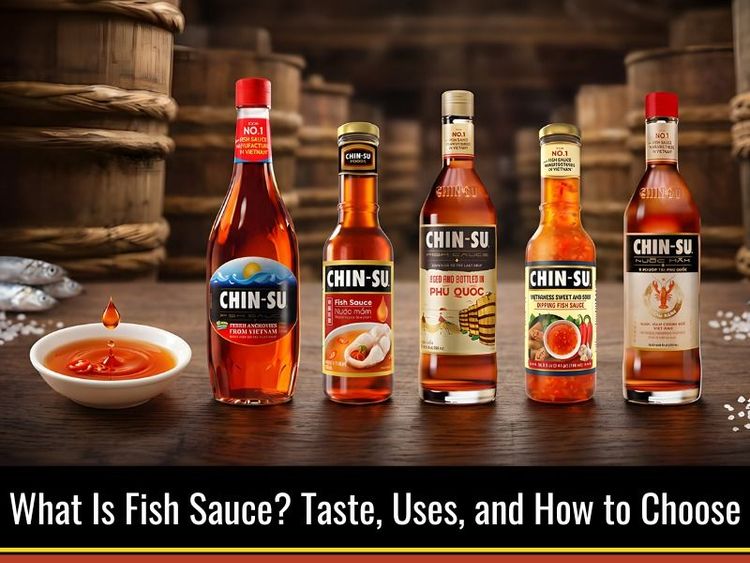
- For everyday cooking: CHIN-SU Vietnamese Fish Sauce at 20°N works well in soups, stir-fries, noodles, marinades, and braised dishes.
- For deeper savory flavor: CHIN-SU Phu Quoc Fish Sauce suits kho dishes, broths, and recipes where a smaller amount needs to provide stronger fish sauce character.
- For dipping and fresh dishes: CHIN-SU Salmon Fish Sauce provides a softer profile for spring rolls, steamed dishes, salads, and other uncooked applications.
- For ready-to-use dipping sauce: CHIN-SU Sweet and Sour Dipping Fish Sauce combines fish sauce with sweet, sour, garlic, and chili flavors.
Store unopened fish sauce in a cool, dry place away from direct sunlight. After opening, keep the bottle tightly closed and follow the label's storage instructions to preserve its aroma and quality.
Bibliography:
United States Department of Agriculture. (2019). Sauce, fish, ready-to-serve (FDC ID: 174531). FoodData Central. https://fdc.nal.usda.gov/food-details/174531/nutrients
Frequently Asked Questions
Fish sauce usually doesn't make food taste strongly fishy when used in normal cooking amounts. Its fermented aroma softens when combined with other ingredients or exposed to heat, letting it add savory depth rather than an obvious fish flavor.
If you are new to fish sauce, start with a small amount and adjust gradually after tasting.To balance too much fish sauce, add unsalted ingredients, water, or unsalted broth to reduce its concentration, then adjust the flavor with sweetness, acidity, or aromatics.
- Too salty: Add water, unsalted broth, or more unsalted ingredients.
- Too strong: Add lime juice, vinegar, sugar, or other ingredients that soften the intensity.
- Lacking savory depth: Add other umami-rich ingredients or a small amount of fish sauce if the dish needs more complexity.
Avoid adding more salt-based seasonings because they can make the dish harder to rebalance.
You can replace fish sauce with soy sauce, Worcestershire sauce, or anchovy-based ingredients when you need saltiness and umami, but the flavor will not be the same.
Soy sauce provides fermented, savory notes; Worcestershire sauce adds umami with acidity; and anchovies provide a concentrated savory flavor.Most fish sauce does not need to be refrigerated because its high salt content keeps it shelf-stable, but refrigerating an opened bottle helps it hold its fresh flavor and color for longer. Some premium or preservative-free bottles do carry a "refrigerate after opening" recommendation from the maker, so the practical rule is to follow the label on your bottle. For the full breakdown, see our guide on whether fish sauce needs to be refrigerated.
Fish sauce is used to season stir-fries, soups, curries, braises, marinades, dressings, and dipping sauces with saltiness and fermented umami. It can also replace part of the salt or anchovy-based seasoning in some Western dishes.
Start with 1 teaspoon of fish sauce for a dish serving 4–6 people, then adjust gradually after tasting. The amount depends on the recipe and other salty ingredients, such as soy sauce, oyster sauce, salted broth, or stock powder.
Use fish sauce based on the role it needs to play: building depth in cooked dishes, strengthening sauces, or adding a savory balance to fresh preparations. Once you understand how its fermented flavor interacts with other ingredients, fish sauce becomes a versatile seasoning for both Asian and non-Asian recipes.No, you do not have to cook fish sauce. It can be used in cooked dishes such as soups, stir-fries, and braises, or used without cooking in dipping sauces and dressings where its fermented aroma remains more noticeable.

CHIN-SU KITCHEN TEAM
CHIN-SU Kitchen Team are the creative experts behind the delicious recipes featuring CHIN-SU sauces. With years of experience and a passion for flavor, our team carefully selects recipes from a variety of trusted chefs and bloggers, bringing together the best culinary insights to present you with the most suitable and exciting dishes. Every recipe is chosen to inspire you to create meals that are not only tasty but also easy to prepare, enhancing your dining experience. Join us as we explore a wide range of sauces and flavors, and elevate every meal with the perfect recipe for your table!
User Reviews
Featured Articles
What Is Fish Sauce? Taste, Uses, and How to Choose
Types of Fish Sauce: A Regional Guide to the World's Most Misunderstood Condiment
What Is Fish Sauce Made Of?
Fish Sauce Benefits: Nutrition, Health, and How to Use It Right
Does Fish Sauce Have Gluten?
SUBSCRIBE TO GET
MORE INFO
Want the latest and greatest recipes, updates, and more from us,
straight to your inbox? Subscribe and get our NEWS!