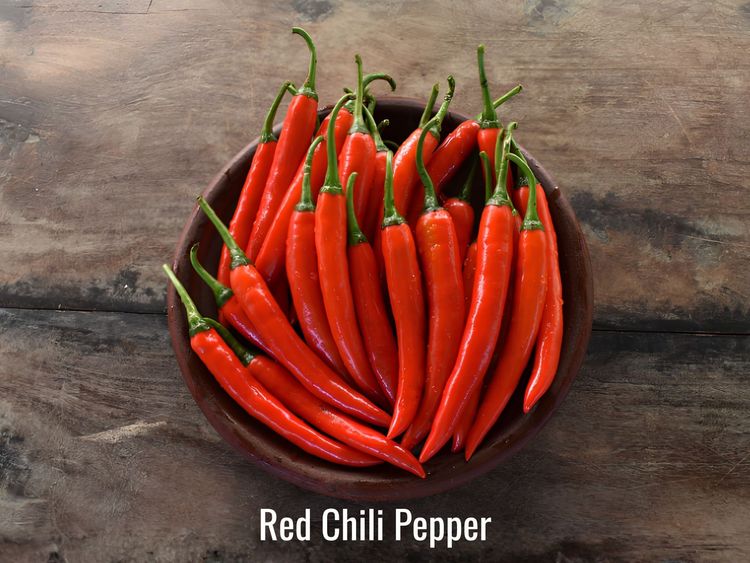
What Is a Scotch Bonnet Pepper? Heat, Flavor, and Uses Explained
Published: Jul 28, 2026 by CHIN-SU
Updated: Jul 30, 2026 by CHIN-SU
A Scotch bonnet pepper (Capsicum chinense) is a thin-walled, waxy Caribbean chili that measures 100,000 to 350,000 Scoville Heat Units (SHU), placing it in the extra-hot range. Closely associated with Jamaica and the wider Caribbean, it has a squat, bonnet-like shape that distinguishes it from its close relative, the habanero. Although both peppers share the same species and general heat range, Scotch bonnets usually taste sweeter, fruitier, and more tropical.
The name comes from the pepper’s resemblance to a Scottish tam o’ shanter, a flat wool bonnet. Scotch bonnet is one of the defining peppers of Caribbean cooking, providing the characteristic heat and fruitiness in jerk seasoning, pepper sauces, curries, stews, and rice and peas.
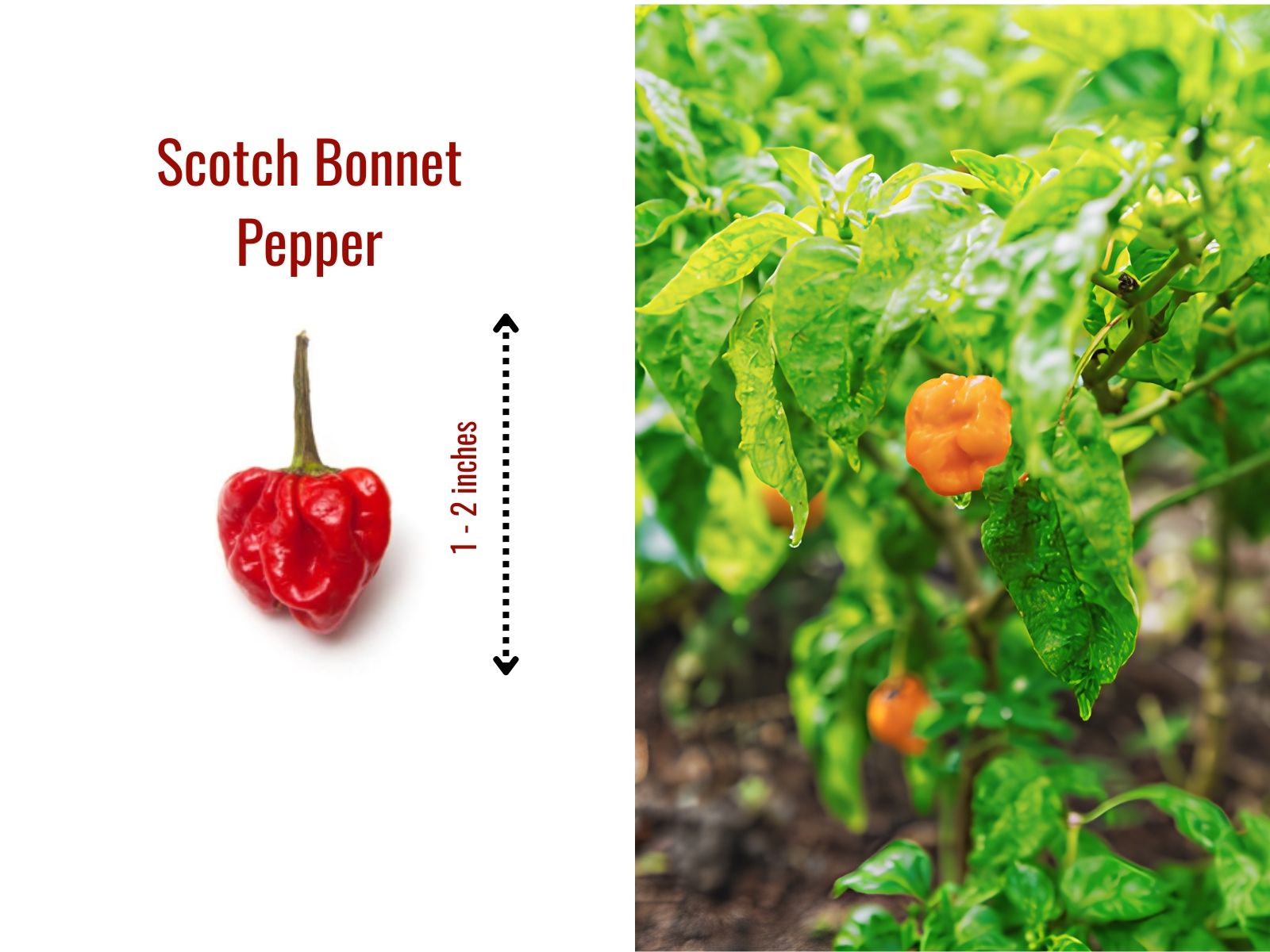
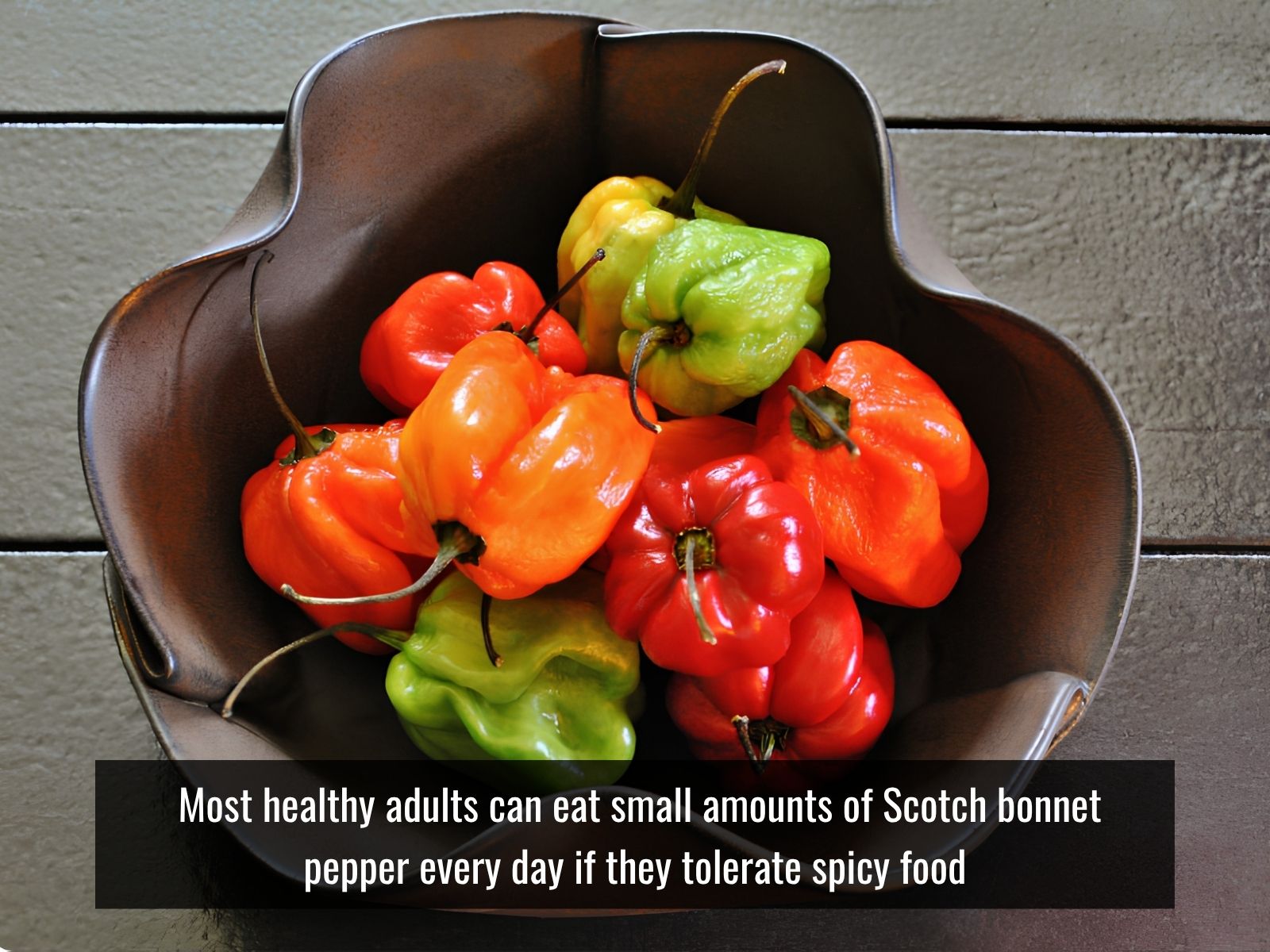
Each pod usually measures 1 to 2 inches (2.5 to 5 cm) long and has smooth to slightly wrinkled skin. Immature fruits are green, but their final ripe color depends on the cultivar and may be yellow, orange, red, peach, or chocolate-brown. A single pepper does not normally pass through every one of these colors.
In this article, CHIN-SU explains what scotch bonnet peppers are, how hot they get on the Scoville scale, how their flavor compares to the habanero, cooking applications from jerk seasoning to hot sauce, and how to store and substitute them at home.
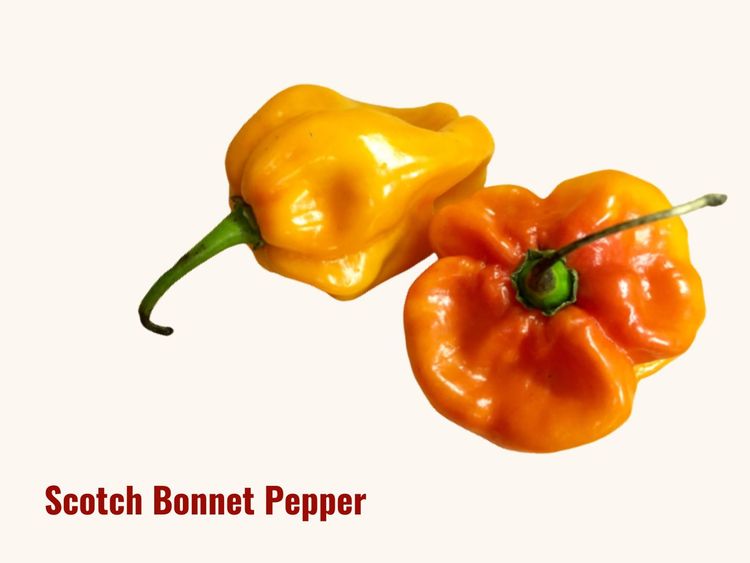
Table Of Contents
What Is a Scotch Bonnet Pepper?
- How Hot Are Scotch Bonnet Peppers?
How to Use Scotch Bonnet Peppers in Cooking?
- How to Store Scotch Bonnet Peppers?
- What Can You Substitute for Scotch Bonnet Peppers?
What Is a Scotch Bonnet Pepper?
A Scotch bonnet pepper (Capsicum chinense) is a squat, bonnet-shaped Caribbean chili known for its sweet, fruity, and tropical flavor. It plays a defining role in jerk seasoning, pepper sauces, curries, stews, and marinades.
The Capsicum chinense lineage originated in the Amazon region before spreading through tropical South America and the Caribbean. Scotch bonnet peppers are most closely associated with Jamaica but also feature prominently in the cuisines of Trinidad and Tobago, Guyana, The Bahamas, Barbados, Panama, and other Caribbean and Central American regions.
The pepper takes its name from its shape. Its squat body and flared lower edge resemble a Scottish tam o’ shanter bonnet. Scotch bonnet belongs to the same species as habanero, which explains their similar heat levels and fruity aroma.
A typical Scotch bonnet measures 1 to 2 inches (2.5 to 5 cm) long. It has a flattened, irregularly lobed body with glossy skin that may appear smooth or lightly wrinkled. Its shape, flesh thickness, color, and pungency vary by cultivar.
Scotch bonnet peppers begin green and mature to the final color of their cultivar:
| Color | Maturity Stage | Typical Flavor Character |
| Green | Unripe | Grassy, vegetal, sharp, and less sweet |
| Yellow | Ripe yellow cultivar | Bright, fruity, and tropical |
| Orange | Ripe orange cultivar | Sweet, aromatic, and fruit-forward |
| Red | Ripe red cultivar | Rich, sweet, and fully aromatic |
| Chocolate or brown | Ripe dark cultivar | Earthier, deeper, and less brightly fruity |
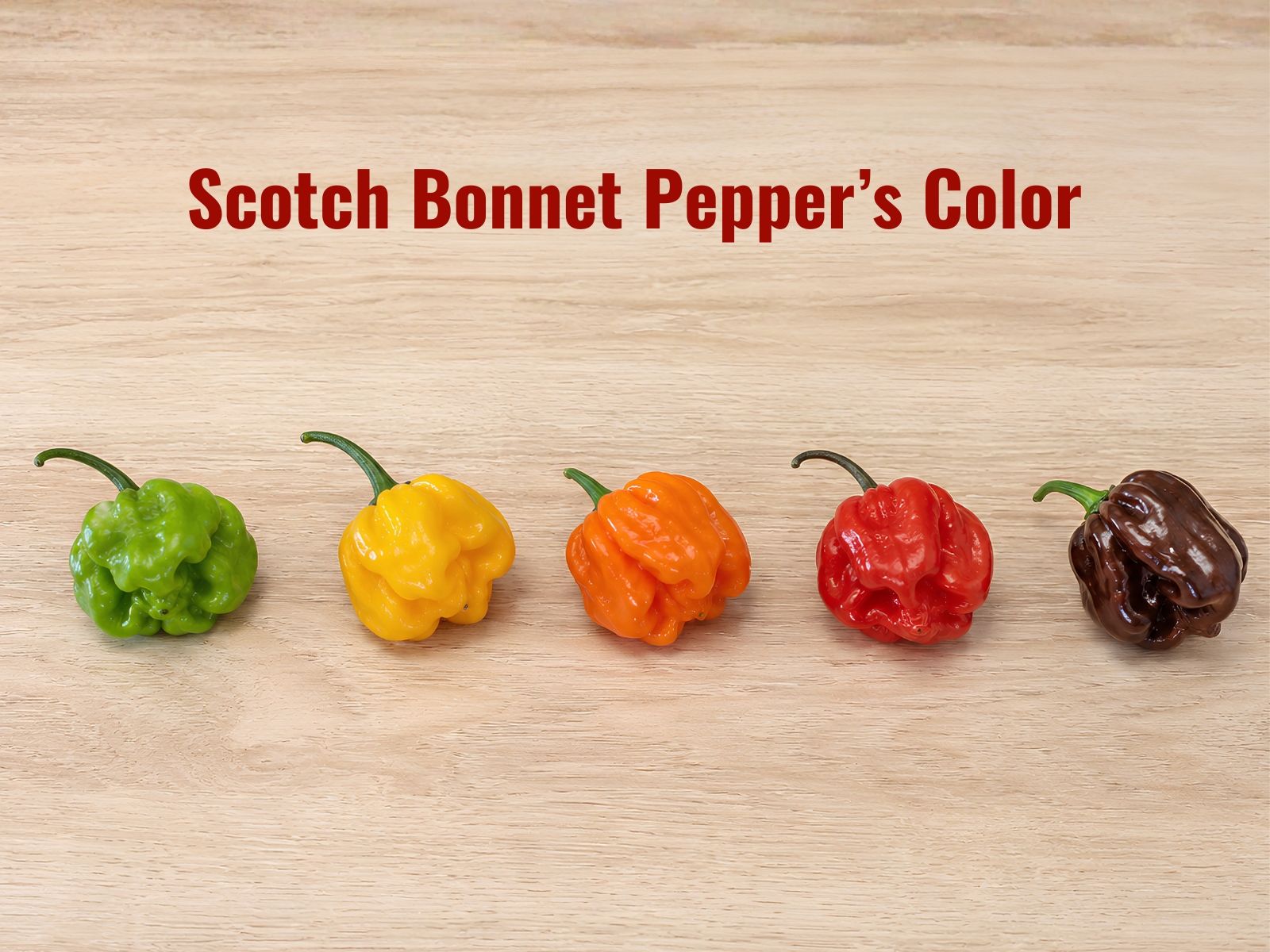
These colors do not represent one universal ripening sequence. Yellow cultivars usually mature from green to yellow, while red, orange, and chocolate cultivars develop their own final colors. Color may indicate ripeness within one cultivar, but it does not determine exact heat.
Common cultivars include Yellow, Orange, Red, and Chocolate Scotch Bonnet. Their sweetness, aroma, shape, and pungency vary, so chocolate peppers are not automatically hotter, and yellow peppers are not always milder.
Cachucha, also called ají dulce, is a related Caribbean Capsicum chinense pepper rather than a heatless Scotch bonnet cultivar. It resembles Scotch bonnet or habanero in shape but is grown mainly for its sweet, aromatic flavor and low heat. Some fruits can still be pungent, so cachucha does not have a universal 0-SHU rating.
What Do Scotch Bonnet Peppers Taste Like?
Scotch bonnet peppers taste sweet, fruity, and tropical, followed by intense heat that builds and lingers. Their aroma may suggest apple, cherry, tomato, citrus, or ripe tropical fruit, depending on the cultivar, maturity, and growing conditions.
Flavor changes as the peppers mature. Green Scotch bonnets taste sharper, grassier, and less sweet. Ripe yellow, orange, and red cultivars develop fuller fruit and floral notes, while chocolate varieties tend to taste earthier and deeper. Genetics, sunlight, temperature, soil, and water availability also influence sweetness, aroma, and pungency.
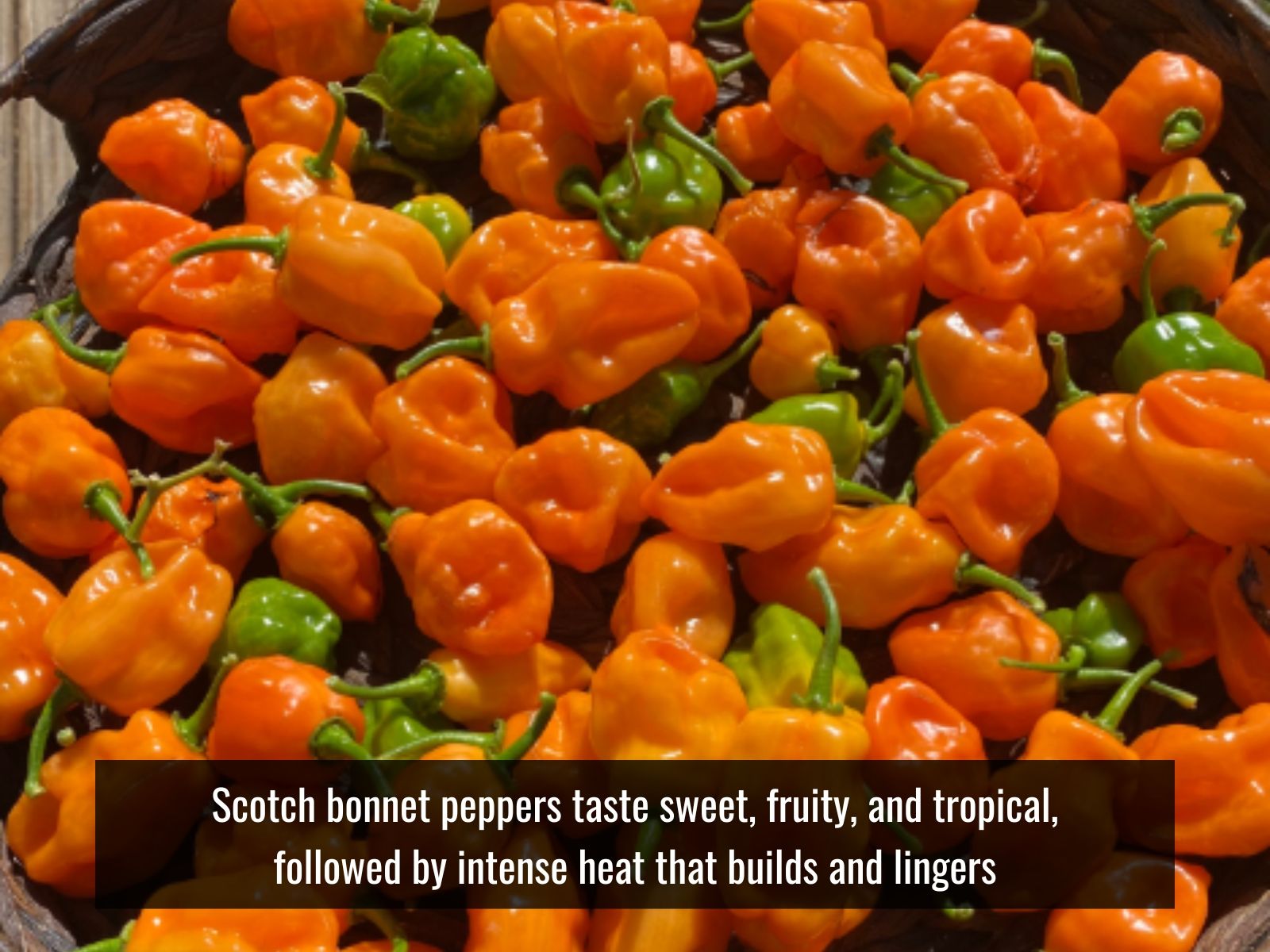
Scotch bonnets often taste sweeter and more full-bodied than habaneros. Their distinctive profile comes from cultivar genetics, aromatic compounds, maturity, and growing conditions. Both peppers have relatively thin, waxy flesh and share the same broad heat range.
Raw Scotch bonnet preserves its brightest tropical aroma in salsa, ceviche, and fresh condiments. Cooking it in jerk marinades, curries, stews, and pepper sauces spreads the heat and blends its fruitiness with the other ingredients. The pepper remains intensely hot after cooking, so use it sparingly.
Are Scotch Bonnet Peppers Different from Habaneros?
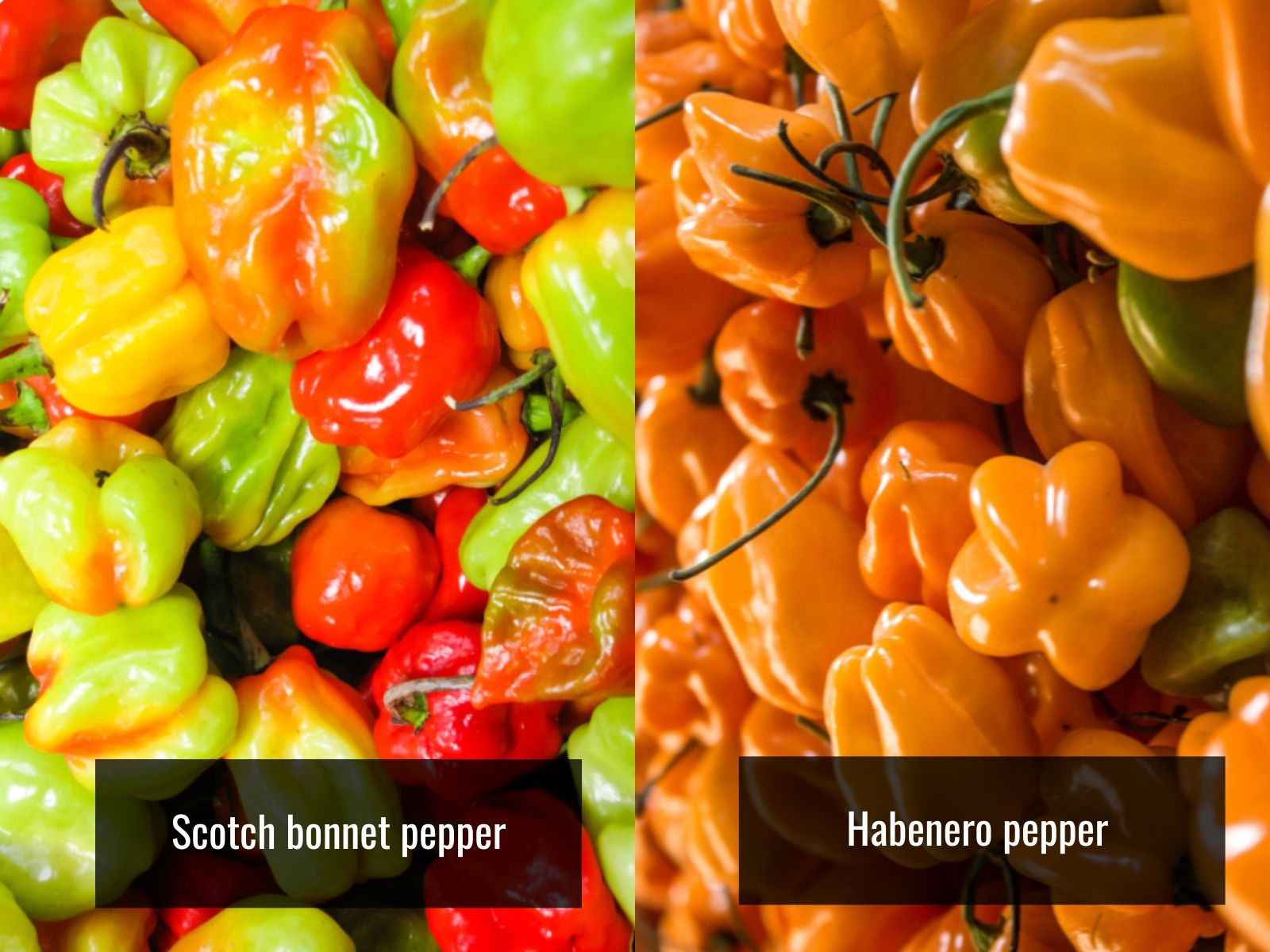
Both the scotch bonnet and the habanero pepper belong to Capsicum chinense and share the same 100,000 to 350,000 SHU heat range, but they differ in shape, flavor, and the cuisines that lean on them. The scotch bonnet is squatter and sweeter and drives Caribbean cooking, while the habanero is more elongated with a smokier, more floral edge and anchors Mexican dishes, as this table lays out:
| Attribute | Scotch Bonnet Pepper | Habanero Pepper |
| Length | 1–2 in (2.5–5 cm) | About 0.8–2.4 in (2–6 cm) |
| Body shape | Squat, flattened, flared, and bonnet-shaped | Lantern-shaped, rounded, or slightly elongated |
| Skin and flesh | Thin, waxy, smooth to lightly wrinkled | Thin, waxy, and usually smoother |
| Heat | 100,000–350,000 SHU | 100,000–350,000 SHU |
| Flavor | Sweet, fruity, tropical, and full-bodied | Fruity, floral, citrus-like, and lightly smoky |
| Cooking performance | Blends well into pepper sauces, jerk marinades, curries, and stews | Blends well into salsas, marinades, and fruit-based hot sauces |
| Best uses | Jamaican jerk, Caribbean pepper sauce, rice and peas, and curries | Mexican salsa, Yucatecan dishes, and habanero hot sauce |
| Primary cuisine | Caribbean, especially Jamaican | Mexican, especially Yucatecan |
How Hot Are Scotch Bonnet Peppers?
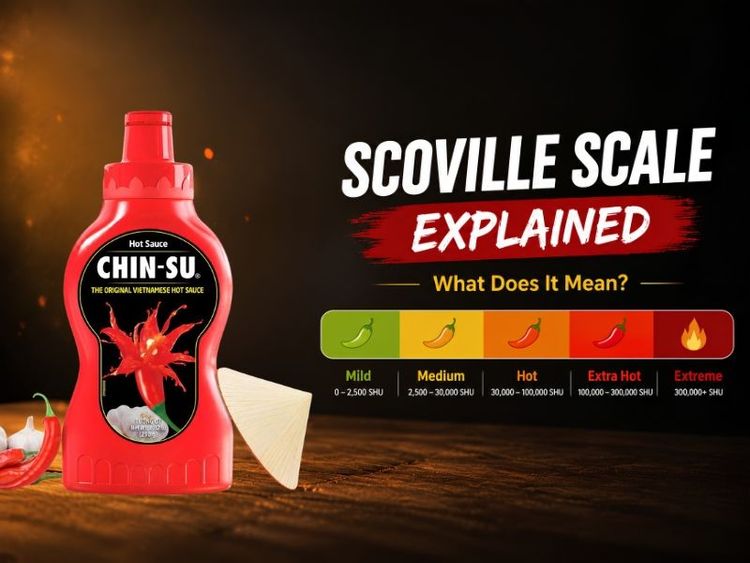
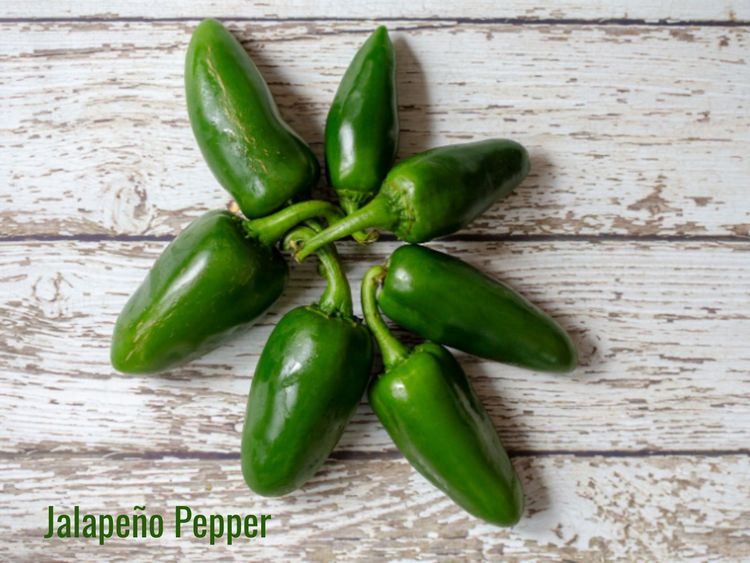
Scotch bonnet peppers measure 100,000 to 350,000 Scoville Heat Units (SHU), placing them in the extra-hot tier of the Scoville scale. That range sits well below the superhot peppers. Pure capsaicin measures around 16,000,000 SHU, while Pepper X, the current Guinness World Record holder, averages 2,693,000 SHU. Against that ceiling, a Scotch bonnet is roughly 12 to 140 times hotter than a jalapeño pepper at 2,500 to 8,000 SHU.
Not every Scotch bonnet reaches the same heat level. Genetics, temperature, water availability, soil nutrients, fruit maturity, and other growing conditions can raise or lower capsaicinoid levels, but their effects vary by cultivar. Fully ripe peppers are not always hotter than green ones, and chocolate Scotch bonnets are not automatically hotter than yellow, orange, or red cultivars.
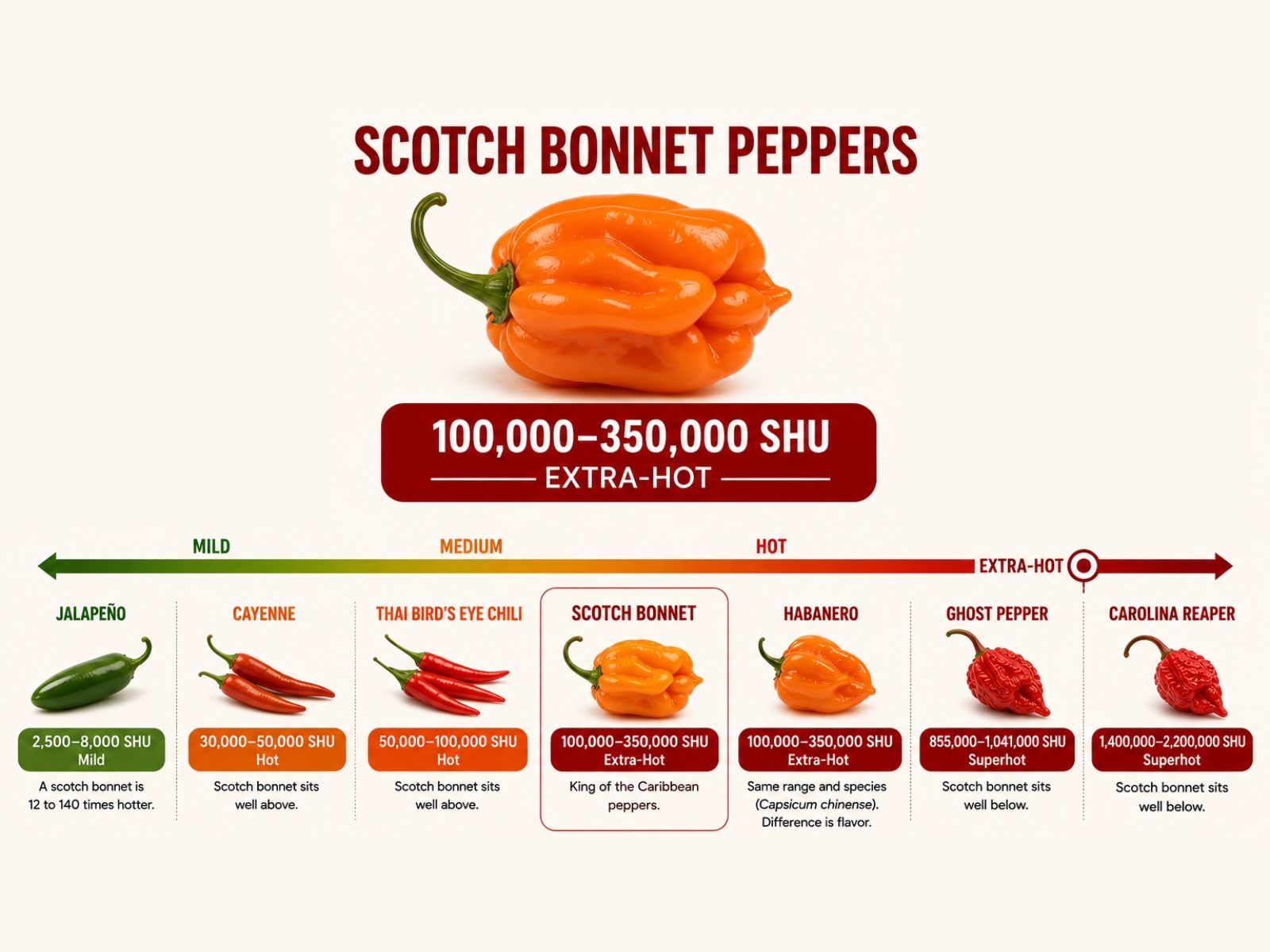
Compared with familiar chilies, the Scotch bonnet sits in the extra-hot range:
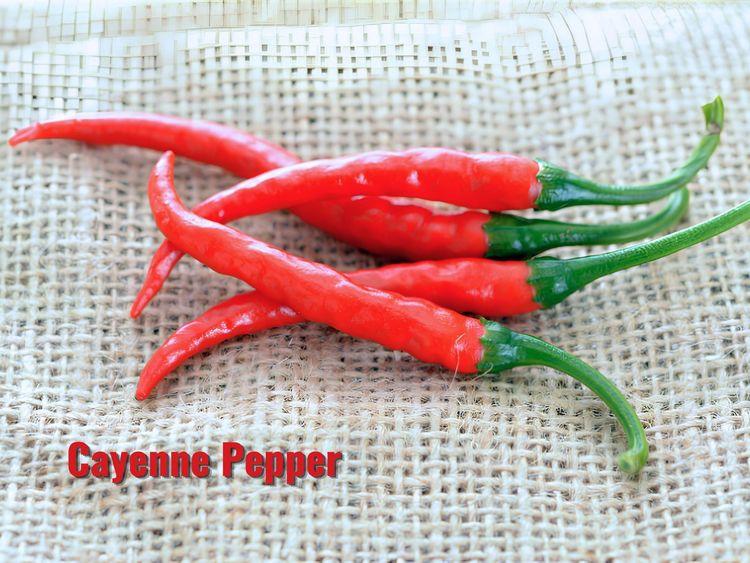
- Cayenne pepper: 30,000 to 50,000 SHU, making it considerably milder than the Scotch bonnet.
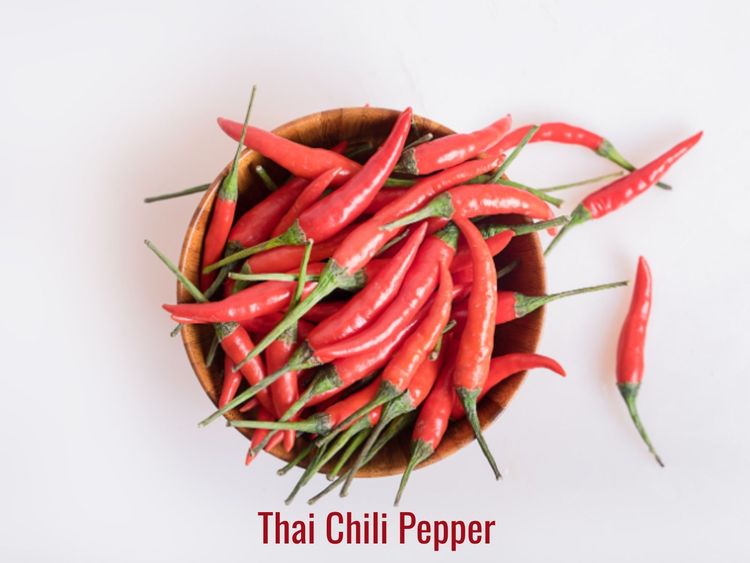
- Thai chili pepper: 50,000 to 100,000 SHU. Scotch bonnets can reach higher heat levels.
- Habanero pepper: The closest comparison because both belong to the Capsicum chinense species and share a similar heat range.
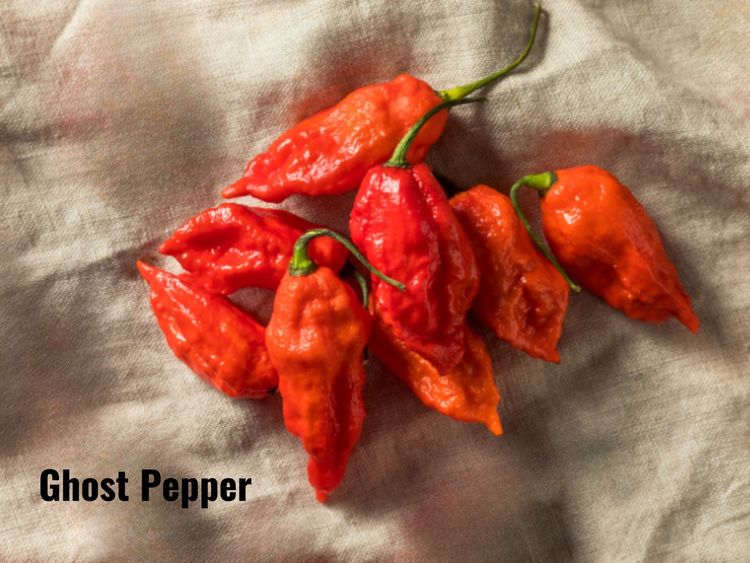
- Ghost pepper and Trinidad Scorpion: Much hotter than the Scotch bonnet.
Scotch bonnet and habanero peppers differ mainly in shape and flavor. Their exact pungency also varies by cultivar and growing conditions.
How to Use Scotch Bonnet Peppers in Cooking?
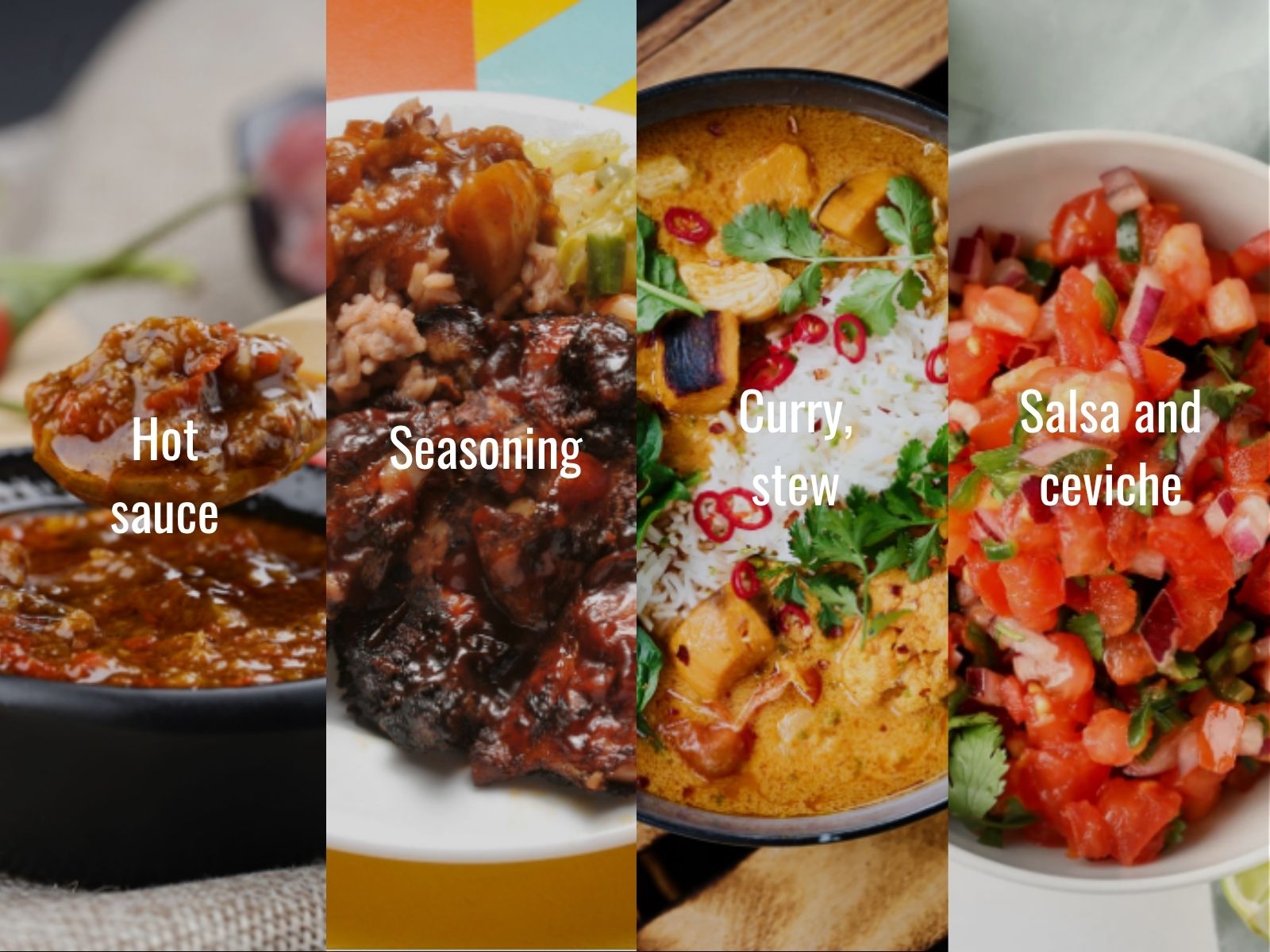
Use Scotch bonnet peppers in Jamaican jerk seasoning, Caribbean pepper sauces, curries, stews, rice and peas, or small amounts in fresh salsa and ceviche. Their tropical sweetness adds flavor alongside intense heat, so start with less than you think you need.
A 1-cup sliced serving, about 90 g (3.2 oz), provides roughly 26 kcal, 107 mg of vitamin C, 290 mcg of vitamin A, 0.4 mg of vitamin B6, and 3 g of fiber. Actual portions are usually much smaller. Capsaicinoids have also been studied for thermogenesis and inflammation-related effects, although normal culinary servings provide modest amounts.
- Caribbean pepper sauce: Blend Scotch bonnets with vinegar or citrus juice, garlic, onion or scallion, and salt. Mango, pineapple, carrots, ginger, mustard, or spices can add sweetness and regional character. A dedicated Scotch bonnet hot sauce recipe can provide exact ingredient ratios and preservation steps.
- Jerk seasoning: Pound or blend Scotch bonnet with allspice, thyme, scallions, garlic, black pepper, and other aromatics. Use the paste on chicken, pork, fish, seafood, or vegetables before grilling or roasting.
- Curries, stews, and rice and peas: Add one whole, intact pepper for gradual heat, then remove it before serving. Cutting, piercing, or crushing the pod releases more capsaicin-rich tissue and spreads stronger heat through the dish.
- Fresh and raw dishes: Finely mince one-quarter of a pepper or less into mango salsa, pineapple salsa, ceviche, marinades, or fresh condiments. Small pieces distribute the heat evenly, while larger pieces create concentrated bursts of pungency.
- Dried, crushed, or ground: Add whole dried Scotch bonnets to soups, curries, braises, and pepper sauces. Use the powder in dry rubs, marinades, seasoning blends, and cooked sauces. Flakes work as finishing heat for grilled meat, roasted vegetables, rice, soups, and pasta.
- Pickled: Preserve sliced Scotch bonnets in a tested vinegar brine for a sharp topping on sandwiches, tacos, grilled meat, rice dishes, and fried foods.
Wear food-safe gloves when handling Scotch bonnets. Avoid touching your face or contact lenses, and wash knives, boards, blenders, and work surfaces with soap. Milk may relieve oral capsaicin burn more effectively than plain water.
Can You Eat Scotch Bonnet Peppers Every Day?
Yes, most healthy adults can eat small amounts of Scotch bonnet pepper every day if they tolerate spicy food. For experienced chili eaters, one-quarter to one-half of a pepper per meal is a practical starting amount, although the suitable portion varies with the pepper’s heat, recipe size, and individual sensitivity.
Repeated exposure may reduce the perceived oral burn, but digestive tolerance can differ. A Scotch bonnet added to a sauce, stew, or curry may also be divided across several servings rather than eaten as one concentrated portion.
To reduce the heat, remove some of the pale placental tissue and inner ribs. Removing the seeds alone has less effect because capsaicinoids accumulate mainly in the placenta.
Reduce or avoid Scotch bonnet peppers if they cause heartburn, abdominal burning, nausea, or diarrhea. People with IBS, GERD, or capsaicin sensitivity should follow their individual symptom tolerance.
How to Store Scotch Bonnet Peppers?
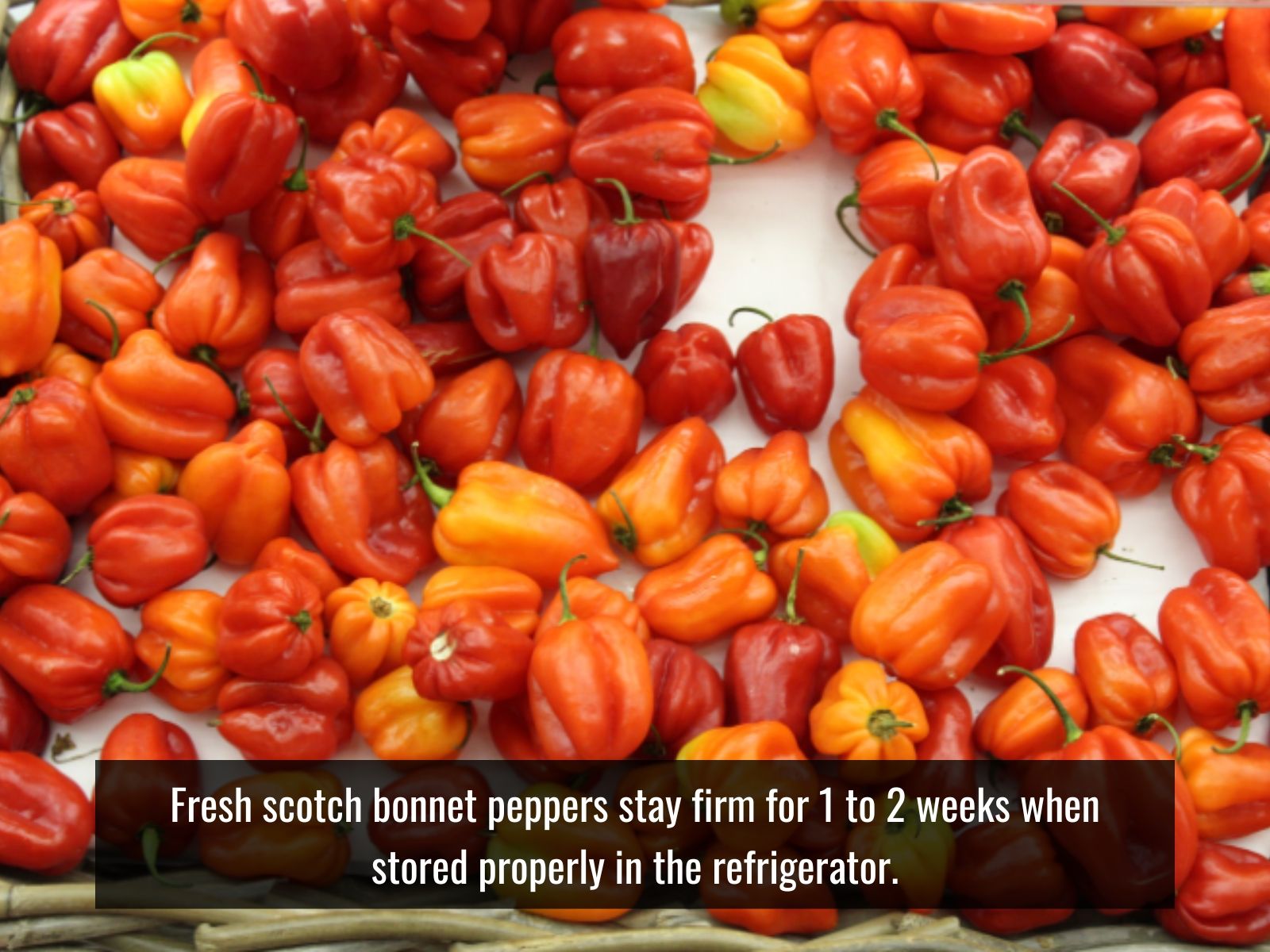
Fresh Scotch bonnet peppers keep their best quality for about 1 to 2 weeks. Store them whole, dry, and unwashed in a breathable or perforated container in the refrigerator. Wash them only before use, and remove any peppers that become moldy, slimy, or unusually soft.
For longer storage, wash and dry the peppers before freezing them whole or chopped in freezer-safe bags. Hot peppers do not require blanching. Use them within about 6 months for the best flavor. Their texture softens after thawing, so frozen Scotch bonnets work best in curries, stews, sauces, and other cooked dishes.
To dry Scotch bonnets, use a dehydrator at about 135 - 140°F (57 - 60°C), or follow the manufacturer’s vegetable setting. Slit or slice larger peppers so they dry evenly, and continue until they become fully brittle. Cool them before storing them whole or ground in an airtight container away from heat, light, and moisture.
For brined or pickled Scotch bonnets, follow a tested recipe with defined salt or vinegar ratios and storage instructions. Properly pickled peppers provide a tangy topping for rice dishes, grilled meat, sandwiches, and sauces.
What Can You Substitute for Scotch Bonnet Peppers?
The closest substitute for a Scotch bonnet pepper is the habanero, which belongs to the same Capsicum chinense species and has nearly the same heat. A few other peppers can fill in depending on the dish and how much heat you want, as shown in this table:
| Substitute | Ratio | Flavor vs. Scotch Bonnet | Best Used In |
| Habanero | 1:1 | Same heat, slightly more floral and smoky, less tropical-sweet | Any recipe calling for scotch bonnet |
| Cayenne pepper | 2 to 3× quantity | Sharper, less fruity, no tropical sweetness | Stews, curries, hot sauce base |
| Thai chili (bird's eye) | 1.5 to 2× quantity | Sharper, grassier, less sweet | Stir-fries, soups, quick-cooked dishes |
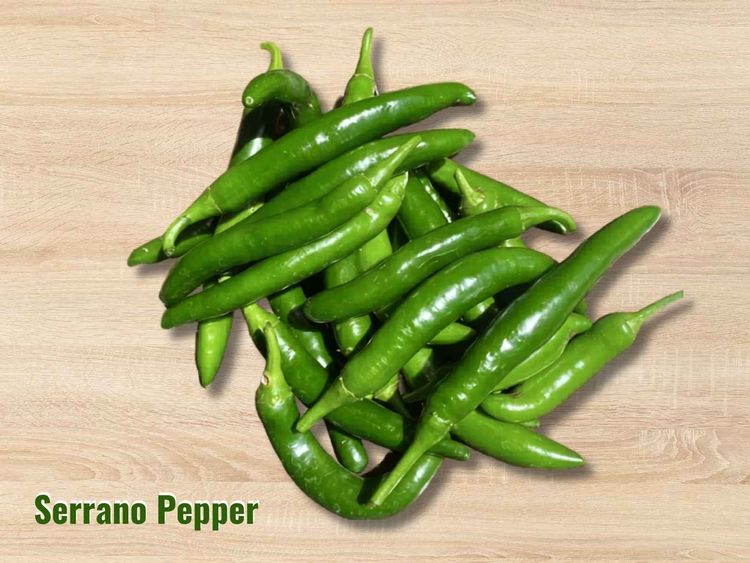
| Serrano plus a pinch of cayenne | 3 to 4 serranos per scotch bonnet | Bright and crisp, much less heat without the cayenne boost | Fresh salsas, mild-heat dishes |
The rule of thumb is simple: fresh substitutes for fresh dishes, dried ones for cooked dishes only. When you want less heat, lean on the serrano-cayenne combo at 3 to 4 serranos per scotch bonnet, which keeps the brightness while reducing the burn. No substitute fully replicates a scotch bonnet's tropical sweetness, but the habanero comes closest thanks to the shared Capsicum chinense genetics.
References
- Wikipedia. Scotch bonnet. https://en.wikipedia.org/wiki/Scotch_bonnet
- Irandoost, P., Lotfi Yagin, N., Namazi, N., Keshtkar, A., Farsi, F., Mesri Alamdari, N., & Vafa, M. (2021). The effect of Capsaicinoids or Capsinoids in red pepper on thermogenesis in healthy adults: A systematic review and meta-analysis. Phytotherapy Research: PTR, 35(3), 1358–1377. https://doi.org/10.1002/ptr.6897
- Tewksbury, J. J., & Nabhan, G. P. (2001). Seed dispersal. Directed deterrence by capsaicin in chilies. Nature, 412(6845), 403–404. https://doi.org/10.1038/35086653
- Pathirana, R. (2013). Peppers: Vegetable and Spice Capsicums, 2nd edition, by Paul W. Bosland and Eric J. Votava. Crop Production Science in Horticulture Series 22. Wallingford, UK, CABI, 2012. 248 pp. ISBN 9781845938253. New Zealand Journal of Crop and Horticultural Science, 41, 102–103. https://doi.org/10.1080/01140671.2012.745161
Frequently Asked Questions
Yes, scotch bonnet peppers are much hotter than jalapeños. Scotch bonnets measure 100,000 to 350,000 SHU, while jalapeños run only 2,500 to 8,000 SHU, making them 12 to 140 times hotter depending on which two peppers you compare. The gap is wide enough that a single scotch bonnet can stand in for a whole handful of jalapeños, so adjust your quantities carefully when you swap one for the other.
Yes, scotch bonnet seeds are safe to eat. The seeds themselves carry very little capsaicin, since most of the heat sits in the white membrane, the placental tissue that holds the seeds in place, rather than in the seeds. Pulling out the seeds along with that membrane is what tames the pepper, cutting the spice level by roughly 30 to 40%.
Eating a Scotch bonnet usually causes temporary burning and digestive discomfort rather than lasting injury, but severe symptoms require medical evaluation. The burn comes from capsaicin activating the TRPV1 pain receptors, and dairy such as milk or yogurt neutralizes it far better than water. Wash your hands with soap after handling, keep them away from your eyes, and use caution if you have GERD or IBS.
Refrigeration is the best short-term storage method for fresh scotch bonnet peppers. Store them whole and unwashed in a paper bag or breathable container in the crisper drawer, where they stay firm for 1 to 2 weeks. For longer storage, freeze them whole or dry them so they last for months rather than weeks.
Yes, a ghost pepper is much hotter than a Scotch bonnet. Scotch bonnets usually measure 100,000 to 350,000 SHU, while ghost peppers measure around 1,000,000 SHU. Carolina Reaper peppers and Trinidad Moruga Scorpion peppers are hotter still, while serrano and jalapeño peppers are substantially milder.
Yes, green Scotch bonnet peppers are unripe but remain extremely hot. They usually taste sharper, grassier, and less sweet than ripe peppers and may contain less capsaicin than the fully ripe fruit from the same plant. However, cultivar genetics, growing conditions, maturity, and individual-fruit variation prevent green Scotch bonnets from being classified as mild.
No single Scotch bonnet color is always the hottest. Fully ripe red, orange, or yellow peppers may contain more capsaicinoids than unripe green peppers, but the peak varies by cultivar, growing conditions, and ripening stage. Color is useful for identifying maturity within one cultivar, not for comparing the precise heat of unrelated Scotch bonnet varieties.
Scotch bonnet peppers are also called Bonney peppers in some references, while Caribbean red pepper and Panamanian pepper appear as regional or market names. In Panama, related Scotch bonnet-type peppers may be called ají chombo. Habanero is not another name for Scotch bonnet; it is a closely related but distinct Capsicum chinense pepper.

CHIN-SU KITCHEN TEAM
CHIN-SU Kitchen Team are the creative experts behind the delicious recipes featuring CHIN-SU sauces. With years of experience and a passion for flavor, our team carefully selects recipes from a variety of trusted chefs and bloggers, bringing together the best culinary insights to present you with the most suitable and exciting dishes. Every recipe is chosen to inspire you to create meals that are not only tasty but also easy to prepare, enhancing your dining experience. Join us as we explore a wide range of sauces and flavors, and elevate every meal with the perfect recipe for your table!
User Reviews
Featured Articles
Hot Sauce Scoville Scale Explained: What Does It Mean?
What Is an Anaheim Pepper? Flavor and Uses Explained
What Is a Jalapeño Pepper? Heat and Uses Explained
What Is a Ghost Pepper? Heat, Safety, and Uses Explained
What Is a Tabasco Pepper? Heat and Uses Explained
SUBSCRIBE TO GET
MORE INFO
Want the latest and greatest recipes, updates, and more from us,
straight to your inbox? Subscribe and get our NEWS!