What Is a Tabasco Pepper? Heat and Uses Explained
Published: Jul 28, 2026 by CHIN-SU
Updated: Jul 30, 2026 by CHIN-SU
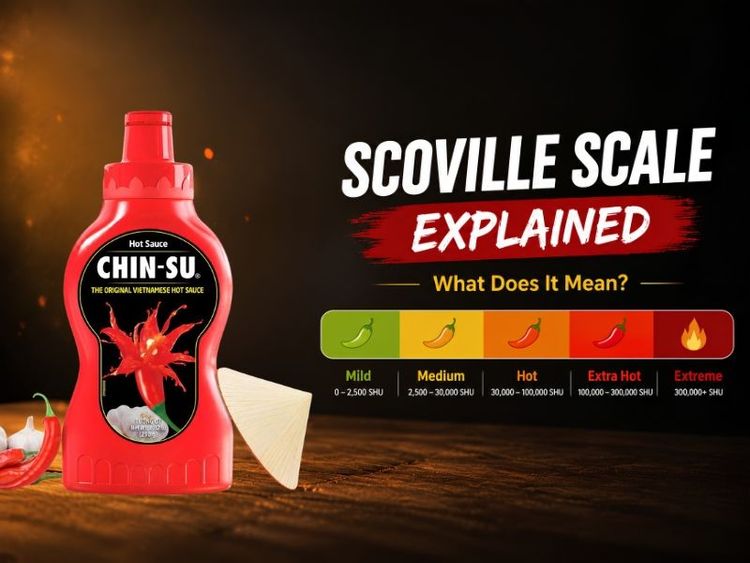
The tabasco pepper (Capsicum frutescens ‘Tabasco’) is a small, thin-walled chili that measures 30,000 to 50,000 Scoville Heat Units (SHU), placing it firmly in the hot range. Named after the Mexican state of Tabasco, the pepper has a notably juicy interior compared with many common hot chilies. Its moisture, thin skin, and concentrated heat make it especially suitable for fermented pepper mash, vinegar-based hot sauce, pepper vinegar, salsa, and jelly.
Most people recognize tabasco peppers as the key ingredient in a familiar style of bottled hot sauce, but the fresh pepper has its own character. It tastes sharp, fruity, tangy, and much hotter than the finished vinegar-based condiment. The sauce’s smooth, pourable texture comes from fermenting the peppers, blending the aged mash with vinegar, and straining the mixture.
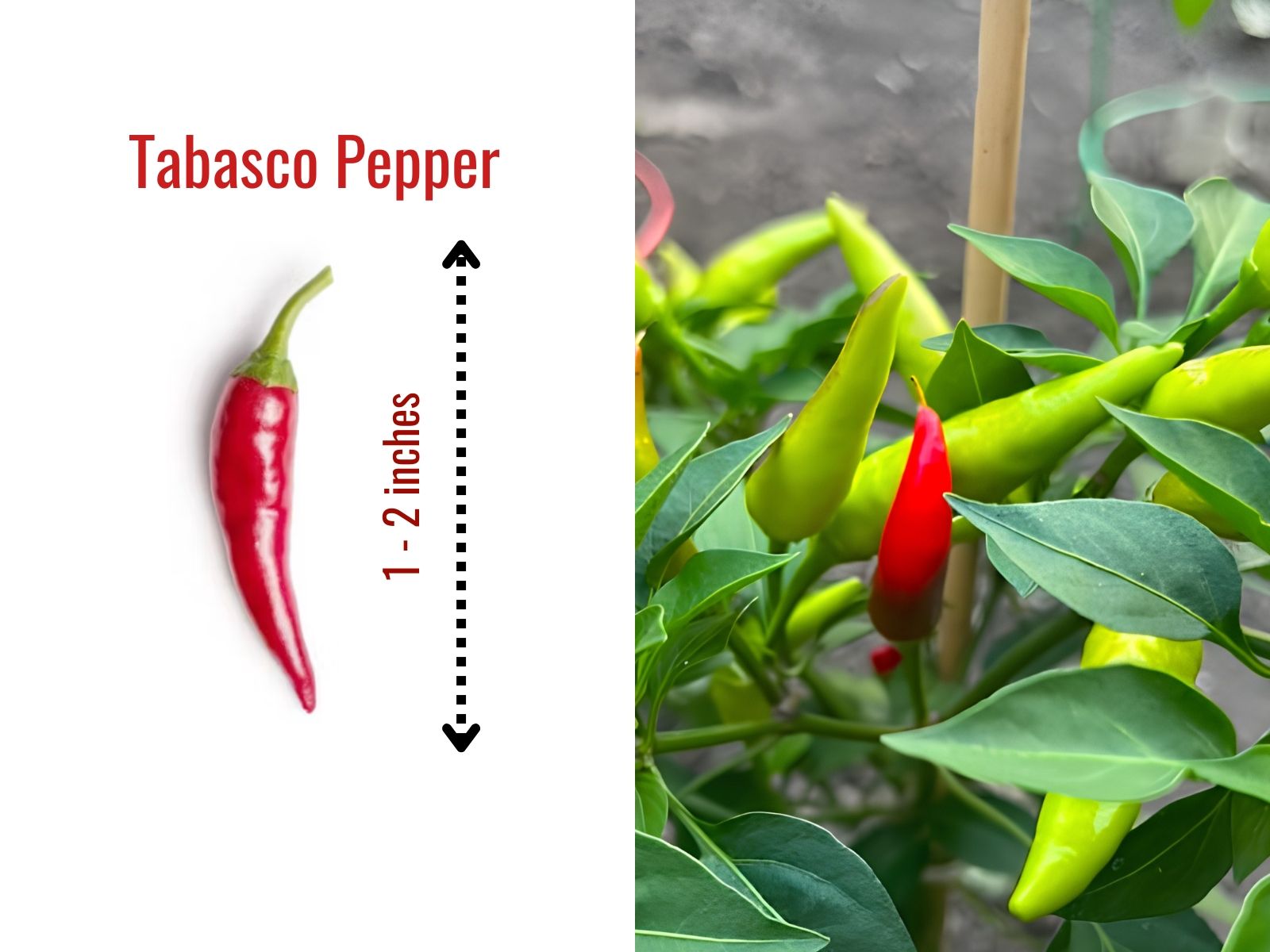
A mature tabasco pepper measures about 1 to 2 inches (2.5 to 5 cm) long and has smooth, glossy skin. The upright pods ripen from pale green through yellow and orange before turning bright red.
In this article, you'll learn what Tabasco peppers are, how hot they are, how they taste compared to habanero, how to cook with them, how to store them, and what to reach for as a substitute.
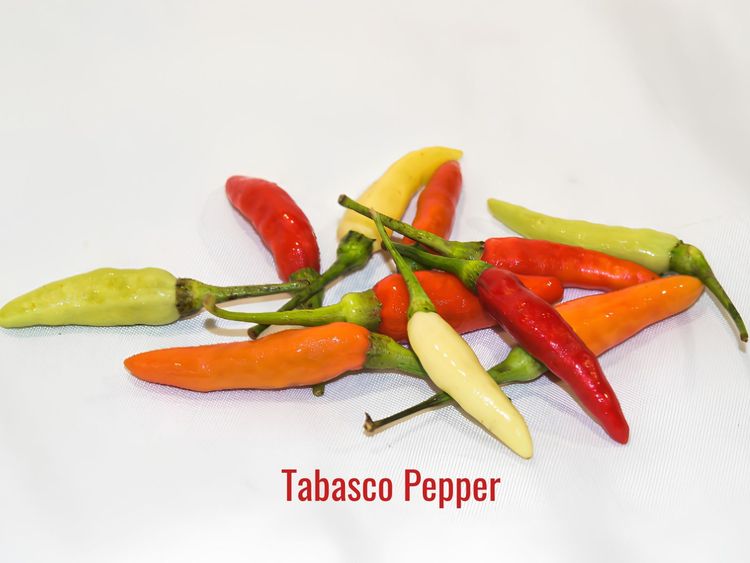
Table Of Contents
What Is a Tabasco Pepper?
- How Hot Are Tabasco Peppers?
How to Use Tabasco Peppers in Cooking?
- How To Store Tabasco Peppers?
- What Can You Substitute for Tabasco Peppers?
What Is a Tabasco Pepper?
A tabasco pepper (Capsicum frutescens ‘Tabasco’) is a small, tapered chili that grows 1 to 2 inches (2.5 to 5 cm) long. The cultivar takes its name from the Mexican state of Tabasco and has a long association with Mexico. The wider Capsicum frutescens species occurs across southern Mexico and tropical America.
In general prose, “tabasco pepper” uses a lowercase “t,” while “Tabasco” identifies the Mexican state. The genus name Capsicum is commonly linked to the Greek word kapto, meaning “to bite,” while frutescens refers to the plant’s shrub-like growth.
Tabasco belongs to the same species as piri piri, malagueta, and several bird peppers. This classification separates it from jalapeño, cayenne, and serrano peppers, which usually belong to Capsicum annuum.
The fruit has a slender body, pointed tip, thin flesh, and smooth, glossy skin. It also grows upright from the plant rather than hanging downward, a characteristic commonly associated with Capsicum frutescens.
Tabasco peppers contain more moisture than many thin-walled chilies commonly dried for spice. Their juicy flesh works well in pepper mash, vinegar-based hot sauce, pepper vinegar, salsa, and jelly. Cooks can still dry and grind them into powder, although liquid preparations remain their best-known use.
The pods pass through several colors as they mature:
| Color | Ripeness Stage | Typical Flavor Character |
| Pale green | Unripe | Fresh, vegetal, and less sweet |
| Yellow-green | Developing | Sharper, with emerging fruitiness |
| Orange | Nearly ripe | Fruitier, sweeter, and tangy |
| Bright red | Fully ripe | Richest ripe flavor, bright fruitiness, and strong heat |
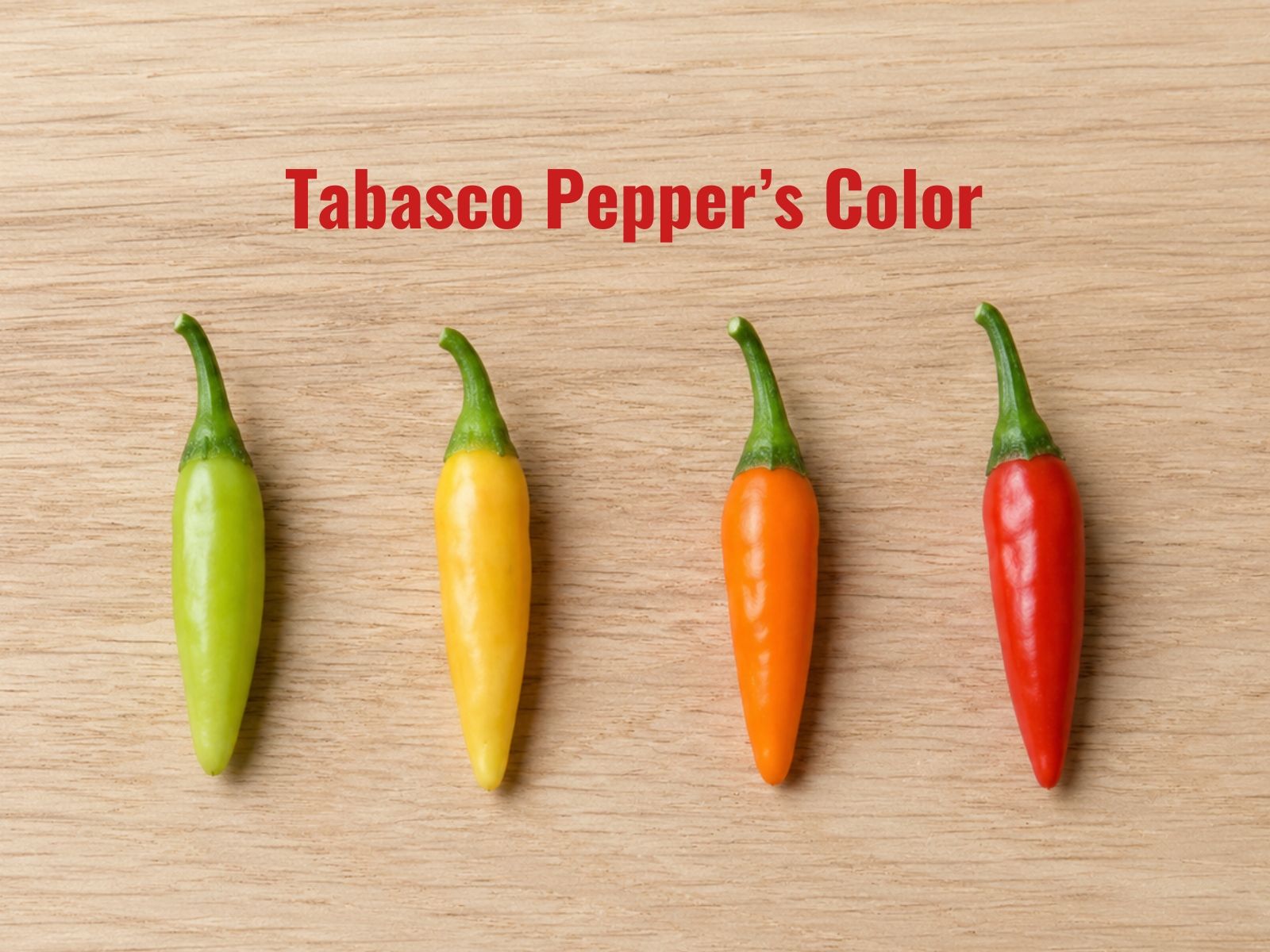
Color shows maturity, but genetics, temperature, water availability, and growing conditions still influence the heat of each pod. Growers commonly harvest red peppers for their developed color and flavor, while green and orange pods also work in salsa and cooked dishes.
Two cultivars stand out. Standard ‘Tabasco’ is the traditional type used in pepper mash, vinegar sauces, and other liquid preparations. Breeders released ‘Greenleaf Tabasco’ in 1970 after crossing tabasco plants with resistant Capsicum chinense material and backcrossing the offspring. The cultivar resists tobacco etch virus (TEV) and also produces darker red fruit, a more concentrated fruit set, and higher pungency than the older commercial type.
What Do Tabasco Peppers Taste Like?
Tabasco peppers taste smoky and sweet, with fruity, tangy undertones and a sharp, immediate heat that hits the front palate without lingering.
The flavor shifts noticeably as the pepper ripens, so a green tabasco and a red one eat like two different chilies. Green tabasco peppers come across bright and peppery with muted complexity, more snap than depth. As they turn orange, the sweetness starts to build. By the time they reach full red ripeness, that signature smoky-sweet, fruity character comes forward alongside peak capsaicin concentration.
The juicy interior is what really sets tabasco apart on the palate. In most hot peppers, capsaicin sits concentrated in the white membrane and seeds while the flesh stays dry. Tabasco holds liquid right inside the flesh, and that moisture spreads the heat more evenly across your mouth, giving the raw pepper a round, almost sauce-like quality. It is also why tabasco works so well in vinegar-based hot sauces, since the natural juiciness blends seamlessly into acidic liquids rather than fighting them.
For the fullest flavor, reach for ripe red tabasco peppers in fresh salsas or fermented hot sauces, where the smoky sweetness really pays off. Cooking softens the sharp edge but keeps that fruity undertone intact.
Are Tabasco Peppers Different from Habanero Peppers?
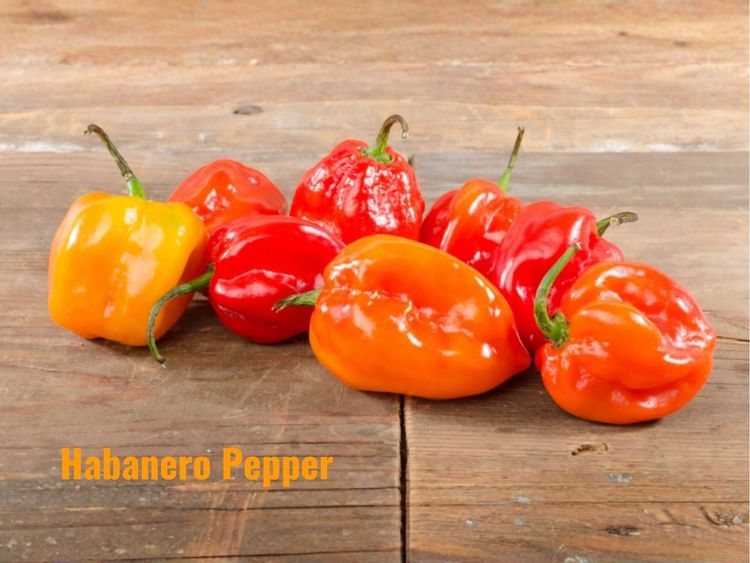
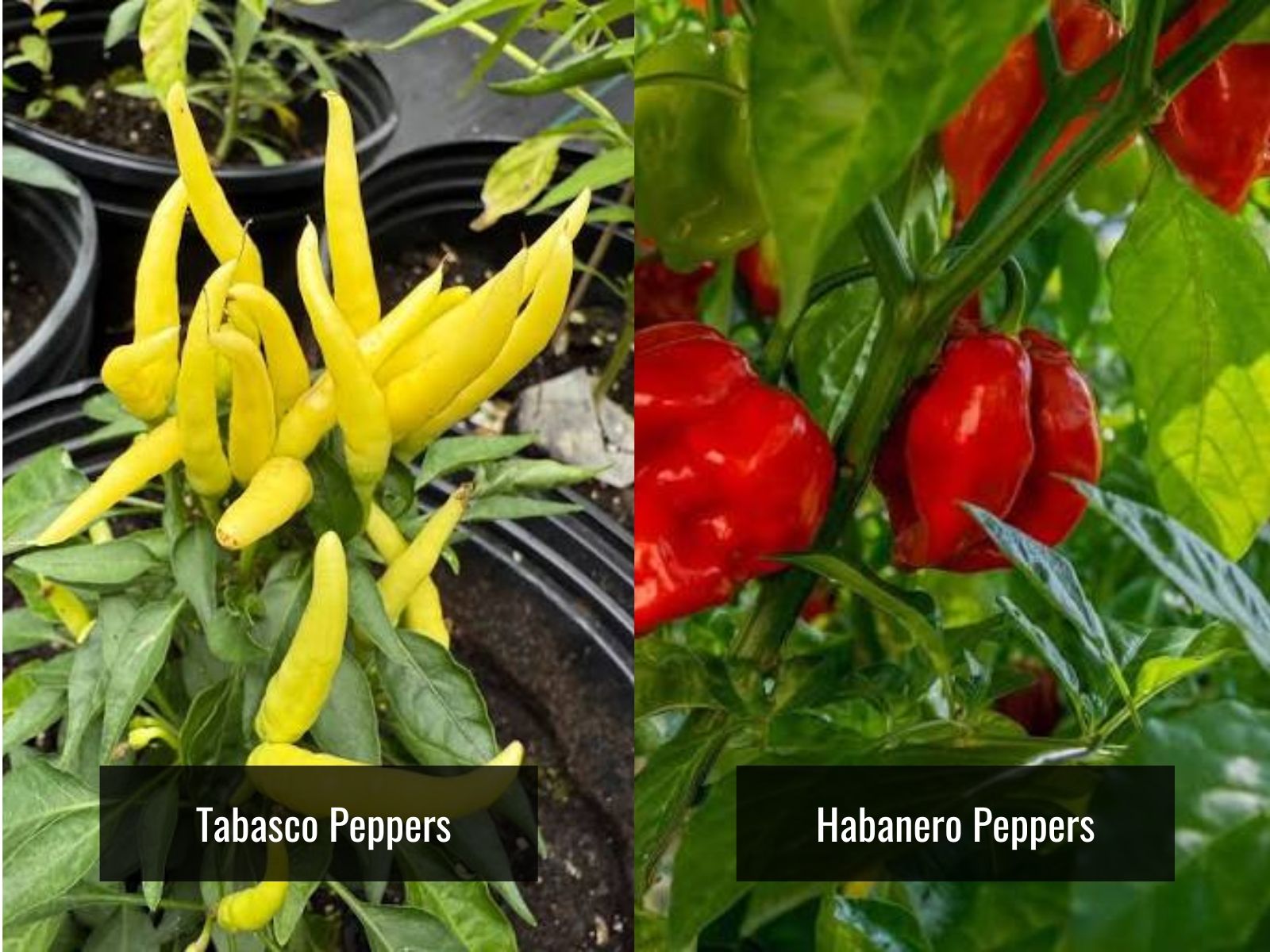
Tabasco and habanero peppers differ in species, shape, heat, flavor, and culinary use. Tabasco is a small, upright-growing Capsicum frutescens pepper with juicy flesh and sharp heat. Habanero belongs to Capsicum chinense and has a broader lantern shape, stronger heat, and a floral, tropical aroma.
| Attribute | Tabasco Pepper | Habanero Pepper |
| Species | Capsicum frutescens | Capsicum chinense |
| Length | About 1–2 in (2.5–5 cm) | About 0.8–2.4 in (2–6 cm) |
| Shape | Small, slender, tapered, and upright-growing | Squat, lantern-shaped, and pendant |
| Skin and flesh | Thin, smooth, glossy, and notably juicy | Thin, smooth, waxy, and less juicy |
| Heat | 30,000–50,000 SHU | 100,000–350,000 SHU |
| Flavor | Sharp, tangy, fruity, and lightly sweet | Fruity, floral, citrus-like, and tropical |
| Best uses | Pepper sauce, pepper vinegar, salsa, jelly, soups, and stews | Fruit-based hot sauce, salsa, marinades, and Yucatecan dishes |
| Relative heat | Hot | About 2–12 times hotter |
Tabasco works best when a recipe needs sharp heat, acidity, and moisture in liquid-based preparations. Habanero suits dishes that need stronger pungency and a fuller tropical aroma.
How Hot Are Tabasco Peppers?
Tabasco peppers measure 30,000 to 50,000 Scoville Heat Units (SHU), placing them in the hot tier of the Scoville scale. Pure capsaicin measures about 16,000,000 SHU, so tabasco sits far below the extreme end of the scale but well above many common kitchen chilies.
Individual tabasco peppers do not always reach the same heat level. Cultivar genetics, temperature, sunlight, water availability, soil conditions, plant stress, and harvest maturity all affect capsaicinoid concentration. Color indicates ripeness, but a red pepper is not automatically hotter than every orange pepper.
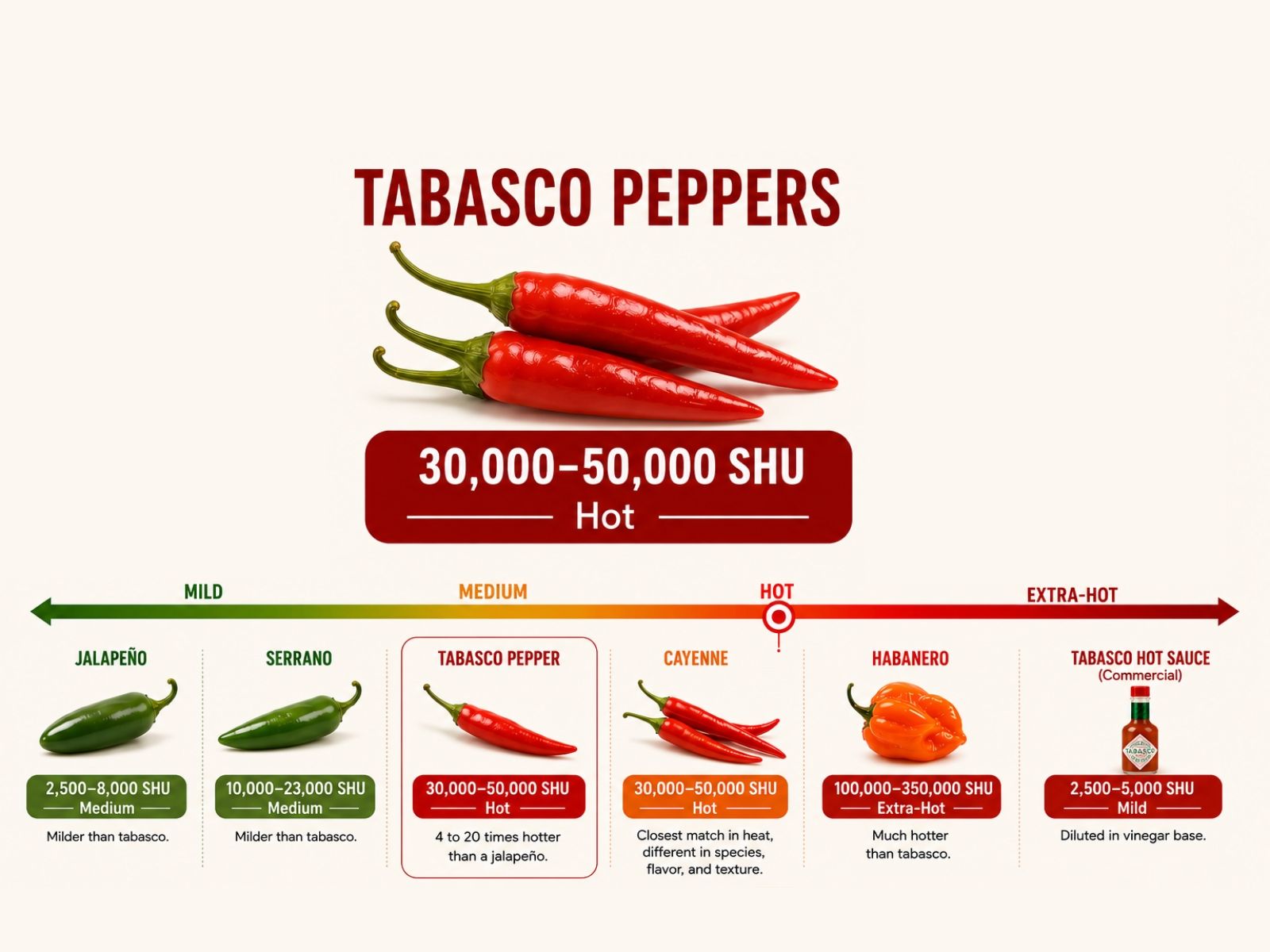
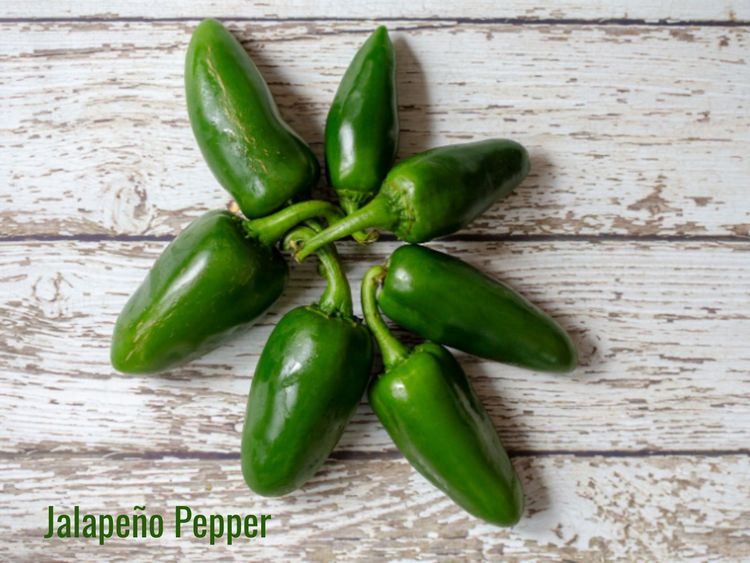
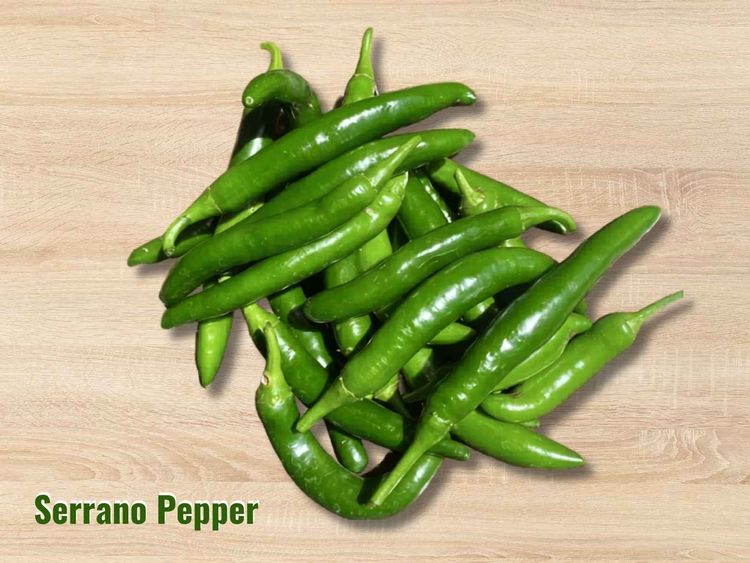
Tabasco sits above jalapeño peppers at 2,500 to 8,000 SHU and serrano peppers at 10,000 to 23,000 SHU. A single tabasco pepper can deliver about 4 to 20 times more heat than a jalapeño, depending on the peppers compared.
Cayenne pepper provides the closest heat match at 30,000 to 50,000 SHU, although the two peppers differ in species, flavor, moisture, and texture. Habanero sits much higher at 100,000 to 350,000 SHU, making it about 2 to 12 times hotter than tabasco.
This heat level allows a small number of tabasco peppers to season an entire sauce, soup, stew, or batch of pepper mash without reaching the intensity of extra-hot peppers.
How to Use Tabasco Peppers in Cooking?
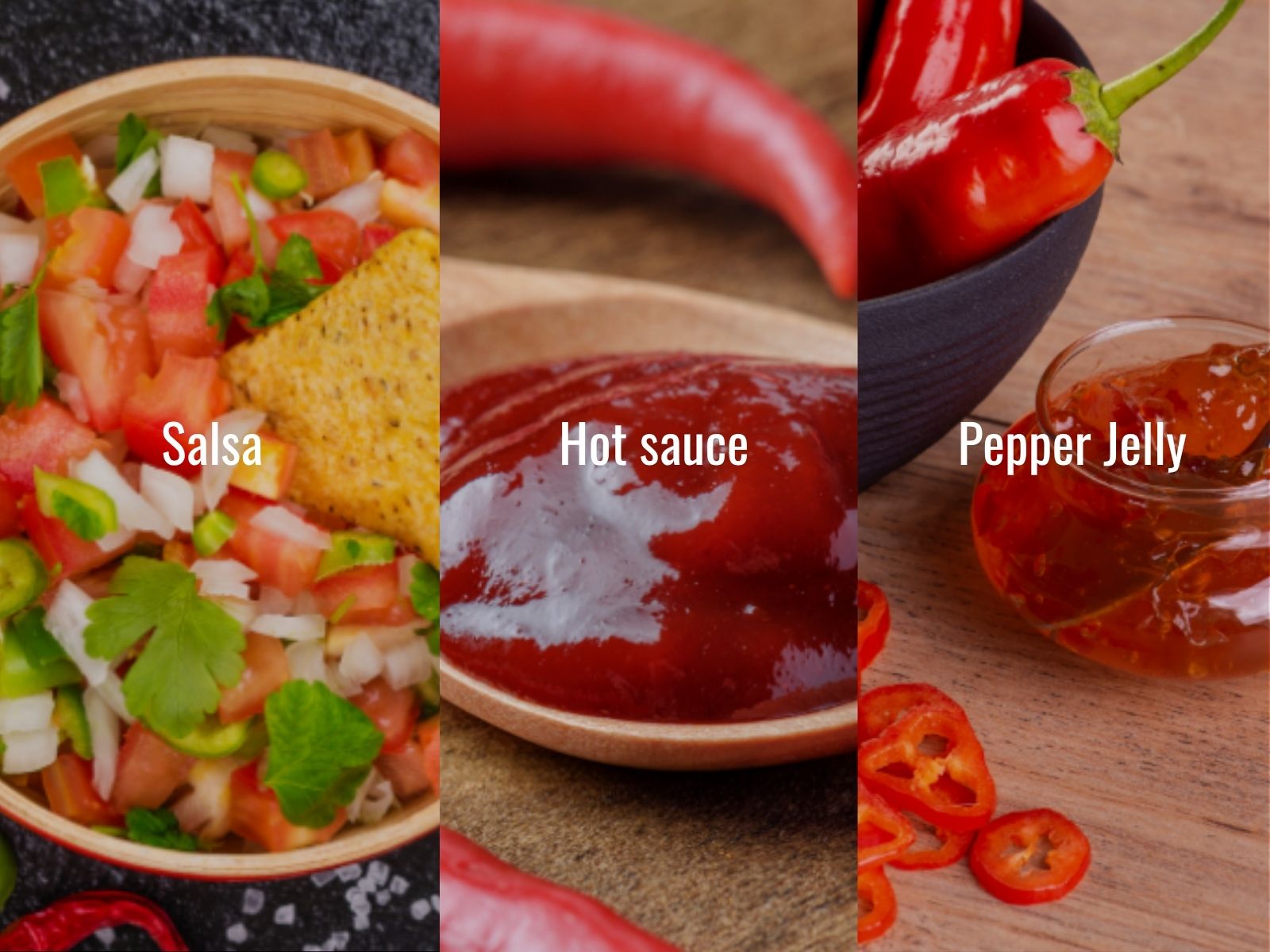
Use tabasco peppers in fermented hot sauce, fresh salsa, pepper vinegar, jelly, soups, and stews, where their juicy flesh blends easily into liquid-based recipes. Start with a small amount because 1–2 peppers can add noticeable heat to an entire dish.
Tabasco peppers also provide nutritional value. Based on generic raw red hot chili data, a 90 g (3.2 oz) serving contains about 36 kcal and 129 mg of vitamin C, along with vitamin B6 and provitamin A carotenoids. Actual values vary by cultivar, maturity, and growing conditions. Capsaicinoids have also been studied for thermogenesis, although normal culinary portions produce modest effects.
- Hot sauce and pepper mash: Crush ripe red tabasco peppers with a measured amount of salt and ferment them under controlled conditions. After fermentation, blend the mash with vinegar and strain it for a smooth, pourable tabasco hot sauce. For a faster version, simmer fresh peppers with vinegar, salt, garlic, or onion, then blend.
- Fresh salsa and condiments: Finely mince red or orange peppers into salsa roja, pico de gallo, ceviche, seafood salsa, and fresh dipping sauces. Red peppers provide fuller sweetness and fruitiness, while orange peppers taste brighter and tangier. Small pieces distribute the heat more evenly through the dish.
- Soups, stews, and sauces: Cook chopped tabasco peppers with onion, celery, garlic, or other aromatics for gumbo, jambalaya, beans, tomato sauce, braised meat, and broth-based dishes. Add them early for heat that spreads throughout the pot, or near the end to preserve more of their fresh fruit character.
- Pepper vinegar: Pack green, orange, or red tabasco peppers into vinegar to create a sharp condiment for greens, beans, rice, seafood, and cooked vegetables. Use a tested recipe with the required vinegar acidity and storage instructions.
- Pepper jelly: Combine ripe peppers with vinegar, sugar, and pectin for a sweet-hot spread. Tabasco pepper jelly pairs well with cheese, crackers, roasted meat, sandwiches, and grilled vegetables.
- Dried pepper powder: Tabasco peppers contain more moisture than cayenne, so they take longer to dry. Slit the pods and dehydrate them until fully brittle, then grind them into powder for sauces, rubs, soups, and seasoning blends. Cayenne remains more practical when a recipe only needs a dry, neutral heat.
Wear food-safe gloves when cutting tabasco peppers. Avoid touching your face or contact lenses, and wash knives, cutting boards, blenders, and work surfaces with soap. Milk may relieve oral capsaicin burn more effectively than plain water.
Can You Eat Tabasco Peppers Every Day?
Most healthy adults can eat tabasco peppers every day in small amounts if they tolerate spicy food. For a dish serving 2–4 people, 1–2 peppers is a practical starting amount. Use less for an individual serving, especially if you rarely eat hot chilies.
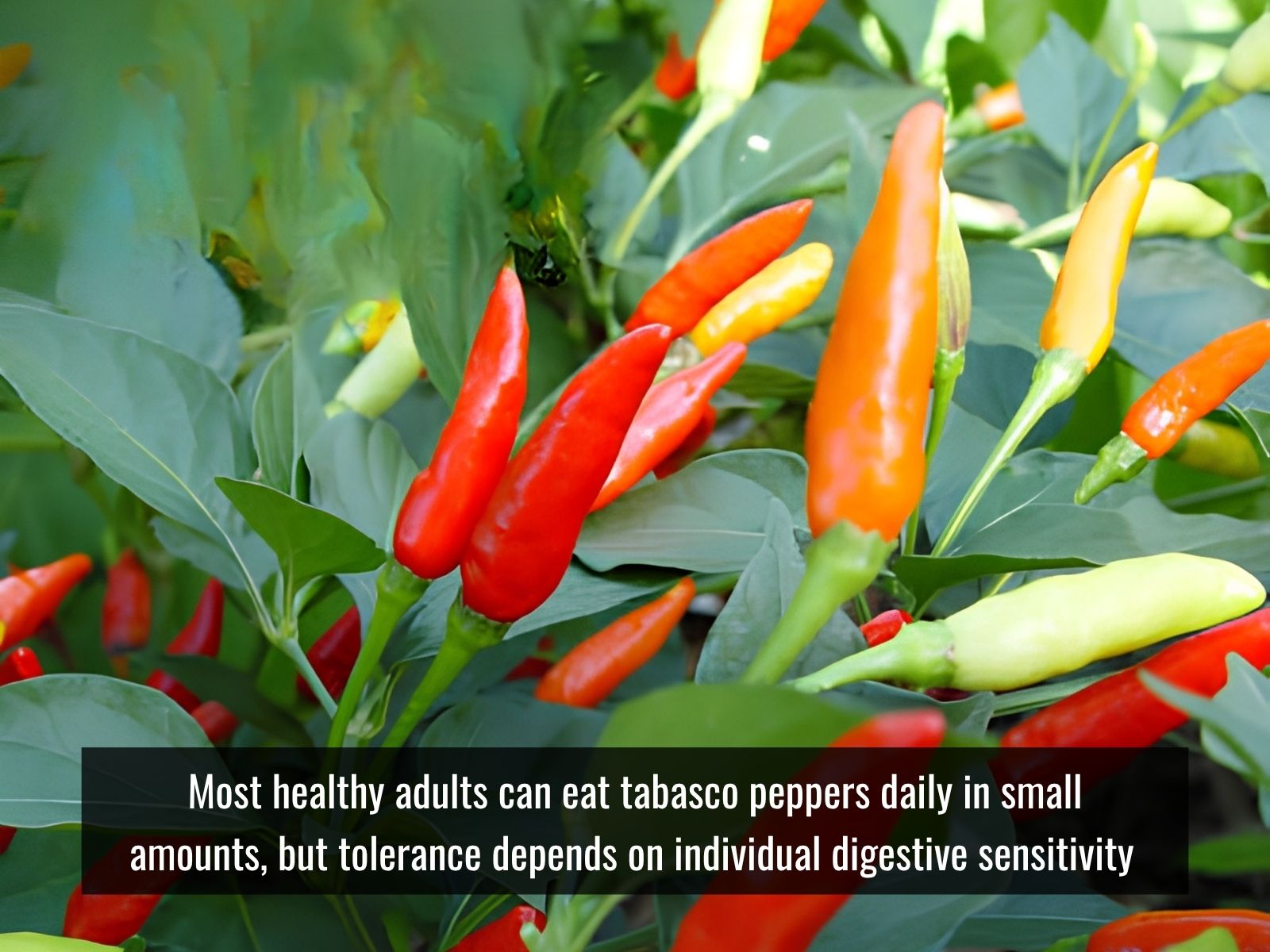
Regular exposure may reduce the perceived burn over time, although digestive tolerance still varies. Eating too much capsaicin can cause heartburn, abdominal burning, nausea, or diarrhea.
Remove the pale placental tissue and inner ribs to reduce the heat. The seeds may carry pungent oils through contact, but the placenta contains the highest concentration of capsaicinoid-related compounds.
People with IBS, GERD, or capsaicin sensitivity should reduce or avoid tabasco peppers when they trigger symptoms. Follow your digestive response rather than a fixed daily limit.
How To Store Tabasco Peppers?
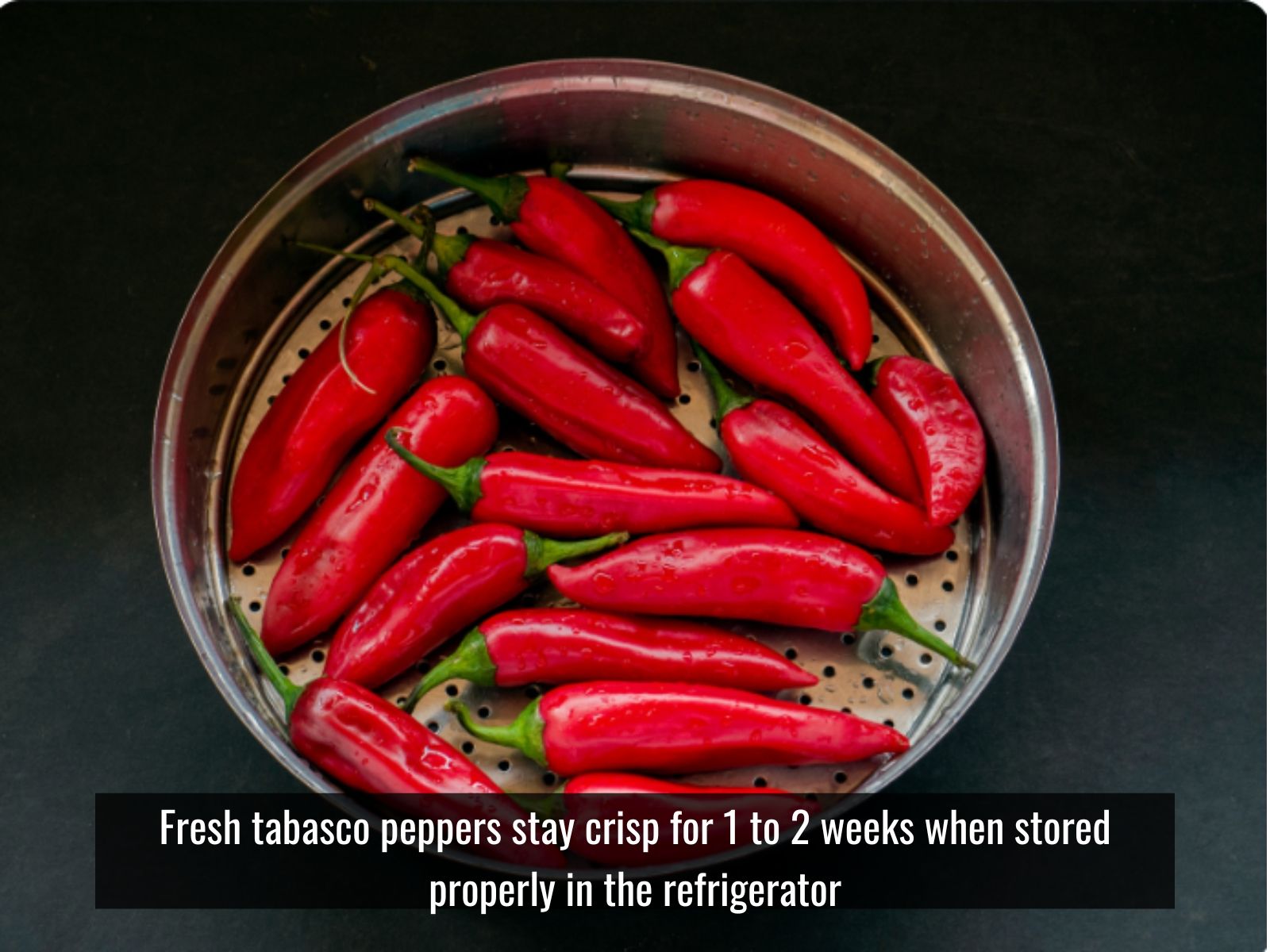
Fresh tabasco peppers keep their best quality for about 1 to 2 weeks in the refrigerator. Store them whole, dry, and unwashed in a perforated bag or breathable container inside the crisper drawer. Wash them only before use, and remove any pepper that develops mold, slime, leaking liquid, or extensive soft spots.
For longer storage, freeze the peppers whole or chopped. Wash and dry them thoroughly, spread them on a lined tray until firm, then transfer them to an airtight freezer bag. Use frozen tabasco peppers within about 6 months for the best flavor. Their juicy flesh softens after thawing, so they work best in sauces, soups, stews, pepper mash, and blended dishes.
You can also dry tabasco peppers, although their high moisture content makes the process slower than drying cayenne or other less juicy chilies. Slit the pods, place them in a food dehydrator, and continue until they become fully brittle. Cool them completely before storing them whole or ground in an airtight container away from heat, light, and moisture.
At room temperature, fresh tabasco peppers often soften within 3 to 5 days, especially in a warm or humid kitchen. Refrigeration preserves their texture and usable quality longer.
What Can You Substitute for Tabasco Peppers?
The closest substitute for fresh tabasco peppers is fresh cayenne because both commonly measure 30,000 to 50,000 Scoville Heat Units (SHU). Cayenne provides similar heat but has drier flesh and a cleaner flavor, while tabasco tastes sharper, fruitier, and tangier.
| Substitute | Starting Amount | Difference from Tabasco | Best Used In |
| Fresh cayenne pepper | 1:1 | Similar heat; longer, drier, and less juicy | Cooked sauces, soups, stews, and pepper mash |
| Serrano pepper | 1–2 peppers per tabasco | Milder, fleshier, grassier, and less tangy | Fresh salsa, pico de gallo, soup bases, and sauces |
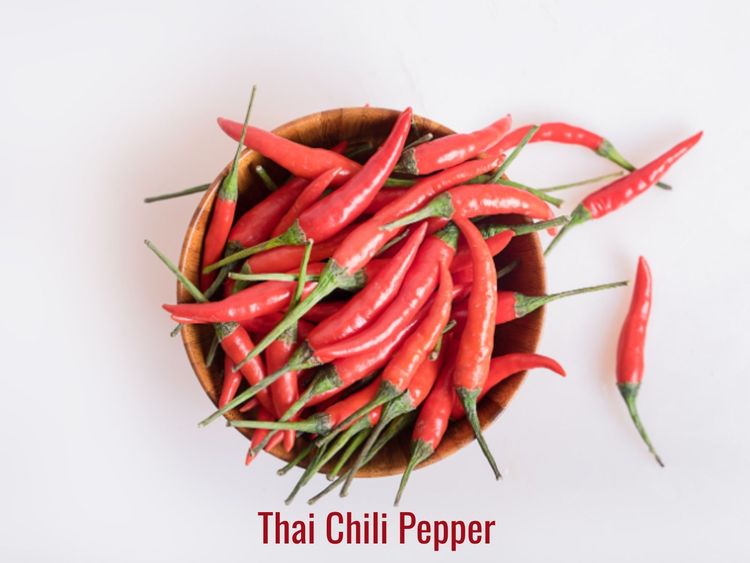
| Thai chili pepper | Start with 1:1 | Usually hotter, sharper, smaller, and less juicy | Soups, curries, chili vinegar, and hot sauces |
| Cayenne powder | Start with ¼ tsp per pepper | Adds dry heat without fresh texture, moisture, or fruitiness | Sauces, soups, marinades, dry rubs, and seasoning blends |
| Louisiana-style hot sauce | Start with ½ tsp per pepper | Adds heat, vinegar, salt, and liquid | Eggs, soups, stews, sauces, and cooked dishes |
Fresh cayenne provides the closest heat match, while serrano works when you need an accessible fresh pepper with milder heat. Thai chili pepper delivers a sharper and often hotter result, so add it gradually.
Choose a substitute that matches the recipe’s form and function. Fresh peppers provide flesh, moisture, and aroma, while cayenne powder supplies concentrated heat without changing the texture. Louisiana-style hot sauce works well in cooked dishes but also adds vinegar and salt, so reduce other acidic or salty ingredients as needed.
References
- DeWitt, D. (1999). The Chile Pepper Encyclopedia. William Morrow.
- Bosland, P.W., & Votava, E.J. (2012). Peppers: Vegetable and Spice Capsicums (2nd ed.). CABI.
- North Carolina State Extension. Capsicum frutescens. https://plants.ces.ncsu.edu/plants/capsicum-frutescens/
- Encyclopaedia Britannica. Tabasco pepper. https://www.britannica.com/plant/tabasco-pepper
- Wikipedia. Tabasco pepper. https://en.wikipedia.org/wiki/Tabasco_pepper
- Wikipedia. Tabasco sauce. https://en.wikipedia.org/wiki/Tabasco_sauce
Frequently Asked Questions
Yes, tabasco peppers are hotter than jalapeños, and by a wide margin. Tabasco peppers measure 30,000 to 50,000 SHU, while jalapeños land between 2,500 and 8,000 SHU, which makes a tabasco pepper roughly 4 to 20 times hotter than a jalapeño. Both are Mexican-origin peppers, but they come from different species: tabasco is Capsicum frutescens, and jalapeño is Capsicum annuum.
TABASCO® Original Red Sauce uses fully aged red tabasco peppers combined with salt and distilled vinegar. The finished sauce measures 2,500 to 5,000 SHU, compared with 30,000 to 50,000 SHU for fresh tabasco peppers. The lower rating reflects the vinegar-based finished formulation rather than the raw pepper alone.
Pick tabasco peppers when they turn fully red for the ripest flavor and standard hot-sauce or pepper-jelly use. Orange peppers are edible but still developing their mature flavor. Green or yellow peppers work for pickling, pepper vinegar, green sauce, and cooking. Use clean scissors or garden shears instead of pulling the fruit from the plant.
Yes, tabasco pepper seeds are edible. They contain a high concentration of capsaicin in their inner membranes, so removing them lowers the overall heat by roughly 30 to 40 percent. Leave the seeds in when you want full intensity, or scoop them out for a more controlled burn in sauces and salsas.
Your tabasco pepper turned orange because orange is a normal, in-between ripening stage, so there is nothing wrong with it. Tabasco peppers move from pale yellowish-green to yellow-green, then orange, and finally bright red at full maturity. Orange peppers are perfectly edible and are busy developing their smoky-sweet flavor, but they have not yet reached peak capsaicin. For the strongest heat and fullest flavor, wait until they turn bright red.
Yes, tabasco peppers should be refrigerated for the best shelf life. Fresh tabasco peppers last 1 to 2 weeks in the crisper drawer when you keep them whole and unwashed in a paper bag, while at room temperature, they soften within 3 to 5 days. For longer storage, freeze them whole or sliced for up to 6 months.
No, a tabasco pepper is not the same as the bottled hot sauce, though the two are related. The tabasco pepper (Capsicum frutescens) is the raw chili itself, a distinct botanical variety that grows as a small, tapered fruit pointing upward off the plant. The commercial hot sauce is a manufactured product that blends tabasco pepper mash with vinegar and salt, which drops the heat all the way down to 2,500 to 5,000 SHU compared to the raw pepper's 30,000 to 50,000 SHU.

CHIN-SU KITCHEN TEAM
CHIN-SU Kitchen Team are the creative experts behind the delicious recipes featuring CHIN-SU sauces. With years of experience and a passion for flavor, our team carefully selects recipes from a variety of trusted chefs and bloggers, bringing together the best culinary insights to present you with the most suitable and exciting dishes. Every recipe is chosen to inspire you to create meals that are not only tasty but also easy to prepare, enhancing your dining experience. Join us as we explore a wide range of sauces and flavors, and elevate every meal with the perfect recipe for your table!
User Reviews
Featured Articles
SUBSCRIBE TO GET
MORE INFO
Want the latest and greatest recipes, updates, and more from us,
straight to your inbox? Subscribe and get our NEWS!