What Is a Serrano Pepper? Heat, Flavor and Uses Explained
Published: Jul 28, 2026 by CHIN-SU
Updated: Jul 29, 2026 by CHIN-SU
A serrano pepper (Capsicum annuum) is a slender, thin-walled Mexican chili pepper that measures 10,000 to 23,000 Scoville Heat Units (SHU), placing it in the medium range of the scale. It takes its name from the Sierra Madre Oriental, the mountain range spanning the highland states of Puebla and Hidalgo in Mexico, where the pepper first grew. Today, serrano ranks as the second most-used fresh chile in Mexican cuisine after jalapeño.
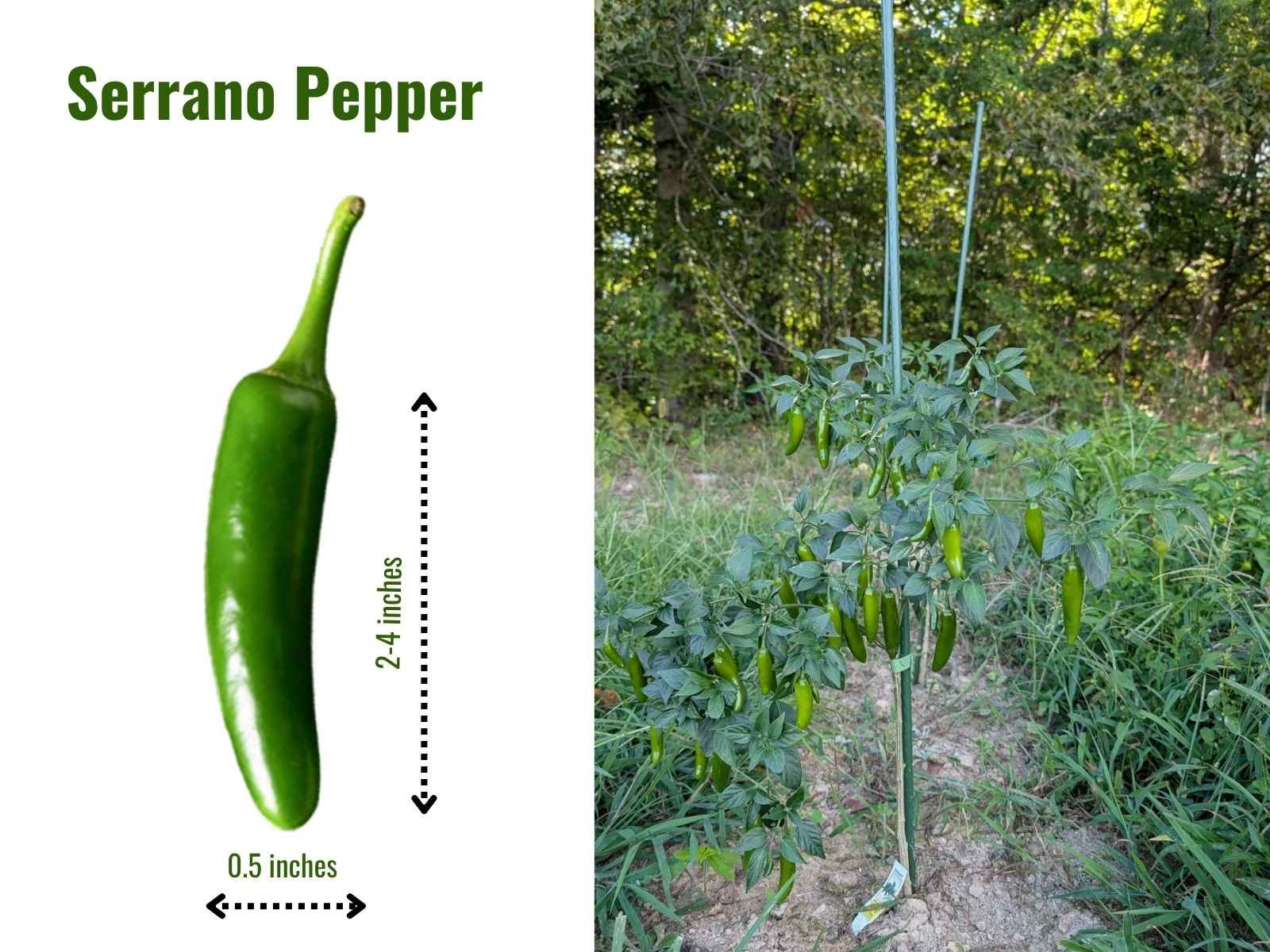
The pepper grows 2 to 4 inches (5 to 10 cm) long with thin, smooth, glossy skin and ripens through a full color spectrum from bright green to yellow, orange, red, and brown. Each stage carries a distinct flavor shift: green serranos deliver a crisp, grassy bite with a citrus undertone, while fully ripe serranos develop a fruitier, slightly sweeter profile at peak capsaicin concentration. That heat, combined with a bright and clean flavor, makes serrano one of the most practical fresh chilies for both raw and cooked applications.
In this article, CHIN-SU walks you through everything worth knowing about serrano peppers: what they are, how hot they get on the Scoville scale, how their flavor shifts with ripeness, how to use them across raw, cooked, and preserved preparations, and how to store and substitute them at home.
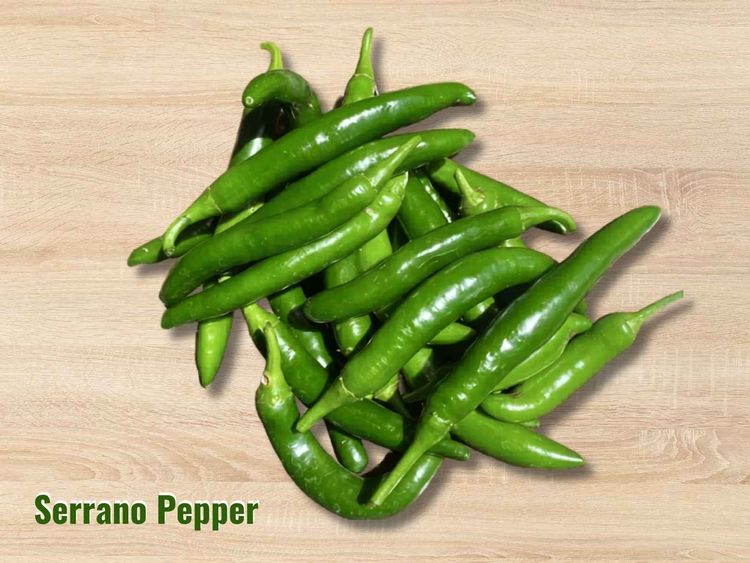
Table Of Contents
What Is a Serrano Pepper?
- How Hot Are Serrano Peppers?
How to Use Serrano Pepper in Cooking?
- How To Store Serrano Peppers?
- What Can You Substitute for Serrano Peppers?
What Is a Serrano Pepper?
A serrano pepper (Capsicum annuum) is a small, thin-walled Mexican chili pepper that grows 2 to 4 inches (5 to 10 cm) long and has a smooth, glossy skin. This pepper is named after the mountainous (sierra) regions of the Mexican states of Puebla and Hidalgo, the Sierra Madre Oriental, where it first grew. Today, it ranks as the second most-used fresh chile in Mexican cuisine, right behind the jalapeño (DeWitt, 1999).
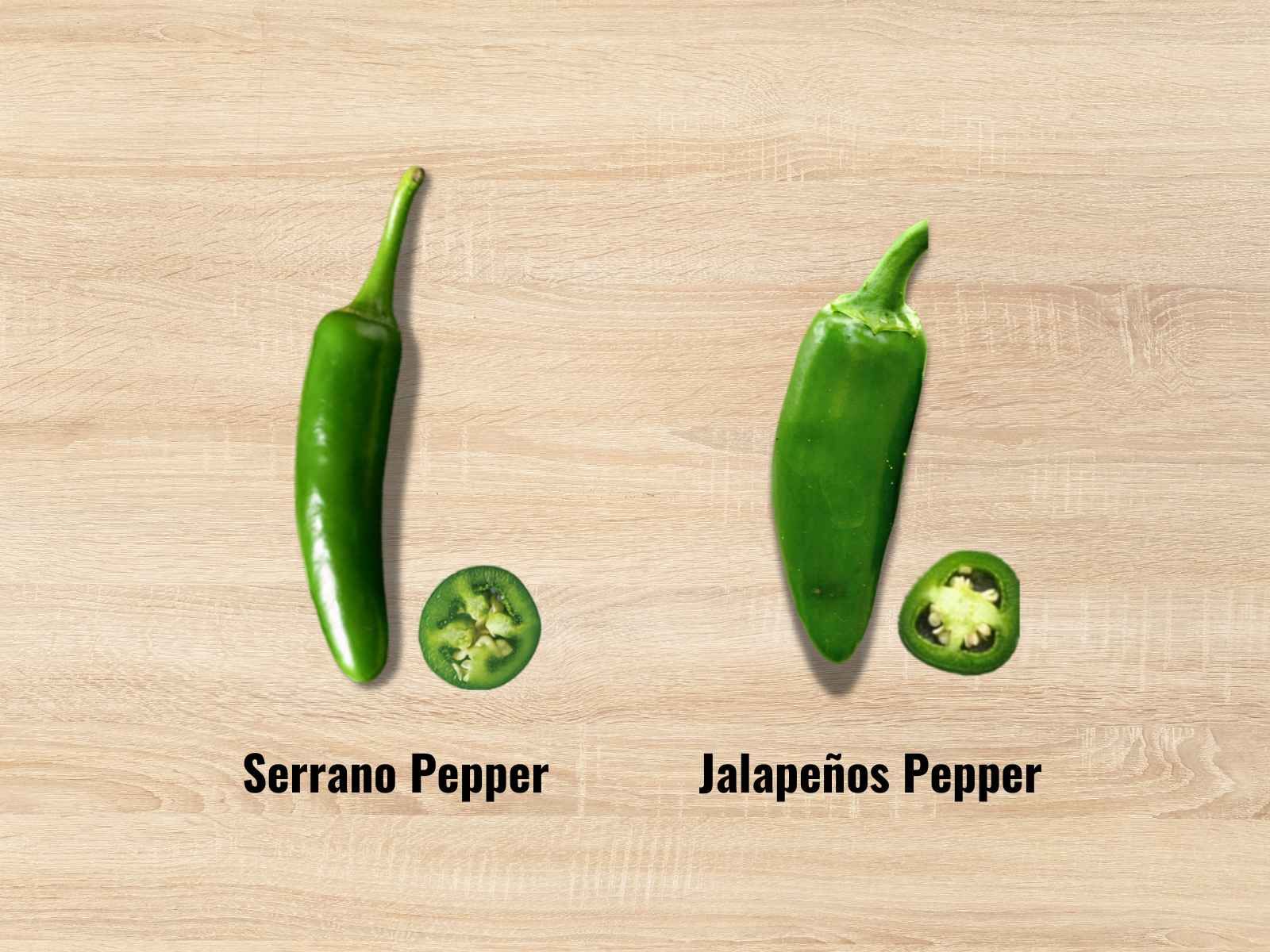
Physically, serrano peppers are slender and cylindrical with a pointed tip. Width sits around 0.5 inches (1.3 cm). The skin is thin, smooth, and noticeably thinner than a jalapeño's waxy, thicker flesh. Thanks to this, serranos break down faster during cooking and blend more smoothly in sauces than their thicker-skinned relatives.
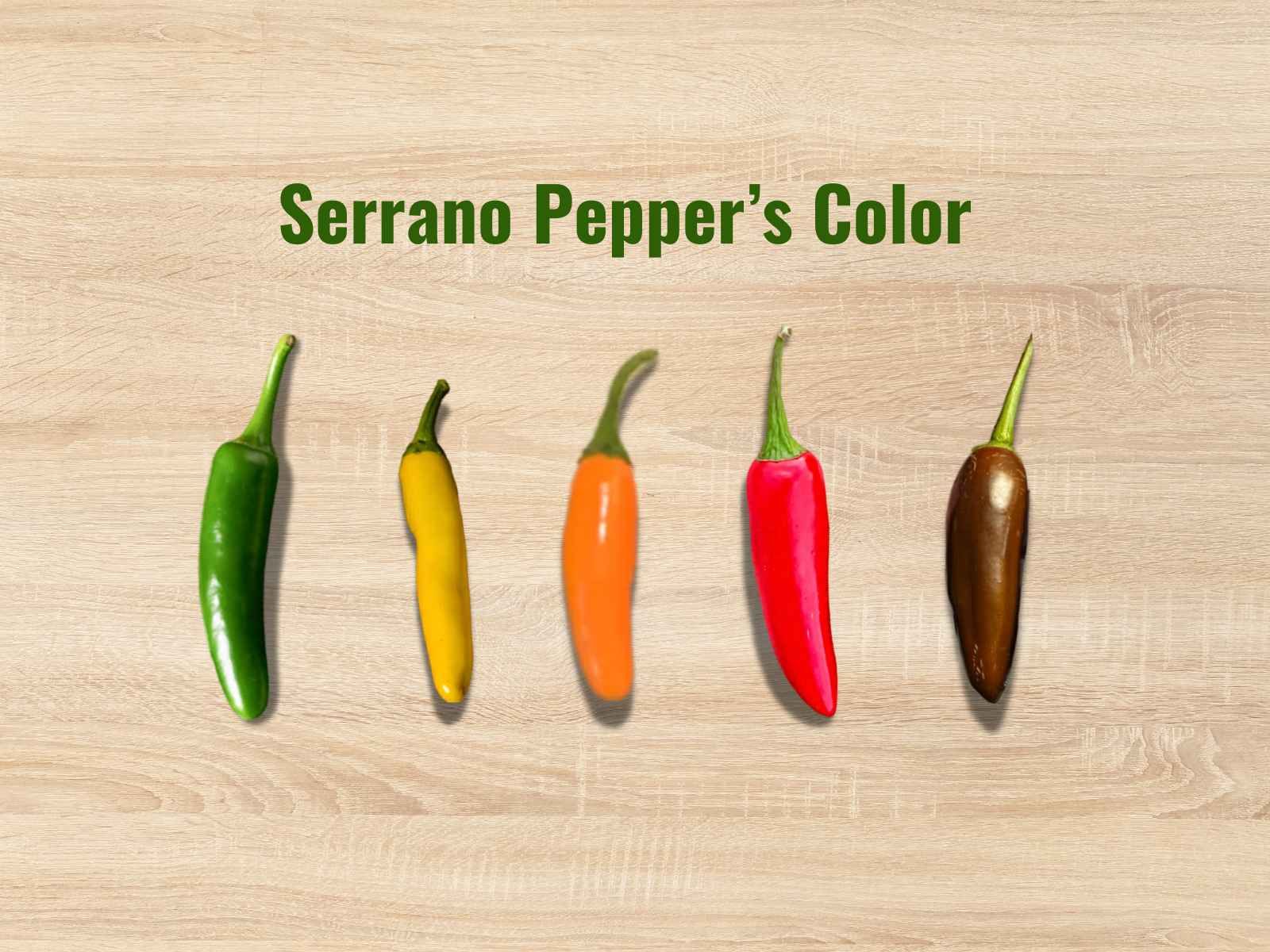
Serrano peppers shift in color as they ripen, and each stage brings a different flavor character to the kitchen, as shown in this table:
| Color | Ripeness Stage | Flavor Character |
| Bright green | Unripe (most common in stores) | Grassy, sharp, vegetal |
| Yellow | Early mature | Slightly fruitier, softer bite |
| Orange | Maturing | Fruitier, less sharp |
| Red | Fully ripe | Sweetest, most complex heat |
| Brown | Fully ripe (late stage) | Similar to red, deeper earthiness |
There are three varieties of this pepper: Serrano, Hidalgo, and Hot Rod, each varying slightly in size. However, Serrano is the standard and most commonly found variety in nearly every grocery store in the U.S.
What Do Serrano Peppers Taste Like?
Serrano peppers taste crisp, bright, and grassy with a smoky undertone and a clean, sharp heat that builds quickly on the palate, landing noticeably higher than a jalapeño at the same quantity.
The flavor and heat of serrano peppers can vary depending on their size (smaller ones are often hotter), color (unripe green peppers tend to be milder), and the amount of sun exposure they’ve received. Green serranos carry that sharp, vegetal bite that cuts through rich dishes like guacamole or ceviche without getting lost in the fat. Red and brown, fully ripe serranos shift toward something fruitier and slightly sweeter. The heat's still present, but the overall profile becomes more layered. Yellow and orange stages land between those two poles, progressively softer in sharpness as the pepper matures.
There's a mechanical reason serranos taste sharper than jalapeños, and it comes down to wall thickness. Serrano's thin skin releases capsaicin faster the moment you cut or bite into it. A jalapeño's denser flesh slows that release slightly on the palate. That's why one raw serrano in a fresh salsa hits harder than a jalapeño would at the same quantity. Cooking mellows the heat somewhat as capsaicin breaks down, but the sharpness doesn't disappear entirely. Raw applications like pico de gallo and fresh salsa are where Serrano's signature brightness shows best.
Are Serrano Peppers Different from Jalapeños?
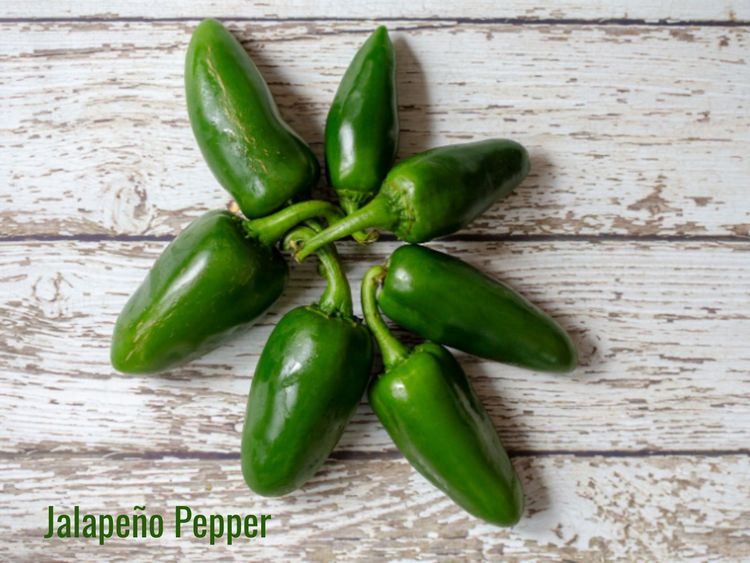
Serrano peppers and jalapeños share a Mexican origin and a bright, heat-driven character, but they differ in appearance, heat level, and flavor in ways that matter in the kitchen.
| Attribute | Serrano Pepper | Jalapeño Pepper |
| Length | 2 to 4 in (5 to 10 cm) | 2 to 3 in (5 to 7.6 cm) |
| Body Shape | Narrow, slender, pointed tip | Broader, more rounded |
| Skin | Thin, smooth | Thick, waxy |
| Heat (SHU) | 10,000 to 23,000 (2 to 5x hotter) | 2,500 to 8,000 |
| Flavor | Bright, crisp, citrus-forward | Deep, earthy, slightly smoky |
| Cooking Performance | Breaks down fast, blends smoothly | Holds shape in roasted or stuffed dishes |
| Best Use | Fresh salsas, pico de gallo, ceviche | Stuffed peppers, roasted, slow-cooked applications |
How Hot Are Serrano Peppers?
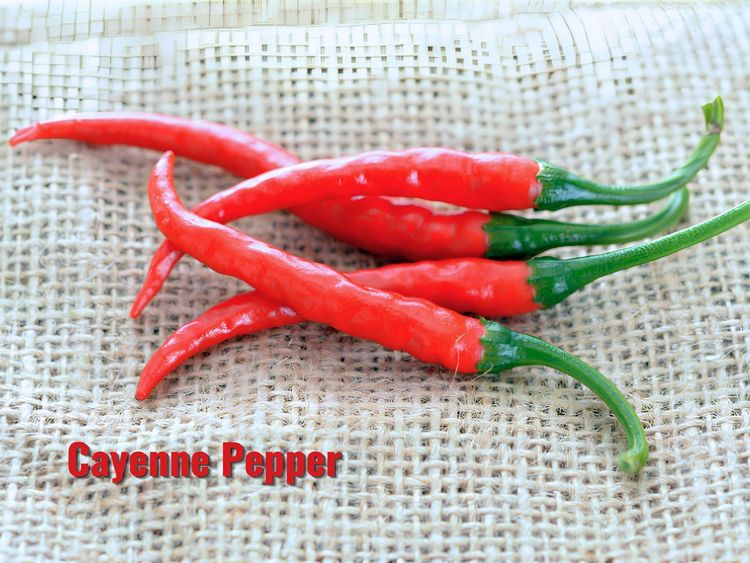
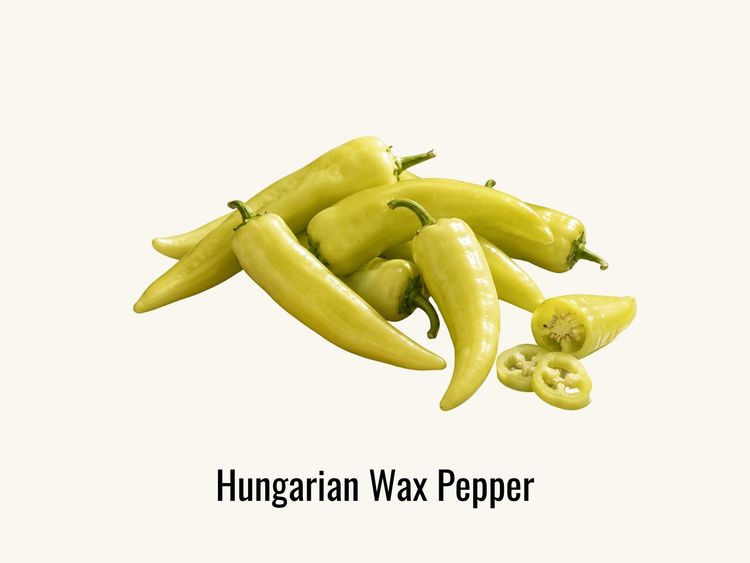
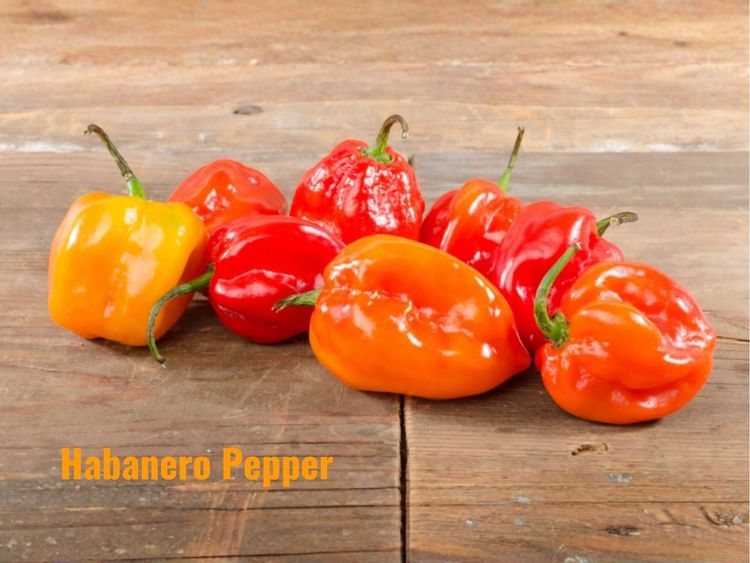
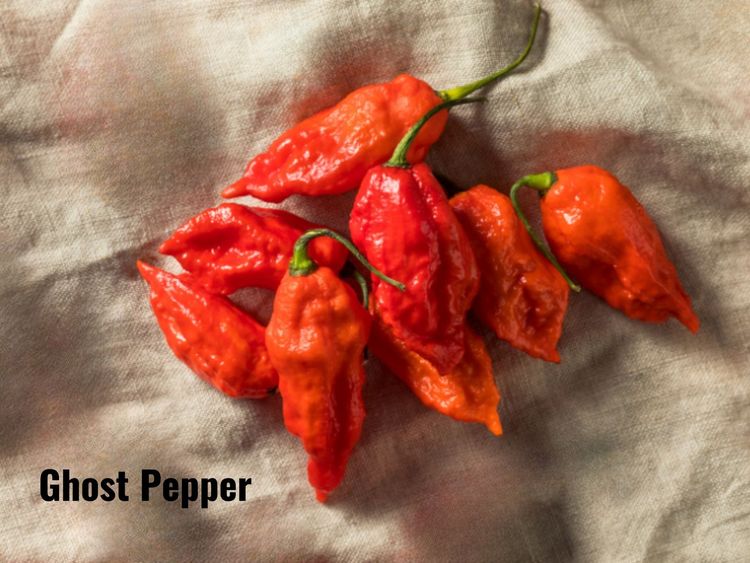
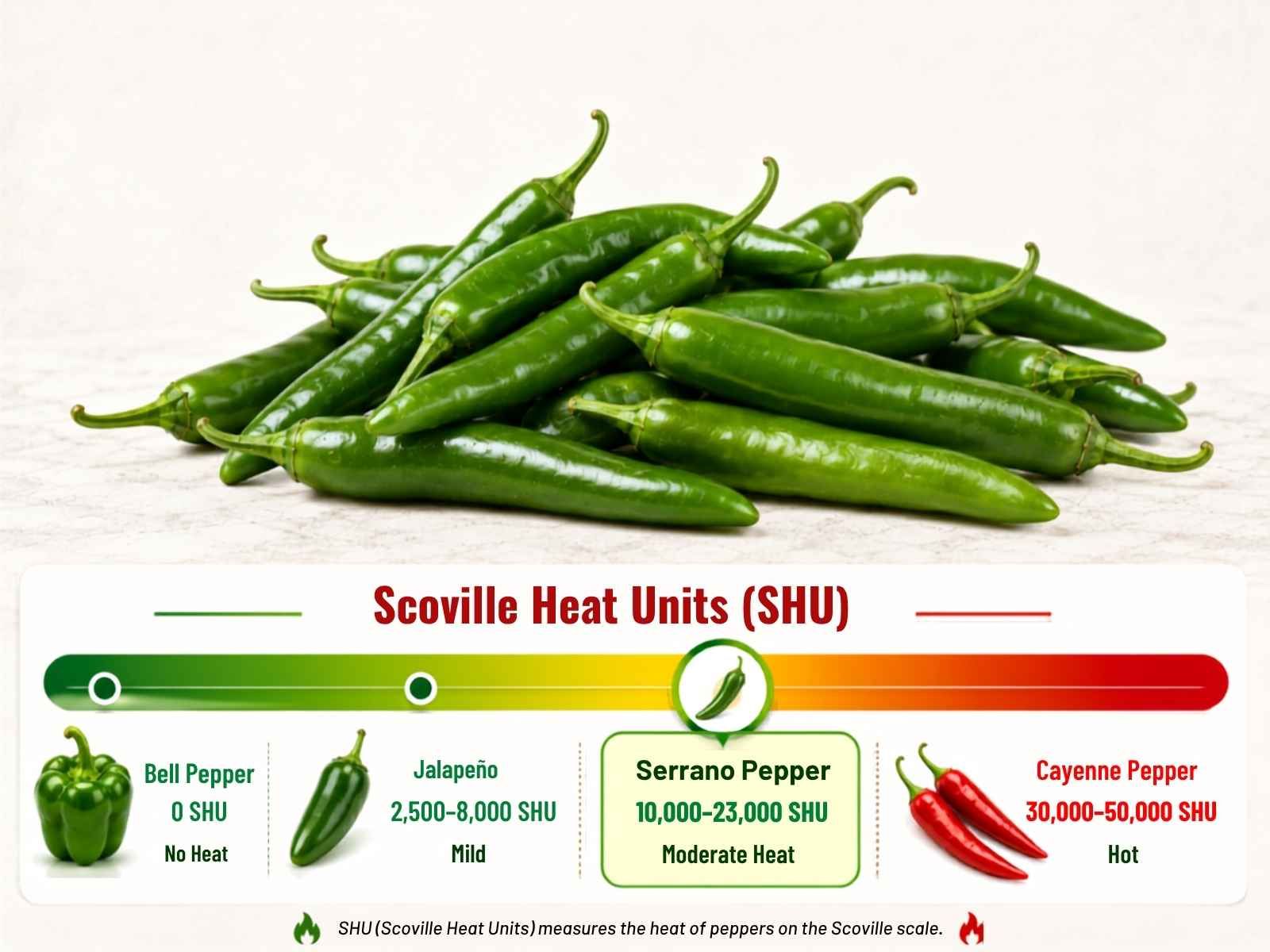
Serrano peppers measure 10,000 to 23,000 Scoville Heat Units (SHU), placing them in the medium tier. They're hotter than jalapeños (2,500 to 8,000 SHU) but well below cayenne (30,000 to 50,000 SHU) and habanero (100,000 to 350,000 SHU).
The Scoville scale has measured chili heat since 1912, when pharmacist Wilbur Scoville developed a dilution method to quantify capsaicin concentration. The original test relied on human tasters. Today, labs use high-performance liquid chromatography (HPLC) to get precise capsaicinoid readings. Higher SHU means more capsaicin, which means more activation of the TRPV1 receptor in the mouth. That activation is what the brain reads as burning heat.
Not every serrano hits the same number. A pepper grown under heat stress and drier soil conditions tends to pack more capsaicin than one grown in cooler, well-watered conditions. Ripeness plays a role, too. Fully ripe red serranos are generally less spicy than early-picked green ones.
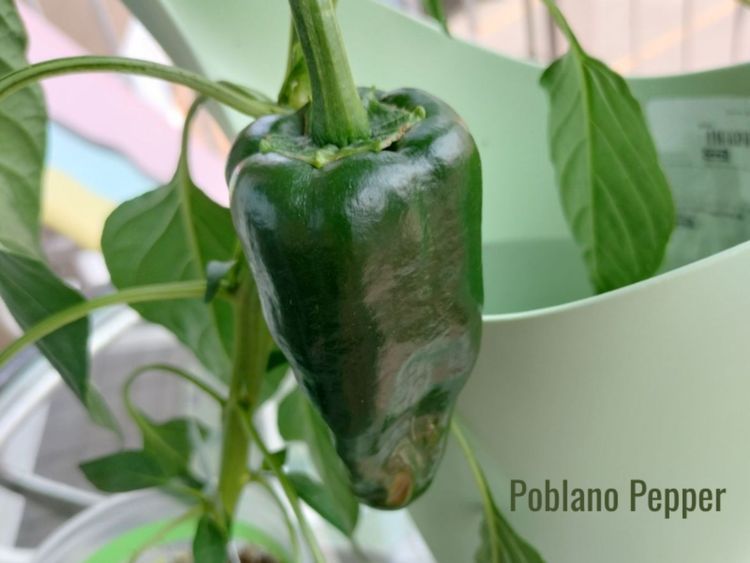
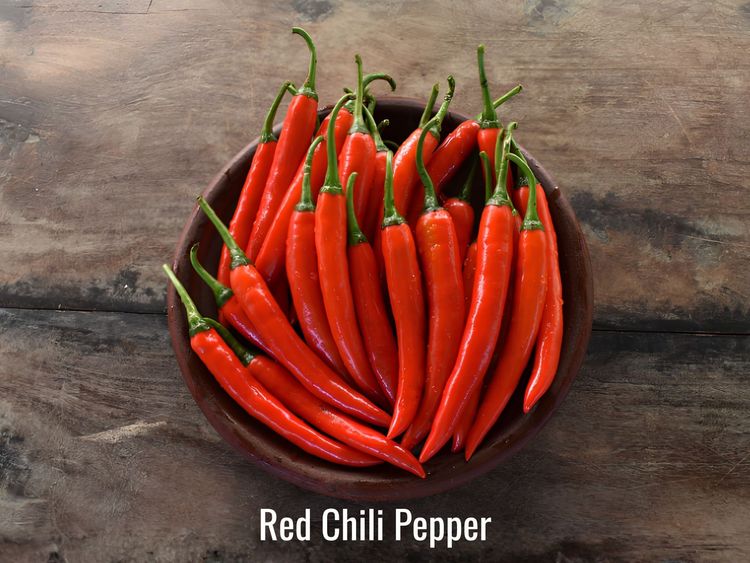
Compared to other chili peppers that originate from Mexico, serrano peppers sit in a balanced middle range of heat. Chilies such as poblano and jalapeño are milder, while habanero is significantly hotter. Poblano (1,000 to 1,500 SHU) and jalapeño (2,500 to 8,000 SHU) sit below serrano on that spectrum. Habanero (100,000 to 350,000 SHU) sits far above. For dishes where you want heat that reads as sharp and immediate rather than fruity or extreme, serrano is the right call. Serrano is the step-up most cooks reach for when a jalapeño doesn't cut it.
How to Use Serrano Pepper in Cooking?
Use serrano peppers fresh in salsas and ceviche, sautéed in stir-fries and soups, charred for smoky sauces, or preserved as pickles and dried flakes. Their thin walls, crisp texture, and clean heat make them one of the most versatile cooking peppers across raw, cooked, and preserved preparations.
Serrano peppers carry real nutritional value, and using them in cooking is one of the simplest ways to add both heat and health benefits to a meal. Serrano peppers bring more than heat to the table. A single raw pepper delivers under 29 kilocalories (kcal) per 100 g, alongside vitamin C, vitamin A precursors, dietary fiber (3.7 g per 100 g), and capsaicin, a compound linked to thermogenesis and anti-inflammatory activity in peer-reviewed research (USDA FoodData Central; University of California, 2004). The thin wall and high water content (90.25 g per 100 g) make serranos one of the most nutrient-efficient ways to add sharp heat without adding meaningful amounts of calories, fat, or sodium.
Serrano peppers work well at nearly every stage of cooking, from fresh table use to slow braises and preserved seasonings. Their clean, bright heat makes them versatile without overpowering other ingredients. Here are the most practical ways to put serranos to work.
- One of the easiest ways to use serranos is to use them fresh. Thin slices pair naturally with grilled meats or rice dishes, while minced serranos add sharp heat to pico de gallo, salsa, and guacamole. They also work especially well in ceviche, where the citrus marinade gradually softens the pepper’s intensity while preserving its flavor.
- Cooking changes the pepper’s character completely. In soups, stews, and braises, a whole slit serrano added early releases heat slowly into the broth without taking over the dish. Charring serranos over a dry cast-iron pan before blending them with tomatillos and garlic creates a salsa verde or green enchilada sauce with smoky depth rather than simple heat.
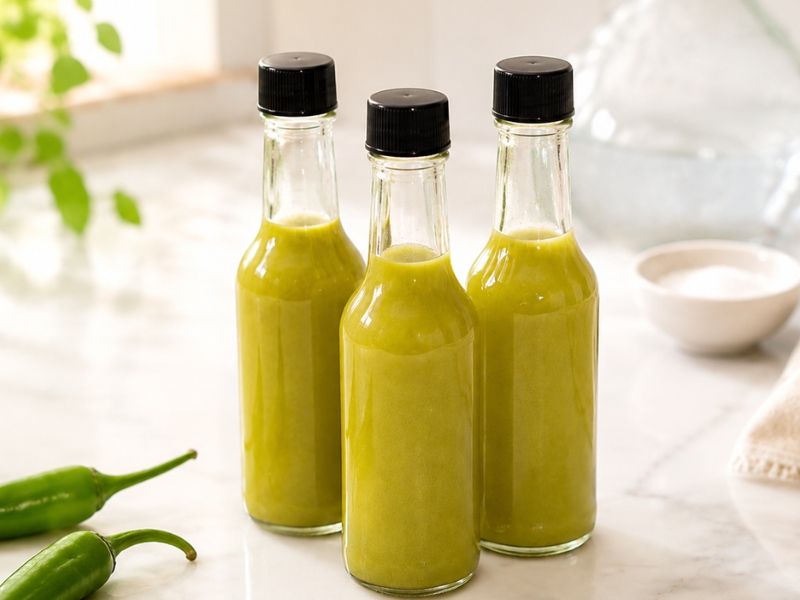
- Homemade serrano hot sauce is another standout use. Because the skin is thin, the peppers blend into a smooth sauce without straining, and their citrus-like heat stays bright in the finished bottle. A basic version only needs serranos, white vinegar, garlic, and salt, producing a fresher and sharper flavor than many jalapeño-based sauces.
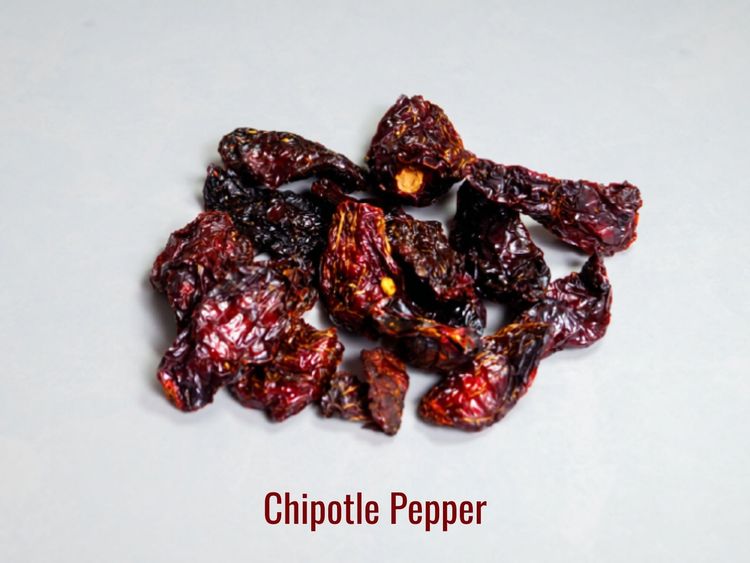
- Serranos also preserve well. Pickled in a white vinegar brine, they are ready within 24 hours and keep their crunch for months in the refrigerator. They can also be dried at 200°F (93°C) for 6–8 hours, then ground into flakes or powder that stores well in an airtight container for up to 6 months.
Can You Eat Serrano Peppers Every Day?
Most healthy adults can eat serrano peppers daily in moderate amounts, but tolerance varies depending on digestive sensitivity and how accustomed someone is to capsaicin.
For people with average heat tolerance, one to two fresh serranos per meal is generally considered moderate. Removing the seeds and inner membrane can reduce capsaicin content by around 30–40%, making the peppers easier to eat regularly. Cooking them also softens their heat compared to eating them raw.
However, people with digestive conditions such as IBS, GERD, or capsaicin sensitivity may need to limit or avoid serranos. Capsaicin activates TRPV1 receptors in the digestive tract, just as it causes a burning sensation in the mouth, which can trigger irritation or discomfort in sensitive individuals.
How To Store Serrano Peppers?
Fresh serrano peppers stay crisp for 1–2 weeks when stored properly in the refrigerator. Keep them whole and unwashed in a paper bag or breathable container inside the crisper drawer. Avoid sealed plastic bags because trapped moisture can cause mold. You should also wash the peppers only before using them to help preserve their texture.
If you want longer storage, you can freeze the peppers whole or sliced. Freeze them first on a lined tray, then transfer them to an airtight freezer bag. Frozen serranos keep well for up to 6 months, though they soften after thawing and work best in cooked dishes.
You can also dry serrano peppers in an oven at 200°F (93°C) for 6–8 hours or use a dehydrator. Once dried, store them in an airtight container away from light. Dried serranos can last up to 6 months and are easy to grind into flakes or powder for seasoning.
What Can You Substitute for Serrano Peppers?
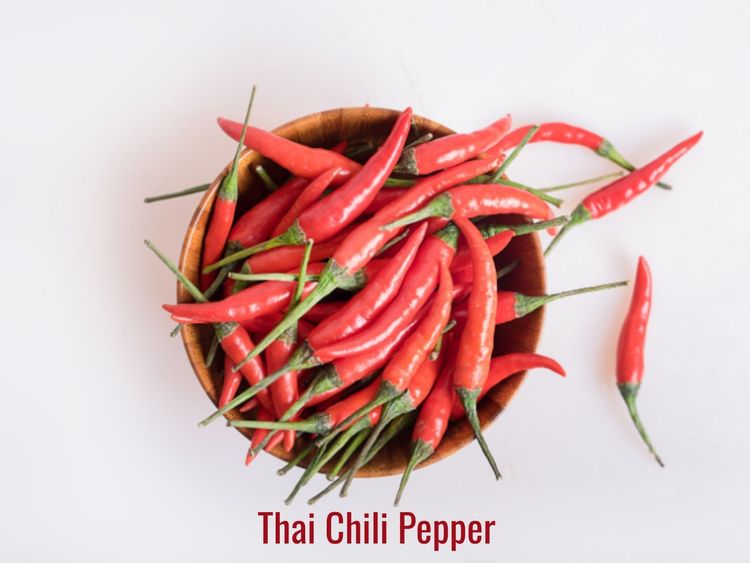
You can use a few different peppers or spice options to replace serrano peppers, depending on the dish and the heat level you want. The closest option is jalapeño, while Thai chili, cayenne powder, and poblano pepper can also work in specific situations. Each substitute changes the flavor and intensity in different ways, so the best choice depends on whether you are cooking fresh or cooked dishes.
| Substitute | Ratio | Flavor vs. Serrano | Best Used In |
| Jalapeño pepper | 3:1 | Earthier, milder | All-purpose, raw or cooked |
| Thai chili pepper | 1:1 | Fruiter, similar heat | Asian dishes, stir-fries |
| Cayenne powder | ¼ tsp per pepper | Hotter, drier, no freshness | Cooked sauces only |
| Poblano pepper | 1:1 | Much milder, earthy | Stuffed or roasted applications |
One practical rule you should remember: fresh substitutes for fresh applications, dried substitutes for cooked applications only. No substitute fully replicates Serrano's thin-skinned brightness. For raw preparations where that character is the point, fresh serrano is worth finding.
References
- DeWitt, D. (1999). The Chile Pepper Encyclopedia. William Morrow.
- USDA FoodData Central. Peppers, serrano, raw. https://fdc.nal.usda.gov
- Bosland, P.W., & Votava, E.J. (2012). Peppers: Vegetable and Spice Capsicums (2nd ed.). CABI.
- Tewksbury, J.J., & Nabhan, G.P. (2001). Directed deterrence by capsaicin in chillies. Nature, 412, 403–404.
- University of California. (2004). Antioxidant activity of fresh and processed jalapeño and serrano peppers. https://ucanr.edu/datastoreFiles/608-218.pdf
- University of Arizona. (2021). Backyard Gardener — Growing Peppers and Chiles. https://cals.arizona.edu/yavapai/anr/hort/byg/archive/growingchilesandpeppers2021.html
Frequently Asked Questions
Both red and brown mean fully ripe. Serranos shift from green to yellow, orange, and finally red or brown as they mature on the plant. Both the red and brown stages reach peak capsaicin concentration, accompanied by a slightly sweeter, more complex flavor. Neither is overripe. Green, red, and brown serranos are all usable at different stages of flavor development.
Yes, serrano seeds are edible. They carry a high concentration of capsaicin, so removing them cuts overall heat by roughly 30 to 40 percent. Keep them in for maximum heat; remove them when you want a more controlled burn in the finished dish.
Refrigeration extends shelf life to 1-2 weeks. At room temperature, fresh serranos soften within 3 to 5 days. Store them in a paper bag or breathable container in the crisper drawer. Sealed plastic traps moisture and encourages mold.

CHIN-SU KITCHEN TEAM
CHIN-SU Kitchen Team are the creative experts behind the delicious recipes featuring CHIN-SU sauces. With years of experience and a passion for flavor, our team carefully selects recipes from a variety of trusted chefs and bloggers, bringing together the best culinary insights to present you with the most suitable and exciting dishes. Every recipe is chosen to inspire you to create meals that are not only tasty but also easy to prepare, enhancing your dining experience. Join us as we explore a wide range of sauces and flavors, and elevate every meal with the perfect recipe for your table!
User Reviews
Featured Articles
SUBSCRIBE TO GET
MORE INFO
Want the latest and greatest recipes, updates, and more from us,
straight to your inbox? Subscribe and get our NEWS!