What Is a Poblano Pepper? Flavor and Uses Explained
Published: Jul 28, 2026 by CHIN-SU
Updated: Jul 30, 2026 by CHIN-SU
A poblano pepper (Capsicum annuum) is a broad, thick-walled Mexican chili pepper that measures 1,000 to 1,500 Scoville Heat Units (SHU), placing it in the mild range of the scale. It takes its name from Puebla, the central Mexican state where it first grew, and today it ranks among the most popular fresh chiles in Mexican cooking.
The pepper grows 3 to 6 inches (7.6 to 15 cm) long with glossy, dark green skin, and it shifts through a color spectrum as it ripens, from dark purplish-green to a deep, near-black red at full maturity. Each stage carries its own flavor, mild and earthy when green, sweeter and richer once red. Dried at that ripe stage, the same pepper becomes the ancho chile, a base for countless Mexican sauces.
In this article, CHIN-SU walks you through what a poblano pepper is, how hot it gets, how its flavor shifts with ripeness, how to cook and store it, and the best substitutes when you cannot find one.
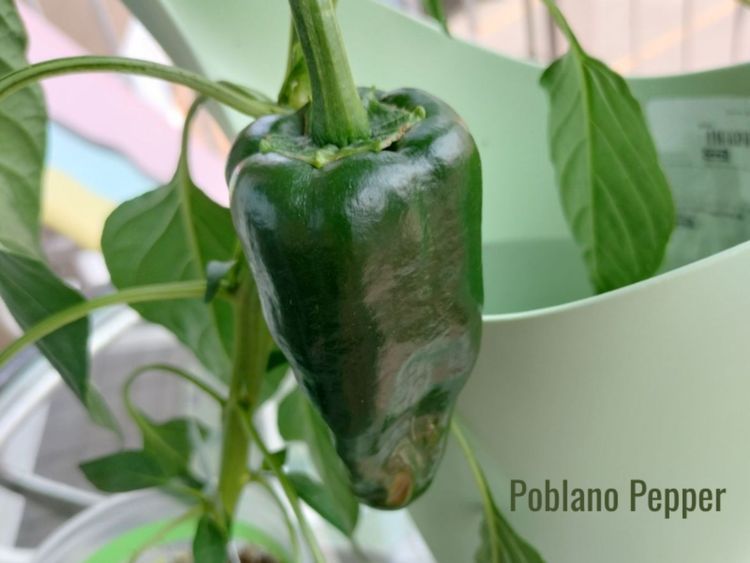
Table Of Contents
What Is a Poblano Pepper?
- How Hot Are Poblano Peppers?
How to Use Poblano Peppers in Cooking?
- How to Store Poblano Peppers?
- What Can You Substitute for Poblano Peppers?
What Is a Poblano Pepper?
A poblano pepper (Capsicum annuum) is a broad, thick-walled Mexican chili pepper that grows 3 to 6 inches (7.6 to 15 cm) long with a glossy, heart-shaped body. What sets it apart from other mild chilies is its name and its build. The pepper takes its name from Puebla, the central Mexican state where it first grew, and the word "poblano" simply means a person or thing from Puebla, while its walls run thicker than almost any chili in its heat range. It carries a gentle heat and shares its species with the jalapeño, bell pepper, and cayenne, yet it sits at the mild end of the scale. Dry a poblano, and it earns a new name: the ancho chile. "Ancho" means "wide" in Spanish, a nod to the broad, flat shape the pepper takes once it dries.
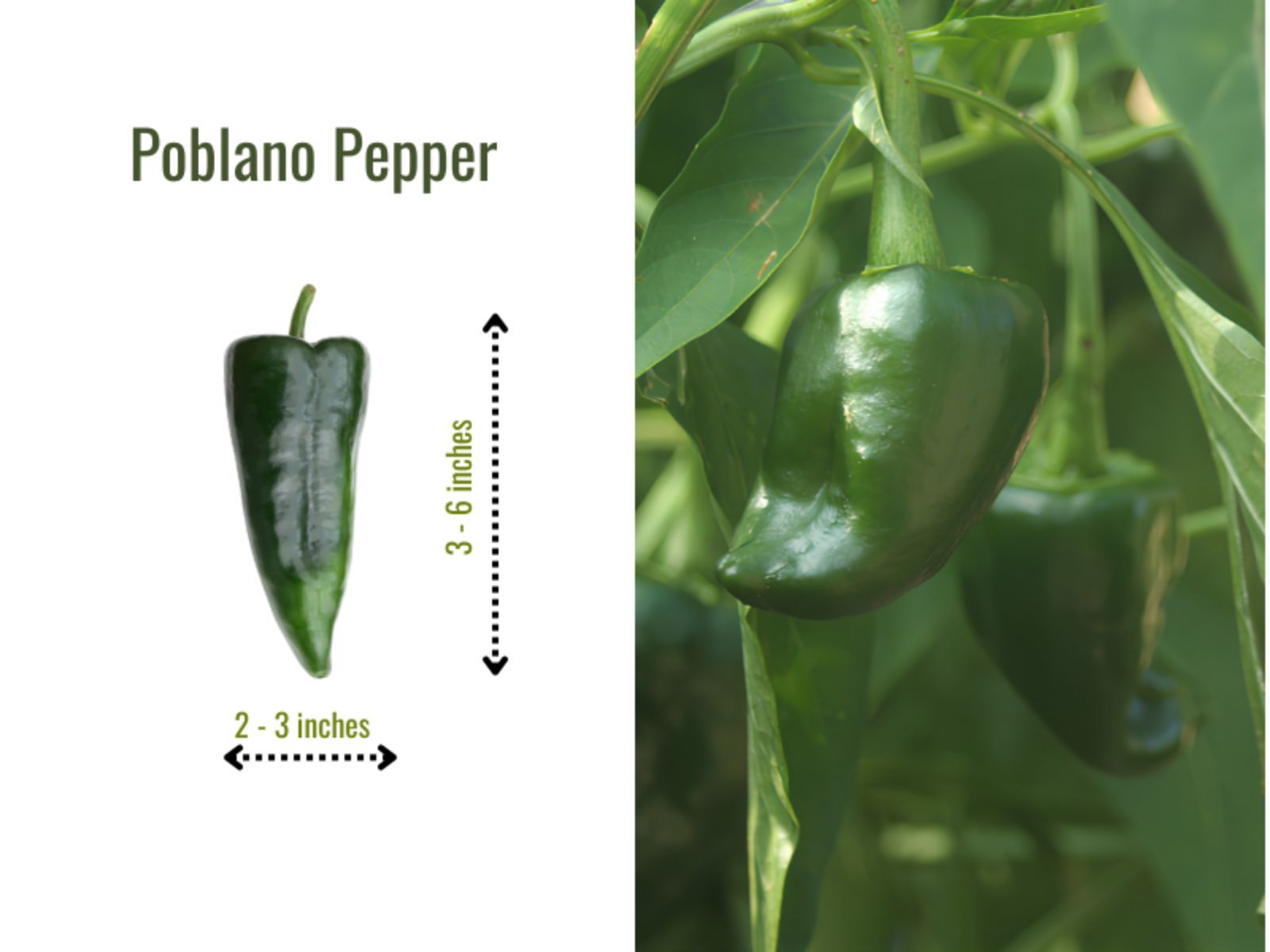
Physically, a poblano runs 3 to 6 inches (7.6 to 15 cm) long and 2 to 3 inches (5 to 8 cm) wide, with a heart shape that is broad at the stem and tapers to a point. The skin is thick, glossy, and waxy, with noticeably thicker walls than those of a jalapeño or serrano. That extra wall thickness is exactly why poblano is the standard stuffing pepper in Mexican cooking. It holds a filling without collapsing.
A poblano also shifts in color and flavor as it ripens, and each stage brings something different to the kitchen, as shown in this table:
| Color | Ripeness Stage | Flavor Character |
| Dark purplish-green | Unripe (most common in U.S. stores) | Earthy, mild, vegetal |
| Deep red | Fully ripe | Sweeter, richer, spicier |
| Near-black red (dried = ancho) | Fully ripe, dried | Smoky, sweet, raisin-like depth |
A related dried pepper, the mulato chile, comes from poblanos left to ripen even further to brown before drying, and it carries hints of chocolate and licorice. There are three varieties of this pepper: Standard, Tiburon, and Baron, each varying slightly in wall thickness and yield. However, the Standard poblano is the most commonly found variety in grocery stores across the U.S.
What Do Poblano Peppers Taste Like?
Poblano peppers taste earthy and rich with a gentle warmth that registers as depth rather than burn. Green poblanos, the ones you find most often, carry a mild, slightly vegetal flavor close to that of a bell pepper, with a clear hint of spice. Let a poblano ripen to red, and the profile turns sweeter, richer, and a touch spicier. Dry that ripe pepper into an ancho chile and the sweetness deepens further, joined by a pronounced smokiness and a faint raisin-like note.
The heat itself behaves in a specific way, and the reason comes down to those thick walls. Poblano's dense flesh slows the rate at which capsaicin reaches your palate, so the warmth builds gradually rather than hitting all at once. Roasting is the step that brings out the best in a poblano. Charring the skin draws out a natural smokiness that a raw poblano only hints at, which is why so many cooks blister them before anything else. That gentle, earthy profile is what makes poblano the go-to stuffing pepper and a natural base for cream sauces and mole.
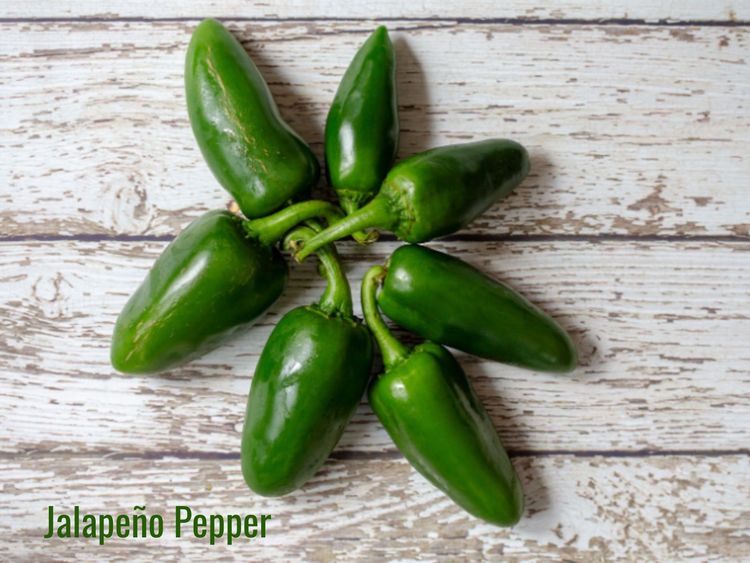
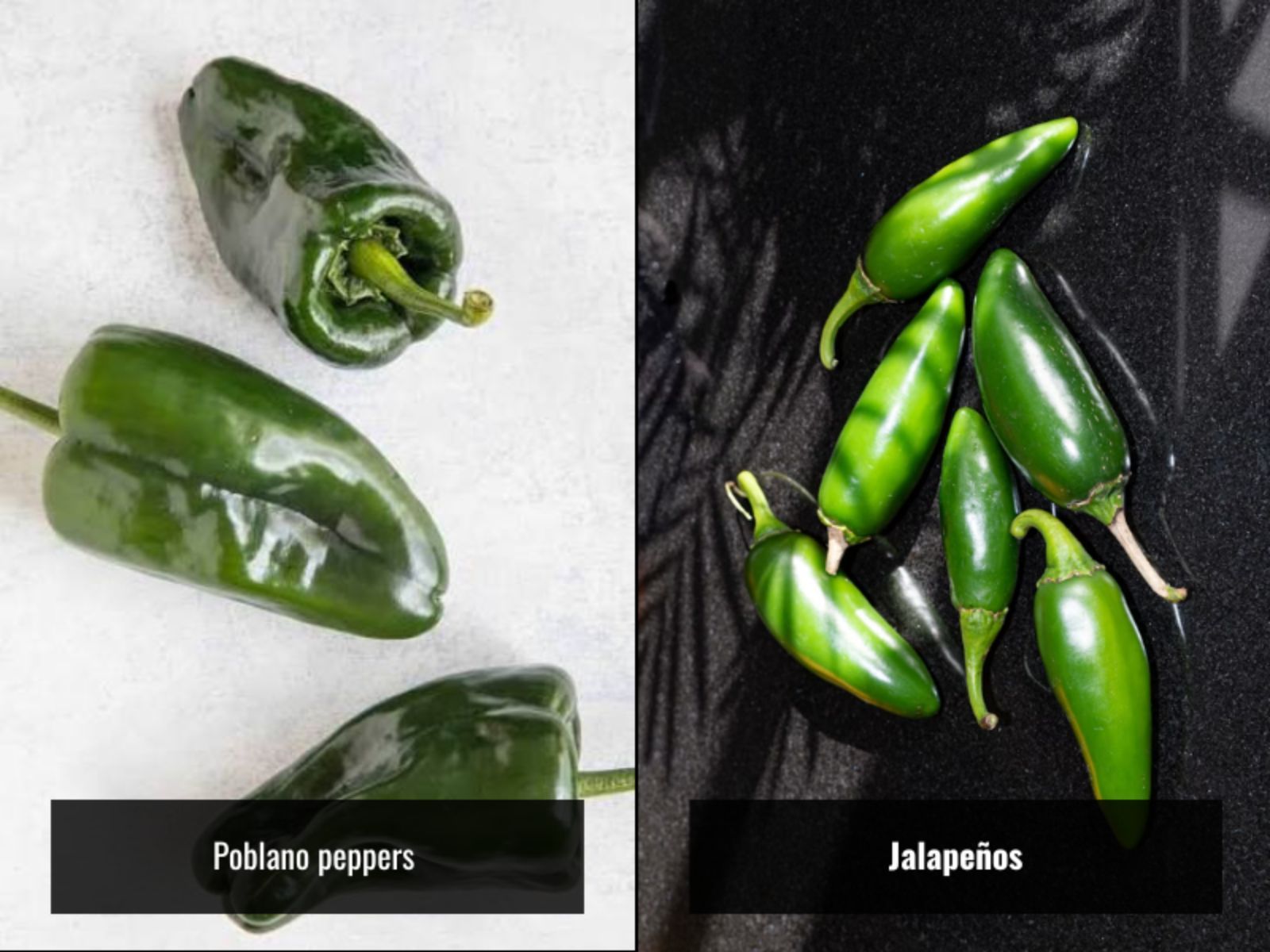
Are Poblano Peppers Different from Jalapeños?
Poblano peppers and jalapeños are both Mexican varieties of Capsicum annuum, so they share a common origin and species. They part ways on the things that matter at the stove: size, heat, flavor, and cooking method. The table below lays out the differences side by side.
| Attribute | Poblano Pepper | Jalapeño Pepper |
| Length | 3 to 6 in (7.6 to 15 cm) | 2 to 3 in (5 to 7.6 cm) |
| Body Shape | Heart-shaped, broad | Cylindrical, rounded tip |
| Skin | Thick, glossy, waxy | Thick, waxy, slightly smoother |
| Heat (SHU) | 1,000 to 1,500 | 2,500 to 8,000 |
| Flavor | Earthy, mild, slightly sweet | Bright, grassy, tangy |
| Cooking Performance | Holds shape when stuffed; thick walls stay firm during roasting | Holds shape roasted; thinner cavity limits stuffing |
| Best Use | Stuffed peppers (chiles rellenos), cream sauces, mole | Pickled, sliced for nachos, fresh salsa, stuffed (smaller) |
How Hot Are Poblano Peppers?
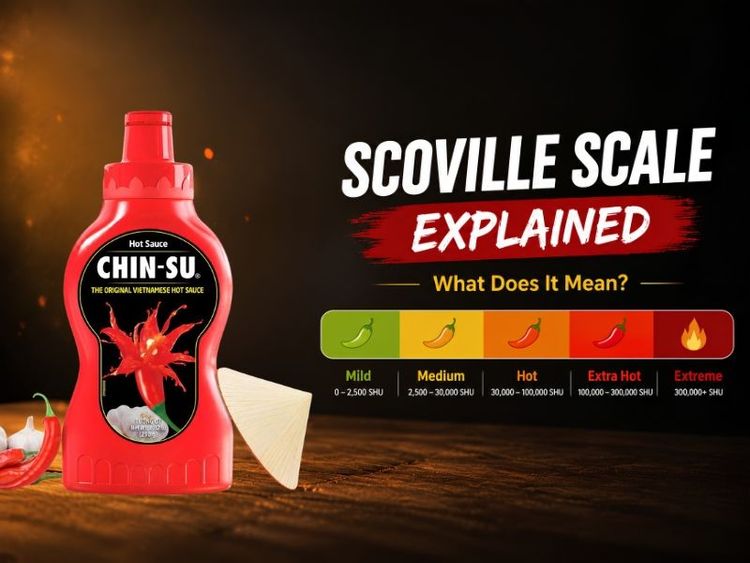
Poblano peppers measure 1,000 to 1,500 Scoville Heat Units (SHU), placing them in the mild tier. To put that in perspective, pure capsaicin tops the scale at 16,000,000 SHU, so a poblano sits near the very bottom. The Scoville scale measures how much capsaicin a pepper holds, and higher numbers mean more heat.
Not every poblano hits the same number. Peppers from the same plant can range from barely warm to jalapeño-adjacent, and a few things explain the spread. Growing conditions play a big part, since sun stress, soil, and water all shape how much capsaicin a pepper builds. Ripeness matters too. Green poblanos, the ones on most store shelves, tend to be milder, while fully ripe red ones carry more heat.
Set against the rest of the scale, poblano lands at the gentle end. It runs hotter than a bell pepper (0 SHU) and a banana pepper (0 to 500 SHU), but it stays well below the peppers most cooks consider spicy.
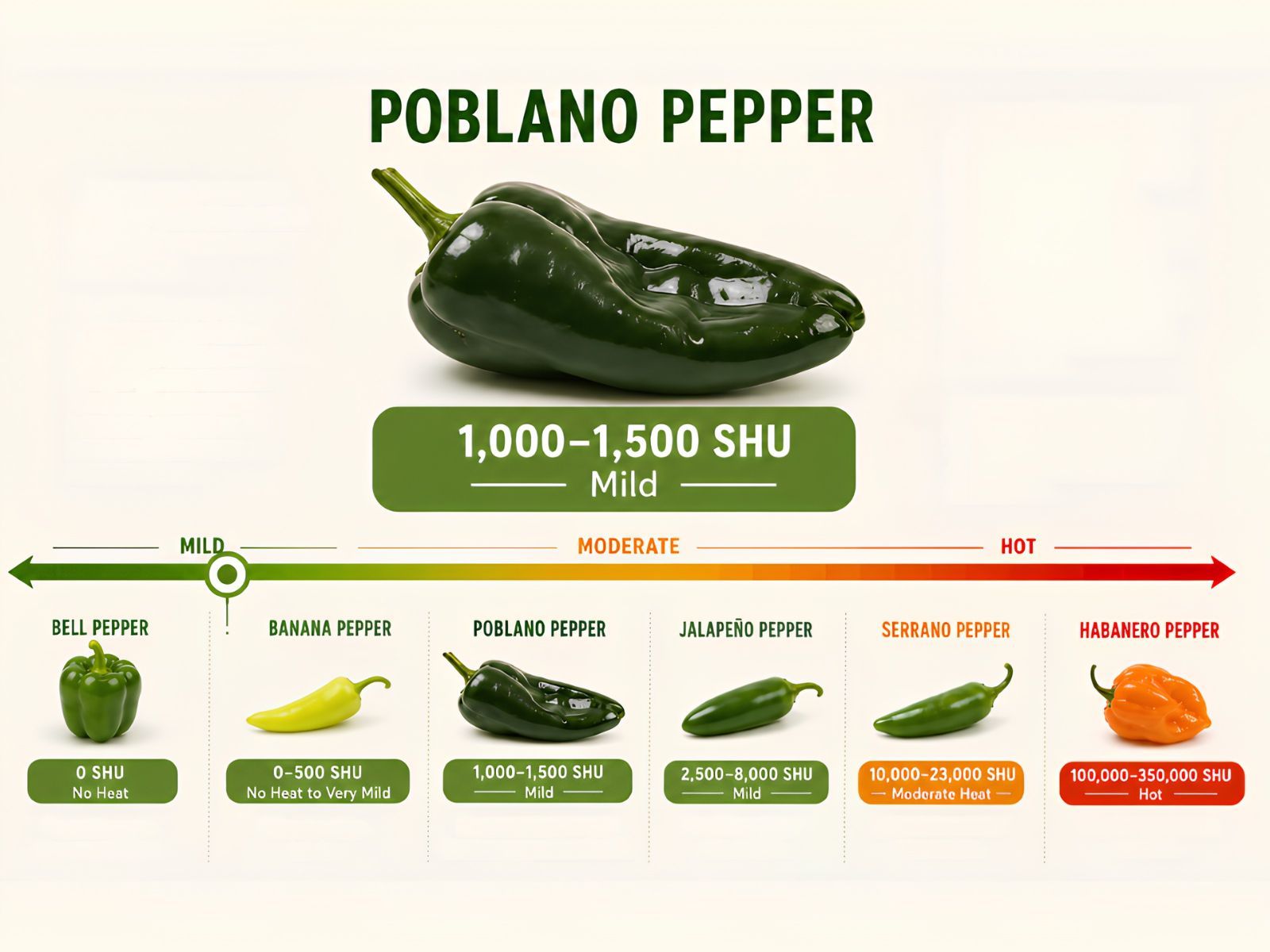
Among Mexican peppers, poblano is one of the mildest of the bunch.
- A jalapeño (2,500 to 8,000 SHU) runs 2 to 8 times hotter.
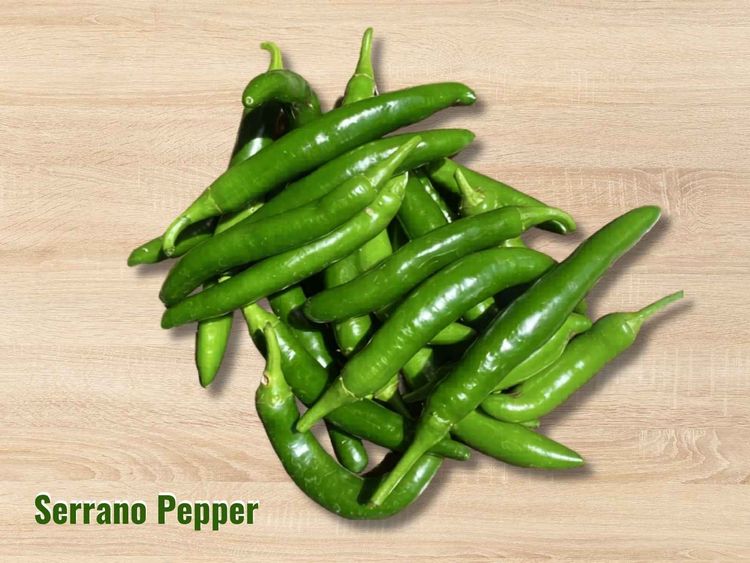
- A serrano (10,000 to 23,000 SHU) is 10 to 23 times hotter.
- A habanero (100,000 to 350,000 SHU) sits in an entirely different heat class, one you would never mistake for the soft warmth of a poblano.
See more all Scoville heat scale of all peppers
How to Use Poblano Peppers in Cooking?
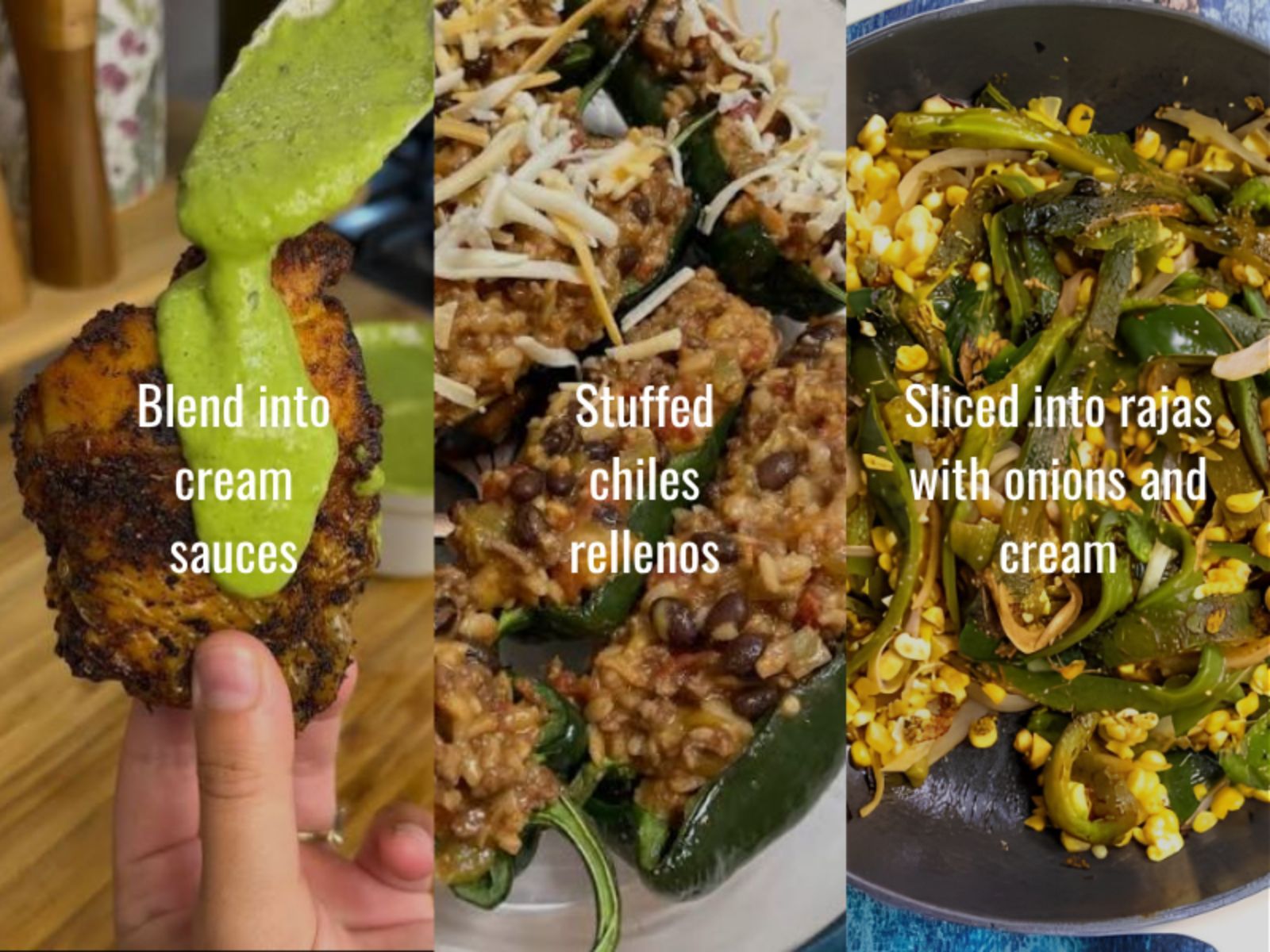
Roast poblano peppers for stuffed chiles rellenos, blend them into cream sauces, or slice them into rajas with onions and cream. Their thick walls and broad, hollow shape make them one of the most flexible peppers to keep on hand, whether you want them charred, stuffed, or simmered into a sauce.
Beyond flavor, poblanos bring real nutrition to the plate. A 100 g serving of raw seeded poblano delivers 28 kcal alongside 128 mg vitamin C (142% DV), 0.309 mg vitamin B6 (18% DV), and 2.1 g fiber (USDA FoodData Central, FDC ID 2747662). The capsaicin they carry, even in small amounts, supports anti-inflammatory activity. That mix of low calories and high vitamin C makes poblano an easy way to add both flavor and food value to a meal.
Roasting is where most poblano cooking begins, and it is worth doing well. Char the peppers over an open flame, under a broiler, or in a 400°F (204°C) oven until the skin blisters on all sides, about 5 to 10 minutes. Move them to a covered bowl and let them steam for 10 to 15 minutes, then peel off the charred skin and pull out the seeds and stem.
Stuffing is the classic use, and poblano is built for it. The thick walls and wide cavity hold a filling without falling apart, which is why "stuffed poblano peppers" is one of the most searched ways to cook them. Halve and seed the peppers, fill them with rice, beans, cheese, or ground meat, then bake at 375°F (190°C) for 20 to 25 minutes. This is the foundation of chiles rellenos, and of chiles en nogada, Mexico's Independence Day dish whose green, white, and red ingredients match the colors of the Mexican flag.
You can also cut roasted poblanos into strips. Peel them, slice them lengthwise, and sauté the strips with onion and cream for rajas con crema, a classic taco and quesadilla filling. And when the peppers are dried into ancho chiles, they turn into a base ingredient for mole poblano. Rehydrate the dried chiles in warm water for about 20 minutes, then blend them into the sauce.
Can You Eat Poblano Peppers Every Day?
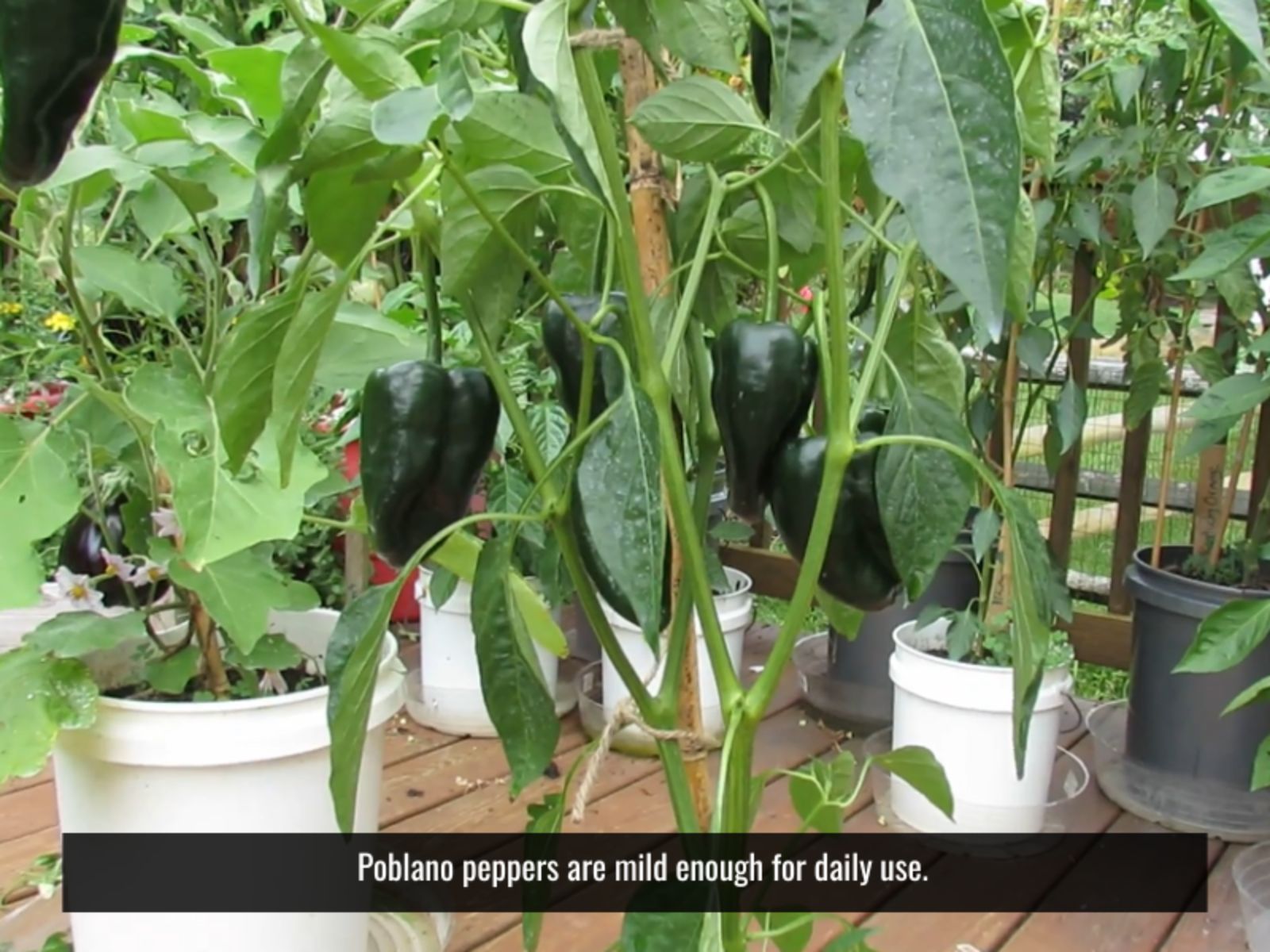
Yes, poblano peppers are mild enough for daily use. At 1,000 to 1,500 SHU, they sit well within a comfortable range for everyday eating, gentle enough that most people notice depth of flavor long before any burn.
Regular eating also builds your tolerance to capsaicin over time, so the heat feels milder the more often you cook with poblanos. You can soften it further by removing the seeds and inner membrane, and cooking mellows the intensity compared to eating the pepper raw. The high vitamin C content, at 128 mg per 100 g (142% DV), makes daily poblano a practical way to support immune function.
Several poblano peppers a day pose no concern for most adults, and a single 100 g serving already covers immune support on its own. If you live with IBS, GERD, or capsaicin sensitivity, start with smaller amounts and see how your body responds before making poblanos a daily habit.
How to Store Poblano Peppers?
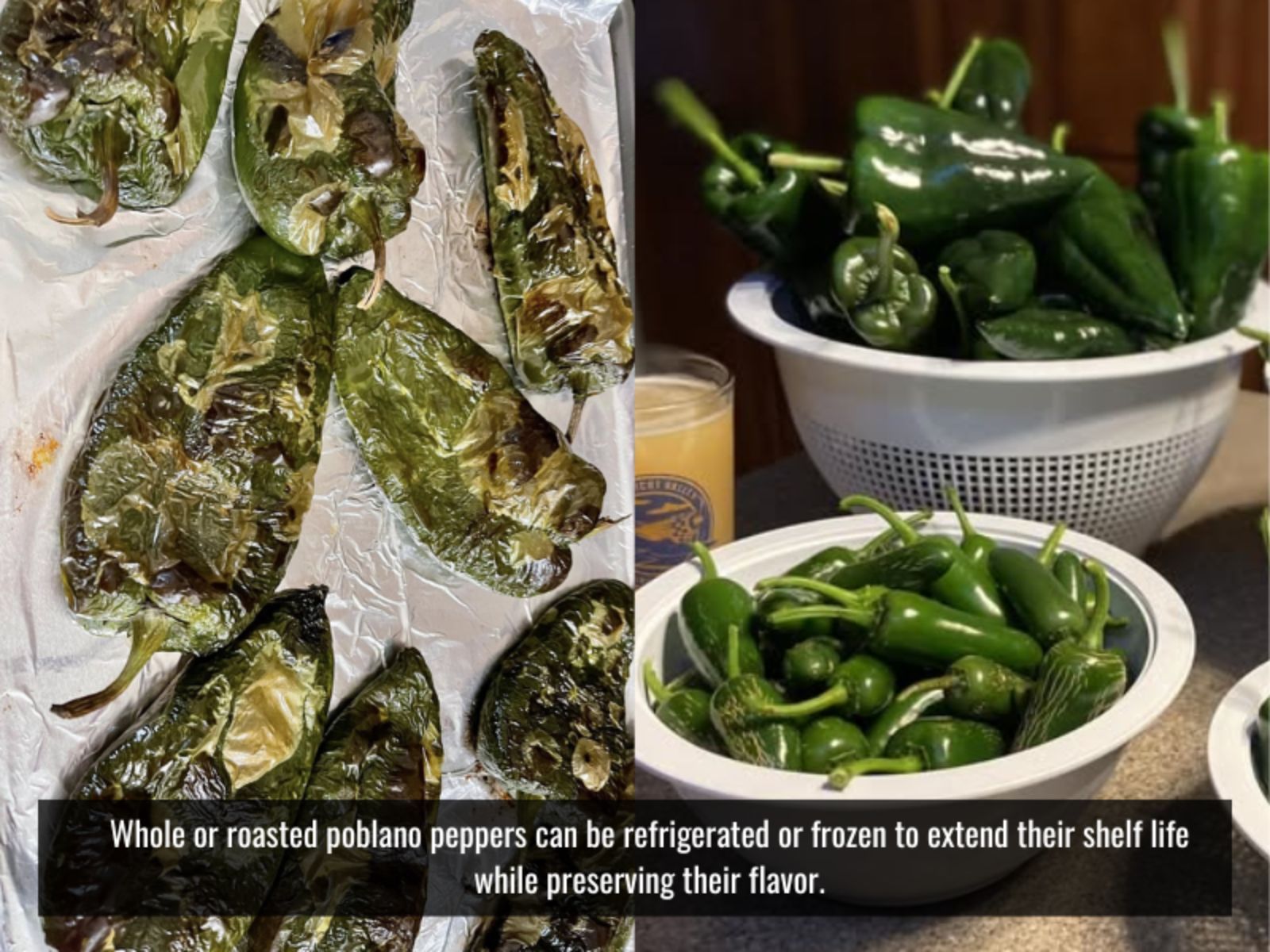
Fresh poblano peppers stay crisp for 1 to 2 weeks in the refrigerator. Keep them whole and unwashed in a paper bag or a breathable container in the crisper drawer, since trapped moisture is what turns a good pepper soft.
For longer storage, freezing works best if you roast and peel the peppers first. Lay the roasted poblanos flat on a sheet pan to freeze them individually, then move them to an airtight bag, where they keep for up to 6 months. You can freeze raw poblanos whole too, but the texture softens after thawing, so save those for cooked dishes rather than fresh use.
Drying turns poblanos into ancho chiles, and it starts on the plant. Let the peppers ripen to red, then air-dry them or run them through a dehydrator. Store the dried anchos in an airtight container in a cool, dark place for up to 1 year, and rehydrate them in warm water for about 20 minutes before blending them into a sauce.
What Can You Substitute for Poblano Peppers?
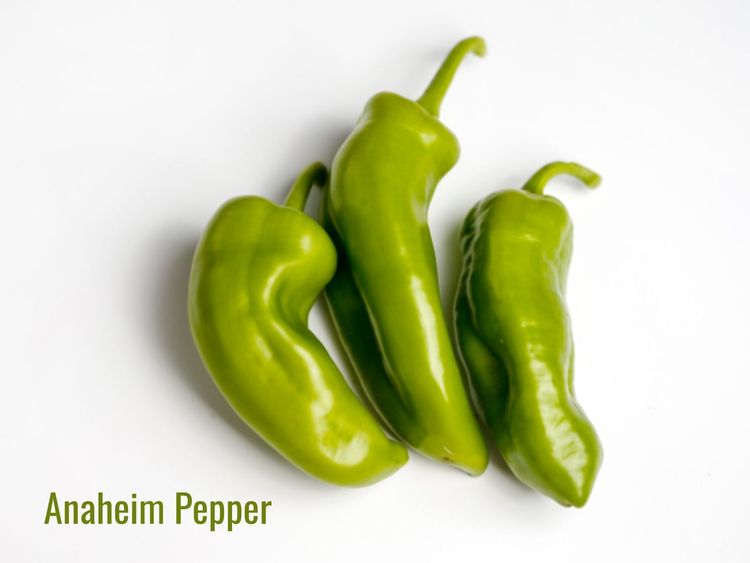
The closest substitute for a poblano pepper is an Anaheim pepper. It carries a similar mild heat with a slightly sweeter taste, and while its walls run thinner, it stands in cleanly for most poblano dishes. When Anaheim is out of reach, a couple of other peppers cover the gap, each shifting the flavor a little.
| Substitute | Ratio | Flavor vs. Poblano | Best Used In |
| Anaheim pepper | 1:1 | Similar mild heat, slightly sweeter, thinner walls | Stuffing, roasting, sauces |
| Cubanelle pepper | 1:1 | Milder, thinner walls, sweeter | Sautéing, light stuffing |
| Green bell pepper + pinch cayenne | 1:1 bell + 1/8 tsp cayenne per pepper | No heat on its own; cayenne adds controlled warmth | Stuffing when poblanos are unavailable |
One rule keeps substitutes on track: use fresh substitutes for fresh applications, and dried substitutes for cooked applications only. No substitute fully replicates poblano's earthy depth and thick-walled structure, so treat each one as a close stand-in rather than an exact match.
References
- DeWitt, D. (1999). The Chile Pepper Encyclopedia. William Morrow.
- USDA FoodData Central. Peppers, poblano, seeded, raw (FDC ID 2747662). https://fdc.nal.usda.gov
- Pathirana, R. (2013). Peppers: Vegetable and Spice Capsicums, 2nd edition, by Paul W. Bosland and Eric J. Votava. Crop Production Science in Horticulture Series 22. Wallingford, UK, CABI, 2012. 248 pp. ISBN 9781845938253. New Zealand Journal of Crop and Horticultural Science, 41, 102–103. https://doi.org/10.1080/01140671.2012.745161
- Tewksbury, J. J., & Nabhan, G. P. (2001). Seed dispersal. Directed deterrence by capsaicin in chilies. Nature, 412(6845), 403–404. https://doi.org/10.1038/35086653
Frequently Asked Questions
No, a poblano pepper is not the same as a pasilla. In U.S. grocery stores, fresh poblanos are sometimes mislabeled as "pasilla," which causes the mix-up. A true pasilla is the dried form of the chilaca chile, a thinner, spicier pepper altogether. Dried poblanos, by contrast, are called ancho chiles, not pasilla.
No, poblano peppers are not hotter than jalapeños. Poblanos measure 1,000 to 1,500 SHU, making them 2 to 8 times milder than jalapeños, which range from 2,500 to 8,000 SHU. Even the mildest jalapeño is already hotter than the spiciest poblano, so a poblano stays the gentler choice every time.
A red poblano is simply a fully ripe poblano. Green poblanos are unripe, and as the pepper matures on the plant, it shifts from dark green to deep red while becoming sweeter and a touch spicier. Red poblanos are perfectly safe to eat, and they are the starting point for dried ancho chiles.
A dried poblano pepper is called an ancho chile. The word "ancho" means "wide" in Spanish, a nod to its broad shape, and the dried pepper carries a sweet, smoky, slightly fruity flavor that anchors many Mexican mole sauces. A related dried form, the mulato chile, comes from poblanos ripened all the way to brown and brings notes of chocolate and licorice.
Yes, poblano peppers should be refrigerated. Fresh poblanos last 1 to 2 weeks in the crisper drawer; while at room temperature, they soften within 3 to 5 days. Once roasted and peeled, store them in an airtight container in the fridge and use them within 3 days, or freeze them for up to 6 months.

CHIN-SU KITCHEN TEAM
CHIN-SU Kitchen Team are the creative experts behind the delicious recipes featuring CHIN-SU sauces. With years of experience and a passion for flavor, our team carefully selects recipes from a variety of trusted chefs and bloggers, bringing together the best culinary insights to present you with the most suitable and exciting dishes. Every recipe is chosen to inspire you to create meals that are not only tasty but also easy to prepare, enhancing your dining experience. Join us as we explore a wide range of sauces and flavors, and elevate every meal with the perfect recipe for your table!
User Reviews
Featured Articles
Hot Sauce Scoville Scale Explained: What Does It Mean?
What Is a Serrano Pepper? Heat, Flavor and Uses Explained
What Is an Anaheim Pepper? Flavor and Uses Explained
SUBSCRIBE TO GET
MORE INFO
Want the latest and greatest recipes, updates, and more from us,
straight to your inbox? Subscribe and get our NEWS!