What Is a Thai Chili Pepper? Heat and Uses Explained
Published: Jul 28, 2026 by CHIN-SU
Updated: Jul 30, 2026 by CHIN-SU
A Thai chili pepper (Capsicum annuum) is a small, thin-walled chili widely grown in Thailand and Southeast Asia that measures 50,000 to 100,000 Scoville Heat Units (SHU), placing it in the hot tier of the scale. Although Capsicum peppers originated in Central and South America, maritime trade networks introduced them to Southeast Asia during the 16th century, where they became central to Thai cooking.
“Thai chili pepper” refers to a group of chilies rather than one specific cultivar. Its best-known type is the small bird’s-eye chili called prik kee nu, meaning “mouse-dropping chili” in reference to its compact, pointed shape.
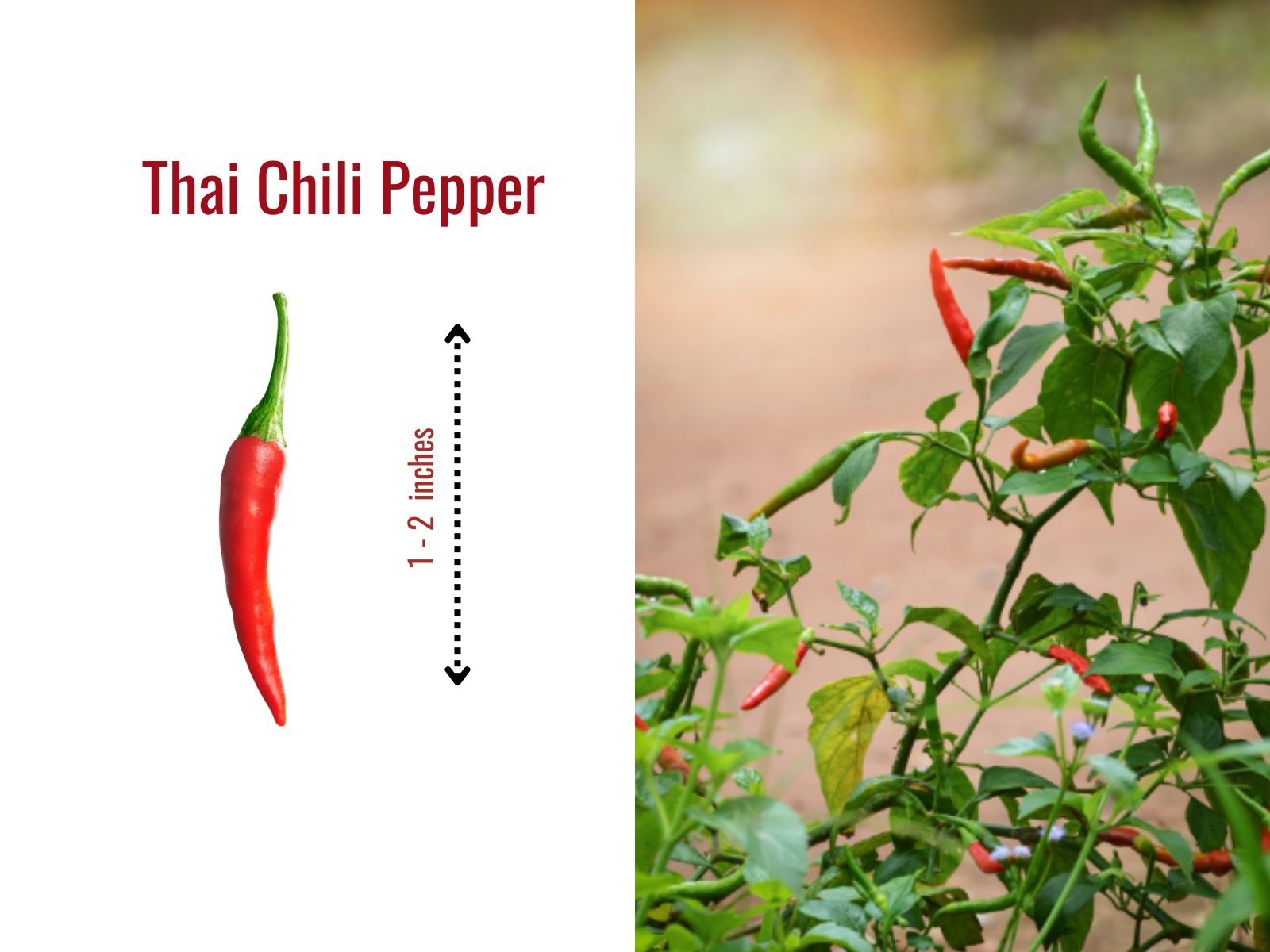
Thai chilies typically grow 1 to 2 inches (2.5 to 5 cm) long and have slender bodies with thin, smooth, glossy skin. Green chilies taste grassy and sharp, while fully ripe red chilies develop a fruitier, slightly sweeter aroma while retaining intense heat.
In this article, CHIN-SU explains what Thai chili peppers are, what they taste like, how hot they are, how they compare with serrano peppers, how to use them fresh or dried, and how to store or substitute them at home.
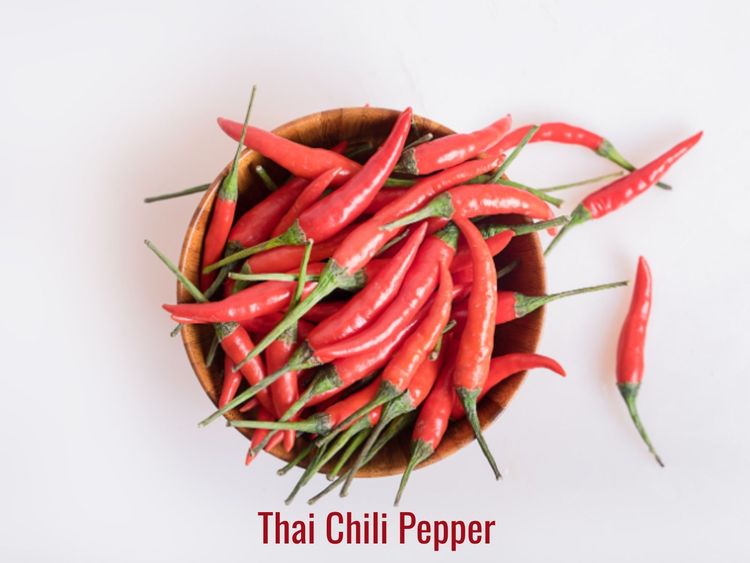
Table Of Contents
What Is a Thai Chili Pepper?
- How Hot Are Thai Chili Peppers?
How to Use Thai Chili Peppers in Cooking?
- How to Store Thai Chili Peppers?
- What Can You Substitute for Thai Chili Peppers?
What Is a Thai Chili Pepper?
A Thai chili pepper is a culinary and market term for several chilies used in Thai cooking rather than one standardized cultivar or botanical species. This section focuses on prik khee nu, the small bird’s-eye type classified as Capsicum frutescens in some Thai food studies. Other peppers marketed as Thai chilies belong to Capsicum annuum, which helps explain their differences in size, shape, growth habit, and heat.
Capsicum peppers originated in the Americas and spread through maritime trade after the late 15th century. Portuguese trade networks played an important role in introducing chilies across Asia during the 16th and 17th centuries. Thai growers and cooks later developed local forms for curry pastes, dipping sauces, soups, stir-fries, and condiments.
In Thai, prik khee nu means “mouse-dropping chili,” referring to the pepper’s compact shape. The bird’s-eye type usually measures 1 to 2 inches (2.5 to 5 cm) long, although other peppers sold under the broad Thai chili label may reach 3 inches (7.5 cm). It has a slender, tapered body, a pointed tip, smooth glossy skin, and thinner flesh than jalapeño or serrano peppers.
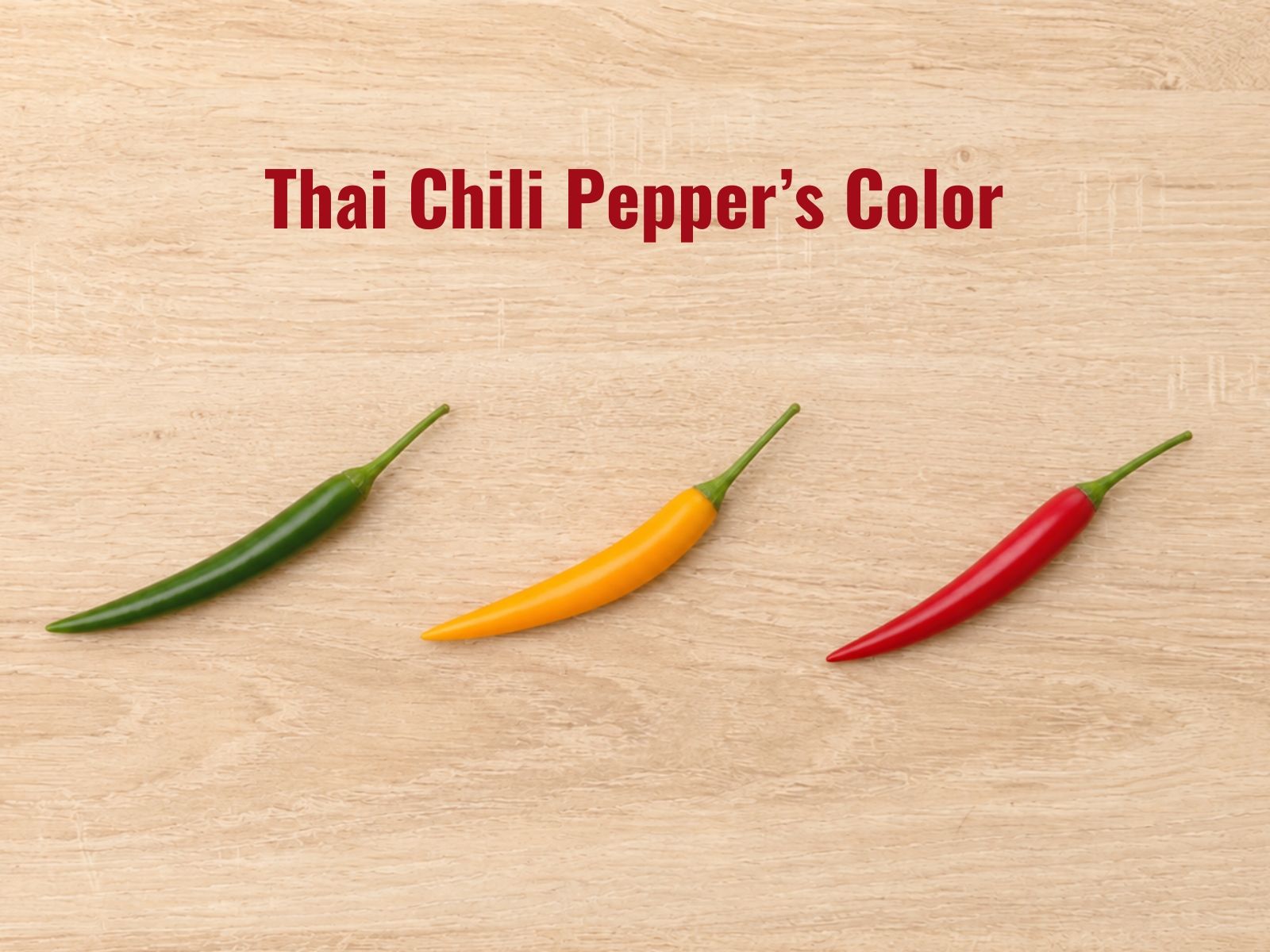
The pods usually begin green and mature to red, sometimes passing through yellow or orange transitional stages. Ripening changes their flavor and aroma, but color does not reveal the exact heat of an individual pepper.
| Color | Ripeness Stage | Typical Flavor Character |
| Green | Immature | Sharp, grassy, vegetal, and less sweet |
| Yellow or orange | Transitional | Brighter and slightly fruitier |
| Red | Mature | Fruitier, more aromatic, and mildly sweet beneath the heat |
Genetics, maturity, growing conditions, and individual plant variation can produce different heat levels in peppers of the same color. Fresh red Thai chilies are available in some markets, but they are also commonly dried and sold as prik haeng.
Several Thai chili terms are useful to know:
- Prik khee nu: A small, highly pungent bird chili commonly used fresh in dipping sauces, salads, curries, and condiments.
- Prik chee fah: A longer Thai spur chili with more flesh and milder heat, often used for color and aroma in curry pastes, stir-fries, garnishes, and pickles. Thai food studies classify it as Capsicum annuum.
- Prik yuak: A larger, pale, mild pepper used more like a cooking vegetable than a high-heat chili.
- Prik haeng: The Thai term for dried chili, not a separate cultivar. It may refer to small hot chilies or larger, milder red peppers that have been dried.
Thai cooks choose among these forms according to the heat, color, texture, and preparation a dish requires. Small fresh chilies provide concentrated pungency, while larger or dried chilies add color, body, and deeper flavor to curry pastes and cooked dishes.
What Do Thai Chili Peppers Taste Like?
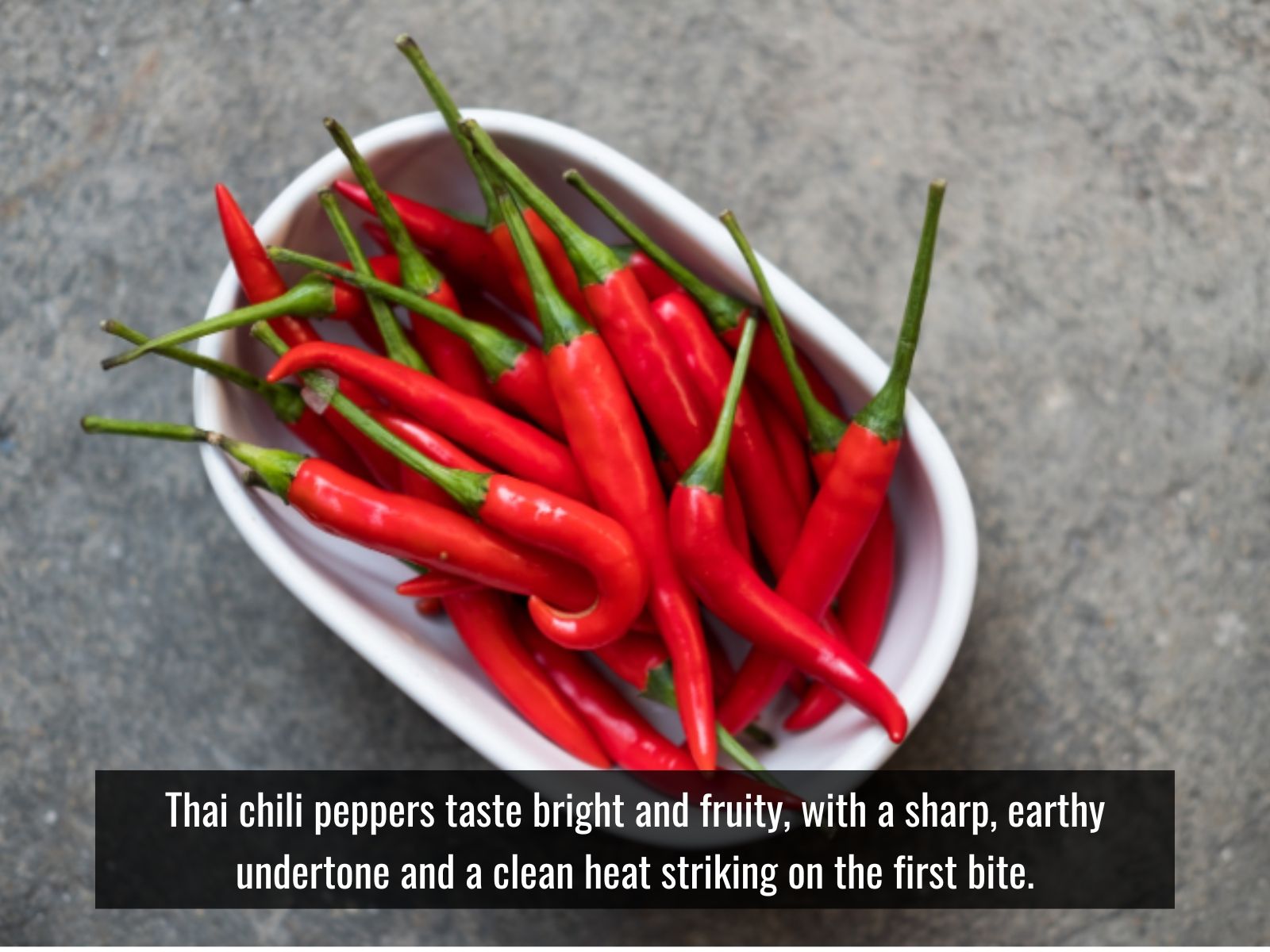
Thai chili peppers taste bright, clean, and pungent, with sharp heat that often arrives quickly. Green pods taste grassy, vegetal, and intense, while mature red chilies develop a fruitier, lightly sweet, and more aromatic character.
The exact flavor and heat vary with cultivar, maturity, growing conditions, and individual fruit. Heat or water stress can affect capsaicinoid production, but the result does not increase consistently in every plant.
Preparation changes how the flavor appears. Raw slices preserve the freshest aroma and most concentrated bite. Pounding distributes the heat through dipping sauces and curry pastes, while stir-frying spreads capsaicin through oil. Simmering integrates the heat into soups and curries, drying creates a deeper and less fresh-tasting profile, and pickling adds acidity that balances rich, salty, and fatty foods.
Capsaicinoids develop mainly in the placental tissue inside the pepper. The seeds do not produce most of the heat, although contact with this tissue can coat them with pungent oils.
Are Thai Chili Peppers Different from Serrano Peppers?
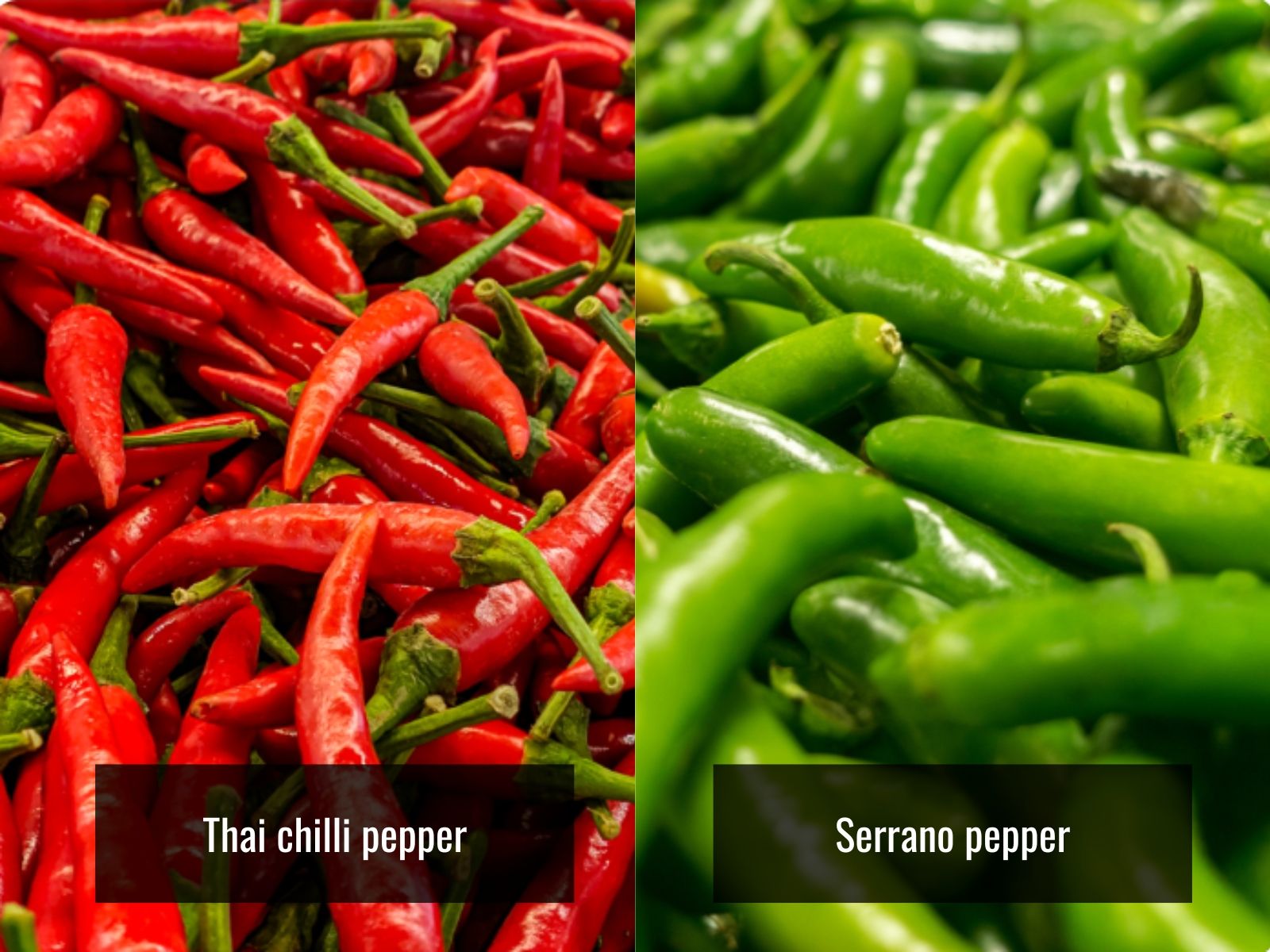
Thai chili peppers are hotter, smaller, and more intensely pungent than serrano peppers. Serranos have thicker, juicier flesh and a milder grassy flavor, making them easier to use raw or charred.
| Attribute | Thai Chili Pepper | Serrano Pepper |
| Typical species | Usually Capsicum annuum; some bird’s-eye types are classified as C. frutescens | Capsicum annuum |
| Length | About 1–2 in (2.5–5 cm) for the bird’s-eye type | 2–4 in (5–10 cm) |
| Shape | Narrow, tapered, and sharply pointed | Slender, cylindrical, and broader |
| Skin and flesh | Smooth, glossy, and thin-fleshed | Smooth, waxy, thicker, and juicier |
| Heat | 50,000–100,000 SHU | 10,000–23,000 SHU |
| Flavor | Bright, pungent, and lightly fruity | Crisp, grassy, and vegetal |
| Best uses | Thai dipping sauces, curry pastes, stir-fries, soups, and chili sauces | Salsa, guacamole, ceviche, tacos, soups, and garnishes |
How Hot Are Thai Chili Peppers?
Thai chili peppers typically measure 50,000 to 100,000 Scoville Heat Units (SHU), placing them in the hot tier, above medium-heat peppers and just below the extra-hot category. This range mainly refers to the small bird’s-eye type commonly sold as Thai chili, not every pepper used in Thai cooking.
The Scoville scale ranks pungency by capsaicinoid concentration, with pure capsaicin measuring about 16,000,000 SHU. For more details on how the scale works and how laboratories measure heat, see our Scoville scale guide.
Not every Thai chili reaches the same heat level. Cultivar, genetics, maturity, temperature, water availability, soil conditions, and growing environment all influence capsaicinoid production. Water stress can raise pungency in some cultivars, but harsh conditions do not automatically make every pepper hotter. Color alone also cannot reveal the exact SHU of an individual pod.
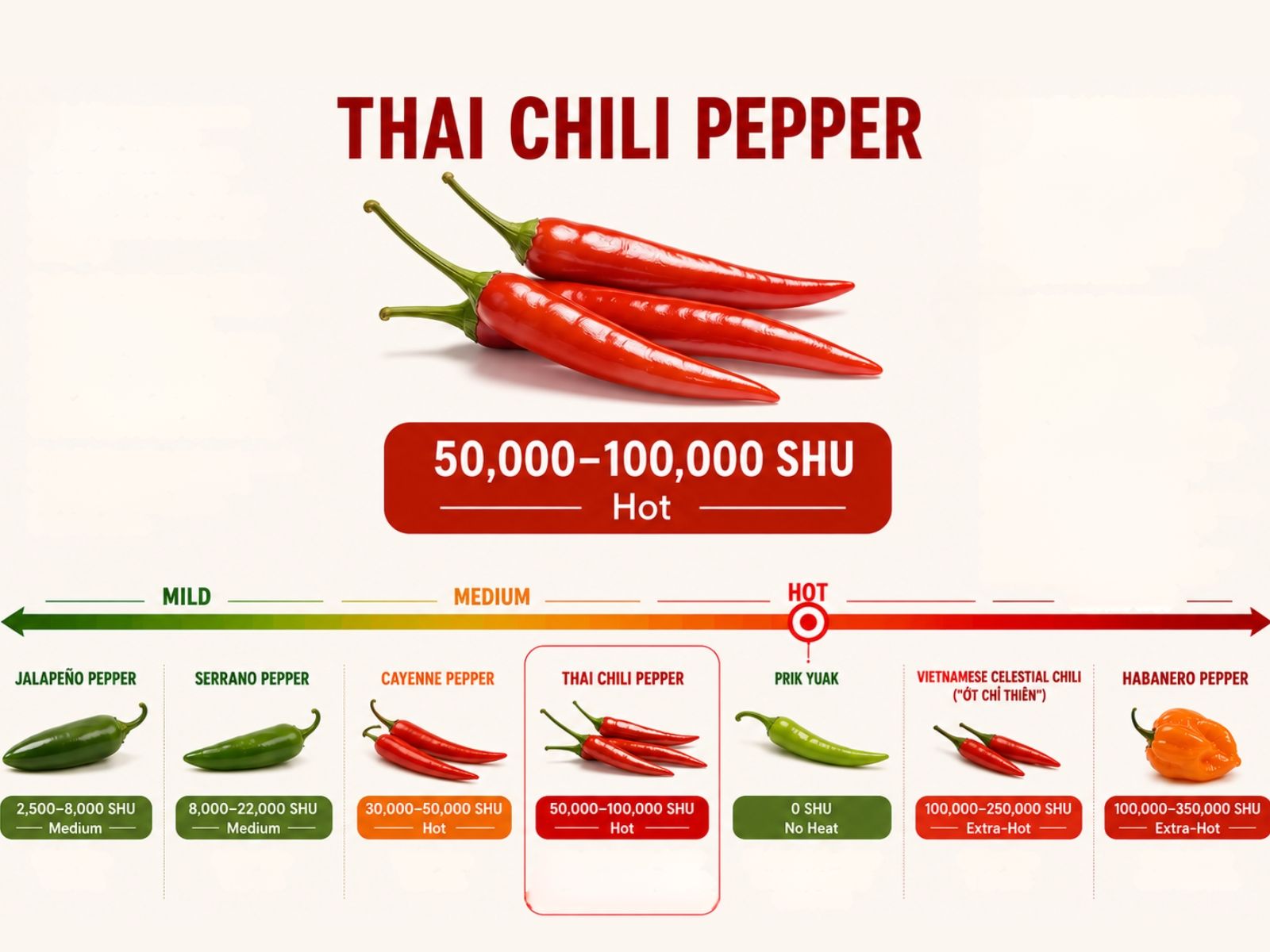
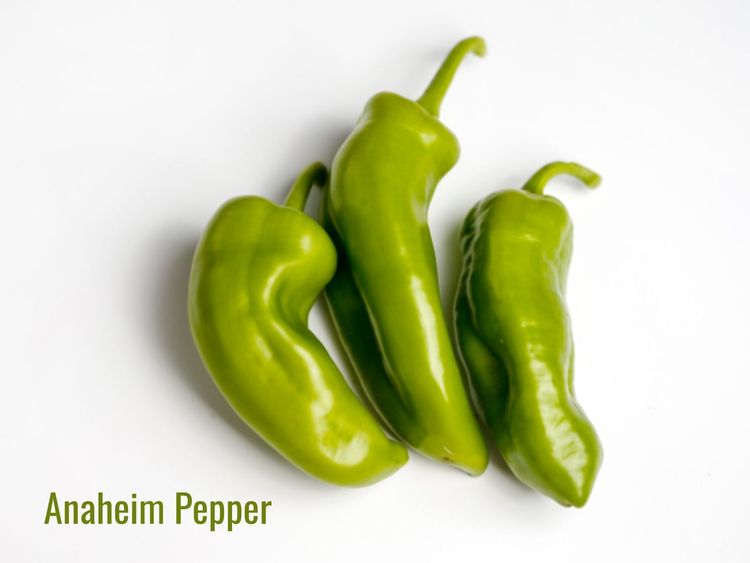
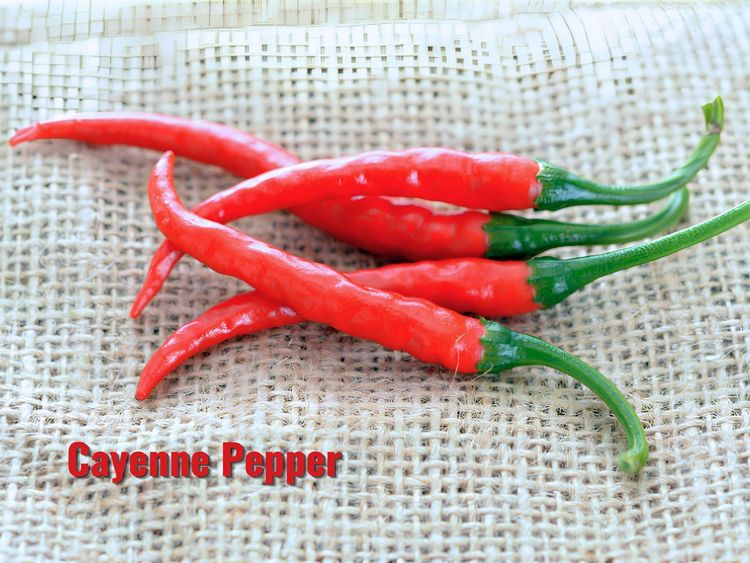
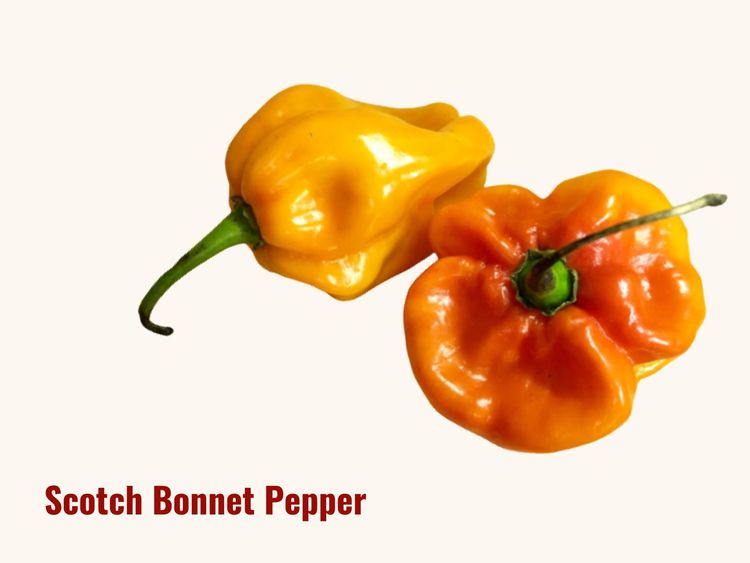
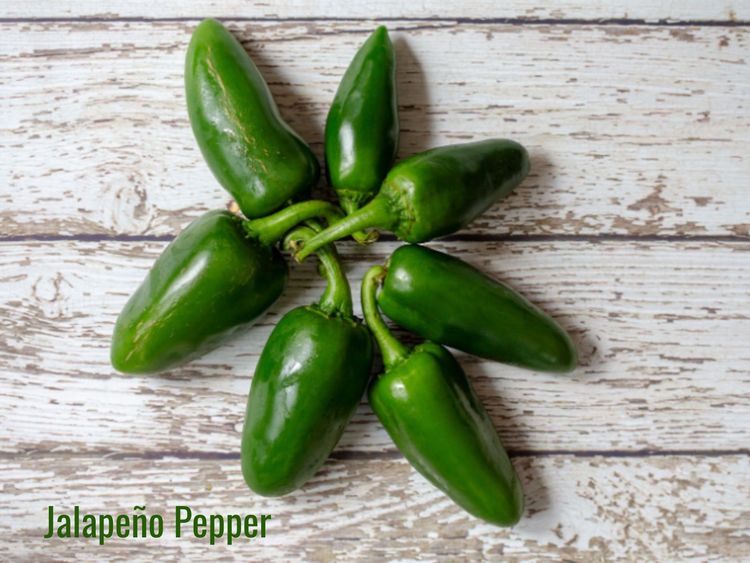
Thai chilies are hotter than cayenne peppers at 30,000 to 50,000 SHU, serranos at 10,000 to 23,000 SHU, and jalapeños at 2,500 to 8,000 SHU. Habaneros sit higher at 100,000 to 350,000 SHU, although their lower range overlaps the hottest Thai chilies.
Heat also varies among Southeast Asian peppers. Prik yuak is a mild Thai cooking pepper, while Vietnamese celestial chili, or ớt chỉ thiên, is commonly reported at 100,000 to 250,000 SHU. This places it at or above the upper end of the typical Thai chili range, although its exact heat varies by cultivar and growing conditions.
Thai chili therefore occupies a clear position: hotter than most everyday culinary peppers but milder than habaneros and many extra-hot varieties. A few pods can season an entire dipping sauce, curry, soup, or stir-fry.
How to Use Thai Chili Peppers in Cooking?
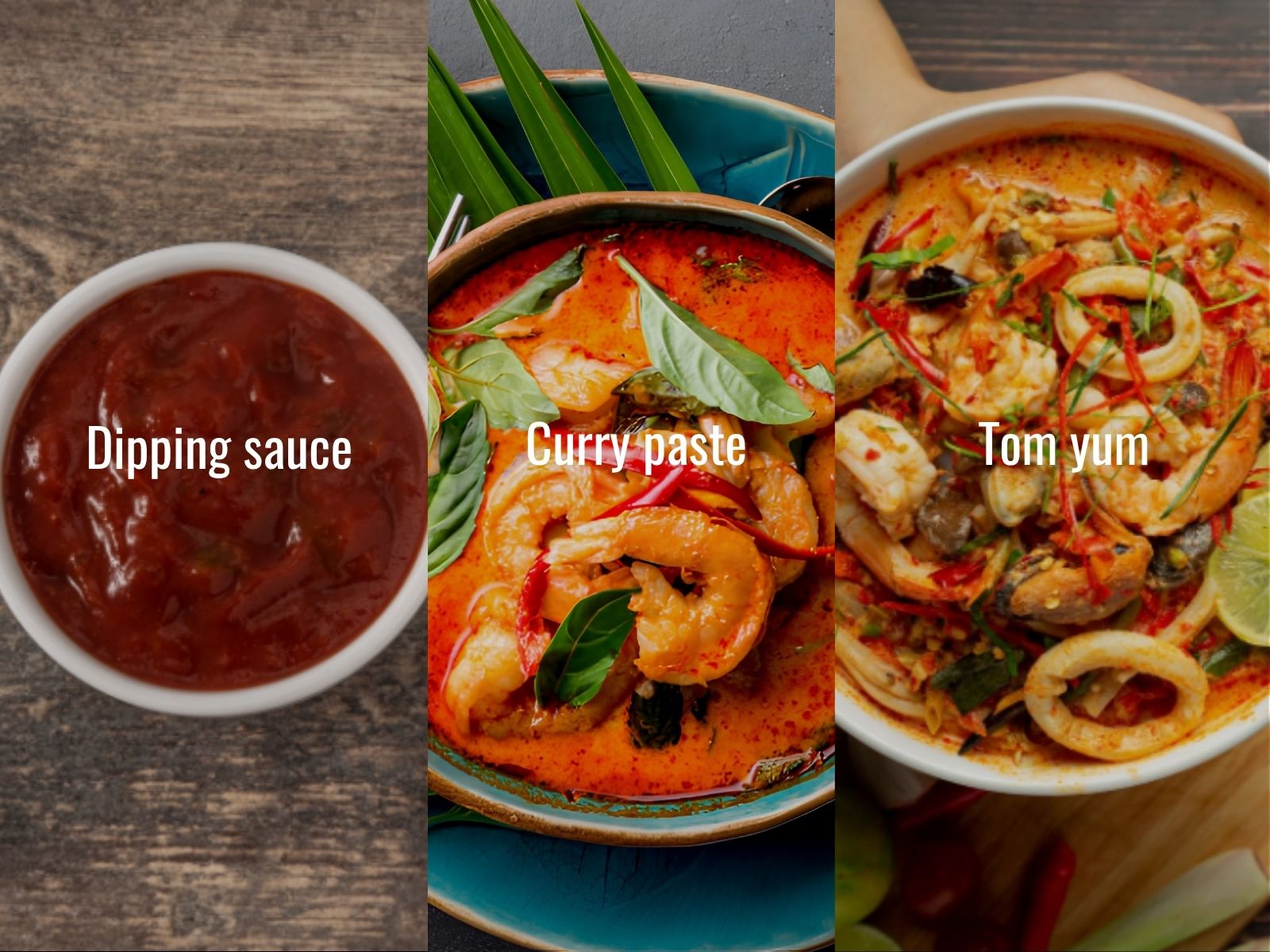
Use Thai chili peppers fresh in salads and dipping sauces, cooked in curries and stir-fries, blended into Thai chili sauce, dried into flakes or powder, or pickled as a sharp condiment. Start with one pepper or less, then increase the amount gradually because a few small pods can season an entire dish.
Thai chilies also provide nutritional value. One cup of sliced peppers, about 90 g (3.2 oz), contains approximately 36 kcal, 107 mg of vitamin C, 290 mcg of vitamin A, 3.2 mg of vitamin E, 0.4 mg of vitamin B6, 17 mcg of vitamin K, 290 mg of potassium, and 2 g of fiber. Actual portions are usually much smaller, and nutrient levels vary by cultivar and maturity. Capsaicin has also been studied for its effects on thermogenesis and short-term energy expenditure.
- Fresh and raw: Thinly slice or finely chop Thai chilies for prik nam pla, som tam, larb, noodle soups, fried rice, salads, and fresh dipping sauces. Add them shortly before serving to preserve their grassy aroma and concentrated heat. Pounding or mincing the peppers spreads the pungency more evenly than using whole slices.
- Cooked dishes: Add chopped or pounded chilies to pad kra pao, tom yum, jungle curry, coconut curries, fried rice, noodles, seafood stir-fries, and curry pastes. Combine them with garlic, shallots, lemongrass, galangal, coriander root, shrimp paste, or other recipe-specific aromatics. Adding chilies early distributes the heat through the oil and sauce, while adding them near the end retains more fresh aroma.
- Thai chili sauce: Blend fresh red Thai chilies with garlic, vinegar, sugar, and salt to make Thai chili sauce for grilled meat, seafood, spring rolls, noodles, and fried foods. Fresh versions taste bright and sharp, while cooked or fermented sauces develop deeper sweetness and a more integrated heat.
- Dried and preserved: Prik haeng, or dried Thai chili, can be used whole in curry pastes, soups, braises, stir-fries, and infused cooking liquids. Toast dried chilies briefly until fragrant before pounding or blending them, but remove them before they scorch and turn bitter.
- Flakes and powder: Crush dried chilies into Thai chili pepper flakes for visible pieces and uneven bursts of heat in noodles, fried rice, soups, eggs, and dipping sauces. Ground Thai chili pepper or Thai chili pepper powder disperses faster and works well in marinades, spice blends, curry pastes, dry rubs, sauces, and seasoned salt.
- Pickled: Pickled Thai chilies add heat and acidity to noodle dishes, curries, fried rice, braised meat, and rich soups. Follow a tested refrigerator-pickle or canning recipe when preserving peppers at home.
Wear food-safe gloves when handling large quantities. Wash knives, cutting boards, blenders, and work surfaces with soap, and avoid touching your eyes or contact lenses.
Can You Eat Thai Chili Peppers Every Day?
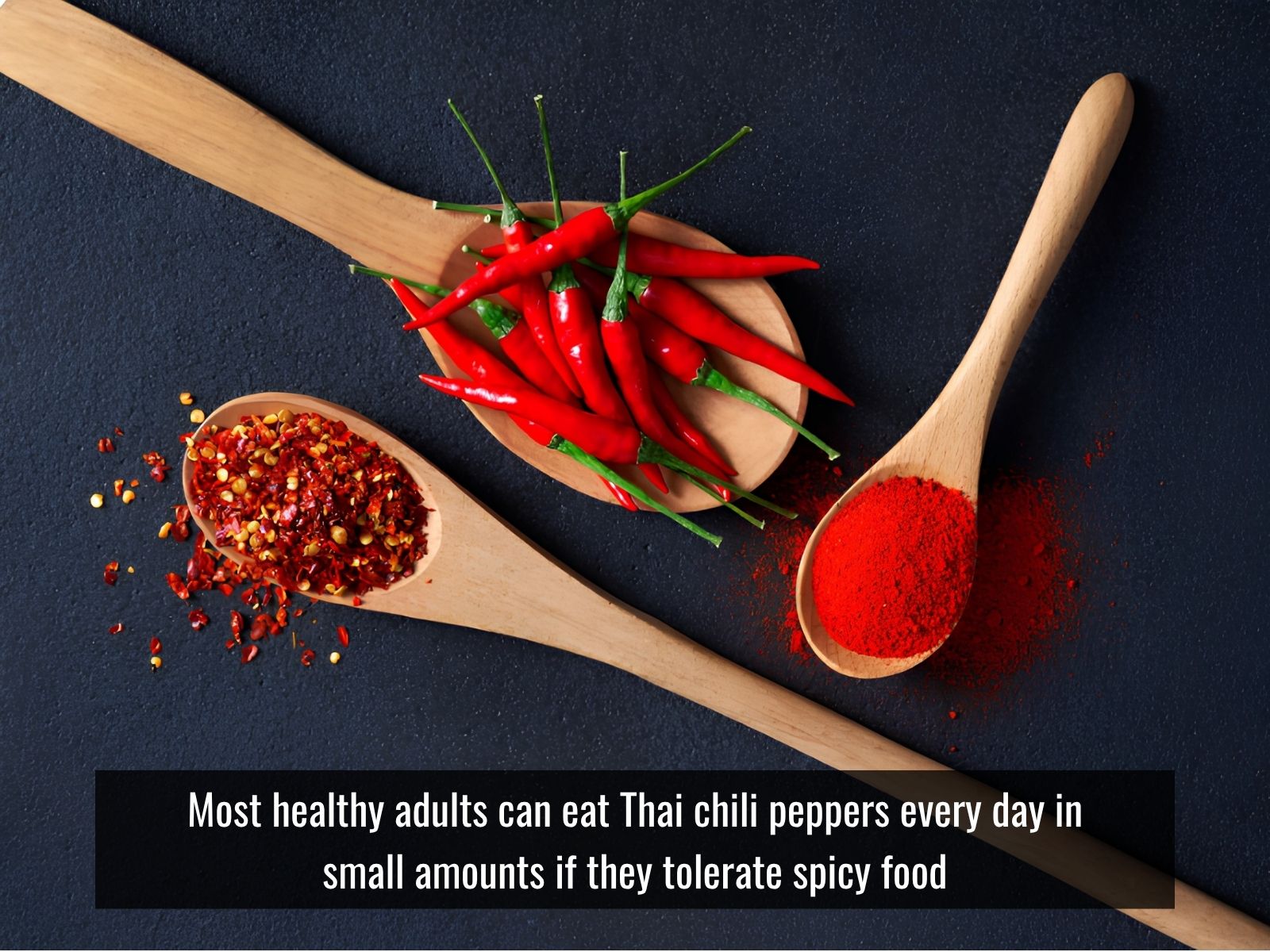
Yes, most healthy adults can eat Thai chili peppers every day in small amounts if they tolerate spicy food. One to two small peppers per meal is a practical amount for regular chili eaters, but beginners should start with less because heat and digestive sensitivity vary.
Repeated exposure can reduce the perceived oral burn over time, although greater tolerance does not prevent stomach discomfort. Capsaicin activates TRPV1 receptors and may cause heartburn, abdominal burning, nausea, or diarrhea when consumed in excess.
People with IBS, GERD, or known capsaicin sensitivity should reduce or avoid Thai chilies when they trigger symptoms rather than follow a fixed weekly limit. Removing the pale placental tissue and inner ribs reduces more heat than removing the seeds alone because most capsaicinoids develop in the placenta.
How to Store Thai Chili Peppers?
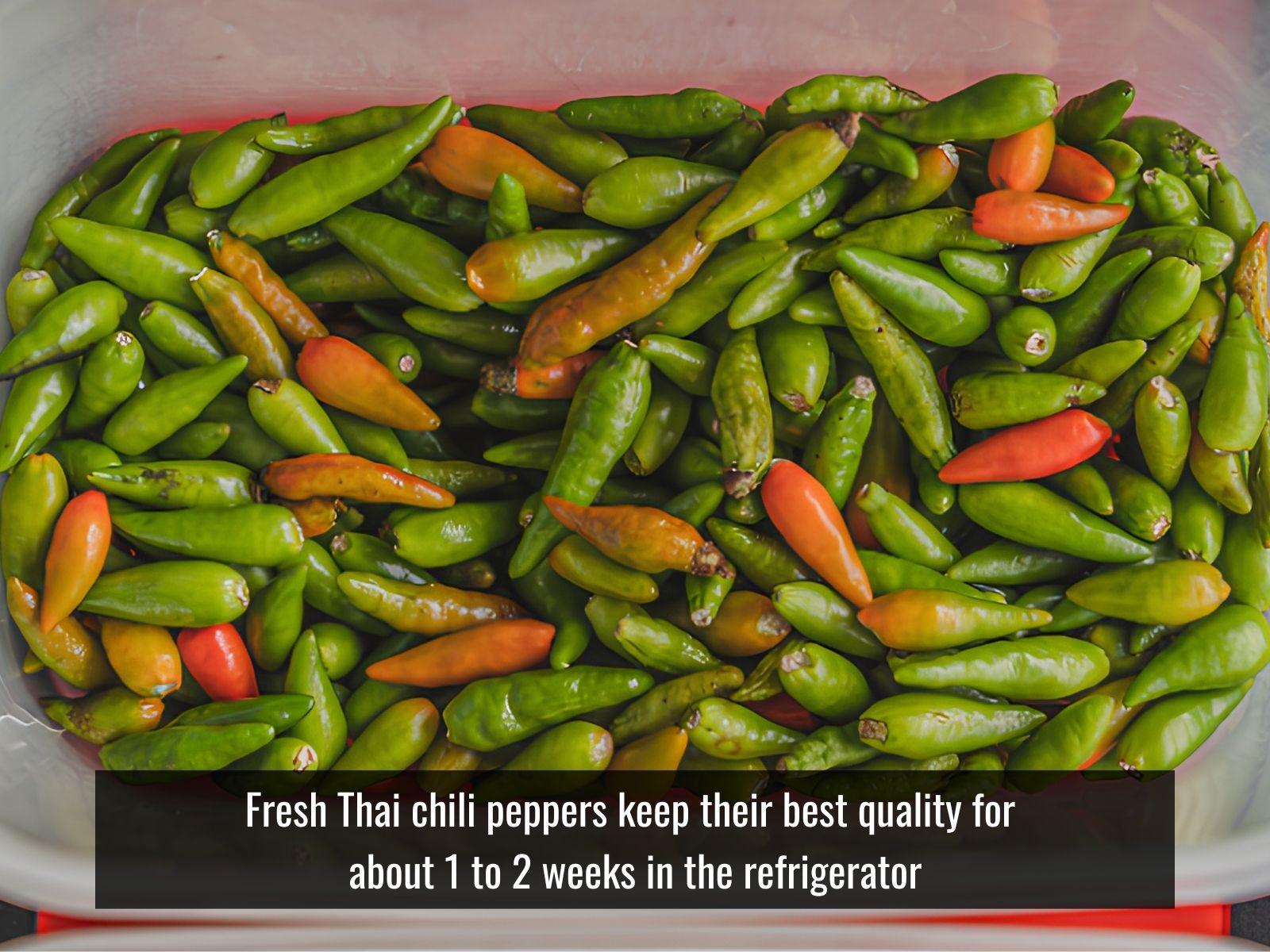
Fresh Thai chili peppers keep their best quality for about 1 to 2 weeks in the refrigerator. Store them whole, dry, and unwashed in a vented bag or breathable container in the crisper drawer. Remove damaged peppers before storage, and wash the remaining pods only before use. Discard any chili that develops mold, slime, leaking liquid, or extensive soft decay.
For longer storage, freeze Thai chilies whole or sliced. Wash and dry them thoroughly first; hot peppers do not require blanching. You can freeze them on a tray for about 2 hours before transferring them to a freezer bag to prevent clumping. Use them within about 6 months for the best flavor. Their texture softens after thawing, so they work best in curries, soups, stir-fries, sauces, and blended condiments.
To make prik haeng, or dried Thai chili, use a food dehydrator at approximately 130–140°F (54–60°C), or follow the manufacturer’s vegetable setting. Continue drying until the peppers become fully brittle, then let them cool before sealing them in an airtight container. Small chilies can also be air-dried in a warm, dry, and well-ventilated place.
Store whole dried chilies, flakes, and powder away from heat, light, air, and moisture. Whole pods retain their smoky, fruity aroma longer than ground powder. Use them within about 6 to 12 months for the best flavor, and discard any product that develops moisture, mold, insects, or an unusual odor.
What Can You Substitute for Thai Chili Peppers?
The closest substitute for Thai chili pepper is serrano pepper, a same-heat-tier neighbor in fresh form, with a thin enough skin for stir-fry use. A few other peppers stand in well too, depending on whether you are cooking fresh or reaching for something from the pantry.
| Substitute | Ratio | Flavor vs. Thai Chili | Best Used In |
| Serrano pepper | Use 2× the quantity | Earthier, less fruity, slower burn | Fresh sauces, stir-fries, soups |
| Cayenne pepper (fresh) | Use 1.5× the quantity | Similar heat tier, slightly less fruity | Cooked dishes, sauces |
| Habanero pepper | Use ½ the quantity | Fruitier, more floral, longer-lasting burn | Hot sauces, curries (adjust carefully) |
| Crushed red pepper flakes | ½ tsp per fresh pepper | Less fruity, smokier | Cooked dishes only, not raw |
One rule keeps substitutions on track: fresh peppers for fresh uses like raw garnish and dipping sauce, dried flakes and powder for cooked dishes only. Serrano is the easiest swap when you want to stay fresh, while a fresh cayenne pepper covers most cooked applications. No substitute fully matches Thai chili's fast-onset, clean burn or the way its thin skin blends smoothly into a sauce.
References
- Pathirana, R. (2013). Peppers: Vegetable and Spice Capsicums, 2nd edition, by Paul W. Bosland and Eric J. Votava. Crop Production Science in Horticulture Series 22. Wallingford, UK, CABI, 2012. 248 pp. ISBN 9781845938253. New Zealand Journal of Crop and Horticultural Science, 41, 102–103. https://doi.org/10.1080/01140671.2012.745161
- Tewksbury, J. J., & Nabhan, G. P. (2001). Seed dispersal. Directed deterrence by capsaicin in chilies. Nature, 412(6845), 403–404. https://doi.org/10.1038/35086653
Frequently Asked Questions
Thai chili peppers typically measure 50,000 to 100,000 Scoville Heat Units, placing them in the hot pepper category. They are substantially hotter than jalapeños at 2,500 to 8,000 SHU and serrano peppers at approximately 10,000 to 23,000 SHU, but remain below most habaneros.
Yes, Thai chili peppers are usually hotter than cayenne peppers, although their ranges meet near 50,000 SHU. Thai chilies typically measure 50,000 to 100,000 SHU, while cayenne peppers commonly measure 30,000 to 50,000 SHU. Thai chilies provide sharp, concentrated heat, while cayenne is often used dried and ground for steady, evenly distributed pungency.
Yes, Thai chili peppers are much hotter than jalapeños. Thai chili measures 50,000 to 100,000 SHU, which puts it 6 to 40 times hotter than a jalapeño at 2,500 to 8,000 SHU. Thai chili also burns faster because of its thinner walls, while jalapeño heat builds more gradually on the palate.
Yes, you can eat Thai chili pepper seeds. The seeds carry concentrated capsaicin, so leaving them in adds heat, and removing them cuts it by roughly 30 to 40% without changing the pepper's fruity flavor. For a milder result in cooking, scrape out the seeds and inner membrane before slicing.
Your Thai chili pepper turned red because it had reached full ripeness. Thai chilies start out green, which is the unripe stage with the sharpest flavor, then move through yellow-orange before turning red. Red Thai chilies taste slightly sweeter and more aromatic than green ones, and both stages have a place in Thai cooking depending on the dish.
Thai chili peppers do not strictly need refrigeration, but it keeps them fresh far longer. Whole, unwashed Thai chilies last 1 to 2 weeks in a paper bag in the crisper drawer, while at room temperature they soften and shrivel within 2 to 3 days. For longer storage, freeze them whole or dry them at 200°F (93°C) for 4 to 6 hours.
Bird's-eye chili is not exactly the same as Thai chili pepper, but the two names often get used interchangeably. Thai chili is the broader category, and bird's eye chili ("prik kee nu") is its most common variety, so people tend to mean bird's eye when they say Thai chili. Bird's eye stands out for its small size, about 1 inch (2.5 cm), and for the maximum heat within the Thai chili range.

CHIN-SU KITCHEN TEAM
CHIN-SU Kitchen Team are the creative experts behind the delicious recipes featuring CHIN-SU sauces. With years of experience and a passion for flavor, our team carefully selects recipes from a variety of trusted chefs and bloggers, bringing together the best culinary insights to present you with the most suitable and exciting dishes. Every recipe is chosen to inspire you to create meals that are not only tasty but also easy to prepare, enhancing your dining experience. Join us as we explore a wide range of sauces and flavors, and elevate every meal with the perfect recipe for your table!
User Reviews
Featured Articles
SUBSCRIBE TO GET
MORE INFO
Want the latest and greatest recipes, updates, and more from us,
straight to your inbox? Subscribe and get our NEWS!