What Is a Chipotle Pepper? Heat and Uses Explained
Published: Jul 28, 2026 by CHIN-SU
Updated: Jul 30, 2026 by CHIN-SU
A chipotle pepper (Capsicum annuum) is a smoke-dried Mexican chili made from a fully ripe red jalapeño. It measures 2,500 to 8,000 Scoville Heat Units (SHU), placing it in the medium heat range. Smoking and drying transform the jalapeño’s fresh, grassy flavor into a concentrated blend of smoke, earthiness, mild sweetness, and moderate heat.
The name chipotle comes from the Nahuatl word chīlpoctli, meaning “smoked chili.” Whole dried chipotles usually measure 2 to 3 inches (5 to 7.5 cm) long and have wrinkled, leathery skin. Morita chipotles are dark reddish-brown, relatively pliable, and fruitier, while chipotle meco peppers are grayish-tan, drier, and more heavily smoked.
From the traditional smoking process to modern uses in powders, sauces, and canned adobo, the sections below cover chipotle’s flavor, heat level, differences from fresh jalapeños, culinary applications, regular consumption, storage methods, and suitable substitutes.
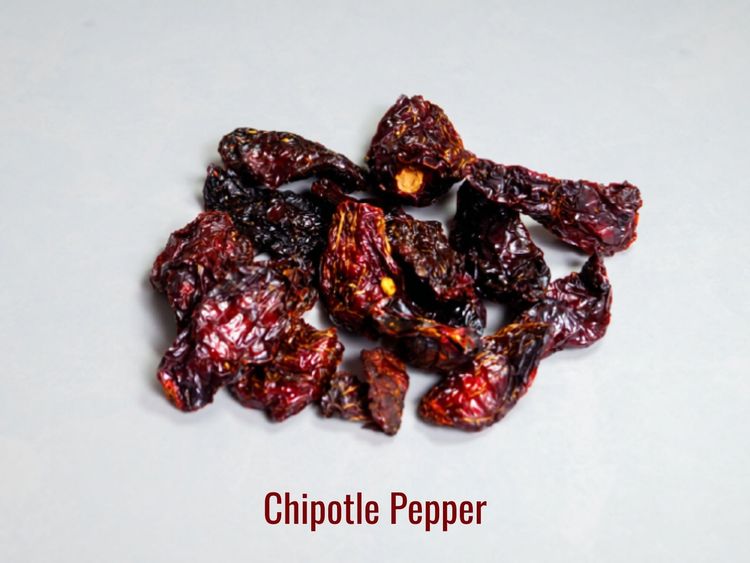
Table Of Contents
What Is a Chipotle Pepper?
- How Hot Are Chipotle Peppers?
How to Use Chipotle Peppers in Cooking
- How to Store Chipotle Peppers
- What Can You Substitute for Chipotle Peppers?
What Is a Chipotle Pepper?
A chipotle pepper (Capsicum annuum) is a fully ripe red jalapeño that has been smoke-dried over hardwood for several days. Smoking removes most of the pepper’s moisture and transforms its fresh, grassy flavor into a concentrated blend of smoke, earthiness, and mild sweetness. Chipotle is therefore a preserved form of jalapeño, not a separate pepper species.
The name chipotle comes from the Nahuatl word chīlpoctli, meaning “smoked chili.” The technique dates to pre-Hispanic Mesoamerica and also serves a practical purpose. Jalapeños have thick, moisture-rich flesh, which makes them harder to sun-dry than thin-walled chilies. Smoking allowed ripe peppers to dry before they spoiled.
Most traditional chipotles are produced in Mexico. Chihuahua is particularly associated with chipotle morita, the dark, fruity form commonly exported to the United States. To make chipotles, producers harvest mature red jalapeños and place them in a smoking chamber. Low heat and hardwood smoke gradually dry the pods. Pecan is commonly used, although walnut and other hardwoods may also be selected depending on the region and producer.
One documented traditional method smokes jalapeños at 149 - 167°F (65 - 75°C) for about five to six days. During this process, moisture may fall from roughly 88% to about 6%. These figures describe a typical method rather than a fixed standard because wood type, temperature, smoking time, equipment, and starting moisture vary.
The peppers also lose substantial weight. About 10 pounds (4.5 kg) of fresh jalapeños may produce only 1 pound (454 g) of finished chipotles. Water loss concentrates the pepper’s existing flavor, while smoke adds new aromatic compounds. This explains why dried chipotles taste more intense than the fresh jalapeños they come from.
A dried chipotle usually measures 2 to 3 inches (5 to 7 cm) long and has wrinkled, leathery skin.
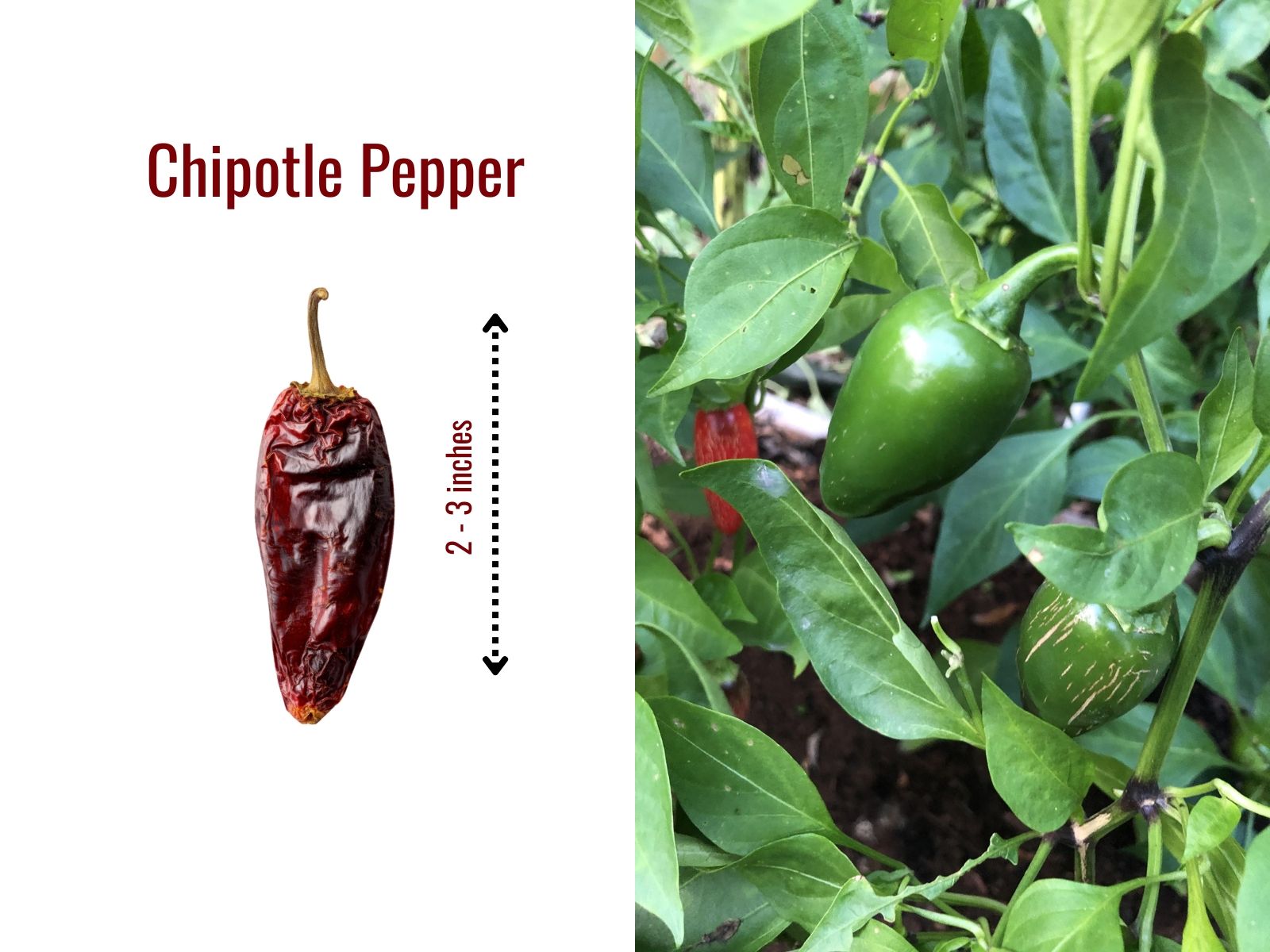
The two principal forms differ in color, texture, smoking level, and flavor:
| Form | Color | Texture | Smoke Duration | Flavor Character |
| Chipotle Morita | Dark brownish-burgundy, hints of purple | Leathery, pliable | Shorter (1 to 4 days) | Fruity, sweet, moderate smoke |
| Chipotle Meco (típico) | Grayish-tan, ashy brown | Stiff, dry, bark-like | Longer (up to 2x Morita) | Deep smoke, earthy, less fruity |
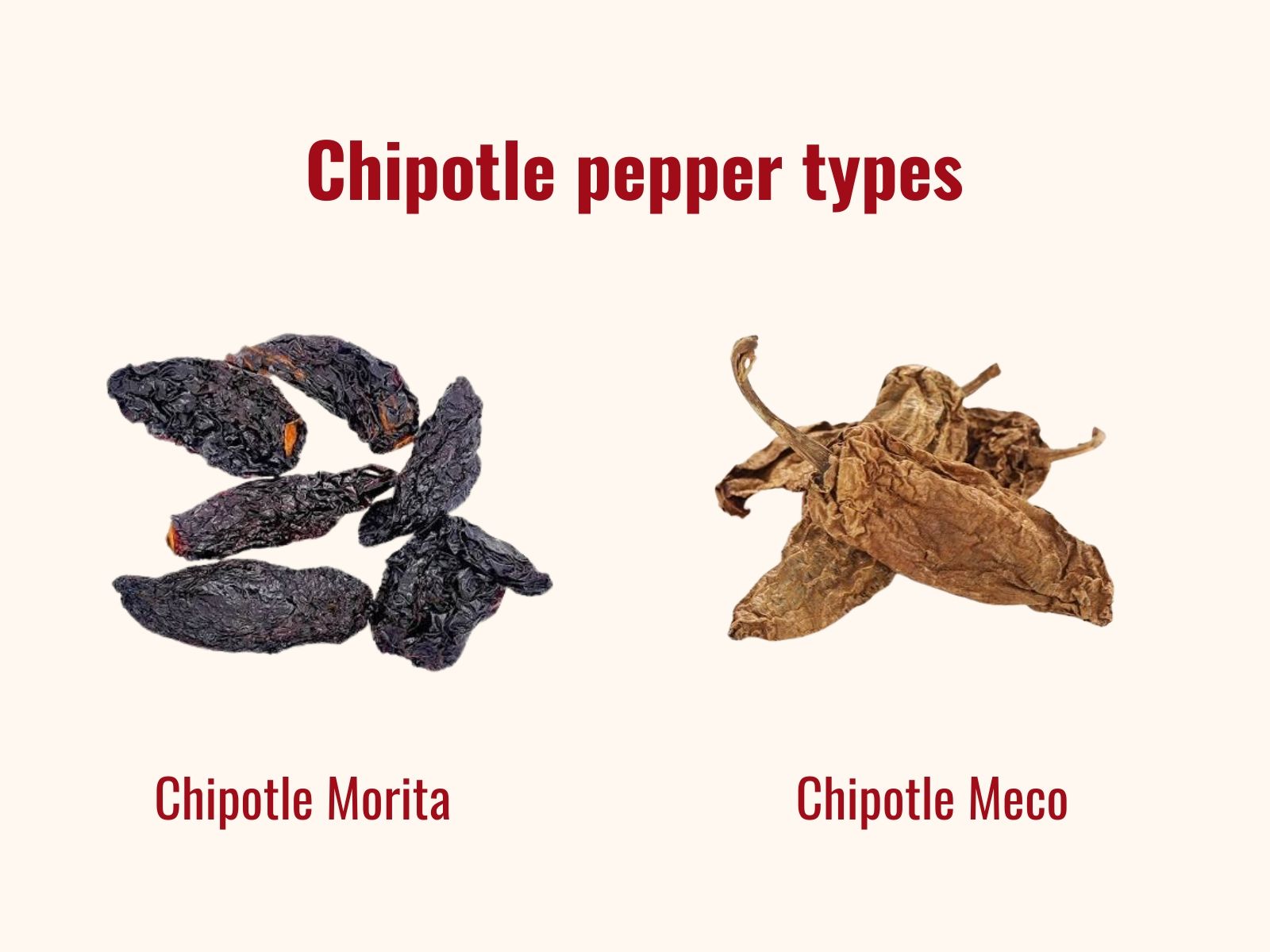
Morita means “little blackberry,” referring to its dark red-purple color. Moritas receive less smoke, so they remain softer, fruitier, and slightly sweeter. They are the chipotle type most commonly found in U.S. markets.
Chipotle meco, also called típico or chile ahumado, is smoked longer, giving it a pale, dusty surface, firmer texture, and deeper smoky flavor. It is more common in Mexico and specialty markets. Both morita and meco are smoked jalapeños; their differences come from the peppers selected and the smoking process.
Capones are a rarer variation made by removing the seeds and some internal tissue before smoking, which may reduce their heat. Chipotles are also sold as powder, flakes, paste, puree, prepared sauce, and canned chipotles en adobo. The canned form contains rehydrated peppers in a seasoned sauce, commonly made with tomato, vinegar, garlic, onions, herbs, and spices..
What Do Chipotle Peppers Taste Like?
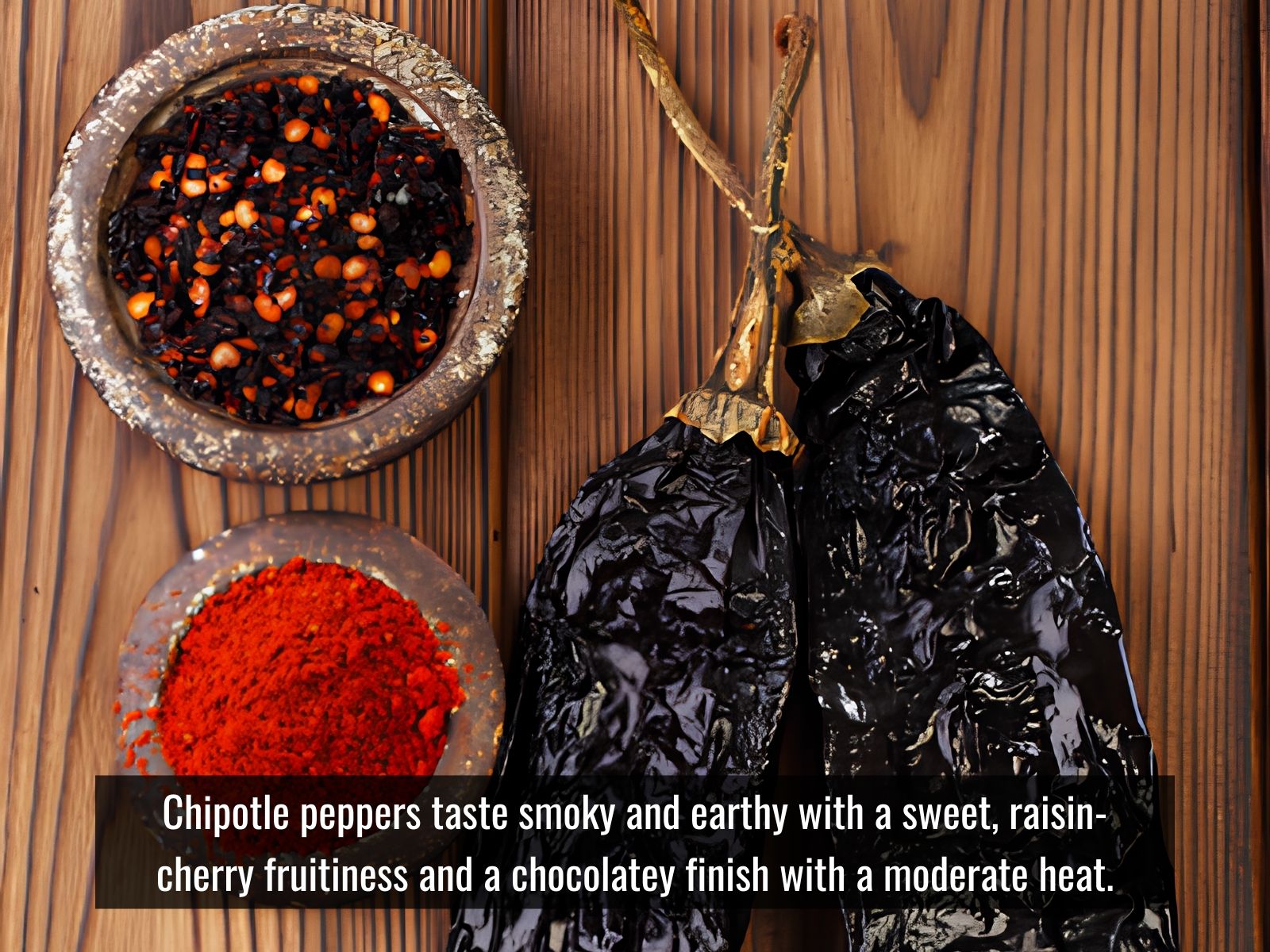
Chipotle peppers taste smoky, earthy, moderately spicy, and lightly sweet, with dried-fruit notes often compared with raisins or dried cherries. Some pods also develop subtle nutty or cocoa-like notes beneath the smoke. The flavor is deeper, richer, and less grassy than that of a fresh jalapeño.
The sweetness comes partly from using fully ripe red jalapeños and concentrating their flavor as moisture leaves during drying. Hardwood smoke adds the characteristic roasted, earthy aroma. The final profile varies with the wood, smoking time, drying temperature, and quality of the original peppers.
The chipotle type also changes the flavor balance. Morita peppers receive less smoke, so they retain more fruitiness, mild sweetness, and red-pepper character. Meco chipotles are smoked longer and taste drier, earthier, and more intensely smoky.
Preparation determines which flavors stand out. Briefly toasting a dried chipotle in a dry skillet strengthens its roasted and smoky aroma, but prolonged heat can burn the skin and create bitterness. Soaking it in warm water or stock softens the flesh and makes it easier to blend into sauces, marinades, pastes, and purees while allowing its underlying fruitiness to come through.
Are Chipotle Peppers Different from Jalapeños?
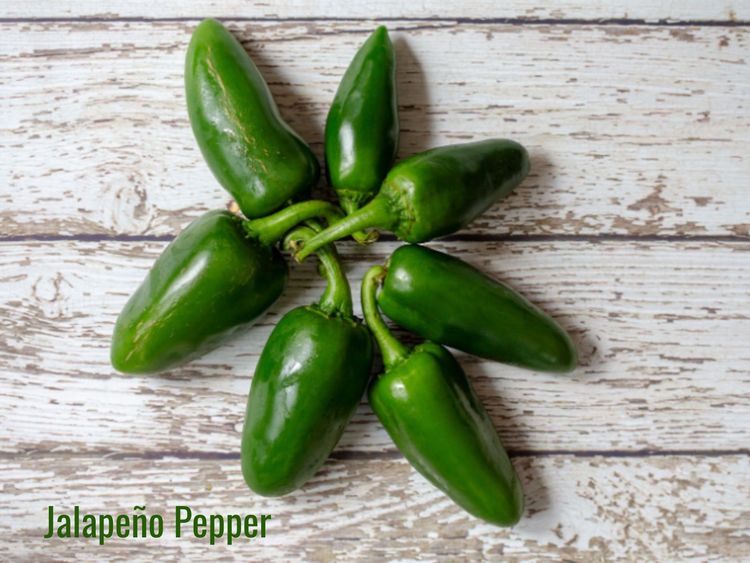
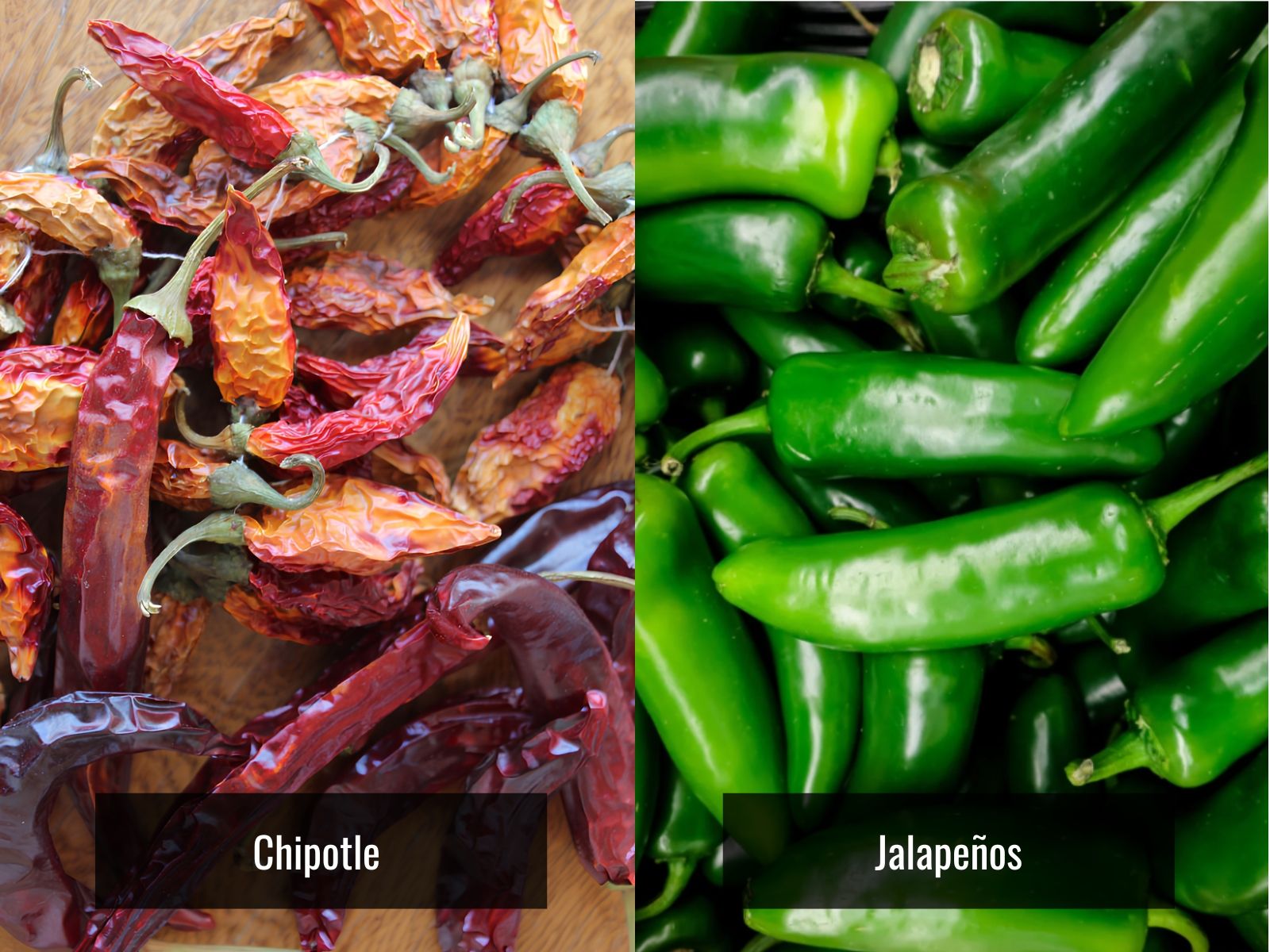
Chipotle peppers and jalapeños come from the same pepper species, Capsicum annuum, but ripeness and smoke-drying turn them into distinct ingredients. A chipotle is a fully ripe red jalapeño that has been smoked and dried, while most fresh jalapeños are harvested green.
| Attribute | Chipotle Pepper | Jalapeño Pepper |
| Form | Ripe red jalapeño, smoke-dried | Fresh |
| Length | 2 to 4 in (5 to 10 cm), dried and shrunken | 2 to 4 in (5 to 10 cm), fresh |
| Texture | Wrinkled and leathery; moritas remain relatively pliable | Smooth, crisp, firm, and juicy |
| Color | Dark brownish-burgundy (morita); grayish-tan (meco) | Deep green (unripe) to red (ripe) |
| Heat (SHU) | 2,500 to 8,000 (same pepper, different processing) | 2,500 to 8,000 |
| Flavor | Smoky, earthy, sweet, raisin-cherry, chocolatey | Grassy, bright, crisp, slightly sweet |
| Cooking Performance | Needs rehydration or paste-making; suits slow-cooked dishes, sauces, and braises | Sliceable fresh; works raw or cooked |
| Best Use | Adobo sauce, braised meats, chili con carne, barbecue sauce, stews | Salsas, poppers, nachos, pickled slices |
How Hot Are Chipotle Peppers?
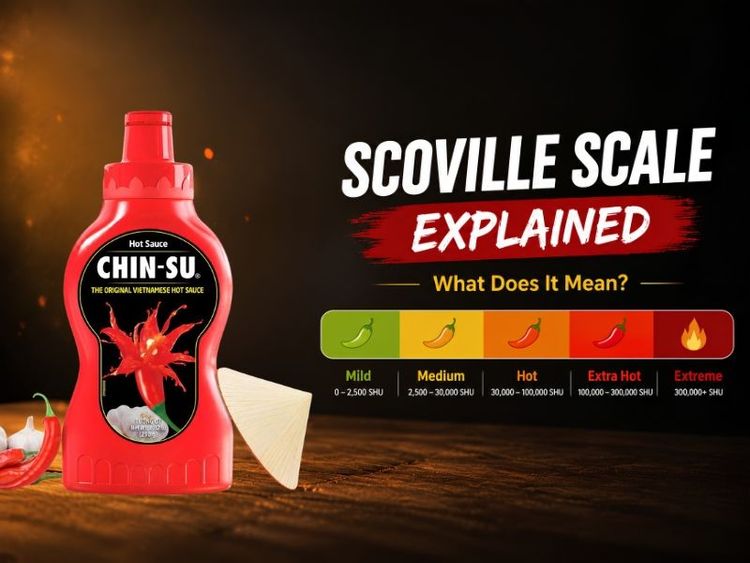
Chipotle peppers measure 2,500 to 8,000 Scoville Heat Units (SHU), placing them in the medium tier of the scale. For perspective, pure capsaicin measures about 16,000,000 SHU, so chipotle sits in the lower-middle range of the overall scale. SHU indicates a pepper’s pungency based on its capsaicinoid content: the higher the number, the stronger the heat. For a full explanation of the measurement, see our guide to the Scoville scale.
Individual chipotles do not all reach the same heat level. They are made from ripe red jalapeños, but cultivar, maturity, growing temperature, water availability, plant stress, and the original pepper’s capsaicinoid concentration all influence pungency. Smoking and drying remove moisture and concentrate flavor, but they do not necessarily increase the total capsaicinoid content. Measurements can also differ depending on whether researchers compare peppers by fresh weight or dry weight.
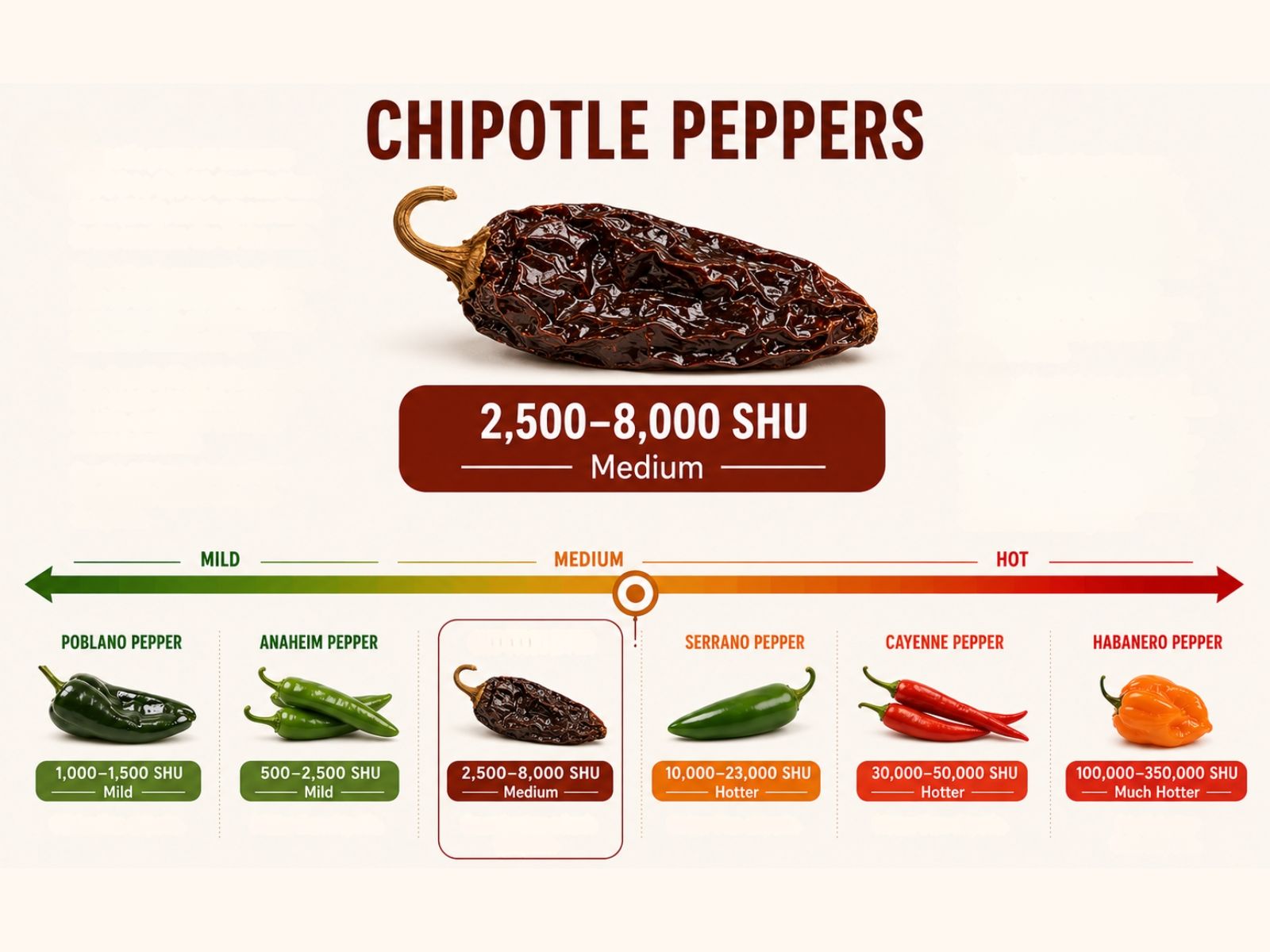
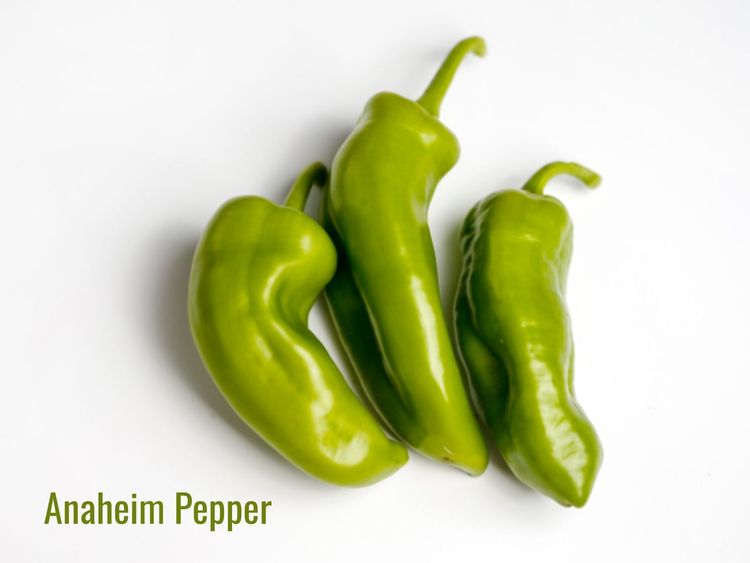
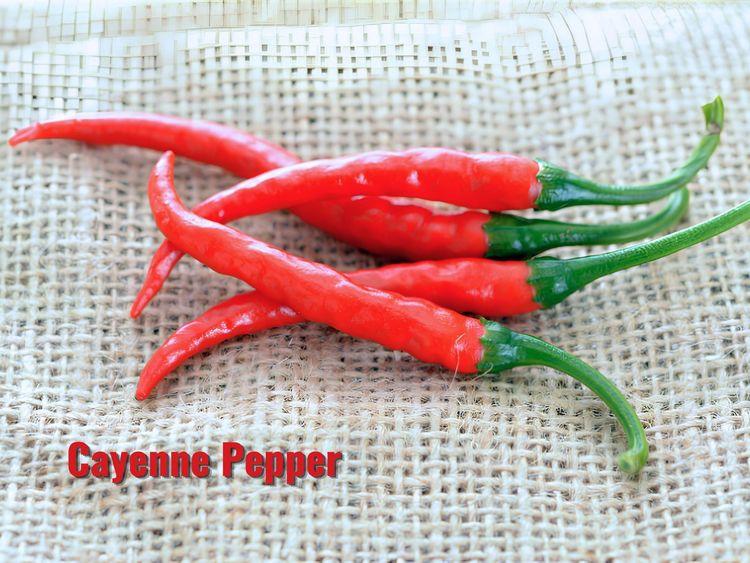
Compared with other commonly used Mexican and culinary peppers, chipotle falls near the middle of the heat spectrum. It is hotter than poblano peppers at 1,000 to 1,500 SHU and Anaheim peppers at 500 to 2,500 SHU. However, it remains milder than serrano peppers at 10,000 to 23,000 SHU, cayenne peppers at 30,000 to 50,000 SHU, and habanero peppers at 100,000 to 350,000 SHU.
Because chipotle is a smoke-dried jalapeño, it shares the same commonly cited heat range as the fresh pepper. Its moderate pungency allows it to season sauces, stews, marinades, and braises without automatically overwhelming the dish. In many recipes, the smoky flavor stands out more than the chili burn.
How to Use Chipotle Peppers in Cooking
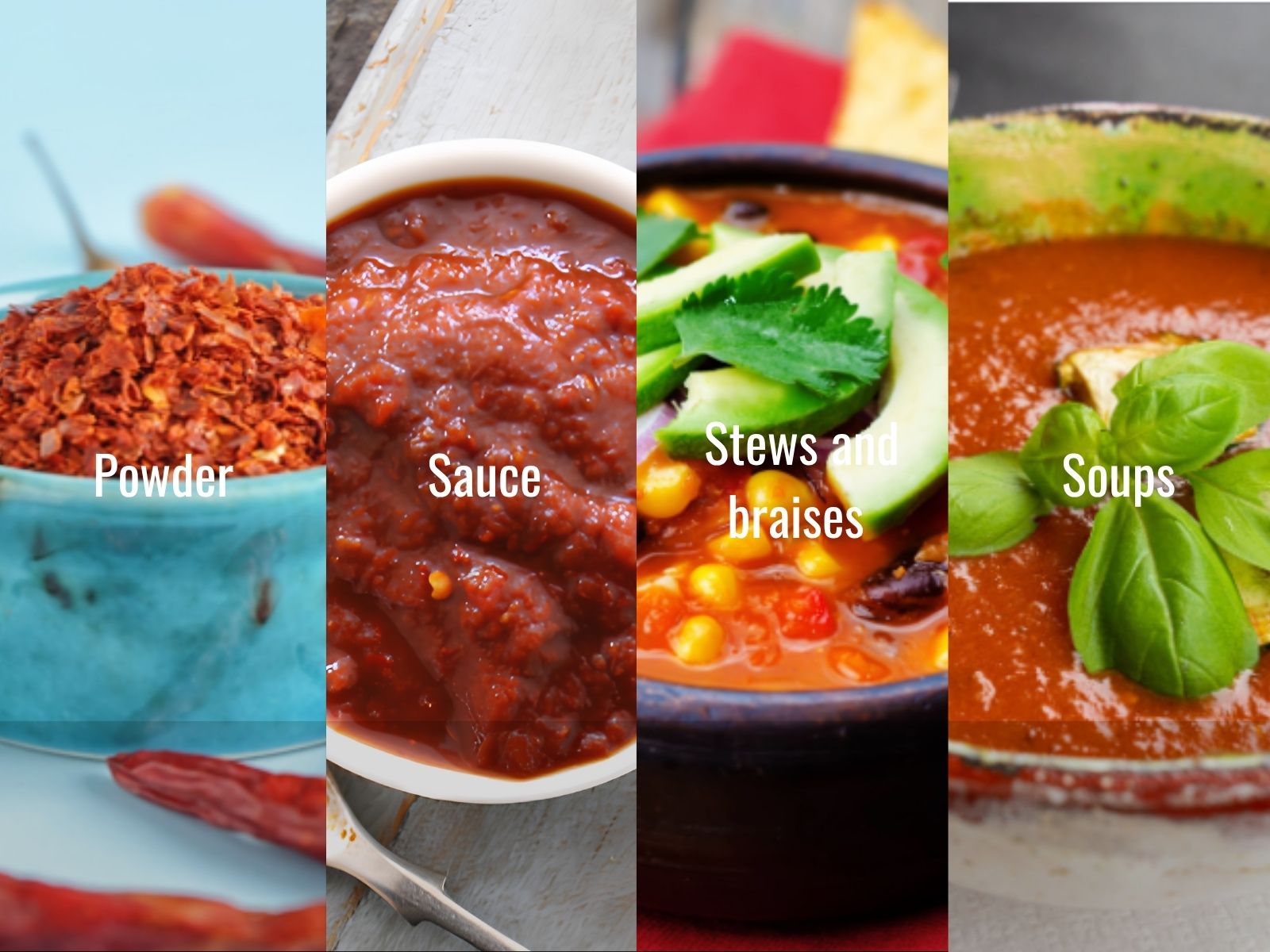
Use chipotle peppers in canned adobo, rehydrated whole, ground into powder or flakes, blended into paste, or added directly to slow-cooked dishes. Start with a small amount because both the pepper and its smoke can dominate a recipe.
Dried chipotle peppers also provide concentrated nutrients. Per 100 g, they contain about 324 kcal, 28.7 g of dietary fiber, 26,488 IU of vitamin A, 108.2 mcg of vitamin K, and 8.669 mg of niacin. Actual servings are much smaller, often one pepper or a spoonful of powder, so the nutritional contribution per dish remains modest. Capsaicinoids have also been studied for thermogenesis and anti-inflammatory activity.
- Canned chipotles en adobo: Finely chop the peppers and stir them into chicken tinga, pulled pork, scrambled eggs, tortilla soup, black bean stew, cooked salsa, barbecue sauce, or chipotle mayo. Use only the adobo sauce for mild background smoke, or add both the pepper and sauce for stronger heat. Blending the entire can creates a smooth puree that is easy to portion into marinades, dressings, soups, and mayonnaise.
- Rehydrated dried chipotles: Briefly toast morita or meco chipotles in a dry skillet for 20–30 seconds per side, stopping once they become fragrant. Remove the stem, slit the pod, and soak it in hot water for 20–25 minutes. Blend the softened pepper with water, stock, vinegar, or cooking liquid to make a paste for salsa, mole, marinades, braises, and slow-cooked beans.
- Chipotle powder and flakes: Use ground chipotle pepper in barbecue rubs, taco meat, chili con carne, roasted vegetables, popcorn, eggs, grilled corn, salad dressings, and seasoned nuts. Powder distributes evenly, while flakes add visible texture. Unlike standard U.S. chili powder, pure chipotle powder usually contains only ground smoke-dried jalapeños rather than a blend of chilies, cumin, garlic, oregano, and other seasonings.
- Chipotle paste or puree: Blend chipotles with adobo sauce, vinegar, stock, or water. Thick paste works well in marinades, glazes, mayonnaise, and dipping sauces, while thinner puree spreads more evenly through soups, crema, and large sauce batches. You can also turn the puree into a pourable condiment by following a chipotle hot sauce recipe that combines the smoked peppers with vinegar, garlic, salt, and complementary seasonings.
- Braised and stewed dishes: Add a whole, chopped, or pureed chipotle to beans, beef chili, tortilla soup, braised short ribs, pulled pork, or tomato-based stews. A whole pepper releases smoky heat gradually, while chopped or pureed chipotle distributes it throughout the dish.
- Barbecue and grilling: Add chipotle powder to dry rubs, paste to wet marinades, or adobo sauce to glazes. It pairs well with beef, pork, chicken, shrimp, mushrooms, corn, and sweet potatoes. Brown sugar, honey, or fruit preserves add sweetness, while lime juice, vinegar, or tomato balance rich meat with acidity.
Can You Eat Chipotle Peppers Every Day?
Yes, most healthy adults can eat chipotle peppers daily in moderate amounts if they tolerate spicy food. For a dish serving four to six people, start with 1–2 canned chipotles or 1–2 teaspoons of chipotle powder.
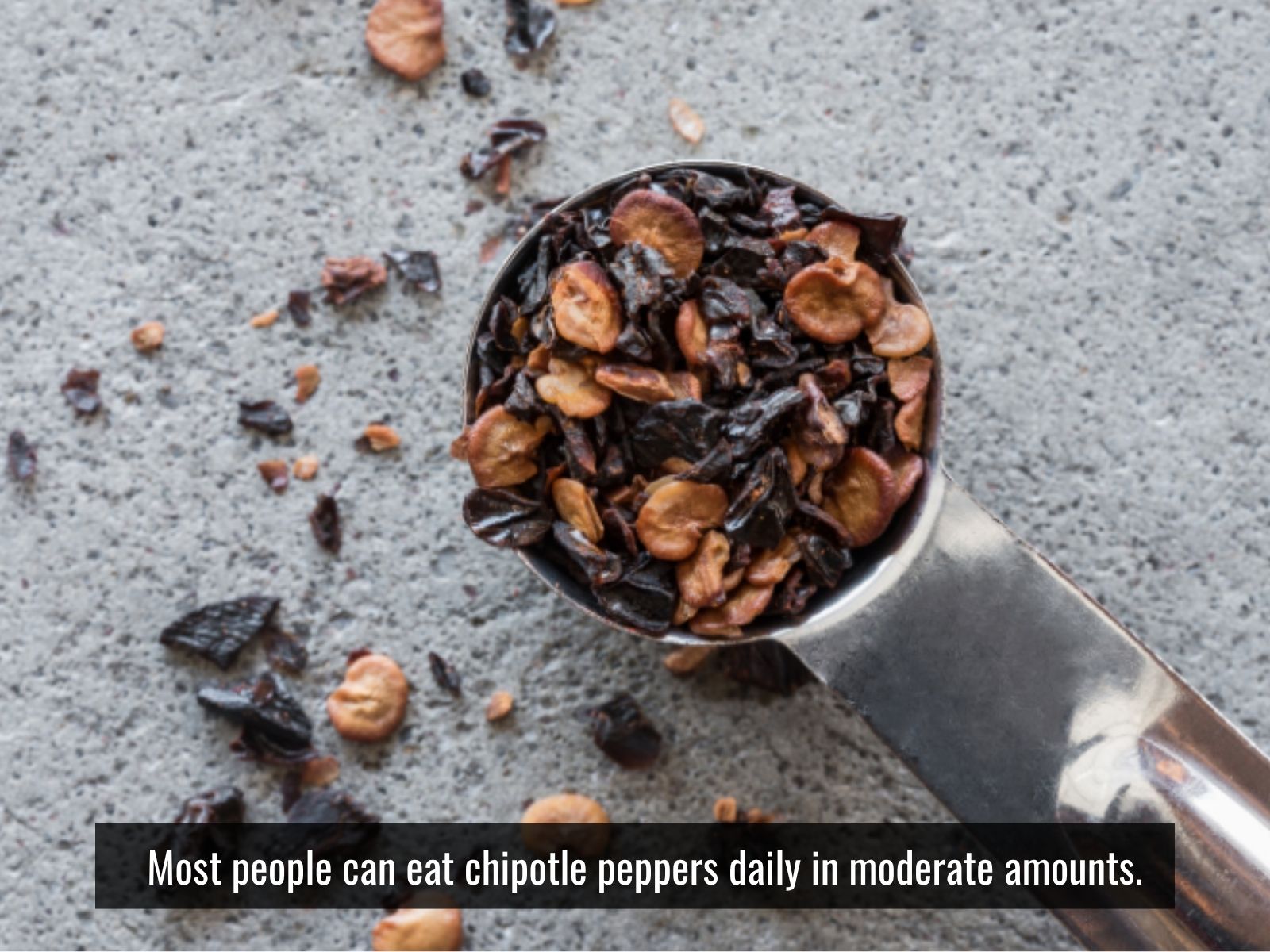
Chipotle is usually used as a seasoning, so each person consumes only a small portion. Reduce the amount if it causes heartburn, abdominal pain, nausea, or diarrhea. People with GERD, IBS, or capsaicin sensitivity may need to limit or avoid it.
Canned chipotles en adobo may contain added sodium and sugar, so check the label when monitoring either nutrient.
How to Store Chipotle Peppers
Dried chipotle peppers keep for 1 to 2 years in an airtight container stored in a cool, dark place. How you store Chipotle depends on the form you bought, and each one has its own shelf life.
Canned chipotles in adobo need attention once you open the can. Move the leftover peppers and sauce into an airtight glass or plastic container and refrigerate them; use them within 1 to 2 weeks. For anything longer, spoon single portions into ice cube trays or small freezer bags and freeze them for up to 6 months.
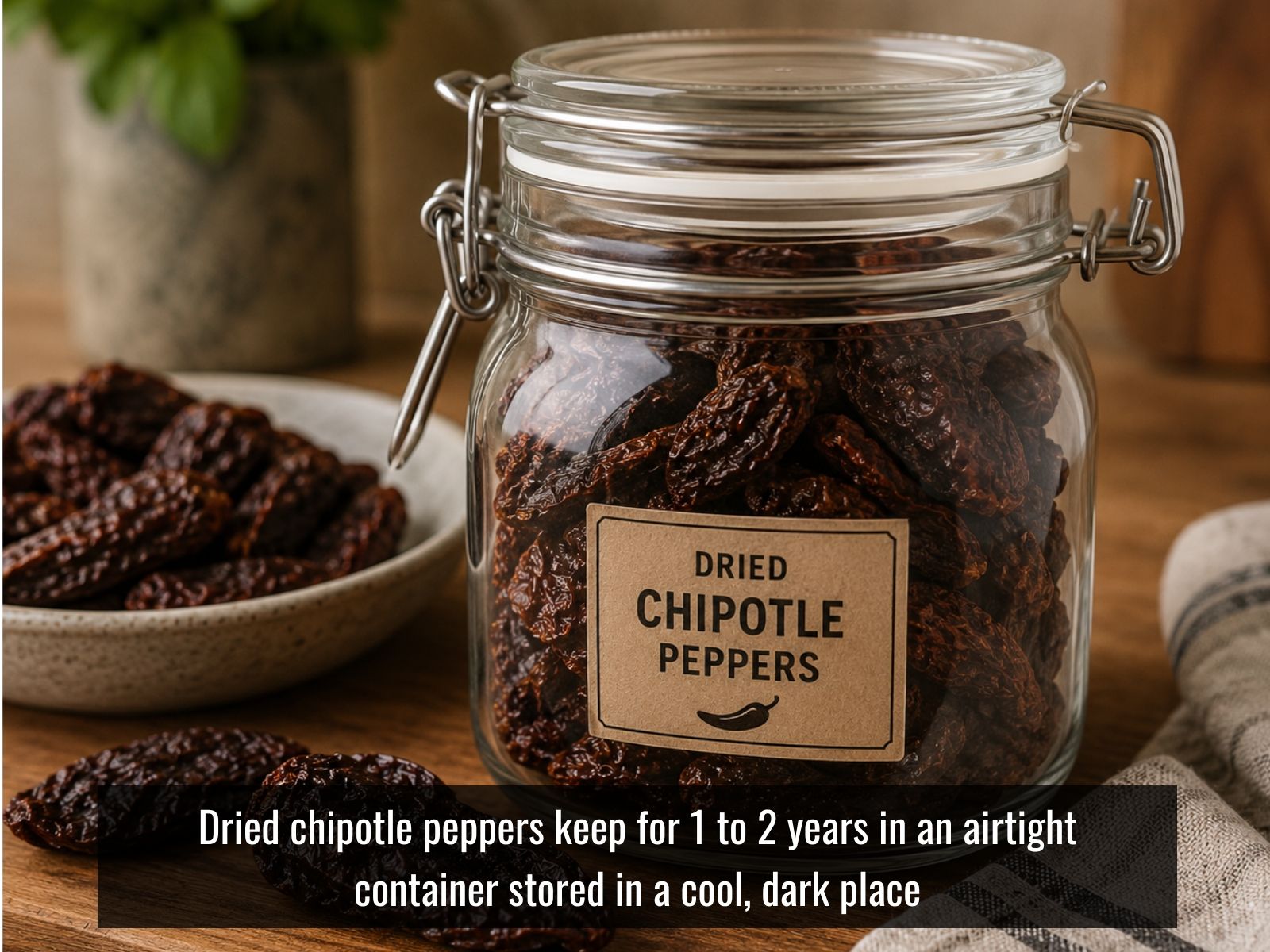
Whole dried chipotles are the most forgiving to keep. Store them in an airtight glass or plastic container, away from heat, moisture, and sunlight, and they hold for 1 to 2 years. Keep them in a climate-controlled pantry at 60 to 72°F (15 to 22°C) with low humidity, and that window stretches to 2 to 3 years. Toss them once you spot the signs of age: a pale or ashy color, a hardened texture, mold, or a fading smoky aroma.
Chipotle powder stores much the same way, in an airtight container tucked into a cool, dark cabinet, where it stays good for up to a year. Its potency diminishes over time, so replace it once the aroma weakens.
What Can You Substitute for Chipotle Peppers?
The closest substitute for chipotle peppers is the ancho chile, which shares a similar dried-pepper depth, though without the pronounced smokiness. A few other dried peppers and one smoked spice can fill in, each shifting the flavor in its own direction, as shown in this table:
| Substitute | Ratio | Flavor vs. Chipotle | Best Used In |
| Ancho chile | 1:1 | Earthy, mild, fruity; less smoky | Mole, braises, sauces |
| Smoked paprika | 1 tsp per chipotle pepper | Smoky but much milder heat | Rubs, soups, quick sauces |
| Guajillo chile + liquid smoke | 1:1 + ½ tsp liquid smoke | Tangy, slightly sweet; approximate smokiness | Salsas, marinades, stews |
| Pasilla chile | 1:1 | Earthy, raisin-like; no smoke | Mole, braises (add liquid smoke if needed) |
One rule keeps these swaps on track: dried substitutes belong only in cooked applications. None of them fully replicates the layered smokiness of a chipotle, but each gets you close enough for the right dish.
References
- Wikipedia. Chipotle. https://en.wikipedia.org/wiki/Chipotle
- DeWitt, D. (1999). The Chile Pepper Encyclopedia. William Morrow.
- Irandoost, P., Lotfi Yagin, N., Namazi, N., Keshtkar, A., Farsi, F., Mesri Alamdari, N., & Vafa, M. (2021). The effect of Capsaicinoids or Capsinoids in red pepper on thermogenesis in healthy adults: A systematic review and meta-analysis. Phytotherapy Research: PTR, 35(3), 1358–1377. https://doi.org/10.1002/ptr.6897
- Pathirana, R. (2013). Peppers: Vegetable and Spice Capsicums, 2nd edition, by Paul W. Bosland and Eric J. Votava. Crop Production Science in Horticulture Series 22. Wallingford, UK, CABI, 2012. 248 pp. ISBN 9781845938253. New Zealand Journal of Crop and Horticultural Science, 41, 102–103. https://doi.org/10.1080/01140671.2012.745161
Frequently Asked Questions
No, chipotle powder and chili powder are not the same. Chipotle powder is usually ground smoke-dried jalapeño, sometimes with an anti-caking agent. Standard U.S. chili powder is a seasoning blend that commonly combines ground chilies with cumin, garlic, oregano, salt, and other spices.
Yes, chipotle peppers are spicy, but they have a moderate heat level. They typically measure 2,500 to 8,000 Scoville Heat Units, similar to jalapeños. Because chipotles are smoke-dried ripe jalapeños, their defining characteristic is a smoky, earthy flavor with gradual heat rather than an intense burn.
Yes, a chipotle pepper is a jalapeño. It starts as a ripe red jalapeño that is smoke-dried for several days over wood, and that step turns the flavor from grassy and crisp into something smoky, earthy, and sweet. The heat range stays the same at 2,500 to 8,000 SHU, but the flavor profile changes completely.
Chipotle peppers share the same 2,500 to 8,000 SHU range as jalapeños, so on paper they are not hotter. In practice, chipotles tend toward the higher end of that range, since they are made from fully ripe red jalapeños that reach peak capsaicin concentration before picking.
The difference between Chipotle Morita and Chipotle Meco comes down to smoking time. Morita is smoked for a shorter stretch, so it keeps more fruitiness and shows a dark brownish-burgundy color. Meco, also called típico, is smoked for roughly twice as long, resulting in a stiffer, ashy-tan pepper with deeper smokiness. Morita is the standard in U.S. stores, while Meco is the preferred chipotle in Mexico.
Store canned chipotles in adobo by transferring the leftover peppers and their sauce into an airtight container and refrigerating them; they keep for 1 to 2 weeks. For longer storage, spoon individual peppers or tablespoon-sized portions into ice cube trays or small freezer bags and freeze them for up to 6 months.
Yes, Chipotle seeds are edible. Leaving them in adds more heat and a slight bitterness once the pepper is ground into powder. Removing the seeds and inner membranes before you rehydrate or grind the pepper reduces the overall spiciness by roughly 30-40%.

CHIN-SU KITCHEN TEAM
CHIN-SU Kitchen Team are the creative experts behind the delicious recipes featuring CHIN-SU sauces. With years of experience and a passion for flavor, our team carefully selects recipes from a variety of trusted chefs and bloggers, bringing together the best culinary insights to present you with the most suitable and exciting dishes. Every recipe is chosen to inspire you to create meals that are not only tasty but also easy to prepare, enhancing your dining experience. Join us as we explore a wide range of sauces and flavors, and elevate every meal with the perfect recipe for your table!
User Reviews
Featured Articles
SUBSCRIBE TO GET
MORE INFO
Want the latest and greatest recipes, updates, and more from us,
straight to your inbox? Subscribe and get our NEWS!