What Is A Cayenne Pepper? Heat and Uses Explained
Published: Jul 28, 2026 by CHIN-SU
Updated: Jul 30, 2026 by CHIN-SU
Cayenne pepper (Capsicum annuum) is a thin-walled chili pepper from French Guiana, South America, that measures 30,000 to 50,000 Scoville Heat Units (SHU), which places it in the hot range of the scale. Ground into a fine red powder, it is the most common red pepper on spice racks around the world, and it is the pepper most cooks mean when a recipe simply calls for heat.
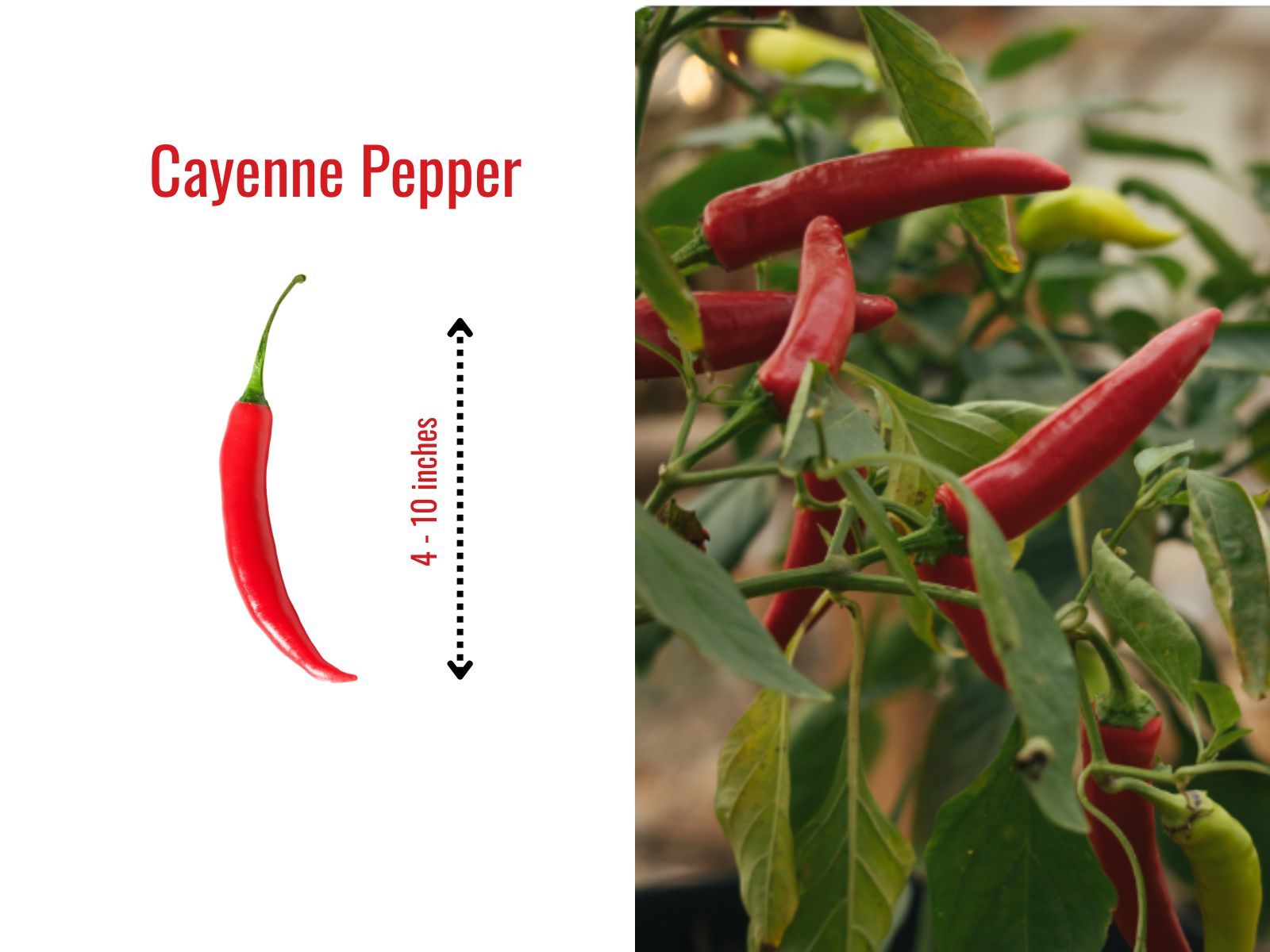
The name has deep roots. It traces back to an Indigenous South American word for capsicum, and you will still see cayenne sold under older names like guinea pepper. In the kitchen, it is the primary chili in the US, crushed red pepper flakes, and a staple of Cajun and Creole cooking, where its clean, neutral heat lets the other seasonings lead. The pepper itself grows long and slender, 4 to 10 inches (10 to 25 cm), with thin, lightly wrinkled skin that ripens from green through to bright red.
In this article, CHIN-SU walks you through what cayenne pepper is, how hot it gets on the Scoville scale, what it tastes like, how to cook with it, and how to store and substitute it at home.
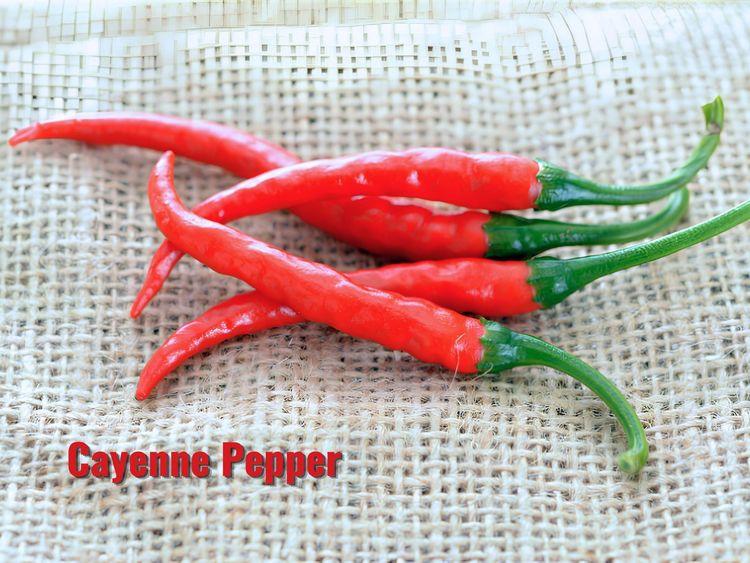
Table Of Contents
What Is a Cayenne Pepper?
- How Hot Are Cayenne Peppers?
- What Are the Health Benefits of Cayenne Pepper?
How to Use Cayenne Pepper in Cooking?
- How to Store Cayenne Pepper?
What Can You Substitute for Cayenne Pepper?
What Is a Cayenne Pepper?
A cayenne pepper (Capsicum annuum) is a long, thin-walled chili pepper. What sets it apart is a history most spice-rack peppers do not have: indigenous people in French Guiana, South America, cultivated it for roughly 7,000 years before Christopher Columbus carried it back to Europe around 1493, where it helped end the continent's spice shortage and earned the nickname "the Poor Man's Pepper". The name likely traces to the Old Tupi word "kyynha," meaning capsicum, and the English botanist Nicholas Culpeper put "cayenne pepper" in print by 1652. It belongs to the same species as jalapeños, bell peppers, and serranos, all members of the genus Capsicum in the nightshade family, Solanaceae.
The pepper grows 4 to 10 inches (10 to 25 cm) long, slender and tapering to a curved tip, with thin, somewhat wrinkled skin. Those thin walls hold less moisture than a jalapeño or poblano, which is why cayenne dries faster and grinds into a finer powder than thicker-fleshed peppers.
Like most chilies, it shifts flavor as it ripens, and each color stage brings its own character, as shown in this table:
| Color | Ripeness Stage | Flavor Character |
| Green | Unripe | Sharp, grassy, less intense heat |
| Yellow-orange | Early mature | Mild sweetness developing, heat climbing |
| Bright red | Fully ripe (most common) | Hot, neutral, peppery, lightly sweet |
Beyond the standard spice-rack cayenne, the pepper comes in several named cultivars. Standard, Golden, and Purple all sit in the usual 30,000 to 50,000 SHU band, with the yellow Golden running a touch fruitier and the Purple grown as much for its striking color as for the kitchen. Joe's Long stays in that range, too, but stretches to pods up to 12 inches (30 cm) in length, with a higher yield per plant. Three climb hotter: Ring of Fire reaches around 70,000 to 85,000 SHU, while Carolina Cayenne and Charleston Hot both push past 100,000 SHU, a real step up from the pepper most cooks keep on the shelf.
What Does Cayenne Pepper Taste Like?
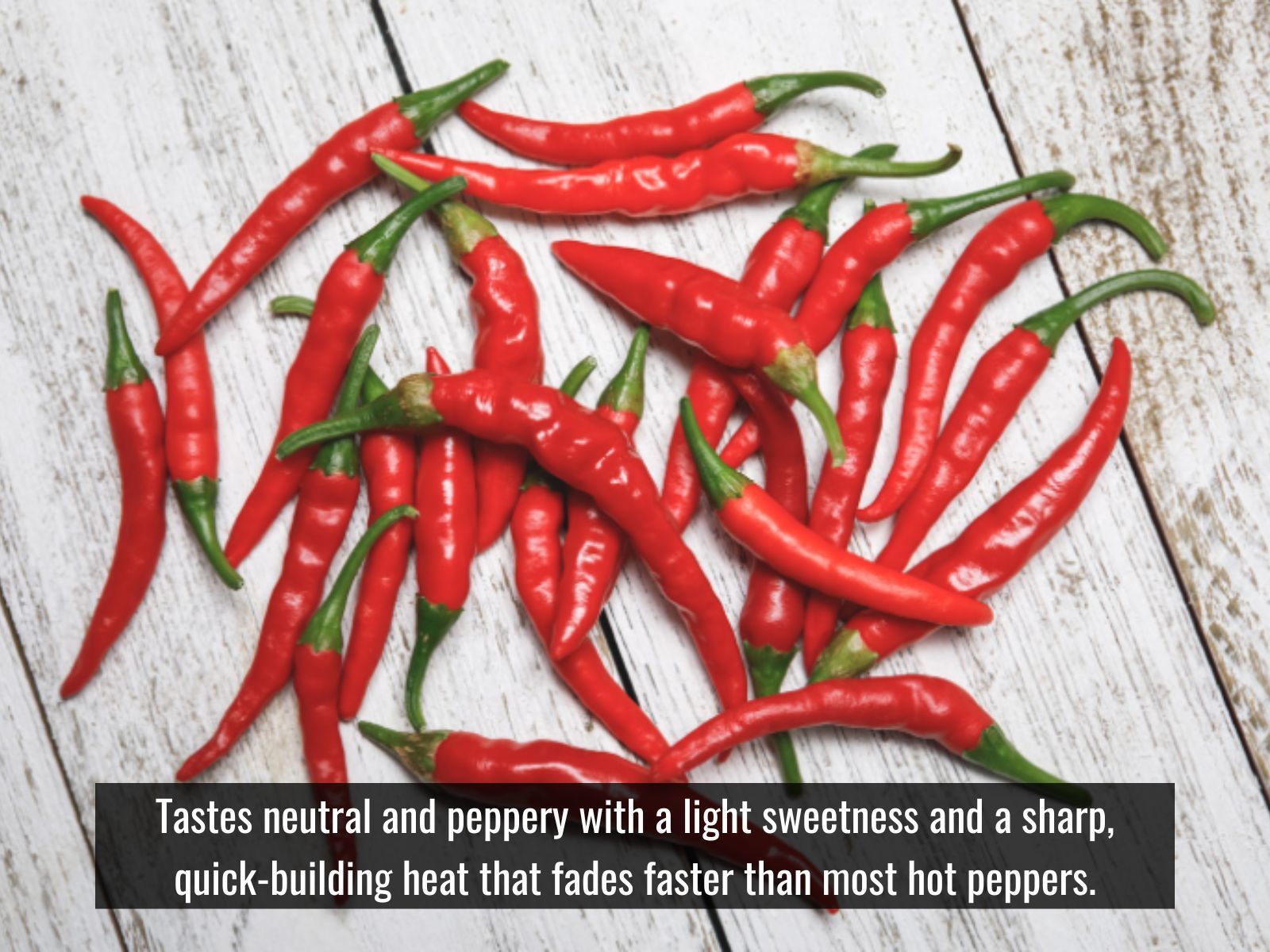
Cayenne pepper tastes neutral and peppery with a light sweetness and a sharp, quick-building heat that fades faster than most hot peppers. That heat is not fixed. Size, sun exposure, and soil stress all affect how much capsaicin a pepper carries, so a cayenne grown in hot, dry conditions can test closer to 50,000 SHU, while one from a cooler, wetter climate lands nearer 30,000 SHU. Ripeness shifts it too. Green cayenne is sharp and grassy with less heat, while a fully red pod turns fuller in flavor, lightly sweet, and reaches peak capsaicin.
There is a reason cayenne reads as more neutral than other peppers, and it comes down to what is inside the wall. The capsaicin concentrates in the inner membrane rather than the flesh, and the thin, low-sugar walls carry few flavor compounds of their own. So unlike a fruity habanero, a smoky chipotle, or a grassy-bright jalapeño, cayenne brings heat without much else.
That makes it a heat-delivery pepper, one you reach for when you want to add spiciness without changing the other flavors in a dish, and it is exactly why ground cayenne became a spice-rack standard. Cooks pick it up for heat, not for pepper flavor. Fresh cayenne works in stir-fries and salsas, while the ground powder folds into soups, rubs, and sauces. Because the powder spreads more evenly across a dish than flakes, start with less than you think you need.
How Hot Are Cayenne Peppers?
Cayenne pepper measures 30,000 to 50,000 Scoville Heat Units (SHU), placing it in the hot tier. That puts it in the upper quarter of the peppers most people meet at the grocery store, though it is nowhere near the top of the scale. Pure capsaicin tops out at 16,000,000 SHU, and the Carolina Reaper, the hottest confirmed pepper, runs 1,400,000 to 2,200,000 SHU. At 30,000 to 50,000 SHU, cayenne carries only about 2 to 3 percent of a Reaper's heat.
That number comes from the Scoville scale, which pharmacist Wilbur Scoville created in 1912 to measure capsaicin concentration. His original test dissolved pepper extract in sugar water and kept diluting it until a panel of tasters could no longer feel any heat. The more dilution a pepper needed, the higher its score. Modern labs skip the taste panel and instead use High-Performance Liquid Chromatography (HPLC) for precise readings. Either way, the logic holds: more capsaicin means a higher SHU, and a higher SHU means more burn on the tongue.
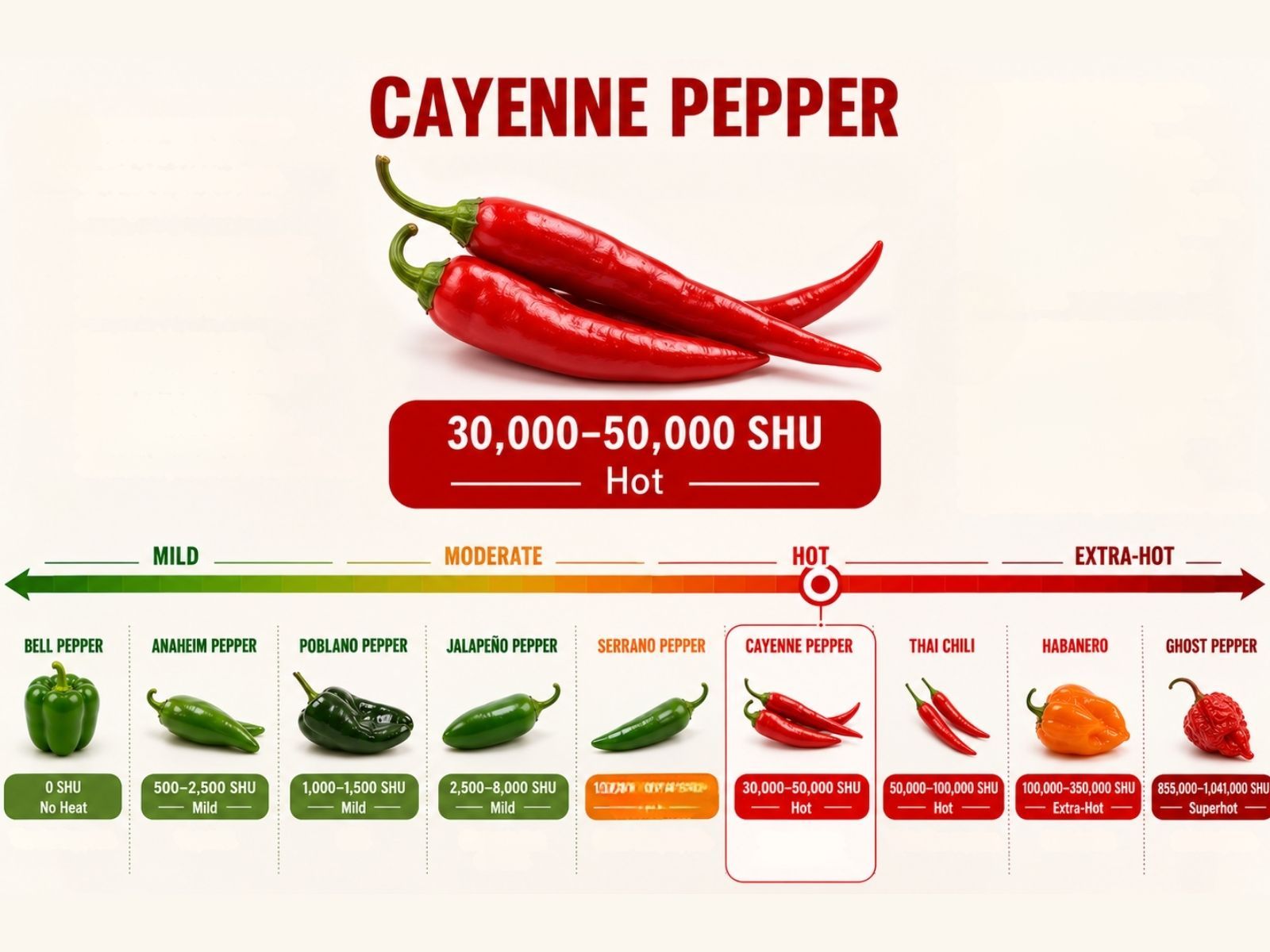
Not every cayenne hits the same number, though, and growing conditions are the main reason. A pepper stressed by drought and high heat concentrates more capsaicin than one grown in mild, well-watered soil. Ripeness matters too, since fully red pods carry more capsaicin than green ones, and even two pods from the same plant can differ by several thousand SHU.
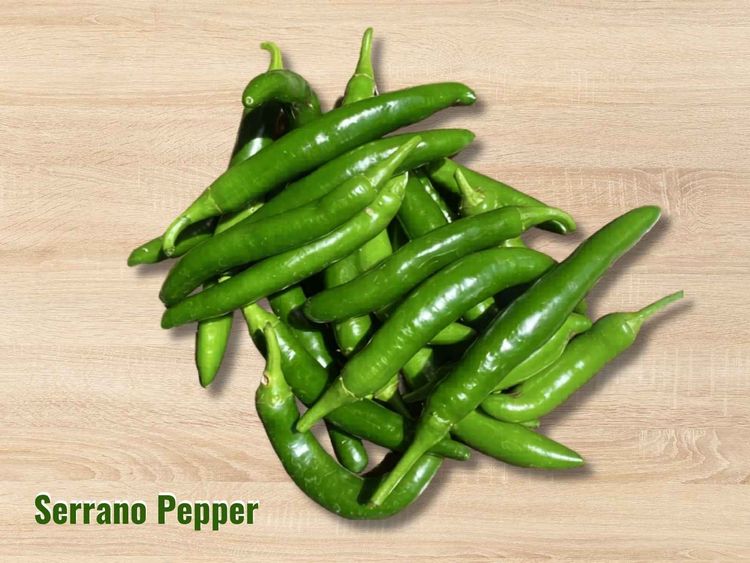
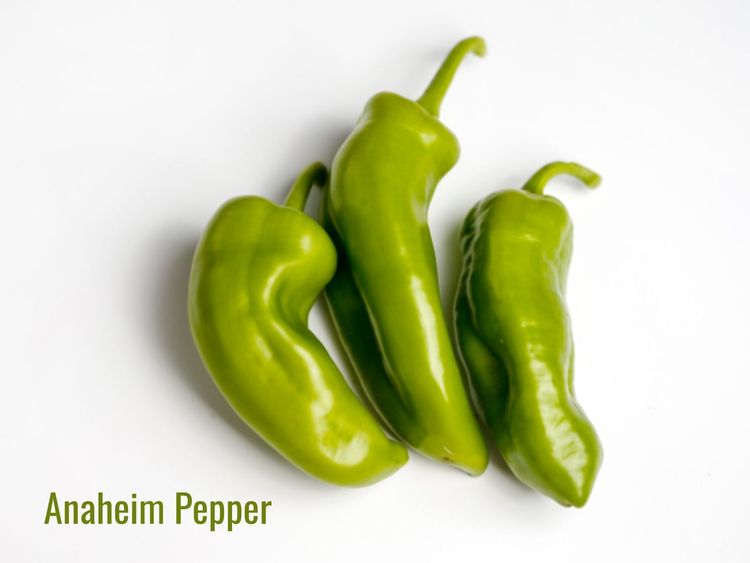
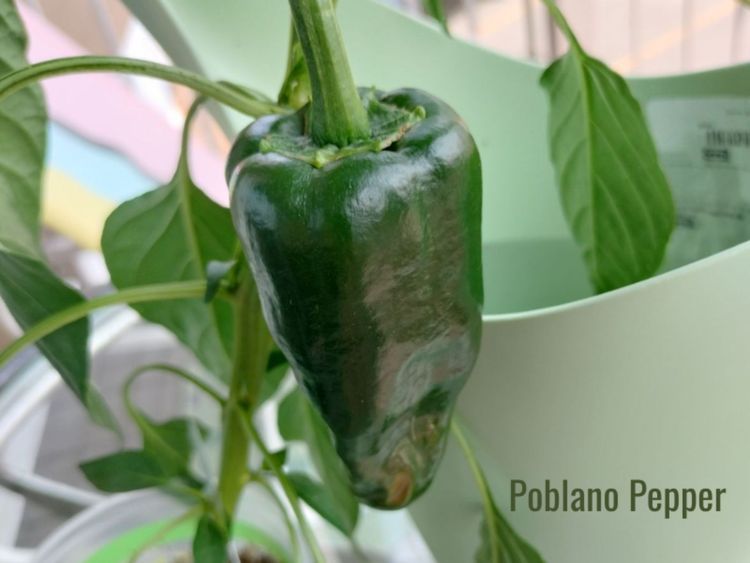
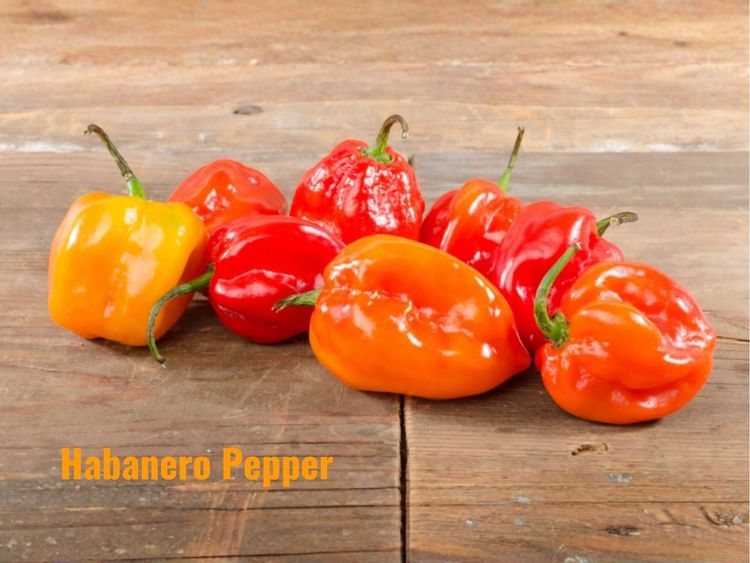
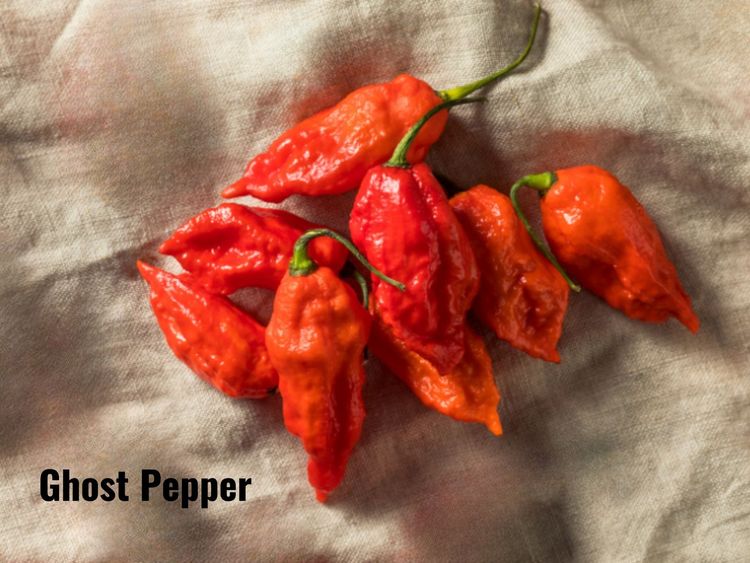
Set against its neighbors, Cayenne sits comfortably in the hot tier. It runs hotter than serrano (10,000 to 23,000 SHU), jalapeño (2,500 to 8,000 SHU), and poblano (1,000 to 1,500 SHU), yet milder than Thai chili (50,000 to 100,000 SHU), habanero (100,000 to 350,000 SHU), and ghost pepper (855,000 to 1,041,000 SHU). It is also one of the hottest members of its species you can easily find. Within the Capsicum annuum family, the climb runs from bell pepper (0 SHU) through Anaheim (500 to 2,500 SHU), poblano (1,000 to 1,500 SHU), jalapeño (2,500 to 8,000 SHU), and serrano (10,000 to 23,000 SHU) up to cayenne at the top of the common range. Only specialty cultivars, such as Carolina Cayenne (100,000+ SHU), surpass standard cayenne within the species.
What Are the Health Benefits of Cayenne Pepper?
Cayenne pepper provides five main potential health benefits: it supplies beneficial plant compounds, supports heart health, aids digestion, helps with weight management, and may relieve pain or nasal congestion. Most of these effects come from capsaicin, the natural compound that gives cayenne its spicy heat. According to Cleveland Clinic, cayenne works best as part of a balanced diet rather than as a treatment for a health condition.
Cayenne pepper also contains vitamin A, vitamin C, vitamin B6, and vitamin K. One fresh cayenne pepper provides about 72% of the recommended daily amount of vitamin C and 50% of vitamin A. One teaspoon of dried cayenne powder provides about 15% of the daily value for vitamin A.
The five potential benefits of cayenne pepper include:
- Provides beneficial plant compounds: Cayenne contains antioxidants, flavonoids, and carotenoids. These plant compounds help protect cells from damage caused by harmful substances in the environment. Cleveland Clinic also reports that cayenne showed high antioxidant activity when researchers compared 20 types of hot peppers.
- Supports heart health: Capsaicin may help reduce inflammation, support healthy blood vessels, and lower blood pressure. Cayenne also adds strong flavor to food, which may help some people use less salt. However, cayenne does not replace medical care or prescribed treatment for high blood pressure or heart disease.
- Improves digestion: Cayenne can increase gastric juices and digestive enzyme production in the stomach. These substances help the body break down food. Capsaicin may also support beneficial bacteria in the gut, although spicy food can cause heartburn or stomach discomfort in some people.
- Helps maintain a healthy weight: Capsaicin may slightly increase metabolism, help the body burn more calories, and make a person feel full after eating. These effects are small and cannot overcome an unbalanced diet. Cayenne provides the most value when it is combined with nutritious meals and regular physical activity.
- Eases pain and clear congestion: Spicy cayenne can temporarily help open blocked nasal passages. Capsaicin is also used in topical creams for arthritis pain and other painful conditions. The pain-relieving evidence applies mainly to capsaicin products used on the skin, not to eating cayenne pepper.
Cayenne pepper is suitable for most healthy adults when used in normal food amounts. People who experience acid reflux, frequent heartburn, or stomach irritation after eating spicy foods should reduce the amount or avoid it.
How to Use Cayenne Pepper in Cooking?
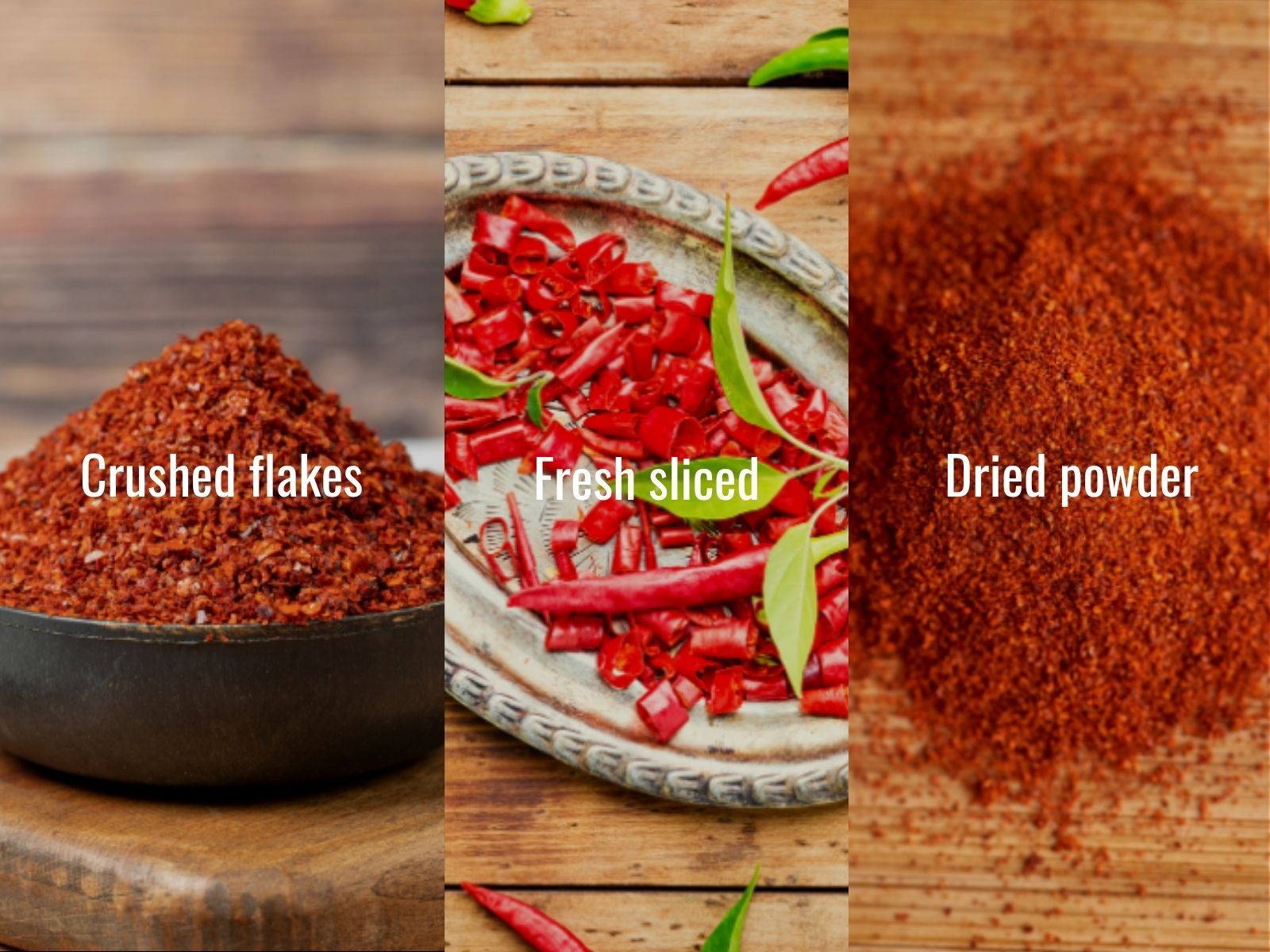
Use cayenne pepper as ground powder, crushed flakes, fresh chili, or whole dried pods to add direct heat without strongly changing a dish’s main flavor. The best form depends on whether you want even warmth, visible pepper pieces, or concentrated bursts of heat.
- Ground cayenne powder spreads evenly through soups, stews, curries, sauces, marinades, and dry rubs. Start with 1/16 to 1/8 teaspoon for 4 servings, stir well, and taste before adding more. Use up to 1/4 teaspoon when you want a stronger heat level. Dairy, coconut milk, starch, fat, and sugar can soften the burn.
- Crushed cayenne or red pepper flakes remain visible and release heat in small bursts. Sprinkle them over pizza, pasta, noodles, eggs, roasted vegetables, and finished soups. Grind the flakes first when a recipe needs a smoother texture and more even heat.
- Fresh cayenne adds sharp heat and visible pepper pieces to stir-fries, curries, salsas, relishes, and homemade hot sauces. Slice the pepper thinly for wider heat distribution or leave larger pieces when you want easier portion control. Removing the pale inner membrane reduces much of the concentrated capsaicin, although the flesh remains hot.
- Whole dried cayenne pods work well in beans, braises, broths, pickling liquids, and vinegar infusions. Add one pod during cooking, then remove it when the dish reaches the desired heat level.
Wear kitchen gloves when cutting fresh cayenne, and avoid touching your eyes or face. Wash your hands with soap after handling it because plain water does not remove capsaicin effectively.
Can You Eat Cayenne Pepper Every Day?
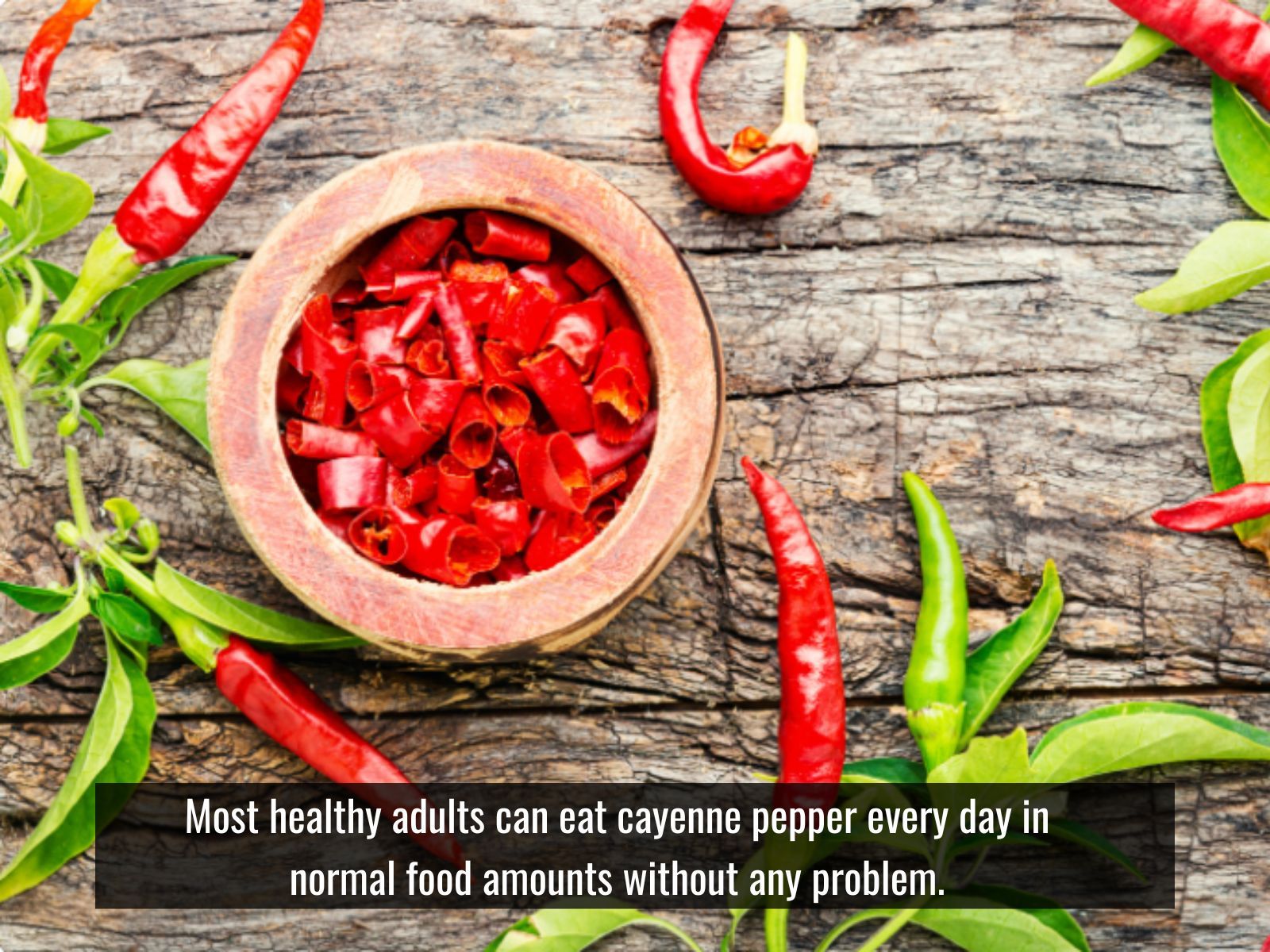
Yes, most healthy adults can eat cayenne pepper every day in normal food amounts without any problem. A quarter to half a teaspoon (1 to 2 g) of cayenne powder a day is a common range for people who eat spicy food regularly.
Part of the reason daily use feels manageable is that tolerance builds over time. Repeated contact desensitizes the TRPV1 receptors in your mouth, so the same pinch of cayenne burns less after a few weeks of regular use. Cooking softens the intensity compared with raw, and pulling out the seeds and inner membrane trims the heat by roughly 30 to 40 percent.
For most people, a daily sprinkle as seasoning is safe. Anyone with IBS, GERD, acid reflux, or a known capsaicin sensitivity may need to cut back on or skip it, since the same heat that hits your tongue can irritate a sensitive gut. Capsaicin can also interact with blood thinners such as warfarin, as well as aspirin, ACE inhibitors, and stomach acid reducers, so check with a healthcare provider before adding regular cayenne if you take any of these.
How to Store Cayenne Pepper?
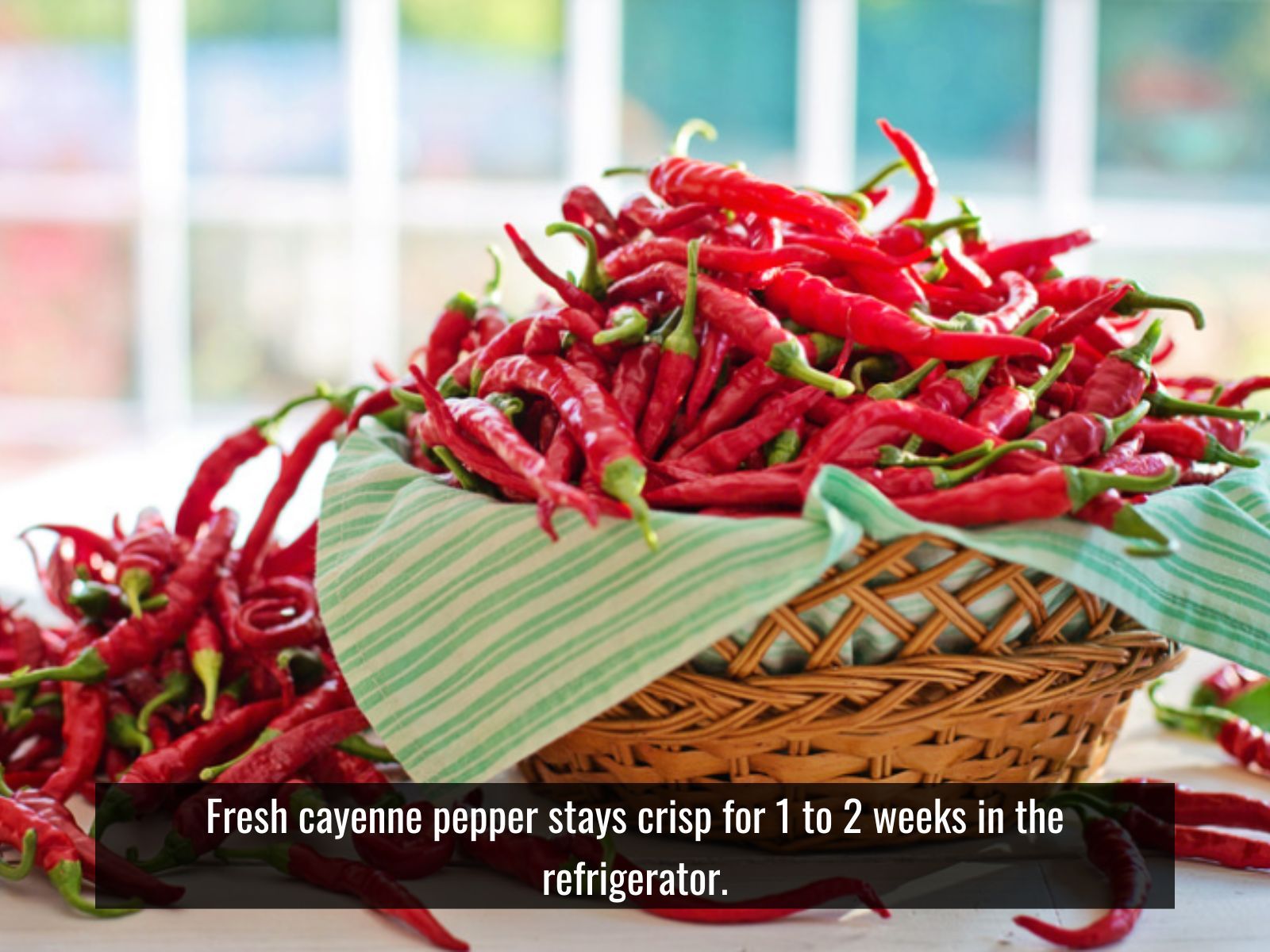
Fresh cayenne pepper stays crisp for 1 to 2 weeks in the refrigerator. Keep the pods whole and unwashed in a paper bag, or wrap them in paper towels, and set them in the crisper drawer. Skip plastic bags, since trapped moisture leads to mold, and wash the peppers only when you are ready to cook.
To keep cayenne longer, freeze it. Wash and dry the pods, then freeze them whole or chopped, blanching first if you want to hold the color. Frozen cayenne lasts up to 6 months, though the texture softens after thawing, so it works best in cooked dishes rather than raw ones.
Drying is the third route, and how you get your own powder. String mature red pods and hang them in a warm, well-ventilated spot to air-dry, or run them through a dehydrator at 125 to 135°F (52 to 57°C) until brittle.
Once they snap, grind them in a spice grinder and store the powder in an airtight container, away from heat, light, and moisture. Kept that way, ground cayenne holds its best quality for about a year.
What Can You Substitute for Cayenne Pepper?
The closest substitute for cayenne pepper is hot paprika. It brings a similar color and a gentler, slightly sweet-smoky heat, so you use a bit more of it to land in the same range. That said, the right swap depends on the dish and how much heat you are after, and a few other options each change the flavor in their own way, as shown in this table:
| Substitute | Ratio | Flavor vs. Cayenne | Best Used In |
| Hot paprika | 1.5 to 2x quantity | Milder, slightly sweet-smoky | Dry rubs, stews, soups where color matters |
| Crushed red pepper flakes | Equal amount (grind to powder if needed) | Same heat range (mostly cayenne), coarser texture | Pizza, pasta, eggs, any dish where visible heat is fine |
| Chile de árbol powder | Equal amount | Similar heat (15,000 to 30,000 SHU), slightly nuttier | Mexican sauces, salsas, spice blends |
| Gochugaru (Korean chili flakes) | 1.5x quantity | Milder, slightly sweet, and smoky | Korean dishes, stews, marinades, kimchi |
| Chili powder | 3 to 4x quantity | Much milder and seasoned, adds cumin and garlic | Only when you want a seasoned flavor, not pure heat |
If regular paprika is all you have, you can still use it, but plan on 2 to 3 times as much and expect far less heat, since sweet paprika sits near the bottom of the scale. A splash of hot sauce can stand in for cayenne powder, too, though it carries vinegar and liquid, so it will loosen a sauce or batter and shift the flavor as well as the heat.
One rule keeps these swaps honest: use fresh substitutes for fresh applications and dried ones for cooked dishes only. No substitute fully copies cayenne's neutral, heat-only profile, so treat each as a near miss rather than a match.
Is Cayenne Pepper the Same As Chili Powder?
No, both sit on the same spice rack and pour out the same deep red, but cayenne pepper and chili powder are not the same thing. Cayenne is a single-ingredient powder made from ground cayenne chilies. Chili powder is a blend built from one or more dried chilies plus cumin, garlic powder, oregano, and sometimes paprika. That difference in composition drives every other difference, as shown in this table:
| Attribute | Cayenne Pepper | Chili Powder |
| Composition | Pure ground cayenne chili (single ingredient) | Blend of ground dried chilies plus cumin, garlic powder, oregano, sometimes paprika |
| Heat (SHU) | 30,000 to 50,000 | Significantly milder; base peppers range from ancho (1,000 to 1,500 SHU) up to cayenne, but the non-pepper spices dilute the blend |
| Flavor | Neutral, peppery, clean heat | Earthy, savory, complex |
| Color | Deep red-orange | Brown-red |
| Best use | Adding pure heat without changing flavor | Seasoning chili con carne, tacos, Tex-Mex dishes |
| Substitution | Cannot swap 1:1 for chili powder (too hot, wrong flavor) | Cannot swap 1:1 for cayenne (too mild, adds unwanted cumin and garlic) |
References
- Wikipedia. Cayenne pepper. https://en.wikipedia.org/wiki/Cayenne_pepper
- Encyclopaedia Britannica. Cayenne pepper. https://www.britannica.com/plant/cayenne-pepper
- WebMD. Health Benefits of Cayenne Pepper. https://www.webmd.com/diet/health-benefits-cayenne-pepper
- Irandoost, P., Lotfi Yagin, N., Namazi, N., Keshtkar, A., Farsi, F., Mesri Alamdari, N., & Vafa, M. (2021). The effect of Capsaicinoids or Capsinoids in red pepper on thermogenesis in healthy adults: A systematic review and meta-analysis. Phytotherapy research: PTR, 35(3), 1358–1377. https://doi.org/10.1002/ptr.6897
Frequently Asked Questions
Yes, cayenne peppers are hotter than jalapeños, and by a wide margin. Cayenne measures 30,000 to 50,000 SHU, while a jalapeño runs 2,500 to 8,000 SHU, which makes cayenne roughly 4 to 20 times hotter. Cayenne also delivers a sharper, faster burn, where jalapeño heat is milder and more sustained. Both belong to the same species, Capsicum annuum.
Yes, cayenne seeds are edible. Contrary to popular belief, the seeds themselves carry very little capsaicin. The heat actually comes from the white membrane, the placenta, that holds the seeds in place. Pulling out both the seeds and the membrane reduces heat by roughly 30 to 40 percent, but it is the membrane, not the seeds, that makes the real difference.
An orange cayenne pepper is simply partway through ripening, not a problem. Cayenne pods run from green through yellow-orange to bright red, so orange is a normal middle stage. Leave the pod on the plant longer for full red color and peak capsaicin. If you have already picked it, it may continue to ripen a little at room temperature.
Fresh cayenne peppers do need refrigeration, and they last 1 to 2 weeks stored unwashed in a paper bag in the crisper drawer. Ground cayenne powder is different and does not need to be refrigerated at all. Keep the powder in an airtight container in a cool, dark cabinet, where it holds its best quality for about a year.
Sometimes, but not always. On a spice label, "red pepper" usually means ground cayenne or a cayenne blend. The catch is that "red pepper" can also refer to crushed red pepper flakes, a mix of dried chilies that includes cayenne, red bell pepper, or another red-colored hot pepper entirely. Check the label. If the range reads 30,000 to 50,000 SHU and it is a fine powder, it is very likely cayenne.

CHIN-SU KITCHEN TEAM
CHIN-SU Kitchen Team are the creative experts behind the delicious recipes featuring CHIN-SU sauces. With years of experience and a passion for flavor, our team carefully selects recipes from a variety of trusted chefs and bloggers, bringing together the best culinary insights to present you with the most suitable and exciting dishes. Every recipe is chosen to inspire you to create meals that are not only tasty but also easy to prepare, enhancing your dining experience. Join us as we explore a wide range of sauces and flavors, and elevate every meal with the perfect recipe for your table!
User Reviews
Featured Articles
Hot Sauce Scoville Scale Explained: What Does It Mean?
What Is a Serrano Pepper? Heat, Flavor and Uses Explained
What Is an Anaheim Pepper? Flavor and Uses Explained
What Is a Poblano Pepper? Flavor and Uses Explained
SUBSCRIBE TO GET
MORE INFO
Want the latest and greatest recipes, updates, and more from us,
straight to your inbox? Subscribe and get our NEWS!