What Is an Anaheim Pepper? Flavor and Uses Explained
Published: Jul 28, 2026 by CHIN-SU
Updated: Jul 30, 2026 by CHIN-SU
An Anaheim pepper (Capsicum annuum) is a thick-walled American chili pepper that measures 500 to 2,500 Scoville Heat Units (SHU), placing it in the mild range of the scale. It is the pepper named after Anaheim, California, where Emilio Ortega planted New Mexico seeds in 1894 and started the country's first commercial chili canning, and its unusually thick walls set it apart from thinner chillies at the same heat level. Those sturdy walls are exactly what make it a favorite for stuffing and roasting.
Look at one, and the shape gives it away. An Anaheim runs long, roughly 6 to 10 inches (15 to 25 cm), with smooth, glossy skin that ripens from green to red on the plant. A green Anaheim tastes peppery and mildly sweet, while a fully ripe red one turns sweeter and fruitier, with a touch more warmth.
In this article, CHIN-SU walks you through everything worth knowing about Anaheim peppers: what they are, how hot they get on the Scoville scale, how their flavor shifts with ripeness, how to use them across roasted, stuffed, and preserved preparations, and how to store and substitute them at home.
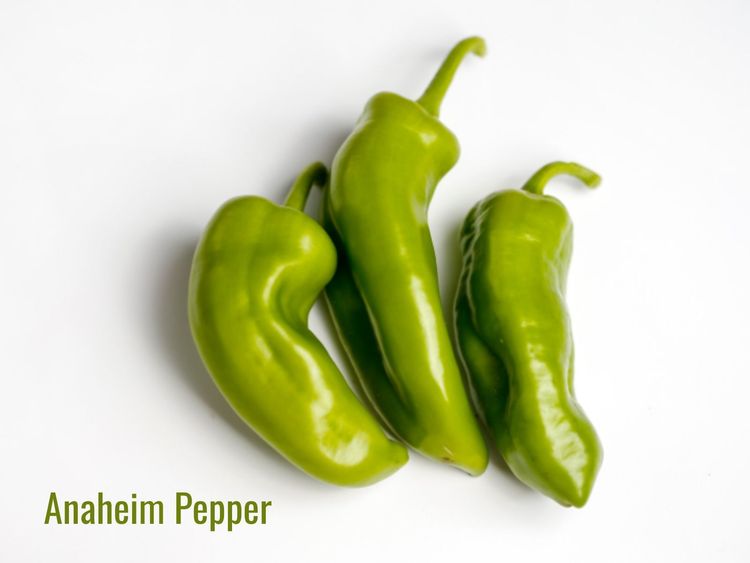
Table Of Contents
- How Hot Are Anaheim Peppers?
How to Use Anaheim Pepper in Cooking?
- How to Store Anaheim Peppers
- What Can You Substitute for Anaheim Peppers?
What Is an Anaheim Pepper?
An Anaheim pepper (Capsicum annuum) is a large, thick-walled chili pepper that grows 6 to 10 inches (15 to 25 cm) long with smooth, glossy skin and a slightly curved shape. What sets it apart from other mild chilies is its origin and its build. The pepper is named after Anaheim, California, where Emilio Ortega brought New Mexico seeds in 1894 and opened the first commercial chili cannery, and its walls are thicker than those of most peppers in its heat range. It carries a mild heat of 500 to 2,500 Scoville Heat Units (SHU), which puts it at the gentle end of the chili scale. In New Mexico, the same pepper is often called "New Mexico chile" or "Hatch chile".
Names for this pepper shift from region to region. You will also see it sold as California chile, Magdalena, seco del norte, chile colorado, or verde del norte, depending on where it grows and how it is used. Anaheim peppers run long, elongated, and tapered with a gentle curve, and their smooth, glossy skin sits over a noticeably thick wall. That thick flesh is the reason cooks reach for anaheims over thinner chilies like serrano or jalapeño when a recipe calls for stuffing or roasting, since the walls hold up to heat and filling without collapsing.
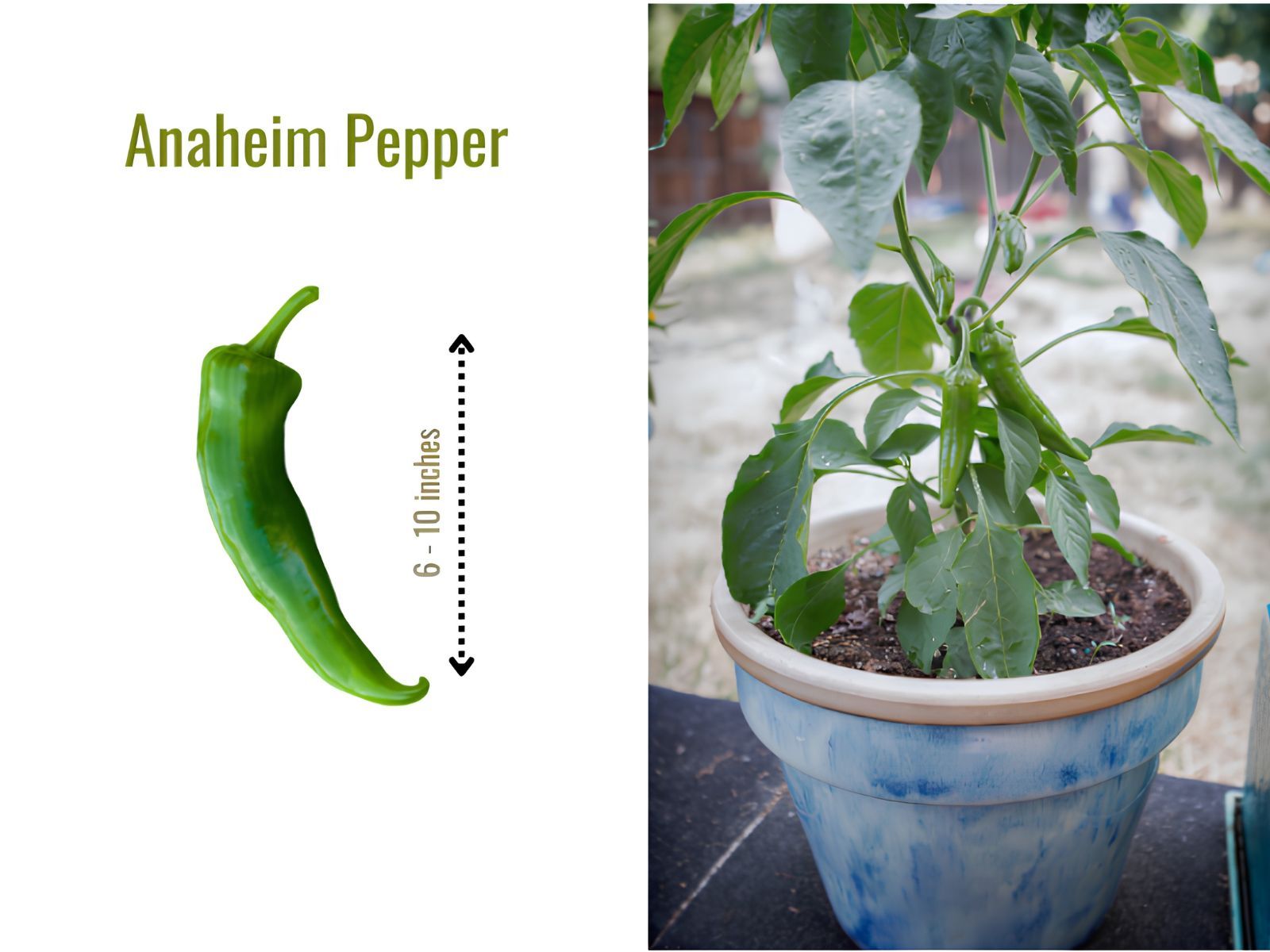
Anaheim peppers shift in color as they ripen, and each stage brings a different flavor to the kitchen, as shown in this table:
| Color | Ripeness Stage | Flavor Character |
| Bright green | Unripe (most common in stores) | Peppery, mildly sweet, slightly grassy |
| Dark green | Mature green | Fuller pepper flavor, earthier |
| Red | Fully ripe | Sweeter, fruitier, richer heat |
There are three main types of this pepper: the traditional Anaheim, the New Mexico or Hatch type, and Big Jim, each varying in heat and size. The traditional Anaheim is the mild grocery store standard grown across California, while the New Mexico and Hatch types run hotter from the same seed in drier soil, and Big Jim, developed at New Mexico State University, is the largest of the three.
What Do Anaheim Peppers Taste Like?
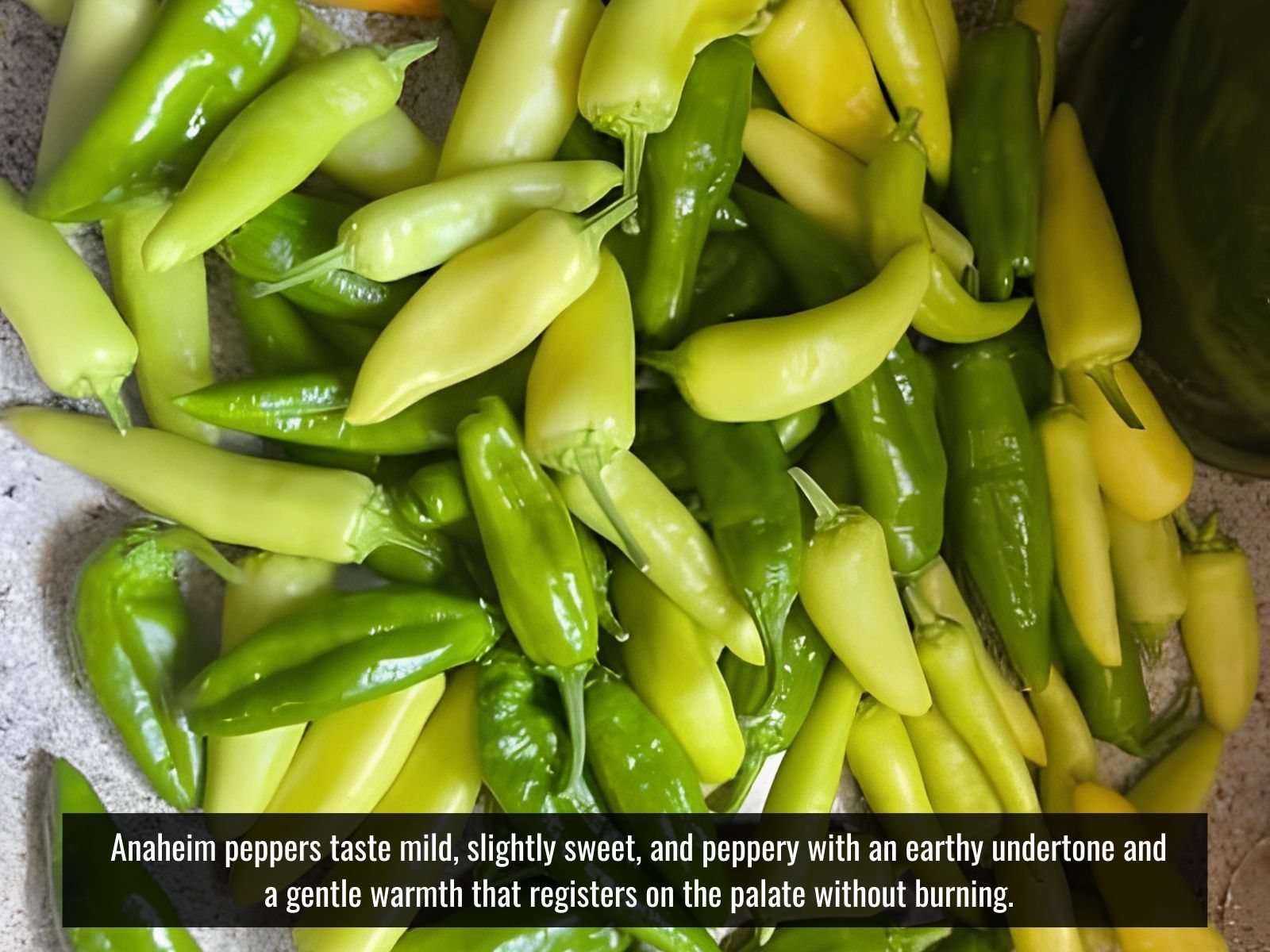
Anaheim peppers taste mild, slightly sweet, and peppery with an earthy undertone and a gentle warmth that registers on the palate without burning. The flavor is clean and approachable, which is why anaheims work in so many dishes where you want pepper character without real heat.
Ripeness moves the flavor along a clear path. Green anaheims lean peppery and grassy, with that fresh, slightly vegetal bite. As the pepper ripens to red, it turns sweeter and fruitier, and the heat reads a touch richer. Where the pepper is grown matters too. California-grown anaheims tend to taste sweeter and milder, while New Mexico ones come through earthier and hotter. There is also a structural reason Anaheim's shine when roasted, and it comes down to those thick walls. The dense flesh traps moisture as the pepper cooks, concentrating its sugars and giving roasted anaheims a smoky-sweet character that thinner peppers cannot match.
The heat of the roast caramelizes the sugars held in that thick flesh, which is exactly why charred anaheims taste deeper and sweeter than raw ones. Color guides the best use, too. Green anaheims are at their best raw or lightly cooked, where their grassy snap stays bright. Red anaheims lean toward sauces and drying, since their sweeter, fuller flavor holds up to longer cooking. Both benefit from a good roast.
Are Anaheim Peppers Different from Poblanos?
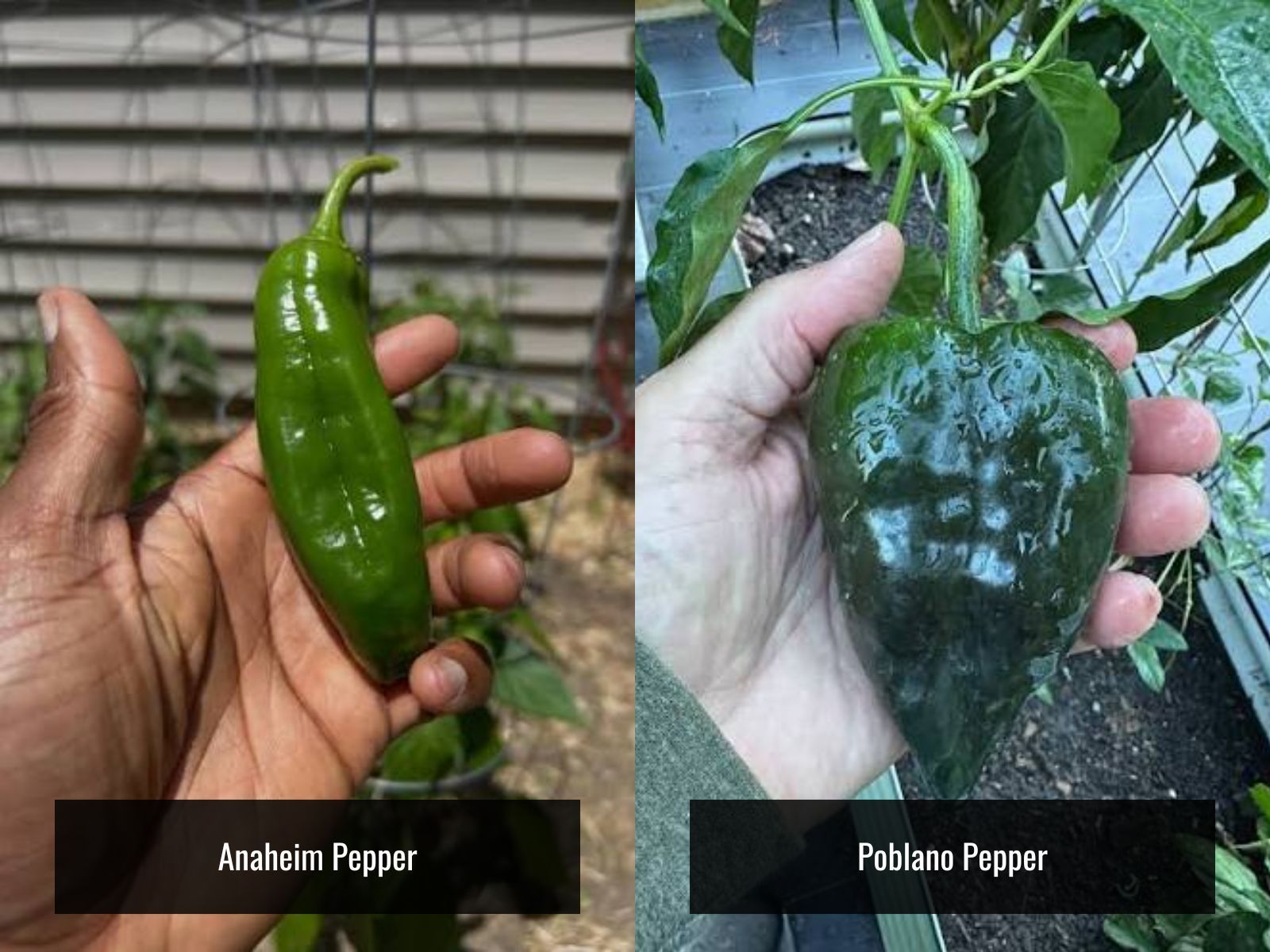
Anaheim peppers and poblano peppers both belong to Capsicum annuum and share a mild heat profile, but they differ in shape, wall thickness, flavor, and cooking performance. Those differences are small on paper and real in the kitchen, so knowing them helps you pick the right pepper for the dish.
| Attribute | Anaheim Pepper | Poblano Pepper |
| Length | 6 to 10 in (15 to 25 cm) | 4 to 6 in (10 to 15 cm) |
| Body Shape | Elongated, curved, tapered | Broad, heart-shaped, wider |
| Skin | Smooth, glossy, thick | Slightly wrinkled, waxy, very thick |
| Heat (SHU) | 500 to 2,500 | 1,000 to 1,500 |
| Flavor | Mildly sweet, peppery, earthy | Earthy, smoky, richer |
| Cooking | Holds shape, roasted; stuffing and canning | Wide cavity for stuffing; charring brings smoke |
| Best Use | Rellenos, canned green chiles, salsas, stews | Rellenos, mole, rajas, stuffed peppers |
Are Anaheim Peppers Different from Jalapeños?
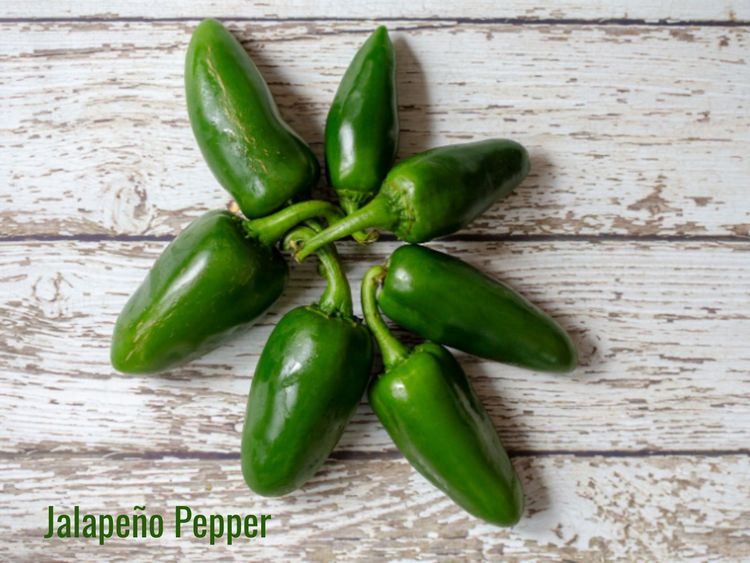
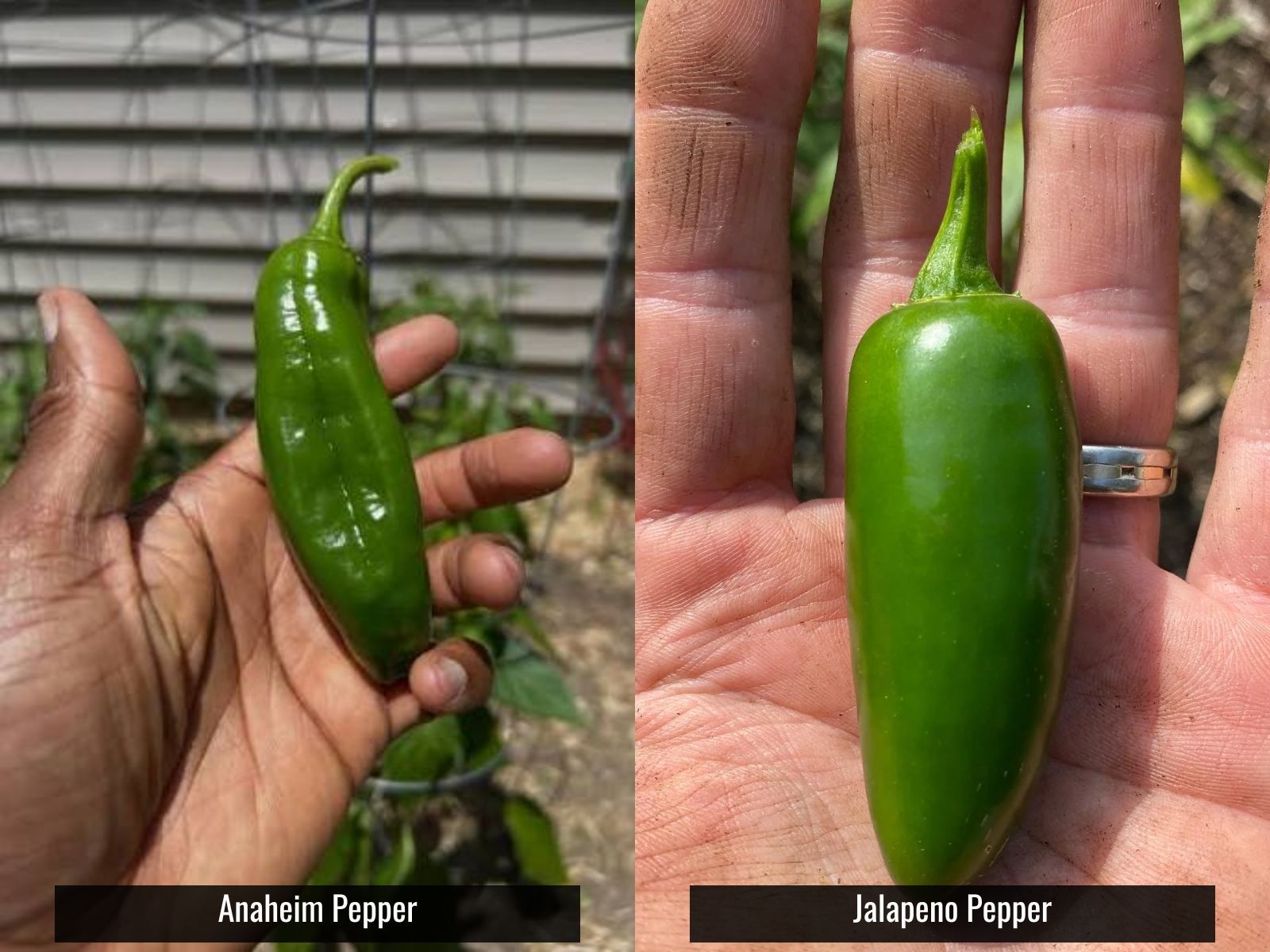
Yes. Anaheim peppers are larger, milder, and sweeter than jalapeños, while jalapeños deliver more heat and a sharper, grassier flavor. Both peppers belong to Capsicum annuum, but their size, Scoville rating, texture, and cooking uses differ enough to affect the final dish.
| Attribute | Anaheim Pepper | Poblano Pepper |
| Length | 6 to 10 in (15 to 25 cm) | 2 to 4 in (5 to 10 cm) |
| Body Shape | Elongated, curved, tapered | Short, cylindrical, and blunt-tipped |
| Skin | Smooth, glossy, thick | Smooth, firm, and thick |
| Heat (SHU) | 500 to 2,500 | 2,500 to 8,000 |
| Flavor | Mildly sweet, peppery, earthy | Bright, grassy, and noticeably sharper |
| Cooking | Holds shape, roasted; stuffing and canning | Adds concentrated heat to chopped, sliced, or blended dishes |
| Best Use | Rellenos, canned green chiles, salsas, stews | Salsas, nachos, tacos, pickles, hot sauces, and garnishes |
How Hot Are Anaheim Peppers?
Anaheim peppers measure 500 to 2,500 Scoville Heat Units (SHU), placing them in the mild tier. That range sits near the bottom of the chili scale, hotter than a bell pepper at zero heat but well below a jalapeño, which runs 2,500 to 8,000 SHU. For most cooks, an Anaheim pepper reads as a whisper of warmth rather than real spice, which is exactly why it shows up in so many family-friendly dishes.
Not every Anaheim hits the same number, and the gap can be wide. A California grocery store Anaheim often lands barely warm, while a New Mexico Hatch-grown pepper can climb past 3,000 SHU. Growing conditions and ripeness drive the difference, since the arid climate and drier soil of New Mexico push the plant to make more capsaicin, while California's milder conditions keep the heat lower.
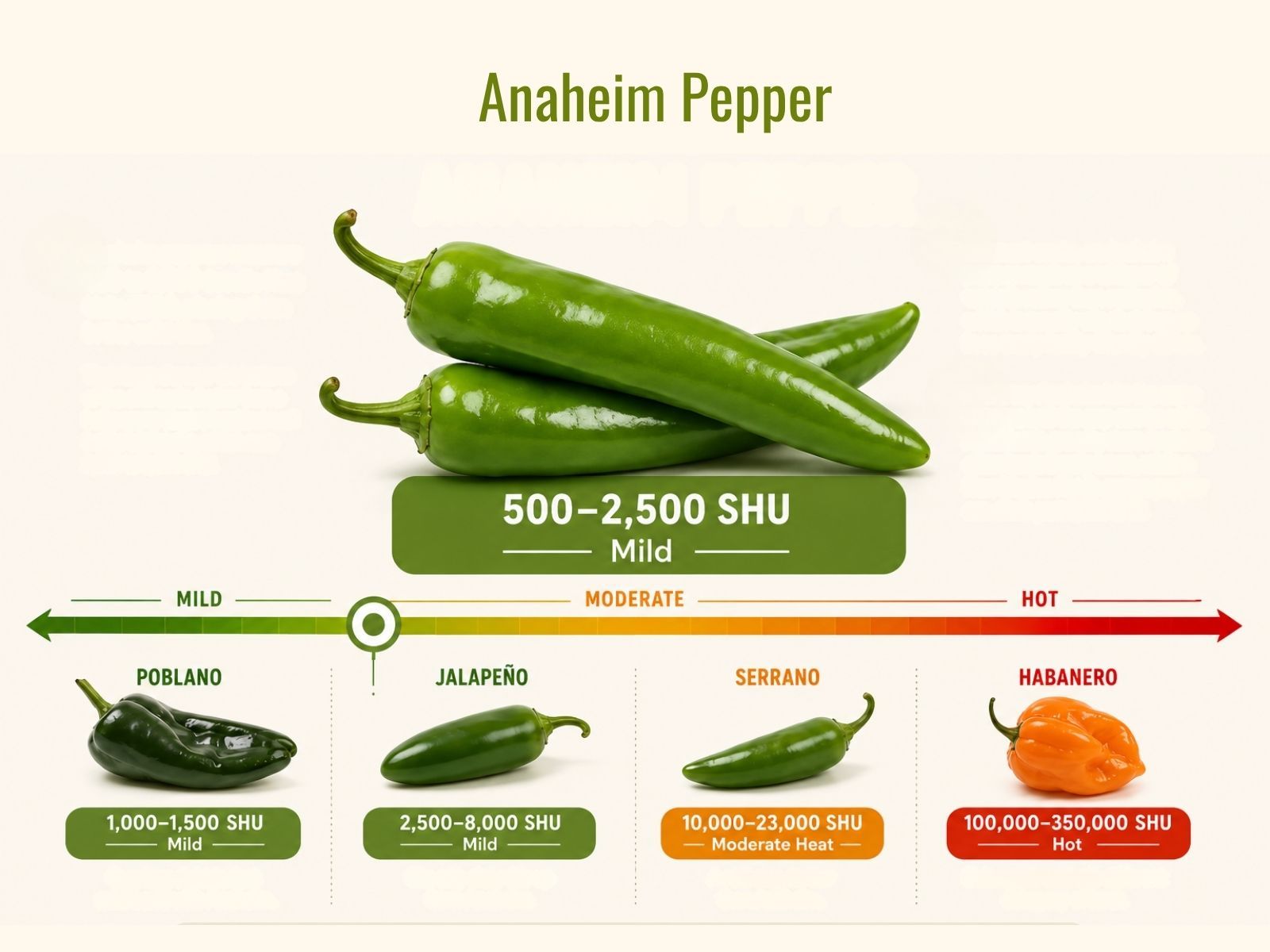
Compared to other peppers from the same region, Anaheim sits at the gentle end.
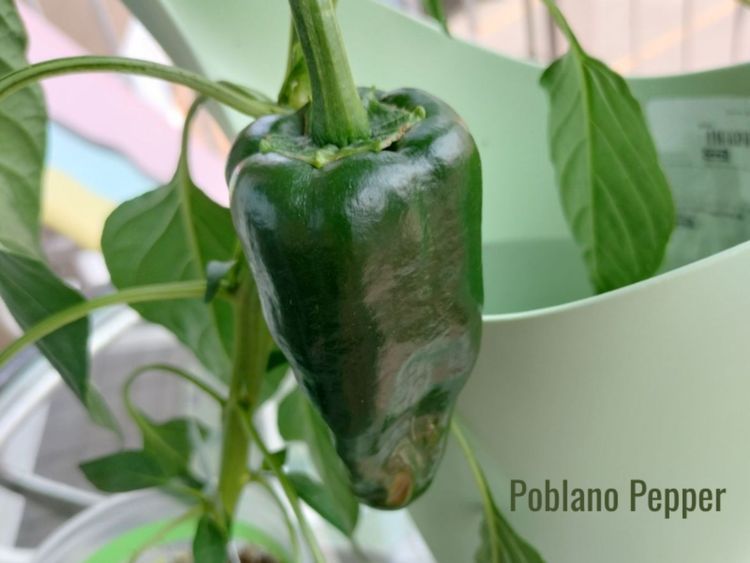
- Poblano (1,000 to 1,500 SHU) overlaps right in that mild band.
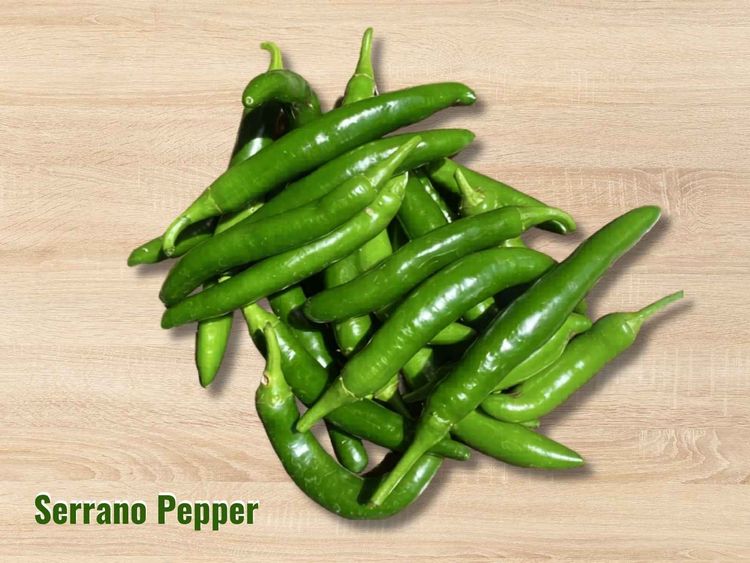
- Jalapeño (2,500 to 8,000 SHU) sits one clear tier up. Serrano (10,000 to 23,000 SHU) is a real step hotter
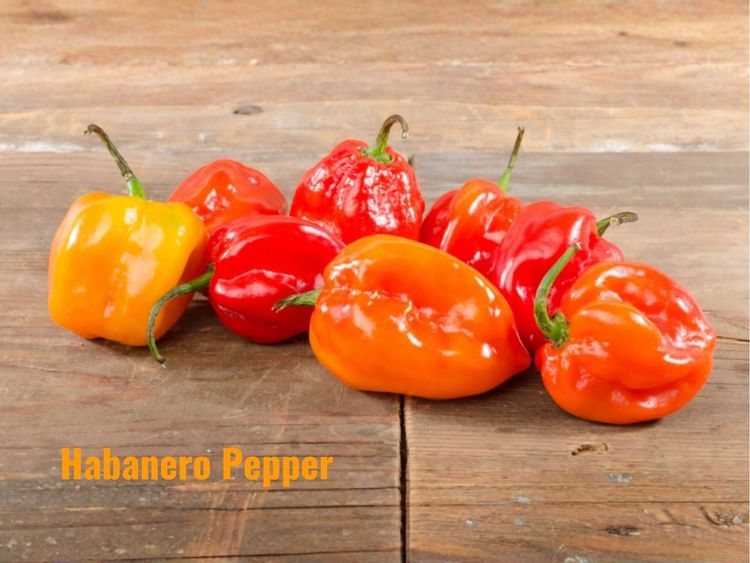
- Habanero (100,000 to 350,000 SHU) belongs to a whole different category of heat.
Learn more about the Scoville heat scale for all peppers.
How to Use Anaheim Pepper in Cooking?
Use Anaheim peppers roasted and peeled for sauces and soups, stuffed with cheese and meat for chiles rellenos, sautéed as a bell pepper upgrade, or dried and ground into chile powder. Their mild heat and thick, sturdy walls make them among the most versatile peppers to keep on hand, whether you want smoky depth or just a gentle lift.
Beyond flavor, anaheims bring real nutrition to a dish. A single raw pepper delivers around 40 kilocalories (kcal) per 100 g, along with 237.8 mg of vitamin C per 100 g, which is about 264% of your daily value, and 644 micrograms (mcg) of vitamin A per 100 g, roughly 72% of the daily value. You also get vitamin E, vitamin K, vitamin B6, and 2.2 g of fiber per 100 g in the same serving. The capsaicin load stays low, but even that small amount is linked to mild thermogenic activity, the gentle warming effect chili compounds have on the body.

Roasting is the most common preparation, and it is where anaheims really pay off. Char them under a broiler or over a gas flame until the skin blisters, about 5 to 10 minutes; then steam them in a sealed bag for 15 to 20 minutes, then peel the skin away. What is left is soft, sweet, and smoky, ready for green chile stew, enchilada sauce, or a topping on burgers and tacos.
Stuffing is where those thick walls pay off. Anaheim peppers hold up to fillings of cheese, meat, rice, or beans without falling apart, so you can bake them at 375°F (190°C) for 20 to 25 minutes and they will keep their shape. That sturdiness is the same reason they anchor chiles rellenos.
Swapping bell peppers for anaheims is an easy upgrade. Dice them into stir-fries, eggs, fajitas, or pasta, and their mild heat adds a little warmth without overpowering the rest of the plate.
Anaheims also preserve well. Dry them at 200°F (93°C) for 6 to 8 hours, then grind them into a powder, or freeze-dry the roasted peppers in airtight bags for up to 6 months. Those canned green chiles you find at the store are typically Anaheim too.
Can You Eat Anaheim Peppers Every Day?
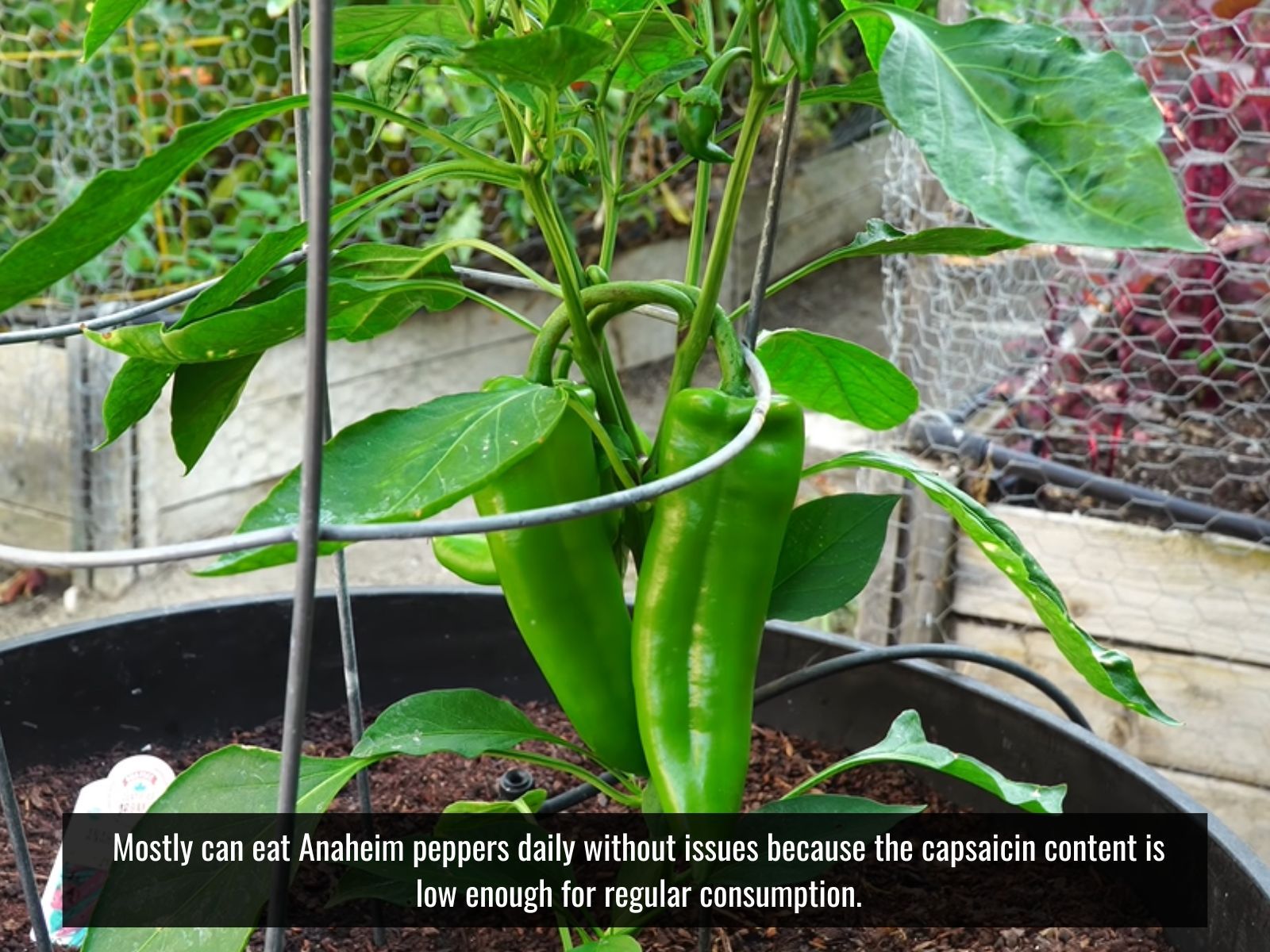
Most healthy adults can eat Anaheim peppers daily without issues because the capsaicin content is low enough for regular consumption. At 500 to 2,500 SHU, the capsaicin load is small, so eating several per meal is reasonable for most people. Removing the seeds and inner membrane cuts the capsaicin by roughly 30 to 40%, and cooking softens the heat even further.
There are a few people who should hold back. Anyone with a digestive condition like IBS or GERD, or a known capsaicin sensitivity, may want to limit anaheims, since capsaicin activates the same TRPV1 receptors in the gut that it activates in the mouth. If you are sensitive to spicy food, start with cooked anaheims rather than raw, and take out the seeds first, which keeps the heat gentle while you find your comfort level.
How to Store Anaheim Peppers
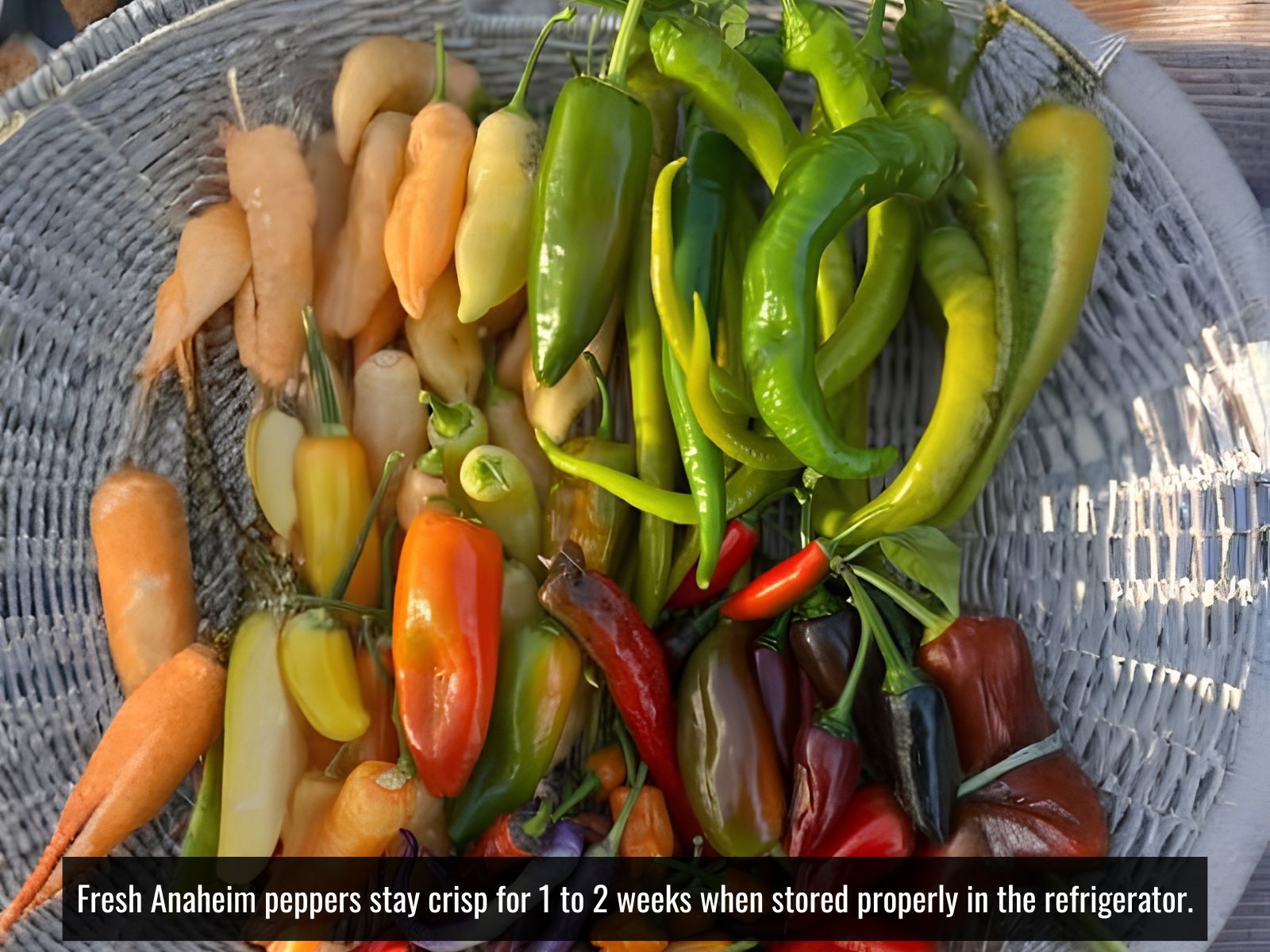
Fresh Anaheim peppers stay crisp for 1 to 2 weeks when stored properly in the refrigerator. The trick is to keep them whole and unwashed in a paper bag or breathable container in the crisper drawer. Skip sealed plastic bags, since trapped moisture can lead to mold and soft spots.
For longer storage, freezing works best after you first roast, peel, and chop the peppers. Spread them on a lined tray to freeze, then move them into airtight bags where they keep for about 6 months. Freezing softens the texture, so thawed anaheims are best in cooked dishes rather than raw.
Drying is the other long-term option. Set them in the oven at 200°F (93°C) for 6 to 8 hours, or use a dehydrator, then store the dried peppers in an airtight container away from light. Dried anaheims, sold as California chile or chile Colorado, last well past 6 months and grind easily into powder. Want to keep them longer than two weeks? Freeze or dry them, and you will have Anaheim flavor on hand for months.
What Can You Substitute for Anaheim Peppers?
The closest substitute for Anaheim peppers is the Poblano pepper. At 1,000 to 1,500 SHU, Poblano sits in the same mild range and delivers comparable heat with a little more depth. If you want zero heat at all, a bell pepper steps in easily.
| Substitute | Ratio | Flavor vs. Anaheim | Best Used In |
| Poblano pepper | 1:1 | Earthier, smokier, comparable heat | Stuffed, roasted, and sauces |
| Bell pepper | 1:1 | Sweeter, no heat | No-heat recipes |
| Cubanelle pepper | 1:1 | Sweeter, similar mild heat | Sautes, frying |
| Hatch chile | 1:1 | Hotter, earthier | Roasted, stews (more heat) |
The rule to remember is fresh substitutes for fresh applications and dried substitutes for cooked ones. For the same heat in a different shape, cubanelle is your pepper, since it matches the mild warmth while running longer and thinner. Looking for dried substitutes? Reach for pasilla or California chile. No substitute fully replicates Anaheim's mild sweetness paired with those thick, roast-friendly walls, but any of these will carry a dish in a pinch.
References
- Pathirana, R. (2013). Peppers: Vegetable and Spice Capsicums, 2nd edition, by Paul W. Bosland and Eric J. Votava. Crop Production Science in Horticulture Series 22. Wallingford, UK, CABI, 2012. 248 pp. ISBN 9781845938253. New Zealand Journal of Crop and Horticultural Science, 41, 102–103. https://doi.org/10.1080/01140671.2012.745161
- Tewksbury, J. J., & Nabhan, G. P. (2001). Seed dispersal. Directed deterrence by capsaicin in chilies. Nature, 412(6845), 403–404. https://doi.org/10.1038/35086653
- USDA FoodData Central. Peppers, Anaheim, raw. https://fdc.nal.usda.gov
Frequently Asked Questions
An Anaheim pepper is not exactly the same as a Hatch chile, though the two are closely related. Both share the same seed lineage in the Capsicum annuum New Mexico cultivar group, but Hatch chiles grow specifically in the Hatch Valley of New Mexico, where drier soil and a hotter climate push them to 1,000 to 5,000-plus SHU. California-grown anaheims from the same seed stay below 1,500 SHU.
Anaheim peppers are not hotter than jalapeños. Anaheims run mild at 500 to 2,500 SHU, while jalapeños land higher at 2,500 to 8,000 SHU, so a jalapeño can be several times hotter at the same size. When you want a dish with less heat, swap the jalapeño for an Anaheim.
Serrano peppers are much hotter than Anaheim peppers. Anaheim peppers usually range from 500 to 2,500 SHU, while serranos usually range from 10,000 to 23,000 SHU, making them roughly 4 to 46 times hotter. Use Anaheim peppers for roasting, stuffing, and mild green chile flavor; use serranos for salsa, hot sauce, and fresh spicy toppings.
Anaheim peppers and cubanelle peppers are both mild, but they are not the same. Cubanelles are sweeter, thinner-skinned, and usually milder at about 100 to 1,000 SHU, making them better for frying, sautéing, sofrito, and pasta sauces. Anaheim peppers are thicker-walled, slightly earthier, and hotter at about 500 to 2,500 SHU, so they work better for roasting, stuffing, chiles rellenos, salsa, and green chile sauce.
No. Anaheim peppers and banana peppers are both mild, elongated peppers, but they are not the same. Anaheim peppers are thicker-walled, earthier, and hotter at about 500 to 2,500 SHU, making them better for roasting, stuffing, chiles rellenos, salsa, and green chile stew. Banana peppers are usually milder at about 0 to 500 SHU, with a sweeter, tangier flavor that works best raw, pickled, or sliced onto sandwiches, pizzas, and salads.
Your Anaheim pepper turned red because it reached full ripeness on the plant. A green Anaheim was simply harvested early, and leaving it on the vine lets it mature from green to red. As it ripens, the pepper turns sweeter, fruitier, and slightly hotter.
A dried Anaheim pepper goes by different names depending on its ripeness. A dried green one is called "chile seco del norte" or "verde del norte," while a dried red one is known as "California chile" or "chile colorado." Both grind into a powder that flavors red chile sauce and enchilada sauce.
Anaheim peppers do need refrigeration to stay fresh. Kept whole and unwashed in a paper bag in the crisper drawer, fresh anaheims last 1 to 2 weeks. Left out at room temperature, they soften and spoil within 3 to 5 days.

CHIN-SU KITCHEN TEAM
CHIN-SU Kitchen Team are the creative experts behind the delicious recipes featuring CHIN-SU sauces. With years of experience and a passion for flavor, our team carefully selects recipes from a variety of trusted chefs and bloggers, bringing together the best culinary insights to present you with the most suitable and exciting dishes. Every recipe is chosen to inspire you to create meals that are not only tasty but also easy to prepare, enhancing your dining experience. Join us as we explore a wide range of sauces and flavors, and elevate every meal with the perfect recipe for your table!
User Reviews
Featured Articles
SUBSCRIBE TO GET
MORE INFO
Want the latest and greatest recipes, updates, and more from us,
straight to your inbox? Subscribe and get our NEWS!