What Is a Habanero Pepper? Heat, Flavor, and Uses Explained
Published: Jul 28, 2026 by CHIN-SU
Updated: Jul 30, 2026 by CHIN-SU
A habanero pepper (Capsicum chinense) is a small, thin-walled, lantern-shaped chili with origins in the tropical Americas that measures 100,000 to 350,000 Scoville Heat Units (SHU), placing it in the extra-hot range of the scale. The pepper is closely associated with Mexico’s Yucatán Peninsula, where it plays an important role in regional salsas, marinades, and condiments. Its name comes from La Habana, or Havana, because the pepper was once traded through the Cuban port, although Cuba is not its place of origin.
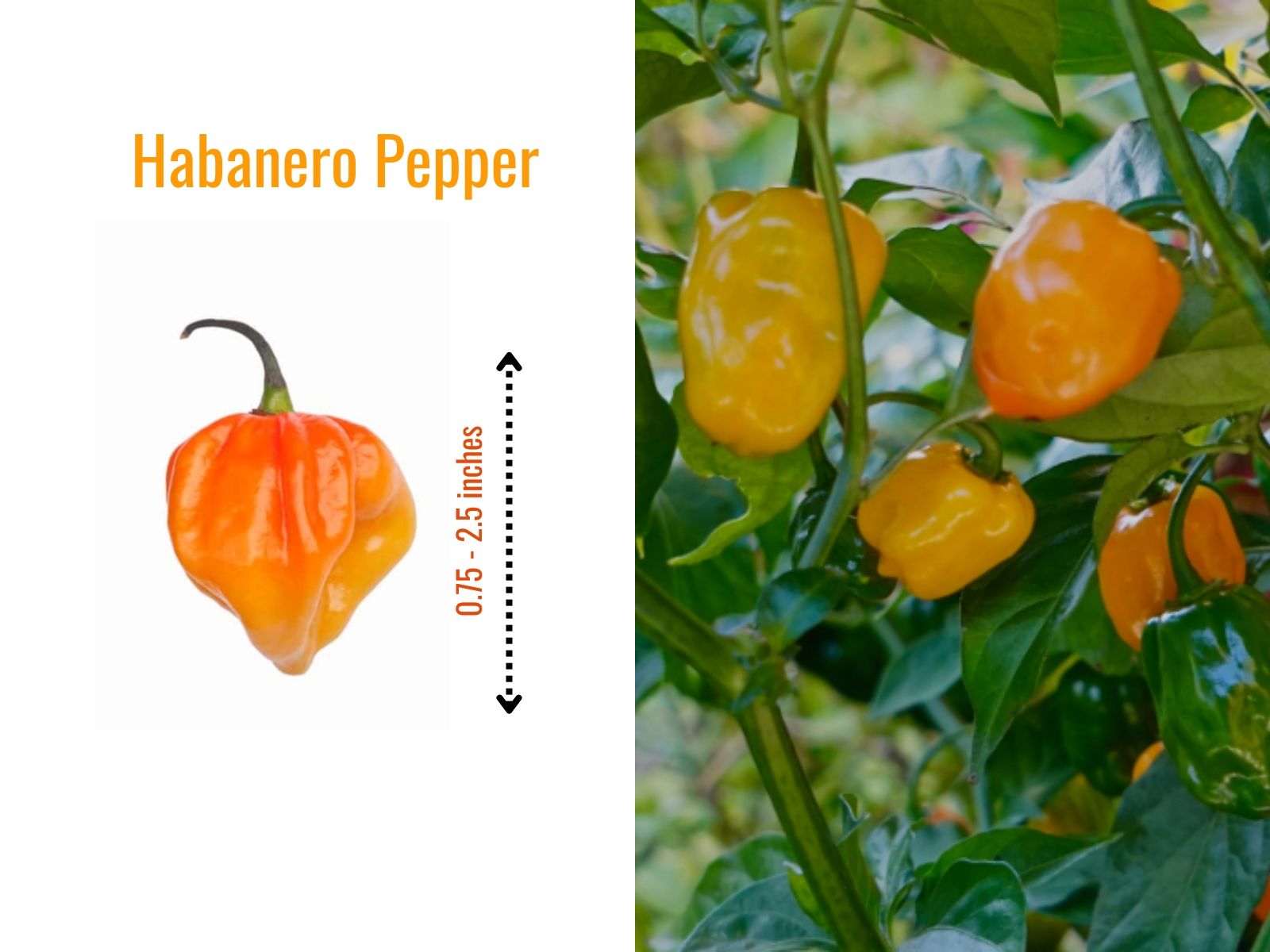
A typical habanero grows 0.75 to 2.5 inches (2 to 6 cm) long and has smooth or lightly wrinkled skin surrounding thin flesh and a hollow interior. Habaneros begin green and mature to a cultivar-specific color, including orange, red, yellow, peach, white, or chocolate brown. Ripe pods develop a sweet, fruity, floral flavor that distinguishes them from the sharper, grassier heat of jalapeño and serrano peppers.
This guide covers the habanero pepper’s flavor, heat level, differences from ghost peppers and Scotch bonnets, culinary uses, safe handling practices, storage methods, and suitable substitutes.
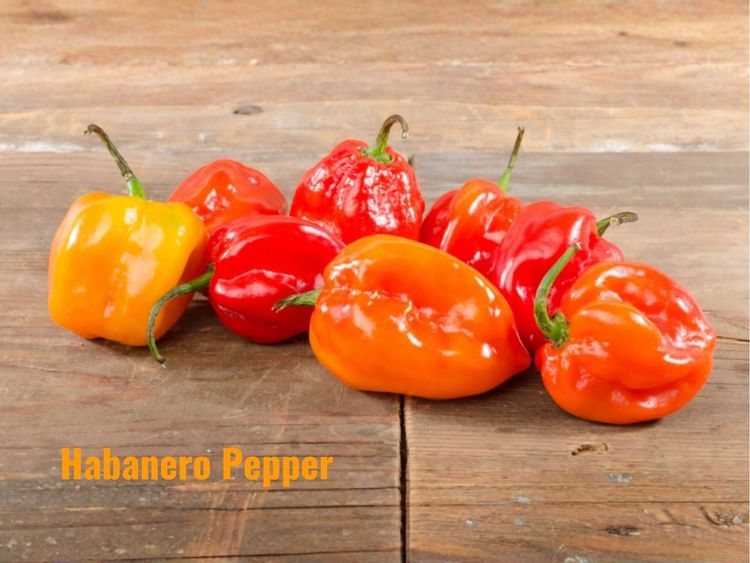
Table Of Contents
- How Hot Are Habanero Peppers?
How to Use Habanero Peppers in Cooking?
- How to Store Habanero Peppers?
- What Can You Substitute for Habanero Peppers?
What Is a Habanero Pepper?
A habanero pepper is a pungent variety of Capsicum chinense recognized by its compact lantern shape, thin flesh, tropical aroma, and extra-hot heat. Botanically, a habanero is a fruit because it develops from a flower and contains seeds. In cooking, it functions as a vegetable and hot chili pepper because cooks primarily use it in savory sauces, salsas, marinades, soups, and condiments.
The habanero’s ancestors trace back to tropical South America before the pepper spread through Central America, Mexico, and the Caribbean. The Yucatán Peninsula later became its best-known growing region and remains closely associated with Yucatecan salsas and hot sauces. The name habanero means “from Havana,” reflecting the Cuban port through which the peppers were historically traded rather than indicating that the cultivar originated in Cuba.
The scientific name Capsicum chinense also does not indicate Chinese origin. Dutch botanist Nikolaus Joseph von Jacquin assigned the name during the eighteenth century after incorrectly associating the species with China. The pepper belongs to the same species as the Scotch bonnet and several superhot cultivars, although each differs in shape, flavor, pungency, and culinary use.
Habaneros usually measure 0.75 to 2.5 inches (2 to 6 cm) long. Their fruits are squat, rounded, or lantern-shaped rather than long and cylindrical. Most have thin, smooth, waxy skin and hollow interiors, which distinguish them from thicker-walled peppers such as jalapeños. Their thin flesh releases capsaicin-rich oils quickly when cut, so cooks should wear gloves during preparation.
Habanero color depends on both maturity and cultivar. The table below shows the most common forms:
| Color | Ripeness Stage | Flavor Character |
| Green | Unripe | Earthy, vegetal, less heat |
| Yellow | Early mature | Brighter, with the first of the fruitiness |
| Orange | Ripe (most common in stores) | Peak fruity, floral, tropical sweetness |
| Red | Fully ripe | Deeper, smokier, slightly sweeter |
| Chocolate/Brown | Fully ripe (late stage) | Earthy-sweet, smoky, among the hottest |
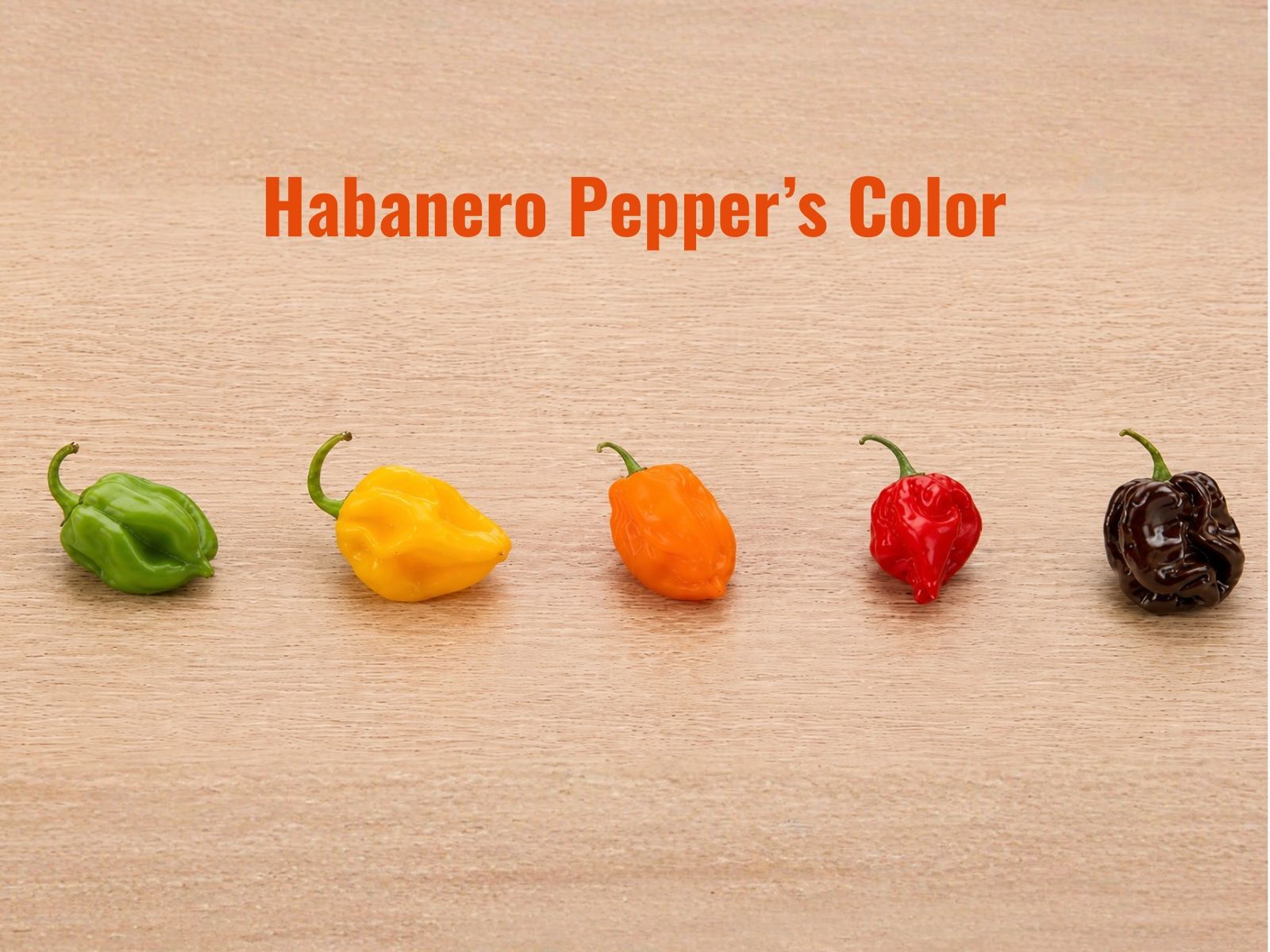
These colors do not represent a universal sequence that every habanero follows. Most pods begin green, but their final ripe color depends on the cultivar.
Common forms include Orange Habanero, Caribbean Red, Red Savina, Chocolate Habanero, Peach Habanero, and White Habanero. Habanada is a heatless pepper developed through plant breeding to preserve the floral and tropical character associated with habaneros without their intense burn.
What Do Habanero Peppers Taste Like?
Habanero peppers taste sweet, fruity, floral, and tropical, with light smoky notes and intense heat that builds gradually and lingers. Their aroma often resembles mango, apricot, citrus, and other tropical fruits, but the exact profile varies by cultivar, maturity, and growing conditions.
Flavor also changes with color. Green habaneros taste more vegetal, grassy, and less sweet, while orange peppers offer stronger tropical fruit and floral notes. Red cultivars tend to taste sweeter and deeper, while chocolate or brown habaneros have a darker, earthier, and smokier character. These descriptions are only guides because genetics, maturity, climate, soil, plant stress, and individual fruit variation all affect aroma and capsaicinoid content.
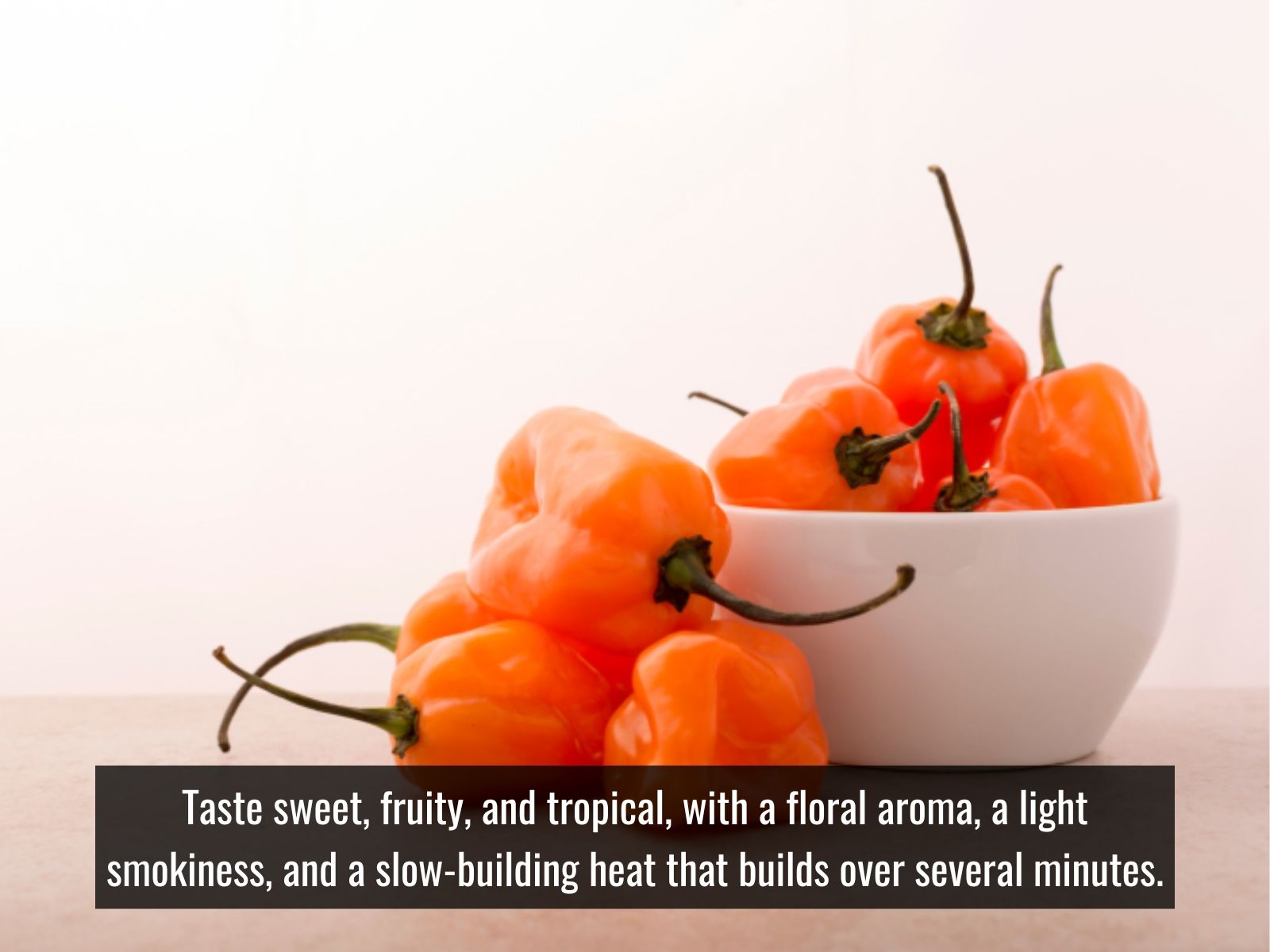
Compared with the sharper initial bite of jalapeños and serranos, habanero heat usually rises more slowly and lasts longer. Its sweetness and fruit aroma may appear first, followed by a burn that continues to build. The intensity and duration depend on the amount eaten, capsaicinoid concentration, other ingredients in the dish, and individual sensitivity. Capsaicinoids create this sensation by activating TRPV1 receptors in the mouth and other exposed tissues.
Roasting or grilling adds charred, caramelized, and smoky notes that complement the pepper’s natural fruitiness, but cooking does not reliably make habaneros mild. Their tropical aroma, subtle smokiness, and persistent heat make them especially suitable for hot sauces and salsas made with mango, pineapple, or peach.
Are Habanero Peppers Different from Ghost Pepper?
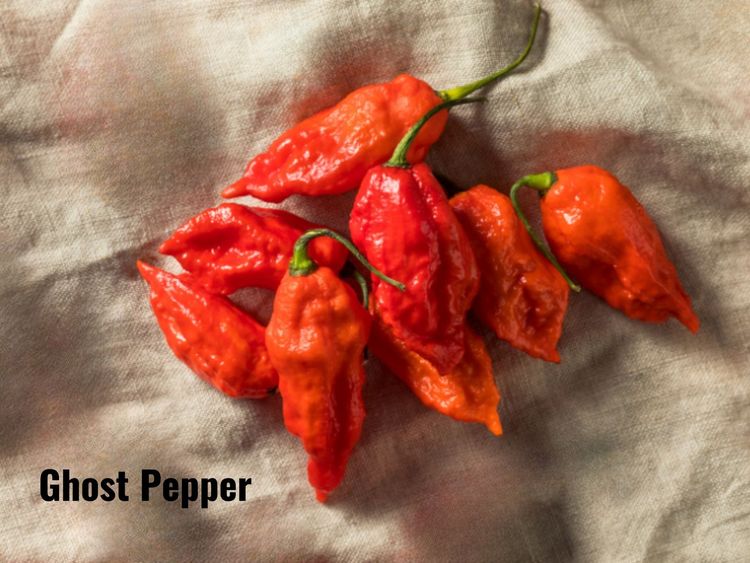
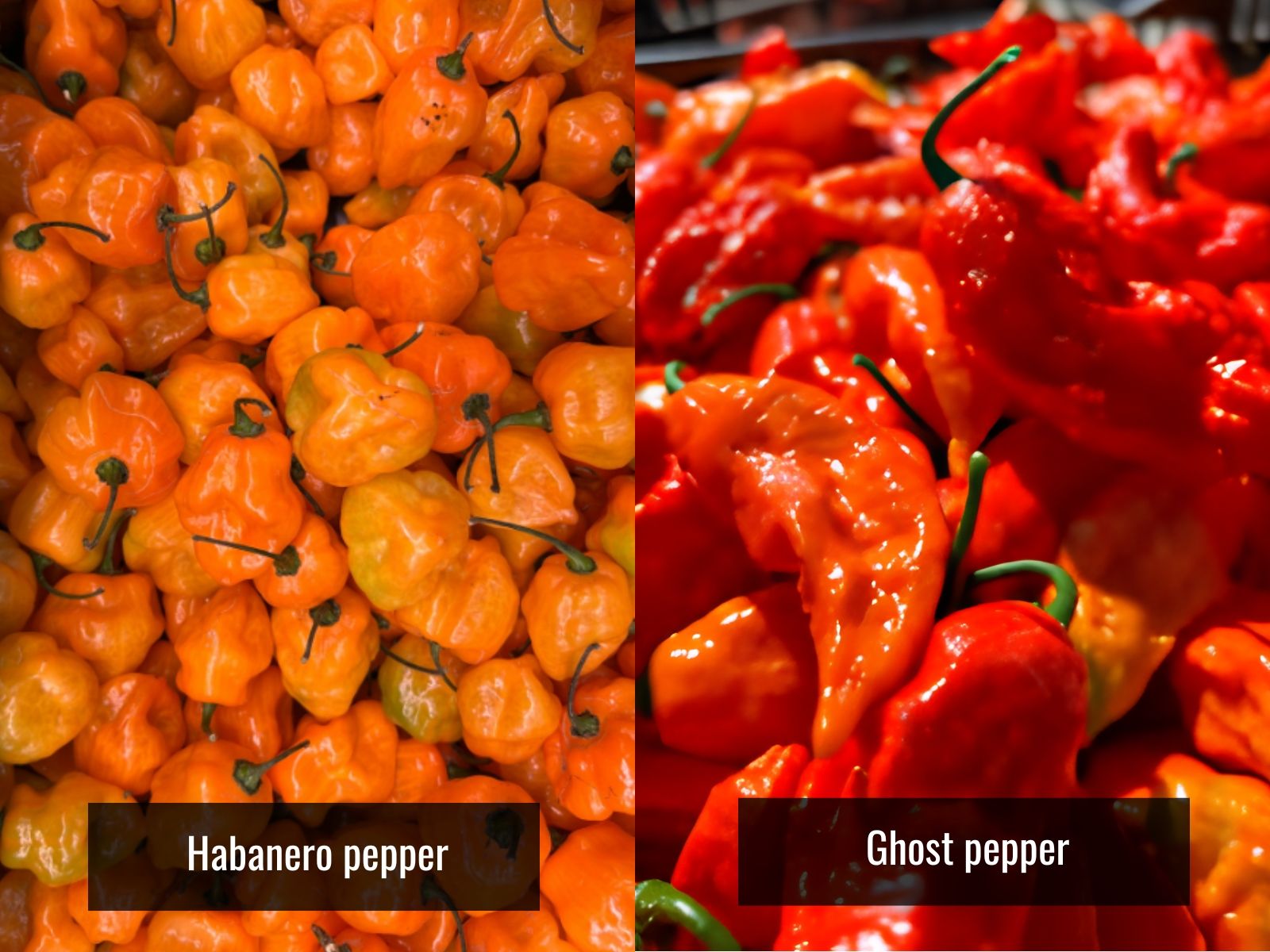
Ghost peppers are substantially hotter than habaneros, while habaneros provide more manageable heat for salsas, marinades, condiments, and everyday hot sauces. A ghost pepper, also called bhut jolokia, measures approximately 1,000,000 SHU, making it around 3 to 10 times hotter than a habanero.
| Attribute | Habanero Pepper | Ghost Pepper |
| Heat (SHU) | 100,000 to 350,000 | 855,000 to 1,041,000 |
| Relative Heat | Extra-hot | About 3 to 10 times hotter |
| Shape | Small, smooth, and lantern-shaped | Longer, tapered, and heavily wrinkled |
| Flavor | Sweet, fruity, floral, and tropical | Fruity, earthy, and smoky, with heat that can dominate the flavor |
| Heat Character | Slow-building and lingering | Delayed, extreme, and longer-lasting |
| Best Use | Salsas, marinades, fruit-based hot sauces, and condiments | Super-hot sauces, chili powders, and very small additions to large batches |
Are Habanero Peppers Different from Scotch Bonnets?
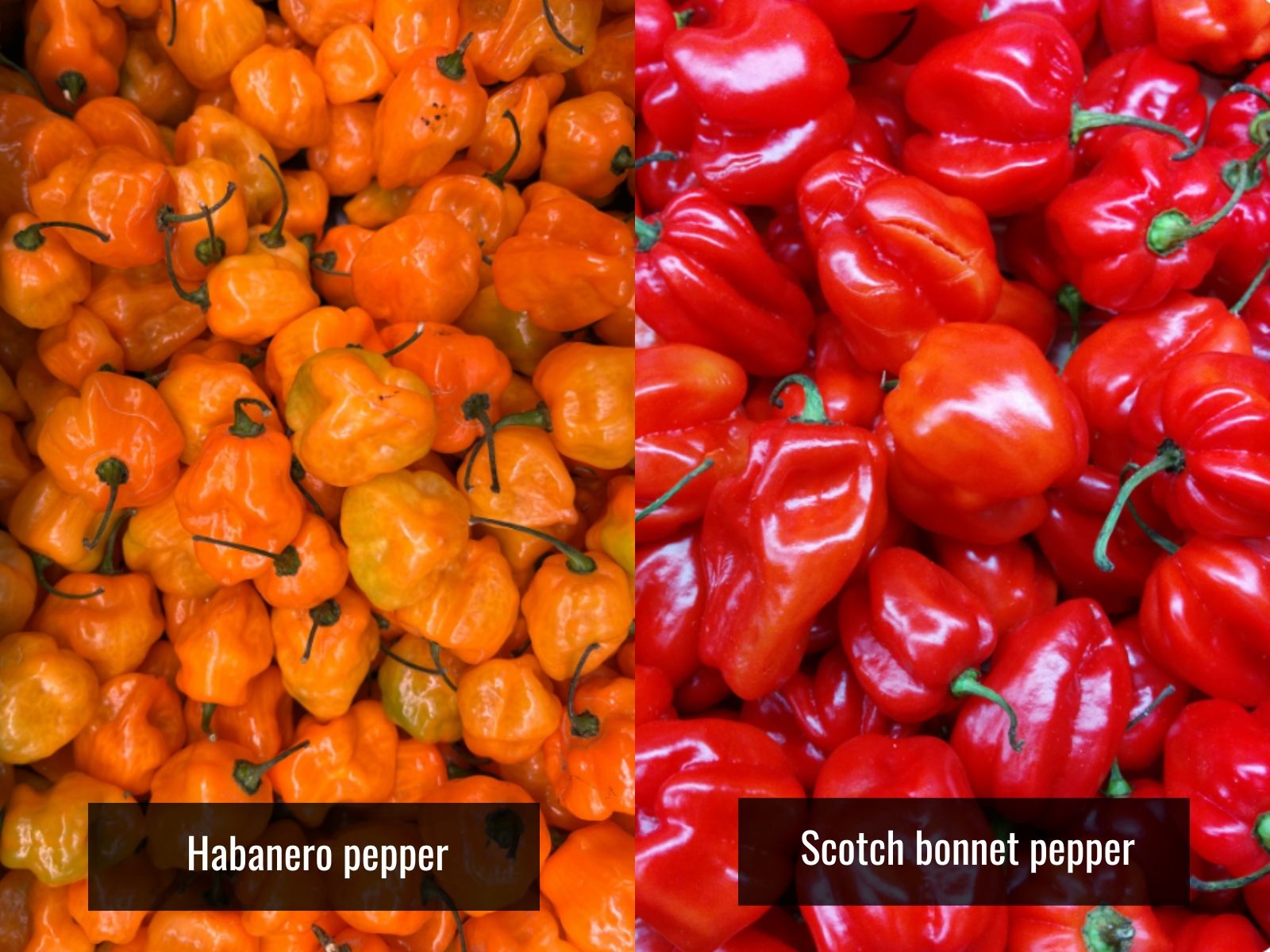
Habanero and Scotch bonnet peppers share the same species (Capsicum chinense) and the same heat range, but they differ in shape, flavor, and culinary tradition. Both measure 100,000 to 350,000 SHU, and both carry the thin, waxy flesh typical of the species. What sets them apart is the body they grow into, the nuance of their flavor, and the cuisines that made them famous, as shown in this table:
| Attribute | Habanero Pepper | Scotch Bonnet Pepper |
| Length | 0.75 to 2.5 in (2 to 6 cm) | 1 to 2 in (2.5 to 5 cm) |
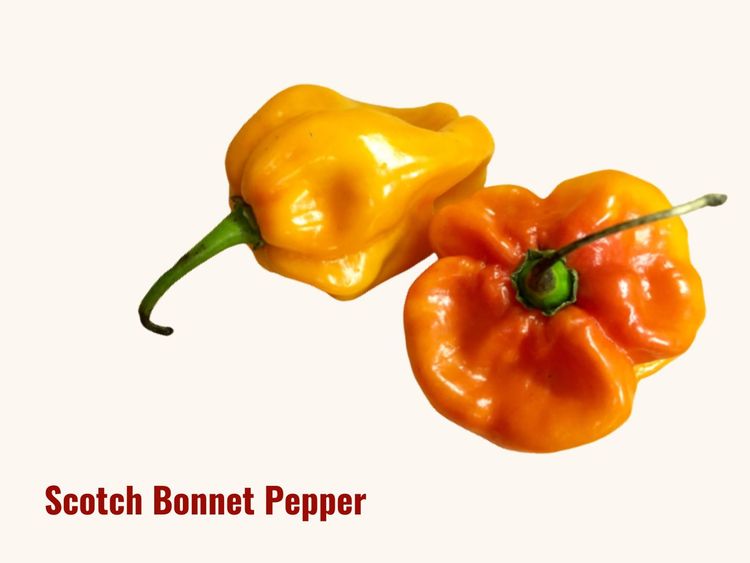
| Shape | Lantern-shaped and slightly elongated | Squat, flattened, and bonnet-shaped |
| Skin | Thin, smooth, or lightly wrinkled | Thin and often more wrinkled |
| Heat | 100,000 to 350,000 SHU | Commonly 100,000 to 350,000 SHU |
| Flavor | Fruity, floral, and lightly smoky | Often sweeter and more citrus-forward |
| Cuisine | Yucatecan Mexican and Latin American | Jamaican and wider Caribbean |
| Best Use | Salsas, marinades, and fruit-based hot sauces | Jerk marinades, curries, and Caribbean pepper sauces |
How Hot Are Habanero Peppers?
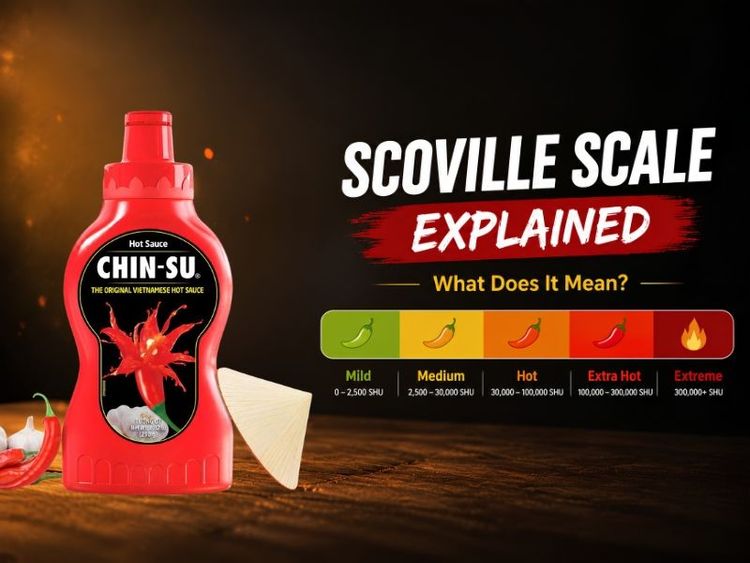
Habanero peppers measure 100,000 to 350,000 Scoville Heat Units (SHU), placing them in the extra-hot tier of the Scoville scale. They sit near the upper end of peppers commonly used in cooking but remain well below superhot varieties. Pure capsaicin measures about 16,000,000 SHU, while Pepper X, the current Guinness World Records holder, averages 2,693,000 SHU. Pepper X replaced the Carolina Reaper as the world’s hottest officially recognized chili pepper in October 2023.
Not every habanero reaches the same heat level. Genetics, maturity, temperature, water availability, plant stress, and growing conditions influence capsaicinoid concentration. Some cultivars become hotter as they mature, but color alone cannot reliably indicate the exact heat of an individual pepper. Most capsaicinoids develop in the placenta, the pale internal tissue that supports the seeds. The seeds do not produce most of the heat themselves, although contact with the placenta can coat them in capsaicin-rich oils.
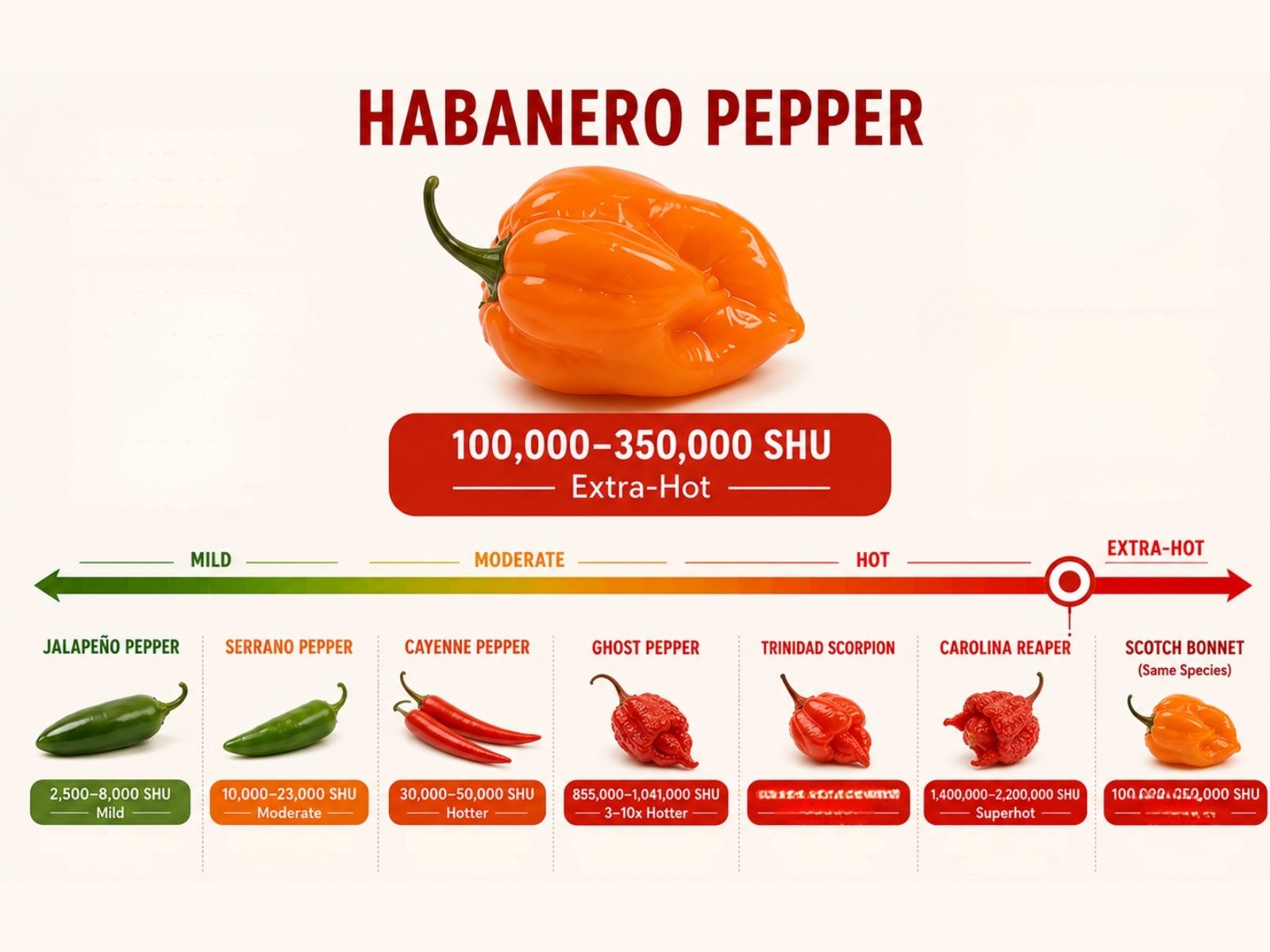
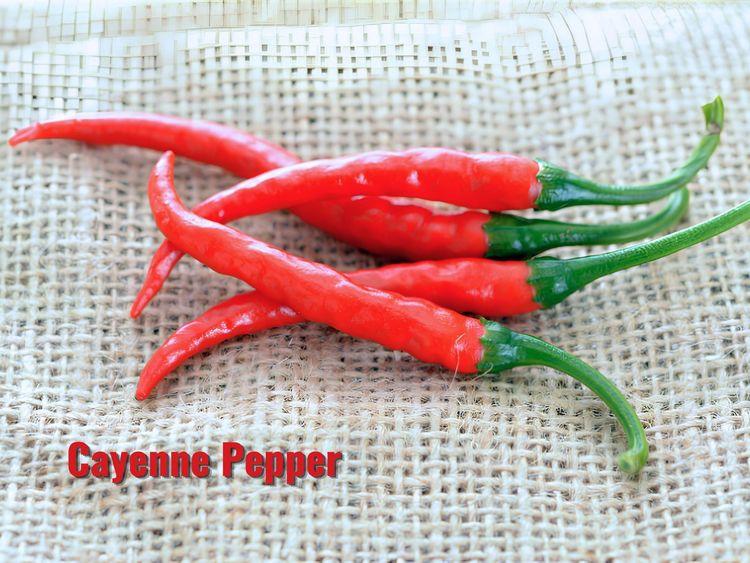
Compared with common culinary peppers, habaneros are about 12 to 140 times hotter than jalapeños at 2,500 to 8,000 SHU, 4 to 35 times hotter than serranos at 10,000 to 23,000 SHU, and 2 to 12 times hotter than cayenne peppers at 30,000 to 50,000 SHU.
Habaneros become the milder option when compared with superhots:
- Ghost peppers measure about 855,000 to 1,041,000 SHU, making them roughly 2 to 10 times hotter than habaneros.
- Trinidad Scorpion peppers range from about 1,200,000 to 2,000,000 SHU.
- Carolina Reapers commonly fall between 1,400,000 and 2,200,000 SHU.
- Pepper X sits higher still at an average of 2,693,000 SHU.
Within the broader Capsicum chinense group, Scotch bonnets occupy the same general 100,000 to 350,000 SHU range as habaneros, while ghost peppers and several superhot cultivars sit far above them. These comparisons place the habanero between everyday kitchen chilies and the specialist superhot category.
How to Use Habanero Peppers in Cooking?
Use habanero peppers sparingly in salsa, mayonnaise, marinades, cooked sauces, fermented pepper mash, and fruit-based hot sauces. Start with a small amount, taste the dish, and add more only when needed because one pepper can season an entire batch.
Habaneros also provide nutritional value. Per 100 g, they contain about 40 kcal, 215 mg of vitamin C, 2,100 IU of vitamin A, 0.4 mg of vitamin B6, 3.3 g of dietary fiber, and 320 mg of potassium. Capsaicinoids have also been studied for thermogenesis, with one systematic review reporting an average increase of about 34 kcal per day in resting energy expenditure.
- Fresh or raw: Finely mince a small piece of habanero and add it to pico de gallo, ceviche, guacamole, or fresh salsa. Its tropical aroma pairs well with lime juice, tomatoes, onions, cilantro, seafood, and ripe fruit.
- Habanero mayonnaise: Blend a small amount of minced habanero or prepared habanero sauce into mayonnaise. Add more gradually to control the heat. Habanero mayo works well with burgers, sandwiches, tacos, seafood, and fried foods.
- Cooked dishes: Add habaneros to soups, stews, braises, marinades, and meat glazes. A whole slit pepper releases heat gradually and can be removed before serving, while minced habanero spreads the heat throughout the dish.
- Roasted or grilled: Roast habaneros at 375–400°F (190–200°C) until the skins blister. Roasting develops charred, caramelized, and smoky notes that complement the pepper’s fruitiness, but it does not reliably make the pepper mild.
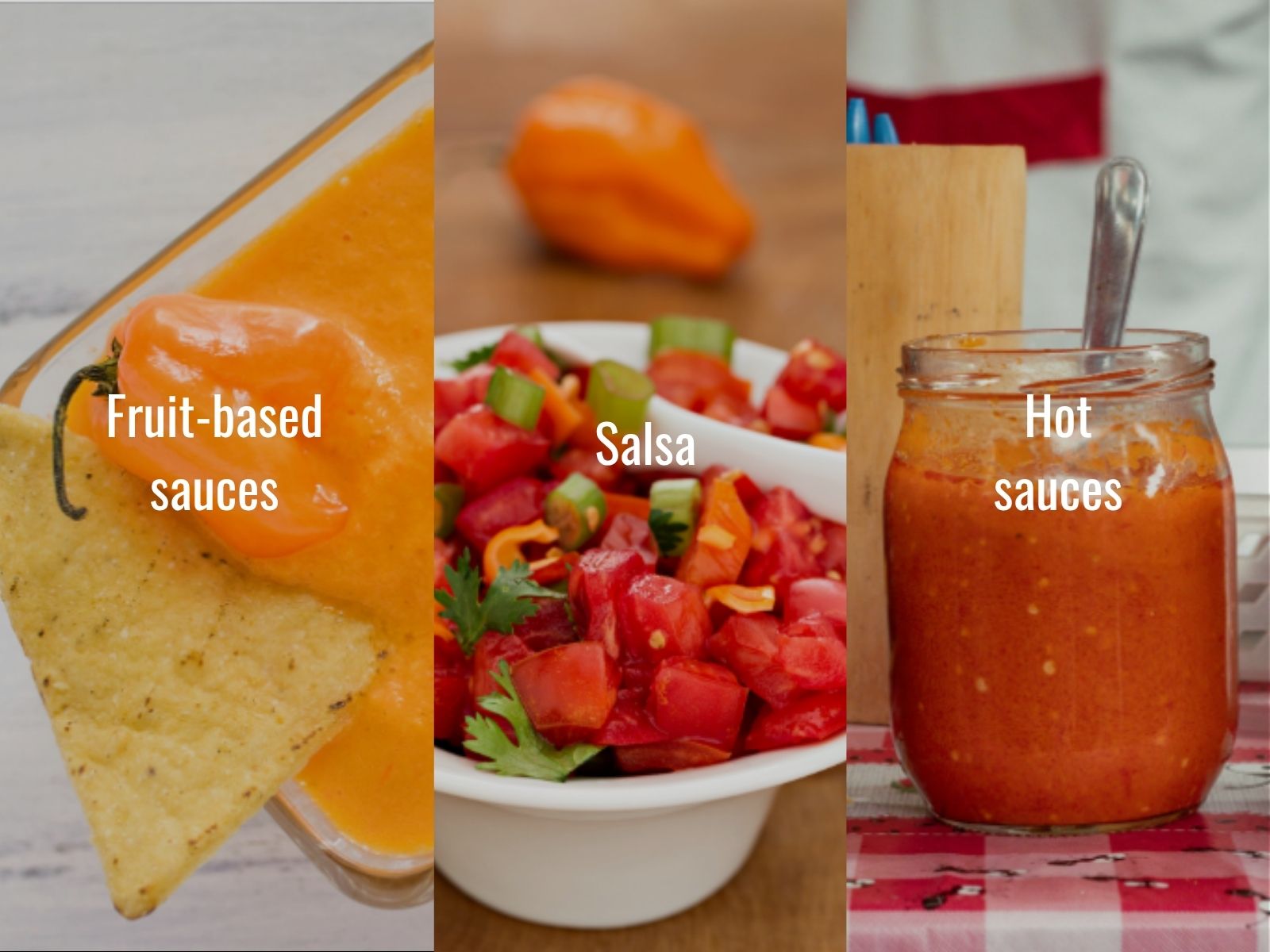
- Habanero hot sauce: Blend fresh or roasted habaneros with vinegar, garlic, salt, and optional fruit such as mango or pineapple. Fresh peppers create a brighter, sharper sauce, while roasted peppers add smoky and caramelized notes. Start with part of one pepper, then adjust the heat gradually.
- Fruit-based sauces and salsas: Pair habanero with mango, pineapple, peach, papaya, or citrus to balance its heat with sweetness and acidity. Mango habanero sauce, pineapple habanero salsa, and peach habanero glaze pair well with chicken, pork, shrimp, fish, and grilled vegetables.
- Pickled or dried: Pickle habaneros with a tested vinegar recipe for tacos, burgers, sandwiches, and rice dishes. Alternatively, dry them at 135°F (57°C), then grind the pods into flakes or powder for soups, rubs, sauces, and seasoning blends.
- Habanero pepper mash: Combine crushed habaneros with a measured amount of salt to create a concentrated base for fermented hot sauces, marinades, and condiments. Keep the peppers submerged during fermentation, follow a tested method, and refrigerate the finished mash.
- Habanero pepper jelly: Cook habaneros with sugar and pectin to make a sweet-heat spread. Serve the jelly with cheese, crackers, roasted meat, sandwiches, or grilled vegetables.
- Infused beverages: Infuse habanero into tequila, vodka, or cocktails for controlled heat. Habanero simple syrup also works in margaritas and lemonade.
Can You Eat Habanero Peppers Every Day?
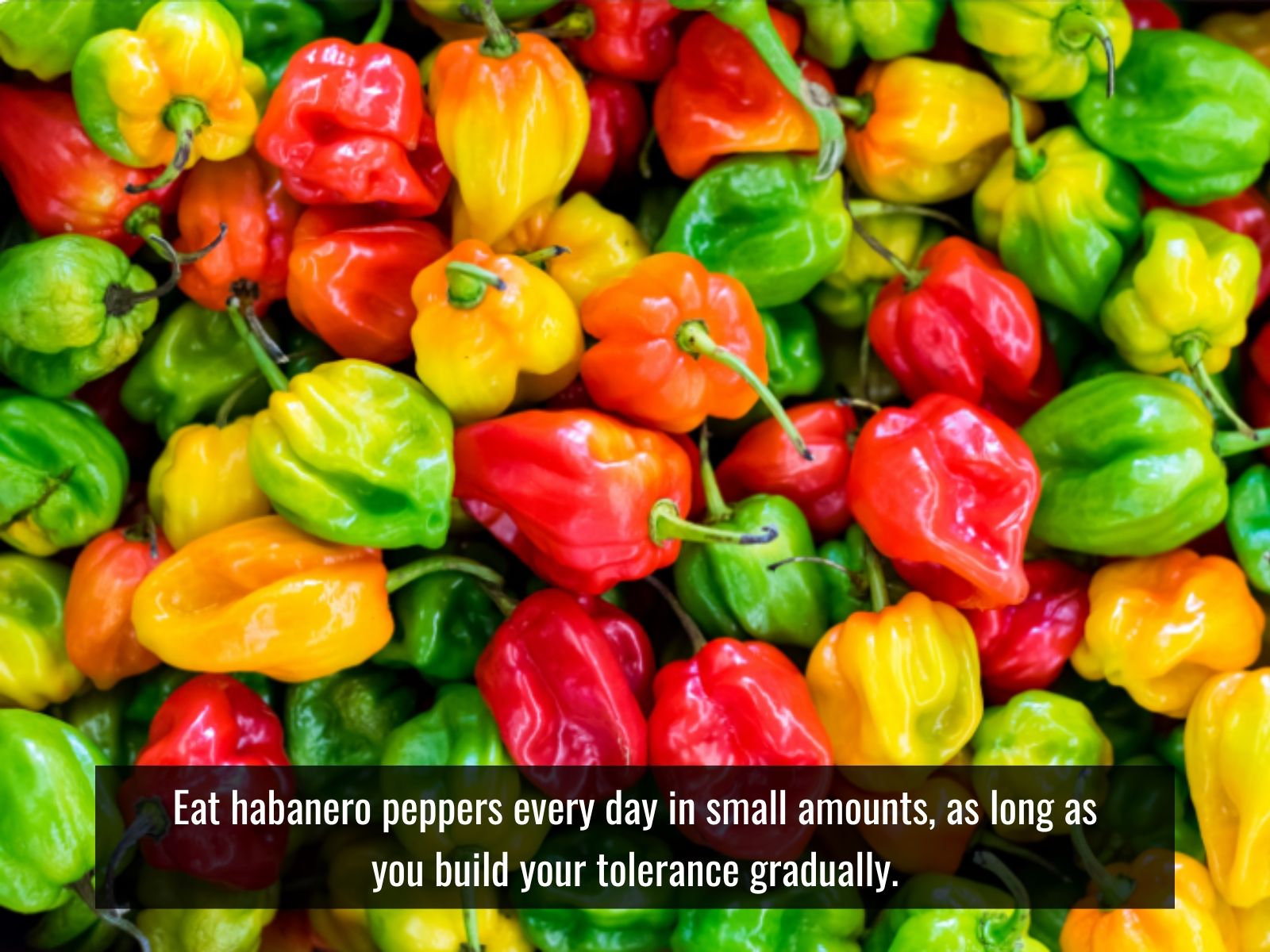
Yes, you can eat habanero peppers every day in small amounts if they do not trigger digestive symptoms. However, there is no evidence-based daily serving that applies to everyone. Your practical limit depends on the pepper’s heat, the amount consumed, the other ingredients in the meal, and your sensitivity to capsaicin.
Daily use does not require eating a whole pepper. A small amount of habanero sauce or finely minced pepper mixed into salsa, soup, or another larger dish provides its fruity flavor with less concentrated heat. Repeated exposure can also reduce the perceived oral burn over time, although the degree of tolerance varies among individuals.
Eating too much habanero can cause temporary mouth pain, abdominal burning, cramps, nausea, vomiting, diarrhea, heartburn, or acid reflux. People with IBS, GERD, functional dyspepsia, or a known capsaicin sensitivity should reduce the amount or avoid habaneros when spicy foods worsen their symptoms.
Start with a small portion and increase it only when your body tolerates the heat without discomfort. Seek medical care for difficulty breathing, chest pain, persistent vomiting, or severe abdominal pain.
How to Store Habanero Peppers?
Fresh habanero peppers keep their best quality for about 1 to 2 weeks in the refrigerator. Store them whole, dry, and unwashed in a breathable or perforated produce bag inside the crisper drawer. Wash them only before use, and discard any pepper that becomes moldy, slimy, deeply sunken, or unusually soft.
For longer storage, freeze the peppers whole or chopped in freezer-safe bags or containers. Wash and dry them thoroughly first; hot peppers do not require blanching. Frozen habaneros retain their heat and much of their flavor for about six months, but their texture softens after thawing. Use them in soups, stews, sauces, marinades, and blended salsas rather than fresh garnishes.
Drying provides another long-term option. Cut larger peppers in half and dehydrate them at about 135°F (57°C) until they become fully brittle. Let them cool before storing them whole or ground in an airtight container away from heat, light, and moisture. Air-dry whole habaneros only in a hot, dry, and well-ventilated environment because humid conditions increase the risk of mold.
Habaneros can also be pickled using a tested refrigerator-pickle or canning recipe with the specified vinegar strength and processing method. Do not reduce the vinegar when storing the finished product at room temperature. Fresh habaneros should not be submerged in oil and kept at room temperature because the low-acid, oxygen-free environment can create a food safety risk.
What Can You Substitute for Habanero Peppers?
The closest substitute for a habanero pepper is the Scotch bonnet because it offers comparable heat, thin flesh, and a similarly fruity aroma. Beyond that, a few other peppers can fill in depending on the dish and how much heat you want, as shown in this table:
| Substitute | Starting Amount | Difference from Habanero | Best Used In |
| Scotch bonnet | 1:1 | Comparable heat with a sweeter, more citrus-like flavor | Salsas, marinades, fruit sauces, and hot sauces |
| Habanada | 1:1 | Similar floral and tropical aroma with little or no heat | Mild salsas, sauces, roasted dishes, and raw preparations |
| Thai bird’s eye chili | Start with 1 pepper | Sharper, more direct heat with less fruitiness | Stir-fries, curries, soups, and cooked sauces |
| Serrano pepper | Start with 2–3 peppers | Much milder, greener, crisper, and thicker-fleshed | Fresh salsa, guacamole, ceviche, and garnishes |
| Cayenne powder | Start with ⅛–¼ tsp | Adds dry heat without fresh pepper flavor or texture | Soups, sauces, marinades, rubs, and seasoning blends |
These amounts are starting points rather than exact heat equivalents. Individual peppers vary in size and capsaicinoid concentration, so add the substitute gradually and taste the dish before increasing it. Using enough serranos to match the full heat of one habanero could add too much moisture, green flavor, and pepper flesh.
Use fresh peppers when the recipe depends on texture and aroma, especially in salsa, ceviche, guacamole, and fruit sauces. Use cayenne powder in cooked dishes where you need heat without fresh pepper flesh.
Scotch bonnet remains the closest overall substitute. Habanada provides the best aromatic match when you want the floral, tropical character of a habanero without intense heat.
References
- Wikipedia. Habanero. https://en.wikipedia.org/wiki/Habanero
- Irandoost, P., Lotfi Yagin, N., Namazi, N., Keshtkar, A., Farsi, F., Mesri Alamdari, N., & Vafa, M. (2021). The effect of Capsaicinoids or Capsinoids in red pepper on thermogenesis in healthy adults: A systematic review and meta-analysis. Phytotherapy Research: PTR, 35(3), 1358–1377. https://doi.org/10.1002/ptr.6897
- Pathirana, R. (2013). Peppers: Vegetable and Spice Capsicums, 2nd edition, by Paul W. Bosland and Eric J. Votava. Crop Production Science in Horticulture Series 22. Wallingford, UK, CABI, 2012. 248 pp, £45.00/US$85.00/€60.00 (paperback). ISBN 9781845938253. New Zealand Journal of Crop and Horticultural Science, 41, 102–103. https://doi.org/10.1080/01140671.2012.745161
Frequently Asked Questions
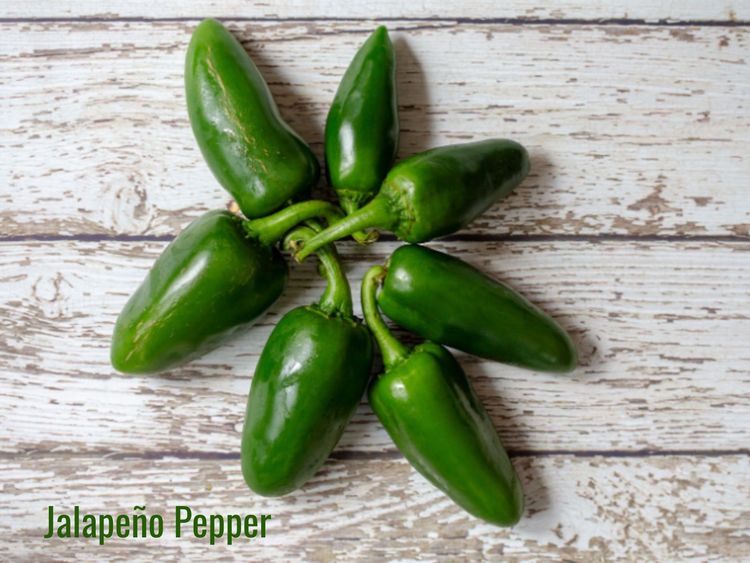
Yes, habanero peppers are much hotter than jalapeños. Habaneros measure 100,000 to 350,000 SHU, while jalapeños run only 2,500 to 8,000 SHU, which makes the habanero 12 to 140 times hotter depending on the two peppers you compare. They look nothing alike either. Jalapeños are long, slender, and green, while habaneros are small, round, and orange.
A habanero is botanically a fruit but functions as a vegetable in cooking. It develops from the flower of the plant and contains seeds, which meets the botanical definition of a fruit. In the kitchen, cooks use habaneros like vegetables and hot chili peppers because their savory heat works in sauces, salsas, marinades, soups, and cooked dishes.
Wash exposed skin with soap and plenty of water without rubbing the capsaicin into a larger area. For eye exposure, remove contact lenses and rinse with clean, lukewarm water for 15 to 20 minutes. Do not put oil, milk, vinegar, soap, or antacid products in the eyes. Seek medical care if pain, redness, or blurred vision persists.
Habanero peppers are about 4 to 35 times hotter than serrano peppers. Serranos usually measure 10,000 to 23,000 SHU, while habaneros range from 100,000 to 350,000 SHU. Serranos taste crisp, bright, and grassy, while habaneros bring a sweeter, fruitier, more tropical flavor with a slower, longer-lasting burn. Use serranos in fresh salsas, garnishes, and everyday cooking when you need controlled heat; use habaneros sparingly in hot sauces, fruit salsas, and marinades.
Habanero peppers are far hotter, smaller, thinner-walled, and fruitier than jalapeños. Jalapeños usually range from 2,500 to 8,000 SHU, while habaneros measure 100,000 to 350,000 SHU, making habaneros about 12 to 140 times hotter. Jalapeños have a fresh, green, mildly grassy flavor and thick flesh that works well for stuffing, slicing, roasting, and everyday salsa. Habaneros are more aromatic and work best in small amounts in hot sauces, fruit salsas, marinades, and spicy condiments.
In moderation, habanero peppers are safe to eat. Eating too much at once can cause stomach cramps, nausea, or acid reflux, and the capsaicin oils will burn your skin and eyes if you handle the peppers without gloves. If the heat catches you, dairy products such as milk or yogurt can neutralize capsaicin on the palate, while water only spreads it and makes the burn worse. Start with small amounts if you are new to extra-hot peppers.
Yes, habanero seeds are edible. A common belief is that the seeds carry most of the heat, but the capsaicin actually concentrates in the white pith, the placental tissue that holds the seeds in place, not in the seeds themselves. Pulling out the pith along with the seeds is what cuts the heat, by roughly 30 to 40%.
Fresh habanero peppers keep best in the refrigerator, stored whole and unwashed in a paper bag in the crisper drawer, where they stay firm for 1 to 2 weeks. For longer storage, freeze them whole or dry them at 135°F (57°C) until they turn brittle.

CHIN-SU KITCHEN TEAM
CHIN-SU Kitchen Team are the creative experts behind the delicious recipes featuring CHIN-SU sauces. With years of experience and a passion for flavor, our team carefully selects recipes from a variety of trusted chefs and bloggers, bringing together the best culinary insights to present you with the most suitable and exciting dishes. Every recipe is chosen to inspire you to create meals that are not only tasty but also easy to prepare, enhancing your dining experience. Join us as we explore a wide range of sauces and flavors, and elevate every meal with the perfect recipe for your table!
User Reviews
Featured Articles
What Is an Anaheim Pepper? Flavor and Uses Explained
Hot Sauce Scoville Scale Explained: What Does It Mean?
What Is a Habanero Pepper? Heat, Flavor, and Uses Explained
What Is a Hungarian Wax Pepper? Flavor and Uses Explained
SUBSCRIBE TO GET
MORE INFO
Want the latest and greatest recipes, updates, and more from us,
straight to your inbox? Subscribe and get our NEWS!