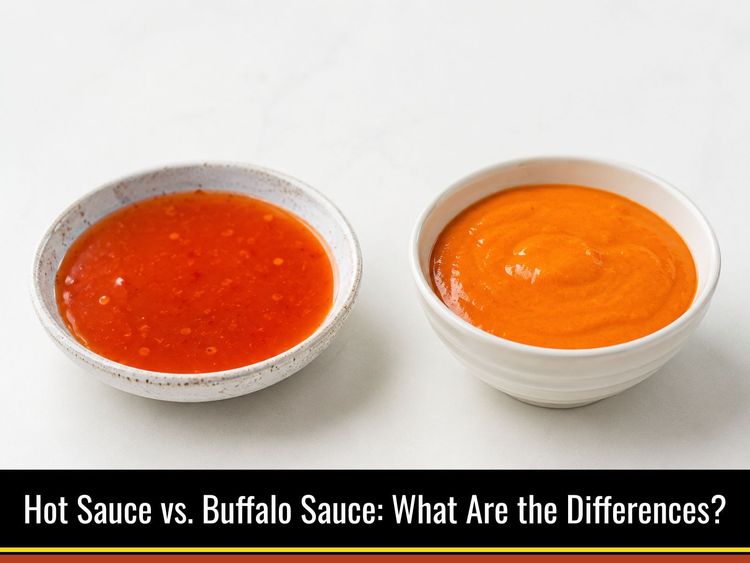
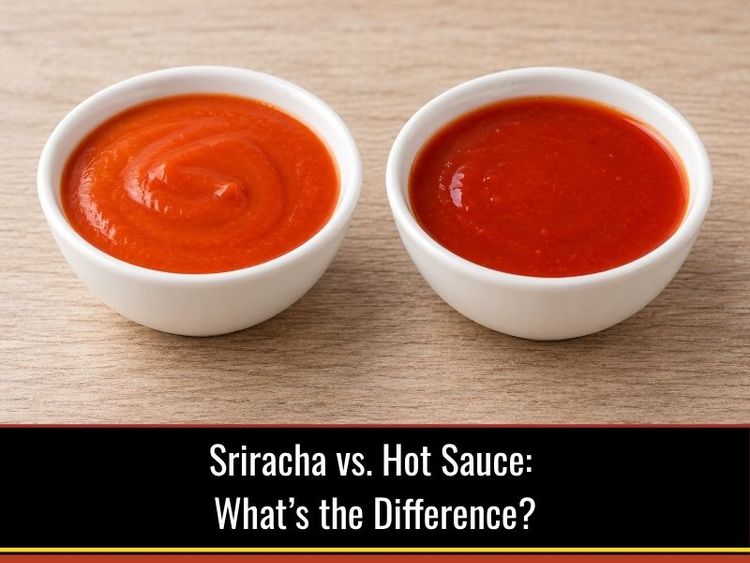
Hot Sauce vs. Sambal Oelek: Differences, Uses & Substitutes
Published: Aug 11, 2026 by CHIN-SU
Updated: Sep 15, 2026 by CHIN-SU
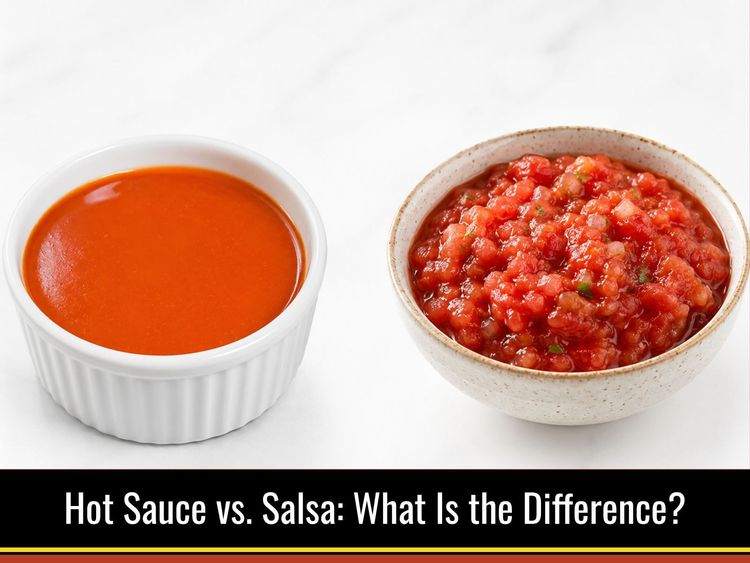
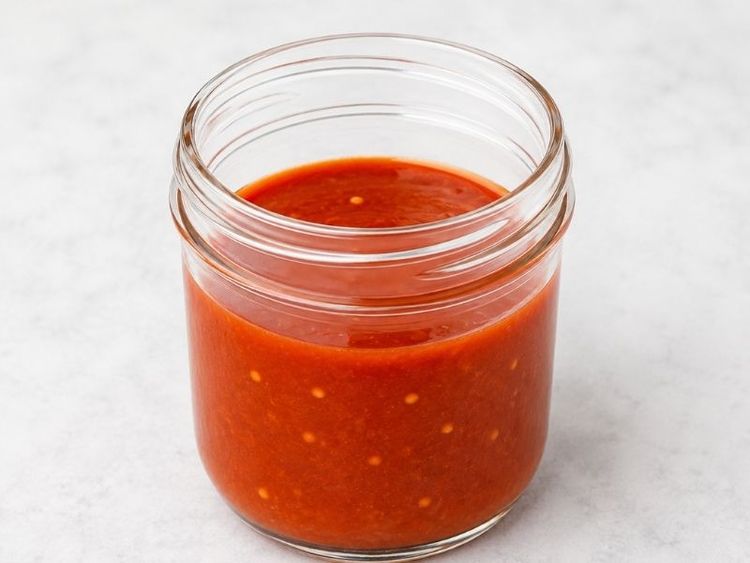
Hot sauce and sambal oelek both add chile heat, but they differ in texture, acidity, and how they affect a recipe. The vinegar-forward hot sauce used in this comparison is thin, smooth, and pourable, while sambal oelek is a coarse, spoonable chile paste. Hot sauce adds more liquid and acidity; sambal oelek adds more chile solids, concentrated pepper flavor, and body.
In this article, “hot sauce” refers primarily to Louisiana-style bottled sauces rather than every condiment sold under that name. That narrower scope makes the comparison clearer, since Louisiana-style sauces sit at the opposite end of the texture and acidity spectrum from sambal oelek. Sriracha, chile-garlic sauce, fermented pepper sauce, and other thicker varieties may resemble sambal oelek more closely.
In the next sections, you will see how both condiments compare side by side, which one suits each type of dish, and practical substitutions when the preferred jar is unavailable.
What Is Sambal Oelek?
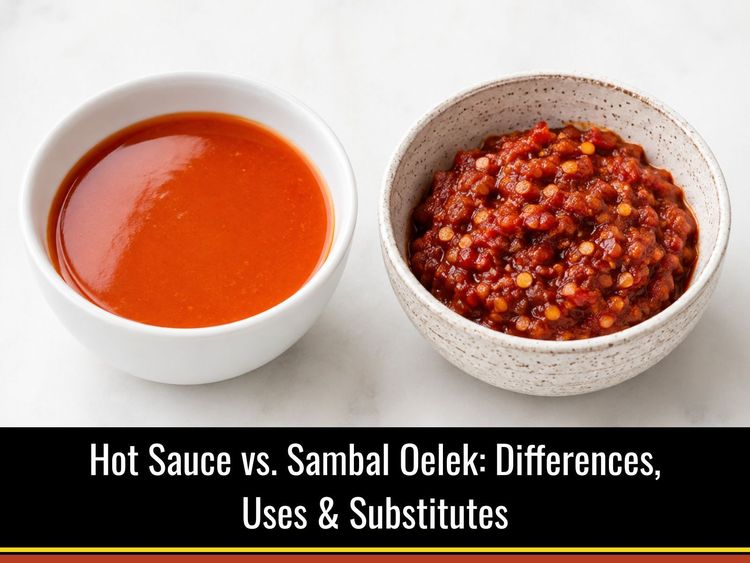
Sambal oelek is an Indonesian chile paste typically made from ground red chiles, salt, and a small amount of vinegar or another acid. Its coarse texture retains visible chile flesh and seeds, creating a concentrated pepper flavor without the thin consistency or pronounced acidity of many bottled hot sauces.
Exact formulas vary by brand. Some products add water, garlic, preservatives, or other seasonings, but the core remains ground red chiles, salt, and acid. Huy Fong’s green-lidded jar is one of the most widely available versions in U.S. grocery stores.
As for the name, "sambal" is the Indonesian word for a chili-based sauce or relish, and "oelek" (also spelled ulek) refers to the traditional way the chiles are ground in a stone mortar and pestle.
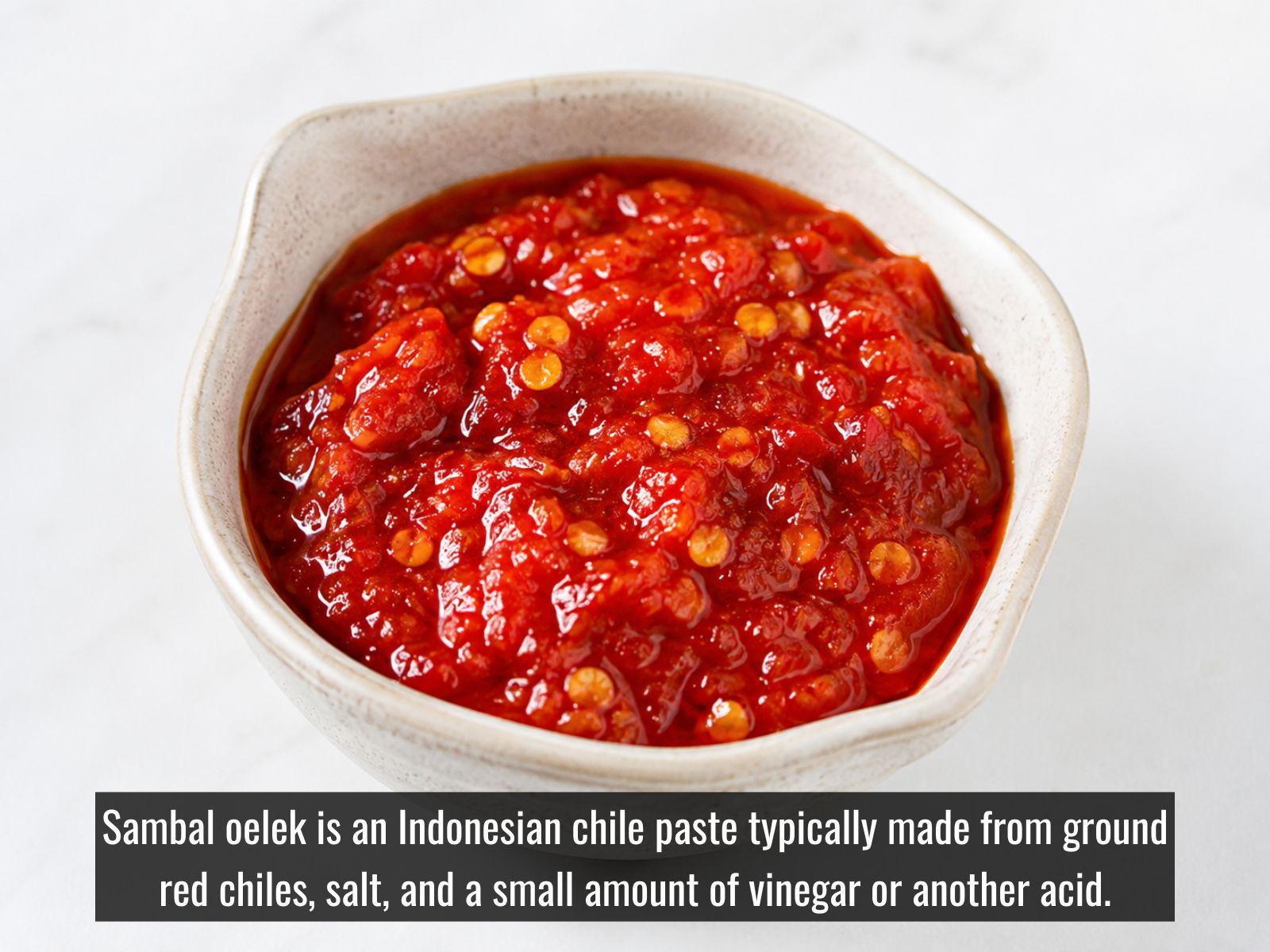
Sambal oelek performs two roles in the kitchen. Cooks stir it into stir-fries, soups, marinades, noodle dishes, and dipping sauces, or serve it directly at the table. Because the paste retains chile solids, even a small spoonful adds heat, pepper flavor, and body to a recipe. Bon Appétit describes sambal oelek as equally useful as a condiment and as an ingredient in cooked food.
So how does that compare, point for point, with the bottled hot sauce in your fridge door?
What Are the Key Differences Between Hot Sauce and Sambal Oelek?
The main difference between hot sauce and sambal oelek is what each condiment contributes beyond heat. Vinegar-forward hot sauce adds liquid, acidity, and evenly distributed chile flavor, while sambal oelek adds concentrated pepper flavor, visible chile solids, texture, and body.
The table below compares the two condiments side by side.
| Attribute | Typical Vinegar-Forward Hot Sauce | Sambal Oelek |
| Product form | Smooth, pourable liquid | Coarse, spoonable chile paste |
| Typical base | Chile or pepper mash, vinegar or food acid, salt, and water | Ground chiles, salt, and a small amount of vinegar or another acid |
| Texture | Usually blended, strained, or both | Contains visible chile solids and seeds |
| Flavor | Often tangier and more acidic | Concentrated, chile-forward, and savory |
| Typical use | Dash, drizzle, mix, or use as a finishing sauce | Spoon into recipes or serve alongside food |
| Effect on recipes | Adds liquid, acidity, and heat | Adds chile solids, texture, and body |
| Heat level | Varies by pepper type, formula, and serving size | Varies by chile variety, brand, and serving size |
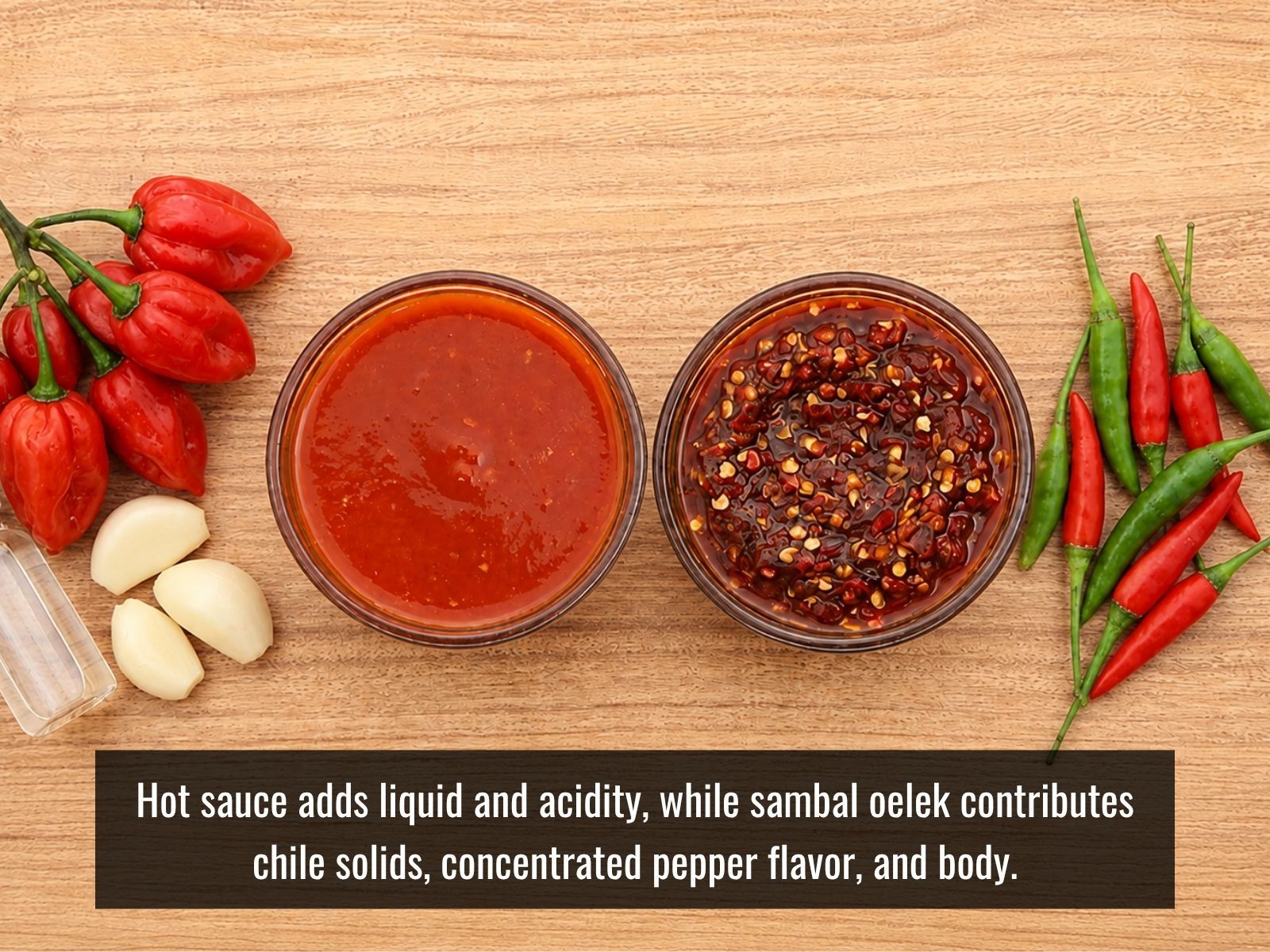
These characteristics describe common patterns rather than fixed definitions. Sriracha, fermented chile sauces, and chile-garlic pastes may fall between the two categories because they combine a thicker texture with sugar, garlic, vinegar, or fermentation.
For cooking, the biggest distinction is the effect on the finished dish. Vinegar-forward hot sauce can make a marinade, soup, dressing, or sauce thinner and more acidic. Sambal oelek contributes pepper solids and concentrated chile flavor without adding as much liquid. So, which one does your dish actually want?
When Should You Use Hot Sauce and Sambal Oelek?
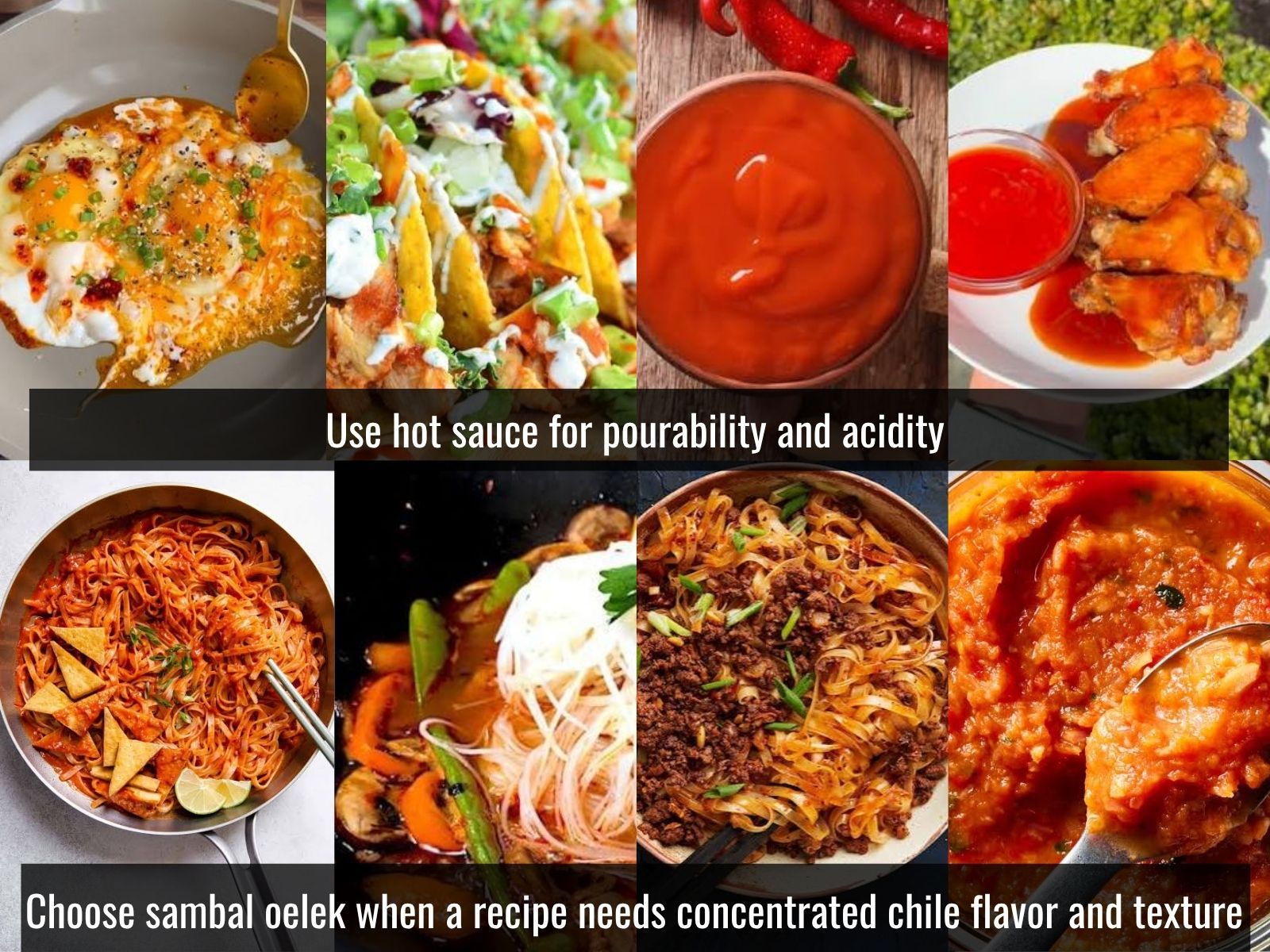
Use hot sauce when you need pourability, even heat distribution, or extra acidity. Use sambal oelek when you want concentrated chile flavor, visible pepper solids, and a spoonable paste.
Reach for hot sauce when:
- You need a sauce that pours or spreads evenly.
- The dish benefits from acidity along with chile heat.
- You are finishing eggs, tacos, dressings, wings, or plated dishes.
- The recipe depends on a measurable amount of liquid.
Reach for sambal oelek when:
- A stir-fry, soup, marinade, noodle dish, or dipping sauce benefits from chile solids.
- You want concentrated pepper flavor without adding much liquid.
- You want to spoon or stir a paste directly into the dish.
Sambal oelek can replace hot sauce in many cooked dishes, marinades, dips, and dressings. Start with a smaller amount than you would normally pour because the paste delivers concentrated chile solids rather than a thin splash of heat. Add vinegar, lime juice, or water when the recipe needs more acidity or a looser consistency.
The substitution also works in the opposite direction. Vinegar-forward hot sauce can provide heat when sambal oelek is unavailable, but using too much may make the dish thinner or more acidic. Add it gradually, then adjust the salt, sweetness, and liquid balance.
CHIN-SU Sriracha Hot Sauce offers another pourable option for dishes that need a chile-forward flavor with sweetness, garlic, and moderate acidity. It works during cooking or at the table with noodles, rice, eggs, fried food, grilled meat, and pho.
What Can You Use Instead of Sambal Oelek?
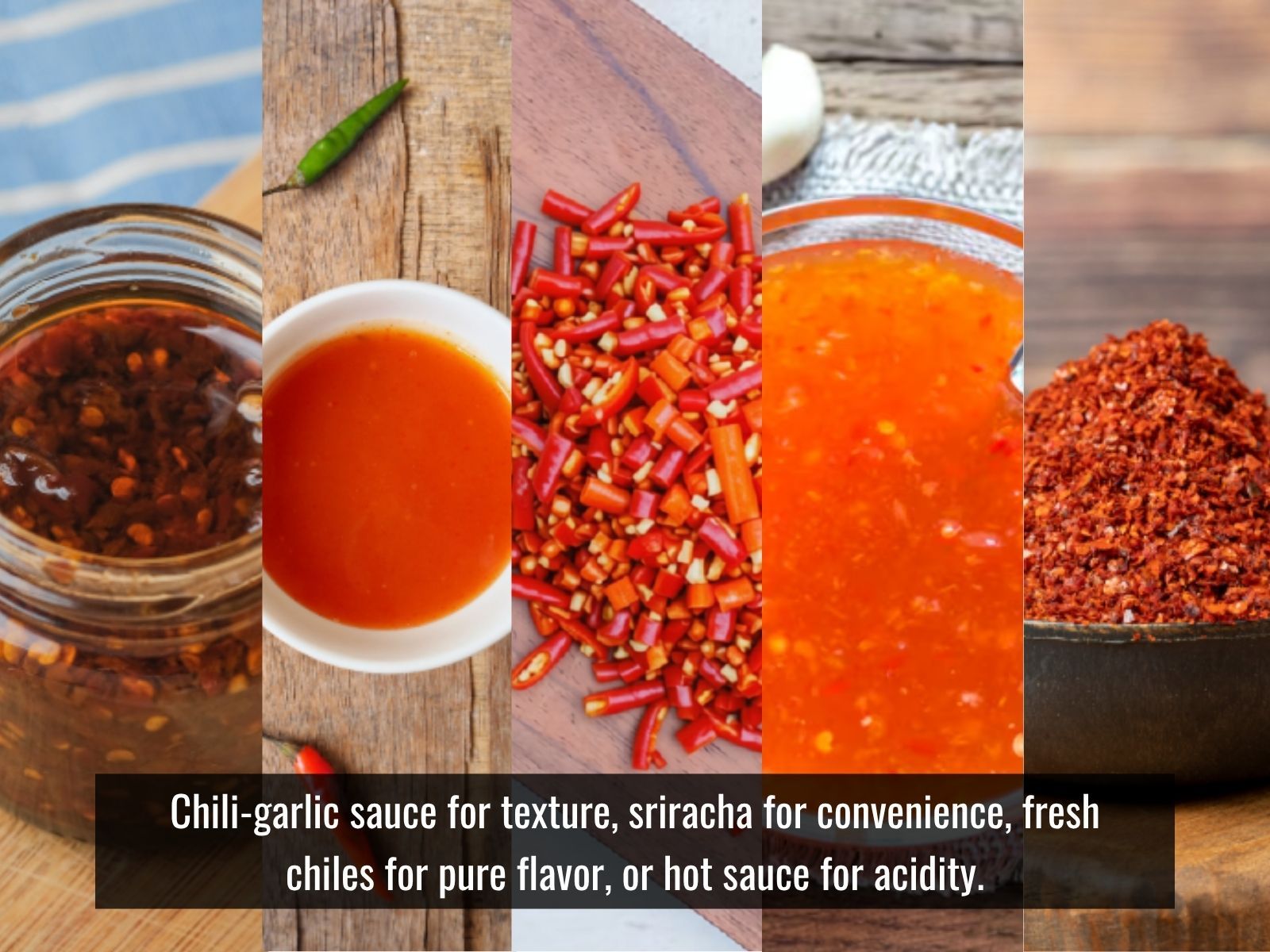
The best sambal oelek substitute depends on the function it performs in the recipe. Chile-garlic sauce provides the closest texture, sriracha offers an accessible pourable alternative, fresh chiles preserve a clean pepper flavor, and vinegar-forward hot sauce works when acidity matters more than body.
Match the substitute to the recipe’s needs, then adjust the quantity according to its heat, sweetness, salt, and consistency. The amounts below provide practical starting points rather than exact equivalents.
| Substitute | Best When the Recipe Needs | Starting Amount | What Changes |
| Chile-garlic sauce | Paste texture and visible chile solids | Use a 1:1 amount | Adds garlic and may contribute extra sweetness; reduce other garlic in the recipe when needed |
| Sriracha | A smooth, pourable, widely available substitute | Use a 1:1 amount, then adjust | Adds sugar and garlic and usually creates a smoother, sweeter result |
| Fresh ground or minced chiles | Clean, fresh chile flavor | Use 1 small chile for each tablespoon of sambal, then adjust for heat | Adds no vinegar or salt, so season the dish separately |
| Vinegar-forward hot sauce, such as Tabasco or Frank’s | Heat and acidity in a pourable form | Start with 1/4 of the sambal amount, then taste | Adds more liquid and tang; excessive amounts may make the dish sour |
| Crushed red pepper flakes or cayenne | Heat in a cooked dish | Start with 1/4 teaspoon for each teaspoon of sambal | Adds dry heat without paste texture, moisture, or acidity |
Bibliography
- Bon Appétit. (n.d.). Sambal oelek is the hot sauce that can do everything. https://www.bonappetit.com/story/sambal-oelek-hot-sauce-can-do-everything
Frequently Asked Questions
Broadly, yes, sambal oelek can be considered a type of hot sauce, since it's a chile-based condiment made to add heat. In everyday American use, though, "hot sauce" usually means the thin, vinegar-forward bottled style, and sambal oelek is a coarse, spoonable paste, so most cooks treat them as different products.
Neither hot sauce nor sambal oelek is consistently hotter than the other. Heat depends on pepper variety, pepper concentration, product formula, and serving size.
Sambal oelek can taste concentrated because each spoonful contains visible chile solids. Hot sauces range from mild table sauces to products made with habanero, ghost pepper, Carolina Reaper, and other high-heat chiles.
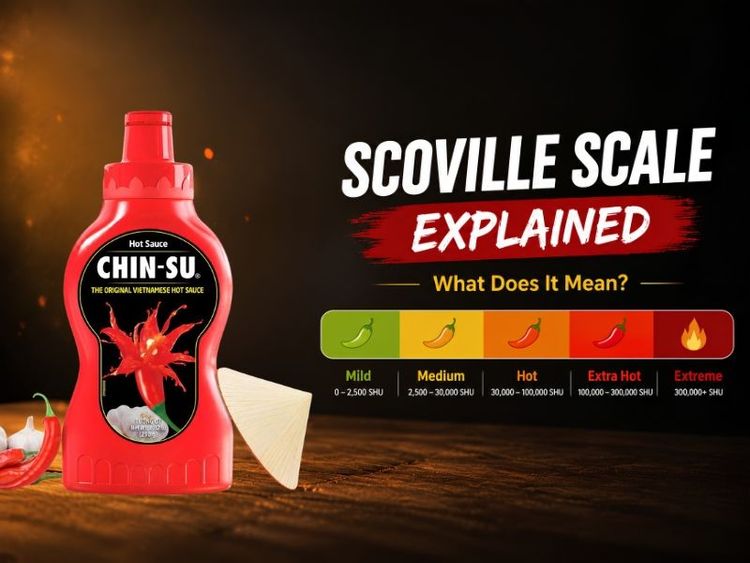
Comparing individual products on the hot sauce Scoville scale provides a more useful heat reference than treating either condiment category as universally hotter.Sriracha is not the same as sambal oelek. Sriracha is usually smooth and pourable and commonly contains sugar and garlic, while sambal oelek is coarse, seedy, and more focused on the flavor of ground chiles.
The two condiments can substitute for each other in many recipes, but sriracha usually produces a smoother, sweeter, and more garlic-forward result.Sambal oelek is not the same as chili garlic sauce, but they're the closest match in texture. Both are coarse, seedy chile pastes; chili garlic sauce adds garlic and often a little more sweetness, while sambal oelek stays plainer. Swapping between them usually works, so start 1:1 and ease up on any added garlic.
Yes, you can eat sambal oelek straight from the jar. Commercial sambal oelek works directly as a table condiment as well as an ingredient in cooking. Start with a small amount, since its salt and heat vary from brand to brand.
Store opened sambal oelek according to the manufacturer’s label instructions. Refrigeration helps preserve its flavor, color, and texture and slows spoilage after the seal has been broken.
Keep the lid tightly closed and use a clean, dry spoon. Discard the product if it develops visible mold, an unusual odor, gas buildup, leaking packaging, or another clear sign of spoilage. Unopened shelf-stable jars can remain in a cool, dry pantry until the date printed on the package.

CHIN-SU KITCHEN TEAM
CHIN-SU Kitchen Team are the creative experts behind the delicious recipes featuring CHIN-SU sauces. With years of experience and a passion for flavor, our team carefully selects recipes from a variety of trusted chefs and bloggers, bringing together the best culinary insights to present you with the most suitable and exciting dishes. Every recipe is chosen to inspire you to create meals that are not only tasty but also easy to prepare, enhancing your dining experience. Join us as we explore a wide range of sauces and flavors, and elevate every meal with the perfect recipe for your table!
User Reviews
Featured Articles
SUBSCRIBE TO GET
MORE INFO
Want the latest and greatest recipes, updates, and more from us,
straight to your inbox? Subscribe and get our NEWS!