What Is a Scotch Bonnet Pepper? Heat, Flavor, and Uses Explained
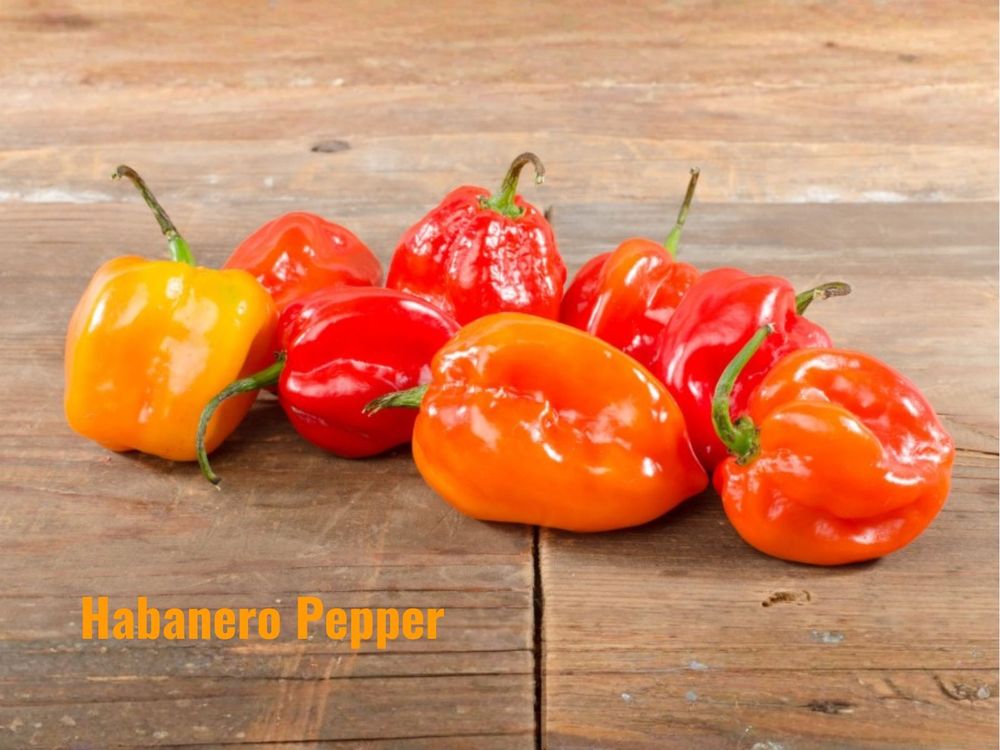
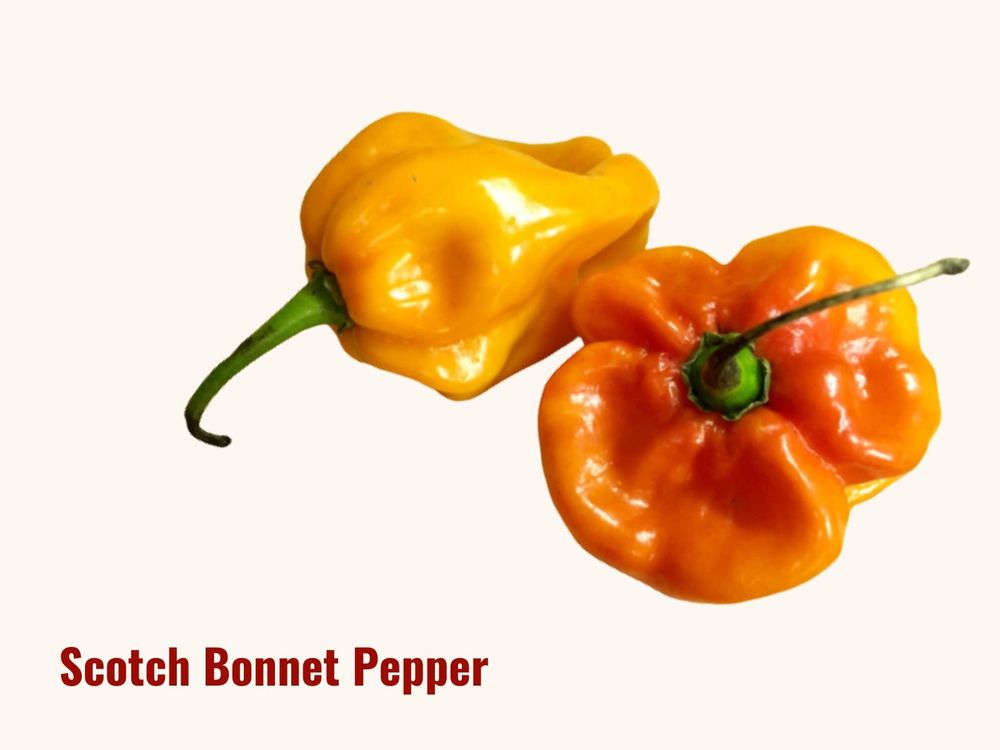
A Scotch bonnet pepper (Capsicum chinense) is a thin-walled, waxy Caribbean chili that measures 100,000 to 350,000 Scoville Heat Units (SHU), placing it in the extra-hot range. Closely associated with Jamaica and the wider Caribbean, it has a squat, bonnet-like shape that distinguishes it from its close relative, the habanero. Although both peppers share the same species and general heat range, Scotch bonnets usually taste sweeter, fruitier, and more tropical.The name comes from the pepper’s resemblance to a Scottish tam o’ shanter, a flat wool bonnet. Scotch bonnet is one of the defining peppers of Caribbean cooking, providing the characteristic heat and fruitiness in jerk seasoning, pepper sauces, curries, stews, and rice and peas.Each pod usually measures 1 to 2 inches (2.5 to 5 cm) long and has smooth to slightly wrinkled skin. Immature fruits are green, but their final ripe color depends on the cultivar and may be yellow, orange, red, peach, or chocolate-brown. A single pepper does not normally pass through every one of these colors.In this article, CHIN-SU explains what scotch bonnet peppers are, how hot they get on the Scoville scale, how their flavor compares to the habanero, cooking applications from jerk seasoning to hot sauce, and how to store and substitute them at home.